
- Home
- Products
- About Us
- Customized Services
- News
- Contact Us
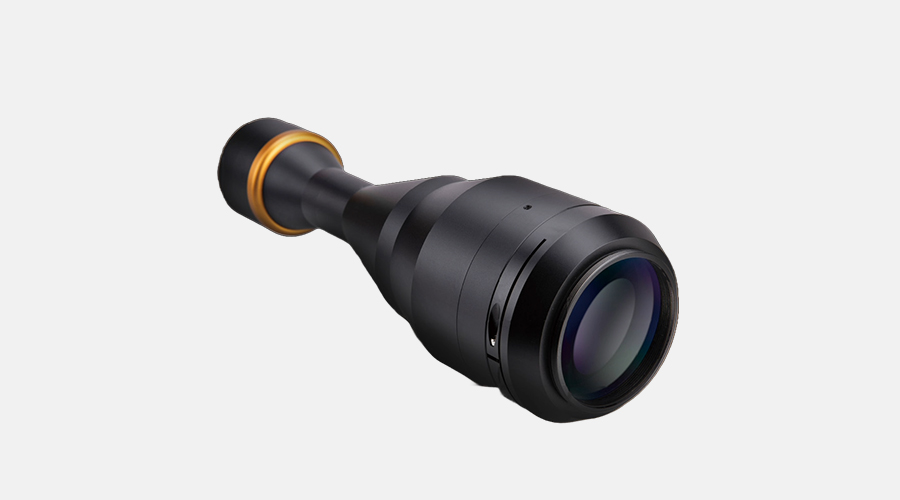 Compatible with 7.2mm-82mm chips
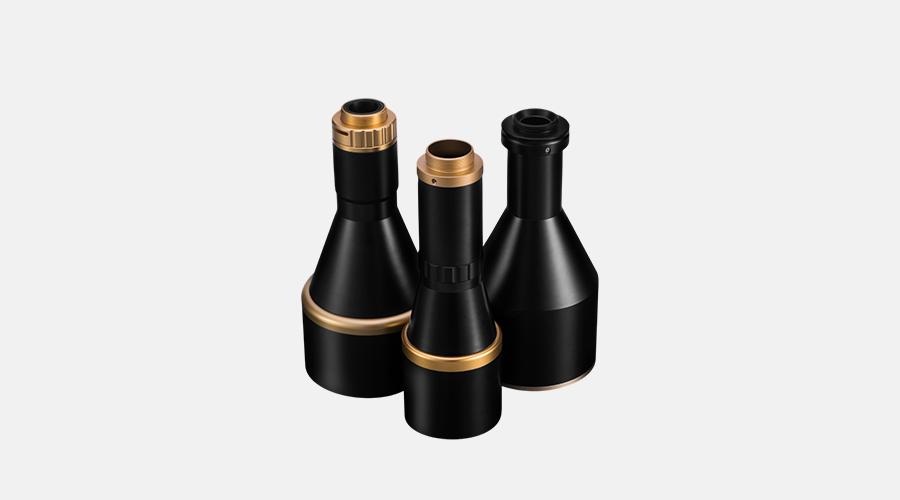 High/Low Working Distance
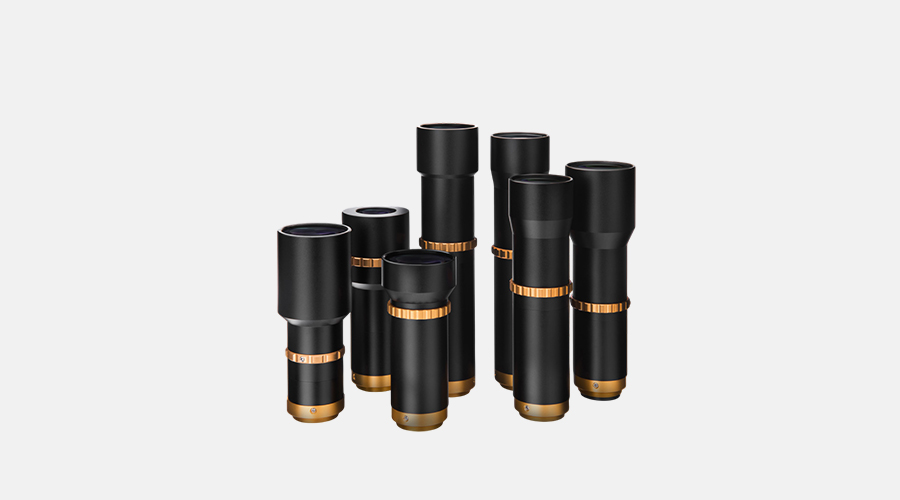 Aperture telecentric lens
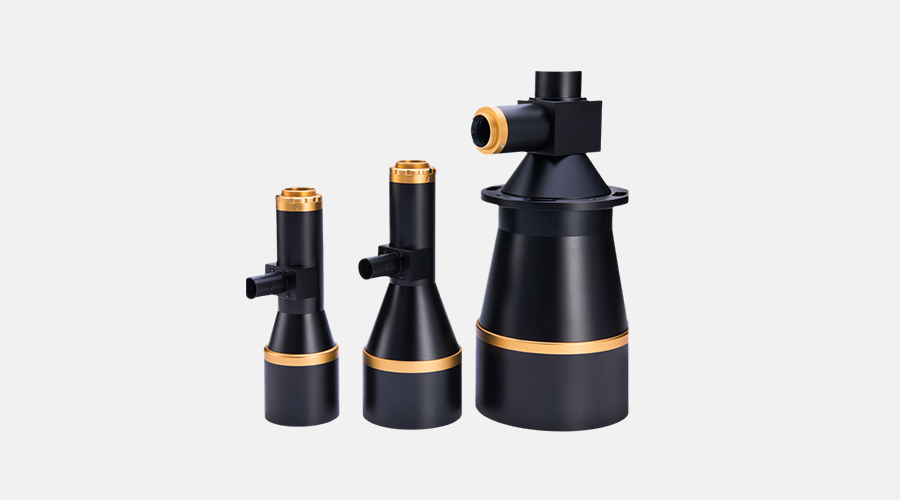 Measuring lens
 Maximum support 1.1" chips
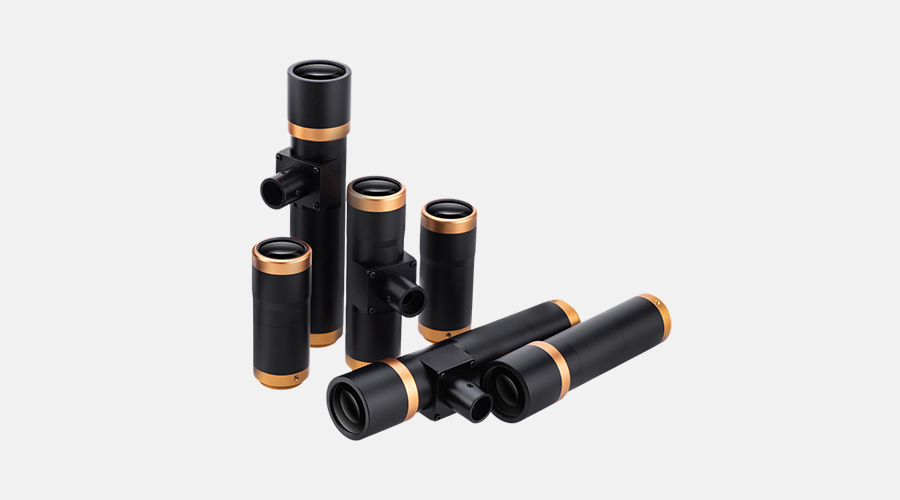 Maximum support 1.2" chips
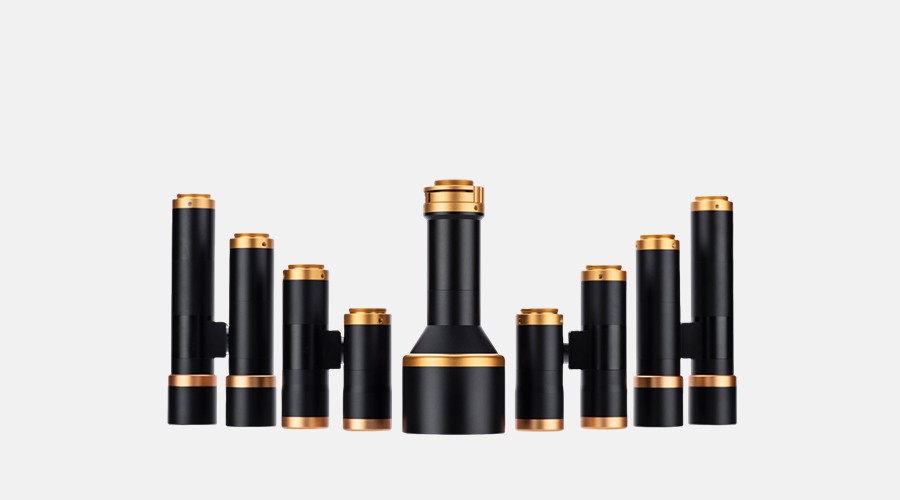 Maximum support 2/3" chips
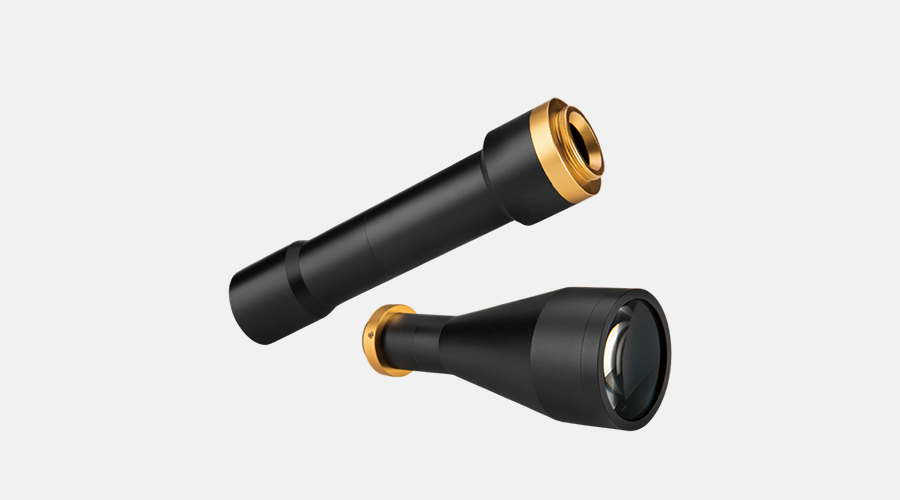 Long Working Distance
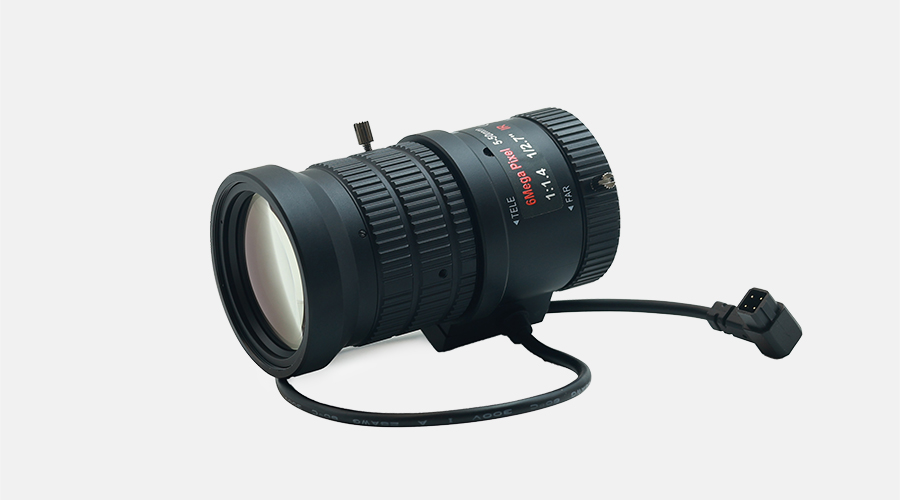 CS mount Varifocal lens
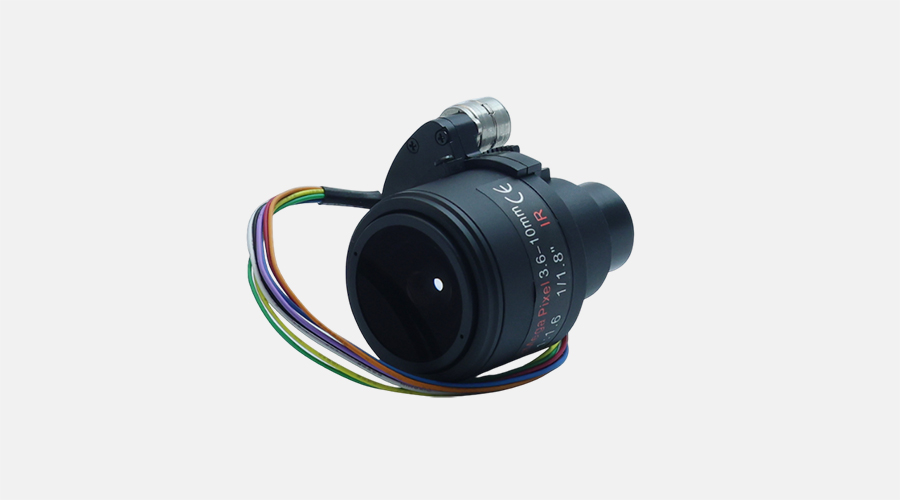 Varifocal board lens
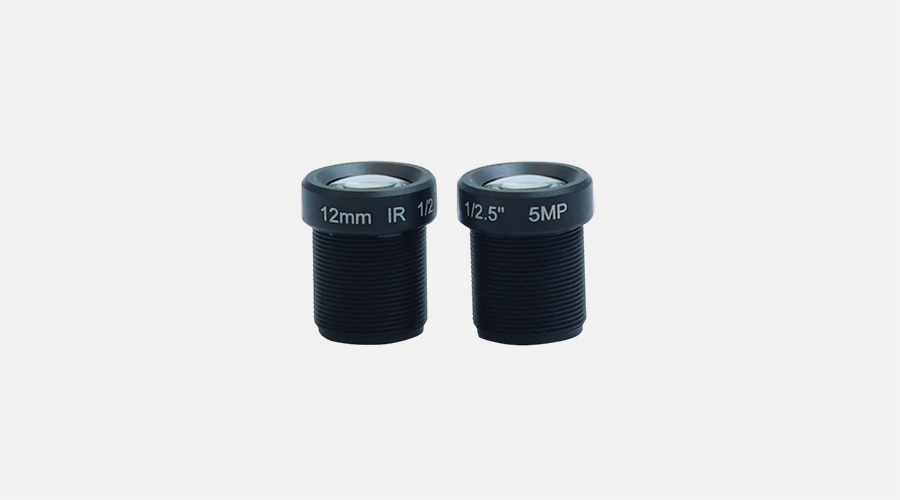 S mount lens
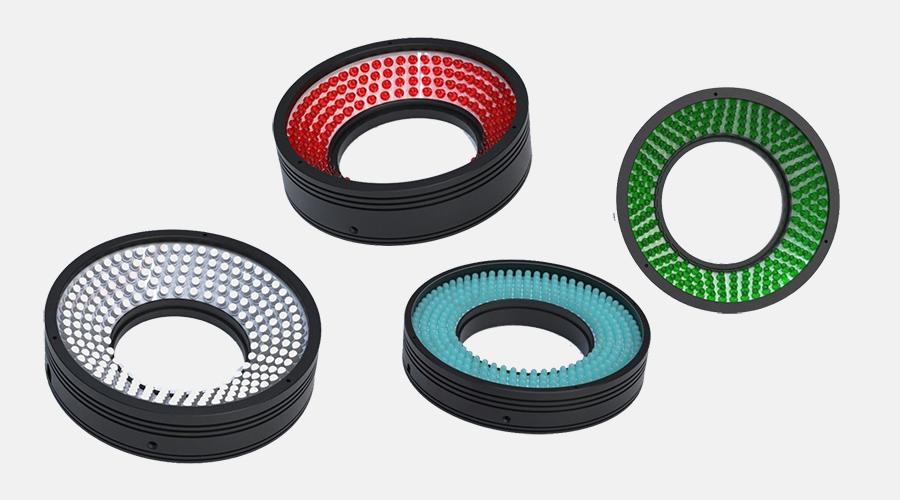 Ring light
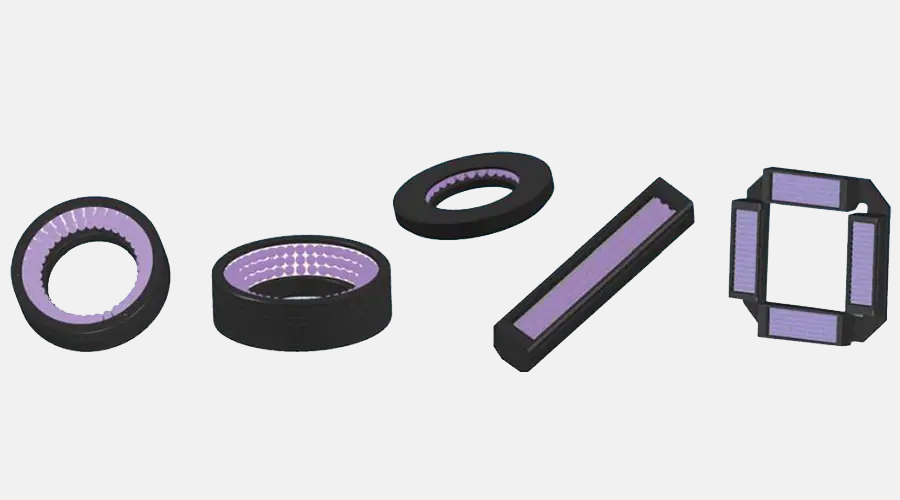 UV/IR Light
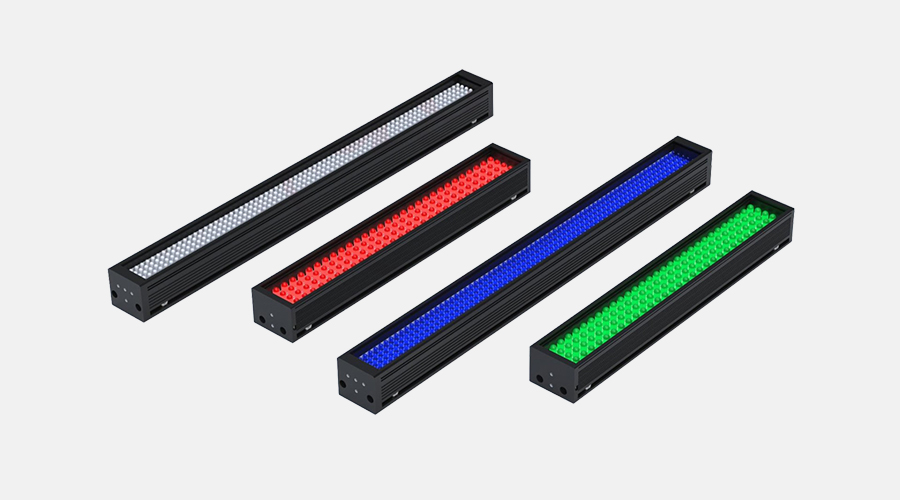 Bar light
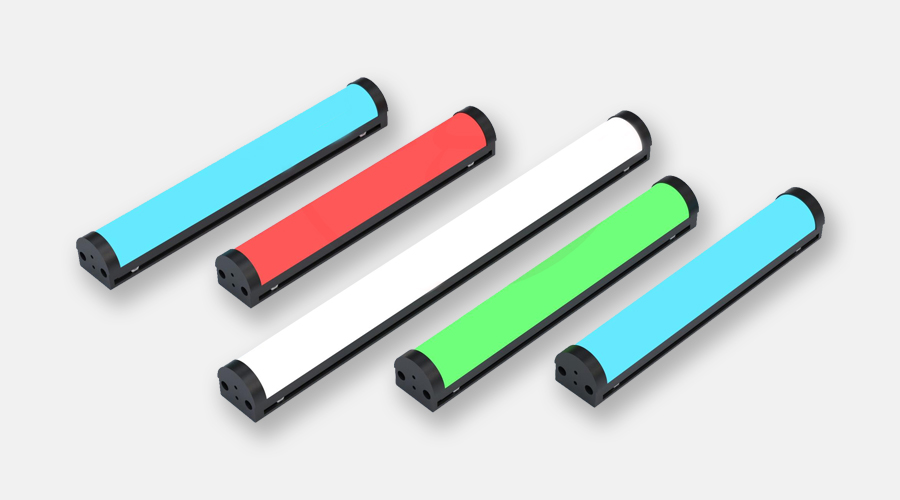 Arcuate high uniformity light
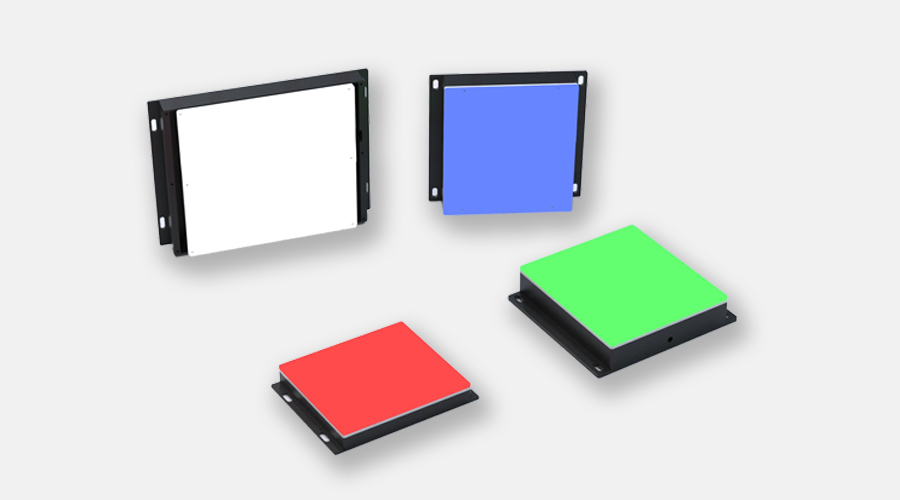 Back light
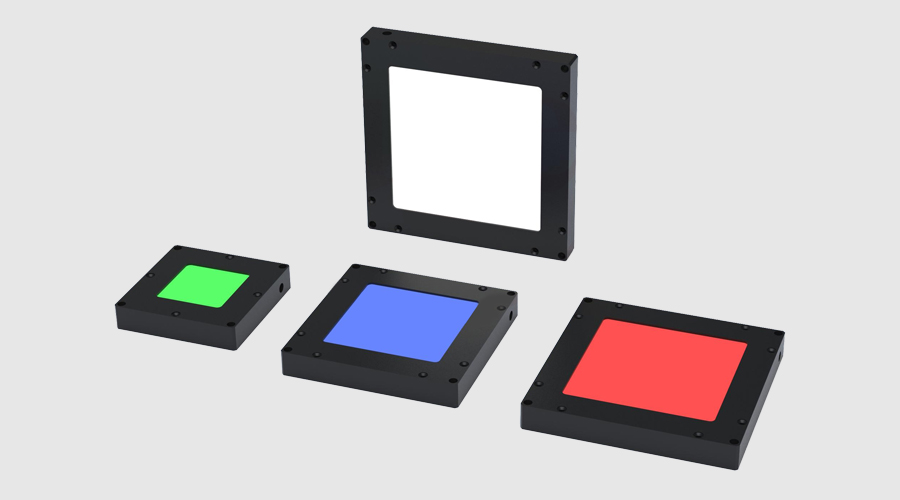 Flat light
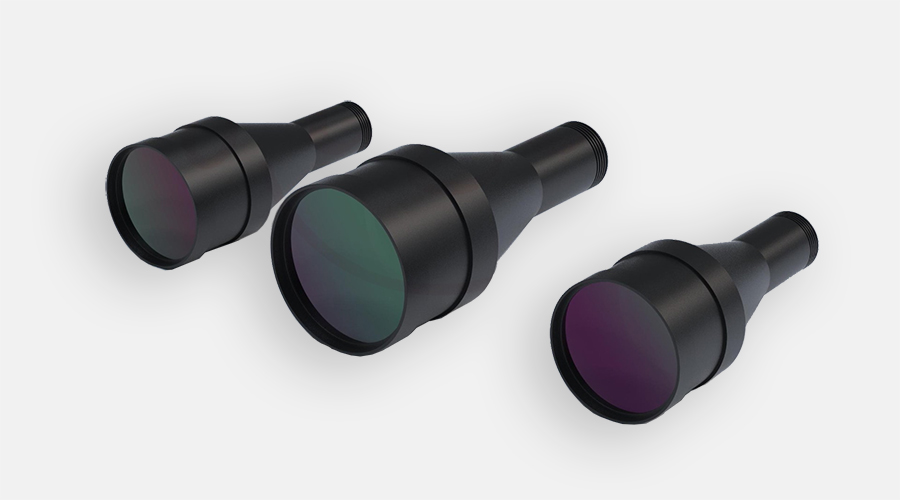 Collimated light
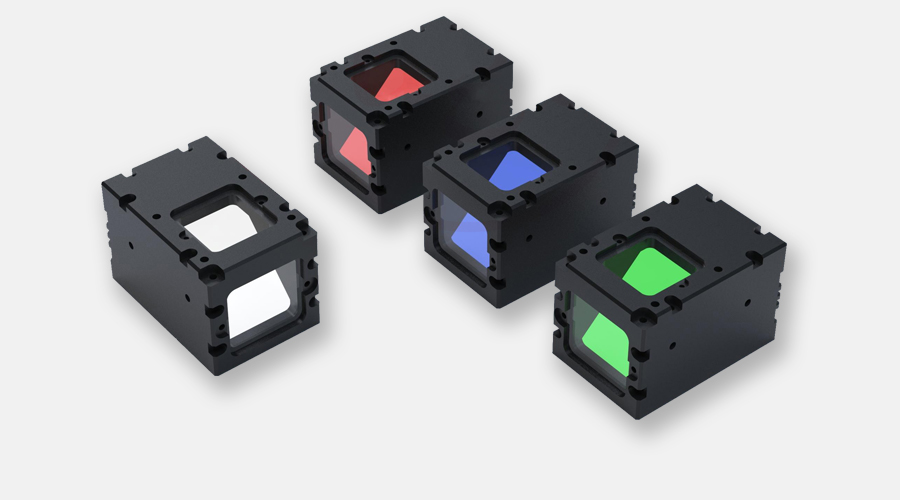 Coaxial light
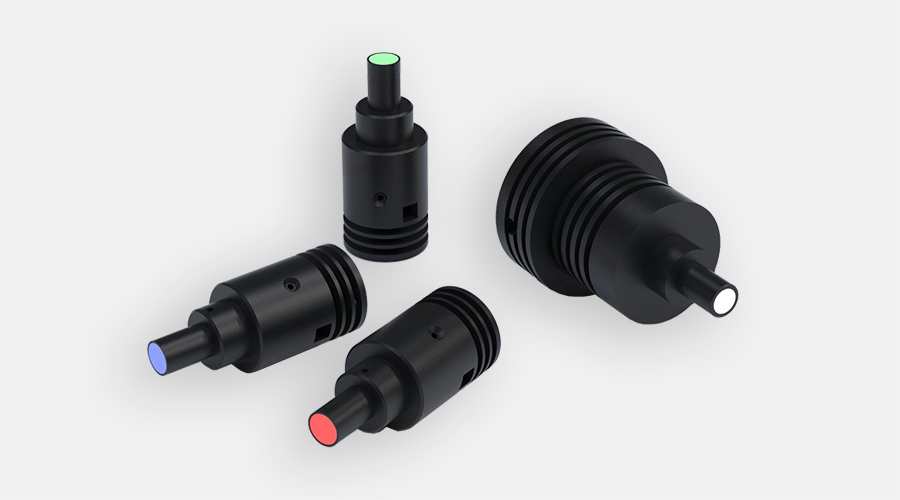 Spot light
 Dome light
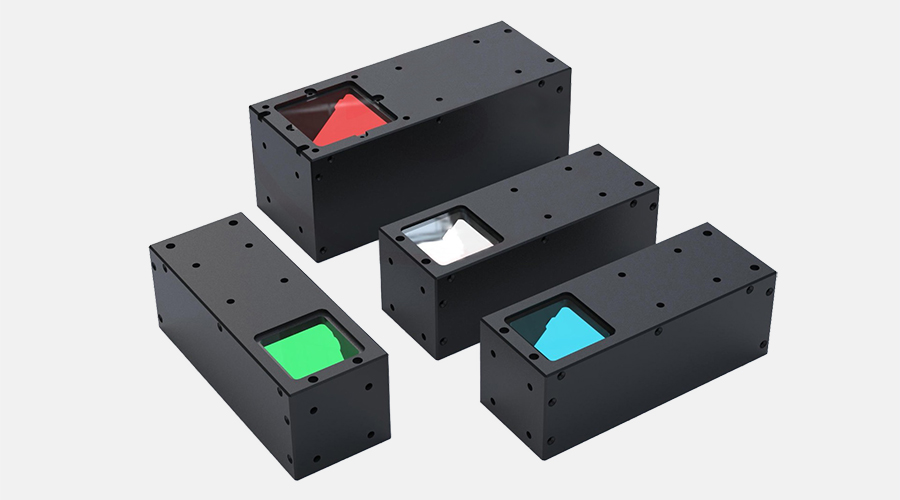 Collimated Coaxial light
 Shadowless square light
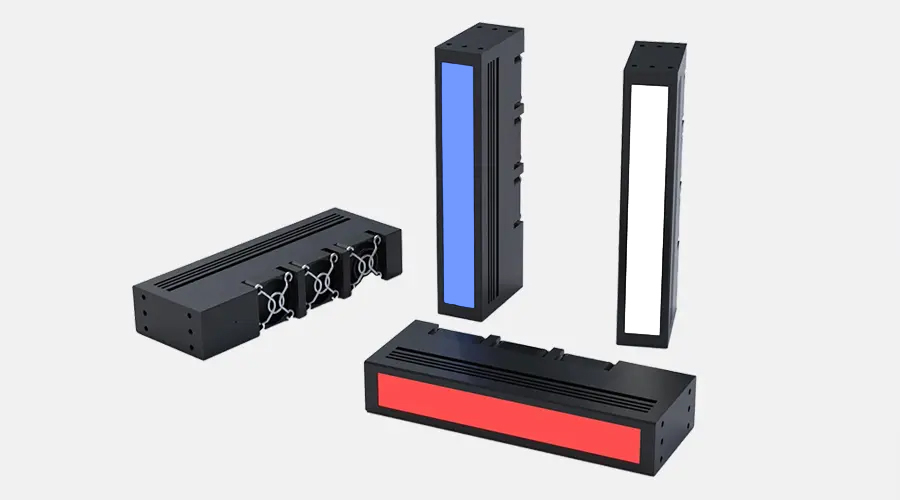 Scan light
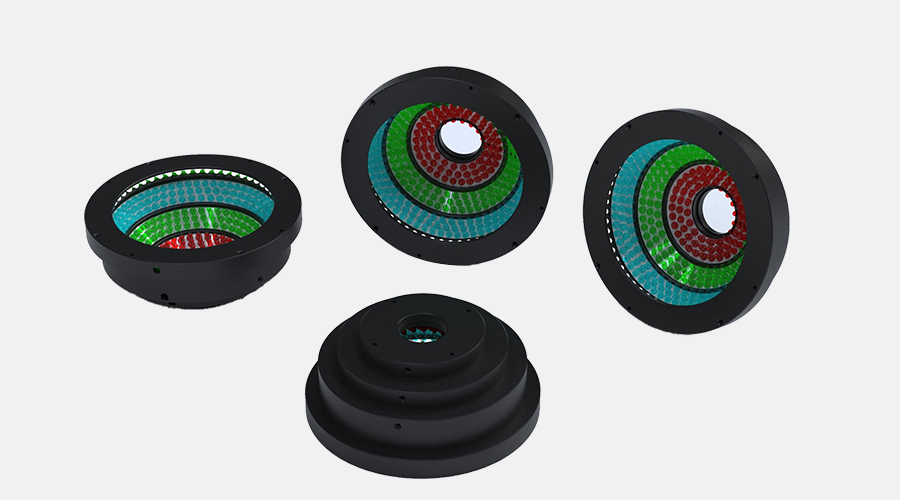 AOI light
 Analog controller
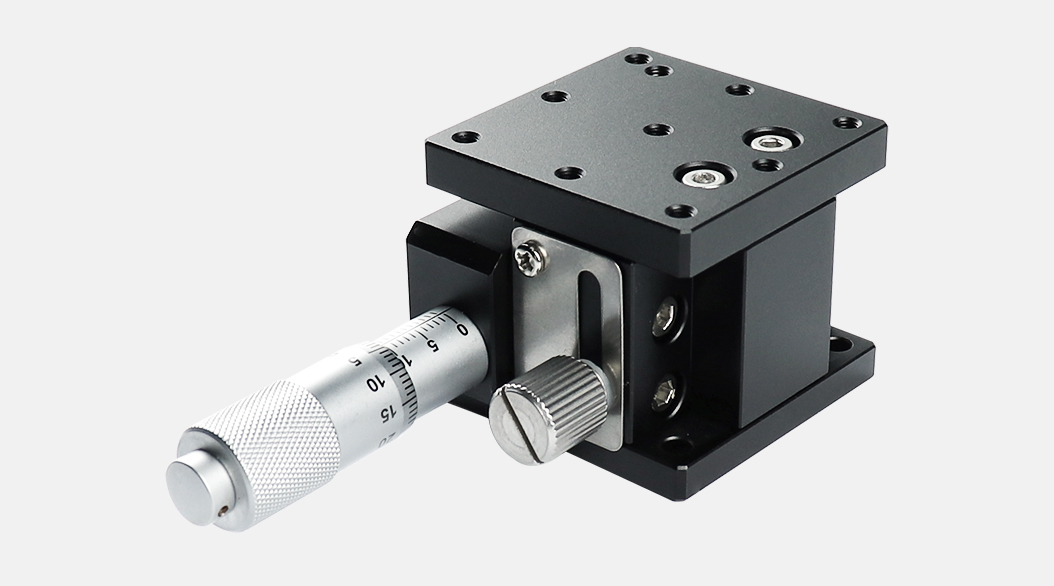 Crossed-Roller Linear guide type
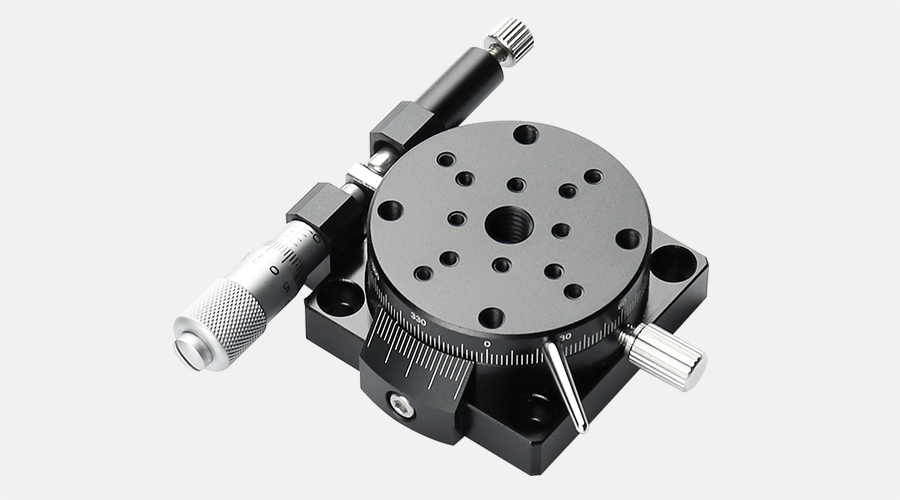 Rotary Stages XRS series
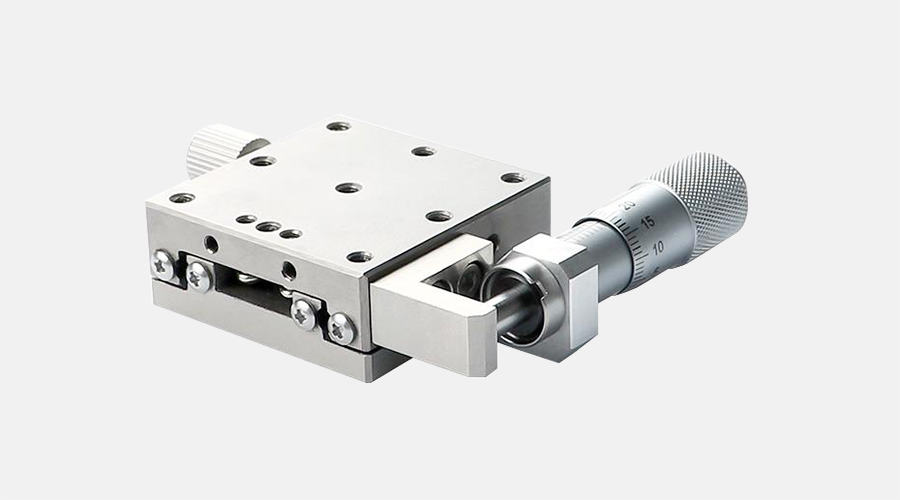 Stainless Steel Ball Bearing Linear Translation Stages
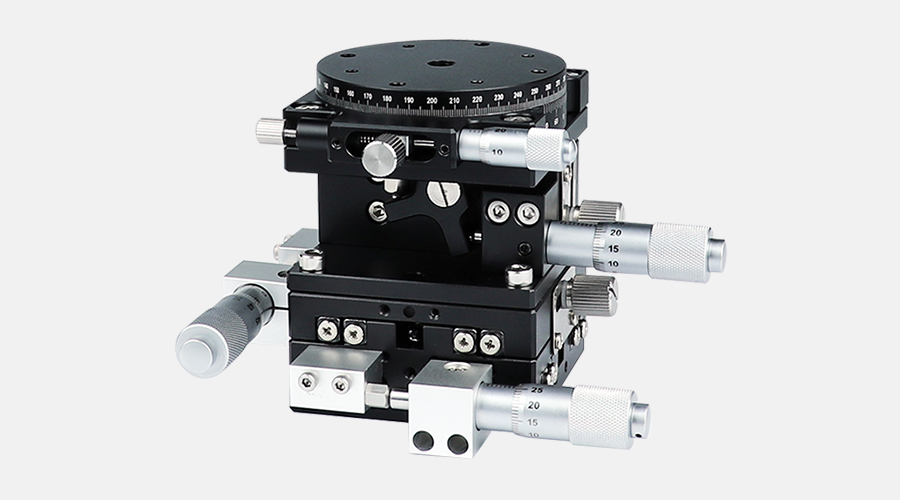 Multi-axis Translation stages
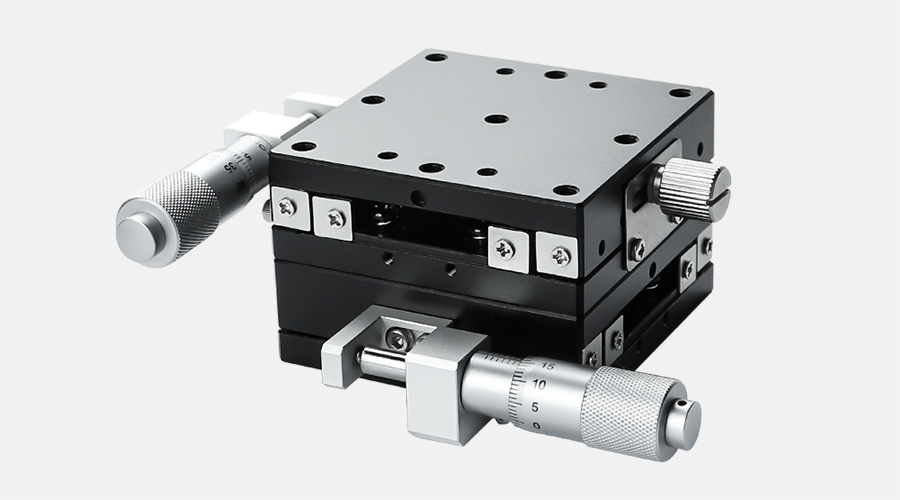 steel bar ball bearing stages
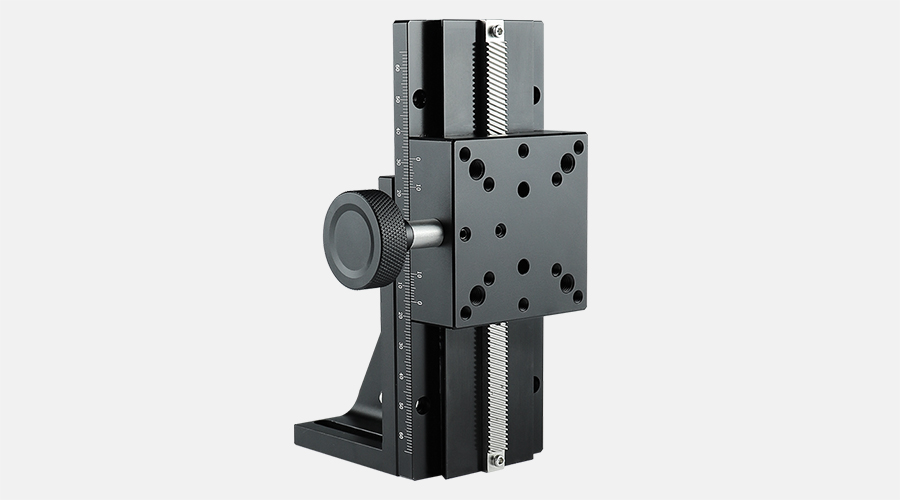 Dovetail Type Rack&Pinion Positioning Stage
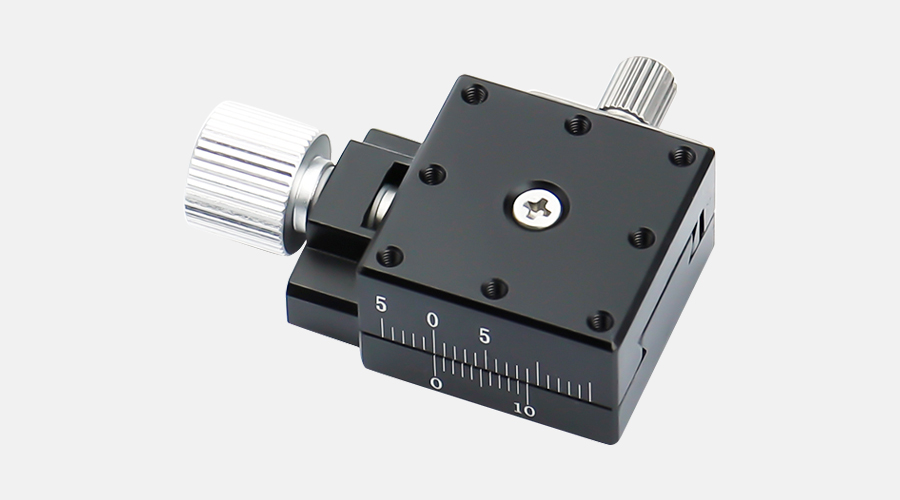 Dovetail groove high-precision screw slide
Leave Your Message
In the fast-changing world of automation, picking the right Linear Axis is super important if you want smooth operations and precise motion control. Honestly, with so many options out there—different sizes, drive types, you name it—it can feel pretty overwhelming for engineers and decision-makers trying to make the best call. That’s exactly why I put together this quick guide: to help clear up some of that confusion and give you the lowdown on what really matters when choosing a Linear Axis for your specific needs.
First off, understanding what your application actually requires—stuff like load capacity, speed, and the environment you'll be working in—is key. Every Linear Axis has its own set of features, and knowing how they fit into your whole system can make or break your project. Whether you're in manufacturing, robotics, or just about any sector that’s all about automation, the right Linear Axis can seriously boost performance, cut down on downtime, and overall, help you get more done.
By the time you finish reading this, you’ll hopefully feel a lot more confident in making smart decisions about which Linear Axis to go for. That way, your automation setup stays competitive and actually ticks all the boxes for your operations—it’s all about working smarter, not harder.

When choosing the right linear axis for automation needs, it is essential to understand the different types available. Linear axes can generally be categorized into two main types: belt-driven and screw-driven systems.
 Belt-driven axes are favored for their high-speed capabilities and efficient transfer of motion over long distances, making them ideal for applications requiring rapid positioning. They are also relatively lightweight and cost-effective, which can be advantageous for facilities with budget constraints.
On the other hand, screw-driven linear axes provide greater precision and higher load capacities. This type is particularly suited for applications that demand accurate movements and sustained force, such as in medical devices or CNC machines. Screw-driven systems have fewer potential points of failure due to their simpler designs, offering a more reliable choice in environments where precision is critical. Understanding these differences allows manufacturers and engineers to select the most suitable linear axis, ensuring optimal performance tailored to specific automation tasks.
The Cross Rail α β Axis Manual Displacement Slide Table exemplifies precision engineering, designed specifically for applications that require meticulous movement in both horizontal and vertical directions. With its dual drive options—worm and gear or micrometer head—this slide table offers flexibility and remarkable accuracy, catering to various operational needs across industries from manufacturing to research laboratories. According to industry reports, equipment with such features can enhance operational efficiency by up to 30%, underscoring the importance of investing in high-quality displacement solutions.
Constructed from black, sturdy anodised aluminium, the slide table boasts a load capacity ranging from 28.4 N (3 kgf) to 49 N (5 kgf), making it suitable for handling a variety of materials while maintaining structural integrity. The table's size, adjustable between 40 mm and 60 mm, facilitates versatility in mounting and use, accommodating different configurations and setups. As noted in engineering studies, reliable load-bearing components are crucial for maintaining performance standards in precision instruments, reinforcing the necessity of the Cross Rail design in demanding environments.
With capabilities for movement along the α and β axes, users can achieve not only linear displacement but also specified angular adjustments, enabling intricate manipulations required in advanced applications. This level of precision is essential in fields such as semiconductor fabrication and microsurgery, where even the slightest variance can affect outcomes. Industry specialists estimate that equipment like the Cross Rail α β Axis Manual Displacement Slide Table can significantly contribute to quality control measures, thereby improving output consistency and operational reliability.
: Key factors include precision, the dynamics of the servo drive system, load capacity, speed requirements, type of motion, and environmental conditions.
Precision is essential for executing tasks with accuracy, particularly in applications requiring tight tolerances, such as manufacturing and robotics.
Speed affects productivity as automated systems often operate under strict time constraints, necessitating linear axes that can perform rapid movements without losing stability or control.
The dynamics are crucial for high-dynamic applications, affecting the adaptability and performance of linear axes according to varying automation tasks.
Innovations in precision, speed, and adaptability are expected, with a growing reliance on advanced solutions that may include integrated sensors and IoT connectivity for better monitoring and efficiency.
Compatibility can streamline integration and enhance performance, making it a significant consideration when selecting linear axes.
They are offering cutting-edge components that support machine vision applications, ensuring improved accuracy in automated systems.
Integrated sensors enable real-time monitoring and maintenance, which ensures peak operational efficiency and contributes to the overall effectiveness of production processes.
Assessing load capacity ensures that the chosen linear axis can handle the specific demands of the application without risk of failure or inefficiency.
Engineers should consider whether the application requires linear or rotary motion, as this will influence the performance and suitability of the selected linear axis.
The article titled "2025 How to Choose the Right Linear Axis for Your Automation Needs" provides a detailed guide for selecting the appropriate linear axes essential for automation applications. It begins with an overview of various types of linear axes, ensuring readers understand the fundamental differences. Key factors such as load capacities, precision, and speed are examined, highlighting their significant impact on the performance of automated tasks. Additionally, the article emphasizes the importance of budget considerations when selecting linear axes and discusses emerging industry trends that point toward future innovations in this technology.
As a company dedicated to advancing automation and smart manufacturing, Fuzhou New Vision Technology Co., Ltd. recognizes the critical role of linear axes in enhancing operational efficiency and reliability. By leveraging cutting-edge visual solutions and high-performance hardware, we aim to support industries in their pursuit of optimized automation solutions.




