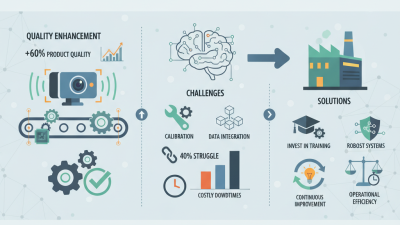
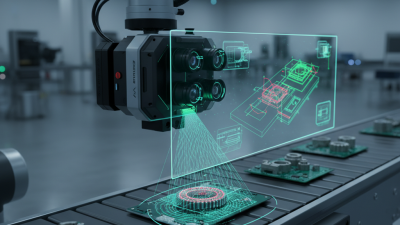
As industries keep focusing more and more on quality control, the importance of 3D Vision Inspection solutions has never been clearer. I mean, if you look at the numbers, a report from MarketsandMarkets predicts that the 3D vision systems market could hit around $3.5 billion by 2026. That's mainly thanks to rising demand from sectors like manufacturing and automotive industries. It really highlights how crucial it is to have innovative inspection tech that’s both precise and efficient—nothing less will do when it comes to meeting global standards.
Dr. Emily Chen, who's pretty much a go-to expert on machine vision tech, once said, "3D Vision Inspection is totally changing the game when it comes to quality assurance in manufacturing." Her point hits home—these 3D imaging systems can spot defects that might slip past traditional inspection methods. But of course, even with all this cool new tech, there are still hurdles. A lot of companies struggle to smoothly add 3D systems into their existing workflows, which can sometimes lead to inconsistent results.
Choosing the right 3D Vision Inspection solution can feel a bit overwhelming, honestly. Factors like cost, compatibility with current tech, and how tricky it is to train staff are all big things to consider. Making a well-informed decision can really help you avoid headaches down the road and get the most out of your investment. Looking ahead to 2026, as we check out the top 3D Vision Inspection options for global buyers, understanding both what these systems can do—and where they might fall short—will be super important.

Overview of 3D Vision Inspection Technologies for 2026
3D vision inspection technology is transforming quality control across various industries. By 2026, advancements will be evident in accuracy and speed. According to recent reports, the global market for 3D vision inspection solutions is expected to grow at a CAGR of 14% through 2026. This reflects a significant increase in demand from sectors such as manufacturing and automotive, where precision is vital.
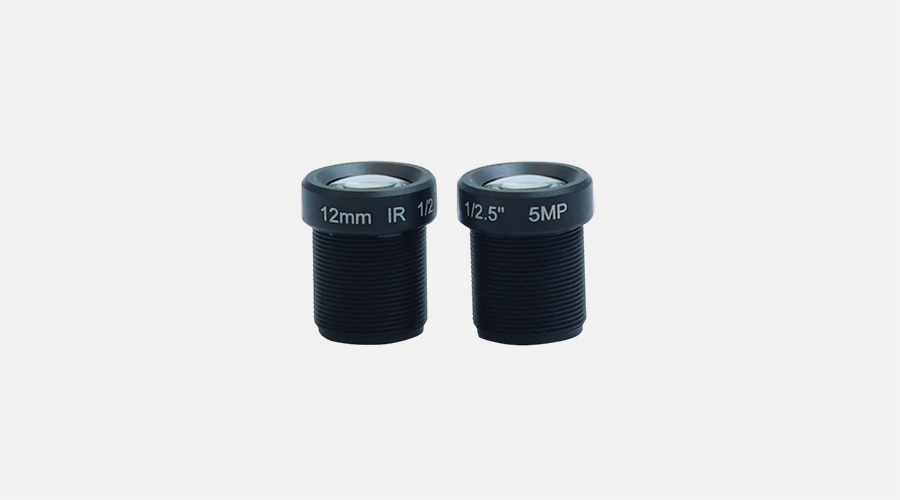
One notable area of focus is the integration of artificial intelligence. AI algorithms enhance the ability of vision inspection systems to identify defects more effectively. Furthermore, the use of advanced Vision Inspection Lenses will enable higher resolution imaging, allowing for finer detail detection. These innovations lead to fewer production errors, which can save companies substantially. A study indicated that reducing inspection errors could lower manufacturing costs by up to 25%.
However, challenges remain. Implementing 3D vision inspection can be complex and requires ongoing maintenance. Companies may struggle with integration into existing systems. Additionally, the cost of transitioning to these advanced technologies can be prohibitive for small manufacturers. As industries navigate these obstacles, continuous evaluation of technology's effectiveness will be crucial for long-term success.
Key Features to Look for in 3D Vision Inspection Solutions
When seeking advanced 3D vision inspection solutions, features play a crucial role. A study by MarketsandMarkets predicts that the global market for 3D vision systems is expected to reach $3.2 billion by 2025, highlighting industry growth. Buyers should focus on accuracy and resolution when evaluating options. High-resolution cameras provide detailed images essential for precise inspections. A system with a minimum of 1-micron accuracy is ideal for sensitive components.
Robotic Vision Inspection adds another layer of functionality. Integrating artificial intelligence can enhance defect detection rates by 40%. This combination allows systems to adapt to various products without extensive reprogramming. Flexibility in software is also paramount, enabling updates and modifications as needs evolve. Buyers should seek solutions that offer user-friendly interfaces and robust support systems for maintenance.
Reliability cannot be overstated. Downtime due to inspection errors can lead to significant losses. A study from the Automation Research Group revealed that systems with predictive maintenance can reduce unexpected failures by over 25%. Ensuring your 3D vision inspection systems are equipped with real-time monitoring features will mitigate risks. Consider these key attributes carefully when determining the right solution for your needs.
Top 3D Vision Inspection Systems Available in 2026
The 3D vision inspection sector is evolving rapidly. By 2026, the market is projected to reach a value of over 4.2 billion USD, reflecting a compound annual growth rate of approximately 10.5%. This growth is driven by the increasing demand for automation in manufacturing processes, along with the need for precision in quality control.
Several systems are leading this sector. They offer enhanced imaging technologies that improve defect detection and reduce false positives. The integration of machine learning is crucial for advanced data analysis. Despite these advancements, challenges remain. Not all systems provide consistent performance across various environments. Companies need to evaluate their specific needs meticulously prior to implementation.
Data from industry reports suggest that nearly 30% of companies experience difficulties in integrating these systems into existing workflows. Additionally, ongoing maintenance and technology updates can pose a challenge. Addressing these issues will be essential for maximizing the benefits of 3D vision inspection systems. The future seems bright, yet cautious implementation is necessary.
Industry Applications of 3D Vision Inspection Solutions
3D vision inspection solutions are transforming various industries by enhancing precision and efficiency. In manufacturing, these systems inspect components with high accuracy, reducing defect rates. According to a recent report by Markets and Markets, the global 3D vision systems market is projected to reach USD 4.56 billion by 2026, emphasizing their growing importance.
In the automotive sector, 3D vision technology optimizes quality control processes. For instance, by using laser triangulation and stereoscopic cameras, manufacturers can detect minute defects that traditional methods might miss. A study from the International Journal of Advanced Manufacturing Technology indicates that implementing 3D inspection can lower production errors by over 30%. Yet, some industries struggle with the initial cost of these systems and adapting existing processes.
The electronics industry also benefits significantly from 3D vision inspection. Automated optical inspection (AOI) systems enhance solder joint quality checks, ensuring components are properly aligned. However, integration with legacy systems can pose challenges. This highlights the need for continuous training and adaptation in the workforce to fully harness the technology's potential. As industries evolve, addressing these hurdles will be crucial for future advancements in 3D vision solutions.
Comparative Analysis of Leading Brands in 3D Vision Inspection
3D vision inspection technology has revolutionized quality control across various industries. The ability to evaluate products with high precision leads to better consistency. However, not all systems deliver equal results. It's crucial to compare features, user interface, and accuracy to find the best fit for specific applications.
When analyzing three leading brands, key aspects such as software functionality, frame rates, and integration capabilities stand out. Some solutions excel in complex environments but may struggle with ease of use. Others focus on straightforward setups but might lack advanced features. This dichotomy highlights the need for thorough testing before implementation.
Potential buyers should consider not only the metrics but also real-world performance. User feedback often reveals insights that data alone cannot. Limitations in current technology should not be overlooked. Even the most advanced systems can encounter challenges in varying conditions. This variability emphasizes the importance of continuous evaluation and adaptation in selecting the right 3D vision inspection solution.
Cost Considerations for Global Buyers of 3D Vision Inspection Solutions
As global buyers explore 3D vision inspection solutions, cost considerations become paramount. Recent data shows that organizations often underestimate total ownership costs. While initial software and hardware prices appear reasonable, additional expenses arise from integration, training, and maintenance. A comprehensive understanding of all costs is crucial for informed purchasing decisions.
The 2023 Industry Insights Report highlights that annual maintenance can constitute around 20% of the overall budget for Machine Vision Inspection systems. Companies may overlook these factors, leading to unexpected financial strains. Adapting to technological improvements also requires continual investment. Furthermore, labor costs associated with training staff on new 3D systems should not be ignored.
Awareness of shifting market dynamics is essential. Demand for 3D vision inspection technology is rising, driving prices upward. Buyers must remain aware of these trends to avoid overspending. Ultimately, a well-researched approach to machine vision inspection will enable organizations to balance upfront costs with long-term benefits effectively.
Future Trends in 3D Vision Inspection Technology for Buyers
The future of 3D vision inspection technology is pivotal for manufacturers. According to recent industry reports, the global 3D vision market is projected to surpass $7 billion by 2026. This growth is attributed to advancements in Artificial Intelligence (AI) and Machine Learning (ML). These technologies enhance the capabilities of Automated Vision Inspection systems, allowing for more accurate defect detection and analysis.
As the industry evolves, the integration of smart sensors in 3D systems is becoming common. These sensors can provide real-time data, improving efficiency and reducing waste. However, there are challenges. Many organizations struggle with implementing these advanced technologies. Training staff to use and maintain new systems can be cumbersome, and initial investment costs remain high. Reports show that nearly 40% of manufacturers encounter difficulties in scaling their Automated Vision Inspection solutions effectively.
Additionally, the need for continuous improvement in technology drives competition. Buyers should be aware that not every solution may suit their specific needs. Different environments and products require tailored systems. Keeping abreast of these changes is essential. Regular industry evaluations can help organizations identify effective 3D solutions while also recognizing potential pitfalls. Embracing a culture of learning and adaptability will be critical in navigating this evolving landscape.
2026 Best 3D Vision Inspection Solutions for Global Buyers
| Feature |
Specification |
Application |
Market Trend |
| Resolution |
Up to 25 MP |
Automotive Inspection |
Increasing demand for high-resolution imaging |
| Frame Rate |
Up to 120 fps |
Electronics Manufacturing |
Higher speeds in production lines |
| Depth Detection |
Up to 5 mm precision |
Food Industry |
Growing food safety regulations |
| AI Integration |
Deep Learning Algorithms |
Pharmaceutical Packaging |
Rise in automated quality control |
| Connectivity |
IoT and Cloud Enabled |
Textile Inspection |
Trend towards integrated solutions |
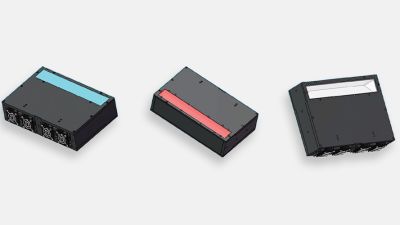
Exploring High Uniformity Coaxial Line Scan Light for Enhanced Reflective Surface Inspection and Its Applications
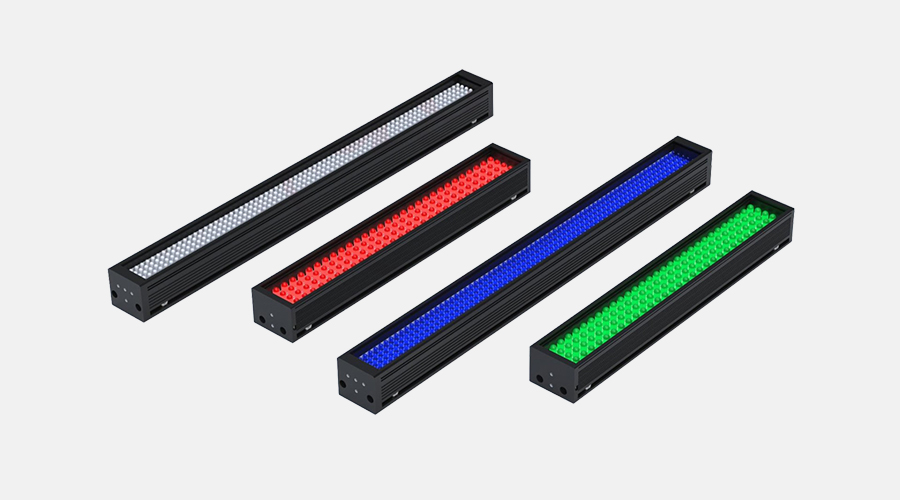
The exploration of high uniformity coaxial line scan light technology has emerged as a vital advancement in the inspection of reflective surfaces. This innovative lighting solution is designed to enhance visibility and accuracy during surface inspections, making it particularly useful in settings where precision is paramount. Utilizing a linear coaxial light source comprised of a high-density, high-brightness LED particle array, the system effectively minimizes shadows and highlights on reflective surfaces, ensuring that any imperfections are clearly visible.
The integration of combined columnar lenses and specialized optical components allows for a remarkable uniformity in illumination, which is crucial when inspecting intricate surfaces. Additionally, the robust shell design, crafted from magnesium and aluminum alloy with multiple heat sinks and air cooling features, ensures efficient thermal management. This not only prolongs the lifespan of the light source but also maintains optimal performance during extended inspection periods, facilitating reliable and consistent results.
The application of this advanced lighting technology spans various industries, including automotive, aerospace, and electronics, where the quality and integrity of reflective surfaces are critical. By leveraging enhanced illumination techniques, manufacturers can achieve better quality control and ensure that their products meet stringent performance standards, ultimately driving innovation and efficiency in production processes.
FAQS
: It is a quality control method that enhances accuracy in detecting defects across various industries.
Advancements in speed and accuracy are expected, largely due to AI and machine learning integration.
The global market for 3D vision inspection is projected to grow at a CAGR of 14% through 2026.
AI algorithms greatly improve defect detection, leading to fewer production errors and cost savings.
Integration into existing systems can be complex, and high initial costs can be a barrier for small manufacturers.
Smart sensors provide real-time data, improving overall efficiency and helping to reduce waste.
Not every solution fits all needs; understanding specific environments and products is crucial for effectiveness.
Training is essential but can be cumbersome; developing a culture of learning can ease this transition.
Nearly 40% struggle to scale their automated vision inspection systems effectively.
Regular assessments help identify effective solutions and potential challenges in this rapidly evolving field.
Conclusion
The article "2026 Best 3D Vision Inspection Solutions for Global Buyers" provides a comprehensive overview of the advancements in 3D vision inspection technologies anticipated for 2026. It highlights critical features that buyers should seek in 3D vision inspection solutions, ensuring that they choose systems capable of meeting evolving industry needs. The article further explores various applications across different industries, demonstrating the versatility of these inspection solutions.
In addition, a comparative analysis of leading brands offers insights into the market landscape, while cost considerations help global buyers make informed decisions. It also outlines future trends that are likely to shape the 3D vision inspection technology sector, emphasizing the ongoing innovation and enhancements that will drive efficiency and accuracy in inspection processes. This information is essential for buyers looking to invest in cutting-edge inspection systems that align with their operational goals.

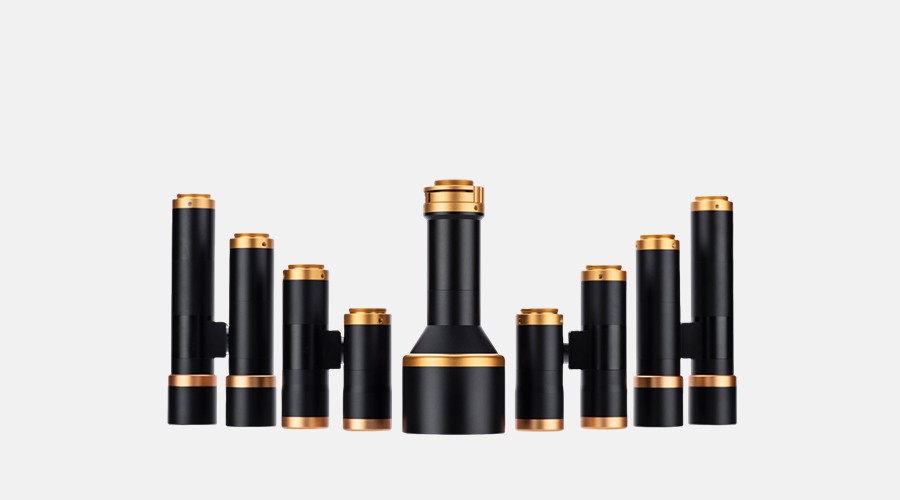
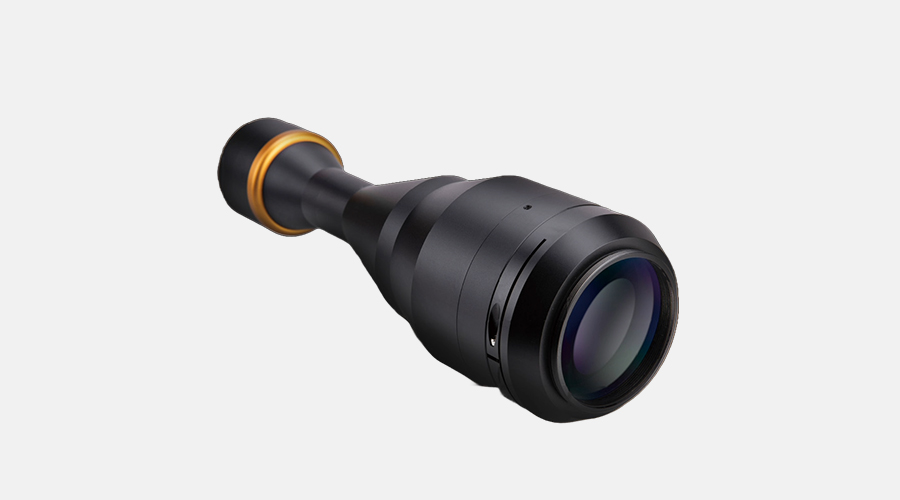 Compatible with 7.2mm-82mm chips
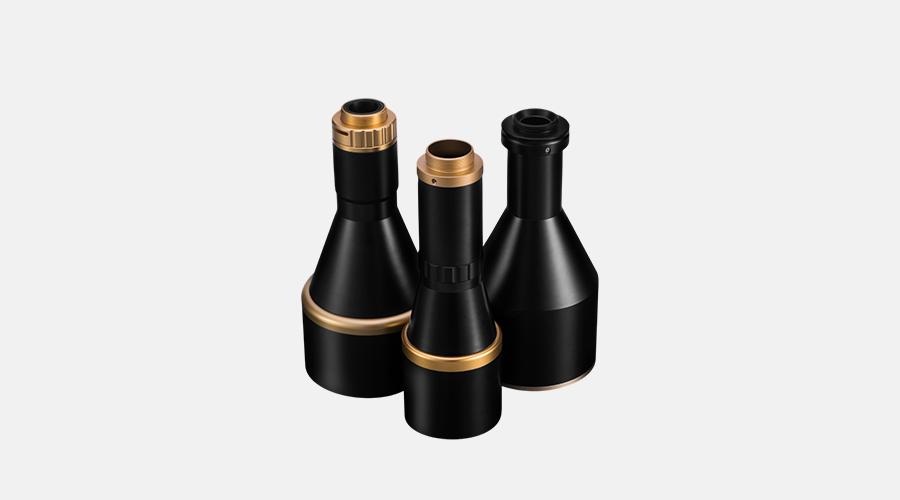 High/Low Working Distance
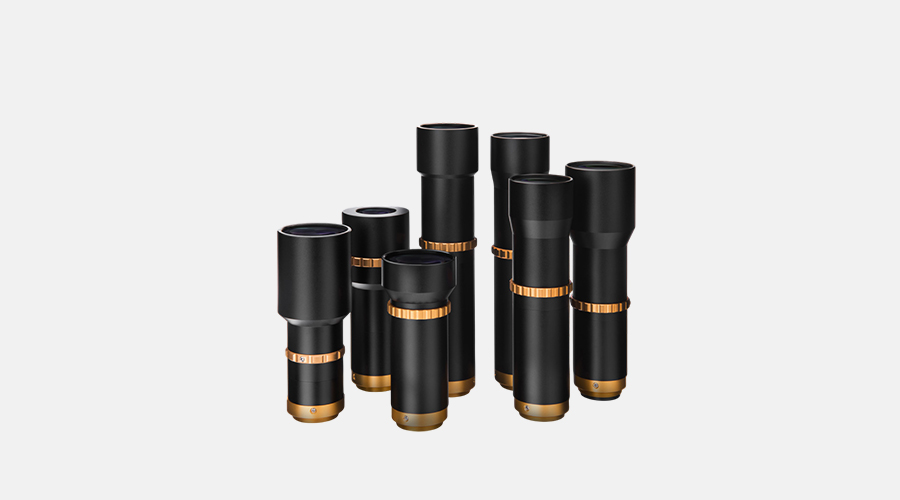 Aperture telecentric lens
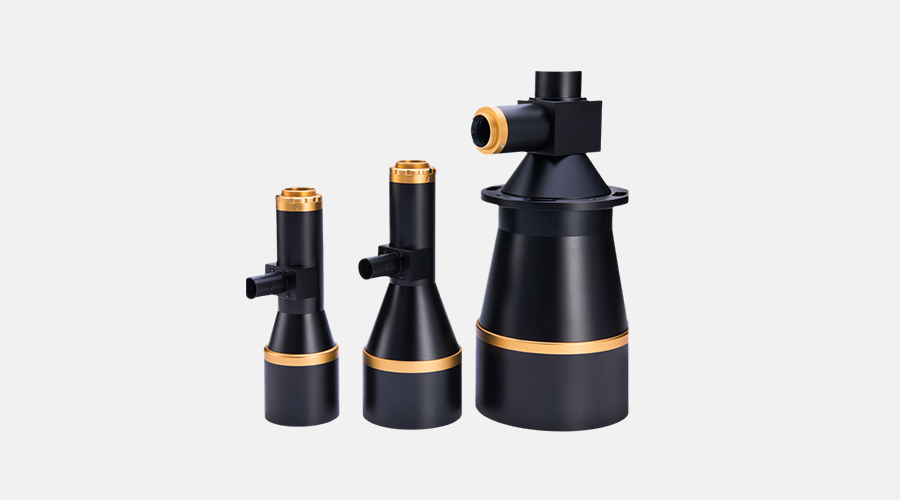 Measuring lens
 Maximum support 1.1" chips
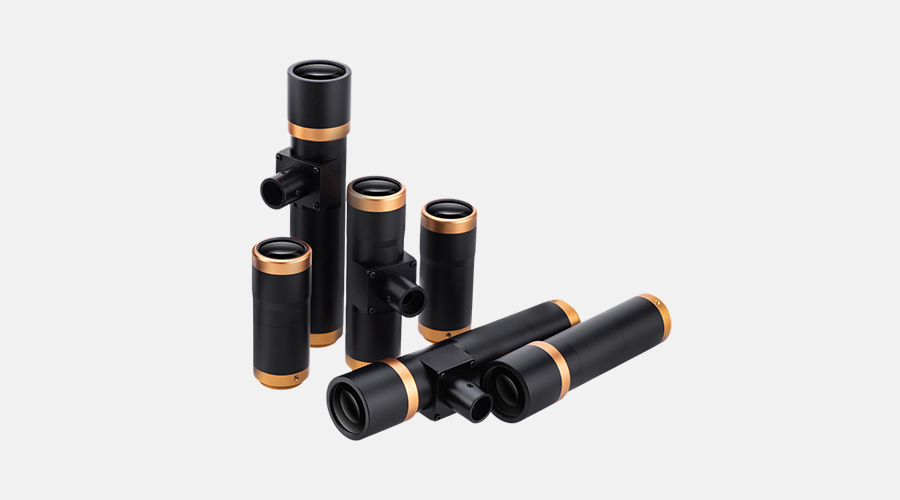 Maximum support 1.2" chips
 Maximum support 2/3" chips
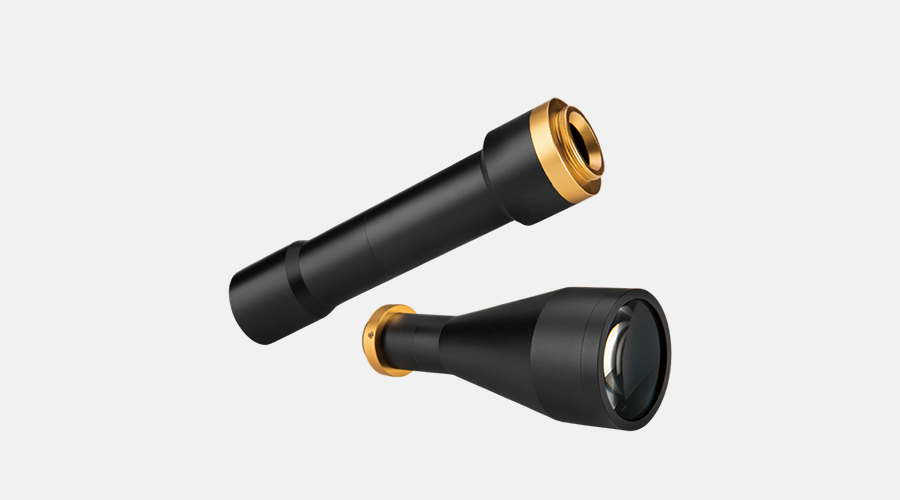 Long Working Distance
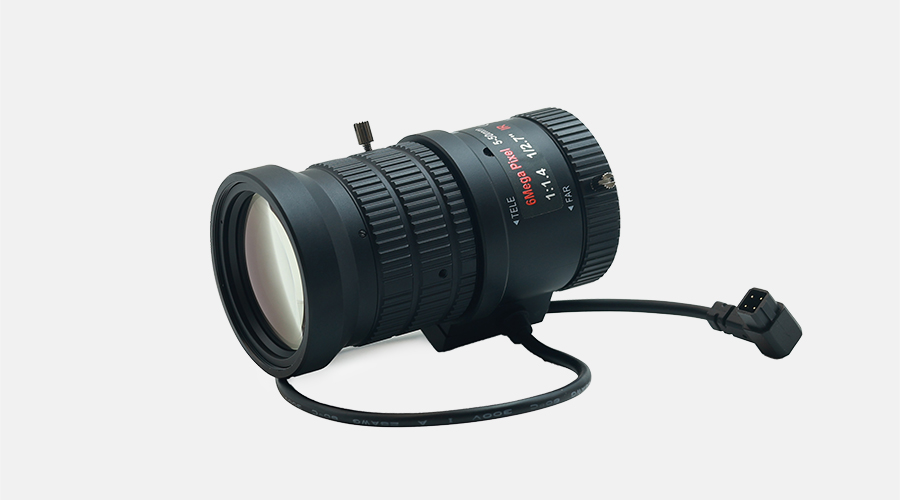 CS mount Varifocal lens
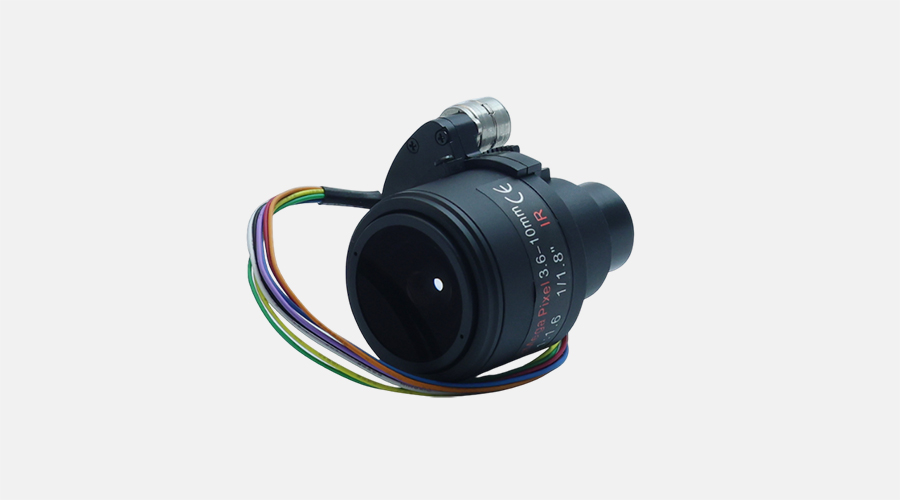 Varifocal board lens
 S mount lens
 Ring light
 UV/IR Light
 Bar light
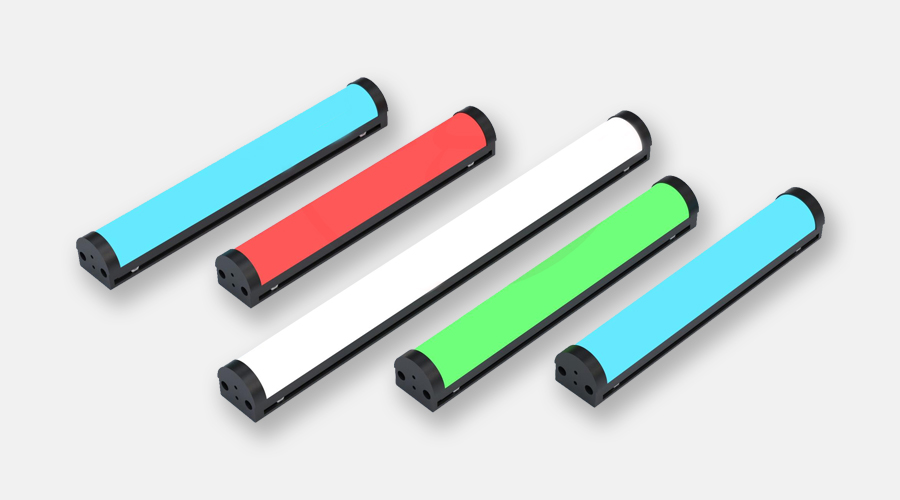 Arcuate high uniformity light
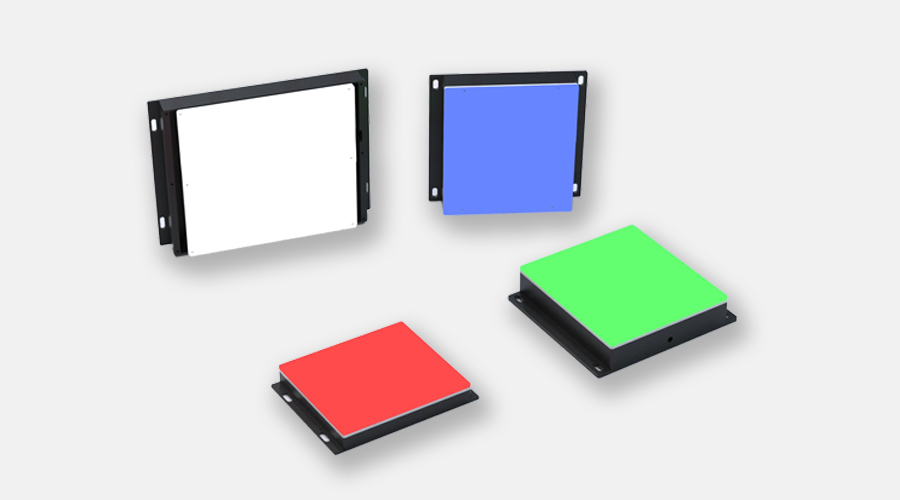 Back light
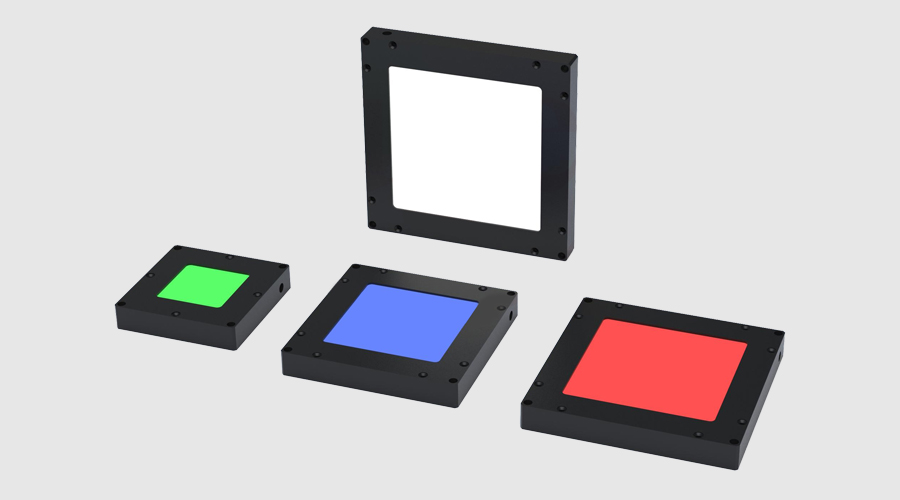 Flat light
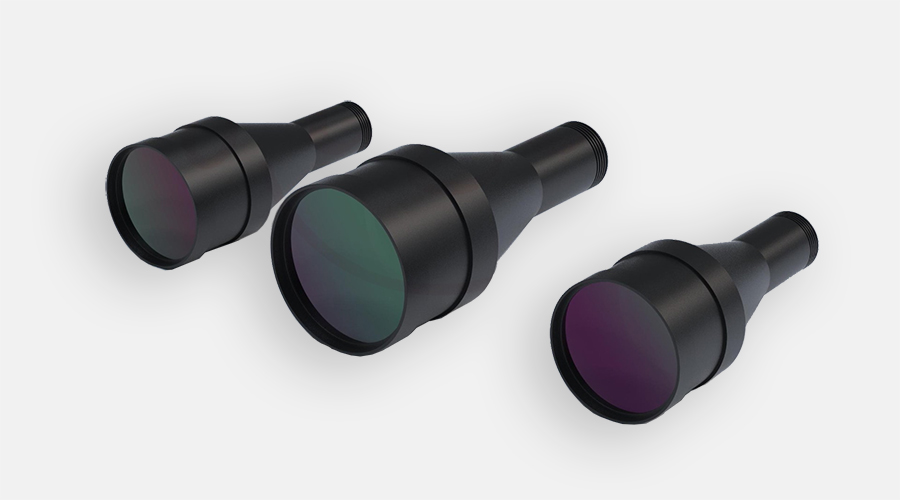 Collimated light
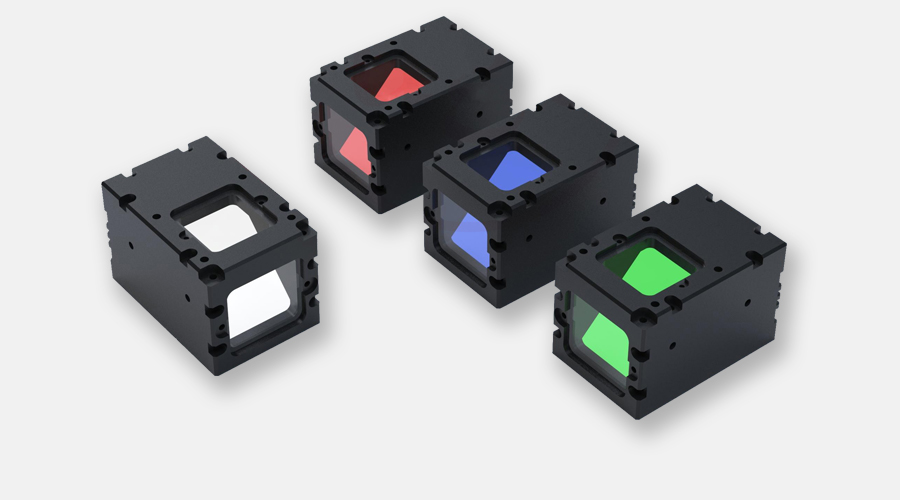 Coaxial light
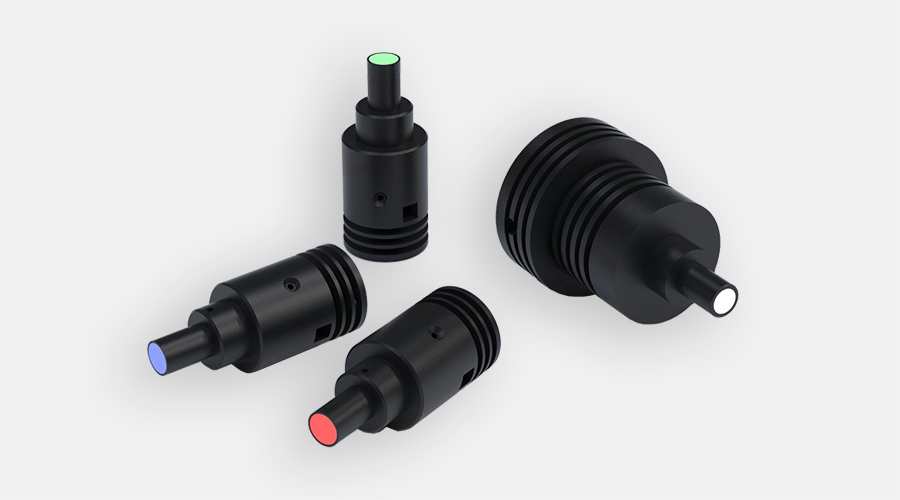 Spot light
 Dome light
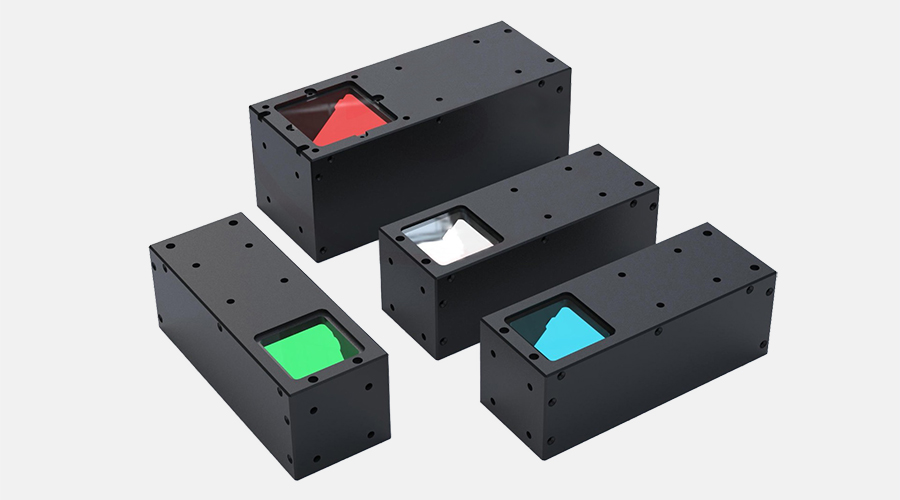 Collimated Coaxial light
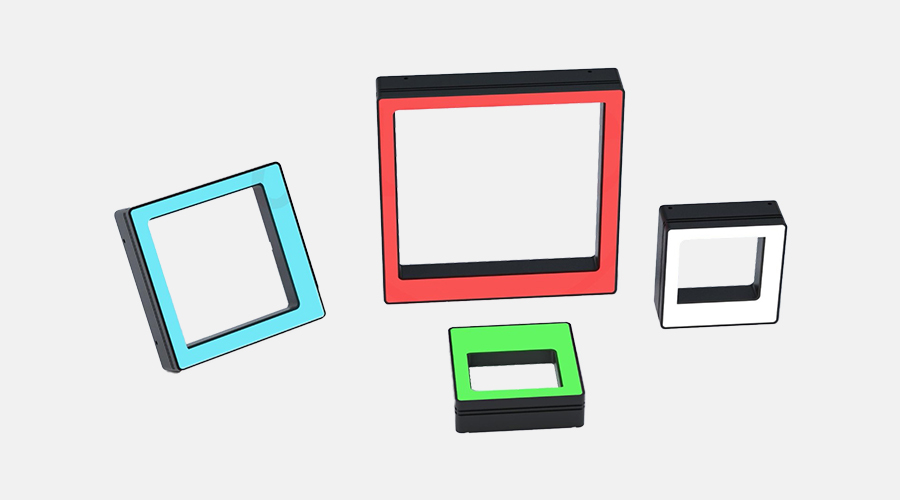 Shadowless square light
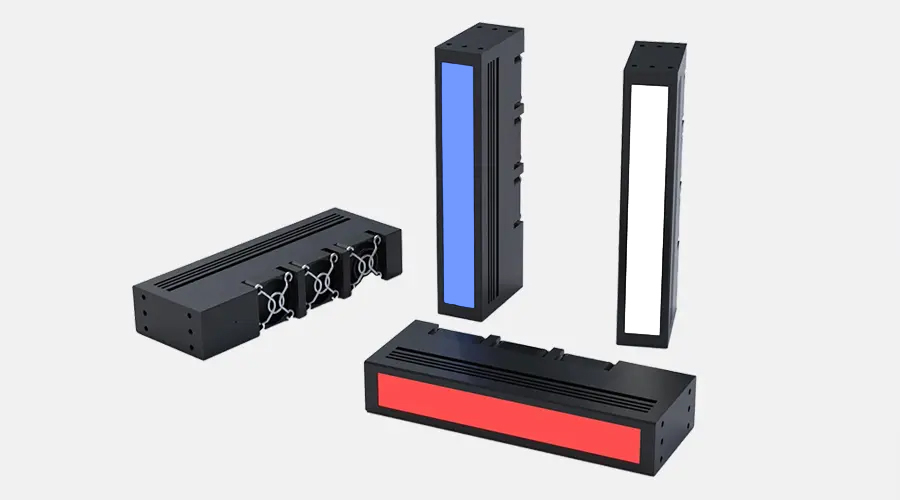 Scan light
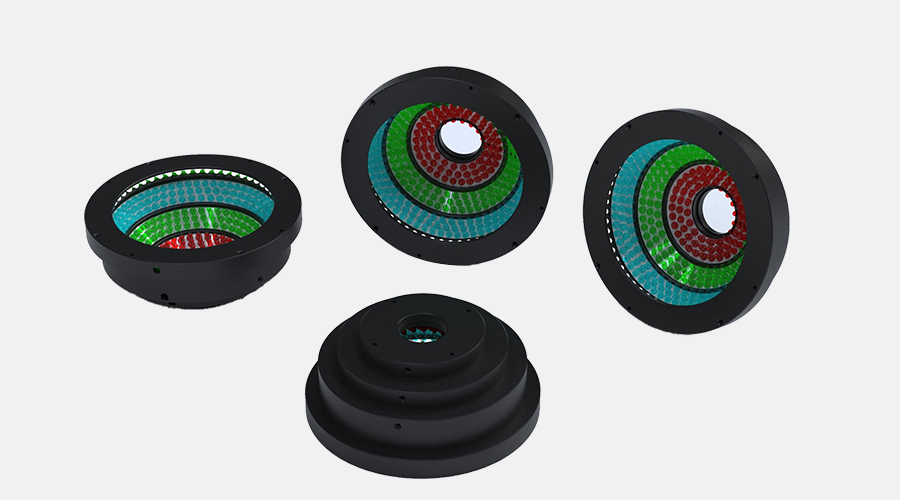 AOI light
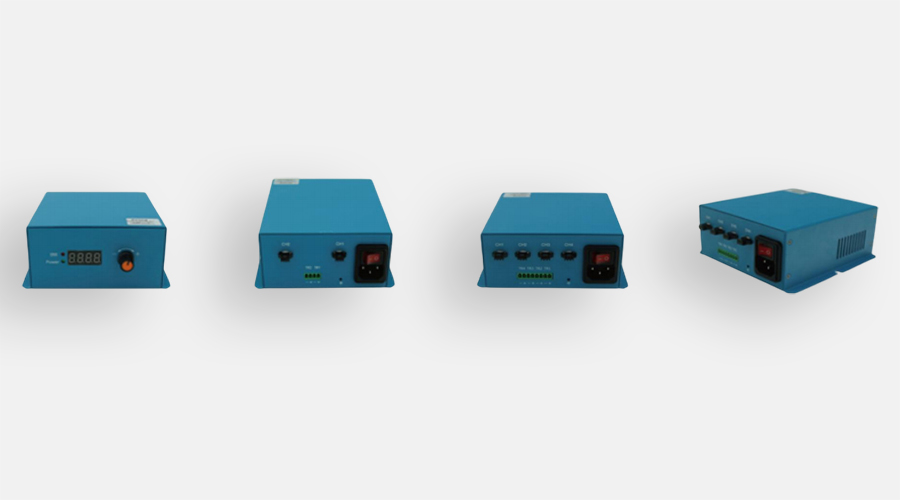 Analog controller
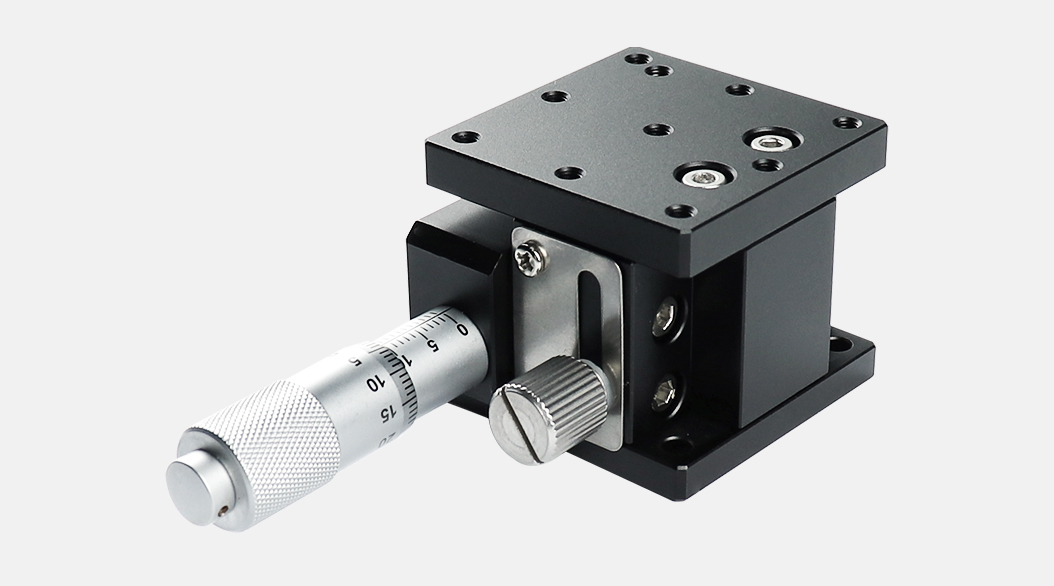 Crossed-Roller Linear guide type
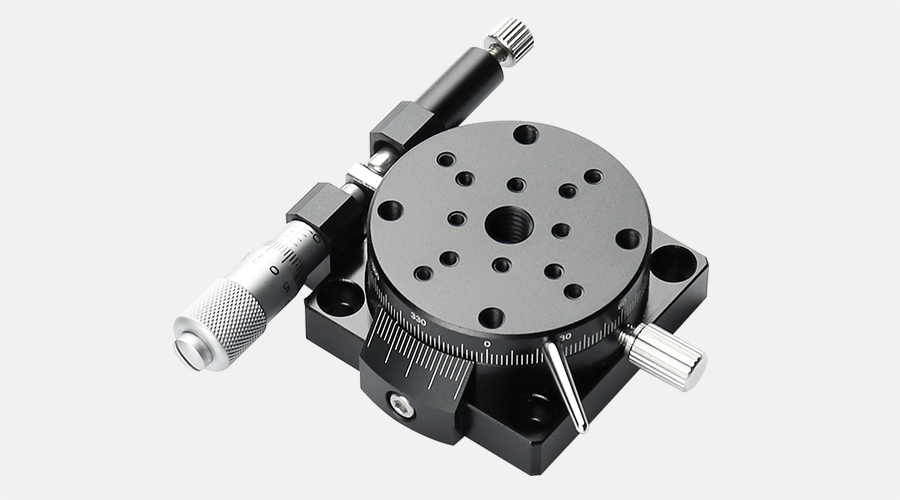 Rotary Stages XRS series
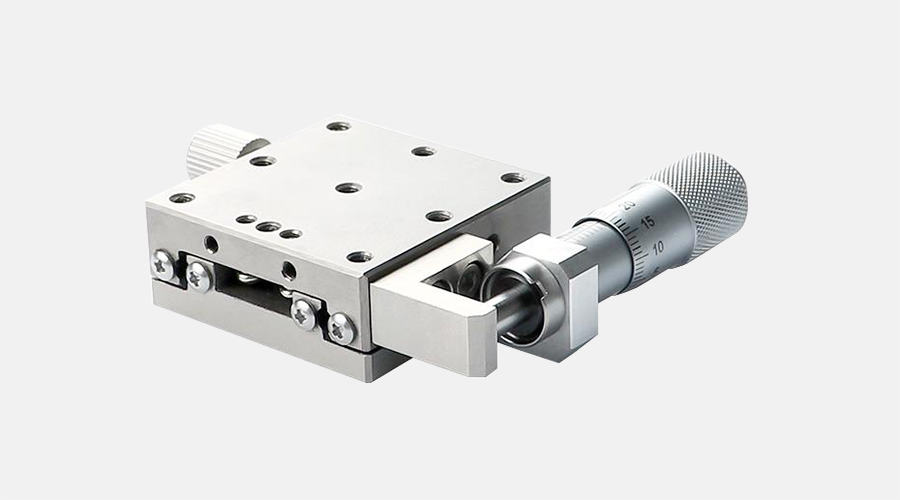 Stainless Steel Ball Bearing Linear Translation Stages
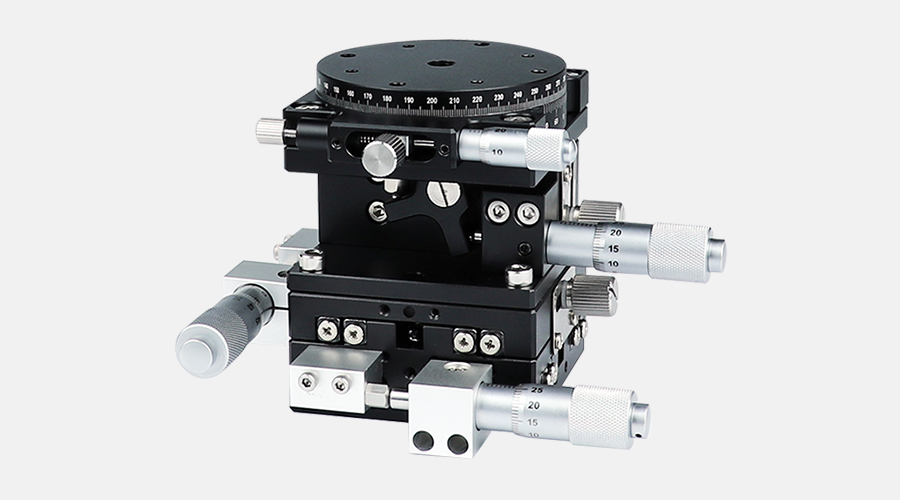 Multi-axis Translation stages
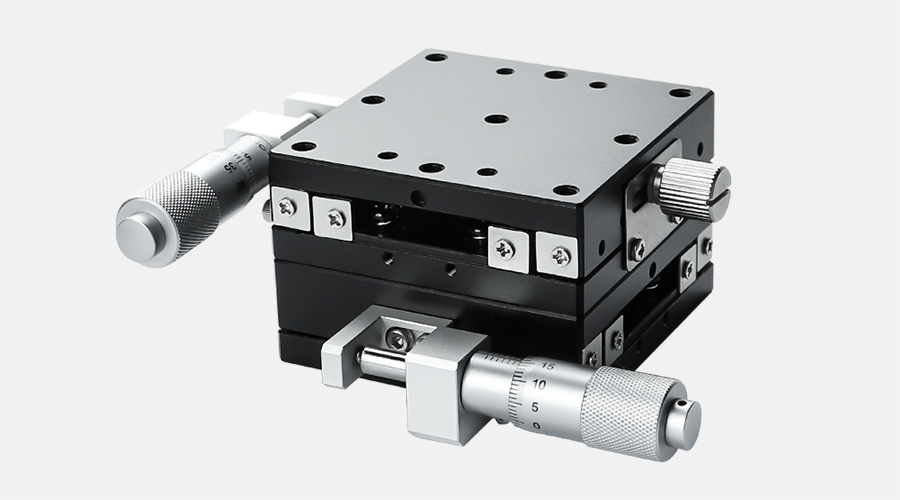 steel bar ball bearing stages
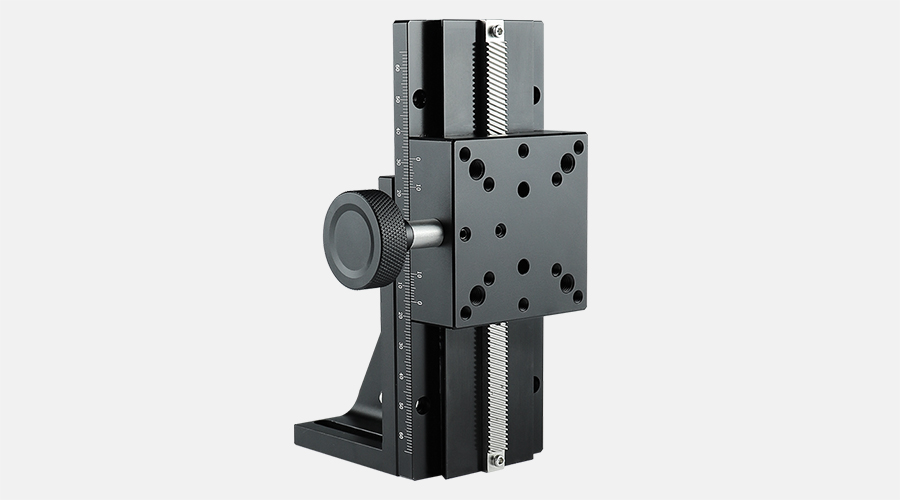 Dovetail Type Rack&Pinion Positioning Stage
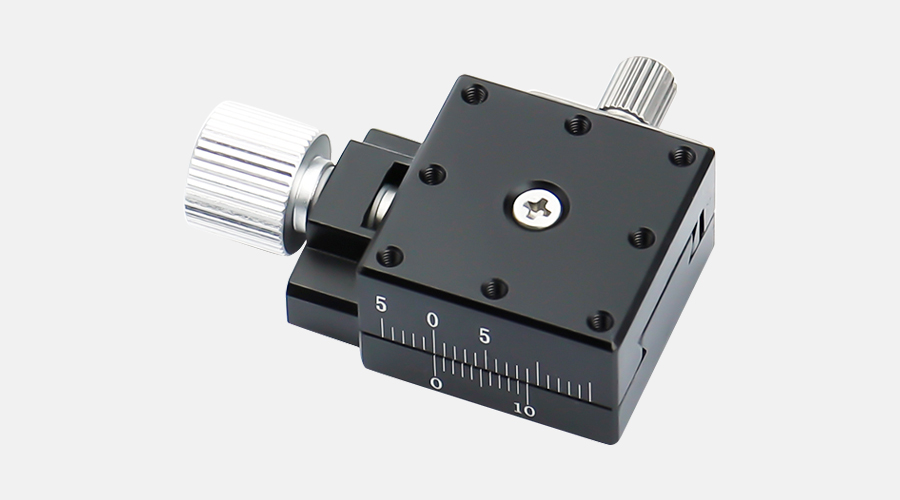 Dovetail groove high-precision screw slide