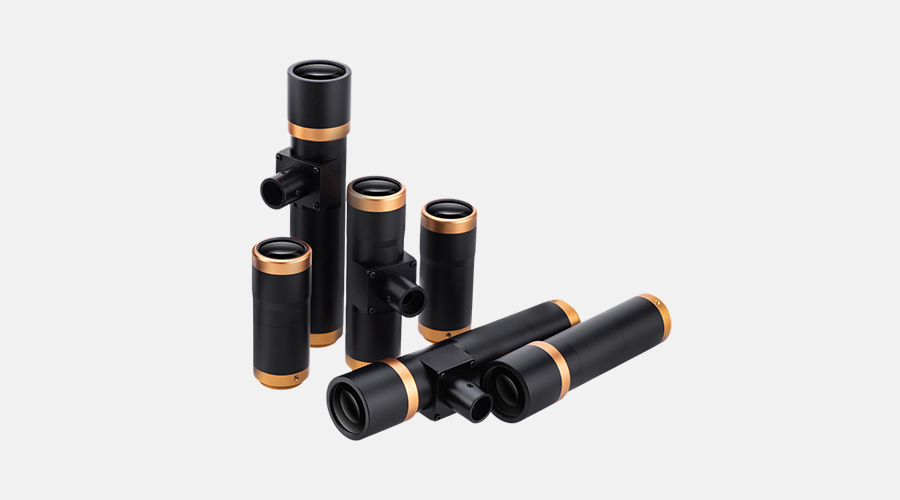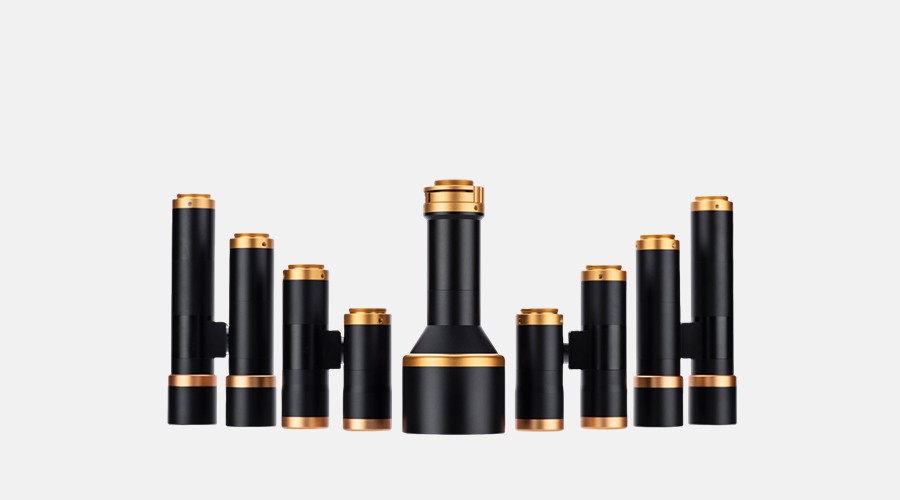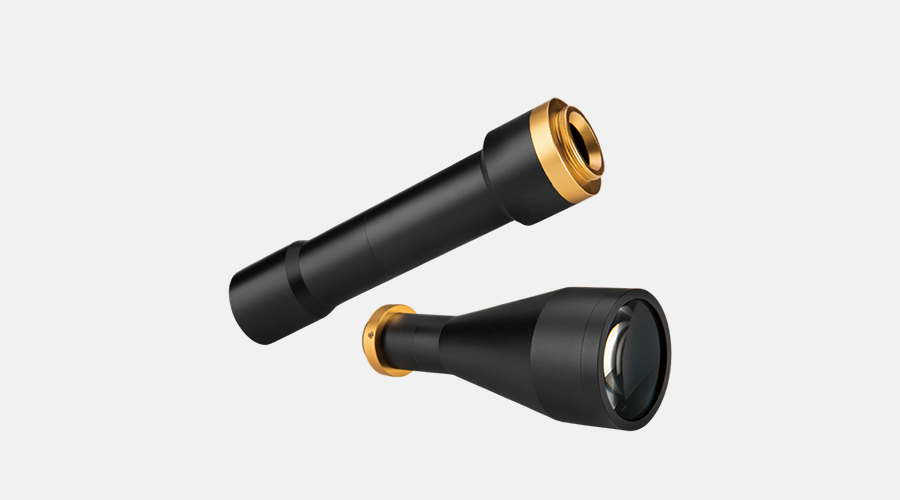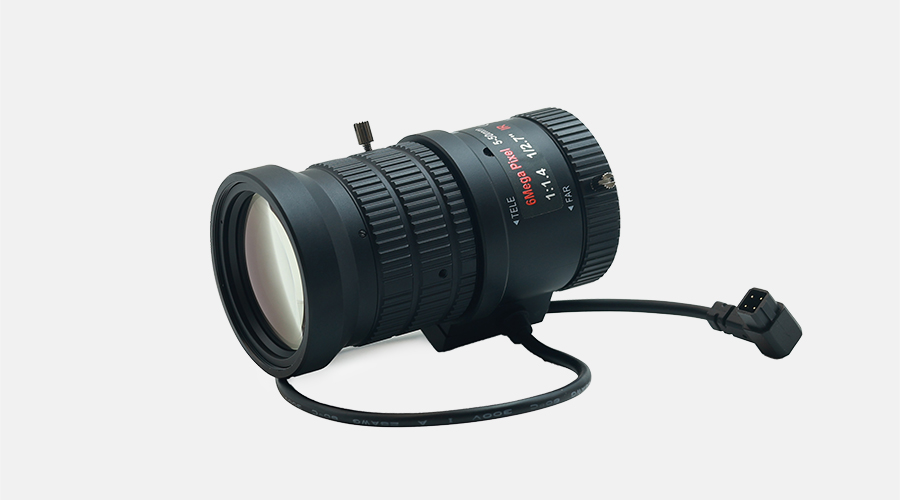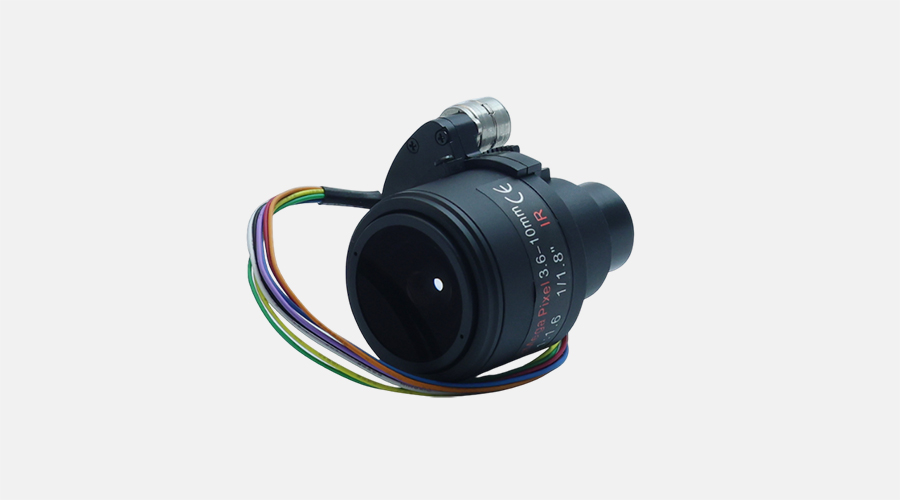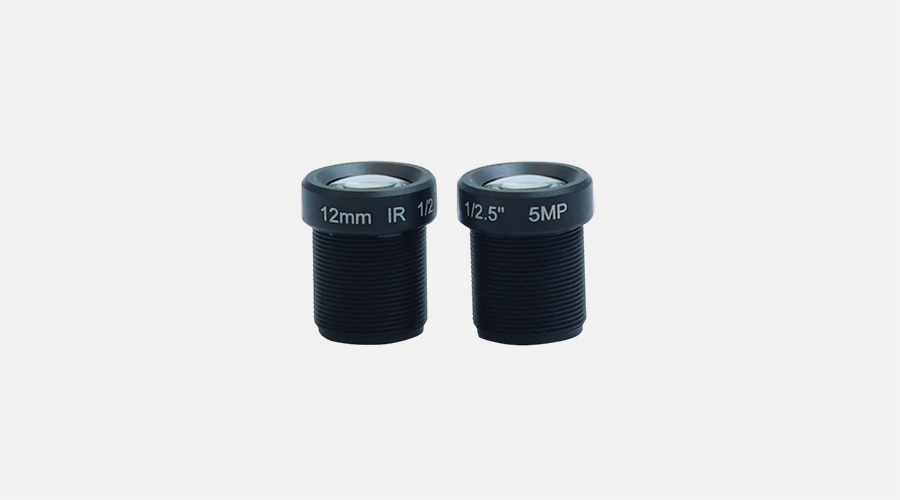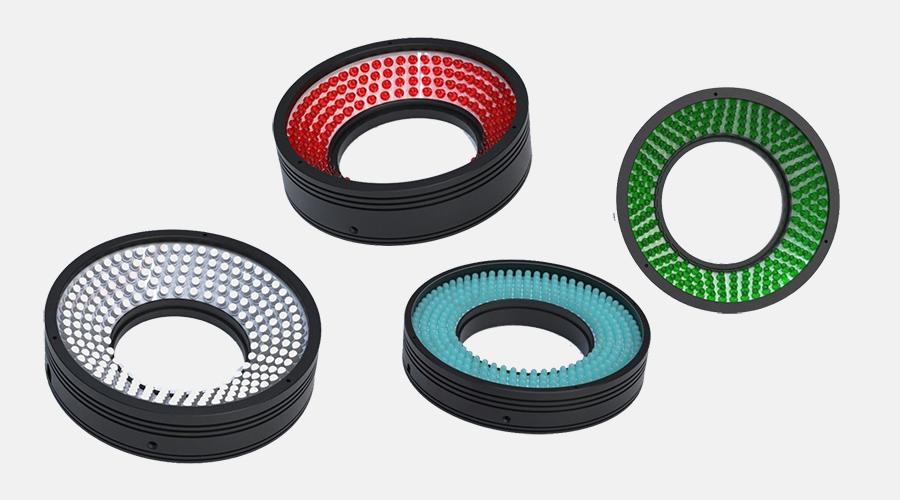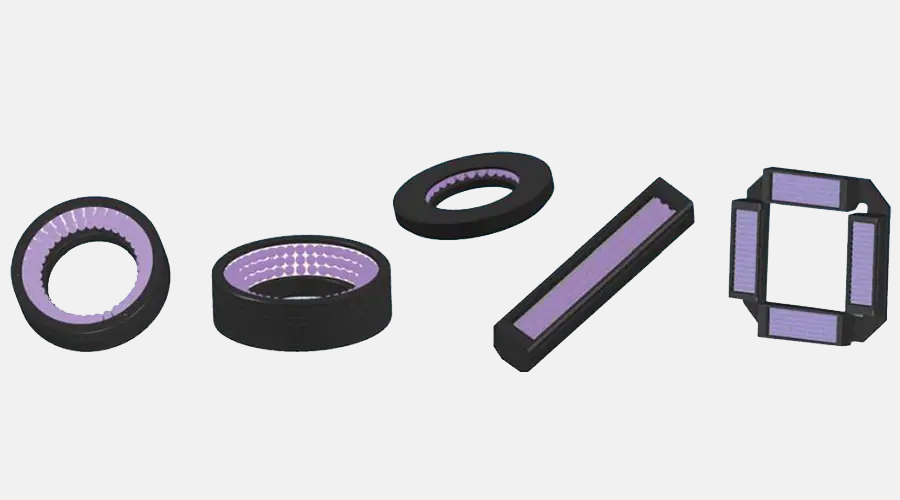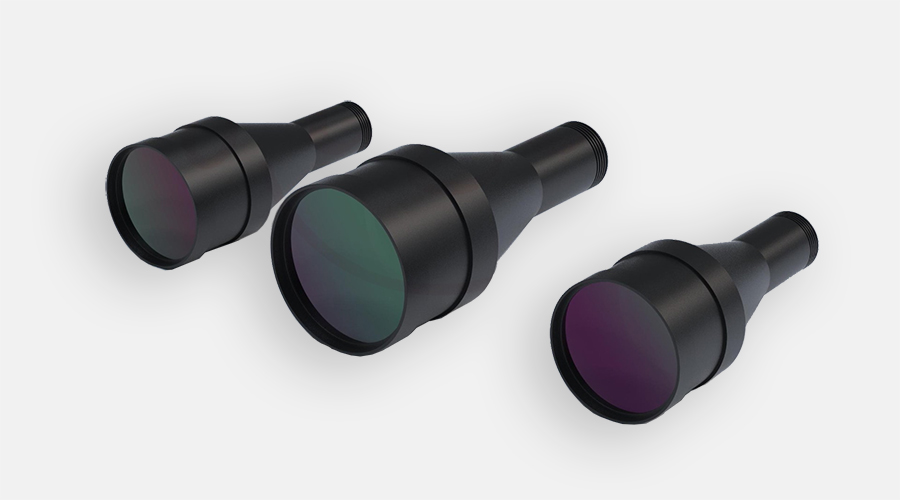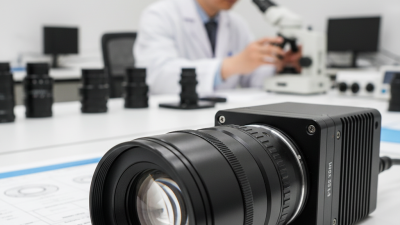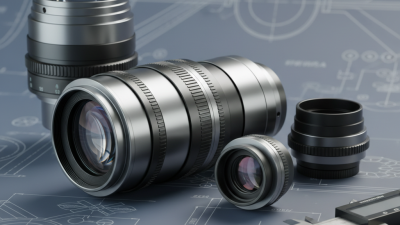
Picking out the best Fa Manual Iris Lens for global buyers isn't just about scanning price lists. Honestly, a good quality lens should give you precise control over the aperture, steady optical performance, and a mechanical build that holds up over time. When we’re inspecting these lenses, most people tend to shine bright inspection lamps on them — that's when uneven blades or jerky rotation become pretty obvious. Little details like that really do make a difference.
When we evaluate these lenses, it’s more than just looking at specs on paper. We get our hands on samples, talk directly with suppliers, and check out optical specs along with how well they’ll hold up in the long run. We look at the aperture range, mounting options, how well they cover the image sensor, coating quality, and whether adjustments are smooth or wonky. We also peek into how manufacturers handle quality control — that’s often just as important. Big names like Edmund Optics and Thorlabs set good benchmarks, but even then, every single lens needs its own test. Just because it’s a familiar brand doesn’t automatically mean it’s the right one.
Global buying means thinking about practical stuff too. The packaging needs to keep the lens safe from dust, shocks, and moisture during long trips. It helps if technical drawings, sample photos, and tolerance measurements are clear — better to avoid surprises when it’s time to set things up. But let's be real, specs on a datasheet only tell part of the story. A lens might look fantastic on paper but feel stiff or poorly responsive when you actually use it repeatedly. That’s something you shouldn’t overlook.
This guide is aimed at camera builders, machine-vision teams, labs, and industrial buyers. We’ll talk about which features matter most in 2026 and which claims need to be double-checked. We’ll also cover how responsive suppliers are, how easy it is to get samples approved, customization options, and what sort of after-sales support you can expect. Not everyone needs the fanciest lens out there — sometimes, a simpler model actually offers better value and less fuss down the line. The key is matching the lens with your specific needs, testing thoroughly, and considering real-world conditions. But, hey, even with all that, things can change once you’re out in the field — different cameras, lighting setups, or installation quirks can make a difference.
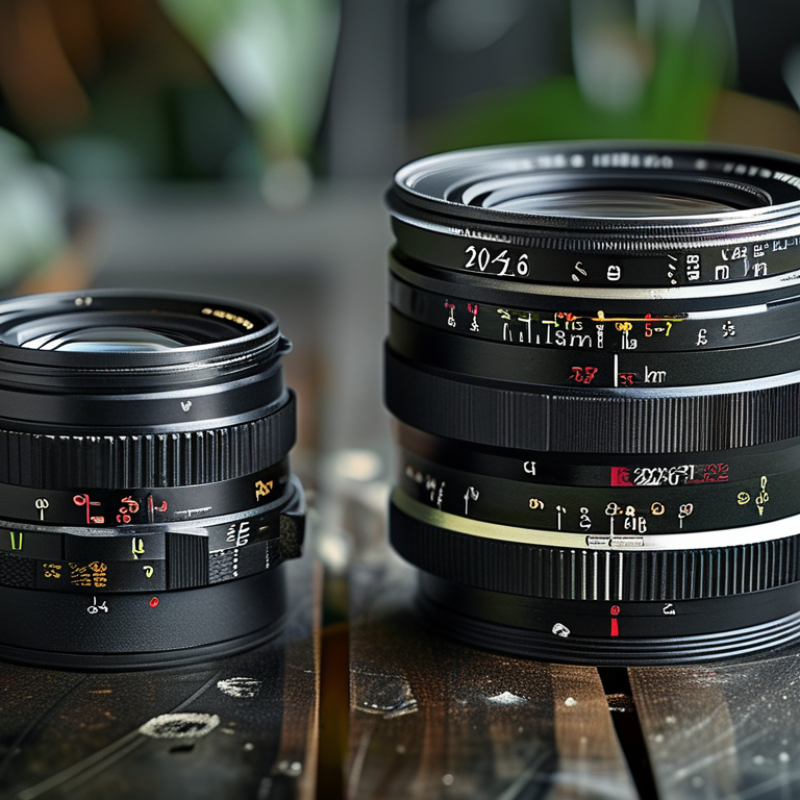
Amanual iris lens gives machine vision users direct control over light and depth of field. Its F1.4–F16 range supports bright inspection scenes and controlled close-up imaging. At F1.4, more light reaches the sensor, helping freeze movement with shorter exposure times. However, the image may show reduced edge sharpness and shallow focus. Wide open is useful, not universally ideal.
Stopping down to F4, F8, or F11 can improve detail across a larger inspection area. F16 may increase depth of field, but diffraction can soften fine features. Smaller is not always sharper. During setup, adjust the iris while viewing the smallest defect that matters. Record the setting, working distance, and illumination level for repeatable results. Manual adjustment also requires a locking ring or careful verification after maintenance.
For 400–700 nm imaging, check performance across the visible spectrum rather than trusting one test image. Blue light near 400 nm can reveal coating, glass, sensor, or illumination limitations. Red light near 700 nm may produce different contrast and focus behavior. Use a calibrated target, stable lighting, and test images at several wavelengths when possible. The marked aperture value is a starting point, not a guarantee. Real systems include alignment errors, dust, and uneven lighting. That is where careful evaluation matters.
Choosing a Manual Iris Cctv Lens for factory automation requires more than checking focal length. The mount must match the camera body without forcing the threads. A C-mount interface is common, but thread depth still deserves careful inspection. The 1″-32 UN thread supports a familiar connection standard for many industrial cameras. Small differences can cause focus loss or mechanical stress.
Sensor coverage matters just as much. A lens designed for 1/1.8″ sensors should produce a usable image across the active area. Watch the corners. Dark edges or soft details may appear when the optical circle is too small. During installation, adjust the manual iris under real lighting, not only in a bright showroom. A warehouse aisle can shift from sunlight to shadow within minutes.
Practical testing reveals weaknesses early. Check back focus, thread engagement, image sharpness, and iris movement at several distances. A locked iris ring can be useful near vibration, yet it may slow later adjustments. That trade-off is easy to overlook. Global buyers should also confirm drawings, tolerances, and sample availability before placing volume orders. C-mount compatibility is not always enough. I would still test one lens on the intended 1/1.8″ camera, because specifications can hide small mechanical differences.
How Focal Length, MTF and Distortion Shape Machine-Vision Performance
A manual iris lens can look simple, but its optical choices decide inspection accuracy. Focal length sets field of view, working distance, and perspective. A longer focal length narrows the view and reduces edge stretching. A shorter one captures more area, but may exaggerate perspective near the image borders. In production trials, I check the target at its real distance, not only on a catalog chart. That mistake is common.
MTF reveals how much contrast survives at fine detail frequencies. A lens showing strong MTF at 50 lp/mm can preserve small scratches or printed characters, especially with compact sensors. However, MTF changes across the image circle. Center performance alone can mislead. Distortion matters more in measurement applications. Even 1% barrel distortion can shift an edge by several pixels across a wide image. The EMVA 1288 standard helps users compare camera performance, while lens testing should also follow controlled resolution methods. MarketsandMarkets’ Machine Vision Market report forecasts growth from about USD 15.9 billion in 2024 to USD 22.1 billion by 2029. More automated inspection means tighter optical decisions.
Tips: Match focal length to field of view first. Then compare MTF at your sensor’s pixel scale. Keep distortion below the tolerance of your measurement task. Lock the manual iris after testing. Small aperture changes can alter brightness, diffraction, and depth of field. I still prefer real sample images over perfect-looking specifications. Charts are useful, but factories are rarely perfect.
Selecting a manual iris lens for factory automation starts with working distance, not megapixels. A 2 MP camera may need a wider field of view, while a 12 MP sensor exposes edge softness and chromatic errors. For a 300 mm working distance, calculate the required FOV from the inspection area. Then check whether the lens format covers the sensor without corner shading. Small mistakes appear quickly.
MarketsandMarkets estimated the machine vision market at USD 11.6 billion in 2024, with growth to USD 15.7 billion by 2029. This expansion increases demand for adaptable optics across global production lines. A Dc Iris Varifocal Lens can support changing distances and FOV requirements, but varifocal convenience should not replace measurement. At 2 MP, moderate resolving power may be acceptable. At 12 MP, confirm MTF performance, distortion, and illumination uniformity at the chosen focal length.
In practice, set the working distance before adjusting the iris. Use a matte target with fine printed lines, and inspect the image at 100 percent magnification. Stop down slightly when glare reduces contrast, but excessive closure can introduce diffraction. I have seen a sharp center hide soft corners. That was a costly assumption. The EMVA 1288 framework also encourages measured evaluation of sensitivity, noise, and dynamic range, rather than relying only on catalog claims. Weather, vibration, and operator adjustments can change results. A clear test record remains essential.
Lens selection reference by working distance, horizontal field of view, and recommended 2–12 MP sensor resolution.
The chart compares common manual-iris focal lengths using a 1.1-inch sensor with an active width of approximately 17.6 mm. Field of view is calculated at a 300 mm working distance. Shorter focal lengths provide a wider view, while longer focal lengths are suitable for narrower views and higher inspection detail. The recommended sensor resolution is a practical reference and should be verified against object size, pixel-per-feature requirements, lighting, and lens imaging performance.
In factory automation, a manual iris lens controls more than image brightness. It also changes depth of field, contrast, and inspection reliability. A Cctv Manual Zoom Lens can help operators frame different products, but zooming may alter focus and field coverage. During commissioning, adjust the iris while viewing the smallest target feature. A slightly closed iris often sharpens edges across uneven product heights. However, excessive closure can reduce light and increase camera noise.
Tips: Set focus after choosing the working distance. Then adjust the iris slowly. Check black, silver, and textured surfaces under real production lighting. Record the final aperture and zoom position for maintenance staff. It sounds simple.
Lens selection should match sensor size, mount type, pixel resolution, and lighting angle. For example, a metal part moving beneath a ring light may show glare when the iris is too open. Closing it can improve surface detail, yet motion blur may appear if exposure becomes longer. A faster light source or shorter exposure may solve that problem. I have seen installations pass static tests but fail during conveyor movement. That mistake is easy to repeat.
Global buyers should request measured specifications, not only attractive catalog values. Confirm minimum object distance, adjustment range, and image coverage at each zoom setting. Manual adjustment requires access, stable locking, and clear calibration notes. Perfect settings rarely survive every product variation, so leave room for testing and review.
2026 Best FA Manual Iris Lens for Global Buyers?
Industrial cameras increasingly face mixed environments, from cold loading bays to warm inspection cells. A 2024 industrial machine vision market report estimates double-digit annual growth through 2030. That expansion raises a practical question: can a Manual Stage lens remain stable between −10°C and 60°C?
Glass selection matters first. Optical glass with low thermal expansion helps preserve focus when temperature changes quickly. At −10°C, grease may stiffen, making the iris ring feel uneven. At 60°C, internal spacing can shift slightly. The effect is small, but factory images reveal it through softer edges and altered magnification.
Coatings deserve equal attention. A broadband anti-reflection coating can reduce flare and improve transmission across visible wavelengths. Reports from the International Organization for Standardization describe environmental testing methods under ISO 9022 and IEC 60068. These standards do not guarantee lens performance, however. Testing must include repeated temperature cycling, not only one cold and one hot exposure.
A blackened barrel interior helps suppress stray light around bright metal parts. A firm iris mechanism also prevents accidental changes during machine vibration. I prefer checking aperture repeatability after fifty manual adjustments. It is a simple test, yet often overlooked. The result may vary.
For global buyers, request measured resolution, distortion, coating range, and operating-temperature data. Do not rely only on storage specifications. A lens rated for 60°C may still lose contrast near its warm limit. That distinction deserves closer review.
| Lens Category | Typical Application | Optical Glass | Typical Coating | Usable Spectral Range | Operating Temperature | Manual Iris Range | Recommended Buyer Priority |
|---|---|---|---|---|---|---|---|
| Standard Visible FA Lens | General inspection, barcode reading, dimensional measurement | Optical crown and flint glass elements | Multilayer broadband anti-reflection coating | Approx. 400–700 nm | −10°C to 60°C | Approximately f/1.4–f/16 | Balanced cost, contrast, and availability |
| Low-Dispersion Glass FA Lens | High-resolution measurement and edge inspection | Low-dispersion optical glass in selected elements | Broadband multilayer anti-reflection coating | Approx. 420–700 nm | −10°C to 60°C | Approximately f/2–f/16 | Lower chromatic aberration and improved image detail |
| Near-Infrared Compatible Lens | 850 nm or 940 nm illumination, code reading, night inspection | Optical glass selected for visible and near-infrared transmission | Near-infrared broadband anti-reflection coating | Approx. 400–1,000 nm | −10°C to 60°C | Approximately f/1.8–f/16 | Confirmed transmission at the required LED wavelength |
| High-Contrast Coated Lens | Reflective metal surfaces, glossy packaging, printed characters | Precision-ground optical glass | Multilayer anti-reflection coating, typically below 1% average reflectance in the design band | Approx. 425–700 nm | −10°C to 60°C | Approximately f/2–f/16 | Low flare, stable contrast, and controlled stray light |
| Compact C-Mount Manual Iris Lens | Compact cameras, embedded inspection stations, limited installation space | Optical glass with a compact mechanical cell | Visible-spectrum multilayer anti-reflection coating | Approx. 400–700 nm | −10°C to 60°C | Approximately f/1.4–f/16 | C-mount compatibility, locking rings, and low mechanical envelope |
| Extended-Temperature FA Lens | Cold storage, heated machinery, outdoor or non-conditioned production areas | Optical glass with temperature-compensated mechanical spacing | Temperature-stable multilayer anti-reflection coating | Approx. 400–700 nm | −10°C to 60°C | Approximately f/2–f/16 | Focus drift, iris torque, seal materials, and thermal cycling data |
| High-Resolution Large-Format Lens | Large sensors, wide field-of-view inspection, precision metrology | Multiple optical glass types optimized for field correction | Broadband multilayer anti-reflection coating | Approx. 420–700 nm | −10°C to 60°C | Approximately f/2.8–f/16 | Image circle, corner resolution, distortion, and field flatness |
: It controls the light entering the camera and changes depth of field.
F1.4 suits dim scenes or moving targets requiring short exposure times. A wider aperture may reduce edge sharpness. Focus can become shallow.
Smaller apertures can improve detail across a larger inspection area. They may also reduce glare. Test it.
No. F16 increases depth of field but may soften tiny features through diffraction.
Match focal length to the required field of view and working distance. Longer focal lengths usually reduce edge stretching. Shorter lenses capture more area but increase perspective effects.
Center sharpness does not guarantee sharp corners. Review MTF near the edges, especially with high-resolution sensors and small printed details.
A 2 MP sensor may hide moderate optical weaknesses. A 12 MP sensor can reveal soft corners, color errors, and weak fine-detail contrast.
Test several visible wavelengths when possible. Blue light near 400 nm and red light near 700 nm may produce different focus and contrast.
Record aperture, working distance, lighting level, and test results. Lock the iris after adjustment. Recheck it after maintenance or vibration.
Catalog charts cannot show every alignment error, dust particle, or uneven light source. I once trusted a sharp center and missed soft corners. That assumption was costly.
Choosing the right Fa Manual Iris Lens in 2026 requires balancing optical performance, mechanical compatibility, and factory conditions. This guide explains how F1.4–F16 manual aperture control and 400–700 nm imaging support exposure adjustment across varied inspection tasks. It also examines compatibility with C-mount systems, 1″-32 UN threads, and 1/1.8″ sensors, helping global buyers avoid installation and image-circle issues.
The article shows how focal length, field of view, working distance, MTF, and distortion influence machine-vision accuracy for 2–12 MP cameras. It further explains how iris adjustment affects depth of field and exposure, while comparing glass quality, optical coatings, and operating reliability from −10°C to 60°C. By matching these factors to the inspection environment, users can select a practical lens with stable imaging, suitable resolution, and dependable manual control for factory automation.