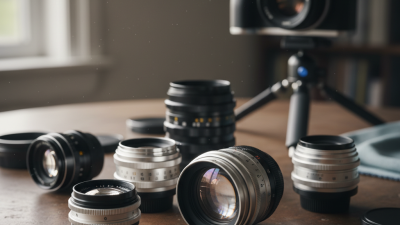
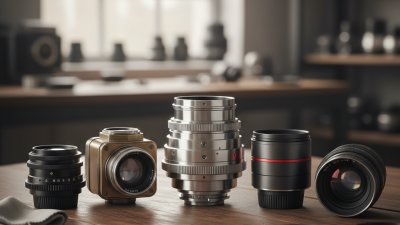
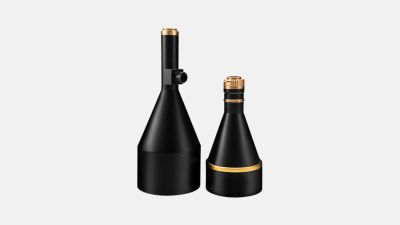
The C Mount Lens market is really changing quickly these days, thanks to advances in imaging tech and the increasing demand from all kinds of industries. I’ve seen reports, like one from Technavio, predicting that the global market for these lenses is gonna grow at a solid rate—over 6% annually—up until 2026. That just shows how important it is to pick the right C Mount Lens if you want top-notch image quality and performance.
Dr. Alex Chen, a well-known expert in optical engineering, mentioned, “Getting the perfect C Mount Lens can seriously make a difference in professional settings where image clarity really matters.” With all these innovative features and the many sizes available, choosing the right lens that fits your specific needs is more important than ever. But honestly, with so many options out there, it can get pretty overwhelming. A lot of folks forget to consider key details like focal length or aperture when they’re shopping—those little things matter more than you might think.
When you're checking out the best C Mount Lenses for 2026, it’s worth pausing to think about how each one actually impacts the quality of your work. Sure, manufacturers love to highlight their lenses' capabilities, but it’s really up to you to evaluate if a lens matches your particular needs. Blindly trusting marketing claims won’t cut it—you need to be informed if you want to make a smart choice in this competitive market.
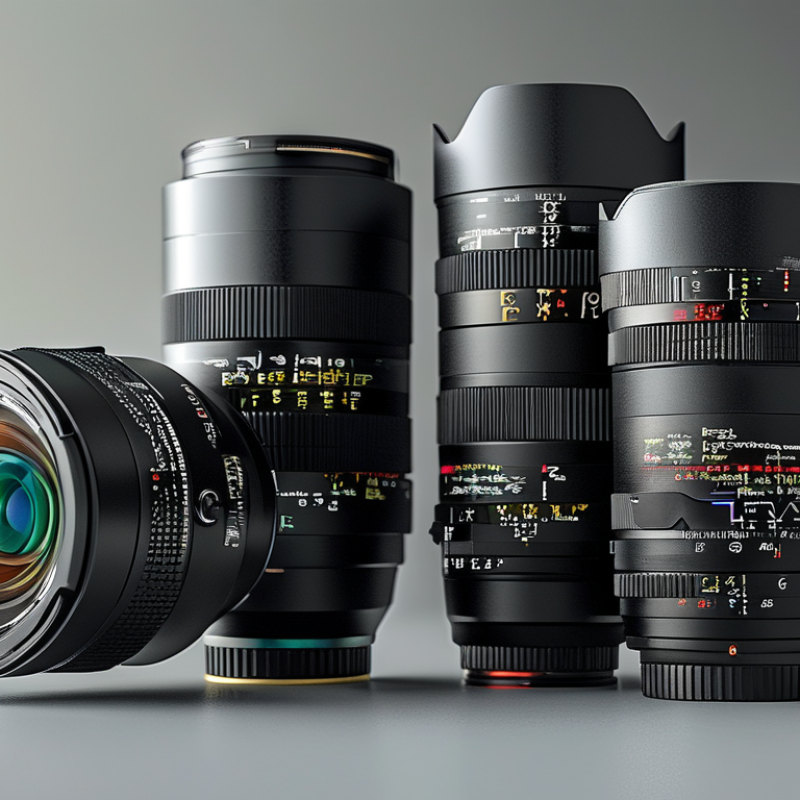
Understanding C Mount Lenses: Definition and Applications
C mount lenses are a vital component in the world of imaging and videography. Defined by their distinct screw mount design, these lenses offer versatility for various applications. Typically used in industrial cameras, microscopes, and surveillance systems, C mount lenses excel in providing remarkable image quality.
Understanding their application helps in choosing the right lens. C mount lenses serve well in environments requiring close-up imaging, such as quality control in manufacturing. Additionally, they can be adapted for film and video needs. However, not all C mount lenses perform equally well across different settings. The choice of focal length and aperture significantly impacts the final output.
Many users face challenges in finding the right C mount lens. It takes experience to discern which specifications matter most. Some users may struggle with compatibility issues or optical quality. Refining the selection process involves evaluating specific needs and testing various options. This iterative approach often leads to more satisfying results.
Key Specifications to Consider When Buying C Mount Lenses
When purchasing C Mount lenses, key specifications are critical for making informed choices. Consider the focal length, as it determines the lens's zoom capability and the image's field of view. A wider focal length is great for landscapes, while a longer one suits portraits better.
Aperture plays a crucial role too. A larger aperture allows more light, improving low-light performance. However, it can lead to a narrower depth of field, making background focus more challenging. This can be a double-edged sword.
Lastly, compatibility is essential. Not every C Mount lens will fit your camera system seamlessly. Researching adapter options can save time and frustration. Sometimes the perfect fit may not exist, requiring creativity in solutions. Reflect on your specific needs and don't shy away from experimenting with different configurations. Understanding these specifications can significantly enhance your photographic journey with C Mount lenses.
2026 Top C Mount Lens Buying Guide for Global Buyers - Key Specifications to Consider When Buying C Mount Lenses
| Lens Type |
Focal Length (mm) |
Aperture (f/numbers) |
Field of View (degrees) |
Minimum Object Distance (cm) |
Weight (grams) |
Material |
| Standard |
12 |
1.4 |
60 |
20 |
250 |
Aluminum |
| Wide Angle |
8 |
2.0 |
90 |
15 |
200 |
Plastic |
| Telephoto |
25 |
1.8 |
30 |
50 |
300 |
Metal |
| Macro |
16 |
2.8 |
50 |
5 |
280 |
Glass/Metal |
Market Trends: C Mount Lens Popularity and Growth Projections
The C mount lens market is rapidly evolving, showing impressive trends in popularity and growth. According to a recent industry report, the market is expected to grow at a compound annual growth rate (CAGR) of 15% by 2026. This highlights a significant increase in demand driven by advancements in imaging technologies. As more industries adopt high-definition imaging solutions, the need for versatile lenses like the 180x C Mount Lens is becoming essential.
A recent market analysis revealed that sectors such as security and surveillance are the foremost adopters of C mount lenses. These lenses provide flexibility and adaptability for various applications. Furthermore, the rise of artificial intelligence in imaging systems demands optical components that can meet stringent performance criteria. Companies are now exploring innovative designs to cater to these needs, but there is still a gap in understanding how to optimize these lenses for user experience.
Investors and manufacturers are urged to reflect on these trends. While many companies rush to develop new products, they should consider long-term sustainability. Quality control and maintaining affordability without compromising performance is a balancing act. Ensuring that the 180x C Mount Lens and similar products remain accessible could enhance overall market growth. It’s crucial for stakeholders to align their strategies with actual consumer preferences, which may not always be easy to gauge.
2026 C Mount Lens Market Trends
Comparative Analysis: Top Brands in the C Mount Lens Industry
When exploring the C mount lens market, it's vital to analyze the differences between top brands. Not all lenses provide the same quality or features. Some excel in clarity, while others focus on durability. Each brand has its strengths and weaknesses. Understanding these nuances can help buyers make informed decisions.
A major consideration is the lens construction. Some lenses use advanced coatings, improving light transmission and reducing glare. Others may be built with more durable materials, essential for demanding environments. Buyers should examine reviews and user feedback closely. These insights often highlight real-world performance, which marketing alone cannot convey.
Price is another factor that cannot be ignored. High-priced lenses may not always justify their cost. Conversely, some budget options deliver surprising quality. Conducting side-by-side comparisons helps to identify hidden gems in the market. While it may seem overwhelming, taking time to weigh the pros and cons of each option can lead to better purchases. It’s a journey that requires patience and careful thought.
Performance Metrics: A Look at Resolution, Speed, and Distortion
When selecting a C mount lens, performance metrics such as resolution, speed, and distortion are crucial. High resolution is vital for detailed imaging. According to a 2022 report from the Imaging Science Institute, lenses with excellent resolution can achieve up to 100 line pairs per millimeter (lp/mm), which is critical in applications like microscopy. In contrast, some lenses may only reach around 60 lp/mm, potentially compromising image quality.
Speed, measured by the lens's f-stop value, impacts light-gathering capabilities. A lens with a low f-stop, such as f/1.4, allows more light, facilitating better performance in low-light conditions. However, faster lenses can introduce other challenges like reduced depth of field. Users should note that while speed offers advantages, it may also lead to issues such as chromatic aberration, showcasing the delicate balance needed in lens selection.
Distortion types, including barrel and pincushion, affect the image's fidelity. A 2023 survey by the Global Optical Association showed that about 30% of users experienced noticeable distortion on certain lenses. Users must critically assess how distortion impacts their specific needs, as some applications can tolerate minor effects while others cannot. This complexity requires careful thought and field testing to ensure optimal performance.
User Reviews and Ratings: How They Influence Buying Decisions
User reviews and ratings play a crucial role in the buying decisions for C Mount lenses. When shoppers evaluate options, opinions from past users provide valuable insights. They highlight real-world performance, usability, and reliability. Many buyers often rely on reviews to validate their choices. Looking through detailed user experiences can reveal both pros and cons that might not be obvious from product descriptions.
Tip: Focus on finding reviews that mention similar use cases. Look for comments about image quality and ease of installation. If several users face common issues, consider that before making a purchase.
C Mount Varifocal Lens selections can vary significantly based on user feedback. Some lenses appear great on paper, but user experiences may show weaknesses. For example, certain lenses might perform well in good lighting but struggle in low-light scenarios. This insight is critical to avoiding potential regrets later.
Tip: Pay attention to both positive and negative reviews. A single glowing review might not convey the whole story. Reviewing multiple perspectives ensures a more balanced view of each product. Seek out detailed feedback for better decision-making.
Future Innovations: Upcoming Technologies in C Mount Lens Design
As technology advances, the landscape of C Mount lenses is evolving. Upcoming innovations promise enhanced image quality and greater versatility. Manufacturers are focusing on improved optics and lighter materials. This shift will likely attract filmmakers and photographers looking for high-performance tools.
One exciting area of development is the integration of smart technology. Imagine lenses that communicate with cameras and optimize settings automatically. This could simplify the shooting process while ensuring top-notch results. However, this technology might come with a learning curve for users accustomed to traditional gear.
Another trend is the increasing interest in wide-angle options, like the F Mount Wide Angle Lens. This type of lens is perfect for capturing expansive landscapes or tight interiors. Manufacturers may create even wider formats, enriching the creative options available. Such changes prompt a reassessment of how we approach composition and perspective in photography. This growing complexity can be daunting but opens new doors for artistic expression.
Exploring the Versatility and Applications of 2.5 Inch Chip Telecentric Lenses in Precision Imaging Systems
Telecentric lenses have become an essential component in precision imaging systems, particularly in industrial applications where accuracy is crucial. The 2.5-inch chip telecentric lenses offer a remarkable versatility suited for diverse lighting conditions, making them adaptable to a variety of scenarios. With an F/# adjustment range of 4-9, these lenses can efficiently manage a wide range of lighting environments—ensuring optimal performance from bright to low-light situations. This adaptability allows users to achieve precise full scene detection, a critical requirement in fields such as quality control and automated inspections.
The specifications of 2.5-inch chip telecentric lenses highlight their capability in optimizing imaging with 1/2.5" sensors, supporting a large field of view of up to 247.8 × 186.1mm. Such extensive coverage makes them suitable for various applications, including metrology and material inspection, where detailed analysis is pivotal. Additionally, these lenses offer magnification levels ranging from 0.023X to 0.3X, allowing for significant versatility in magnifying small subjects without losing detail—crucial for high-resolution imaging tasks.
Furthermore, compatibility with both 1/3" and 1/2.5" sensors expands their usability across different camera systems, ensuring that they can integrate seamlessly with mainstream industrial cameras. As industries strive for improved accuracy and efficiency, the adoption of telecentric lenses is expected to grow, as evidenced by a report from the Imaging Science Foundation, which projects a steady increase in demand for precision imaging technologies in manufacturing processes over the next decade. This reinforces the importance of incorporating exemplary optical components like telecentric lenses to meet the evolving demands of precision imaging.
FAQS
: Consider lens construction, user reviews, and price. Each aspect affects performance and usability.
They provide insights into real-world performance, reliability, and any potential issues.
Not necessarily. Some affordable lenses perform surprisingly well. Research is key.
Reviews mentioning similar use cases can reveal relevant strengths or weaknesses for your needs.
Pay attention to both positive and negative reviews. Look for common issues reported by users.
No, it’s important to read multiple reviews for a balanced understanding of the product.
Advanced coatings and durable materials matter. They impact light transmission and lens longevity.
Comparisons help identify hidden gems among lenses and clarify strengths and weaknesses.
Yes, some may excel in bright conditions but struggle in low-light environments.
Taking time to evaluate options can lead to better decisions and fewer regrets later.
Conclusion
The article "2026 Top C Mount Lens Buying Guide for Global Buyers" offers a comprehensive overview of C Mount Lenses, detailing their definitions and various applications in the imaging industry. Key specifications such as focal length, aperture, and compatibility are highlighted as crucial considerations for buyers. Current market trends suggest a rising popularity and growth potential for C Mount Lenses, driven by advancements in technology and increased demand for high-quality imaging solutions.
Additionally, the article includes a comparative analysis of top brands within the C Mount Lens industry, examining performance metrics like resolution, speed, and distortion. User reviews and ratings are emphasized as significant factors influencing purchasing decisions, while future innovations in C Mount Lens design point towards exciting developments that could enhance performance further. Overall, this guide serves as an invaluable resource for global buyers seeking to make informed choices in the evolving landscape of C Mount Lenses.

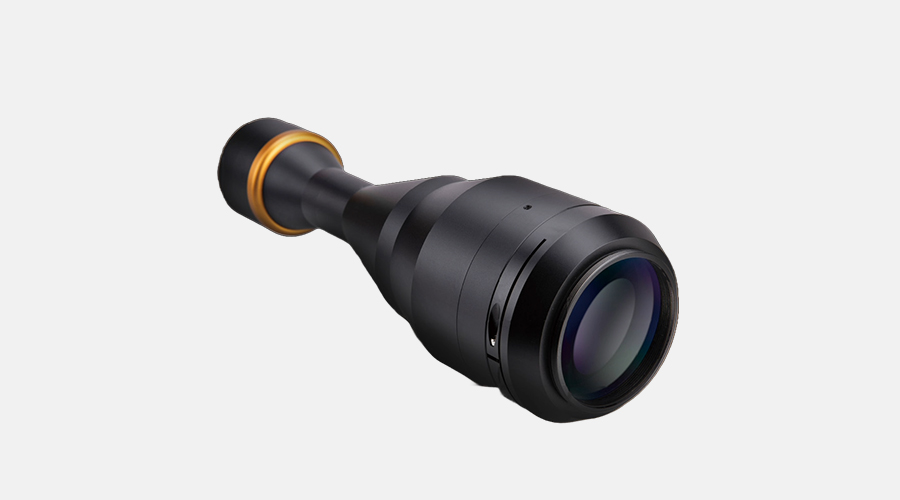 Compatible with 7.2mm-82mm chips
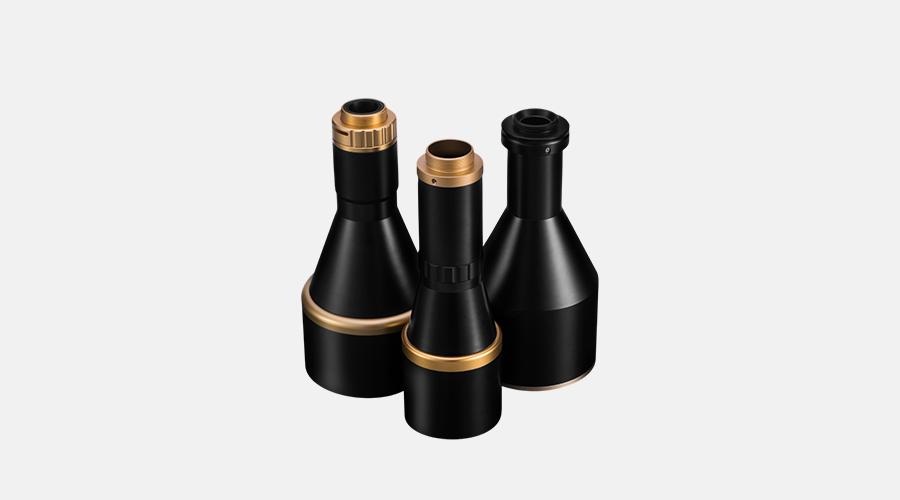 High/Low Working Distance
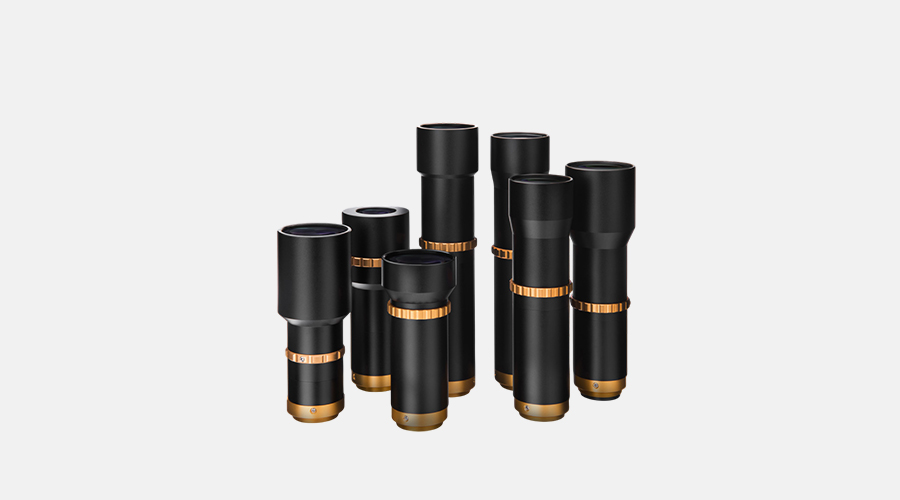 Aperture telecentric lens
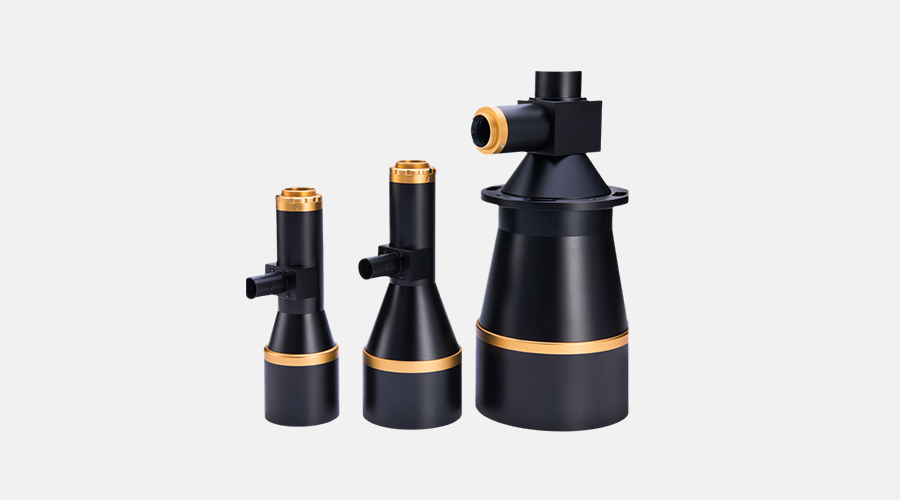 Measuring lens
 Maximum support 1.1" chips
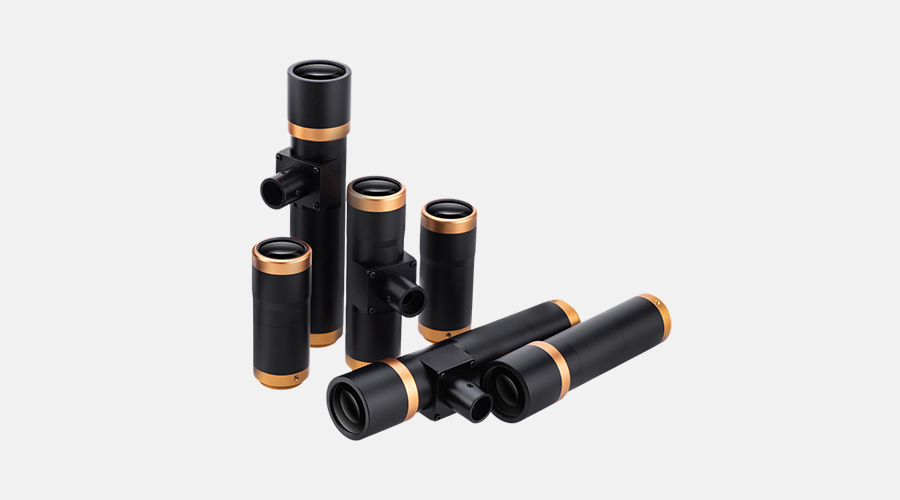 Maximum support 1.2" chips
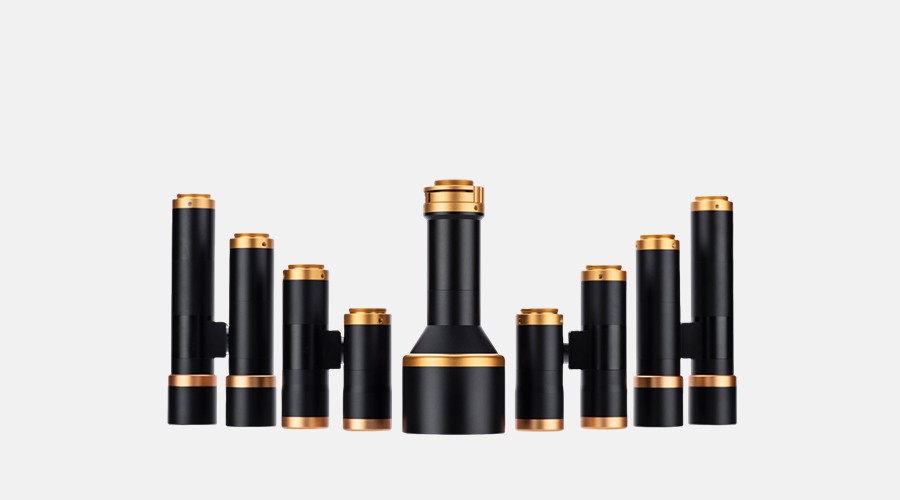 Maximum support 2/3" chips
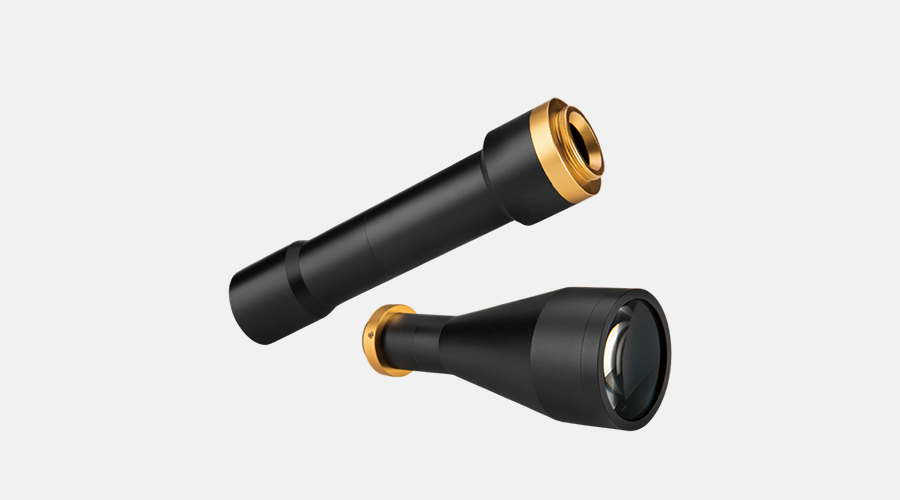 Long Working Distance
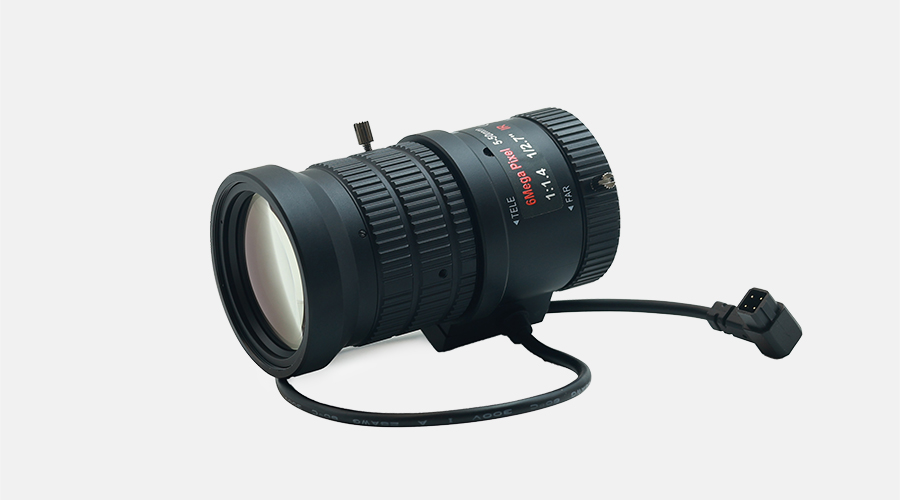 CS mount Varifocal lens
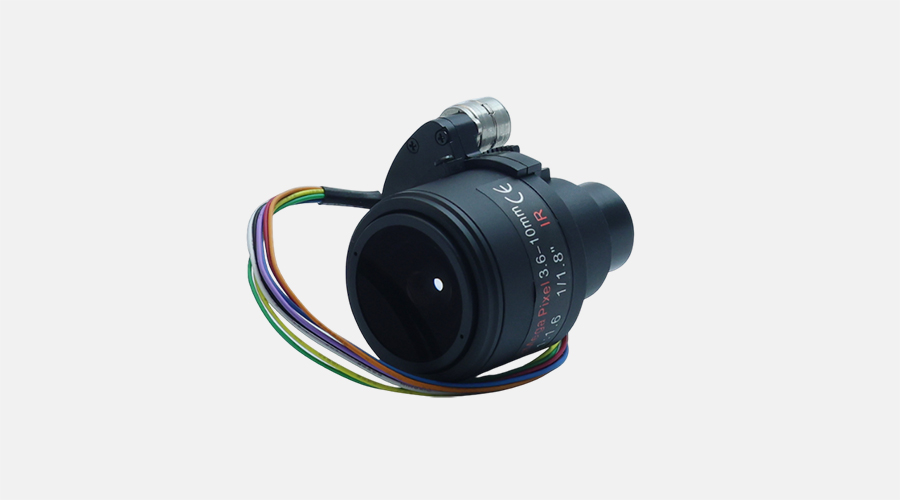 Varifocal board lens
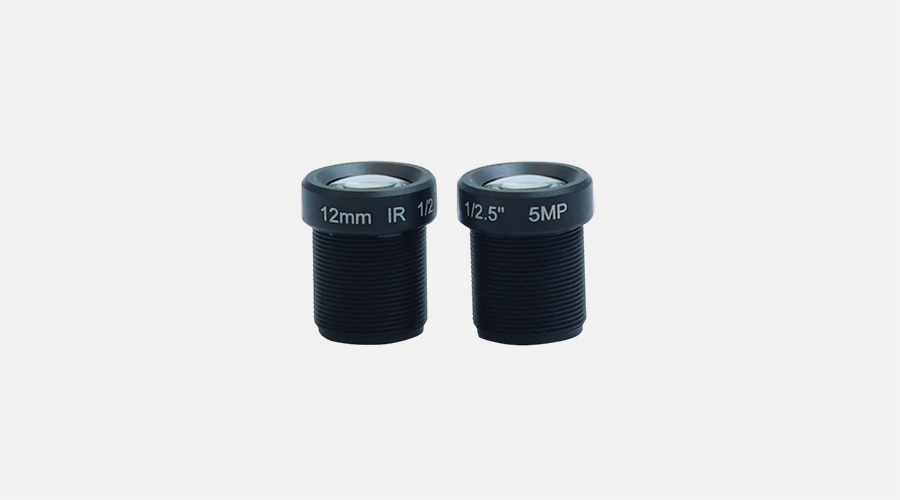 S mount lens
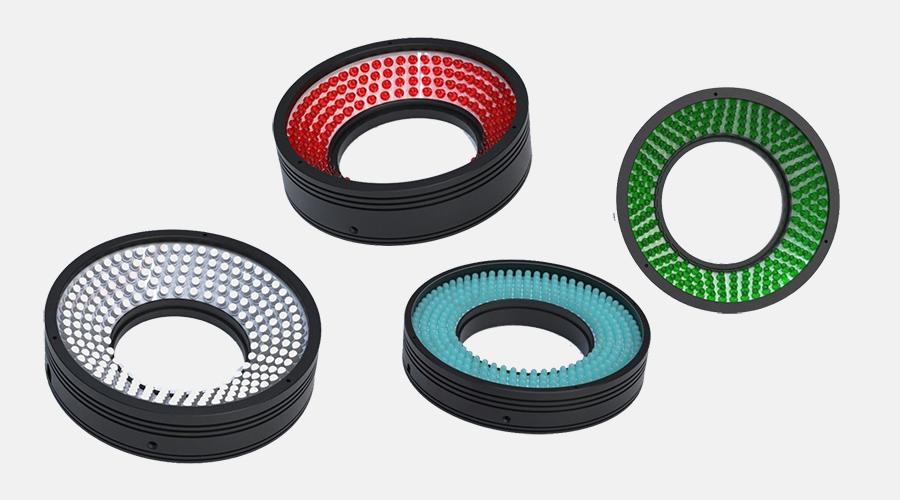 Ring light
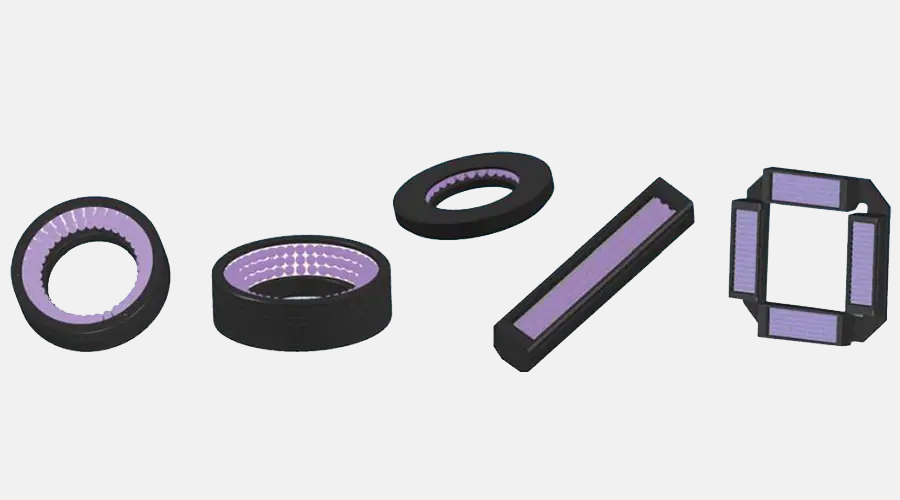 UV/IR Light
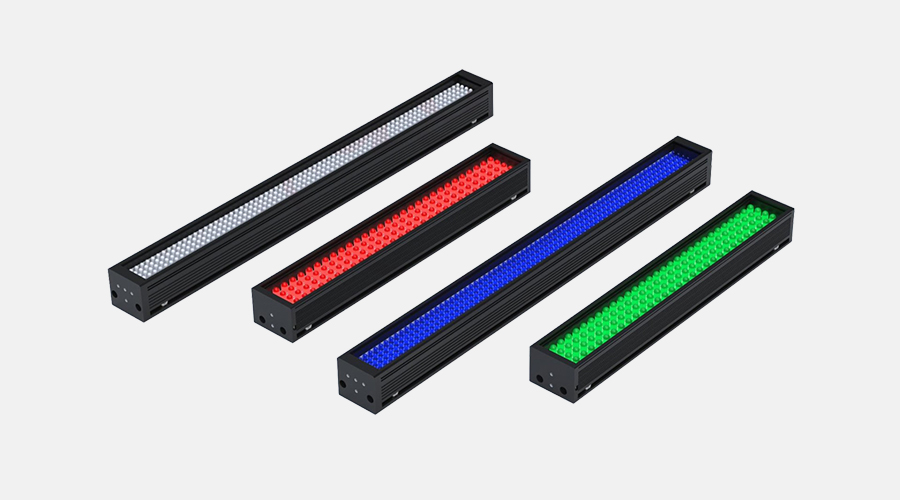 Bar light
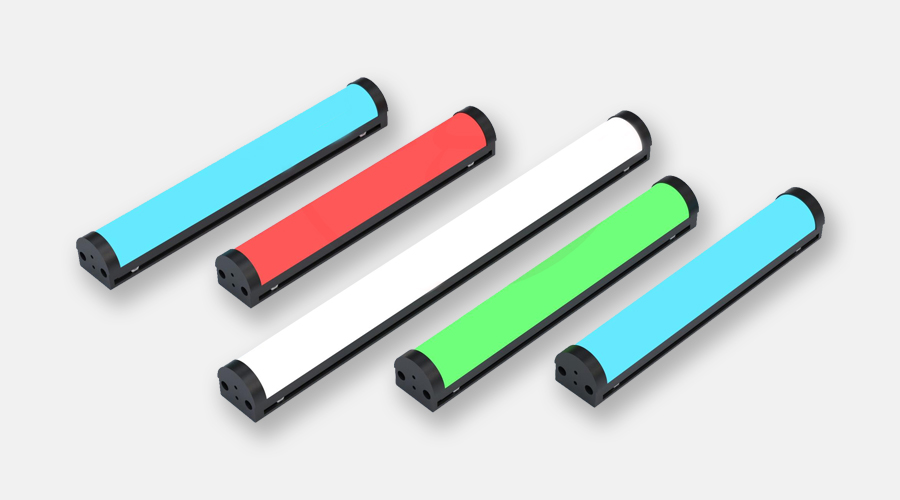 Arcuate high uniformity light
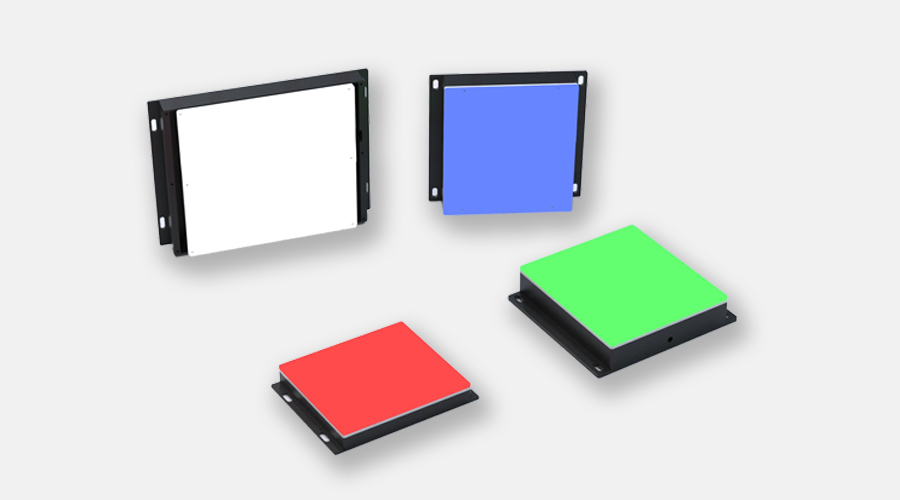 Back light
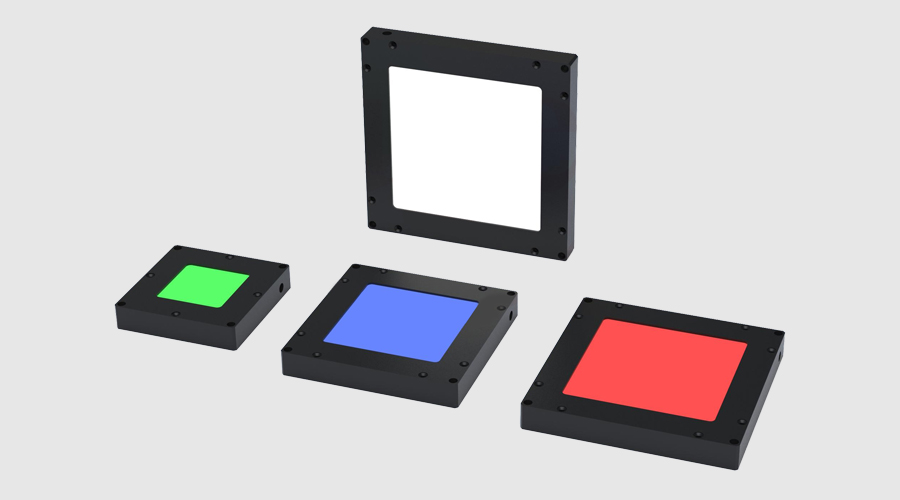 Flat light
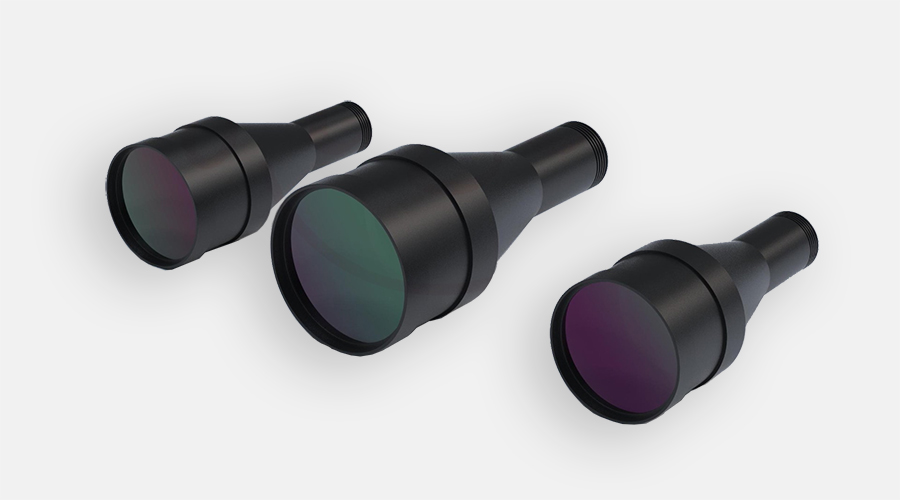 Collimated light
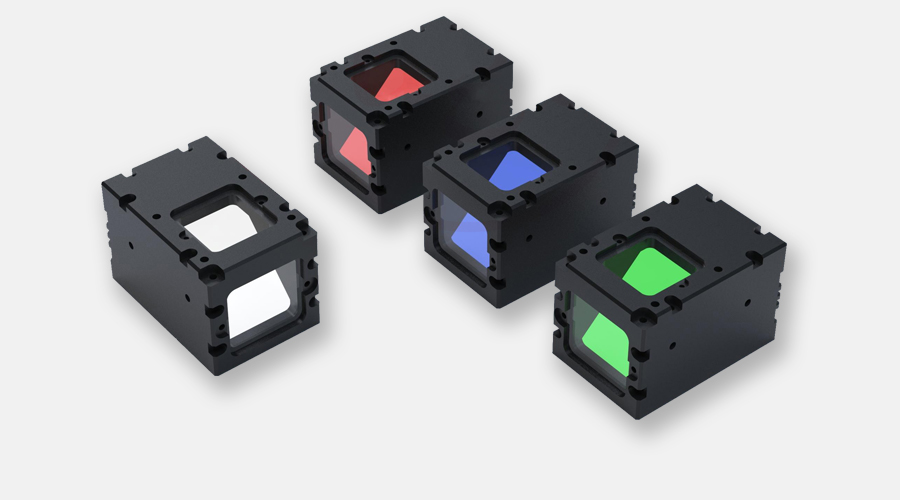 Coaxial light
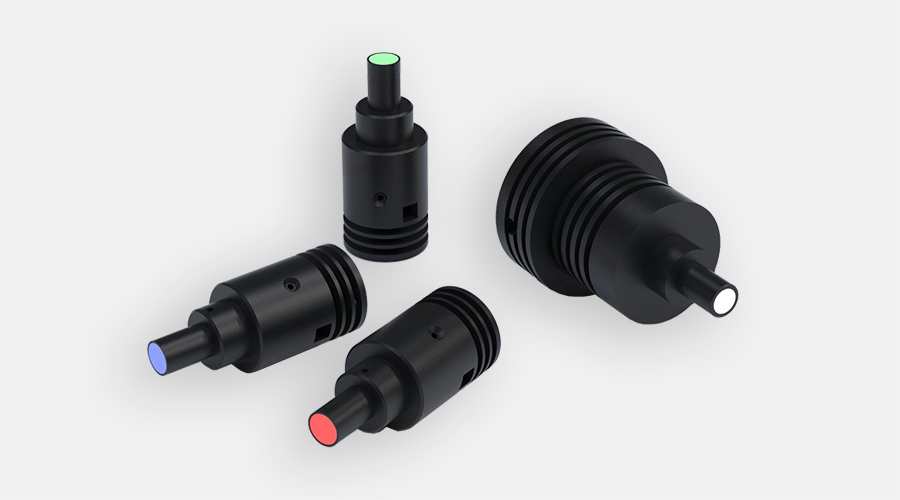 Spot light
 Dome light
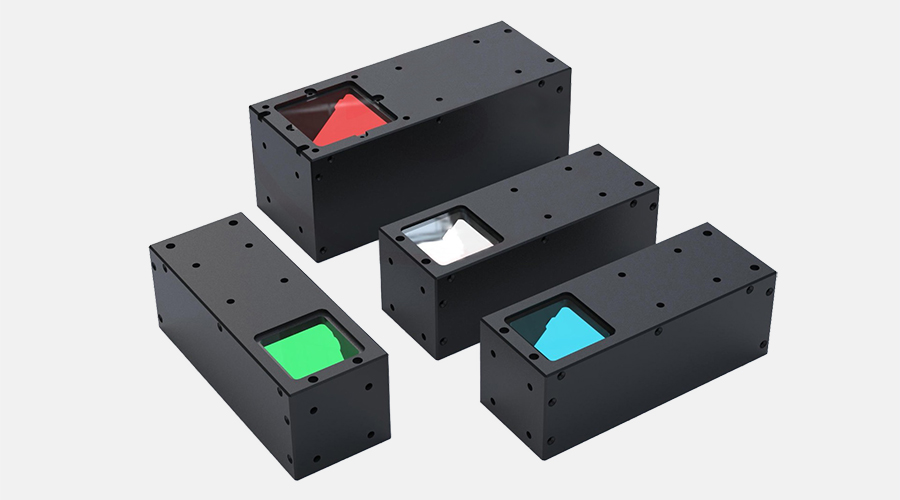 Collimated Coaxial light
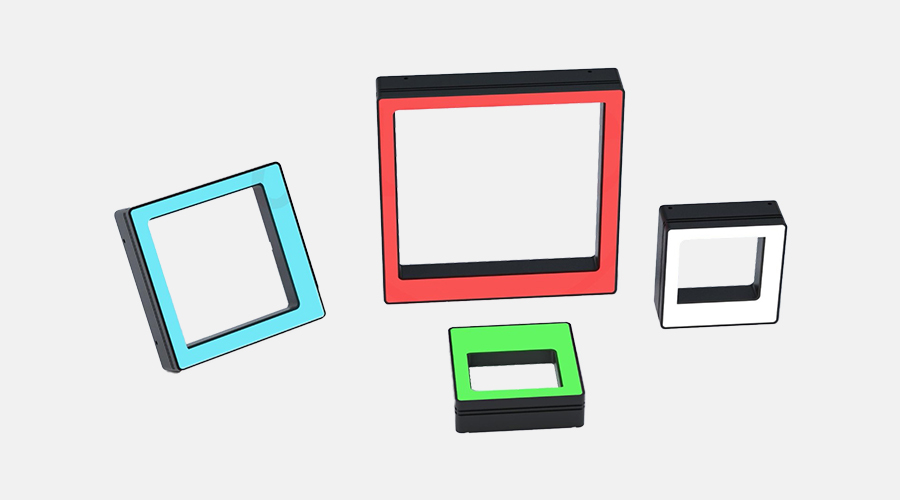 Shadowless square light
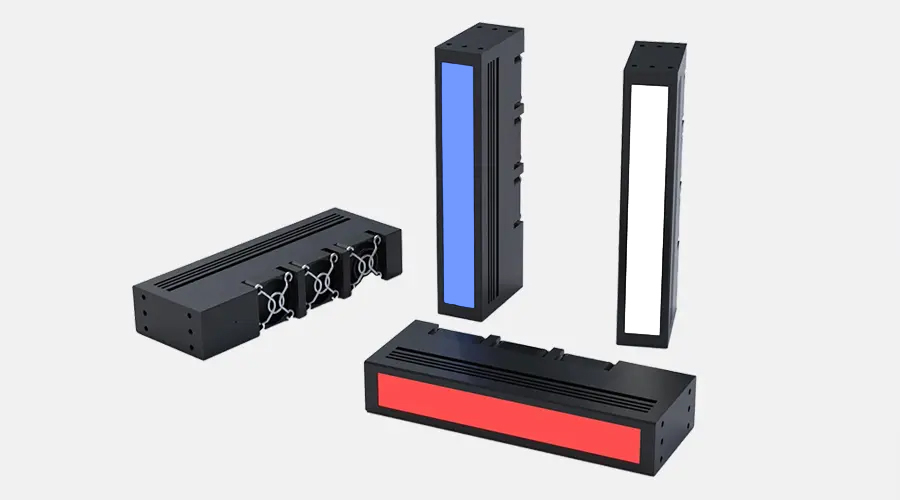 Scan light
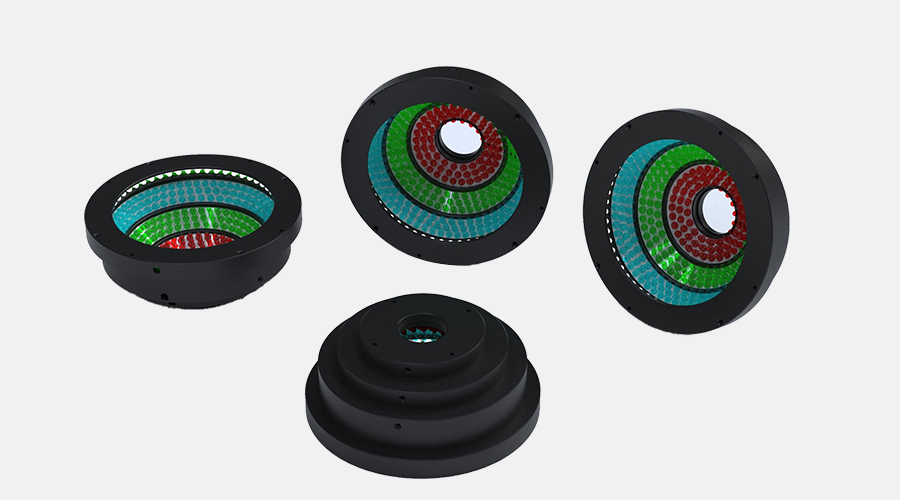 AOI light
 Analog controller
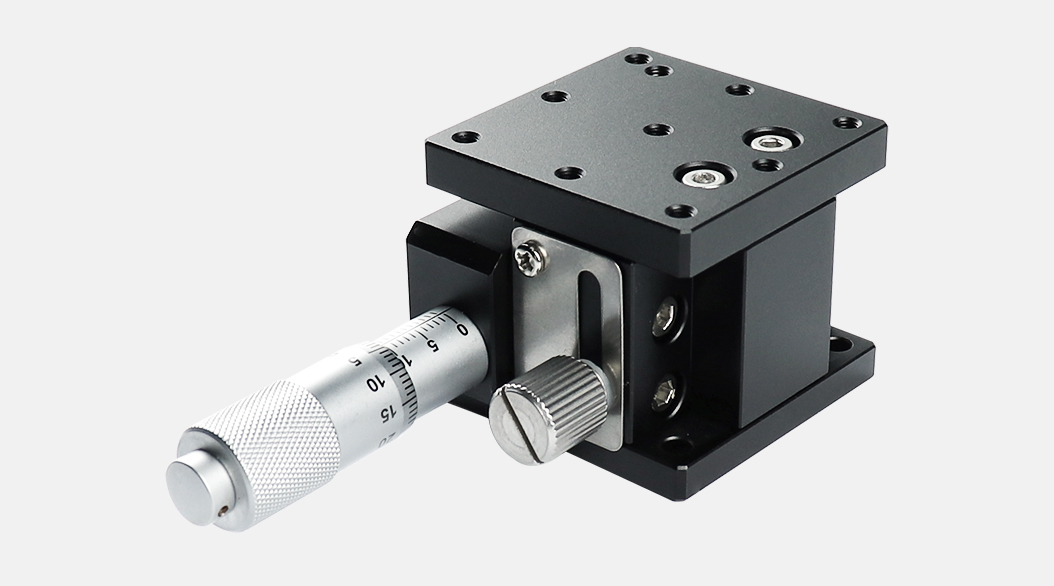 Crossed-Roller Linear guide type
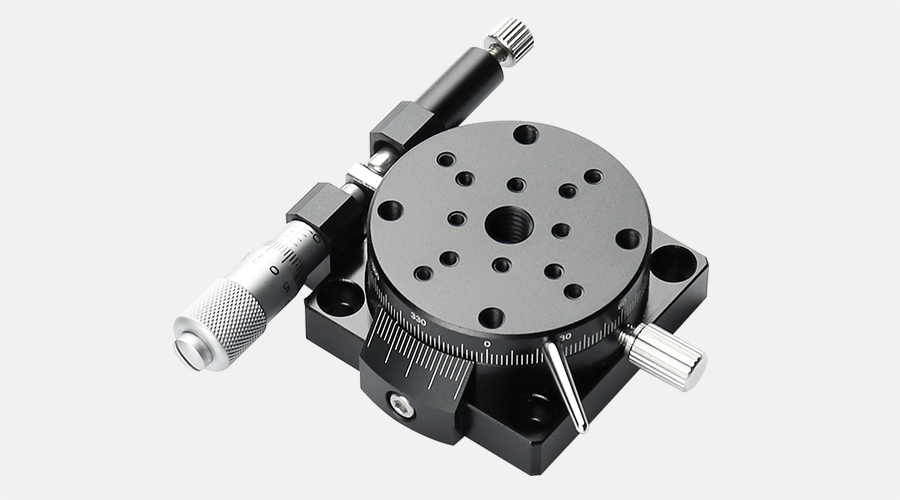 Rotary Stages XRS series
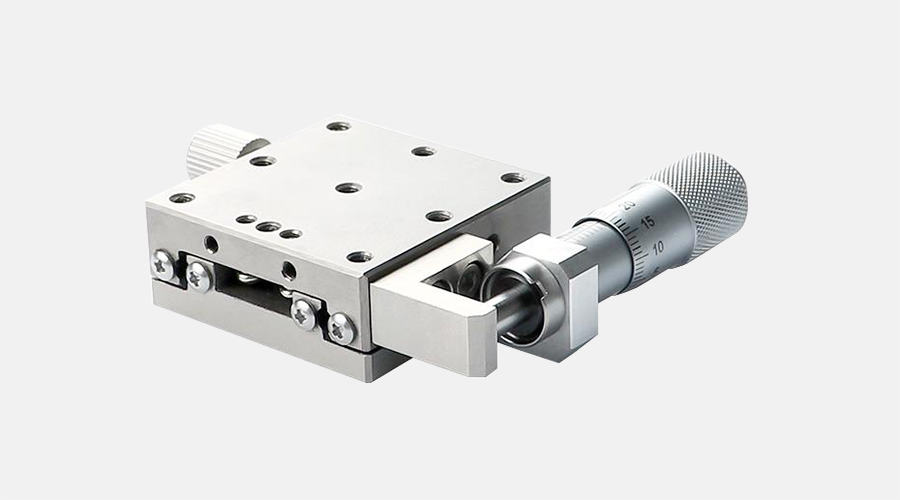 Stainless Steel Ball Bearing Linear Translation Stages
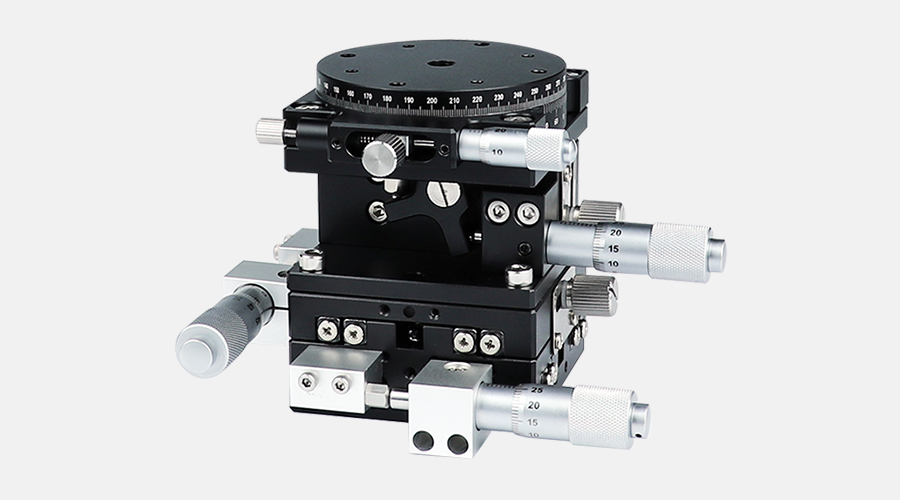 Multi-axis Translation stages
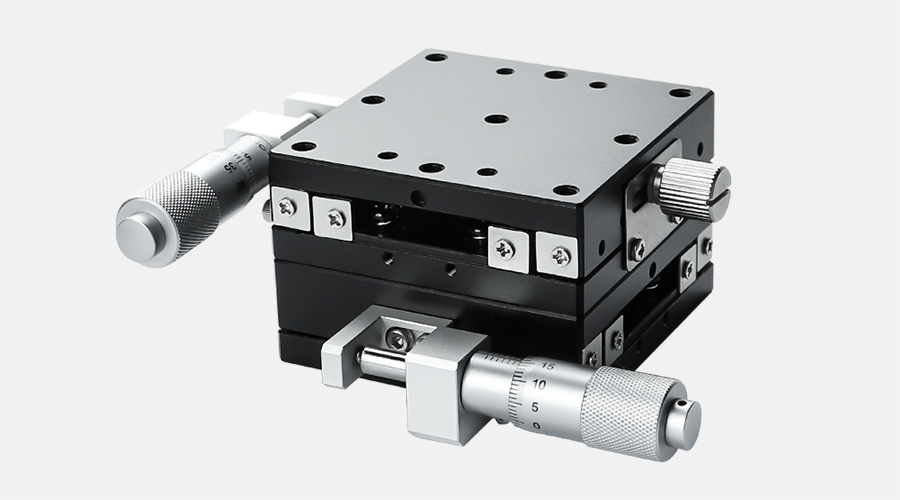 steel bar ball bearing stages
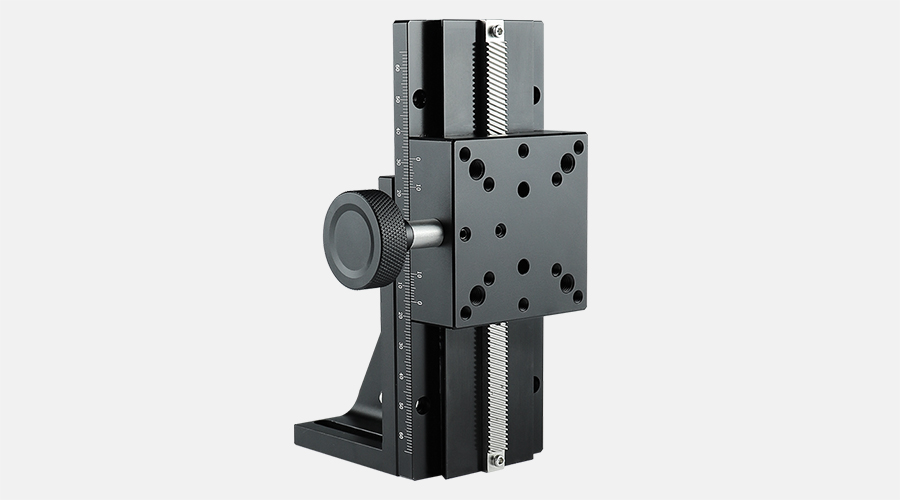 Dovetail Type Rack&Pinion Positioning Stage
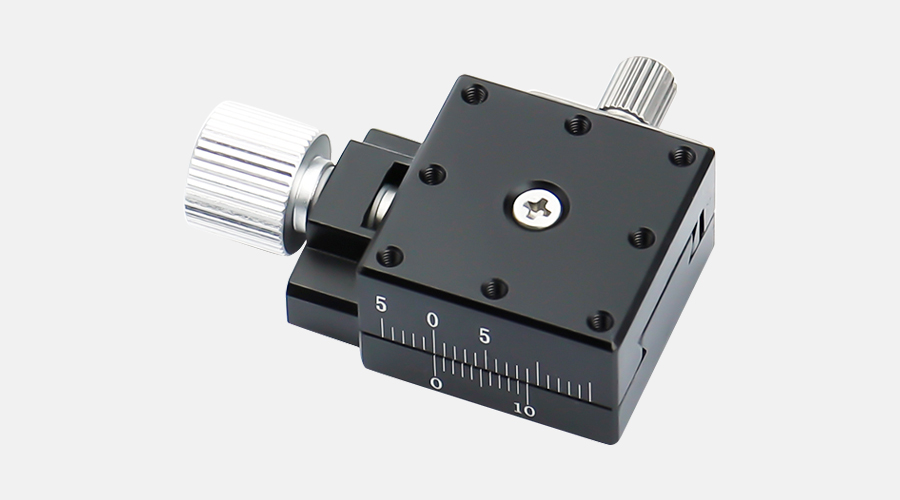 Dovetail groove high-precision screw slide