- Home
- Products
- About Us
- Customized Services
- News
- Contact Us
 Compatible with 7.2mm-82mm chips
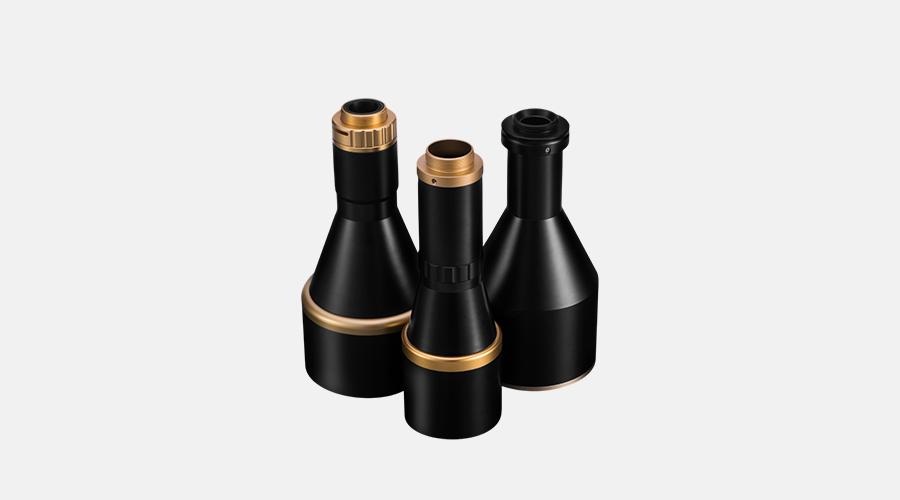 High/Low Working Distance
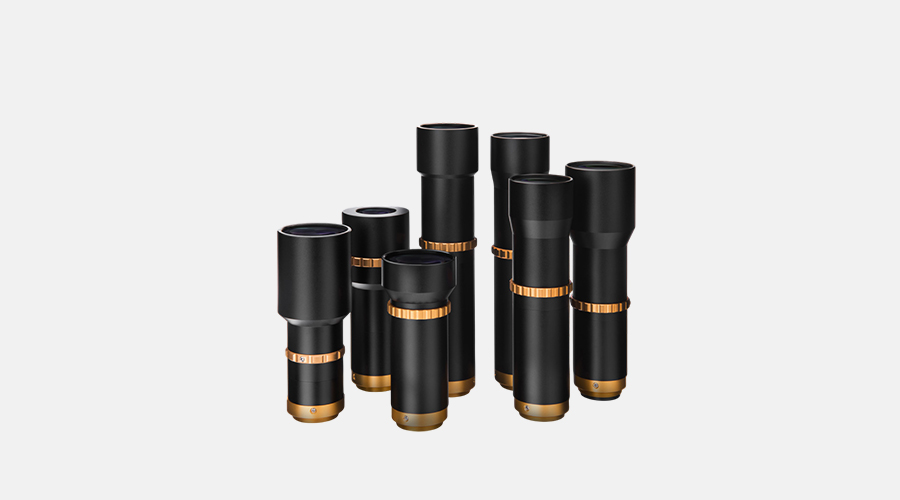 Aperture telecentric lens
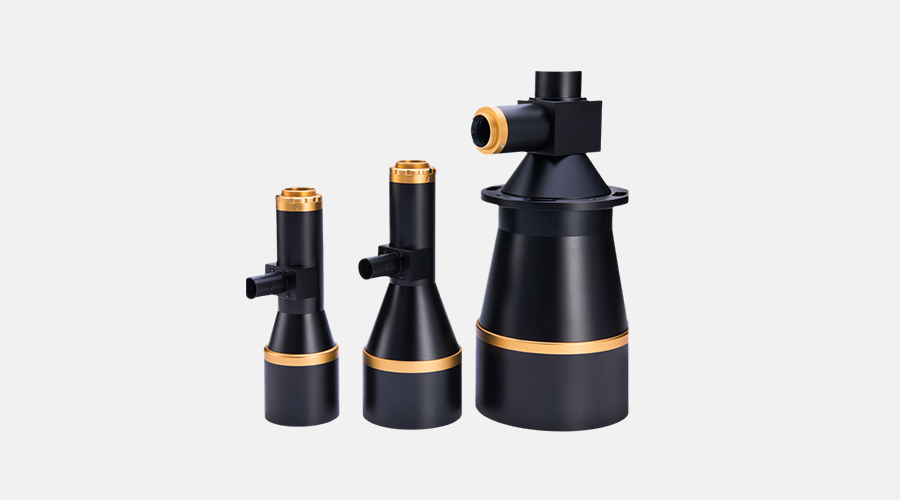 Measuring lens
 Maximum support 1.1" chips
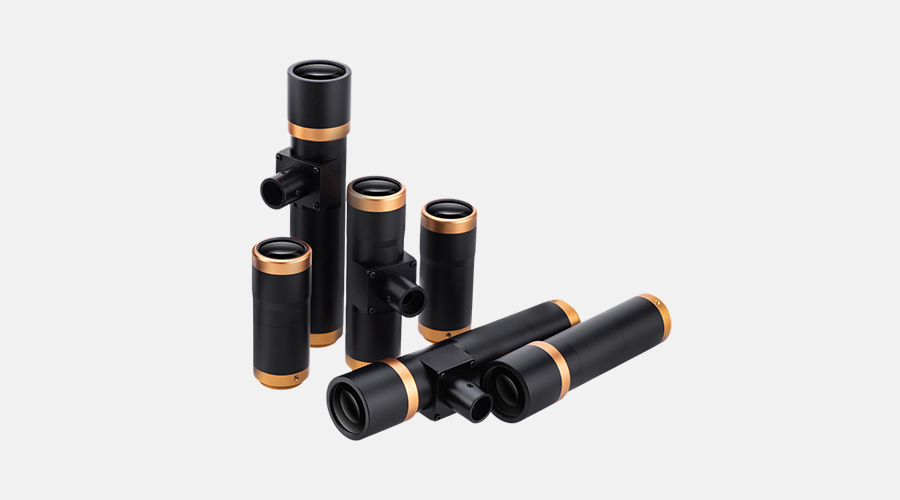 Maximum support 1.2" chips
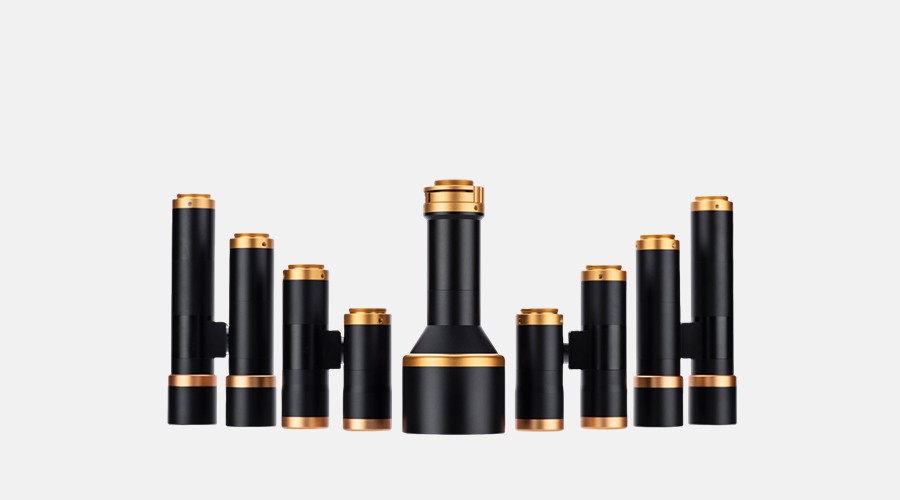 Maximum support 2/3" chips
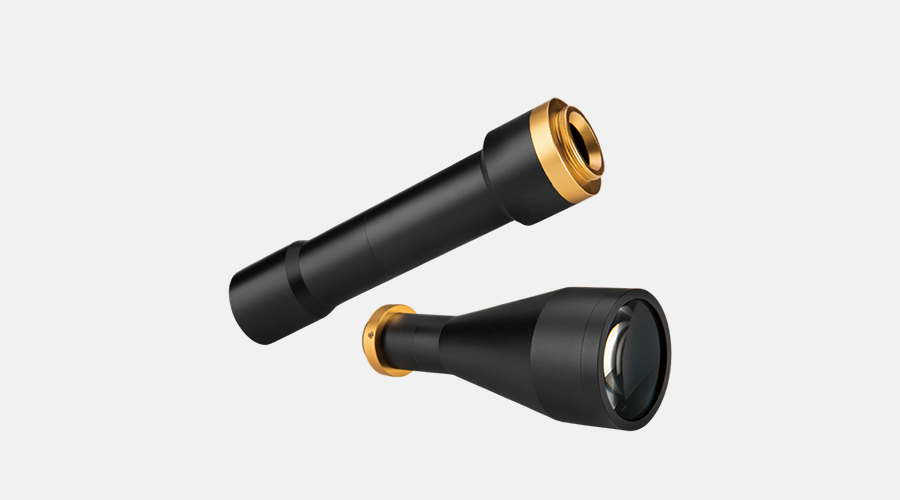 Long Working Distance
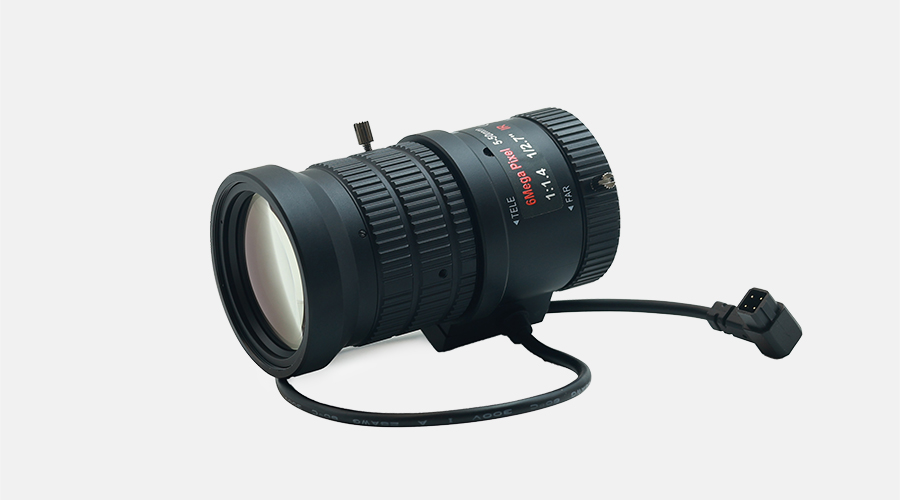 CS mount Varifocal lens
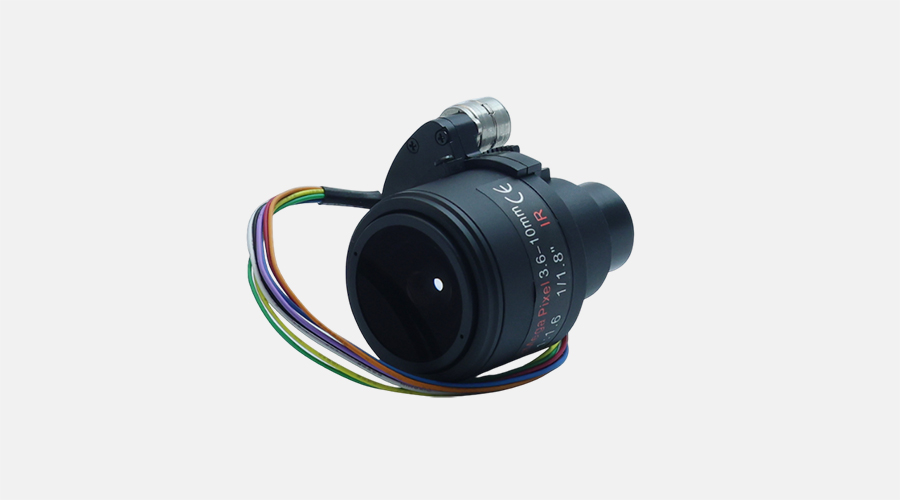 Varifocal board lens
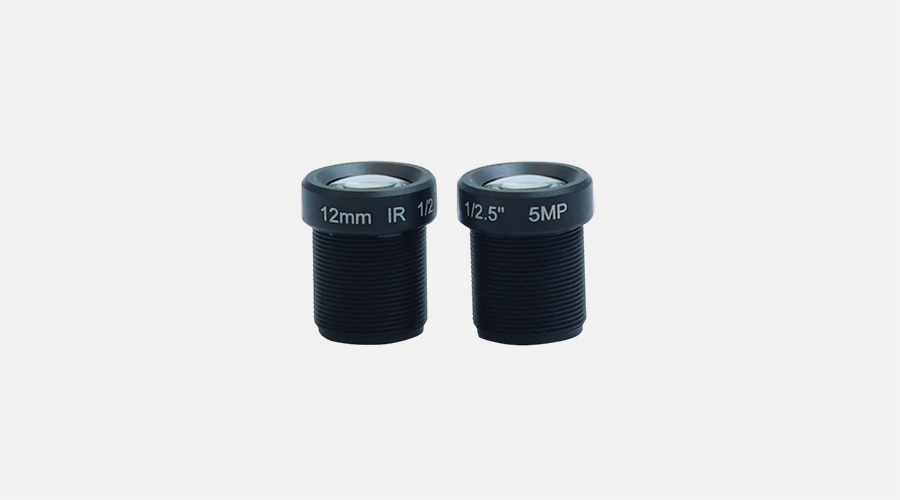 S mount lens
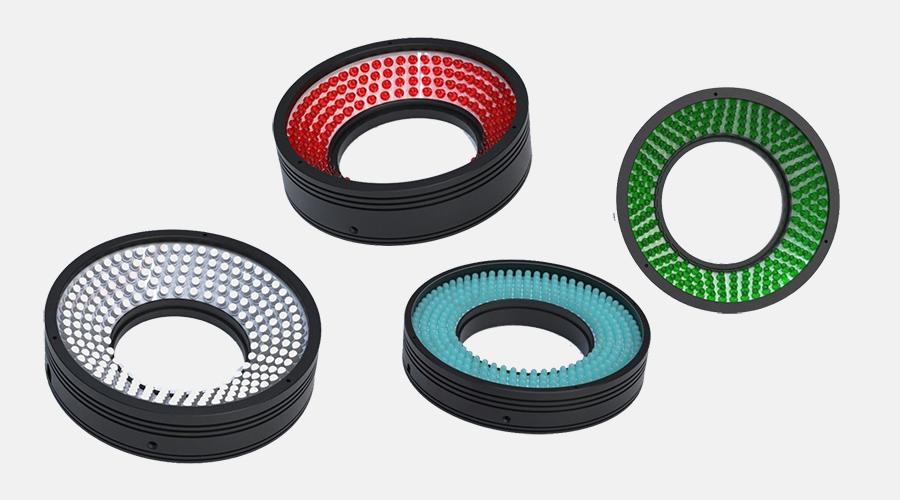 Ring light
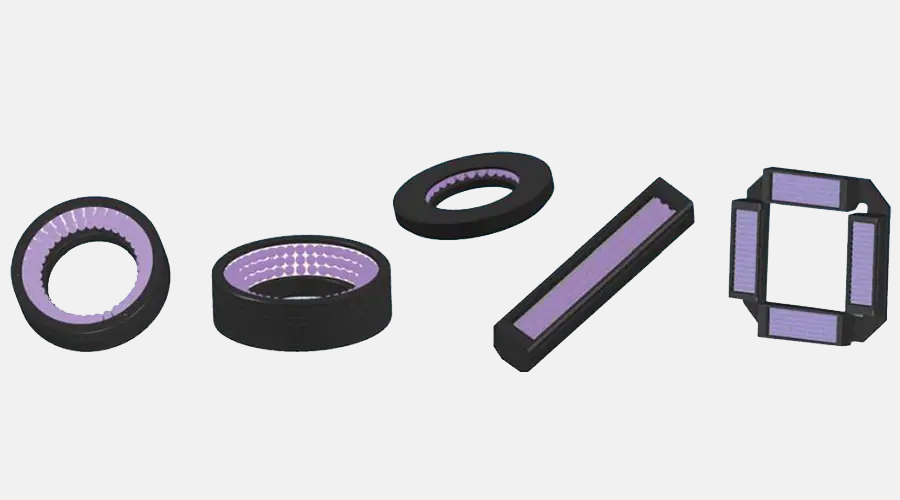 UV/IR Light
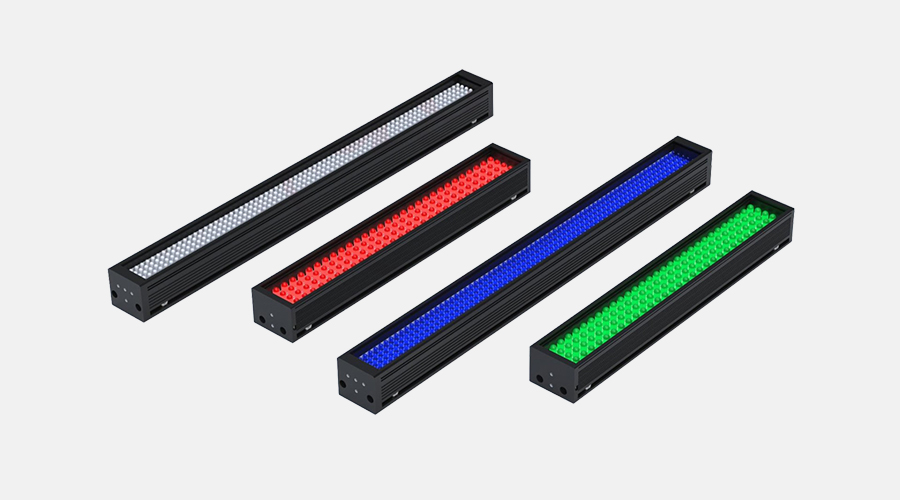 Bar light
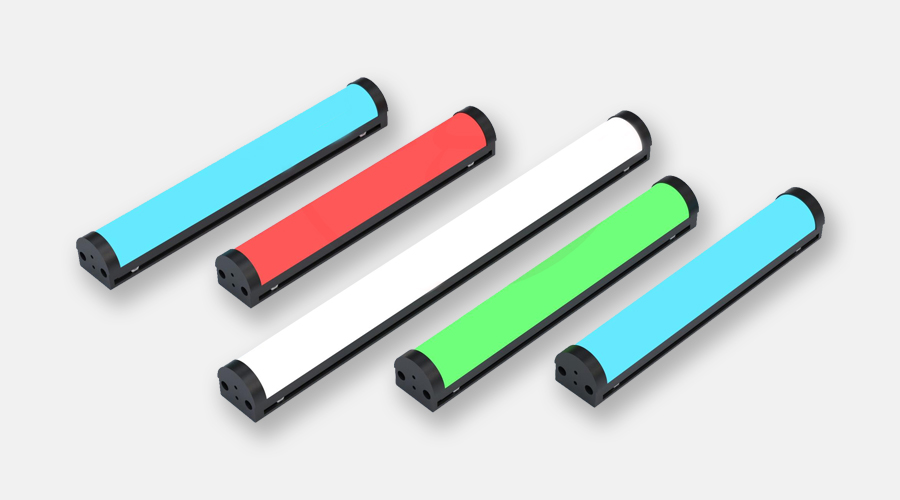 Arcuate high uniformity light
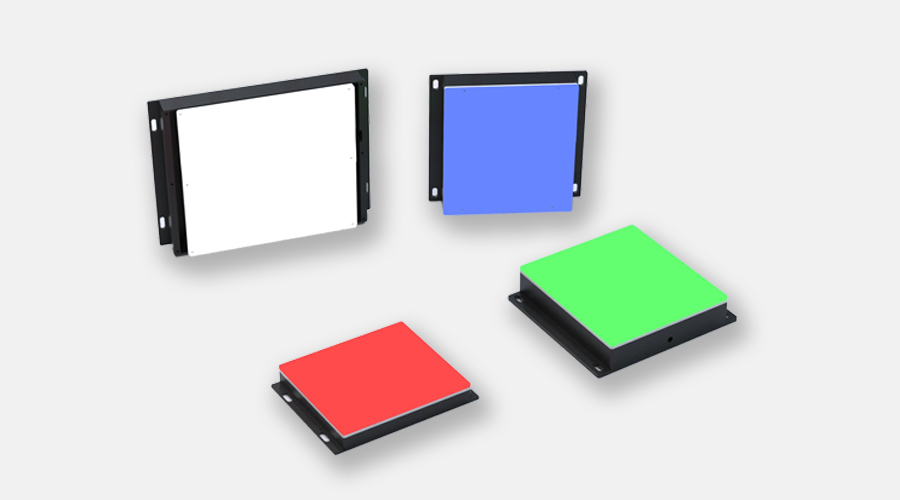 Back light
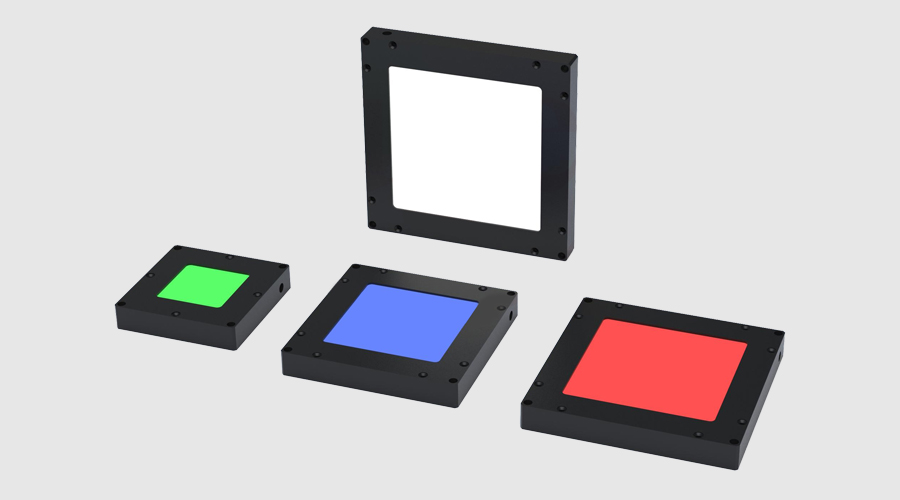 Flat light
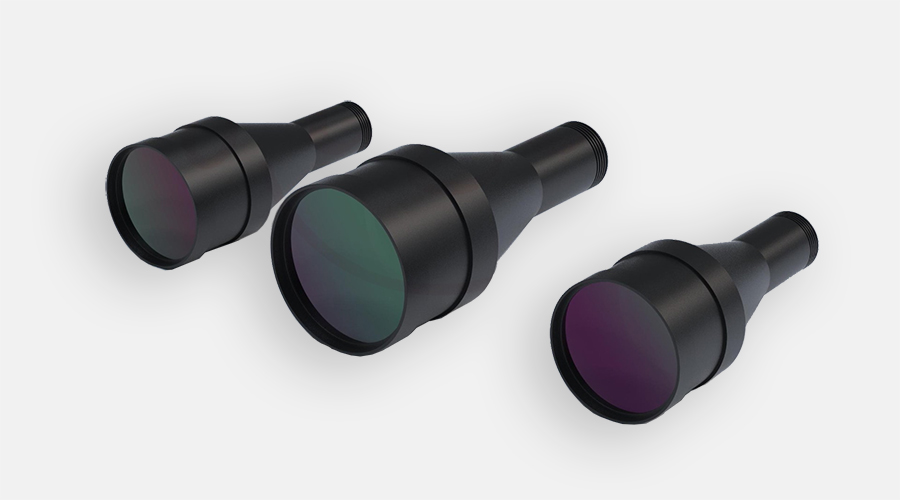 Collimated light
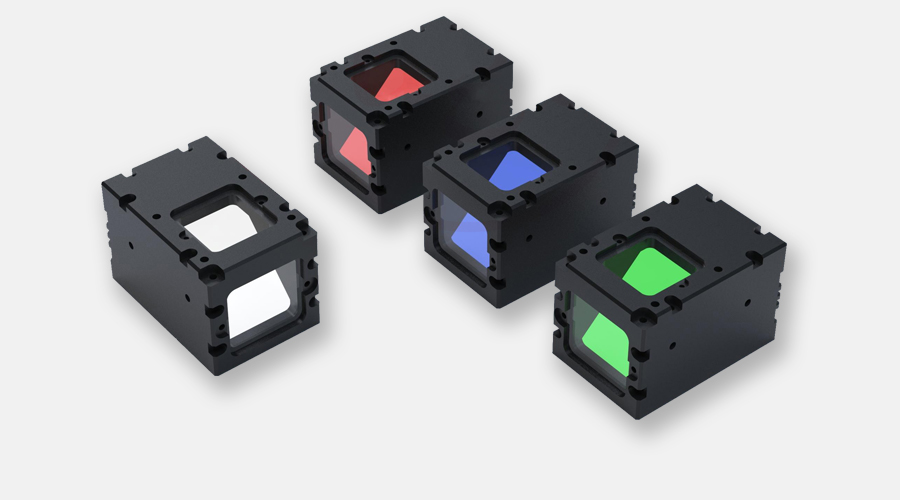 Coaxial light
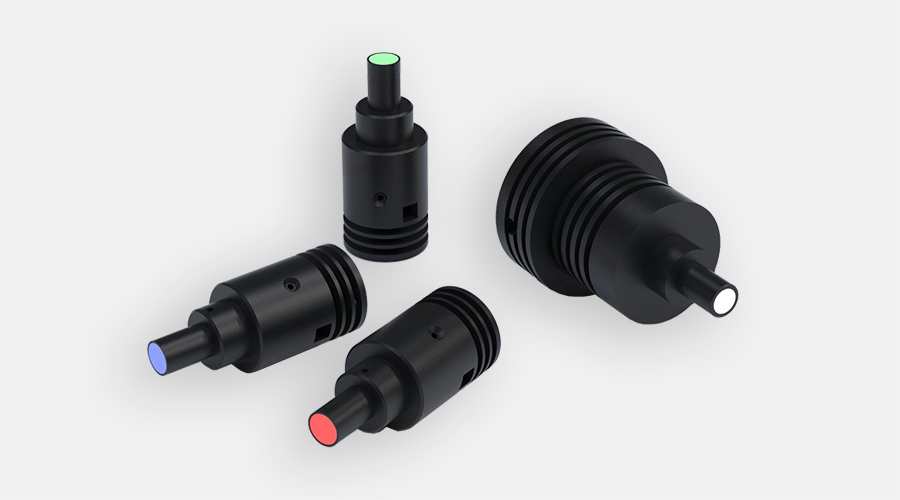 Spot light
 Dome light
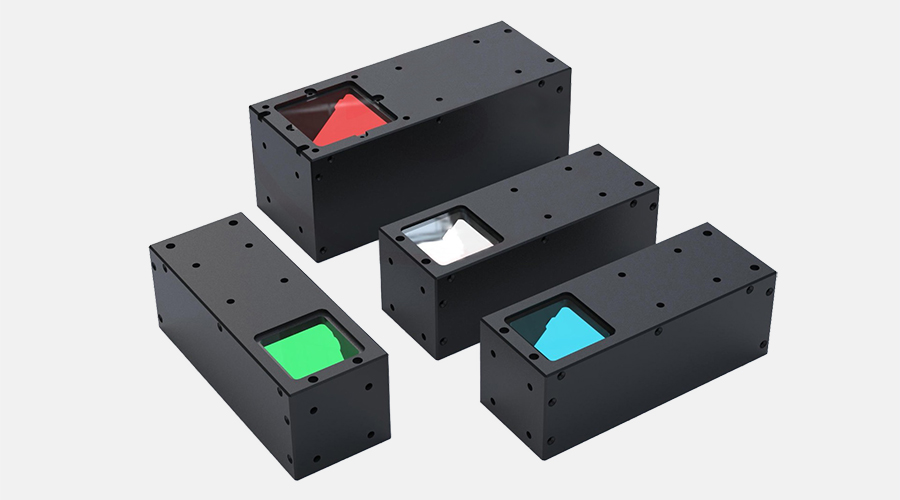 Collimated Coaxial light
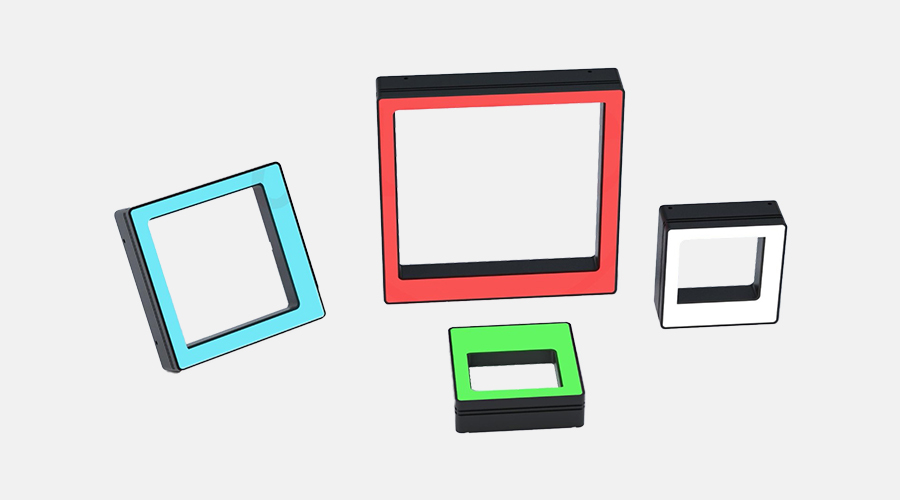 Shadowless square light
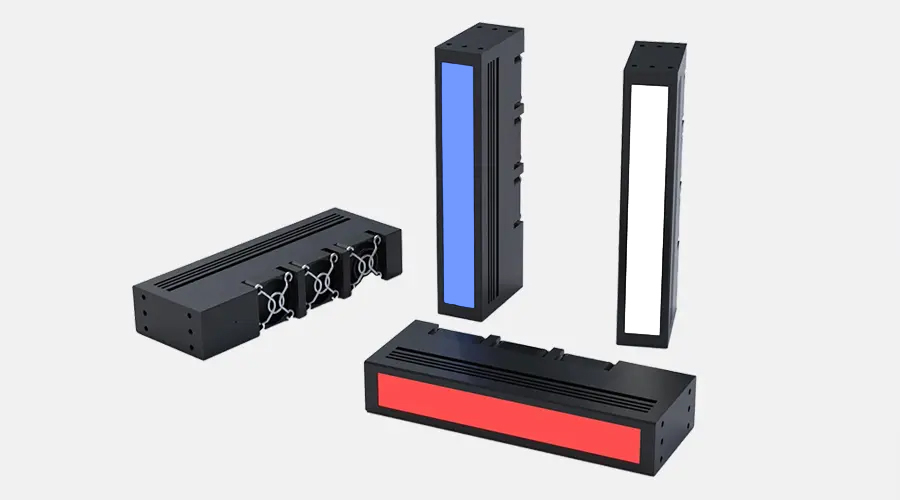 Scan light
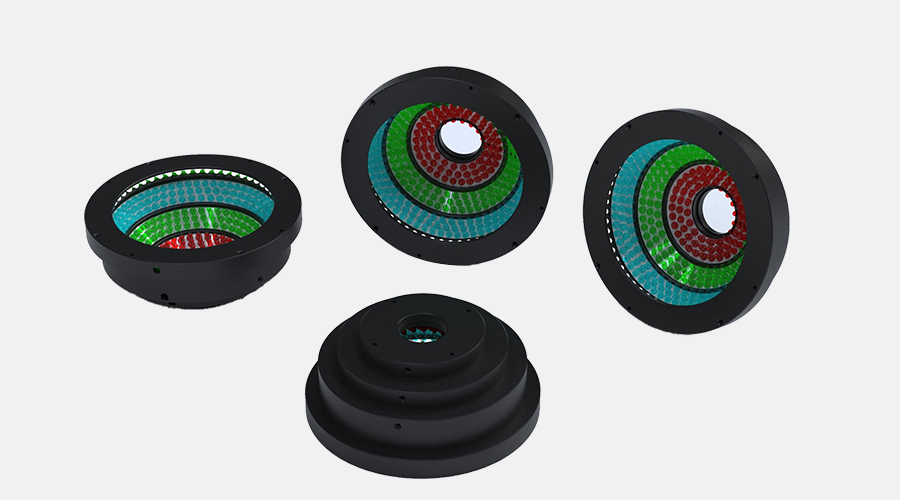 AOI light
 Analog controller
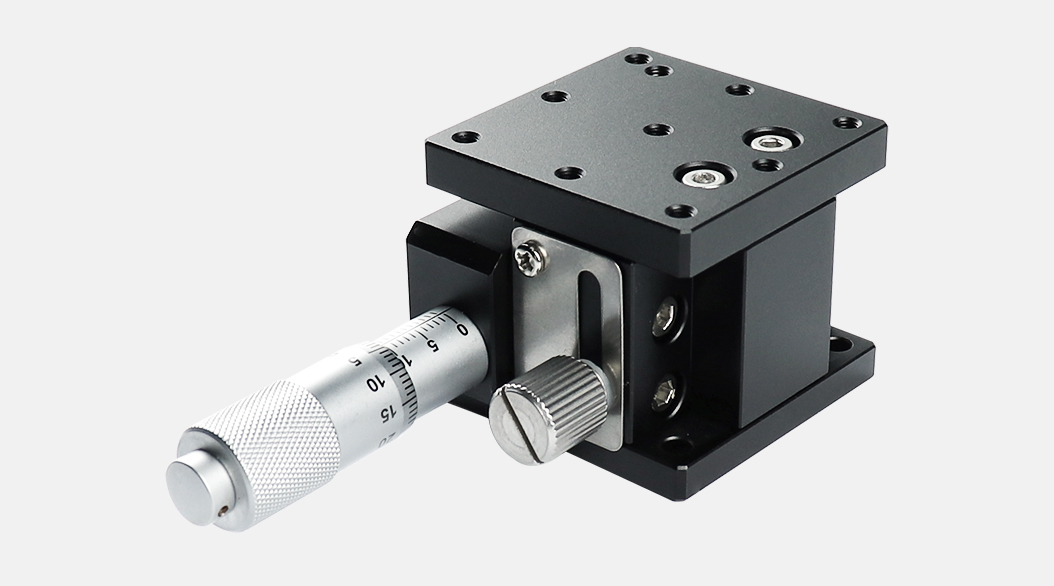 Crossed-Roller Linear guide type
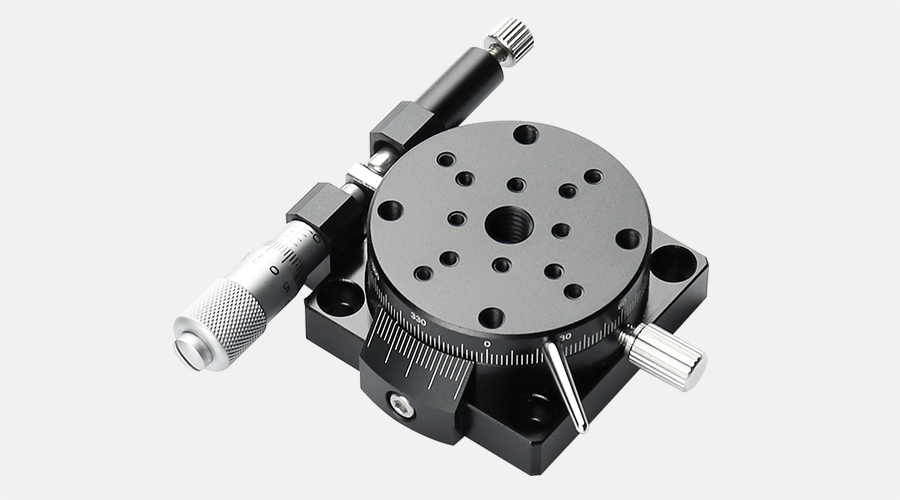 Rotary Stages XRS series
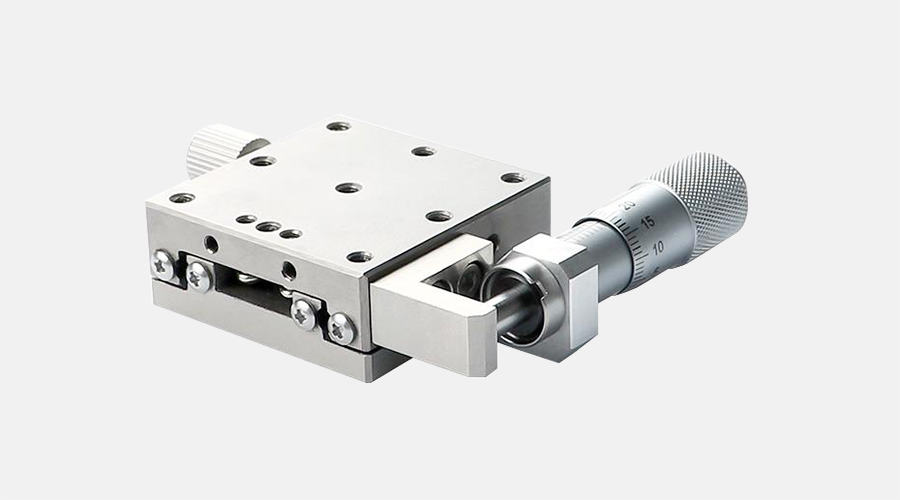 Stainless Steel Ball Bearing Linear Translation Stages
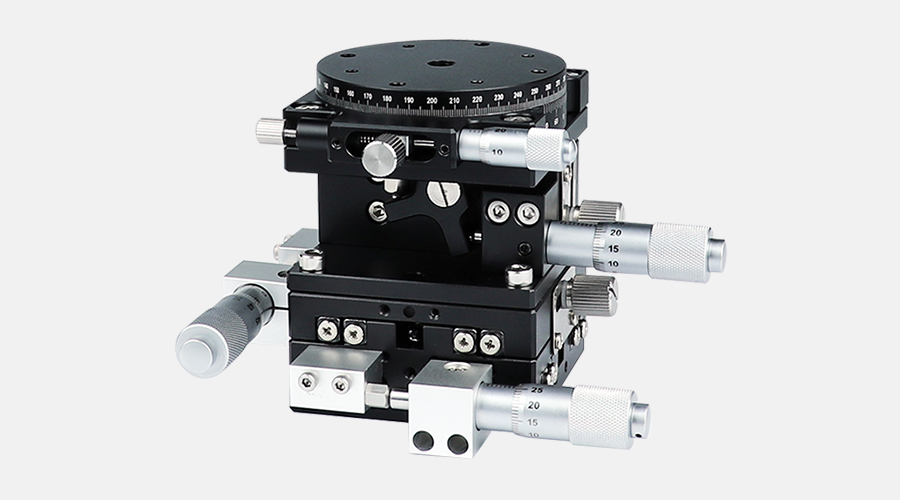 Multi-axis Translation stages
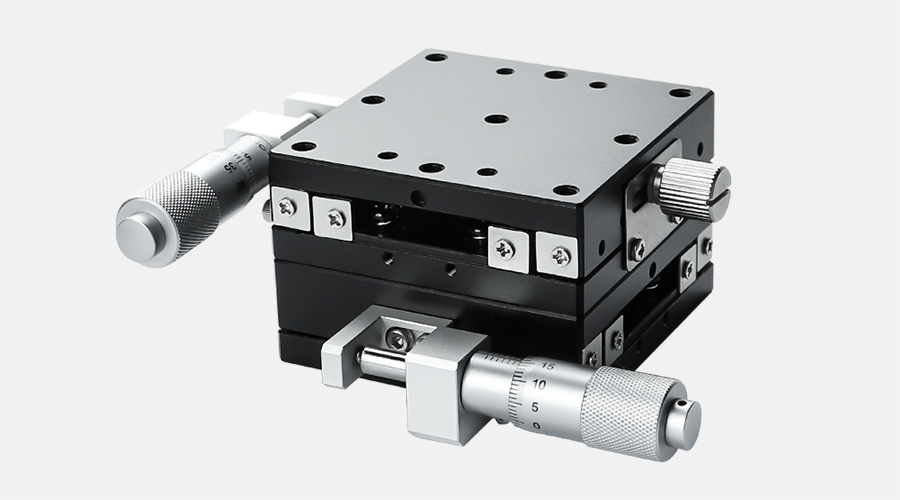 steel bar ball bearing stages
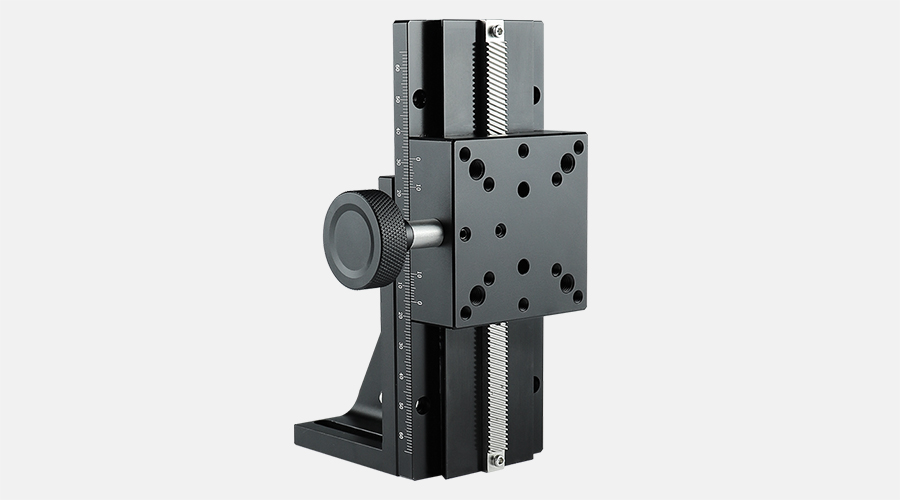 Dovetail Type Rack&Pinion Positioning Stage
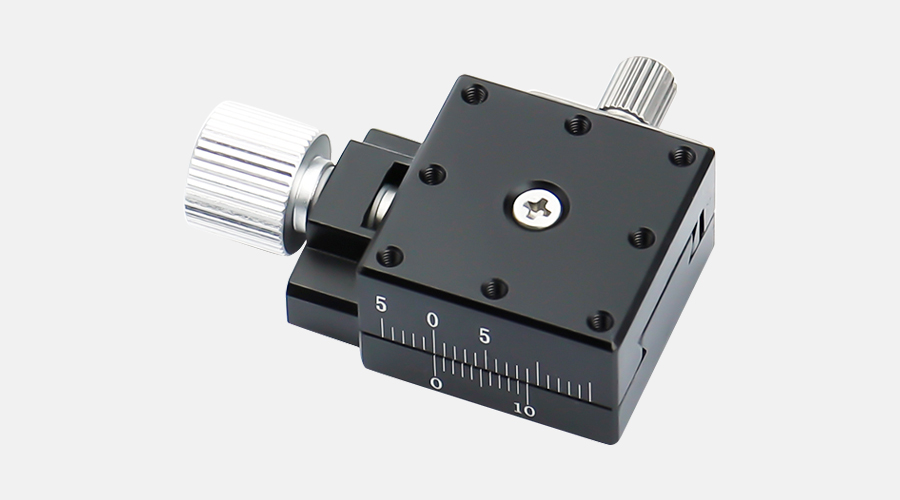 Dovetail groove high-precision screw slide
Leave Your Message
You know, in the fast-changing world of manufacturing, staying precise and maintaining top-notch quality is more important than ever. That's where Automated Vision Inspection really steps in as a game-changer. Companies like VisionPro and InspectTech have been leading the charge with solutions that help ensure products meet the strictest standards. Their expertise in this tech boosts production efficiency while honestly cutting down on mistakes.
Honestly, investing in Automated Vision Inspection can really shake things up for your operations. But a lot of businesses kinda overlook its potential, even now. Many still rely on old, clunky systems that won’t catch defects properly. That can lead to big losses in the long run. It’s super important for companies to take a good look at how they do inspections and be willing to try out new tech. Sure, making the switch might seem like a hassle at first, but trust me, the benefits are totally worth it.
As we check out some of the best wholesale quotes for custom Automated Vision Inspection for businesses, it's really crucial to understand just how important accurate evaluations are. The right tech can give you instant feedback, so you can fix issues on the fly. That said, it’s also key to stay open-minded and keep improving your processes. By doing that, you’re not just boosting quality—you’re setting yourself up for long-term success.
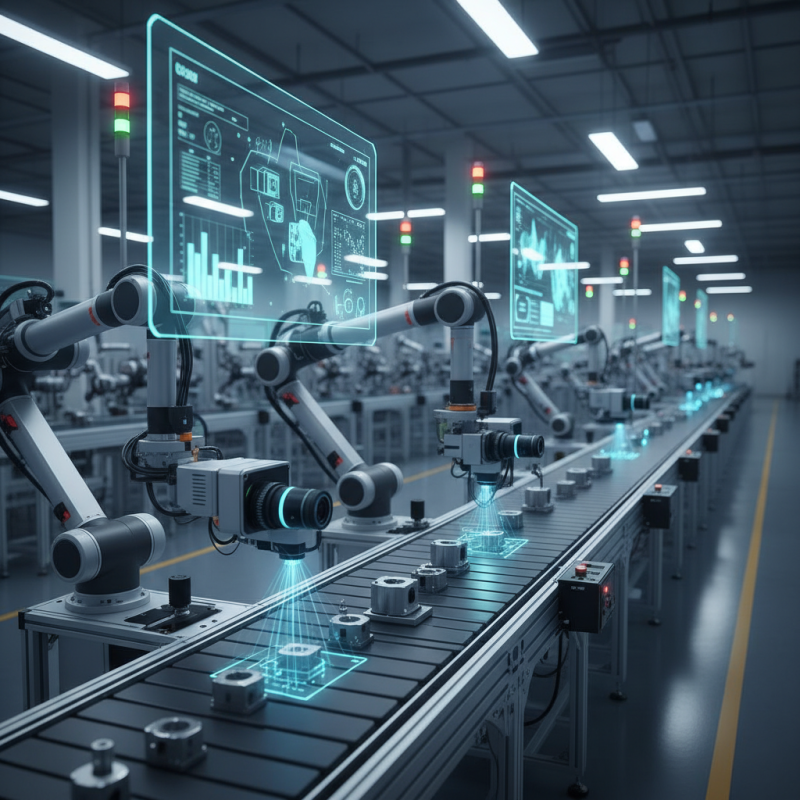
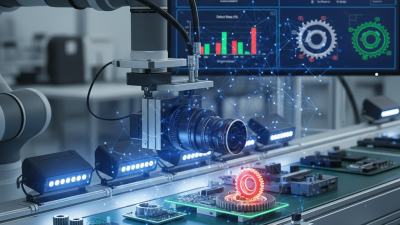
Automated vision inspection is transforming wholesale businesses. This technology uses cameras and software to check product quality. It ensures that every item meets the required standards. For businesses, this translates into significant time and cost savings.
Understanding how automated inspection works is vital. Cameras capture high-resolution images of products. Advanced algorithms analyze these images for defects. However, implementing this system isn't without challenges. A business might struggle with calibration or software integration. Even the best technology requires regular updates and maintenance.
Training staff to adapt is crucial. Employees need to understand both the machinery and the data produced. Investing in ongoing education can enhance efficiency. Automated vision inspection tools can streamline operations but can also lead to frustrations if not properly managed. Regular feedback and adjustments help in fine-tuning the process.
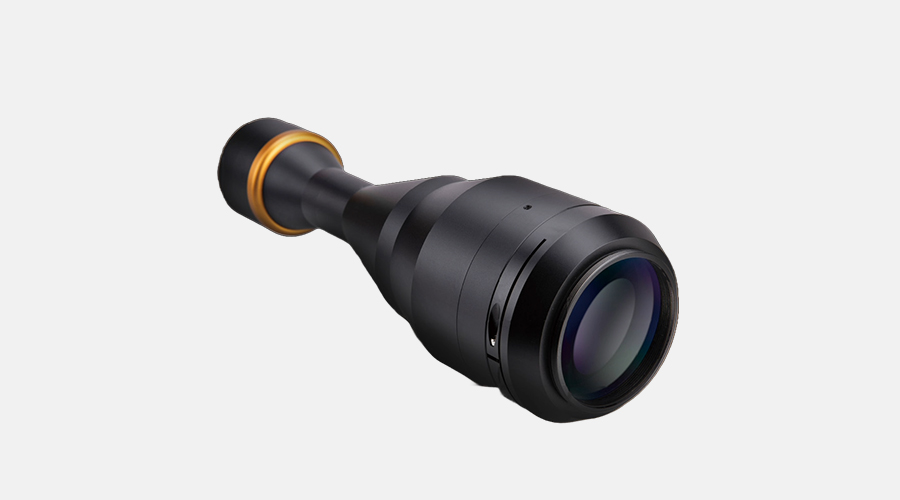
In the realm of high precision line array inspections, enhancing quality control is paramount, and the integration of 12K telecentric lenses plays a crucial role in achieving this goal. These specialized lenses are designed to provide minimal aberrations and exceptional telecentricity, with performance metrics showcasing aberration less than 0.1% and telecentricity under 0.1°. Such precision eliminates perspective errors that could compromise the accuracy of measurements and analyses during inspections.
The capabilities of the 12K telecentric lenses extend to maximum Modulation Transfer Function (MTF) greater than 0.3 at 76 line pairs per millimeter, effectively leveraging the full potential of 12K camera sensors with 5 μm pixel sizes. This level of performance results in unparalleled image sharpness and detail, making these lenses ideal for applications requiring rigorous measurement standards. Their small telecentricity enables high-resolution imagery while maintaining consistent magnification across the entire depth of field, ensuring reliable results in various inspection scenarios.
The adaptability of M72-mount designs allows for seamless integration with a range of industrial camera systems, making these lenses versatile tools in stringent quality control processes. Their superior optical characteristics not only enhance inspection accuracy but also streamline workflows, providing manufacturers with the assurance needed to maintain product integrity and meet industry standards. The application of 12K telecentric lenses thus stands as a formidable advancement in the field of optical inspections.
: It's crucial for businesses to analyze financial impacts, especially with significant initial investments involved.
Include reduced labor costs, fewer defects, and improved efficiency, along with ongoing maintenance costs.
Ongoing maintenance and training expenses can significantly reduce overall savings, affecting long-term benefits.
Not all systems are user-friendly, and staff training can take considerable time and resources.
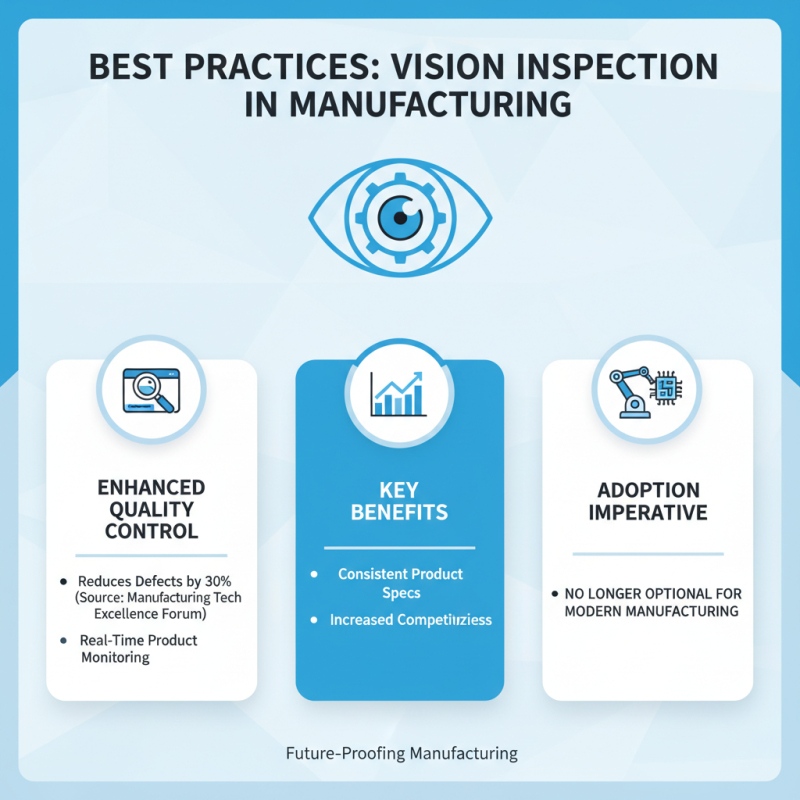
Businesses may see up to a 30% reduction in defects, enhancing overall quality control.
Employees need to understand how to interpret results and troubleshoot issues to maximize efficiency.
A steep learning curve may frustrate teams, causing potential delays in production processes.
Regularly reviewing processes and addressing employee feedback can help mitigate challenges and refine practices.
Acknowledge initial imperfections and plan carefully to embrace changes effectively.
No, the benefits may not be immediate, and it often requires a commitment to training and adaptation.
The article titled "2026 Top Wholesale Custom Automated Vision Inspection Quotes for Businesses" explores the significance of Automated Vision Inspection in the wholesale sector. It begins by defining what Automated Vision Inspection entails and highlights its crucial role in enhancing quality control for wholesale businesses. The article emphasizes the necessity for custom solutions tailored to specific operational needs, which can significantly improve inspection accuracy and efficiency.
Key features to consider when evaluating Automated Vision Inspection systems are discussed, alongside a cost-effectiveness analysis that helps businesses assess the return on investment for adopting these technologies. Best practices for implementation are also provided, ensuring that companies can seamlessly integrate these systems into their manufacturing processes. The article concludes with inspiring case studies showcasing successful applications of Automated Vision Inspection, as well as insights into future trends that will shape the industry, positioning businesses to stay competitive in an evolving market.