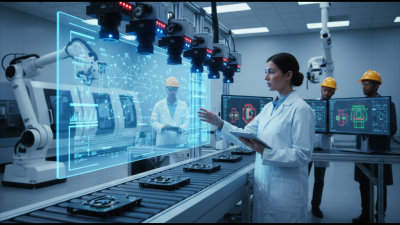
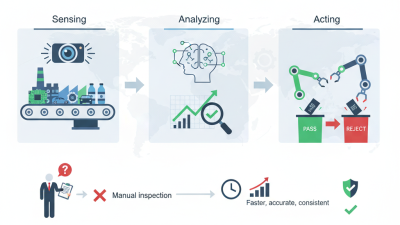
The world of manufacturing is changing faster than ever these days. Automated Vision Inspection tech, in particular, is really taking center stage in this shift. Companies like Cognex and Omron are kind of leading the way here, pushing things forward. Their systems not only help catch defects more accurately but also make the whole process way more efficient — it’s pretty impressive.
Looking ahead to 2026, we're gonna see some interesting trends that could totally shake up the industry. For starters, smarter algorithms are going to boost defect detection even further. Plus, AI integration is probably going to play a big role. But, honestly, it won’t all be smooth sailing. Not every company finds adoption easy — some face steep upfront costs, and others have trouble with staff training or getting everyone up to speed.
Jumping into Automated Vision Inspection isn’t as simple as flipping a switch; it takes some real thought and planning. Sure, it can lead to big improvements, but there are definitely some hurdles along the way. The key to making it work? Staying aware of these emerging trends and being ready to adapt. Ultimately, success will come down to smart decisions and a willingness to keep improving as we go.
Emergence of AI-Driven Automated Vision Inspection Systems
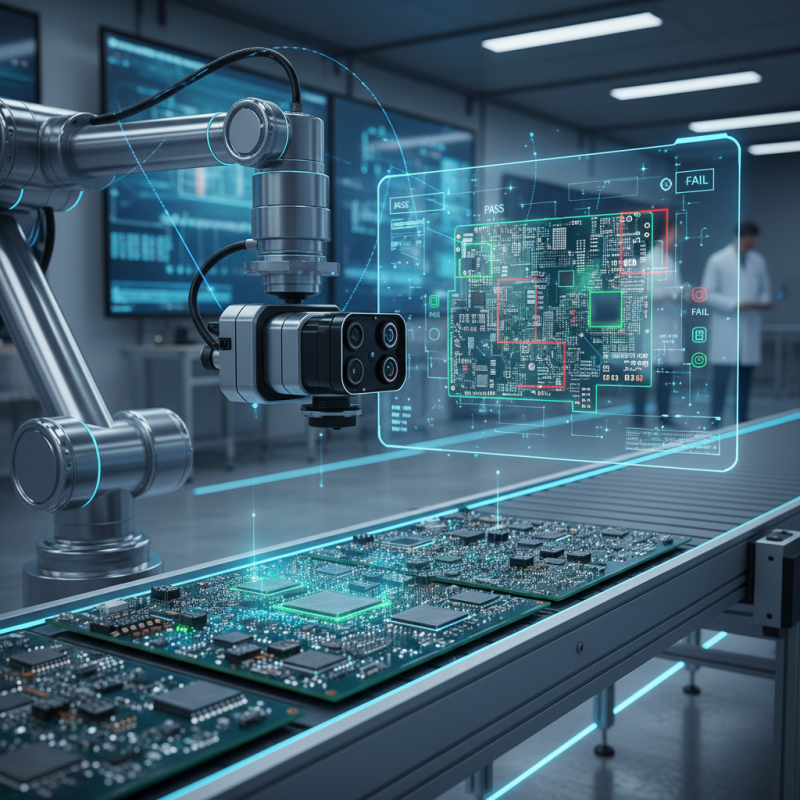
The emergence of AI-driven automated vision inspection systems is revolutionizing industries. These systems harness machine learning to enhance product quality. By analyzing images, they quickly spot defects. This technology reduces human error and boosts efficiency.
Tips for implementing AI systems:
• Careful calibration is essential. It’s vital to ensure sensors are properly adjusted.
• Regular training on new datasets enhances the model's accuracy.
• Consider user feedback for system improvements.
• Sometimes, the technology may misidentify items. Continuous learning helps address these challenges.
In sectors like manufacturing, AI systems streamline monitoring. Real-time inspection can save costs long-term. However, businesses should not overlook the complexity of integration. Staff training is crucial. Understanding the technology is key to successful adoption. AI should aid human efforts, not replace them completely.
Advancements in Machine Learning for Image Analysis
Advancements in machine learning are transforming automated vision inspection technology. In 2026, we can expect significant growth in this sector. Reports suggest that the market for machine learning in image analysis will reach $10 billion by 2026. This increase is driven by the demand for quality control in manufacturing processes.
Machine learning algorithms improve the accuracy of visual inspections. They can detect defects that human inspectors might miss. For instance, proprietary datasets are used to train these algorithms. However, there are challenges. Poor-quality training data can lead to misleading outcomes. It is essential to ensure that datasets reflect real-world conditions.
Tip: Regularly update training datasets. This will help your models maintain accuracy.
Another aspect to consider is the implementation costs. High initial investments can deter smaller companies. Despite this, integrating machine learning can reduce long-term operational costs. The potential for fewer errors and less waste is compelling.
Tip: Start with pilot projects. This can help manage costs and demonstrate value.
As machine learning continues to evolve, the possibilities are vast. Embracing these advancements requires careful planning and reflection. Are your current processes adaptable to these changes?
2026 Top Trends in Automated Vision Inspection Technology
This bar chart illustrates the projected advancements in machine learning for image analysis used in automated vision inspection technology by 2026. The data showcases the expected growth in key areas such as accuracy, processing speed, and integration capabilities.
Integration of 3D Vision Technology in Inspection Processes
3D vision technology is reshaping inspection processes across various industries. This advancement allows systems to capture detailed depth information. Such capabilities surpass traditional 2D inspections. With 3D imaging, flaws are identified more effectively. Defects such as dents, cracks, and misalignments can be detected swiftly. This precision leads to enhanced product quality and reduces waste.
The integration of 3D vision also poses challenges. Implementation may require significant investment and employee training. Organizations may struggle with adapting to these new technologies. Compatibility with existing systems is another concern. There might be a learning curve for staff. Mistakes can happen during the transition, but these are part of the growth process.
Nonetheless, the long-term benefits often outweigh the initial hurdles. Enhanced accuracy in inspections significantly improves operational efficiency. Companies are better poised to meet customer expectations. Adopting 3D vision technology can create a competitive edge. As industries evolve, this technology will become increasingly essential in quality control processes.
Impact of Edge Computing on Real-Time Inspection Solutions
Edge computing is reshaping automated vision inspection technology. By processing data closer to the source, it enhances real-time analysis. This reduces the latency typically seen in traditional systems. According to a recent industry report by MarketsandMarkets, the global edge computing market is projected to reach $43.4 billion by 2027. This signifies an increasing reliance on localized data processing.
Implementing edge computing in inspection solutions also presents challenges. For example, integrating legacy systems with new technologies can be difficult. Many manufacturers face compatibility issues. These integration hurdles can slow down the transition. Additionally, the rapid growth raises concerns about security. As data is processed on-site, protecting sensitive information becomes critical.
Moreover, the demand for high accuracy increases. Automated vision systems must maintain precision in detecting defects. A slight error can lead to significant losses. Studies indicate that 30% of manufacturers encounter discrepancies in inspection results. This highlights the need for continued innovation in edge computing solutions. While promising, the technology requires careful implementation and ongoing evaluation.
Trends in Industry 4.0 and Automated Quality Control
In Industry 4.0, automated quality control is reshaping production lines. This technology uses advanced vision inspection systems. These systems analyze products in real-time, identifying defects swiftly. Speed and precision come hand in hand. However, reliance on automation raises concerns about overdependence. Machines can miss nuanced defects that a human might catch.
Implementing automated vision inspection can be challenging. It requires integration with existing systems. Staff must adapt to new technologies and workflows. Training programs help ease transitions, yet they can be time-consuming. There is also the potential for technical failures. A system glitch can halt production lines, affecting overall efficiency.
Despite these challenges, the trend is clear. Companies are investing heavily in these technologies. The potential for improved quality and reduced costs is compelling. However, a cautious approach is necessary. Balancing automation with human oversight may prove beneficial. This blend could ensure higher quality outcomes while mitigating risks.
Sustainability Practices in Vision Inspection Technologies
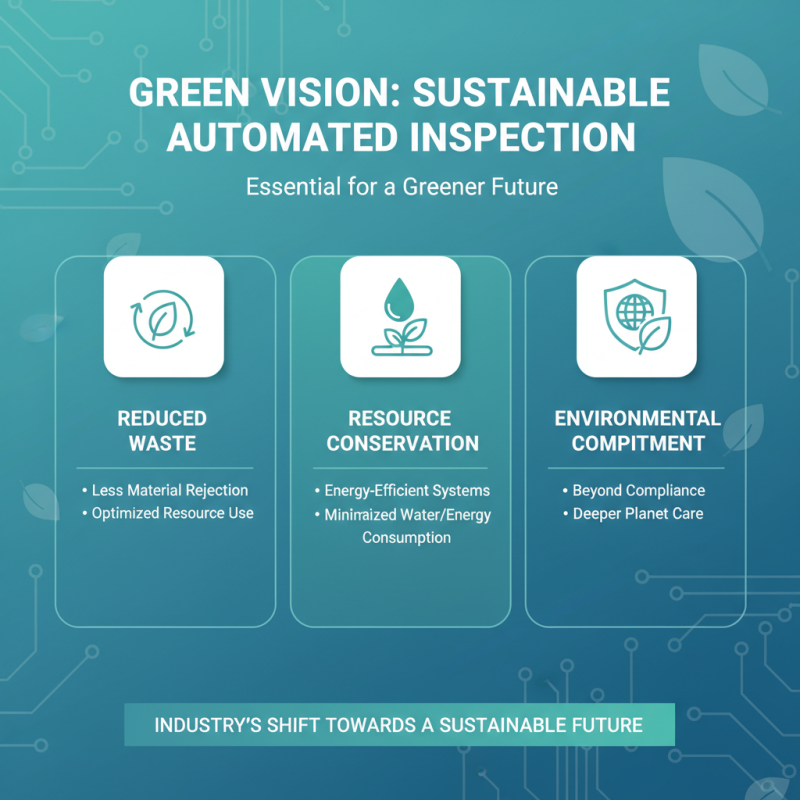
Sustainability is becoming essential in automated vision inspection technologies. Industries are focusing on reducing waste and conserving resources. This shift is not just about compliance; it reflects a deeper commitment to the environment.
New inspection technologies can enhance efficiency. They detect anomalies quickly, reducing the need for human intervention. This approach cuts down on labor costs and minimizes errors. However, implementing these technologies can be challenging. There is a learning curve, and not all systems are equally effective. Companies must evaluate their processes carefully.
Moreover, the integration of sustainable practices can sometimes conflict with operational goals. For instance, investing in greener technologies may require up-front costs. Yet, the long-term savings in energy and materials can justify this expense. A balance must be achieved, pushing for innovation while remaining mindful of sustainability's complexities.
Future Challenges and Opportunities in Automated Inspection Systems
The evolution of automated vision inspection technology presents future challenges and opportunities. As this technology advances, manufacturers face the pressure to improve quality and efficiency. Inspection systems must adapt to varying production rates and complex workflows.
Algorithms need regular updates to handle new defects. This continuous evolution can strain resources.
One major challenge is the integration of artificial intelligence. While AI can enhance accuracy, it requires extensive training data. Many organizations may struggle with this requirement. Moreover, varying standards across industries can complicate the implementation of unified systems. It’s essential to strike a balance between customization and standardization.
Opportunities exist in the realm of real-time data analysis. Improved sensors can provide immediate feedback during production. This can lead to faster decision-making processes. However, the reliance on technology also opens potential pitfalls.
System failures can lead to significant downtime. Organizations must ensure robust maintenance protocols. The future of automated inspection will depend on addressing these challenges effectively.
FAQS
: Meditation helps reduce stress. It improves focus and mental clarity. Many report better emotional regulation and overall well-being.
Regular practice is key. A few minutes daily can be beneficial. Aim for consistency rather than long durations at once.
Yes, many find it helps them relax before bed. Calming the mind can create a better environment for sleep.
Not really. You can sit, lie down, or even walk. Comfort is important, find a position that works for you.
Absolutely. It's common to encounter wandering thoughts. Acknowledge them and gently bring your focus back to your breath.
There’s no right or wrong way. If you feel more relaxed or aware, you're likely on the right path. Just keep practicing.
Conclusion
The article "2026 Top Trends in Automated Vision Inspection Technology You Need to Know" highlights the significant advancements shaping the future of Automated Vision Inspection systems. With the emergence of AI-driven technologies and enhanced machine learning algorithms for image analysis, these systems are becoming increasingly efficient and accurate. The integration of 3D vision technology alongside the impact of edge computing is revolutionizing real-time inspection processes, allowing industries to adopt Industry 4.0 practices and improve automated quality control.
Moreover, sustainability practices are gaining traction within vision inspection technologies, prompting the sector to focus on eco-friendly solutions. As the field progresses, it will face various challenges and opportunities that will define the next generation of Automated Vision Inspection systems, ensuring they remain vital for maintaining quality and efficiency in manufacturing processes.

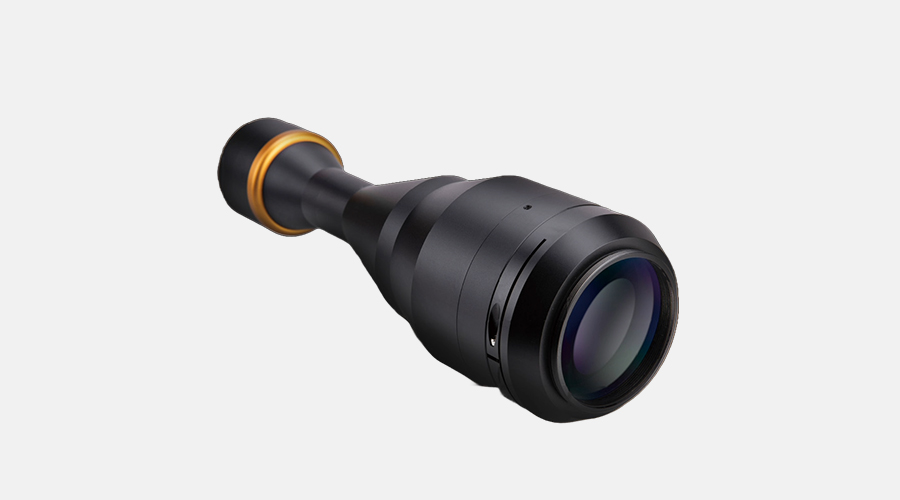 Compatible with 7.2mm-82mm chips
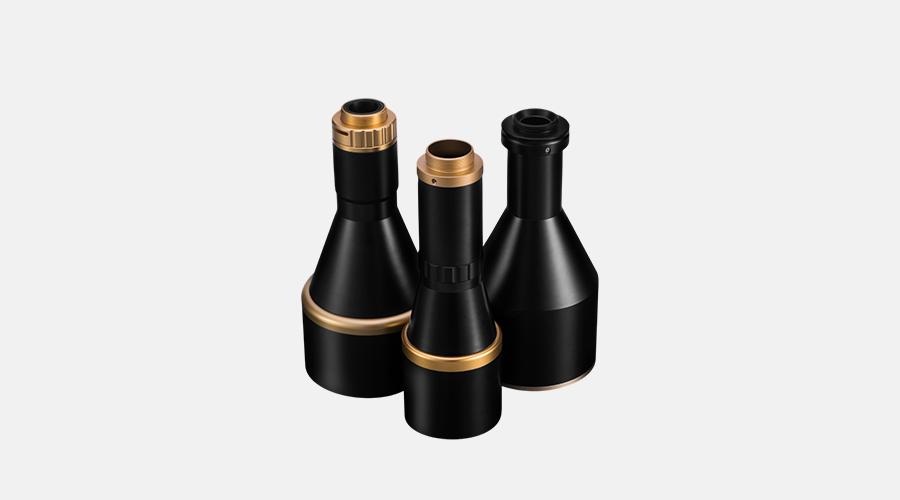 High/Low Working Distance
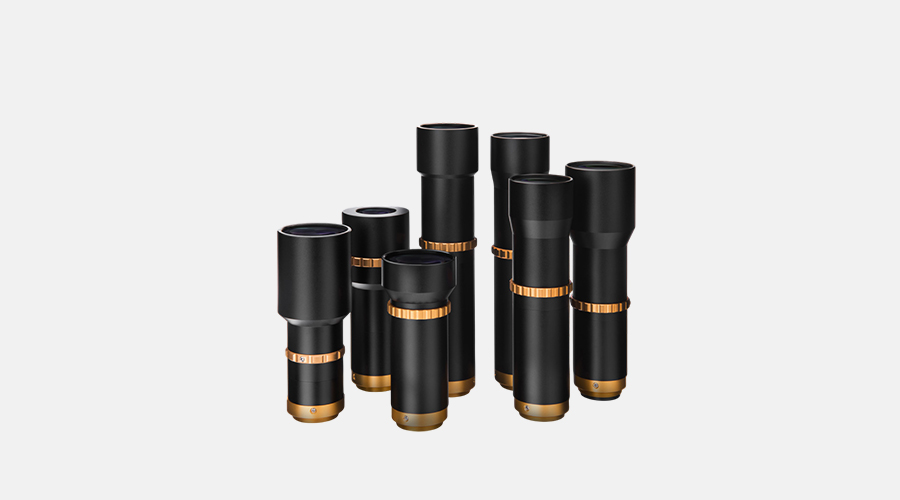 Aperture telecentric lens
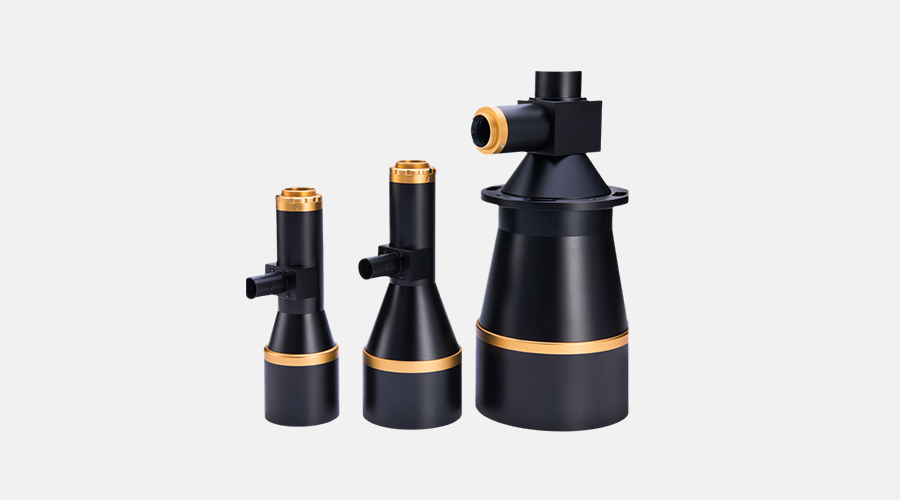 Measuring lens
 Maximum support 1.1" chips
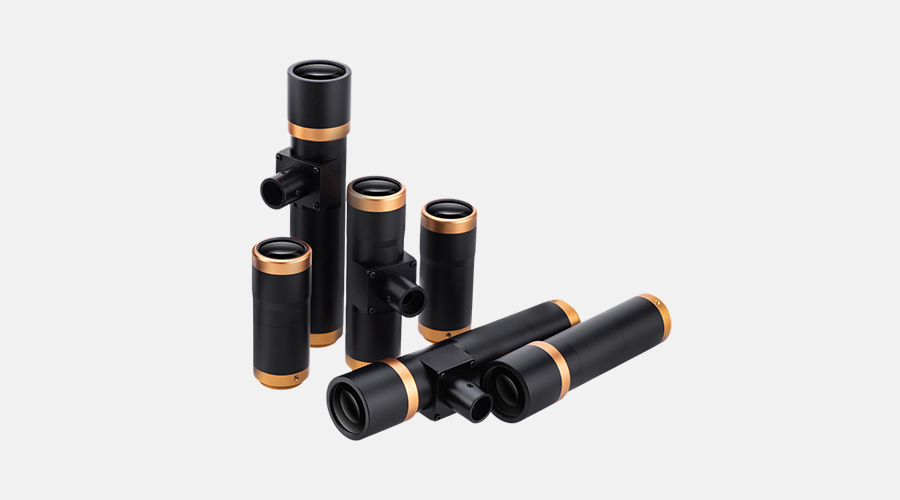 Maximum support 1.2" chips
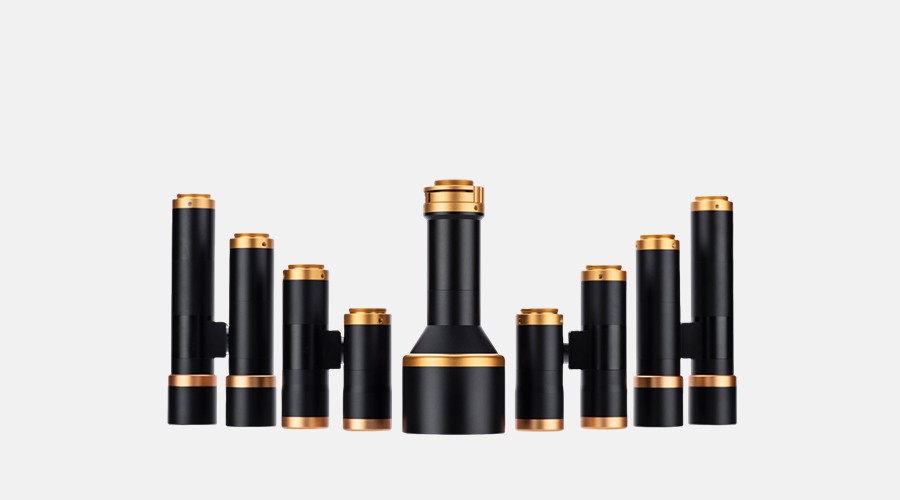 Maximum support 2/3" chips
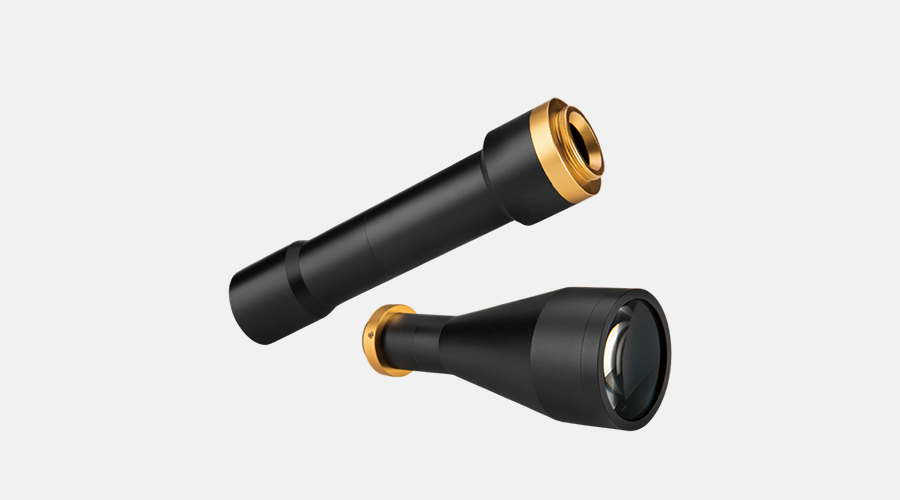 Long Working Distance
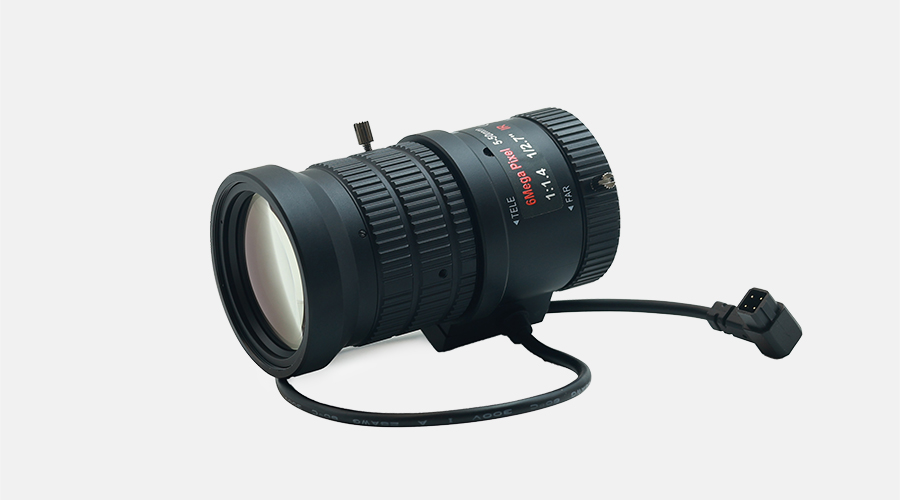 CS mount Varifocal lens
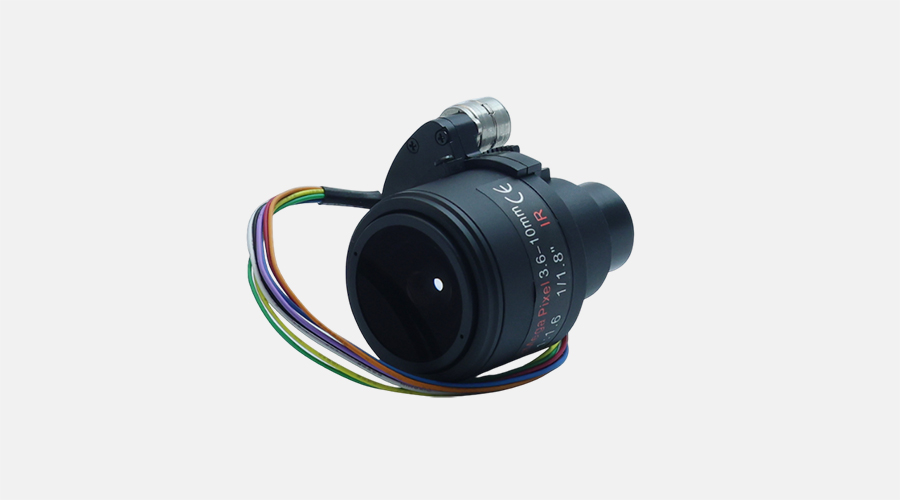 Varifocal board lens
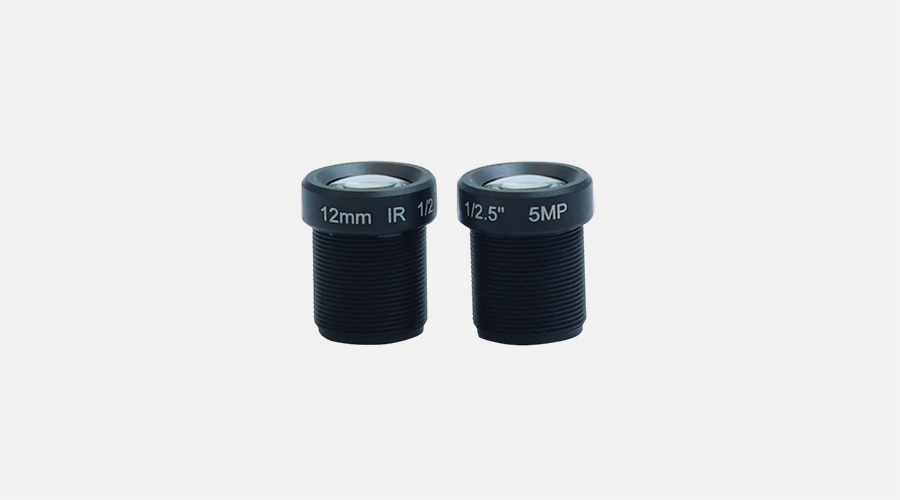 S mount lens
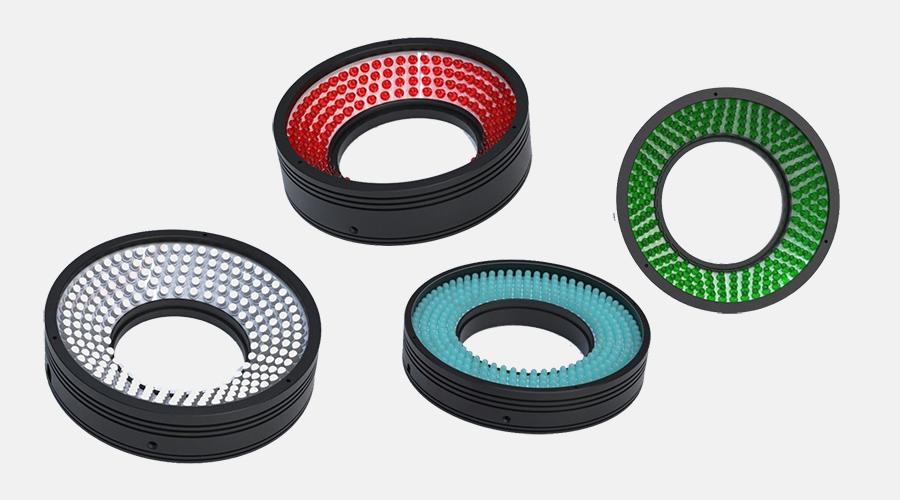 Ring light
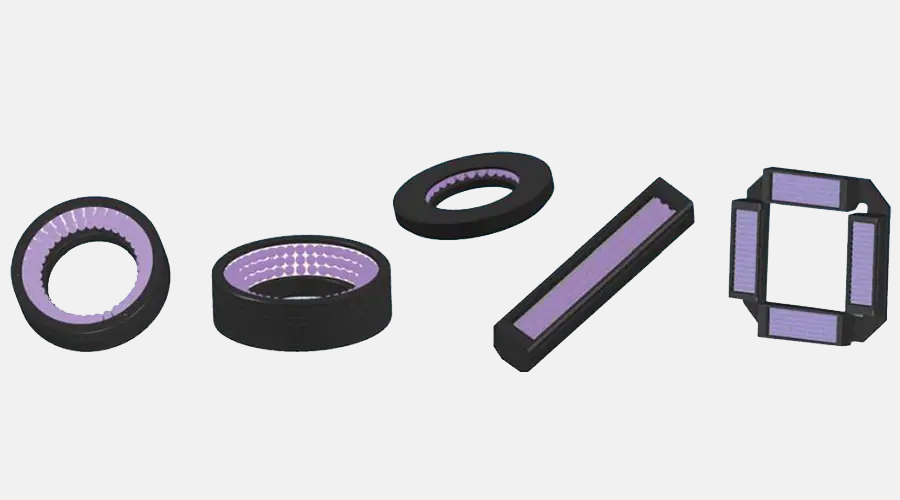 UV/IR Light
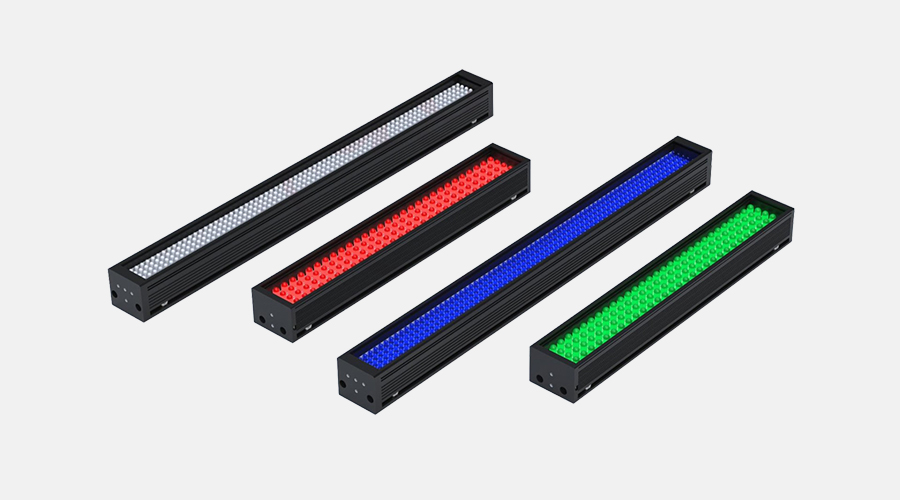 Bar light
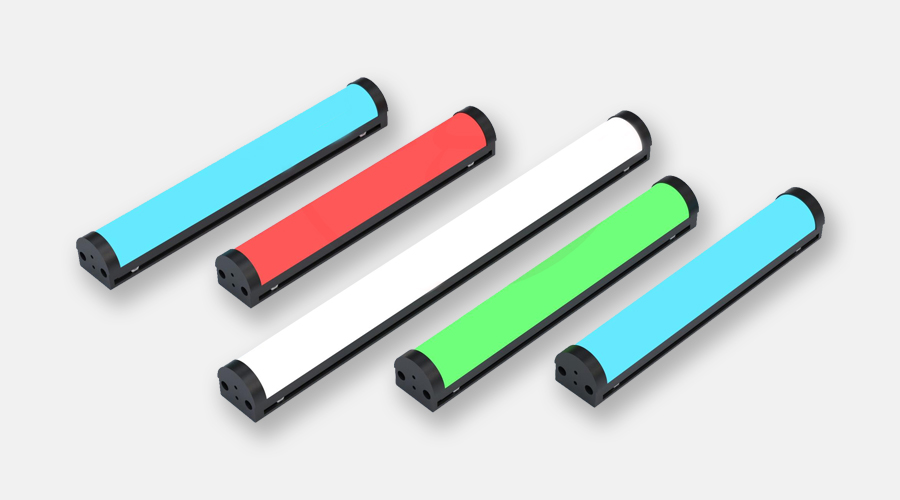 Arcuate high uniformity light
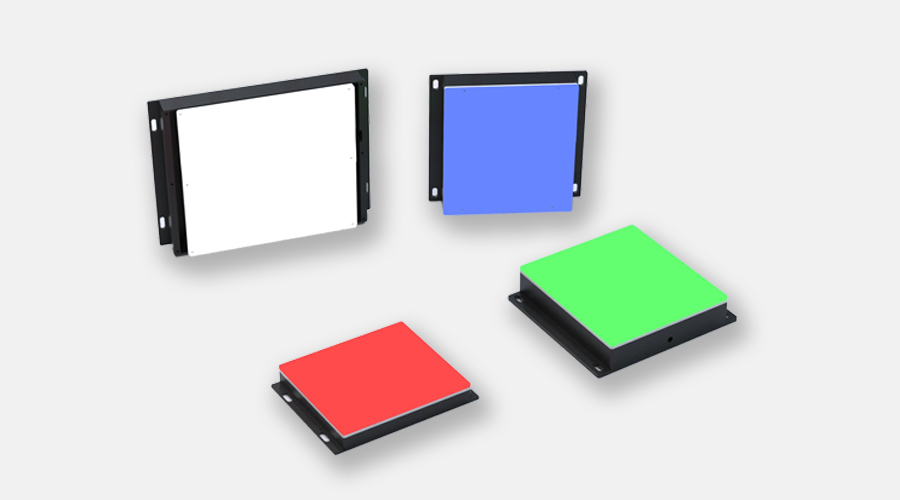 Back light
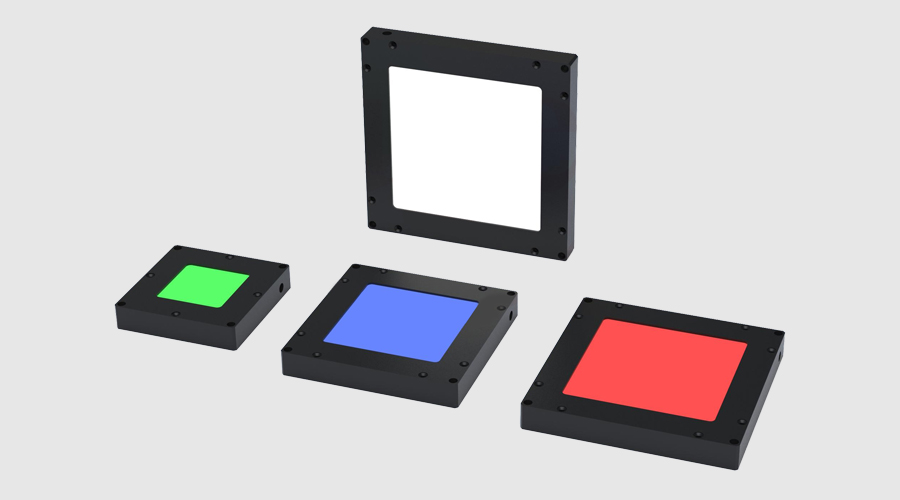 Flat light
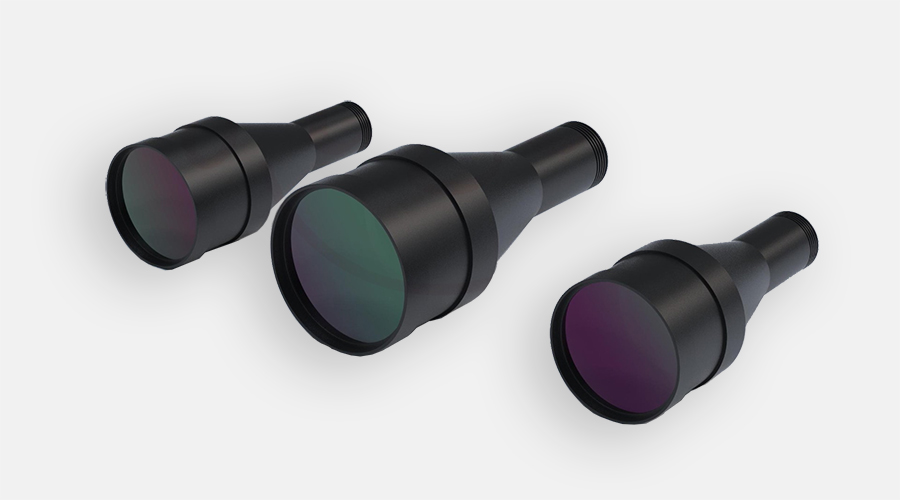 Collimated light
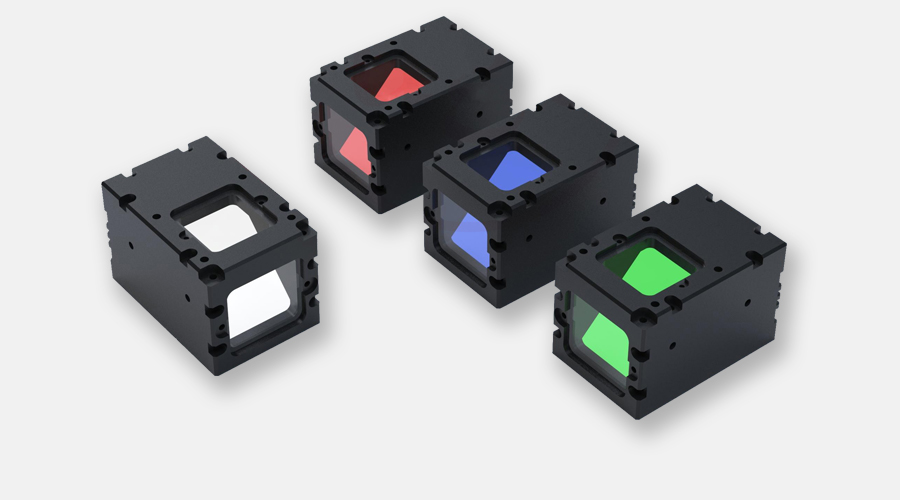 Coaxial light
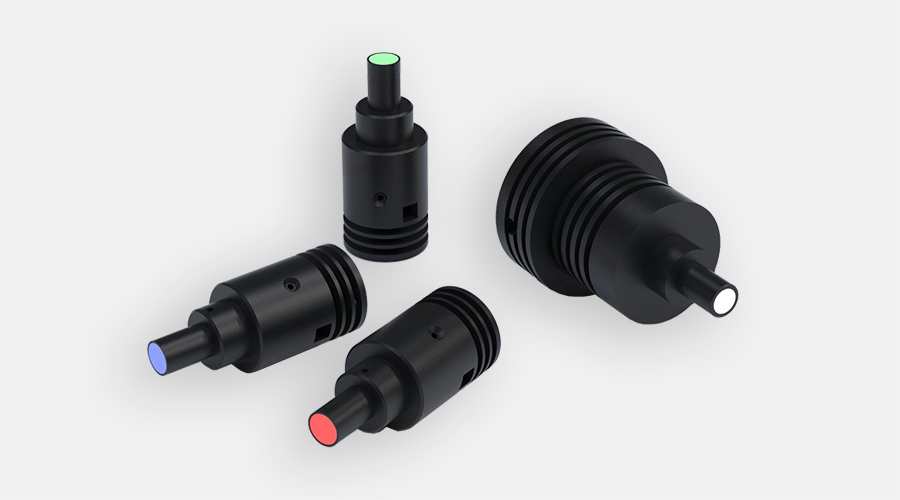 Spot light
 Dome light
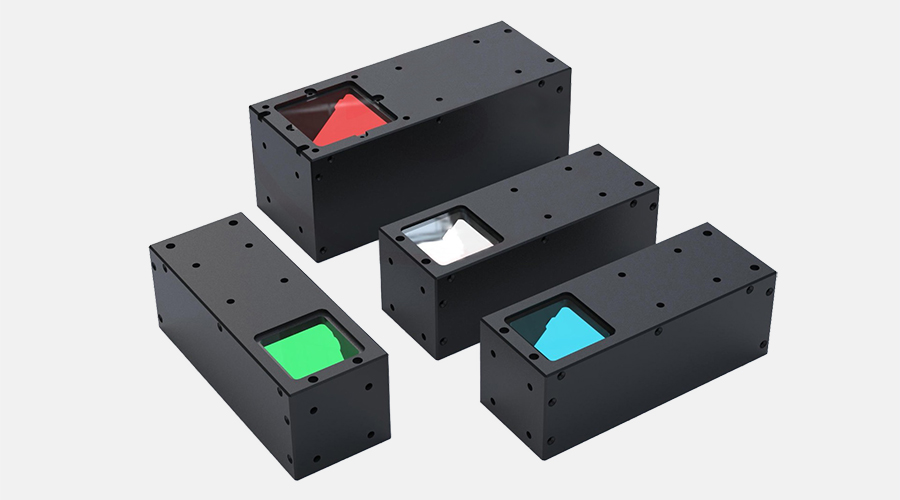 Collimated Coaxial light
 Shadowless square light
 Scan light
 AOI light
 Analog controller
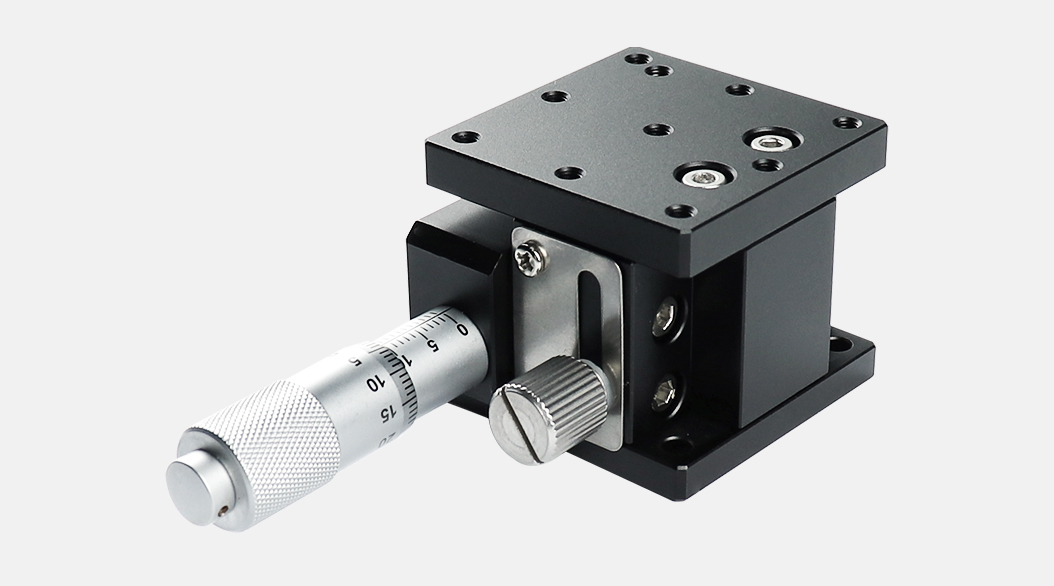 Crossed-Roller Linear guide type
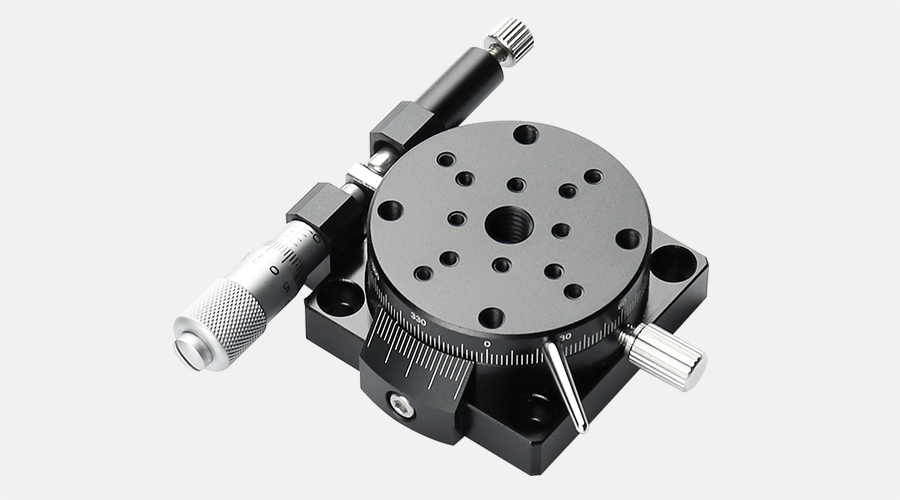 Rotary Stages XRS series
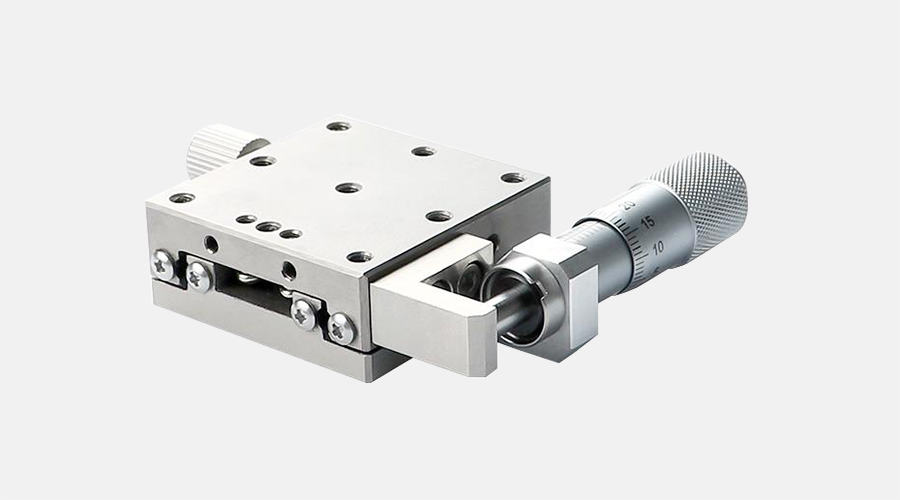 Stainless Steel Ball Bearing Linear Translation Stages
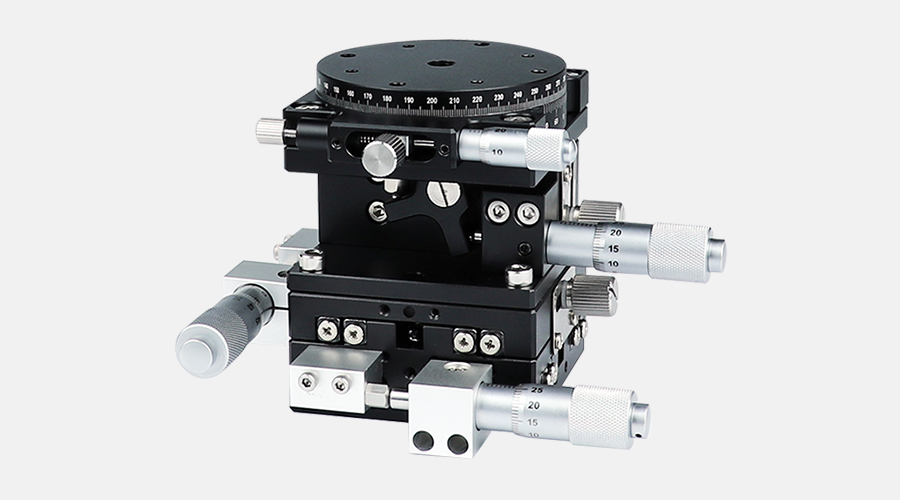 Multi-axis Translation stages
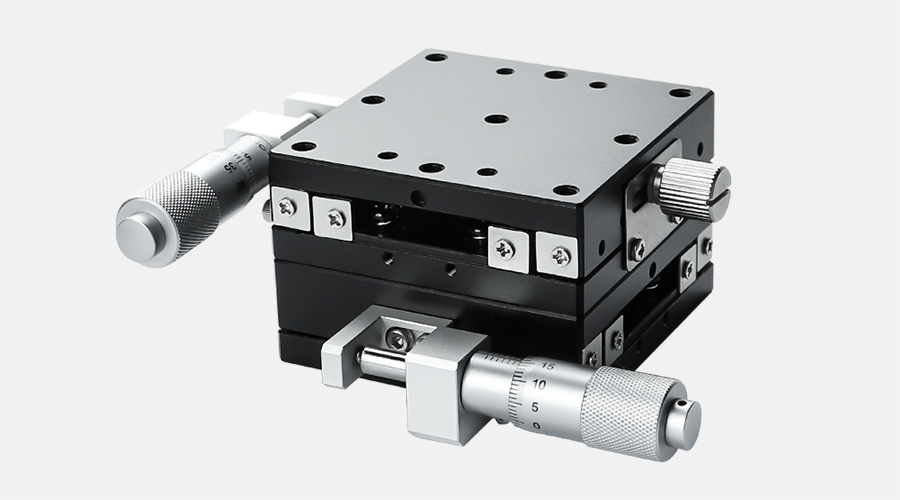 steel bar ball bearing stages
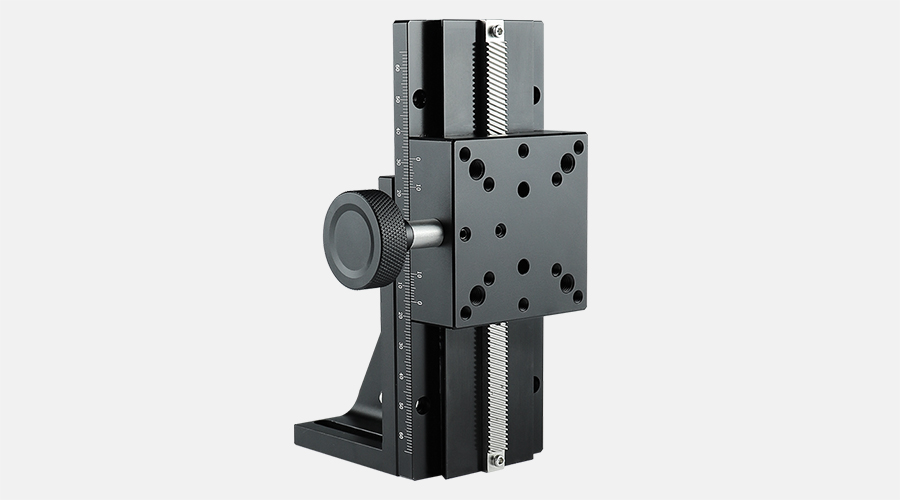 Dovetail Type Rack&Pinion Positioning Stage
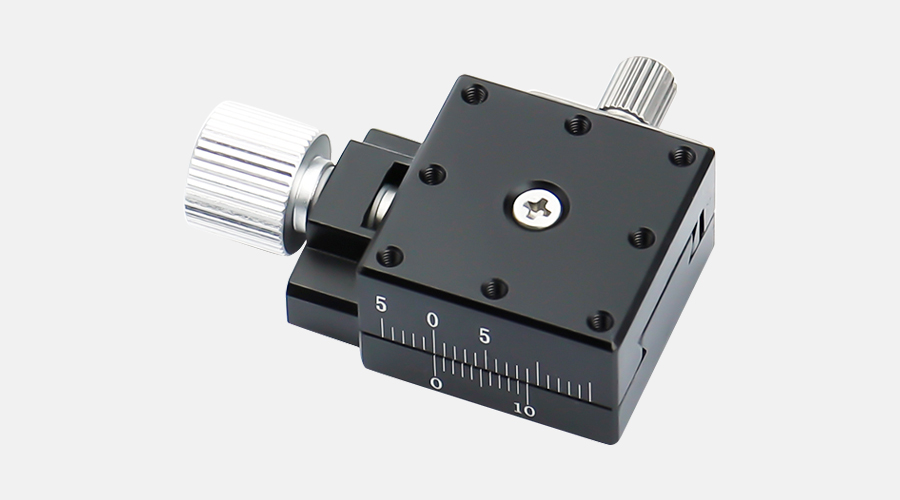 Dovetail groove high-precision screw slide