In today's world, where industries are really pushing for precision and top-notch quality, 3D Vision Inspection is becoming a game-changer. If you haven't heard about it, this tech is now super important for making sure products hit those strict quality standards. Interestingly, a report from Markets and Markets mentioned that by 2025, the 3D machine vision market could hit around $4.2 billion, which just goes to show how much more critical accuracy is becoming in manufacturing.
Basically, 3D Vision Inspection uses cutting-edge imaging to carefully analyze and verify the size and shape of products. It creates detailed 3D images that can spot defects pretty much invisible to traditional methods. That said, setting up these systems isn’t always a walk in the park. Companies need to keep assessing their needs and stay updated with the latest tech—it's a constant learning curve.
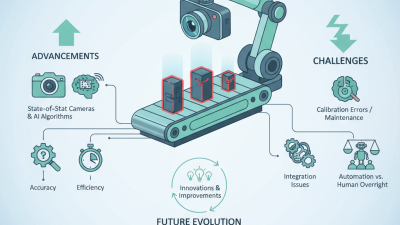
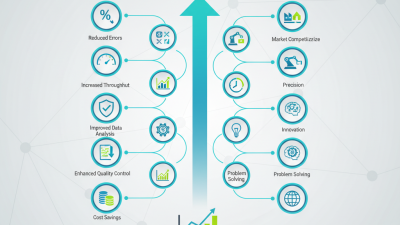
Now, while 3D Vision offers some pretty big advantages, it does come with its hurdles. For one, the initial investment can be hefty, and getting your team trained properly isn’t always straightforward. Calibration issues and understanding the data can also cause headaches. But honestly, despite these bumps, the benefits—like improved quality control and smoother operations—make it a solid move forward. Jumping on board with this technology really seems like the way to go if companies want to stay competitive and keep quality levels high.
Definition of 3D Vision Inspection Technology
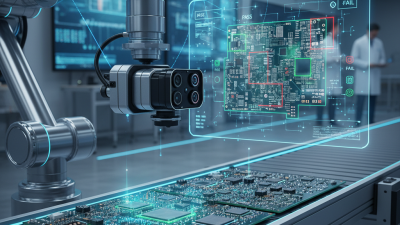
3D vision inspection technology is a crucial advancement in quality control for various industries. It uses specialized cameras and software to create three-dimensional images of objects. This technology enables precise measurements and inspections, ensuring products meet stringent quality standards. According to a report by MarketsandMarkets, the global 3D vision inspection market is expected to reach $3.2 billion by 2025. This growth indicates a rising demand for accurate inspection methods.
The process involves capturing images from multiple angles. These images are then analyzed using powerful algorithms. The results offer detailed insights into the dimensions and surface conditions of components. However, the technology isn't perfect. Some challenges remain, such as handling complex shapes or varying material properties.
While the technology has made significant improvements, issues still arise when calibrating equipment. Variances in lighting can affect image quality, leading to inconsistent results. Implementing a reliable Vision Inspection Lens is vital for mitigating these problems. As more industries adopt this technology, continuous evaluation and optimization will be essential for maximizing its benefits.
What is 3D Vision Inspection and How Does It Work?
| Dimension |
Description |
Applications |
Technology Used |
| Definition |
A technology that uses 3D imaging to inspect products. |
Quality control in manufacturing |
Laser triangulation, Time-of-flight |
| Key Features |
High accuracy, fast measurement, non-contact |
Automotive inspection |
Structured light, Stereo vision |
| Benefits |
Increased production efficiency, reduced waste |
Electronics testing |
3D cameras, Image processing software |
| Challenges |
High initial cost, complexity of setup |
Food safety inspection |
Machine learning, Artificial intelligence |
Key Components of 3D Vision Systems
3D vision systems play a vital role in modern automation, especially in quality control. These systems rely on several key components to achieve accurate inspections. One primary element is the 3D camera, which captures detailed images of objects. Data from the camera informs the system about the shape and dimensions of items. A recent report shows that companies that implement 3D vision systems improve inspection accuracy by up to 30%. This increase leads to fewer defects and higher customer satisfaction.
Another crucial component is the software that processes the 3D data. Algorithms analyze images and identify discrepancies. These algorithms can detect not just size but also surface flaws. Some systems struggle with complex shapes. They might miss important details. Continuous improvement of algorithms is essential for accuracy. Integrating machine learning enhances performance, making systems adaptive and smarter.
Robotic Vision Inspection further enhances quality assurance. It allows robots to perform intricate tasks with precision. However, this technology still faces challenges. Inconsistent lighting and varying materials can affect performance. Organizations must invest time to adjust settings and improve outcomes. Experimentation is key to success in this dynamic field. Companies need to review processes regularly to keep up with technology advancements.
How 3D Vision Inspection Works: A Step-by-Step Process
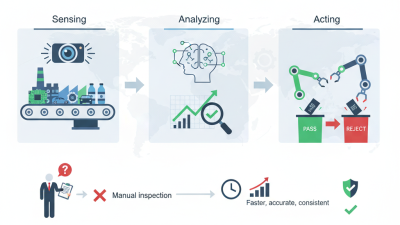
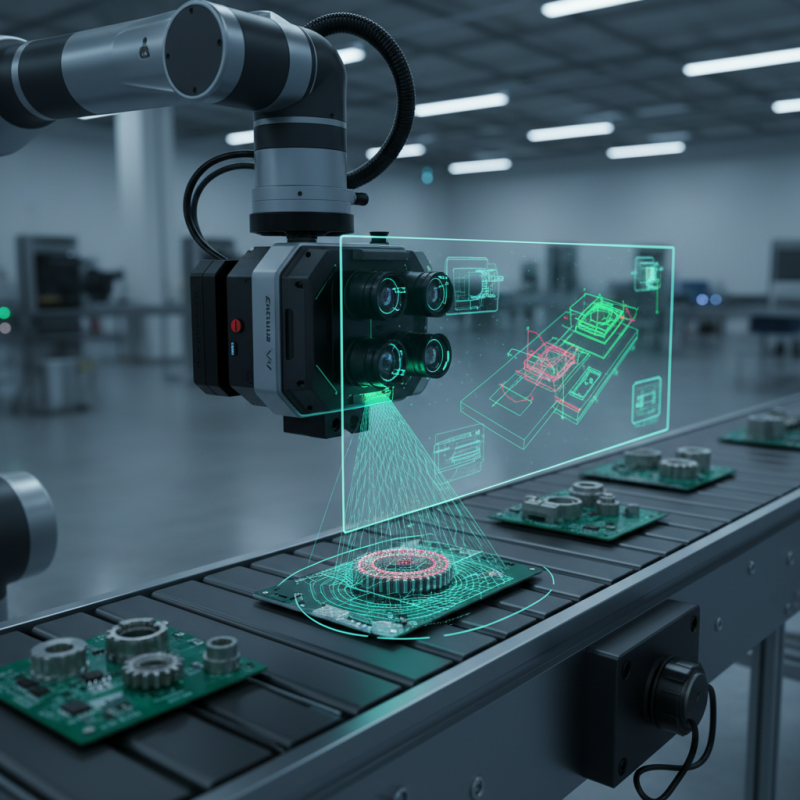
3D Vision Inspection leverages advanced imaging technology to ensure quality in production. This process begins by capturing a series of high-resolution images from multiple angles. These images provide detailed data about the object's geometry. The system then creates a 3D model to analyze features accurately.
During inspection, the software compares the 3D model against pre-defined specifications. Anomalies can be identified quickly. Research indicates that 3D inspection can improve defect detection rates by up to 90%. Many industries benefit from this technology, especially in manufacturing and electronics. However, improper setup can lead to miscalculations and false negatives.
Tips: Ensure proper calibration of the 3D system. Even minor misalignments can affect results. Regular training for staff is essential to maximize efficiency. Be aware of environmental factors that may impact imaging quality. These factors can easily compromise inspection results. Therefore, continuous evaluation of processes is vital for improvement.
Applications of 3D Vision Inspection in Industry
3D vision inspection is transforming various industries. It uses advanced imaging techniques to capture three-dimensional views of objects. This technology enhances quality control processes. It provides a considerable advantage in precision and accuracy.
In manufacturing, 3D vision systems inspect components on assembly lines. They recognize defects that human eyes might miss. For instance, a slight misalignment can result in product failure. Additionally, 3D vision helps in sorting items based on size and shape. Such differentiation is crucial for efficient production.
In the food industry, 3D vision is increasingly used for safety checks. It can detect foreign materials hidden within products. However, this technology isn't infallible. Sometimes, it struggles with items of similar colors or textures. The data can also be overwhelming, leading to analysis paralysis. Still, the potential for improvement is immense.
Applications of 3D Vision Inspection in Industry
The chart above illustrates the percentage of 3D vision inspection applications across various industries including Automotive, Electronics, Food & Beverage, Pharmaceutical, and Consumer Goods. This visualization helps to understand the significant adoption of this technology in enhancing quality control and efficiency in these sectors.
Advantages of 3D Vision Inspection Over Traditional Methods
3D vision inspection offers significant advantages over traditional methods. It utilizes advanced imaging technology to create detailed three-dimensional representations of objects. This allows for more precise measurements and quality assessments. Unlike traditional 2D inspections, 3D systems can detect flaws that might be missed. They capture depth, shape, and size information, leading to a more comprehensive analysis.
Another advantage is speed; 3D systems can quickly assess multiple aspects of an object. Manual inspections can be slow and prone to human error. In contrast, automation in 3D inspection reduces variability. However, this technology is not without its challenges. High initial costs can deter some businesses. There may also be a learning curve for personnel unfamiliar with the technology.
In some cases, the systems might misinterpret complex geometries or textures, causing inconsistencies. Despite these potential drawbacks, the advantages of accuracy and efficiency are compelling. Over time, these benefits can lead to fewer defects and reduced costs. Embracing 3D vision inspection is a step many companies are willing to take. The journey is not always smooth, but the potential rewards often outweigh the risks.
Challenges and Limitations of 3D Vision Inspection
3D vision inspection offers advanced capabilities for identifying defects in various products. However, it faces several challenges that can limit its effectiveness.
One major issue is the complexity of capturing accurate 3D data. This process can be hindered by lighting variations or surface textures. Certain angles may produce shadows that obscure crucial details, leading to incorrect assessments.
Another significant challenge is the processing power required for analyzing 3D images. High-quality inspections can demand significant computational resources. This often results in longer processing times, which can slow down production lines. Integrating
Machine Vision Inspection systems into existing workflows may also require adjustments, making it a slow-moving process for some industries.
Additionally, cost constraints can impact the adoption of 3D vision systems. The initial investment might deter smaller companies from implementing this technology. Furthermore, not all products may benefit from 3D inspection methods. Some simple inspections might not justify the complexities involved. These factors highlight the ongoing need for innovation and improvement in 3D vision inspection methodologies. As the technology evolves, addressing these limitations will be vital for enhancing its practical applications.
Future Trends in 3D Vision Inspection Technology
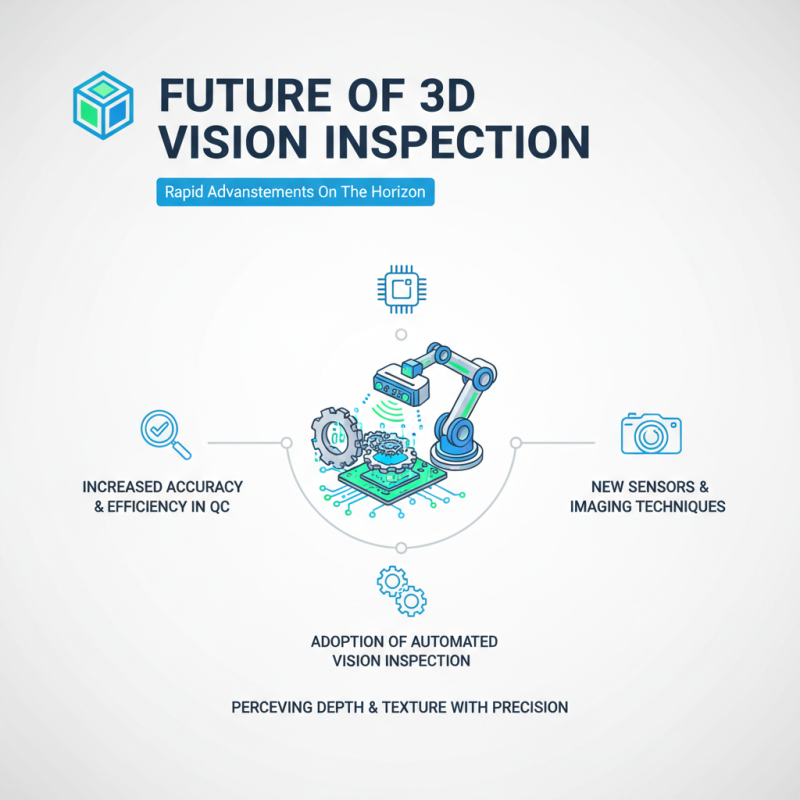
The future of 3D vision inspection technology is promising, with rapid advancements on the horizon. As industries adopt Automated Vision Inspection, the accuracy and efficiency of quality control are set to improve. New sensors and imaging techniques are emerging, enabling machines to perceive depth and texture with high precision.
Tips: Regularly update systems to leverage the latest technology. This can prevent obsolescence and enhance performance.
Moreover, artificial intelligence plays a crucial role in interpreting 3D data. AI algorithms can identify defects and anomalies faster than traditional methods. This innovation will help industries maintain high standards and reduce waste. However, integrating AI presents challenges. Ensuring data quality and managing false positives can be tricky.
Tips: Conduct routine training sessions for staff on new technologies. Human oversight is vital, especially in high-stakes environments.
In addition, collaboration between software and hardware developers will accelerate advancements. As these technologies mature, we may see cost reductions in 3D systems. Although promising, the road ahead requires careful navigation to address potential pitfalls and maximize benefits.
Leveraging Machine Vision Coaxial Lighting: A Solution to Glare Issues in Inspecting Reflective Surfaces Based on Industry Performance Insights
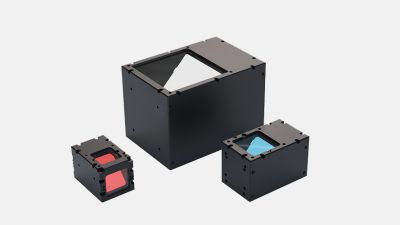
The inspection of reflective surfaces in various industries often presents significant challenges, primarily due to glare and uneven lighting. Traditional lighting solutions can exacerbate these issues, leading to inaccuracies in quality assessments. Leveraging advanced machine vision coaxial lighting has emerged as a powerful solution to tackle these glare issues effectively. The coaxial light design employs a high-density LED array combined with a translucent mirror, directing light parallel to the optical axis. This configuration minimizes reflections from the surface of the products being inspected, thereby enhancing the visibility of imperfections and improving overall inspection accuracy.
Industry performance insights reveal that effective lighting configurations can significantly influence the success of visual inspections. A report published by the International Society for Automation highlights that approximately 30% of inspection errors in manufacturing environments arise from inadequate lighting setups. By employing coaxial lighting technology, manufacturers can reduce these errors, leading to improved product quality and reduced rework costs. Studies indicate that companies implementing optimized lighting solutions can achieve quality enhancement rates of up to 25%, driving efficiency and competitiveness in a demanding market.
Moreover, with the increasing demand for high precision in industries such as automotive and electronics, the need for superior inspection methods is critical. The coaxial light's ability to showcase the unevenness and subtle defects on reflective surfaces provides inspectors with a clearer view, ultimately facilitating faster and more reliable decision-making. This advancement not only supports compliance with industry standards but also fosters a culture of continuous improvement and innovation within manufacturing processes. As such, the integration of coaxial lighting in machine vision systems represents a significant leap forward in addressing glare issues during inspections.
FAQS
: Think about your interests and available time. Budget for costs, too.
Set small goals to achieve regularly. Celebrate tiny victories to boost morale.
It depends on the task. Solo work allows focus, but collaboration can spark ideas.
Accept it as part of the process. Reflect on what went wrong to improve next time.
Frustration often occurs when progress seems slow. Patience is key to overcoming this feeling.
Include work, rest, and leisure activities. Ensure each part gets adequate time and attention.
Conclusion
3D vision inspection is an advanced technology that utilizes three-dimensional imaging to assess and analyze objects in various industries. This technology is composed of key components such as cameras, lasers, and software algorithms that work together to capture precise measurements and details of products. The inspection process involves several steps, including data acquisition, image processing, and decision-making, which ensures high accuracy and efficiency.
The applications of 3D vision inspection are vast, ranging from quality control in manufacturing to robotics and automation. Compared to traditional inspection methods, 3D vision systems provide significant advantages, including enhanced precision and the ability to detect defects that may go unnoticed. However, challenges such as cost, complexity, and the need for specialized training remain. As technology advances, the future trends of 3D vision inspection promise to focus on improved algorithms and integration with artificial intelligence, further expanding its capabilities and applications in industry.
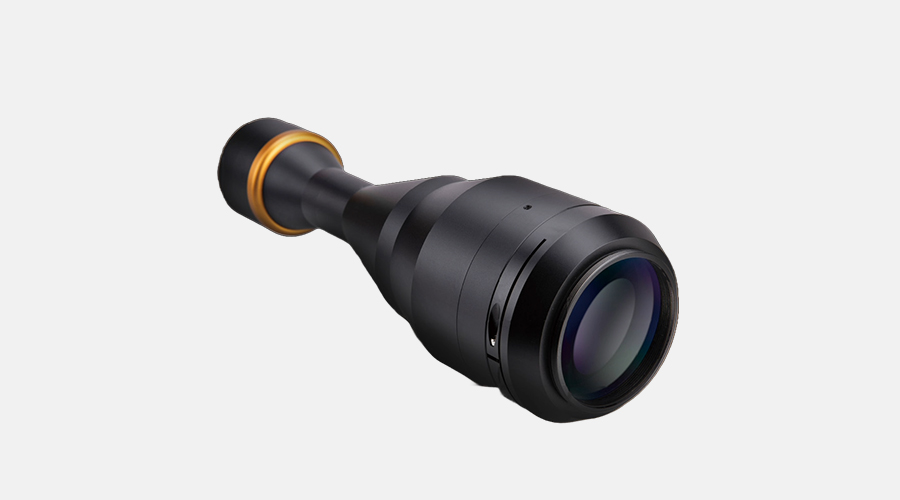 Compatible with 7.2mm-82mm chips
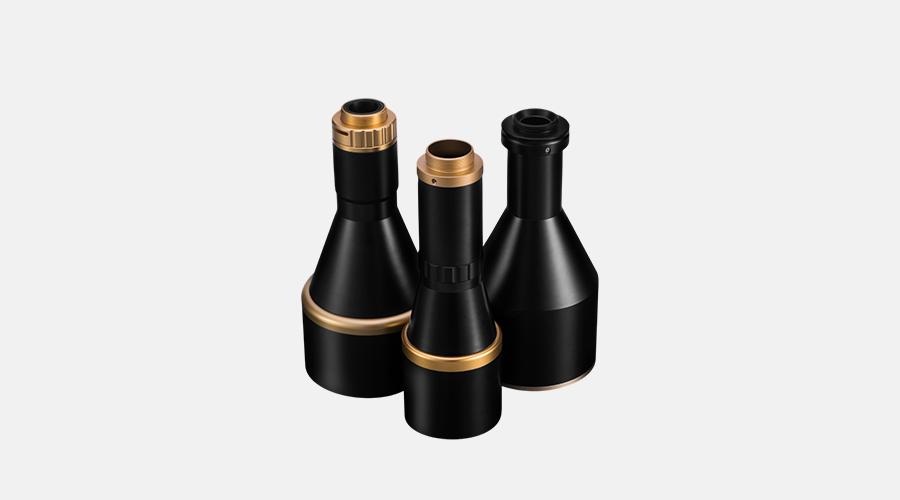 High/Low Working Distance
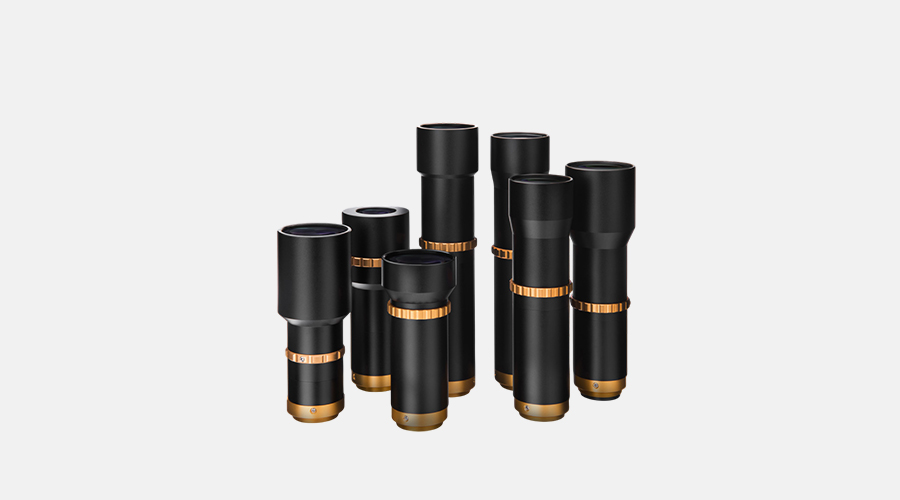 Aperture telecentric lens
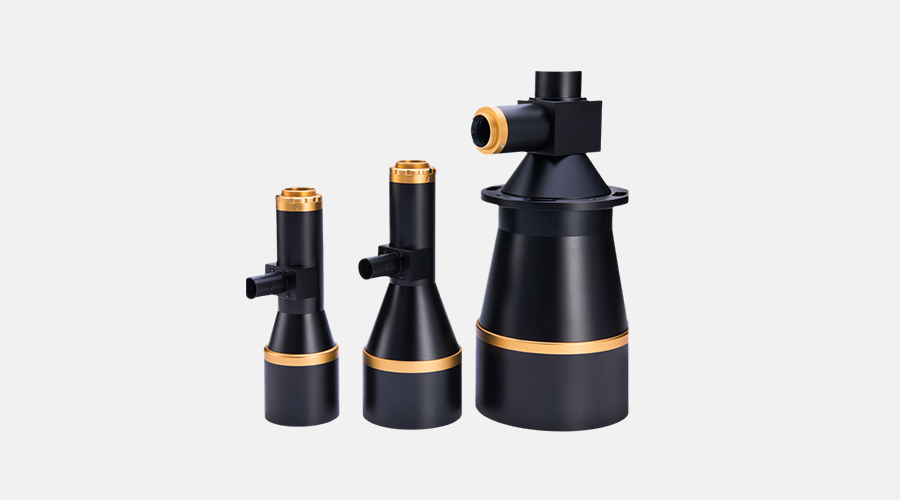 Measuring lens
 Maximum support 1.1" chips
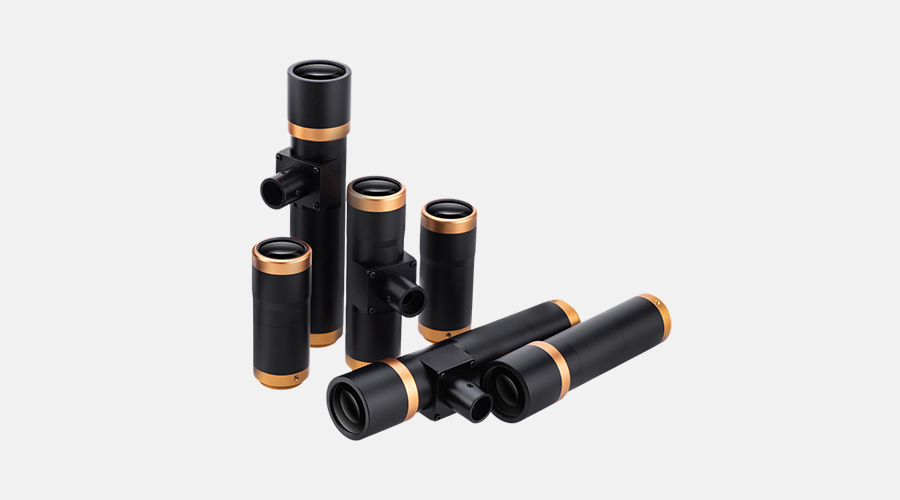 Maximum support 1.2" chips
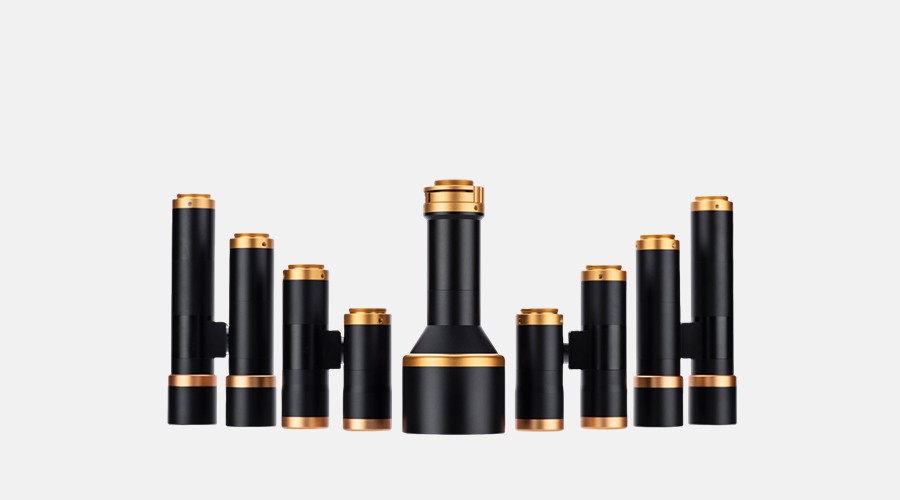 Maximum support 2/3" chips
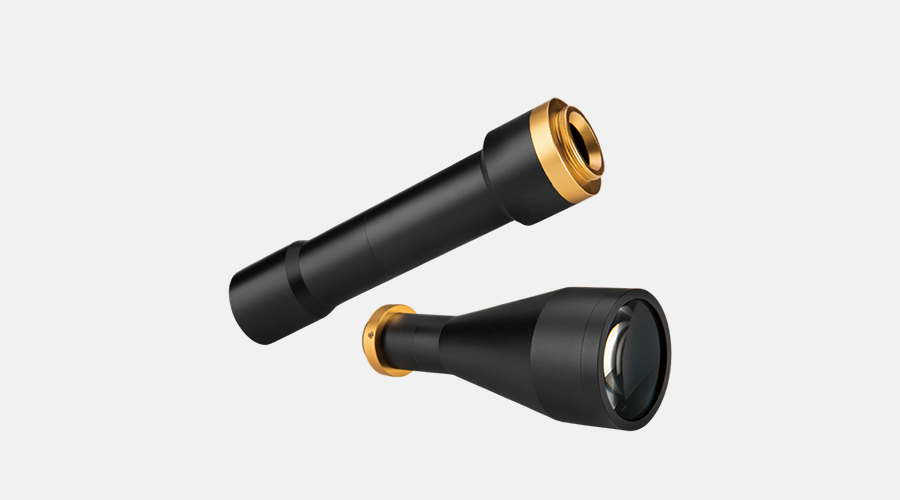 Long Working Distance
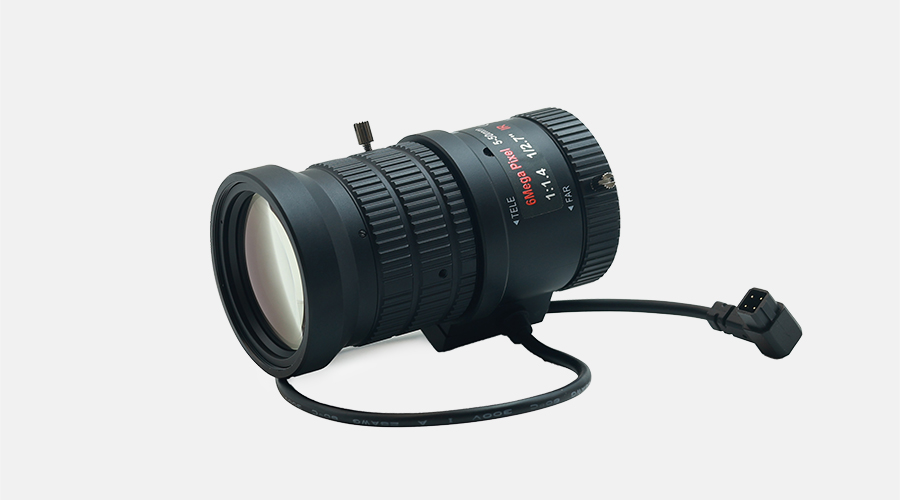 CS mount Varifocal lens
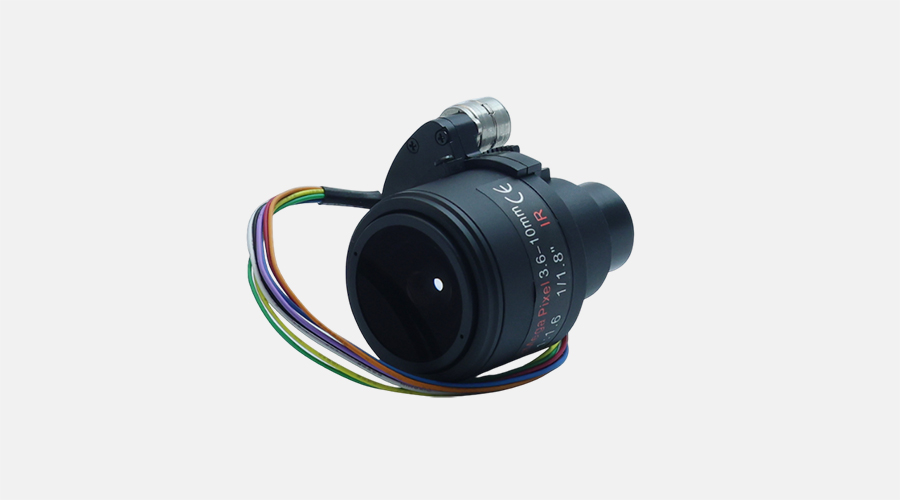 Varifocal board lens
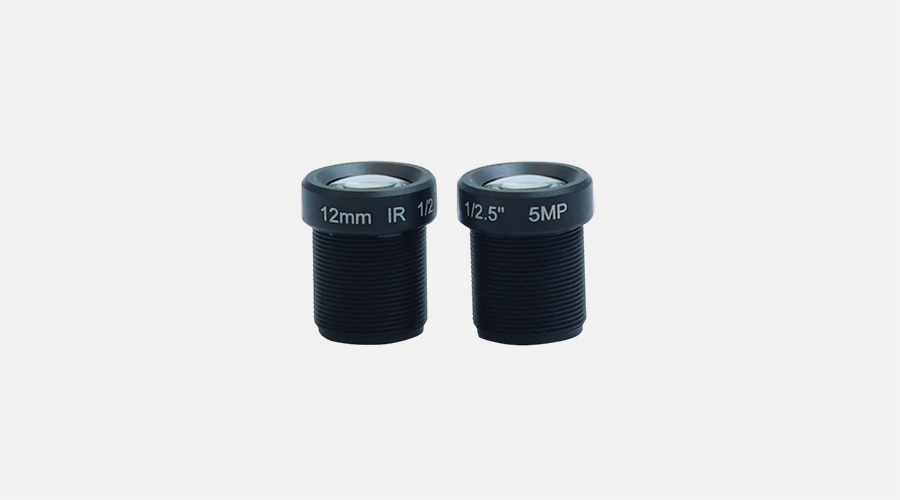 S mount lens
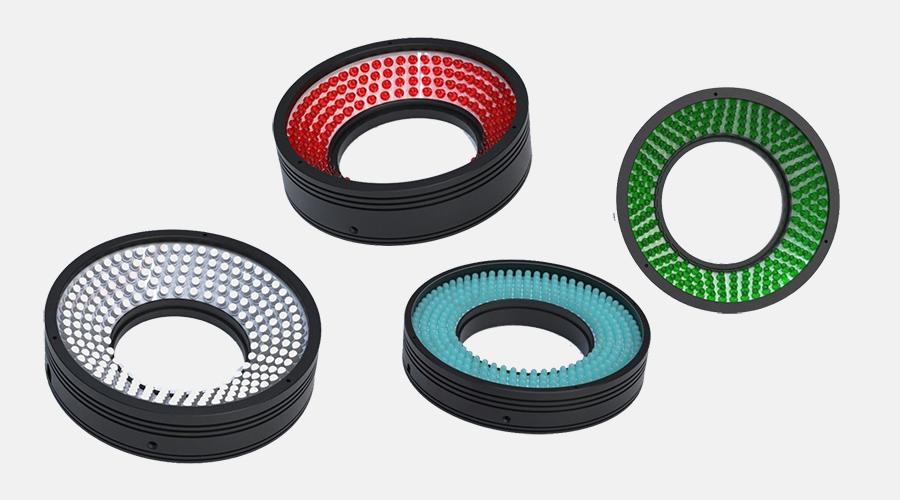 Ring light
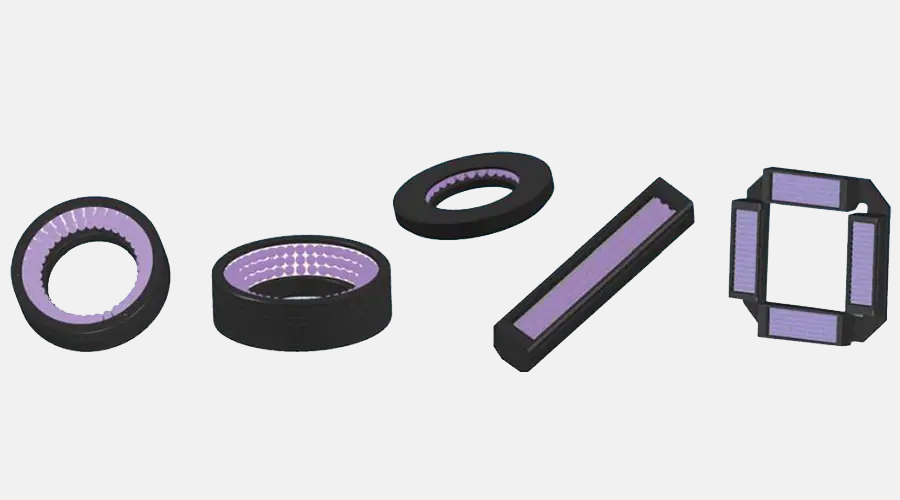 UV/IR Light
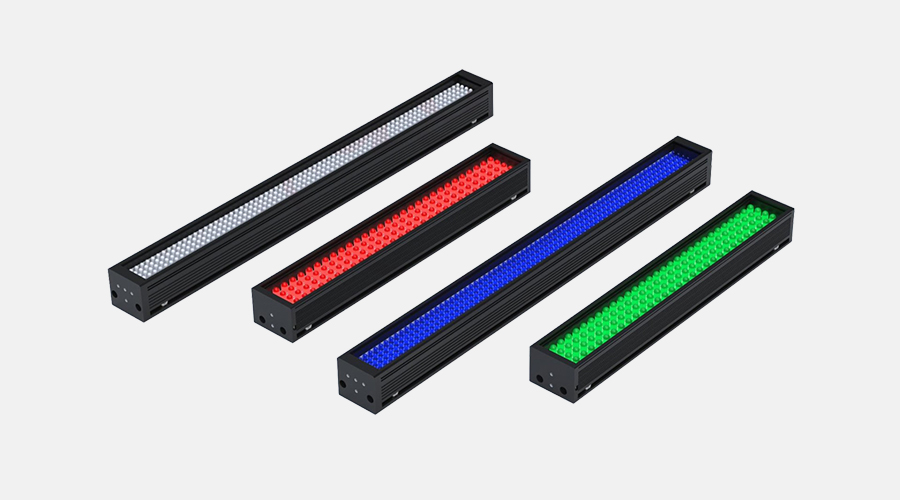 Bar light
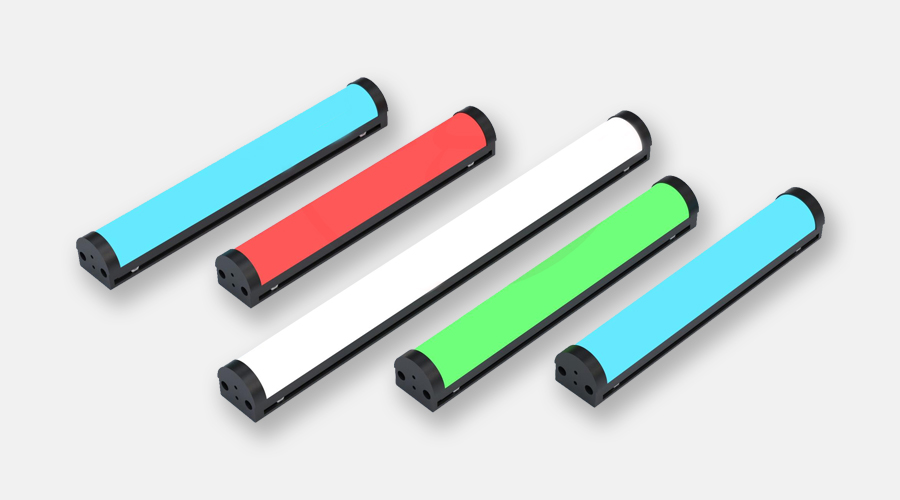 Arcuate high uniformity light
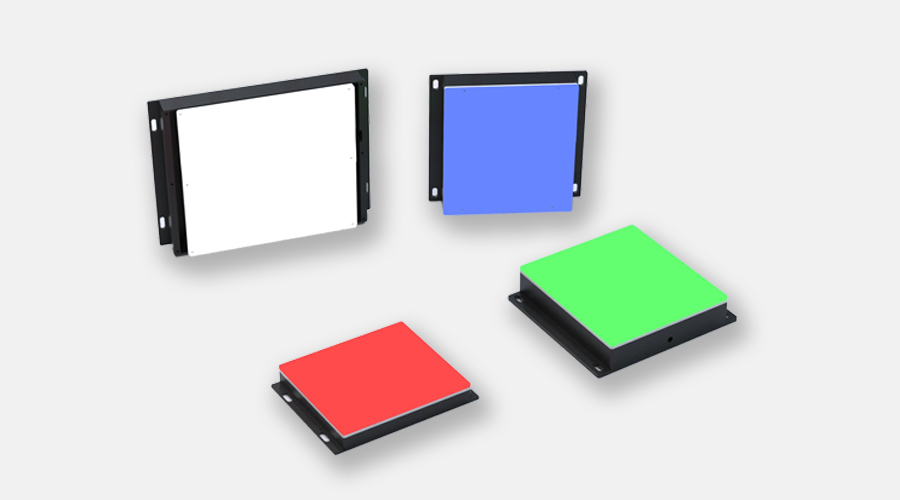 Back light
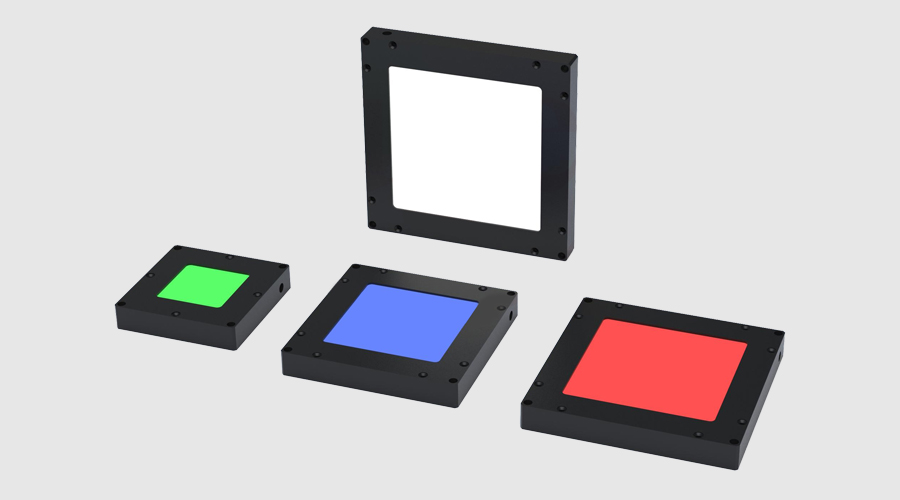 Flat light
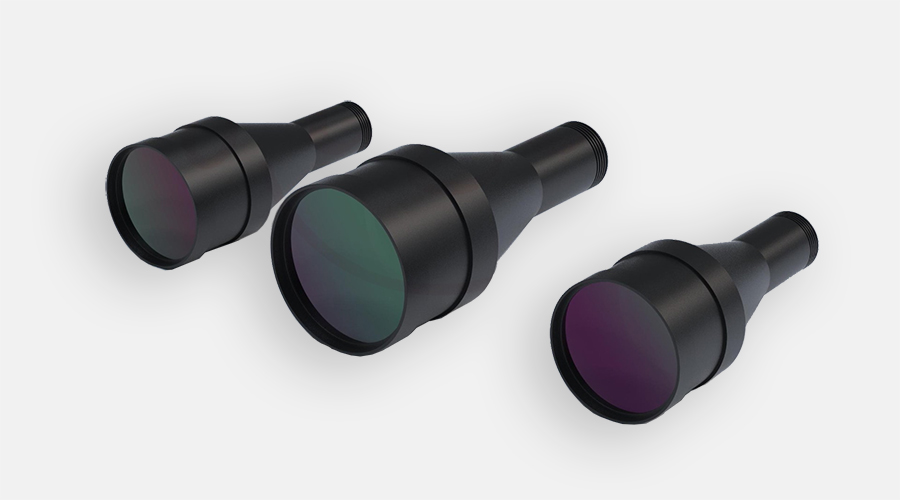 Collimated light
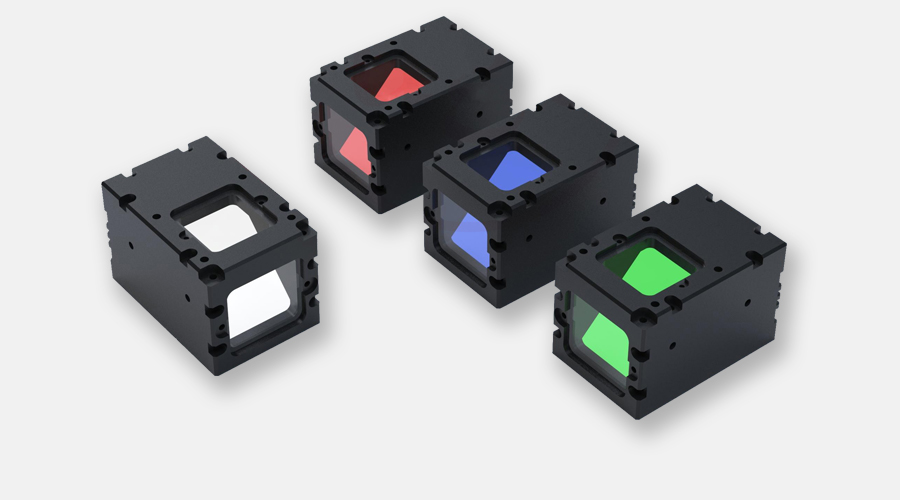 Coaxial light
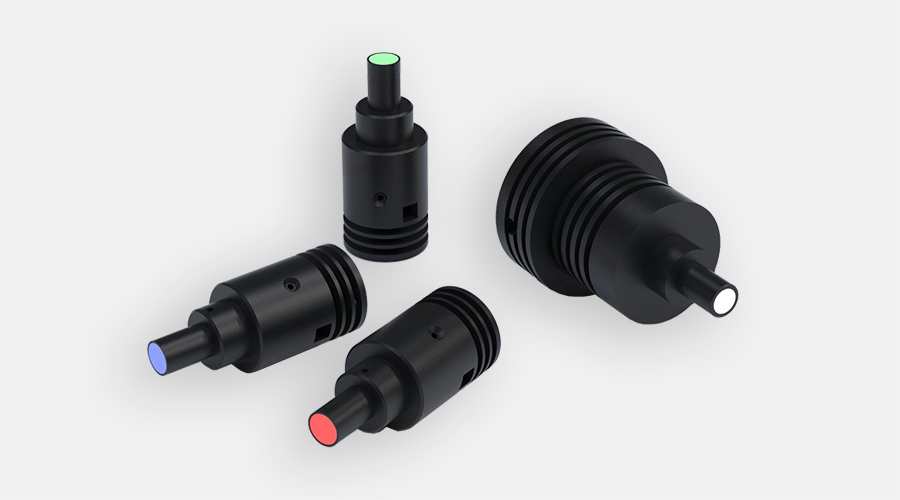 Spot light
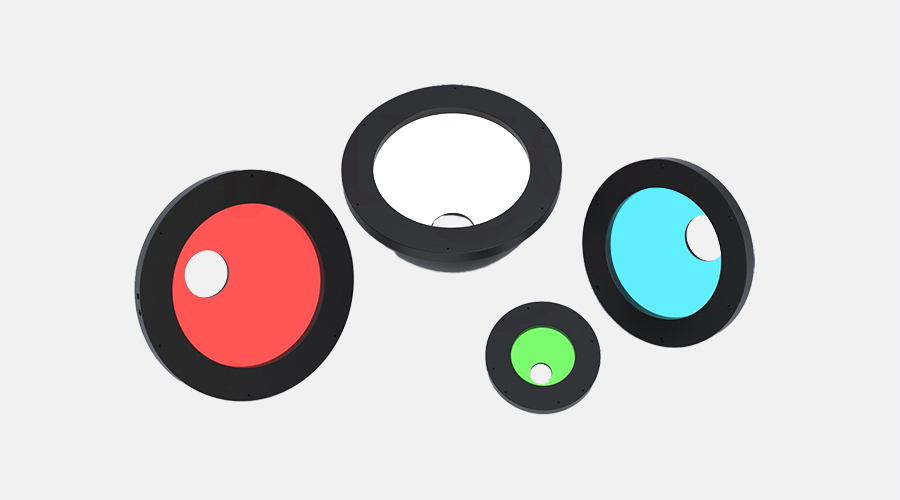 Dome light
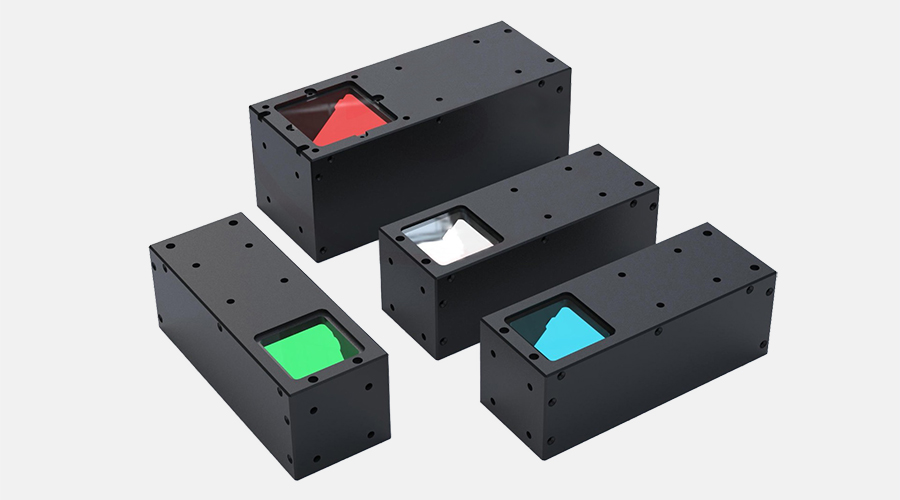 Collimated Coaxial light
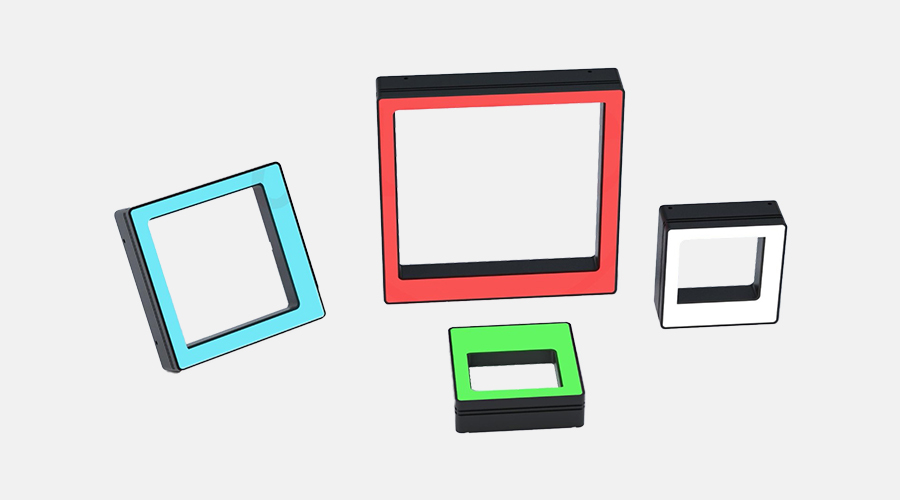 Shadowless square light
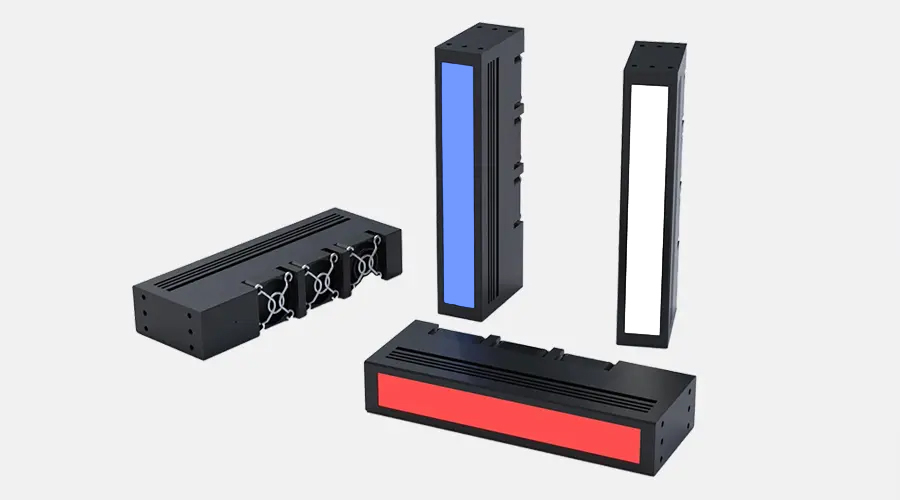 Scan light
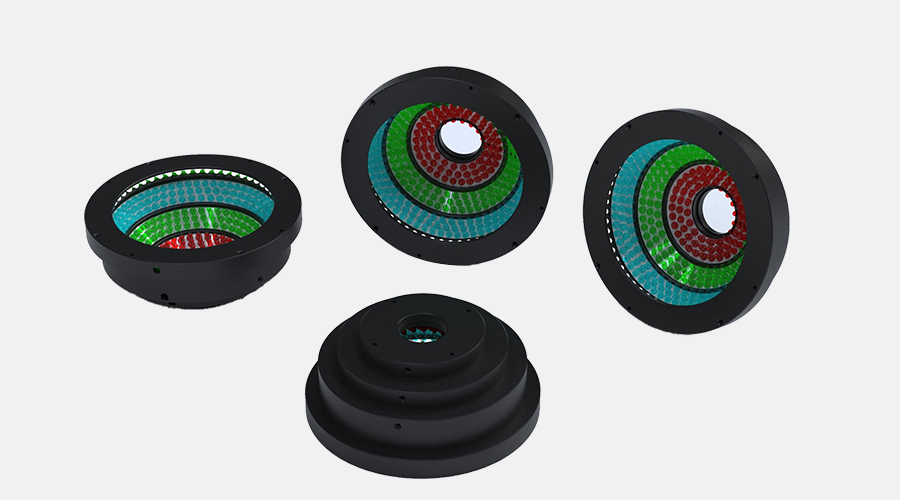 AOI light
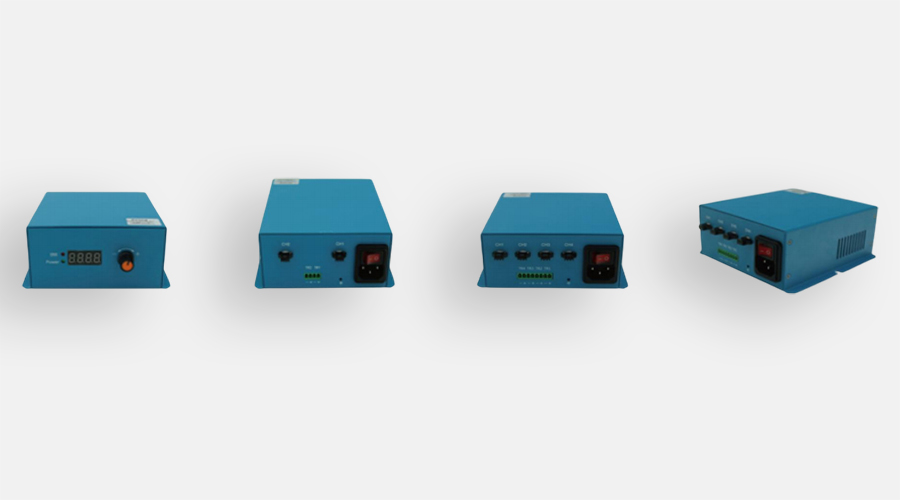 Analog controller
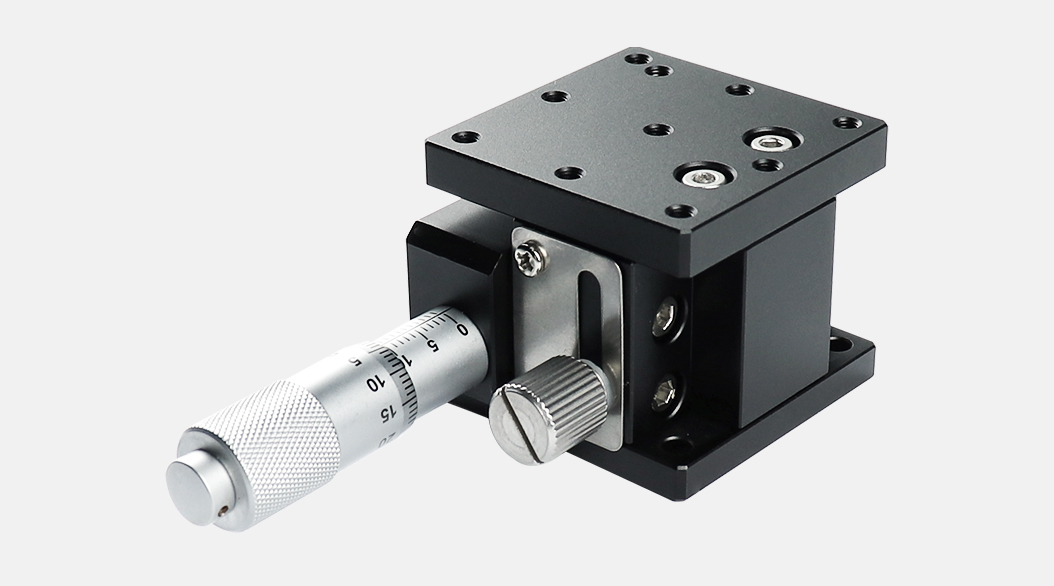 Crossed-Roller Linear guide type
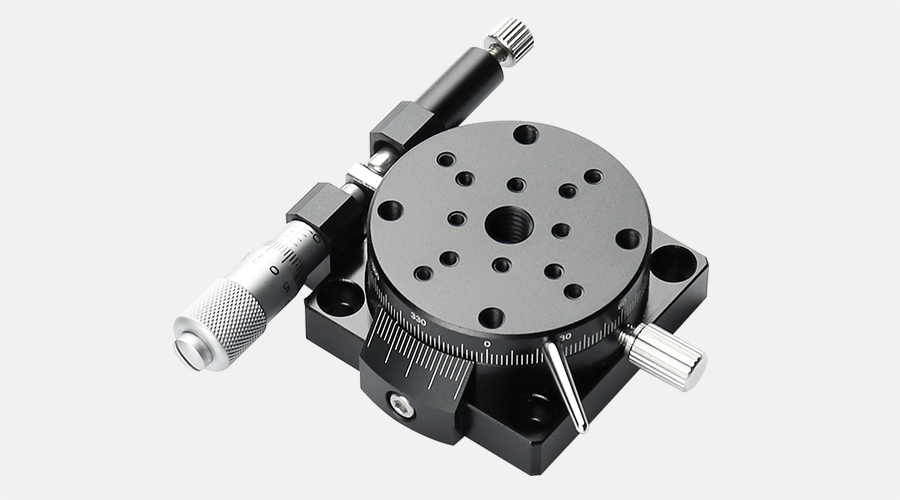 Rotary Stages XRS series
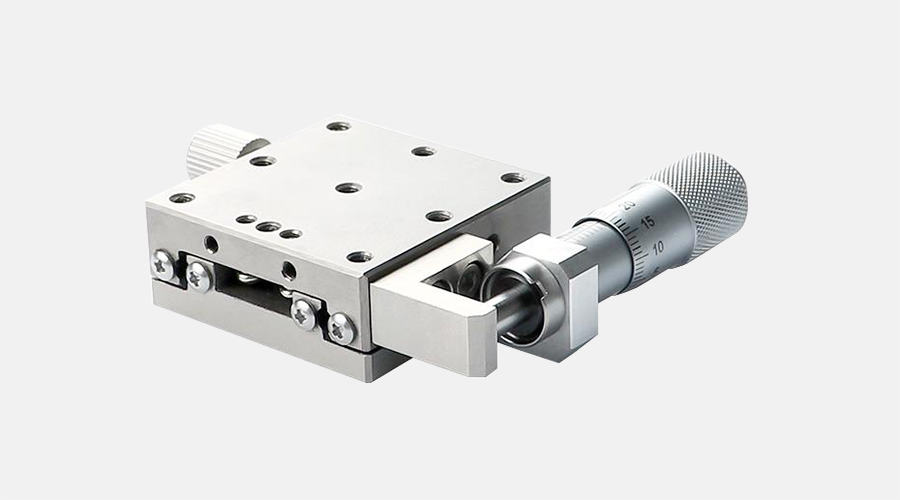 Stainless Steel Ball Bearing Linear Translation Stages
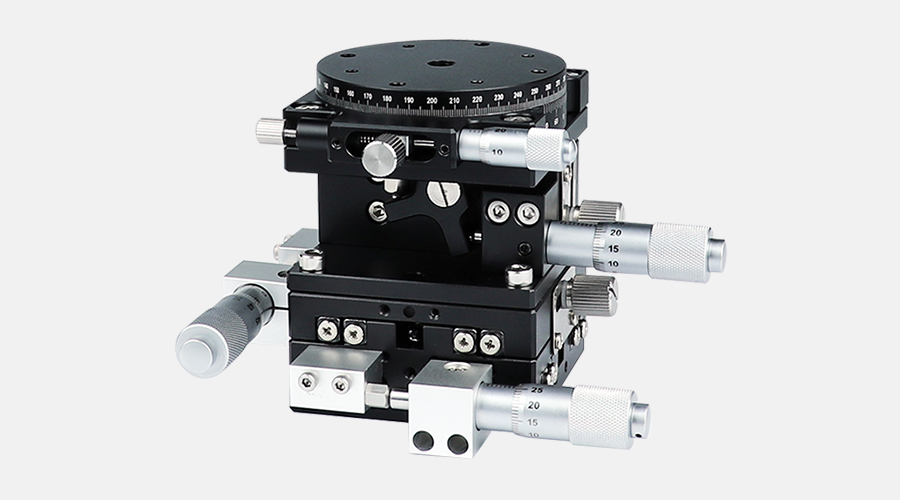 Multi-axis Translation stages
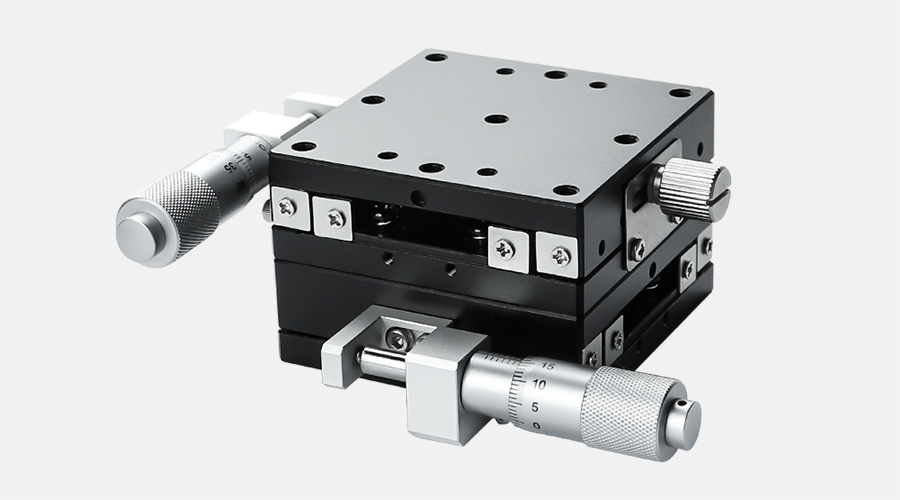 steel bar ball bearing stages
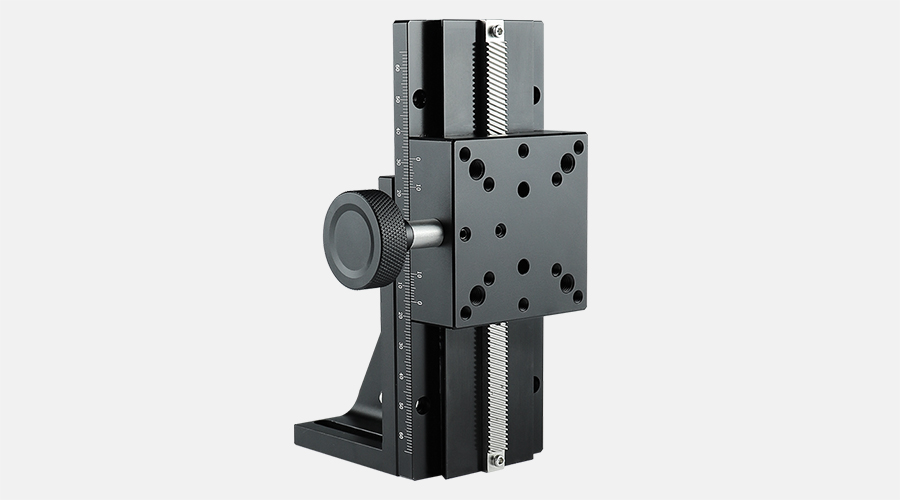 Dovetail Type Rack&Pinion Positioning Stage
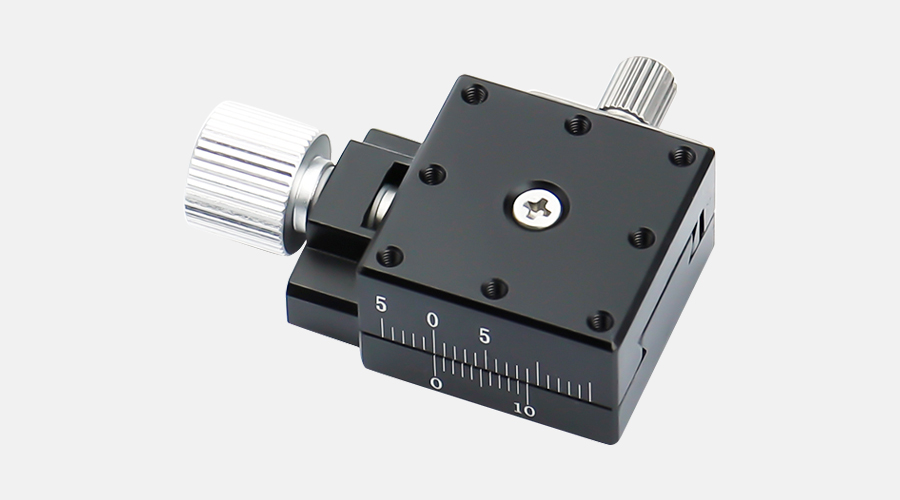 Dovetail groove high-precision screw slide