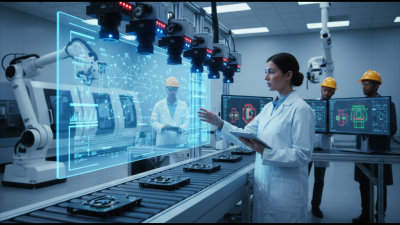
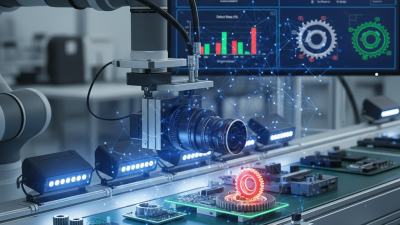
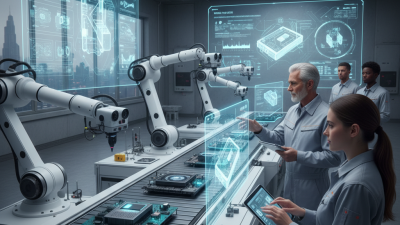
Have you heard about [Automated Vision Inspection](https://www.newvisionlens.com/automated-vision-inspection)? It’s really shaking up the manufacturing world! Basically, it uses cameras and clever algorithms to spot defects on products, and many experts say it’s a total game-changer when it comes to making sure stuff is high quality. Dr. Emily Chen from VisionTech Solutions even said, 'Automated Vision Inspection not only speeds things up but also helps cut down on human error.' Pretty cool, right?
Of course, jumping into this tech isn’t always a walk in the park. Getting it to work smoothly with existing systems can be tricky. You’ve got to deal with things like changing lighting or complicated shapes, which means constant adjustments are often needed. But all in all, it can really boost productivity, and many industries are jumping on board.
That said, it’s important to keep an eye on how well it’s actually working, because as the tech continues to grow and improve, companies need to stay flexible and adapt. Embracing these new tools is key to staying competitive and making sure quality isn’t sacrificed in the process.
What is Automated Vision Inspection?
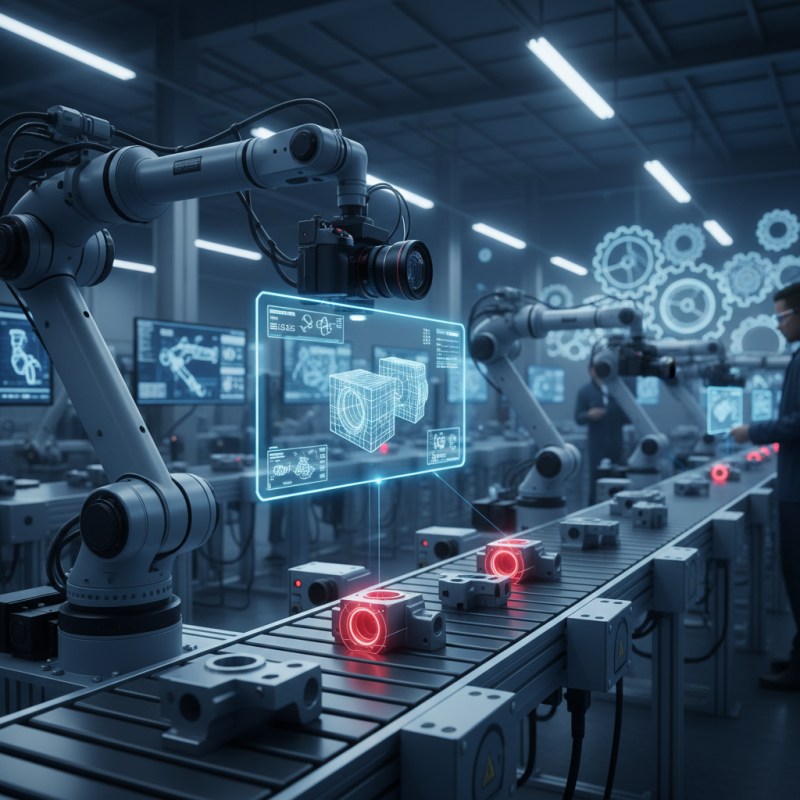
Automated Vision Inspection is a technology that uses cameras and software to inspect products. This method enhances quality control in various manufacturing environments. By replacing manual inspections, Automated Inspection boosts productivity and accuracy. The system quickly identifies defects that are hard to detect with the human eye. It operates faster and can process thousands of items in a short time.
When implementing Automated Vision Inspection, consider your specific needs. Not all systems are the same. Each setup may require different cameras, lighting, or software solutions. Testing and calibration are crucial. You might face challenges in achieving consistent results. It's important to gather data and adjust the settings regularly.
Tip: Engage with your team. Involve operators who understand the product intricacies. Their feedback can significantly improve the inspection process.
Keep in mind, technology can fail. Regular maintenance is essential to ensure the system runs smoothly. An unexpected breakdown can cause delays and affect production rates. Evaluate your system’s performance frequently and make improvements where necessary.
The Technology Behind Automated Vision Inspection
Automated Vision Inspection is transforming how industries ensure product quality. The technology primarily relies on advanced cameras and software. These systems analyze images in real-time. They detect defects with high precision, often quicker than human inspectors. For instance, a
3d Vision Inspection
system can identify surface imperfections on complex shapes. This level of detail was difficult to achieve before.
Using machine learning algorithms, these systems improve over time. They learn from past inspections, increasing accuracy and reducing false positives.
However, there are challenges. Environmental factors, such as lighting and dust, can impact performance. Sometimes, valuable items get misclassified due to these conditions. Regular calibration and adjustment of settings are necessary for optimal results.
Furthermore, integrating automated vision systems into existing production lines can be complex. Companies must ensure compatibility and adaptability with current processes. There can be a learning curve for operators as well. Despite these challenges, the benefits are significant.
Automated vision inspection enhances product reliability while reducing labor costs. As industries continue to evolve, the reliance on technologies like 3D vision inspection is likely to grow.
How Automated Vision Inspection Works
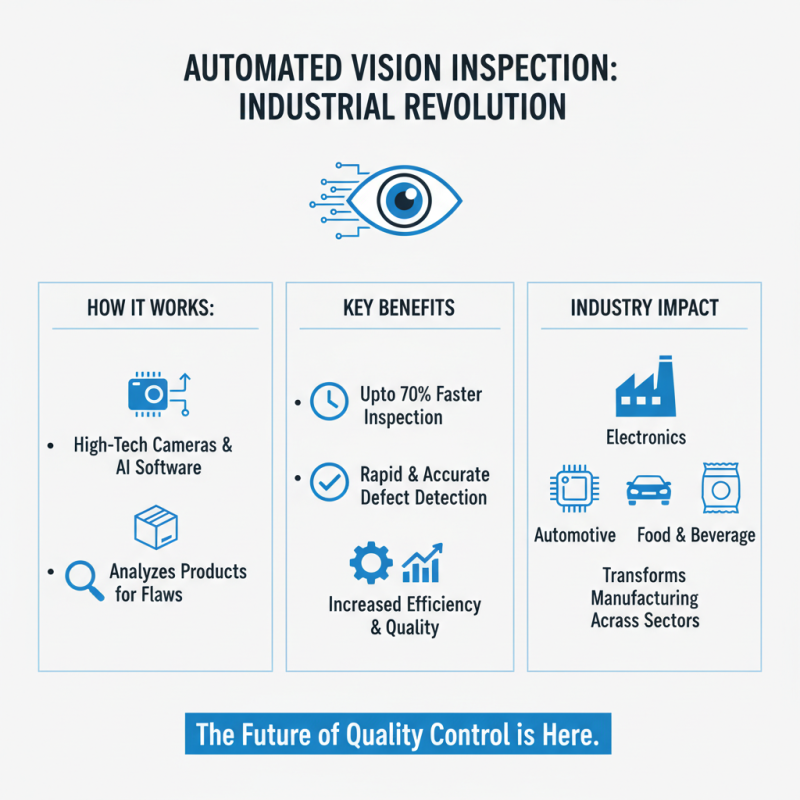
Automated Vision Inspection is transforming industries. It utilizes high-tech cameras and software to analyze products. This process helps identify defects quickly and accurately. Automated systems can reduce inspection time by up to 70%, according to industry reports.
The technology works by capturing images of products on a production line. Advanced algorithms analyze these images in real-time. This means defects are spotted instantly. However, it is not flawless. Sometimes, lighting conditions affect image quality. The Vision Inspection Lens must be calibrated properly to ensure the best results.
In some cases, manual inspection might still be needed. Trained operators can catch flaws that machines miss. Relying solely on technology may not be wise. A balanced approach can improve overall quality assurance. Integrating both automated systems and human oversight can lead to better outcomes in product inspection.
Key Components of an Automated Vision Inspection System
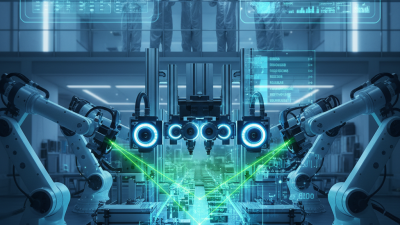
Automated vision inspection systems are essential in quality control. They use advanced cameras, sensors, and software to analyze products and components. One key component is the camera itself. High-resolution cameras capture detailed images, which are crucial for accurate inspections. Different lighting conditions can affect the quality of images. Sometimes, adjustments are needed to achieve optimal results.
Another important component is the software that processes the images. The software employs machine learning algorithms to identify defects or irregularities. It learns from previous inspections to improve accuracy over time. However, there can be errors in detection. Not every defect is caught, and this can lead to missed quality issues.
Hardware components like conveyor systems also play a role. They transport items to the inspection point. A misaligned conveyor can distort product positions, complicating the inspection. Regular calibration is necessary to maintain accuracy. These combined elements create a reliable inspection system, yet they require ongoing assessment and adjustment to ensure effective performance.
Automated Vision Inspection Components Analysis
Applications of Automated Vision Inspection Across Industries
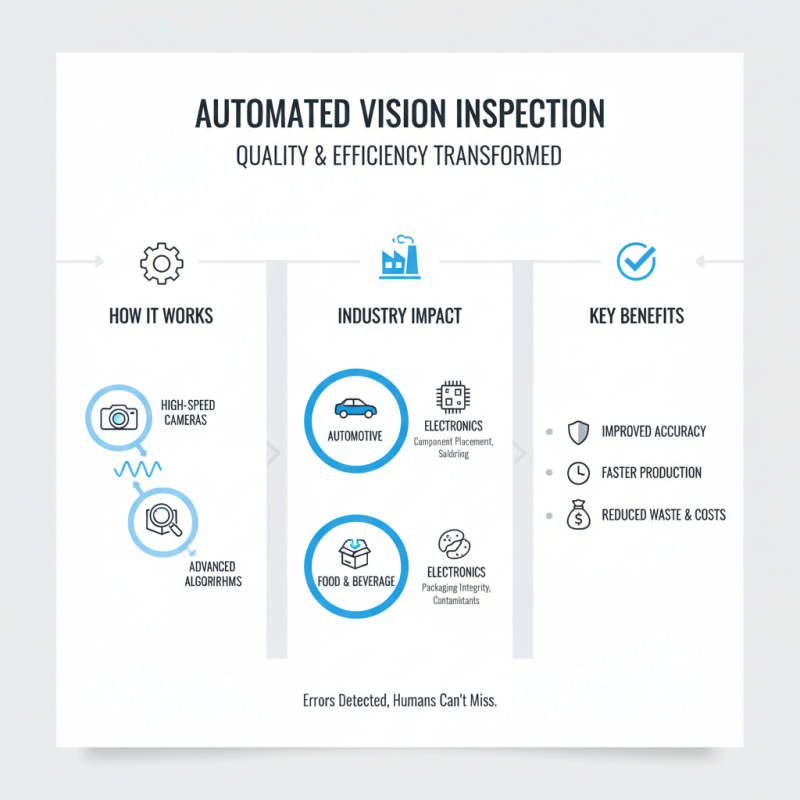
Automated vision inspection is transforming many industries. It serves as a vital component in ensuring quality and efficiency in production lines. Manufacturers use high-speed cameras and advanced algorithms to inspect products. For example, in the automotive industry, vision systems check for surface defects or ensure proper assembly of parts. The technology helps catch errors that humans might miss.
In the food and beverage sector, automated inspections ensure product integrity and safety. Cameras can detect foreign objects, verify labels, and check packaging integrity. This reduces human error and speeds up the process. However, these systems aren’t flawless. Sometimes, they misidentify acceptable products as defective.
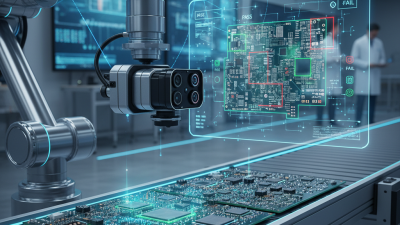
In electronics, vision inspection ensures tiny components are in the right place. Minor misalignments can cause significant failures. Nevertheless, not all systems are equally advanced. Some may struggle with varying lighting conditions or occlusions. Continuous improvement is essential to address these challenges. Many companies are investing more in machine learning to enhance accuracy.
Benefits of Implementing Automated Vision Inspection
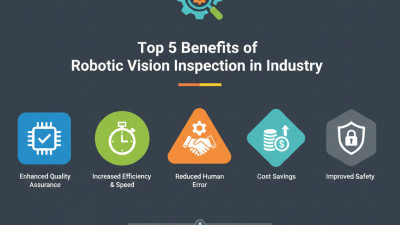
Automated Vision Inspection (AVI) is transforming industries by enhancing quality control processes. Implementing AVI can greatly improve efficiency and accuracy. According to a recent report by MarketsandMarkets, the automated inspection market is expected to reach $4.7 billion by 2026, growing at a CAGR of 8.4%. This reflects the increasing demand for precision across various sectors.
One significant benefit of AVI is its ability to detect defects that the human eye may miss. This technology often significantly reduces waste, as identified defects can be addressed before they compromise production. A study by PwC found that companies adopting advanced inspection systems see a 30% reduction in costs associated with rework and scrap. However, it’s essential to continually evaluate inspection systems for their limits. They may overlook subtle defects, emphasizing the need for a balanced approach between human and machine inspection.
Tip: Regularly train your staff on the limitations of AVI. Awareness will help them spot issues that machines can't.
Another key advantage is speed. Automated systems can inspect thousands of products per hour. This increased throughput means faster time to market. Yet, one must be cautious. Implementing AVI can require a high initial investment and may involve staff training challenges. These factors need careful consideration.
Tip: Conduct a cost-benefit analysis before implementation. It will clarify if the investment aligns with your organizational goals.
Future Trends in Automated Vision Inspection Technology
Automated vision inspection technology is evolving rapidly. It uses advanced algorithms and machine learning to enhance product quality. However, the future will not be free from challenges. As systems grow smarter, they may encounter complex scenarios that require human input. For example, a system may misidentify a defect due to variable lighting conditions. This highlights the need for continual adjustments in the software.
In fields such as manufacturing, Robotic Vision Inspection is becoming critical. Intelligent cameras can detect flaws at high speeds, improving efficiency. Yet, the reliance on automation can lead to overconfidence. A misaligned camera can produce inaccurate results. Companies must acknowledge this potential for error and invest in regular system checks. The balance between automation and human oversight is essential.
In addition, these systems will likely integrate with artificial intelligence. This integration can improve adaptability in real-time. However, ethical concerns arise regarding decision-making. Who is responsible when a machine fails? As technology advances, society must address these questions. Embracing innovation while being mindful of its pitfalls will shape the future of automated vision inspection.
What is Automated Vision Inspection and How Does It Work? - Future Trends in Automated Vision Inspection Technology
| Dimension |
Description |
Current Trends |
Future Predictions |
| Accuracy |
Precision in identifying defects. |
Increased resolution in imaging technology. |
AI integration for enhanced decision making. |
| Speed |
Rate of inspections per minute. |
Faster processing algorithms. |
Real-time feedback loops for immediate corrections. |
| Application Areas |
Industries utilizing vision inspection. |
Manufacturing, pharmaceuticals, electronics. |
Expansion into new sectors like food safety. |
| Cost |
Initial investment and long-term savings. |
Decreasing costs for technology implementation. |
Higher ROI through enhanced efficiency. |
| User Interaction |
Ease of use for operators. |
User-friendly interfaces becoming standard. |
Increased automation with minimal human oversight. |
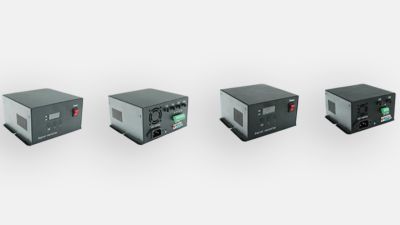
Optimizing Machine Vision LED Lighting with Precision Digital Controllers for Enhanced Performance
In the realm of machine vision, the optimization of LED lighting is crucial for achieving enhanced performance and accuracy. The utilization of precision digital controllers in lighting systems not only facilitates high precision brightness control but also integrates innovative features such as stroboscopic control. Industry reports have shown that proper light modulation significantly impacts the effectiveness of machine vision applications, where variations in lighting can affect defect detection rates by up to 20%. The implementation of digital control technologies enables operators to adjust brightness levels meticulously, ensuring that ideal lighting conditions are maintained for various machine vision tasks.
Moreover, with the advent of RS232 communication, connecting the digital controller to a computer allows for remote operation and comprehensive adjustments. This capability is particularly valuable in automated systems, where streamlined control is key to operational efficiency. The ability to implement 256 levels of brightness adjustment through a user-friendly interface not only supports a range of applications but also extends the service life of LED lights by minimizing thermal stress and ensuring optimal operational conditions. Given that machine vision systems are increasingly deployed across manufacturing and quality control sectors, the integration of such advanced lighting controls may be a game changer in enhancing productivity and accuracy.
Statistics from industry analyses indicate that optimal lighting in machine vision systems can enhance image quality and processing speeds, providing significant return on investment through reduced waste and improved product quality. As the field continues to evolve, leveraging precision digital controllers will undoubtedly be at the forefront of innovations in machine vision LED lighting.
FAQS
: The content aims to provide useful information while encouraging reflection and critical thinking.
Yes, sharing is encouraged, but ensure no brand names or illegal content is included.
Responses should be clear and concise, ideally with a maximum of 20 words per sentence.
Avoid discussing illegal or unethical topics. Stick to general information.
Personal views can be included, but ensure they do not promote harmful ideas or products.
Use simple language and short sentences to convey your ideas effectively.
It’s important to also reflect on challenges or shortcomings for a balanced perspective.
A slight informal tone is fine but maintain clarity and respectfulness in your language.
Acknowledge errors and consider them as opportunities for growth and improvement.
Bullet points can help, but ensure they are concise and relevant to the content.
Conclusion
Automated Vision Inspection is a cutting-edge technology that utilizes advanced imaging and processing systems to evaluate the quality and integrity of products in various industries. By integrating high-resolution cameras with powerful software algorithms, this system can detect defects and ensure compliance with quality standards. The key components of an Automated Vision Inspection system include cameras, lighting, image processing software, and machine learning capabilities that enhance its accuracy and efficiency.
The applications of Automated Vision Inspection are vast, spanning sectors such as manufacturing, pharmaceuticals, food and beverage, and electronics. This technology not only increases productivity but also reduces operational costs by minimizing human error and enhancing inspection speed. As industries continue to embrace automation, the future of Automated Vision Inspection is likely to involve further advancements in artificial intelligence and machine learning, leading to more sophisticated and adaptable inspection solutions.

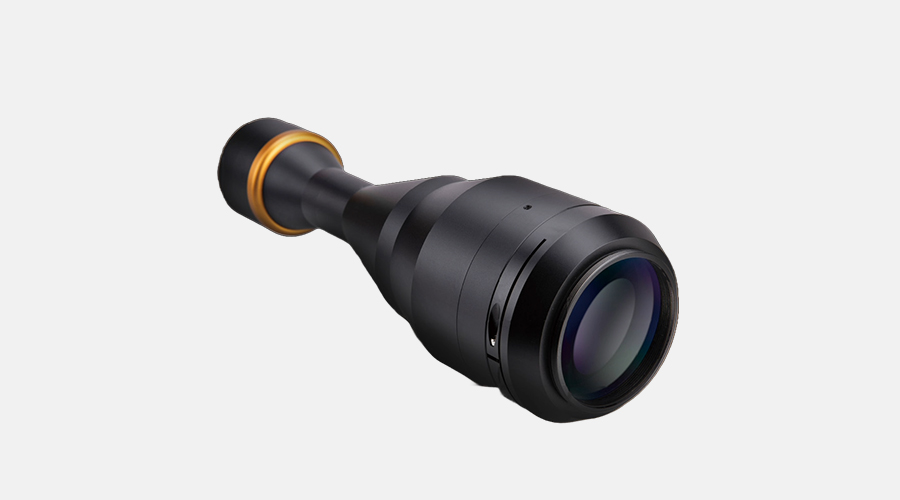 Compatible with 7.2mm-82mm chips
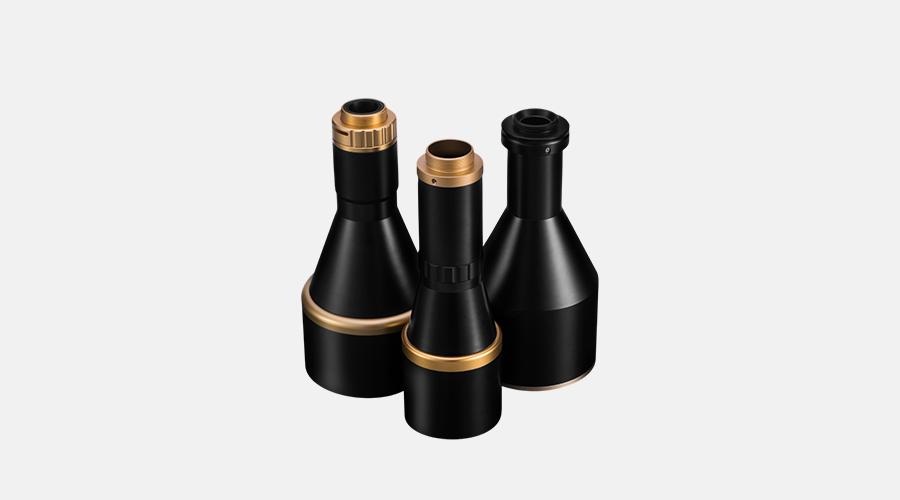 High/Low Working Distance
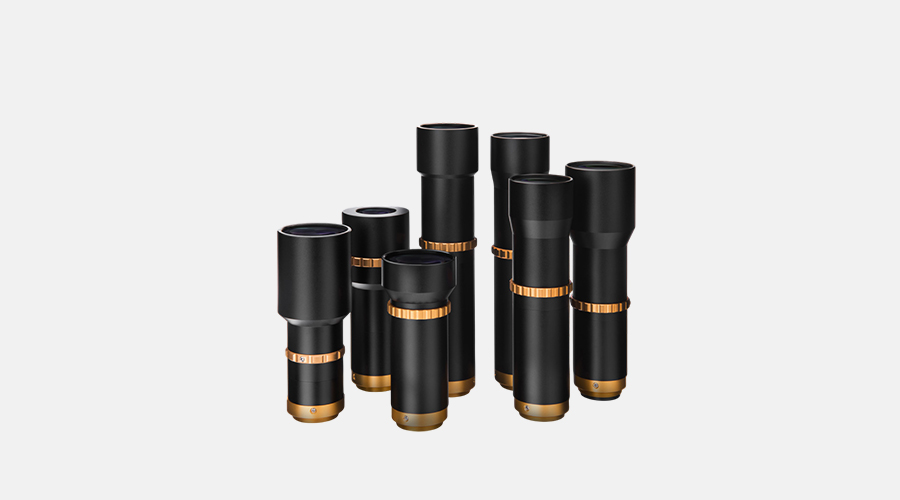 Aperture telecentric lens
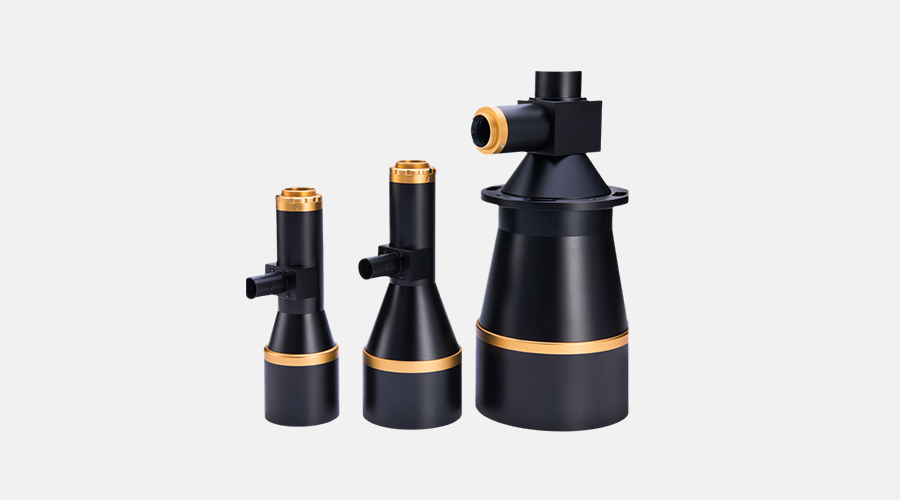 Measuring lens
 Maximum support 1.1" chips
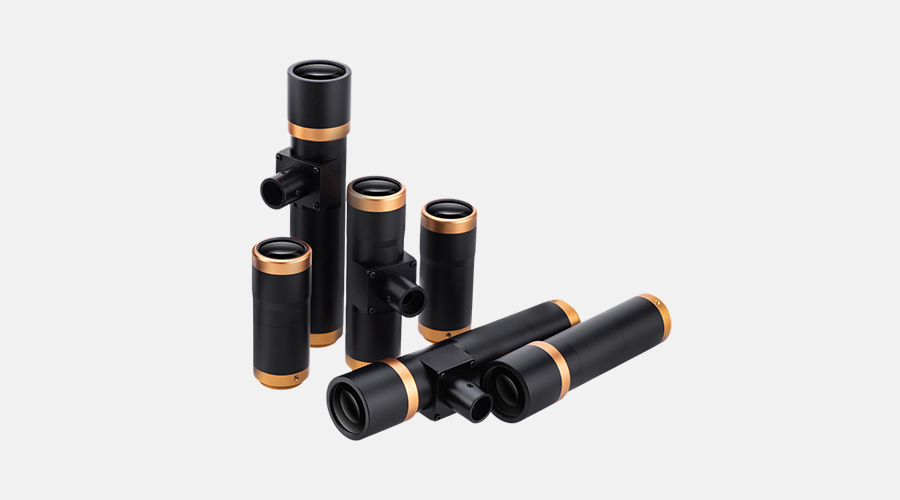 Maximum support 1.2" chips
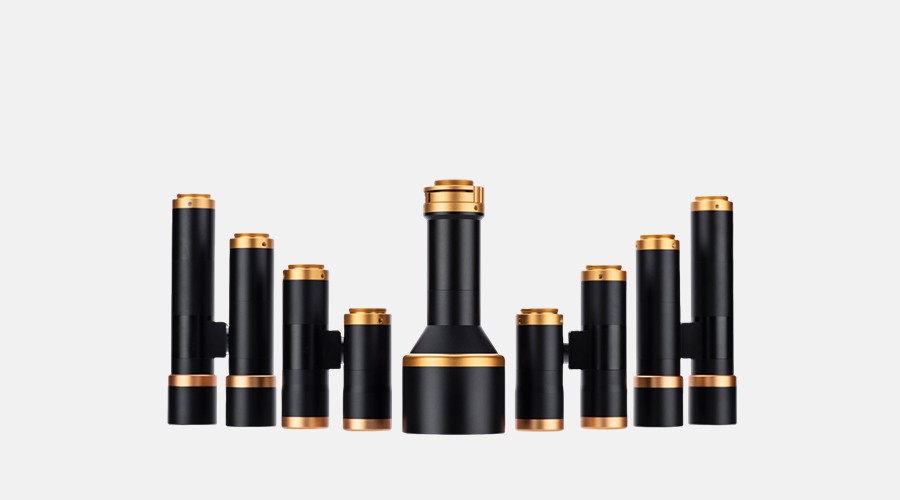 Maximum support 2/3" chips
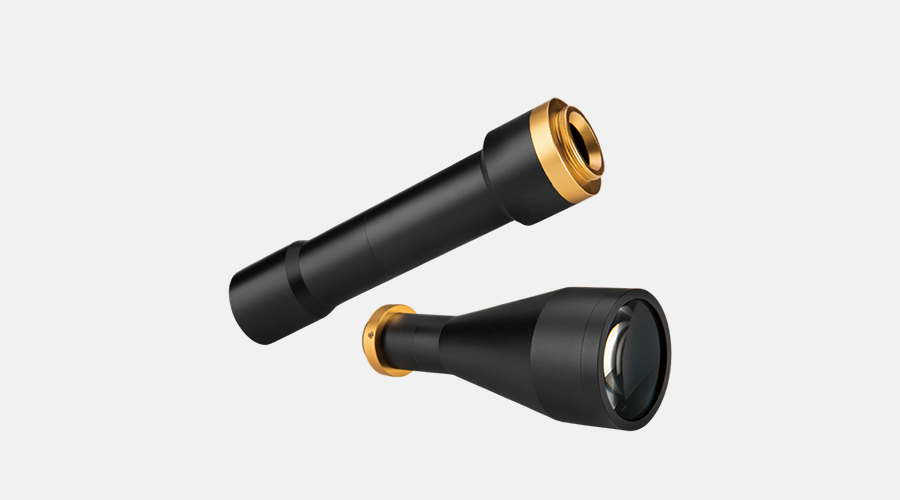 Long Working Distance
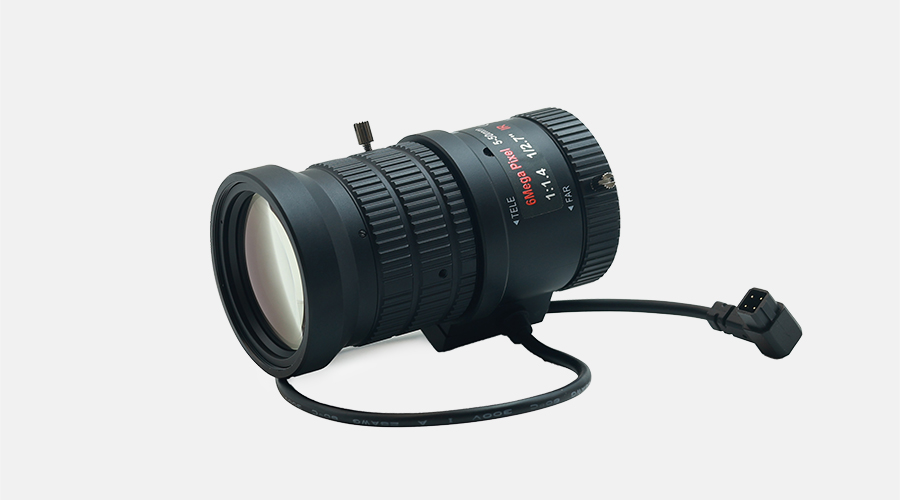 CS mount Varifocal lens
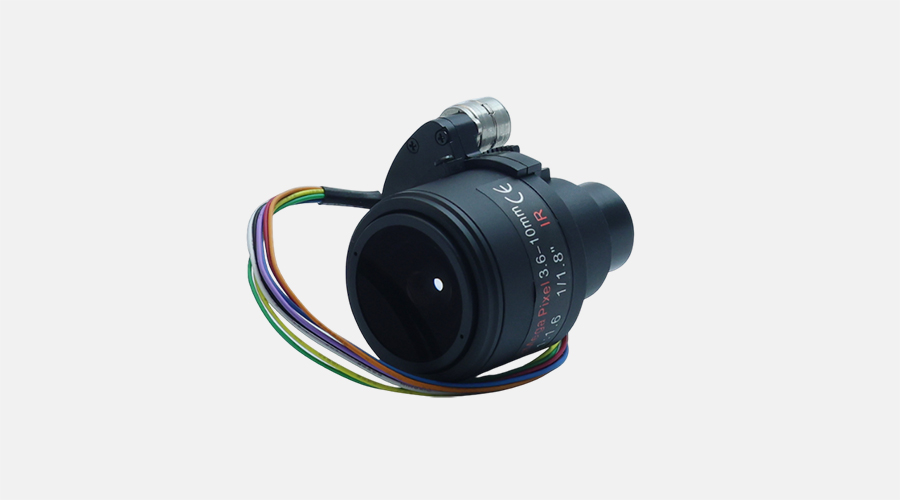 Varifocal board lens
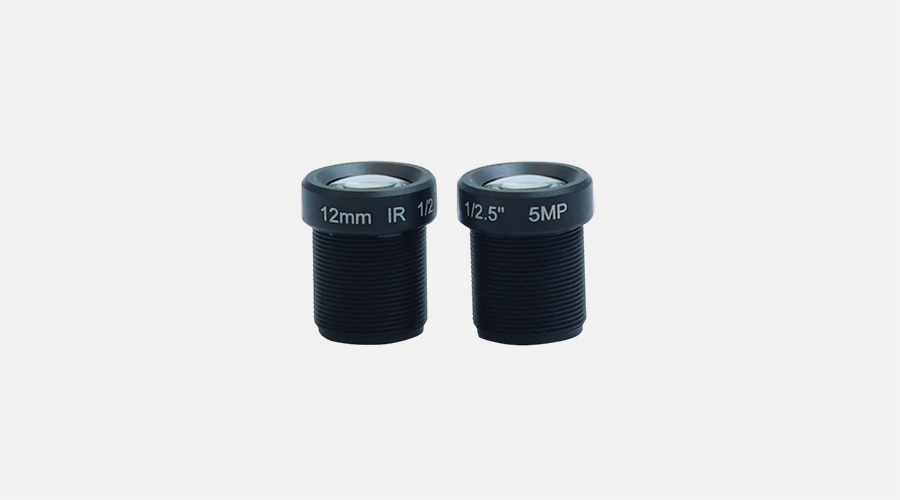 S mount lens
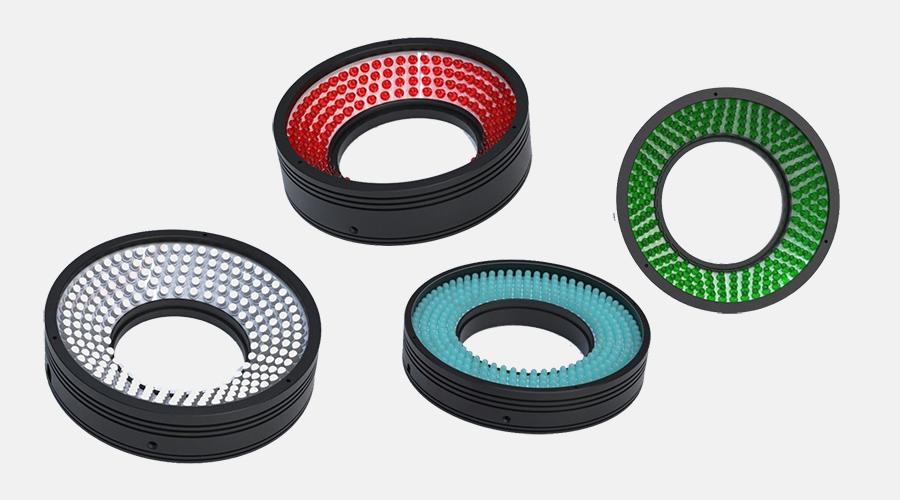 Ring light
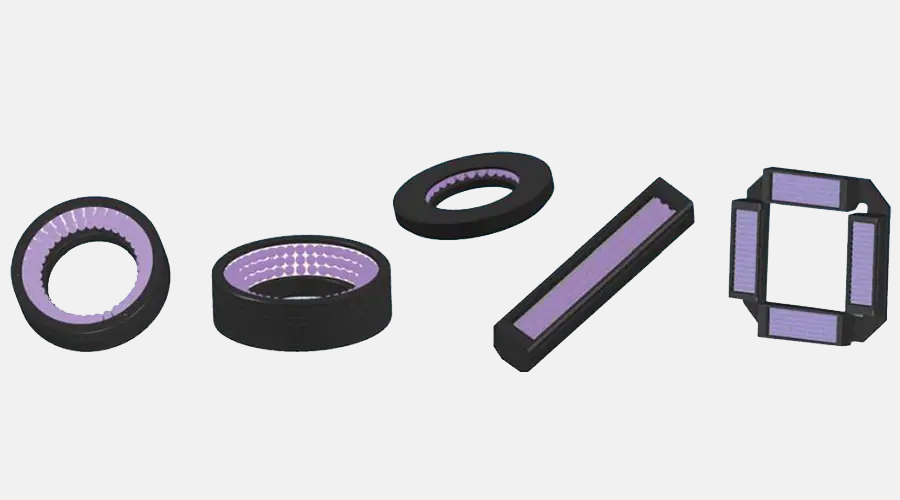 UV/IR Light
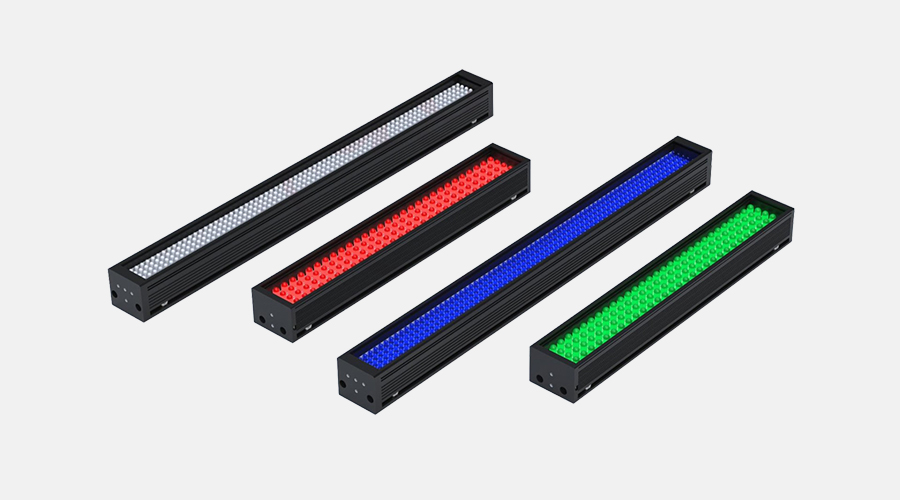 Bar light
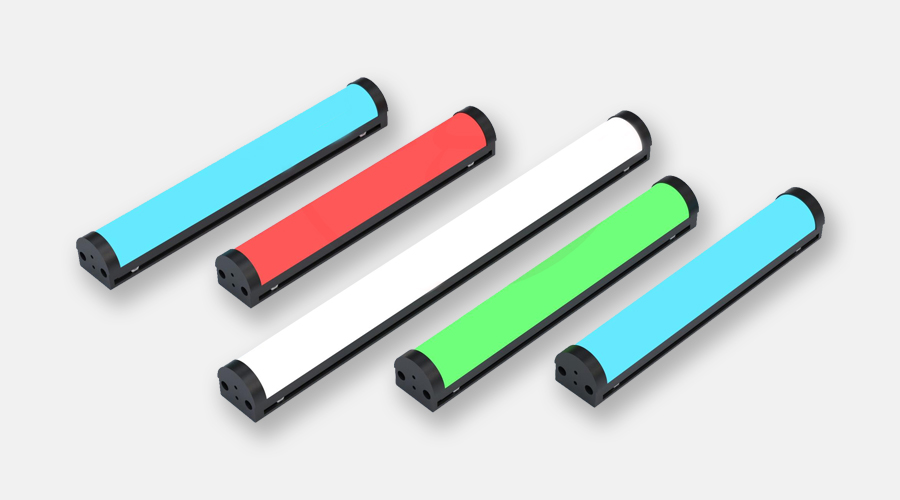 Arcuate high uniformity light
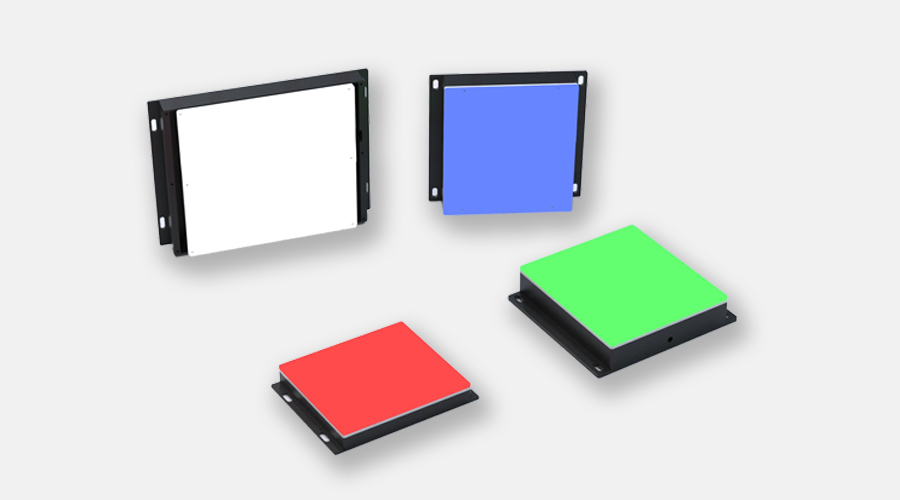 Back light
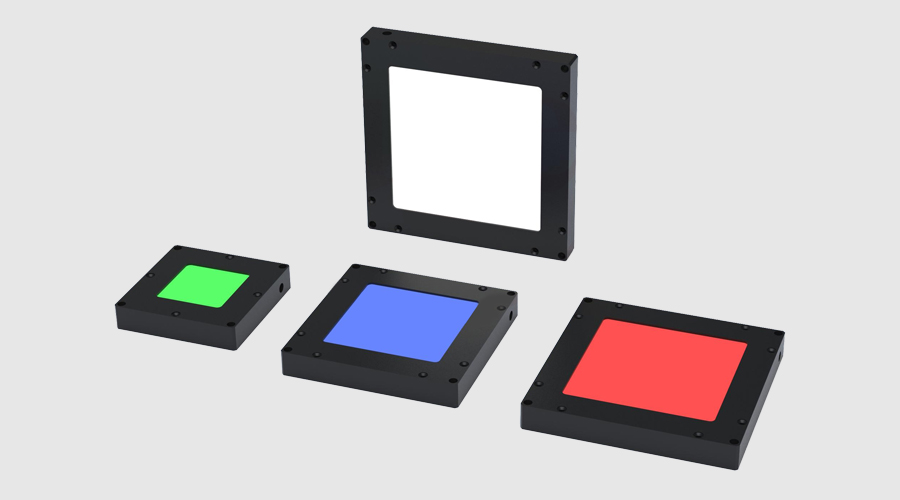 Flat light
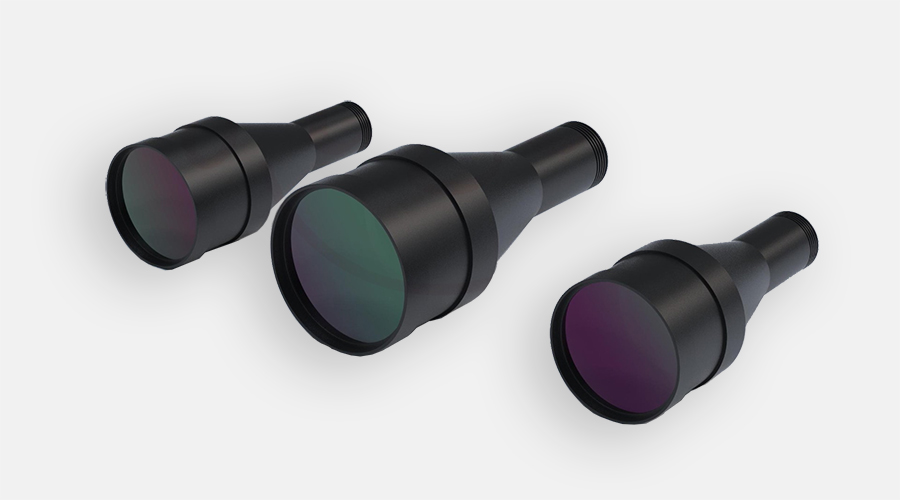 Collimated light
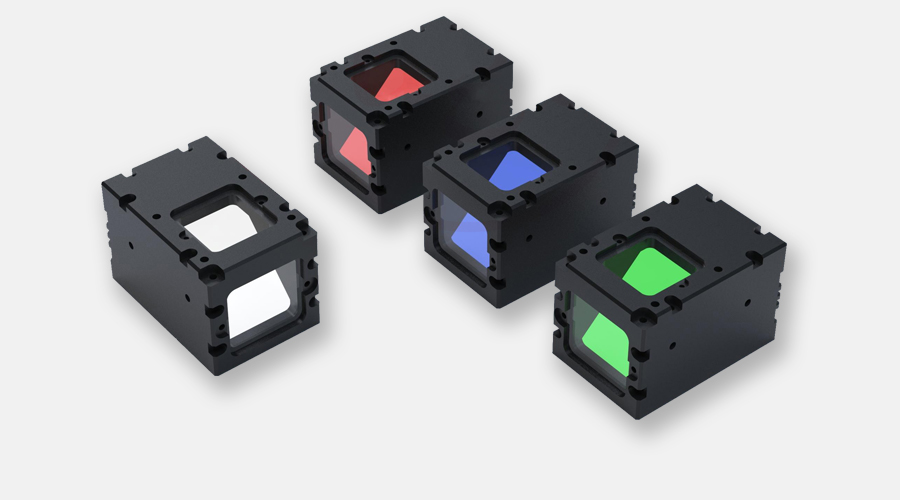 Coaxial light
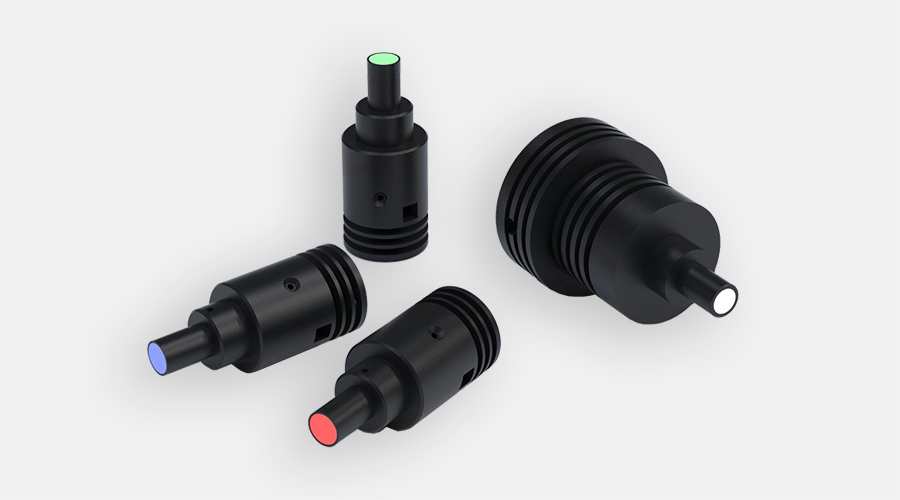 Spot light
 Dome light
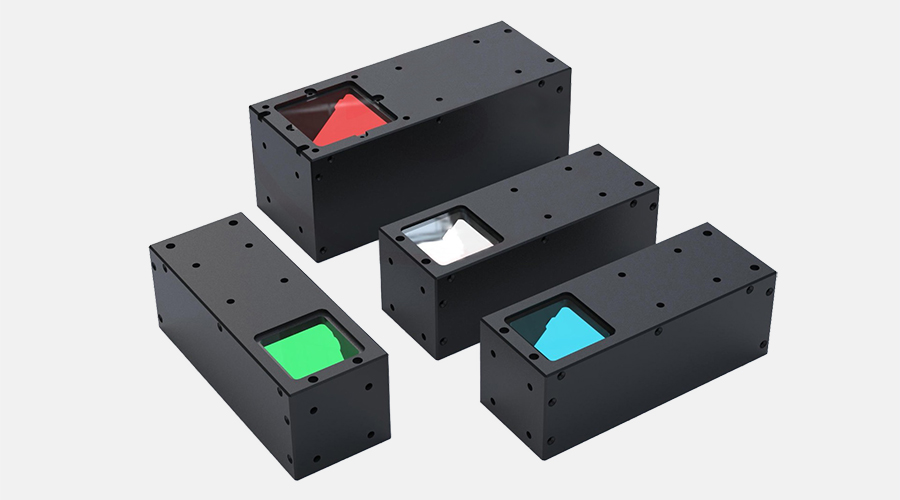 Collimated Coaxial light
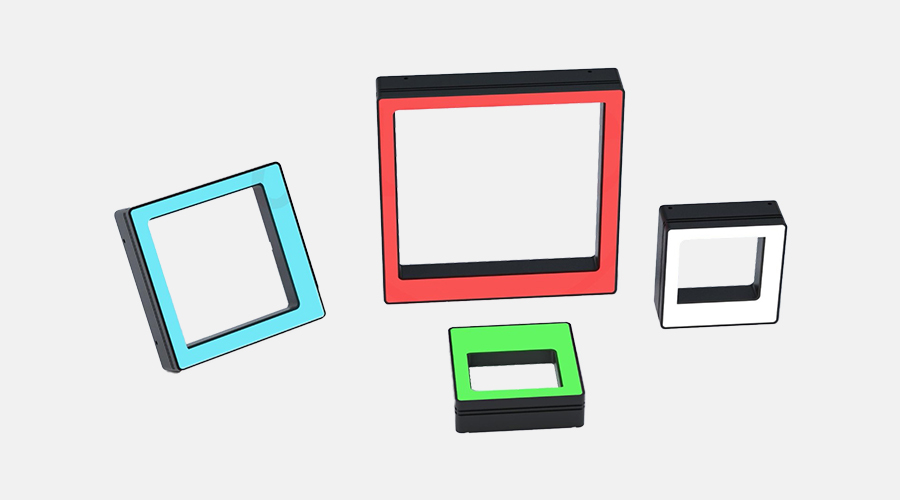 Shadowless square light
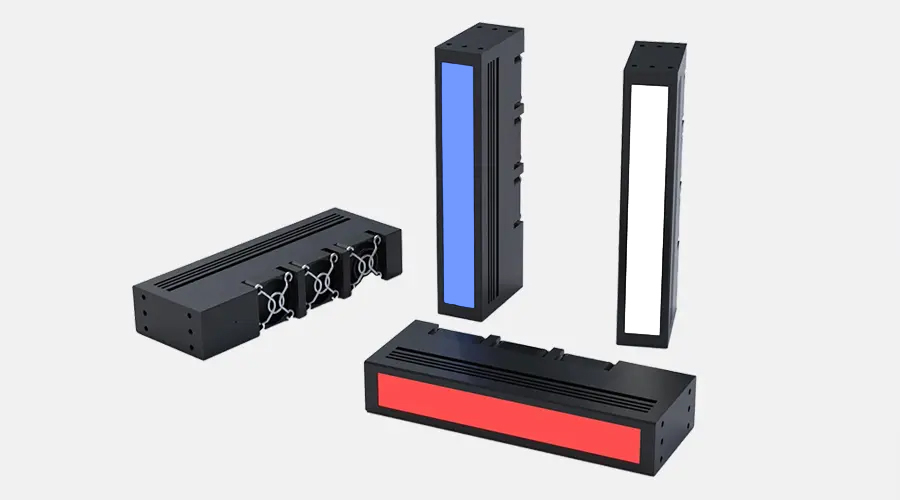 Scan light
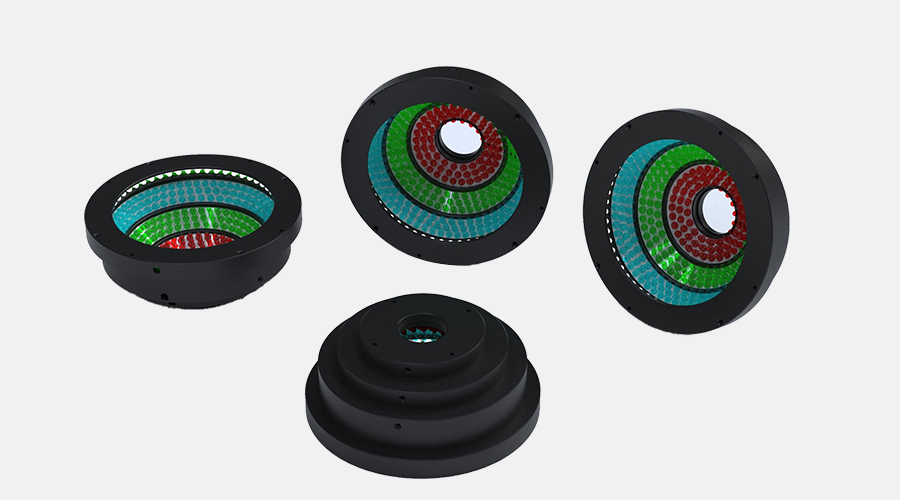 AOI light
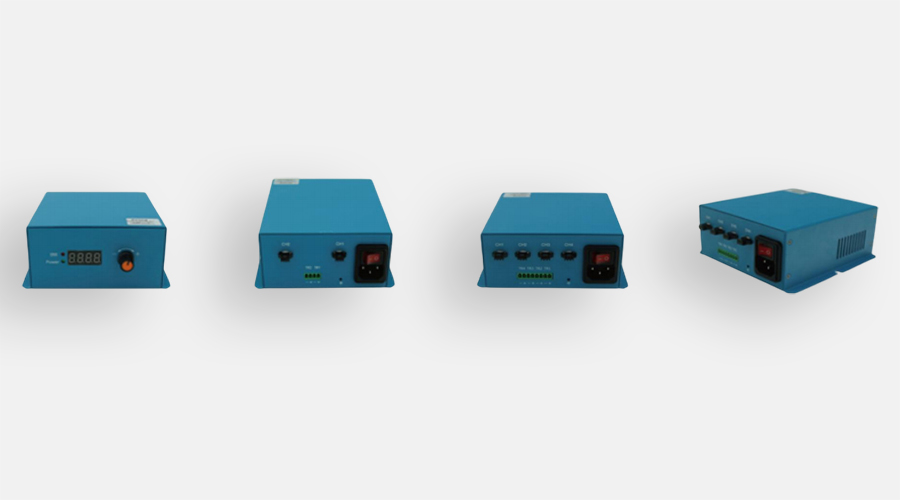 Analog controller
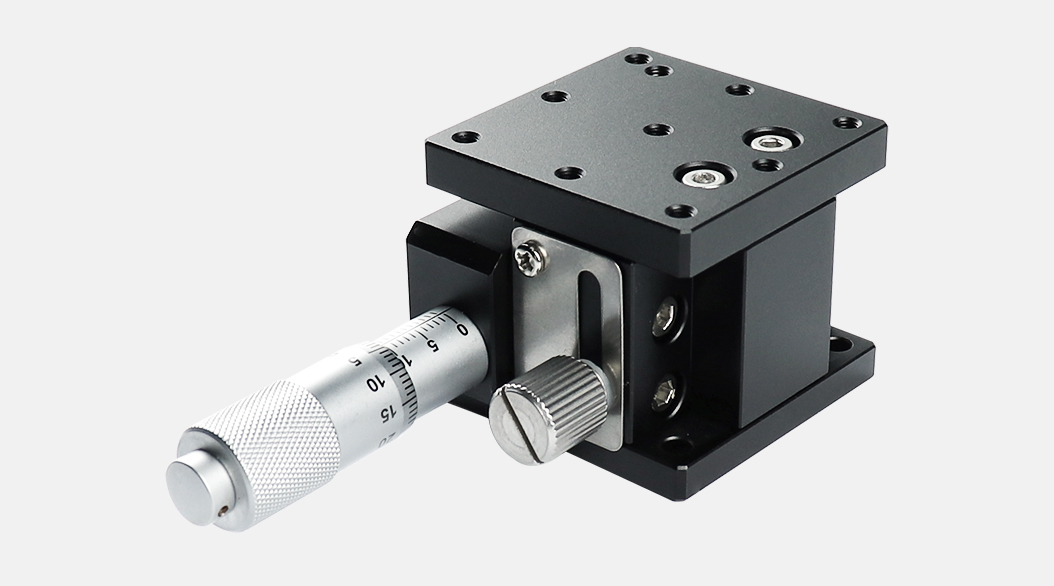 Crossed-Roller Linear guide type
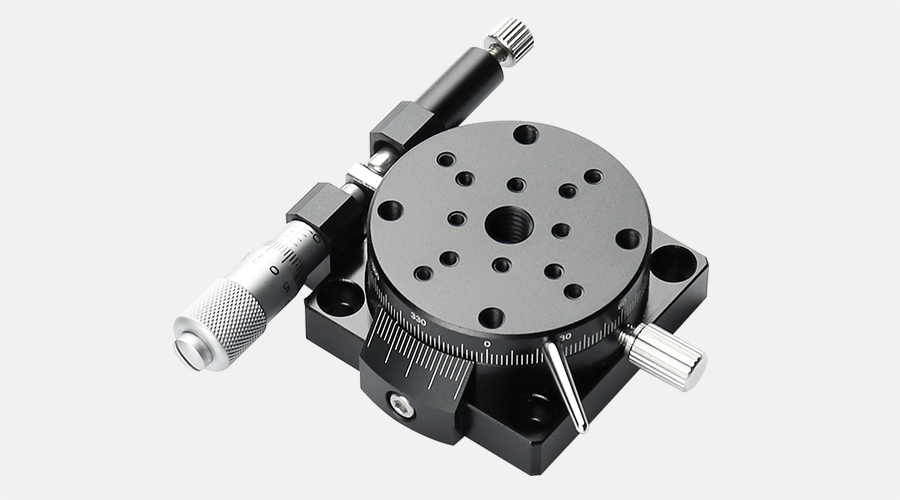 Rotary Stages XRS series
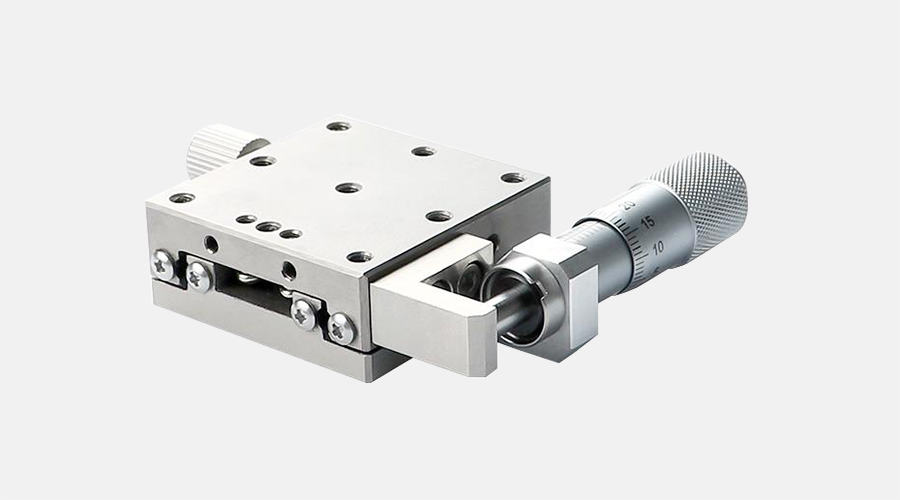 Stainless Steel Ball Bearing Linear Translation Stages
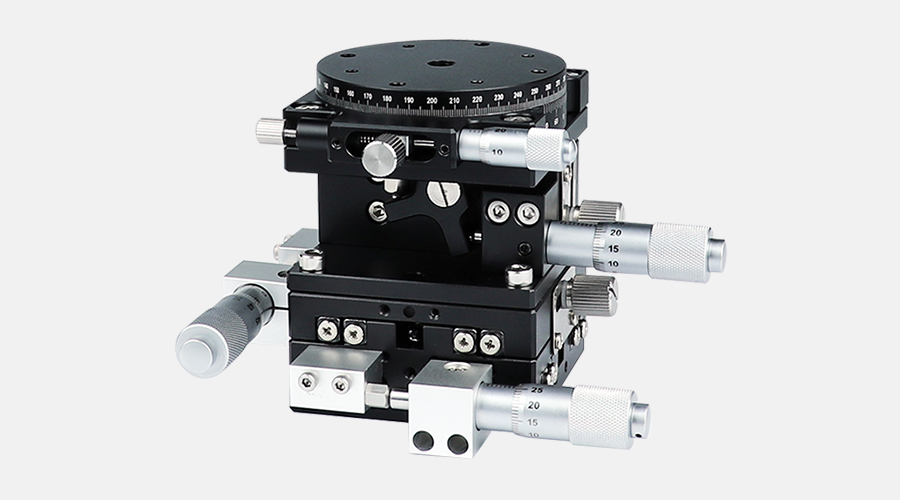 Multi-axis Translation stages
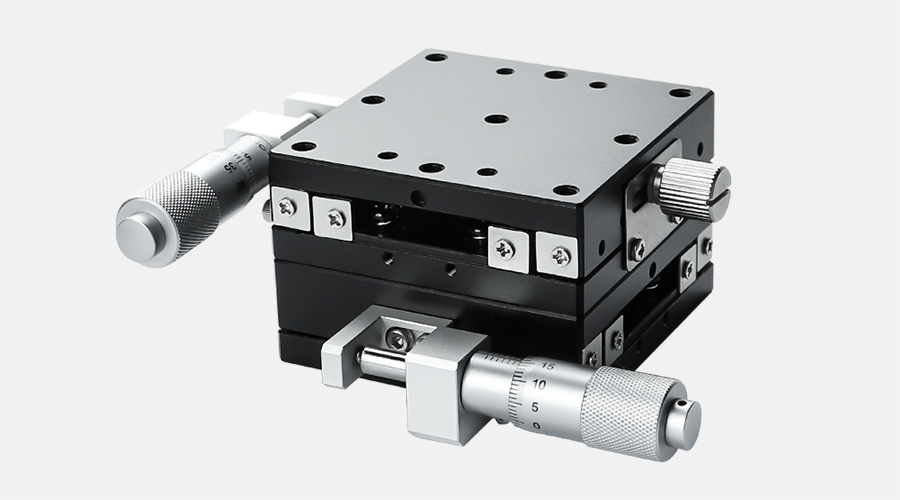 steel bar ball bearing stages
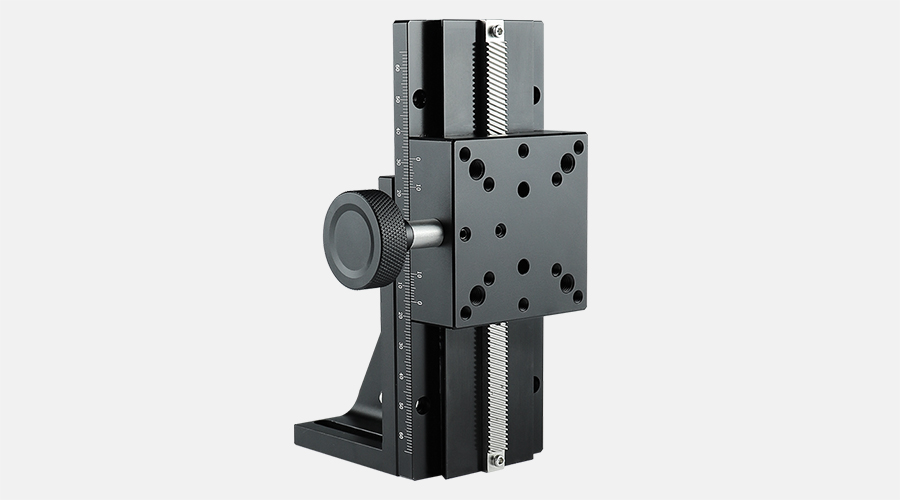 Dovetail Type Rack&Pinion Positioning Stage
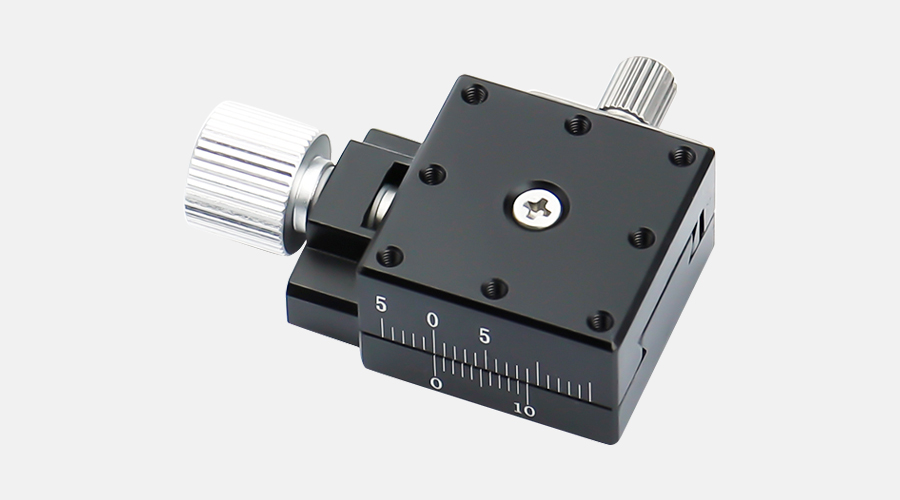 Dovetail groove high-precision screw slide