In today’s really competitive manufacturing world, keeping those quality standards high is more important than ever. With production demands constantly on the rise, many companies are turning to Automated Vision Inspection systems to help them get better at quality assurance—it's like having an extra set of eyes! According to a report from Markets and Markets, the market for automated optical inspection is projected to hit around USD 1.1 billion by 2025, growing at about 9.1% annually. That’s a big deal and clearly points to how our industry is moving toward smarter, tech-powered solutions for quality control.
Industry experts are pretty much buzzing about how much Automated Vision Inspection is changing the game. Dr. Emily Chen, a well-known researcher and industry pro, says, “Automated Vision Inspection is really transforming how manufacturers check product quality. It allows for real-time decision making and helps cut down on mistakes.” Basically, when you combine top-notch imaging tech with AI, manufacturers can spot defects more accurately and much faster than the old-school methods.
And it’s not just about better quality—implementing Automated Vision Inspection also helps streamline production. It cuts down human errors and speeds up the inspection process, so factories can produce more, quicker, and with lower costs. As automation keeps gaining ground, there’s no doubt that Automated Vision Inspection will be a big part of what shapes the future of quality control in manufacturing. It’s an exciting time for the industry, for sure!

Understanding Automated Vision Inspection in Manufacturing
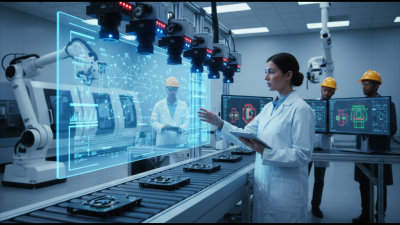
Automated vision inspection has emerged as a transformative technology within the manufacturing landscape, leveraging advanced imaging systems and artificial intelligence to enhance quality control processes. By utilizing high-resolution cameras and sophisticated algorithms, this method can detect defects, measure dimensions, and ensure that products meet strict specifications with unparalleled accuracy. Unlike traditional inspection methods, which often rely on human oversight, automated systems provide consistent and repeatable results, minimizing the risk of human error and increasing overall efficiency.
The implementation of automated vision inspection allows manufacturers to maintain a high level of operational efficiency. This technology operates in real time, providing instant feedback that can be utilized to adjust production processes immediately. It not only accelerates the quality control phase but also reduces the time to market, enabling manufacturers to respond swiftly to customer demands. Furthermore, the detailed data collected during inspections can be analyzed to identify trends and potential areas for improvement, thereby fostering a culture of continuous improvement and innovation in manufacturing practices.
Top Benefits of Automated Vision Inspection for Quality Control in Manufacturing
Key Components of Automated Vision Inspection Systems
Automated vision inspection systems have become an integral component of quality control in manufacturing, offering significant advantages in efficiency and accuracy. Key components of these systems typically include high-resolution cameras, powerful illumination sources, and advanced image processing software. High-resolution cameras capture detailed images, allowing for precise inspection of products at various stages of production. According to industry reports, the adoption of high-resolution imaging technology can boost defect detection rates by up to 90%, drastically reducing the chances of faulty products reaching the market.
Another essential aspect of automated vision inspection systems is the integration of sophisticated lighting techniques. Proper illumination enhances image contrast and highlights surface defects, enabling more accurate assessments. Research indicates that systems utilizing advanced lighting configurations can improve detection reliability by as much as 30%. Furthermore, the image processing software plays a critical role by employing algorithms for object recognition and pattern matching, facilitating real-time analysis and decision-making. Studies show that implementing such systems can lead to a reduction in quality control inspection time by over 40%, thus streamlining the manufacturing process and enhancing overall productivity.
Advantages of Automation in Quality Control Processes
The integration of automated vision inspection systems in manufacturing has revolutionized quality control processes, offering distinct advantages over traditional methods. According to a report by Grand View Research, the global market for automated inspection systems is projected to reach $4.5 billion by 2025, underscoring the industry’s shift towards automation. One of the primary benefits is the enhancement of accuracy and consistency in defect detection. Automated systems can analyze products at a pace and precision far beyond human capability, with many systems achieving defect detection rates of over 99%. This reliability not only ensures compliance with safety standards but also significantly reduces the rate of recalls due to faulty products.
Furthermore, automation in quality control processes leads to substantial cost savings and efficiency improvements. The Aberdeen Group notes that organizations implementing automated quality inspection have seen a reduction in inspection costs by as much as 30%. By minimizing human error and reducing the time required for inspections, manufacturers can increase throughput while maintaining high quality. Additionally, real-time data analytics provided by these systems allow companies to identify trends and areas for improvement, fostering a culture of continuous quality enhancement. The combination of these factors positions automated vision inspection as a critical component in the modern manufacturing landscape, ultimately driving both productivity and customer satisfaction.
Improving Accuracy and Consistency with Vision Inspection
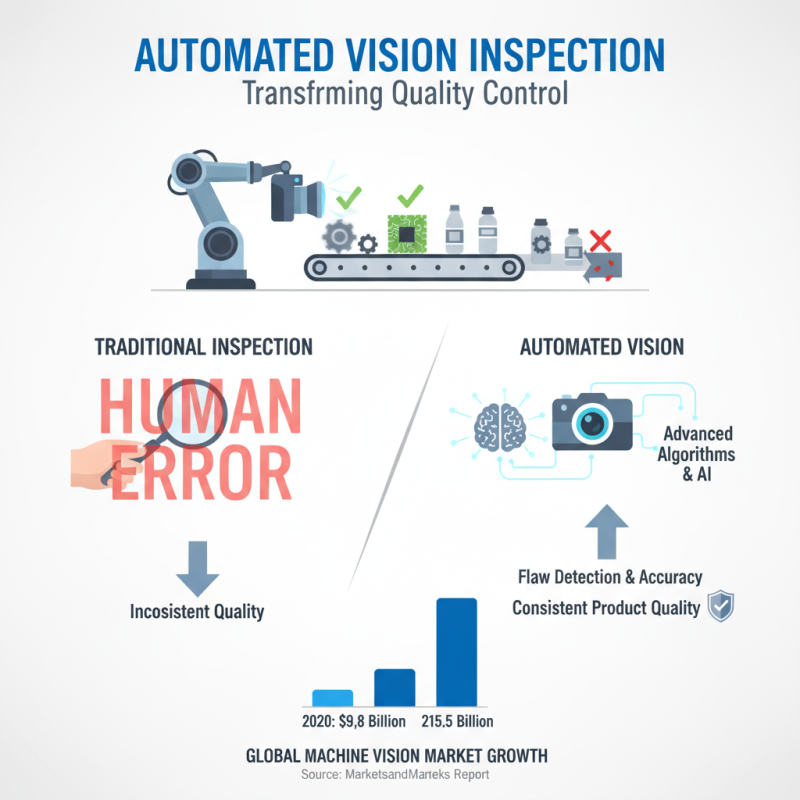
Automated vision inspection systems are transforming quality control processes in manufacturing by enhancing accuracy and consistency. In traditional inspection methods, human error can lead to significant discrepancies in product quality. Automated visual systems utilize advanced algorithms and high-resolution cameras to detect flaws in real-time, ensuring products meet the required specifications. According to a report from MarketsandMarkets, the global machine vision market is projected to grow from $9.8 billion in 2020 to $15.5 billion by 2025, reflecting the increasing reliance on automated solutions for quality assurance.
The implementation of vision inspection technologies significantly reduces false rejects and missed defects, leading to improved operational efficiency. For instance, a study from the American Society for Quality highlighted that organizations employing automated inspection processes achieve up to a 30% reduction in inspection time while increasing defect detection rates by 40% compared to manual methods. This enhancement not only boosts manufacturers' productivity but also elevates customer satisfaction by ensuring higher product quality and consistency. As industries continue to embrace automation, the precision offered by vision inspection systems is proving essential in maintaining competitive advantages in the market.
Cost Benefits of Implementing Automated Inspection Solutions
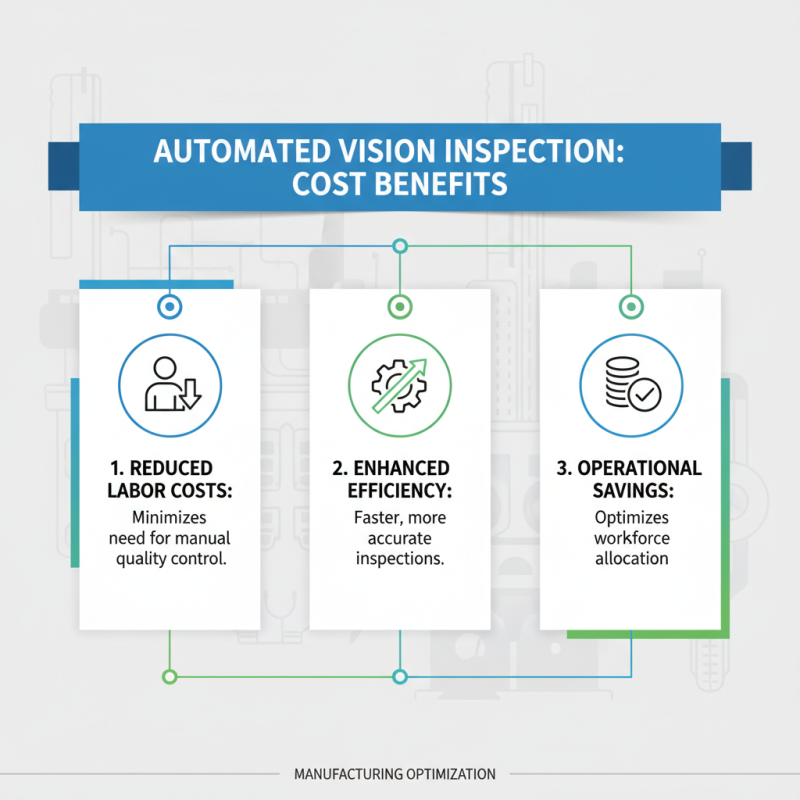
Implementing automated vision inspection solutions in manufacturing offers significant cost benefits that can enhance overall operational efficiency. One of the primary advantages is the reduction in labor costs associated with manual inspections. With automated systems, companies can minimize the need for extensive human resources dedicated to quality control, which often involves labor-intensive and time-consuming processes. The automation of visual inspections allows manufacturers to allocate their workforce more strategically, focusing on tasks that require human ingenuity and problem-solving.
Additionally, automated vision systems significantly reduce the likelihood of errors that can lead to costly production defects. By ensuring consistent and precise inspections, these systems help manufacturers avoid expenses related to rework, scrap, or product recalls. The improved accuracy and speed of automated inspections also contribute to maintaining high inventory turnover rates and faster time-to-market, enhancing a company's competitive edge. Consequently, investing in automated vision inspection not only streamlines quality control processes but also fosters long-term financial sustainability and growth in manufacturing operations.
Challenges and Considerations in Vision Inspection Systems
While automated vision inspection systems offer significant advantages for quality control in manufacturing, there are several challenges and considerations that companies must navigate. One of the primary challenges is the initial investment required for setting up a sophisticated vision inspection system. The costs associated with high-resolution cameras, lighting equipment, and software can be substantial. Additionally, companies must also consider the costs of training staff to effectively use and maintain these systems. Without the right expertise, the potential benefits of these technologies may not be fully realized.
Another consideration involves the integration of vision inspection systems into existing manufacturing processes. Companies must ensure that these systems can seamlessly interface with current machinery and workflows. This may require customization or adjustments in production lines, which could lead to temporary downtime or disruptions.
Furthermore, environmental factors—such as lighting conditions and factory cleanliness—can significantly influence the performance of vision inspection systems. Therefore, ongoing maintenance and calibration are essential to maintain accuracy and reliability, which adds another layer of complexity to implementation. Addressing these challenges upfront can help manufacturers leverage automated vision inspection to improve quality control effectively.
Future Trends in Automated Vision Inspection Technology
The future of automated vision inspection technology in manufacturing is poised for significant transformation, driven by advancements in machine learning, artificial intelligence, and high-resolution imaging systems. According to a recent report by MarketsandMarkets, the global automated visual inspection market is projected to grow from USD 2.1 billion in 2023 to USD 4.2 billion by 2028, reflecting a compound annual growth rate (CAGR) of 15%. This growth is indicative of the increasing reliance on automated solutions to enhance quality control processes, reduce human error, and ensure product consistency.
As manufacturers seek to improve efficiency and adopt Industry 4.0 practices, the integration of real-time data analytics into automated vision inspection systems will play a critical role. These systems can not only identify defects with precision but also analyze production trends and provide actionable insights, thus enabling manufacturers to adapt their operations proactively. A study by McKinsey highlights that companies implementing advanced analytics in their operations could see productivity gains of 20-30%. Consequently, the evolution of vision inspection technology is expected to align with the increasing demands for higher quality standards and smarter manufacturing processes, making real-time inspection a cornerstone of future production strategy.
Top Benefits of Automated Vision Inspection for Quality Control in Manufacturing
| Benefit |
Description |
Impact on Quality |
Future Trend |
| Increased Accuracy |
Automated systems reduce human error in inspections, enhancing precision. |
Improved product quality and fewer defects. |
Integration of AI for smarter analytics. |
| Speed and Efficiency |
Automated inspections can operate continuously and quickly. |
Faster throughput and reduced production delays. |
Enhanced processing power for real-time adjustments. |
| Cost Reduction |
Lower inspection costs by minimizing labor and material waste. |
Higher profit margins due to reduced operational costs. |
Robotic automation to further decrease costs. |
| Consistent Quality |
Uniform inspection processes lead to consistent quality standards. |
Reduction in variability and enhanced brand reputation. |
Adoption of industry 4.0 standards for interconnected systems. |
| Data Collection and Analysis |
Automated systems collect valuable data for quality improvement. |
Informed decision-making to enhance quality processes. |
Advanced data analytics and machine learning applications. |
Optimal Lighting Solutions for Enhanced Machine Vision in Large Area Inspections
In the realm of machine vision, achieving optimal lighting solutions is crucial for the precision and reliability of large area inspections. Traditional lighting methods often struggle with uniformity and shadow creation, which can significantly affect the accuracy of machine vision systems. Recent developments in lighting technology, specifically the implementation of mid-hole backlight systems, have addressed these challenges effectively. By utilizing a design that illuminates from the back rather than the front, these systems ensure that light is distributed evenly across large areas, eliminating shadows that can obscure critical details.
The innovative use of high-density imported LED chips plays a pivotal role in enhancing light uniformity. This advancement not only allows for flexible design configurations but also improves the overall efficiency and heat dissipation of the lighting system. Reports indicate that proper lighting solutions can reduce misidentification errors in machine vision by up to 30%, highlighting the importance of lighting in inspection applications. Furthermore, these next-generation lighting systems are particularly advantageous for industries requiring extensive inspections, such as automotive and semiconductor manufacturing, where precision is paramount.
By integrating efficient, multi-dimensional lighting designs into machine vision processes, manufacturers can achieve significant improvements in inspection quality and speed. The adoption of advanced lighting technologies is essential for maintaining accuracy and ensuring that large area inspections meet rigorous industry standards, ultimately leading to enhanced product quality and reduced operational costs.
FAQS
: Automated vision inspection is a technology that utilizes advanced imaging systems and artificial intelligence to enhance quality control processes by detecting defects, measuring dimensions, and ensuring products meet specifications with high accuracy.
This technology operates in real time, providing instant feedback that allows for immediate adjustments in production processes, speeding up quality control, and reducing time to market.
Automated systems offer enhanced accuracy and consistency in defect detection, achieving detection rates of over 99% and significantly reducing the risk of human error while increasing overall efficiency.
Manufacturers implementing automated quality inspection can experience inspection cost reductions of up to 30%, as automation minimizes human error and decreases the time needed for inspections.
Real-time data analytics enable manufacturers to identify trends and areas for improvement, fostering continuous enhancement of quality and operational processes.
By eliminating false rejects and missed defects, automated vision inspection improves defect detection rates and ensures that products consistently meet quality standards, ultimately increasing customer satisfaction.
Yes, the machine vision market is projected to grow significantly, indicating a rising reliance on automated solutions for quality assurance in manufacturing.
The implementation of automated vision inspection systems can lead to an increase in productivity by reducing inspection time and enhancing defect detection rates, thereby ensuring higher quality products.
With continuous advancements in technology and increasing market demand, automated vision inspection is positioned to play a critical role in modern manufacturing practices, enhancing productivity and customer satisfaction.
Conclusion
Automated Vision Inspection is rapidly transforming quality control processes in manufacturing by leveraging advanced imaging technologies to enhance accuracy and consistency. This systematic approach involves key components such as cameras, lighting, and software that work together to detect defects, measure product specifications, and ensure compliance with quality standards. The advantages of this automation are manifold, including reduced human error, increased inspection speed, and significant cost savings over time.
Despite its benefits, implementing Automated Vision Inspection systems does come with challenges, such as the initial investment and the need for skilled personnel to manage these technologies effectively. However, as the industry evolves, future trends suggest improvements in AI integration and machine learning capabilities will further enhance the efficacy of vision inspection systems, paving the way for smarter manufacturing processes. Overall, adopting Automated Vision Inspection can lead to superior quality control and more efficient production lines.

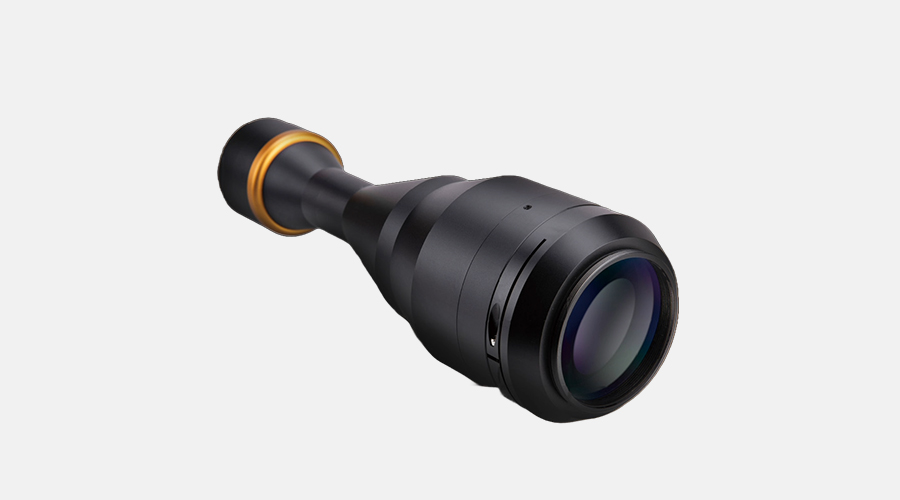 Compatible with 7.2mm-82mm chips
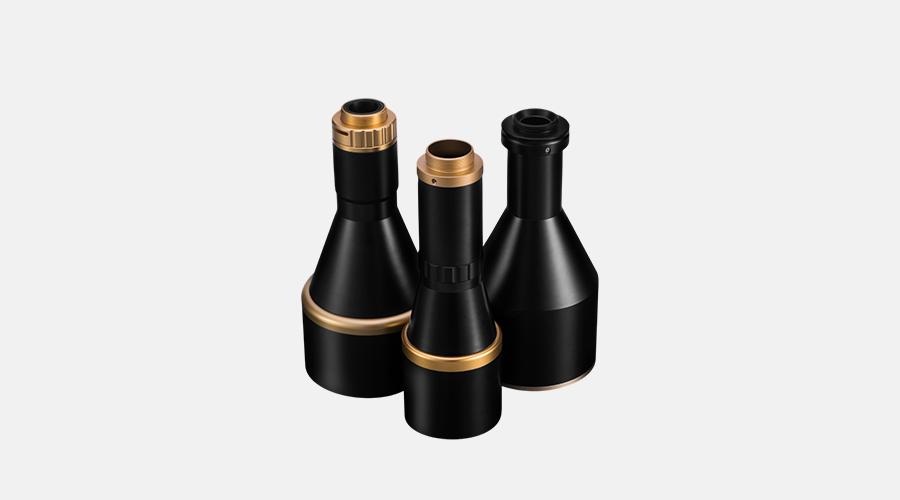 High/Low Working Distance
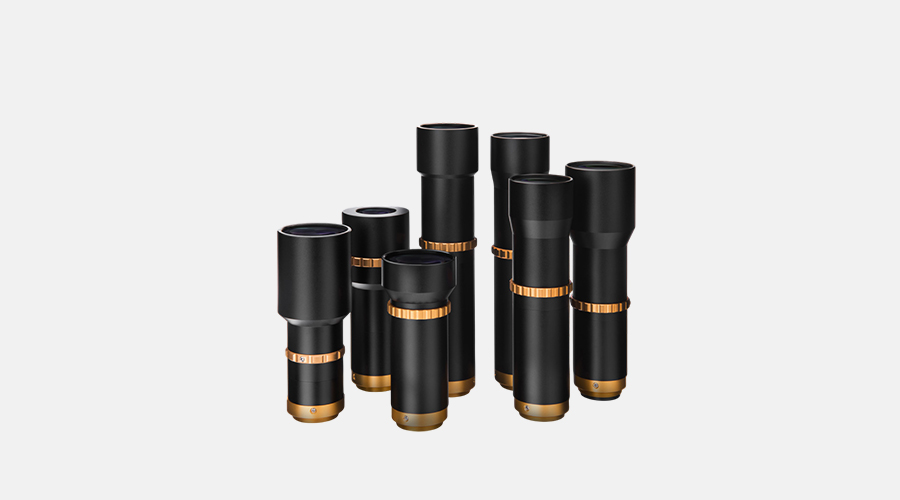 Aperture telecentric lens
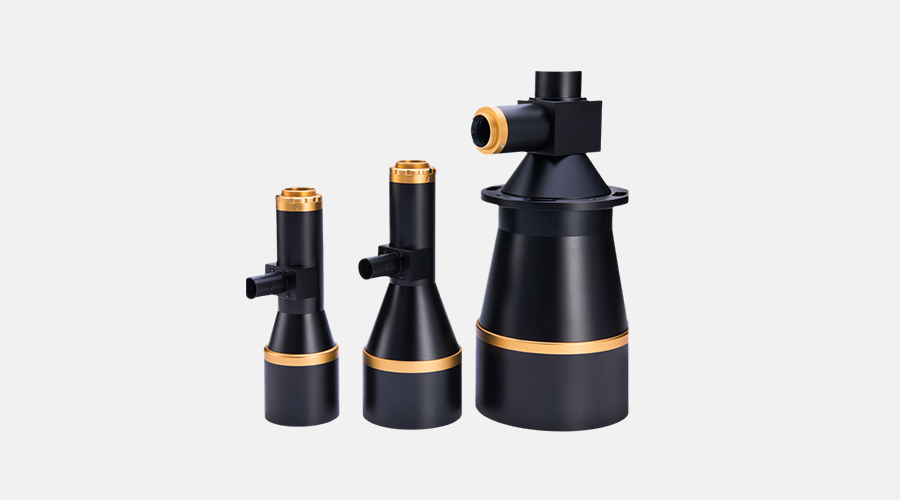 Measuring lens
 Maximum support 1.1" chips
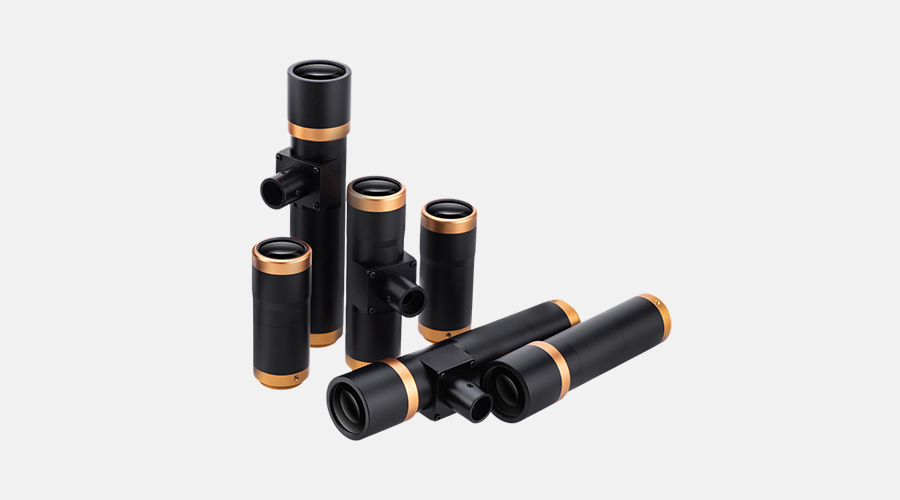 Maximum support 1.2" chips
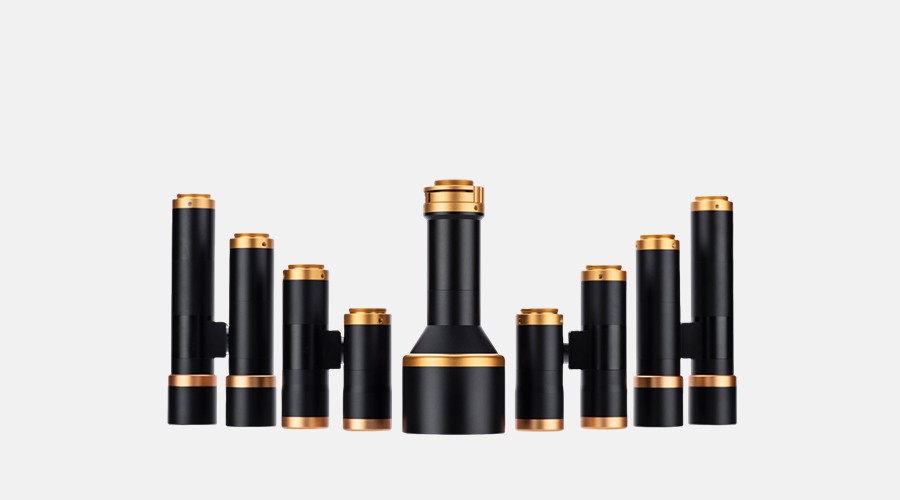 Maximum support 2/3" chips
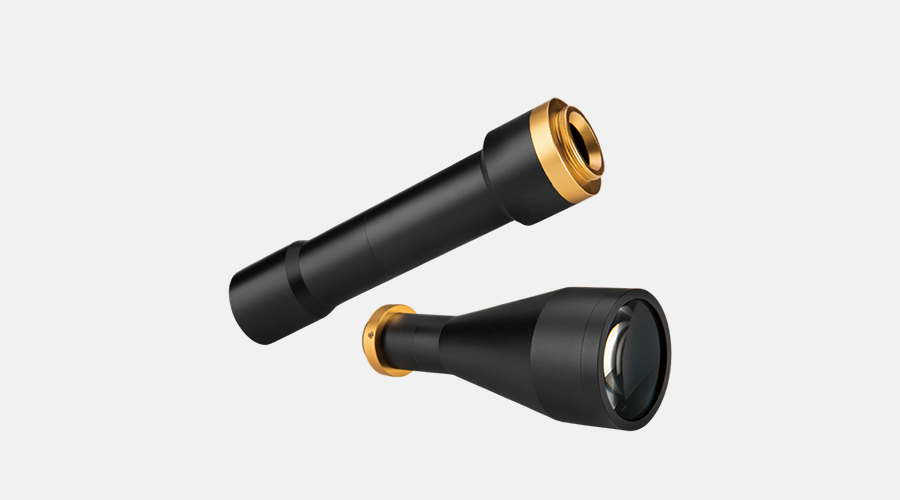 Long Working Distance
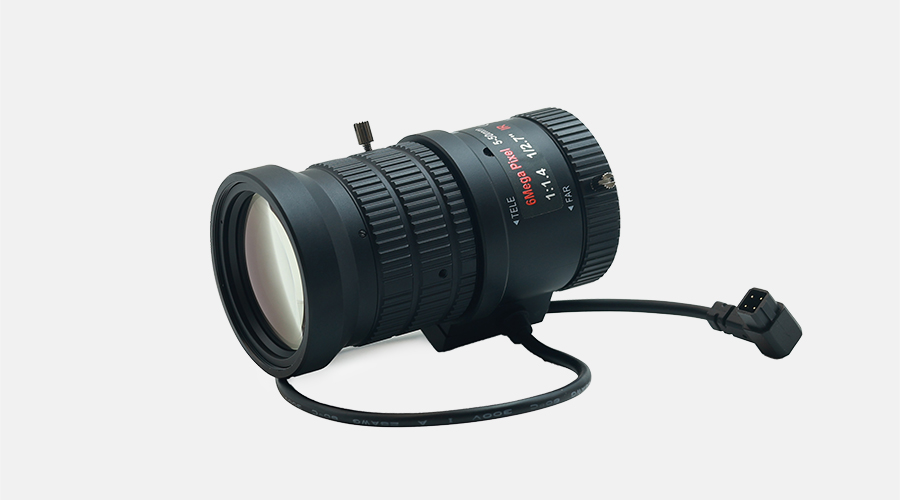 CS mount Varifocal lens
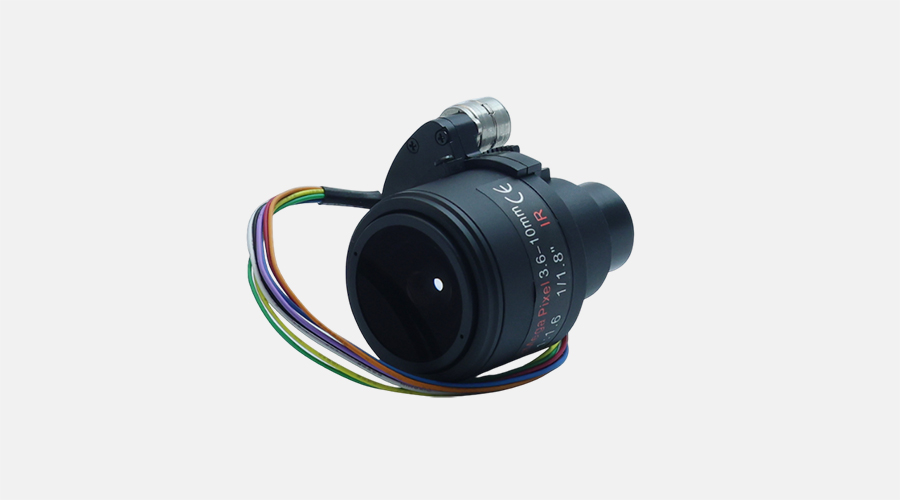 Varifocal board lens
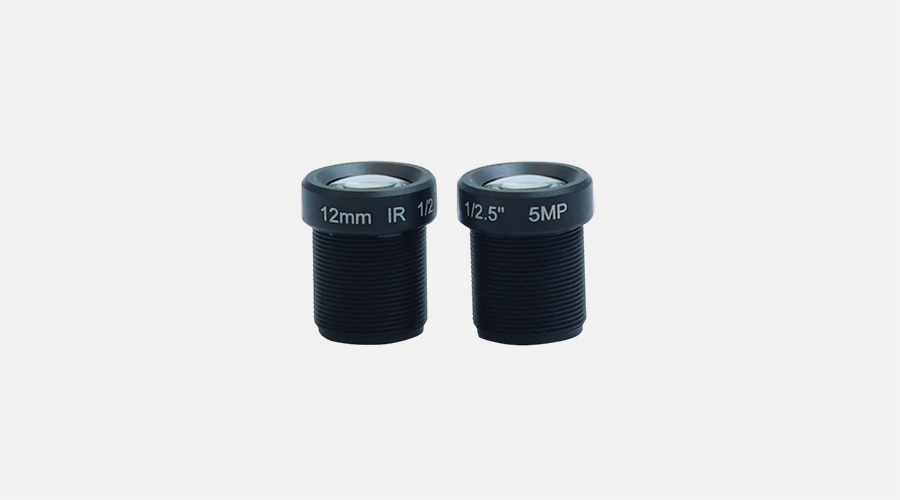 S mount lens
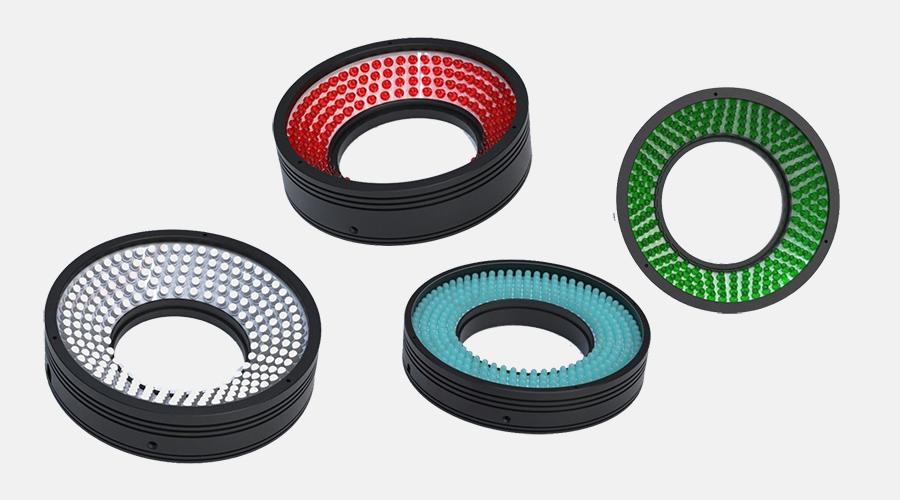 Ring light
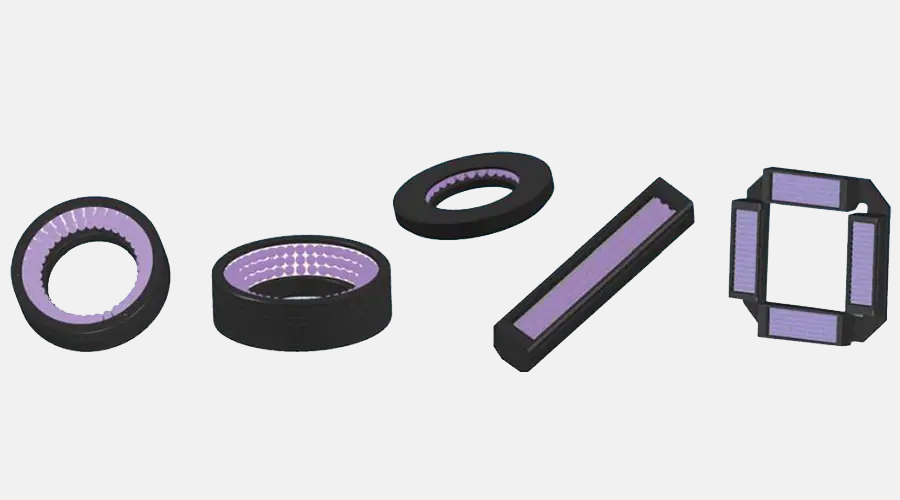 UV/IR Light
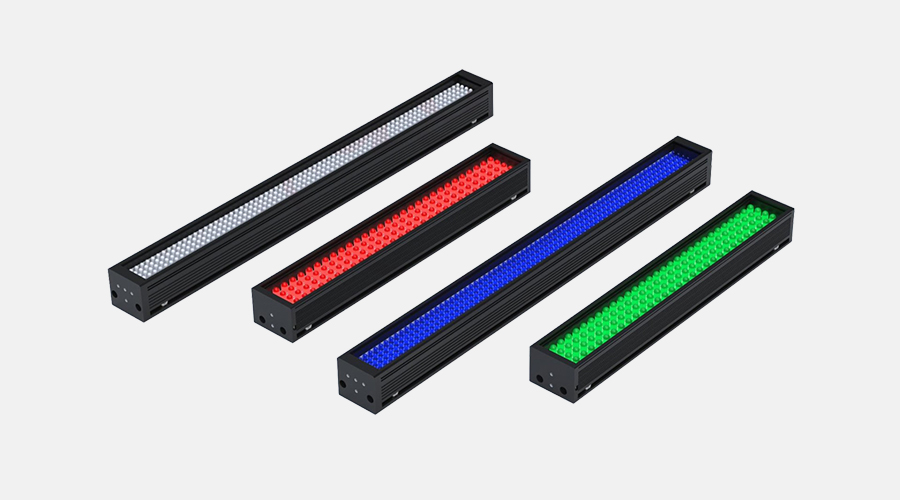 Bar light
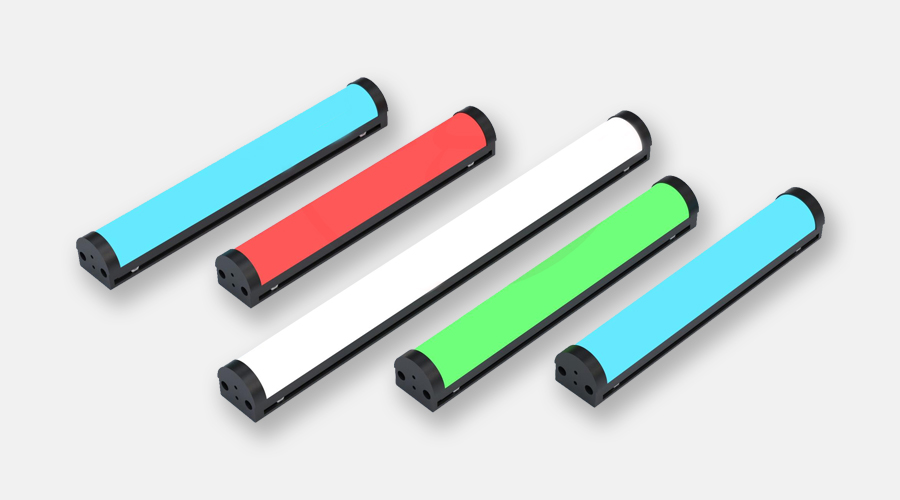 Arcuate high uniformity light
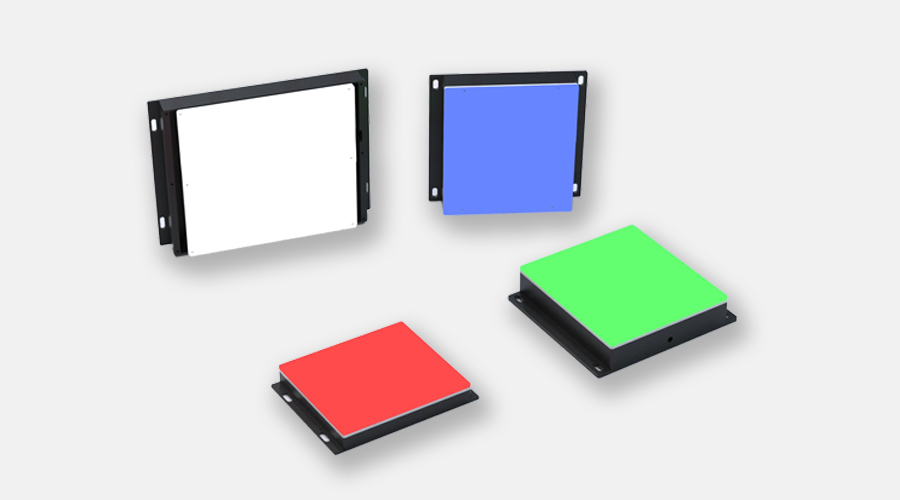 Back light
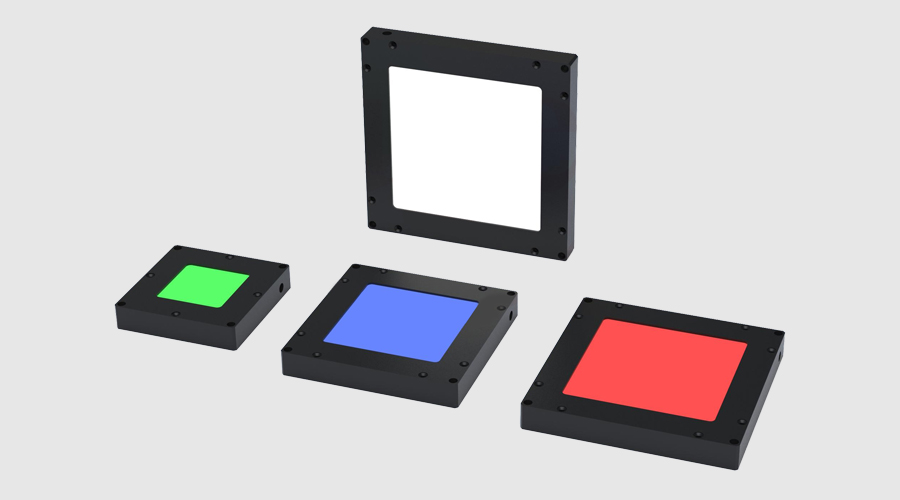 Flat light
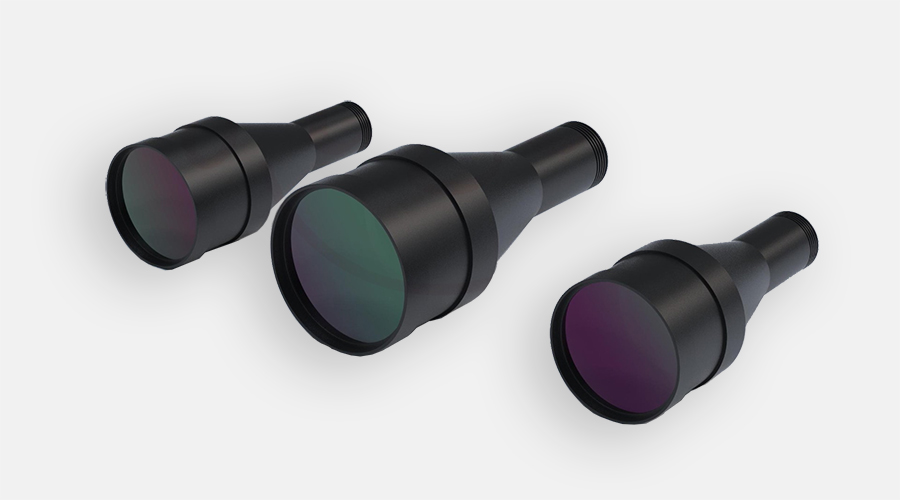 Collimated light
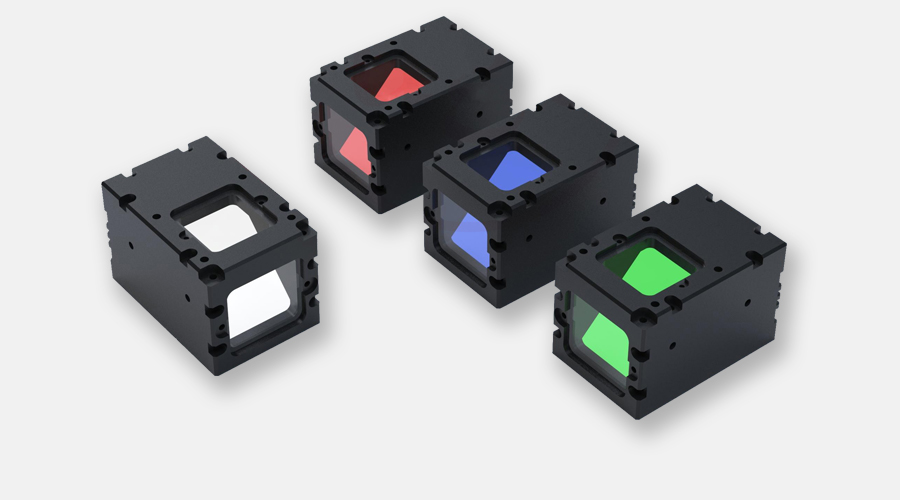 Coaxial light
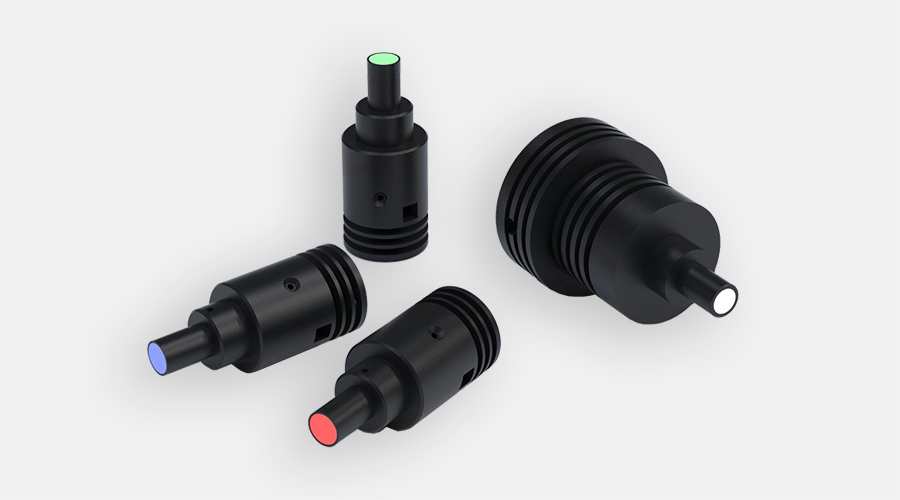 Spot light
 Dome light
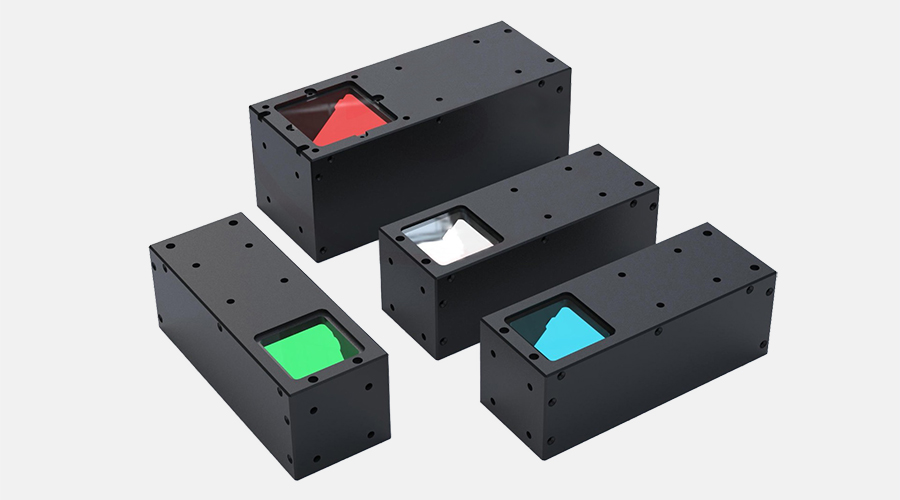 Collimated Coaxial light
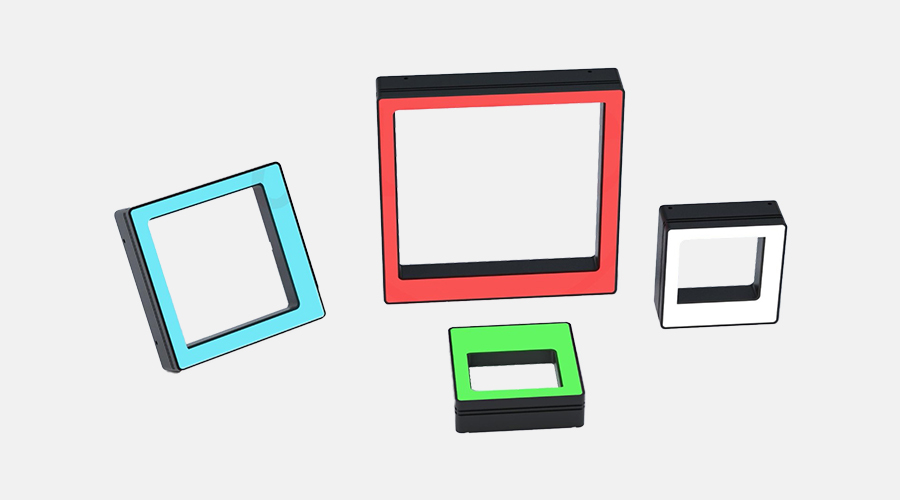 Shadowless square light
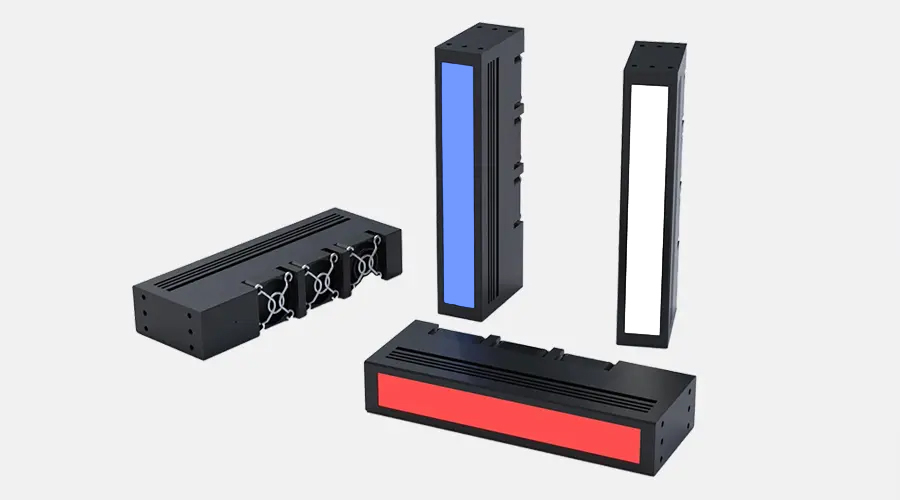 Scan light
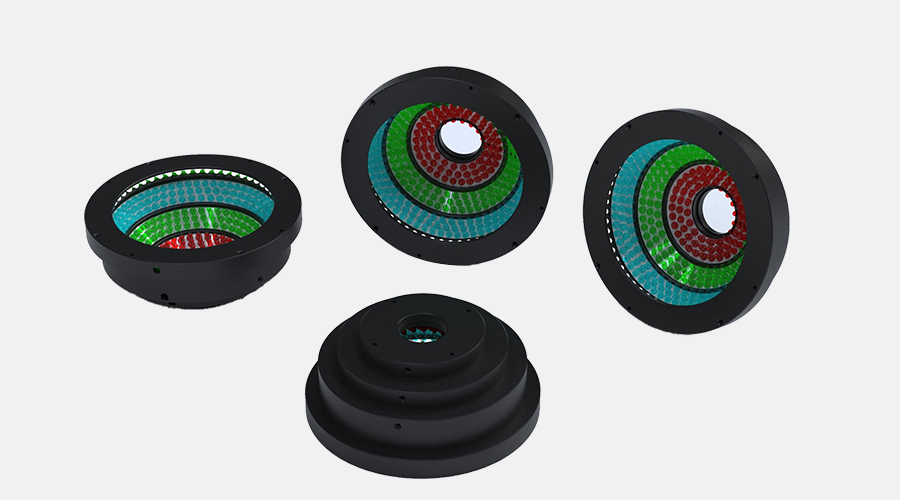 AOI light
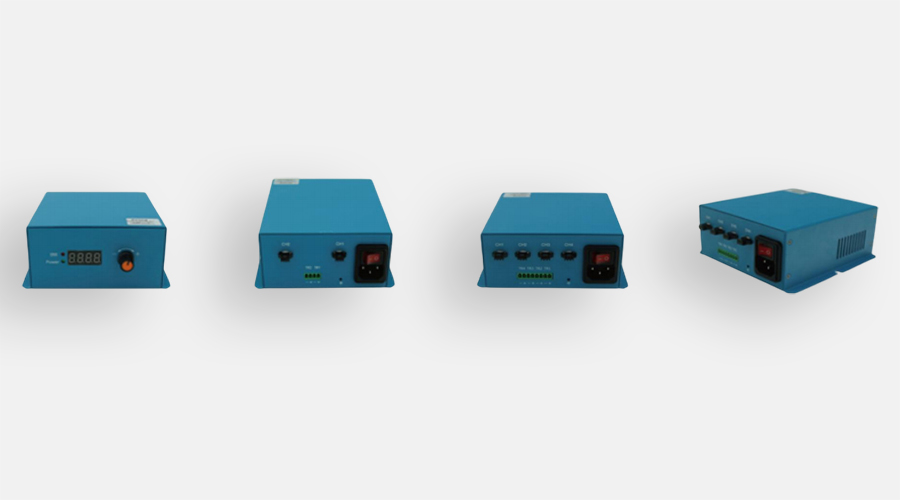 Analog controller
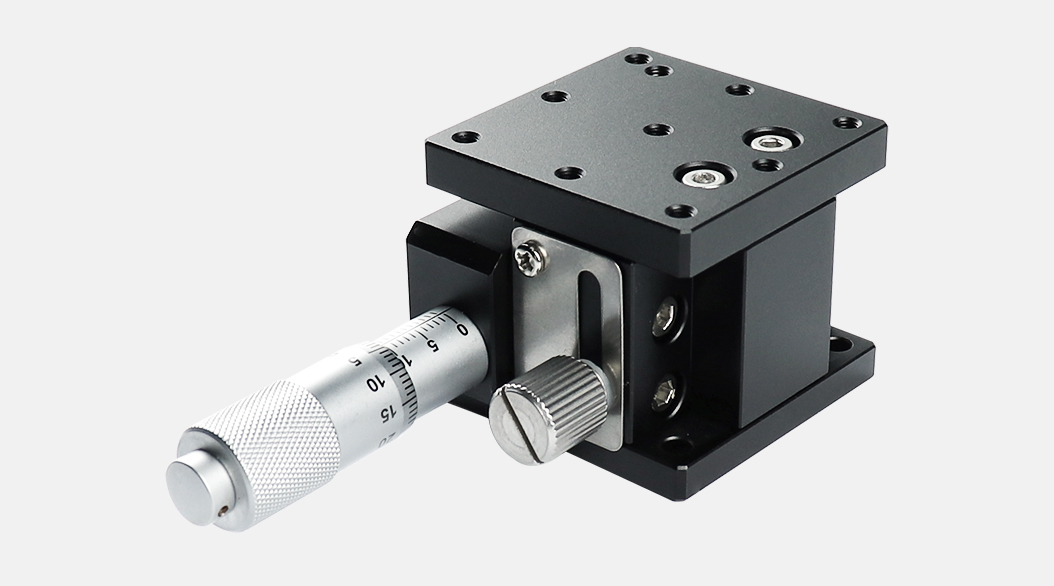 Crossed-Roller Linear guide type
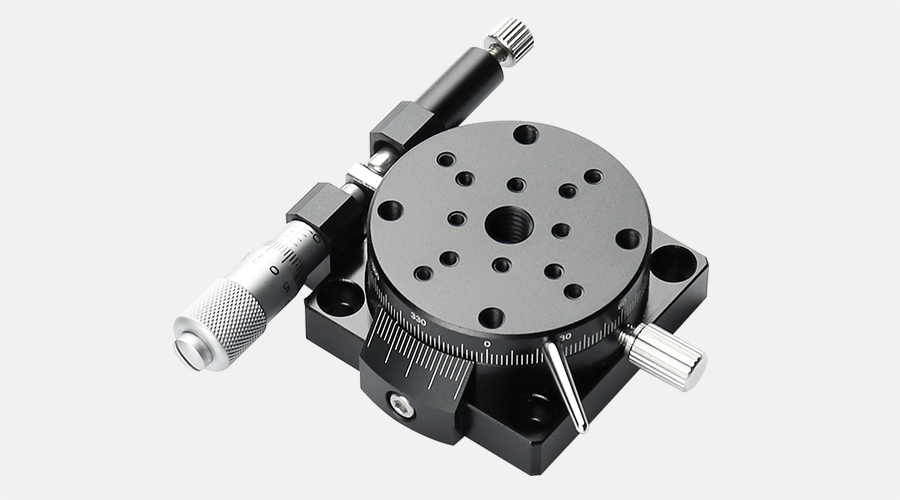 Rotary Stages XRS series
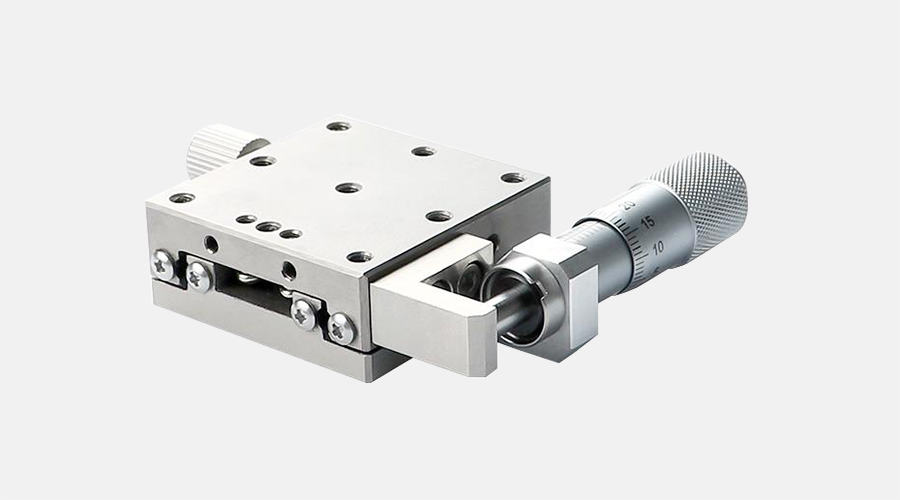 Stainless Steel Ball Bearing Linear Translation Stages
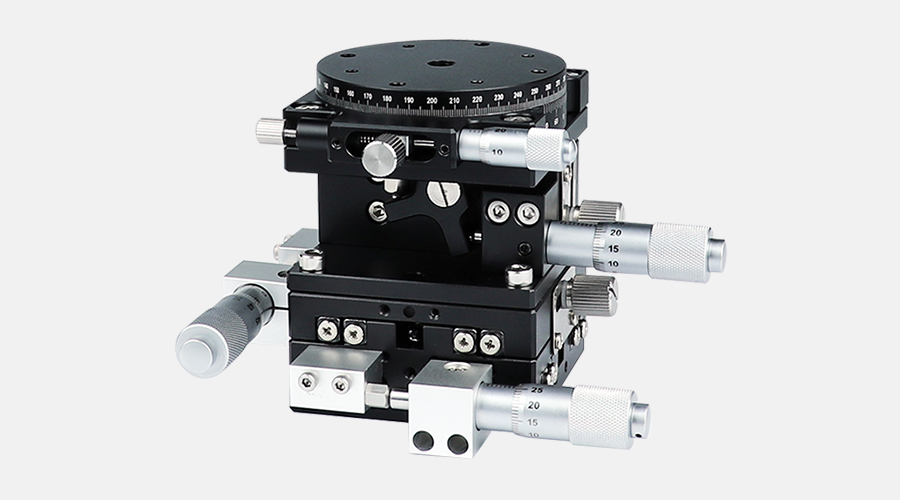 Multi-axis Translation stages
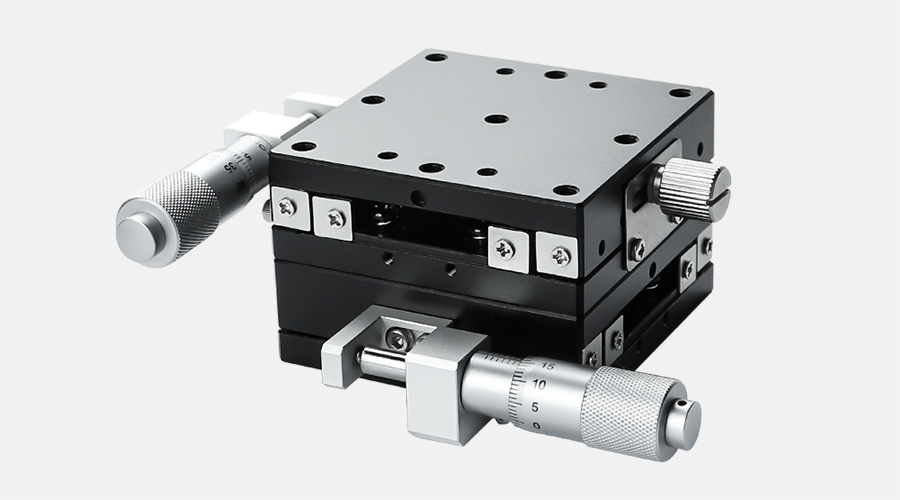 steel bar ball bearing stages
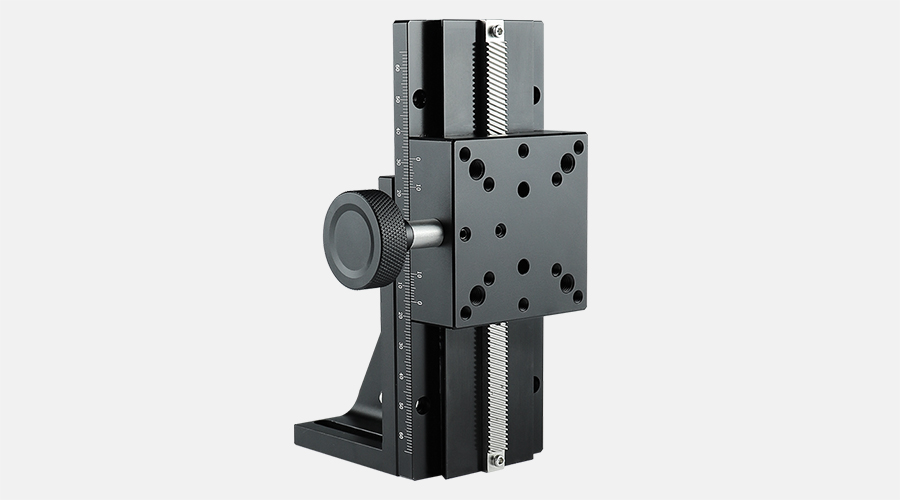 Dovetail Type Rack&Pinion Positioning Stage
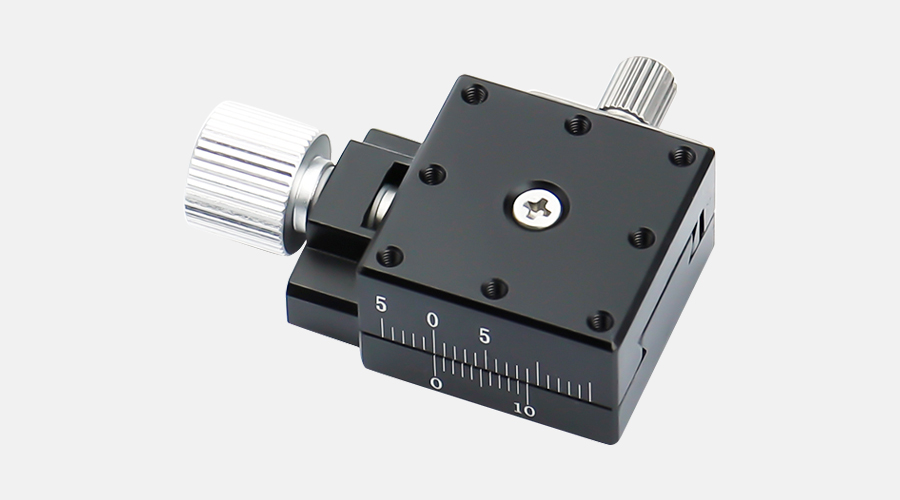 Dovetail groove high-precision screw slide