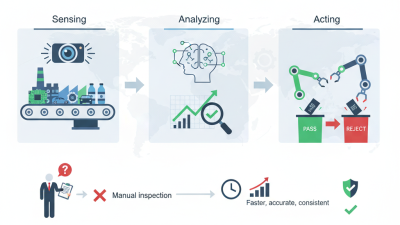
Today’s manufacturing world is moving pretty fast, and the need for quality assurance has never been higher. One tech that's really making waves is Automated Vision Inspection (AVI). If you’re not familiar, it’s a game-changer for manufacturers across the globe. I remember John Smith from VisionTech Solutions once said, “Automated Vision Inspection isn’t just about catching defects; it’s about driving continuous improvement.” That really hits the nail on the head—that AVI isn’t just a tool, but a real pathway to making operations better and more efficient.
Basically, AVI systems use high-tech cameras and smart algorithms to spot flaws in products with pretty incredible accuracy. But, let’s be honest—things don’t always go smoothly. Sometimes, companies struggle because their team isn’t properly trained, or because the inspection process doesn’t line up well with what's happening on the production floor. So, before jumping into an AVI system, it’s important to really understand your specific needs and how best to use it. Getting these details right can make all the difference and help you unlock the full potential of AVI.
If you follow the best practices, adopting AVI can seriously boost your efficiency and cut down on waste. But don’t forget—tech is only part of the story. It’s crucial to keep a close eye on how things are running and to make sure your team’s expertise still plays a vital role. Regularly reviewing and fine-tuning your AVI setup is key to maintaining high standards and making quality improvements that last.
Understanding Automated Vision Inspection Technology
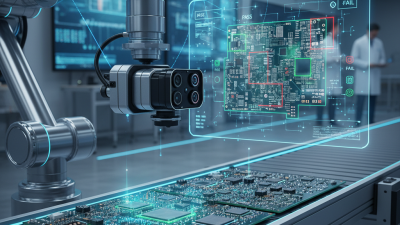
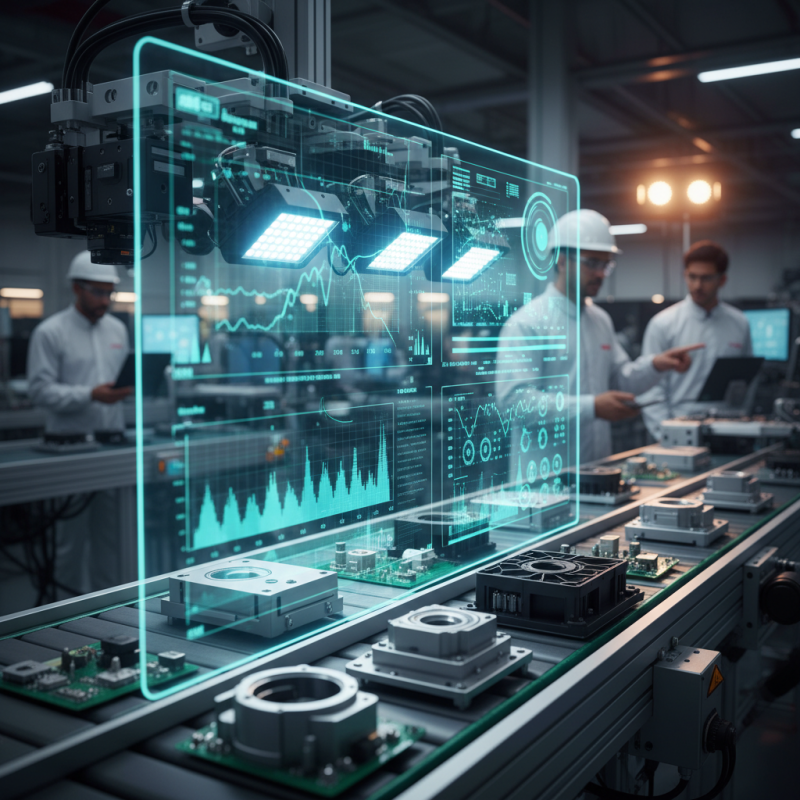
Automated Vision Inspection technology is transforming quality control across industries. This technology employs sophisticated cameras and algorithms to analyze products in real time. By using various lighting techniques, it captures detailed images and identifies defects that human eyes might miss. This level of precision improves consistency and productivity.
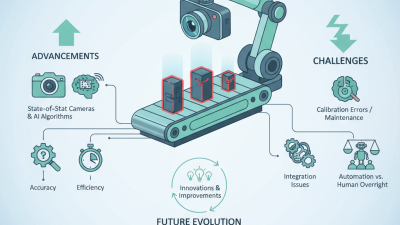
One must consider the setup of the Automated Inspection system. Proper calibration is essential for accurate results. Each environment presents unique challenges, such as lighting variations and movement speed. Regularly reviewing and adjusting settings can mitigate potential discrepancies. Users need to stay informed about their system capabilities and limitations. Continuous training is vital to maximize the benefits of this technology.
The implementation of Automated Inspection is not without challenges. Integrating it into existing workflows can be complex. Some may find initial costs high, which can deter smaller businesses. However, the long-term savings and enhancements in quality can outweigh these concerns. It’s essential to reflect on these aspects for a successful transition. Balancing innovation with practicality is key for sustainable practices in inspection processes.
Key Benefits of Implementing Automated Vision Inspection
Automated vision inspection systems provide numerous advantages for manufacturing and quality control.
Research indicates that companies implementing these systems can improve defect detection rates by over 95%.
This means fewer products need rework or replacement, thus reducing operational costs significantly.
Enhanced accuracy in inspections can minimize human error, which historically accounted for up to 40% of product flaws.
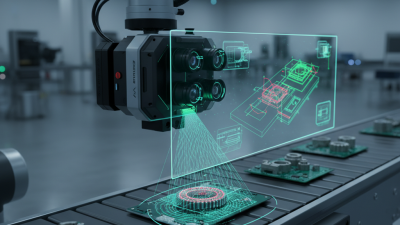
The key benefit of adopting 3d Vision Inspection
technology is its ability to inspect complex geometries. Traditional methods often struggle with intricate designs, leading to missed defects.
In contrast, 3D systems use advanced imaging techniques to capture comprehensive data from parts,
ensuring consistent evaluations.
Reports show that businesses using 3D vision solutions can achieve cycle time reductions of up to 30%.
This efficiency allows for faster production rates while maintaining high-quality standards.
However, transitioning to automated systems is not without challenges. Initial setup costs can be daunting,
and employee training is essential for maximizing the technology's potential.
Misconfigured systems can lead to false positives or negatives, which may frustrate operators.
Reflecting on these imperfect aspects helps companies better prepare for an effective implementation process.
Despite potential obstacles, the long-term benefits of automated vision inspection can drive significant improvements in product quality and operational efficiency.
Factors to Consider When Selecting Inspection Systems
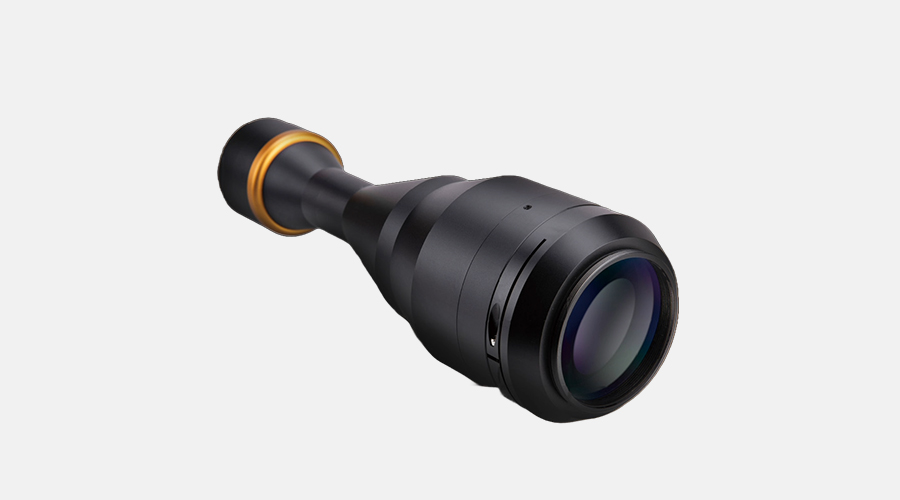
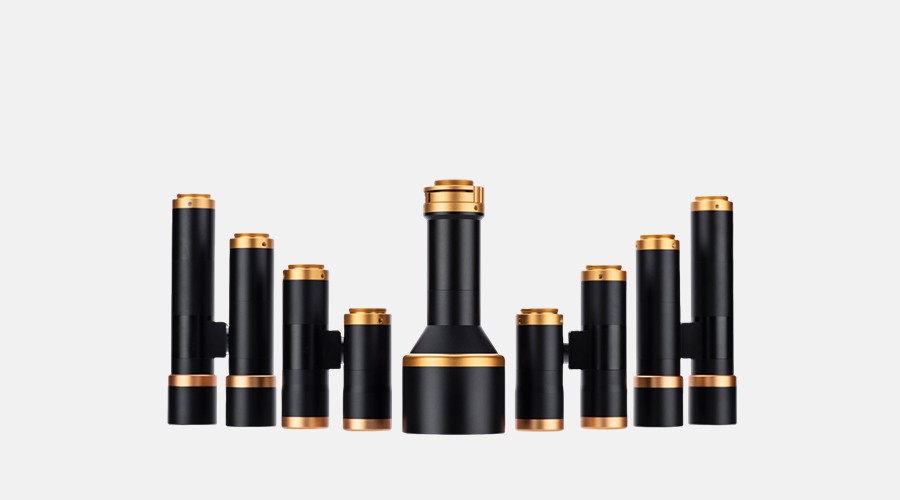
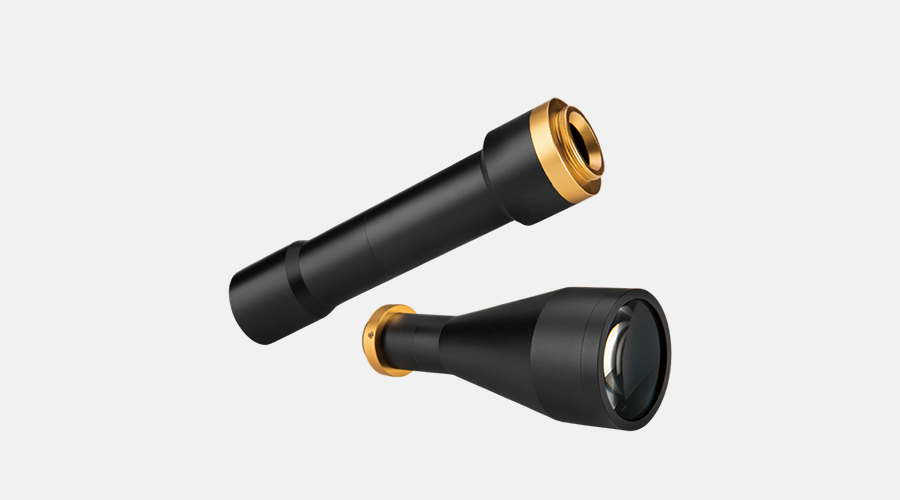
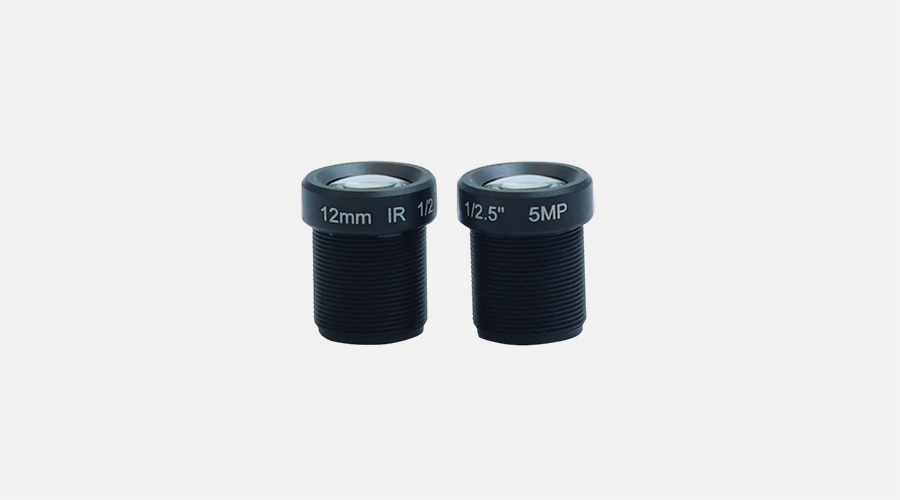
When selecting automated vision inspection systems, several key factors come into play. Understanding your specific requirements is crucial. Consider the type of products being inspected. Different products may require different levels of detail. For instance, intricate details may need high-resolution
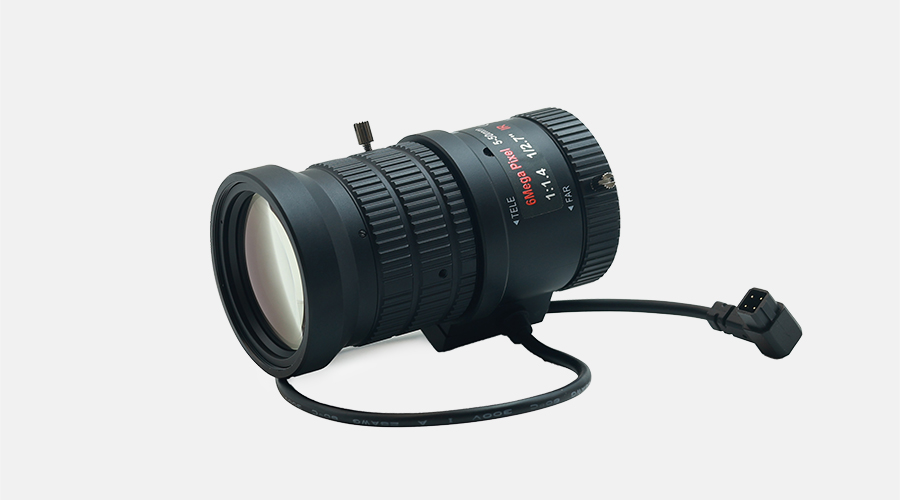
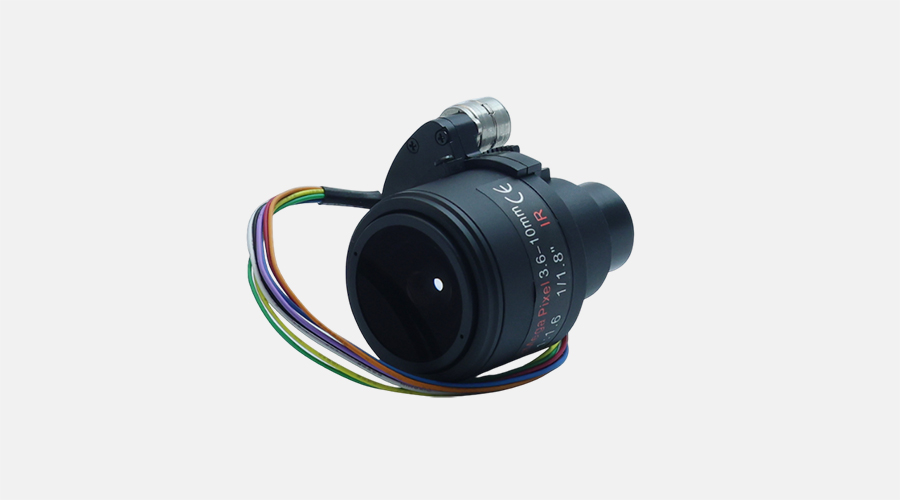
Vision Inspection Lenses. In contrast, simpler items might not demand such precision.
Another important aspect is the system's adaptability. Can it handle various product shapes and sizes? Systems that are versatile can reduce the need for multiple setups. This can lead to cost savings and increased efficiency. Additionally, evaluate the software used for analysis. User-friendly software can simplify operation and allow for quicker adjustments.
Don't overlook the importance of support and maintenance. Reliable technical support can make a big difference in the long run. Frequent adjustments and updates may be necessary. Reflect on your team’s ability and experience in managing technology. A knowledgeable team can optimize the benefits of the vision inspection lens. Ultimately, thoughtful consideration of these factors can lead to better decisions and improved quality control.
Best Practices for Integrating Vision Inspection into Production Lines
Integrating vision inspection into production lines can significantly boost efficiency. However, implementing it requires careful planning and consideration. Identify the key areas where automated vision systems can be applied. Focus on quality control points where human inspection has been inconsistent. For instance, critical dimensions or surface defects are ideal candidates for Robotic Vision Inspection.
Training your team to understand and manage these systems is essential. A knowledgeable workforce can quickly troubleshoot issues. It is also important to set realistic expectations. Not every defect will be caught, and false positives can occur. This highlights the need for continuous monitoring and adjustments. Collect data from the inspection process to refine algorithms and improve accuracy over time.
Additionally, integration should be gradual. Start with a pilot program to see how the system affects production. Gather feedback from employees to identify challenges. This approach helps in adjusting the parameters of the Robotic Vision Inspection to better fit the workflow. Recognizing that imperfections exist in any automation process can lead to more effective solutions.
Evaluating the Performance of Automated Vision Inspection Solutions
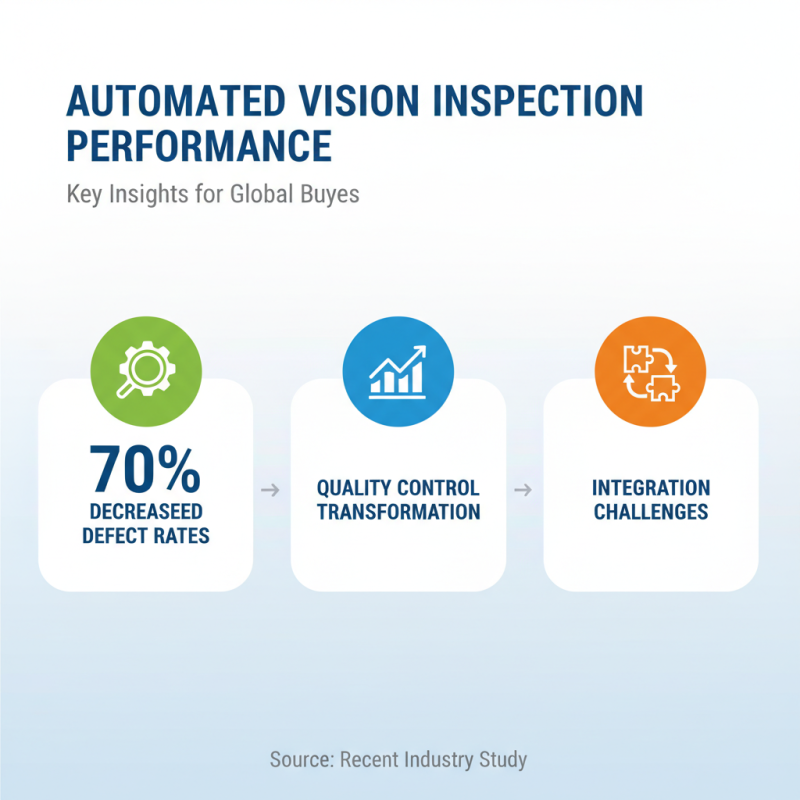
Automated vision inspection (AVI) systems are transforming quality control in various industries. Evaluating the performance of these solutions is critical for global buyers. A recent study highlighted that 70% of companies utilizing AVI reported decreased defect rates. However, the challenge remains in the integration of these systems into existing workflows.
Performance metrics are essential for assessing AVI solutions. Key data points include accuracy, speed, and false rejection rates. According to industry reports, the average accuracy rate of automated systems can reach up to 99%. Yet, some organizations experience false rejects of up to 15%. This variability can lead to inefficiencies, causing delays in production.
Moreover, user feedback reveals that the effectiveness of AVI varies based on environment and product type. A rigorous evaluation process must consider the specific context of implementation. Adaptability is often overlooked, yet it significantly impacts performance outcomes. Continuous assessment and iteration are necessary to refine AVI systems. The need for a more nuanced, performance-oriented approach is evident in today’s rapidly evolving landscape.
Common Challenges in Vision Inspection and How to Overcome Them
Automated vision inspection systems can significantly enhance product quality. However, many face common challenges. Understanding these issues is crucial for success.
One major challenge is camera calibration. Mishaps during this process can affect accuracy. For instance, a slight misalignment might lead to false positives in defect detection. Regular calibration checks are necessary. Consider setting reminders for periodic maintenance.
Lighting conditions also present difficulties. Inconsistent lighting can cause variations in image quality. Using adjustable lighting setups can help. Experimenting with different angles and intensities often yields better results. It may also take time to find an optimal configuration.
Training staff on the system is vital. Many operators may struggle initially. Providing hands-on training can bridge this gap. Continuous education fosters a deeper understanding of the technology. Addressing these issues at the outset can streamline operations. Quality control depends not just on the tech, but also on informed users.
Future Trends in Automated Vision Inspection Technology
The future of automated vision inspection technology is vibrant and full of potential. As industries increasingly turn to automation, advancements in image processing algorithms and machine learning are key drivers. These technologies enhance inspection accuracy and speed, reducing the need for manual oversight. A well-implemented system can cut down errors by significant margins.
New developments focus on integrating artificial intelligence for greater decision-making capabilities. Intelligent systems can learn from past inspections, adapting to identify new defects efficiently. Predictive maintenance features are emerging. They help companies avert potential issues before they escalate. However, despite these innovations, challenges remain in ensuring reliability across diverse production environments. Variability in product types can complicate inspection tasks.
There's ongoing research into optimizing the user interface for operators. Simplifying the experience contributes to better adoption rates. Yet, organizations must be cautious about over-relying on automation. Human oversight is still crucial. Striking the right balance between technology and human expertise will be fundamental as this field evolves. The journey of automated vision inspection is redefining quality assurance, but reflection on integration strategies is necessary for continued success.
Maximizing Machine Vision Efficiency: A Comprehensive Guide to NV-DR Series High-Density LED Ring Light
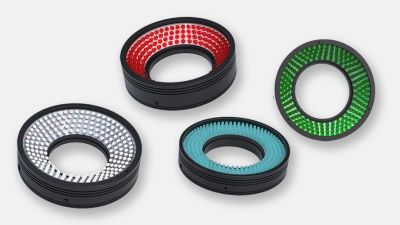
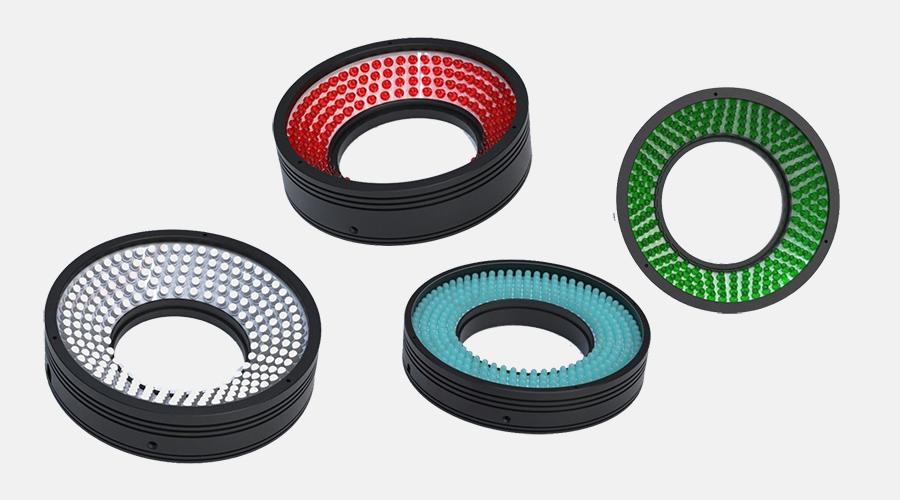
Maximizing machine vision efficiency is critical in various industrial applications, and the NV-DR Series High-Density LED Ring Light stands out as a compelling solution. Designed to enhance imaging quality, this advanced lighting tool features a high-density LED array that provides uniform illumination. Such consistency is essential for capturing clear and accurate images, which are crucial for quality control and automation processes.
The unique design of the ring lights allows them to irradiate from multiple angles, ensuring that the object at the center receives light evenly from all sides. This multi-dimensional illumination minimizes shadows and highlights potential flaws or details that might be overlooked in poorly lit environments. By leveraging the NV-DR Series’ powerful lighting capabilities, users can significantly improve their machine vision systems' performance, leading to more precise measurements and inspections.
Incorporating the NV-DR Series LED ring lights into your workflow not only innovates the way you capture images but also elevates the overall efficiency and reliability of machine vision processes. As industries continue to advance, integrating high-quality lighting solutions will be pivotal in achieving optimal performance and results in inspection and automation tasks.
FAQS
: Focus on your product's specific requirements and detail levels needed for inspection.
Adaptability allows handling various shapes and sizes, saving costs and increasing efficiency.
User-friendly software simplifies operations and enables quicker adjustments for better inspections.
Reliable support ensures long-term efficiency and helps manage frequent adjustments and updates.
Advanced image processing and machine learning enhance accuracy, reducing manual oversight needs.
AI increases decision-making capabilities and adapts to identify new defects from past inspections.
Yes, variability in product types can complicate inspection tasks across diverse environments.
An optimized user interface improves adoption rates and simplifies the overall experience.
No, human oversight remains crucial for balance between technology and expertise.
Continuous reflection on integration strategies is necessary to ensure effective quality assurance.
Conclusion
Automated Vision Inspection technology has emerged as a crucial tool for ensuring product quality and consistency in manufacturing processes. By implementing this technology, companies can benefit from increased accuracy, efficiency, and cost savings, making it an attractive solution for global buyers. When selecting inspection systems, it is important to consider factors such as compatibility with existing production lines and scalability for future needs.
Integrating Automated Vision Inspection into production requires careful planning and best practices to maximize effectiveness. Evaluating the performance of these solutions is essential for continuous improvement, as challenges may arise during implementation. However, with strategic approaches, these challenges can be effectively managed. As we look towards the future, advancements in Automated Vision Inspection technology promise even greater levels of innovation and efficiency, helping companies maintain a competitive edge.

 Compatible with 7.2mm-82mm chips
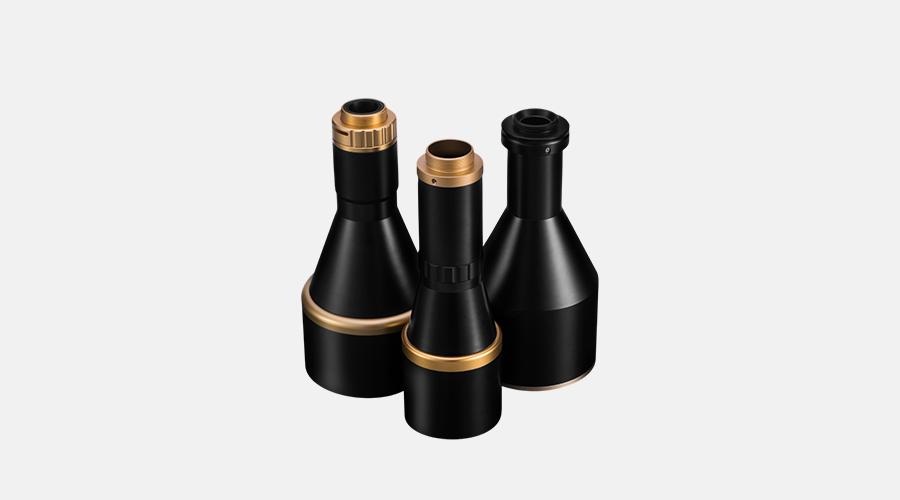 High/Low Working Distance
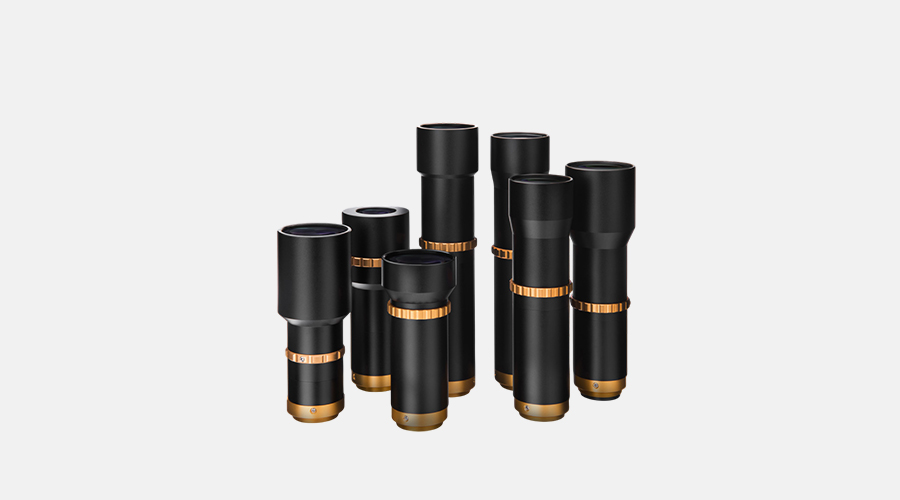 Aperture telecentric lens
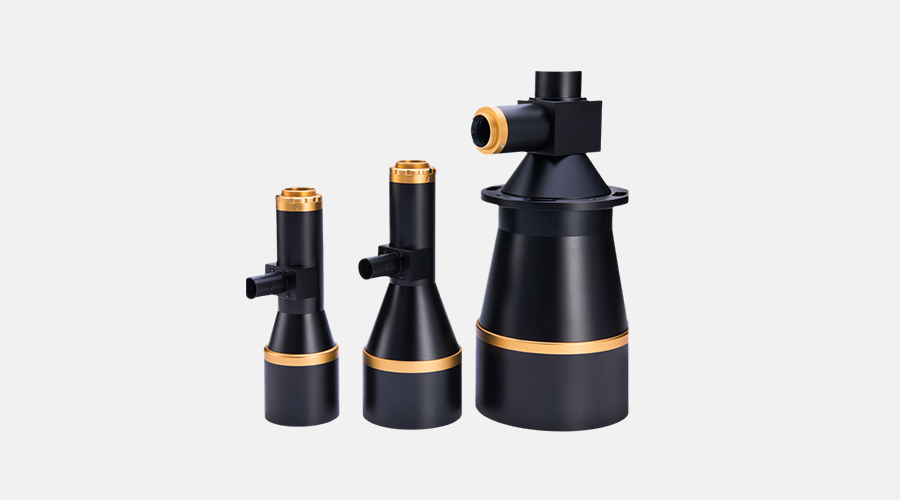 Measuring lens
 Maximum support 1.1" chips
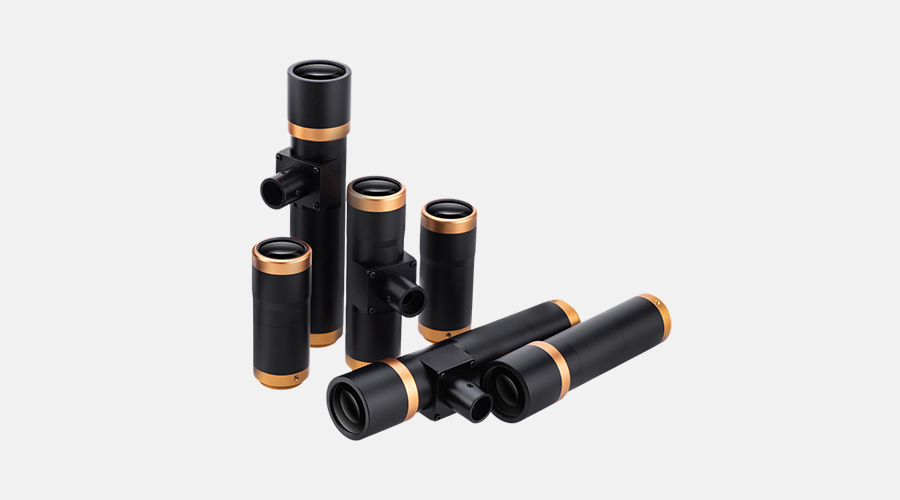 Maximum support 1.2" chips
 Maximum support 2/3" chips
 Long Working Distance
 CS mount Varifocal lens
 Varifocal board lens
 S mount lens
 Ring light
 UV/IR Light
 Bar light
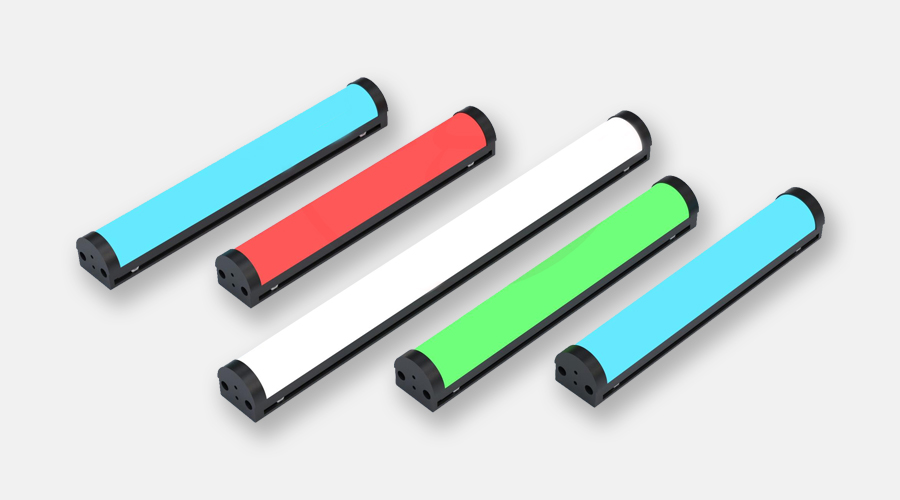 Arcuate high uniformity light
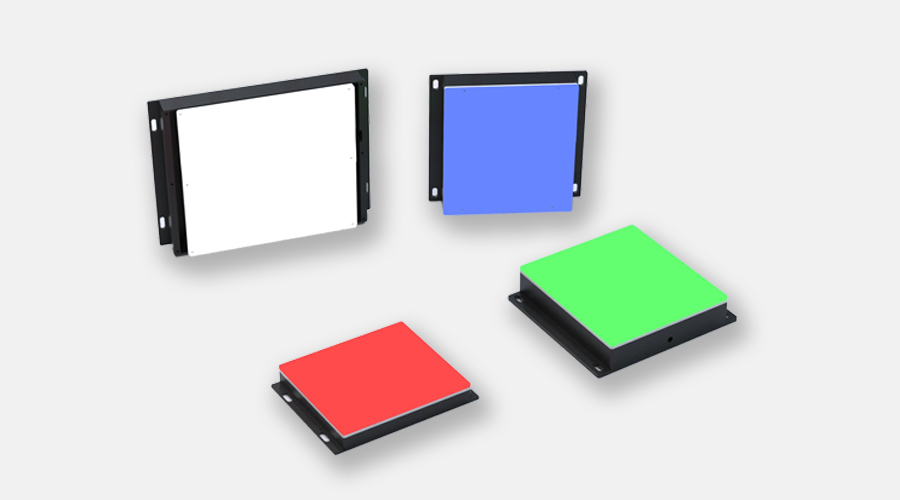 Back light
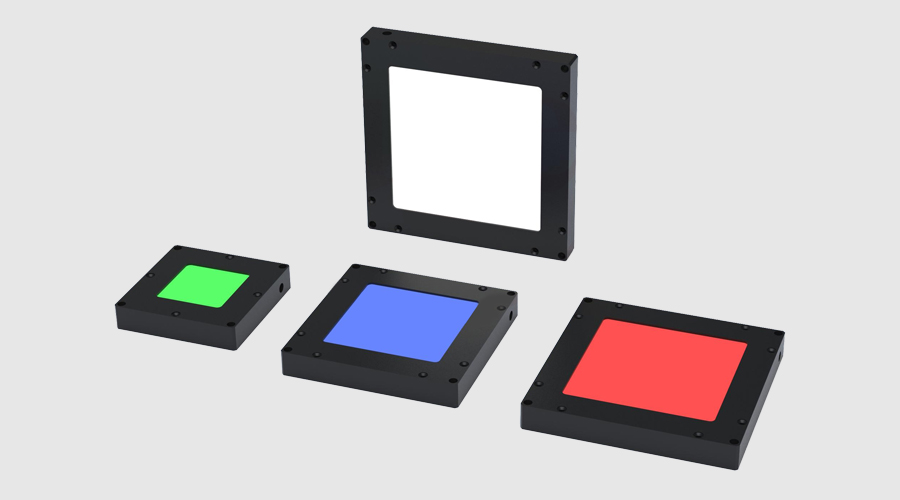 Flat light
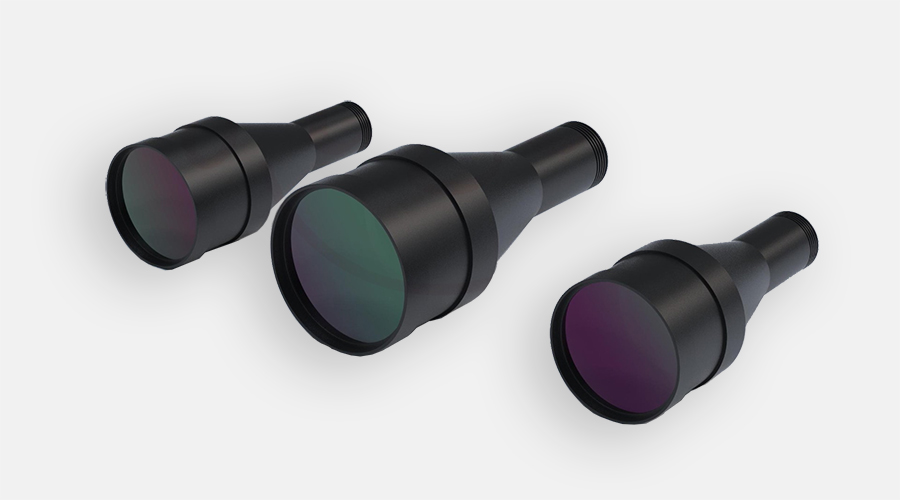 Collimated light
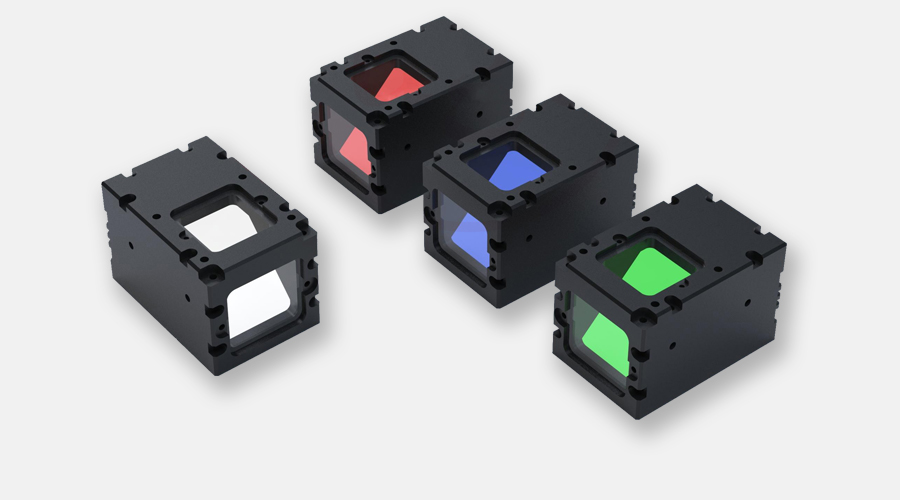 Coaxial light
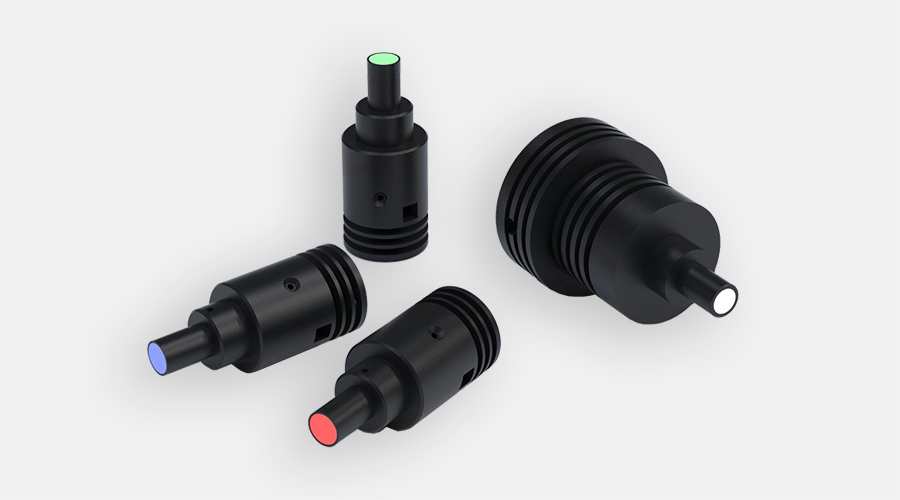 Spot light
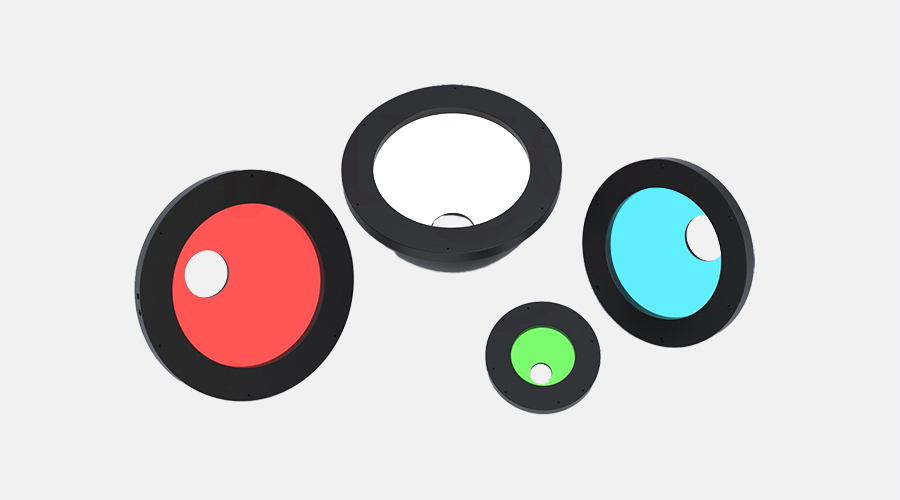 Dome light
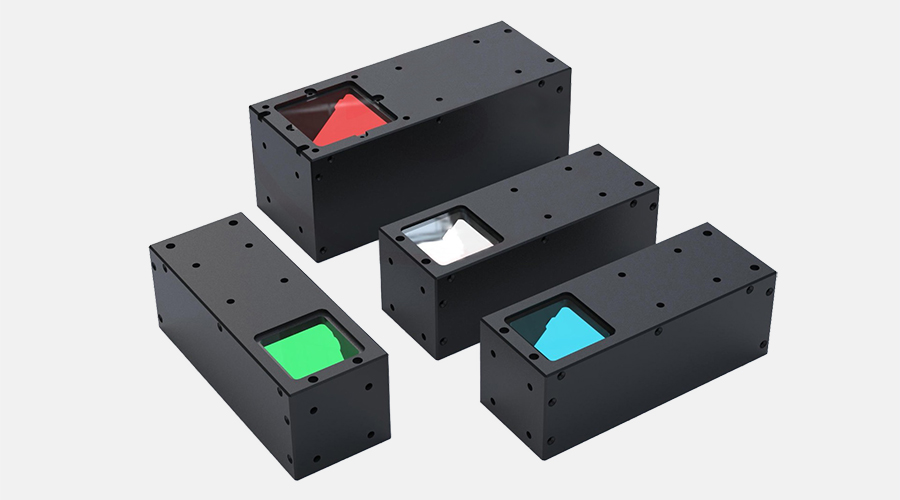 Collimated Coaxial light
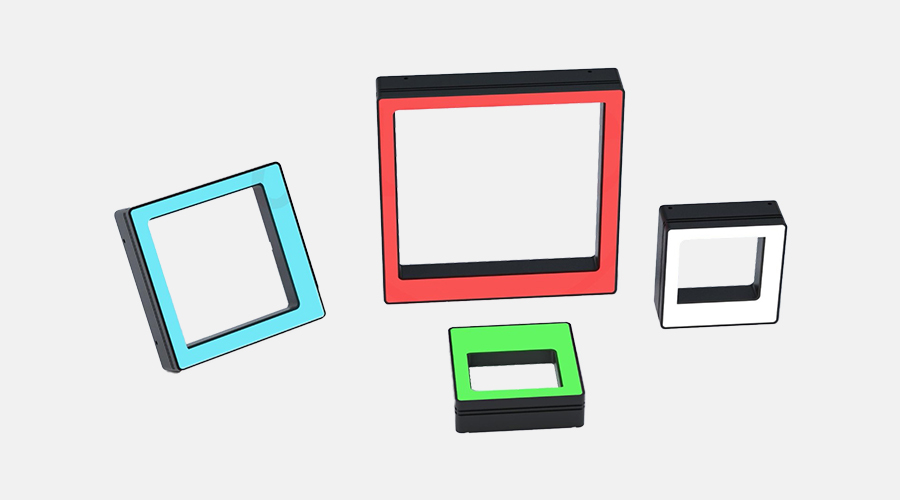 Shadowless square light
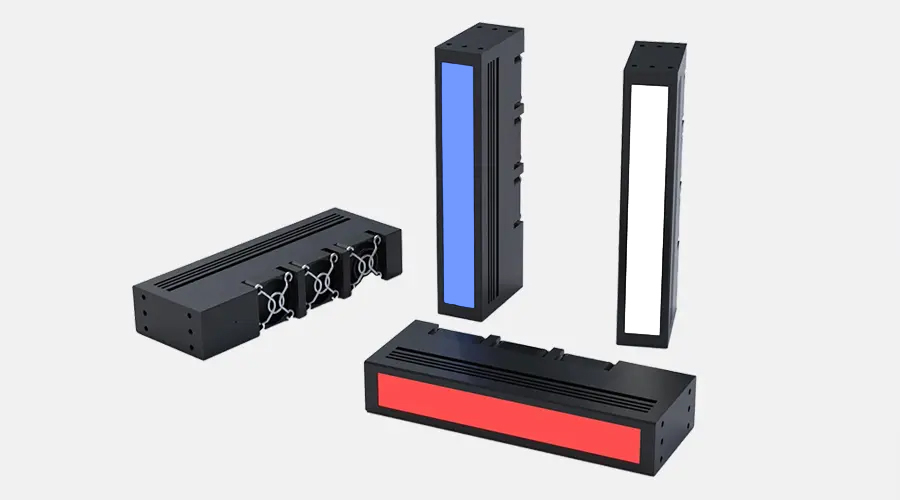 Scan light
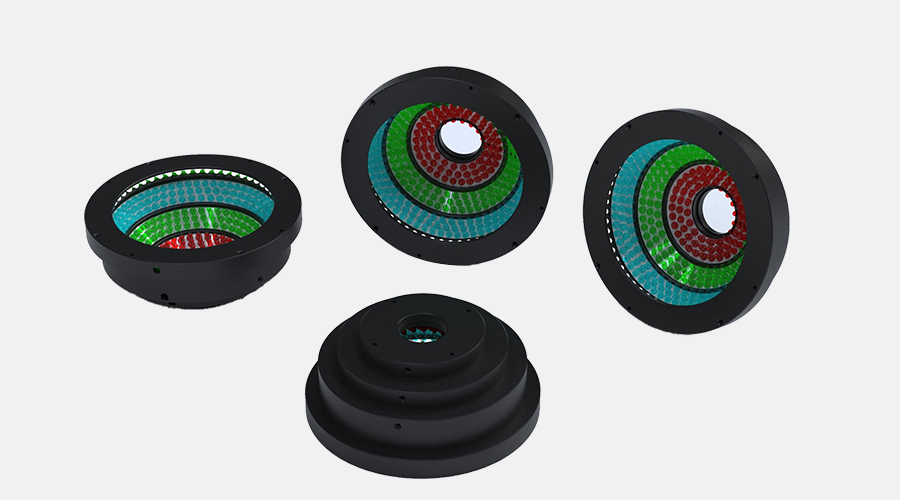 AOI light
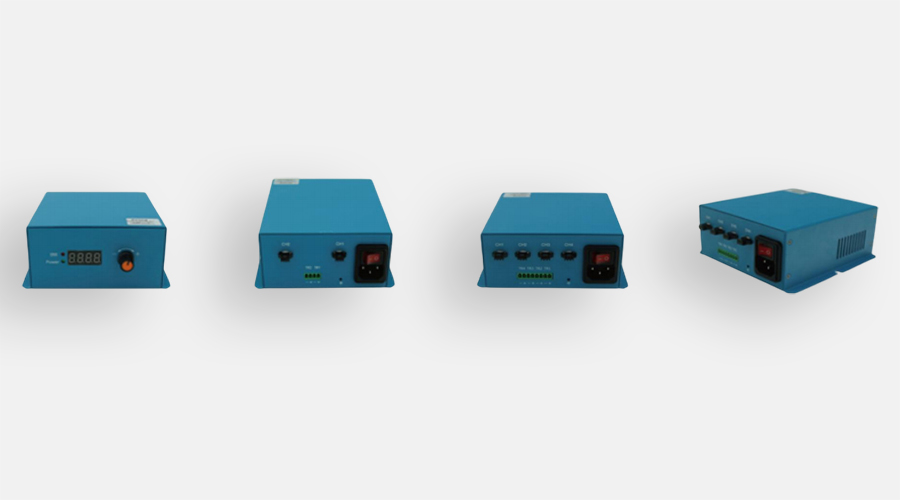 Analog controller
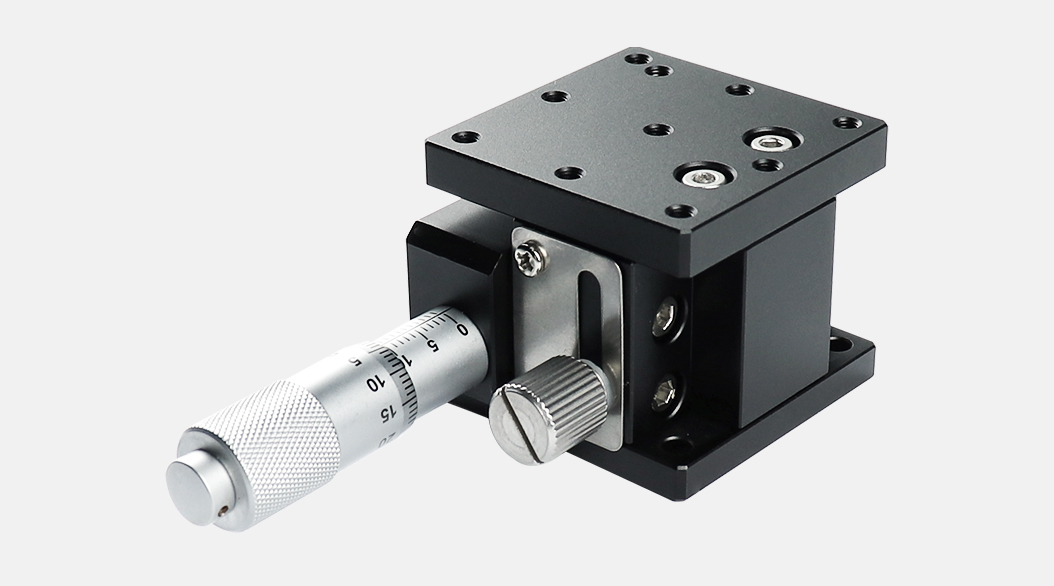 Crossed-Roller Linear guide type
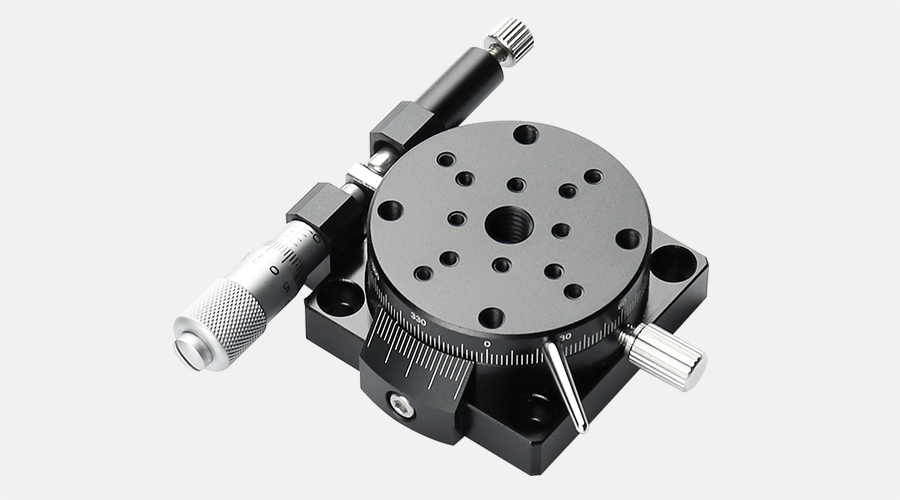 Rotary Stages XRS series
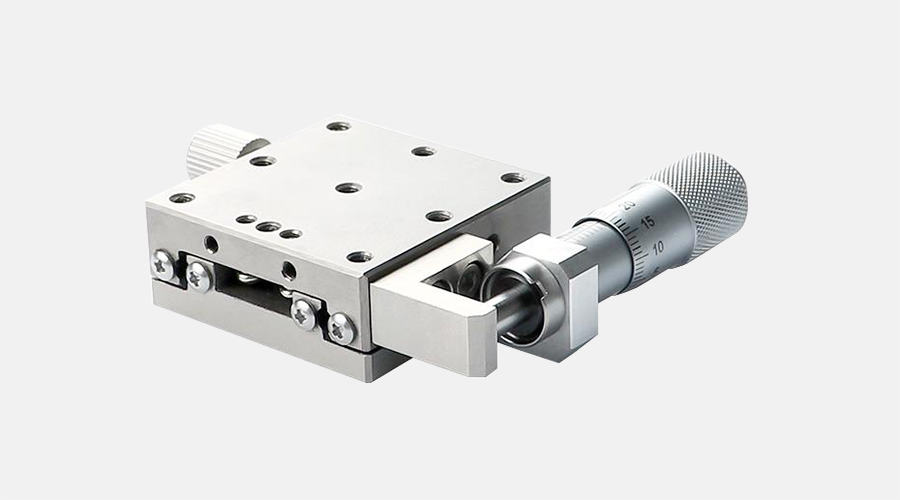 Stainless Steel Ball Bearing Linear Translation Stages
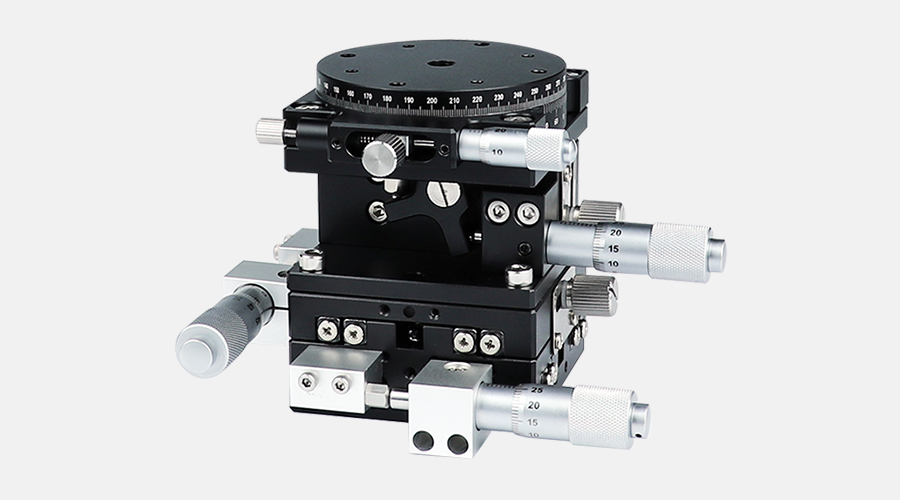 Multi-axis Translation stages
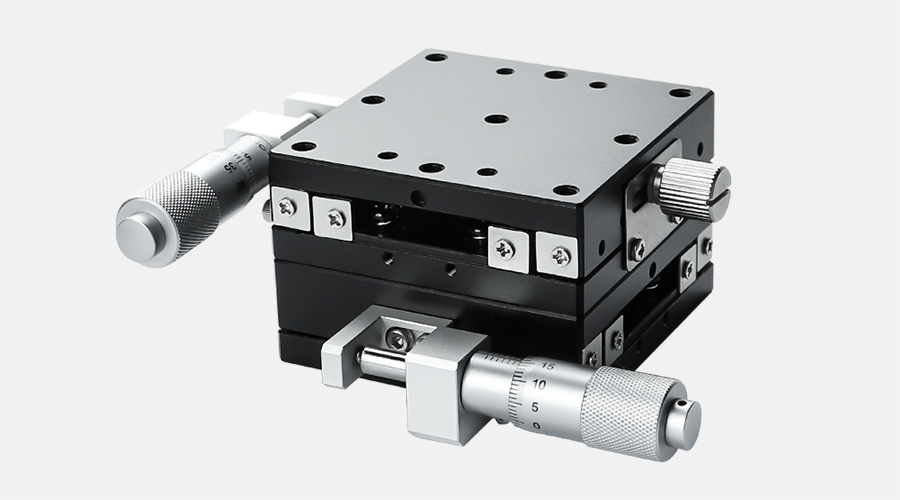 steel bar ball bearing stages
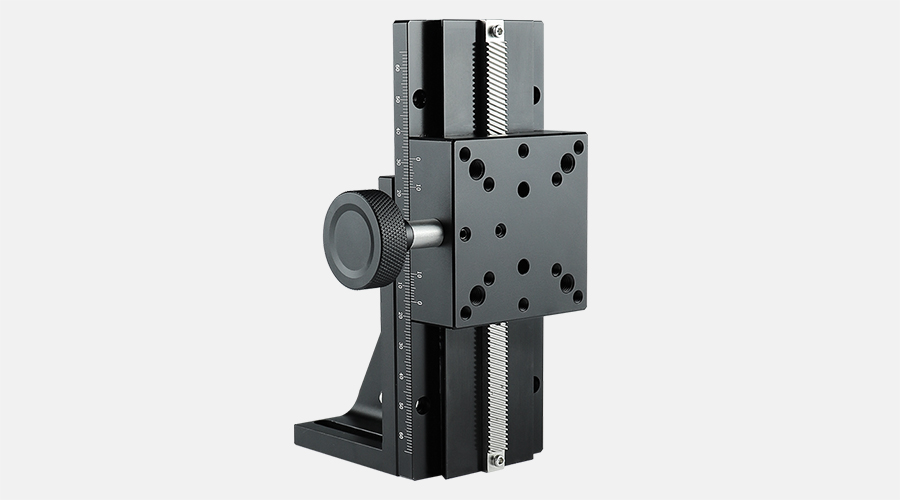 Dovetail Type Rack&Pinion Positioning Stage
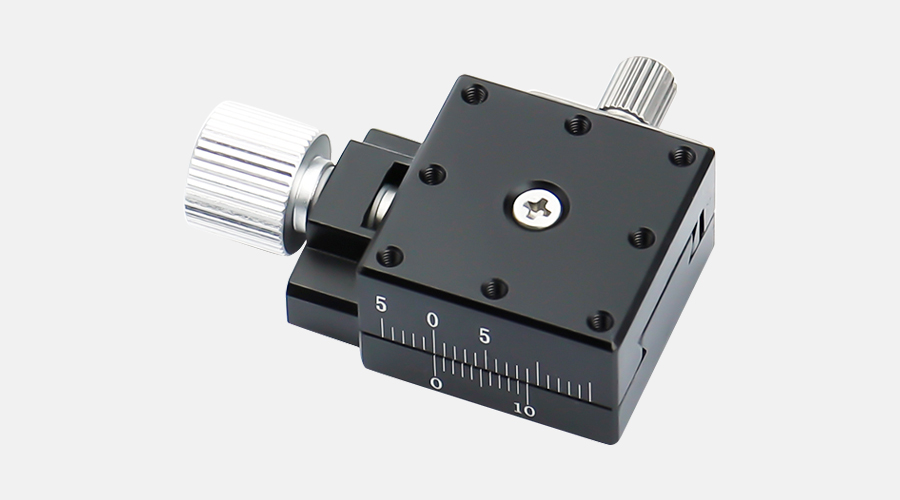 Dovetail groove high-precision screw slide