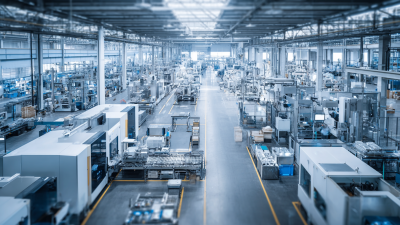
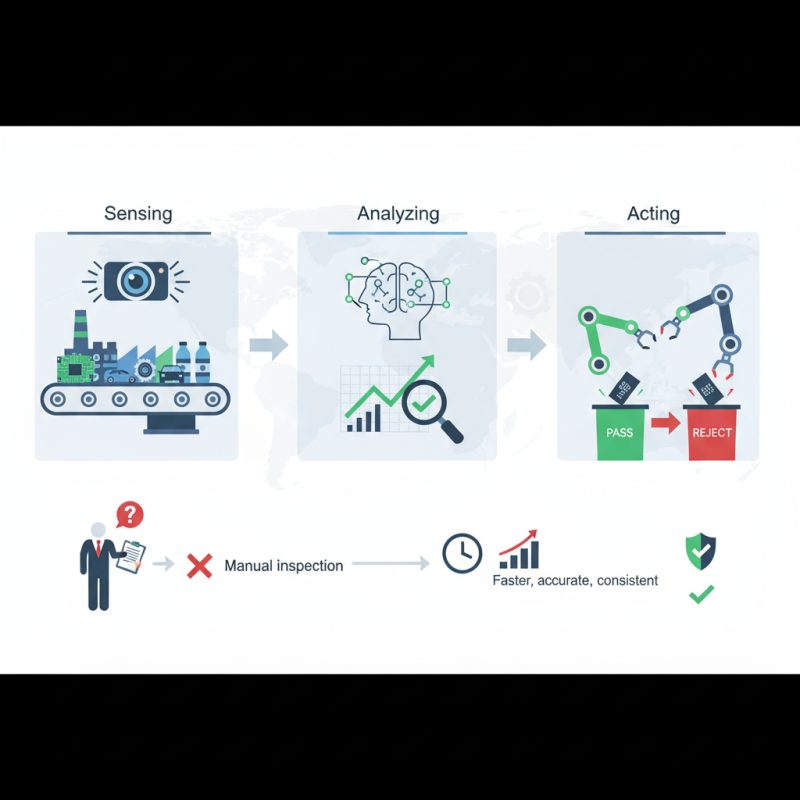
In today’s fast-moving manufacturing world, making sure products are top-notch is more important than ever if you want to stay competitive and keep your customers happy. As industries start to embrace new tech, Automated Vision Inspection has really become a game-changer for quality control. Basically, this system uses fancy cameras and computer vision tech to automatically check and verify the quality of products at different points during production. It's a lot faster and more reliable than traditional manual checks, and it helps cut down on human mistakes. Plus, it provides real-time data that can really help improve overall product quality.
Implementing Automated Vision Inspection doesn’t just speed up the inspection process—it also ensures that evaluations are consistent and fair across the entire manufacturing line. For organizations aiming to meet higher standards and cut down on waste, this tech offers a smart way to tackle common quality control headaches. What's more, these systems are pretty versatile and scalable, making them suitable for all kinds of manufacturing sectors—whether it’s electronics, automotive, or others—helping create a culture of continuous improvement and top-notch operations. This article will walk you through some key steps and things to think about when bringing Automated Vision Inspection into your manufacturing setup, so you can boost product quality and build more trust with your customers.
Understanding Automated Vision Inspection in Manufacturing
Automated vision inspection has become a pivotal technology in modern manufacturing, enhancing quality control processes across various industries. This technology employs advanced image processing and artificial intelligence to analyze products for defects, ensuring they meet stringent quality standards. According to a report by the International Society of Automation, about 60% of manufacturers that have integrated automated vision inspection have reported a significant reduction in defects, leading to improved product quality and customer satisfaction.
The implementation of automated vision inspection not only streamlines the quality control workflow but also provides real-time data analytics, which can be crucial for decision-making processes. A study published in the Journal of Manufacturing Science and Engineering indicates that companies utilizing vision systems see at least a 30% increase in operational efficiency. This efficiency gain stems from the ability of these systems to work continuously, which allows for constant monitoring of production lines without the limitations of human inspection. By detecting issues earlier, manufacturers can reduce waste, lower production costs, and ultimately enhance their competitiveness in a demanding market.
Benefits of Automated Vision Inspection for Quality Control
Automated vision inspection systems are revolutionizing quality control in manufacturing, offering a multitude of benefits that enhance both efficiency and reliability. One of the primary advantages is the ability to achieve consistent and high-speed inspections that are often beyond human capability. With sophisticated algorithms and high-resolution cameras, these systems can detect defects and anomalies in real-time, significantly reducing the likelihood of human error. This not only streamlines the inspection process but also ensures that products meet stringent quality standards before they reach the market.
Moreover, the implementation of automated vision inspection leads to substantial cost savings over time. By identifying defects early in the production line, manufacturers can minimize waste associated with rework and scrap materials. This proactive approach not only optimizes resource utilization but also shortens the overall production cycle, allowing companies to respond more swiftly to market demands. Additionally, the data collected through automated inspections can provide valuable insights into production processes, enabling continuous improvement initiatives that enhance product quality and operational efficiency. As a result, manufacturers can maintain a competitive edge while delivering superior products to their customers.
How to Implement Automated Vision Inspection for Quality Control in Manufacturing
| Inspection Parameter |
Description |
Benefits |
Result |
| Defect Detection |
Identifies surface flaws and inconsistencies. |
Reduces scrap rates and rework costs. |
Increased product quality and consistency. |
| Dimension Measurement |
Measures product dimensions accurately. |
Ensures products meet specifications. |
Fewer returns due to dimensional errors. |
| Color Inspection |
Checks for color consistency in products. |
Improves aesthetic quality of products. |
Higher customer satisfaction. |
| Surface Flaw Detection |
Identifies surface defects like scratches and dents. |
Enhances the final product appearance. |
Reduced customer complaints. |
| Assembly Verification |
Verifies correct assembly of components. |
Reduces risks of faulty products. |
Increased reliability of products. |
Key Components of Automated Vision Inspection Systems
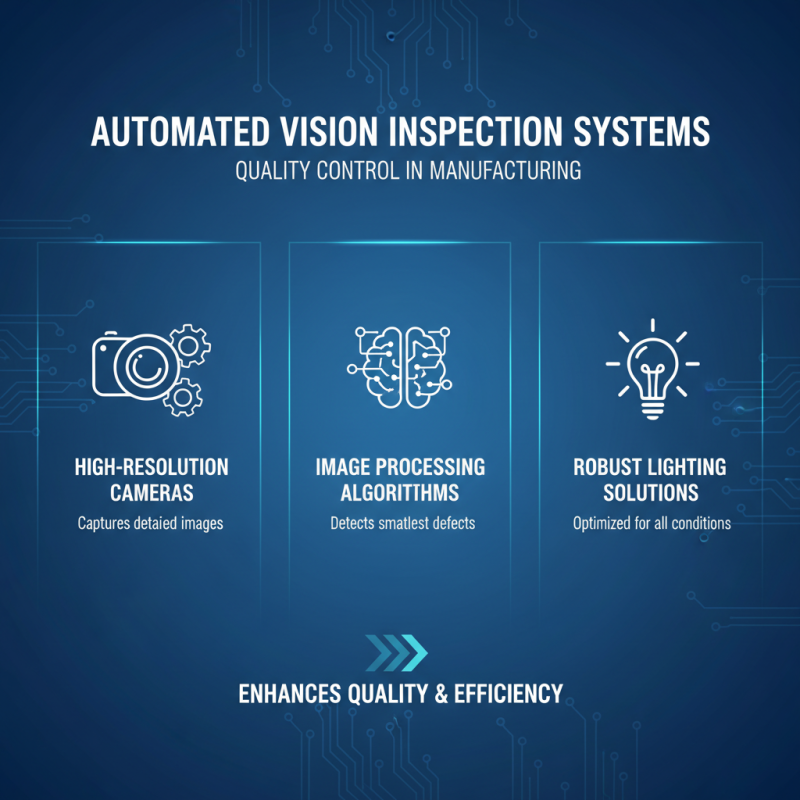
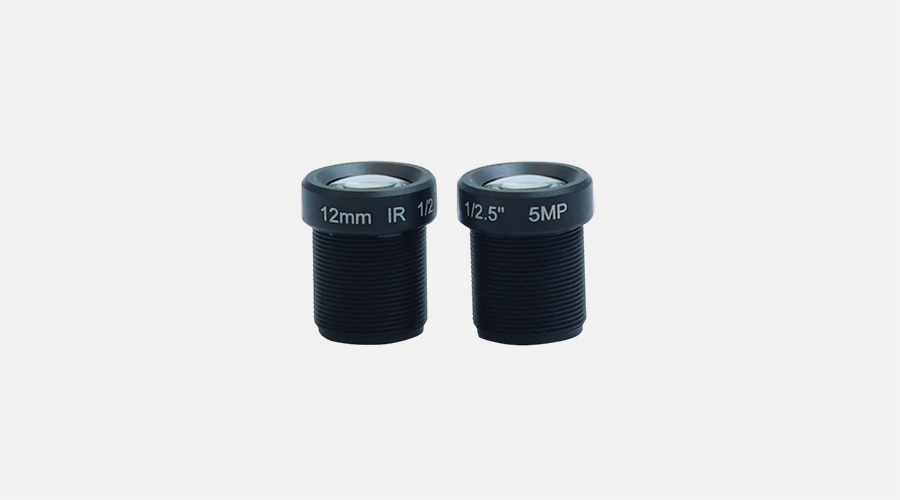
Automated vision inspection systems are integral to enhancing quality control in manufacturing processes. The key components of these systems include high-resolution cameras, advanced image processing algorithms, and robust lighting solutions. High-resolution cameras capture detailed images of products as they move along the production line, ensuring that even the smallest defects can be detected. These cameras must be carefully selected based on their ability to handle various lighting conditions and object speeds, making them crucial for a seamless inspection workflow.
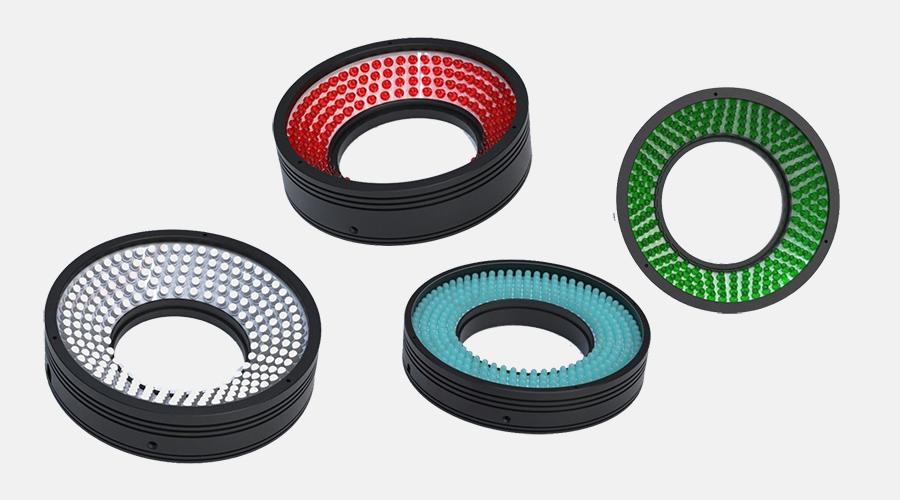
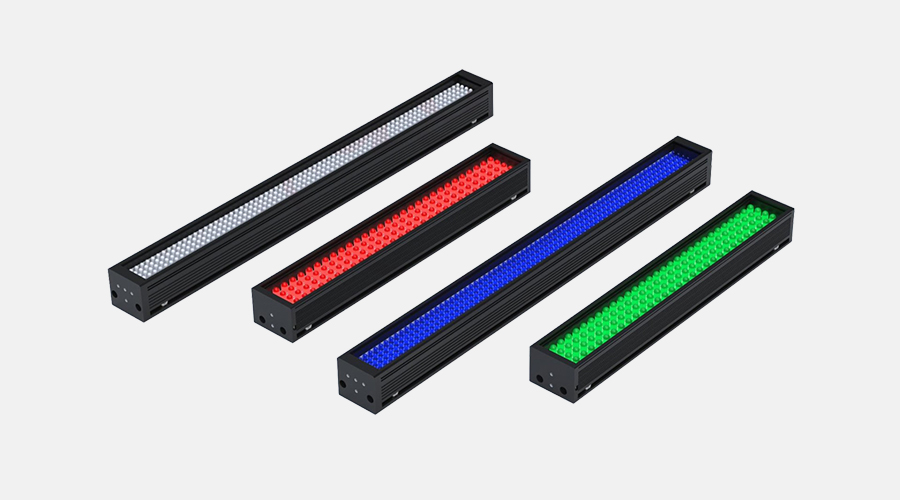
In conjunction with the cameras, image processing algorithms play a pivotal role in analyzing the captured images. These algorithms utilize machine learning techniques to identify anomalies, measure dimensions, and verify the characteristics of the products. By continually learning from the data collected, these algorithms improve their accuracy over time, reducing false positives and enhancing overall inspection reliability. Furthermore, effective lighting solutions are essential to provide the best contrast and definition, minimizing shadows or glare that could obscure defects. Together, these components form a cohesive automated vision inspection system that elevates manufacturing quality control, ensuring products meet stringent standards before reaching consumers.
Steps to Implement Automated Vision Inspection
Implementing automated vision inspection for quality control in manufacturing begins with a thorough assessment of the specific inspection needs of the production line. The first step involves defining the critical quality attributes that need to be monitored, such as dimensions, surface defects, or color consistency. Collaborating with stakeholders from various departments—such as engineering, production, and quality assurance—ensures that the objectives for the vision inspection system align with the overall production goals. This collaboration helps to identify acceptable thresholds for quality and the types of defects that are most detrimental to the end product.
Once the inspection criteria are established, the next step is to select the appropriate hardware and software technologies. High-resolution cameras and advanced image processing algorithms should be chosen based on the complexity of the inspection tasks. Additionally, integrating machine learning capabilities can enhance the system's accuracy by allowing it to learn from past inspections. After the technology selection, the implementation phase involves setting up the cameras in strategic locations along the production line and calibrating them to ensure proper alignment and focus.
Training operators to effectively use the system and analyze the data generated will also be crucial for maintaining quality standards and adjusting the process as necessary.
Integrating Vision Inspection with Existing Manufacturing Processes
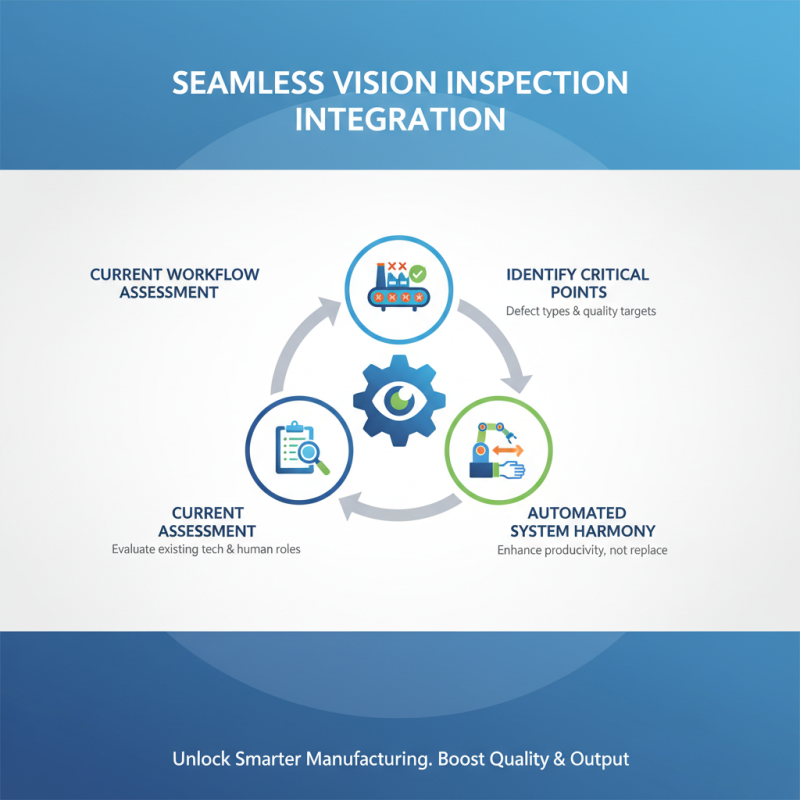
Integrating vision inspection systems into existing manufacturing processes requires a careful evaluation of the current workflow and technology infrastructure. The key is to ensure that the automated systems complement human operators and enhance overall productivity. By conducting a thorough analysis of inspection points within the production line, manufacturers can identify where vision systems can be most beneficial. This typically involves assessing the types of defects commonly encountered and the specific quality metrics the organization aims to achieve.
Once potential integration points are identified, it's essential to select vision inspection technology that aligns with the goals of the manufacturing process. This includes considering factors such as the speed of the production line, the complexity of the components, and the variability in the products being inspected. Additionally, manufacturers must ensure that the data collected from the vision systems can seamlessly communicate with existing quality control software and enterprise resource planning systems. Proper integration allows for real-time monitoring and feedback, facilitating immediate adjustments and continuous improvement of the production process.
Training personnel to work alongside these automated systems is also crucial. Operators should understand how to interpret the data generated by the vision inspection technology to make informed decisions. This not only enhances the effectiveness of the inspection process but also fosters a culture of quality control across the organization, where both technology and human insight work in harmony to achieve optimal manufacturing outcomes.
Challenges and Considerations in Automated Vision Systems
Implementing automated vision inspection systems in manufacturing presents several challenges that must be carefully considered to optimize performance and effectiveness. One primary challenge is the variability in product quality and characteristics, which can affect the reliability of machine learning models used for image analysis. Developing algorithms that can adapt to various products while accurately detecting defects requires extensive training data and continuous updates to the system. This necessitates a robust data management strategy to collect, annotate, and preprocess images effectively.
Another significant consideration is the integration of vision systems into existing manufacturing processes. Companies often face difficulties in aligning automation with legacy systems and machinery, which can lead to downtime or inefficiencies during the transition phase. Ensuring seamless communication between different system components is crucial for maintaining production flow and maximizing throughput. Additionally, the physical environment, including lighting conditions and workspace layout, can impact system performance, requiring careful calibration and adjustments to the installation setup.
Furthermore, employee training and acceptance of automated systems play a critical role in the success of vision inspection implementation. Workers must be skilled not only in operating and maintaining the technology but also in understanding the limitations of the system. A solid training program that addresses both technical and operational aspects can help mitigate resistance to change and foster a culture of quality control that embraces automation. As manufacturers navigate these challenges, a strategic approach will be essential in harnessing the full potential of automated vision inspection for quality control.
Automated Vision Inspection Accuracy in Manufacturing
Future Trends in Automated Vision Inspection Technology
The future of automated vision inspection technology is poised to revolutionize quality control in manufacturing processes. As industries increasingly adopt advanced machine learning algorithms and artificial intelligence, the capability of vision inspection systems to learn and adapt will significantly improve. These systems will not only be faster and more accurate but will also become proficient in recognizing complex patterns and detecting defects that traditional methods may overlook. This evolution will lead to enhanced product quality and reduced manufacturing costs, enabling companies to remain competitive in a rapidly changing market.
Moreover, the integration of cloud computing and IoT (Internet of Things) will play a crucial role in the development of vision inspection technologies. By leveraging real-time data analytics, manufacturers can achieve a higher level of operational efficiency while enabling remote monitoring and diagnostics. This connectivity will allow for quicker decision-making and troubleshooting, as well as predictive maintenance, ultimately minimizing downtime and increasing productivity. As these technologies continue to advance, their scalability will empower manufacturers of all sizes to adopt automated vision inspection solutions, thus leveling the playing field and driving innovation across the industry.
Optimizing Machine Vision Inspection with High Density UV/IR LED Array Lights: A Comprehensive Guide
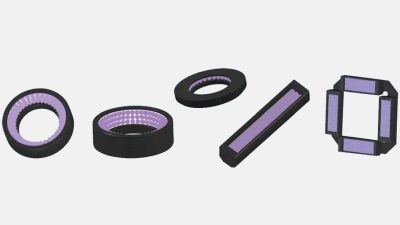
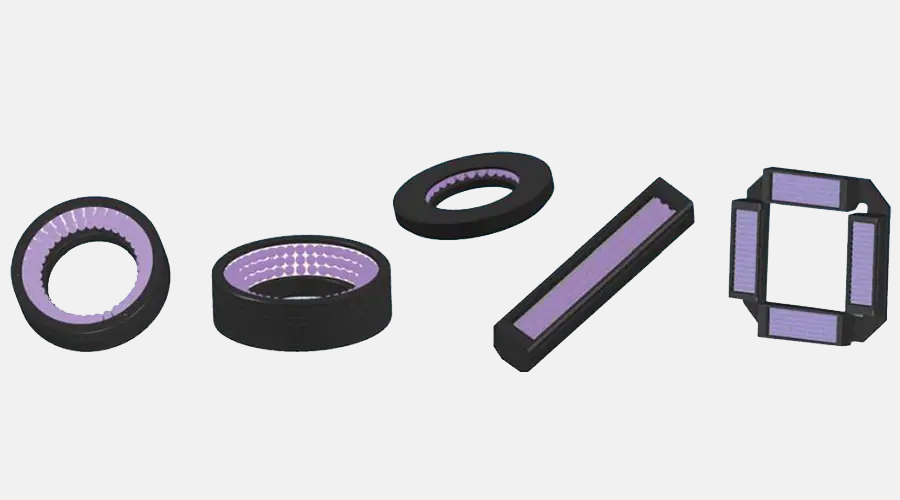
In the realm of machine vision inspection, achieving optimal illumination is crucial for detecting subtle defects in various materials. The integration of high-density UV LED particle arrays significantly enhances the visibility of imperfections by providing multi-dimensional light coverage and a shorter working distance. This advanced lighting setup allows for a more detailed analysis of the surfaces being inspected, revealing flaws that may otherwise go unnoticed with conventional lighting methods.
Moreover, the use of UV light in conjunction with these high-density arrays boosts the effectiveness of UV-sensitive gels commonly employed in inspection processes. The UV light helps to illuminate the gel uniformly, ensuring that the imaging results are vivid and precise. By optimizing the lighting conditions, inspectors can achieve clearer vision imaging, ultimately leading to more accurate assessments of product quality and consistency. This approach not only improves detection rates but also enhances overall efficiency in manufacturing environments where quality control is paramount.
FAQS
: Automated vision inspection is a technology that utilizes advanced image processing and artificial intelligence to analyze products for defects, ensuring they meet quality standards.
It significantly reduces defects, leading to improved product quality and increased customer satisfaction, with around 60% of manufacturers reporting positive results after integration.
Companies experience at least a 30% increase in operational efficiency due to continuous monitoring of production lines without the limitations of human inspection.
By detecting defects early in the production line, it minimizes waste from rework and scrap materials, optimizing resource utilization and shortening the production cycle.
Automated systems provide consistent, high-speed inspections with sophisticated algorithms and high-resolution cameras, significantly reducing the likelihood of human error.
It provides valuable insights into production processes, enabling continuous improvement initiatives that enhance product quality and operational efficiency.
The integration of advanced machine learning, artificial intelligence, cloud computing, and IoT will enhance the capabilities of vision inspection systems, improving accuracy and operational efficiency.
Real-time data and remote monitoring will allow for quicker decision-making, troubleshooting, and predictive maintenance, ultimately minimizing downtime.
Manufacturers of all sizes can adopt these scalable solutions, which help level the playing field and drive innovation across the industry.
It enables better connectivity and real-time data analytics, facilitating operational efficiency and remote diagnostics which enhance productivity.
Conclusion
Automated Vision Inspection is transforming quality control in manufacturing by leveraging advanced imaging technologies to assess product quality at high speeds and with great accuracy. This process involves understanding the key components of such systems, including cameras, lighting, and software algorithms that analyze visual data. The benefits include improved defect detection, reduced labor costs, and enhanced production efficiency, making it an essential tool for modern manufacturing processes.
Implementing Automated Vision Inspection involves several steps, such as evaluating specific inspection needs, selecting appropriate hardware and software, and integrating the system with existing processes. However, challenges such as system complexity, integration difficulties, and the need for skilled personnel should be considered. As technology advances, the future of Automated Vision Inspection holds promising trends like machine learning integration and enhanced imaging capabilities, further solidifying its role in ensuring high-quality standards in manufacturing.

 Compatible with 7.2mm-82mm chips
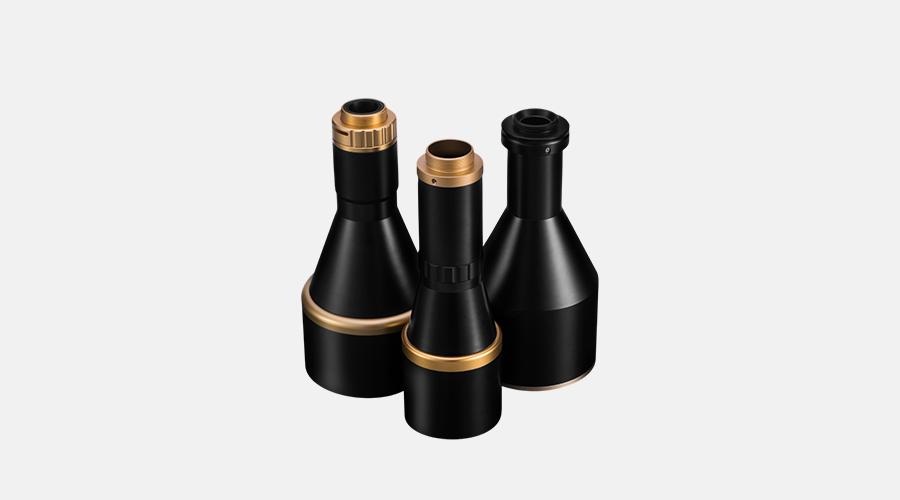 High/Low Working Distance
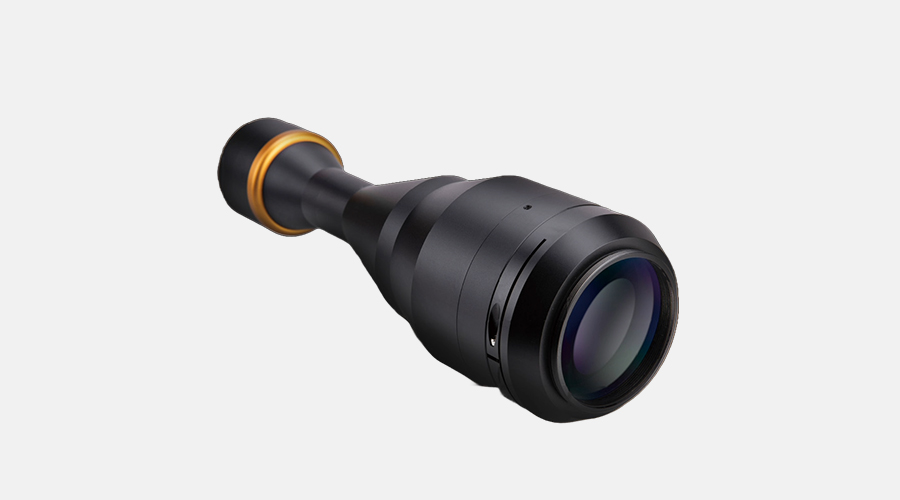
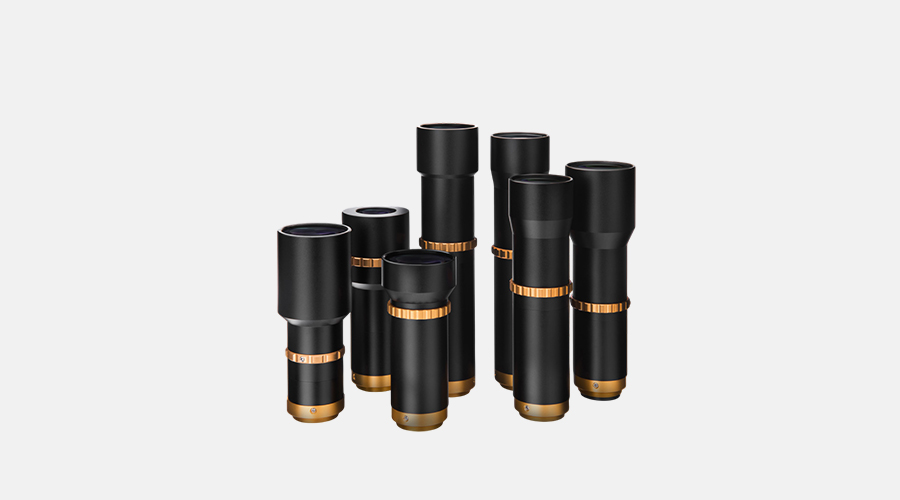 Aperture telecentric lens
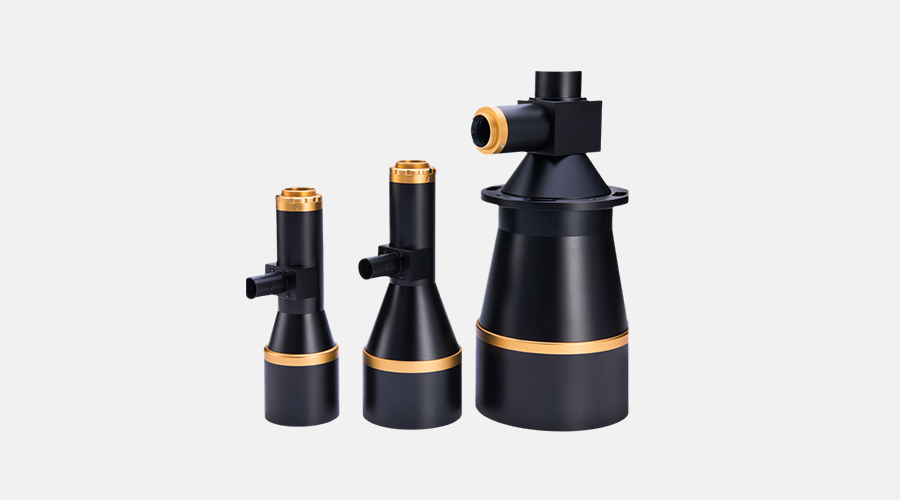 Measuring lens
 Maximum support 1.1" chips
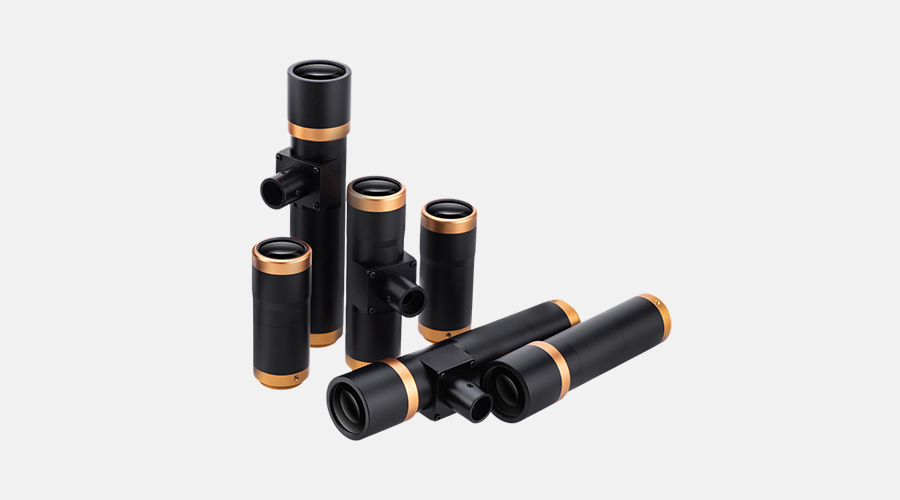 Maximum support 1.2" chips
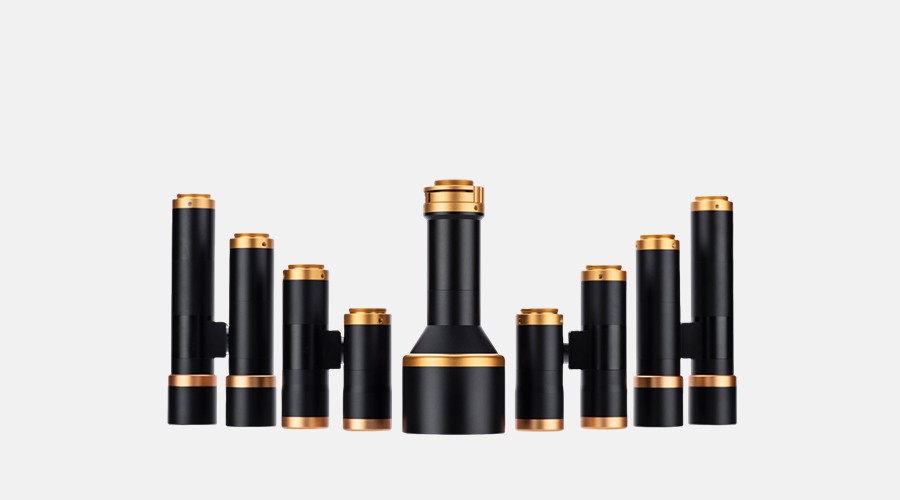 Maximum support 2/3" chips
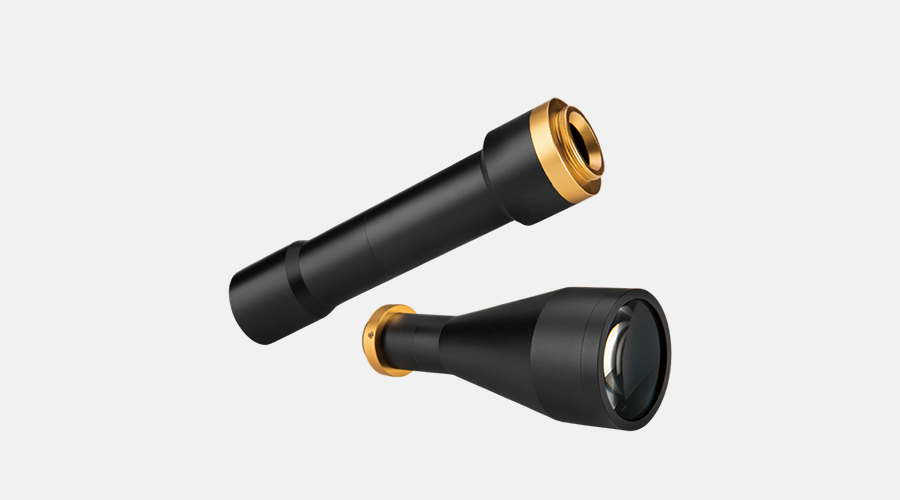 Long Working Distance
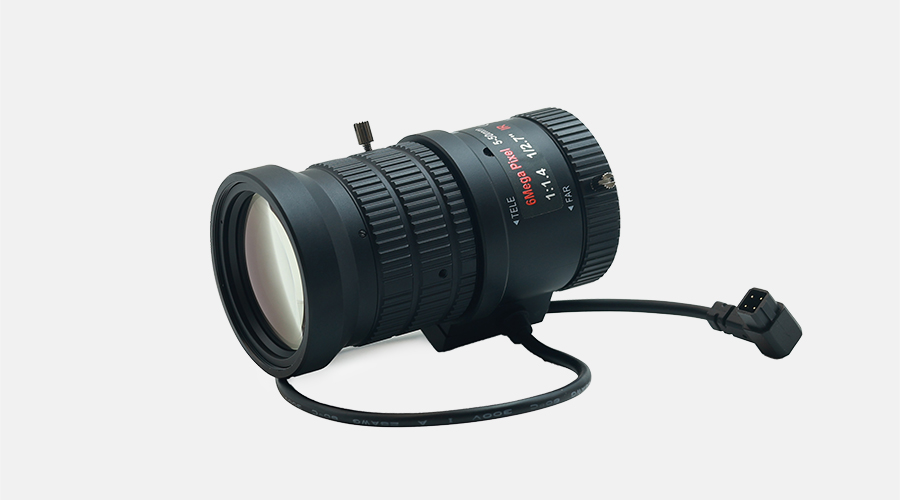 CS mount Varifocal lens
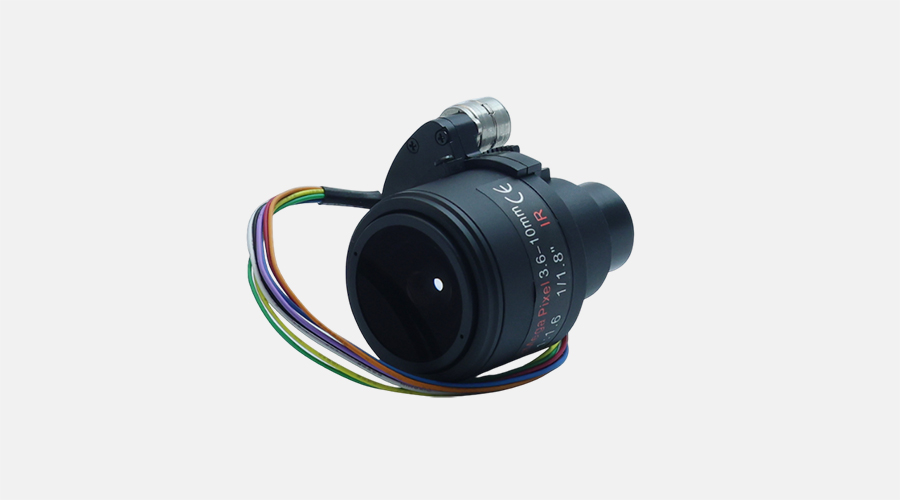 Varifocal board lens
 S mount lens
 Ring light
 UV/IR Light
 Bar light
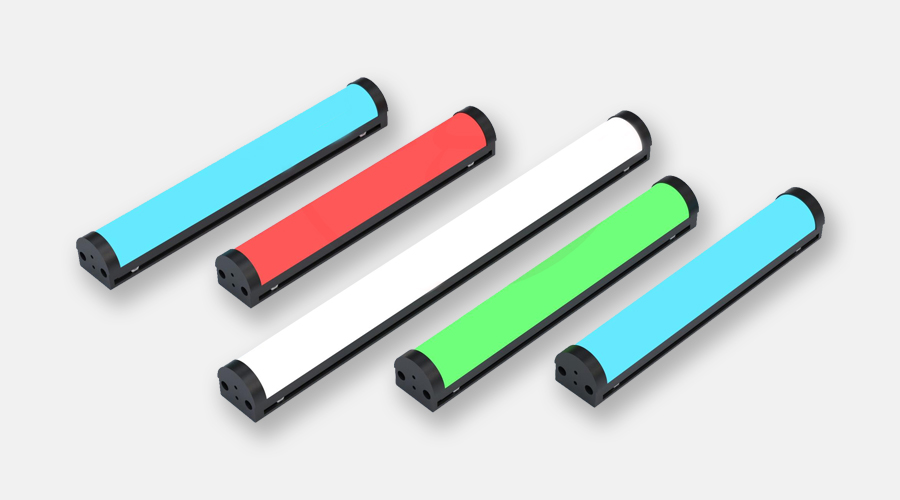 Arcuate high uniformity light
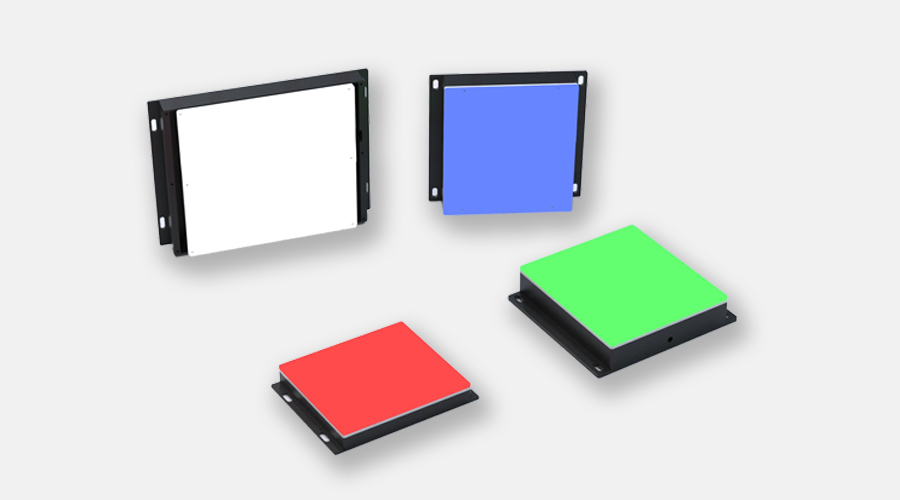 Back light
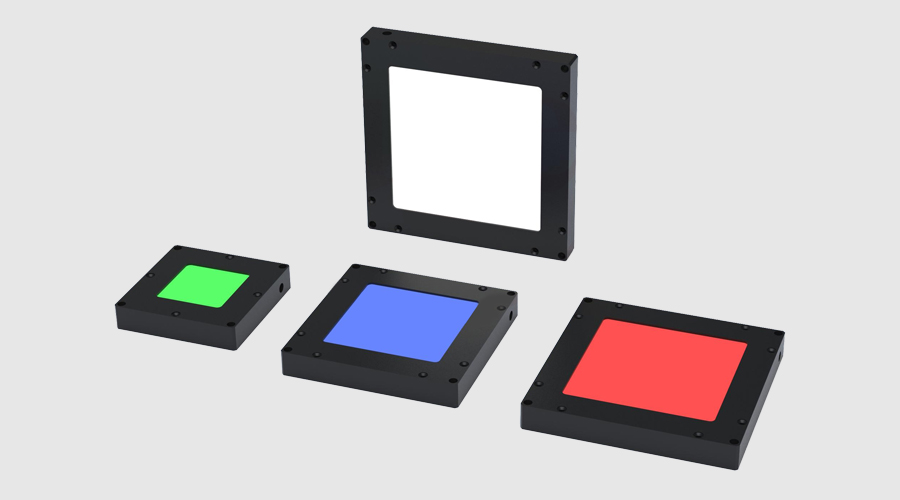 Flat light
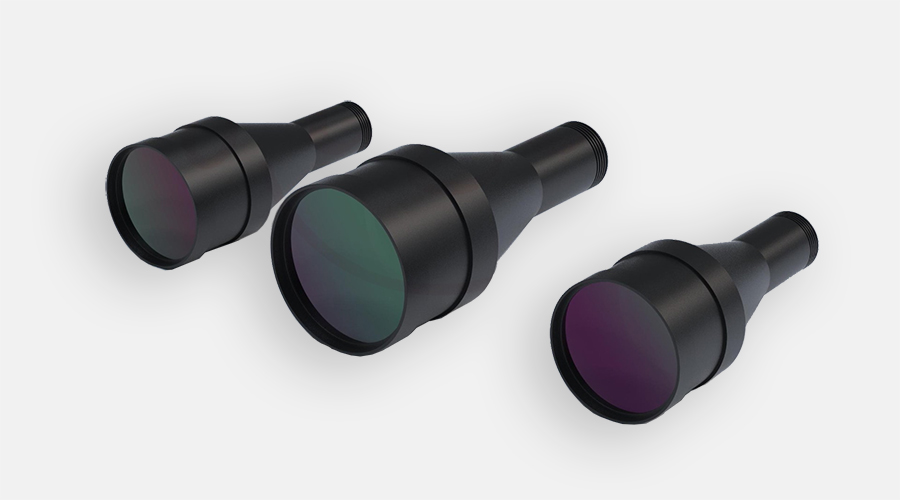 Collimated light
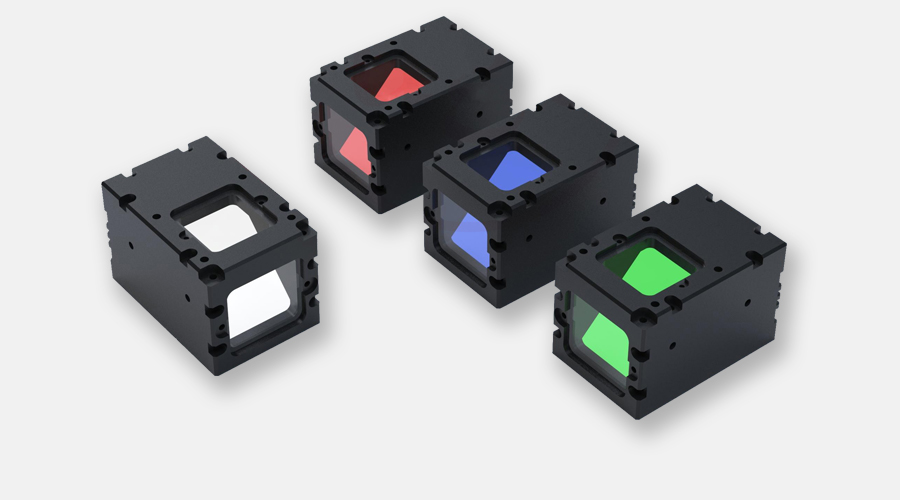 Coaxial light
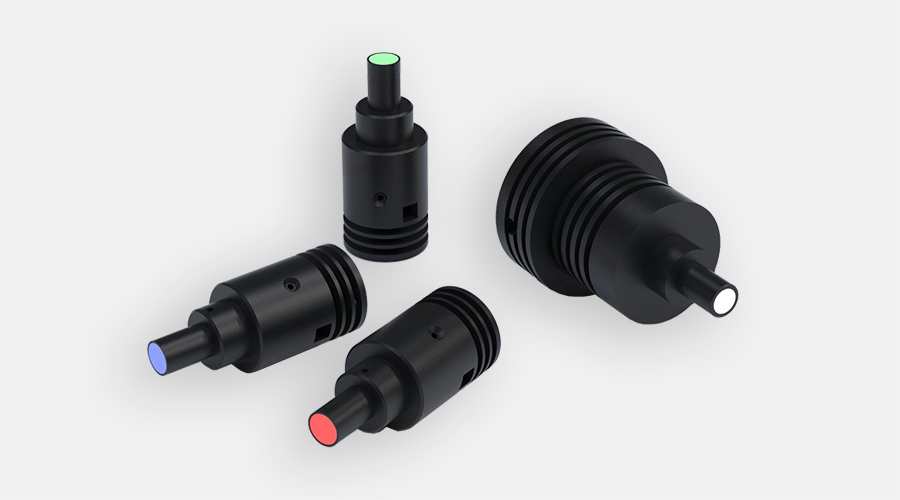 Spot light
 Dome light
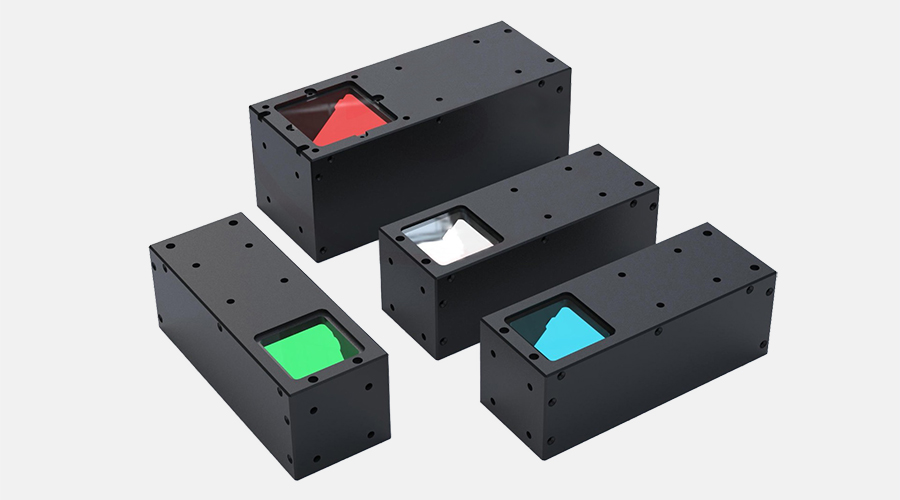 Collimated Coaxial light
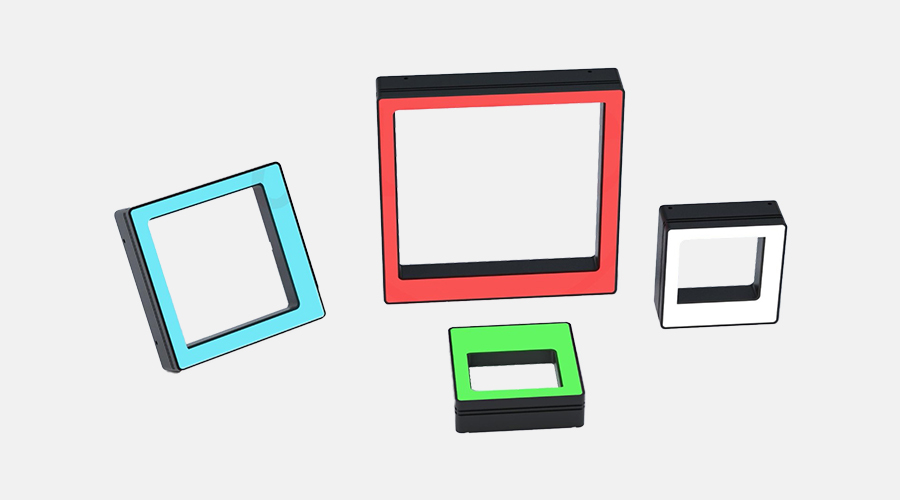 Shadowless square light
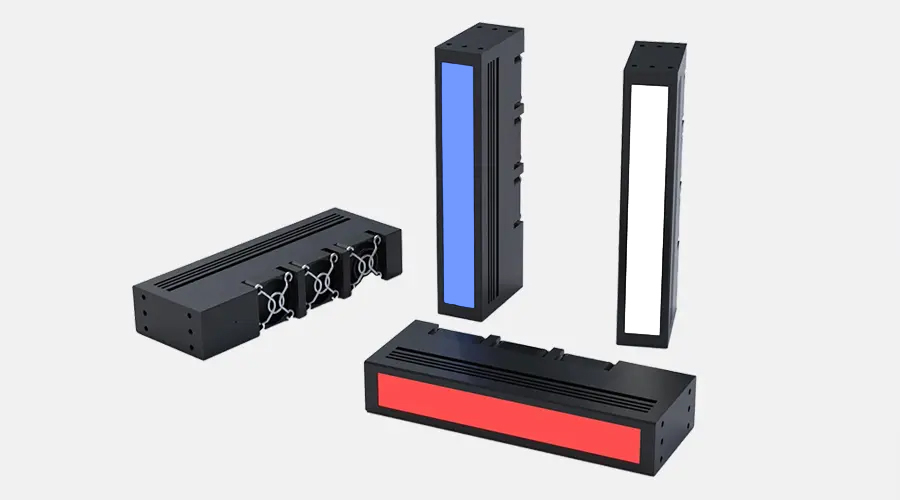 Scan light
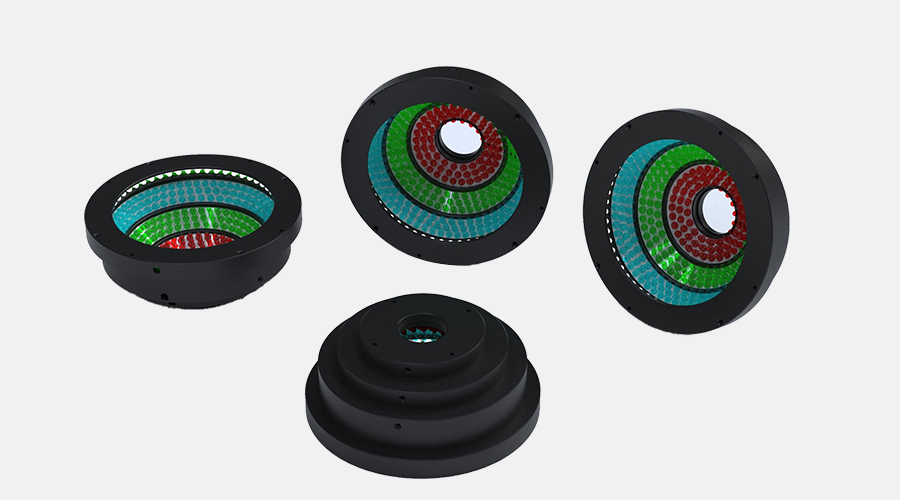 AOI light
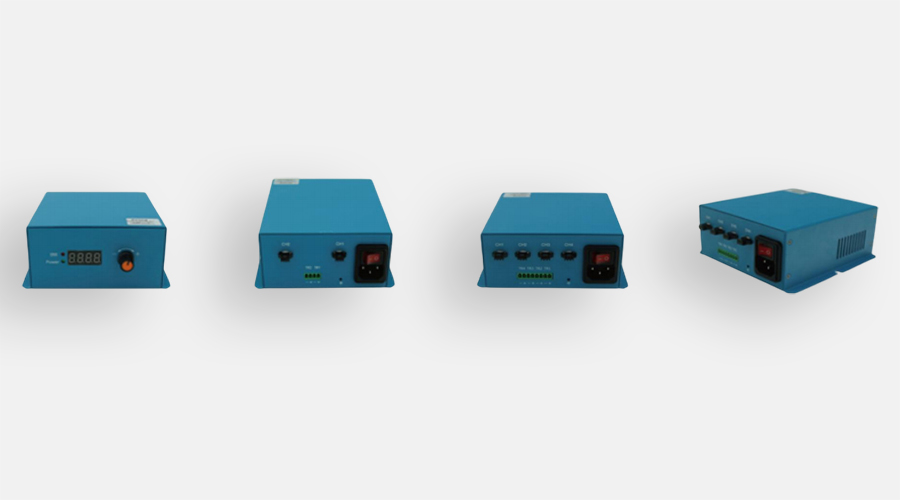 Analog controller
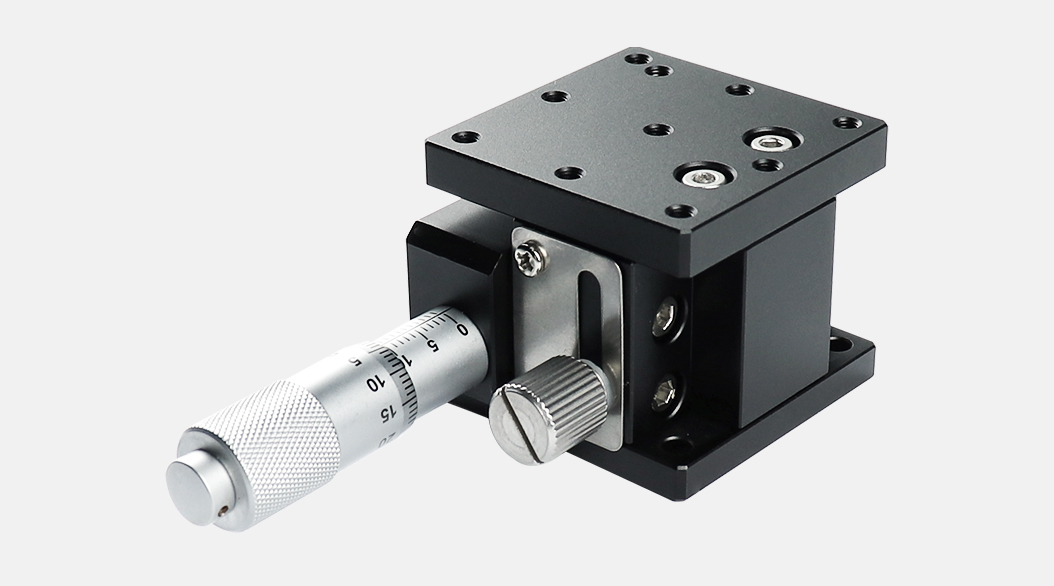 Crossed-Roller Linear guide type
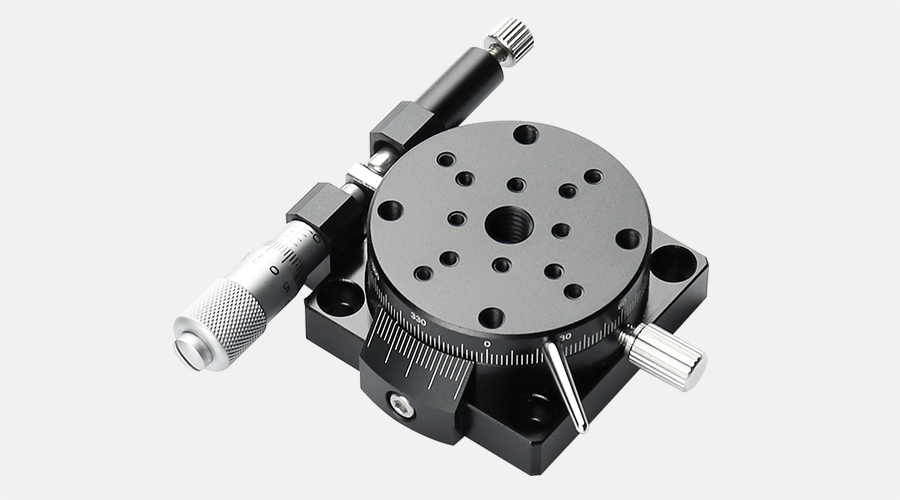 Rotary Stages XRS series
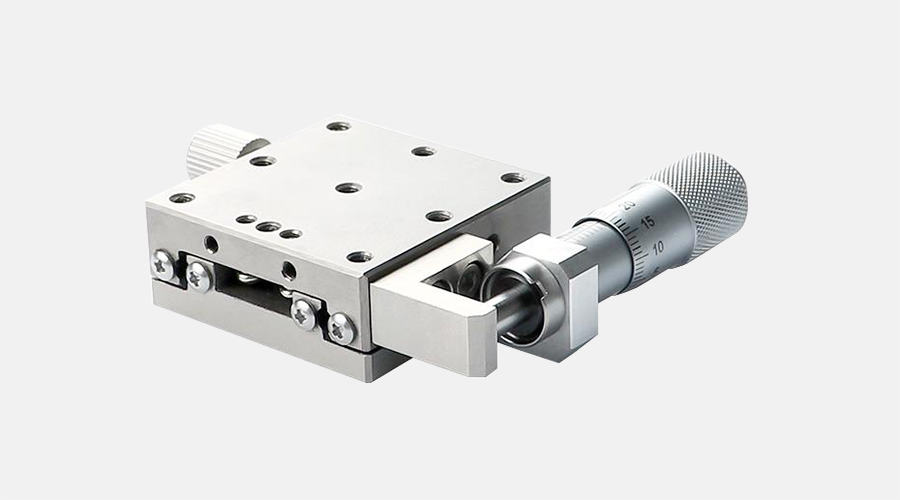 Stainless Steel Ball Bearing Linear Translation Stages
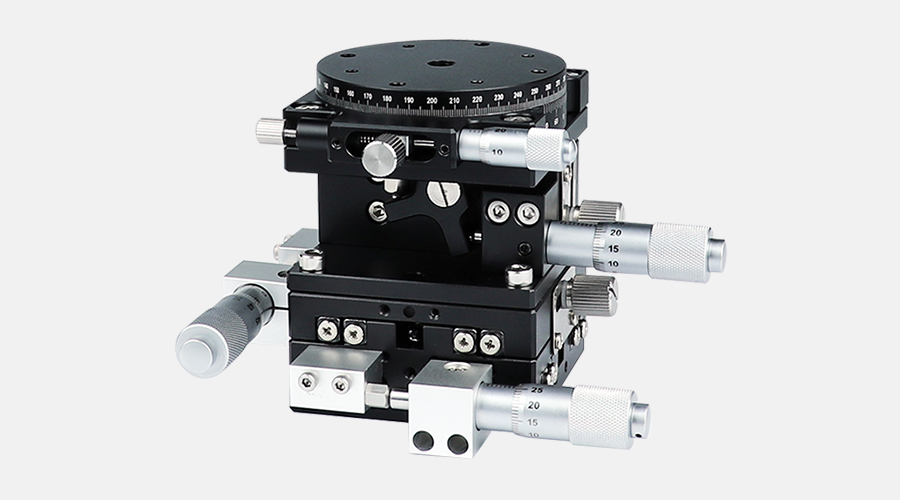 Multi-axis Translation stages
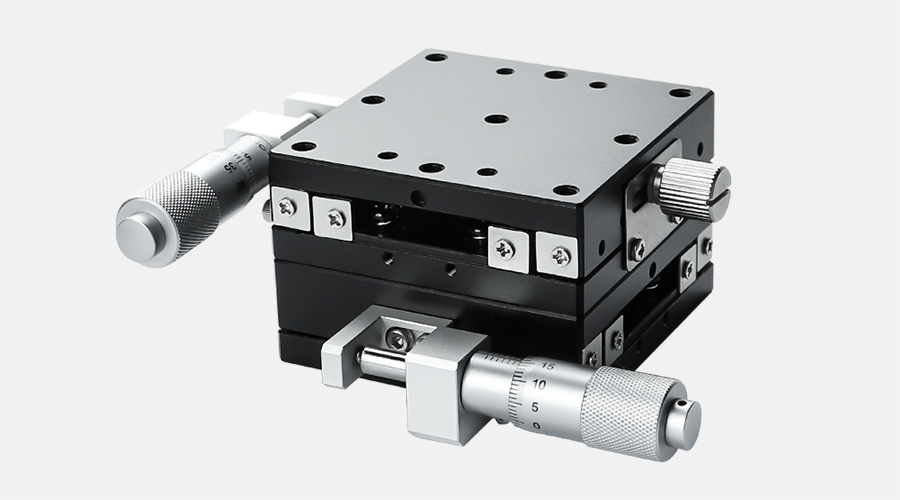 steel bar ball bearing stages
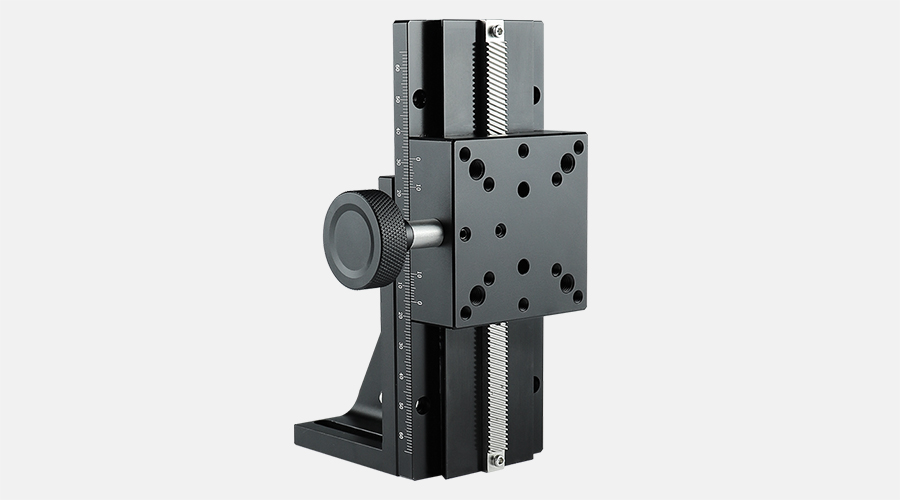 Dovetail Type Rack&Pinion Positioning Stage
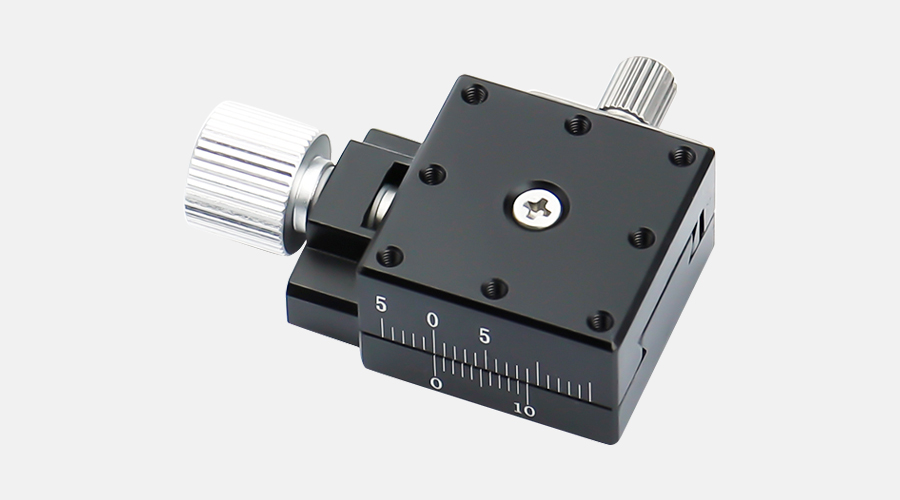 Dovetail groove high-precision screw slide