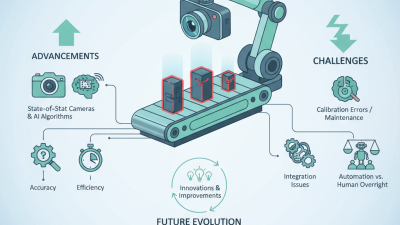
In today’s fast-changing world of manufacturing, adding Machine Vision Quality Inspection systems really is a game-changer. I came across a report from MarketsandMarkets that estimates the machine vision market could hit around $12.8 billion by 2026 — all thanks to the growing need for precision and efficiency. This tech does wonders for quality control, helping to cut down human errors and boost production speeds.
John Doe, a seasoned expert in this area, points out, “Using Machine Vision Quality Inspection can seriously lower defect rates.” It also opens the door for real-time data analysis, which makes catching issues much easier and quicker. That said, it’s not all smooth sailing — many companies find it challenging to make the switch. The upfront costs and the training involved can feel pretty overwhelming at first.
As we look at the main perks of machine vision inspection systems, it's really important to keep in mind that while they’re super promising, there’s also a bit of a learning curve involved. Companies need to be ready to adapt, reflect on their processes, and stay innovative to get the most out of this technology.
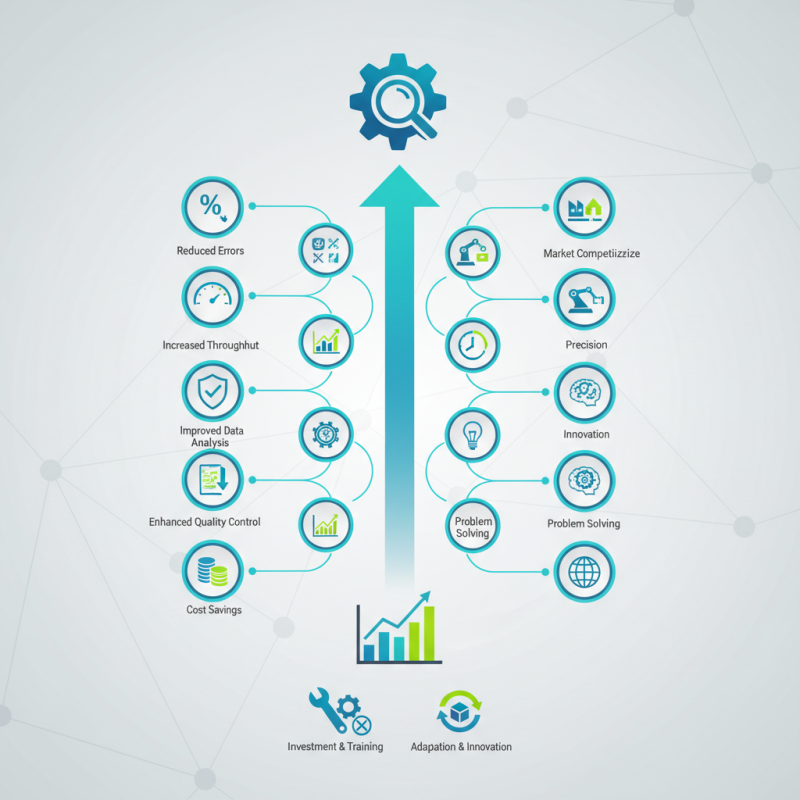
Machine vision quality inspection systems have transformed manufacturing processes. They use advanced cameras and algorithms to analyze products automatically. According to industry reports, such systems can improve defect detection rates by over 90%. This automation significantly reduces human error, resulting in higher product reliability.
These systems operate at a speed unattainable by manual inspection. They can inspect thousands of items per minute. However, the initial setup costs and complexity can be daunting. Many smaller manufacturers fear they cannot compete with larger companies that adopt this technology first. Training staff to work with these systems also presents challenges. Inadequate training may lead to underutilization of the system's capabilities.
Data from recent surveys show resistance to adopting machine vision systems persists. Many manufacturers worry about adapting current processes. Quality inspection requires frequent calibration and maintenance. While machine vision offers promising benefits, the transition may not be seamless. Companies must reflect on their unique needs before fully committing to this technology.
| Benefit | Description | Impact |
|---|---|---|
| Increased Accuracy | Reduces human errors in quality inspection. | Enhances product quality and customer satisfaction. |
| Higher Throughput | Enables faster inspection rates compared to manual inspection. | Increases production efficiency. |
| Consistency | Provides uniform inspection quality across all products. | Maintains brand reputation and quality standards. |
| Cost Reduction | Lowers labor costs associated with quality inspections. | Improves overall profit margin. |
| Real-time Feedback | Provides immediate insights into production quality. | Allows quicker corrective actions. |
| Data Collection | Gathers valuable data for quality assurance processes. | Facilitates continuous improvement initiatives. |
| Versatility | Can be used in various manufacturing sectors. | Broadens application scope and market reach. |
| Space Saving | Compact systems require less floor space. | Optimize factory layout and operations. |
| Improved Safety | Reduces the need for human involvement in hazardous inspections. | Enhances workplace safety standards. |
| Integration Capability | Easily integrates with existing manufacturing systems. | Streamlines processes and improves synergy. |
Machine vision quality inspection systems are revolutionizing product quality and consistency. They use advanced cameras and algorithms to analyze items during production. This technology can detect defects that the human eye might miss. Small scratches or incorrect color shades may go unnoticed without machine vision. These systems enhance the reliability of quality control processes.
Product consistency is crucial in manufacturing. Machine Vision Quality Control helps maintain uniformity across batches. Automated inspections reduce errors caused by fatigue or oversight in manual checks. However, implementing these systems can present challenges. Initial setup costs may be high, and staff need training to operate them effectively. Over-dependence on technology might slightly overlook the human aspect in quality checks. Continuous adjustments and recalibrations are essential to optimize the systems.
Moreover, integrating machine vision requires careful consideration of lighting and environment. Variations can lead to inconsistent results. Proper calibration is vital for accuracy. Despite these challenges, the benefits of increased precision and reduced waste are undeniable. Investing in machine vision ultimately leads to enhanced product quality, giving companies a competitive edge.
Cost savings are a big deal in manufacturing.
Machine Vision Inspection
systems play a vital role in this area. These systems help detect defects early, reducing the need for waste and rework.
When a product is faulty, it often leads to scrapping entire batches. This not only costs money but also resources.
With effective Machine Vision Inspection, companies can catch errors in real-time. This reduces the chances of sending out defective products.
Imagine saving thousands by avoiding recalls and returns.
However, not all errors can be detected. A system might miss subtle flaws. This requires constant evaluation and tuning of the inspection process.
Additionally, implementing these systems requires training and investment. The initial costs can be daunting for small businesses.
Striking a balance between automation and human oversight is essential.
Mistakes can happen, and relying solely on technology may not always yield perfect results.
Companies should approach this as an ongoing journey, learning and adapting as they go.
Machine vision quality inspection systems offer significant advantages, especially in enhancing production efficiency. Real-time inspections allow manufacturers to detect defects immediately. This reduces waste and minimizes rework costs. By integrating these systems, companies can maintain consistent quality and meet customer expectations.
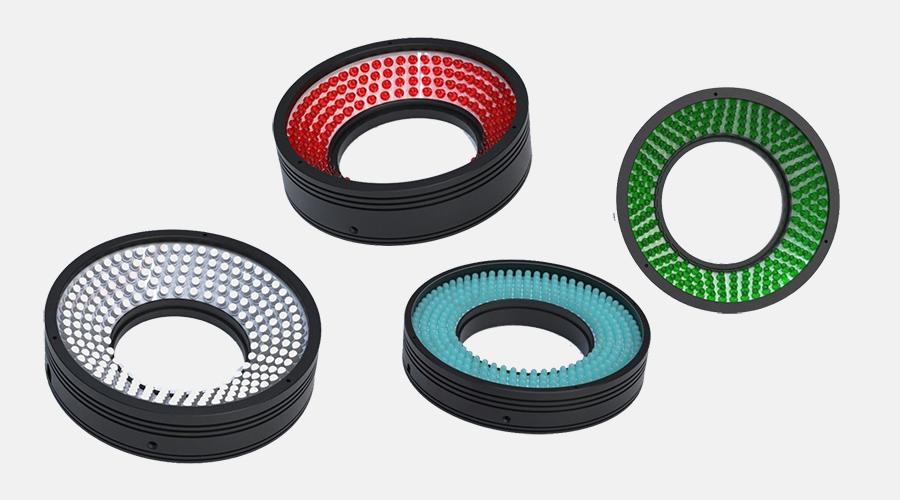
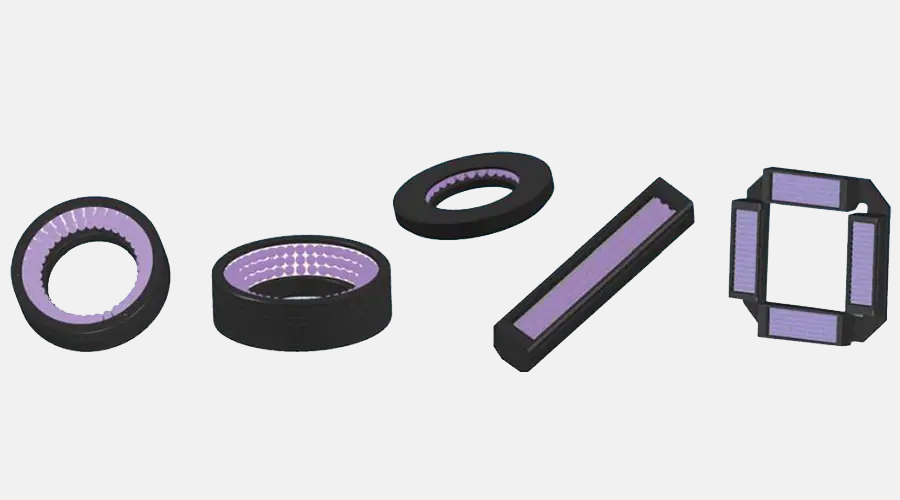
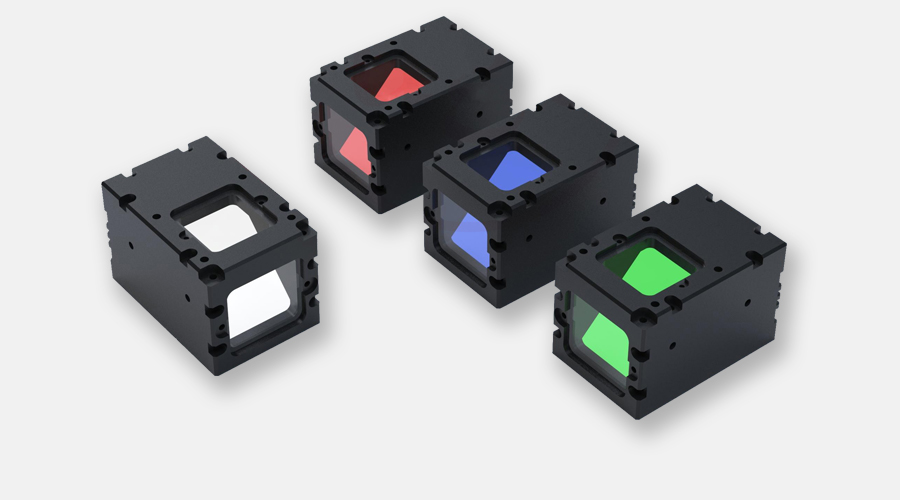
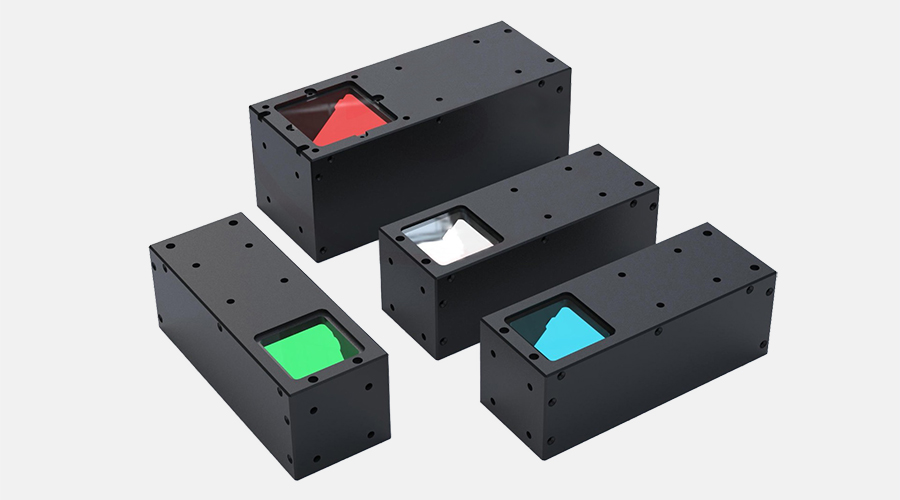
One important tip for implementation is to ensure proper lighting conditions. Inadequate lighting can lead to false readings or missed defects. Regularly calibrating your equipment helps maintain accuracy. As you adopt these systems, consider training personnel effectively. Misunderstanding the technology can lead to operational hiccups.
While machine vision systems are efficient, they do have limitations. Not all defects might be caught by a camera. Human oversight remains crucial. Regular reviews of inspection data can provide insights. It’s essential to be open to refining both the technology and processes involved. Continuous improvement can drive better decision-making over time.
The integration of machine vision with automation technologies has transformed manufacturing processes.
Machine vision systems enhance quality inspection by providing precise visual feedback. When combined with automation, they ensure consistent product quality and reduce human error. For instance, using
3d Vision Inspection allows for detailed analysis of product dimensions and surface conditions. This combination streamlines production lines.
Automation increases the speed of inspection. However, it can sometimes lead to oversight.
Rapid speeds may result in missed anomalies or defects. A balance between speed and thoroughness is essential. Companies must regularly evaluate their systems. Fine-tuning can help maintain high accuracy without sacrificing productivity.
Incorporating machine vision also involves challenges. Unexpected technical glitches can disrupt workflow.
Staff training is crucial for implementing these systems effectively. They must understand both the technology and its limitations. Reflecting on these aspects can lead to a more robust integration of machine vision with automation technologies. This ongoing improvement will support enhanced quality inspection processes.
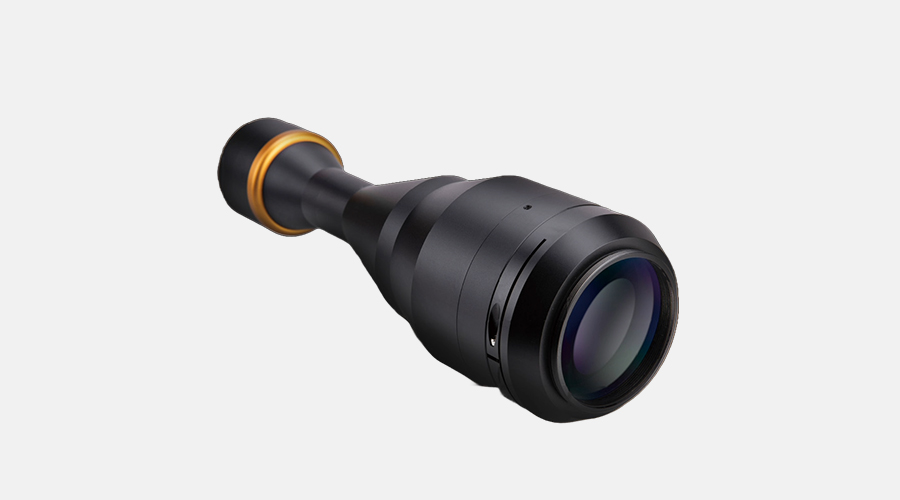
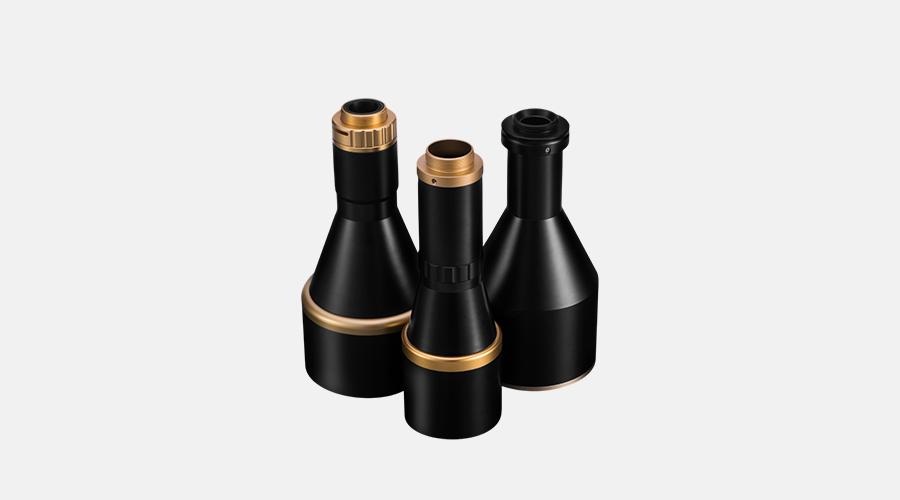
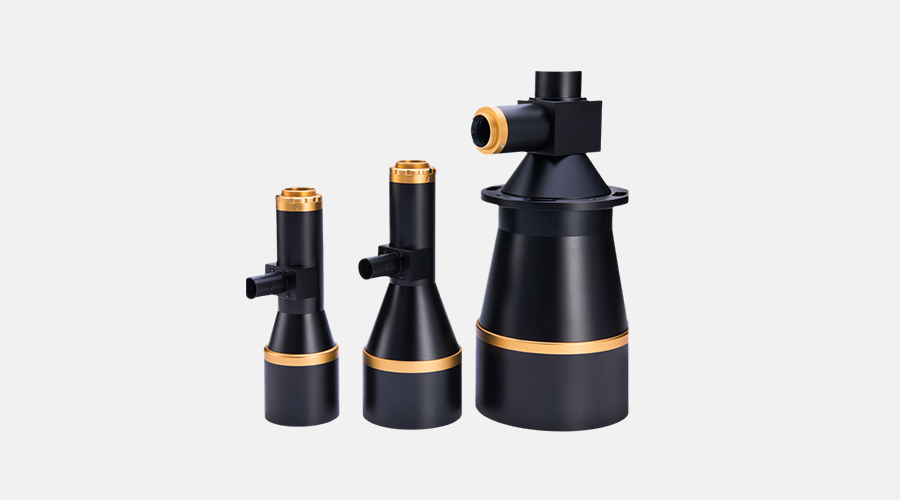
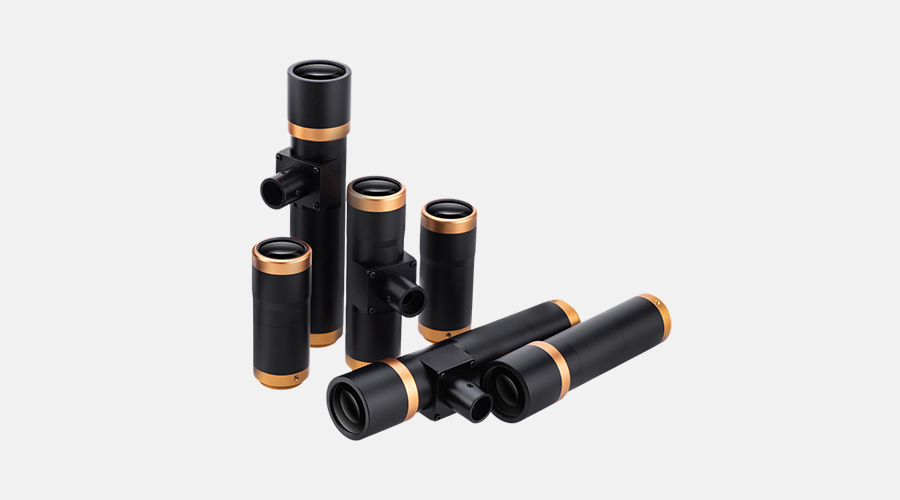
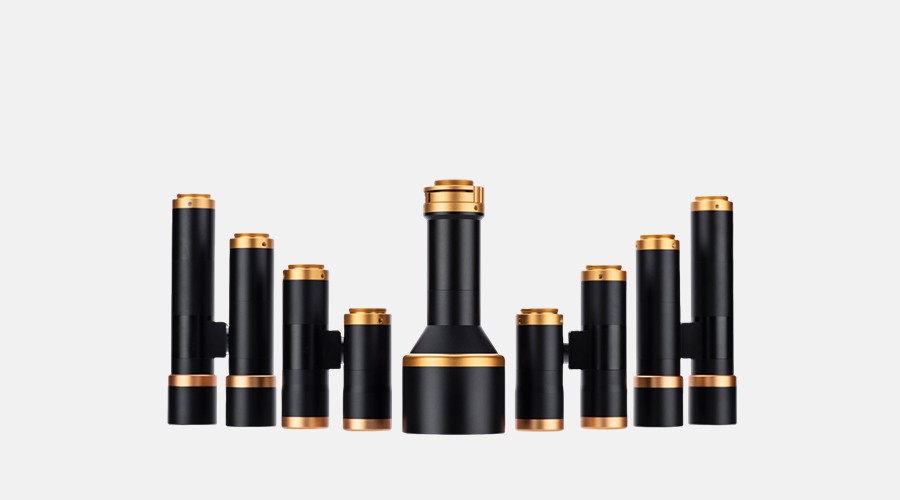
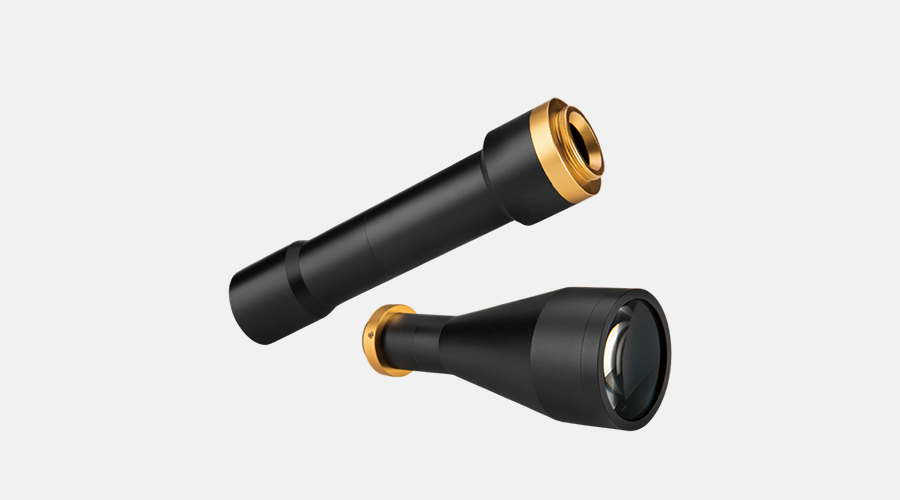
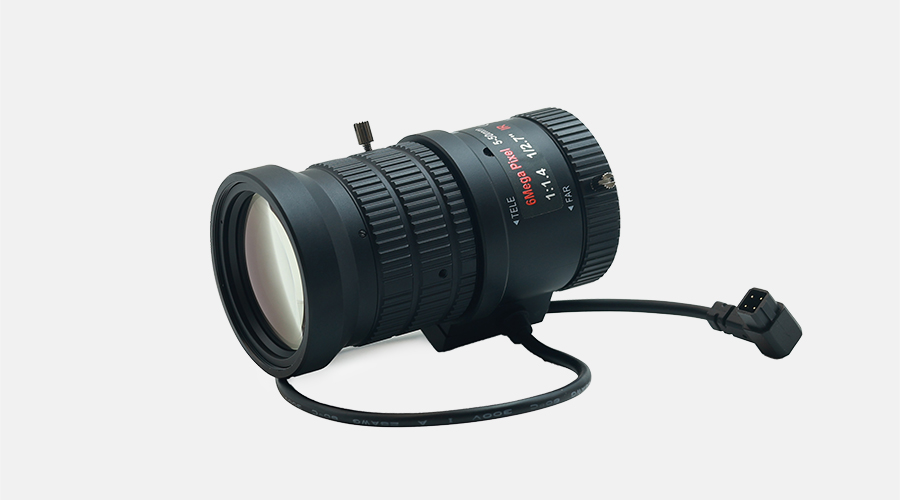
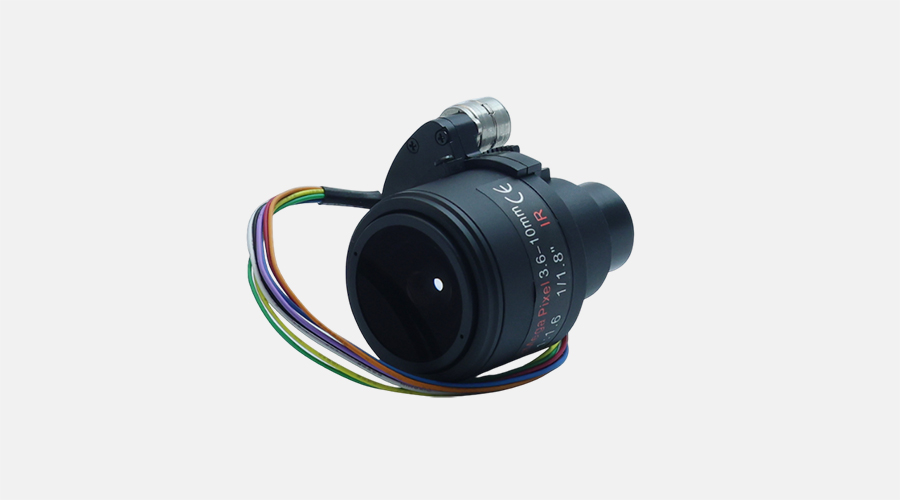
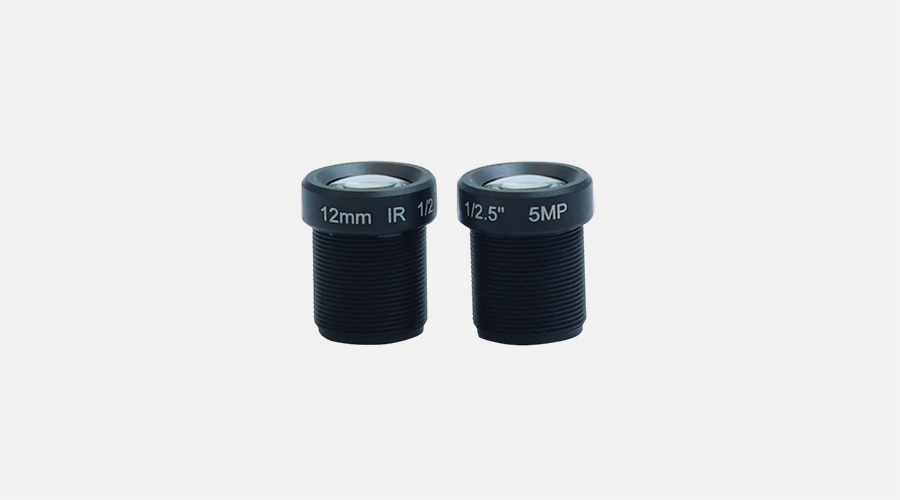
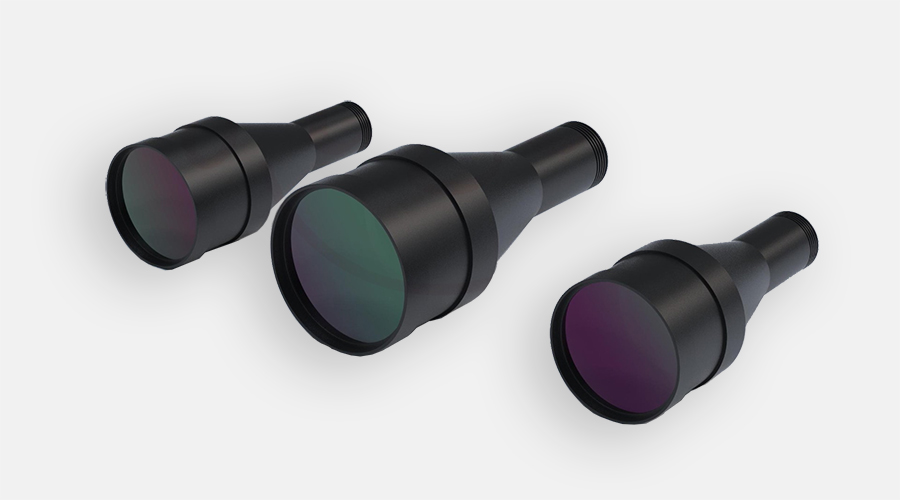
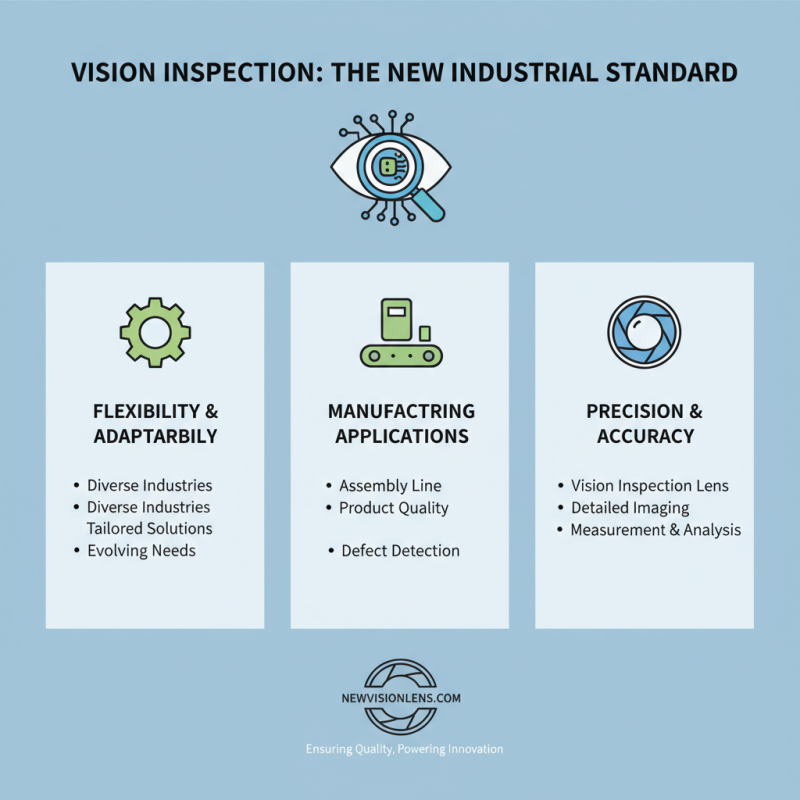
Machine vision quality inspection systems have become essential across diverse industries. Their flexibility and adaptability allow them to meet the unique needs of various applications. For example, in the manufacturing sector, these systems can inspect products on an assembly line, ensuring each item adheres to strict quality standards. By utilizing a Vision Inspection Lens, the systems capture detailed images, enabling precise measurements and defect detection.
In food processing, adapting vision inspection technology can help gauge packaging integrity. This application prevents food spoilage and ensures all products are safe for consumers. However, implementing these systems is not without challenges. Factors such as lighting conditions and the variability of materials can impact performance. Companies must continuously refine their processes and settings to maintain quality.
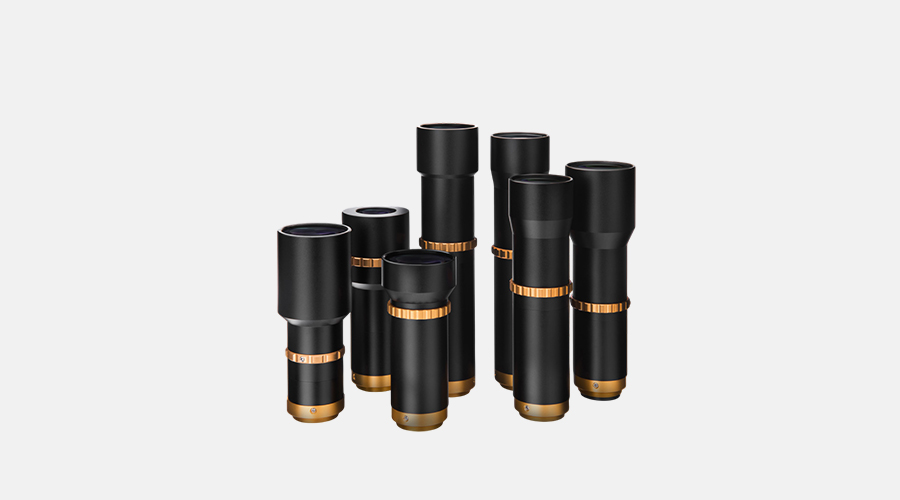
Customizing the vision inspection lens for different settings is crucial. Some may require high-speed processing, while others focus on detail and accuracy. This necessity creates an ongoing learning curve for operators. Despite the challenges, the potential for enhancing product quality and operational efficiency is immense, making investment in machine vision technology worthwhile.
Machine vision quality inspection systems are evolving rapidly. As industries strive for greater efficiency, the future of these systems looks promising. Enhanced algorithms will lead to improved accuracy. Real-time data processing will enable quicker decisions. Companies will harness advanced artificial intelligence. This change will likely reduce human error in inspections.
Tips: Always evaluate the accuracy of your machine vision system. Regular checks can prevent costly mistakes. Training staff on the latest features is crucial. They should understand the potential and limitations of the technology.
Advancements in optics and sensors are on the horizon. These improvements promise higher resolution images. Expect compact design innovations too. Smaller systems will fit into tighter spaces, increasing adaptability. However, with these advancements, challenges will arise. Companies may face integration issues. They must find ways to blend old systems with new technology. Balancing innovation and operational demands is essential.
This bar chart displays the top 10 benefits associated with machine vision quality inspection systems. The benefits include increased accuracy, cost reduction, and enhanced product quality, among others. Each benefit is quantified on a scale from 0 to 100, illustrating the significance and impact these systems can have in manufacturing processes.
: The product aims to improve daily life. It focuses on efficiency and usability.
It is designed for a wide audience. Anyone seeking convenience can benefit.
Regular cleaning is essential. Avoid harsh chemicals to ensure longevity.
Some users may encounter minor issues. Sensitivity varies by individual.
Results vary based on usage. Patience and consistency are key.
Feedback is encouraged. Consider reaching out for assistance or solutions.
Machine Vision Quality Inspection systems play a crucial role in modern manufacturing by enhancing product quality and consistency through precise visual analysis. These systems enable real-time inspections, which significantly improve production efficiency by identifying defects early and reducing the need for rework. The integration of Machine Vision with automation technologies further streamlines operations, leading to cost savings by minimizing waste.
Moreover, the flexibility and adaptability of Machine Vision Quality Inspection systems allow them to be utilized across various industries and applications, addressing diverse quality control needs. As technology advances, future trends are likely to enhance these systems' capabilities, making them even more integral to quality assurance processes in manufacturing. Overall, the adoption of Machine Vision Quality Inspection is essential for manufacturers aiming to improve quality and operational efficiency.