Inquiry
Leave Your Message
0%

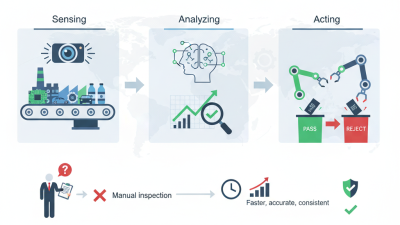
In the world of manufacturing, accuracy and efficiency are paramount. Robotic Vision Inspection has emerged as a transformative technology. According to Dr. Emily Johnson from VisionTech Industries, "The future of quality control lies in automation." This insight highlights the potential of integrating robotic systems in industry.

Robotic Vision Inspection brings a range of benefits. It enhances quality assurance by detecting defects early. For example, automating visual inspections reduces human error. Machines can process images faster and more consistently than the human eye. Yet, there are challenges. Implementing such systems requires significant upfront investment and training.

Additionally, the technology is not infallible. Some systems may struggle with complex shapes or variations in lighting. Companies must remain vigilant and continuously improve their processes. In the end, embracing Robotic Vision Inspection is a journey worth taking, but reflection on its limitations is crucial for success.
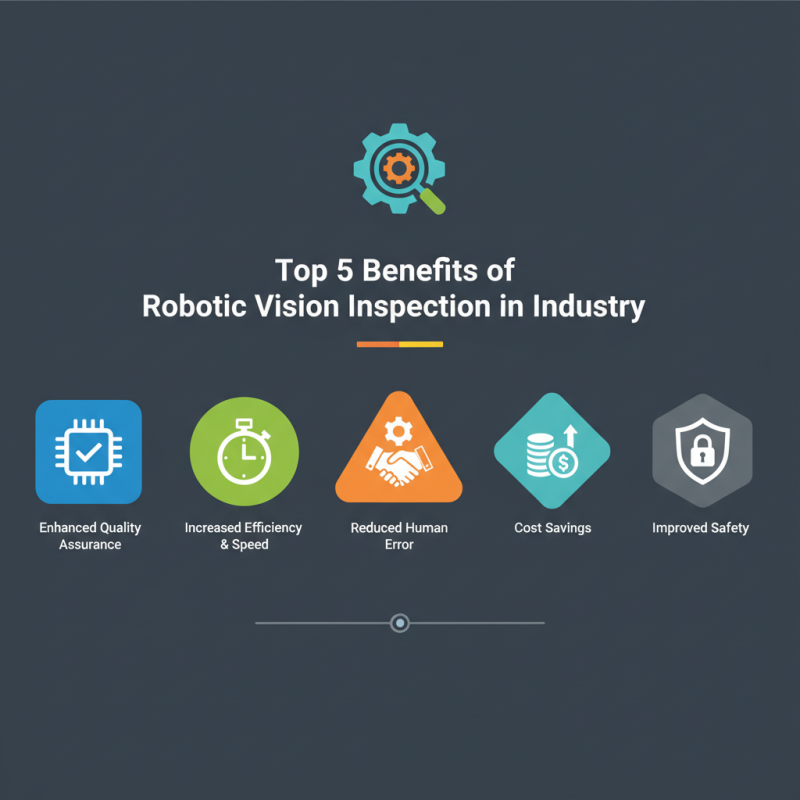
Top 5 Benefits of Robotic Vision Inspection in Industry?

Benefits of Enhanced Accuracy in Robotic Vision Inspection

Enhanced accuracy in robotic vision inspection is transforming industrial processes. Traditional inspection methods often miss subtle defects, leading to costly errors. Robotic systems equipped with vision technology analyze products with incredible precision. They can identify minute discrepancies that humans might overlook. This level of detail ensures higher quality standards across various industries.

Moreover, robotic vision systems operate at remarkable speeds. They can inspect hundreds of items per minute without fatigue. This efficiency is crucial in fast-paced manufacturing environments. However, reliance on technology raises questions. What happens when the system encounters unique flaws? It's vital to remember that no technology is foolproof. Even advanced inspection systems can misinterpret signals. Continuous monitoring and occasional manual inspections remain essential.

Furthermore, the integration of artificial intelligence can enhance learning capabilities. Machines can adapt and improve their inspection criteria over time. This can lead to a more refined understanding of product specifications. Yet, while accuracy improves, companies must invest in training staff to handle this technology effectively. Balancing machine reliance and human oversight is critical for sustainable success.

Top 5 Benefits of Robotic Vision Inspection in Industry

This chart showcases the top benefits of robotic vision inspection, emphasizing enhanced accuracy in industrial applications.

Reduction of Human Errors through Automation in Inspections

In various industries, human error in inspections can lead to significant losses. Studies show that around 30% of mistakes in manual inspections result in costly product recalls or defects. This underscores the crucial need for efficient quality control processes. Robotic vision inspection helps reduce these errors by automating routine inspections. For instance, utilizing 3d Vision Inspection technology, machines can detect minute discrepancies that might escape the human eye.

The integration of automation in inspections improves consistency. A recent report highlighted that automated systems achieved a 95% accuracy rate, far surpassing the 75% average in manual checks. Despite the impressive figures, not all robotic systems execute flawlessly. Some challenges remain, such as calibration issues and occasional technical glitches. Workers must adapt to these innovations to ensure optimal output. Moreover, relying solely on machines can also overlook unique scenarios that require human intuition.

Embracing robotic vision inspection is a step forward, yet it necessitates a balance between technology and human oversight. The data clearly shows the benefits of automation, but there are still areas to improve. Adopting 3D vision inspection can revolutionize quality assurance, but companies must continuously evaluate and refine their processes to fully realize this potential.

Increased Efficiency and Productivity in Manufacturing Processes

Robotic vision inspection is transforming manufacturing processes. This technology enhances efficiency by ensuring quality at every stage. Research shows that industries using robotic vision can achieve up to a 30% increase in productivity. Vision systems can identify defects that human eyes may miss, reducing waste significantly.

Manufacturers equipped with robotic vision systems often report shorter inspection times. One study indicated that cycle times could decrease by 50%. This leads to faster production rates and a higher output. However, not all implementations are perfect. Some systems struggle with complex inspections due to environmental variables like lighting or surface texture.

The integration of robotic vision also requires skilled personnel. Training employees to manage these systems presents challenges. Consequently, companies must balance new technology with ongoing workforce development. Despite these hurdles, the benefits often outweigh the challenges. Increased efficiency can lead to greater customer satisfaction and profitability in the long run.

Top 5 Benefits of Robotic Vision Inspection in Industry

Benefit Description Impact (%)
Increased Accuracy Robotic vision systems provide precise measurement and detection. 98%
Reduced Labor Costs Automation decreases the need for manual inspection, lowering costs. 30%
Improved Throughput Faster inspection processes lead to higher production rates. 40%
Enhanced Data Collection Vision systems gather data for continuous improvement and analysis. 50%
Consistency and Reliability Robots provide consistent quality with minimal variance over time. 95%

Cost Savings from Reduced Waste and Improved Quality Control

Top 5 Benefits of Robotic Vision Inspection in Industry?

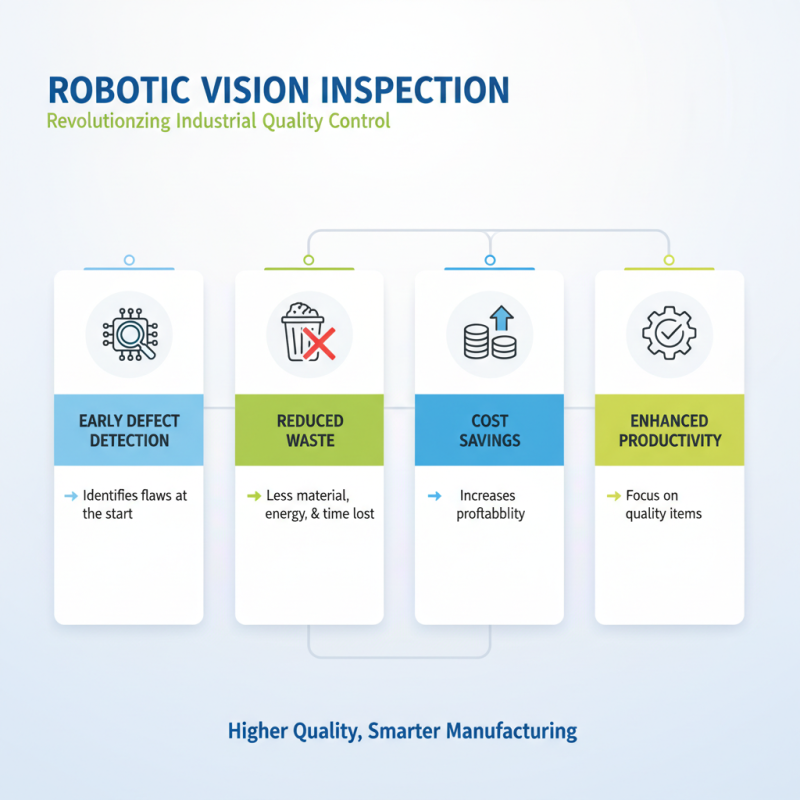
Robotic vision inspection is revolutionizing industrial quality control. This technology significantly reduces waste, contributing to cost savings. It identifies defects early in the production process. Therefore, fewer resources are wasted on faulty products. Companies can focus on creating high-quality items, enhancing overall productivity.

Tip: Regularly assess your inspection processes. Look for areas where robotic vision can help. This proactive approach can further reduce waste. Implementing this technology also requires a cultural shift. Workers must adapt to new systems and workflows.

It's essential to balance automation with human oversight. Not every defect may be caught by machines. There might be nuances in quality that require human judgment. Training teams to handle exceptions is vital. This ensures a blend of speed and accuracy in production. Consider feedback loops for continuous improvement in inspection practices.

Real-time Data Analysis and Decision-making Capabilities

Robotic vision inspection is transforming the industrial landscape. Real-time data analysis enhances decision-making capabilities. With almost 70% of manufacturers adopting automated inspection systems, efficiency is skyrocketing. Companies are now able to identify defects instantaneously, reducing waste and improving quality.

Vision inspection systems allow for immediate feedback. The data collected can be analyzed on-site, facilitating faster decisions. For example, studies show that industries utilizing robotic vision can accelerate response times by up to 50%. However, not all data is easy to interpret. It sometimes leads to over-reliance on technology, which can cause lapses in human oversight.

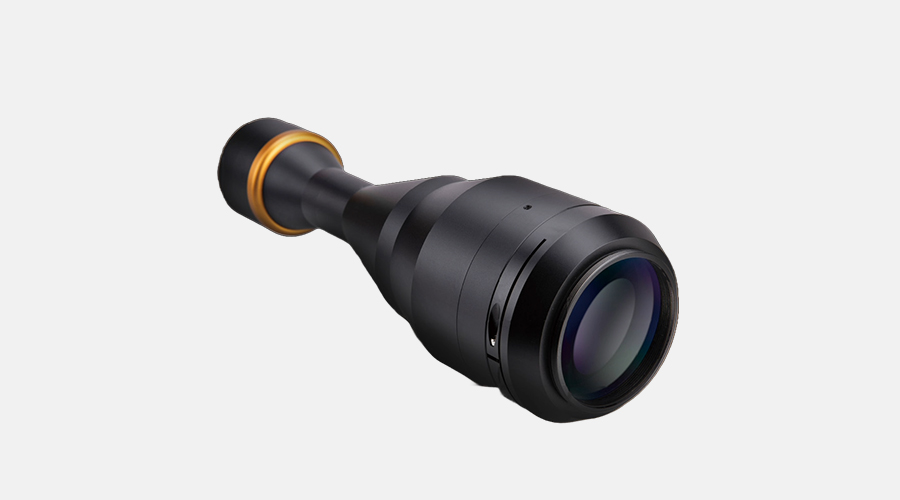
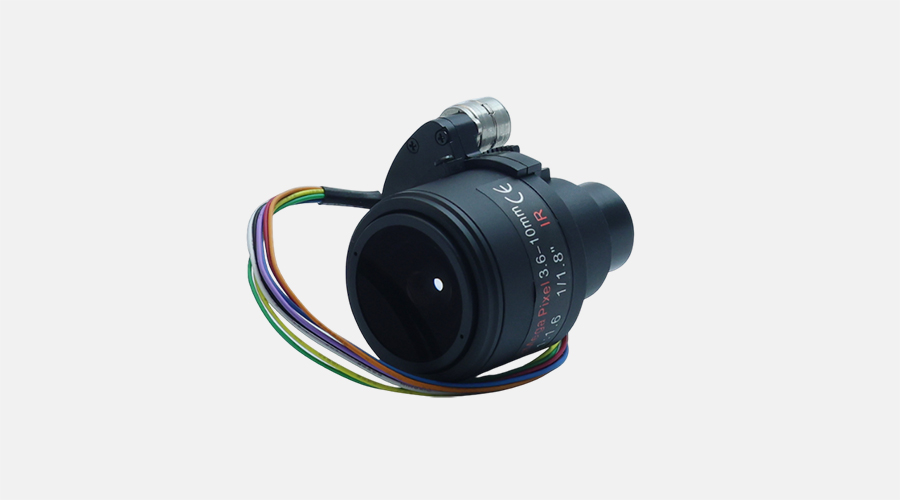
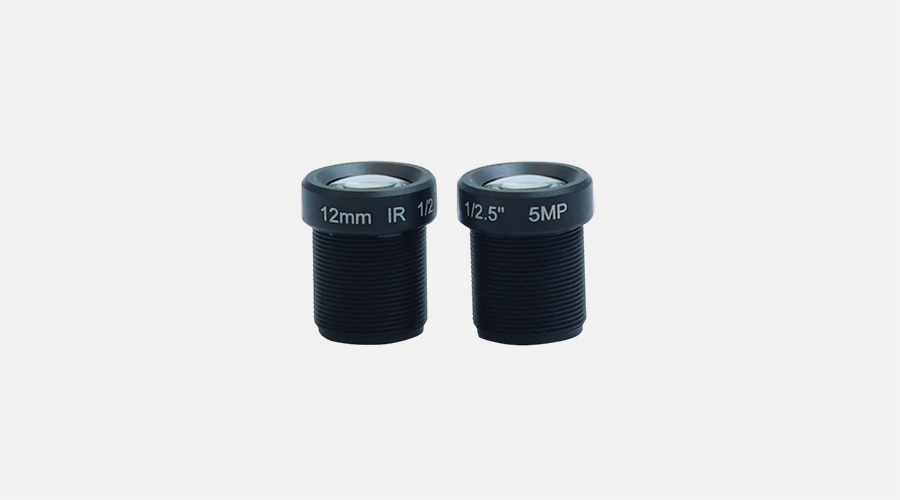
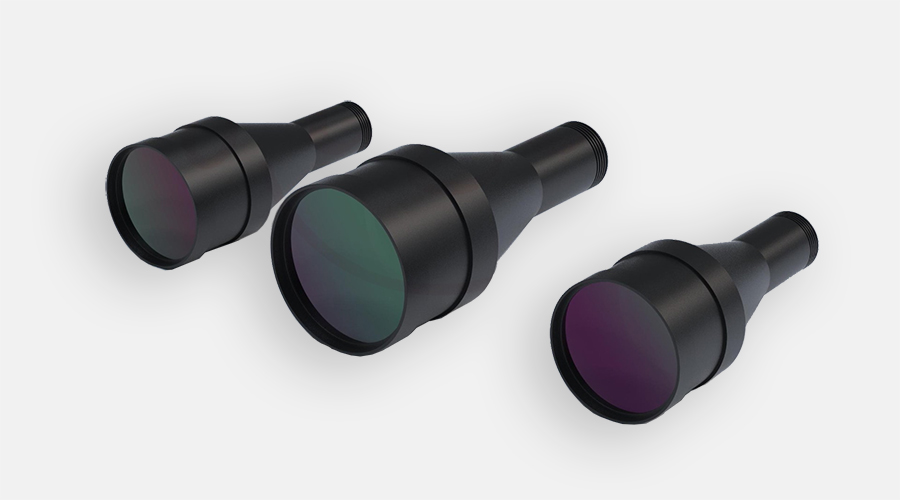
Despite their advantages, there are pitfalls. Not all robotic inspections perform equally well across various products. The challenge lies in ensuring the Vision Inspection Lens is optimized for each specific task. Inconsistent performance might lead to misinterpretations, causing further complications. Balancing technology with human insight remains crucial in this evolving field.

Flexibility and Adaptability of Robotic Vision Systems

Robotic vision systems bring remarkable flexibility and adaptability to industrial settings. These advanced systems can easily switch tasks, adjusting to various products and requirements. According to a report by the International Federation of Robotics, the use of robotic vision has increased by over 20% in the last few years, showcasing their growing importance.

With features such as real-time object recognition, robotic systems enhance accuracy in quality control. They can inspect different shapes and sizes of items without extensive reprogramming. However, challenges remain. Some systems struggle with poorly lit environments or reflective surfaces. These factors can lead to errors in inspection.

Robotic vision can be a game-changer for manufacturers. A study found that companies using Machine Vision Inspection could reduce inspection costs by up to 30%. Yet, the integration of these systems isn't always seamless. Ensuring compatibility with existing processes requires careful planning. Businesses must reflect on their specific needs and capabilities before implementation.

Improved Safety Standards in Industrial Environments

Top 5 Benefits of Robotic Vision Inspection in Industry?

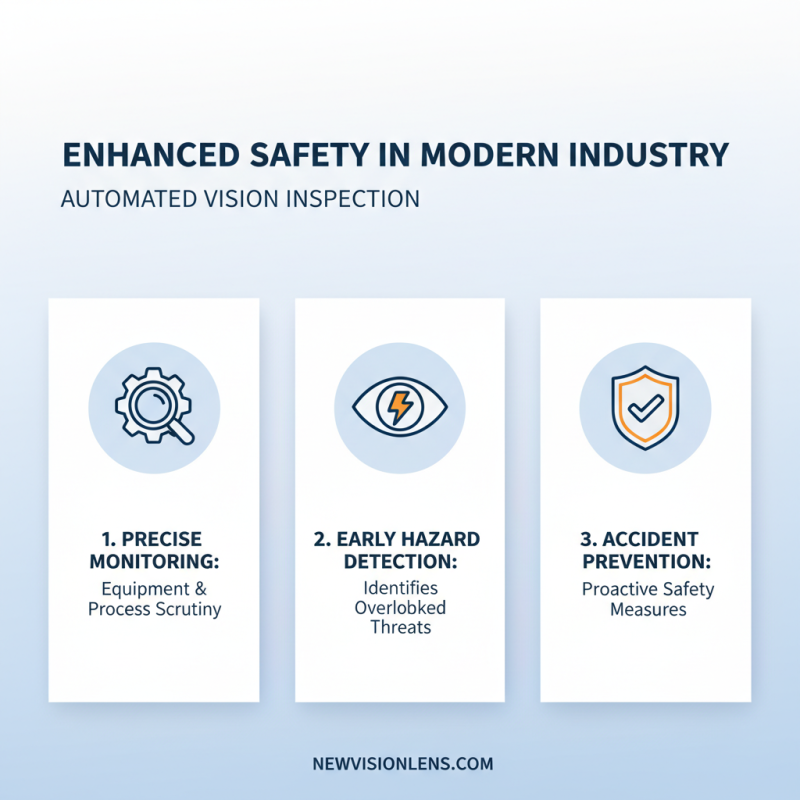
In modern industries, safety is paramount. The introduction of Automated Vision Inspection systems has significantly enhanced safety standards. These systems offer precise monitoring of equipment and processes. They can quickly identify potential hazards that human operators might overlook. This early detection capability helps prevent accidents before they occur.

Moreover, Automated Vision Inspection reduces the risk of unsafe working conditions. For example, a malfunctioning machine can pose serious threats to workers. With consistent inspection, problems can be spotted in real-time. Workers feel more secure knowing that potential dangers are being monitored continuously. However, reliance on technology also presents challenges. While these systems are highly efficient, they are not infallible. Regular maintenance and updates are necessary to ensure optimal performance.

Integrating Automated Vision Inspection in industrial environments fosters a culture of safety. It encourages teams to embrace technology while staying vigilant. Employees should still be trained to recognize risks that may go unnoticed. This balance between automation and human oversight is crucial. After all, technology should be a tool to enhance safety, not a replacement for human judgment.

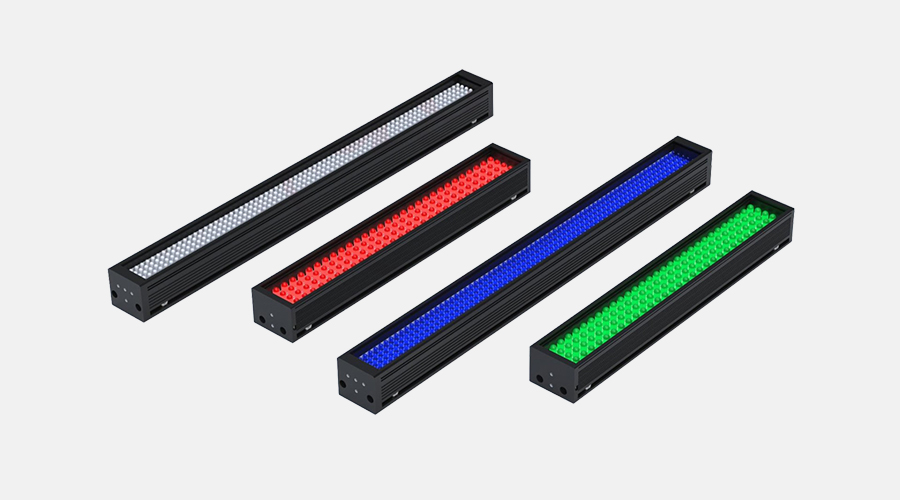
Optimizing Reflective Surface Inspection with High Uniformity Coaxial Line Scan Lighting Solutions

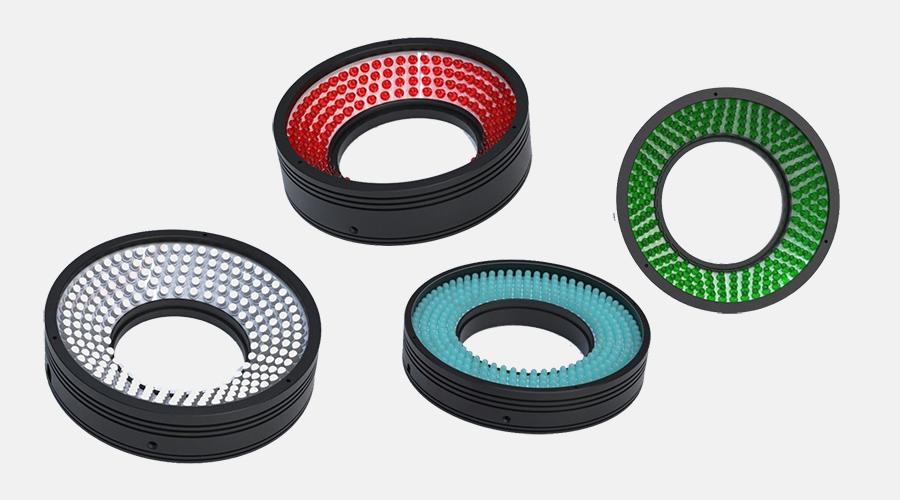
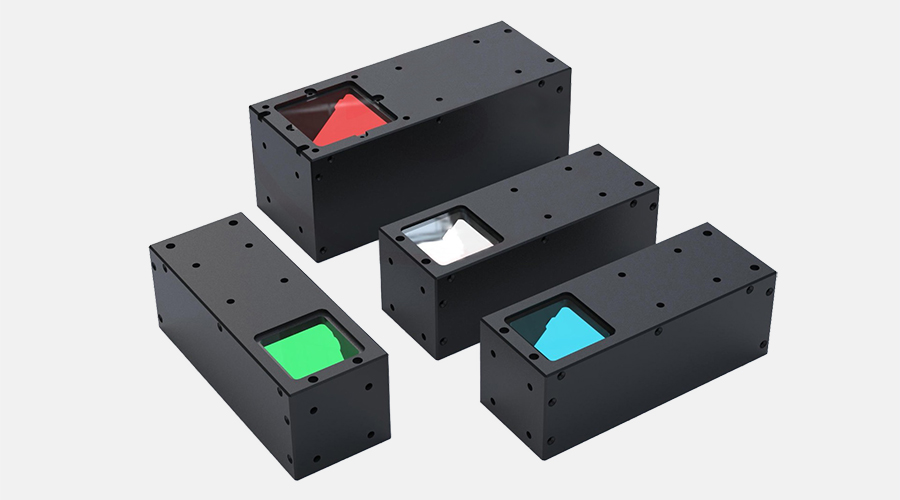
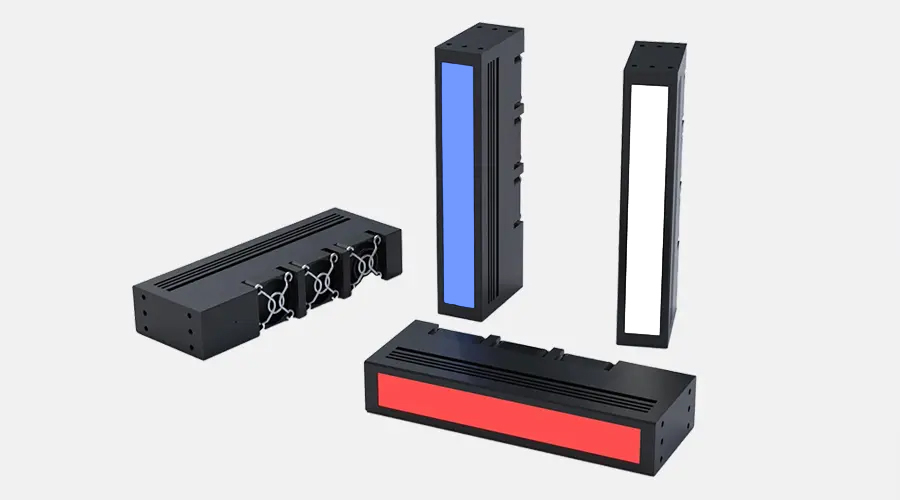
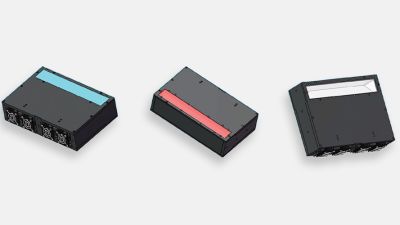
In the realm of reflective surface inspection, achieving high uniformity in illumination is essential for accurate defect detection and quality assurance in manufacturing processes. The use of high-density high-brightness high-power LED particle arrays in linear coaxial lighting solutions has revolutionized this field. These specialized lighting systems incorporate columnar lenses and optical thin films, which are meticulously designed to provide a uniform distribution of light. Such uniformity is critical, as it enhances the visibility of surface imperfections that might otherwise go unnoticed. According to recent data reports, uniform lighting can improve defect detection rates by up to 30%, significantly impacting product quality.

The innovative design of the linear coaxial light source also emphasizes robust heat dissipation through the utilization of magnesium and aluminum alloy casings enriched with multiple heat sinks and air cooling systems. This engineering approach not only enhances the longevity and reliability of the light source but also maintains consistent performance under varying operational conditions. Studies have indicated that thermal management is a key factor in the efficacy of illumination systems, with effective cooling solutions contributing to a 20% increase in LED lifespan. Consequently, this optimization translates to less downtime in production settings and lower maintenance costs, making it a vital component for industries reliant on high precision and quality in reflective surface inspection.

In conclusion, the importance of high uniformity in lighting solutions cannot be overstated in the context of reflective surface inspections. The advancements in linear coaxial light technology, driven by high-density LED configurations and efficient thermal management, allow manufacturers to sustain high standards of quality control and operational efficiency. As industries evolve, leveraging such innovative lighting solutions will undoubtedly play a crucial role in enhancing inspection outcomes and ensuring the integrity of products across various sectors.

FAQS

: What is the main purpose of the article?

: The article aims to inform readers about important topics. It provides insights and guidance.

Who is the target audience for this information?

The article is intended for individuals seeking knowledge. It appeals to those interested in self-improvement.

What types of topics are covered?

Topics include personal development and practical tips. The focus is on enhancing daily life.

What should readers expect to learn?

Readers can expect actionable insights. They will gain knowledge to apply in their lives.

How can readers apply this information?

The content encourages practical application. Readers should reflect on their situations and act accordingly.

Are there any common mistakes to avoid?

Yes, people often overlook practical steps. It’s essential to stay focused and consistent.

Is the information easy to understand?

The article uses clear language. However, some concepts may require deeper thinking.

Can this advice be customized for individual needs?

Absolutely. The content is general but can be tailored. Personalization will enhance effectiveness.

How often should one revisit this information?

Regular reflection is beneficial. Revisiting ideas can lead to deeper understanding and growth.

What is the biggest takeaway from the article?

The importance of continuous learning stands out. Growth is a journey, not a destination.

Conclusion

Robotic Vision Inspection offers numerous benefits that significantly enhance industrial operations. Firstly, it greatly improves accuracy, minimizing human errors through automation and ensuring that inspections are precise and reliable. This technological advancement leads to increased efficiency and productivity within manufacturing processes, allowing businesses to operate at higher capacities.

Additionally, Robotic Vision Inspection contributes to cost savings by reducing waste and improving quality control, ultimately leading to better resource management. The capability for real-time data analysis empowers decision-making, helping industries to respond quickly to operational needs. Furthermore, the flexibility and adaptability of robotic systems enable them to adjust to various inspection tasks, while also improving safety standards in industrial environments by minimizing the risks associated with manual inspections. Overall, the integration of robotic vision technology is transforming industrial practices for the better.
Liam

Liam

Liam is a skilled marketing professional at New Vision, an innovative company that specializes in the production and sales of core components for machine vision. With a profound understanding of the intricacies of the machine vision industry, Liam excels at communicating the value of cutting-edge......
Previous How to Achieve Professional Quality with C Mount Camera Fa Lenses in Your Projects