- Home
- Products
- About Us
- Customized Services
- News
- Contact Us
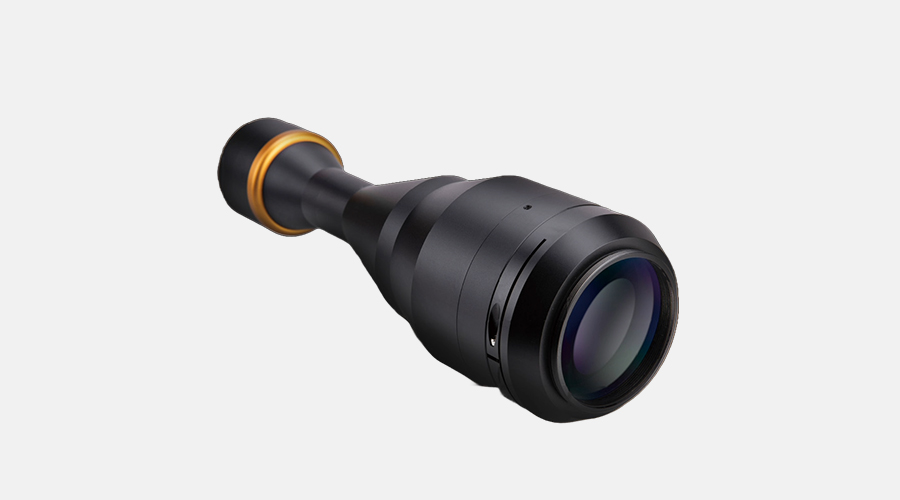 Compatible with 7.2mm-82mm chips
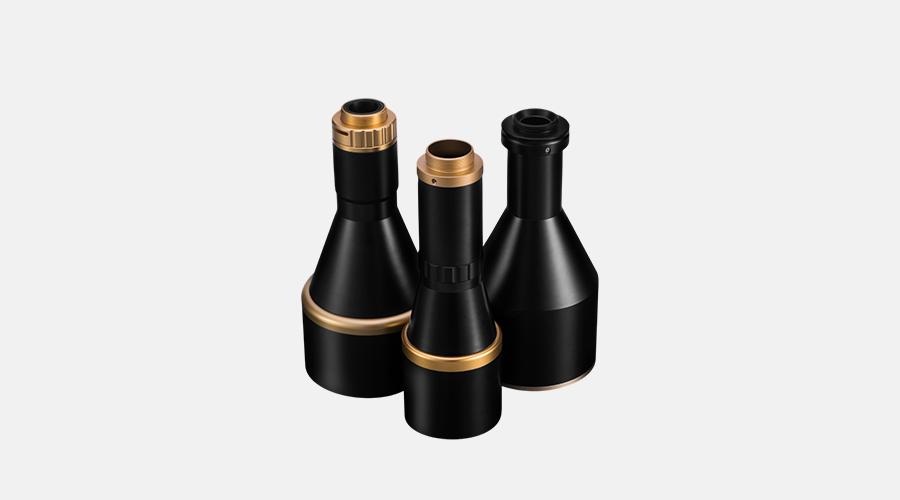 High/Low Working Distance
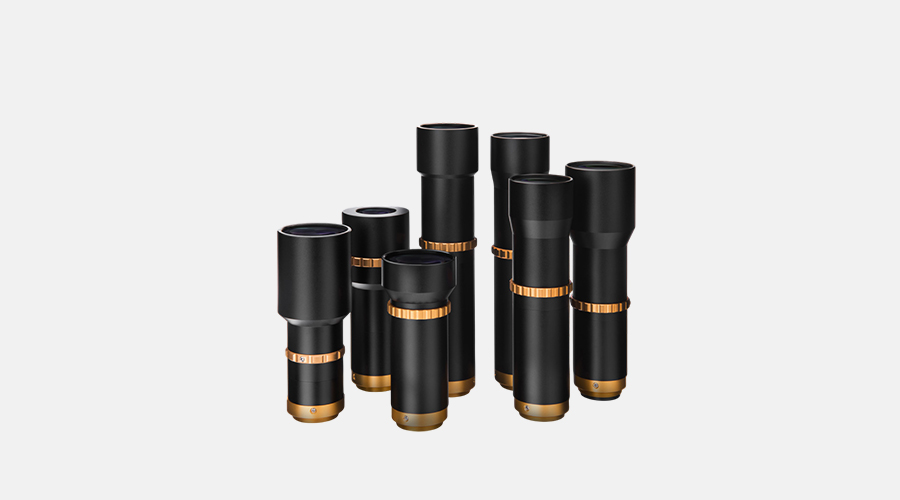 Aperture telecentric lens
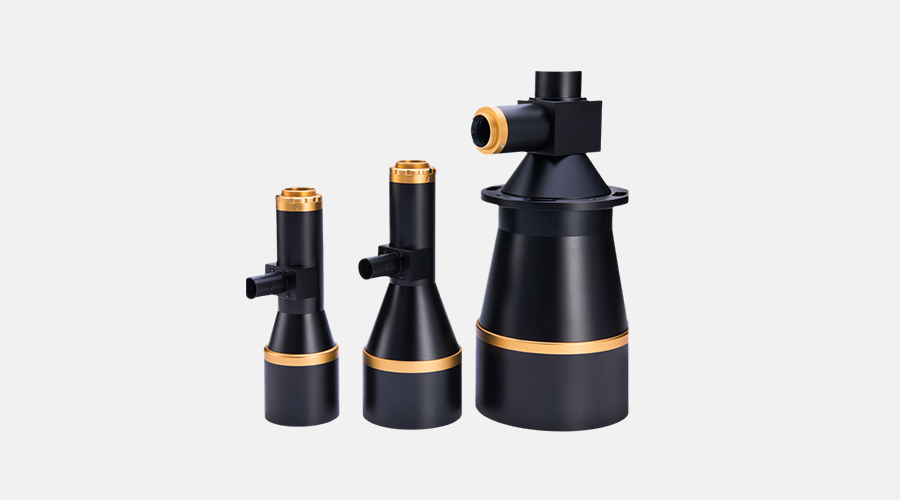 Measuring lens
 Maximum support 1.1" chips
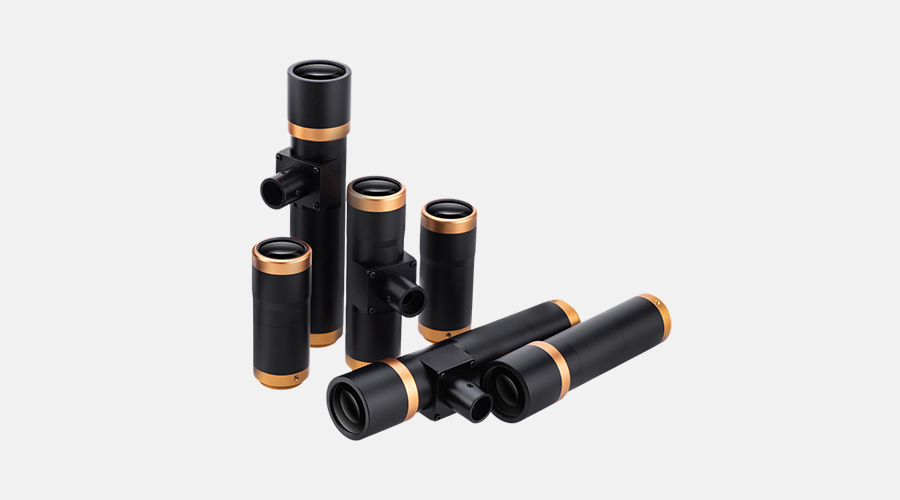 Maximum support 1.2" chips
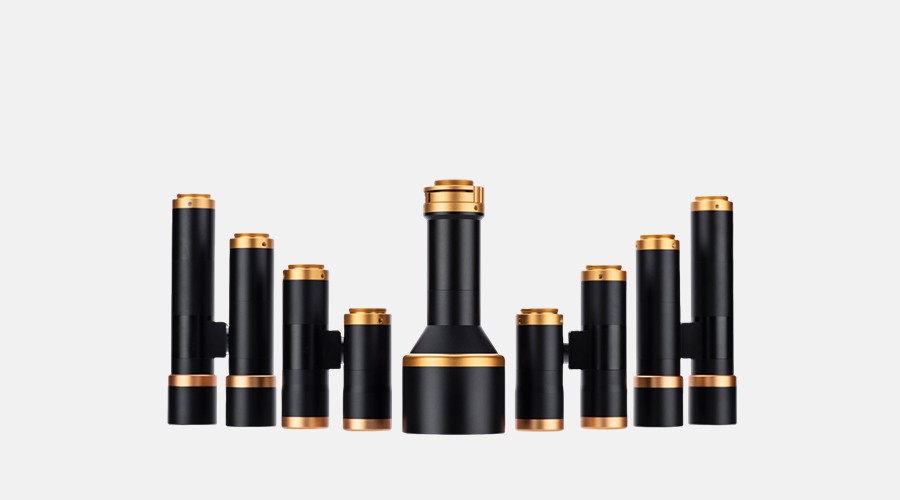 Maximum support 2/3" chips
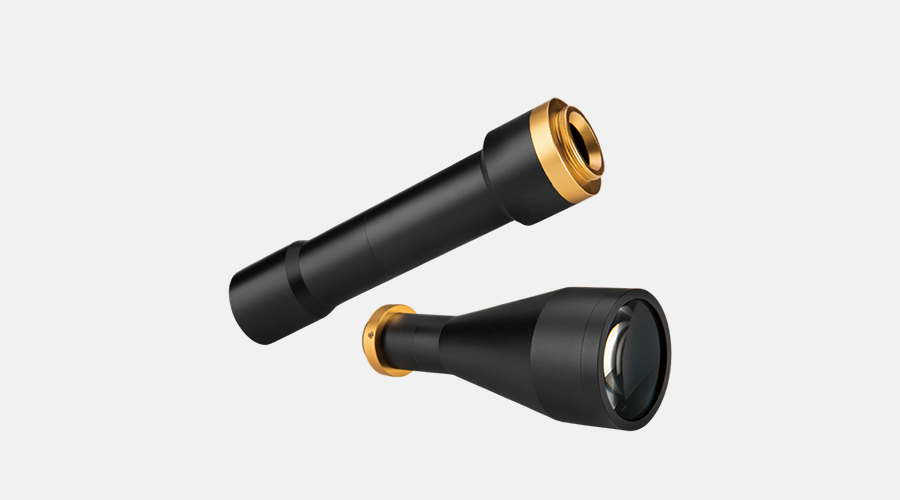 Long Working Distance
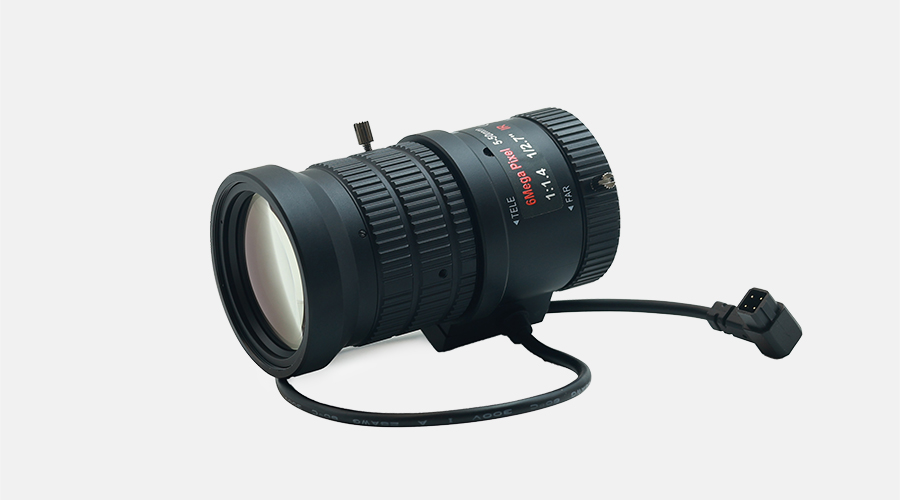 CS mount Varifocal lens
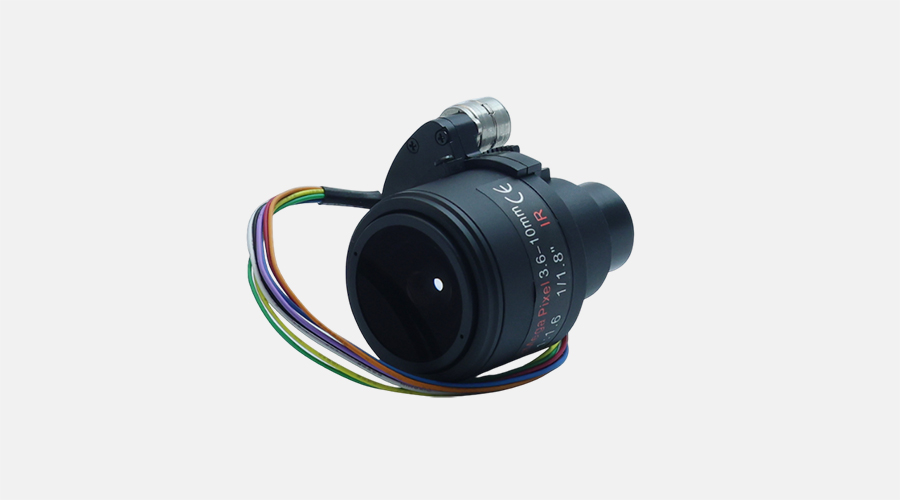 Varifocal board lens
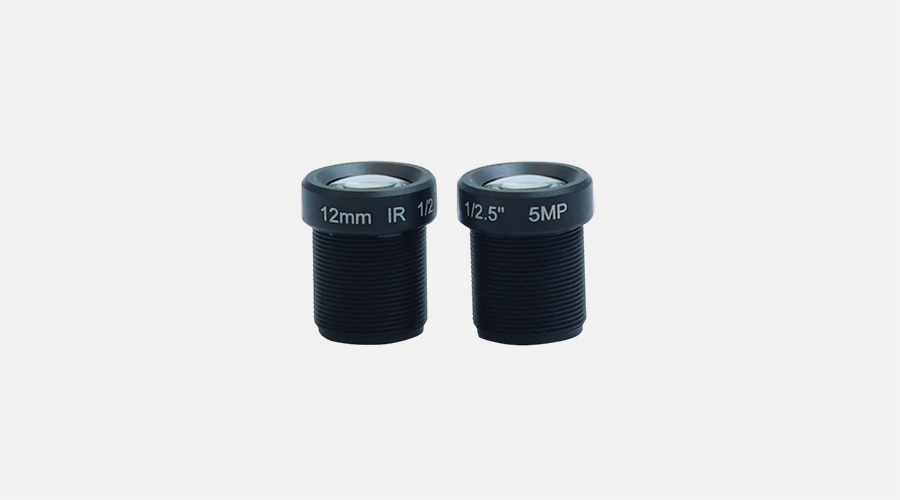 S mount lens
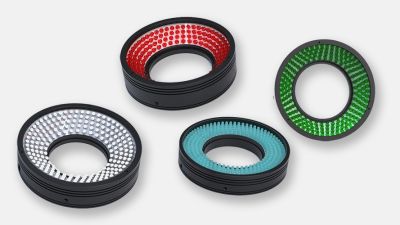
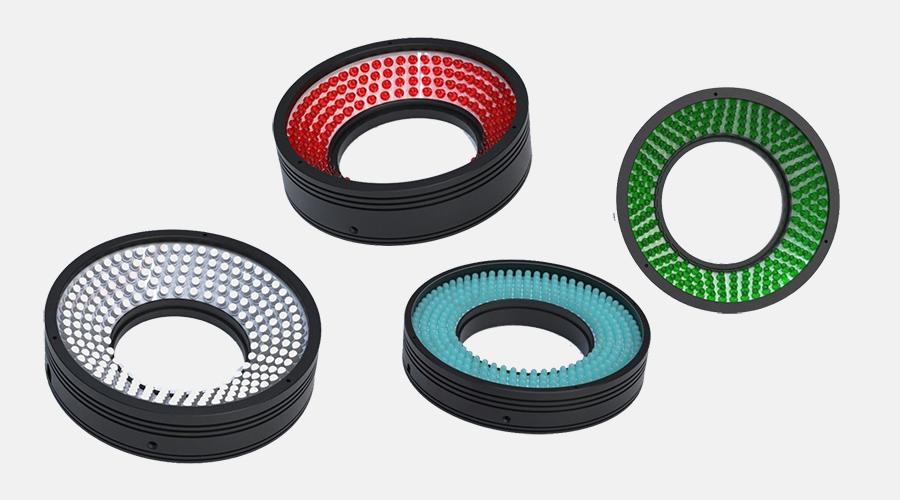 Ring light
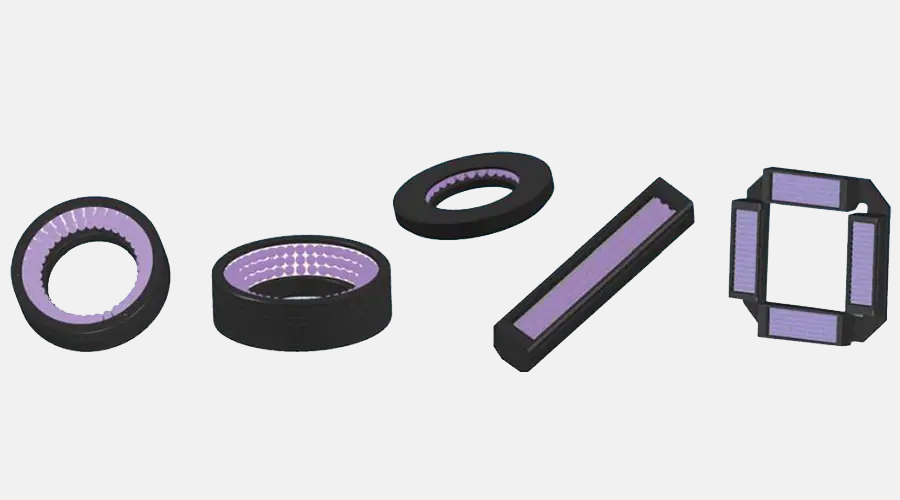 UV/IR Light
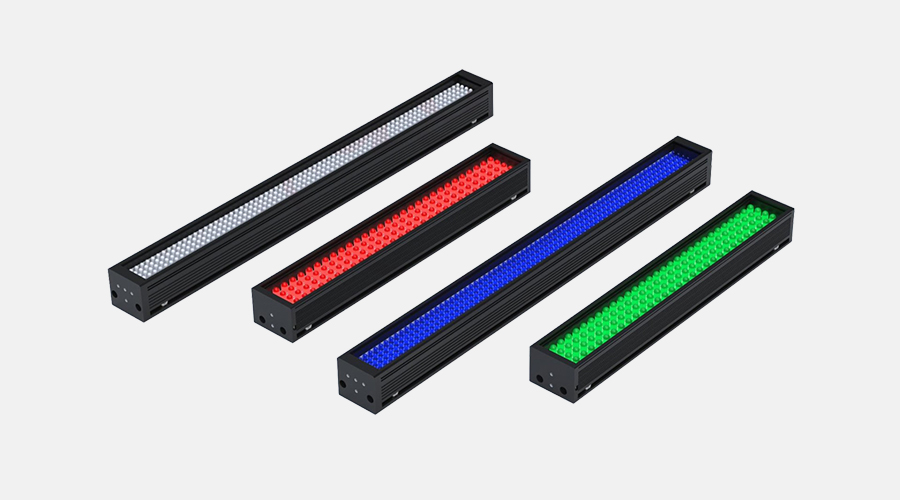 Bar light
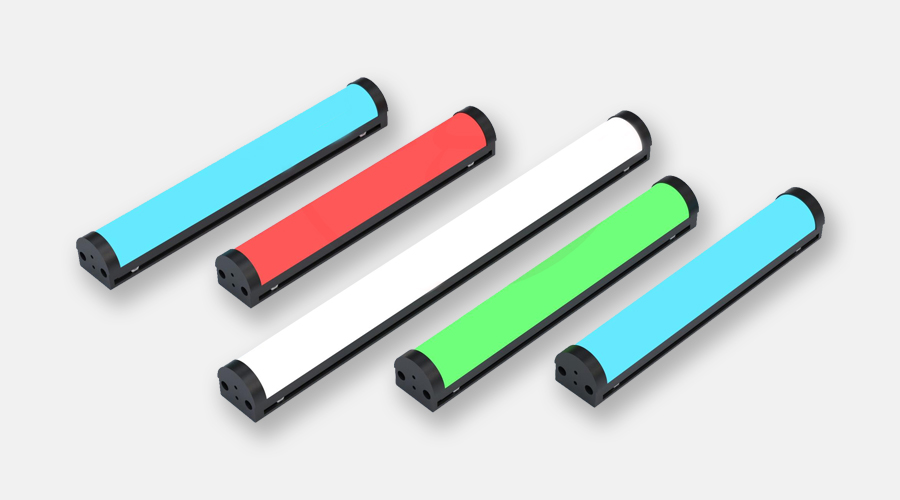 Arcuate high uniformity light
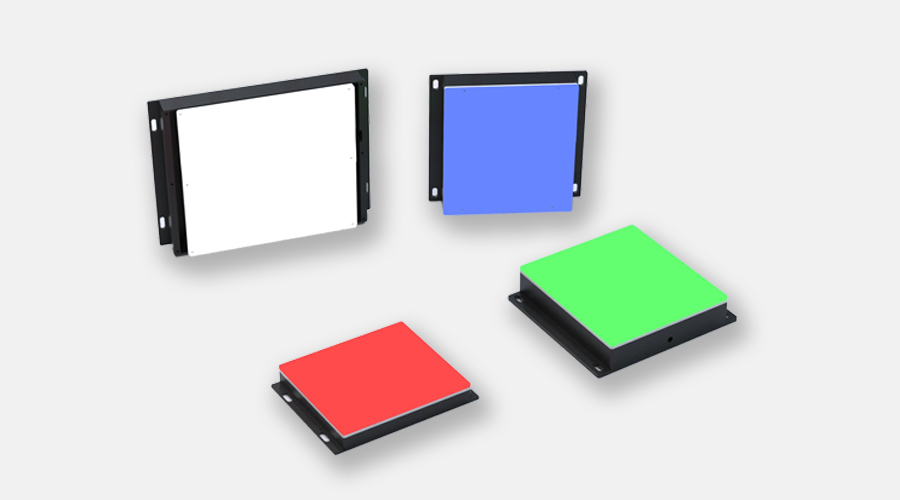 Back light
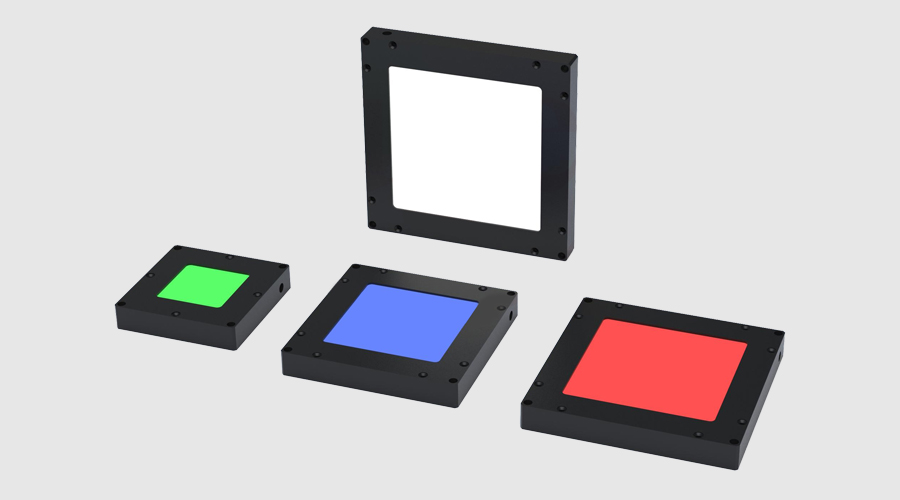 Flat light
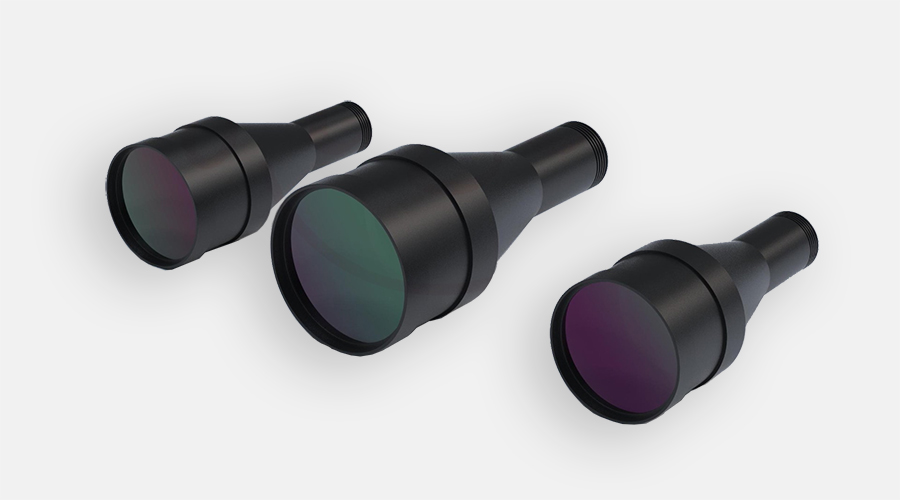 Collimated light
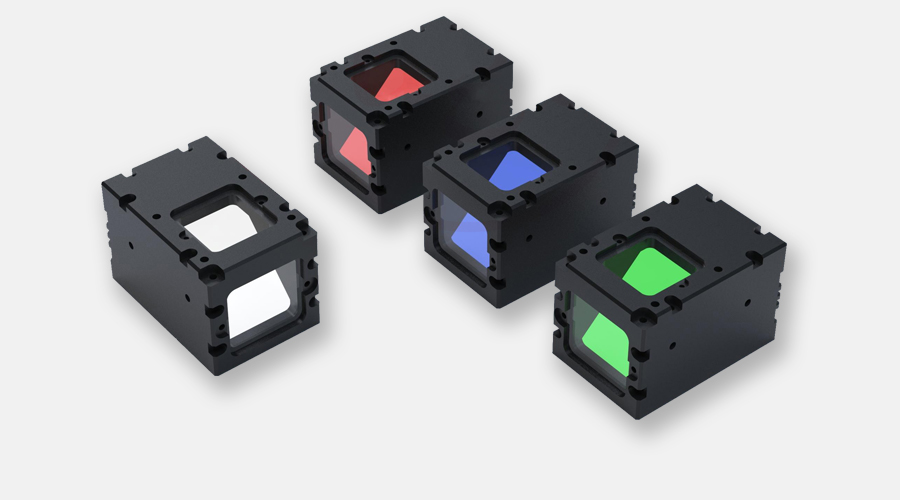 Coaxial light
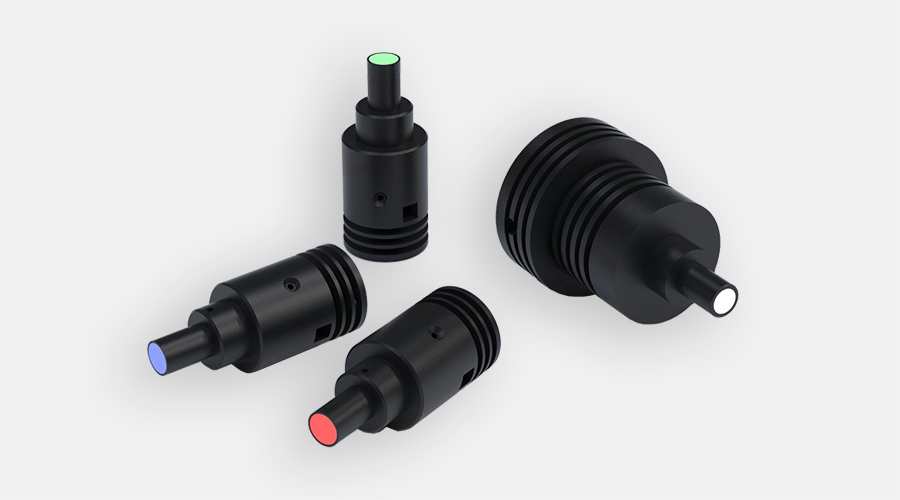 Spot light
 Dome light
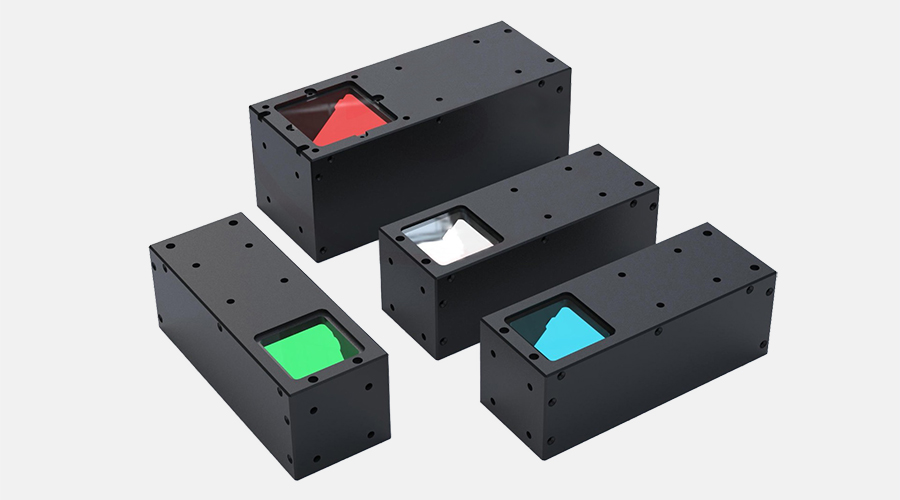 Collimated Coaxial light
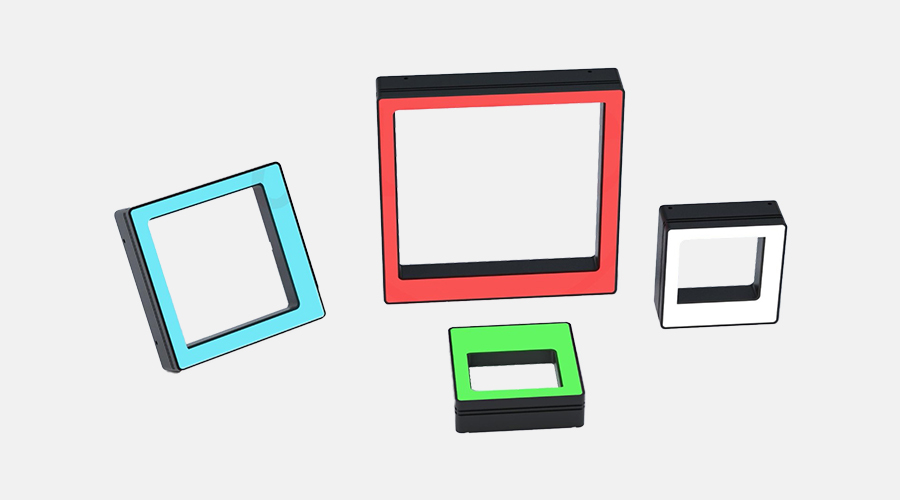 Shadowless square light
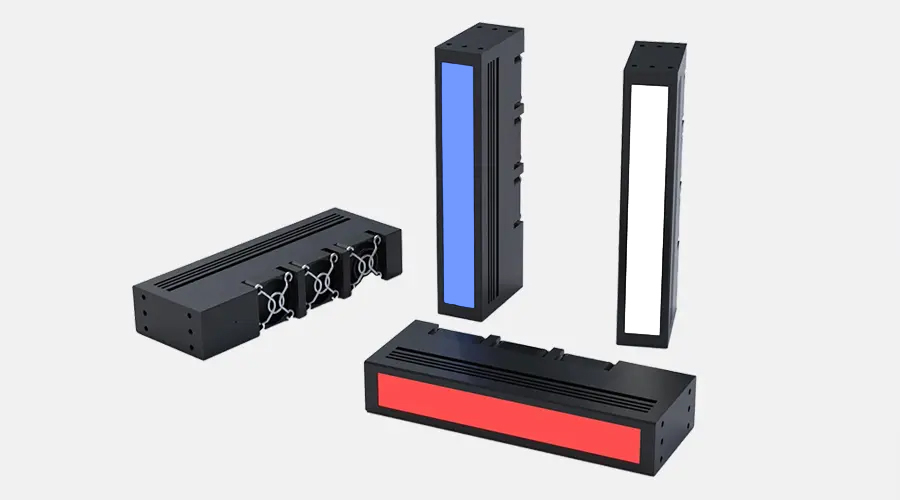 Scan light
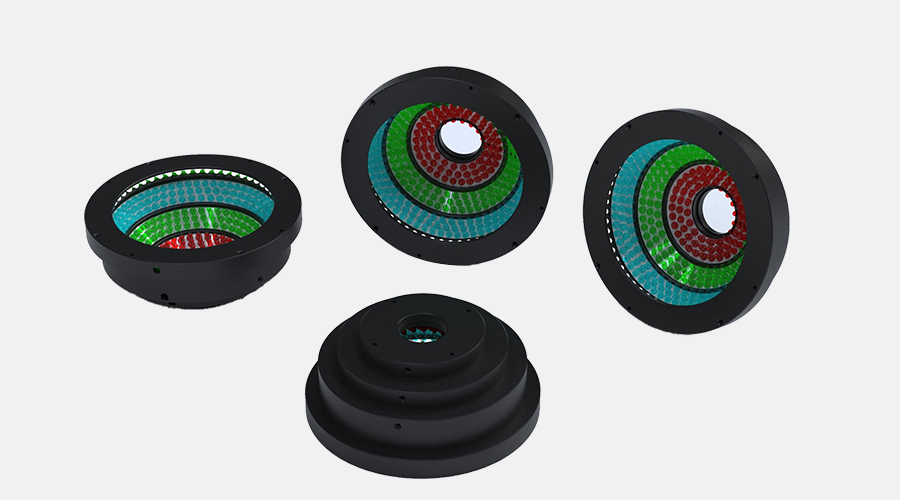 AOI light
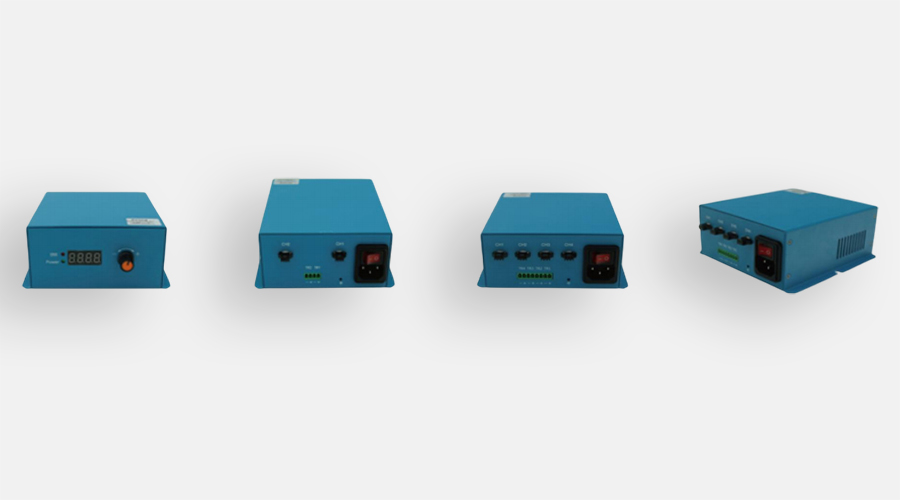 Analog controller
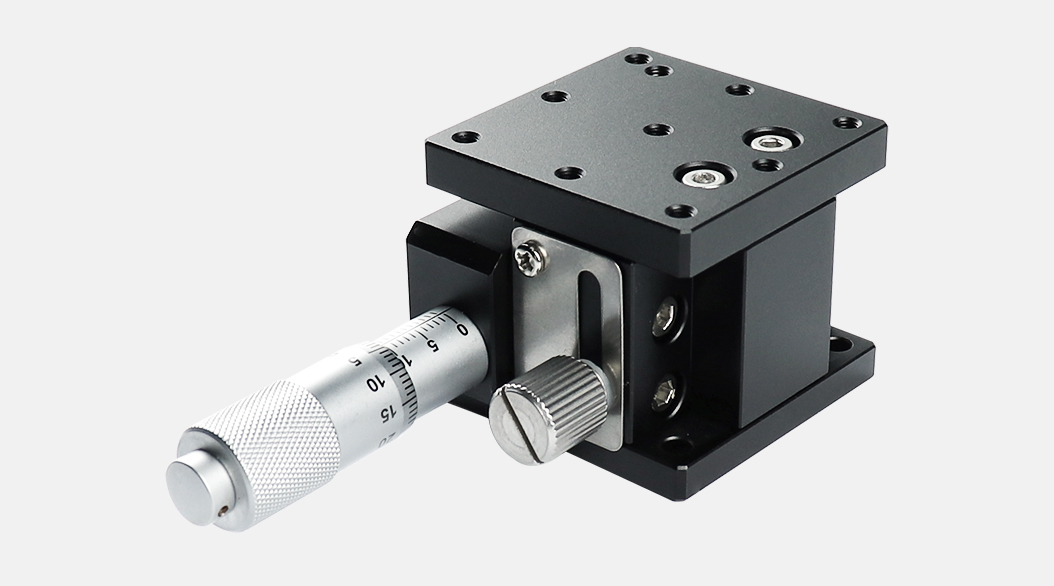 Crossed-Roller Linear guide type
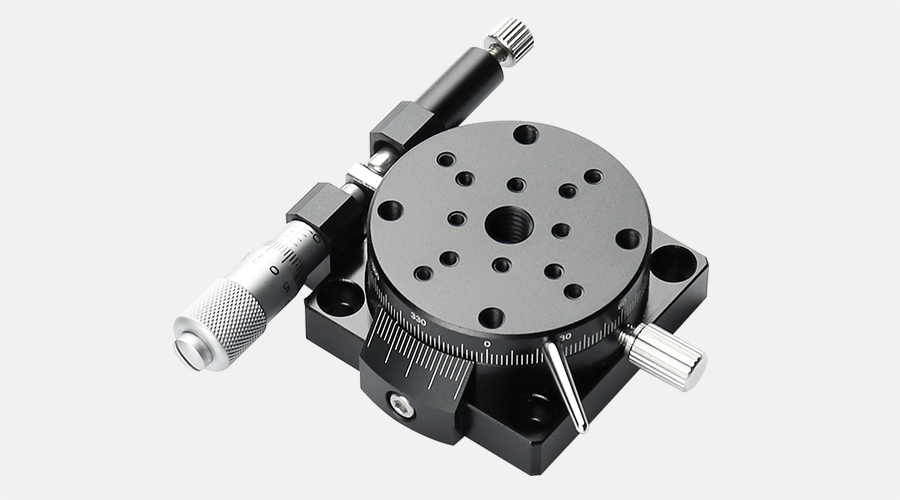 Rotary Stages XRS series
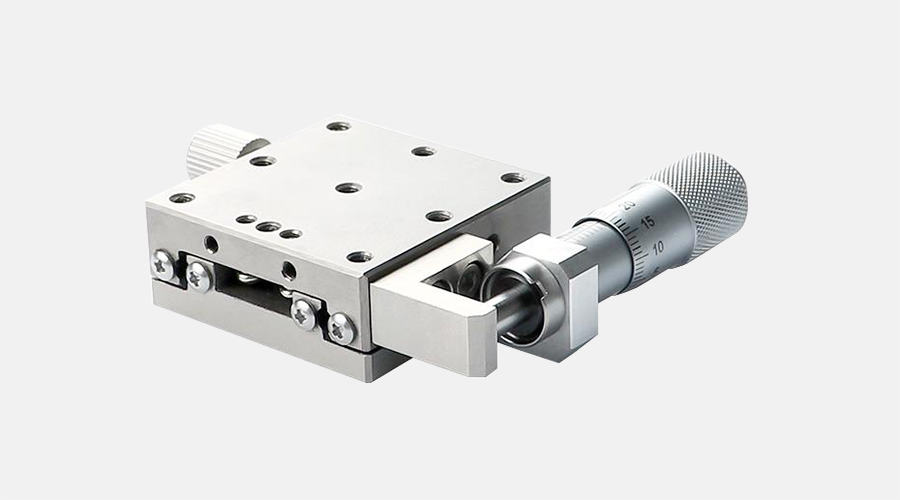 Stainless Steel Ball Bearing Linear Translation Stages
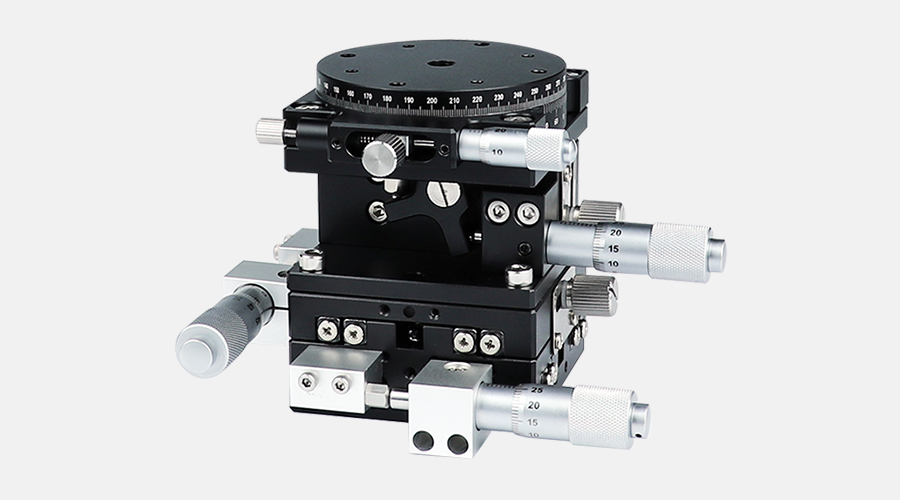 Multi-axis Translation stages
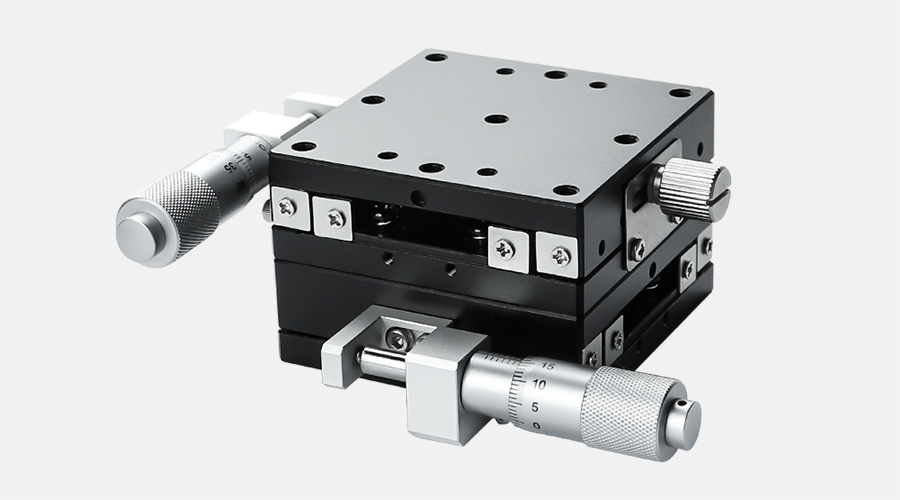 steel bar ball bearing stages
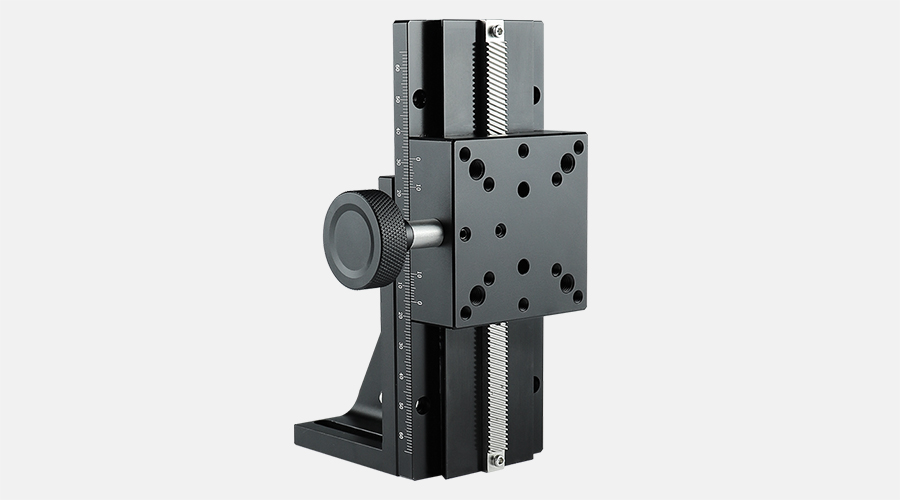 Dovetail Type Rack&Pinion Positioning Stage
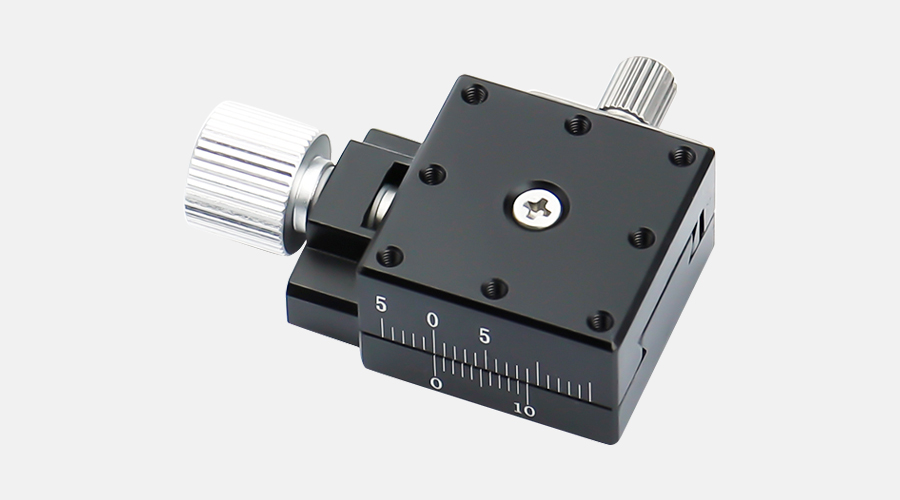 Dovetail groove high-precision screw slide
Leave Your Message
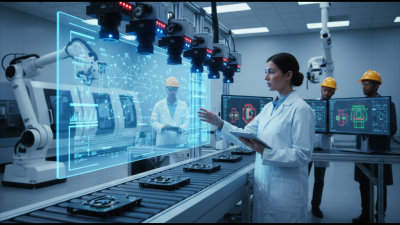
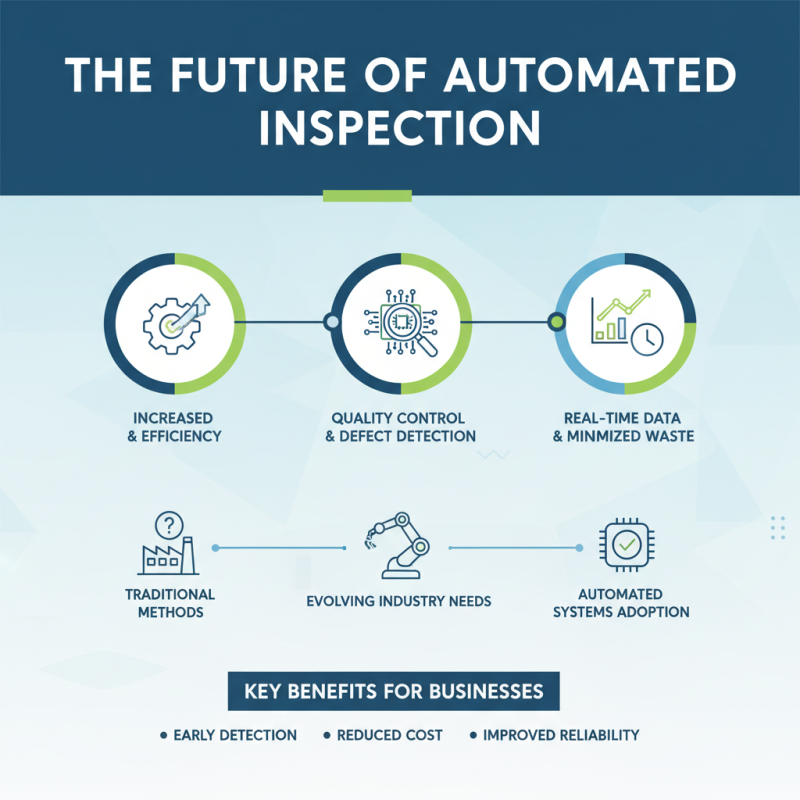
In the constantly changing world of manufacturing, companies are always on the lookout for ways to boost efficiency and maintain high quality. One really promising development has been Automated Inspection. It’s like a game-changer — helping ensure products meet quality standards with pretty incredible accuracy and cutting down on human mistakes. Big players like VisionPro and InspectTech are leading the charge, offering solutions that are customized to fit different needs.
Of course, relying too much on technology isn’t without its hiccups. Sometimes, machine learning algorithms can misjudge data or miss something important. And those little oversights? They can happen. That’s why companies really need to keep tweaking and improving their inspection methods. Finding the right balance between automation and human oversight is key — neither should completely replace the other.
Looking ahead, the future’s looking pretty bright. As businesses chase after the best wholesale quotes for Automated Inspection in 2026, they’ll need to keep adaptability in mind. The solutions they choose should be able to evolve with their unique requirements. After all, every decision made now will affect overall productivity. Automated Inspection is definitely the way forward, but it’s important to give some thought to how it’s implemented and integrated into existing processes.

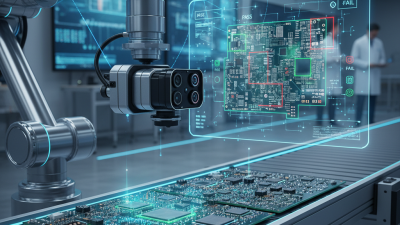
Custom wholesale automated inspection systems offer significant advantages for businesses, especially in maintaining product quality. These systems help detect defects early in the production process. With the right setup, they can reduce waste and save time. Investing in such technology equips companies to manage quality control more effectively.
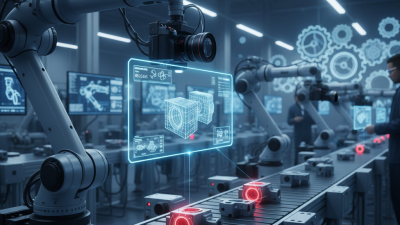
When choosing a solution, consider the specific needs of your operation. Not all systems have the same capabilities. Evaluate the types of products you'll be inspecting. Some Automated Vision Inspection systems work better for certain materials or shapes. Adapting the technology to your requirements can be challenging. Sometimes, it takes trial and error to find optimal settings.
Tips for implementation include starting with a pilot program. Test the system on a small scale before a full rollout. Train personnel thoroughly; they will be critical for successful integration. Documentation is essential. If you encounter issues, having records will aid troubleshooting. Remember, no system is foolproof. Frequent adjustments and evaluations are necessary for achieving the best results.
In the realm of machine vision inspection, achieving high precision and accuracy is paramount. The NV-DR High-Density LED Ring Light stands out as a crucial tool in this process, significantly enhancing the capabilities of inspection systems. This innovative lighting solution is designed with a highlight and high-density LED array that irradiates the target area from multiple angles, ensuring that light reaches every corner of the object being inspected. By providing uniform illumination, it minimizes shadows and reflections, which are often significant challenges in visual inspections.
According to recent industry reports, approximately 70% of defects in manufacturing processes can be attributed to inadequate lighting during inspection phases. This statistic underscores the necessity for advanced lighting solutions like the NV-DR. By leveraging a multi-dimensional approach to illumination, the ring light allows for an improved inspection workflow, facilitating the identification of defects that may otherwise go unnoticed.
Furthermore, as machine vision systems become more intricate and the demand for higher production quality increases, the use of high-density LED technology becomes even more vital. Studies indicate that machine vision systems equipped with superior lighting can improve defect detection rates by up to 50%. The NV-DR High-Density LED Ring Light not only fulfills this need but also optimizes energy efficiency, positioning itself as an essential component for industries aiming to enhance their quality control processes.
: The product aims to enhance everyday experiences. It provides practical solutions for specific needs.
Follow the provided instructions carefully. Ensure all components are in place before starting.
It is designed for a broad audience. However, some age or skill restrictions may apply.
The product is made from durable materials. These materials ensure longevity and reliable performance.
Regular maintenance is recommended. Check for wear and tear periodically to ensure safety.
Troubleshoot by checking connections and settings. Sometimes, resetting the device helps resolve issues.
Users often skip the initial setup steps. This can lead to suboptimal performance and frustration.
Feedback can be submitted through the official channels. Constructive criticism is welcomed and taken seriously.
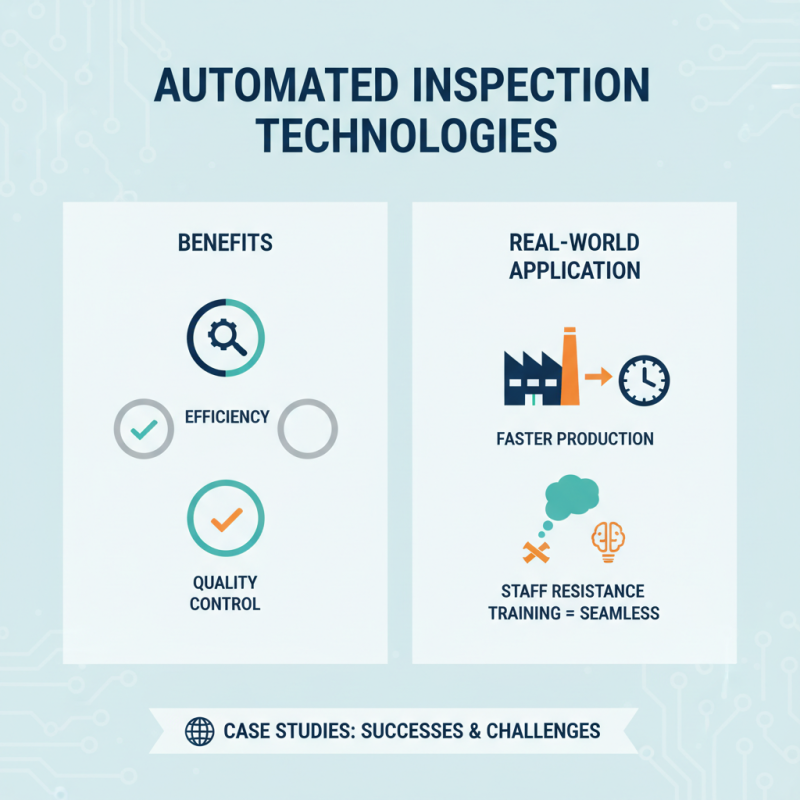
The article titled "2026 Best Custom Wholesale Automated Inspection Quotes for Your Business Needs" provides a comprehensive overview of the critical role that Automated Inspection plays in modern businesses. As we move into 2026, it emphasizes the importance of incorporating automated inspection systems to enhance quality control, reduce operational costs, and increase efficiency. Businesses are encouraged to evaluate key features such as adaptability, precision, and integration capabilities when considering these systems.
Additionally, the article explores the financial aspects of automated inspection, discussing the advantages of building in-house solutions versus outsourcing. It highlights successful case studies that illustrate the effective implementation of automated inspection in various industries, showcasing its potential for widespread application. Finally, the article looks ahead at future trends in automated inspection technology, suggesting that businesses that adopt these innovations will be better positioned to meet evolving market demands.