Inquiry
Leave Your Message
0%

You know, in the fast-changing world of Machine Vision Quality Control, more and more businesses are on the hunt for reliable solutions to boost their product quality. I remember Dr. Emily Chen, a real industry expert, once said, "Integrating advanced machine vision systems is pretty much essential to keep up high standards in quality assurance." That really hits home—these insights show just how crucial innovative tech is becoming in this field.

As we get closer to 2026, tons of buyers are out there trying to figure out what’s the best option. The market for Machine Vision Quality Control is pretty crowded now—there are tons of products and different tech options. It’s super important for companies to make smart, informed decisions because each choice can seriously impact quality and how smooth operations run. But here’s the catch—Not all systems are created equal. That can lead to a lot of confusion and, honestly, setbacks for buyers who aren’t careful.

For example, one company's solution might be lightning-fast but not so hot when it comes to accuracy, which is a big deal. This just highlights how crucial it is to really understand your specific needs before pulling the trigger on a purchase. Sure, many solutions claim to work great, but their real-world performance can vary a lot. As Dr. Chen points out, the key is doing your homework—researching thoroughly and knowing what standards to look out for in this industry.

2026 Best Machine Vision Quality Control Solutions for Buyers?

Overview of Machine Vision Quality Control Technologies

2026 Best Machine Vision Quality Control Solutions for Buyers?

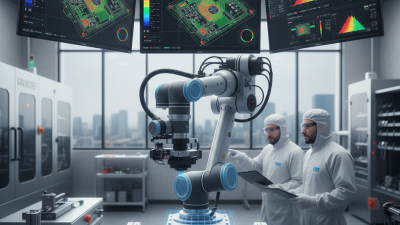
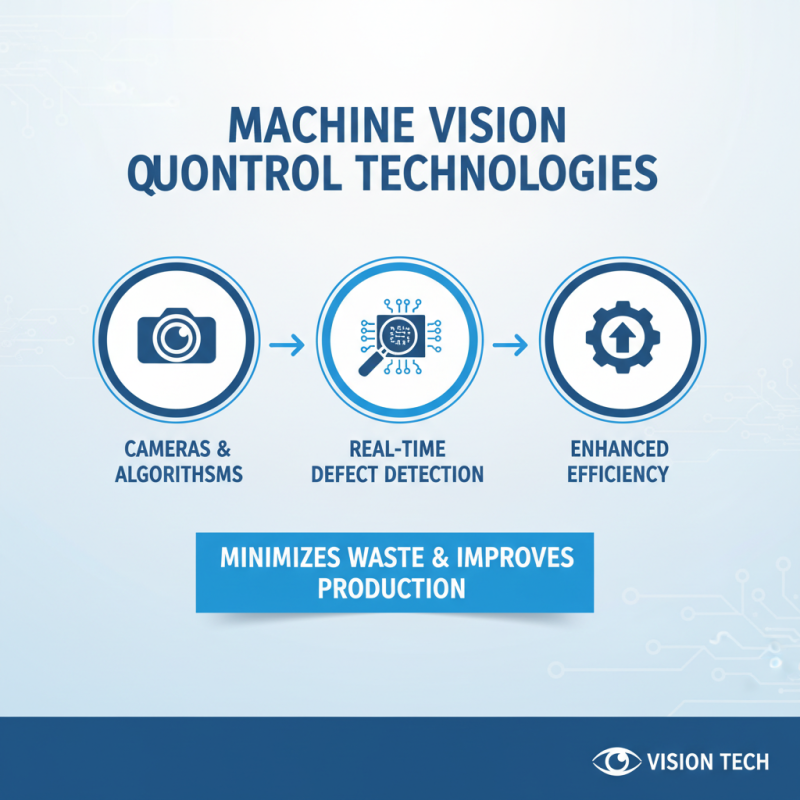
Machine Vision Quality Control Technologies are transforming various industries. These systems are designed to ensure products meet specific standards. Utilizing cameras and intelligent algorithms, these technologies can detect defects in real time. The ability to analyze images rapidly allows for immediate feedback. This minimizes waste and enhances production efficiency.

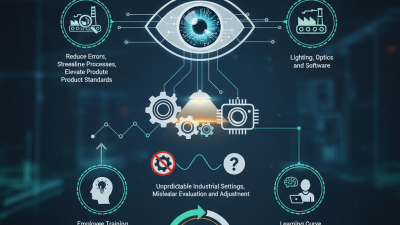
However, implementing Machine Vision Quality Inspection is not without challenges. Calibration can be complex, and inconsistent lighting may compromise image quality. Additionally, training operators to effectively interpret results can be time-consuming. Organizations must invest in both technology and personnel to realize benefits fully.

Despite these hurdles, the advantages are significant. Improved consistency in product quality can lead to higher customer satisfaction. It can also reduce the cost of manual inspections. Embracing this technology requires a thoughtful approach, considering both strengths and weaknesses in the process. The evolution of Machine Vision will continue to shape the future of manufacturing.

Key Features to Look for in Machine Vision Systems

2026 Best Machine Vision Quality Control Solutions for Buyers?

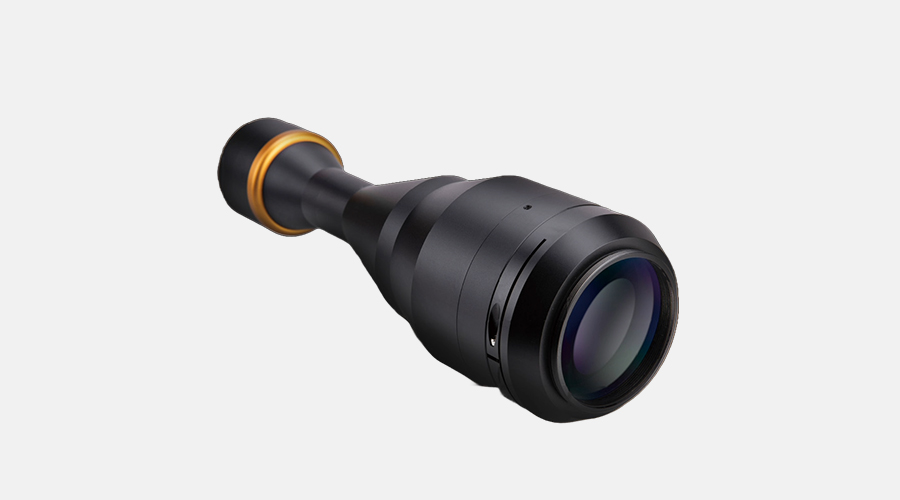
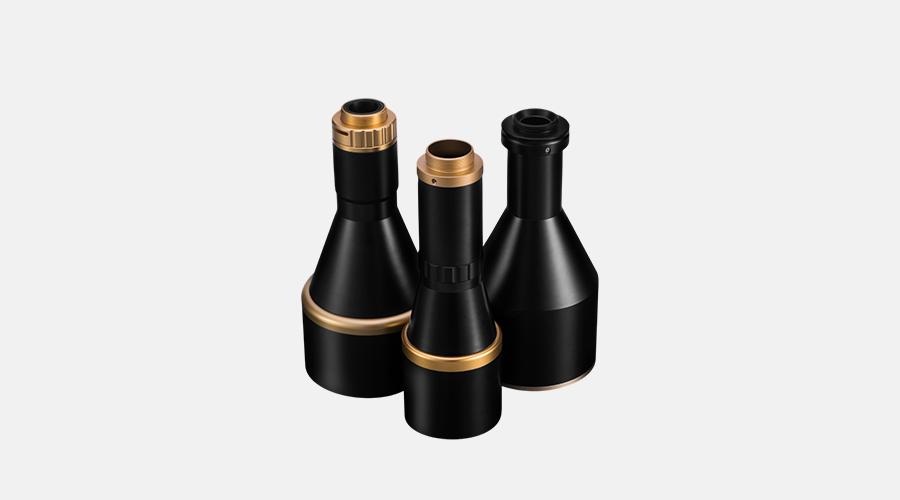
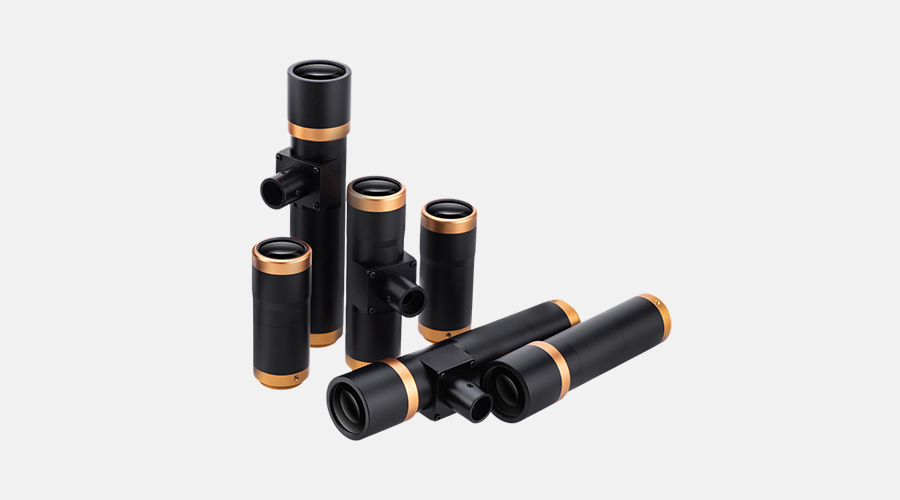
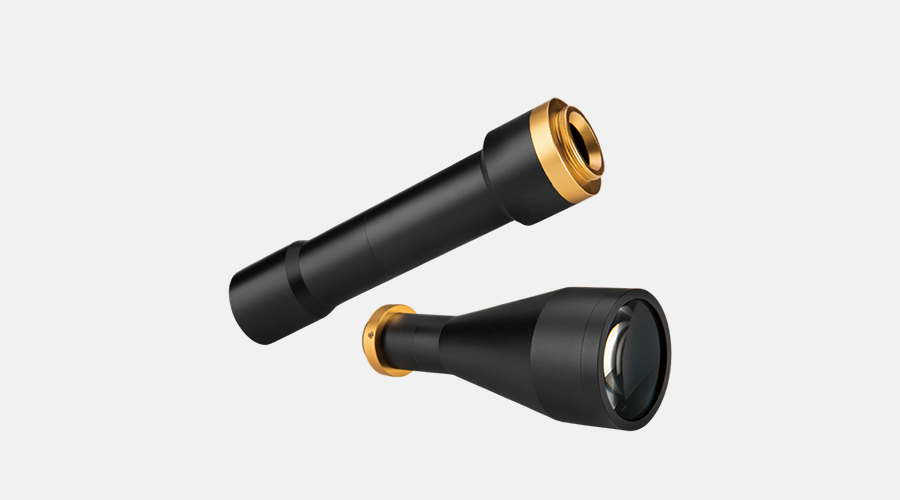
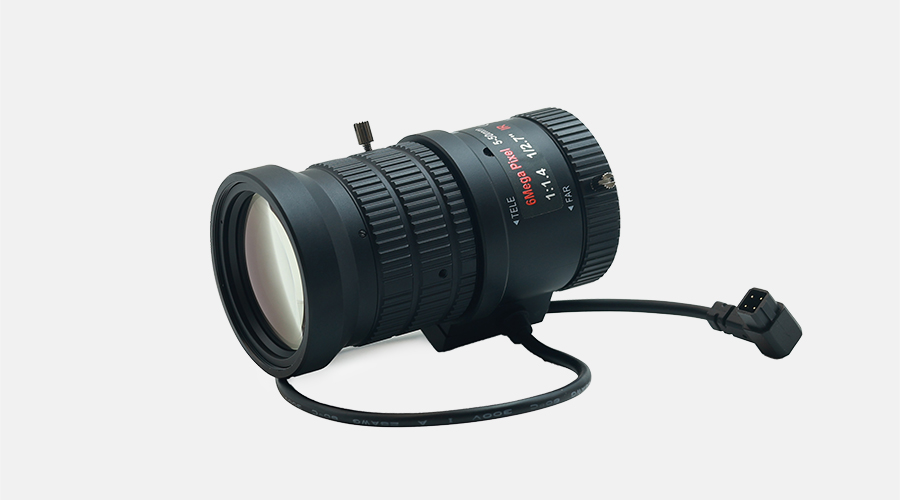
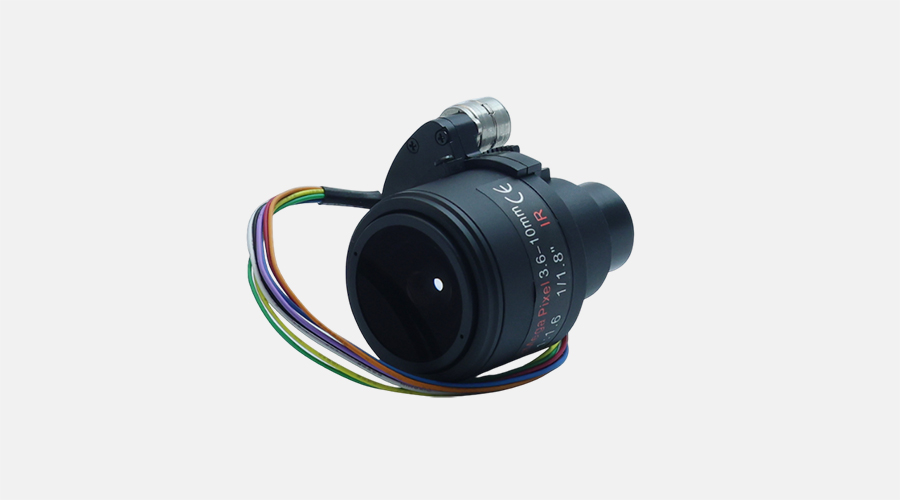
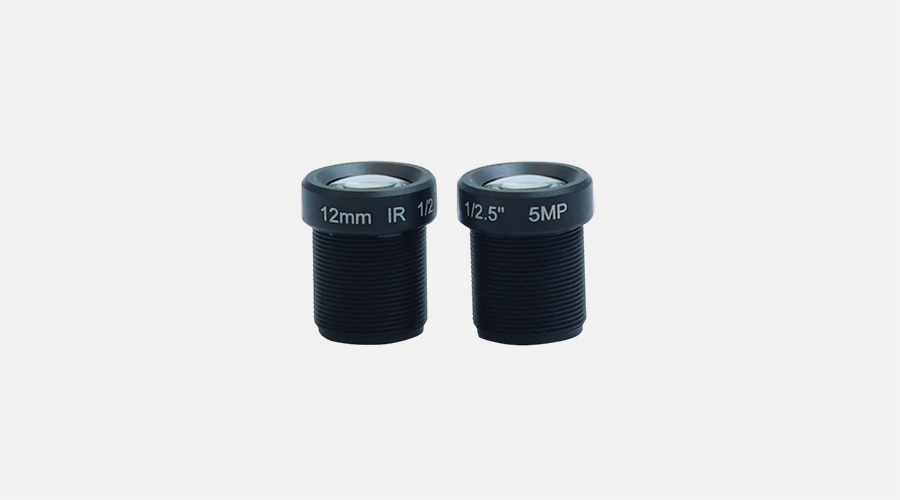
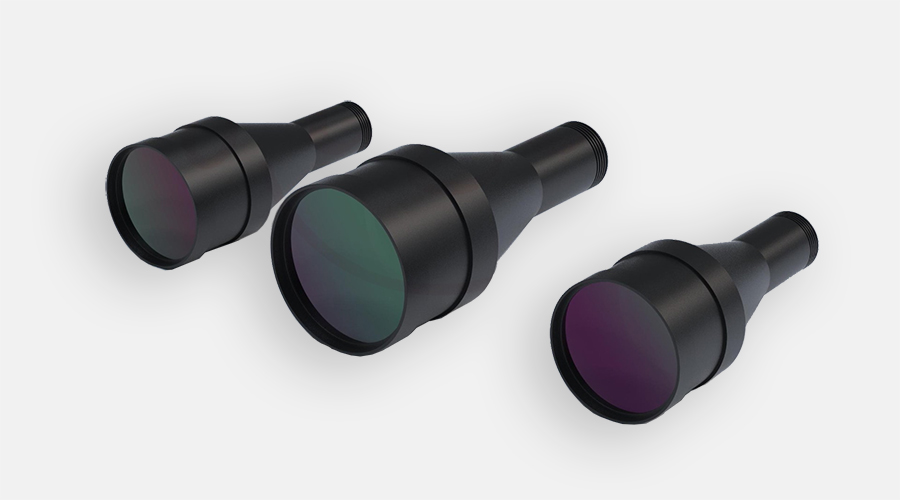
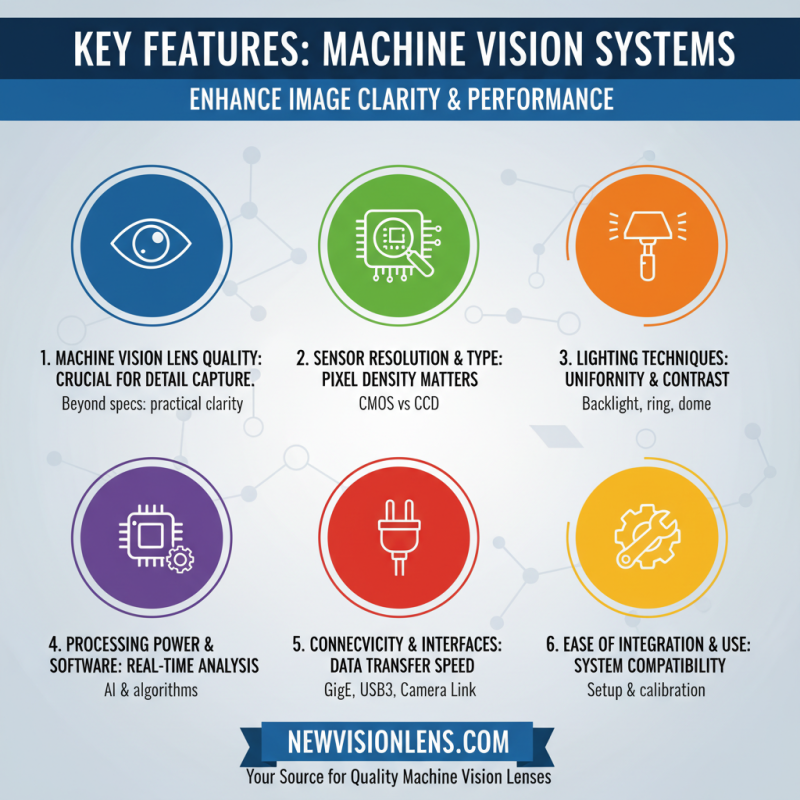
When choosing machine vision systems, several key features deserve attention. The quality of the Machine Vision Lens plays a significant role in image clarity. A well-designed lens captures detailed images, essential for accurate quality control. Options vary widely, and understanding these differences can be challenging. Relying solely on specifications may lead to oversight of practical performance.

Another critical aspect is the software integration of the system. Effective algorithms can enhance image processing speed and precision. Some systems may appear efficient in theory but struggle in live environments. Testing various configurations is important to ascertain real performance under typical operational speeds. User feedback can provide insights into how systems perform in practice.

Additionally, consider the system’s flexibility. Adjustable parameters allow operators to adapt the configuration based on specific needs. This adaptability is vital for addressing varying production requirements. However, over-customization can lead to complexity. Balancing ease of use with sufficient configurability is crucial for maintaining productivity. A thoughtful approach to selecting machine vision solutions will ensure alignment with operational goals.

Top Industries Utilizing Machine Vision Quality Control Solutions

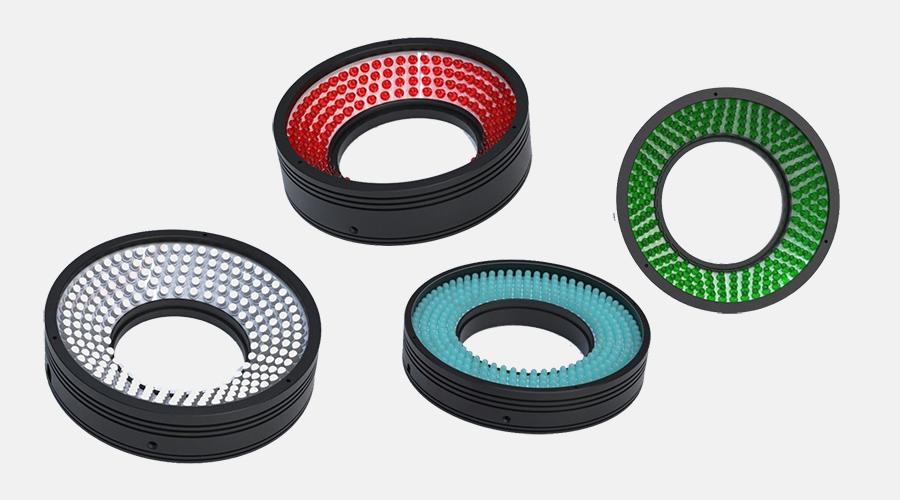
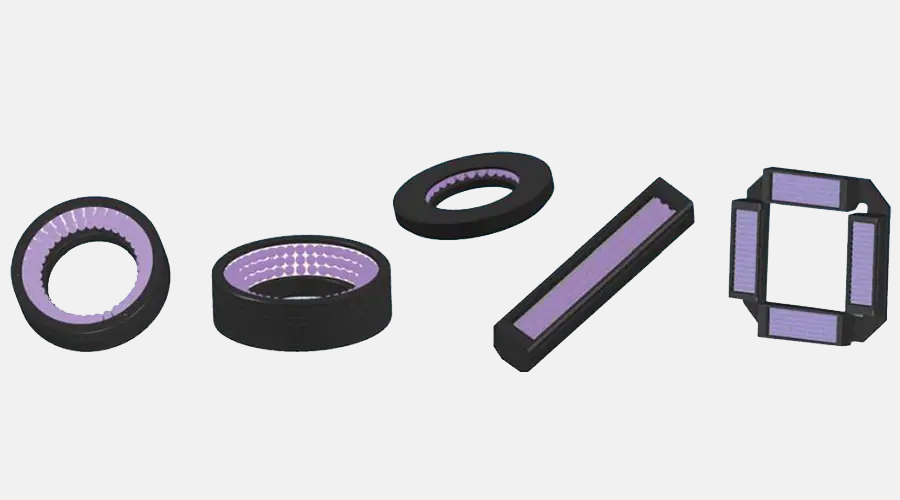
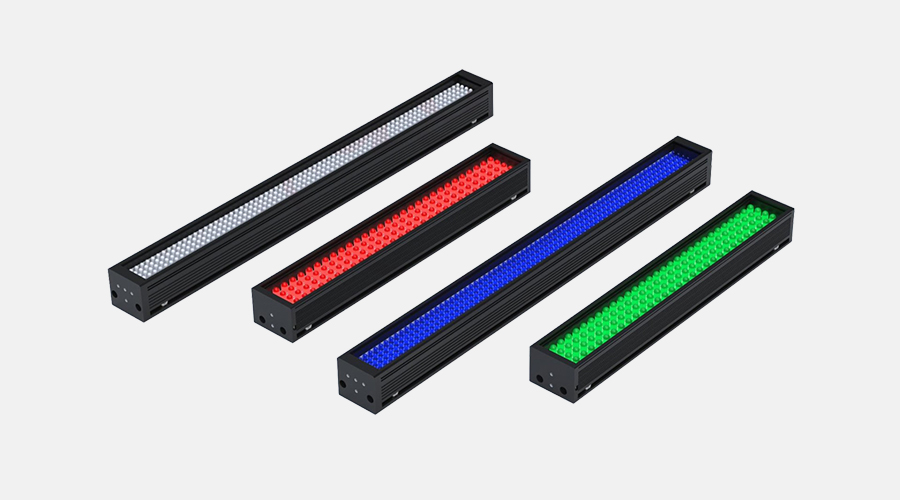
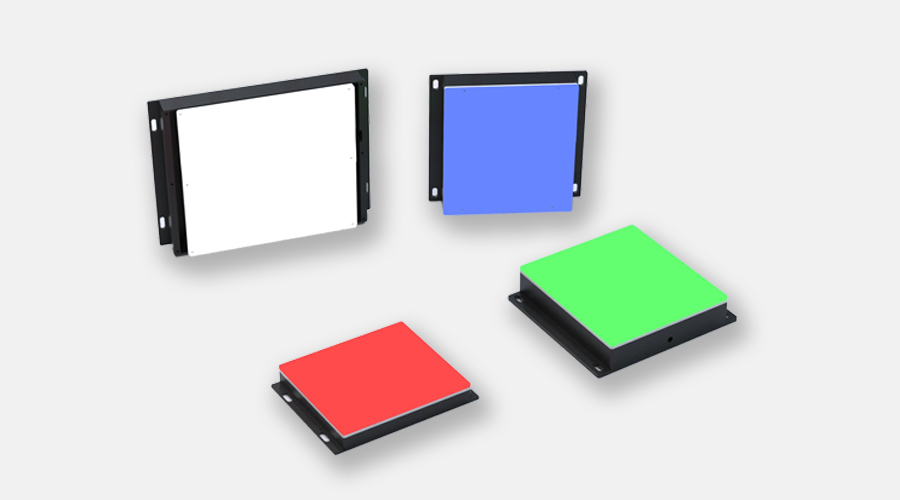
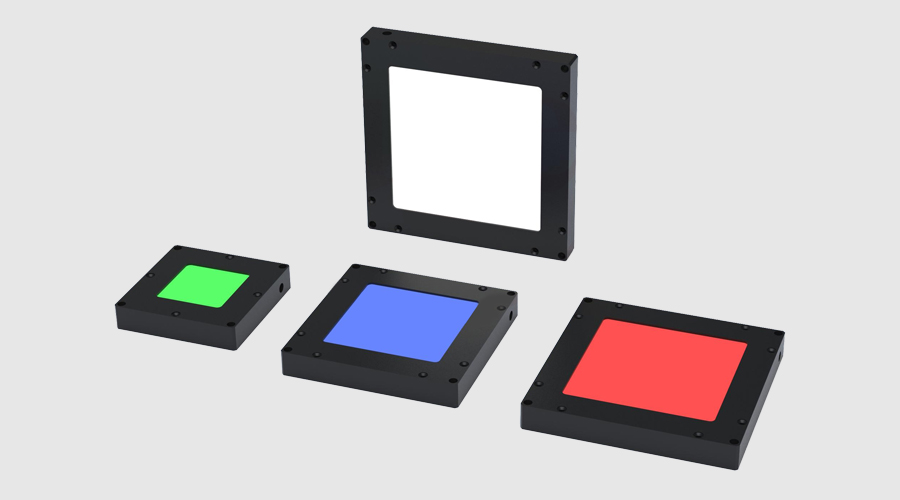
Industries are increasingly adopting machine vision quality control solutions to enhance productivity and precision. In manufacturing, for instance, automated systems utilize high-resolution imaging to detect defects in real-time. This technology significantly reduces waste and ensures every product meets quality standards. However, implementation can be challenging, as aligning the right Machine Vision Lights with cameras is critical for effective inspections.

Food processing is another sector benefiting from these solutions. It employs machine vision for sorting and quality assessment of products. By using specialized lighting techniques, companies can identify imperfections hidden from the naked eye. Yet, achieving consistent results requires careful calibration of lighting and vision systems. Ensuring these systems function smoothly is not always straightforward, prompting continual assessment and adjustments.

The automotive industry also leverages machine vision to streamline assembly lines. Cameras analyze parts for accuracy and flaws, contributing to safe vehicle production. However, integrating such technology demands robust testing and validation. The reliance on machine vision lights for optimal performance highlights the need for expertise in setup and operation. As companies embrace these advancements, ongoing reflection and refinement will be essential for maximizing their capabilities.

2026 Best Machine Vision Quality Control Solutions for Buyers

Industry Application Key Features Benefits Market Trend
Manufacturing Defect Detection High Resolution, Real-time Processing Increased Efficiency, Cost Reduction Growing Adoption of Automation
Food & Beverage Quality Inspection Advanced Imaging, Data Analytics Enhanced Safety, Compliance Increasing Focus on Food Safety
Automotive Component Verification 3D Vision, AI Integration Improved Quality, Risk Mitigation Shift Towards Smart Manufacturing
Electronics Solder Joint Inspection High-Speed Imaging, AI Algorithms Reduced Errors, Improved Throughput Rapid Growth in Smart Devices
Textiles Fabric Inspection Pattern Recognition, Color Analysis Increased Quality Control, Waste Reduction Sustainability Trends in Manufacturing

Evaluating Cost-Effectiveness of Machine Vision Solutions

When considering machine vision solutions, cost-effectiveness is crucial for buyers. Evaluating these systems involves more than just the initial investment. Maintenance and operating costs significantly impact overall expenses.

One must analyze the long-term benefits. For example, a system that seems inexpensive might require frequent repairs, leading to higher costs over time. Alternatively, a robust solution may have a higher upfront price but save money through lower operating expenses. Buyers should seek transparency from suppliers about potential hidden costs.

Another aspect to consider is the return on investment (ROI). It’s essential to measure how quickly a machine vision system can pay for itself. This can be challenging. Factors like downtime, training, and technology upgrades may affect the timeline. Assessing these parameters helps buyers avoid costly mistakes. A comprehensive evaluation approach can lead to more informed decisions, ensuring the right balance between quality and affordability.

2026 Machine Vision Quality Control Solutions Cost-Effectiveness

This chart displays the estimated cost-effectiveness of various machine vision solutions in the year 2026 based on their performance ratings and overall costs.

Top Brands and Their Contributions to Machine Vision Quality Control

Machine vision technology plays a crucial role in quality control across various industries. The key players in the field are innovating to improve inspection processes. They offer unique features that enhance accuracy and efficiency. Brands contribute by developing advanced algorithms that detect defects more reliably. This evolution is reshaping the standards for quality assurance in manufacturing.

Tips for leveraging machine vision: Prioritize the choice of your system based on your specific needs. Inspect a range of products to find the best fit. Consider the training required for operators. Overlooked details can lead to inefficiencies and errors. Engage professionals for setup and calibration to ensure optimal performance.

Many users report challenges with understanding complex software interfaces. The steep learning curve can hinder adoption. Regular training sessions can help keep operators updated on advancements. Gathering feedback for improvements often reveals gaps in functionality. Emphasize ongoing support and maintenance for sustained success. Addressing these concerns early can save time and resources.

Case Studies of Successful Machine Vision Implementations

Machine vision systems have transformed quality control across industries. These systems automate the inspection process. A recent study revealed that 88% of companies reported improved accuracy with machine vision implementation. Case studies illustrate how organizations integrate these solutions to enhance production efficiency.

In the automotive sector, a manufacturer implemented a machine vision system to inspect components at high speeds. This drastically reduced the error rate from 5% to just 1.5%. Employees reported feeling more confident in the process, as machines handled the repetitive, tedious tasks. However, the initial setup was complex and required significant training to avoid errors during operation.

Another case involves a food packaging company that integrated machine vision for defect detection. Initially, the system missed small defects, leading to customer complaints. After a iterative feedback loop and recalibration, accuracy improved remarkably. The company noted a 30% increase in customer satisfaction afterward, but the staff realized the importance of continuous monitoring for improvements. These examples highlight that while machine vision provides substantial benefits, ongoing evaluation and adjustments are essential for optimal performance.

Future Trends in Machine Vision for Quality Control Solutions

Advancements in machine vision are reshaping quality control processes across various industries. A recent report estimates that the global machine vision market will reach $14 billion by 2026, driven by the need for precision and efficiency. As manufacturers adopt automation, the role of the Machine Vision System becomes increasingly critical. These systems can enhance defect detection rates to over 90%, significantly reducing waste.


Emerging technologies are enhancing machine vision capabilities. Artificial intelligence and deep learning are now integrated into these systems. These innovations improve the analysis of images, allowing for quicker, more accurate assessments. However, challenges remain. Integrating machine vision systems with existing infrastructure can be complex. Additionally, the data generated must be managed effectively. Companies often struggle with data overload, hindering the potential benefits machine vision can offer.


The future will also see a greater emphasis on customization in machine vision solutions. Tailoring systems to specific production lines can improve effectiveness. However, this customization can complicate implementation. Companies must weigh the benefits against the challenges. In this evolving landscape, staying updated on trends is vital for successful quality control enhancements. Organizations that navigate these aspects well will likely enjoy competitive advantages.

FAQS

: What features should I look for in a machine vision system?

: Focus on image clarity, software integration, and flexibility. These aspects significantly impact performance.

How important is the machine vision lens?

The lens quality affects image detail. Better lenses allow for more accurate quality control.

Can software integration affect system performance?

Yes, effective algorithms boost image processing speed. However, some systems may not perform well in practice.

What challenges do users face with machine vision systems?

Users often struggle with complex software interfaces, causing delays in adoption and efficiency.

Is flexibility a critical feature for machine vision systems?

Adjustable parameters are essential for different production needs. Yet, too much customization might complicate operations.

How can I ensure optimal performance of my machine vision system?

Engage professionals for setup and calibration. Regular training for operators is also necessary to avoid inefficiencies.

What role does user feedback play in machine vision technology?

Feedback can reveal functional gaps. It helps in making improvements and aligning the system with practical needs.

What should I prioritize when selecting a machine vision system?

Consider your specific needs and inspect a range of products. Don’t overlook the importance of required training.

How can companies manage the learning curve for new software?

Frequent training sessions can help operators stay updated on software advancements.

What are common pitfalls when using machine vision systems?

Over-customization and ignored training can lead to inefficiencies. A balanced approach is crucial for success.

Conclusion

The article "2026 Best Machine Vision Quality Control Solutions for Buyers" provides a comprehensive overview of the advancements in machine vision technologies aimed at enhancing quality control processes. It outlines key features to consider when selecting machine vision systems, emphasizing the importance of accuracy, speed, and adaptability in various industrial applications. The article also highlights the diverse industries that benefit from these solutions, illustrating the growing reliance on machine vision quality control in manufacturing, automotive, electronics, and food production sectors.

Additionally, the evaluation of cost-effectiveness is discussed, offering insights into how organizations can maximize their investment in machine vision systems. Case studies of successful implementations demonstrate the tangible benefits, including increased efficiency and reduced waste. Looking ahead, the article explores future trends in machine vision quality control, suggesting ongoing innovations that will further transform quality assurance practices across industries. Overall, machine vision quality control solutions are poised to play a critical role in optimizing production standards and enhancing product reliability.

Liam

Liam

Liam is a skilled marketing professional at New Vision, an innovative company that specializes in the production and sales of core components for machine vision. With a profound understanding of the intricacies of the machine vision industry, Liam excels at communicating the value of cutting-edge......
Previous Automated Inspection Tips for Global Buyers in 2026