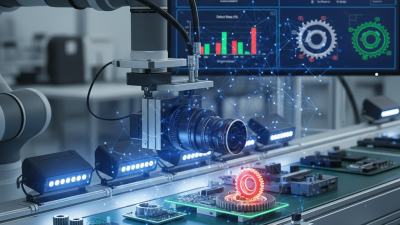
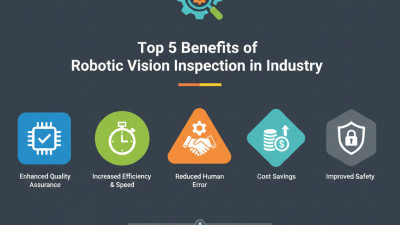
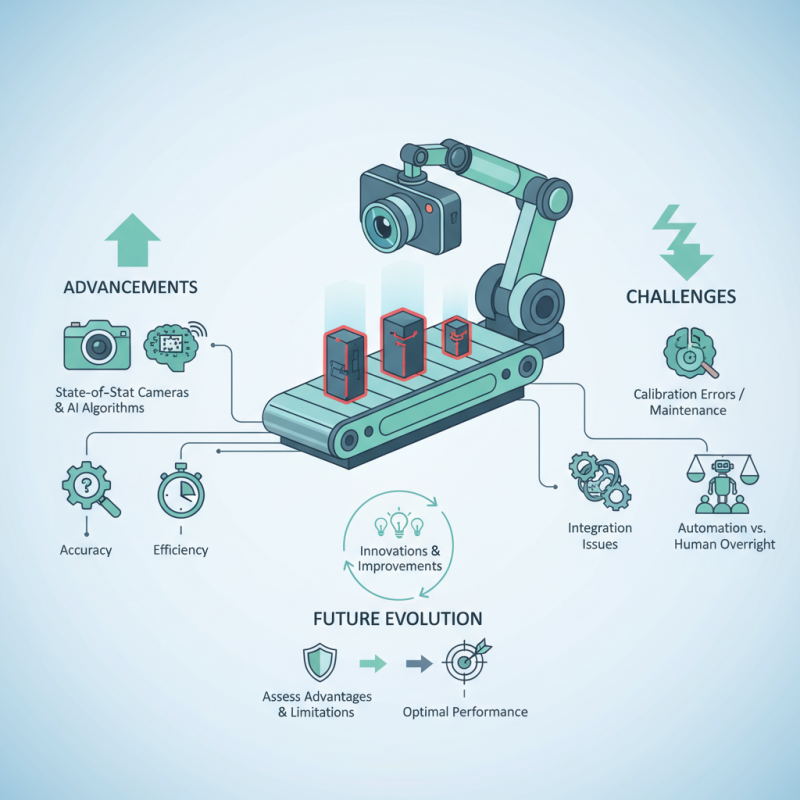
You know, as technology keeps evolving, industries are always on the lookout for smarter ways to manage quality control. One thing that's really making waves right now is Robotic Vision Inspection systems. These tools are game-changers—they boost both accuracy and speed across a bunch of manufacturing sectors. Companies like InspectTech and Visionary Robotics are actually leading the charge here, using cutting-edge cameras and AI to spot defects that might be missed by the human eye.
That said, it's not all smooth sailing. There are still hurdles to overcome—like calibration mistakes that can mess up the interpretation of the visuals, which might end up affecting product quality. Plus, keeping these systems running smoothly requires regular maintenance and updates, which can be a real resource drain. And let's not forget, some companies find it tricky to get these high-tech systems properly integrated into their existing workflows. Striking the right balance between automation and human oversight is super important.
Looking ahead, the world of Robotic Vision Inspection is only going to get more interesting. Every year, we see new innovations popping up. But as more firms jump on board, they should really weigh the pros and cons of these systems—understanding both their benefits and their limitations—to make sure they’re getting the best out of this tech.
Overview of Robotic Vision Inspection Systems
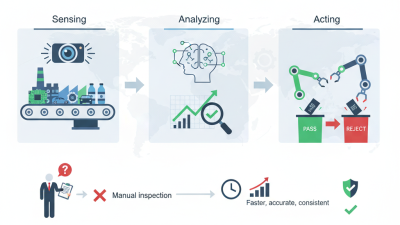
Robotic vision inspection systems have transformed quality control in various industries. These systems utilize advanced cameras and sensors to evaluate products. They ensure that only the highest quality items reach consumers. The integration of artificial intelligence enhances their capabilities. Machines can identify defects that human inspectors might overlook.
These systems operate in real-time, offering quick feedback and data analysis. However, they are not flawless. For instance, lighting conditions can affect image capture. The choice of sensors also plays a critical role. Sometimes, even small variations can lead to inaccurate assessments. This means companies must constantly refine their systems.
Moreover, accessibility remains a challenge. Not all businesses can afford cutting-edge technology. This creates a gap in quality control capabilities across sectors. As companies invest in robotic vision, they should evaluate their unique needs. Balancing cost with performance is crucial for sustainable growth.
Importance of Quality Control in Manufacturing
Quality control plays a crucial role in modern manufacturing. It ensures that products meet specific standards. Consistent quality can enhance customer satisfaction and brand loyalty. However, achieving this is not always easy. Manufacturing processes can introduce variability that may affect outcomes.
Implementing advanced inspection systems, such as
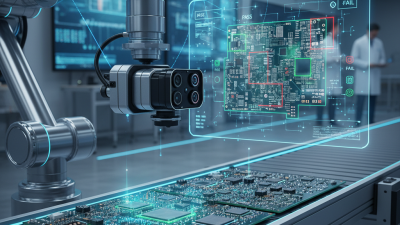
3d Vision Inspection, can significantly improve quality control. These technologies use sophisticated algorithms to detect flaws and inconsistencies. They examine items at high speeds, offering real-time feedback. This helps manufacturers identify issues early in the production line. However, relying solely on machines may overlook subtler defects that require human judgment.
Moreover, the integration of robotic vision systems is not without its challenges. Occasionally, the technology might misinterpret data, leading to false positives. Workers need to regularly calibrate and maintain equipment. There's always room for error; human oversight remains vital. Balancing automation with human skill is essential for effective quality management.
Key Features of Effective Robotic Vision Systems
Robotic vision inspection systems are pivotal for quality control in various industries. Key features play a significant role in their effectiveness. A robust system should have high-resolution Vision Inspection Lenses. These lenses capture intricate details, ensuring products meet stringent quality standards. Studies show that quality improvement can reach up to 30% with advanced imaging technologies.
Another crucial aspect is the speed of inspection. A system that processes images quickly minimizes downtime. Many systems achieve inspection rates of 200 items per minute. However, speed shouldn't compromise accuracy. A balance must be struck. Some systems may rush through inspections, missing critical defects. Real-time processing capabilities are vital for continuous quality assurance.
Flexibility in application is also important. A versatile system adapts to various products and environments. This is particularly beneficial in fast-paced industries. Yet, integrating new technologies can challenge organizations. Employees often need retraining, causing temporary disruptions. Continuous monitoring and feedback loops can enhance performance, making adaptation smoother.
2026 Best Robotic Vision Inspection Systems for Quality Control
This chart illustrates key performance metrics for robotic vision inspection systems used in quality control in 2026. The measurements showcase various factors evaluated, including accuracy, speed, cost-effectiveness, user-friendliness, and adaptability, each critical for effective quality control processes.
Top 2026 Robotic Vision Inspection Systems Reviewed
In recent years, robotic vision inspection systems have transformed quality control processes. These systems integrate advanced imaging technologies with artificial intelligence. The demand for accurate and efficient inspection is growing. Reports indicate a projected market growth rate of over 12% annually for these technologies.
Robotic vision systems utilize Machine Vision Inspection to identify defects in products. This capability is critical in manufacturing sectors, particularly in pharmaceuticals and electronics. A 2022 study revealed that 80% of manufacturers adopted some form of machine vision for quality checks. However, implementation is not without its challenges. Many companies struggle with high initial costs and system integration issues.
Some systems still show limitations in complex environments. They can misidentify flaws or miss subtle defects. Training algorithms can require significant time and resources. Overall, while robotic vision systems provide substantial benefits, continuous improvements are necessary. The industry must address these imperfections to fully capitalize on the advantages of Machine Vision Inspection.
Applications of Robotic Vision in Different Industries
Robotic vision technology is transforming quality control across various industries. In the manufacturing sector,
Automated Vision Inspection
systems ensure precision. These systems can detect even the smallest defects. They analyze products at high speeds. However, challenges remain in complex environments, where lighting and shadows can introduce errors.
In the food industry, robotic vision plays a crucial role in maintaining safety standards. Automated Vision Inspection is used to identify foreign objects in packaged goods. This automation enhances safety but relies heavily on proper calibration. Misalignment can lead to missed defects, affecting consumer trust.
Moreover, in pharmaceuticals, accuracy is vital. Robotic vision systems inspect vials and labels for errors. They significantly reduce human error. Yet, the technology is not foolproof. It requires regular updates and training to adapt to new challenges. Continuous improvement is essential to maximize efficiency and reliability across sectors.
Future Trends in Robotic Vision Technology for Quality Control
Robotic vision technology is advancing rapidly. The use of artificial intelligence and machine learning is becoming prominent in quality control. According to a recent industry report, the robotic vision market is projected to grow from $4.5 billion in 2023 to $8.5 billion by 2028. This significant growth reflects the increasing demand for automation in various sectors.
Future trends indicate that systems will improve in accuracy and speed. Enhanced image processing capabilities are becoming standard. Companies may achieve defect detection rates exceeding 99.9%. However, implementing these systems isn't without challenges. Many organizations still face integration issues with their existing operations. Training workers to use new technology remains a hurdle.
Additionally, while robotic vision systems enhance quality control, they also bring complexities. Systems sometimes misidentify defects due to varying conditions. Lighting and angles can significantly affect image quality. Addressing these issues requires ongoing research and development. The journey toward seamless robotic vision is a continuous evolution.
Challenges and Limitations of Current Robotic Vision Systems
Robotic vision systems are essential for
quality control in manufacturing. However, they face several
challenges and limitations. One significant issue is the variability in production environments. Factors like lighting, surface texture,
and object orientation can significantly impact the accuracy of these systems. A report by the International Federation of Robotics
highlights that nearly 38% of industrial robots struggle to adapt to changing conditions.
This often leads to misidentification of defects and can increase scrap rates.
The limited ability to interpret complex scenes is another critical drawback. Many systems rely on pre-defined algorithms, which can struggle
with unexpected scenarios. The reliance on structured data limits flexibility.
In a survey conducted by the American Society for Quality, 45% of manufacturers
reported that robotic vision systems failed to detect subtle flaws. This can result in
reduced product quality and increased rework costs.
Moreover, data integration remains a hurdle. Many robotic systems do not seamlessly connect
with existing manufacturing operations. A study from MIT found that approximately 30%
of businesses that implemented robotic vision systems experienced significant integration issues. These obstacles hinder the full potential of
robotic vision inspections in enhancing quality control strategies. As technology evolves, addressing these limitations will be crucial for
future advancements.
FAQS
: The guide aims to provide clear instructions on a specific topic. It helps users understand complex concepts.
Anyone interested in the subject can benefit. It’s useful for beginners and those with some experience.
No prior knowledge is needed. The guide explains everything step by step.
Yes, many overlook small details. Such oversights can lead to bigger issues later.
Keep notes on what you learn. Reflect on your understanding after each section.
It's normal to struggle sometimes. Seek help from communities or forums related to the topic.
Yes, diagrams and charts are provided. They clarify complex ideas effectively.
Absolutely. Many concepts are practical and can be implemented in daily tasks.
Yes, it is designed for a wide audience. However, younger users might need some guidance.
Reflect on what you learned. Consider how to apply this knowledge moving forward.
Conclusion
The article "2026 Best Robotic Vision Inspection Systems for Quality Control" provides a comprehensive overview of the significance of Robotic Vision Inspection in enhancing quality control within manufacturing processes. It emphasizes the critical role these systems play in detecting defects, ensuring product consistency, and improving overall efficiency. Key features of effective robotic vision systems, such as high resolution, speed, and adaptability, are discussed, highlighting their importance in various industrial applications.
Moreover, the article explores future trends in robotic vision technology, including advancements in AI and machine learning that aim to overcome current challenges and limitations faced by these systems. By integrating robotic vision inspection into production workflows, industries can achieve superior quality standards and remain competitive in an evolving market landscape.
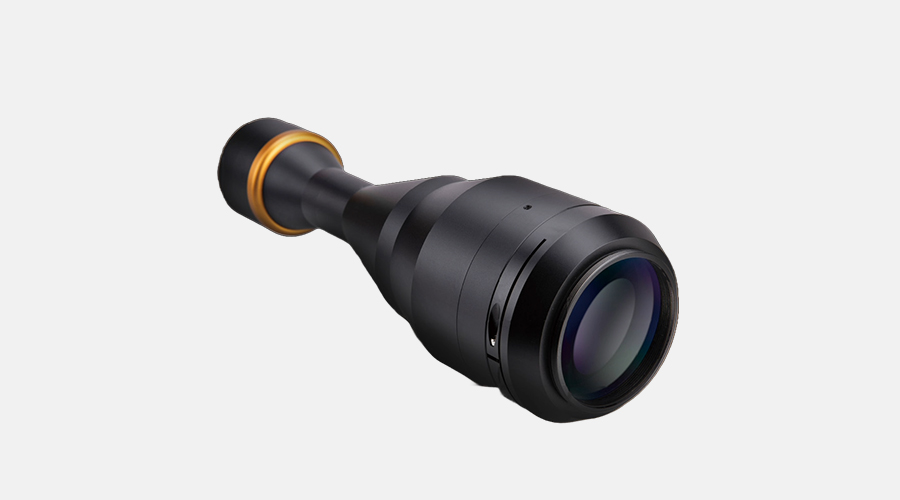 Compatible with 7.2mm-82mm chips
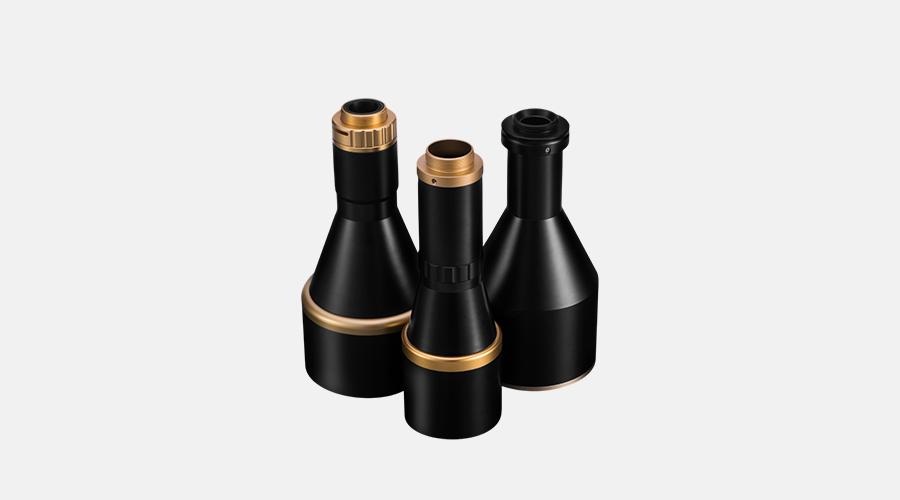 High/Low Working Distance
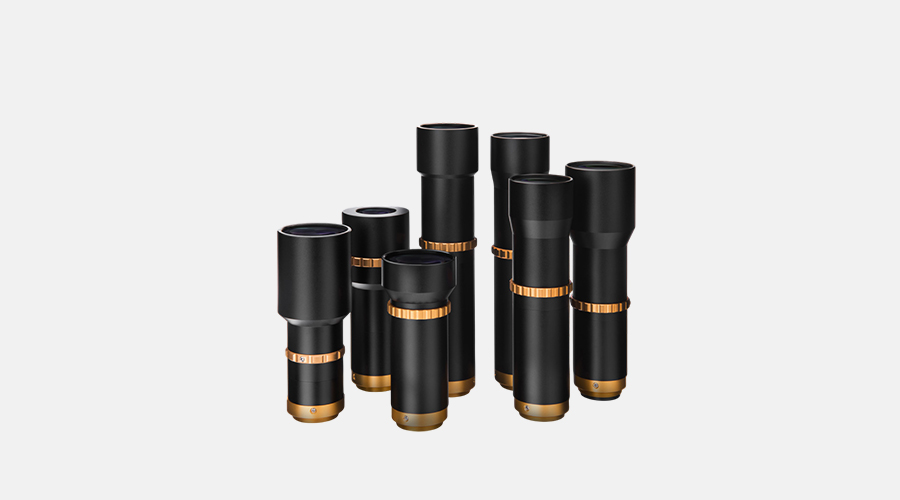 Aperture telecentric lens
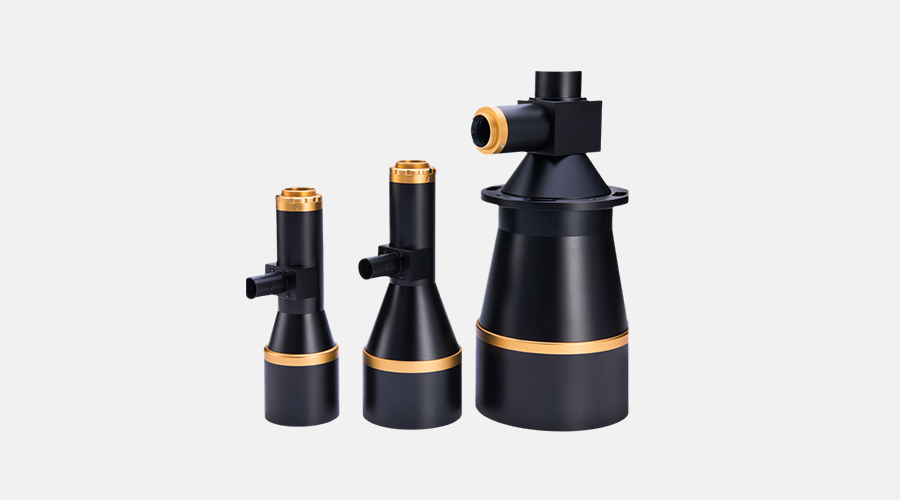 Measuring lens
 Maximum support 1.1" chips
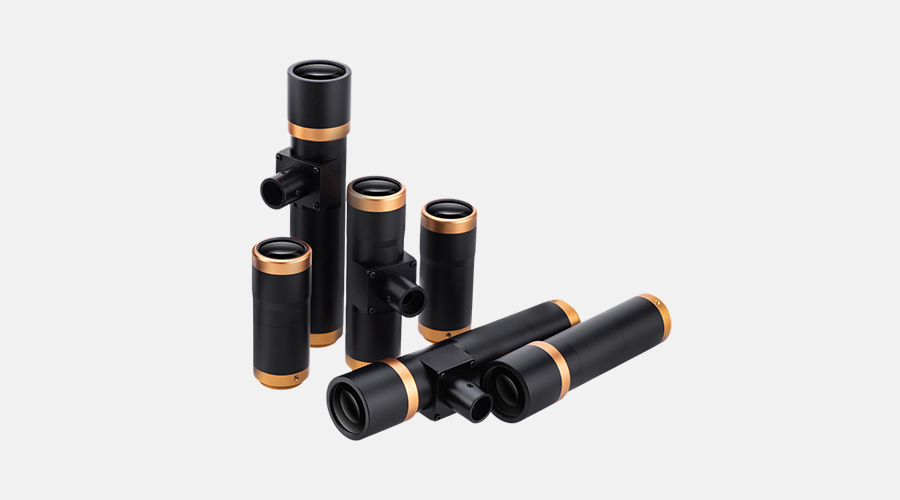 Maximum support 1.2" chips
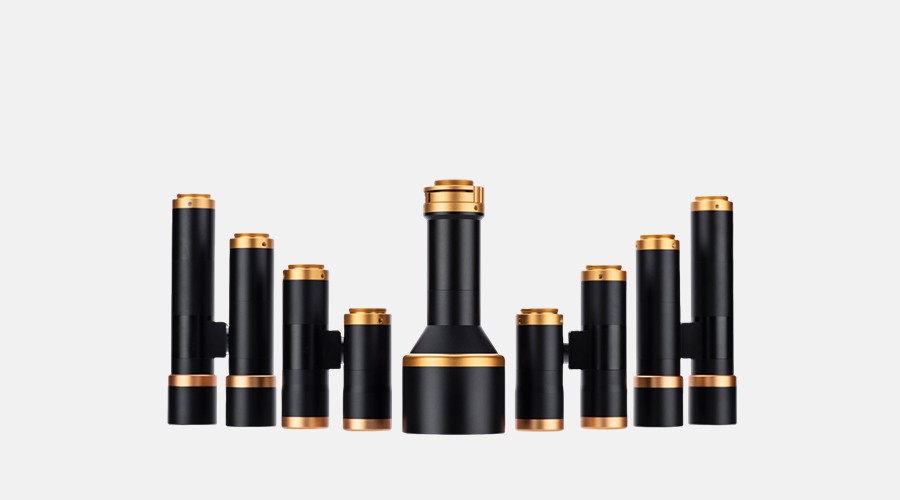 Maximum support 2/3" chips
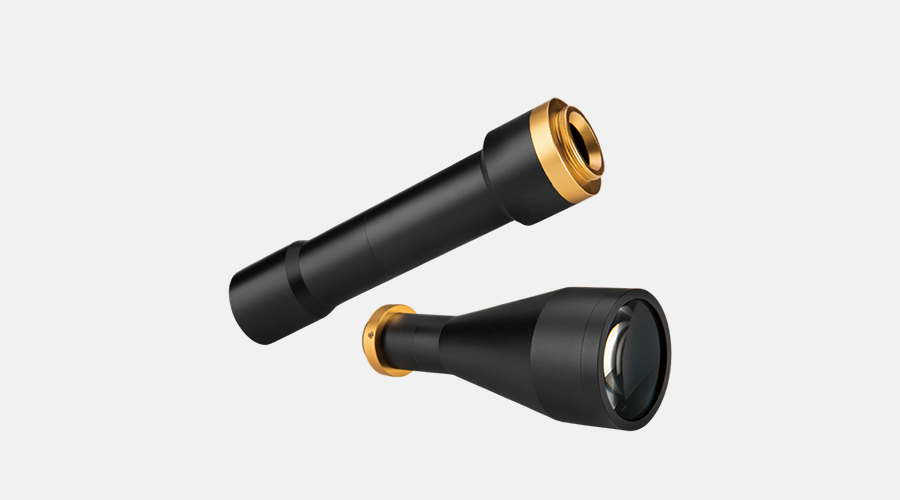 Long Working Distance
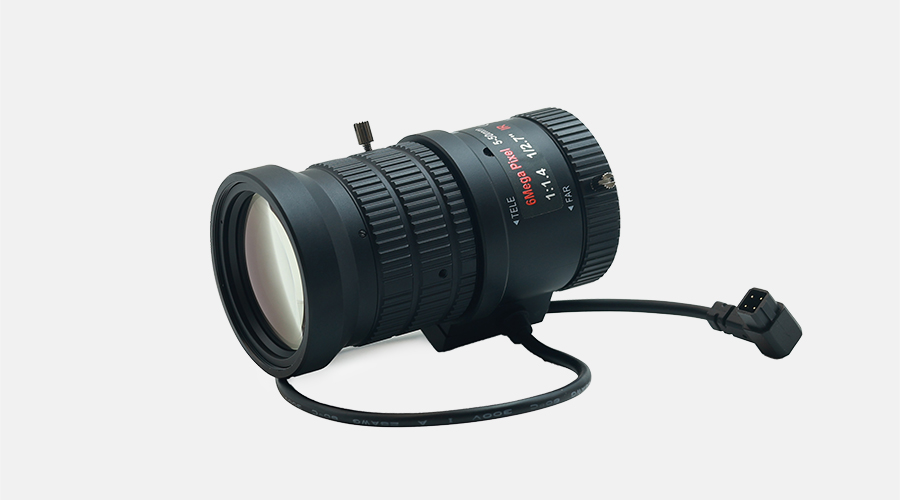 CS mount Varifocal lens
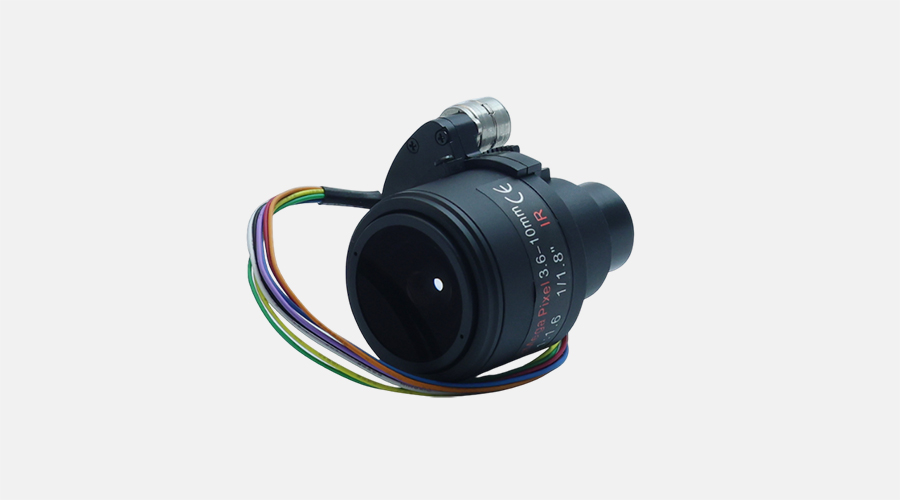 Varifocal board lens
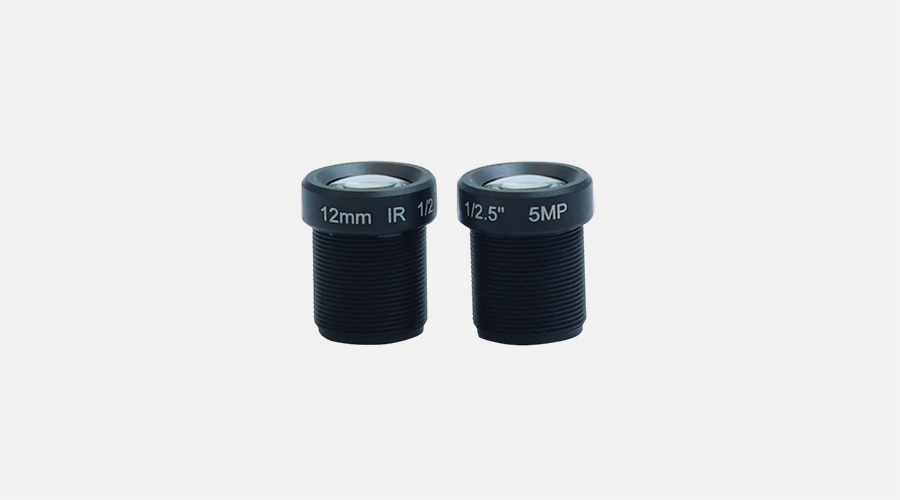 S mount lens
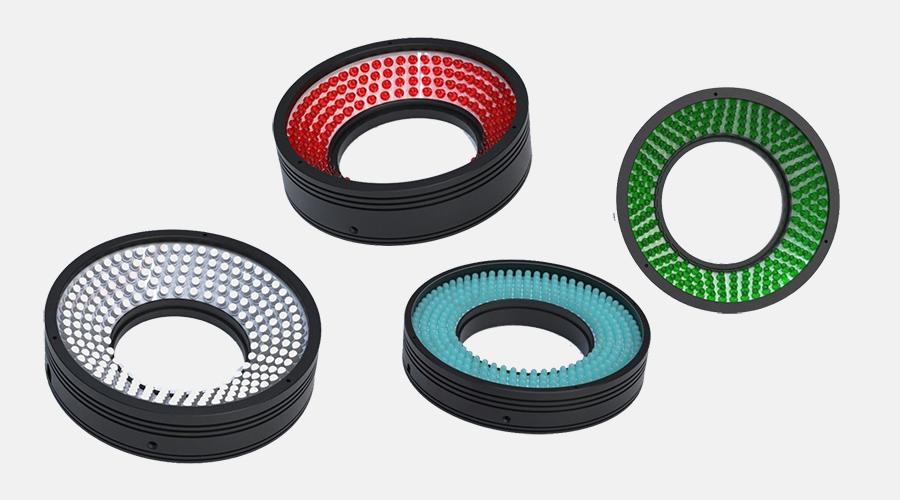 Ring light
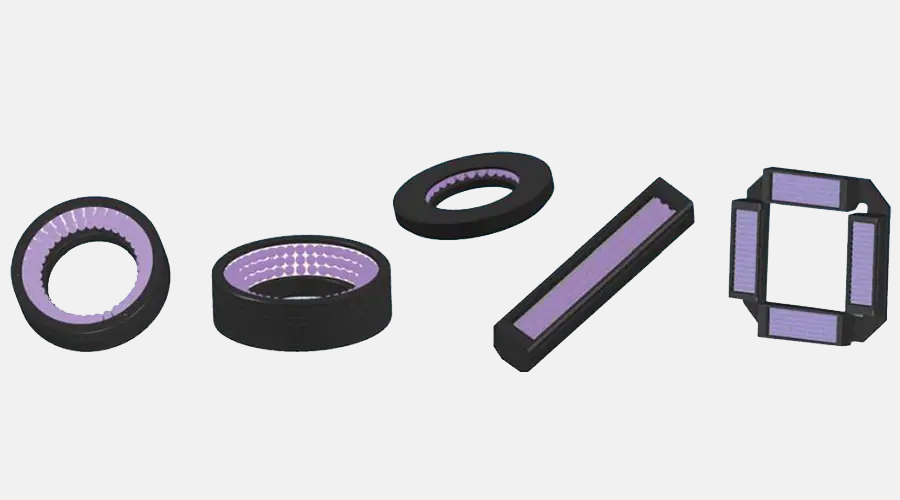 UV/IR Light
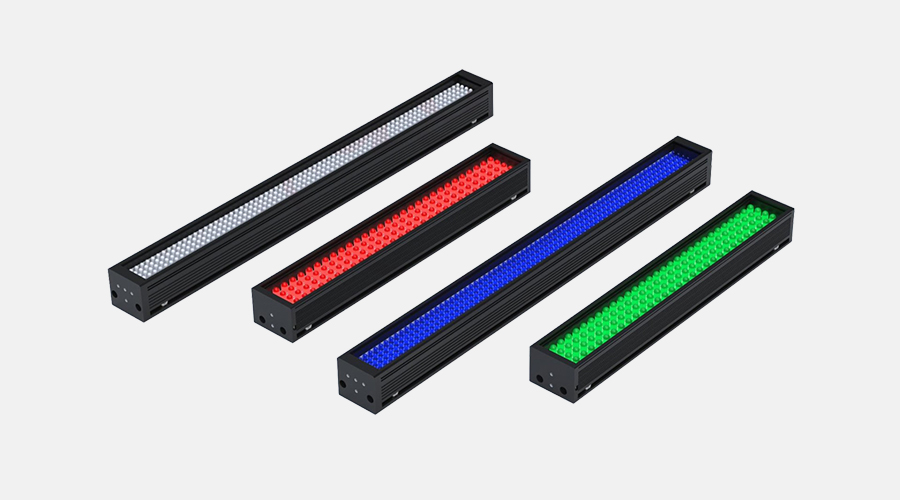 Bar light
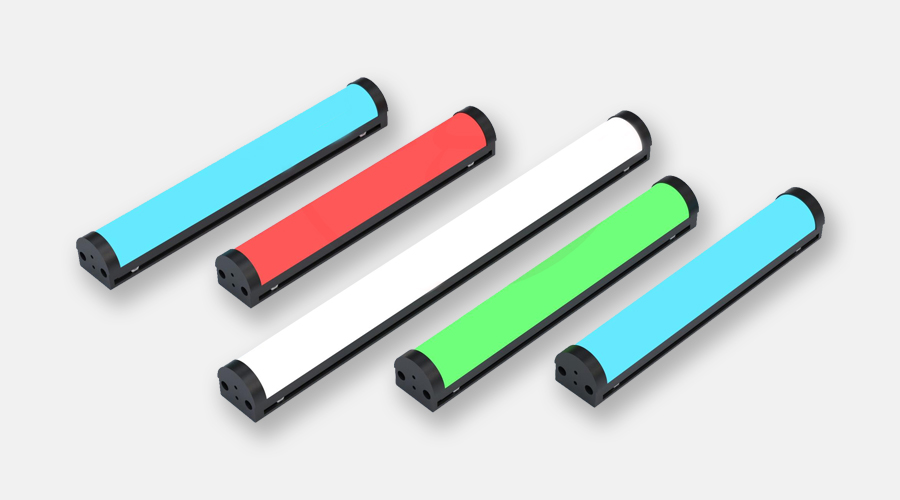 Arcuate high uniformity light
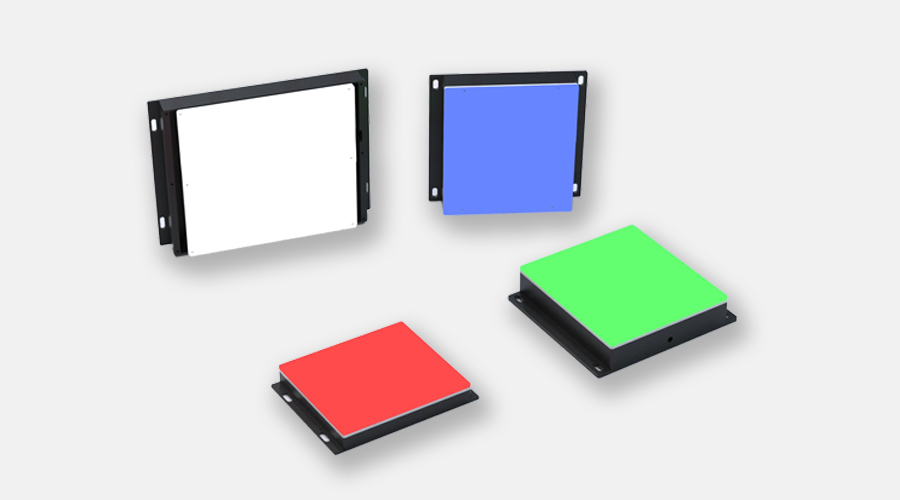 Back light
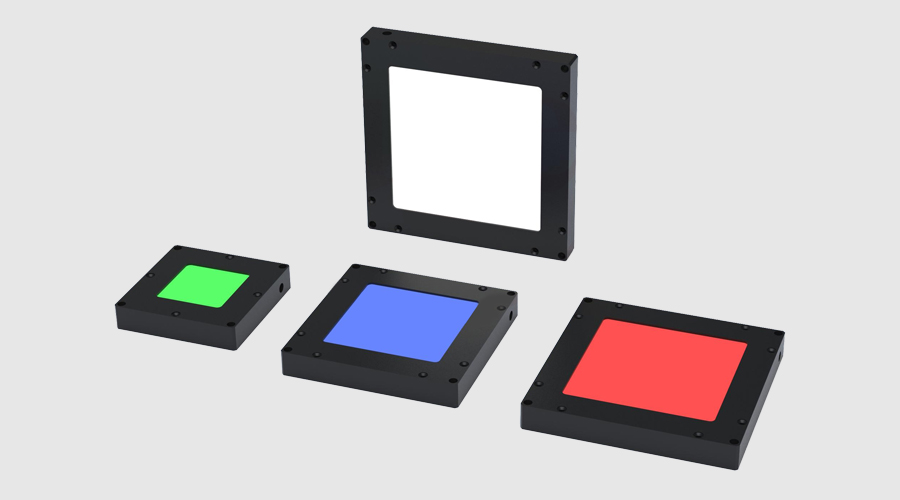 Flat light
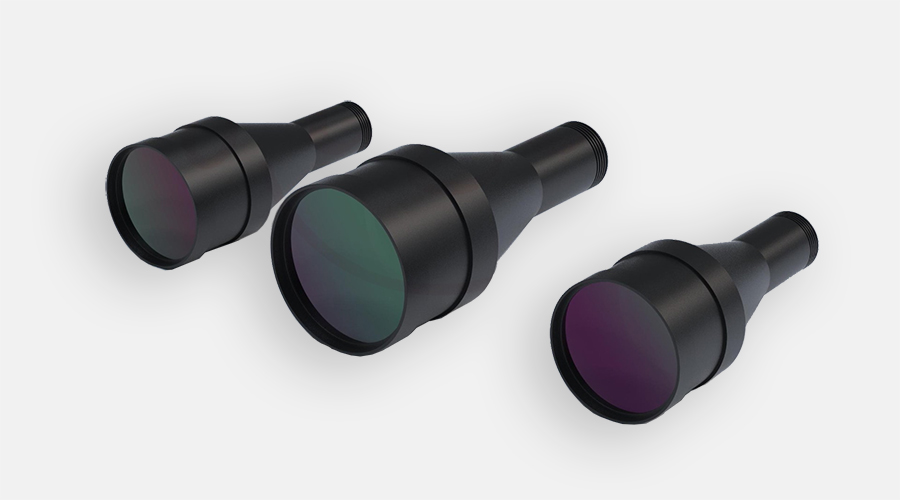 Collimated light
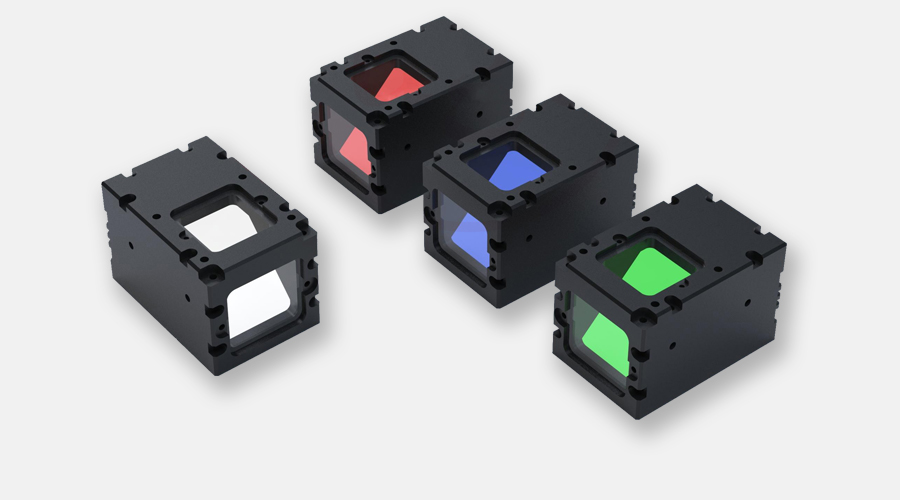 Coaxial light
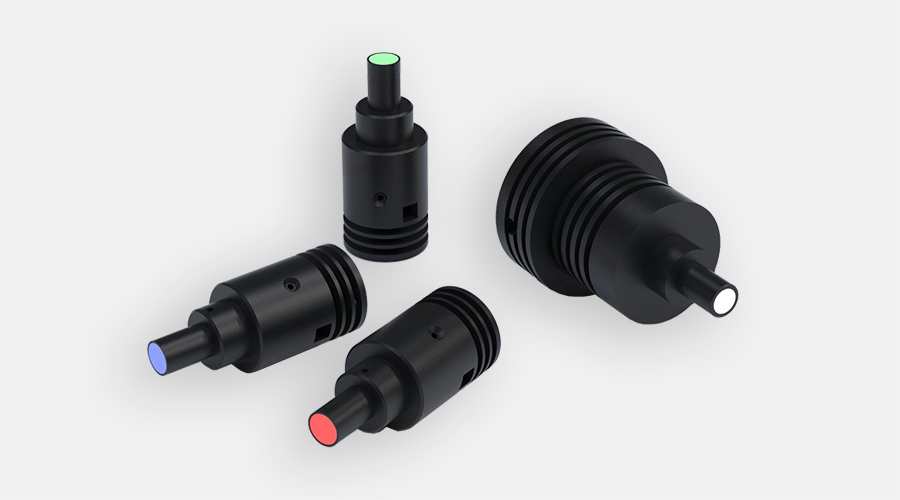 Spot light
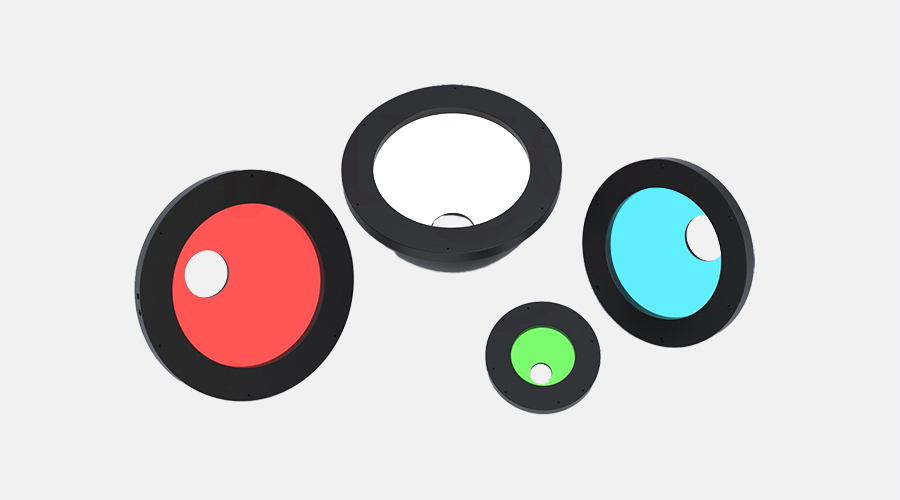 Dome light
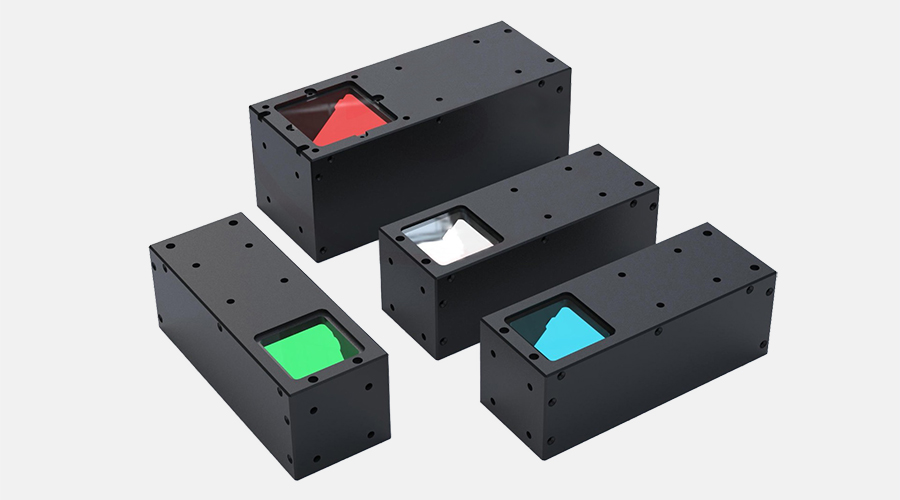 Collimated Coaxial light
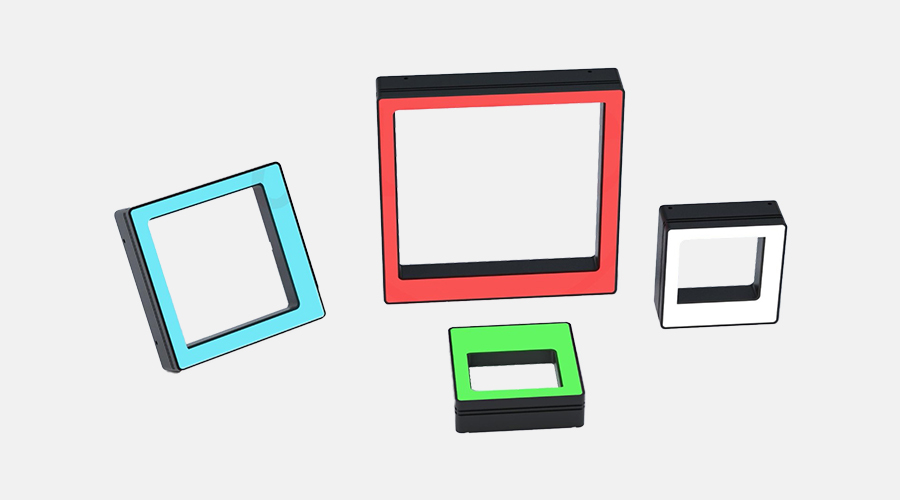 Shadowless square light
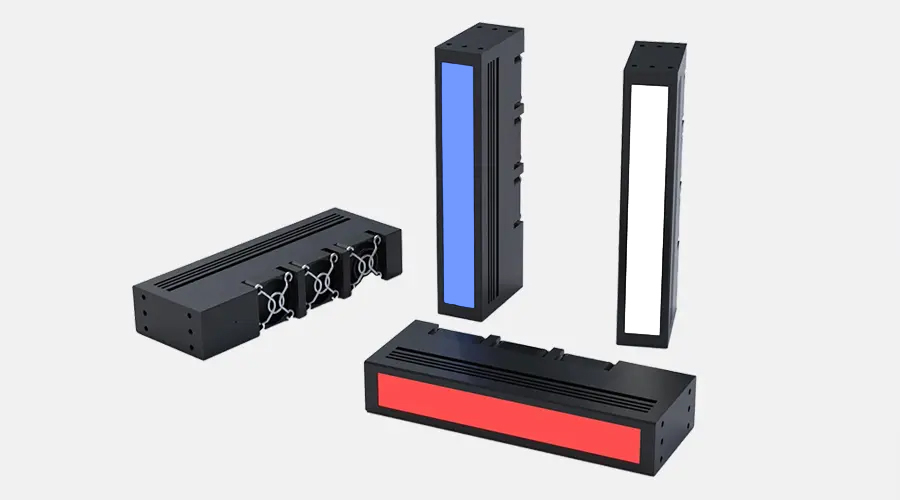 Scan light
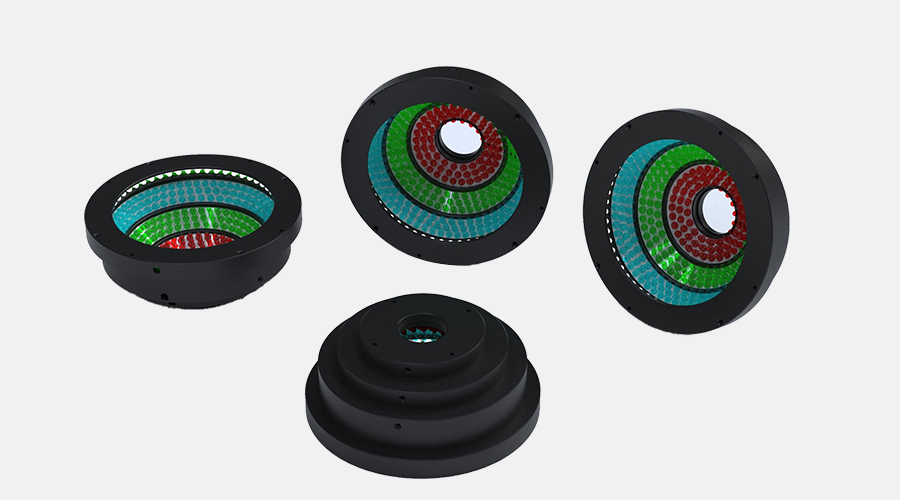 AOI light
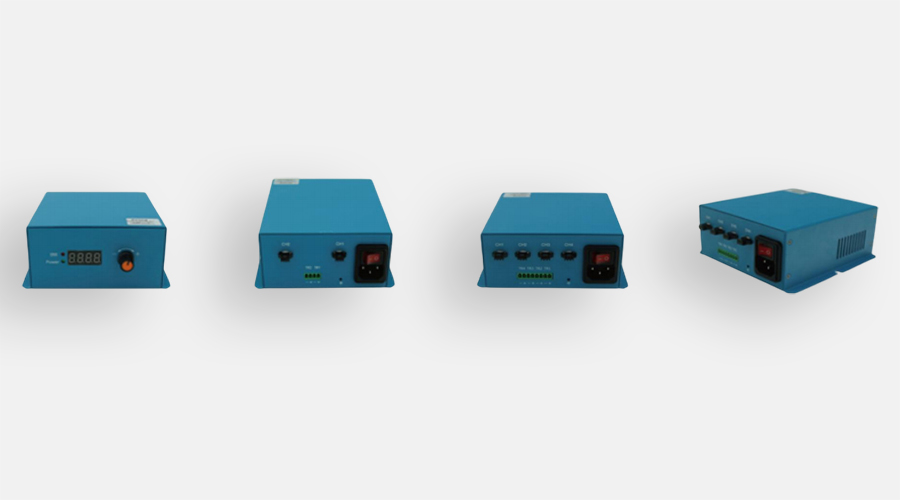 Analog controller
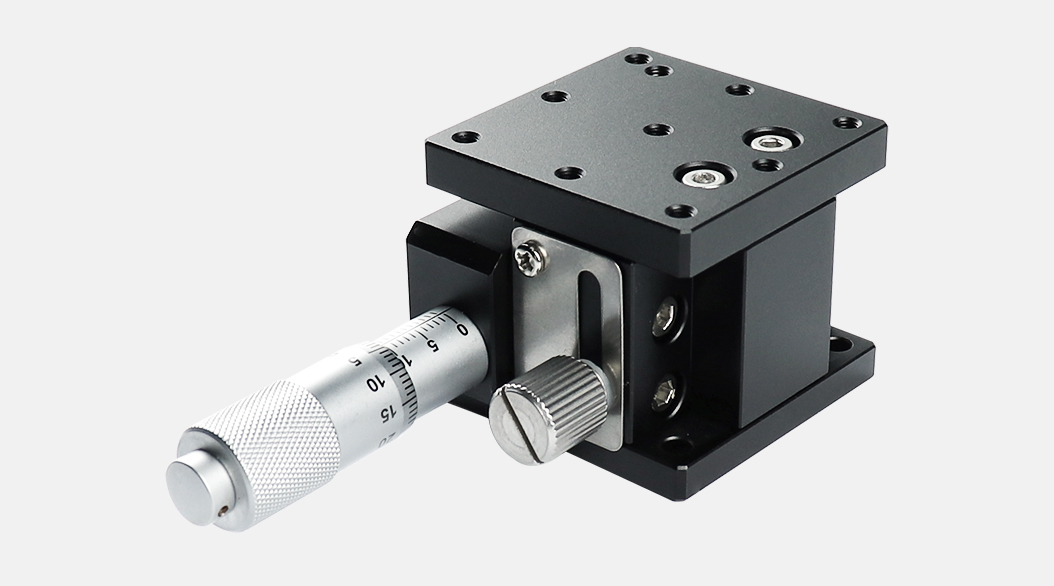 Crossed-Roller Linear guide type
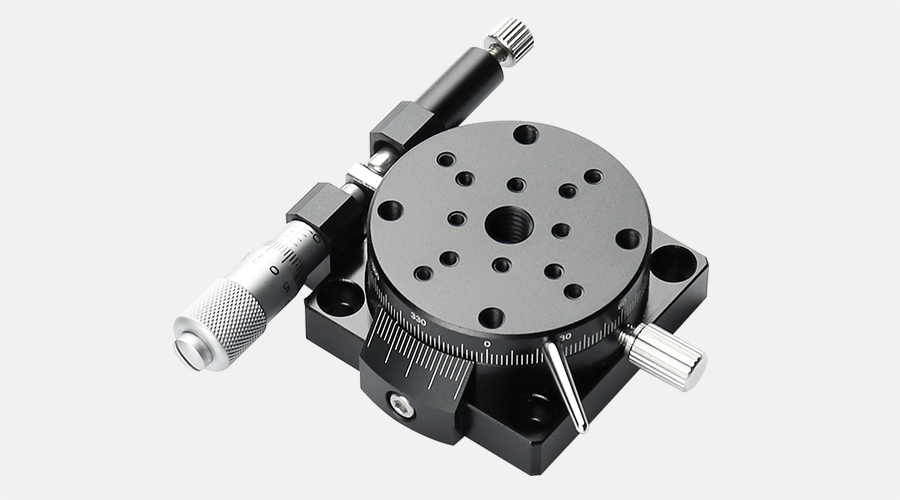 Rotary Stages XRS series
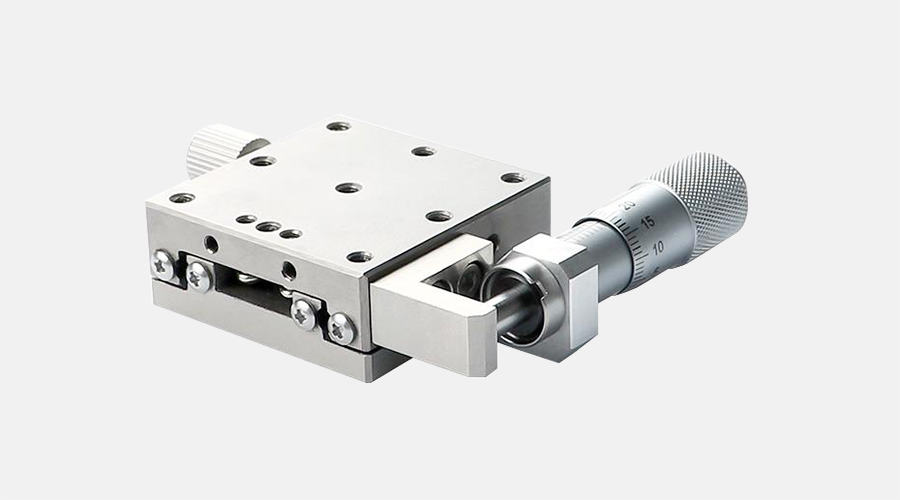 Stainless Steel Ball Bearing Linear Translation Stages
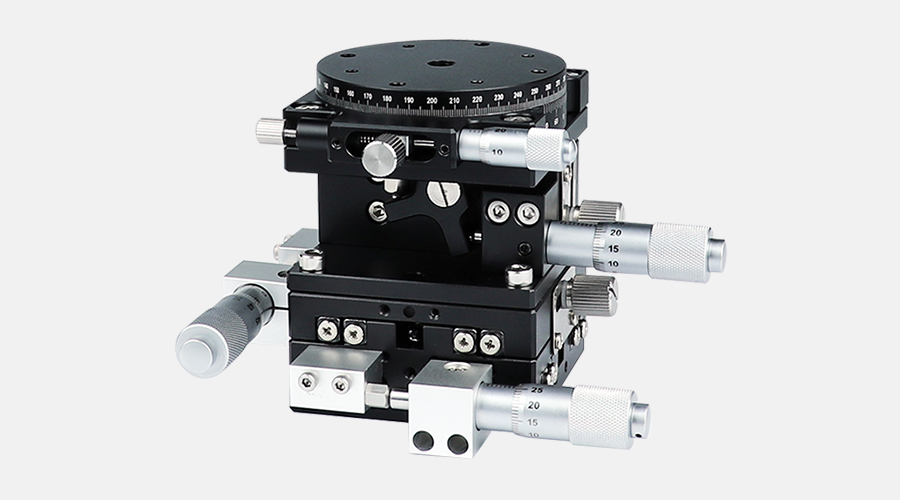 Multi-axis Translation stages
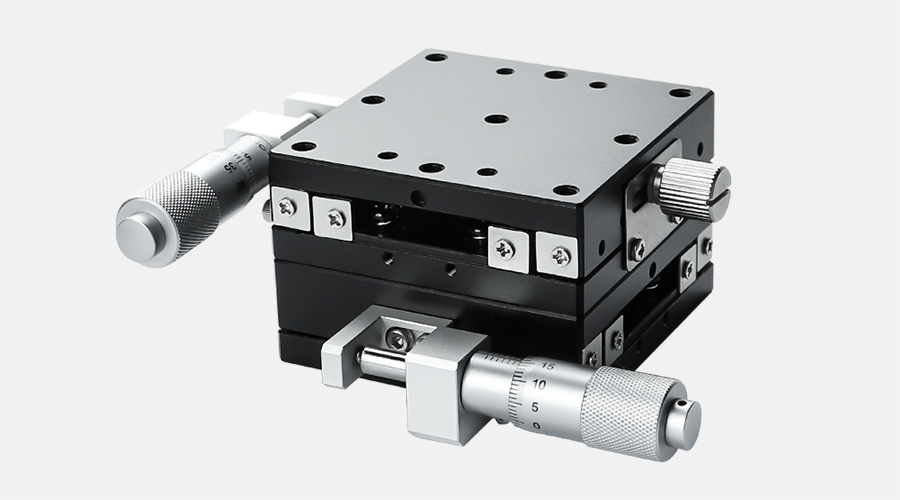 steel bar ball bearing stages
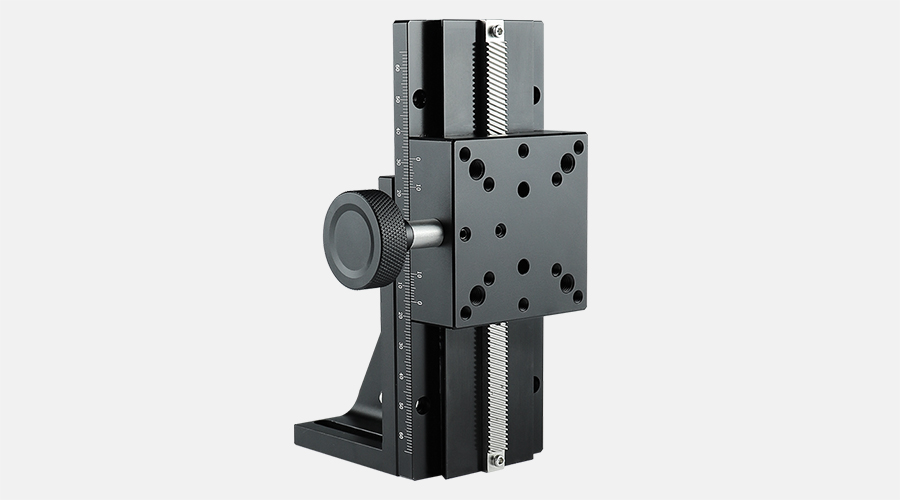 Dovetail Type Rack&Pinion Positioning Stage
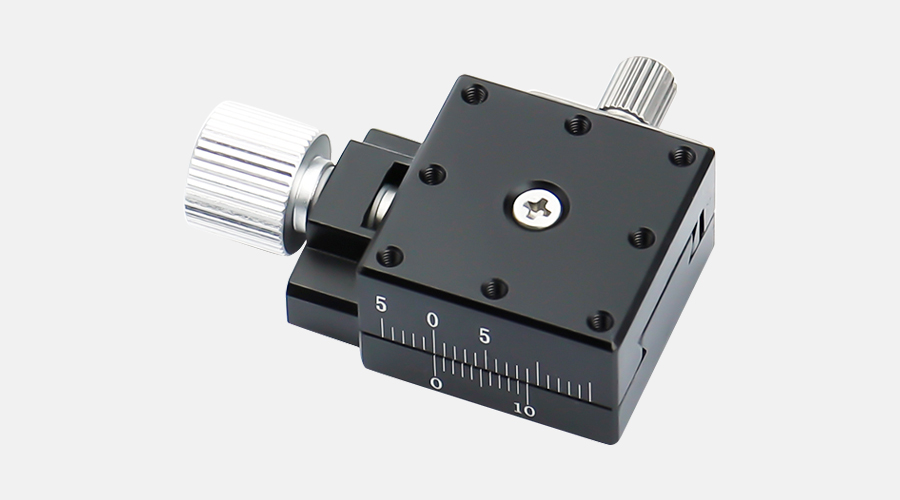 Dovetail groove high-precision screw slide