- Home
- Products
- About Us
- Customized Services
- News
- Contact Us
 Compatible with 7.2mm-82mm chips
 High/Low Working Distance
 Aperture telecentric lens
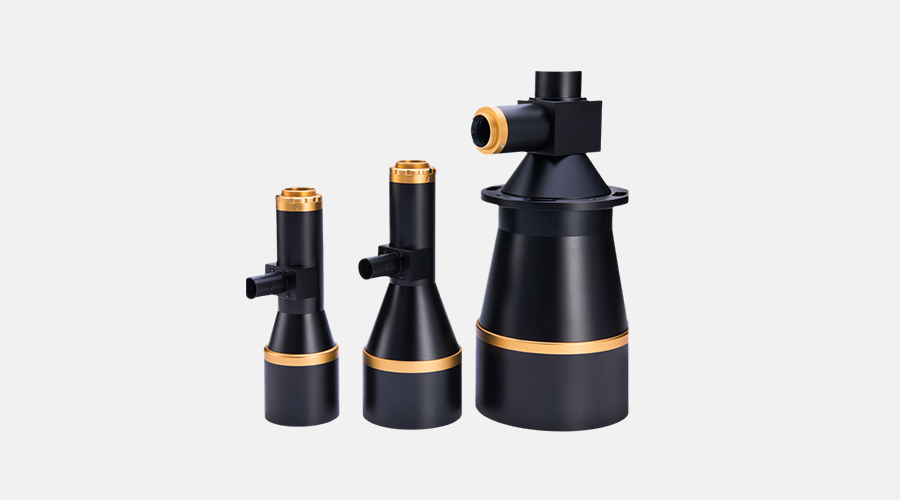 Measuring lens
 Maximum support 1.1" chips
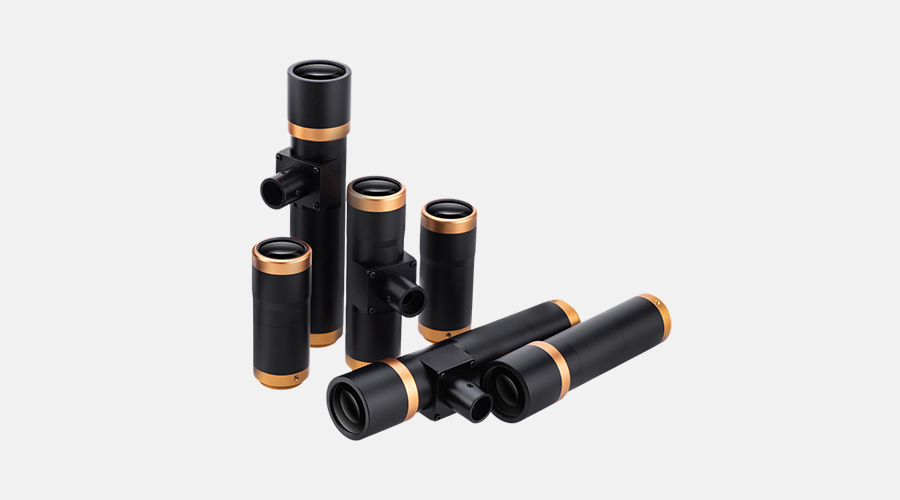 Maximum support 1.2" chips
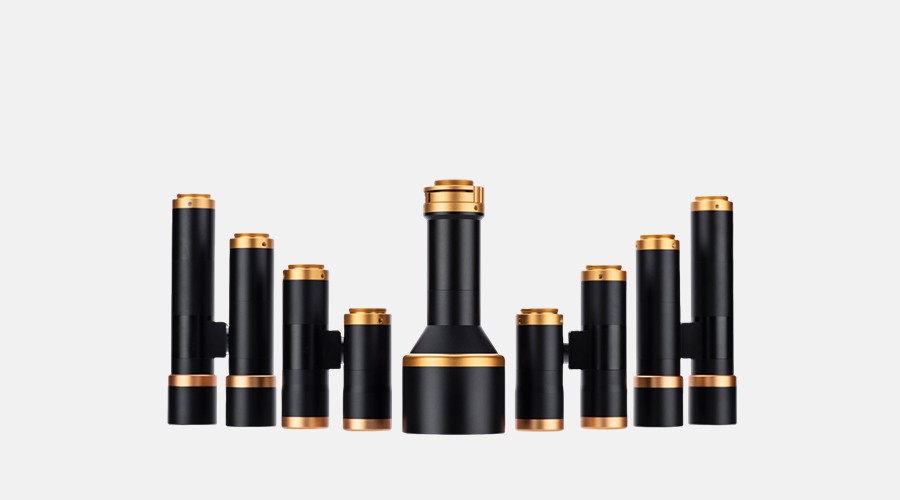 Maximum support 2/3" chips
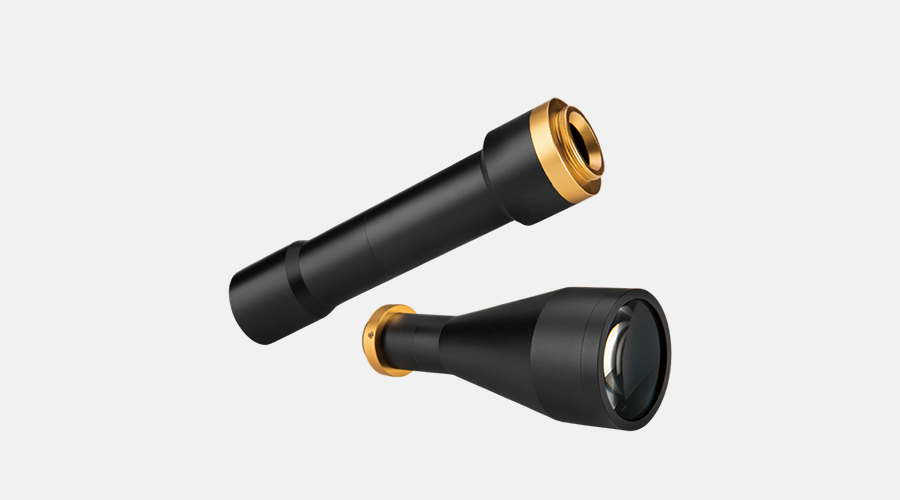 Long Working Distance
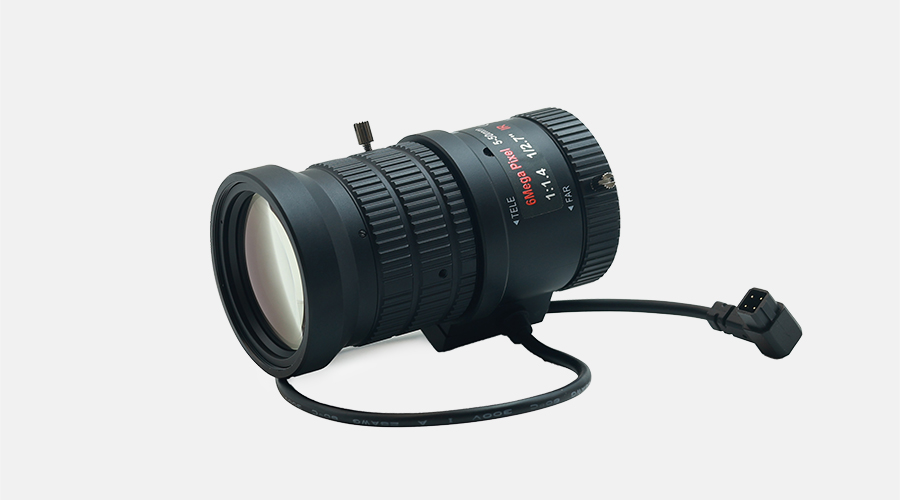 CS mount Varifocal lens
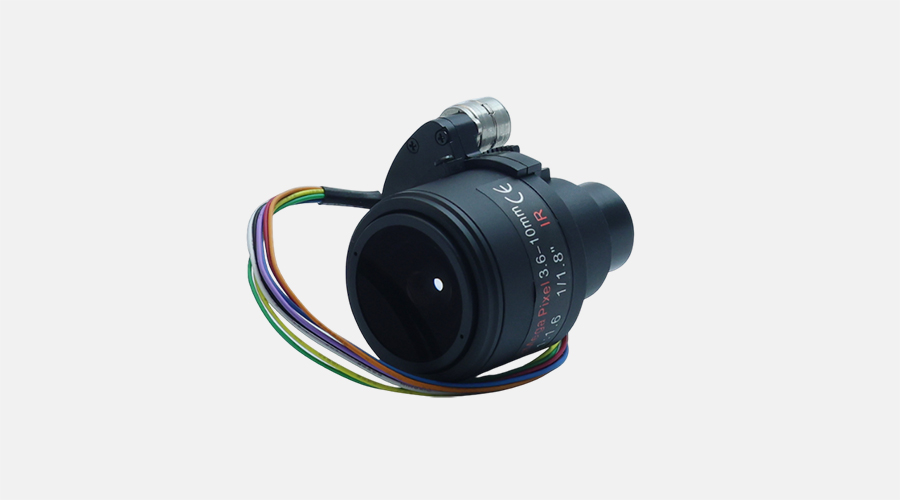 Varifocal board lens
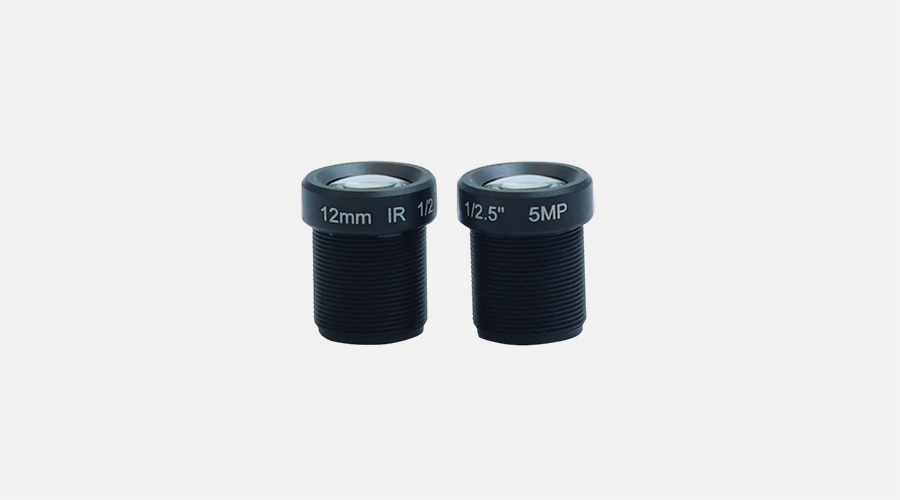 S mount lens
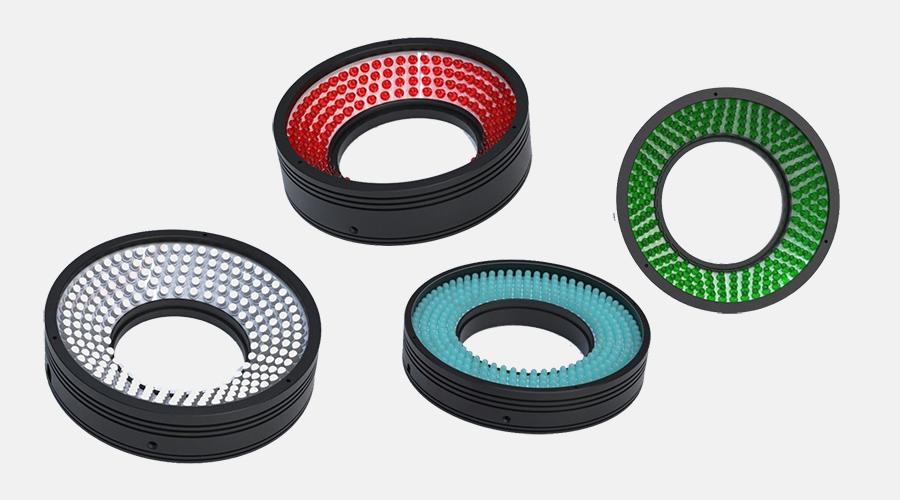 Ring light
 UV/IR Light
 Bar light
 Arcuate high uniformity light
 Back light
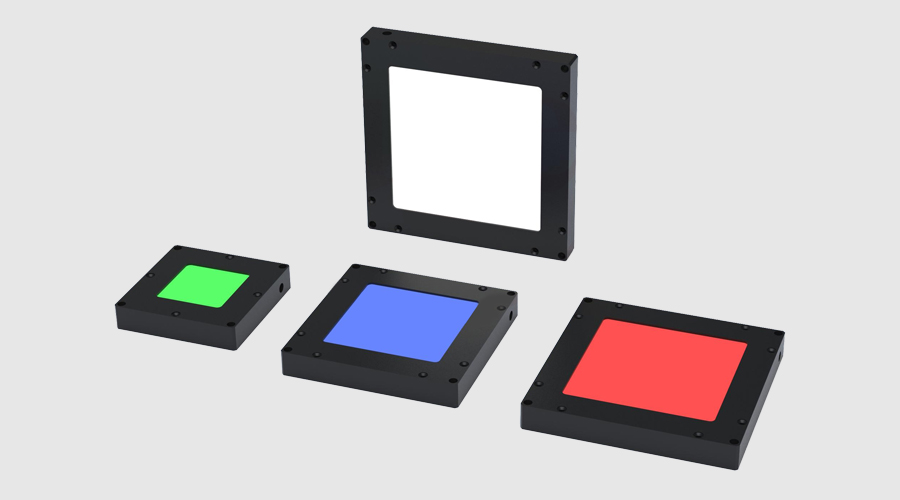 Flat light
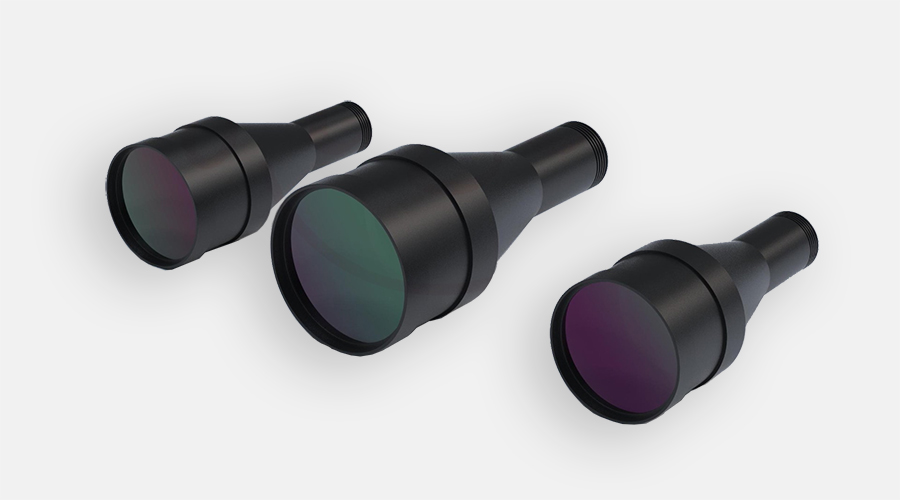 Collimated light
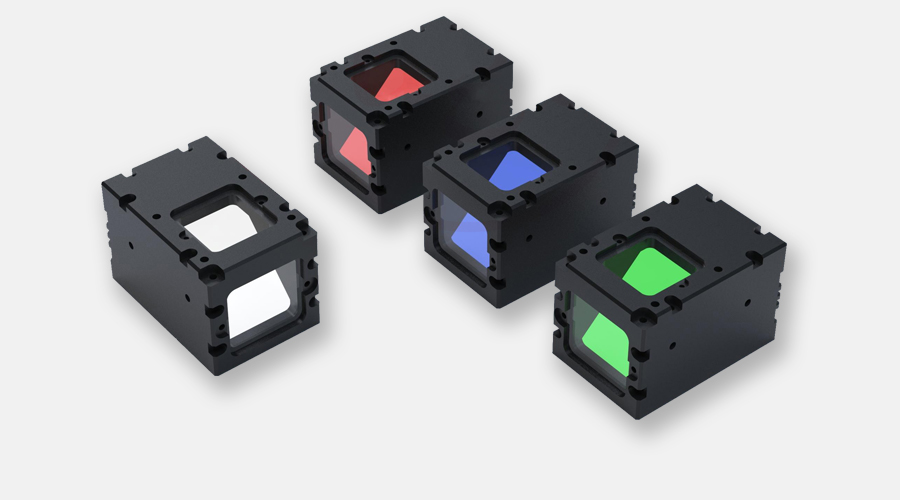 Coaxial light
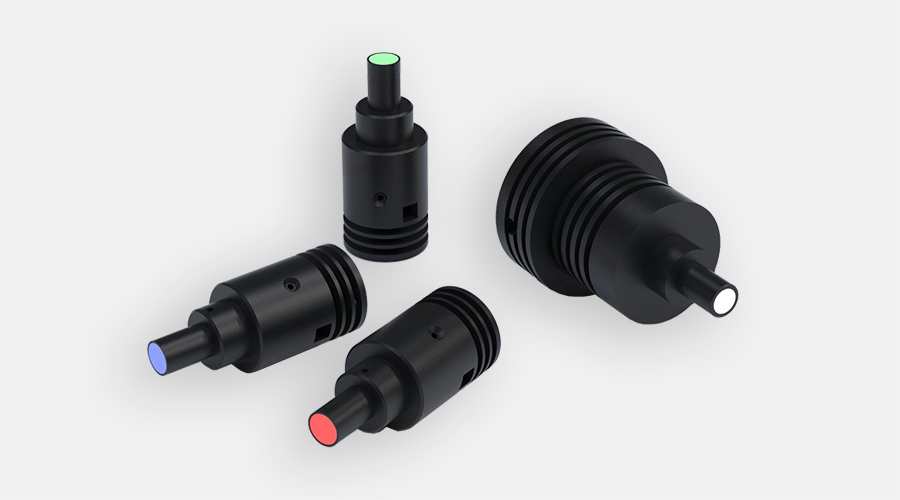 Spot light
 Dome light
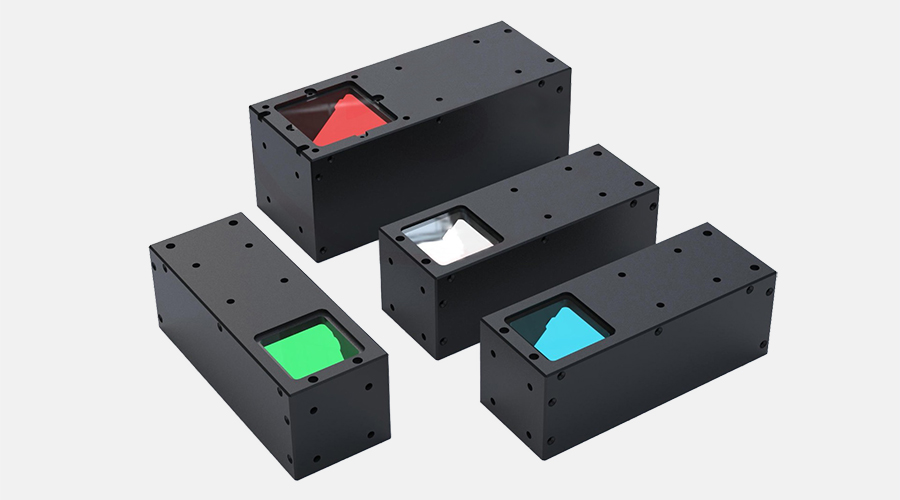 Collimated Coaxial light
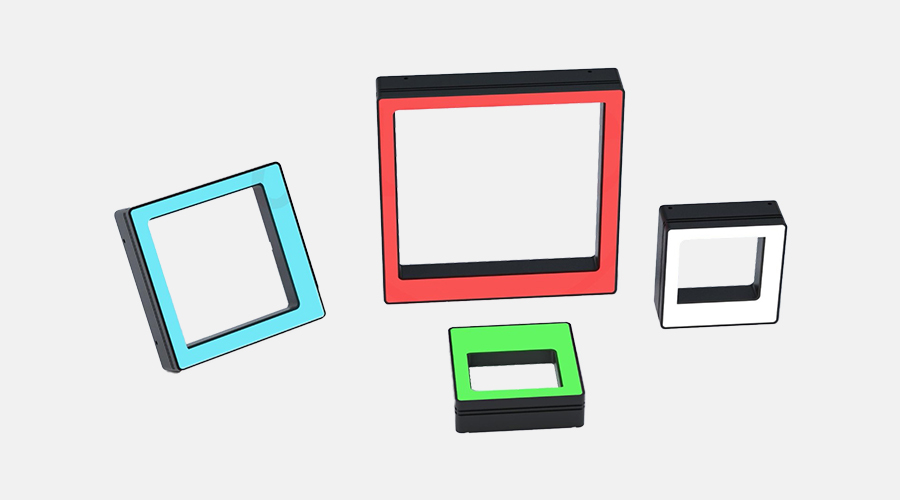 Shadowless square light
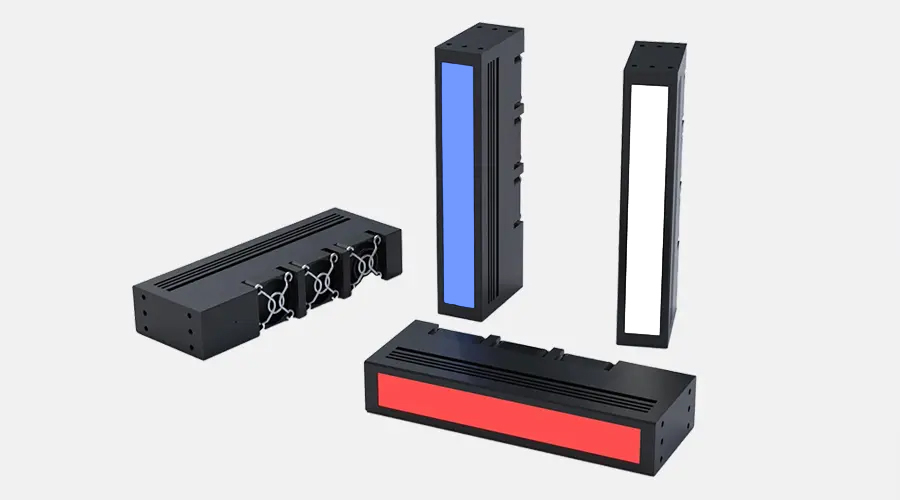 Scan light
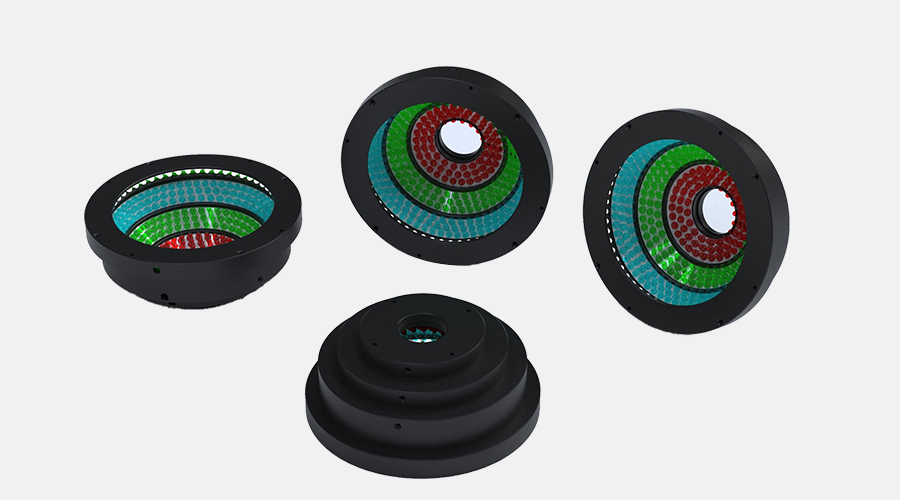 AOI light
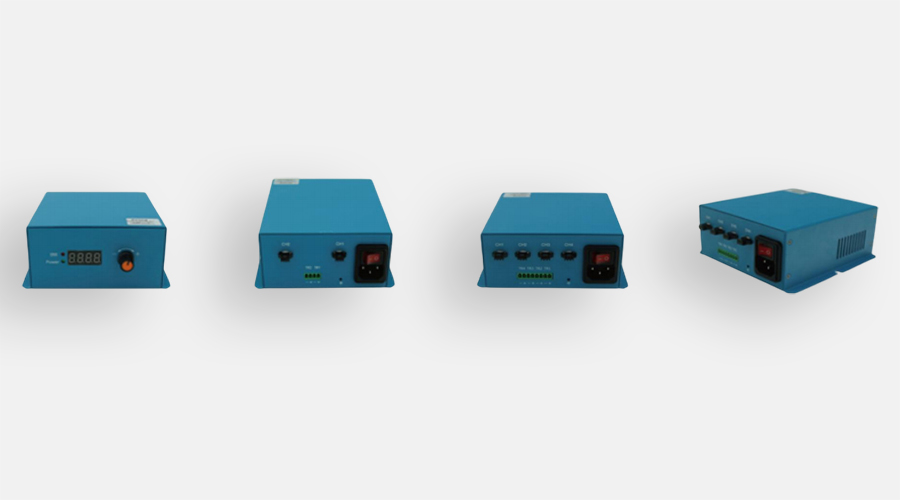 Analog controller
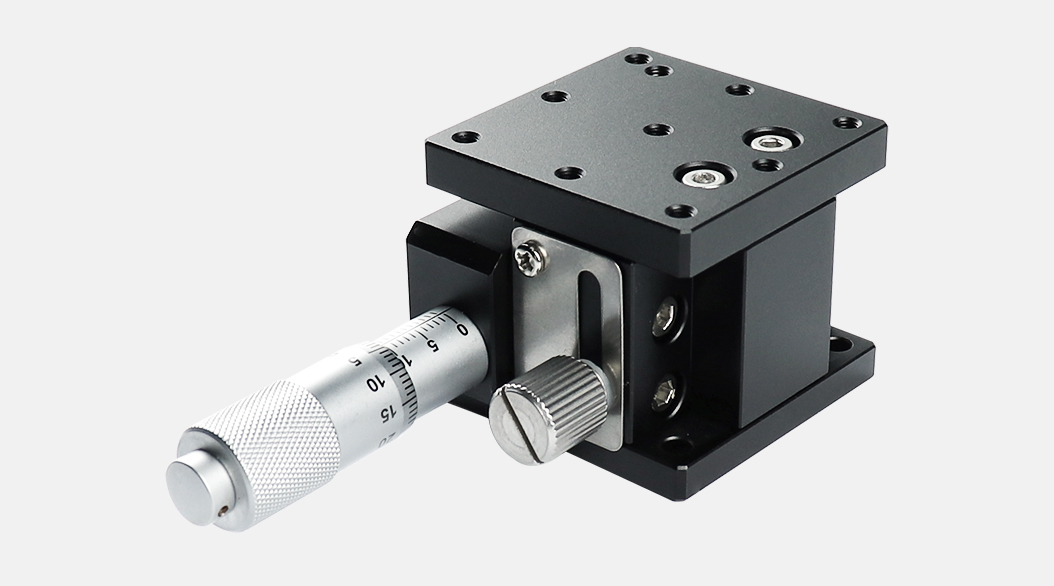 Crossed-Roller Linear guide type
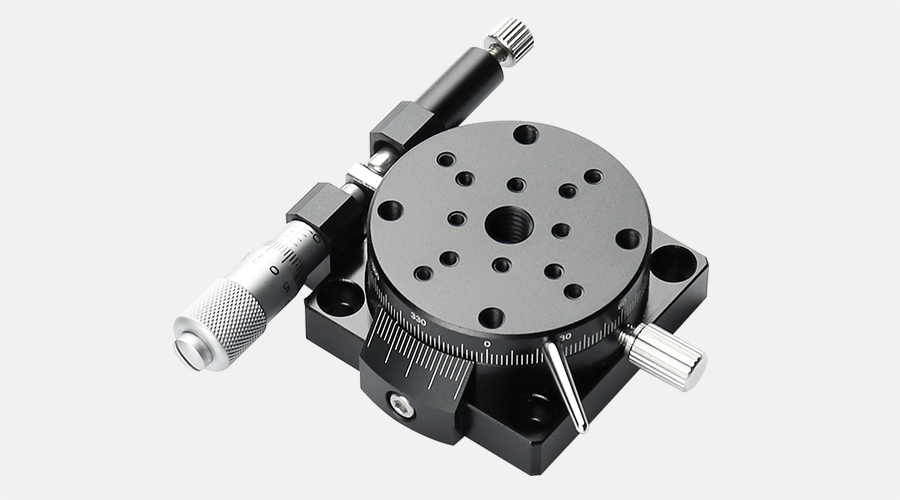 Rotary Stages XRS series
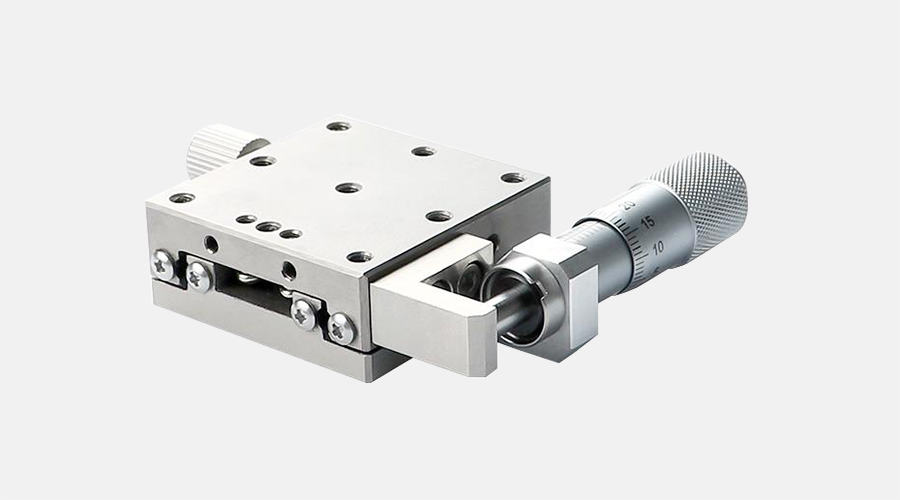 Stainless Steel Ball Bearing Linear Translation Stages
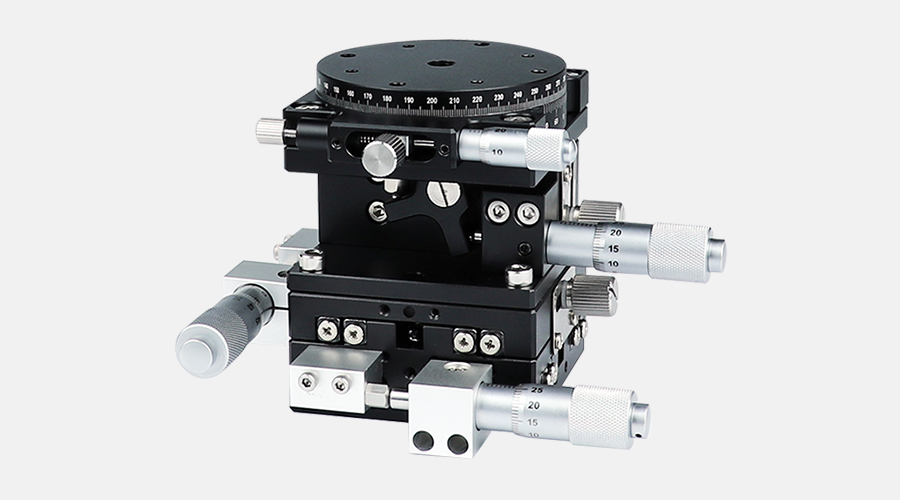 Multi-axis Translation stages
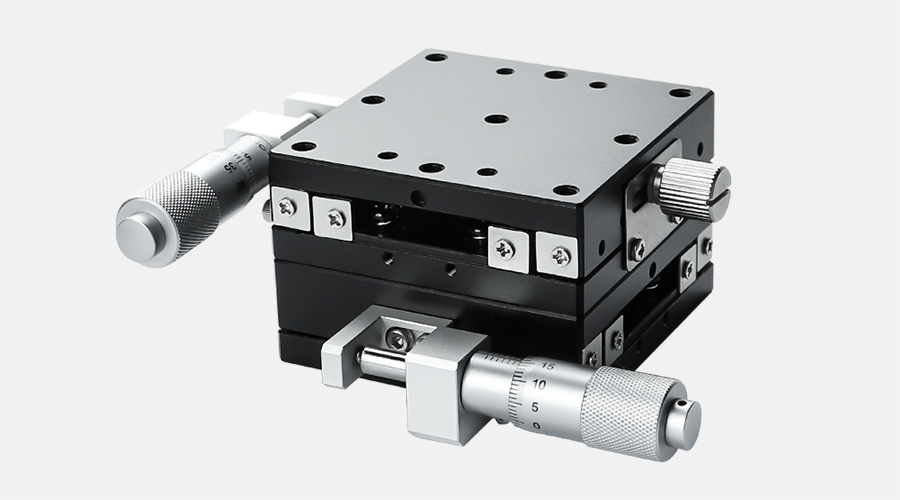 steel bar ball bearing stages
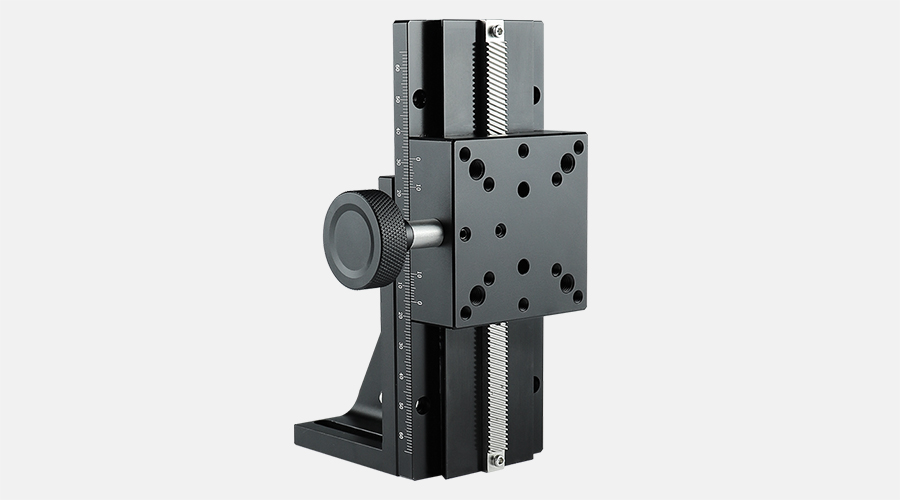 Dovetail Type Rack&Pinion Positioning Stage
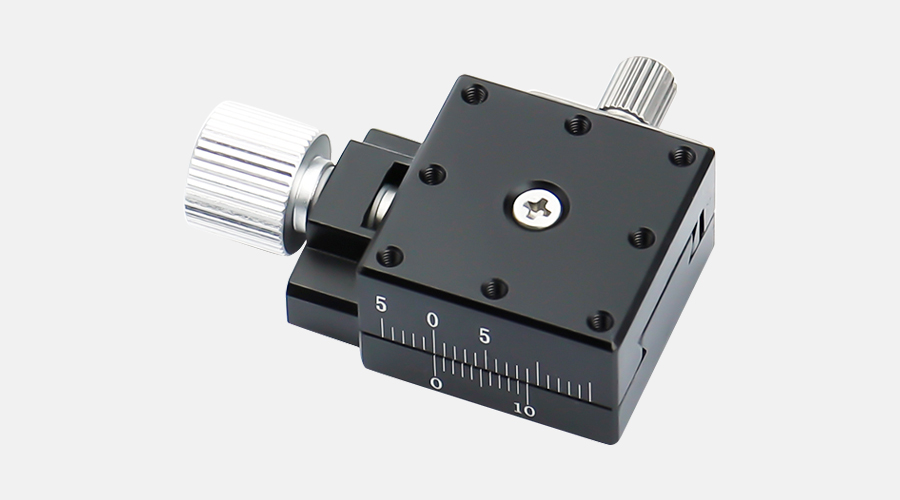 Dovetail groove high-precision screw slide
Leave Your Message
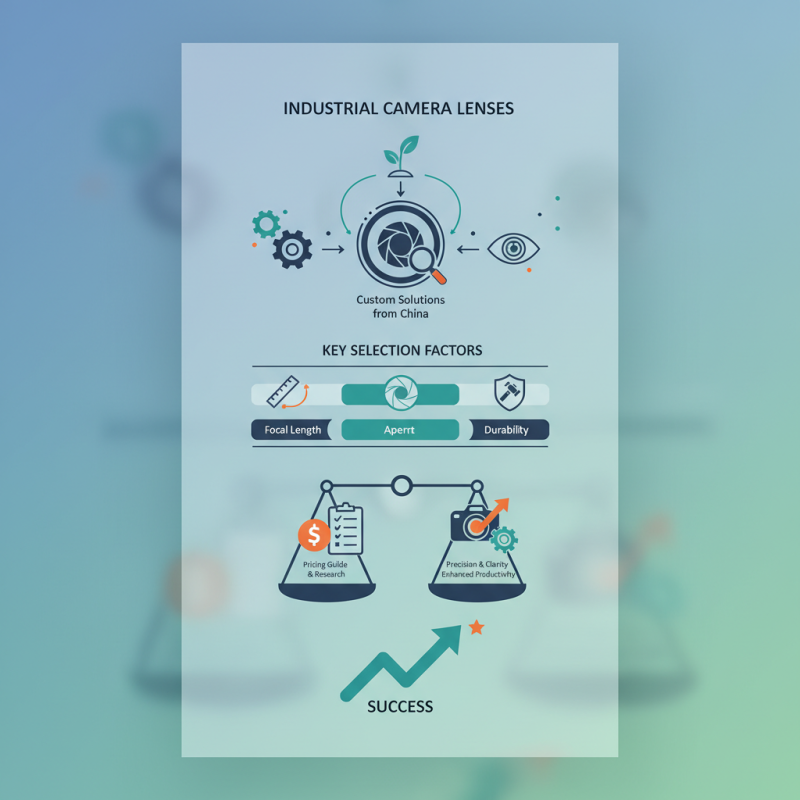
In today’s competitive world, having the right tools can really make all the difference when it comes to success. For many industries like manufacturing, farming, or security, high-quality Industrial Camera Lenses are pretty much a must-have. China’s become a major player here, offering tons of customized options that can suit pretty much any requirement. If you’re on the hunt for the best wholesale custom Industrial Camera Lenses, this overview should give you a good idea of pricing and what features are out there.
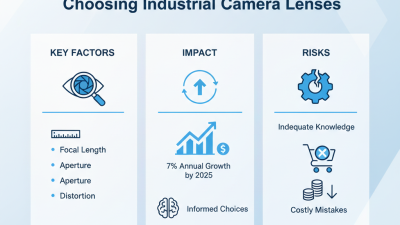
When you're picking lenses, it’s super important to think about things like focal length, aperture, and how tough they are — durability really matters. Each lens is designed for a specific purpose, so choosing the wrong one could just end up being a headache. Quality control and reliability are what you should always keep in mind. The whole world of Industrial Camera Lenses is pretty big and can be a little overwhelming at first. Not every supplier is up to the same standards, so a little research definitely helps.
Manufacturers really need to consider their unique needs as well. Sharpness and precision are key, but those features often come with a bigger price tag. Knowing exactly what you need can save you from overspending on bells and whistles you don’t really need. Checking out a pricing guide can help you make smarter choices, ensuring that you end up with equipment that’s both reliable and fits your budget. In the end, finding the right Industrial Camera Lenses can really boost your productivity and set you on the path to success.
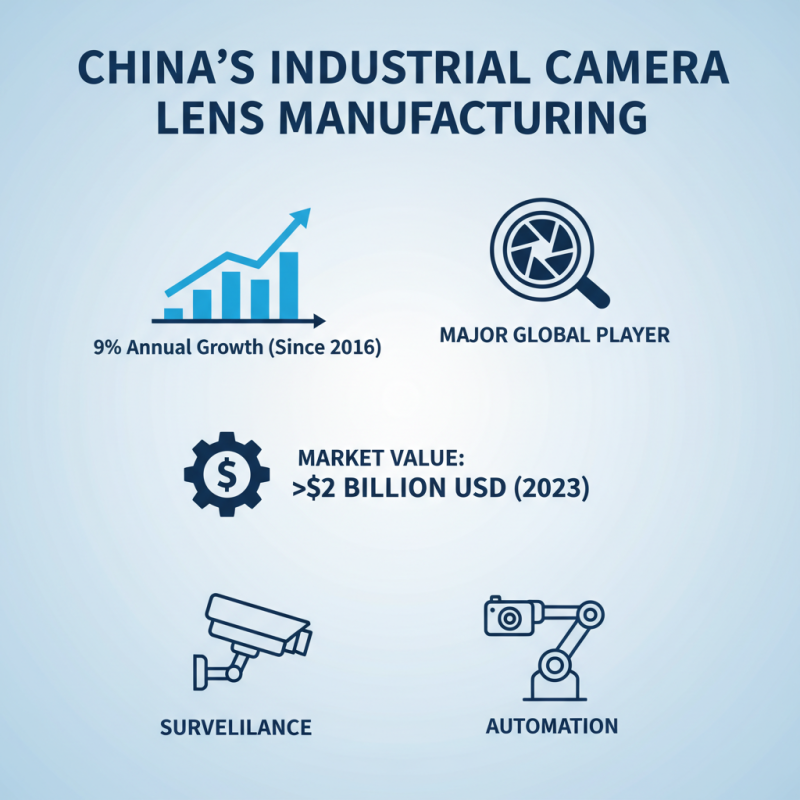
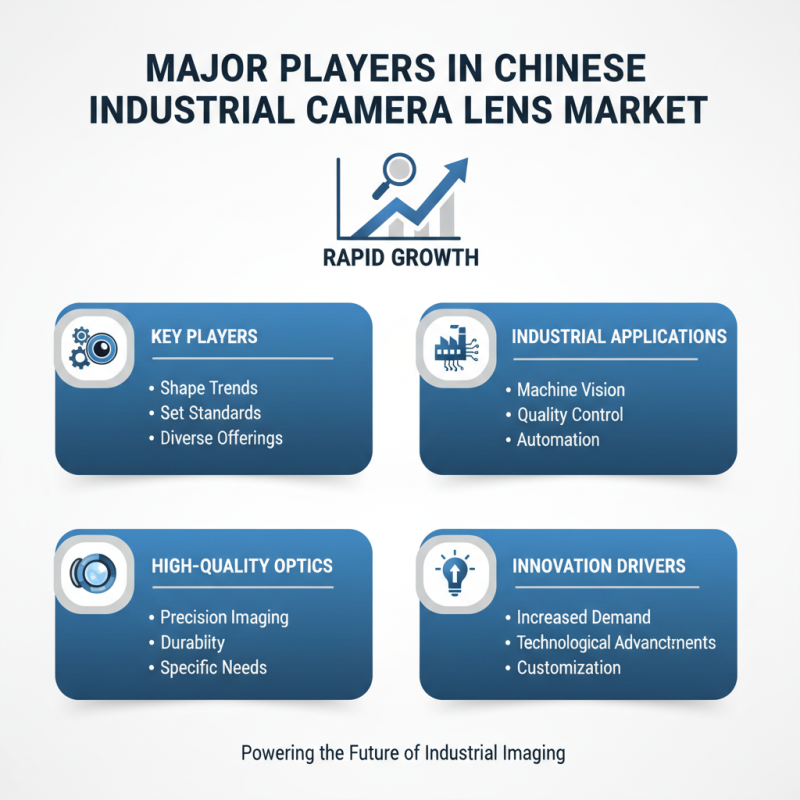
China is a major player in the industrial camera lens manufacturing sector. Since 2016, the country’s production of camera lenses has seen a steady growth rate of approximately 9% annually. This growth is fueled by rising demand in various sectors, including surveillance and automation. As of 2023, the industrial camera lens market in China is valued at over USD 2 billion, showcasing its significance.
Specialized lenses, such as Traffic Cameras Zoom Lenses, are increasingly tailored for specific applications. This focus on customization addresses the unique needs of industries, from security to automotive. Nevertheless, the market faces challenges, including quality control issues and the need for advanced technology. These factors can hinder competitiveness against global manufacturers.
Despite these concerns, China’s lens production remains robust. Innovations in technology are on the rise, yet many facilities still rely on outdated machinery. This can impact the overall quality and efficiency of output. The balance between rapid production and maintaining high standards is essential for sustained growth in the industrial camera lens market.
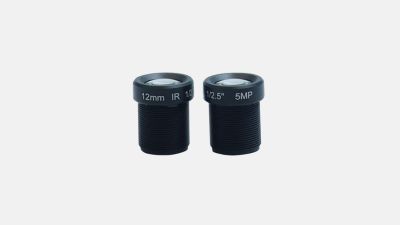
In the realm of industrial imaging solutions, the demand for high-quality visuals has precipitated the development of advanced optical technologies. One such innovation is the introduction of the 2.5-inch 5-megapixel fixed-focus lens. This compact lens is designed to deliver exceptional image clarity and precision, making it an ideal choice for diverse industrial applications, from manufacturing inspection to quality control processes.
Featuring a 12mm focal length, this lens utilizes a M12 threaded interface that ensures secure and reliable mounting, minimizing vibrations and maintaining sharp focus even in dynamic environments. The main light angle of less than 4.51° allows for a narrow field of view, which is crucial when it comes to concentrating on specific areas of interest without compromising the overall image quality. Furthermore, the lens is engineered to exhibit an optical aberration of -4.44% at 1/2.5 inches, further enhancing the overall imaging performance and enabling users to achieve crisp and detailed visuals essential for various industrial tasks.
Integrating such advanced optical components not only streamlines imaging processes but also significantly boosts the quality of the results. In industries where accuracy is paramount, adopting advanced imaging solutions like the fixed-focus lens can make a substantial difference in operational efficiency and outcome reliability.
: Industrial camera lenses offer high-quality imaging, durability, and customization options. These aspects are critical for various applications.
High-quality glass ensures clarity and reduces distortion. Coatings enhance light transmission and minimize glare during use.
Durable lenses withstand harsh environments, dust, and moisture. This reduces the risk of damage, ensuring long-term usability.
Lens types, specifications, and bulk order rates significantly affect prices. Higher durability often leads to increased costs.
Analyzing warranty and return policies helps assess the trustworthiness of suppliers. Quality should not be compromised for cost.
There is growing demand for customized lenses that meet specific industry needs. Balancing cost and quality can be challenging.
Modular design allows easy modification or upgrading of lens components. However, not all manufacturers offer this feature.
Sustainable practices in production are increasingly crucial. Companies are becoming mindful of their environmental footprint.
Customization can enhance performance but might lead to higher costs. It's important to weigh benefits against budget constraints.
Buyers often underestimate the long-term value of quality lenses. Cheap options can lead to regrets and higher replacement costs.
The article provides a comprehensive overview of the industrial camera lenses market in China, highlighting key aspects of manufacturing and custom options. It outlines the important features that characterize industrial camera lenses, emphasizing how customization plays a significant role in meeting diverse industrial needs.
Moreover, the pricing of these lenses is influenced by various factors, which are detailed in a comparison of wholesale prices across different lens types. The article also touches on the quality standards and certifications that are essential for ensuring reliable performance in various applications. Lastly, it explores current trends in the customization of industrial camera lenses and identifies the major players shaping this competitive market. This overview serves as a valuable resource for understanding the dynamics of industrial cameras lenses in China.