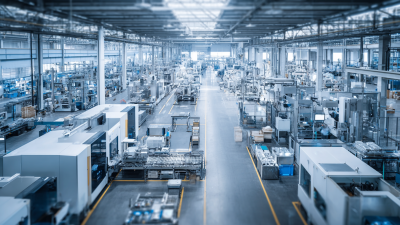
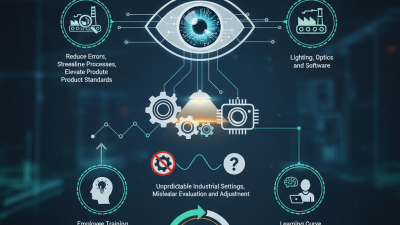
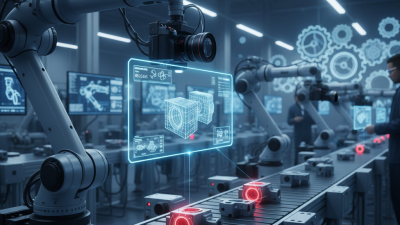
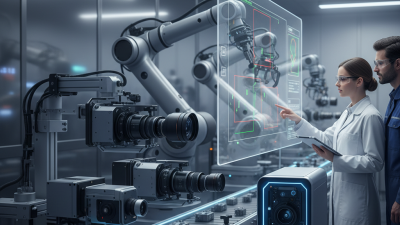
In the fast-changing world of manufacturing, striving for excellence isn’t just a nice-to-have—it's absolutely essential. You’ve probably heard about Machine Vision Quality Control, and honestly, it’s really become a game-changer when it comes to making sure products are consistent and reliable. Dr. Emily Chen, a well-respected expert in the field, always says, “Quality isn’t just a goal; it’s a journey that never really ends.” That really hits home, especially when you think about how automated inspection systems now use super advanced imaging tech to get the job done.
Anyway, these Machine Vision Quality Control systems are pretty much a must-have on modern production lines. They boost accuracy, cut down on human mistakes, and overall, make things run smoother and faster. But, I won’t lie—getting them up and running isn’t always straightforward. A lot of companies struggle with fitting the tech into their existing processes and getting it calibrated just right. Let’s face it, this stuff is pretty complex, and not every solution works perfectly for every business.
Also, in the rush to chase high quality, many tend to overlook the importance of ongoing training and flexibility. Companies like VisionTech and OptoVision are leading the charge with their machine vision solutions, but even the coolest gadgets need smart people to operate them well. Finding that sweet spot between top-notch tech and skilled operators is key if you really want to maximize the value of Machine Vision Quality Control. Paying attention to these little details can seriously make a difference in how successful your operations are.
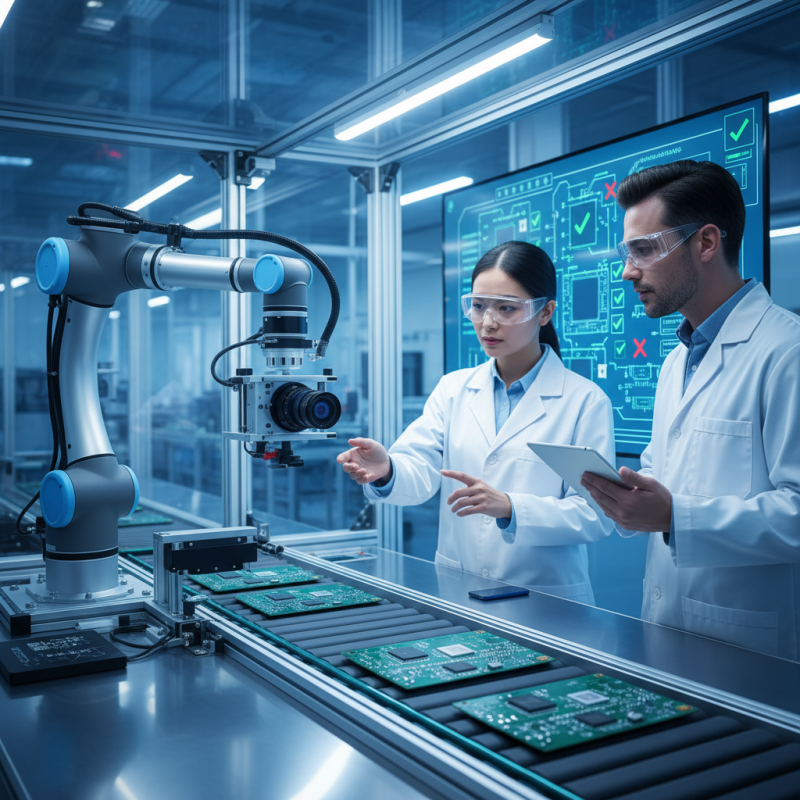
Overview of Machine Vision Systems in Quality Control
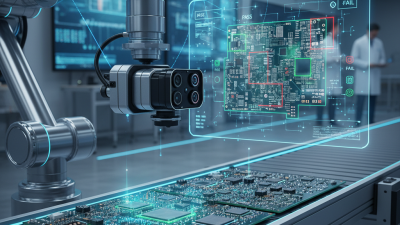
Machine vision systems play a crucial role in quality control across various industries. These systems use advanced algorithms and imaging sensors to detect defects and ensure product consistency. Recent studies reveal that implementing machine vision solutions can decrease inspection time by up to 80%. This efficiency leads to significant cost savings in the production process.
In practice, Machine Vision Quality Inspection can identify flaws invisible to the human eye. For example, detecting micro-scratches on surfaces or measuring precise dimensions. This level of detail enhances product quality and reduces returns. However, it is important to recognize that not all machine vision solutions are foolproof. There can be challenges in adapting to different lighting conditions or variations in product design, which may lead to false negatives or positives.
Investing in machine vision technology requires careful consideration of various factors. A poorly implemented system can lead to unexpected downtime and increased operational costs. Continuous evaluation of system performance is necessary to adapt and improve inspection processes. As industries evolve, so must the technologies used to maintain quality assurance.
China Best Machine Vision Quality Control Solutions for You?
| Parameter |
Description |
Specification |
Application Area |
| Resolution |
The amount of detail that an image holds. |
High-resolution (5MP to 25MP) |
Electronics, Pharmaceuticals |
| Frame Rate |
Number of frames captured per second. |
30 fps to 120 fps |
Automotive, Packaging |
| Lighting |
Type of illumination used for image capture. |
LED, Laser, Ambient |
Textile, Food Industry |
| Software |
Platform used for processing and analyzing images. |
Deep Learning, Neural Networks |
Medical Imaging, Security |
| Integration |
How the system connects with existing infrastructure. |
PLC, IoT Compatibility |
Manufacturing, Robotics |
Advantages of Implementing Machine Vision in Manufacturing
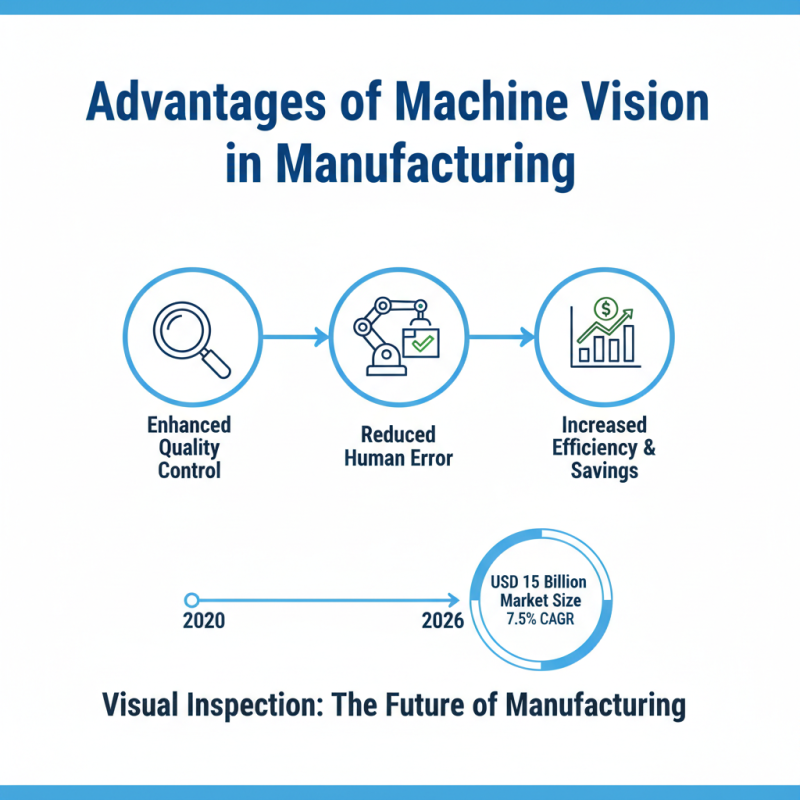
Implementing machine vision in manufacturing can significantly enhance quality control. According to a report by MarketsandMarkets, the machine vision market is projected to reach USD 15 billion by 2026, growing at a CAGR of 7.5%. This growth indicates the increasing trust in visual inspection systems. The utilization of machine vision reduces human error and provides consistent inspection results, which is crucial for high-volume production lines.
One advantage of machine vision is its ability to identify defects that are not easily visible. A study from the Automation Research Institute reported that companies using machine vision reduced defect rates by up to 30%. By automating inspections, manufacturers can allocate human resources to more complex tasks. However, integrating these systems can pose challenges. Employees may require training, and initial setup costs can be high.
Furthermore, while machine vision systems offer speed and accuracy, they can face limitations in varying light conditions. Manufacturers must ensure proper lighting and system calibration for optimal performance. This necessity can lead to additional operational challenges. Continuous monitoring and adjustments may be required to maintain quality standards effectively. Balancing these factors is essential for a successful implementation of machine vision technology.
Key Features to Consider in Machine Vision Solutions
When considering machine vision solutions, several key features stand out. The resolution of the camera is critical. Higher resolution allows for better detection of defects. Aim for cameras with at least 5 megapixels. This ensures that even small issues are identified effectively.
Another vital aspect is lighting. Proper lighting enhances image quality. Different types of lighting can affect how defects are perceived. Incorporating adjustable lighting can help to manage shadows and brightness. Flexibility in lighting can lead to better results in quality control.
Integration is essential as well. The solution should work smoothly with existing systems. Compatibility issues can lead to significant delays. Ensure that software can be easily updated. This helps in adapting to new technologies. It is necessary to have a reliable support system in place. Effective customer service can significantly ease the process. Strive for continuous improvement in your vision system. Regular reviews help to identify areas needing updates or changes.
Leading Machine Vision Technologies and Innovations in China
Machine vision technology is evolving rapidly, particularly in China. Recent studies show that the machine vision market is projected to reach $12 billion by 2025. This growth is driven by sectors like manufacturing, healthcare, and automotive. The demand for precision in quality control is at an all-time high. Businesses need reliable solutions to enhance product consistency.
China leads in innovation with cutting-edge developments. Advanced machine vision systems employ high-resolution cameras and sophisticated algorithms. These tools analyze products more efficiently than the human eye. Importantly, the right Machine Vision Lens is crucial for achieving optimal image quality. However, many companies struggle to integrate these technologies seamlessly into their operations. They often face challenges like calibration issues or software integration problems. Further learning and adaptation are required to overcome these hurdles.
Data from industry reports suggests that automation can reduce production errors by up to 70%. This statistic emphasizes the importance of investing in machine vision systems. Despite this, some businesses remain hesitant due to high initial costs and the complexity of implementation. Evaluating long-term benefits versus short-term setbacks is essential for making informed decisions in today's competitive landscape.
Case Studies: Successful Quality Control with Machine Vision
Machine vision systems have revolutionized quality control in manufacturing. Through high-resolution cameras and sophisticated algorithms, these systems ensure products meet strict standards. One notable case involves a factory producing electronic components. Initially, they faced challenges with defect detection. Traditional methods relied heavily on human inspection, leading to errors and inconsistencies.
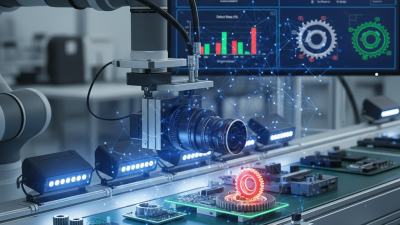
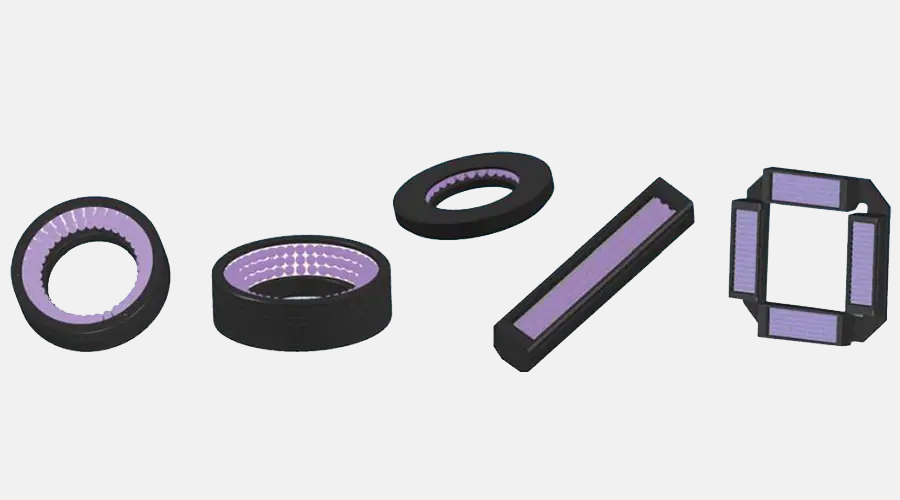
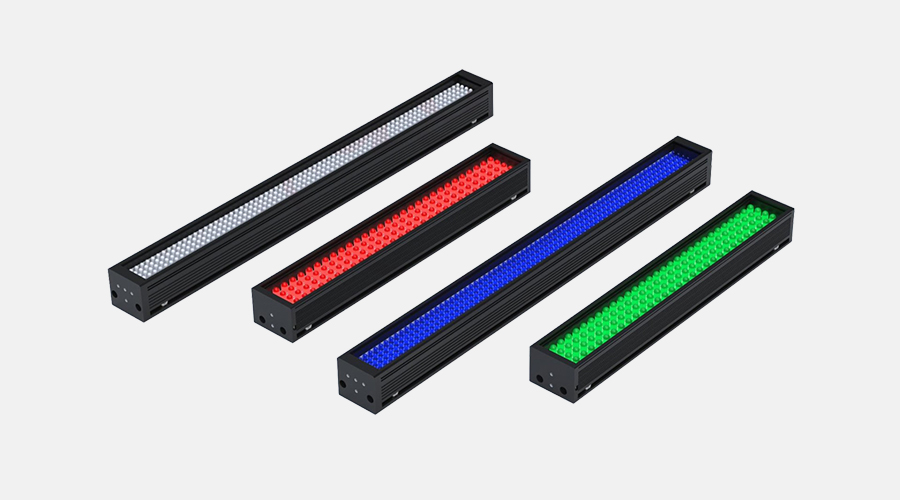
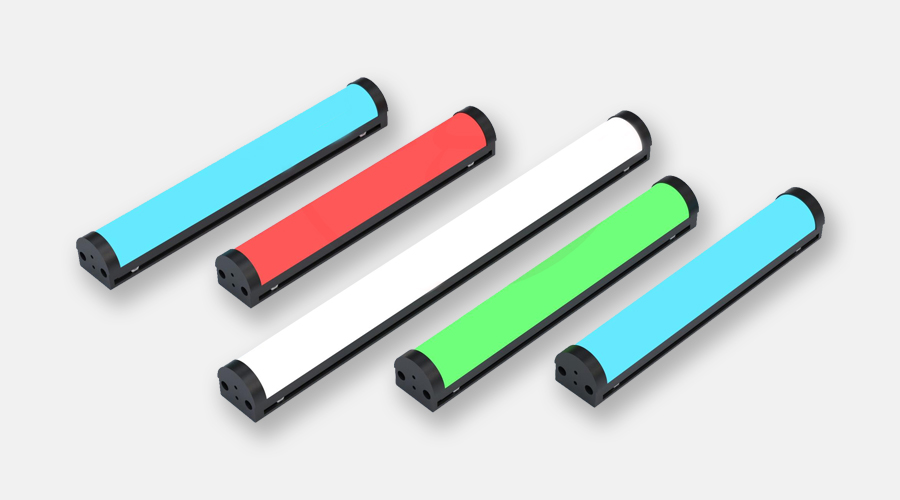
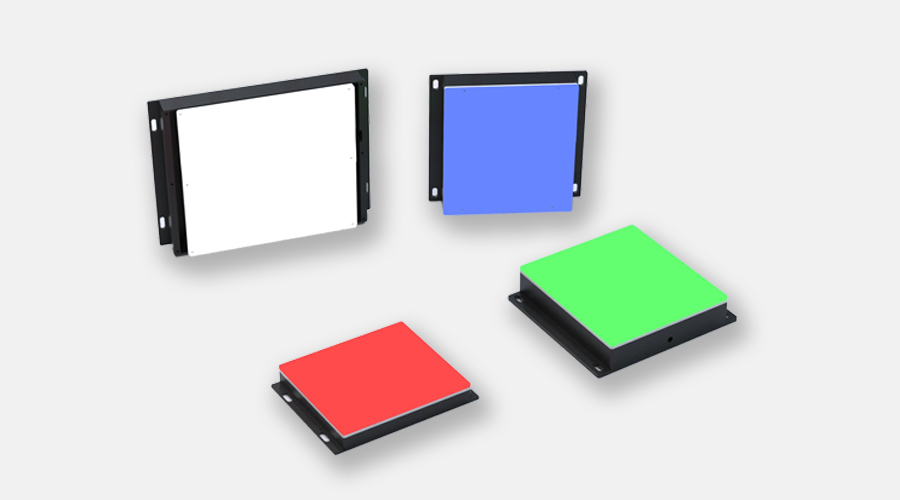
Implementing machine vision solutions transformed their quality control process. The introduction of Machine Vision Lights improved illumination and increased detection rates. Consequently, the factory achieved a significant reduction in defects. However, not every aspect was perfect. There were initial hiccups in integration and employee training. Some workers felt uneasy about relying on technology. This prompted discussions on balancing human oversight with automation.
Another example is in the food industry, where machine vision enhanced sorting processes. Inconsistent quality led to waste and customer complaints. By applying these advanced systems, the company improved its sorting accuracy. Machine vision lights helped to identify even minute imperfections in products. Yet, the approach required ongoing adjustments to stay effective. Continuous feedback loops allowed for refining the system over time. Quality control is an evolving process, and learning from each implementation can lead to improvements.
Machine Vision Quality Control Performance Metrics
This chart displays the performance metrics of machine vision quality control solutions implemented in various industries. The data showcases the improvement in defect detection rates and reduction in inspection time after deploying machine vision technologies.
How to Choose the Right Machine Vision Provider in China
Choosing the right machine vision provider in China requires careful consideration. Start by assessing your specific needs. Identify the features most relevant to your operations. This could include quality inspection, measurement, or identification purposes. Understanding these details will help you filter potential providers effectively.
Tips: Research their track record. Look for testimonials or case studies. Speak directly to their past clients if possible. A reliable provider should be willing to share experiences from their projects.
Evaluate the technology they employ. Advanced machine vision may include AI capabilities. It’s essential to inquire about their software and hardware integrations. Does their solution fit seamlessly into your existing processes? Ensure they can adapt the solution to your environment. Flexibility is key.
Tips: Don't overlook the support structure. A good provider offers ongoing technical support and training. This can make a significant difference in how quickly your team adapts to new technology. The value of solid customer service is often underestimated but incredibly vital.
Future Trends in Machine Vision Quality Control Solutions
As industries evolve, the role of machine vision quality control solutions becomes increasingly critical. These systems offer enhanced accuracy and efficiency in inspecting products. Recent advancements in artificial intelligence and image processing are shaping future trends.
Machine Vision Systems now leverage deep learning to identify defects with remarkable precision. This technology streamlines production lines, reducing the need for human intervention.
Looking ahead, flexibility is key for machine vision systems. Companies are focusing on customizable solutions to meet unique production needs. Not all solutions will fit every scenario. The challenge is to develop systems that adapt to different products and environments. There’s also a growing emphasis on real-time data analysis. This means quicker decision-making and improved quality assurance.
However, the journey is not without its hurdles. Integrating machine vision systems into existing workflows can be complex. Additionally, reliance on automation may lead to overconfidence in the technology. Regular updates and human oversight are crucial. Balancing automation with human intelligence remains a critical point of reflection.
As the landscape of quality control evolves, addressing these challenges will be vital for success.
Optimizing Machine Vision with Precision Digital Controllers for LED Lighting Systems
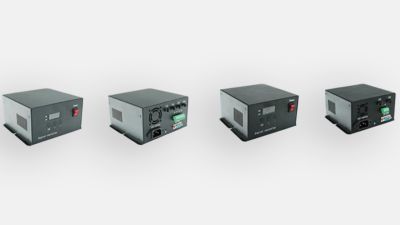
Optimizing machine vision systems requires an integrated approach that balances performance, efficiency, and longevity. One of the essential components in achieving this is the use of precision digital controllers for LED lighting systems. These controllers enable high precision brightness control, allowing users to adjust the light output to match the specific requirements of various imaging tasks. This adaptability is crucial in machine vision applications where lighting conditions can significantly affect the quality of captured images.
In addition to providing smooth and accurate brightness adjustments, these digital controllers incorporate stroboscopic control features. This technology not only enhances image capture by minimizing motion blur but also helps extend the service life of the LED lights. With capabilities such as RS232 communication serial ports, users can remotely control the lighting setup from a computer, allowing for 256 levels of brightness adjustments. This remote functionality not only adds convenience but also ensures that lighting conditions can be modified in real-time, supporting dynamic imaging environments. As a result, the integration of precision digital controllers represents a substantial advancement in optimizing machine vision operations, enhancing both the efficiency and effectiveness of the systems deployed.
FAQS
: Machine vision systems detect defects and ensure product consistency in quality control across industries.
They can decrease inspection time by up to 80%, leading to significant cost savings.
They can detect micro-scratches and measure precise dimensions, identifying flaws invisible to the human eye.
No, they can struggle with lighting variations or product design changes, possibly resulting in false positives or negatives.
Consider implementation challenges, operational costs, and the need for continuous evaluation of system performance.
It transformed defect detection, increasing accuracy and reducing errors associated with human inspection.
Initial integration hiccups and employee training issues led to discomfort in relying solely on technology.
Continuous adjustments based on feedback allow the system to refine its processes and enhance effectiveness.
Assess specific needs, research the provider’s track record, and evaluate technology and support offered.
Solid customer service can significantly affect how quickly teams adapt to new technologies, impacting overall performance.
Conclusion
The article delves into the critical role of Machine Vision Quality Control solutions in the manufacturing industry. It begins with an overview of how machine vision systems enhance quality control processes by providing accuracy and efficiency. Emphasizing the advantages of implementing these technologies, the discussion highlights improved defect detection, reduced waste, and increased production speeds.
Key features to consider when selecting machine vision solutions are explored, alongside an examination of leading technologies and innovations emerging from China. The article also presents case studies that demonstrate successful implementations of machine vision in quality control. In addition, it provides guidance on choosing the right machine vision provider and outlines future trends that are expected to shape the landscape of Machine Vision Quality Control solutions. Overall, the article serves as a comprehensive resource for manufacturers seeking to enhance their quality control processes through advanced machine vision technology.

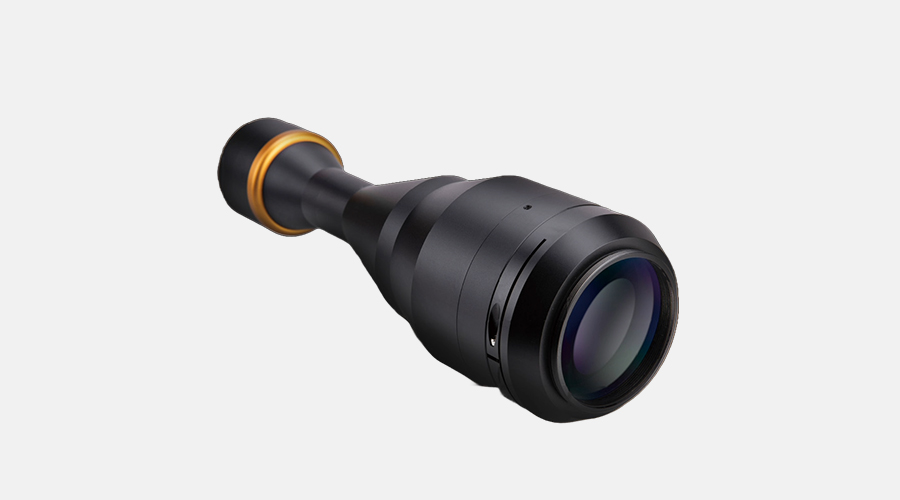 Compatible with 7.2mm-82mm chips
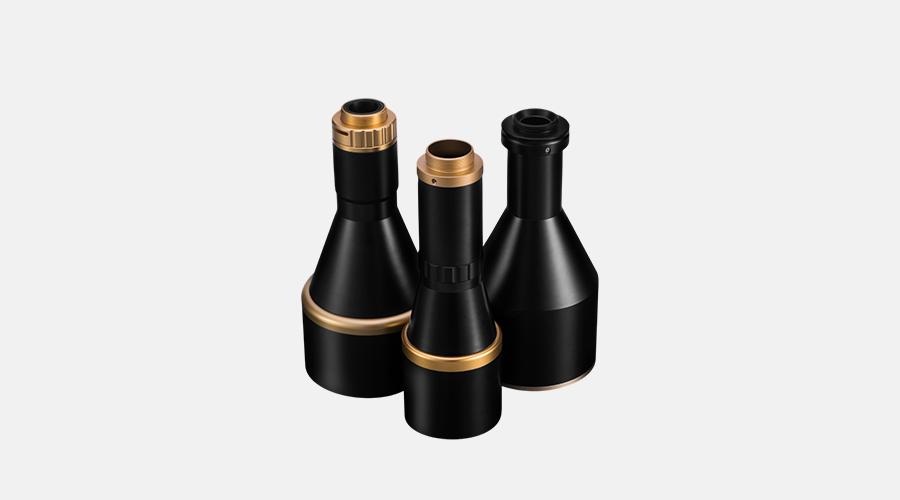 High/Low Working Distance
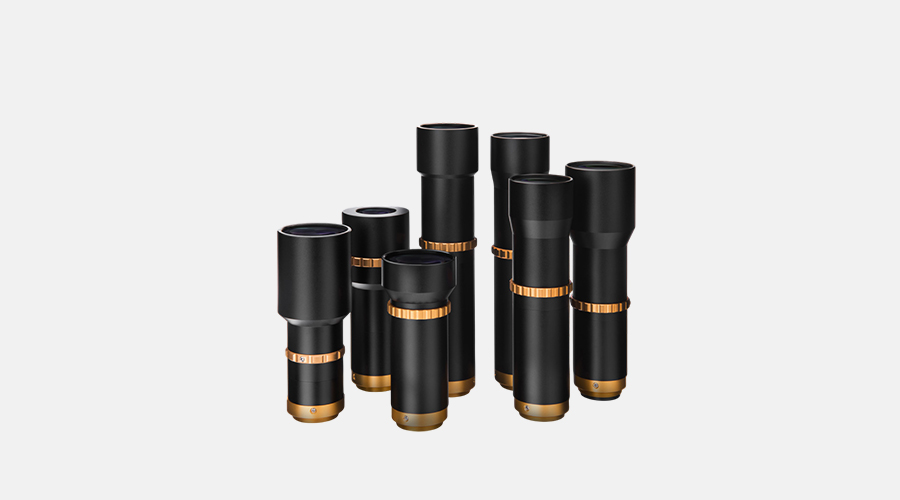 Aperture telecentric lens
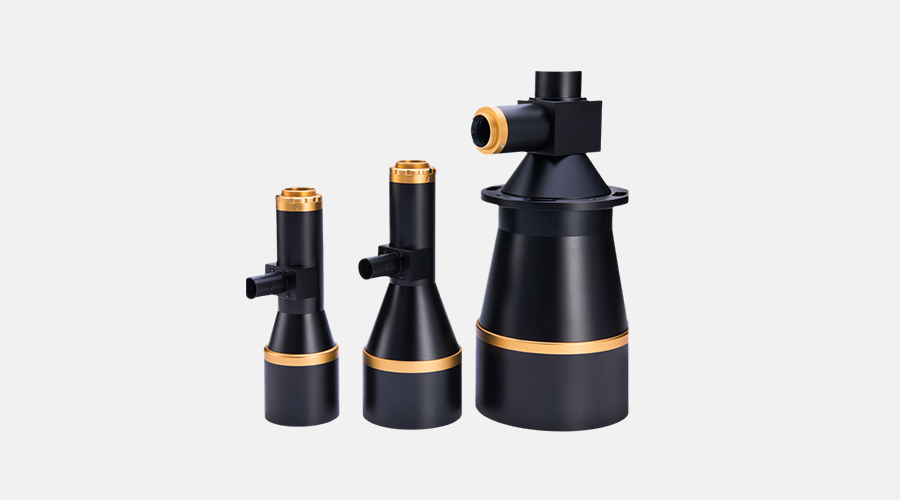 Measuring lens
 Maximum support 1.1" chips
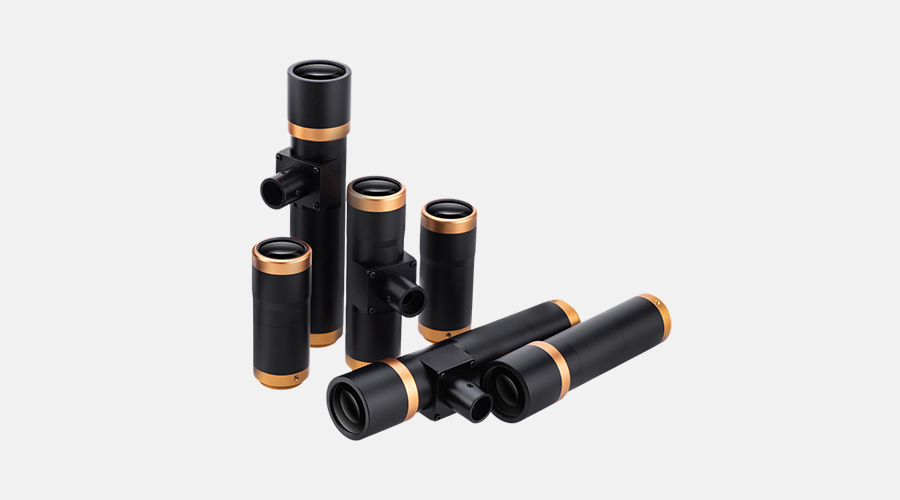 Maximum support 1.2" chips
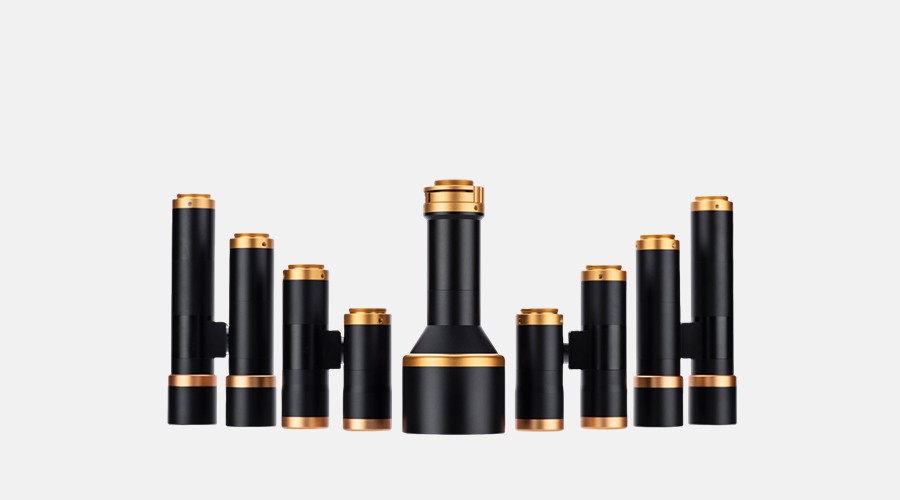 Maximum support 2/3" chips
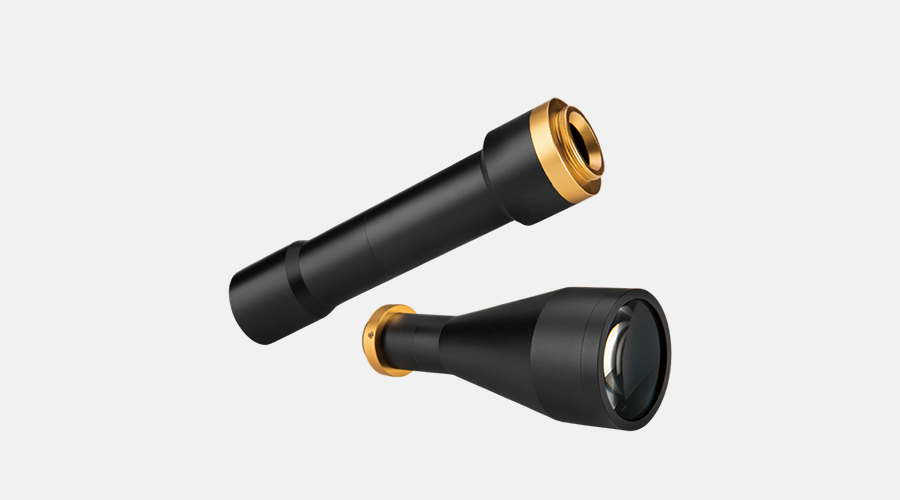 Long Working Distance
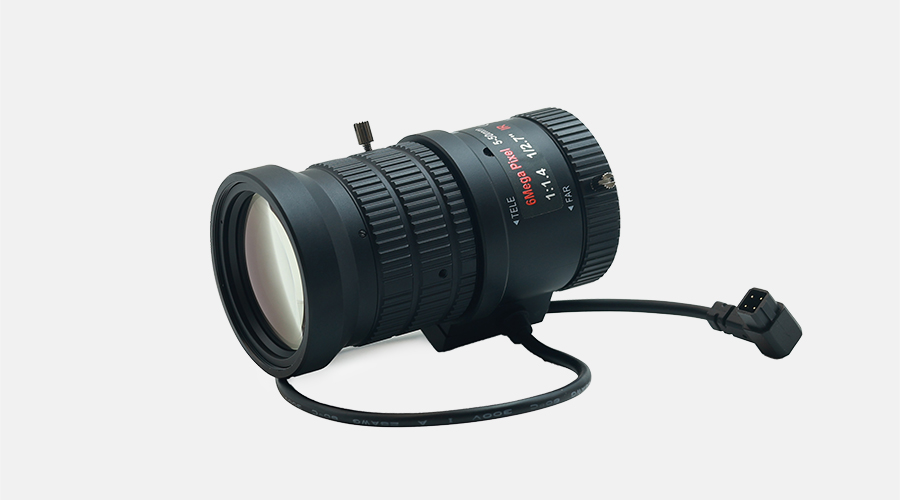 CS mount Varifocal lens
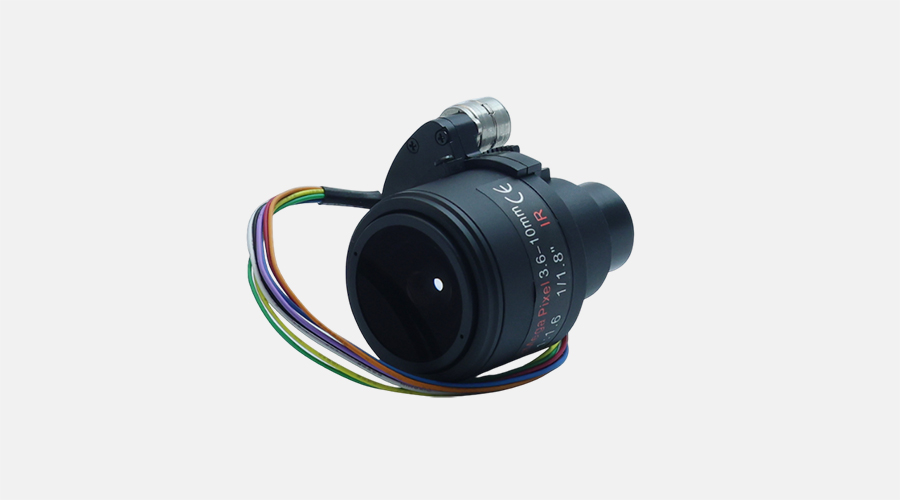 Varifocal board lens
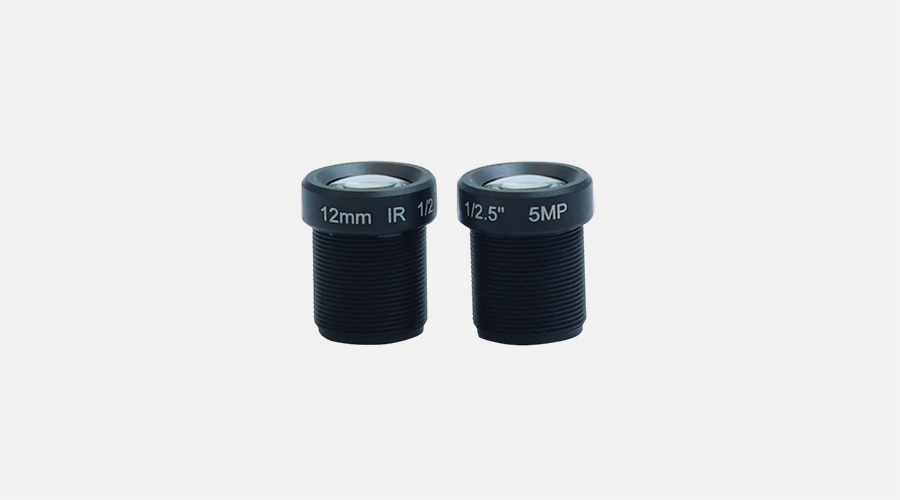 S mount lens
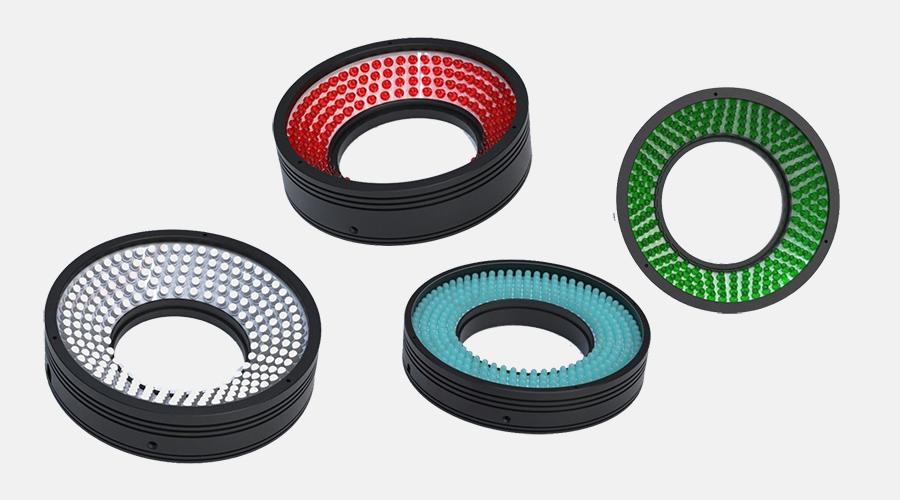 Ring light
 UV/IR Light
 Bar light
 Arcuate high uniformity light
 Back light
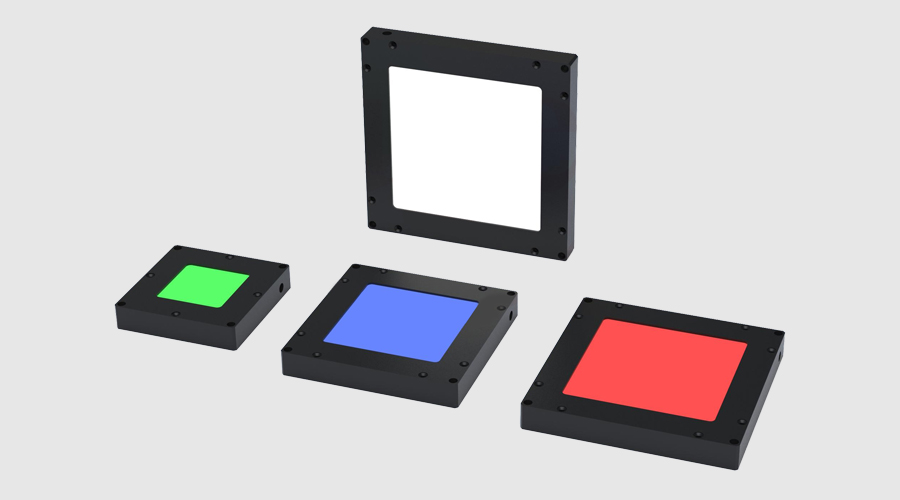 Flat light
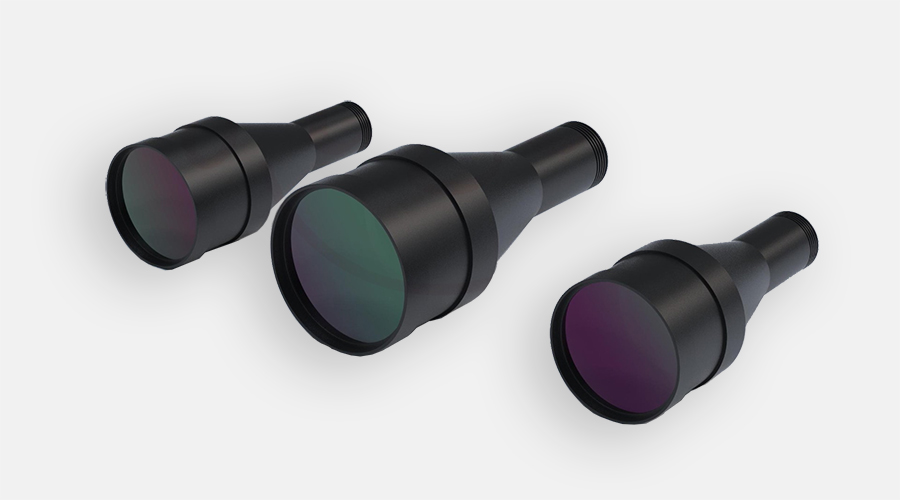 Collimated light
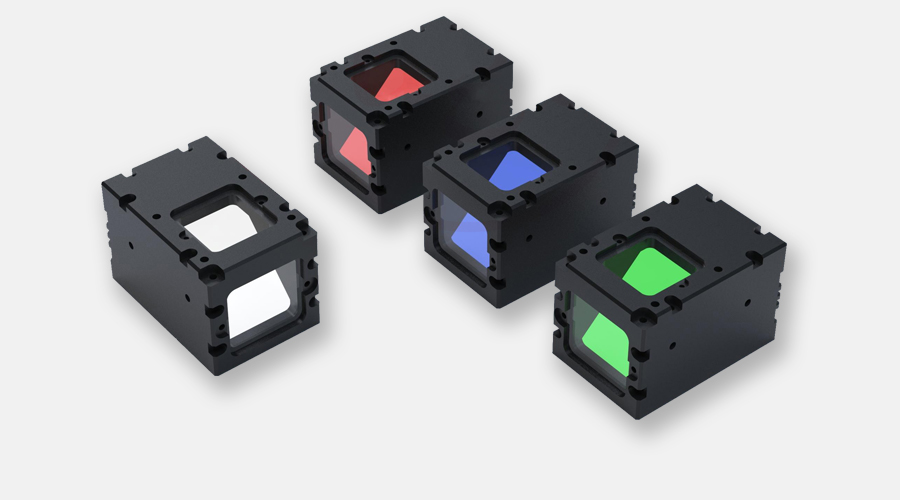 Coaxial light
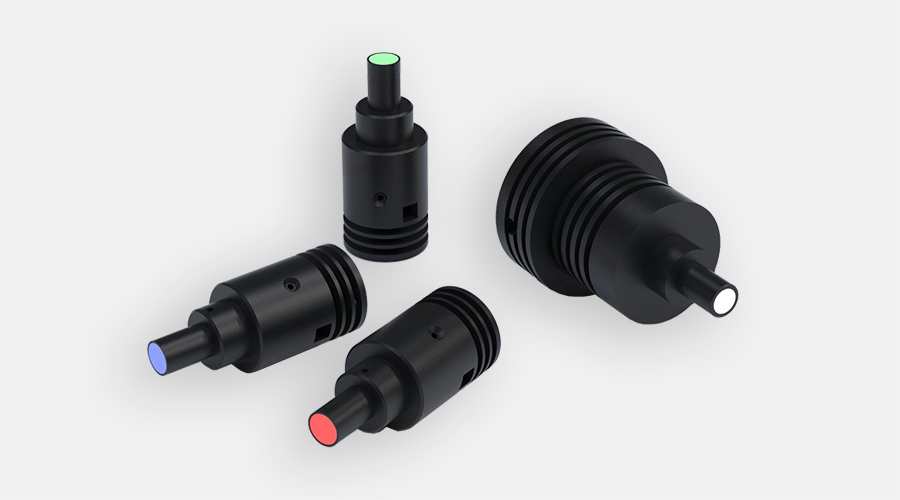 Spot light
 Dome light
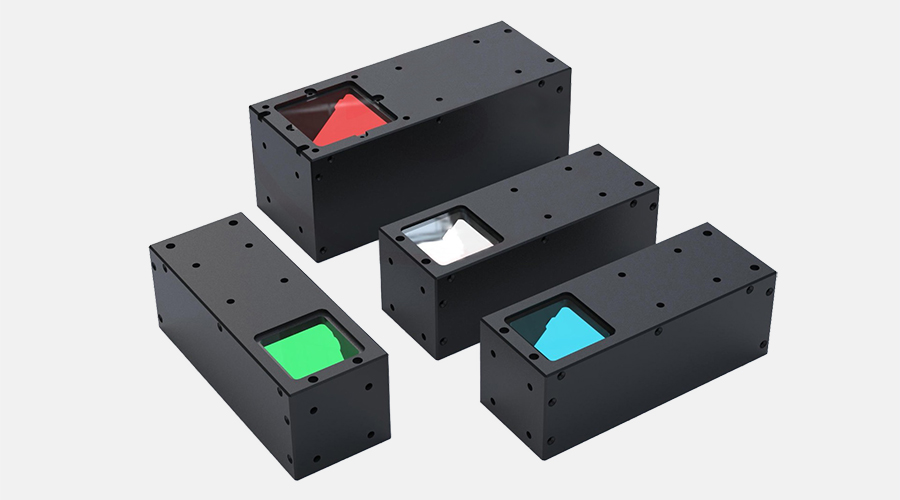 Collimated Coaxial light
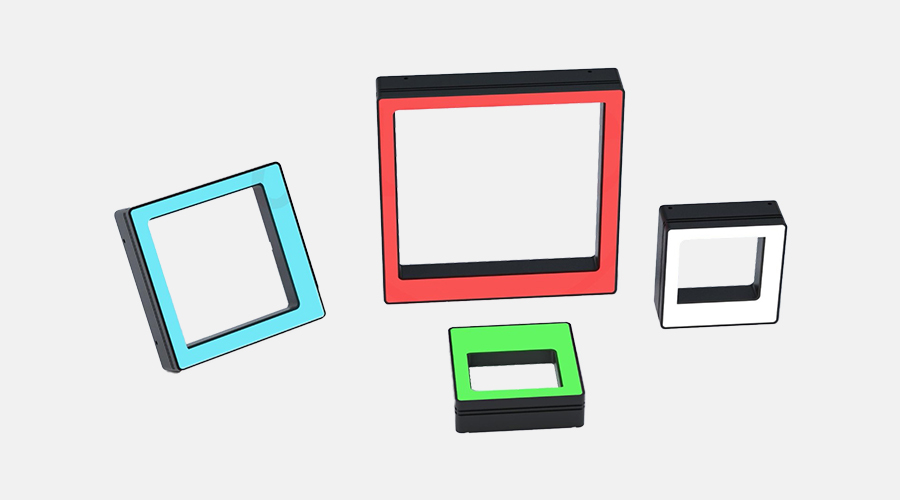 Shadowless square light
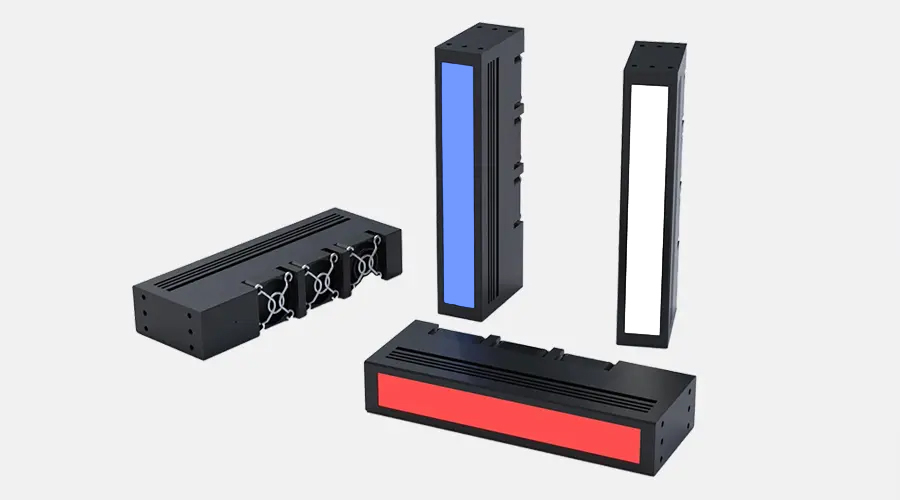 Scan light
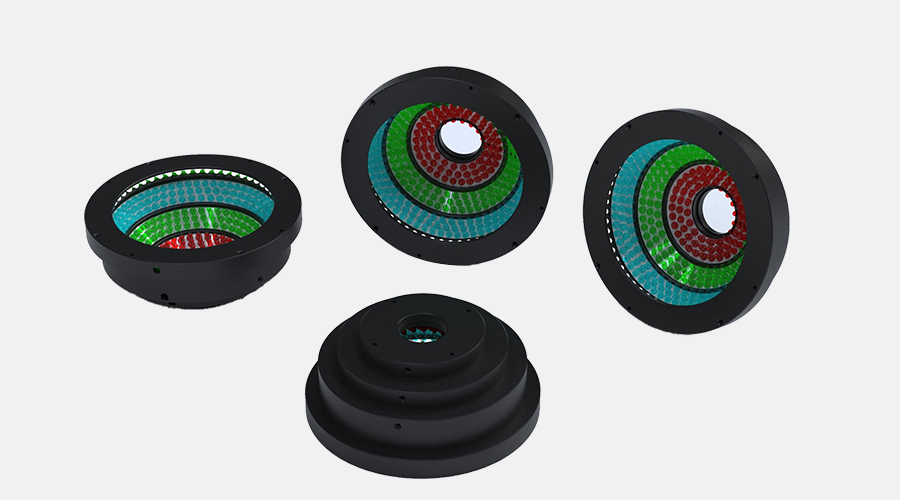 AOI light
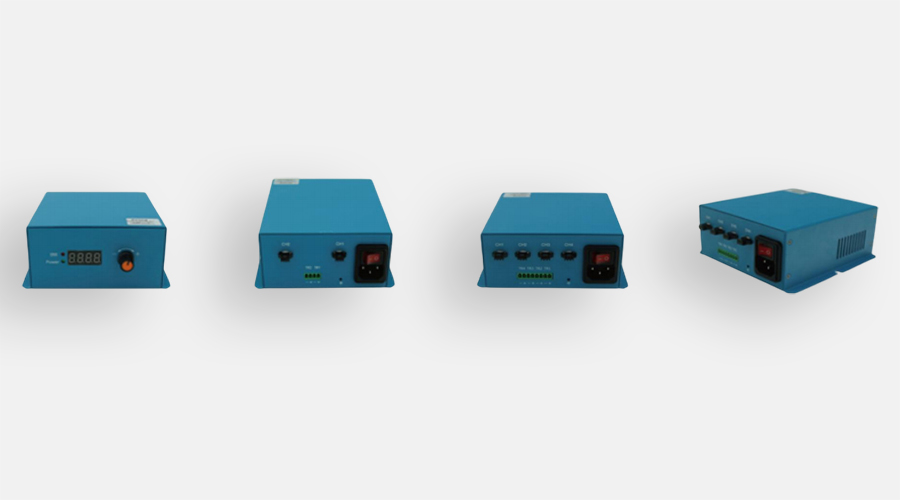 Analog controller
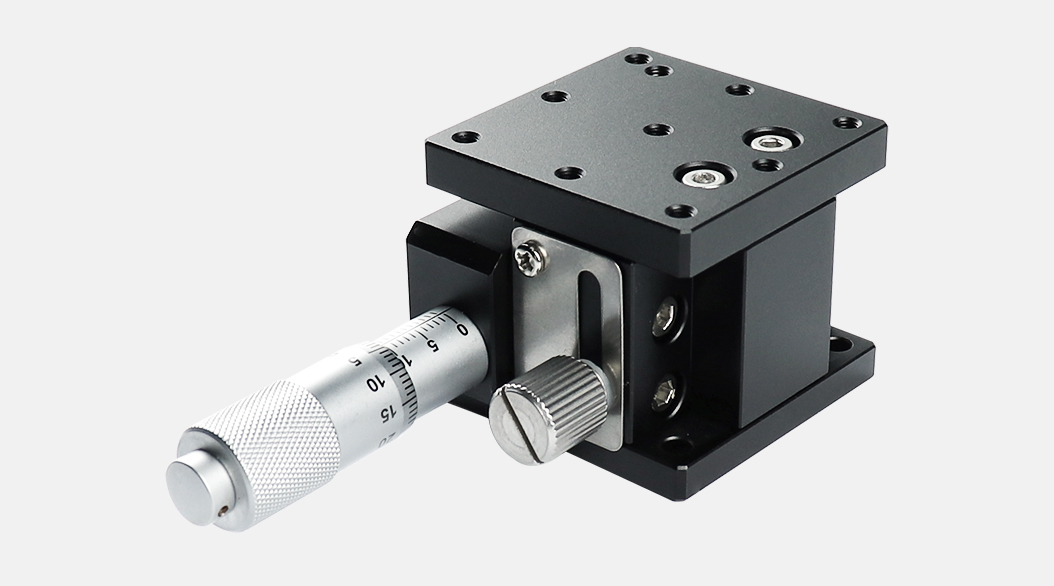 Crossed-Roller Linear guide type
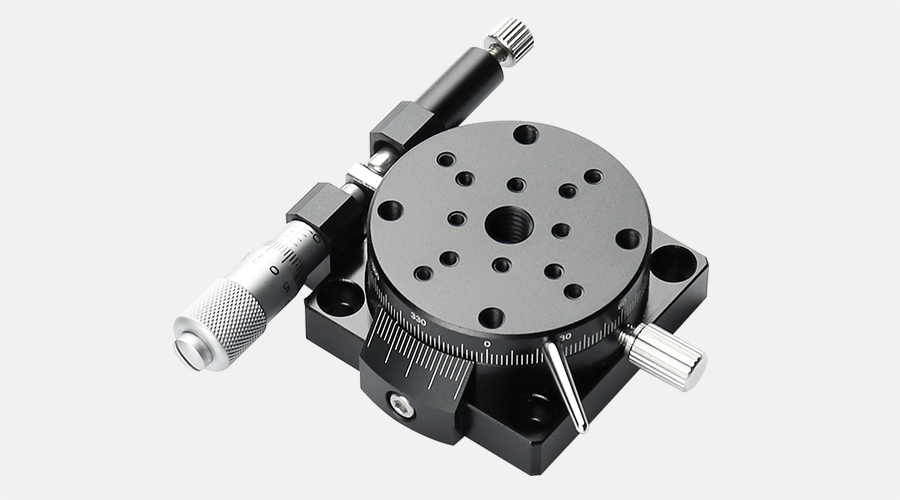 Rotary Stages XRS series
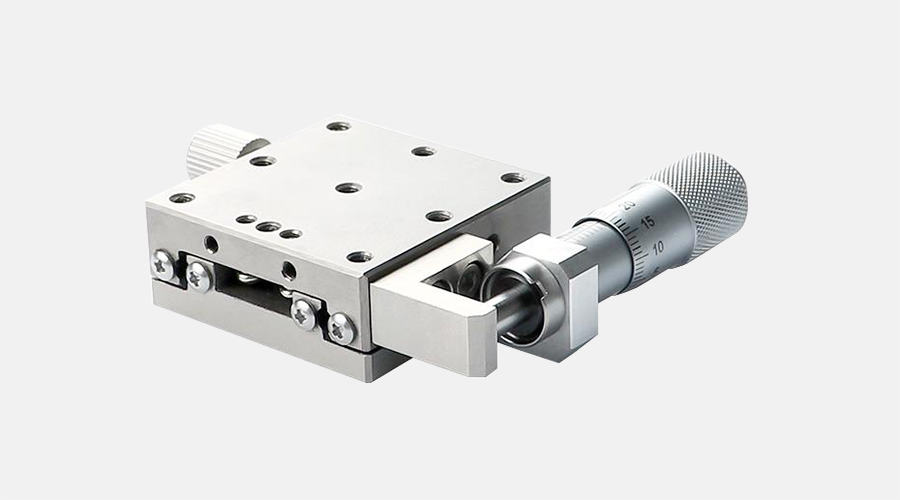 Stainless Steel Ball Bearing Linear Translation Stages
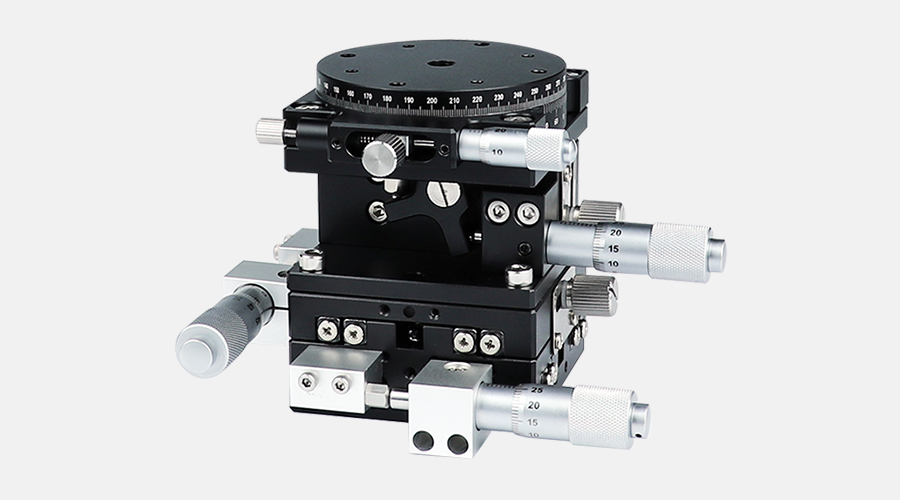 Multi-axis Translation stages
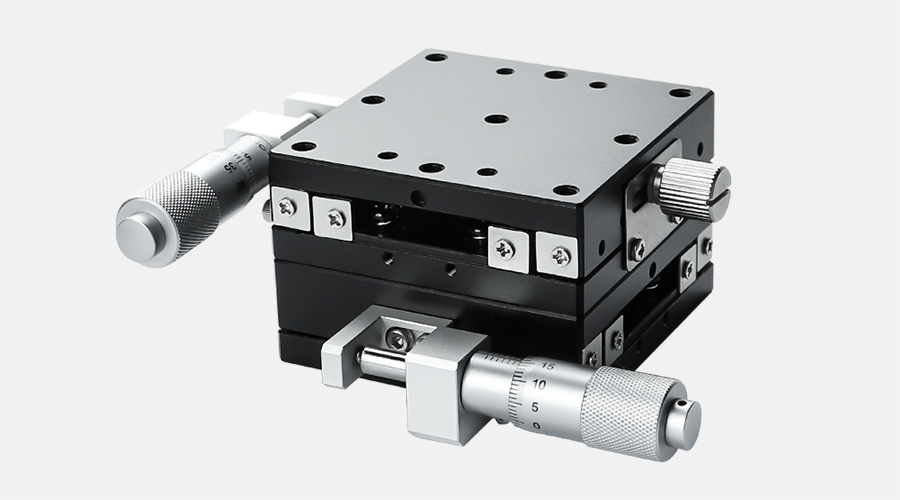 steel bar ball bearing stages
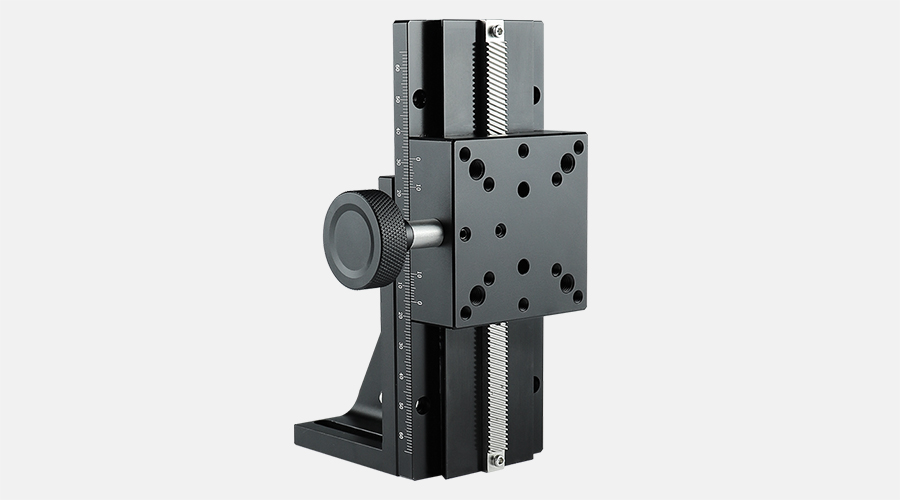 Dovetail Type Rack&Pinion Positioning Stage
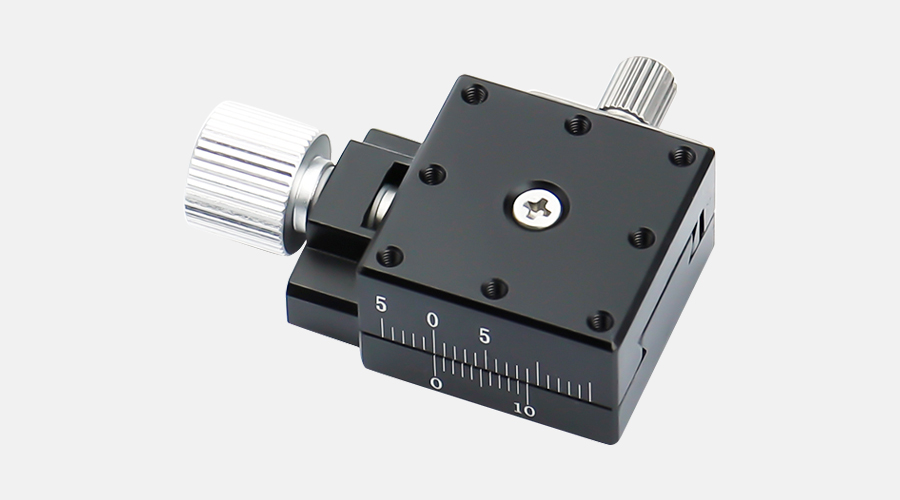 Dovetail groove high-precision screw slide