Inquiry
Leave Your Message
0%

You know, in today’s world of manufacturing, getting things just right — like, precision and quality — is more important than ever. Companies are always on the lookout for clever ways to make their production smoother and better. One pretty exciting option they’re exploring is 3D Vision Inspection. Honestly, this tech offers a level of accuracy that traditional methods just can’t match.

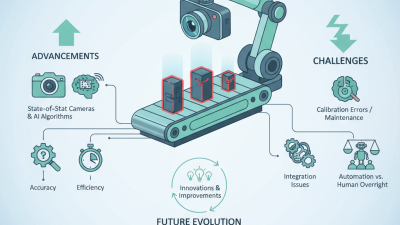
Basically, 3D Vision Inspection uses some pretty advanced imaging techniques to really dig into the details of each product, helping ensure everything meets those quality standards without fail. But, speaking from experience, it’s not always smooth sailing right from the start. There’s a bit of a learning curve — not everyone on the team is used to working with this kind of system, and yeah, that can lead to some initial hiccups.

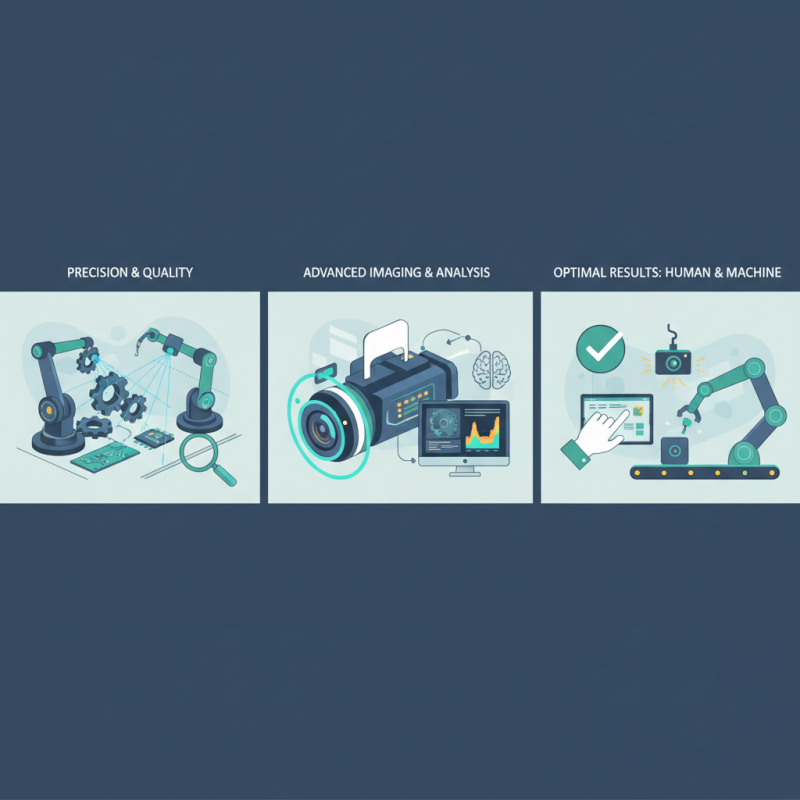
Another thing to keep in mind is that, even with machines doing most of the heavy lifting, relying only on automation isn’t foolproof. Machines are great at spotting obvious defects, but they might miss those subtle quality issues that a human eye or gut instinct can catch. So, pairing human judgment with this tech usually gives the best results.

All in all, jumping into 3D Vision Inspection could really boost your efficiency and quality, but make sure you take the time to implement it carefully. It’s a quite a game-changer if done right.
Why Choose 3D Vision Inspection for Your Manufacturing Needs?

Benefits of 3D Vision Inspection in Manufacturing Processes

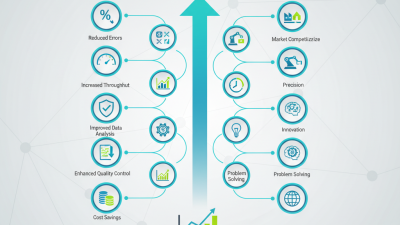
3D vision inspection is revolutionizing manufacturing processes. This technology allows for detailed analysis and precise measurements. The precision offered by 3D vision systems can reduce defects significantly. According to a report by the National Institute of Standards and Technology, advanced inspection technologies like 3D vision can boost productivity by up to 30%. This substantial increase in efficiency can lead to significant cost savings.

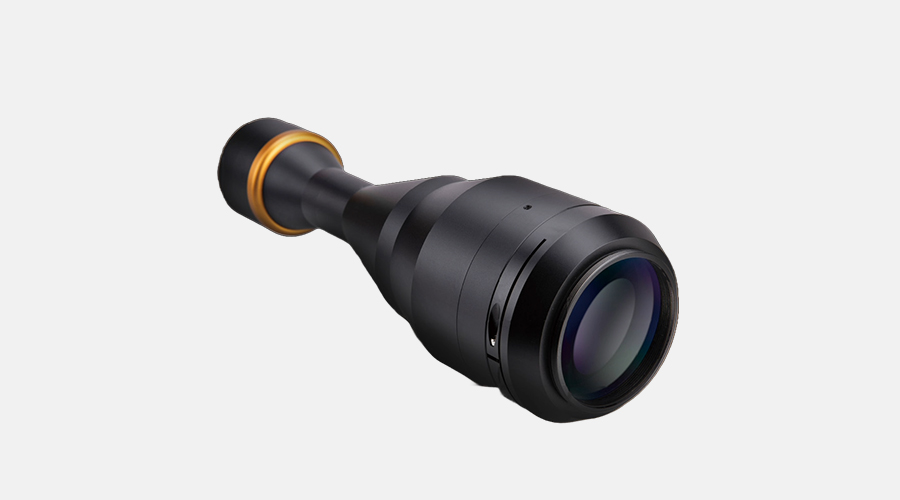
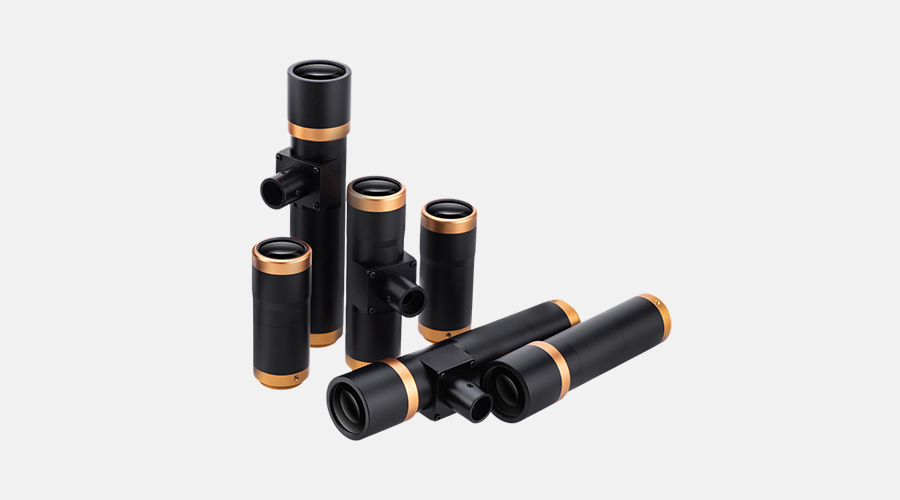
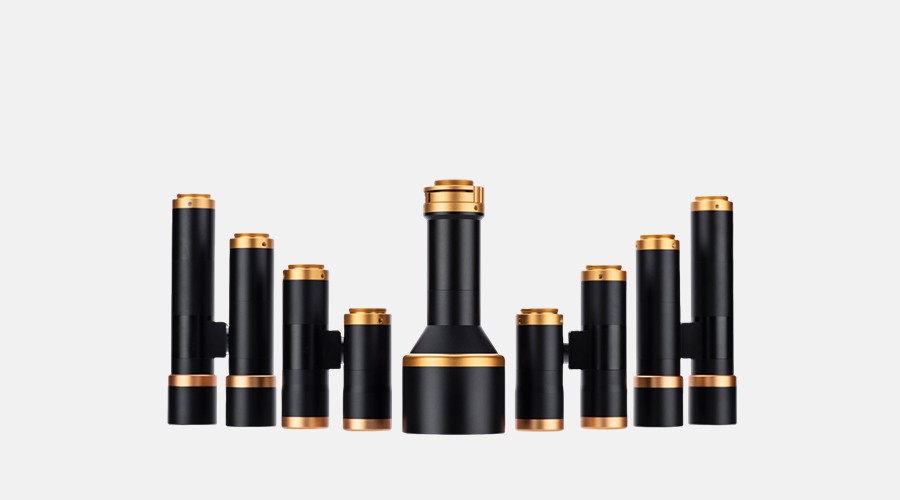
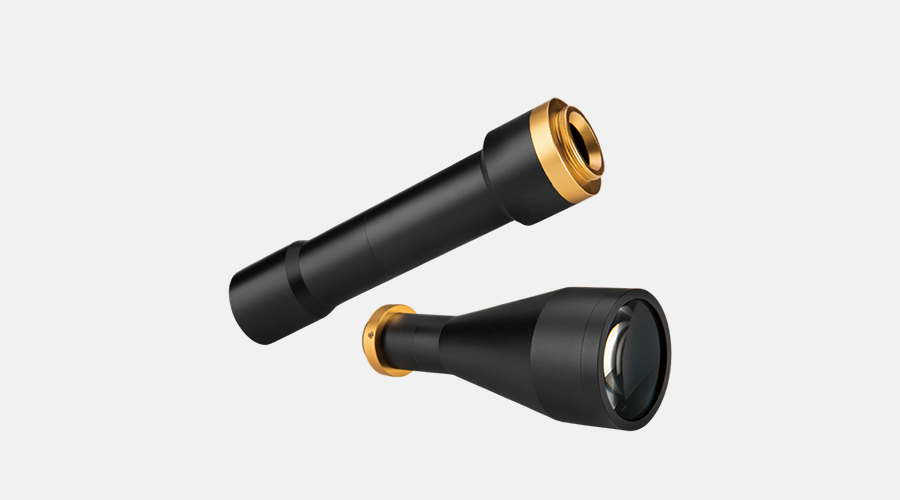
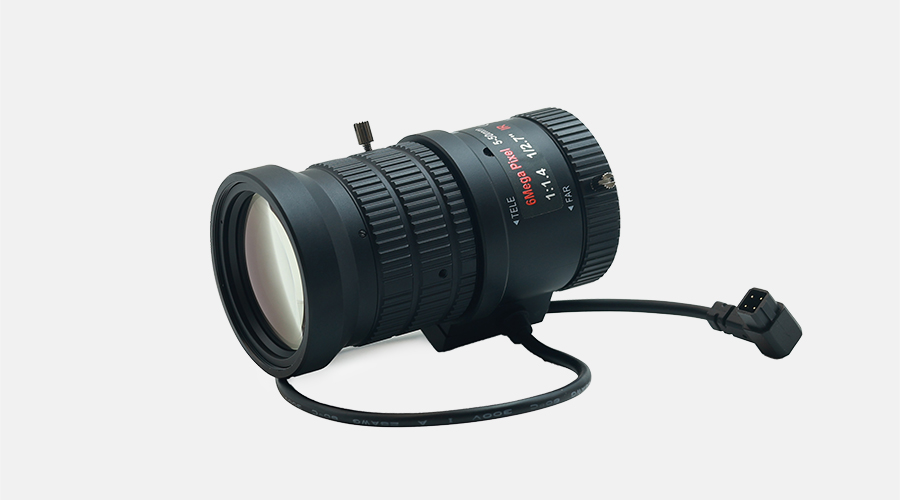
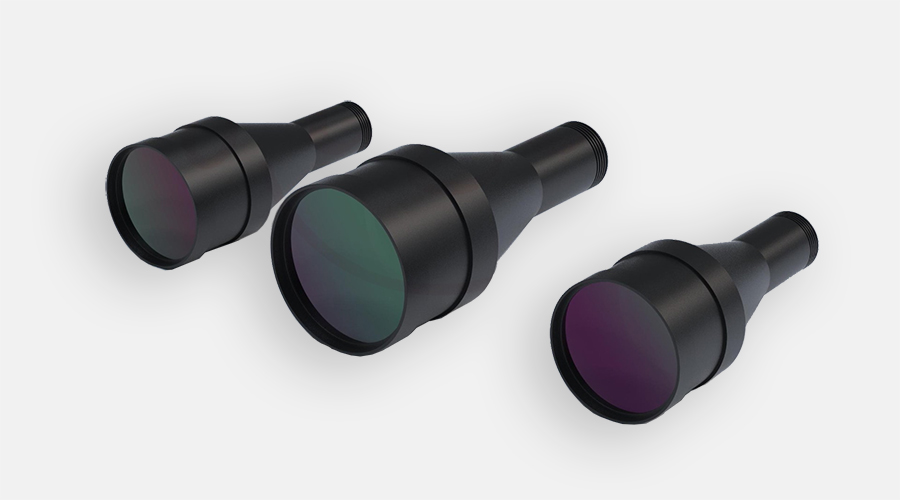
Using a "Vision Inspection Lens" enhances the system's capability. This lens allows for high-resolution imaging, enabling manufacturers to identify even minor defects. Such attention to detail can prevent costly recalls and ensure product quality. Many manufacturers have reported a 20% reduction in material waste after implementing 3D vision inspection. This improvement shows the technology's potential to streamline operations.

Tip: Regularly train staff on how to utilize 3D inspection tools effectively. Understanding how to interpret the data correctly can take time. Additionally, consider the limitations of your equipment. While 3D systems are powerful, they may not be perfect for all scenarios. Continuous assessment of your inspection processes is essential for success.

Benefits of 3D Vision Inspection in Manufacturing Processes

Comparative Analysis: 3D Vision vs. Traditional Inspection Methods

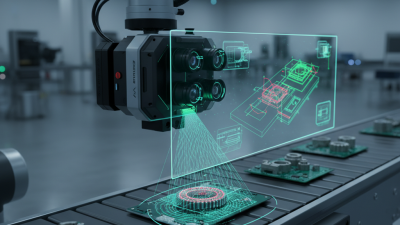
3D vision inspection brings advanced efficiency to manufacturing. Traditional inspection methods often rely on human operators and 2D imaging. This can lead to errors and inconsistencies, as human fatigue can be a factor in quality control. Conversely, Robotic Vision Inspection offers precision. It uses advanced algorithms to analyze depth and texture, leading to higher accuracy in detecting defects.

In an industrial setting, the difference between these methods becomes clear. Traditional methods may miss subtle flaws, while 3D systems provide detailed scans of each part. This level of detail helps optimize production lines. However, implementing 3D vision inspection isn't always straightforward. Initial setup requires investment and training, which can present challenges for smaller manufacturers. Yet, the long-term benefits often outweigh these hurdles.

The decision-making process is nuanced. Companies must weigh the upfront costs against the potential for reduced waste. Integrating robotic vision inspection may also require adjustments in workflows. Adapting to new technology can disrupt established processes. Still, many industries are finding that the enhanced inspection capabilities are worth the effort. The objective is not just to replace old methods but to transform quality control for the better.

Key Technologies Behind 3D Vision Inspection Systems

Why Choose 3D Vision Inspection for Your Manufacturing Needs?

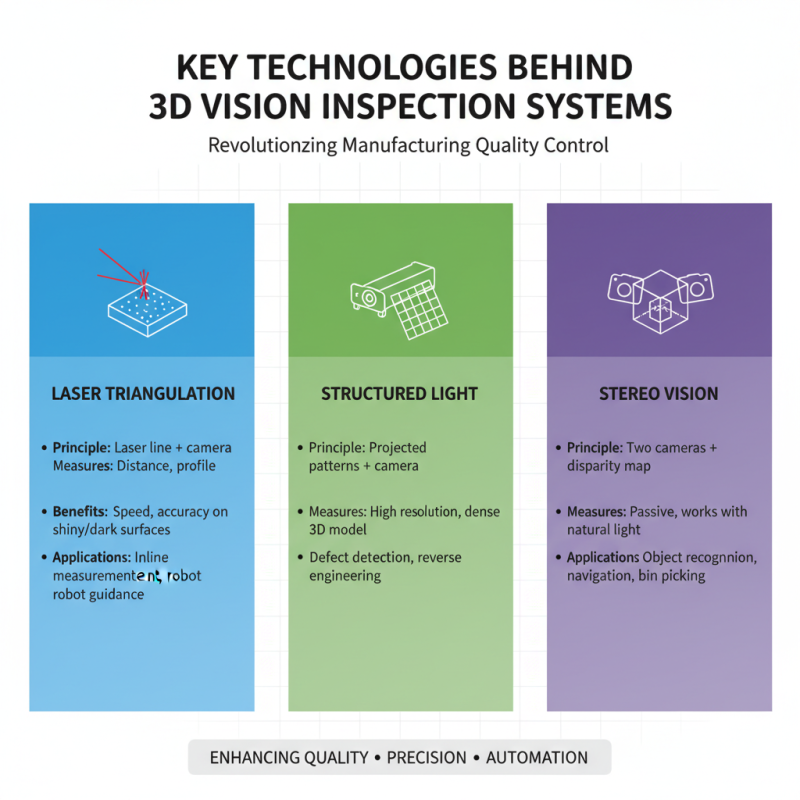
3D vision inspection systems are revolutionizing manufacturing. These systems employ advanced technologies to enhance quality control. At the core of this innovation are laser triangulation, structured light, and stereo vision techniques. Each method provides unique benefits tailored for different applications.

Laser triangulation captures precise measurements by using a laser beam. It evaluates the surface contours of parts. This method is reliable but can struggle with reflective surfaces. Structured light systems project a series of light patterns onto the object. They then analyze distortions to create a 3D model. While effective, they may require controlled lighting conditions to function optimally.

Stereo vision mimics human vision to create depth perception. It uses two or more cameras to capture images from different angles. This method excels in complex inspections but needs careful calibration. Despite the strengths of these technologies, challenges remain. Variability in materials and environmental factors can affect accuracy. Inspectors must continually adapt techniques to maintain reliability. The journey towards perfecting 3D inspection is ongoing, but its potential is undeniable.

Applications of 3D Vision Inspection Across Various Industries

Why Choose 3D Vision Inspection for Your Manufacturing Needs?

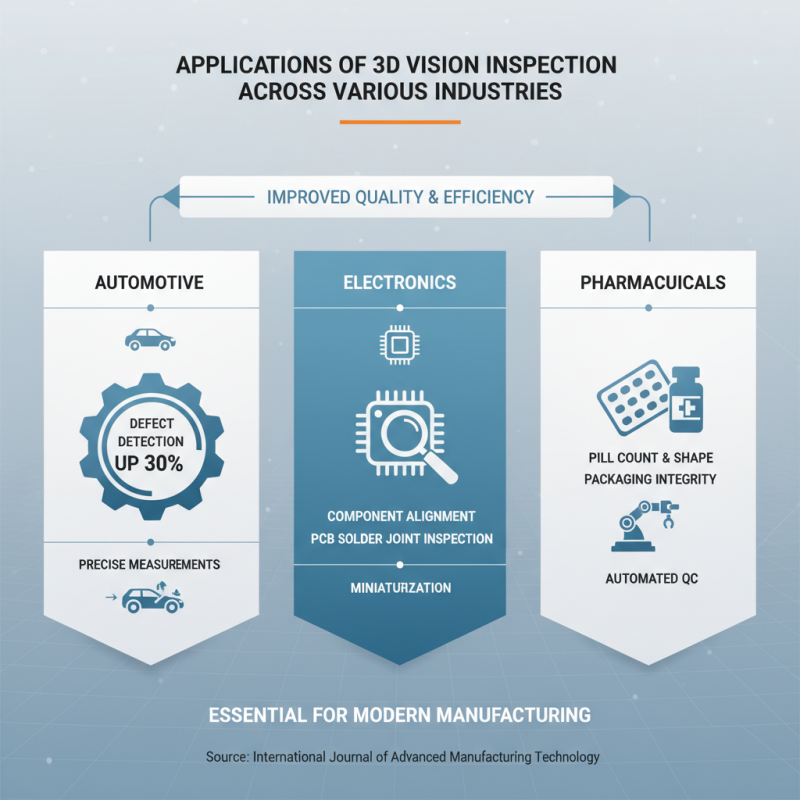
3D vision inspection has become an essential tool in manufacturing. Its applications span across various industries, demonstrating significant improvements in quality control and efficiency. In the automotive sector, for example, a report by the International Journal of Advanced Manufacturing Technology shows that 3D inspection can increase defect detection rates by up to 30%. This data highlights how crucial precise measurements are in preventing costly recalls.

In the pharmaceutical industry, 3D vision systems ensure that products meet strict regulatory standards. Misalignment or defects in packaging can lead to severe consequences. Research indicates that over 50% of product complaints stem from packaging issues. 3D systems can achieve up to 99% accuracy in detecting these flaws, thus safeguarding consumer trust.

The electronics industry has also embraced 3D vision technology. A study by market research firm MarketsandMarkets predicts that the global market for 3D inspection systems will reach $3 billion by 2025. This growth reflects the increasing demand for enhanced precision in component placement and solder joint inspection. However, challenges remain in adapting systems to various product designs. Continuous monitoring and improvement of these technologies are vital for future advancements.

Challenges and Limitations of Implementing 3D Vision Inspection

Implementing 3D vision inspection in manufacturing presents significant challenges. One major obstacle is the high initial investment required for advanced systems. For many companies, the cost can be prohibitive, particularly for smaller manufacturers. According to a report by Industry Week, nearly 60% of small to medium enterprises cite budget constraints as a primary barrier to adoption.

Another challenge lies in the complexity of integrating 3D vision inspection with existing production systems. A study by McKinsey reveals that nearly 40% of companies encounter difficulties when trying to merge new technologies with legacy systems. The technical expertise required for effective implementation is often lacking, resulting in inefficient use of the technology. Moreover, training employees to use these complex systems adds another layer of cost and time commitment.

The reliability of Machine Vision Inspection systems can also pose issues. While many systems claim high accuracy levels, reports have shown that inconsistency can arise due to environmental factors. Variations in lighting conditions or physical obstructions can lead to errors. Approximately 25% of operators reported decreased confidence in inspection results when faced with such conditions. These challenges necessitate careful consideration and training to ensure effective deployment of 3D vision technology.

Future Trends in 3D Vision Inspection Technology

The field of 3D vision inspection is evolving rapidly. With advancements in sensor technology and machine learning, manufacturers can expect more efficient and accurate quality control. The integration of advanced algorithms enhances image processing capabilities. This allows for real-time defect detection and improved analysis of complex surfaces and geometries.

One emerging trend involves the use of artificial intelligence. AI tools can learn from previous inspection data, making systems smarter over time. This adaptability means fewer false positives and more reliable results. Additionally, cloud-based platforms are simplifying data sharing. Teams can access and analyze inspection data from anywhere, promoting collaboration and quicker decision-making.

However, integrating these technologies isn't without challenges. Implementation can be costly, leading to hesitations among smaller manufacturers. Training staff to use advanced systems can also take time and resources. This highlights the need for ongoing evaluation of technology investments. Balancing innovation with practical business considerations is essential as 3D vision inspection continues to shape the future of manufacturing.

Case Studies: Successful Implementation of 3D Vision in Manufacturing

In recent years, many manufacturing companies have successfully integrated 3D vision technology into their production lines. A report by the Association for Advancing Automation indicated that the adoption of Automated Vision Inspection can reduce quality control costs by up to 30%. This showcases the potential savings and efficiency improvements that 3D vision systems can bring.

One case study highlighted the experience of a leading automotive manufacturer. They faced challenges with product alignment and verification on their assembly line. By deploying 3D vision systems, they achieved a 95% reduction in misalignment errors. This improvement not only enhanced product quality but also reduced wastage significantly. However, they noted the initial learning curve was steep, requiring thorough training of staff to maximize effectiveness.

Another example comes from the electronics sector. A manufacturer implemented 3D vision to inspect solder joints on circuit boards. The results were promising, with a reported 40% drop in defects. Yet, they encountered setbacks when adapting the technology to different product lines. Flexibility in 3D vision systems is crucial, but it sometimes falls short in versatility. Continuous monitoring and adjustment are essential for optimal performance in diverse manufacturing environments.

Why Choose 3D Vision Inspection for Your Manufacturing Needs? - Case Studies: Successful Implementation of 3D Vision in Manufacturing

Company Type Implementation Area Benefits Achieved Challenges Overcome
Automotive Assembly Line Inspection Increased Efficiency, Reduced Errors Integration with Existing Systems
Electronics Component Quality Assurance Improved Quality Control, Faster Inspections Training Employees on New Technology
Aerospace Final Product Verification Enhanced Safety Standards, Regulatory Compliance Asset Investment for 3D Systems
Consumer Goods Packaging Inspection Reduced Waste, Improved Shelf Life Scaling Operations to Meet Demand

FAQS

: What is 3D vision inspection?

: 3D vision inspection uses advanced technology to analyze depth and texture. It enhances efficiency in manufacturing.

How does 3D vision differ from traditional methods?

Traditional methods often rely on human operators and 2D imaging, leading to errors and inconsistencies. 3D provides detailed scans.

What benefits do 3D vision systems offer?

They improve defect detection and quality control. This can optimize production lines significantly and reduce waste.

What challenges are associated with implementing 3D vision?

Initial setup involves costs and training. Smaller manufacturers may struggle with these resources, impacting implementation.

What technologies are used in 3D vision systems?

Common technologies include laser triangulation, structured light, and stereo vision. Each has specific advantages and challenges.

How do environmental factors affect 3D vision accuracy?

Variability in materials and lighting can impact results. Continuous adjustment is necessary to maintain reliable performance.

Can 3D vision systems achieve perfect accuracy?

While potential is high, perfect accuracy is still a goal. Inspectors needs to adapt techniques regularly to enhance reliability.

How have companies successfully integrated 3D vision?

Many have reported cost reductions and efficiency improvements. For example, one automotive manufacturer reduced errors by 95%.

Are there any downsides to 3D vision systems?

The learning curve can be steep. Staff training is crucial to ensure technology is used effectively across applications.

What is the future outlook for 3D vision inspection?

The journey toward perfecting 3D inspection continues. Its capabilities are promising, but challenges need addressing for broader adoption.

Conclusion

3D Vision Inspection is revolutionizing manufacturing processes by providing enhanced accuracy and efficiency compared to traditional inspection methods. This technology leverages advanced imaging and analysis techniques to deliver precise measurements and detailed inspections, ensuring quality control and reducing the risk of defects. The key technologies behind 3D Vision Inspection systems include sophisticated cameras, lighting, and software algorithms that work together to create detailed three-dimensional representations of products, enabling manufacturers to make informed decisions quickly.

Across various industries, applications of 3D Vision Inspection are increasingly common, from automotive to electronics, due to its ability to adapt to different environments and materials. Despite its advantages, challenges such as the initial investment and the complexity of integration remain. However, as technology advances, we can expect future trends in 3D Vision Inspection to focus on greater automation and machine learning capabilities, fostering even broader adoption. Case studies have demonstrated the successful implementation of 3D Vision Inspection, underscoring its significance in modern manufacturing and its potential for future growth.

Ethan

Ethan

Ethan is a dedicated professional marketing specialist at New Vision, an innovative company at the forefront of the machine vision industry. With a deep understanding of the intricacies of core components for machine vision, Ethan plays a pivotal role in showcasing the cutting-edge visual solutions......
Previous Top 5 Tips for Choosing the Best Industrial Lenses Today?