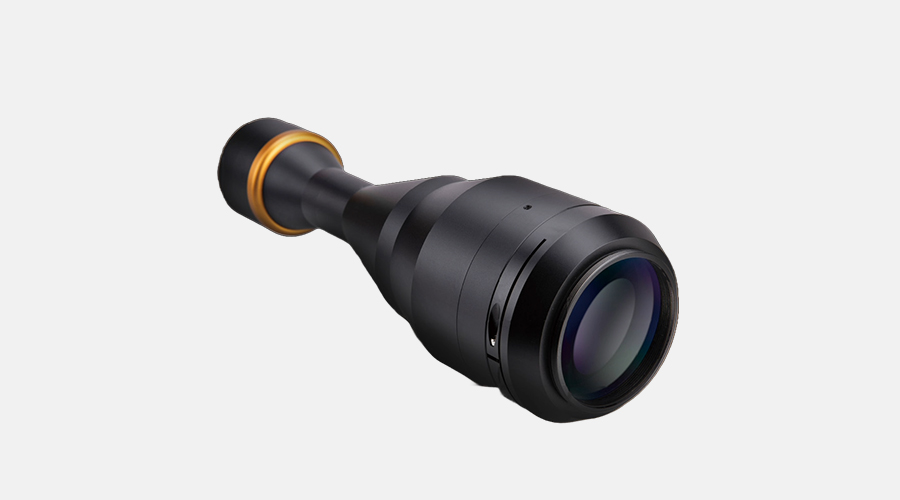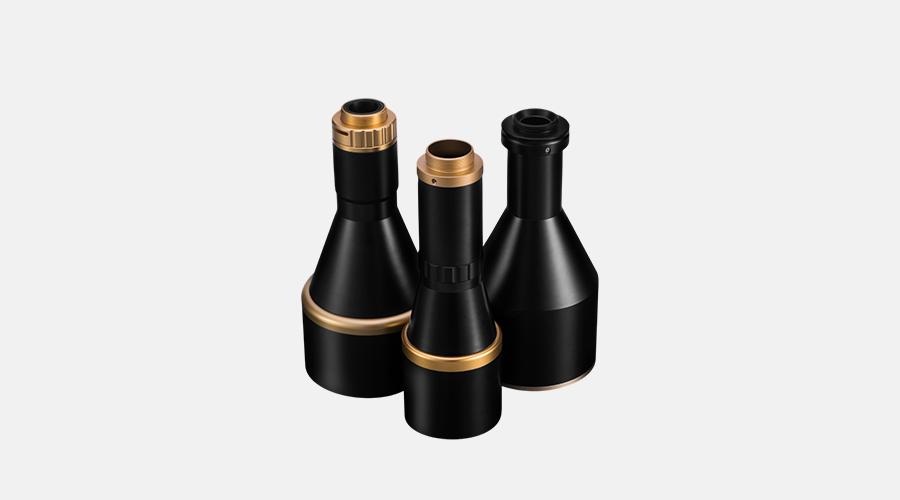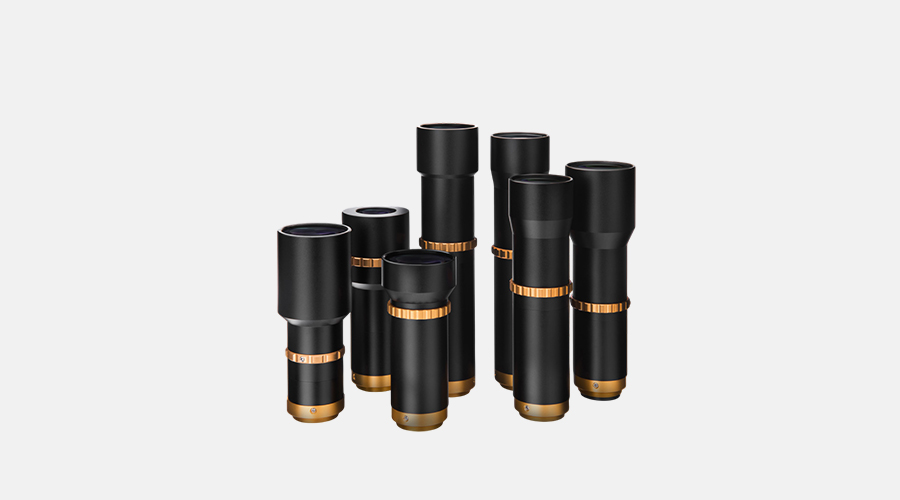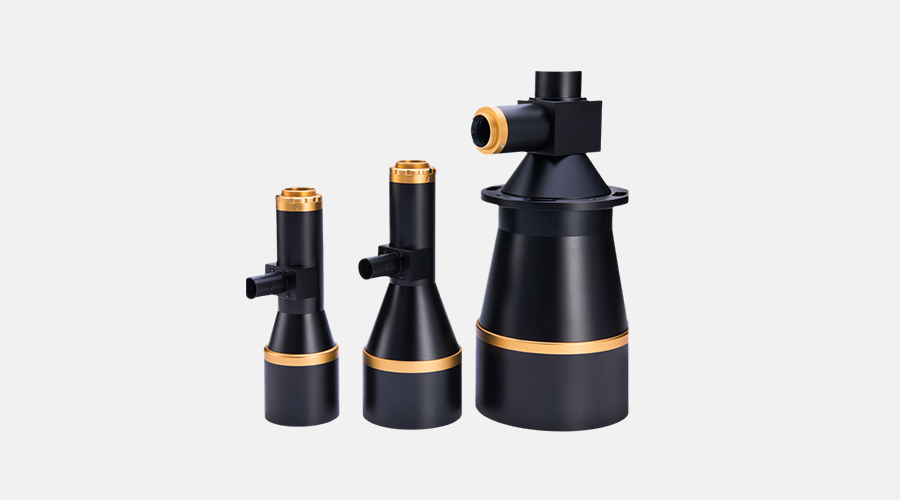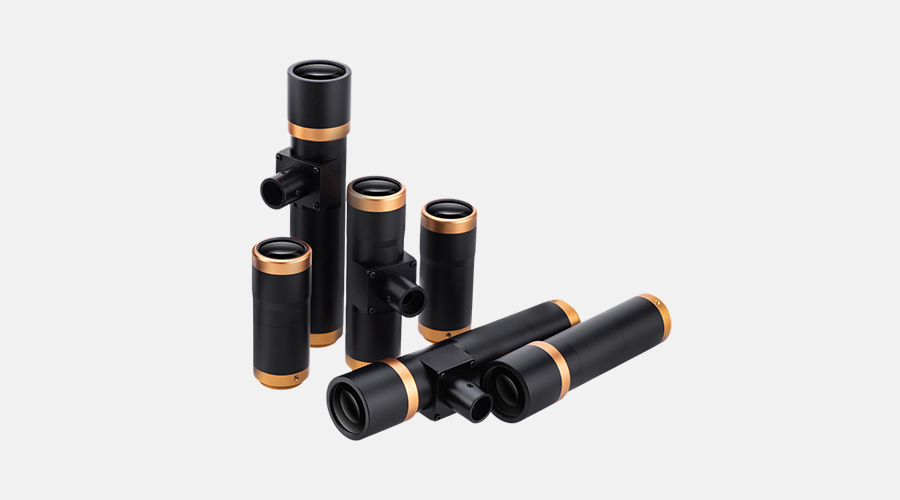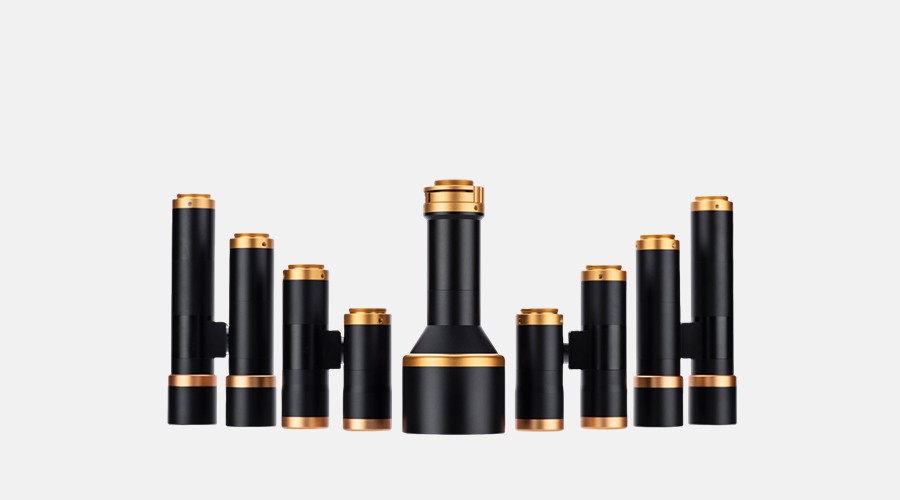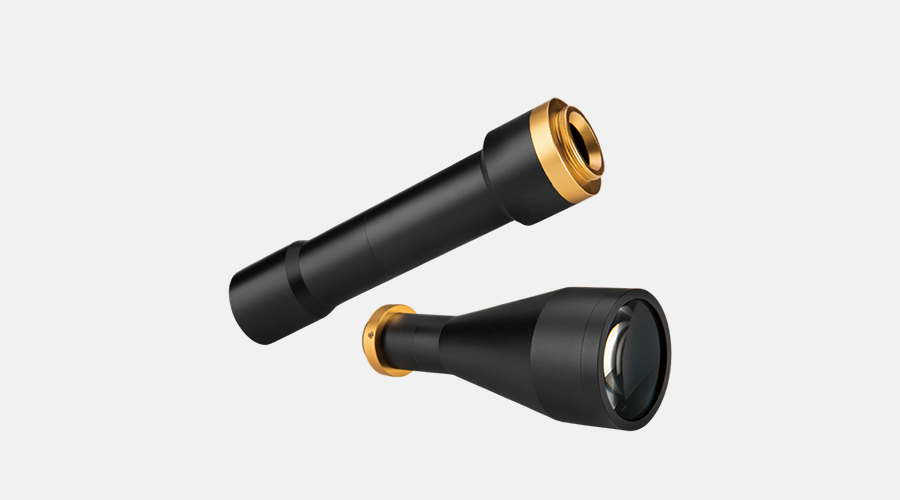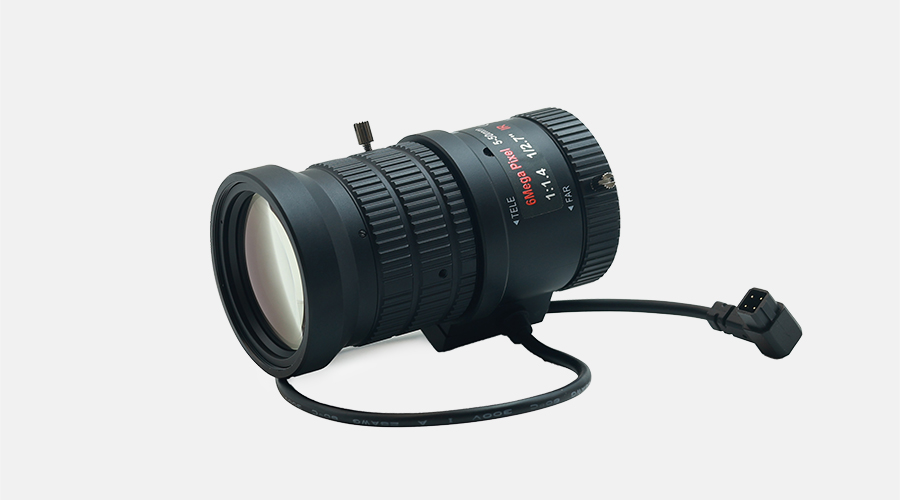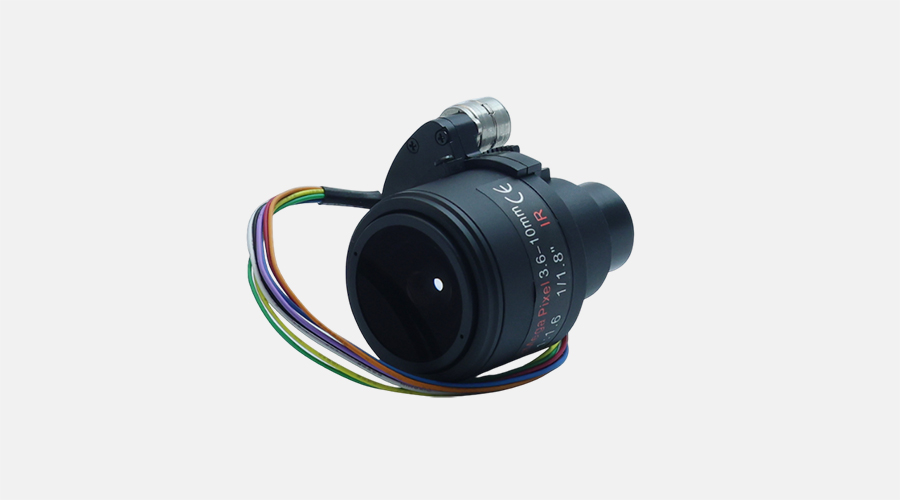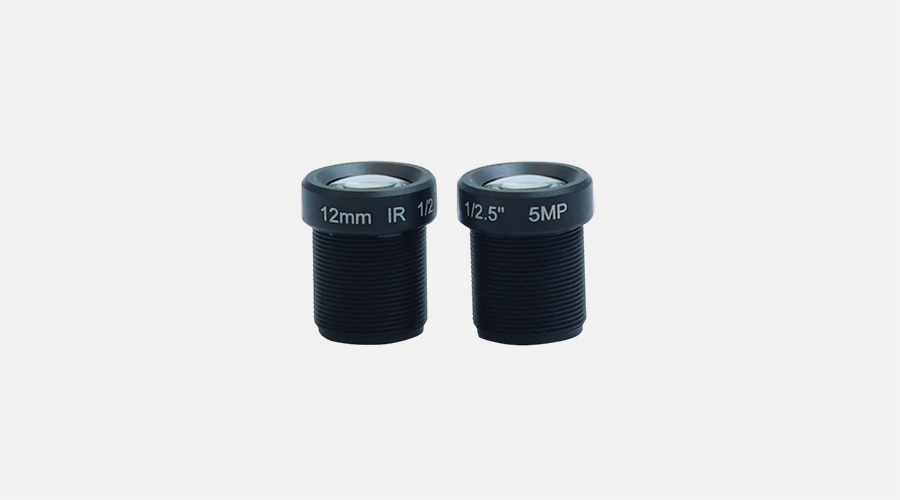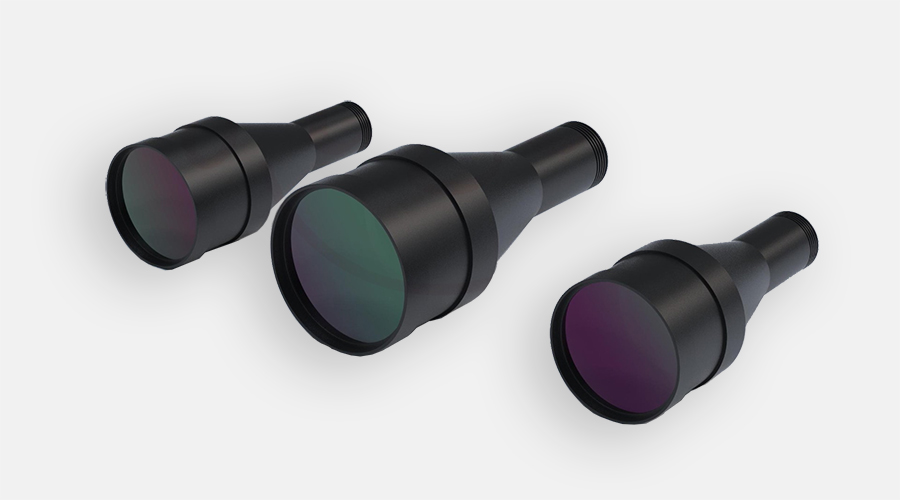
Picking out the right C Mount Lens for your camera can really make a big difference in your photos and videos. I mean, even experts like John Smith from EasyCameras will tell you this — he once mentioned, "The right lens can totally change the way you tell stories visually." It’s no surprise that a lot of filmmakers and photographers go for the C Mount Lens because it’s super versatile and works with so many different camera setups.
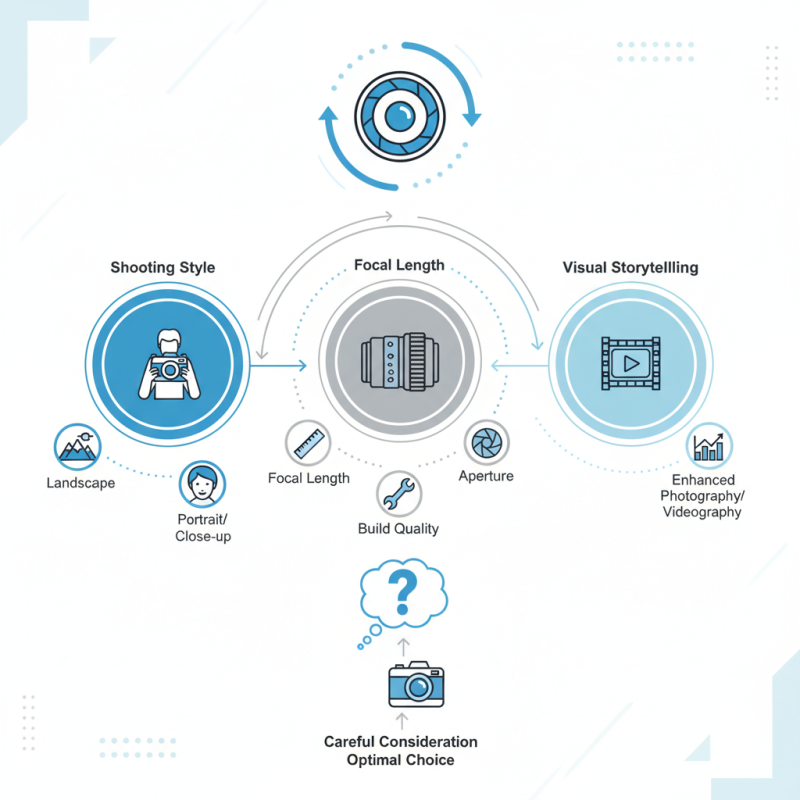
Now, I get it — hunting for the perfect C Mount Lens can feel kinda overwhelming. There are tons of options out there, and not every single one is gonna be a perfect fit for what *you* need. Sure, quality matters, but it’s also really important to understand what your camera actually requires. Things like focal length, aperture, and build quality all matter because they really impact the kind of images you end up with.
Honestly, it’s pretty normal to feel a bit lost at first. So, taking a step back to think about your shooting style and what you’re aiming for can help clear things up. Maybe you’ll find that a specific focal length suits your style better than a more all-around choice. At the end of the day, finding a really good C Mount Lens can make your work look more lively and engaging, but yeah — it takes a bit of thought and some trial and error to get there.
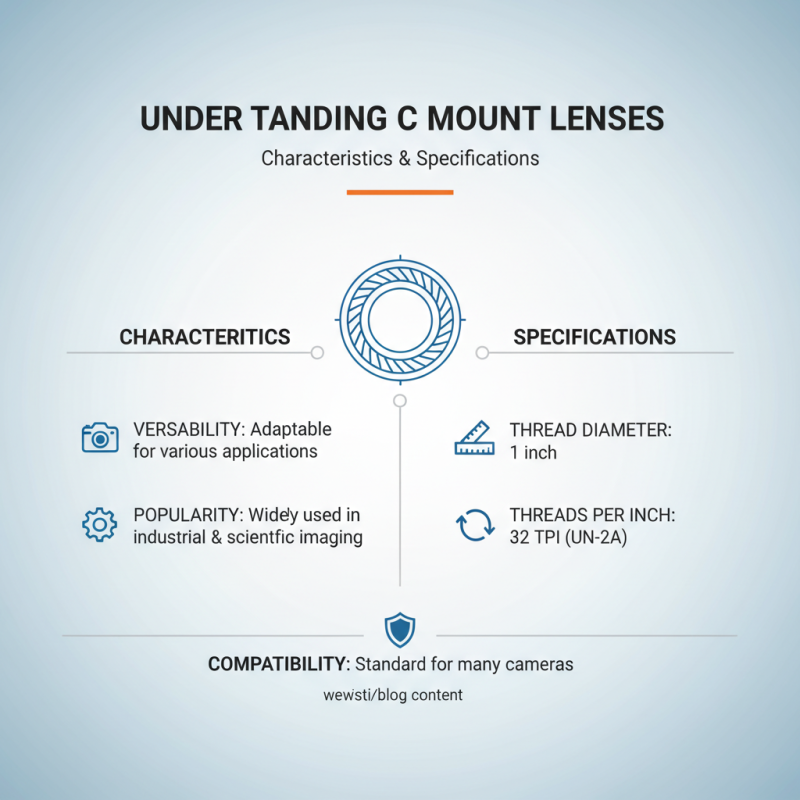
C mount lenses are popular in the imaging world. They offer versatility and a range of characteristics that appeal to various applications. Understanding their specs is crucial for making the right choice. Typically, the C mount provides a thread diameter of 1 inch with 32 threads per inch. This standard allows for compatibility with many cameras, especially in industrial and scientific fields.
One key aspect is the focal length. C mount lenses come in different focal lengths, ranging from wide-angle to telephoto. Wider lenses allow for a broader field of view, useful for capturing expansive scenes. On the other hand, longer focal lengths let you zoom in on distant subjects. According to a recent industry report, 40% of photographers prefer focal lengths between 12mm and 25mm for versatility.
Tip: Always consider your shooting environment. If you often shoot in tight spaces, a wide-angle lens may be best. Reflection on your needs before choosing a lens can save time and money.
Another characteristic to ponder is the lens' speed, indicated by the f-stop number. A lower f-stop means better low-light performance. However, it can compromise depth of field. A study by the Imaging Society shows that consumers often overlook this when choosing lenses.
Tip: Evaluate lighting conditions regularly when selecting your lens. Adjust your options accordingly to improve image quality, especially in dim settings.
When selecting a C Mount lens for your camera, understanding the types available is crucial. Prime and zoom lenses serve different purposes and suit different shooting styles.
Prime lenses typically offer a fixed focal length. They excel in low-light conditions and provide sharp images. This clarity makes them popular for portrait and macro photography. However, their fixed nature might hinder flexibility in framing.
On the other hand, zoom lenses adapt to various situations. They allow you to change focal lengths without switching lenses. This can be beneficial during dynamic shoots where every second counts. However, zoom lenses can sometimes sacrifice sharpness at certain focal lengths. They might also struggle in low-light scenarios compared to prime lenses. Choosing between these two types often comes down to personal shooting needs and style.
Consider your shooting habits when making a selection. If you prioritize image quality and low-light performance, a prime C Mount lens could be the solution. But, if versatility and convenience are essential, a zoom lens may be more fitting. Reflect on your experiences with both types to make a knowledgeable decision. Understanding these differences is fundamental in optimizing your camera setup.
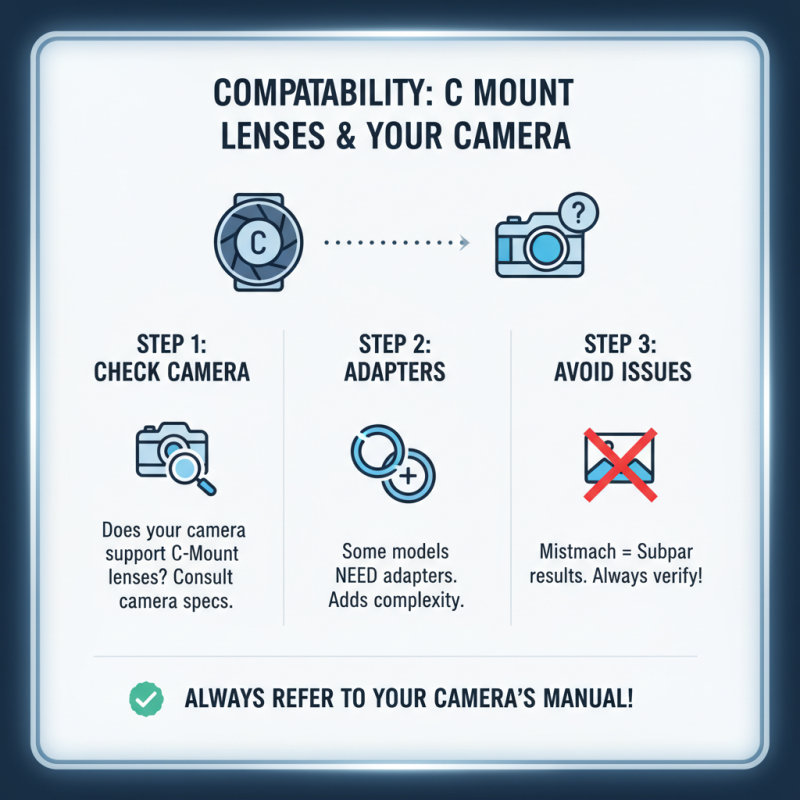
When selecting a C Mount lens, compatibility is paramount. Not every lens will work seamlessly with your camera. Check your camera model to ensure it supports C Mount lenses. Some models may require adapters, which can introduce additional complexity. Always refer to your camera's specifications for guidance, as misalignment can lead to subpar results.
The 180x C Mount Lens offers unique features that can enhance your photography. However, it may not suit every situation or camera setup. Pay attention to the lens's focal length and aperture compatibility with your camera. A mismatch can lead to unwanted vignetting or distortion. Experimenting with different settings may reveal surprising outcomes, but expect some trial and error.
Keeping informed about lens specifications is crucial. Seek advice from photography forums or communities. Engaging with other users can uncover insights that manuals often overlook. Be prepared for some imperfections in your selections. Each lens has its quirks, and understanding these nuances can take time.
When choosing a C mount lens, focal length and aperture size are crucial. Focal length determines the lens’s field of view. A shorter focal length offers a wider angle, great for landscapes. A longer focal length compresses the scene, ideal for portraits. This is vital to consider based on your photography style.
Aperture size significantly affects image quality. A larger aperture allows more light, creating a shallow depth of field. This results in beautiful background blur. However, lenses with larger apertures are often more expensive. It’s essential to balance your budget with your creative needs.
Tips: Always test lenses before purchasing. Check how they render colors and sharpness. Take note of any distortion. A lens that looks great on paper may not perform well in real-world conditions. Experimenting with prototypes can reveal their true nature. This could prevent regret in your final choice. Choose wisely, considering both artistic vision and practical usage.
When selecting a C Mount lens, lens quality is key to enhancing your camera's performance. Build quality can influence durability and usability. A solid construction often implies better longevity, especially for frequent shooting or harsh environments. Metal housings may provide a more robust feel than plastic options. This contrasts with lighter materials, which offer portability but might compromise durability.
Optical performance is another crucial factor. Pay attention to clarity, sharpness, and color accuracy. Look for reviews discussing real-world performance. Chromatic aberrations or distortion can detract from image quality, especially at wider apertures. A lens might seem promising on paper but underwhelming in practice. Analyze how it performs in various lighting conditions to get a clearer picture.
Remember to consider your photographic style. Some people prefer soft backgrounds with sharp subjects, while others need even focus across the frame. Test the lens before making a decision, if possible. Understanding these nuances can significantly impact your choice and your photography experience. Failure to assess these aspects could lead to dissatisfaction later. Reflect on your needs to find the right balance between build and optical qualities.
Choosing between manual focus and autofocus can be challenging. Manual focus allows for greater creative control. Photographers can fine-tune their focus to achieve the desired effect. This is especially vital when dealing with shallow depth of field in specialized shots. However, manual focus requires practice and patience. It can be frustrating at times, leading to missed moments if not handled well.
On the other hand, autofocus offers convenience and speed. It’s useful in dynamic situations, like events or wildlife photography. A good autofocus system can lock onto subjects quickly, capturing sharp images effortlessly. Yet, not all autofocus systems are reliable in low light conditions. Some may struggle, causing blur when you least expect it.
Consider the C Mount Varifocal Lens for versatility. This type allows you to adjust focal lengths without needing multiple lenses. You can switch between wide shots and close-ups seamlessly. Remember to think about your shooting style. Determine whether manual focus or autofocus aligns better with your needs. Reflect on your experiences; each method has its strengths and challenges.
When considering camera lenses, budget often plays a major role. Finding the right balance between cost and quality can be challenging. A C Mount lens offers versatility but varies widely in price. It’s essential to evaluate the features you need. Do you want a specific focal length or a particular aperture size? Higher quality lenses can significantly enhance image clarity. However, they come with a steeper price tag.
Not all expensive lenses guarantee superior performance. Some budget options provide surprising quality. Research user reviews and expert opinions to find reliable choices. A C Mount lens might excel in one area, like sharpness, yet falter in another, such as distortion. Think about your photography style. If wide angles suit your needs, consider an F Mount Wide Angle Lens. They can be more affordable and still deliver exceptional results.
Mistakes happen when buyers focus solely on costs. It’s easy to overlook essential features in the pursuit of a bargain. Keep your priorities in mind, and weigh each option carefully. Investing just a little more might result in a far better outcome. Ultimately, your lens should not only fit your budget but also align with your creative vision. Balance is key in making the best decision.
| Lens Type | Focal Length (mm) | Aperture | Price Range ($) | Image Quality Rating |
|---|---|---|---|---|
| Standard Lens | 25 | f/1.4 | 100 - 150 | 4.5/5 |
| Wide Angle Lens | 12 | f/2.8 | 150 - 250 | 4.3/5 |
| Telephoto Lens | 75 | f/2.0 | 250 - 400 | 4.7/5 |
| Macro Lens | 50 | f/2.8 | 200 - 300 | 4.6/5 |
: Lens quality affects camera performance. Build quality impacts durability and usability.
Metal housings provide more durability than plastic. However, plastic options are lighter for portability.
Clarity, sharpness, and color accuracy affect image quality. Always check reviews for real-world performance.
Analyze chromatic aberrations and distortion. These issues can diminish quality, especially at wide apertures.
Test the lens if possible. Consider your photographic style for better decision-making.
Manual focus gives greater creative control. It allows for precise adjustments, ideal for specialized shots.
It requires practice and patience. Missed moments can happen if you're not careful.
Autofocus offers speed and convenience, especially in dynamic situations like events or wildlife photography.
Autofocus may struggle in low light. This can lead to unexpected blurs.
Reflect on your shooting style and experiences. Each method has unique strengths and challenges.
Choosing the best C Mount Lens for your camera involves understanding the unique characteristics and specifications that define these lenses. C Mount lenses are versatile and come in types such as prime and zoom lenses, catering to various photography needs. Compatibility with your specific camera model is crucial, as different cameras may require unique mounting options.
When selecting a C Mount Lens, it's important to consider vital factors such as focal length and aperture size, which impact image composition and lighting. Additionally, assessing lens quality through both build and optical performance can ensure durability and clarity in your images. Features like manual focus versus autofocus options also play a significant role in user preference. Finally, balancing your budget with the desired lens quality is essential, allowing you to find the perfect C Mount Lens that meets your photography goals without breaking the bank.