In the fast-changing world of automation and smart manufacturing, there's really a growing need for precise, high-quality machine vision components. One standout in this space is the High-Definition Fa Lens, which plays a crucial role by enabling advanced imaging that's essential for things like inspection, identification, and analysis.
A recent industry report even predicts that the machine vision market will grow around 7.5% each year—that kind of growth really shows how much companies are leaning on top-notch optical solutions these days.
Fuzhou New Vision Technology Co., Ltd. is right there at the forefront, creating and selling state-of-the-art components that boost visual performance across a bunch of different applications. For anyone—whether you're a photographer or someone working in the industry—knowing how to pick the right High-Definition Fa Lens can seriously help you get the best possible imaging results and keep up with the fast pace of high-tech manufacturing environments.

Understanding Your Photography Style and Needs for High-Definition Focal Lengths
When you're on the hunt for the perfect high-definition FA lens, it's really important to think about your own photography style and what you actually need. Different kinds of photography—like macro shots, portraits, or sweeping landscapes—call for different focal lengths and lens features. I came across a recent report from the International Society for Optics and Photonics, and it mentioned that lenses with higher resolution tend to boost image quality big time, especially when you're all about capturing those tiny details. For example, a 50mm lens is pretty much a go-to for portrait shots because of its natural perspective, while a 24mm lens is awesome for capturing those wide, breathtaking landscapes.
A couple of tips: first off, think about what you usually shoot most—if you're often working in low light, look for lenses with bigger apertures, so they let in more light and give you better results. Also, don’t forget to check if the lens build quality feels sturdy enough and whether it plays nicely with your camera. You want to make sure everything’s compatible so you get the best performance.
Fuzhou New Vision Technology Co., Ltd. really underlines how crucial it is to have cutting-edge visual solutions in today’s industry. By choosing high-performance FA lenses, photographers can get clearer, sharper images that meet the demands of both everyday shooters and industrial applications. If you're a photographer looking to step up your game, picking the right lens isn’t just a detail—it’s a foundational move towards creating those jaw-dropping images you’re after.

Analyzing the Impact of Aperture on Image Quality and Low-Light Performance
So, when you're choosing a high-res FA lens for photography, it's super helpful to really get how the aperture affects your shots—especially in terms of image quality and doing well in low light. Basically, the aperture, which you see as those f-stop numbers, controls how much light gets into the lens. If you go for a wider open (that’s a smaller f-stop number), more light comes in, which is great for shooting in darker environments and lets you use faster shutter speeds. That’s a real win for things like portraits or wildlife shots where you wanna catch those quick moments without blurring.
On top of that, a wider aperture doesn’t just help in low light; it also changes the depth of field, giving that nice blurry background—what folks call the bokeh effect—that really makes your subject pop. But, heads up, while this can make your images look awesome, sometimes the edges might turn out a bit soft. Alternatively, lenses with smaller apertures (the larger f-stop numbers) tend to deliver sharper detail overall, but they might not perform as well when it’s really dark. Finding the right balance between all this is key—you want a lens that matches your style and helps you take your photos to the next level sometimes, it’s just about figuring out what works best for you.
Comparing Different Lens Coatings and Their Effects on Image Clarity
When you're choosing a high-quality HD FA lens, it’s pretty important to understand how different lens coatings can really impact your images' clarity. I mean, various coatings can make a big difference in how much light gets through and how well the lens fights off flare. According to a report from the International Society for Optics and Photonics, lenses with multi-layer coatings can boost light transmission by up to 99%. That’s a pretty significant upgrade—it not only makes your photos brighter but also helps keep colors vivid and true, which is super helpful when you're shooting in tricky lighting conditions.
Plus, different coatings do different things, depending on what you’re after. For example, anti-reflective coatings are great for reducing glare and ghosting, making them a top pick for landscape or astrophotography. A study published in the Journal of Imaging Science and Technology showed that lenses with these advanced anti-reflective coatings had about 30% less flare compared to ones without them. On the flip side, lenses that have protective outer coatings tend to last longer and hold up better over time without messing with the optical quality. When you take the time to consider these factors, you can pick a lens that really matches what you need—helping you get the best image clarity and nail those creative shots you’re after.
Evaluating Lens Compatibility with Your Camera Body and Accessories
When you're picking out a high-def lens, it’s pretty important to make sure it’s compatible with your camera and all your other gear. With camera tech moving so fast, you really gotta pay attention to your camera’s mounting system because that’s what decides what lenses you can actually use. I read somewhere that nearly 60% of pro photographers said lens compatibility is one of the biggest things they worry about when buying new equipment. So, taking the time to understand your camera’s specs and the lens options out there can really make a difference—your shots will turn out way better.
Also, it's pretty exciting how new lens tech keeps coming out—like those automatic focus cinema lenses—it's a good idea to stay in the know about what's happening in the market. Industry reports say that demand for specialty lenses has shot up by around 25% over just the past year. Plus, with cool accessories like portable flash units becoming more common, photographers now have more ways to tweak and personalize their setups to push their creativity further. But, don’t forget—compatibility isn’t just about the lens. Making sure your lenses work smoothly with your existing gear means saving some cash and avoiding headaches, especially when you're out in the field or on the go.
How to Choose the Right High-Definition Fa Lens for Your Photography Needs
| Lens Type |
Focal Length (mm) |
Aperture (f-stop) |
Weight (g) |
Compatibility |
Best for |
| Standard Zoom |
24-70 |
f/2.8 |
900 |
Full-frame |
Versatile shooting |
| Prime |
50 |
f/1.8 |
350 |
Crop Sensor |
Portraits |
| Wide Angle |
16-35 |
f/4 |
800 |
Full-frame |
Landscapes |
| Telephoto |
70-200 |
f/2.8 |
1500 |
Full-frame |
Wildlife |
| Macro |
100 |
f/2.8 |
600 |
Full-frame |
Close-up shots |
Exploring the Benefits of Image Stabilization for High-Definition Photography
When you're looking for a high-def FA lens for photography, one of those must-have features you should really pay attention to is image stabilization. Honestly, this tech makes a huge difference—your pics come out way sharper, especially in tricky situations like low light or when you're trying to catch fast-moving action. With stabilization on your side, you can even shoot at slower shutter speeds without ending up with blurry shots. It just opens up a ton of creative possibilities and makes your life a lot easier.
By 2025, it’s pretty clear that image stabilization has become a big deal thanks to all the advancements in camera tech and lens design. Nowadays, most high-def lenses come with this feature built-in, which is awesome because it helps photographers get those crisp, clear images more easily. Whether you're into wildlife photography or snapping those tiny details in cityscapes, having good stabilization can really cut down on shake and boost your overall photo quality. So, as you’re shopping around, I’d recommend focusing on lenses that include this feature—it’s a game changer for elevating your shots.
Examining Professional Reviews and User Feedback for Informed Lens Selection
Whenever you're choosing a high-definition FA lens for your photography projects, it’s super important to base your decision on
honest reviews from both pros and everyday users. Honestly, industry reports show that almost
60% of people rely on peer reviews to make their buying choices, which just goes to show how much people trust opinions from others.
That’s why taking a good look at unbiased expert evaluations really helps — things like
optical clarity, distortion, and color accuracy are key for getting those
sharp, precise images you want.
Fuzhou New Vision Technology Co., Ltd. stresses how crucial it is to match high-quality hardware with the right lens in
automation and smart manufacturing. With the market for machine vision parts expected to grow around
12% each year, picking the right FA lens isn’t just about better image quality — it’s about keeping up with the
growing needs of automated systems. When you combine the latest visual tech with advice from experienced pros, you can be confident
you’re choosing lenses that will not only meet your needs but actually go beyond your expectations in a bunch of different applications.
FAQS
Lenses with multi-layer coatings can enhance light transmission by up to 99%, boosting image brightness and preserving color fidelity.
Anti-reflective coatings minimize ghosting and lens flare, making them particularly suitable for landscape and astrophotography.
Lenses treated with advanced anti-reflective coatings can exhibit a 30% reduction in flare compared to uncoated lenses.
Protective outer coatings enhance durability, ensuring the lenses remain long-lasting without sacrificing optical performance.
Professional reviews and user feedback provide critical insights into optical clarity, distortion levels, and color accuracy, which are essential for informed purchasing decisions.
Nearly 60% of consumers rely on peer reviews to guide their purchasing decisions regarding lenses.
Choosing the right FA lens enhances image quality and supports the evolving demands of automated systems in smart manufacturing.
Photographers should evaluate lens characteristics such as coatings, durability, and user feedback to tailor their choices for optimal image clarity and creativity.
The machine vision components market is projected to grow by 12% annually, highlighting the need for high-performance lenses to meet increasing demands in automation.
Conclusion
When you're trying to pick out the right High-Definition FA lens for your photography setup, it's really helpful to start by figuring out your personal style and what focal lengths you actually need. Honestly, the aperture's impact on your images—especially when you're shooting in low light—can make a big difference in your decision. Also, don't forget to look at different lens coatings because they affect how clear your shots turn out, so it's worth comparing a few options. And of course, you want to make sure the lens will play nice with your camera and accessories—nothing's worse than buying something that doesn’t fit or work smoothly.
On top of that, thinking about features like image stabilization can really boost your photos, especially if you’re out and about or shooting action shots. I usually also check out professional reviews and hear what other photographers say—those opinions can save you a lot of guesswork. By keeping all these things in mind, you’ll be able to choose a High-Definition FA lens that not only ticks all the technical boxes but also helps take your photography to the next level—kind of like what Fuzhou New Vision Technology Co., Ltd. does with their innovative machine vision solutions. It’s all about finding that sweet spot between need and creativity!
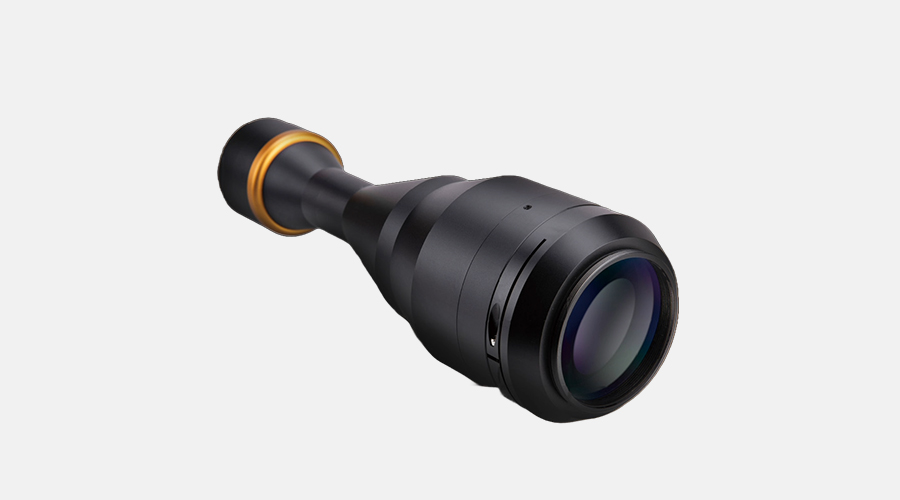 Compatible with 7.2mm-82mm chips
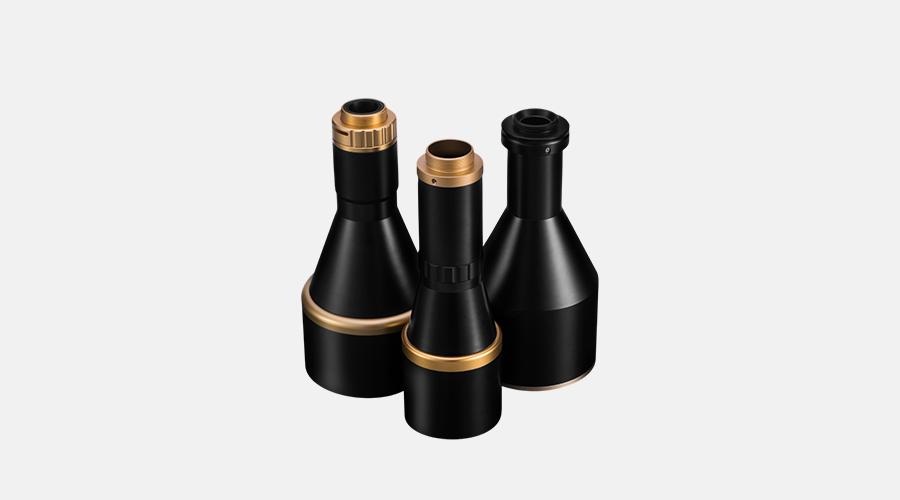 High/Low Working Distance
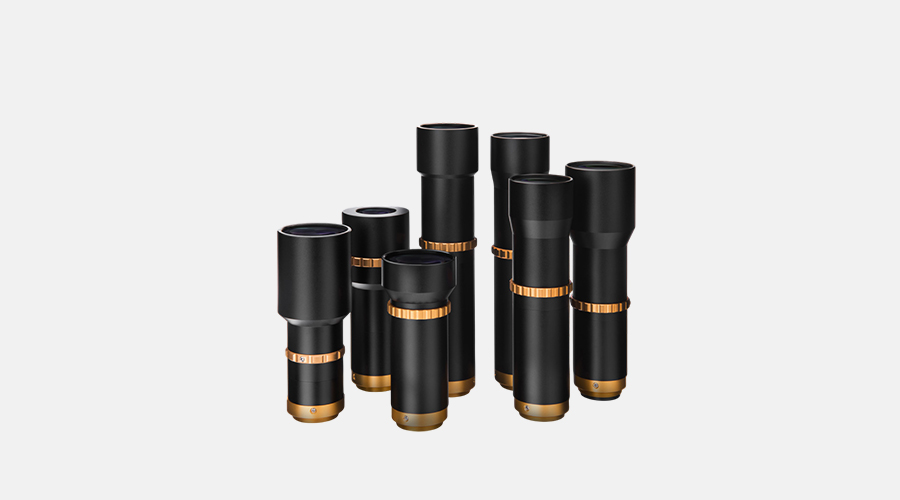 Aperture telecentric lens
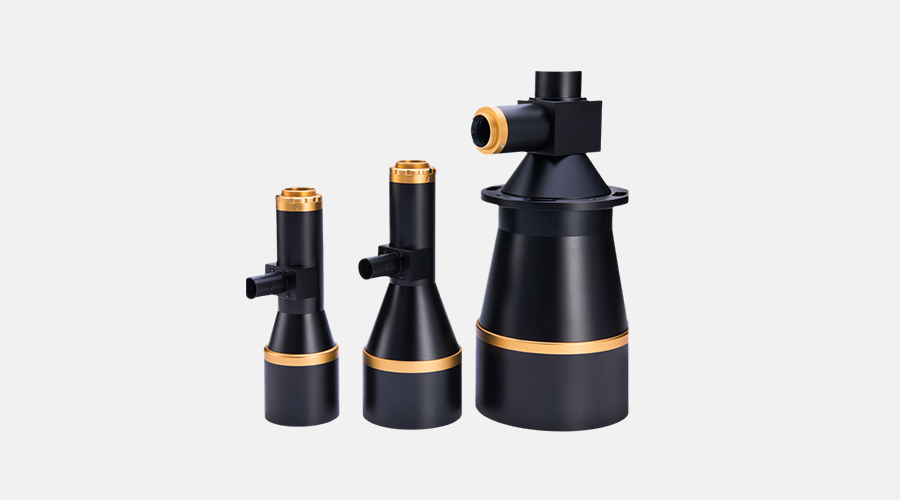 Measuring lens
 Maximum support 1.1" chips
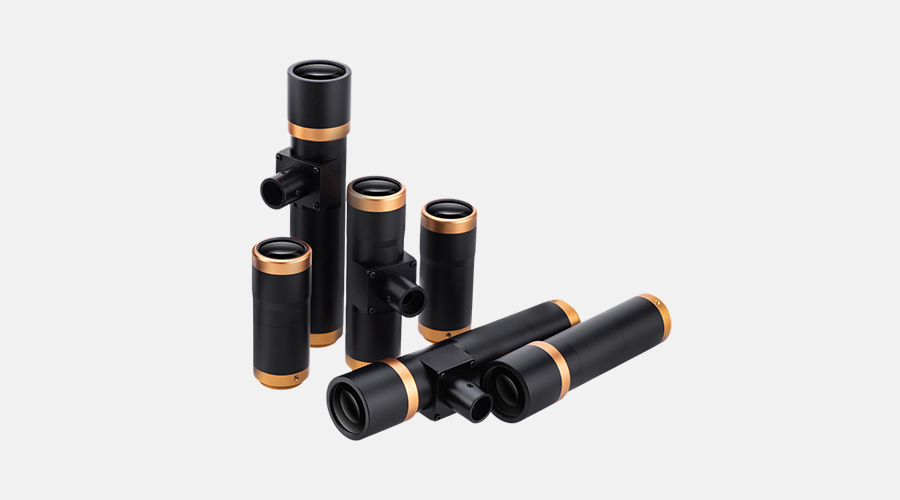 Maximum support 1.2" chips
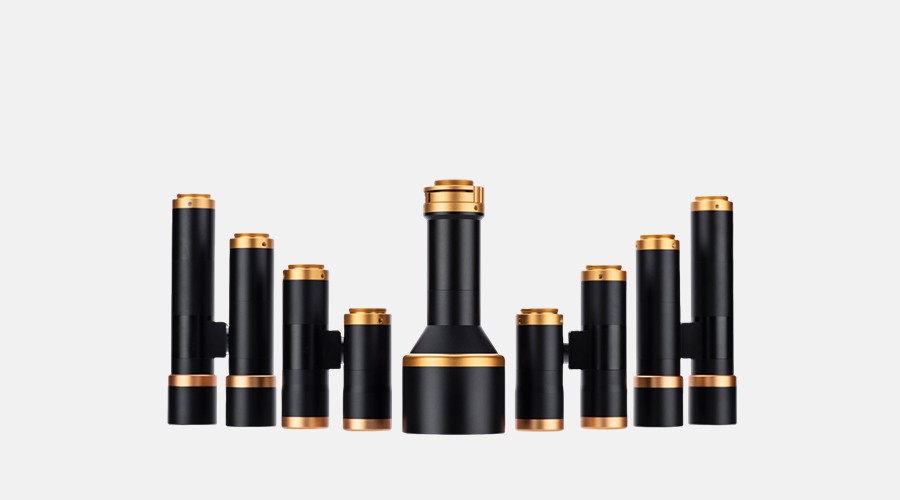 Maximum support 2/3" chips
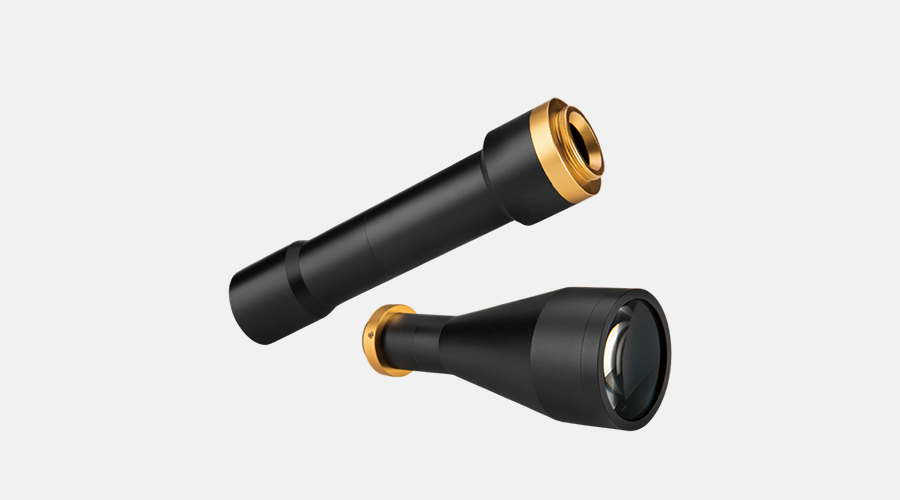 Long Working Distance
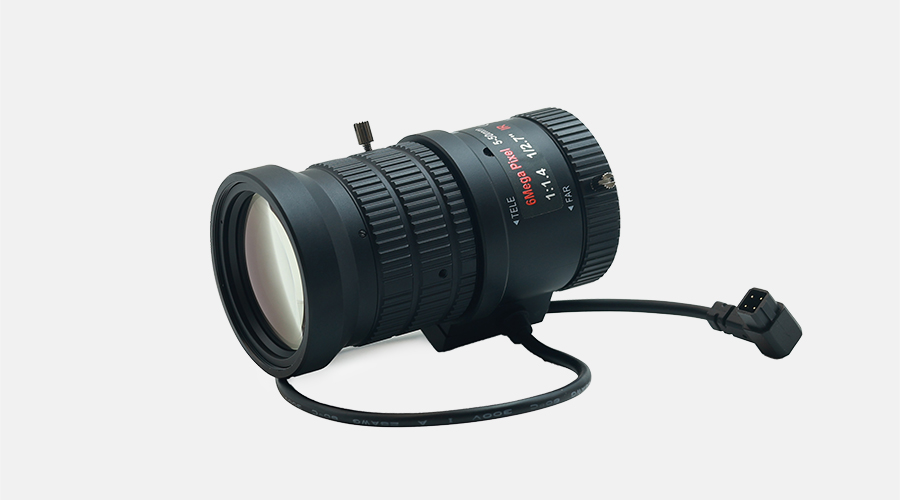 CS mount Varifocal lens
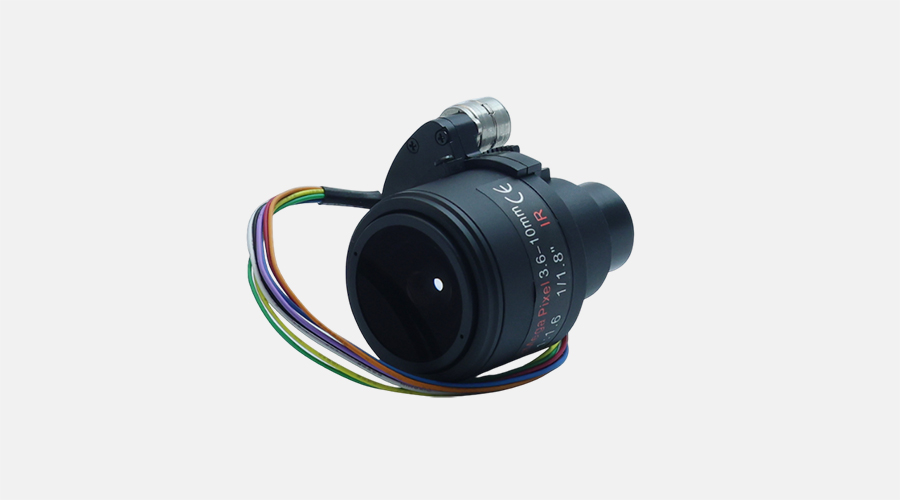 Varifocal board lens
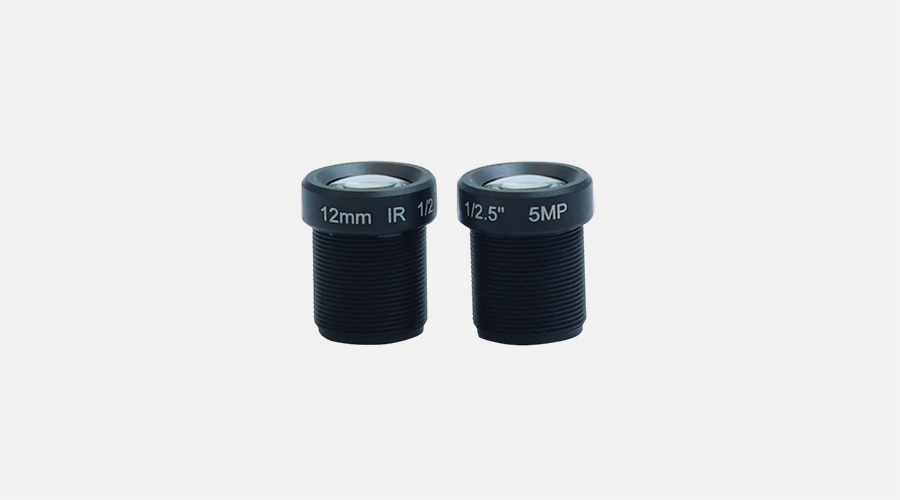 S mount lens
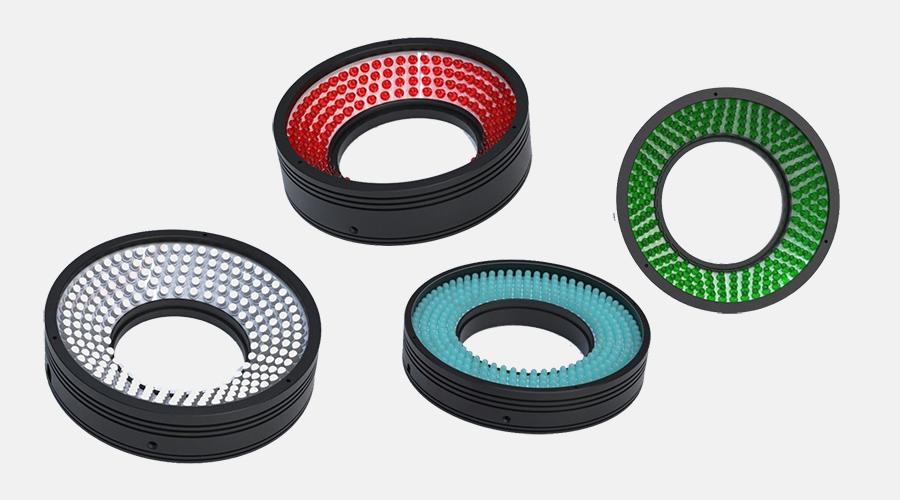 Ring light
 UV/IR Light
 Bar light
 Arcuate high uniformity light
 Back light
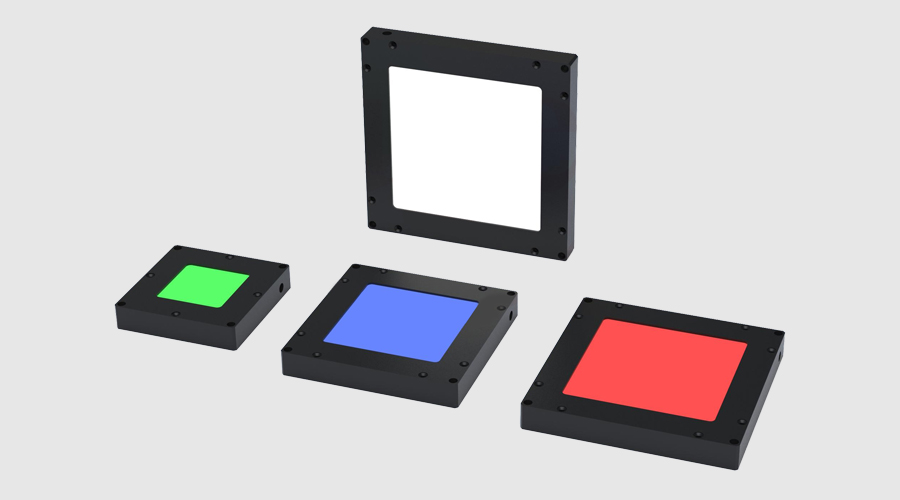 Flat light
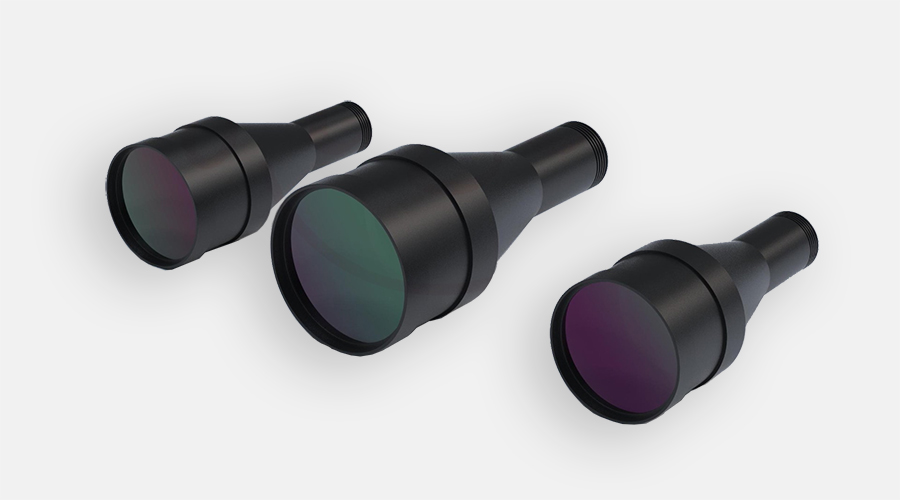 Collimated light
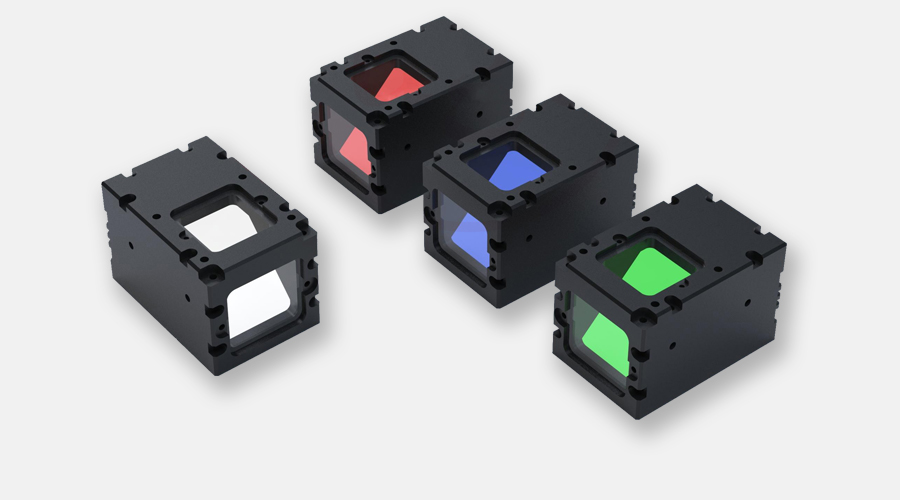 Coaxial light
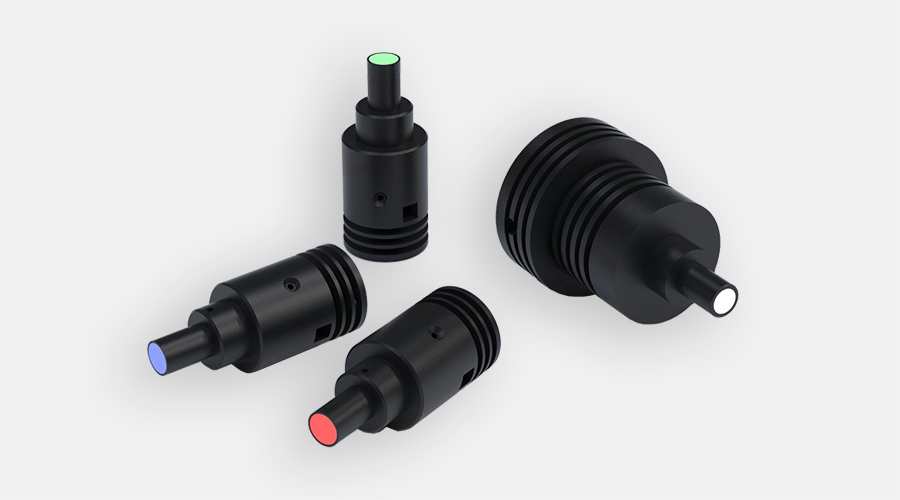 Spot light
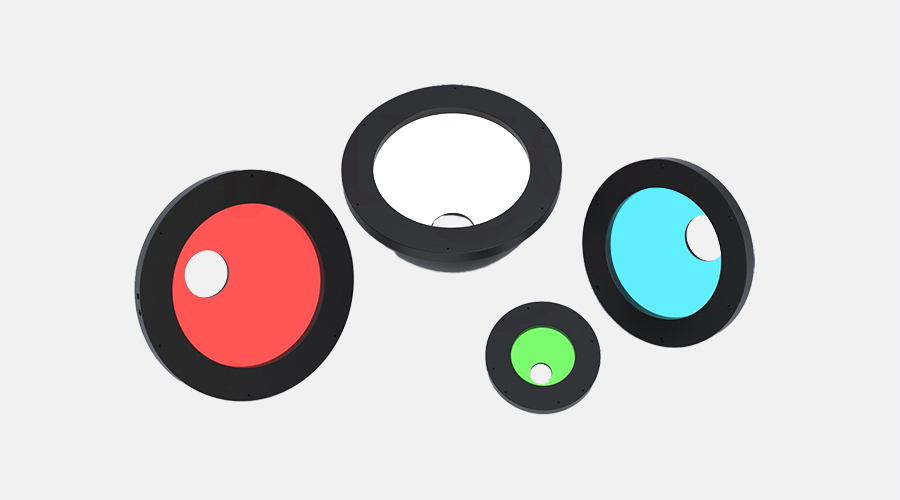 Dome light
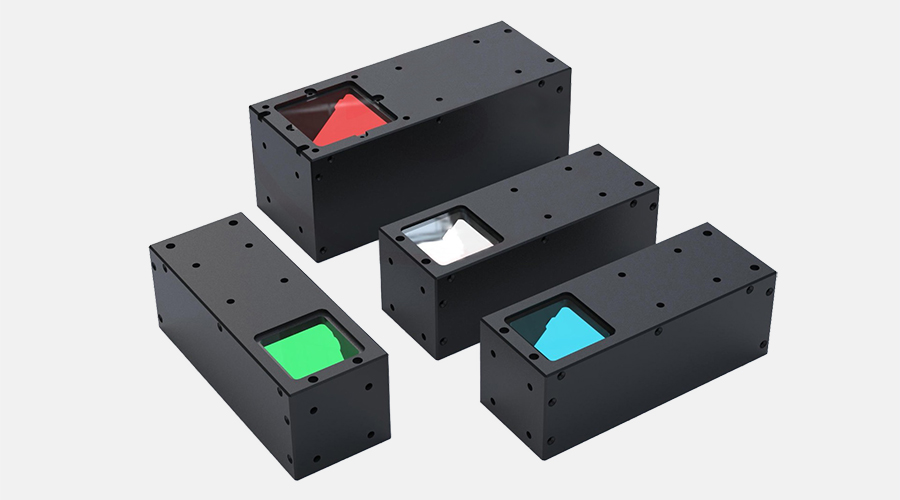 Collimated Coaxial light
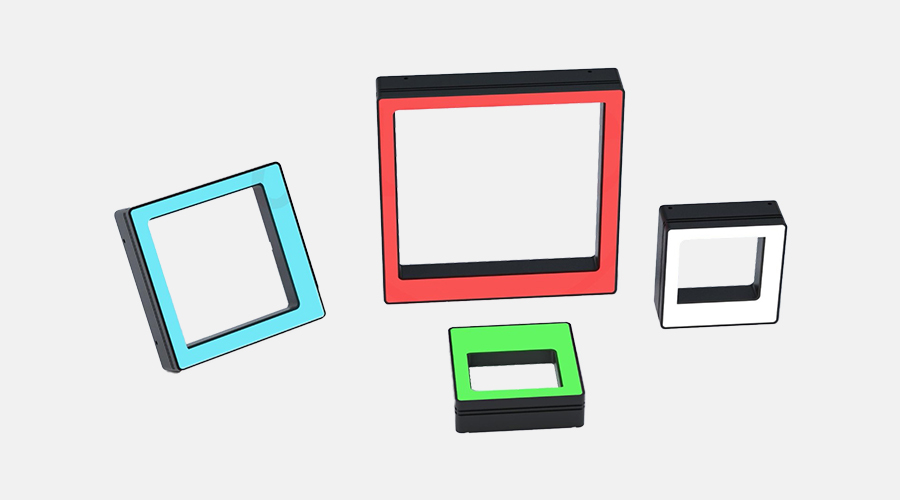 Shadowless square light
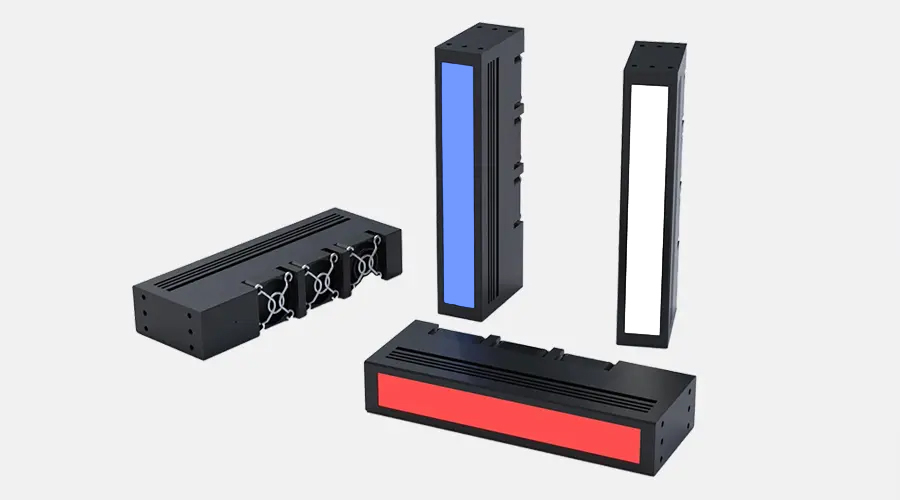 Scan light
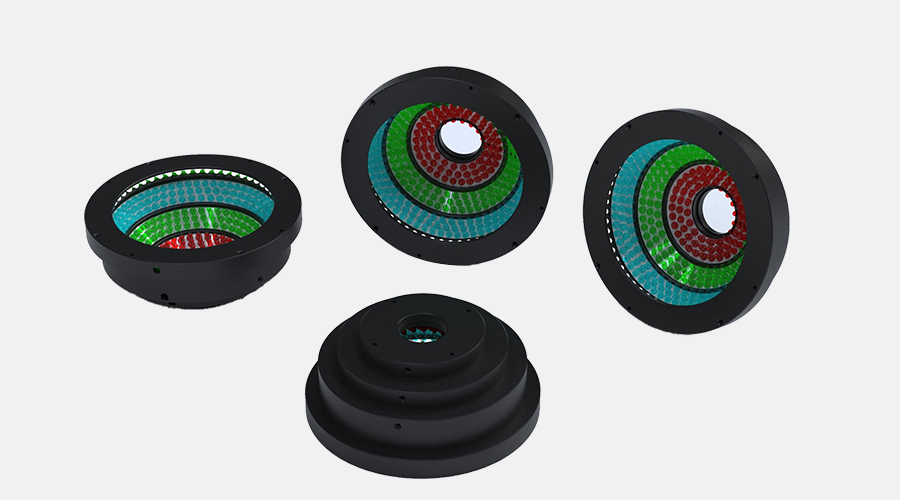 AOI light
 Analog controller
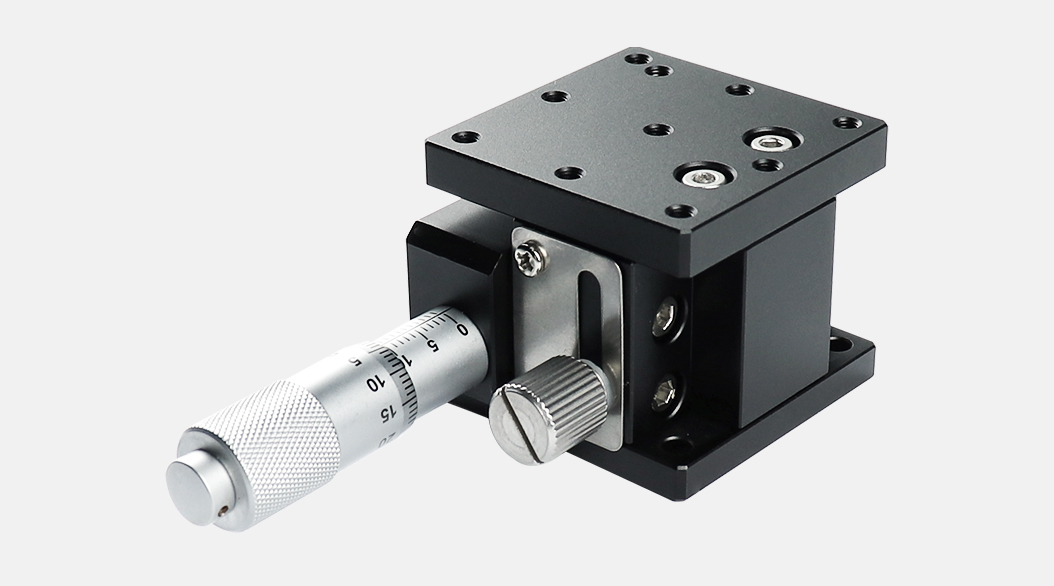 Crossed-Roller Linear guide type
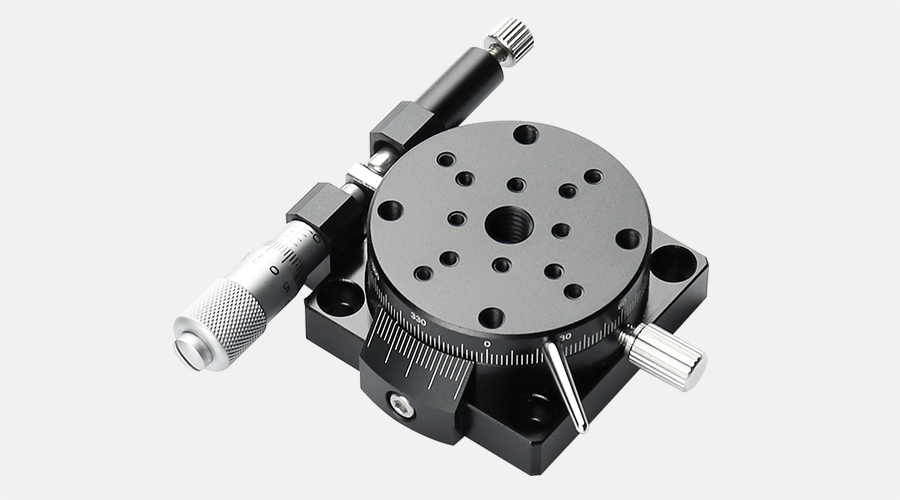 Rotary Stages XRS series
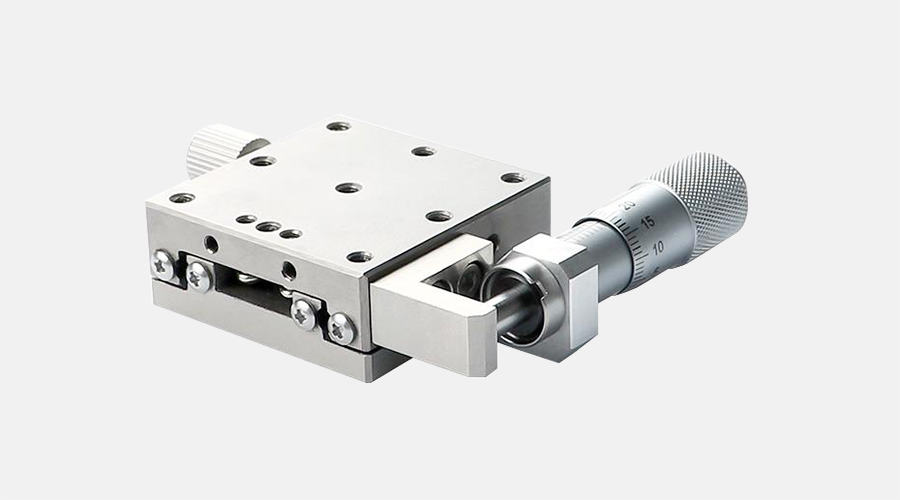 Stainless Steel Ball Bearing Linear Translation Stages
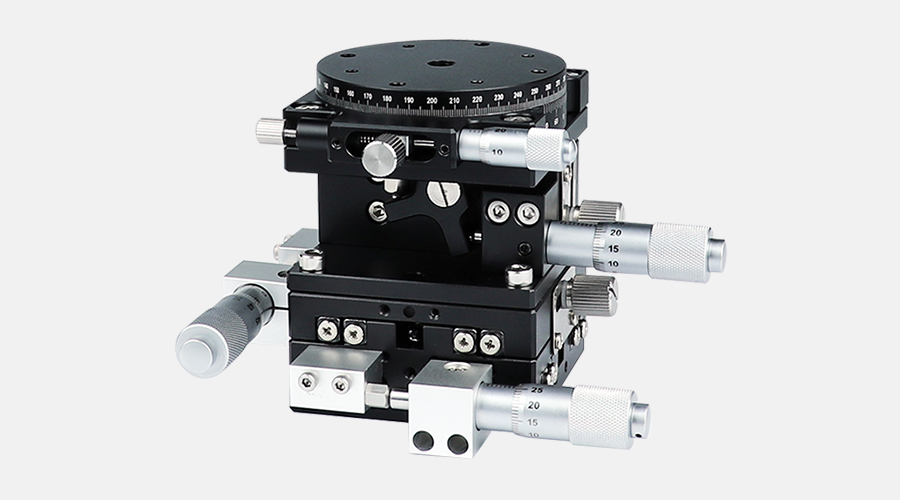 Multi-axis Translation stages
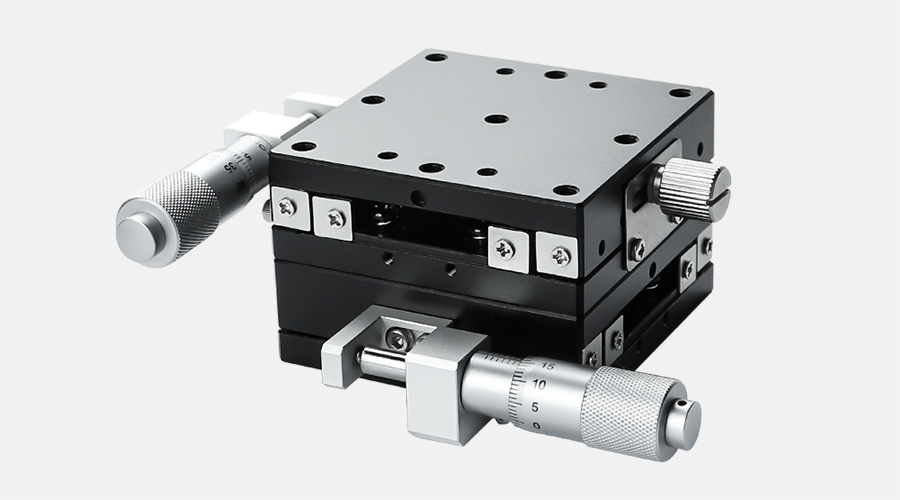 steel bar ball bearing stages
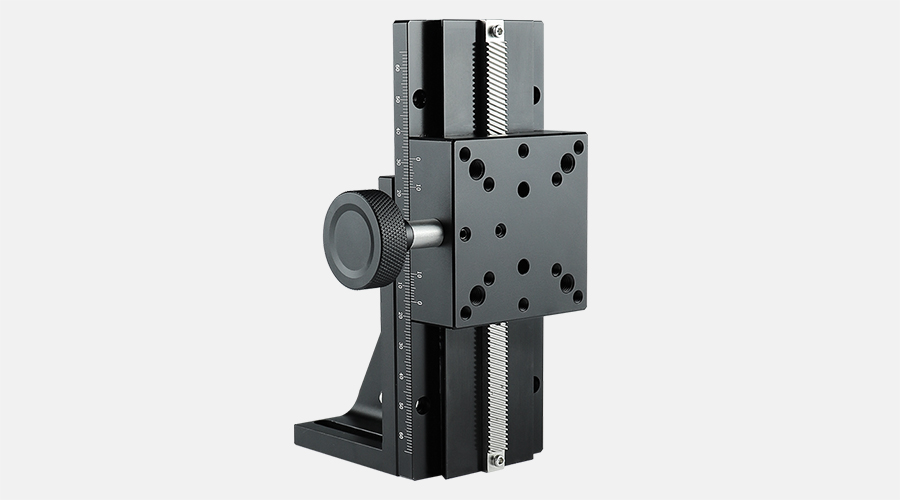 Dovetail Type Rack&Pinion Positioning Stage
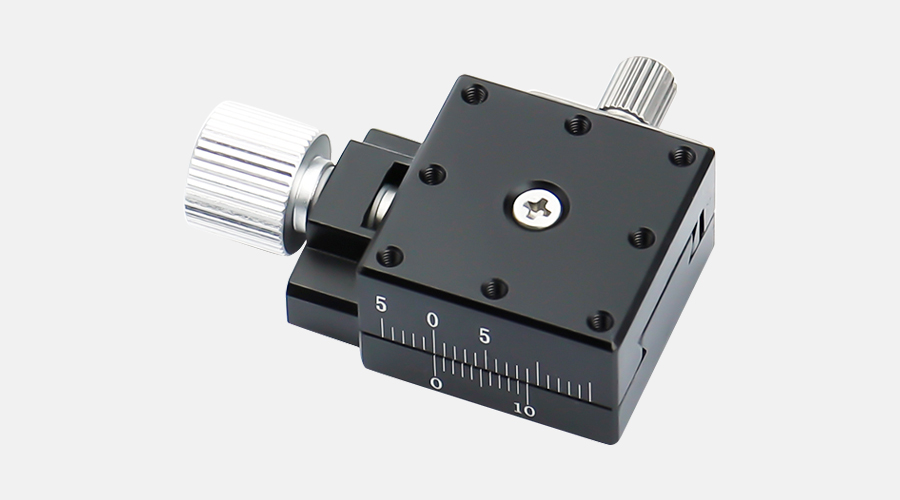 Dovetail groove high-precision screw slide




