In the ever-changing world of manufacturing, picking the right 3D Vision Inspection system isn’t always straightforward — trust me, it can be pretty overwhelming. Industry veteran Dr. Emily Chen from VisionTech Inc. points out, “The best inspection system is really the one that suits your specific needs.” With technology progressing so quickly, making a choice can sometimes feel like navigating a maze.
These 3D Vision systems are absolutely essential when it comes to quality control, helping to ensure things stay precise and efficient. But here’s the thing — a lot of companies overlook some key factors when they’re shopping around for these systems. One common mistake? Not really checking whether it plays nicely with what they already have going on — a mistake many make. Taking a step back to think it through can save you a bunch of headaches and money in the long run.
Looking ahead to 2026, things are gonna get even more interesting with new challenges and opportunities. Adding AI into the mix with 3D Vision Inspection can really level up data analysis. But don’t forget — you also gotta think about training and ongoing support for your team. Making the wrong call here could slow things down or cause other operational hiccups. So, it’s super important to honestly assess your own capabilities and what you’re aiming for before diving in. It’s all about finding that sweet spot and setting yourself up for success.

Understanding 3D Vision Inspection Systems and Their Applications
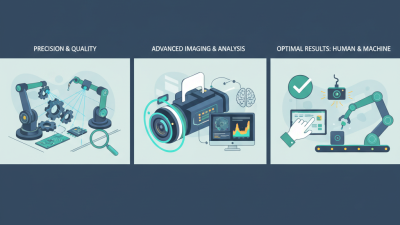
3D vision inspection systems have transformed various industries. These systems use advanced cameras and algorithms to identify defects in products. They ensure quality control in manufacturing, electronics, and automotive sectors. Their ability to create detailed three-dimensional models makes them invaluable.
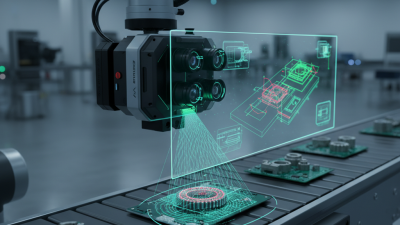
The applications are vast. In manufacturing, 3D vision systems inspect components for precision. They help identify issues that might go unnoticed by traditional methods. In the electronics industry, these systems detect soldering errors on circuit boards. The ability to see in three dimensions enhances accuracy significantly.
However, choosing the right system is not always straightforward. Some may focus too much on specifications and overlook real-world applications. Understanding the specific needs and limitations of your operation is crucial. It's essential to reflect on the experiences of existing users and adapt insights accordingly. The right system can boost productivity, but an ill-fitting choice could hinder it.
Key Features to Consider When Selecting 3D Vision Inspection Systems
When selecting 3D vision inspection systems in 2026, understanding key features is crucial. One standout feature is the imaging technology used. Systems today utilize structured light or laser triangulation. Structured light provides speed and accuracy, while laser triangulation excels in precision for complex geometries. According to a 2023 market report, imaging quality directly correlates with defect detection rates, emphasizing the importance of high-resolution cameras.
Integration capability also plays a significant role in the decision-making process. A robust 3D vision system should easily connect with existing machinery and software. Reports indicate that 70% of manufacturers experience reduced downtime when systems are interoperable. Consider how well the system meshes with your current processes. Beyond integration, consider the system’s adaptability. In a fast-evolving manufacturing landscape, systems must accommodate varying materials and sizes.
User interface is another vital aspect. A simple, intuitive interface can reduce training time by about 30%. Many systems include advanced analytics features that enhance real-time decision-making. However, this can also lead to information overload. It’s essential to balance functionality with usability. The right 3D vision inspection system will not only enhance production quality but also streamline operations effectively.
Evaluating Technological Advancements in 3D Vision Systems by 2026
As we project into 2026, the landscape of 3D vision inspection systems is evolving rapidly. Recent reports show that the market for these technologies is expected to grow by approximately 20% annually, emphasizing the importance of leveraging advanced inspection tools. Companies need robust systems to ensure quality control and efficiency in production lines. With this growth, evaluating the latest technological advancements becomes vital.
Innovations like deep learning integration and enhanced image sensing are pivotal. Systems utilizing artificial intelligence are now capable of real-time defect detection. Data indicates that these AI-enhanced systems can increase accuracy by almost 30% compared to conventional methods. Moreover, the use of improved sensors allows for greater depth perception, essential for complex geometries. However, the reliance on AI raises questions about potential overfitting and the need for constant retraining of algorithms.
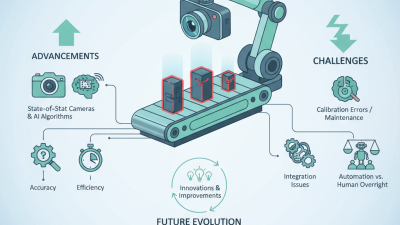
Consideration of integration with existing systems is also critical. While new tools promise improvements, compatibility issues may arise. Some reports highlight that 40% of companies faced challenges in integrating newer 3D inspection systems with older setups. This reality necessitates thorough evaluations to avoid disruptions. As time progresses, balancing technological gains with practical implementation will remain a significant challenge for manufacturers.
Comparing Different Brands and Models of 3D Vision Inspection Systems
In 2026, choosing the right 3D vision inspection system involves understanding various brands and models. The market has expanded significantly, with a projected growth rate of 25% from 2023-2026, according to industry reports. With advancements in technology, features like higher resolutions and faster processing speeds become crucial. However, not every system meets every need, so understanding your specific requirements is essential.
When evaluating different models, consider their compatibility with existing workflows. Some systems may offer advanced features, but they may not integrate smoothly with older equipment. Don't ignore user feedback; it can provide insights into reliability and performance. Depending on the application, some systems may struggle in challenging environments, which could lead to unexpected downtime.
Tips: Look for systems that offer flexible configurations. Customization options can help optimize inspections for unique processes. Additionally, ensure robust support and documentation are available. Training resources can enhance user proficiency, saving time and reducing errors. As you explore these systems, reflect on the importance of testing before committing to a purchase. Real-world demonstrations can reveal how well a system performs under your specific conditions, highlighting both its strengths and weaknesses.
Assessing Cost-Effectiveness and ROI of 3D Inspection Systems
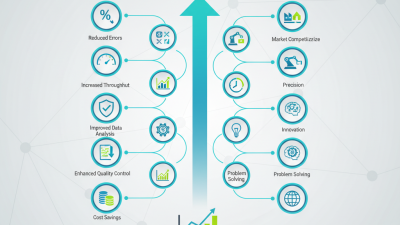
When evaluating the cost-effectiveness and ROI of 3D vision inspection systems, it’s crucial to consider several factors. Begin by analyzing the initial investment. While advanced systems may have higher upfront costs, they often lead to greater savings over time. This includes reduced labor expenses and fewer defects, which can significantly impact overall production.
Next, measure the efficiency gain. Systems that enhance throughput and quality will usually provide a better return. Consider how much time is saved in the inspection process. Sometimes, an expensive system can outperform a cheaper alternative in terms of speed and accuracy. Look at real-world use cases that showcase these advantages.
Finally, reflect on customer satisfaction. A reliable inspection system can enhance product quality. This fosters customer loyalty and reduces returns. However, not all systems will be a good fit for every application. Assessing the specific needs of your operation is vital. Identifying misalignments can lead to wasted investments. Take time to evaluate system scalability. A well-chosen system can adapt as your business evolves. Making informed decisions is crucial for sustainable growth.
Integration of 3D Vision Systems with Existing Manufacturing Processes
Integrating 3D vision systems into existing manufacturing processes requires careful consideration. These systems enhance quality control and automate inspections. However, compatibility with current tools is crucial. A seamless integration ensures that the benefits of 3D vision inspection are fully realized.
Manufacturers should analyze their current workflows. Understand how 3D systems can fit in without causing disruptions. Identify areas where errors frequently occur. By targeting these points, companies can maximize the return on investment. Manufacturers may also face integration challenges. Training staff and addressing initial resistance takes time. Evaluate the learning curve required for your team.
Keep in mind the limitations of 3D vision systems. They may not perform optimally under certain conditions. Ambient light, surface textures, and object sizes can impact accuracy. Testing the technology in real-world scenarios helps in identifying these issues. Be open to adjusting processes as needed. Continuous feedback loops can lead to better integration strategies, ultimately enhancing production efficiency.
Future Trends in 3D Vision Technology and Their Impact on Selection
As we look to 2026, 3D vision technology is set to transform various industries. The integration of advanced algorithms will enhance object recognition and classification. This will allow systems to adapt to more complex environments. However, the rapid pace of technological evolution can lead to some misalignment between capabilities and user expectations.
One key trend is the increased emphasis on machine learning. This allows systems to learn from previous inspections, resulting in improved accuracy and efficiency. While this may seem promising, the dependence on large datasets raises concerns about data quality. Organizations must ensure that their data is clean and representative. A dataset with biases can significantly affect performance.
Additionally, compact and modular systems are gaining traction. These designs will provide flexibility in different working environments. Yet, the trade-off may come in the form of limited processing power. Businesses should consider their specific needs and potential trade-offs when selecting a system. Thoughtful evaluation of current and future requirements will be crucial.
FAQS
: Look for structured light or laser triangulation. Each has strengths in speed and precision.
Very important. A seamless connection with existing tools can reduce downtime significantly.
Analyze areas where errors occur and see how a 3D system can fit in without disruptions.
An intuitive interface can reduce training time significantly. However, too many features may overwhelm users.
Training staff and overcoming resistance can be time-consuming. Understanding the learning curve is crucial.
Yes, factors like ambient light and object textures can affect performance. Testing in real scenarios is essential.
Machine learning improves accuracy by learning from past inspections. However, data quality is critical for success.
They offer flexibility but may have limited processing power. Evaluate your specific needs carefully.
Target frequent error areas during integration to maximize benefits. Continuous feedback will also help refine processes.
Conclusion
In 2026, choosing the best 3D Vision Inspection systems requires a comprehensive understanding of their applications and capabilities. These systems play a crucial role in quality assurance and automation in various industries. When selecting a 3D Vision Inspection system, key features such as resolution, speed, and user-friendliness must be evaluated, alongside the latest technological advancements that enhance performance and efficiency.
Cost-effectiveness and return on investment (ROI) are critical when assessing these systems, as they can significantly impact production processes. Additionally, the seamless integration of 3D Vision systems with existing manufacturing workflows is essential for maximizing efficiency. Finally, staying informed about future trends in 3D vision technology will help businesses make informed decisions that align with evolving industry standards and demands.
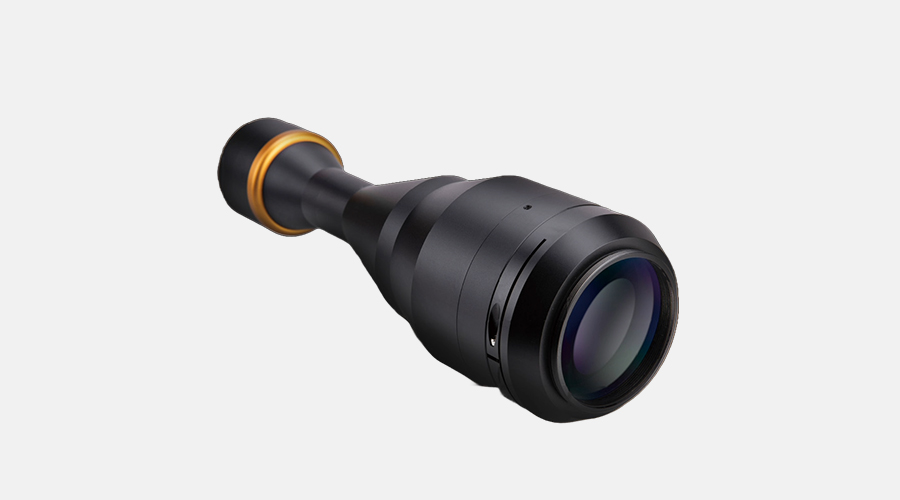 Compatible with 7.2mm-82mm chips
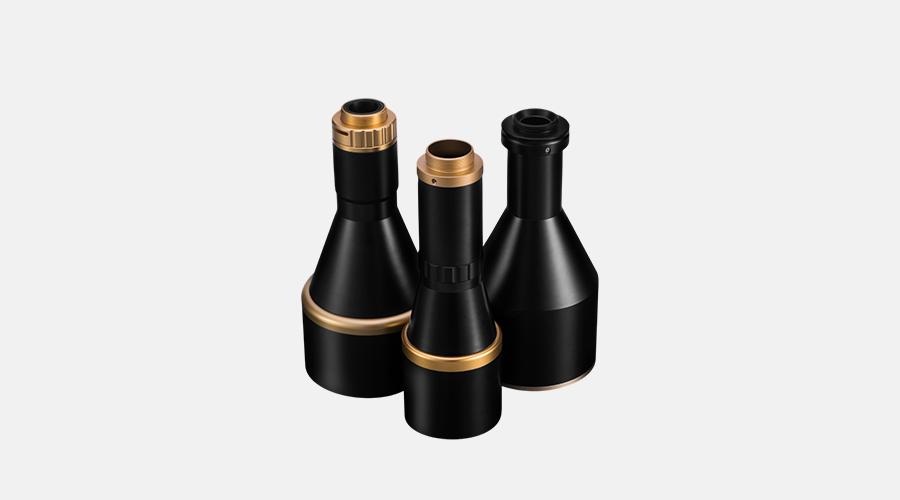 High/Low Working Distance
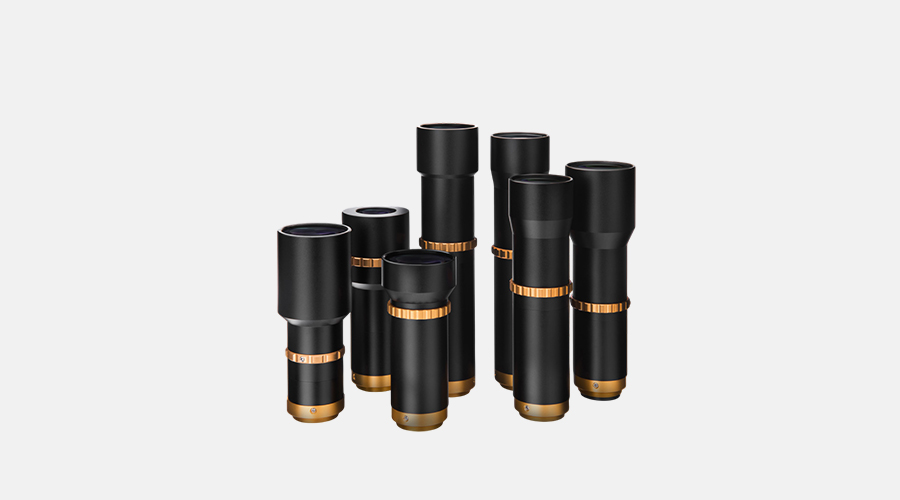 Aperture telecentric lens
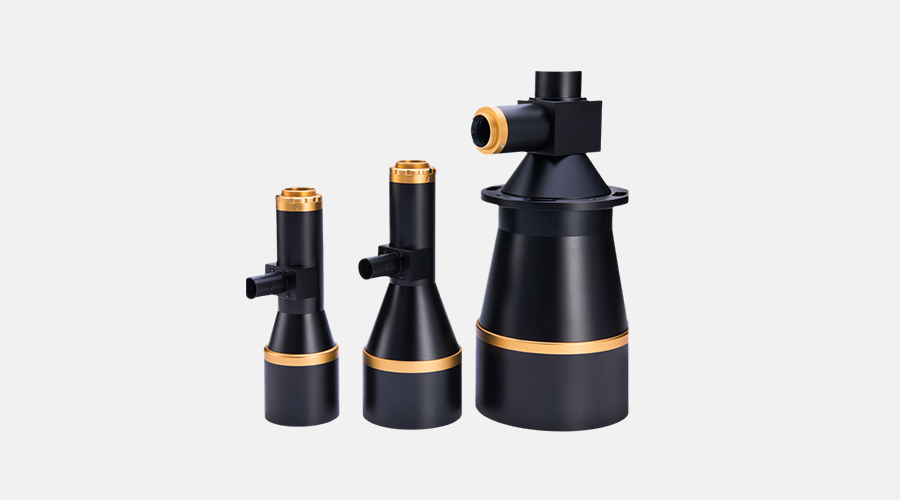 Measuring lens
 Maximum support 1.1" chips
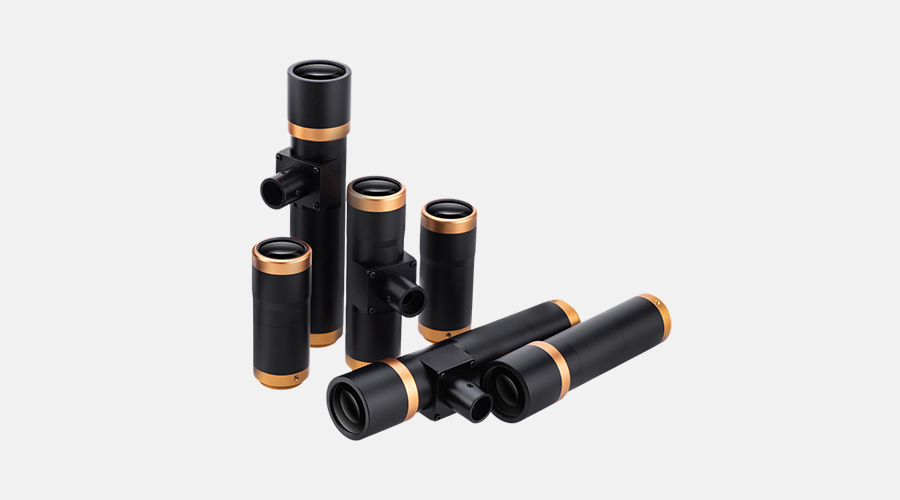 Maximum support 1.2" chips
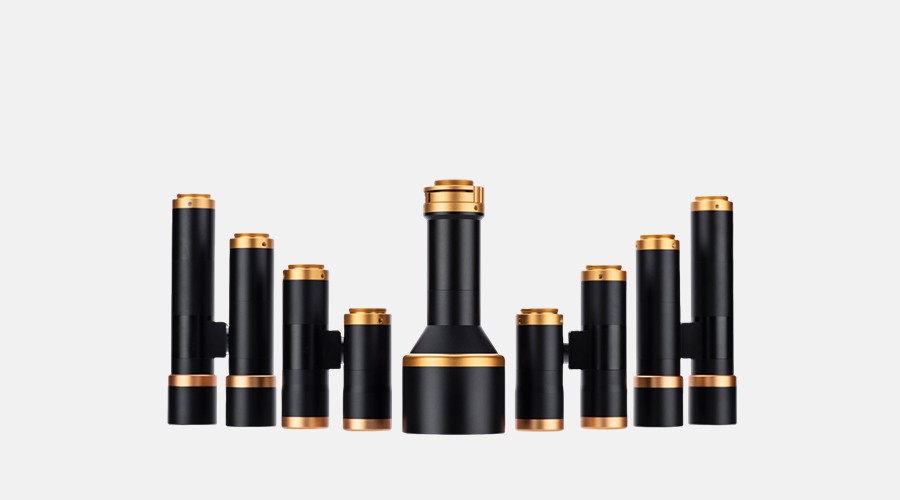 Maximum support 2/3" chips
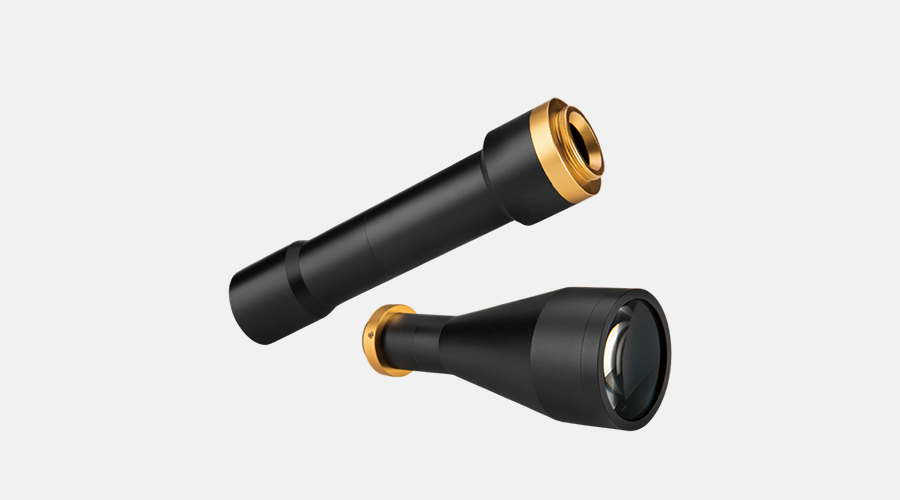 Long Working Distance
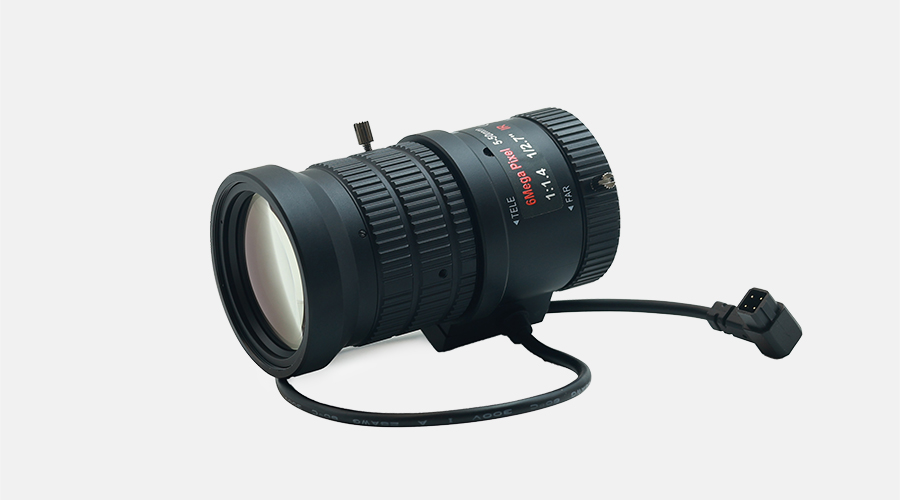 CS mount Varifocal lens
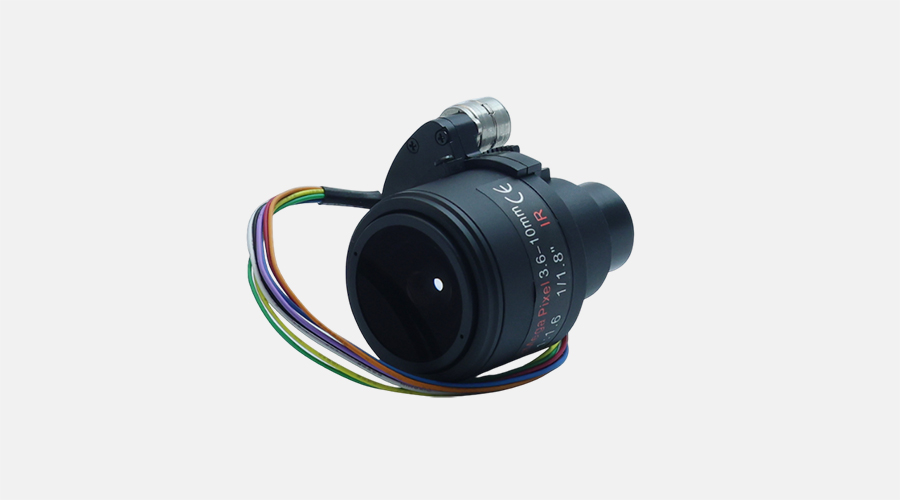 Varifocal board lens
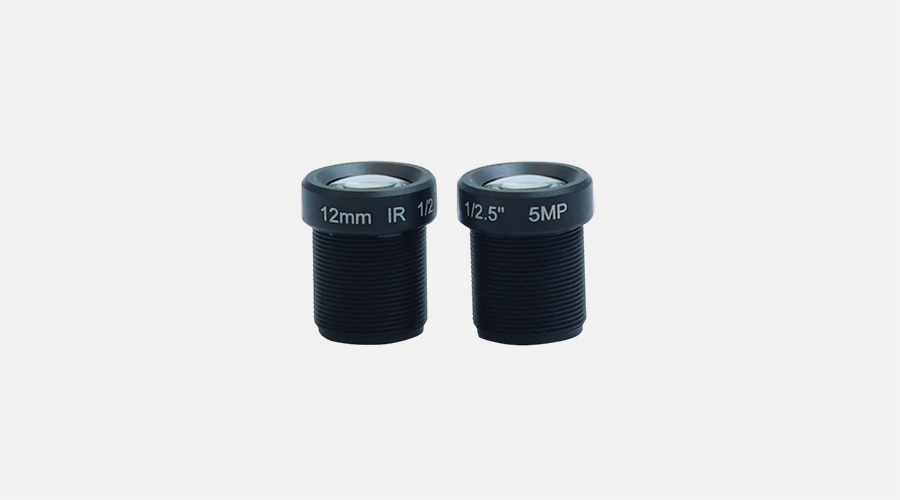 S mount lens
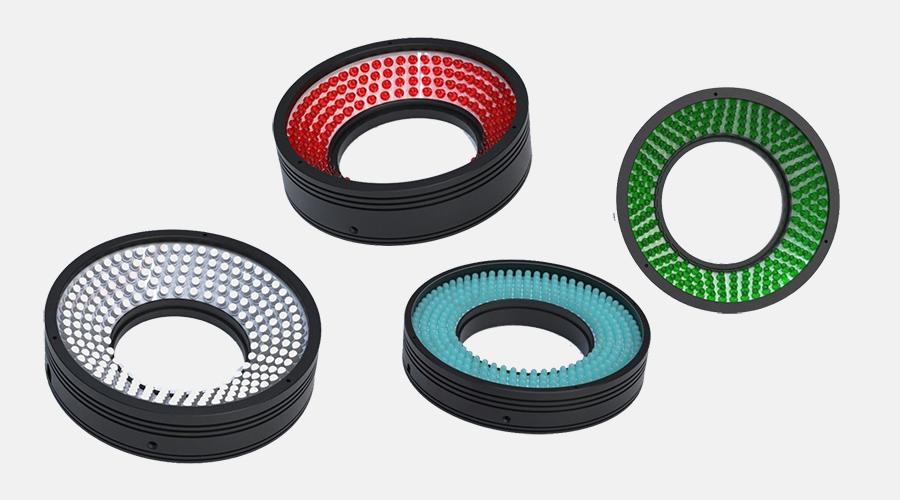 Ring light
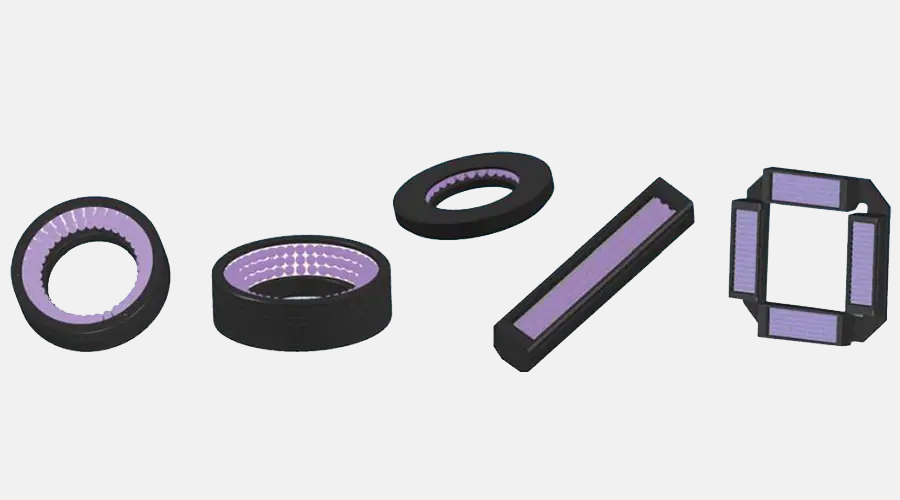 UV/IR Light
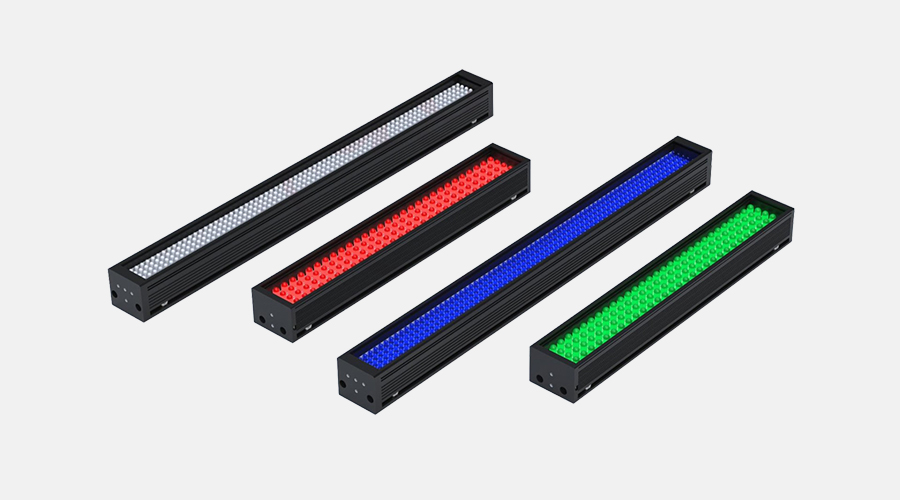 Bar light
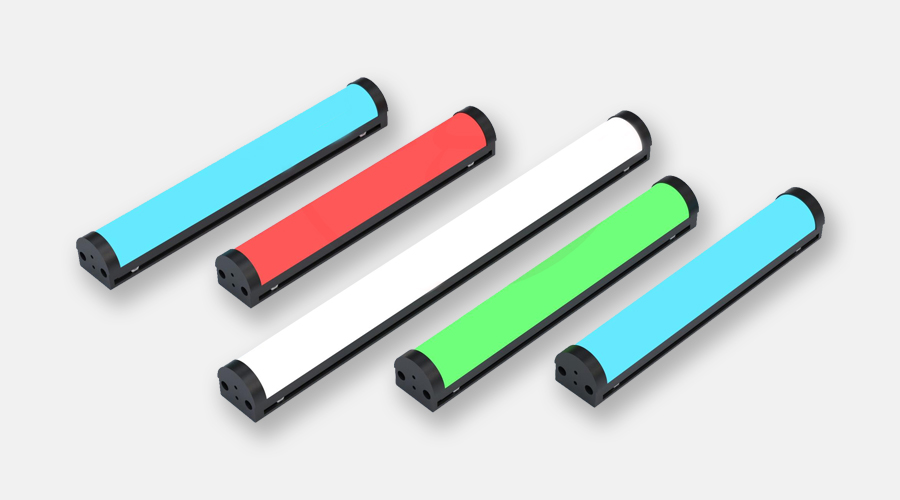 Arcuate high uniformity light
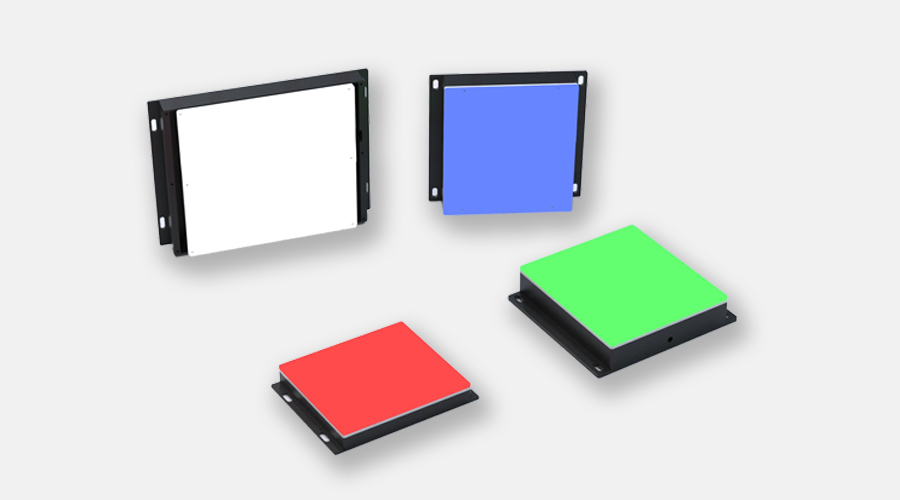 Back light
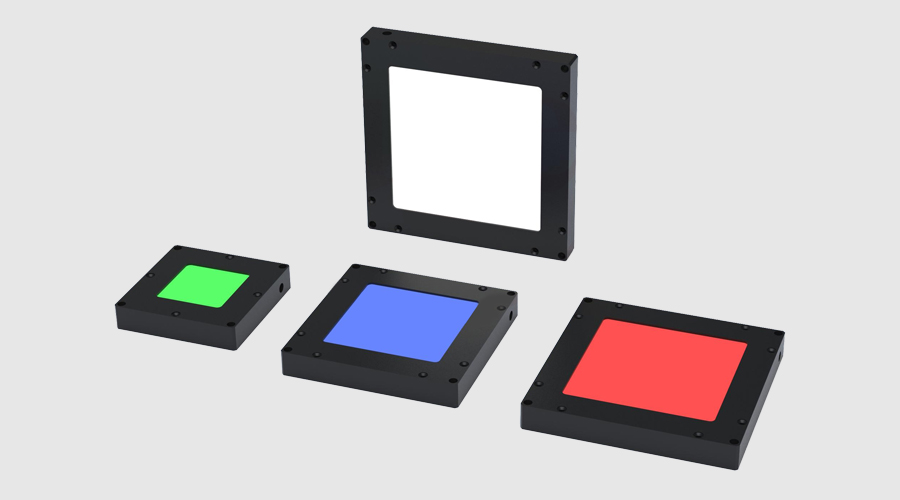 Flat light
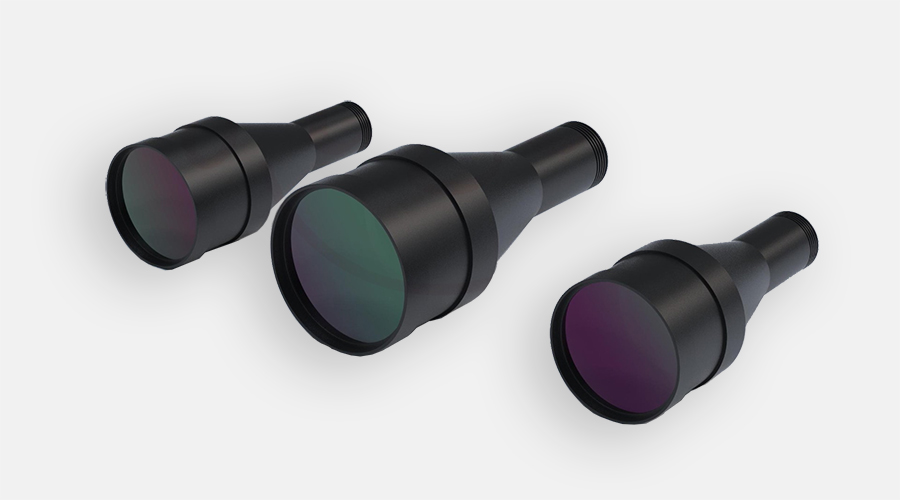 Collimated light
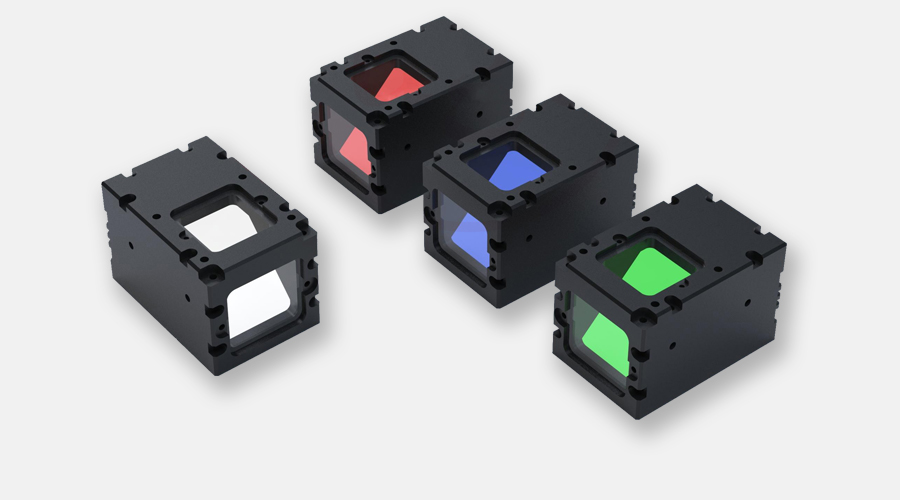 Coaxial light
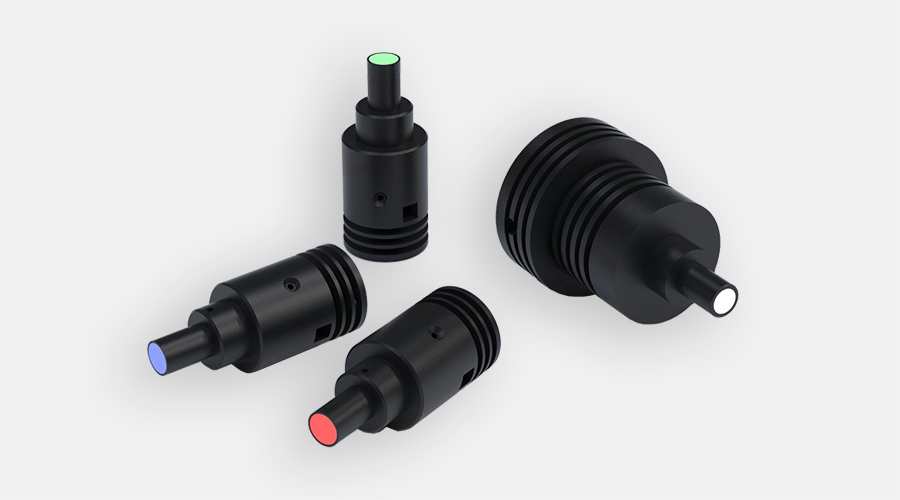 Spot light
 Dome light
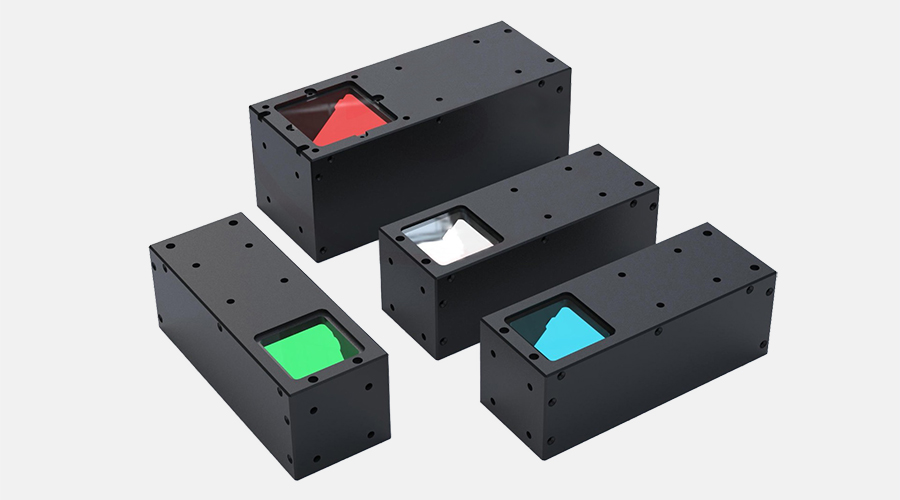 Collimated Coaxial light
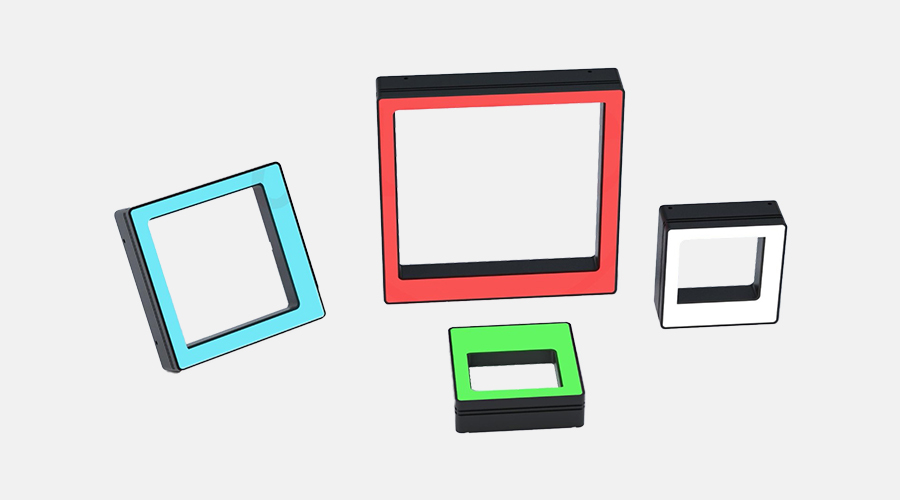 Shadowless square light
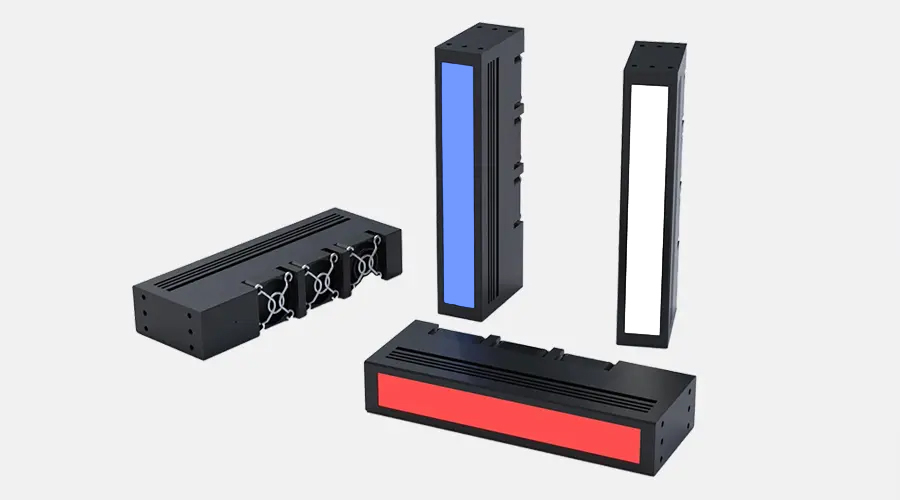 Scan light
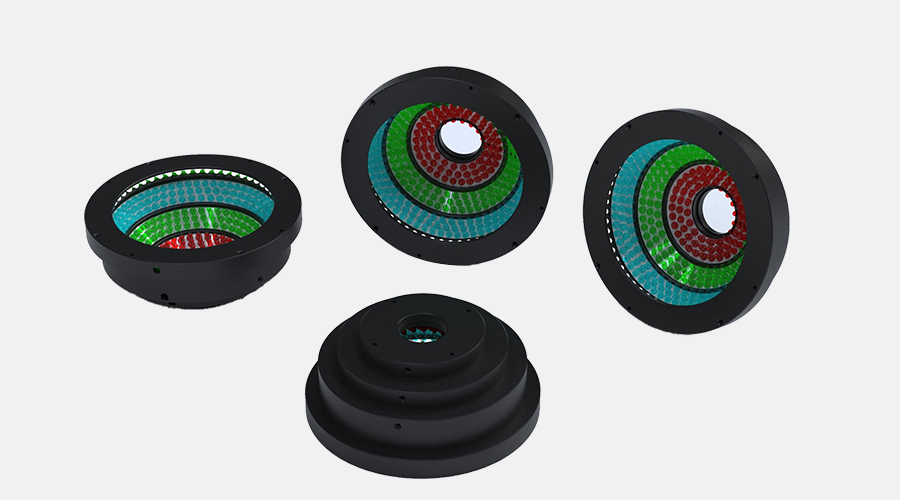 AOI light
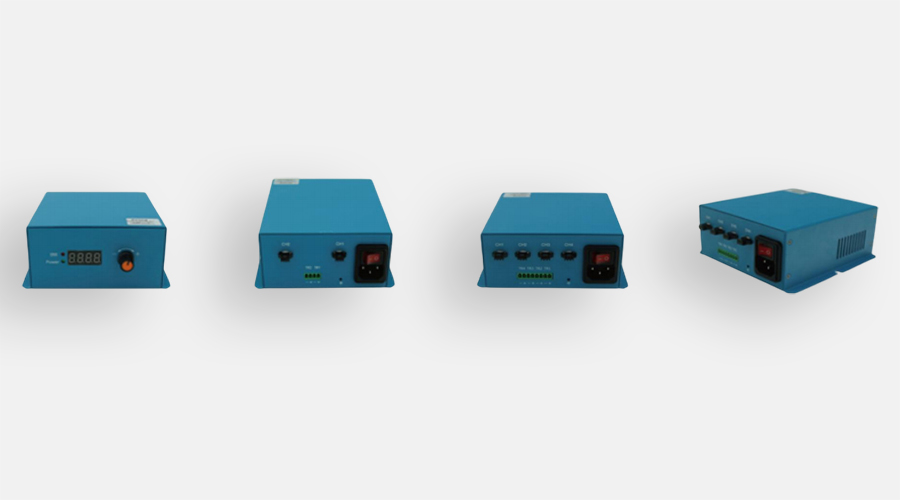 Analog controller
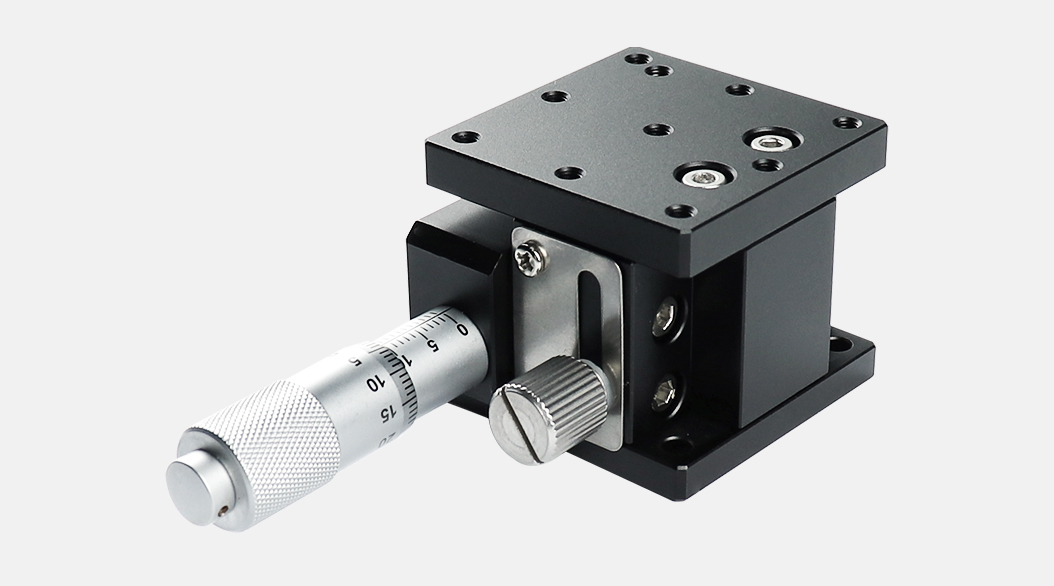 Crossed-Roller Linear guide type
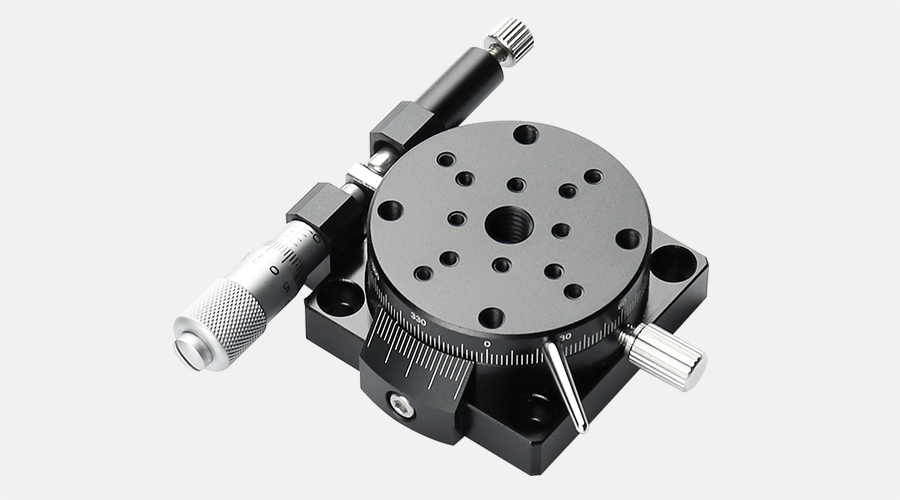 Rotary Stages XRS series
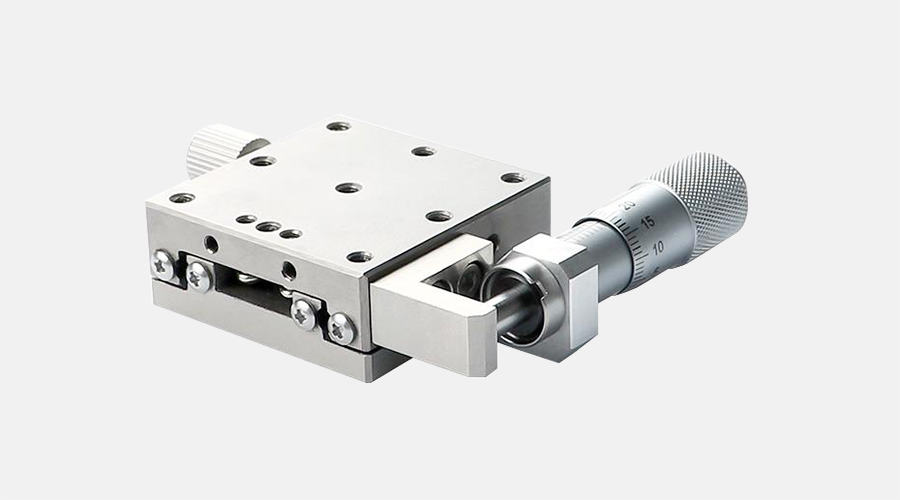 Stainless Steel Ball Bearing Linear Translation Stages
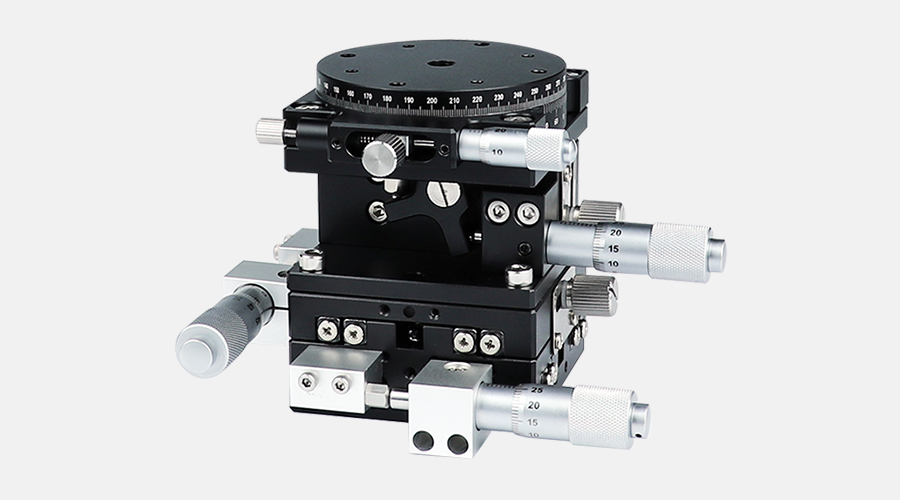 Multi-axis Translation stages
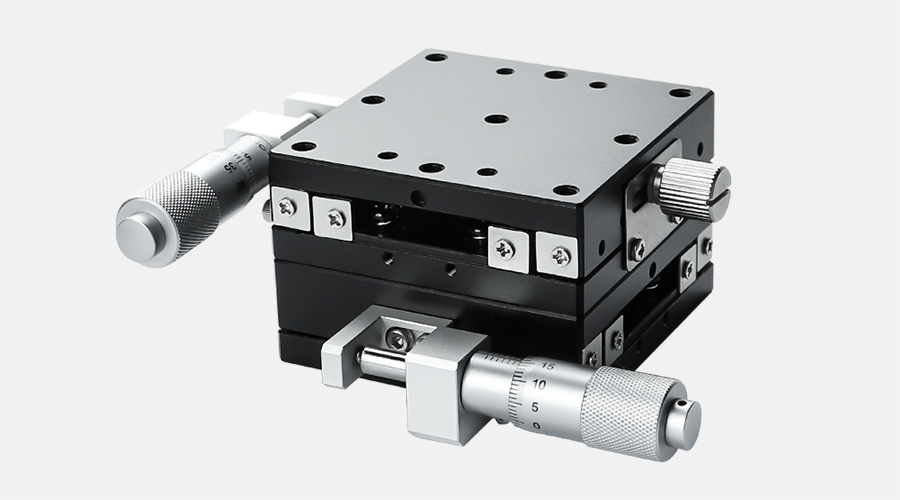 steel bar ball bearing stages
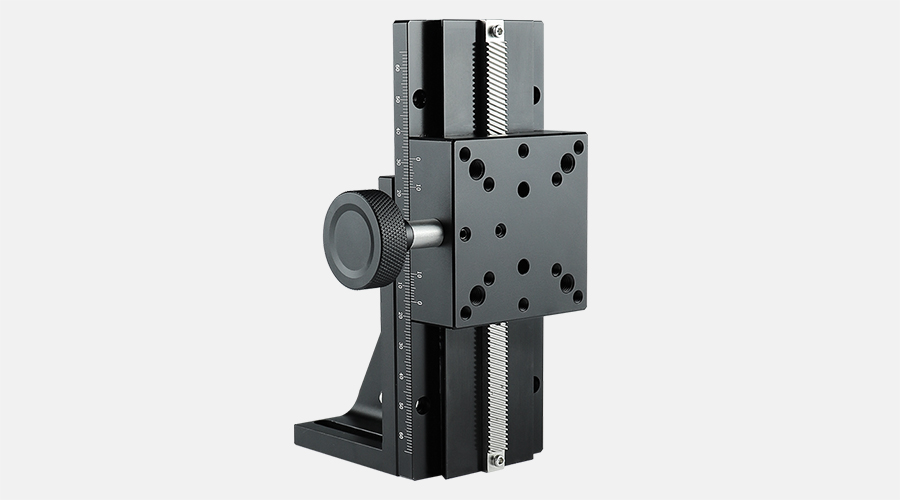 Dovetail Type Rack&Pinion Positioning Stage
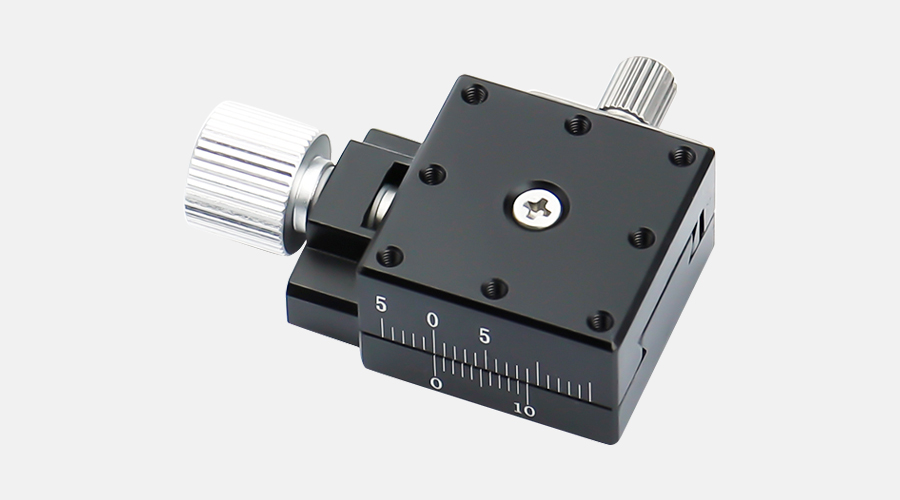 Dovetail groove high-precision screw slide