When it comes to keeping quality in check during manufacturing and production, picking the right Vision Inspection Lens is kinda a big deal. Seriously, the lens you go with can really impact how smoothly your inspections go — from catching defects to fine-tuning your processes. With so many options out there, it's super important to understand what your specific needs are before making a call.
These inspection lenses come in all sorts of shapes, sizes, and specs, each designed for different things. Things like magnification, the size of your viewing area, and how far the lens needs to work from your object are all big factors that affect how well the lens performs in your setup. Plus, with cool tech like digital imaging and machine vision systems becoming more common, choosing the right lens can get pretty complicated. It’s really worth digging into the tech details to make sure you get the best results.
In this guide, we’ll walk through the main things you should think about when picking a Vision Inspection Lens that suits your unique needs. By taking a closer look at the key features and specs that make different lenses stand out, we hope to help you choose the best one so you can improve your inspections and deliver top-notch precision in your work.
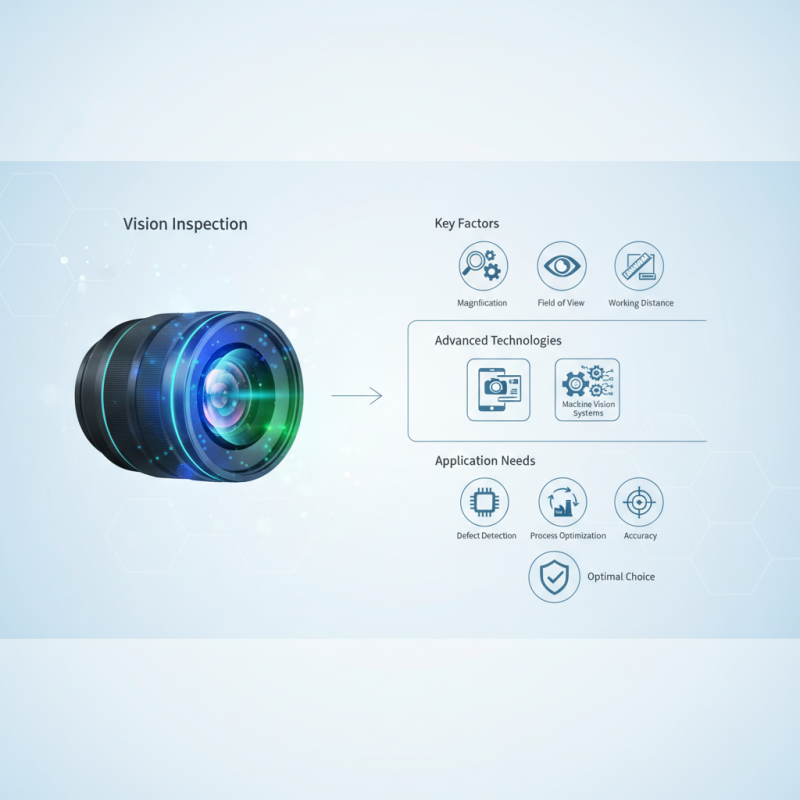
Understanding the Basics of Vision Inspection Lenses
When selecting a vision inspection lens, understanding the essential components can greatly enhance your decision-making process. Vision inspection lenses are crucial in various industries, allowing for precision in quality control, automation, and automated optical inspection. Key aspects to consider include focal length, numerical aperture, and working distance, which together define the lens's capability to capture detailed images of the inspected object. According to a report by MarketsandMarkets, the global machine vision market is projected to reach approximately $12.9 billion by 2024, driven by the increasing demand for automation and high-quality inspection processes.
Tips for choosing the right lens include assessing the specific requirements of your application. Consider the size and nature of the items you’ll be inspecting; larger objects may require wide-angle lenses, while micro-component inspections can benefit from telecentric lenses to avoid distortion. Additionally, pay attention to the sensor size of your imaging system, as this can affect the required lens specifications.
Another vital consideration is illumination. The choice of lens should complement the lighting conditions under which the inspection will occur. For example, utilizing coaxial lighting with a high numerical aperture lens can enhance contrast and visibility for detailed inspections. Remember, an aligned lens and lighting setup can significantly improve the accuracy and reliability of your vision inspection system, ultimately impacting overall production quality and efficiency.
Types of Vision Inspection Lenses: An Overview
When selecting the best vision inspection lens, it's crucial to understand the various types available. The predominant categories include fixed focal length lenses, varifocal lenses, and telecentric lenses. Fixed focal length lenses provide clear images at a specific distance and are often recommended for applications requiring stability and precision. According to a recent industry report, around 60% of users prefer fixed focal length lenses due to their simplicity and effectiveness in many inspection scenarios.
Varifocal lenses offer flexibility by allowing users to adjust the focal length to suit different inspection needs. These lenses are ideal for dynamic environments where the distance to the object may vary. A study published in the Journal of Optical Engineering noted that varifocal lenses have seen a 25% increase in usage over the past five years, driven by the demand for adaptability in automated systems.
Telecentric lenses, on the other hand, are designed to maintain consistent magnification regardless of the object’s distance from the lens. This feature is particularly valuable in high-precision applications, such as semiconductor inspections. The same report indicates that industries utilizing telecentric lenses have reported up to 40% fewer measurement errors.
Tips: When choosing a lens, consider the specific requirements of your application, including working distance and the level of detail needed. It may also be beneficial to consult with professionals who can provide insights on the best lens type for your specific inspection criteria. Additionally, ensure to evaluate the resolution and distortion characteristics of each lens type to ensure optimal performance in your inspection tasks.
Key Factors to Consider When Choosing a Lens
When selecting the best vision inspection lens for your needs, several key factors should be considered to ensure optimal performance and accuracy. First, it is essential to evaluate the application requirements, such as the type of objects being inspected, their size, and the level of detail needed. For instance, high magnification lenses are ideal for intricate inspections in electronics or medical devices, while lower magnification options may suffice for broader, less detailed assessments.
Another crucial factor is the lens material and coating. Different materials offer varying levels of durability, light transmission, and resistance to environmental factors like chemicals and temperature. Anti-reflective coatings can significantly enhance image quality by reducing glare, making it easier to view fine details.
Tips: Always test different lenses in your specific inspection setting to determine which one provides the best clarity and usability. Additionally, consider the working distance, as this will affect how close you can get to the object being inspected without compromising the image quality. Remember to keep your budget in mind, as lenses can vary widely in price depending on their features and specifications.
Evaluating Lens Specifications and Features
Choosing the right vision inspection lens is crucial for achieving optimal performance in various industrial applications. When evaluating lens specifications, one should consider critical factors such as magnification, resolution, and field of view. According to a report by the Vision Systems Design, over 60% of manufacturers cite insufficient resolution as a primary barrier to successful inspections. A lens with higher resolution features allows for the detection of smaller defects, which is essential in industries like electronics and pharmaceuticals where precision is paramount.
In addition to resolution, the field of view plays a significant role in lens selection. A wider field of view can increase efficiency by allowing inspectors to assess larger areas in a single glance. However, this needs to be balanced with magnification; an excessive field of view combined with high magnification may result in a decrease in image quality. A 2021 study highlighted that a 30% increase in field of view can lead to a 15% reduction in inspection time without compromising quality. It is vital to weigh these specifications based on the specific needs of your operation, ensuring that the chosen lens not only fits the inspection criteria but also enhances productivity.
How to Choose the Best Vision Inspection Lens for Your Needs - Evaluating Lens Specifications and Features
| Lens Type |
Magnification |
Field of View (FOV) |
Working Distance |
Resolution |
Special Features |
| Telecentric Lens |
5x |
50 mm |
200 mm |
3 µm |
Low distortion |
| Fixed-Focal Lens |
10x |
25 mm |
150 mm |
2 µm |
Compact design |
| Zoom Lens |
1x - 10x |
60 mm |
100 mm |
5 µm |
Variable magnification |
| Wide-Angle Lens |
4x |
75 mm |
180 mm |
15 µm |
Enhanced depth of field |
| Micro Lens |
20x |
10 mm |
50 mm |
1 µm |
High precision |
The Role of Camera Compatibility in Lens Selection
When selecting a vision inspection lens, one of the most critical factors to consider is camera compatibility. The lens must not only fit the camera's mount but also optimize its performance. Different cameras have unique sensor sizes, resolutions, and image processing capabilities, which can significantly affect the quality of the images captured. Therefore, understanding the specifications of your camera is essential to ensure that the lens you choose can fully utilize its capabilities, providing clear and accurate inspections.
Additionally, the interaction between the lens and camera can influence the overall imaging system's functionality. For instance, factors such as focal length, aperture, and distortion must align with your camera's characteristics to achieve optimal results. A well-matched lens can enhance image sharpness and clarity while minimizing aberrations. Furthermore, if your application requires specific features like macro capabilities or wide-angle views, it is crucial to select a lens that complements your camera's strengths. Taking the time to evaluate the compatibility between your camera and lens will ultimately improve the efficiency and accuracy of your vision inspection process.
Common Applications for Vision Inspection Lenses
Vision inspection lenses play a crucial role in various industries, ensuring quality control and precision in production processes. Common applications for these lenses include manufacturing, food and beverage, pharmaceuticals, and electronics. According to a report from the Market Research Future, the vision inspection systems market is projected to grow at a CAGR of 7.5% from 2020 to 2027, reflecting the increasing demand for automation and accuracy in inspections. These systems leverage advanced optical technology to detect defects, measure dimensions, and verify the integrity of products across different sectors.
In manufacturing, vision inspection lenses are used for detecting errors in assembly lines, thus reducing the risk of faulty products reaching consumers. The food and beverage industry utilizes these lenses to ensure compliance with safety standards by detecting impurities or packaging defects. Furthermore, in the pharmaceutical sector, accurate inspections are critical; lenses help verify labeling, packaging integrity, and dosage accuracy, significantly affecting patient safety. A recent study indicated that improper inspection processes in pharmaceuticals can lead to up to 25% of recalls due to labeling errors, underscoring the importance of reliable vision inspection lenses in maintaining high standards across industries.
Tips for Maintenance and Care of Vision Inspection Lenses
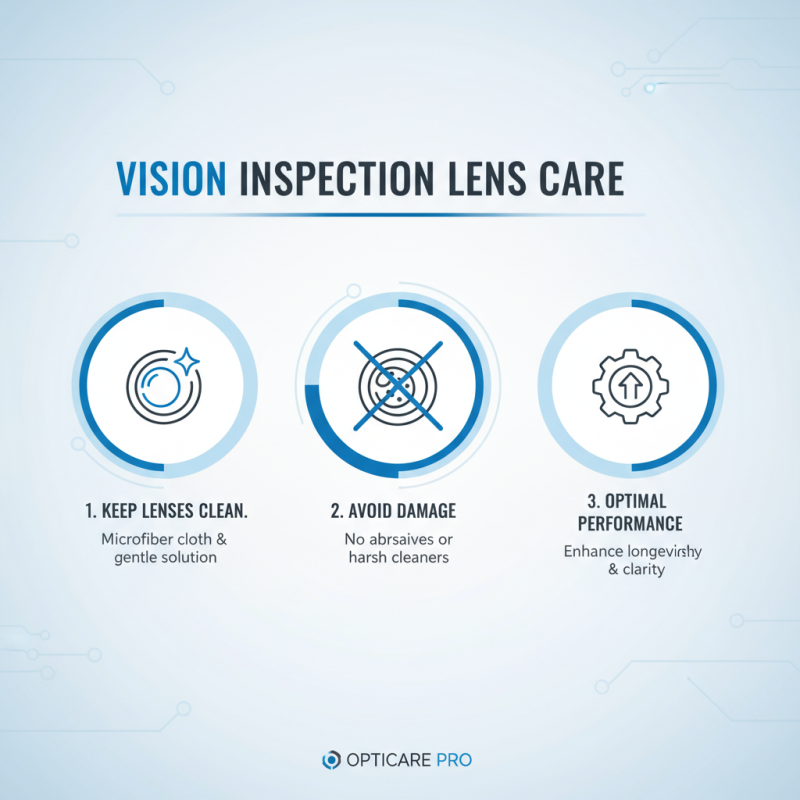
To ensure the longevity and optimal performance of vision inspection lenses, regular maintenance and care are essential. First and foremost, it is crucial to keep the lenses clean. Dust, fingerprints, or smudges can significantly impair visibility and affect image quality. Use a microfiber cloth and a gentle lens cleaning solution specifically designed for optical lenses to carefully remove any debris without scratching the surface. Additionally, avoid using abrasive materials or household cleaners, as these can damage the lens coating.
Proper storage is another key aspect of lens care. Always store your vision inspection lenses in a protective case when not in use to prevent scratches and exposure to environmental factors such as moisture and dust. It’s also wise to ensure that the storage area is free from extreme temperatures and humidity, which can degrade the lens material over time. Regularly inspect your lenses for any signs of wear or damage, and address any issues promptly to maintain their performance. By following these maintenance tips, you can enhance the longevity and functionality of your vision inspection lenses, ensuring they meet your needs effectively.
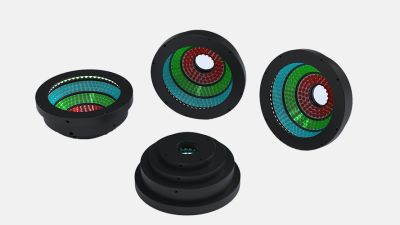
Enhancing PCB Manufacturing Quality: The Role of Multi Color AOI Light in Solder Joint Inspection Based on Recent Industry Reports
In the fast-evolving world of PCB manufacturing, maintaining high quality is paramount, especially when it comes to solder joint inspection. The recent industry reports highlight the transformative role of Multi Color Automated Optical Inspection (AOI) light. This advanced technology leverages a unique combination of multi-angle and multi-color LED particle arrays to enhance the detection capabilities of solder joints during the inspection process.
The design of the AOI light system allows for precise reflection of varying surface characteristics. By illuminating the PCB with high-density LED light from multiple angles, it can effectively capture the nuances of the solder joints. This multi-color approach not only aids in identifying defects but also enhances the ability to discern different surface slopes and sizes, thereby increasing the overall accuracy of the inspection process. As manufacturers strive to enhance their quality control measures, the integration of such sophisticated lighting solutions proves to be a game-changer in achieving reliable and consistent results.
As the industry continues to adopt cutting-edge technologies, the significance of Multi Color AOI light in ensuring defect-free solder joints cannot be overstated. The capability to inspect and identify issues with heightened detail encapsulates a significant advancement in PCB manufacturing. By embracing such innovative inspection systems, manufacturers are better equipped to meet the ever-growing demands for quality and reliability in their products.
FAQS
: The primary types of vision inspection lenses include fixed focal length lenses, varifocal lenses, and telecentric lenses. Each type serves different application needs in terms of focal length and adaptability.
Fixed focal length lenses are ideal for applications that require stability and precision, providing clear images at a specific distance. They are preferred by many users for their simplicity and effectiveness.
Varifocal lenses offer the flexibility to adjust focal length for different inspection needs, making them suitable for dynamic environments where the distance to the object may change.
Telecentric lenses maintain consistent magnification regardless of the object's distance, which is particularly valuable in high-precision applications, reducing measurement errors significantly.
Vision inspection lenses are commonly used in manufacturing, food and beverage, pharmaceuticals, and electronics for quality control and ensuring compliance with safety standards.
In the food and beverage industry, vision inspection lenses help detect impurities, packaging defects, and ensure compliance with safety standards, which is critical for protecting consumer health.
Regular maintenance includes keeping lenses clean with a microfiber cloth and appropriate cleaning solutions, proper storage in protective cases, and inspecting for wear or damage periodically.
Avoid using abrasive materials or household cleaners, as they can scratch the surface or damage the lens coating, impairing the lens's functionality.
Proper storage in a protective case helps prevent scratches and damage from environmental factors like moisture and dust, thus enhancing the longevity and functionality of the lenses.
Improper inspection processes can lead to significant errors, including up to 25% of recalls due to labeling issues, underscoring the importance of reliable vision inspection lenses in maintaining high industry standards.
Conclusion
Choosing the right Vision Inspection Lens is crucial for achieving optimal results in various applications. The article outlines the essential components of vision inspection lenses, starting with an understanding of their basic functions and an overview of the different types available. Key factors to consider include the specific requirements of your inspection tasks, lens specifications, and compatibility with existing camera systems.
Additionally, the article highlights the importance of maintenance and care to prolong the life and effectiveness of Vision Inspection Lenses. By evaluating lens features and understanding their applications, users can make informed decisions that enhance inspection accuracy and efficiency in their operations.
 Compatible with 7.2mm-82mm chips
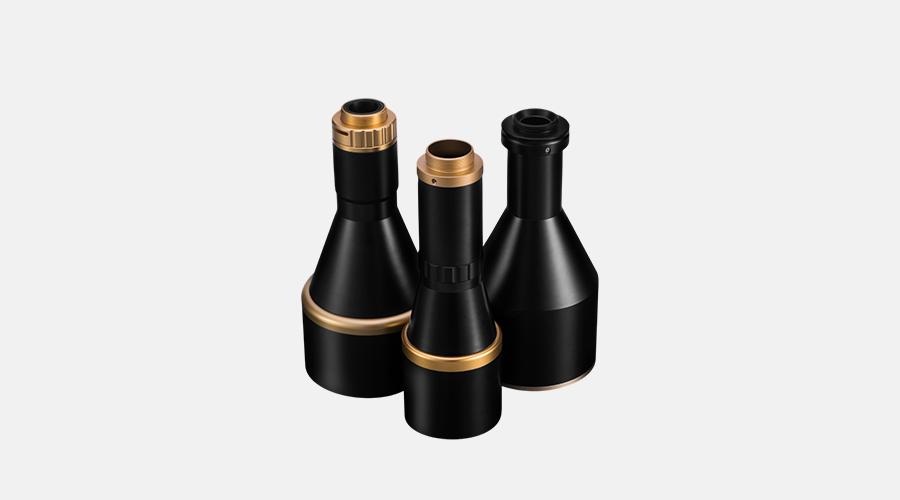 High/Low Working Distance
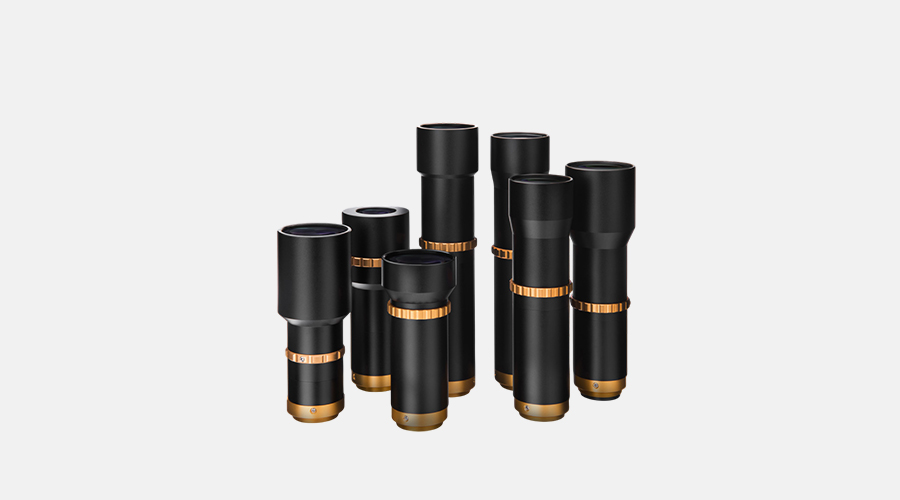 Aperture telecentric lens
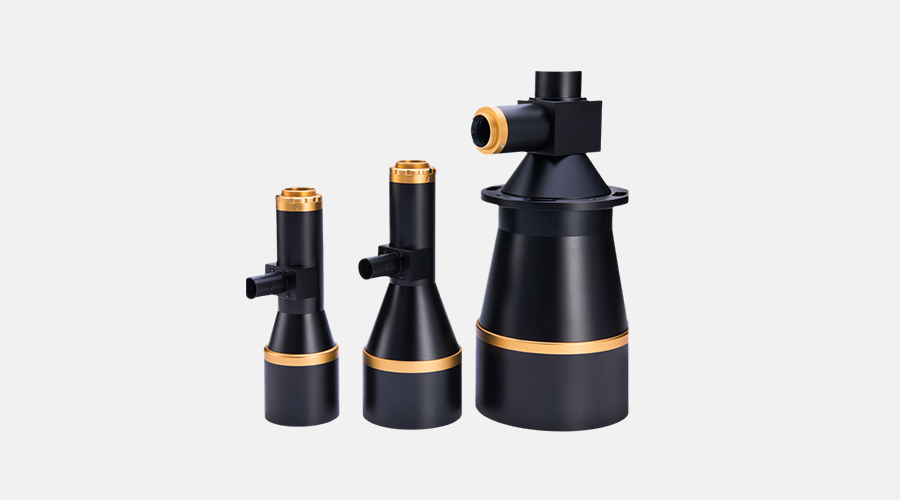 Measuring lens
 Maximum support 1.1" chips
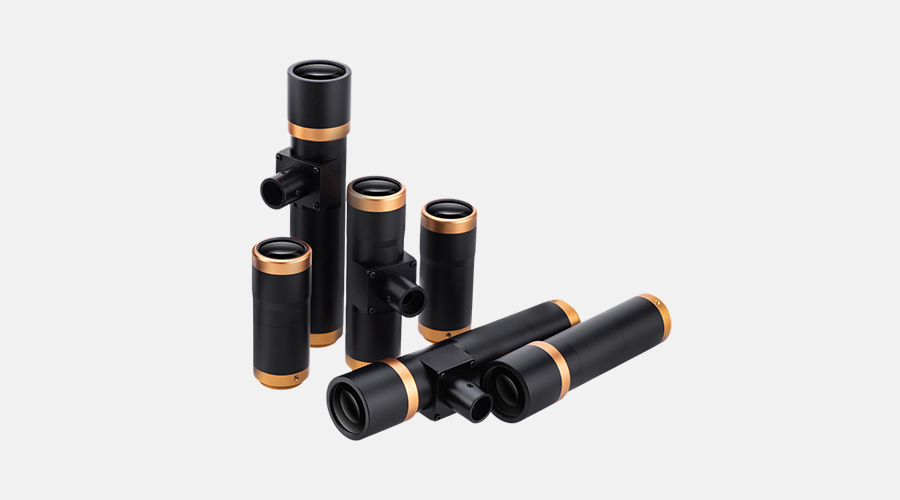 Maximum support 1.2" chips
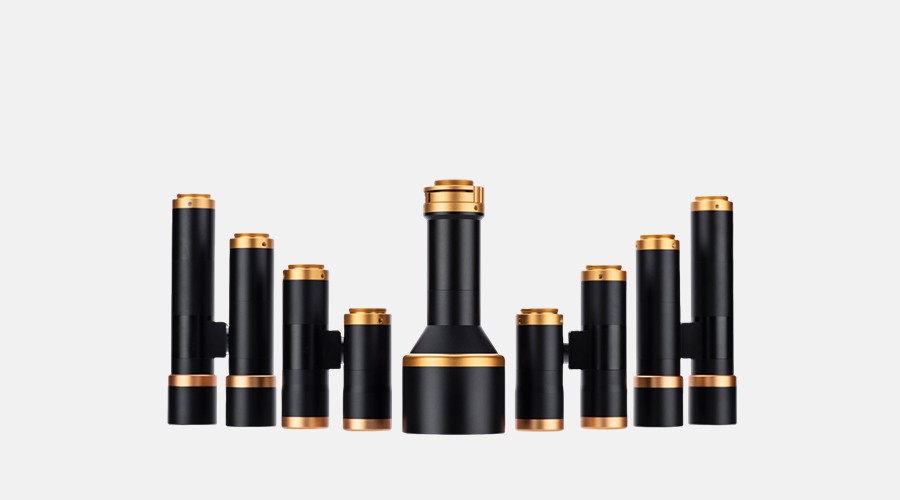 Maximum support 2/3" chips
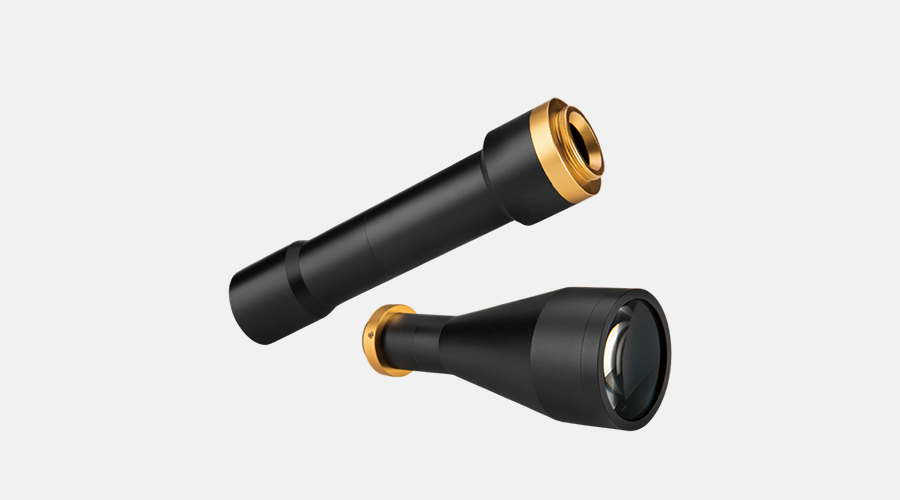 Long Working Distance
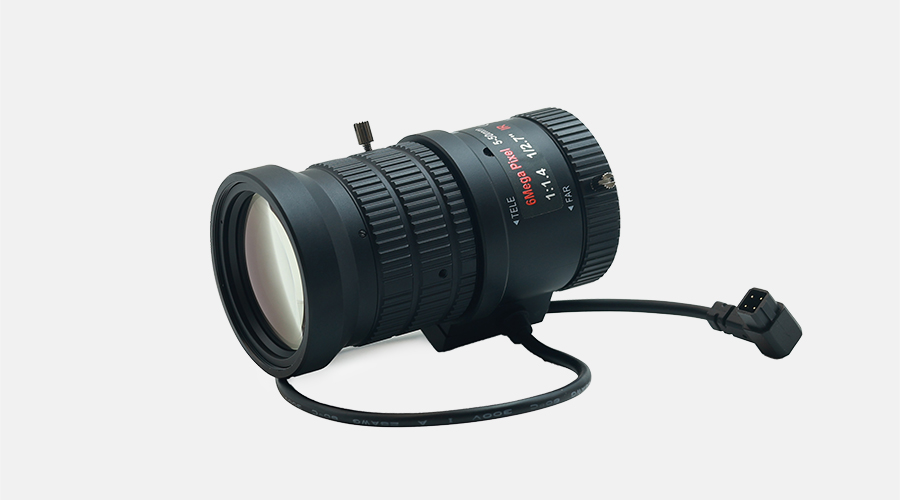 CS mount Varifocal lens
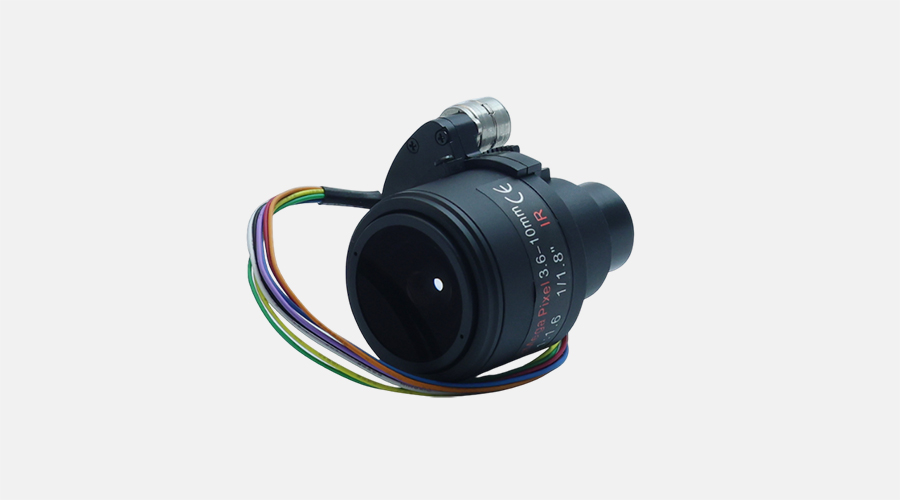 Varifocal board lens
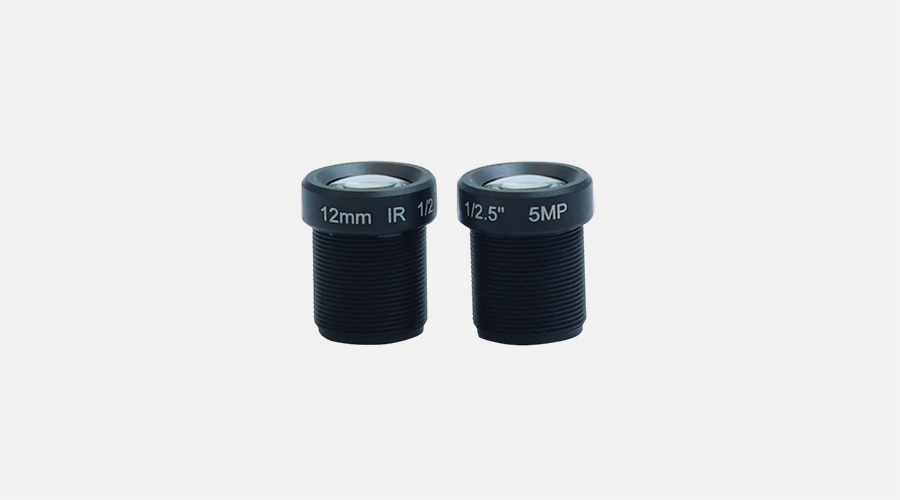 S mount lens
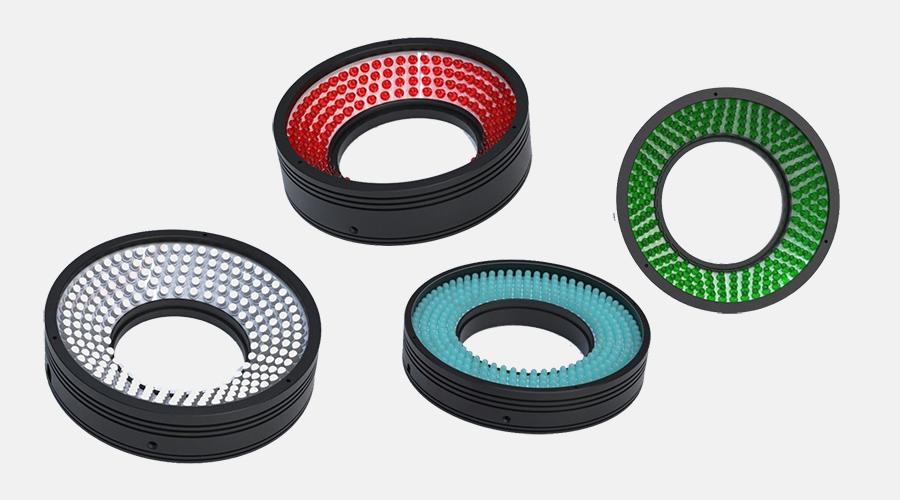 Ring light
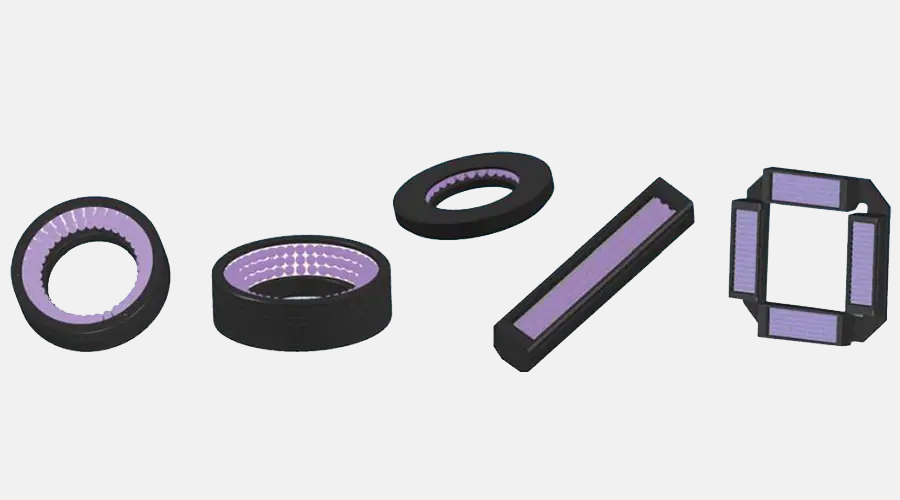 UV/IR Light
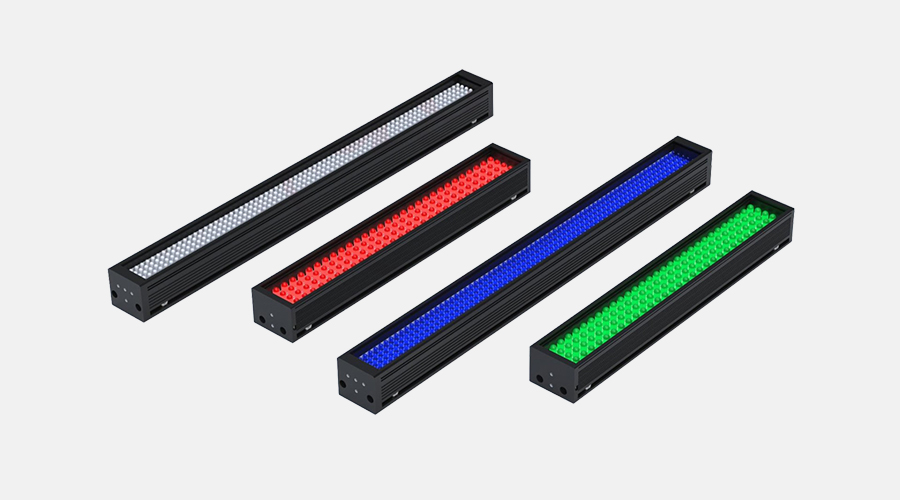 Bar light
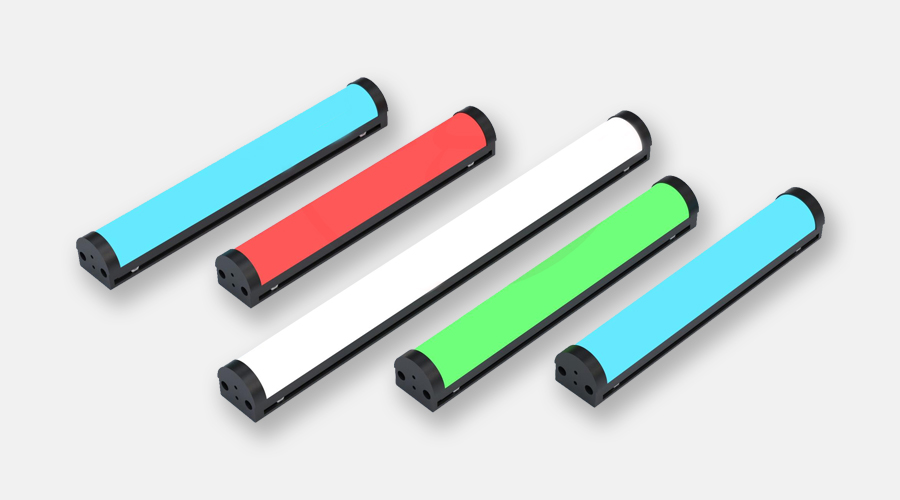 Arcuate high uniformity light
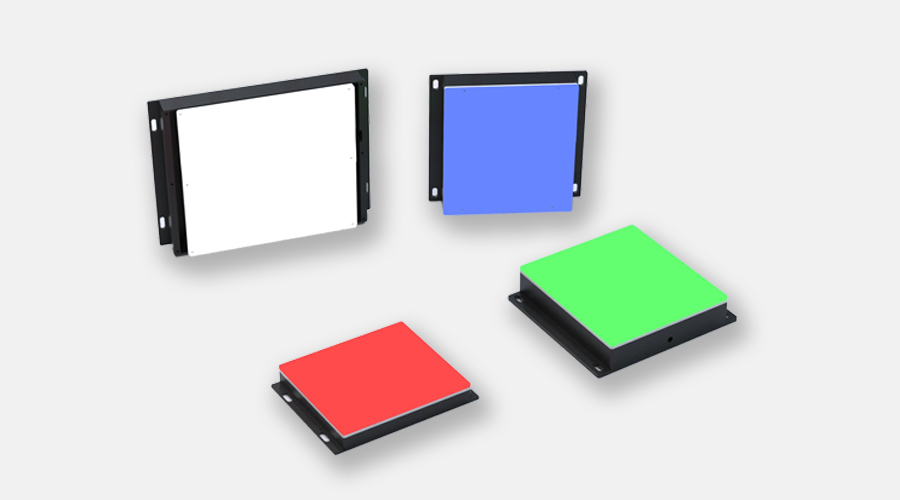 Back light
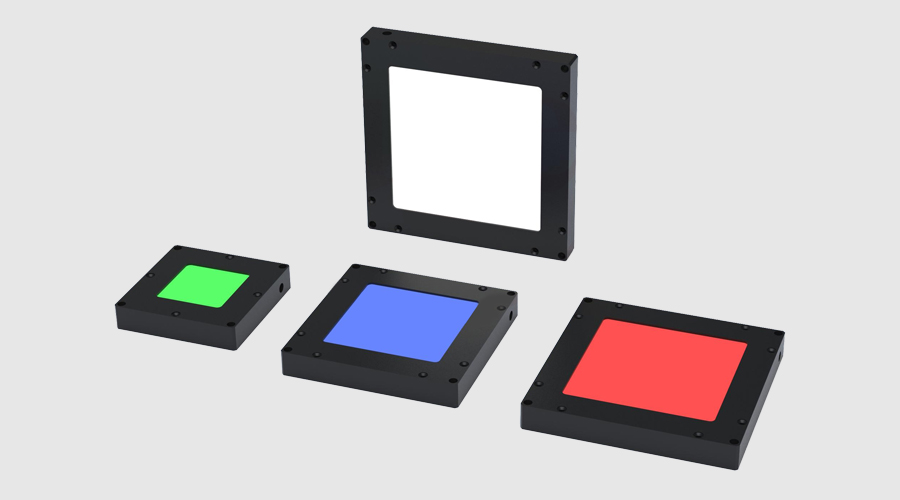 Flat light
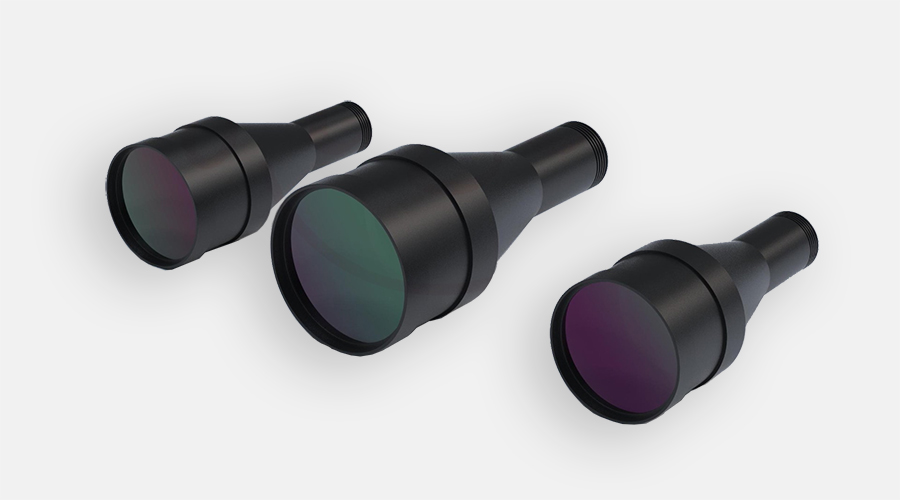 Collimated light
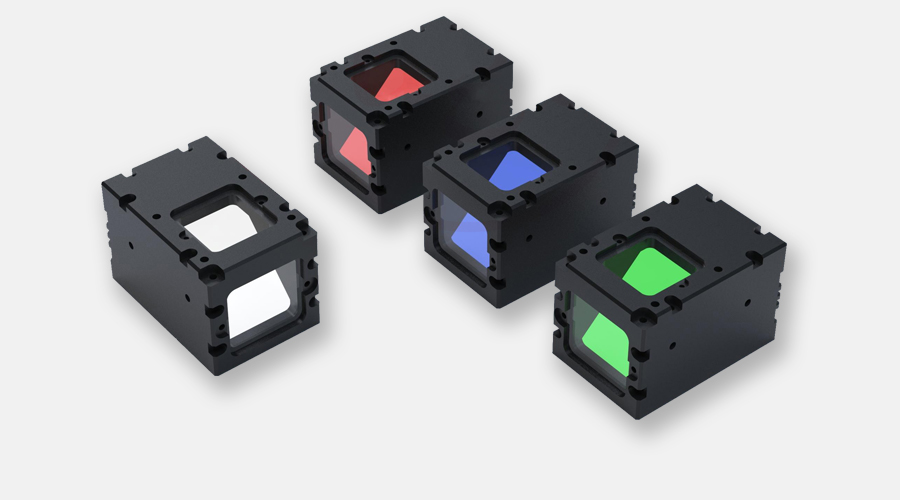 Coaxial light
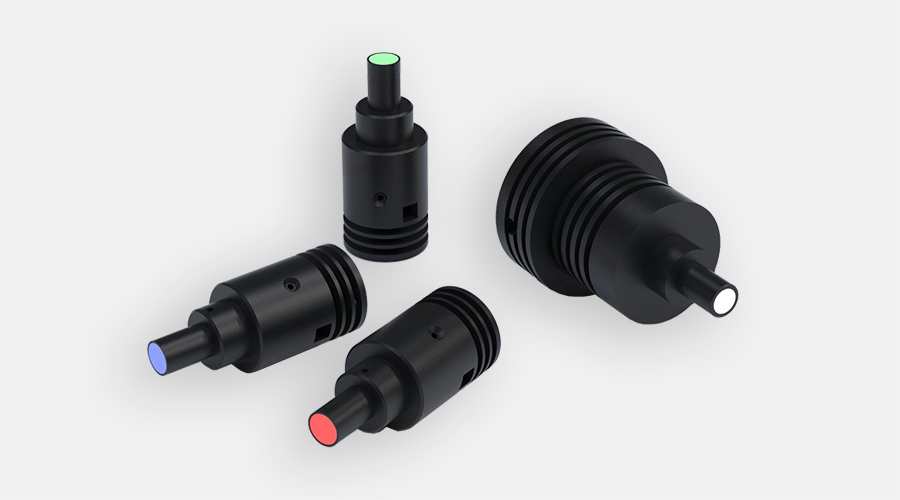 Spot light
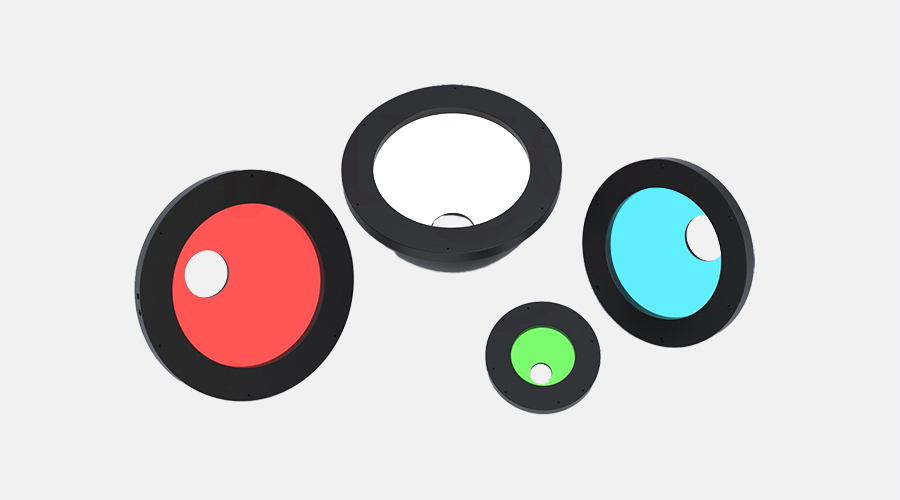 Dome light
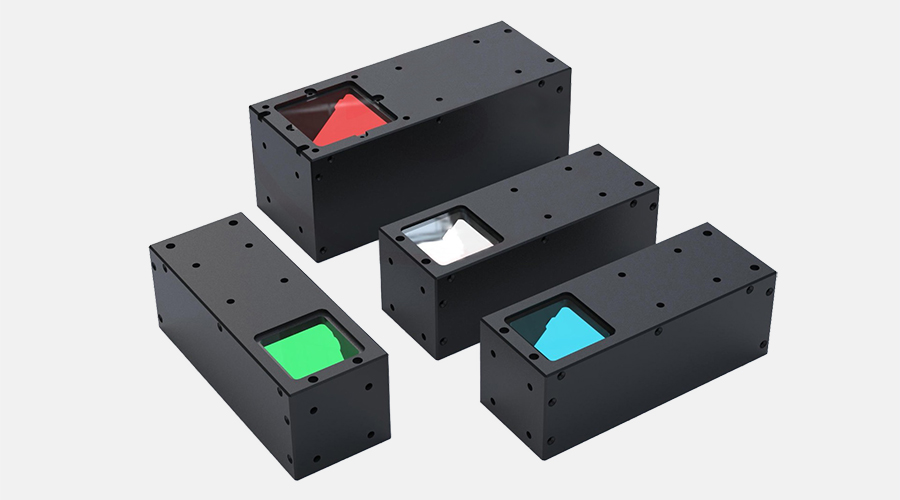 Collimated Coaxial light
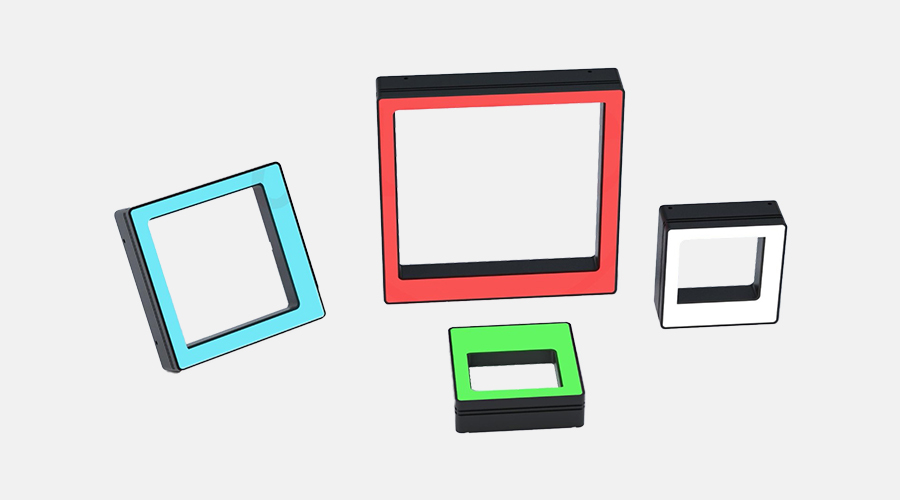 Shadowless square light
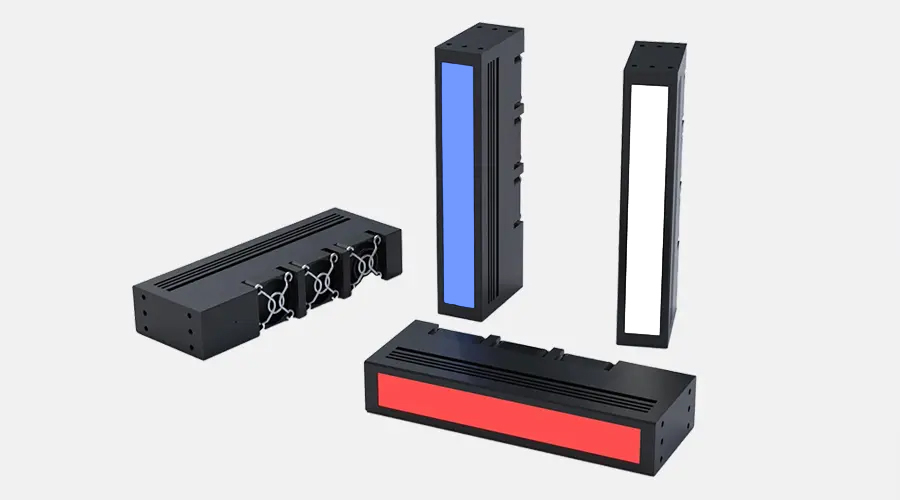 Scan light
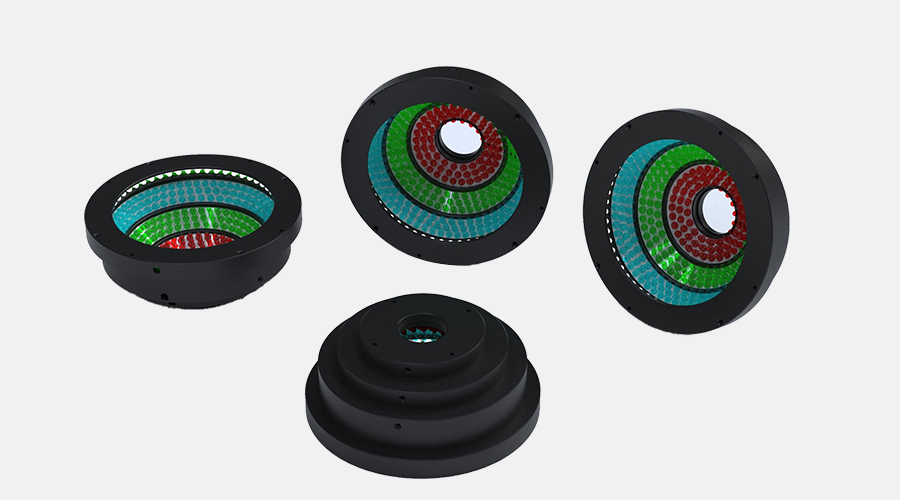 AOI light
 Analog controller
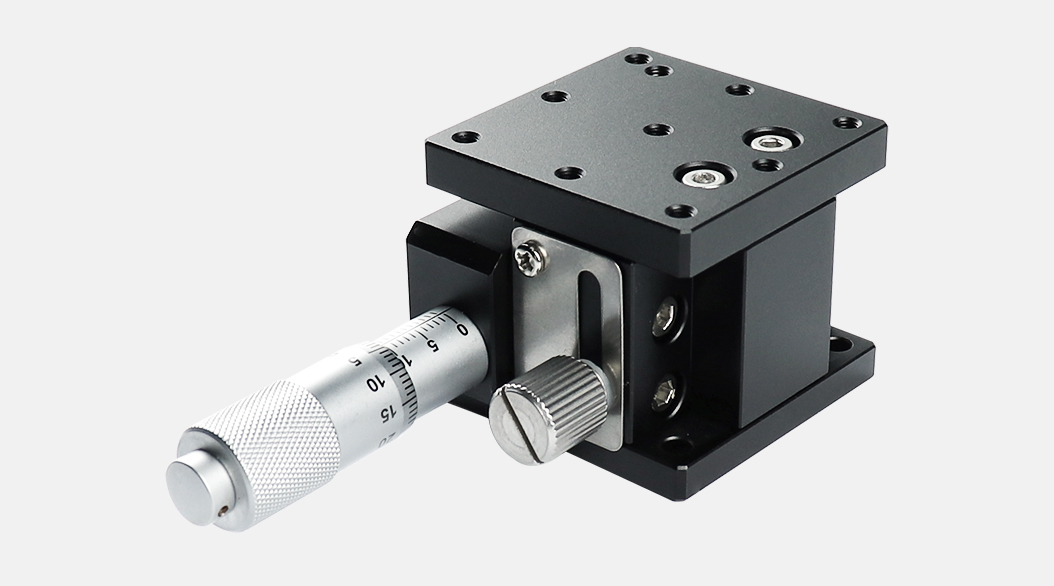 Crossed-Roller Linear guide type
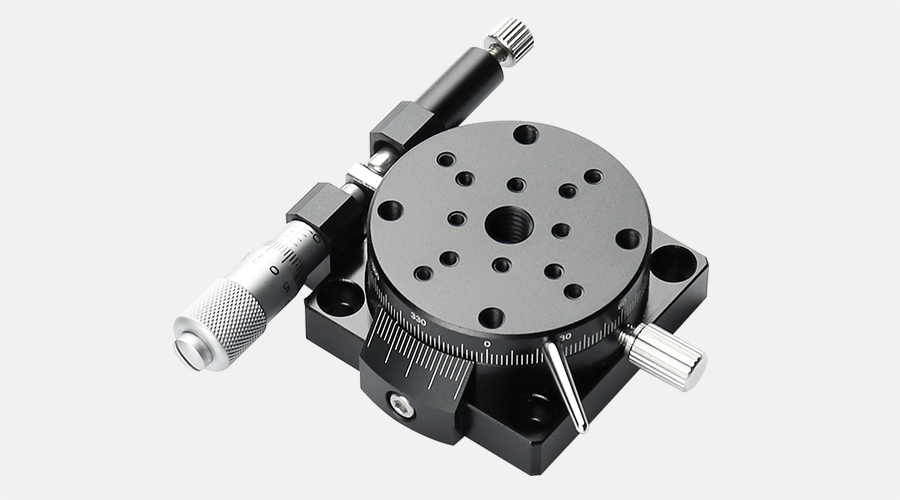 Rotary Stages XRS series
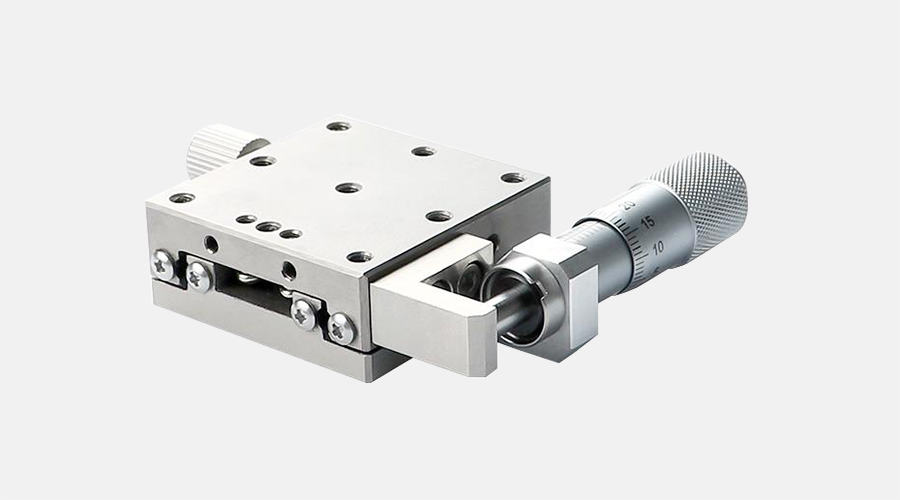 Stainless Steel Ball Bearing Linear Translation Stages
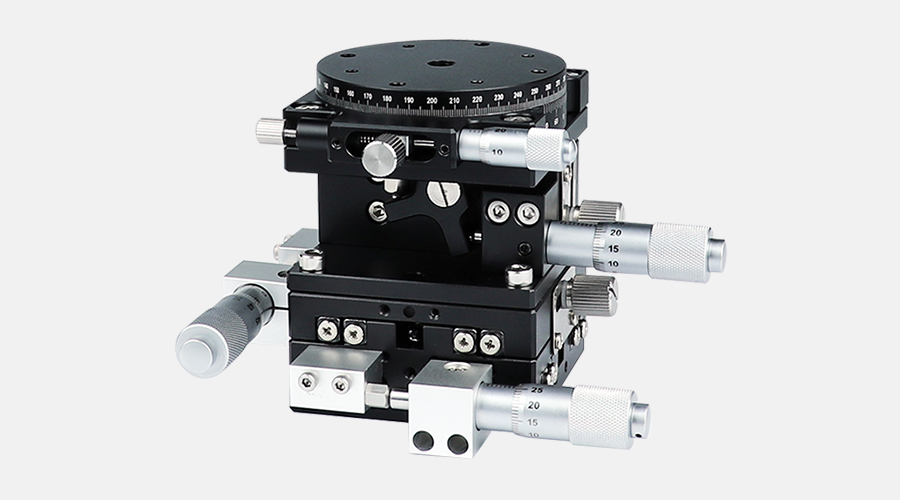 Multi-axis Translation stages
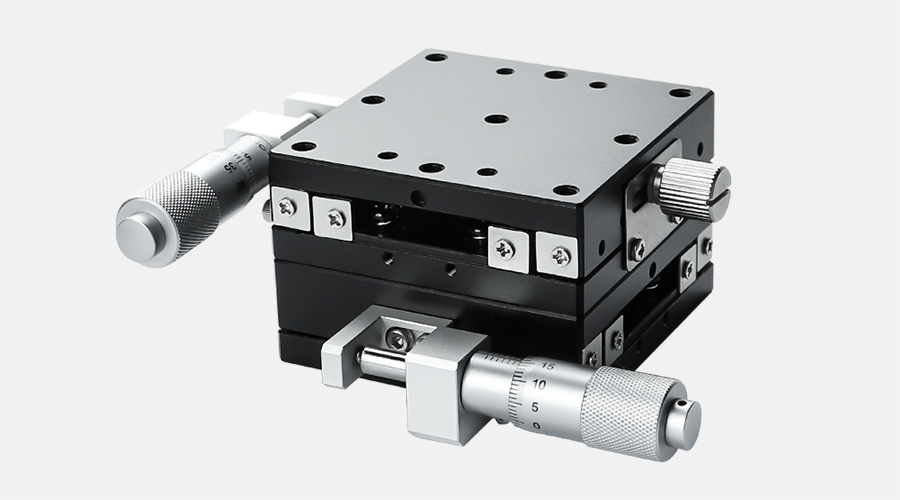 steel bar ball bearing stages
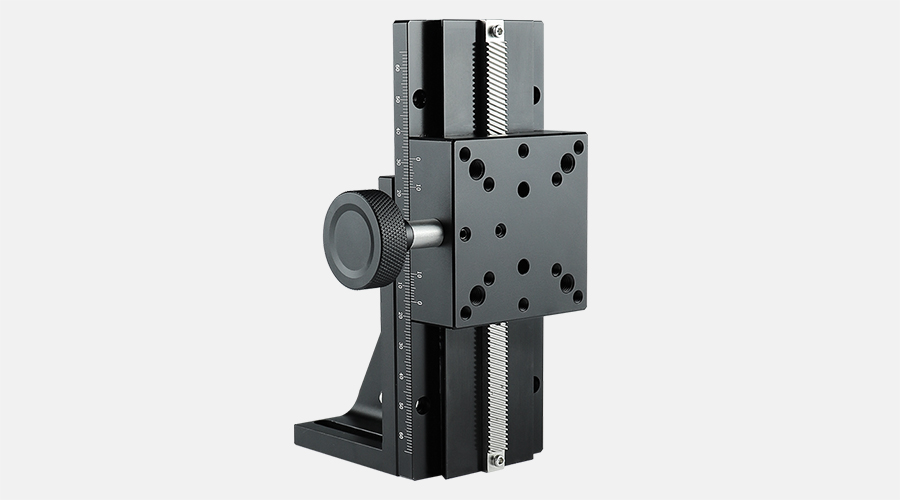 Dovetail Type Rack&Pinion Positioning Stage
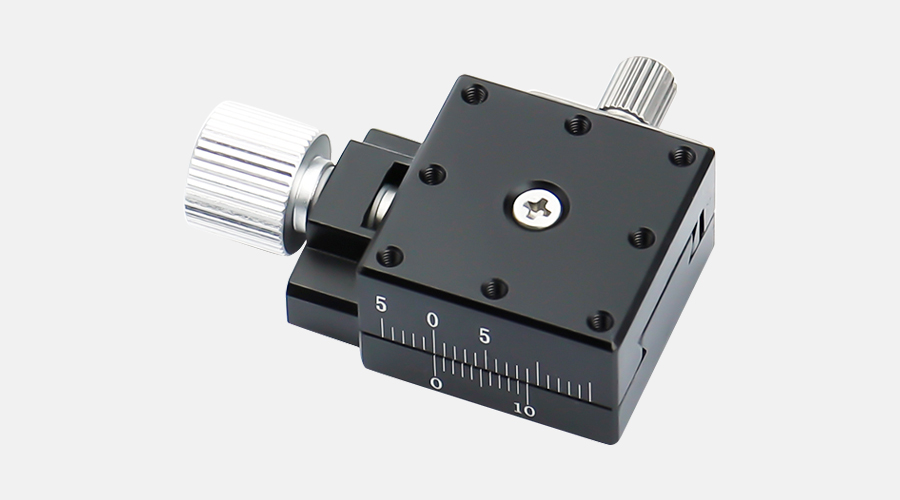 Dovetail groove high-precision screw slide