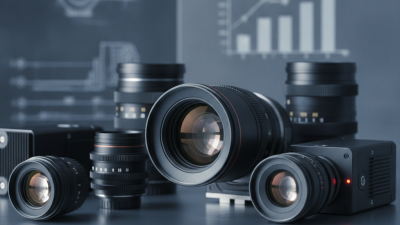
Picking the right Industrial Cameras Lenses is a pretty big deal if you're into automation, manufacturing, or research stuff. I mean, Dr. Emily Harris from VisionTech Solutions put it simply: "The lens quality directly impacts how clear your images are and how accurate your measurements can be." So, yeah, it really shows why choosing the right lenses matters a lot.
Now, there are tons of different industrial camera lenses out there, each one suited for specific tasks. For example, a lens meant for close-up inspections isn’t gonna be the same as one you’d use to capture images from far away. It’s super important to understand these differences. A lot of folks tend to overlook factors like focal length, aperture size, or how the lens is mounted, but honestly, these little details can make a big difference in how well your camera performs.
And let’s be real, with so many options around, it’s easy to feel a bit lost. There’s a ton of choices, and not every lens is gonna be perfect for your particular needs. The key is to really think about what you’re trying to do — that’ll help you cut down the options and find what works best for your situation. Remember, the right lens doesn’t just make your system run smoother — it actually boosts your productivity and helps you get better results. So, taking the time to make an informed choice is totally worth it if you want to make sure things go smoothly down the road.
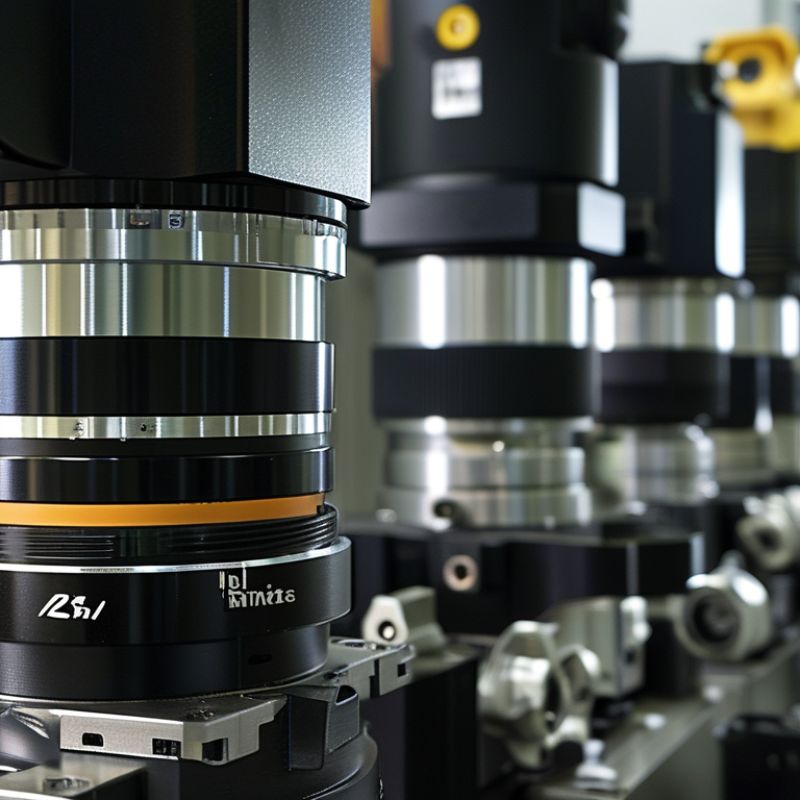
Understanding the Basics of Industrial Camera Lenses
When selecting industrial camera lenses, understanding the basics is crucial. Lenses play a vital role in image quality. They influence clarity, contrast, and depth of field. This makes choosing the right one essential for your applications. A well-crafted lens can enhance your imaging process significantly.
Different lenses serve varied purposes. For example, fixed focal length lenses offer high-quality images but lack flexibility in framing. Zoom lenses provide versatility but might compromise on optical quality. It’s important to evaluate your specific needs. Consider the resolution and working distance. These factors will impact your choice of lens.
Don’t overlook the importance of aperture size. A larger aperture allows more light, which is beneficial in low-light conditions. However, it may reduce depth of field. Finding the right balance requires critical assessment. Personal experience with various lenses can guide these decisions. Test samples when possible to see what works best for your scenario.
Types of Industrial Camera Lenses and Their Applications
Industrial camera lenses come in various types, each tailored for specific applications. For instance, wide-angle lenses provide broader fields of view, making them ideal for surveillance or traffic monitoring. These lenses capture detailed images of expansive areas. Conversely, telephoto lenses enable users to zoom in on distant subjects, essential for applications like quality inspection or remote monitoring.
In some situations, it’s crucial to use specialized lenses like macro lenses. These are adept at capturing fine details close-up, making them suitable for examining small components in manufacturing. Furthermore, lenses with adjustable apertures offer flexibility in exposure, enhancing image clarity under varying light conditions. Yet, one must consider the trade-offs, such as potential distortions or reduced depth of field.
Choosing the right lens also necessitates an understanding of your specific needs. Will you be using Traffic Cameras Zoom Lenses for real-time monitoring, or do you need high-resolution images for analysis? Evaluating your requirements ensures you get the best performance for your application. Selecting the right lens can be complex, and sometimes even experts make missteps.
Key Factors to Consider When Choosing Lenses
Choosing the right industrial camera lenses can significantly impact your imaging quality. Several key factors influence your decision. Start by considering the focal length. This affects your field of view and magnification. Longer focal lengths deliver more detail from a distance, while shorter ones capture a wider scene.
Tip: Assess your application. Are you working in close-up photography or monitoring wide areas? Understanding your needs helps narrow your choices.
Next, check the aperture size. A larger aperture allows more light, essential for low-light conditions. However, lenses with small apertures offer deeper depth of field, beneficial for capturing precise details across varied distances.
Tip: Experiment with a range of lenses before making a purchase. Testing different options can provide insights into what works best for your unique requirements.
Don’t overlook the lens construction. Build quality can affect durability and precision. Opt for lenses with robust materials if you work in harsh environments. This consideration may save you costs from frequent replacements.
Investing time in thorough research and hands-on testing can yield better results. Reflect on your previous experiences with lens types. This reflection may guide you toward making informed decisions about future purchases.
Compatibility with Your Camera System: Sensor Size and Mount Type
When selecting an industrial camera lens, the compatibility with your camera system is vital. Consider your camera’s sensor size. It directly impacts the field of view and image quality. Larger sensors often require high-quality lenses to fully utilize their potential. A mismatch can lead to significant issues in image clarity. This is especially critical in applications like Traffic Surveillance Cameras, where detail is paramount.
Next, examine the mount type. Different cameras have various mounting systems, which affect lens compatibility. Ensuring a perfect fit is crucial to avoid mechanical problems. Finding a lens that aligns with your camera’s specifications prevents frustrating performance issues. Some users are tempted to compromise on this aspect for cost savings, but this can undermine your entire setup. It's essential to choose wisely to achieve optimal results.
Evaluating Image Quality: Resolution, Distortion, and Aberration
When selecting industrial camera lenses, image quality is paramount. Key metrics like resolution, distortion, and aberration play crucial roles. A report by the Imaging Science Group highlights that over 75% of imaging experts prioritize resolution in their selection process. Higher resolution leads to clearer images, essential for applications like traffic monitoring. Cameras require lenses that capture sharp details without loss.
Distortion is another aspect to evaluate. A lens can cause straight lines to bend, impacting image accuracy. Research from the Optical Society indicates that significant distortion can mislead analysis in fields like traffic monitoring. It may result in incorrect distance measurements or tracking. Choosing a lens with low distortion ratings can help mitigate these issues.
Aberrations, particularly chromatic aberration, can lead to color fringing, affecting clarity. A study from the National Institute of Standards and Technology suggests that most industrial camera setups exhibit some level of aberration. Professionals often overlook this, leading to unexpected challenges in image interpretation. Understanding these factors is essential for achieving higher accuracy in applications that rely on fidelity, such as big data analytics in traffic monitoring.
Budget Considerations: Balancing Cost and Performance
Choosing the right industrial camera lenses can often feel overwhelming. Budget considerations play a significant role in balancing cost and performance. According to a recent market analysis, over 48% of manufacturers prioritize cost-effectiveness when purchasing Industrial Lenses. However, this often leads to compromises in image quality or durability, resulting in long-term setbacks.
It's essential to evaluate how different lens specifications affect overall performance. Reports indicate that lenses with higher resolutions typically have a higher price point. Yet, users may find that cheaper lenses result in blurry images, making them less suitable for critical applications. This illustrates the importance of understanding the specific needs of your application.
Investing in high-quality **industrial lenses** might require more upfront capital, yet the return on investment can be substantial. Cheaper options often lead to increased maintenance costs and early replacements. Balancing these factors is key. Regular assessments of how the lenses perform under real-world conditions can provide insights that help refine future purchases. Often, a thoughtful approach to budgeting and lens selection yields better long-term benefits.
Cost vs Performance of Industrial Camera Lenses
Future-Proofing Your Choice: Trends in Industrial Lens Technology
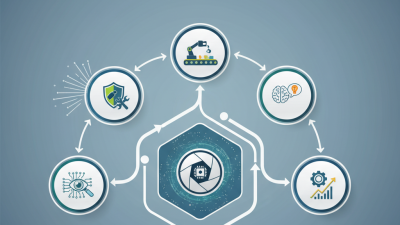
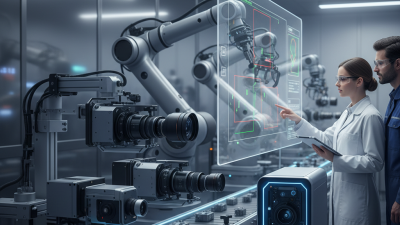
In the rapidly evolving field of industrial camera lenses, staying updated is essential. The integration of AI in lens technology is gaining traction. This trend not only enhances image processing but also boosts automation in production lines. More companies are adopting smart lenses to streamline operations. These advancements can seem overwhelming, but they offer significant advantages.
Another noteworthy trend is the increase in modular lens systems. Modular designs allow for easy customization. Users can adapt their lenses to various applications, improving versatility. This shift is particularly valuable for industries with diverse imaging needs. Consider how these systems can impact your workflow. Would a modular approach provide the flexibility you require?
Despite these innovations, challenges remain. Not all businesses have the resources to implement the latest technology. Additionally, selecting the right lens can still be daunting. It's crucial to assess your specific needs and constraints. Reviewing user experiences and expert insights can guide your decision-making process. Embracing change may require a willingness to experiment and adjust your approach.
Exploring the Benefits and Applications of a 2.5-Inch 5-Megapixel Fixed-Focus Industrial Lens in Modern Imaging Systems
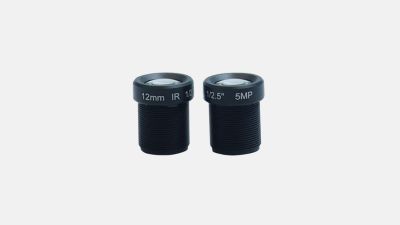
The adoption of a 2.5-inch 5-megapixel fixed-focus industrial lens is reshaping modern imaging systems, particularly in sectors like automation, surveillance, and quality control. With its M12 threaded interface, this lens ensures a secure attachment that enhances the overall stability and performance of imaging applications. A focal length of 12mm provides a narrow field of view with an impressive main light angle of less than 4.51°, making it ideal for scenarios where precise imaging is crucial, such as in manufacturing lines where small defects need to be detected.
Moreover, the lens's vibration shift resistance is a vital feature for industries where equipment often undergoes movement or shocks. This not only extends the lifespan of the systems using these lenses but also guarantees consistent image quality, a key requirement noted in various industry reports. For instance, a report from the Imaging Science and Technology Journal highlights that lenses with reduced optical aberration, like the -4.44% measured at 1/2.5", significantly improve both clarity and detail in captured images, fostering better decision-making processes based on high-fidelity imaging.
As industries increasingly rely on sophisticated imaging systems, lenses such as the 2.5-inch 5-megapixel model exemplify the balance between compact design and powerful performance. The advancements in optical technology continue to enhance functionality, emphasizing the importance of selecting the right lens to meet specific application requirements.
FAQS
: There are various types, including wide-angle, telephoto, and macro lenses, each for specific applications.
Use wide-angle lenses for surveillance or traffic monitoring to capture large areas in detail.
Telephoto lenses allow zooming in on distant subjects, ideal for quality inspection and remote monitoring.
Macro lenses capture fine details closely, making them useful for examining small manufacturing components.
Adjustable apertures enhance image clarity in different lighting, but can also lead to distortions.
Consider your specific needs like image resolution and application. Missteps can occur even with expertise.
AI enhances image processing and boosts automation, providing significant advantages for modern production lines.
Modular lens systems allow customization for various applications, improving versatility in imaging needs.
Many lack resources for updates, and selecting the right lens remains a daunting task for businesses.
Be willing to experiment and review experiences to adjust your approach effectively with new trends.
Conclusion
When selecting Industrial Camera Lenses, it’s essential to understand the foundational concepts behind them, as well as the various types available and their specific applications. Key factors to consider include compatibility with your camera system's sensor size and mount type, along with critical evaluations of image quality, such as resolution, distortion, and aberration.
Budget considerations play a crucial role as well, requiring a balance between cost and performance to ensure effective investment. Additionally, it's important to future-proof your choice by staying aware of emerging trends in industrial lens technology, ensuring that your selections remain relevant as advancements occur. By thoroughly assessing these factors, you can make informed decisions that optimize the performance of your industrial camera systems.
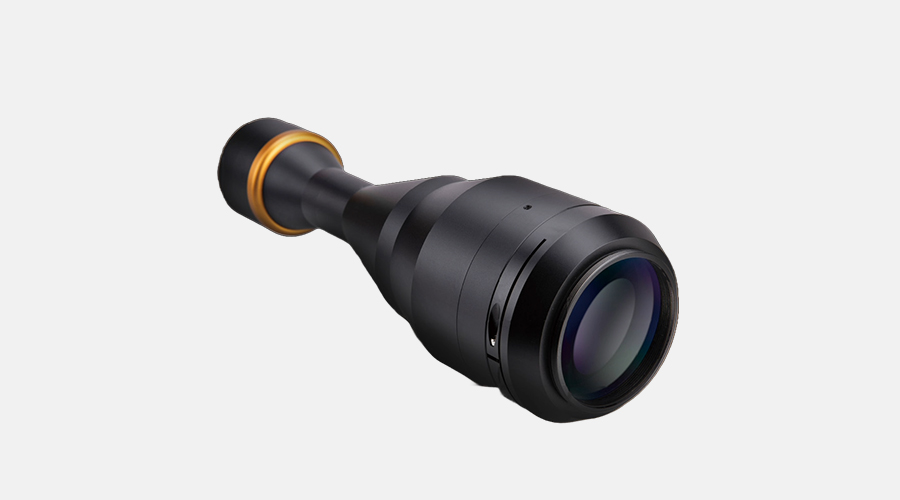 Compatible with 7.2mm-82mm chips
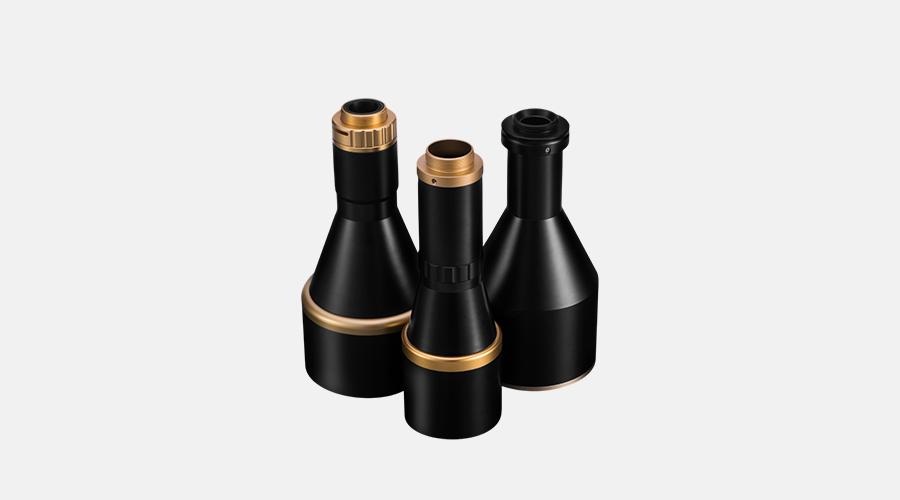 High/Low Working Distance
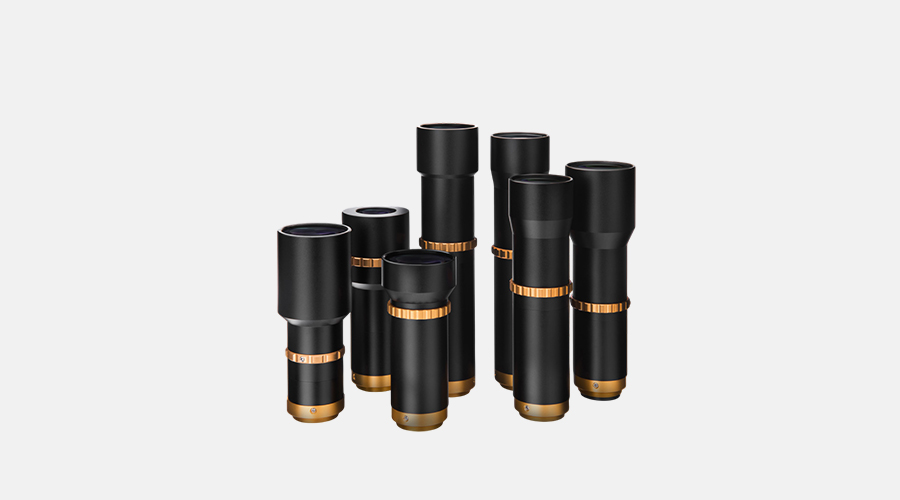 Aperture telecentric lens
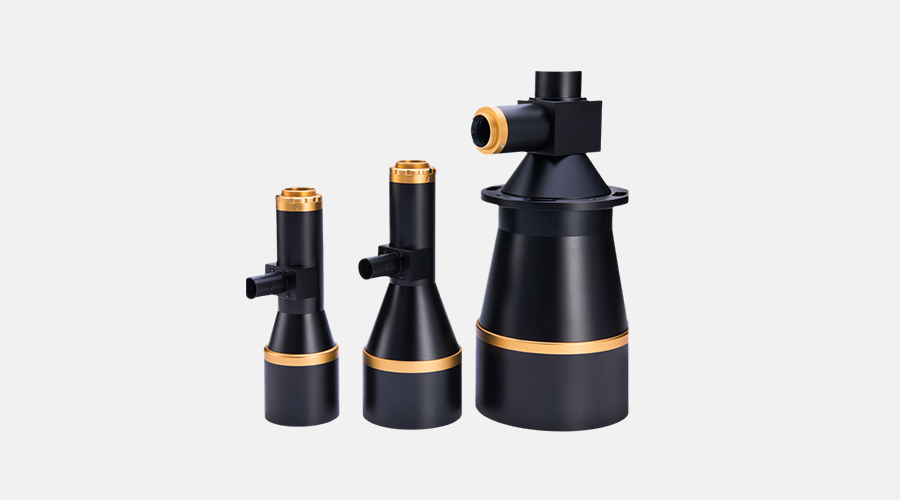 Measuring lens
 Maximum support 1.1" chips
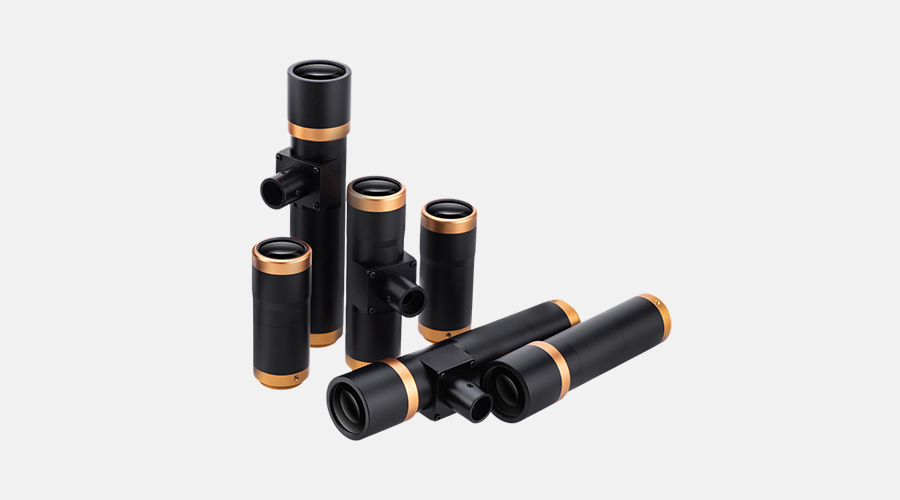 Maximum support 1.2" chips
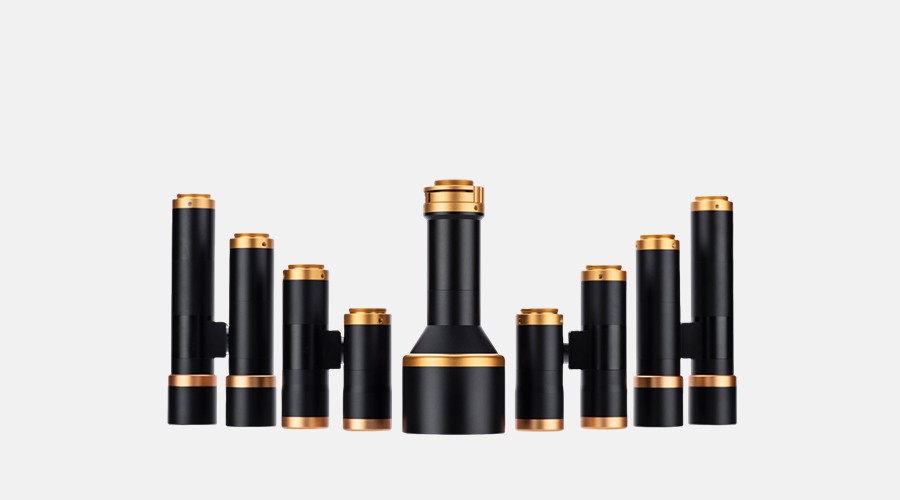 Maximum support 2/3" chips
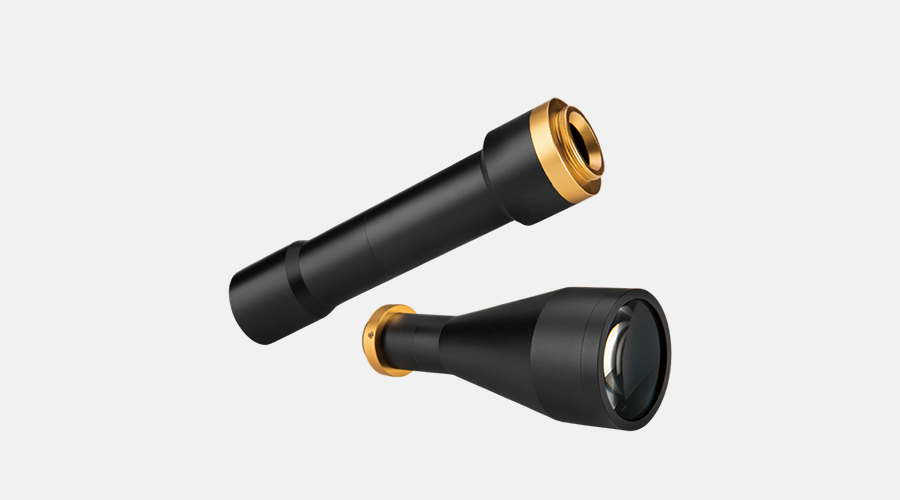 Long Working Distance
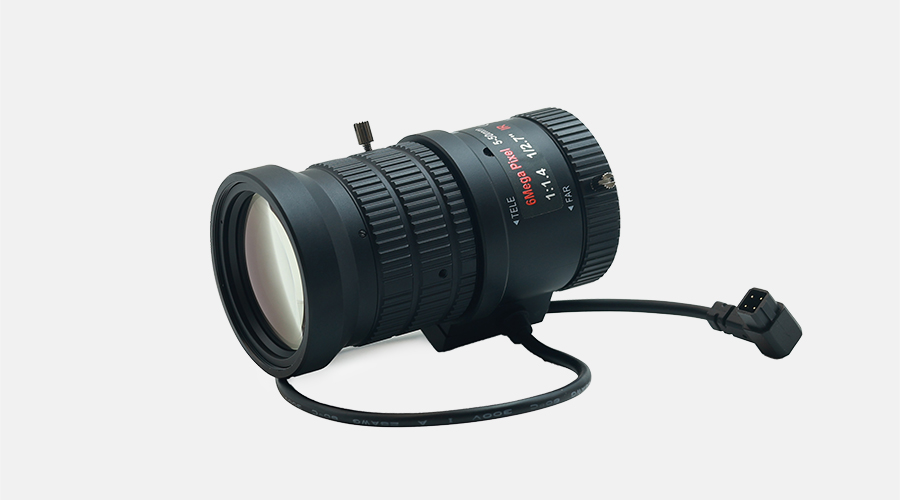 CS mount Varifocal lens
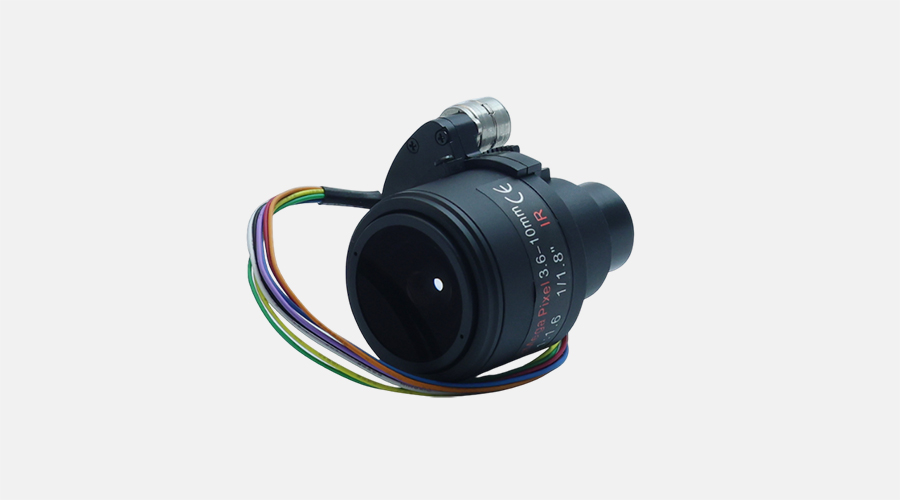 Varifocal board lens
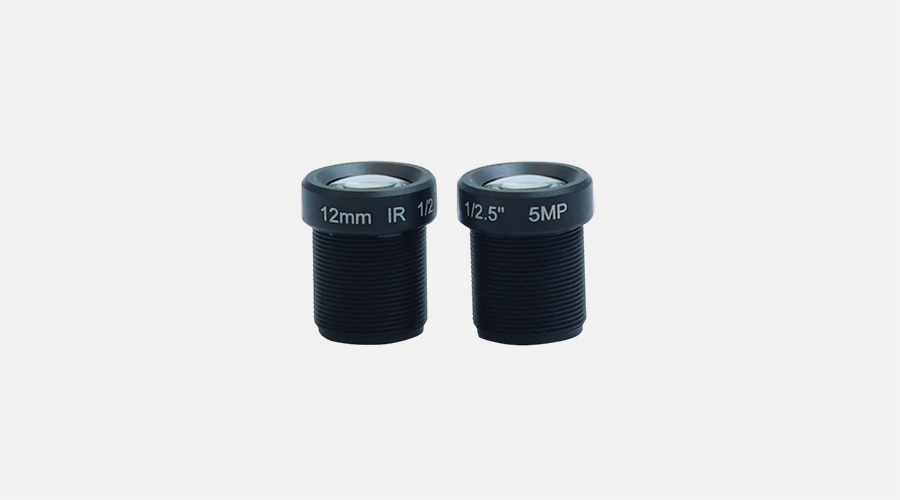 S mount lens
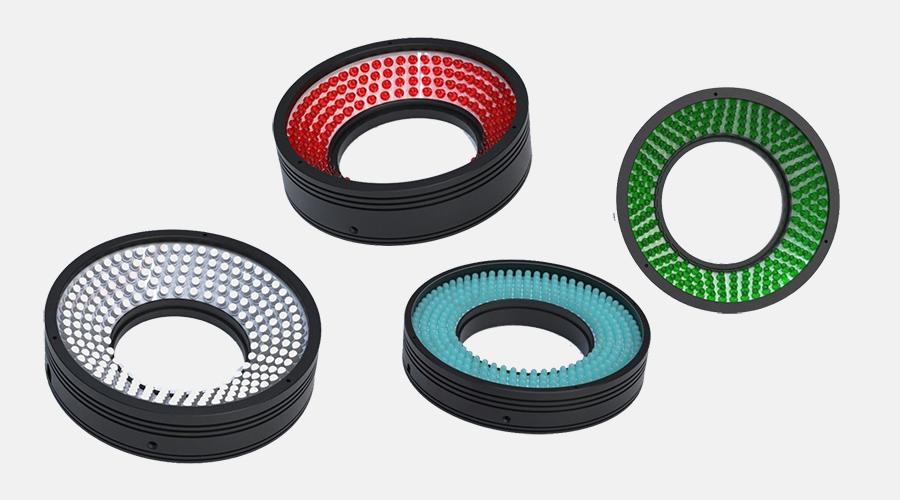 Ring light
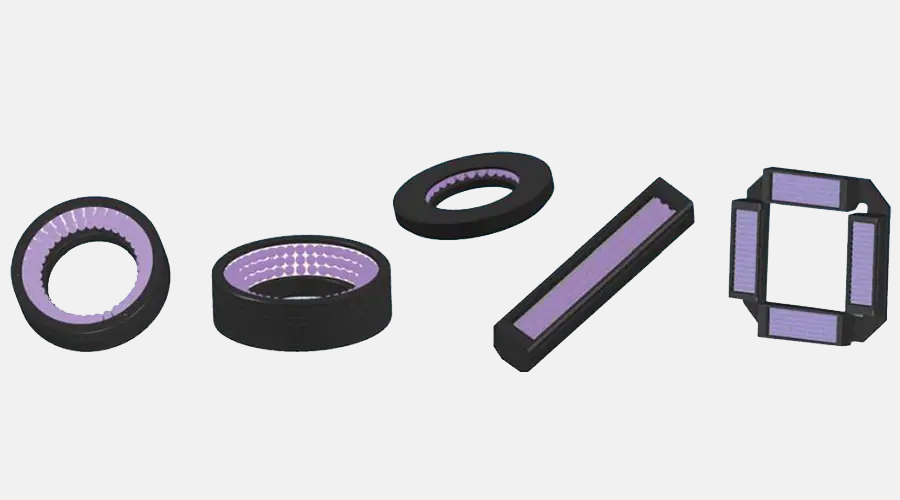 UV/IR Light
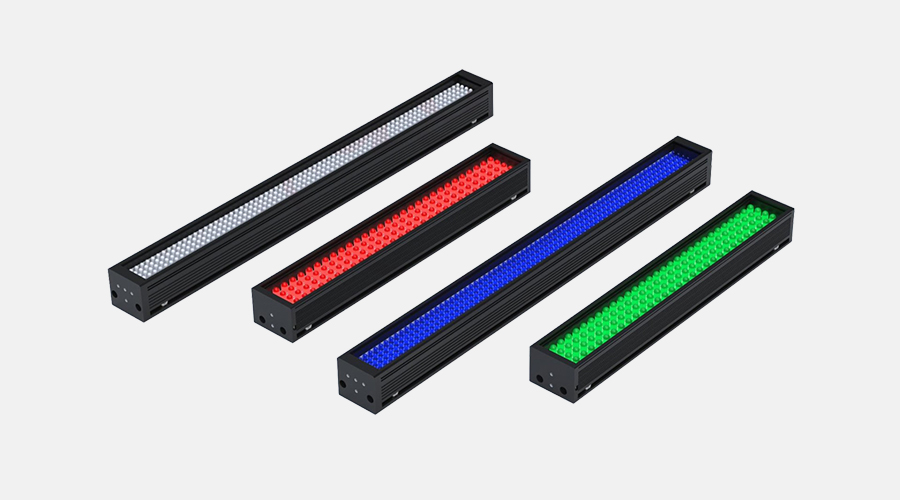 Bar light
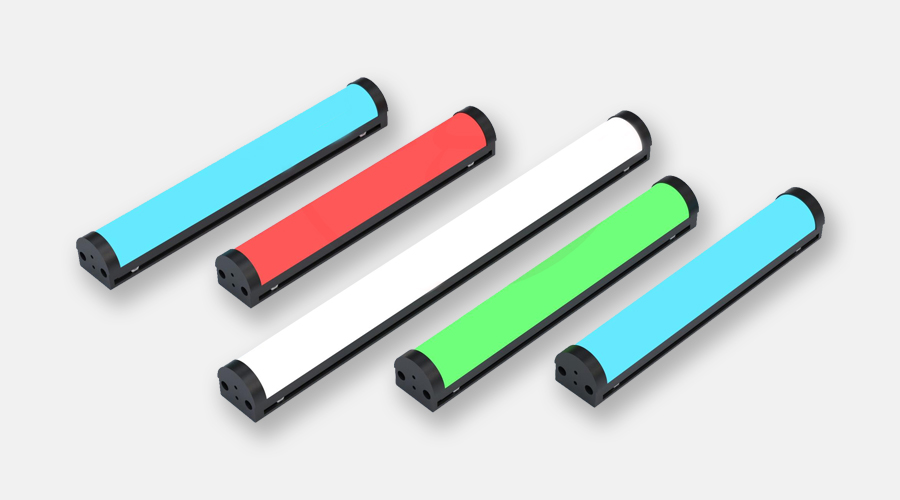 Arcuate high uniformity light
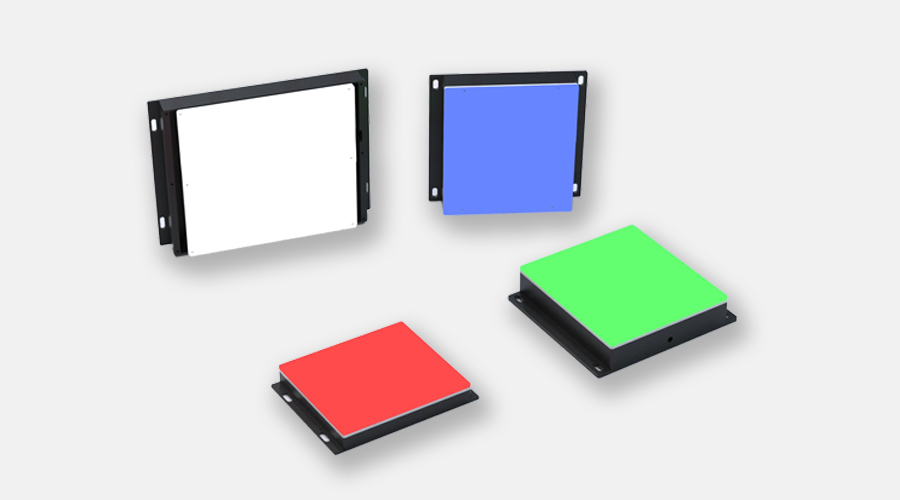 Back light
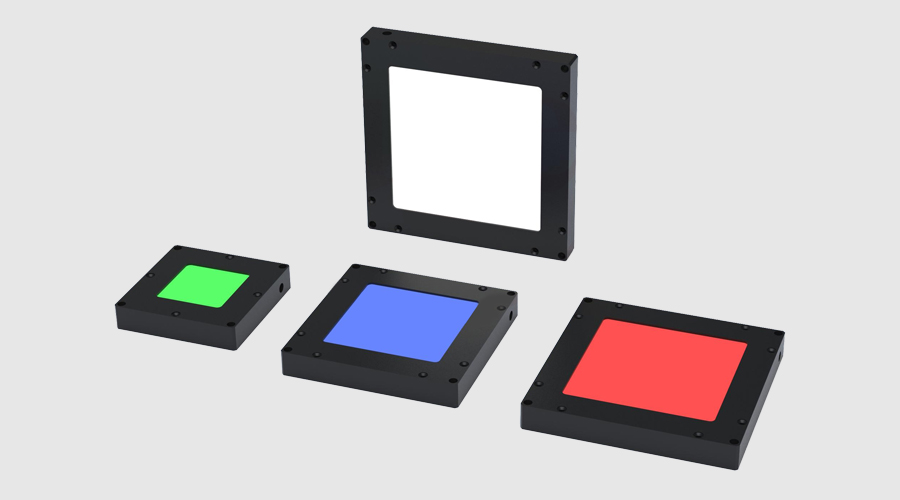 Flat light
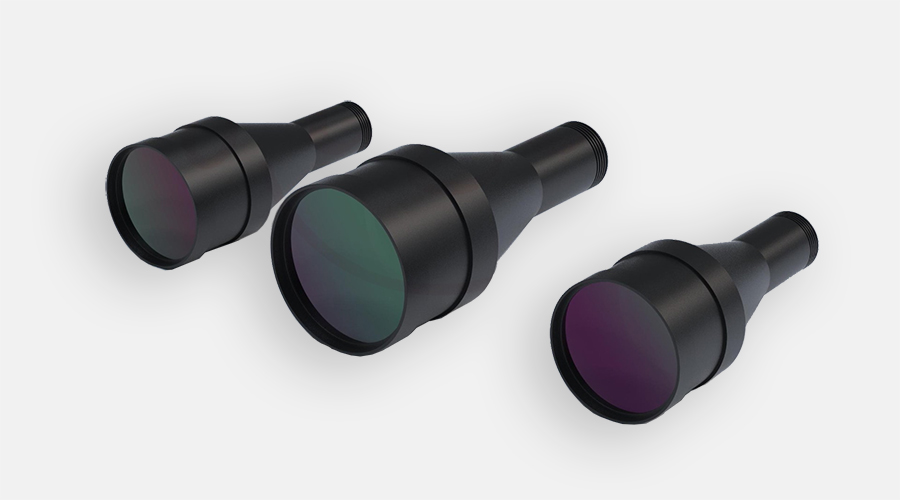 Collimated light
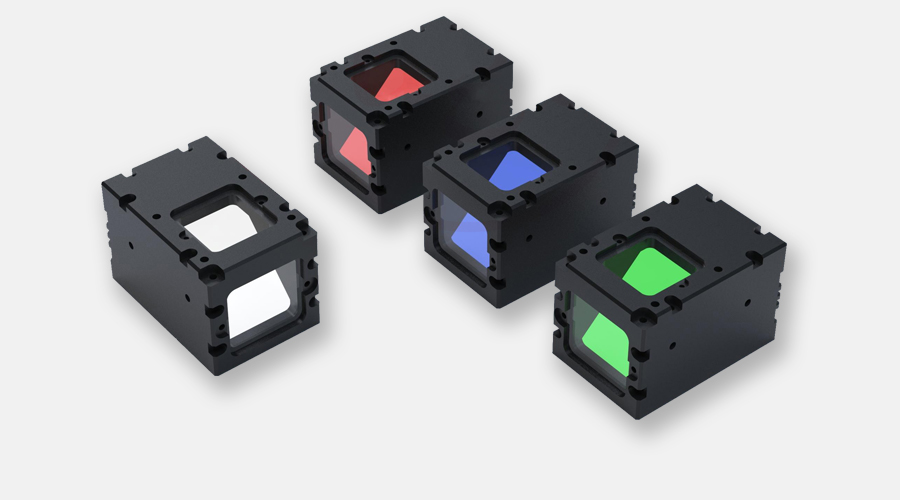 Coaxial light
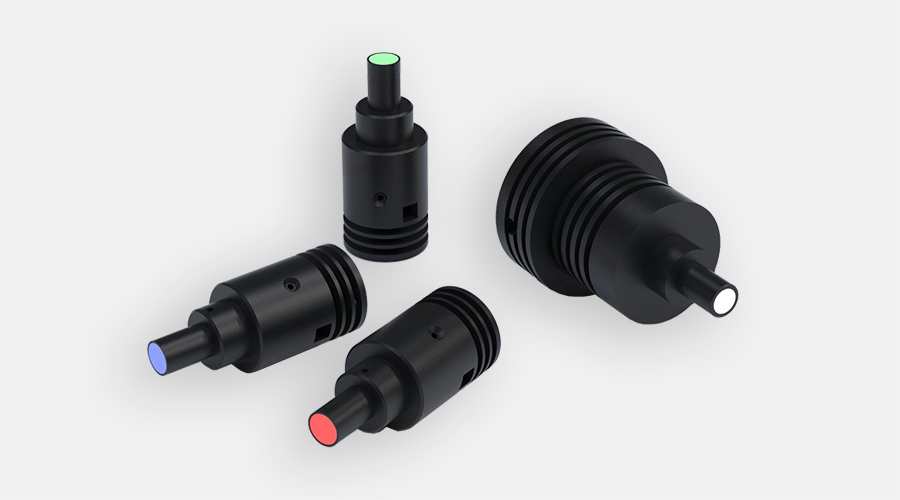 Spot light
 Dome light
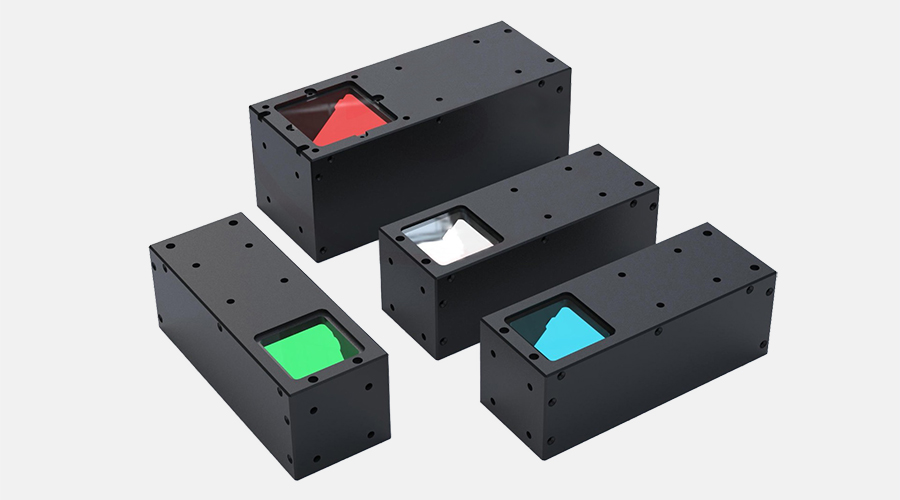 Collimated Coaxial light
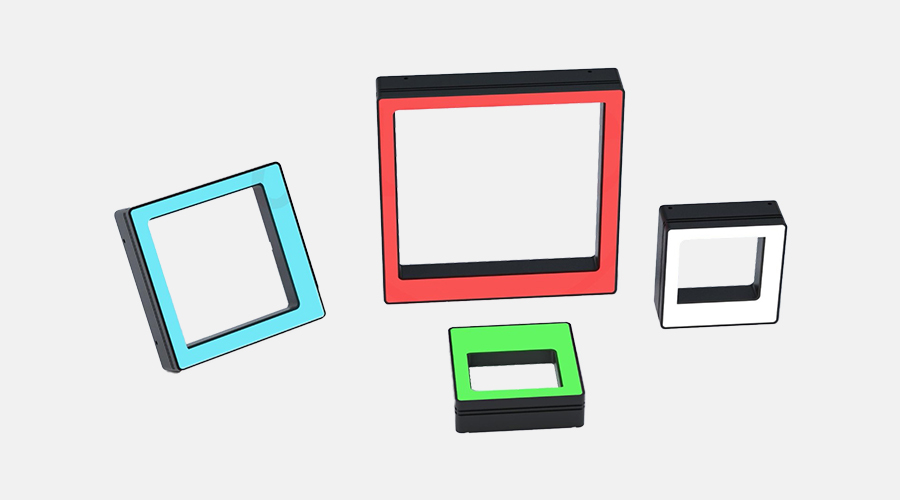 Shadowless square light
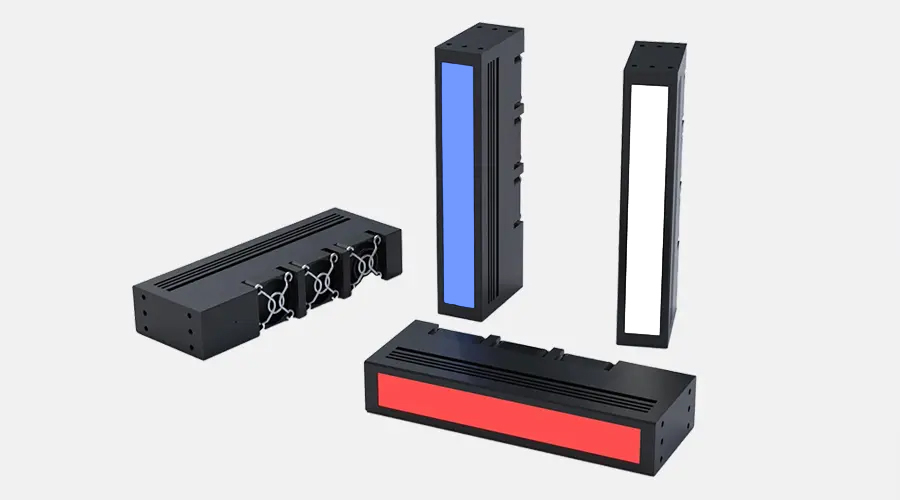 Scan light
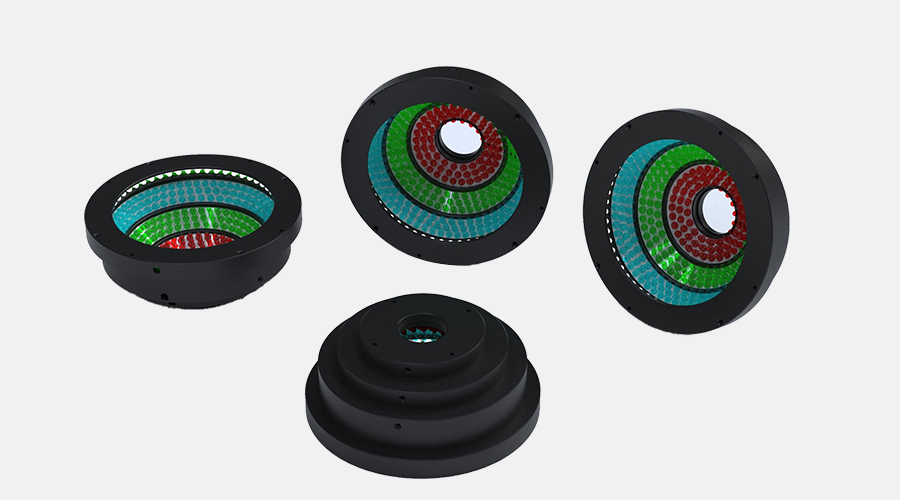 AOI light
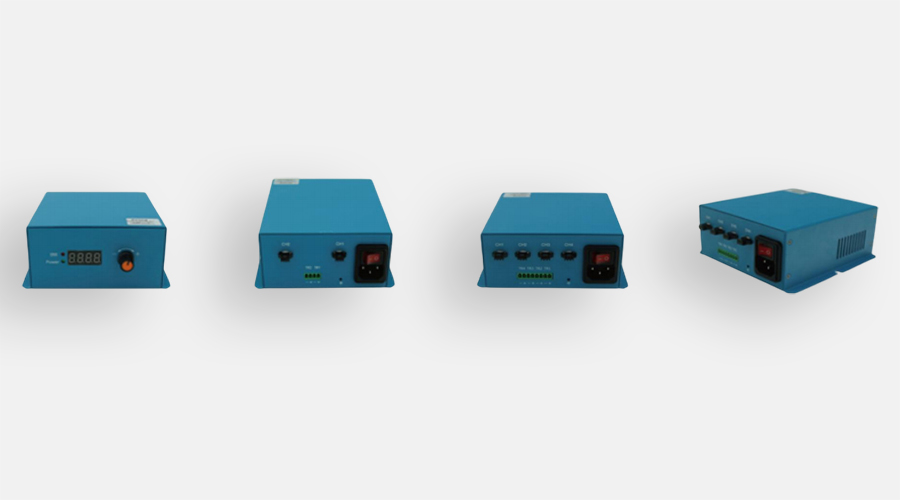 Analog controller
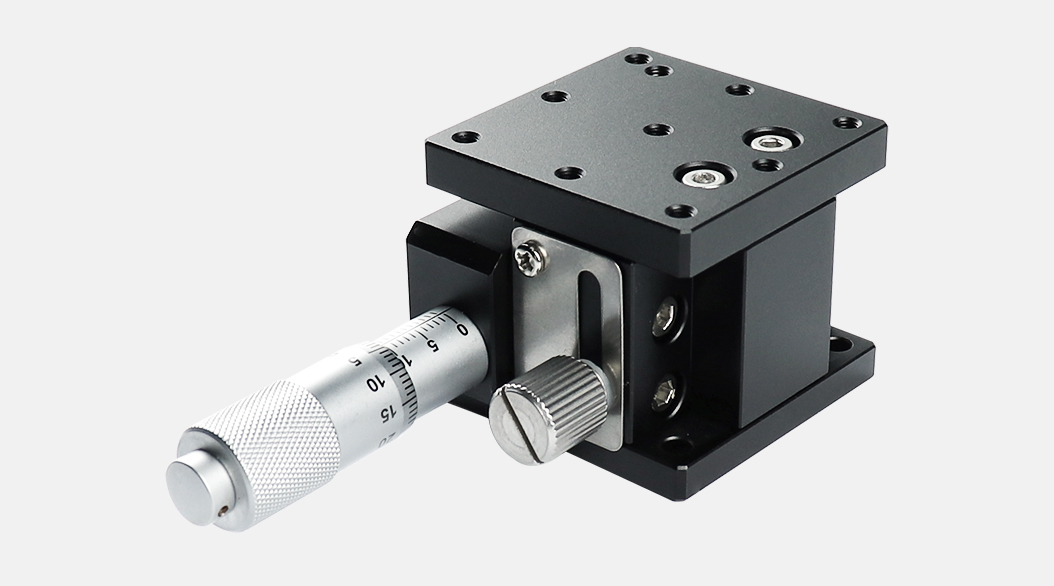 Crossed-Roller Linear guide type
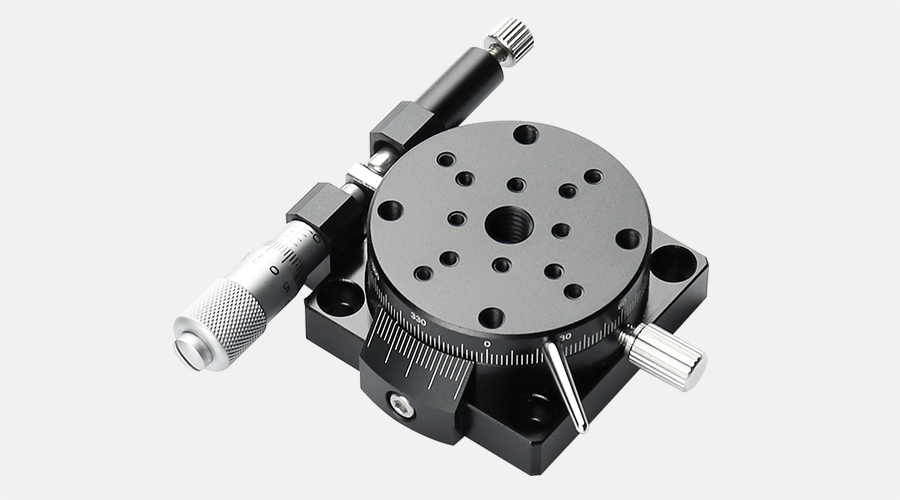 Rotary Stages XRS series
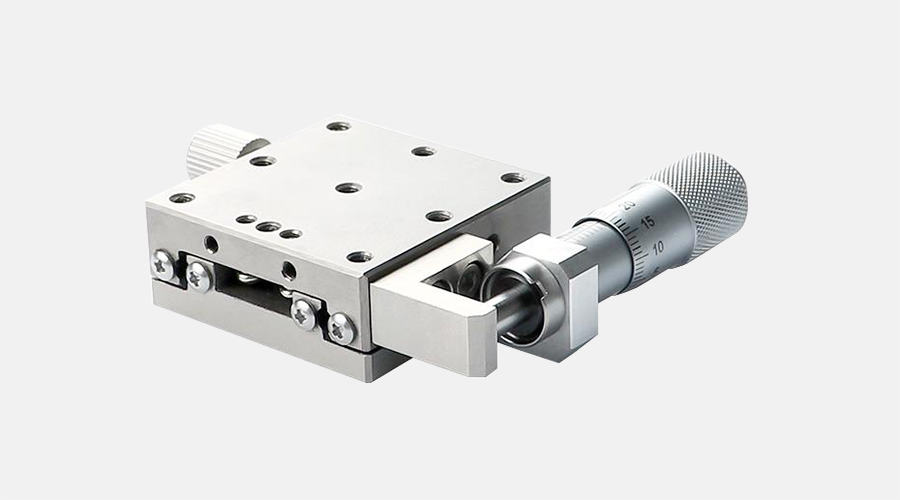 Stainless Steel Ball Bearing Linear Translation Stages
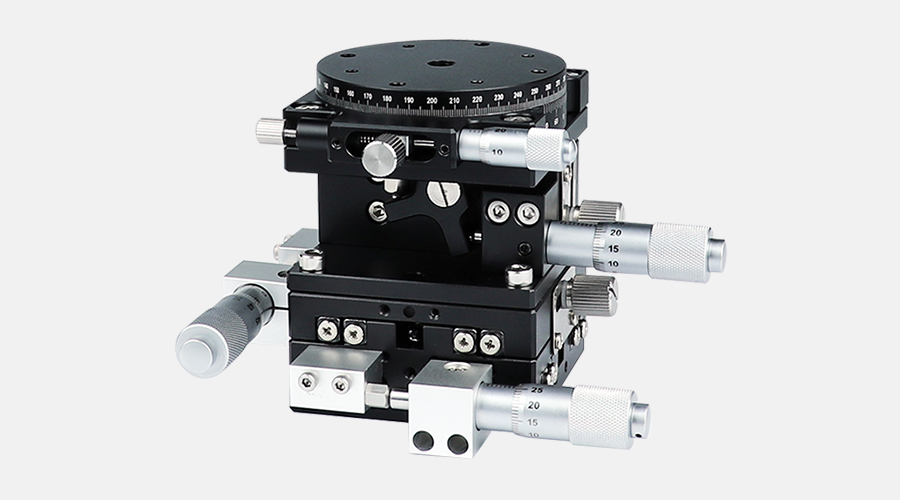 Multi-axis Translation stages
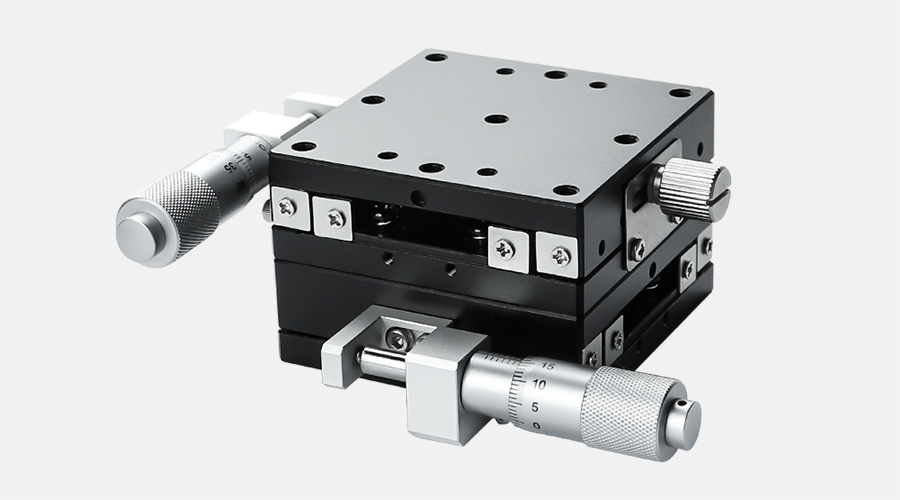 steel bar ball bearing stages
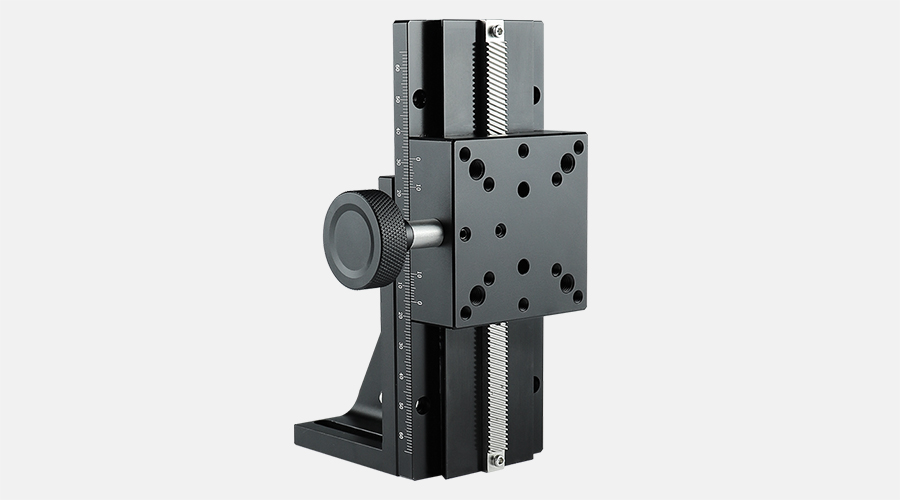 Dovetail Type Rack&Pinion Positioning Stage
 Dovetail groove high-precision screw slide