In the era of rapid technological advancement, selecting the right
Vision Inspection Lens is crucial for ensuring
optimal performance in machine vision applications. With the global machine vision
market projected to reach USD 12.4 billion
by 2025, driven by the increasing demand for automation and smart manufacturing
solutions, understanding the key factors in lens selection can significantly
impact operational efficiency and product quality.
Fuzhou New Vision Technology Co., Ltd. stands at the forefront of this
industry, providing innovative visual solutions and high-performance hardware
components that cater to diverse applications. By focusing on critical aspects such as
resolution, field of view, and wavelength compatibility, industries can leverage
advanced lens technology to improve inspection accuracy and enhance overall productivity.
Understanding the Importance of Vision Inspection in Your Application
Vision inspection plays a crucial role in various industries by ensuring product quality and compliance with standards. With the increasing demand for precision and accuracy, the vision inspection market is witnessing significant growth. According to recent forecasts, the Non-Destructive Testing (NDT) market, which encompasses techniques like visual inspection, is expected to expand considerably, highlighting the importance of reliable inspection tools in manufacturing and production processes.
When selecting the right vision inspection lens for your application, consider the specific requirements of your environment. The quality of the lens directly influences the clarity and accuracy of the inspection results.
**Tips for Choosing the Right Lens:**
- Assess the type of materials you will inspect, as different lenses are optimized for various surfaces and textures.
- Take into account the operational distances and angles to ensure the lens can perform effectively within your setup.
- Evaluate the environmental conditions, such as lighting and dust levels, since these factors can impact lens performance and maintenance requirements.
The growth projections for related markets, such as the flat panel display inspection equipment sector, indicate a promising trend, with a compound annual growth rate of 7.5% from 2024 to 2030. This surge emphasizes the necessity of investing in high-quality inspection tools to stay competitive and meet industry standards.

Types of Vision Inspection Lenses and Their Features
When selecting a vision inspection lens for an application, it's crucial to understand the various types available and their respective features. The most common types include telecentric lenses, macro lenses, and wide-angle lenses. Telecentric lenses are designed to maintain consistent magnification regardless of the object's distance, making them ideal for applications requiring high precision, such as automated optical inspection in manufacturing processes. Their unique design minimizes perspective errors, ensuring accurate measurements and inspection results.
Macro lenses, on the other hand, are perfect for capturing detailed images of small objects. These lenses excel in applications requiring close-up imaging and can achieve a high level of detail due to their ability to focus at very short distances. They are often used in electronics, jewelry, and biological inspections where intricate details are critical. Wide-angle lenses offer a broader field of view, making them suitable for inspecting larger objects or areas quickly. Their ability to capture extensive scenes without the need for repositioning can significantly improve workflow efficiency in environments like quality control and traffic monitoring. Each lens type presents distinct advantages, and the choice should align with the specific demands of the application for optimal performance.
How to Choose the Right Vision Inspection Lens for Your Application
| Lens Type |
Key Features |
Best Applications |
Typical Magnification |
| Standard Lens |
Wide field of view, general-purpose |
Assembly line inspection |
0.5x to 4x |
| Telecentric Lens |
Maintains image size, reduces perspective error |
Measurement applications |
1x to 10x |
| Macro Lens |
High magnification, close-up detail |
Small part inspection |
5x to 20x |
| F-theta Lens |
Flat field, ideal for laser applications |
Laser marking and engraving |
1x to 5x |
| Wide-Angle Lens |
Enhances peripheral vision, minimizes distortion |
Large object inspection |
0.3x to 1x |
Factors to Consider When Selecting a Lens for Vision Inspection
In selecting the right vision inspection lens for your application, several critical factors must be considered. First, the optical resolution of the lens is paramount. The clarity and precision of the images required for effective inspection depend heavily on the lens's ability to resolve fine details. Additionally, the working distance plays a crucial role; consider whether the lens can maintain optimal performance at the necessary distance from the object being inspected. It's also important to assess the field of view, as a wider field can lead to faster inspection times, covering larger areas efficiently.
Moreover, the industrial lens market is expected to grow substantially, with estimates projecting a rise from $620 million in 2022 to $890 million by 2030, reflecting a compound annual growth rate of 4.5% from 2024 to 2030. This growth highlights the increasing demand for specialized lenses in various applications, necessitating careful selection based on specific needs, such as the type of inspection—whether it's for quality control in manufacturing or for detailed analysis in research settings. As such, integrating the right vision inspection lens is not just about performance; it’s also a strategic decision impacting overall operational efficiency.
Choosing the Right Vision Inspection Lens: Key Factors
Matching Lens Specifications with Application Requirements
When selecting the appropriate vision inspection lens for your application, it is crucial to align the lens specifications with the requirements of your system. The synergy between the camera and lens must be established early in the design process to ensure optimal performance. Research indicates that imaging sensors in machine vision applications are becoming increasingly larger, leading to challenges in pairing them effectively with lenses. It is essential to consider factors such as sensor size, lens focal length, and aperture to achieve the desired image quality and depth of field.
Tips: Always evaluate the entire vision system, including lighting and environmental factors, when choosing a lens. Furthermore, opt for lenses that support future sensor upgrades to avoid compatibility issues. For applications requiring flexibility in focus, consider novel solutions like compact liquid-filled lenses, which provide excellent tunability for precision focusing.
The advent of quasi-phase matching techniques and advancements in optical design are paving the way for improved lens efficiency and effectiveness. While evaluating lenses, keep in mind the necessity for future adaptability, since the industry is moving towards more complex imaging requirements. Conduct thorough research and testing to determine the best fit for your specific application needs.
Evaluating Lens Performance: Magnification, FOV, and Resolution
When selecting the right vision inspection lens for your application, it's crucial to evaluate key performance metrics, particularly magnification, field of view (FOV), and resolution.
Magnification determines how effectively you can enlarge the subject for inspection. For example, in clinical evaluations, widefield lenses have shown to enhance FOV while maintaining image quality, thus allowing for a broader area to be analyzed simultaneously. This capability is especially important in fields like retinal disease imaging, where rapid assessments can lead to timely interventions.
Resolution is another critical factor, as it defines the ability of the lens to distinguish between closely spaced objects. Recent advancements in optical microscopy have highlighted the challenges posed by optical diffraction, limiting traditional systems from achieving resolutions beyond traditional constraints. New technologies like digital color fusion microscopy have emerged to address these concerns, offering high-resolution and accurate color reproduction vital for applications requiring precise measurement and analysis.
Tips:
- Always consider the specific requirements of your application when selecting a lens; a lens with higher magnification may not always be the best choice if it compromises FOV or resolution.
- Evaluate new technologies in the market that feature innovative designs, like 3D-printed models, which often provide affordable yet high-performance solutions tailored for diverse applications.
Best Practices for Integrating Lenses into Vision Inspection Systems
When selecting the right vision inspection lens for your application, it is crucial to consider how lenses will integrate into your vision inspection systems. The advancement of machine vision technology has underscored the importance of using the correct lens to achieve optimal results in applications like quality inspection, identification, and robotic guidance. Incorporating best practices, such as assessing the specific requirements of your inspection task—like field of view, working distance, and resolution—can significantly enhance system performance.
Furthermore, integrating AI-driven machine vision with closed-loop quality control systems can provide real-time adjustments, improving the efficiency and accuracy of inspections. The combination of these technologies not only modernizes manufacturing processes but also ensures consistent quality in outputs. As industries increasingly adopt automated solutions, the right lens selection will play a pivotal role in leveraging the full potential of machine vision and robotic systems, ultimately redefining quality control standards across various sectors.

Maximizing Efficiency in Machine Vision: The Role of High Brightness Line Scan Lights in Inspection Systems
In the realm of machine vision, achieving optimal inspection results hinges significantly on the quality and effectiveness of the illumination employed. High brightness line scan lights play a pivotal role in enhancing the performance of inspection systems by providing consistent and uniform lighting essential for accurate image capture. Constructed with an array of high brightness, high density, and high power LED particles, these lighting solutions ensure that even the finest details are illuminated without shadows or glare, critical for applications in various industries.
The innovative design of these line scan lights utilizes advanced technologies such as columnar lenses and optical coatings, which further contribute to the uniformity of illumination. This engineering not only enhances image quality but also supports high-speed inspection processes, allowing for greater efficiency in production lines. Additionally, the integrated aluminum magnesium alloy casing features optimized heat radiating grooves and air cooling devices, ensuring the stability and longevity of the LED components. This robust design is essential for maintaining performance and reliability in demanding operational environments, where consistent light quality is crucial for accurate measurements and evaluations.
FAQS
: Vision inspection ensures product quality and compliance with standards, contributing to precision and accuracy in manufacturing and production processes.
It's essential to consider the specific requirements of the environment, including the type of materials inspected, operational distances and angles, and environmental conditions like lighting and dust levels.
The Non-Destructive Testing (NDT) market is expected to grow significantly, indicating an increasing demand for reliable inspection tools, with sectors like flat panel display inspection equipment anticipated to grow at a compound annual rate of 7.5% from 2024 to 2030.
Aligning lens specifications with system requirements is crucial for optimal performance, particularly due to larger imaging sensors in machine vision applications which pose pairing challenges with lenses.
Key factors include the type of lens, field of view, working distance, resolution, and the overall integration with the vision system, including lighting and environmental conditions.
Advancements such as quasi-phase matching techniques and novel lens designs improve lens efficiency and effectiveness, and it is vital to consider future adaptability to meet the evolving demands of imaging requirements.
Integrating AI-driven machine vision with closed-loop quality control systems allows for real-time adjustments, improving efficiency and accuracy in inspections.
Assessing inspection task requirements, such as field of view, working distance, and resolution, is crucial to enhancing system performance and achieving optimal results.
The right lens selection, in conjunction with automated solutions, enhances the full potential of machine vision and robotic systems, ultimately redefining quality control standards across various sectors.
Conclusion
Choosing the right Vision Inspection Lens is crucial for optimizing the effectiveness of your vision inspection applications. Understanding the importance of vision inspection helps in recognizing how various lens types and their features can impact performance. When selecting a lens, it is essential to consider several factors, including magnification, field of view (FOV), and resolution, which must be matched closely to the specific requirements of your application. Evaluating lens performance ensures that the chosen solution meets the desired outcomes.
At Fuzhou New Vision Technology Co., Ltd., we are committed to delivering high-performance Vision Inspection Lenses that cater to the needs of the automation and smart manufacturing sectors. By integrating best practices in selecting and incorporating these lenses into vision inspection systems, we provide our clients with cutting-edge visual solutions that enhance their operational efficiency and precision.
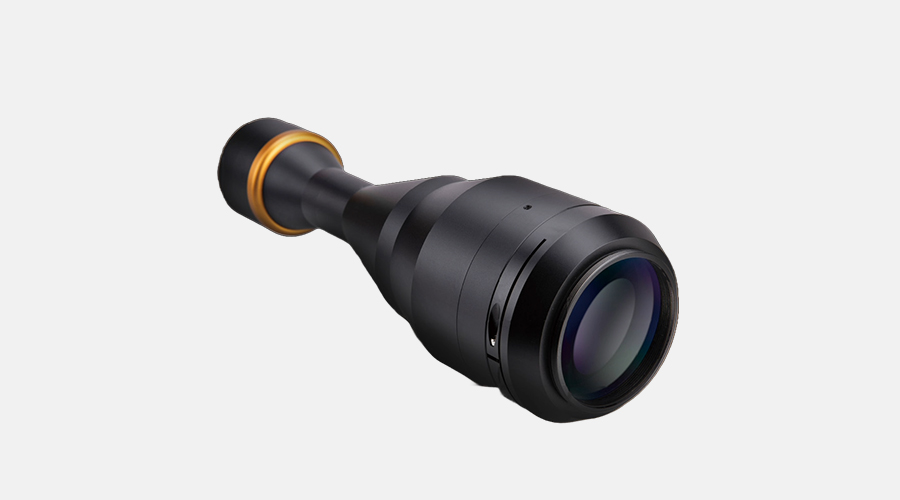 Compatible with 7.2mm-82mm chips
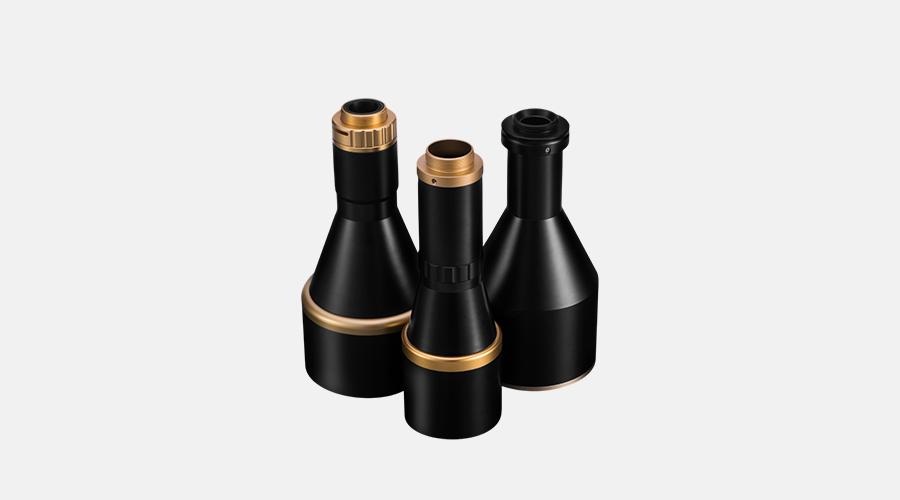 High/Low Working Distance
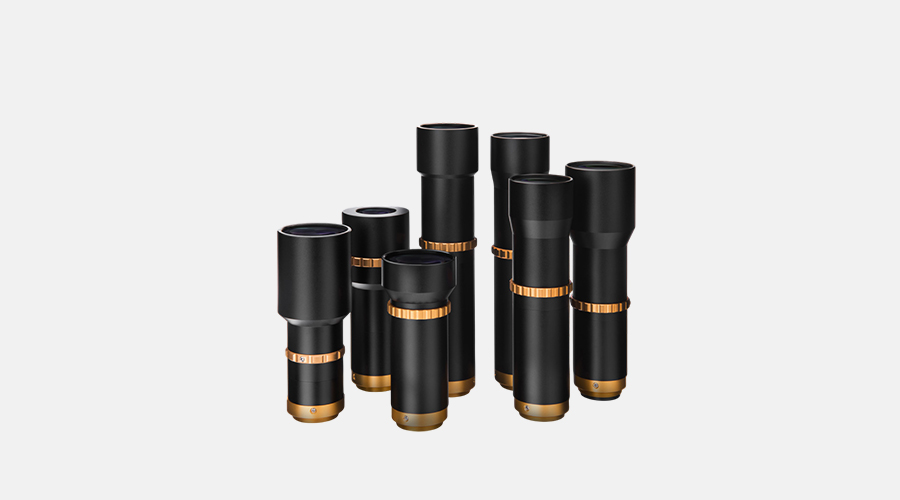 Aperture telecentric lens
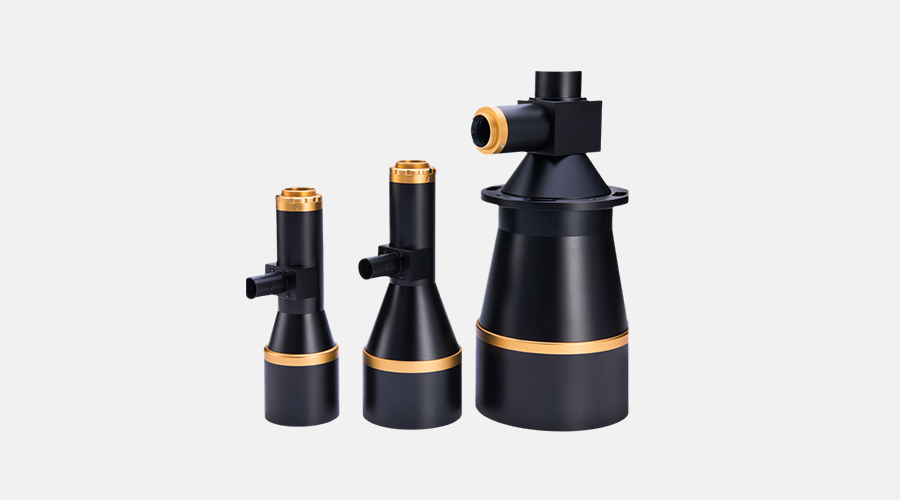 Measuring lens
 Maximum support 1.1" chips
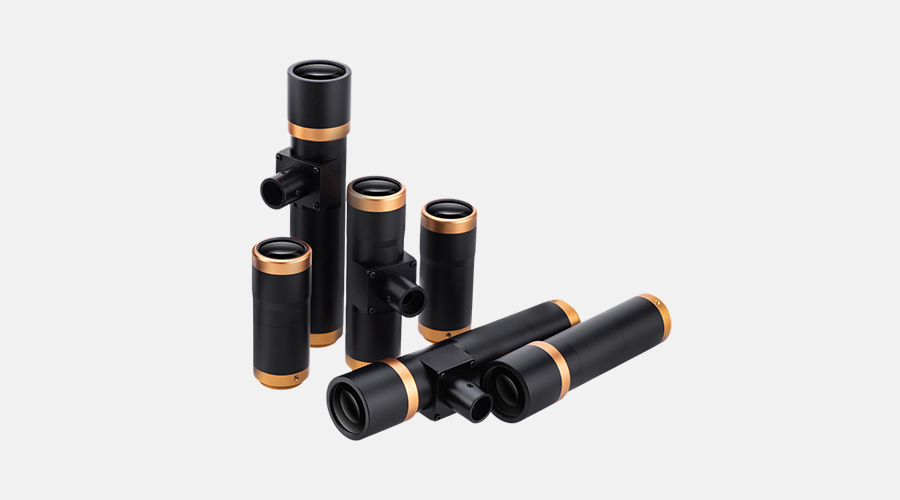 Maximum support 1.2" chips
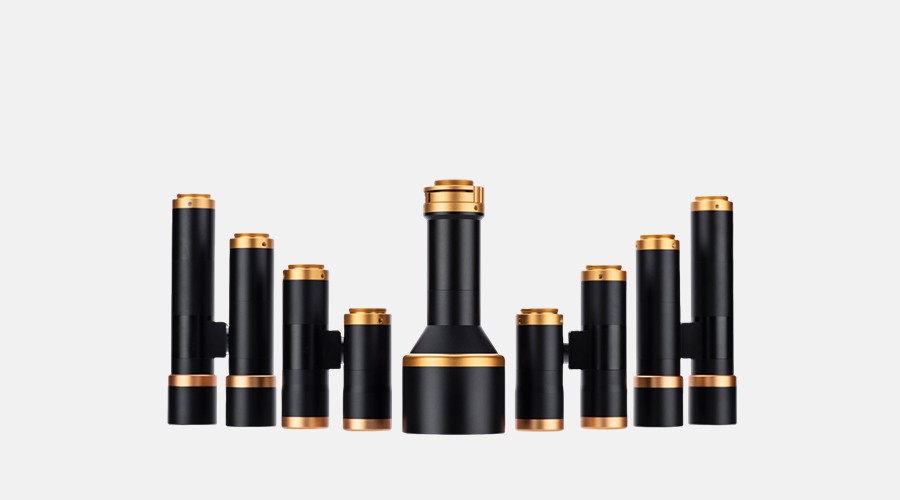 Maximum support 2/3" chips
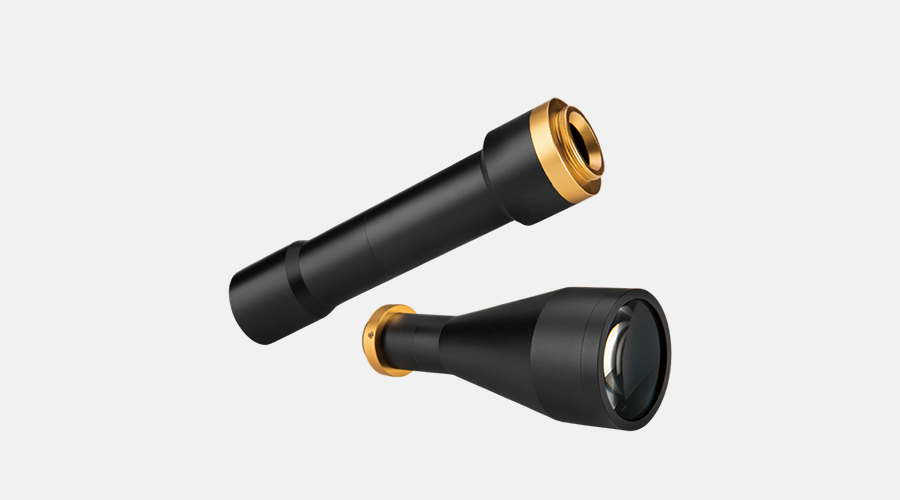 Long Working Distance
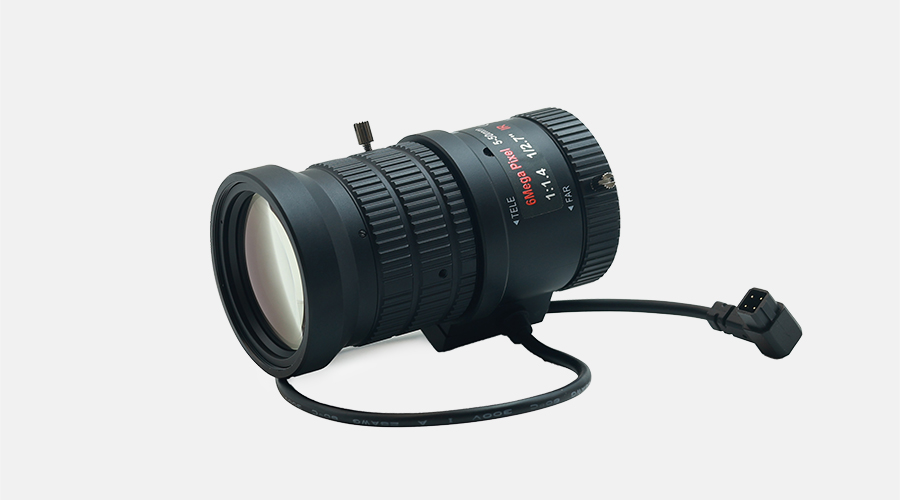 CS mount Varifocal lens
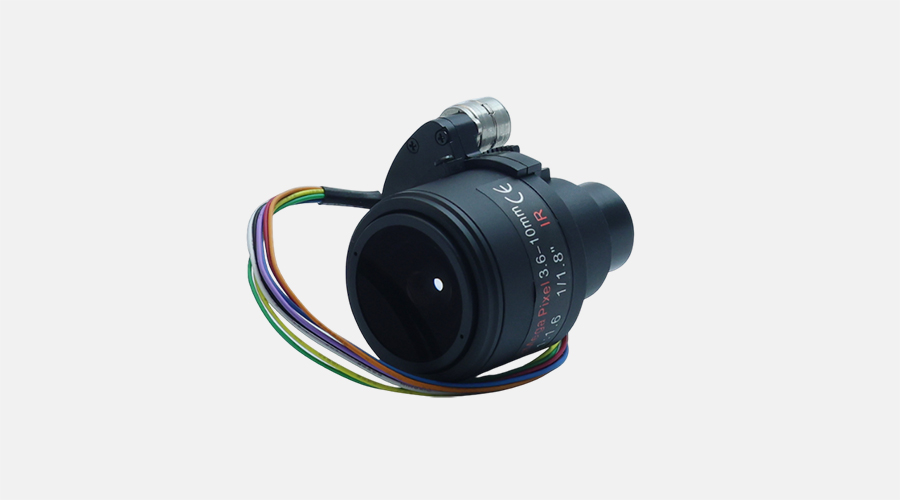 Varifocal board lens
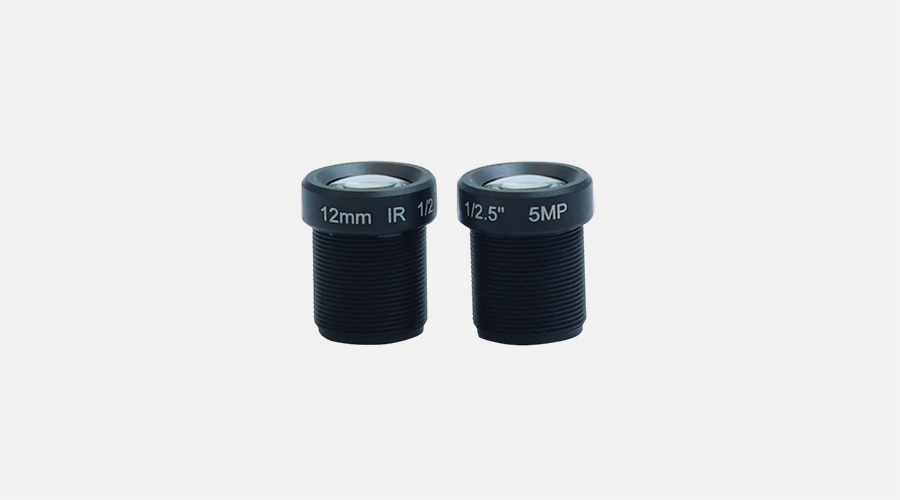 S mount lens
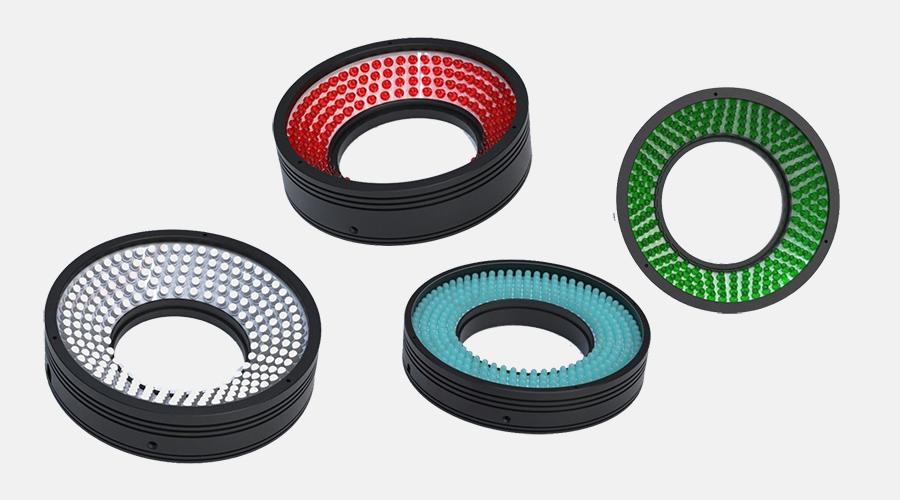 Ring light
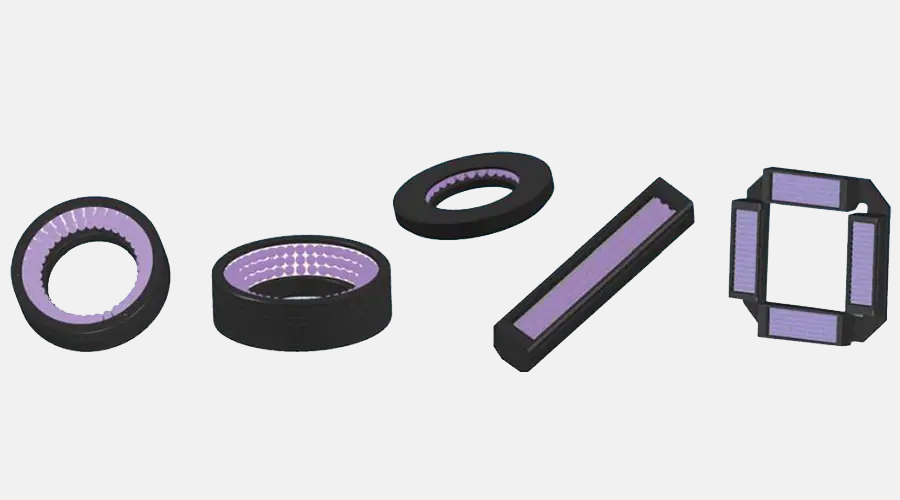 UV/IR Light
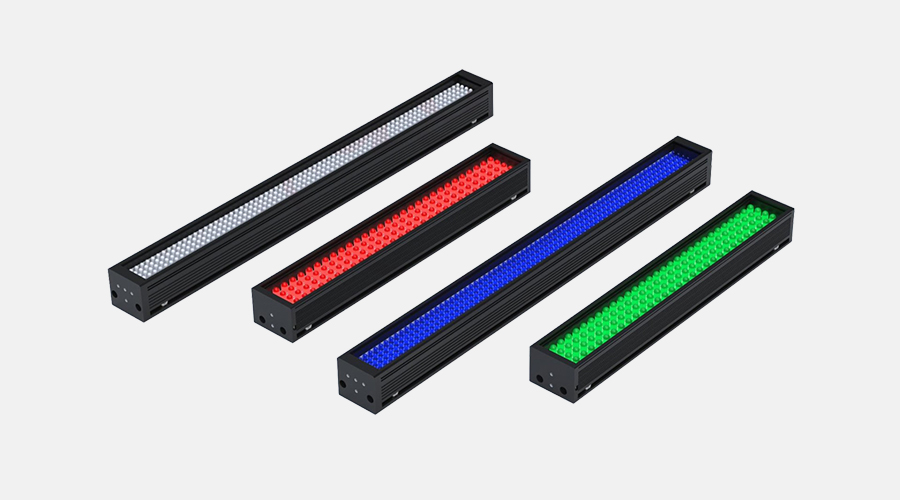 Bar light
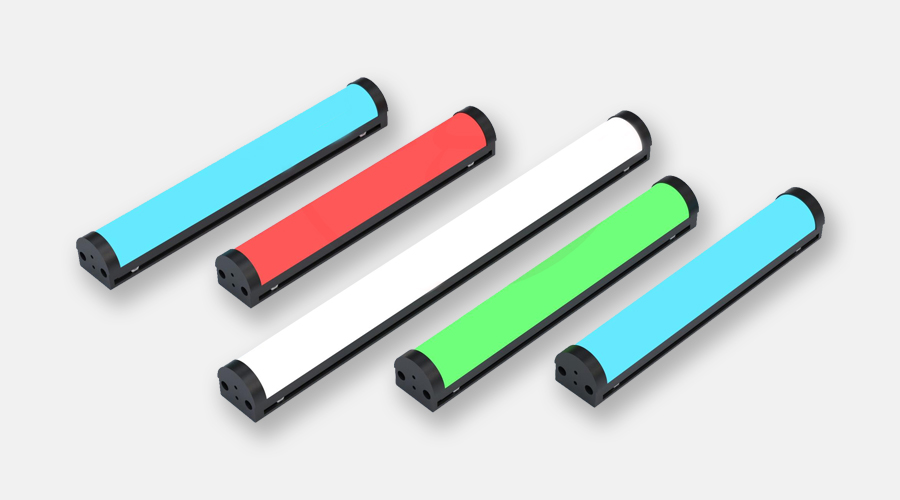 Arcuate high uniformity light
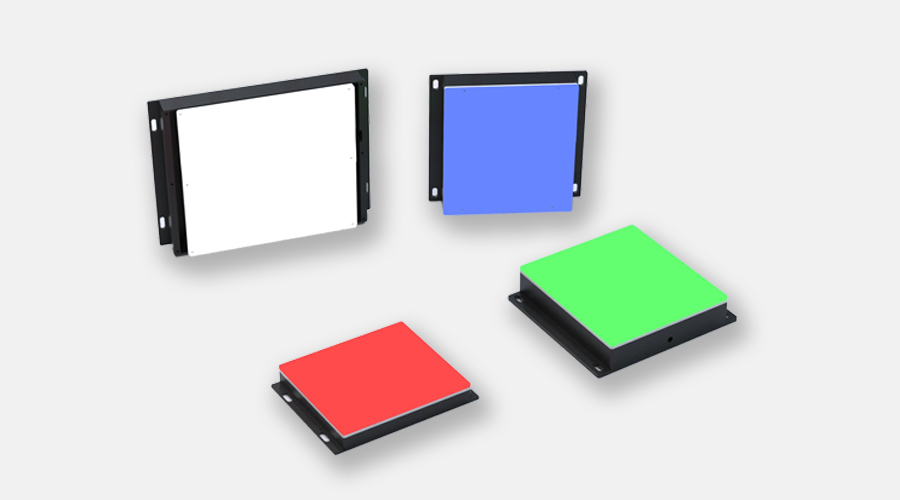 Back light
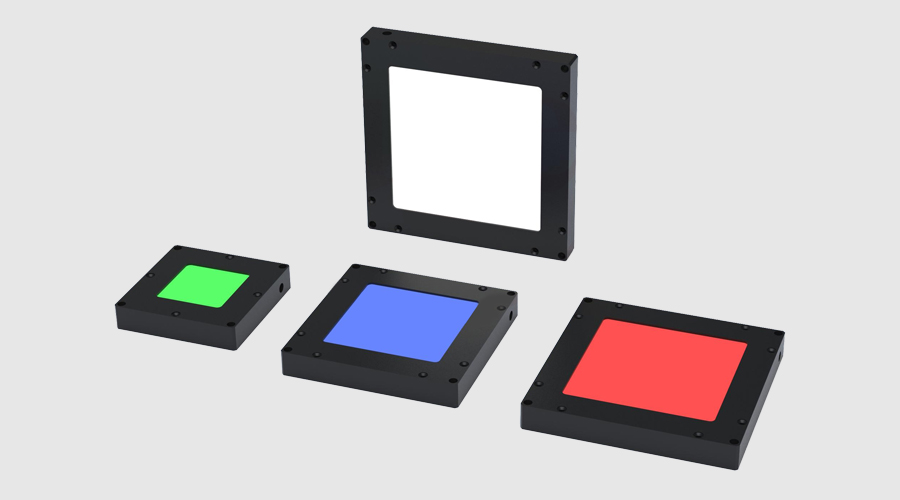 Flat light
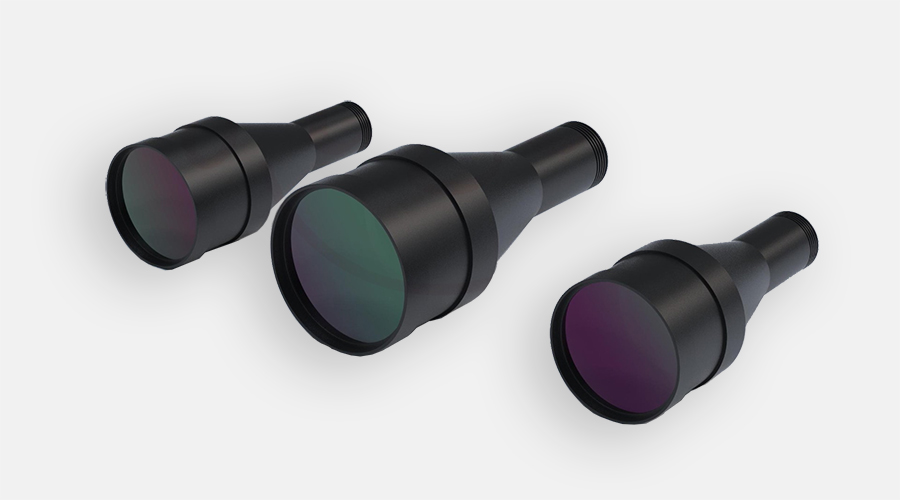 Collimated light
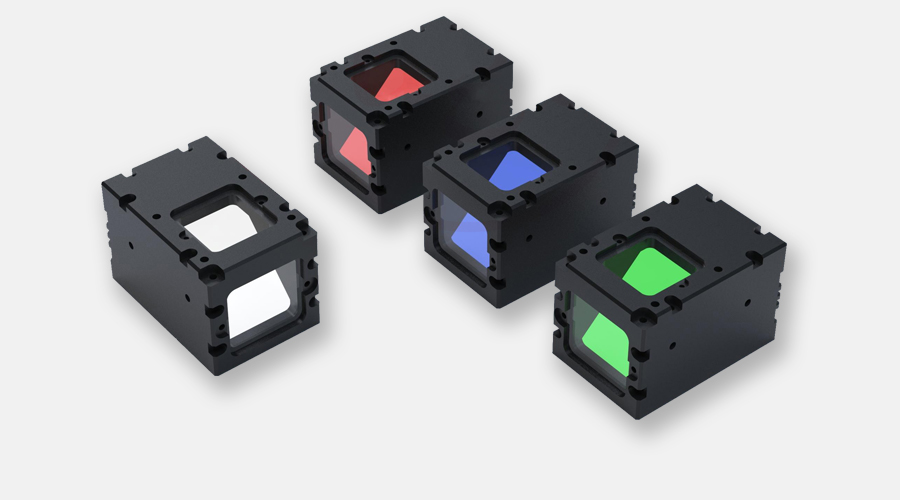 Coaxial light
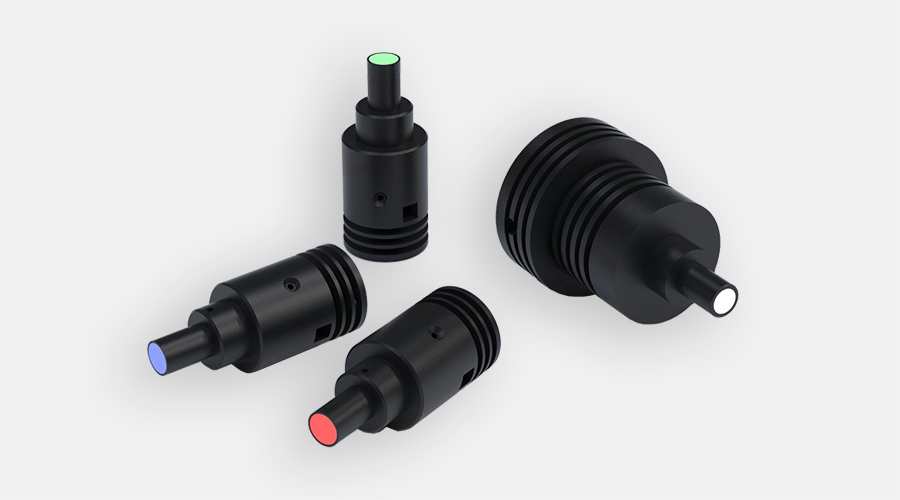 Spot light
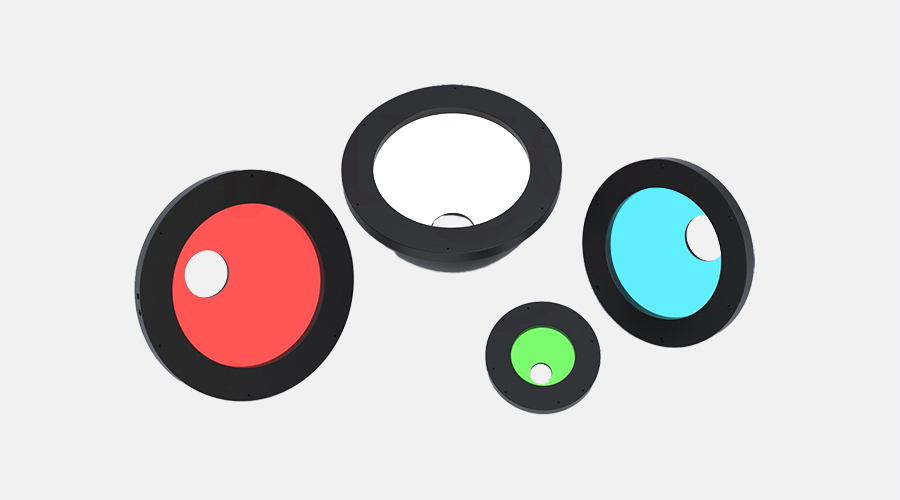 Dome light
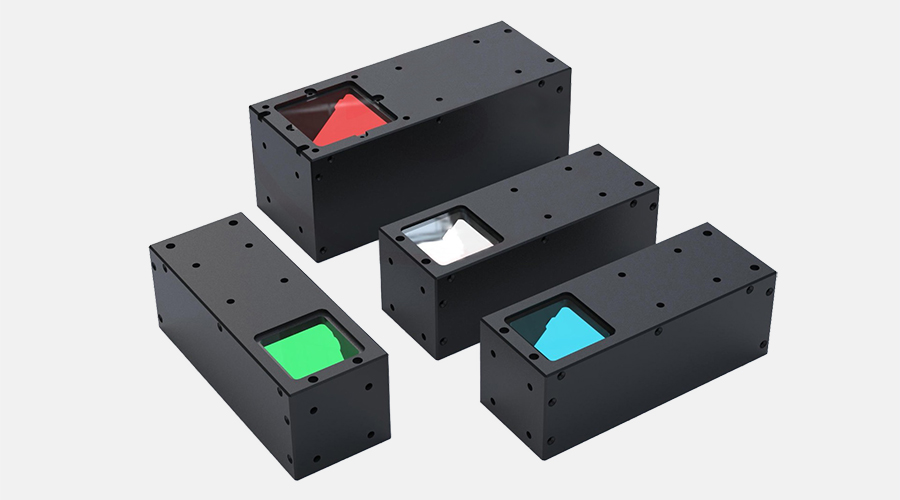 Collimated Coaxial light
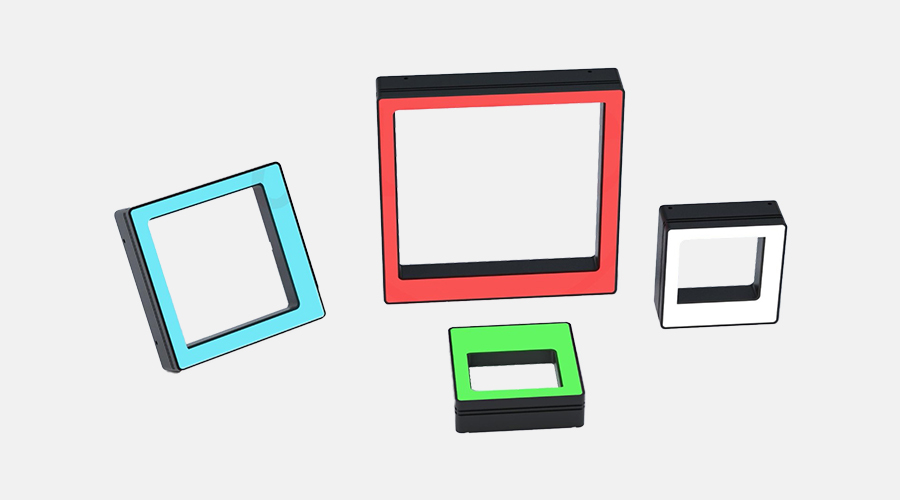 Shadowless square light
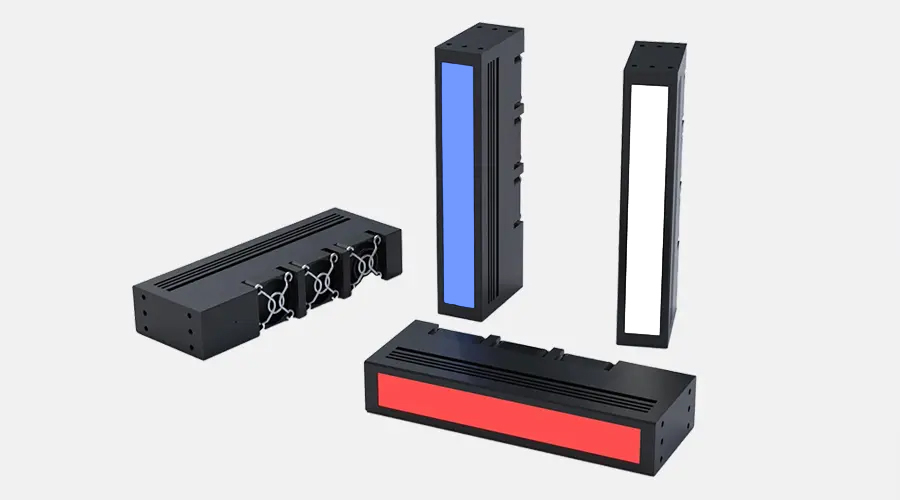 Scan light
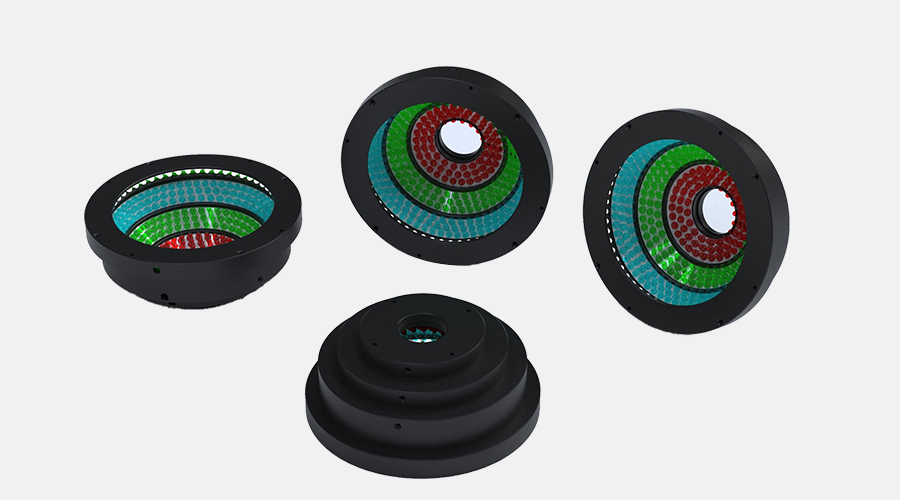 AOI light
 Analog controller
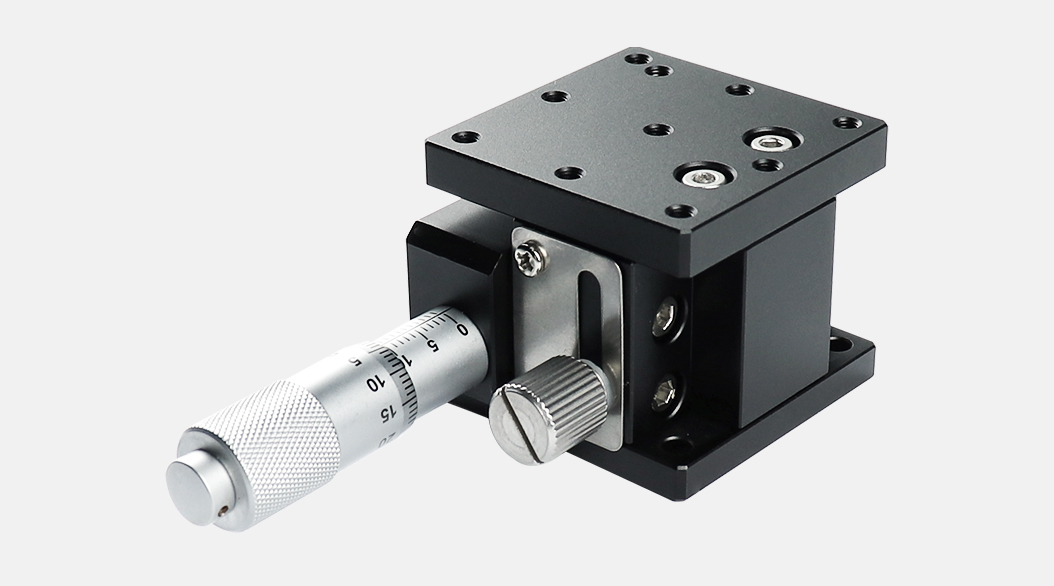 Crossed-Roller Linear guide type
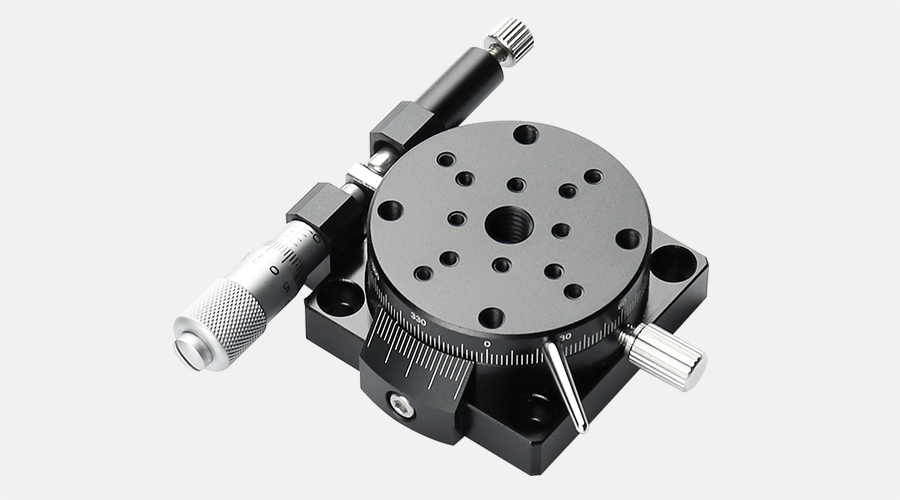 Rotary Stages XRS series
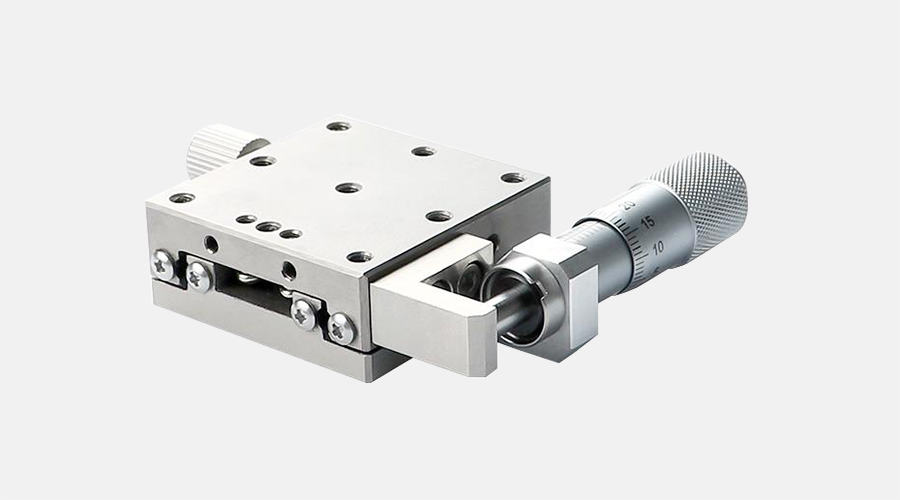 Stainless Steel Ball Bearing Linear Translation Stages
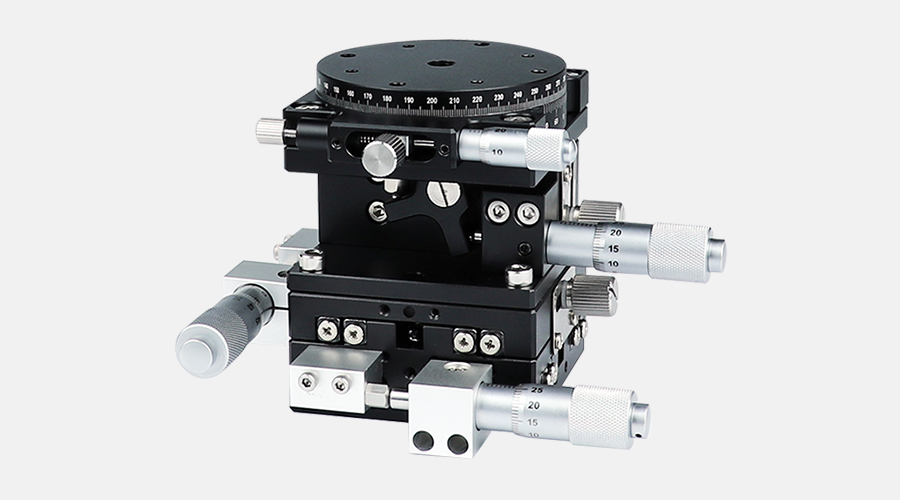 Multi-axis Translation stages
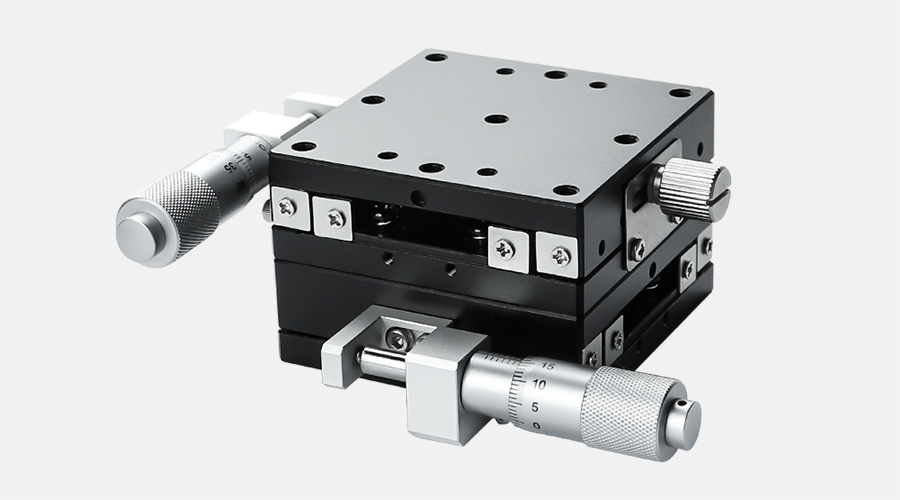 steel bar ball bearing stages
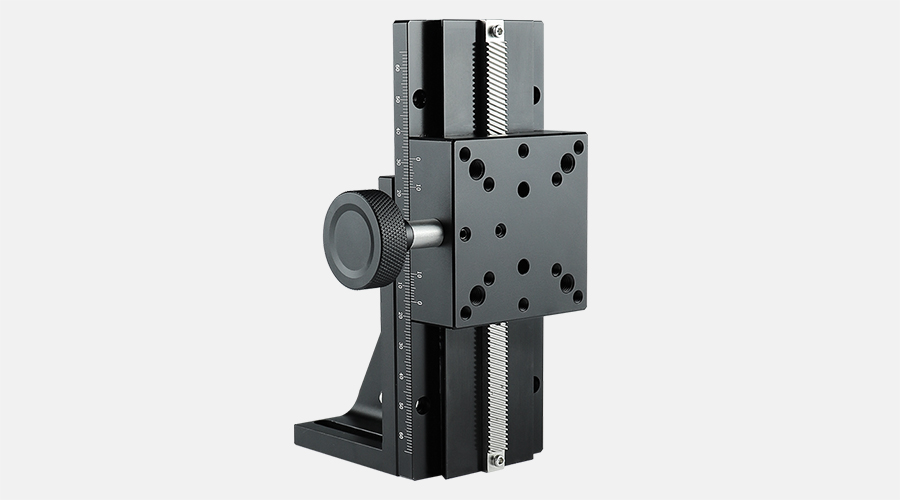 Dovetail Type Rack&Pinion Positioning Stage
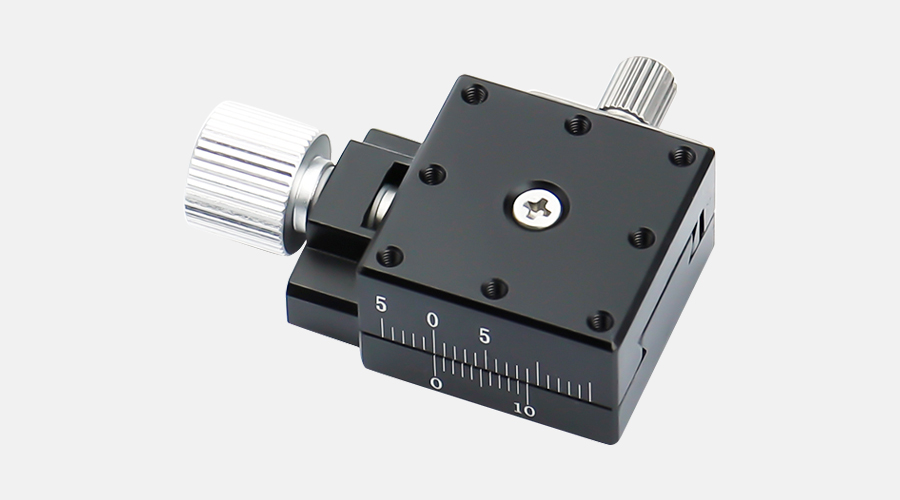 Dovetail groove high-precision screw slide





