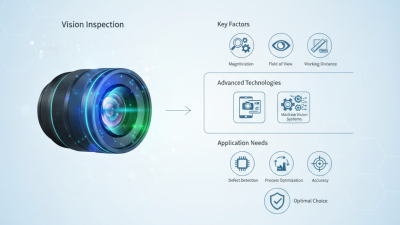
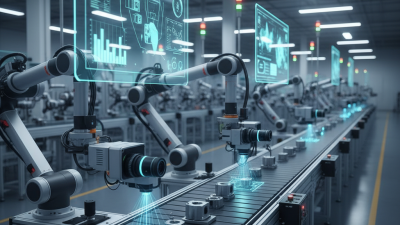
Navigating the world of industrial automation isn't always straightforward, especially when it comes to picking the right Vision Inspection Lens. Honestly, with the industry moving so fast, it’s more important than ever to choose wisely. Did you know that, according to a recent report by Grand View Research, the global machine vision market is expected to hit around $12.11 billion by 2027? That just goes to show how much demand there is for sharp, reliable imaging solutions. It's really about improving quality and streamlining operations, whether you're in manufacturing, packaging, or other sectors.
Figuring out which lens is right for your needs isn’t always obvious. Different applications call for different specs. For example, the lenses used for inspecting semiconductors are totally different from those used in food safety checks. Sometimes, manufacturers make the mistake of thinking one lens fits all, but that often leads to less-than-stellar results. It’s super important to really understand what your operations need — one size definitely doesn’t fit all here.
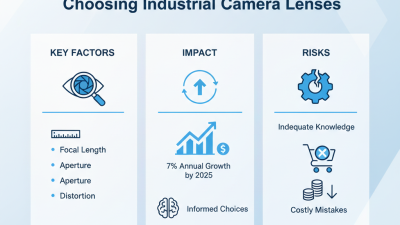
And let’s face it, with so many brands and specs out there, it can be pretty overwhelming. It’s easy to get lost trying to figure out what matters the most. People often overlook key features like focal length, resolution, or sensor compatibility — things that really make a difference. Talking to experts or doing some solid research can go a long way in helping you make a smarter choice. In the end, picking the right Vision Inspection Lens can really boost your productivity and make your processes more accurate — so it’s worth taking the time to get it right.

Understanding Vision Inspection Systems and Their Components
Vision inspection systems are crucial in various industries, ensuring quality and efficiency. These systems often consist of several key components, including cameras, lighting, and lenses. The lens plays a central role in capturing clear images for analysis. According to a report by the Vision Systems Design, up to 80% of the image quality comes from the lens itself. Thus, selecting the appropriate lens is vital for successful inspection.
Understanding the types of lenses available is essential. Fixed focal length lenses provide sharp images, while zoom lenses offer versatility. A survey conducted by the Automated Vision Conference found that 62% of companies prefer fixed lenses for their simplicity and reliability. However, it's important to note that fixed lenses may not be suitable for every inspection task. The decision depends on the specific requirements of the application, such as working distance and field of view.
Lighting is another component that can greatly influence inspection outcomes. Proper illumination helps to eliminate shadows, which can obscure details. Many experts recommend LED lights for their efficiency and longevity. However, balancing light intensity and angle is not easy. Too much light can create glare, while too little can make defects hard to spot. Therefore, experimenting with different setups might be necessary to achieve the optimum conditions for vision inspection.
Types of Lenses Available for Vision Inspection Applications
When selecting a lens for vision inspection, understanding the types available is crucial. Various lenses, including telecentric and wide-angle, serve distinct purposes.
Telecentric lenses, known for their minimal perspective distortion, excel in applications requiring precise measurements. According to recent industry reports, these lenses can enhance accuracy by up to 30% compared to standard lenses. They effectively maintain the object's shape at varying distances, a significant advantage in high-resolution imaging.
Wide-angle lenses cater to scenarios where a broader field of view is essential. Their larger capture area can be beneficial in inspection settings that assess multiple components simultaneously. A study indicated that employing wide-angle lenses can improve operational efficiency by 25%. However, be cautious; these lenses may introduce geometric distortion, making critical evaluations challenging.
3d Vision Inspection lenses, which offer depth perception. These specialized lenses help to assess 3D objects, significantly increasing detection accuracy. They are particularly useful in applications requiring depth analysis, with findings suggesting a 40% increase in defect detection rates using 3D vision systems. While lens selection can seem straightforward, various factors like lighting conditions, object size, and inspection goals require careful consideration to ensure optimal performance.
Key Specifications to Consider When Selecting a Lens
When selecting a vision inspection lens, several key specifications are essential to ensure optimal performance. First, consider the focal length, which directly impacts the lens's working distance and magnification. An inappropriate focal length can lead to subpar image quality. According to a recent industry report, nearly 40% of users found that incorrect focal lengths hindered their
Robotic Vision Inspection tasks, resulting in costly rework.
Another critical aspect is the lens’s resolution and optical quality. Factors like lens distortion and aberration can greatly affect inspection accuracy. High-quality lenses with low distortion have shown to improve defect detection rates by up to 25%. A study published by the International Society for Optical Engineering noted that precision lenses reduced false positive rates significantly, which is crucial in high-stakes manufacturing environments.
Finally, consider the lens's compatibility with your camera sensors. Incompatibility can lead to issues such as vignetting or color fringing. A survey revealed that 35% of users faced challenges due to sensor and lens mismatch, impacting overall system efficiency. As technology evolves, staying informed about advancements in lens optics is vital for effective Robotic Vision Inspection.
Assessing Your Specific Inspection Environment and Requirements
When selecting a vision inspection lens, understanding your specific inspection environment is vital. Consider factors such as
lighting conditions,
object size, and
surface characteristics. For instance, a study by the Automation World noted that
70% of inspection errors are attributed to improper lens selection. This statistic highlights the importance of making informed decisions based on specific requirements.
Temperature variations can also affect lens performance. In environments with extreme temperatures, certain materials may distort image quality. If your inspection involves reflective surfaces, you may require specialized coatings to minimize glare. According to a report by the International Society for Optical Engineering, lenses with anti-reflective coatings can increase detection rates by
up to 30%.
Moreover, the working distance is crucial. An incorrect distance may lead to blurry images, impacting inspection accuracy. Some industries experience more challenges than others. For example, semiconductor manufacturing often requires high magnification. A lens that works well in one context might fail in another. Understanding your specific environment and requirements is essential to avoid
costly errors and ensure inspection effectiveness.
Matching Lens Type to Your Camera and Sensor Characteristics
Choosing the right vision inspection lens involves understanding your camera and sensor specifications. The lens type must align with the sensor's size and resolution for optimal performance. For instance, if you have a high-resolution sensor, a lens with a low distortion rate becomes crucial to maintain clarity in your images. Data from industry reports highlight that around 30% of inspection failures occur due to mismatched lens and sensor combinations.
When integrating a lens, consider the working distance and depth of field. A longer working distance can reduce potential interference during inspections, especially in tight spaces. A depth of field that suits your application can enhance image clarity. Trouble arises when the selected lens doesn’t match these characteristics, potentially leading to blurry images.
**Tips:** Always consult your camera's specifications before finalizing a lens choice. Experiment with different lenses in real scenarios. This practical experience helps identify potential pitfalls and refine your selection process. Ensure that you collect consistent data on lens performance to support adjustments and improve outcomes over time.
How to Choose the Right Vision Inspection Lens for Your Needs?
This chart displays the suitability scores of different types of vision inspection lenses based on common application needs. Scores range from 0 to 100, where a higher score indicates better suitability for various inspection tasks. Select the lens type that best matches your camera and sensor characteristics for optimal results.
Evaluating Cost vs. Performance for Your Vision Inspection Lens
When selecting a vision inspection lens, evaluating cost versus performance is crucial. According to industry reports, over 70% of companies miscalculate their needs. They often choose low-cost options that do not satisfy technical requirements. This can result in higher long-term costs due to inefficiencies and increased errors.
Performance metrics, such as resolution and distortion, must align with specific inspection tasks. A high-performance lens can cost significantly more upfront. However, it may reduce cycle times and enhance accuracy. In a recent survey, 80% of manufacturing companies reported that investing in high-quality lenses improved their Machine Vision Inspection processes. Skimping on quality can lead to defects and costly reworks.
Additionally, factors like environmental conditions should be factored in. Exposure to dust and chemicals can degrade lens performance over time. Many organizations overlook these aspects. A lens that is resilient in harsher conditions might carry a higher price tag. Yet, this investment can prevent frequent replacements, which adds up. Balancing immediate costs with long-term benefits is essential in making an informed choice.
Common Brands and Models of Vision Inspection Lenses to Explore
When selecting a vision inspection lens, it’s important to explore various options available in the market. Numerous brands offer high-quality lenses designed for Automated Vision Inspection systems. For instance, many models ensure precise imaging and adaptability to different tasks. The right lens can significantly improve inspection speed and accuracy.
Professional reports indicate that the use of specialized lenses can enhance defect detection rates by up to 30%. Many manufacturers provide lenses tailored for specific applications, such as those that operate in harsh environments. These models can withstand temperature fluctuations and mechanical vibrations. However, users often overlook the importance of compatibility with existing systems.
Another critical aspect is the focal length of the lens. Inadequate focal adjustments may lead to blurry images. This can result in missed defects, ultimately affecting product quality. It’s essential to review the specifications and characteristics of each lens system carefully. Detailed analysis often reveals that a more expensive lens does not always guarantee better performance. Investing time in thorough research can save costs and improve efficiency in the long term.
How to Choose the Right Vision Inspection Lens for Your Needs?
| Lens Type |
Focal Length (mm) |
Field of View (degrees) |
Resolution (µm) |
Price Range (USD) |
| Standard Lens |
25 |
45 |
5 |
200-400 |
| Telephoto Lens |
50 |
30 |
3 |
300-600 |
| Wide Angle Lens |
18 |
90 |
7 |
150-350 |
| Macro Lens |
100 |
15 |
2 |
400-800 |
| Infrared Lens |
35 |
60 |
4 |
500-900 |
Innovative Lighting Solutions: Enhancing Machine Vision for Accurate Surface Defect Inspection
Innovative lighting solutions play a critical role in enhancing machine vision systems, particularly for accurate surface defect inspection. One of the most effective lighting technologies for this purpose is the shadowless square light, which utilizes evenly distributed LED particles. These LEDs pass through a specially designed light guide plate, creating a uniform diffused light that minimizes shadows and highlights surface defects more clearly.
The unique design of the shadowless square light includes a reflector positioned on top, strategically aimed at preventing reflections from LED components on shiny or reflective surfaces. This feature is particularly important in industries where precision and detail are paramount, as it allows for low-angle and multi-directional illumination. By providing consistent light distribution from all angles, the shadowless square light enhances the machine vision system’s ability to detect even the most subtle defects, leading to improved quality control and reduced error rates in production processes.
Moreover, the integration of such innovative lighting solutions not only boosts inspection accuracy but also streamlines operational workflows. By facilitating clearer imaging and reducing the need for multiple lighting setups, the shadowless square light optimizes both the efficiency and effectiveness of surface defect inspections in various manufacturing environments. As industries continue to adopt advanced technology for quality assurance, embracing such innovative lighting options becomes essential for achieving superior standards of inspection.
FAQS
: The lens must align with the sensor for optimal performance. Mismatches can lead to blurry images or inspection failures.
A longer working distance reduces interference during inspections, particularly in tight spaces. This helps maintain image clarity.
Opting for cheaper lenses can lead to inefficiencies. These may cause higher long-term costs and increased errors in inspection.
Performance metrics like resolution and distortion must match inspection tasks. High-quality lenses can improve overall accuracy.
Dust and chemicals can degrade lenses over time. Choosing a resilient lens may be costlier but prevents replacements.
Many companies miscalculate their needs and choose low-cost options. This often results in inadequate performance and more defects.
Experimenting with different lenses helps identify pitfalls. Real scenarios provide insight for refining the selection process.
Specifications guide appropriate lens selection. Ignoring them can lead to poor performance and undesirable outcomes in inspections.
Collect consistent data on lens performance. This supports necessary adjustments and enhances inspection processes.
Balance immediate costs with long-term benefits. Skimping on quality can lead to defects and ongoing costs, warranting reflection on choices.
Conclusion
In selecting the right Vision Inspection Lens, it’s essential to understand the various components that comprise vision inspection systems. Different types of lenses are designed to cater to specific inspection applications, and it’s important to consider key specifications such as focal length, field of view, and depth of field. Additionally, assessing your unique inspection environment and requirements will help determine the most suitable lens type that matches your camera and sensor characteristics.
Cost versus performance is a critical aspect to evaluate, ensuring that you achieve the necessary quality without overshooting your budget. By exploring various options available in the market, you can find a Vision Inspection Lens that meets your operational needs while maximizing efficiency and accuracy in your inspection processes.
 Compatible with 7.2mm-82mm chips
 High/Low Working Distance
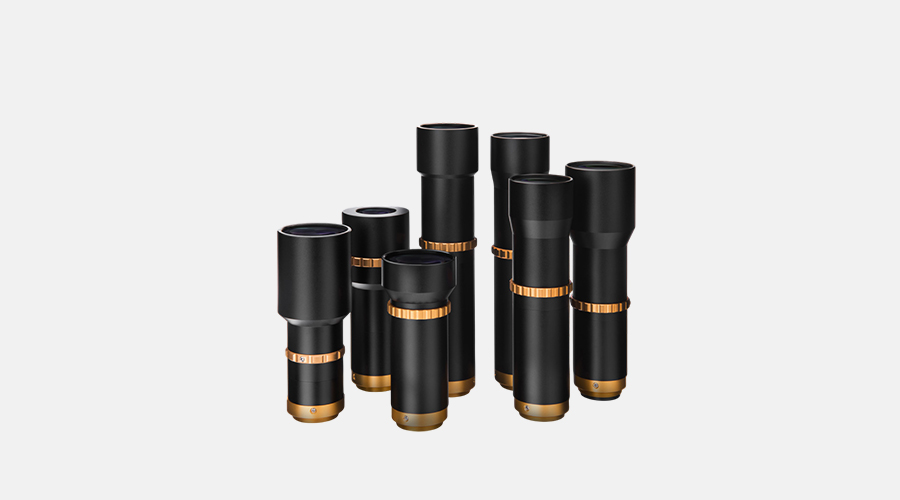 Aperture telecentric lens
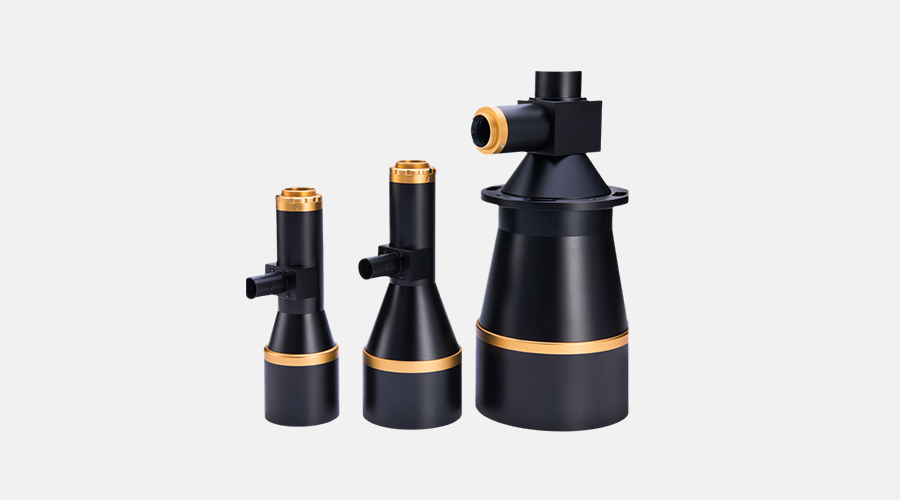 Measuring lens
 Maximum support 1.1" chips
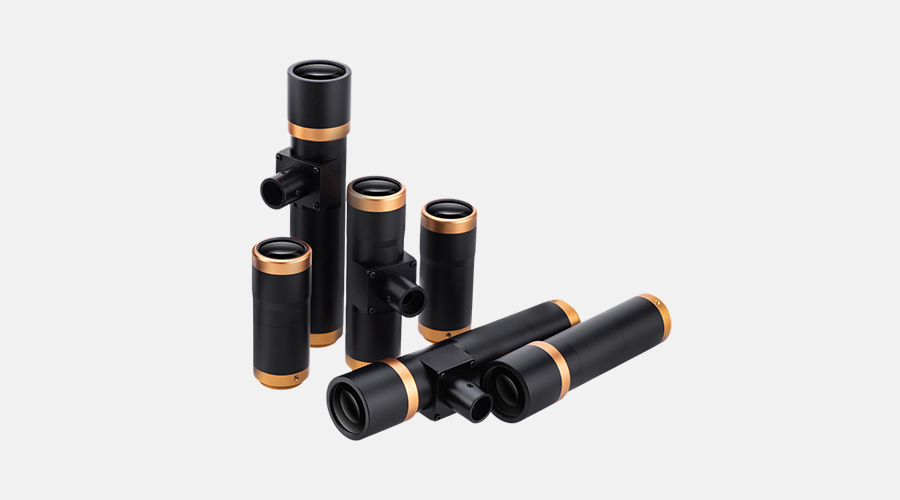 Maximum support 1.2" chips
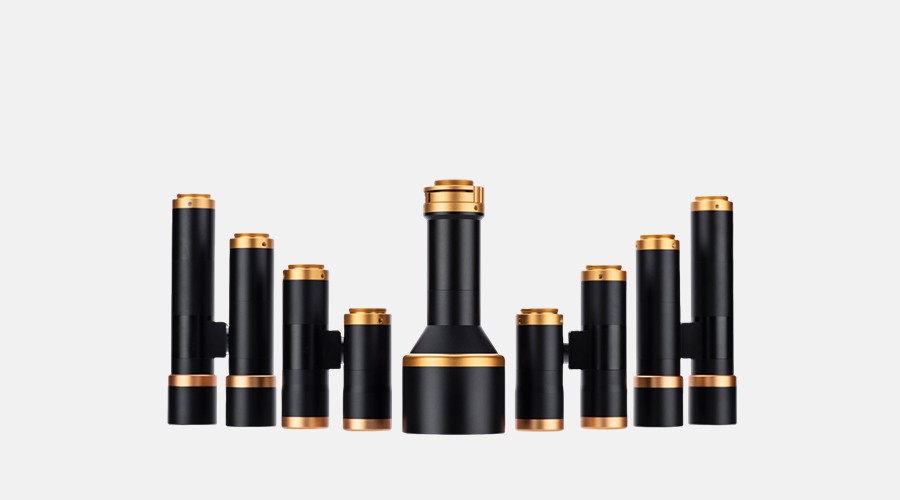 Maximum support 2/3" chips
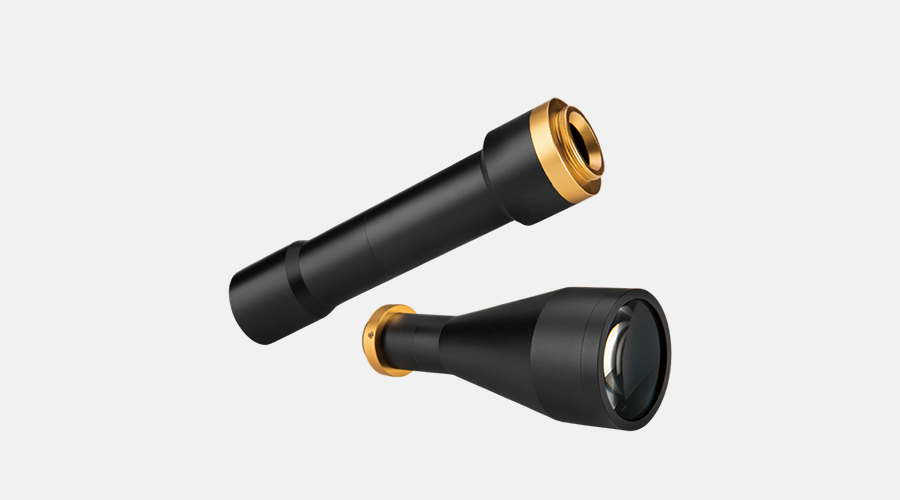 Long Working Distance
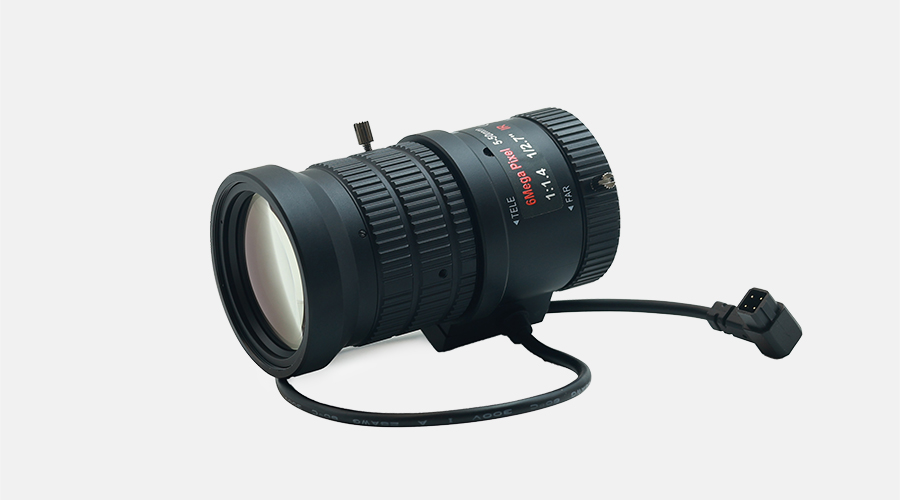 CS mount Varifocal lens
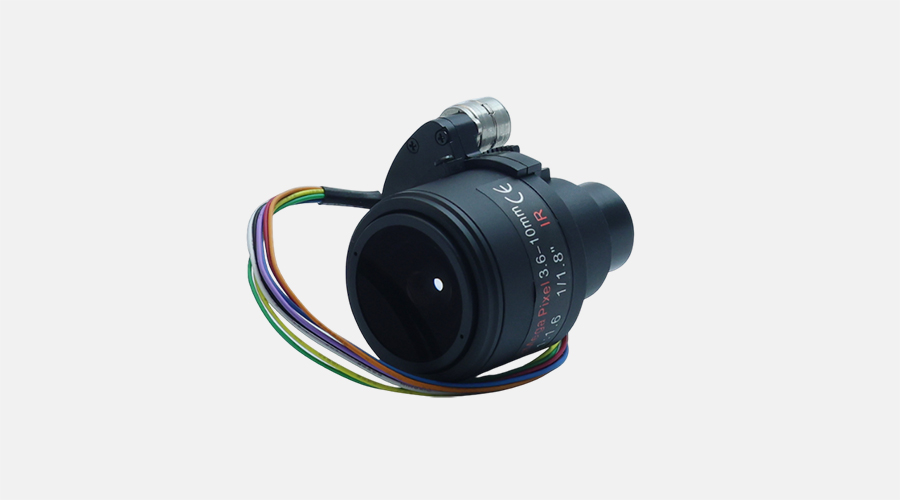 Varifocal board lens
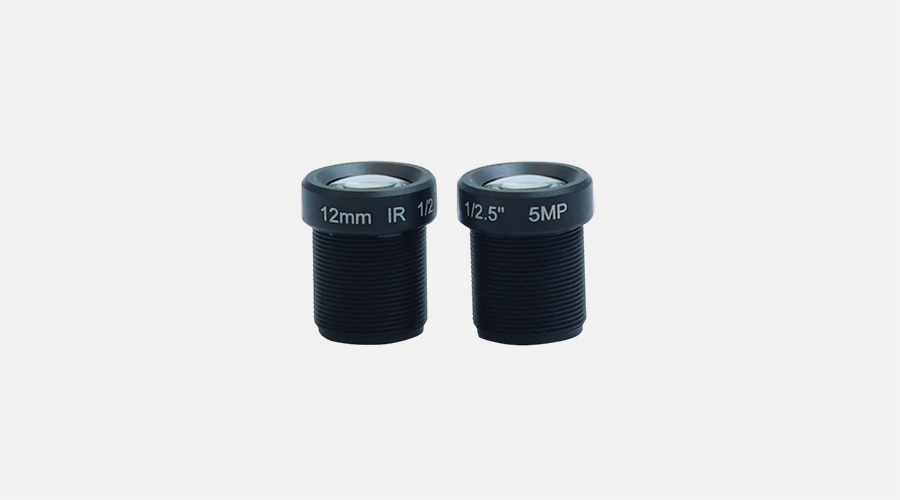 S mount lens
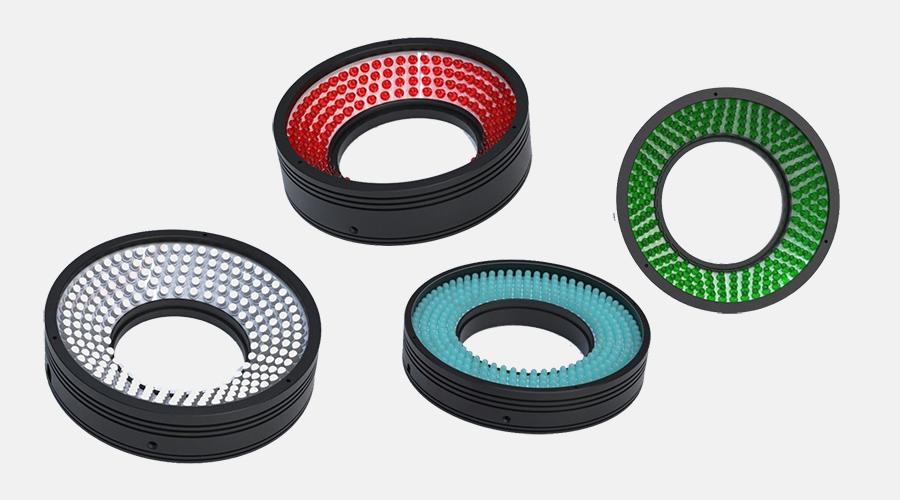 Ring light
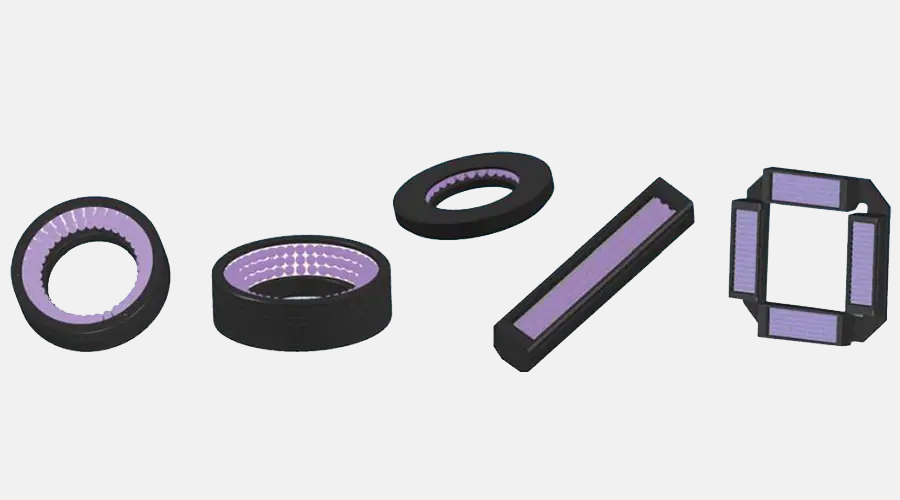 UV/IR Light
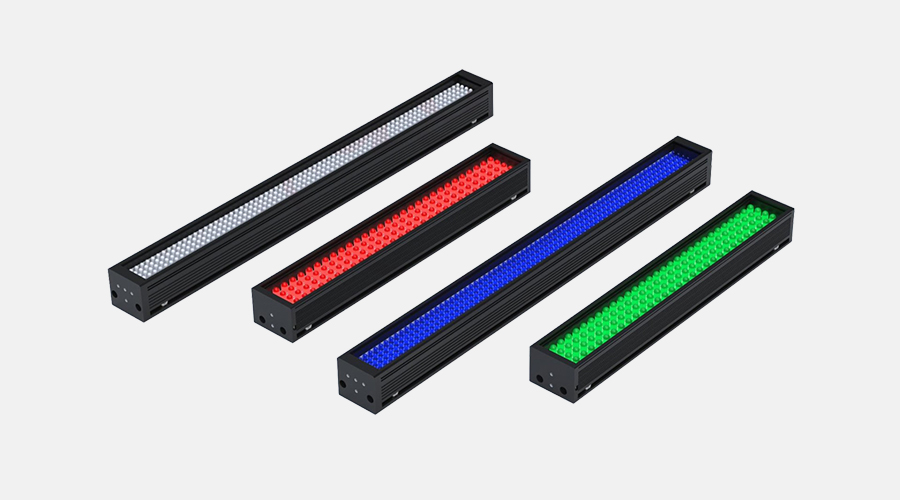 Bar light
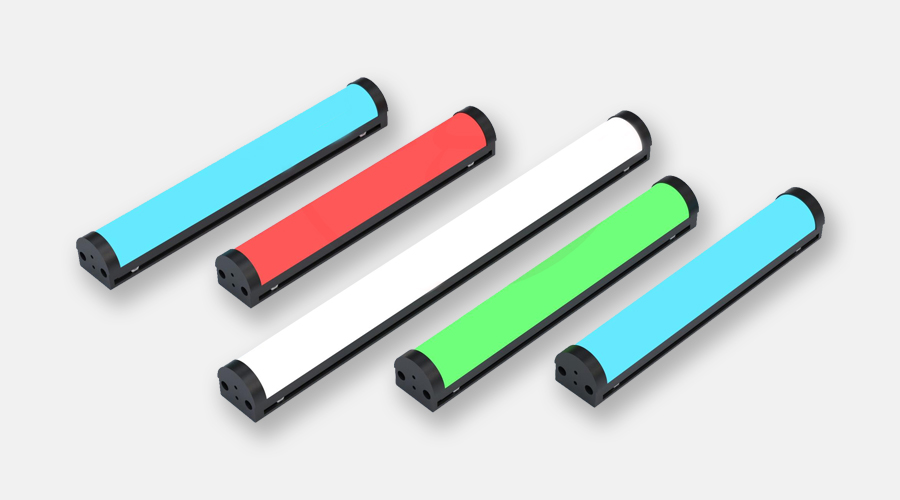 Arcuate high uniformity light
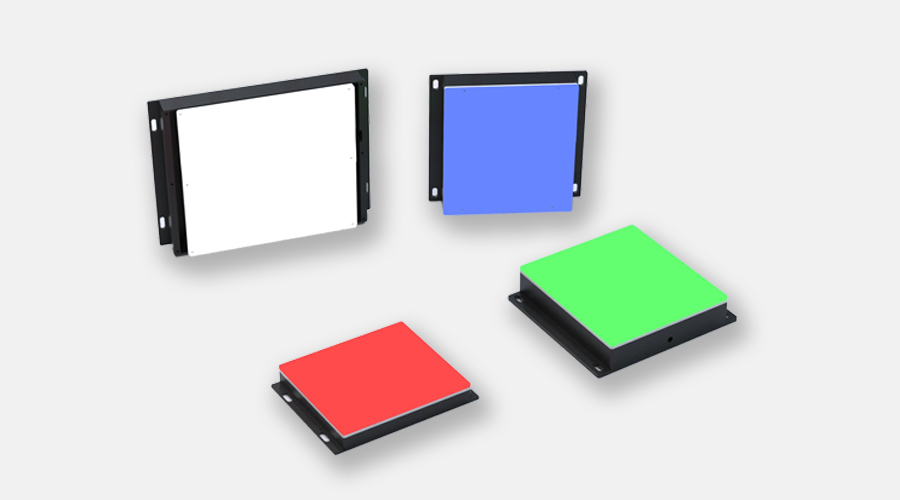 Back light
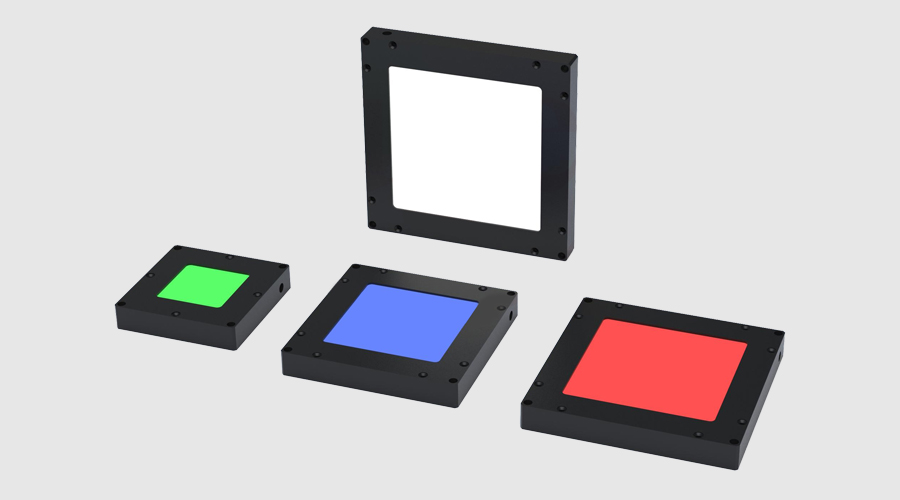 Flat light
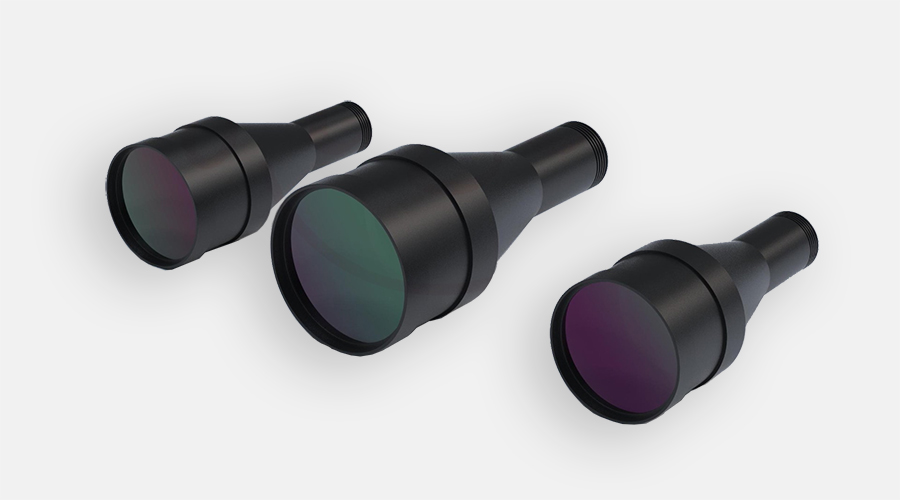 Collimated light
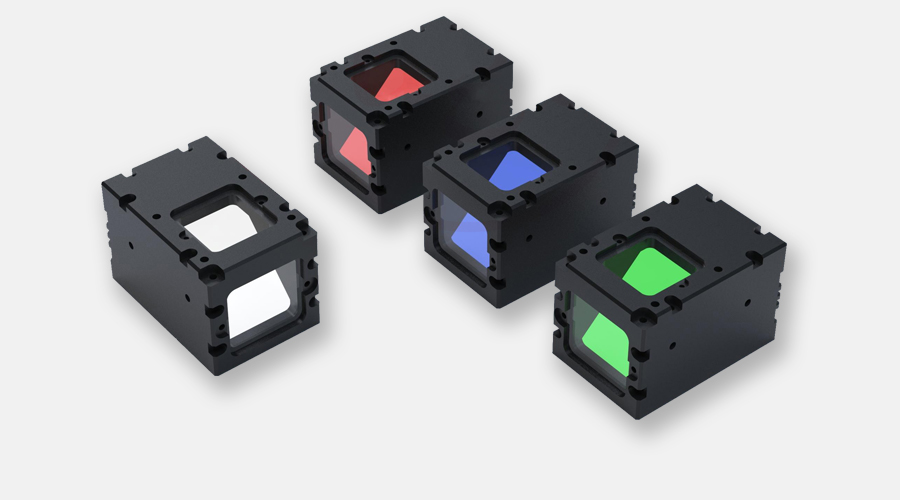 Coaxial light
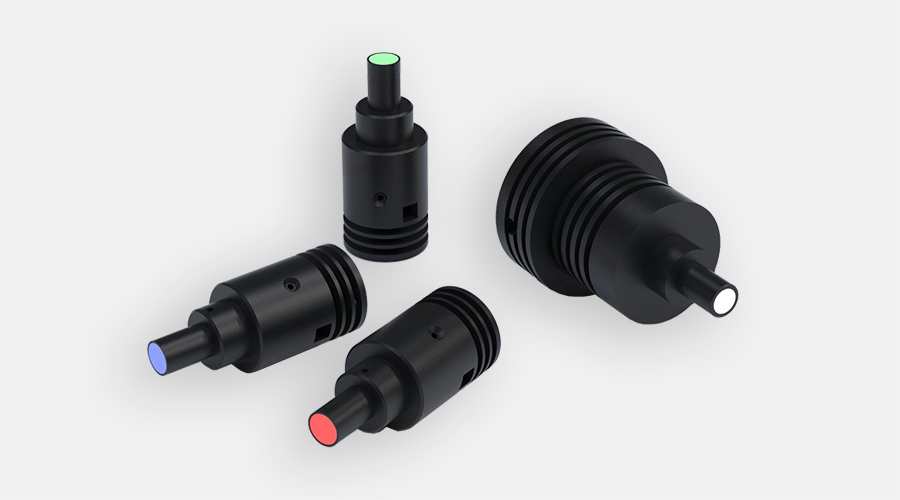 Spot light
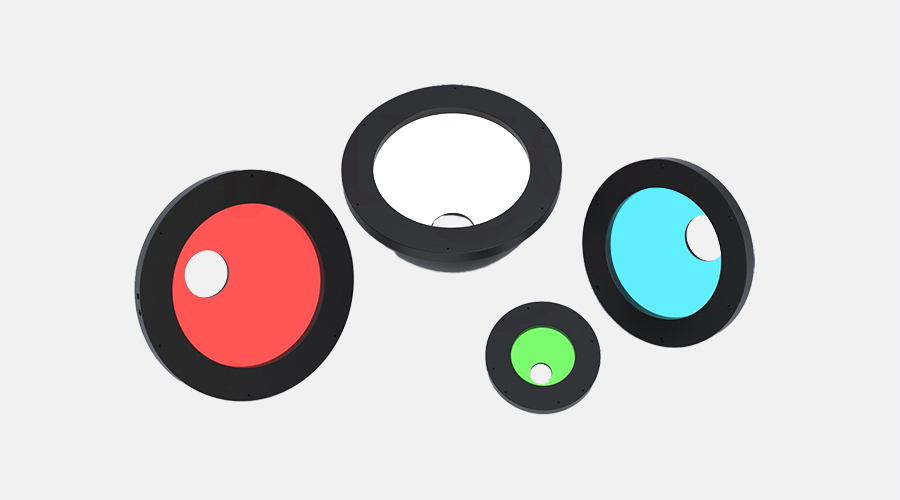 Dome light
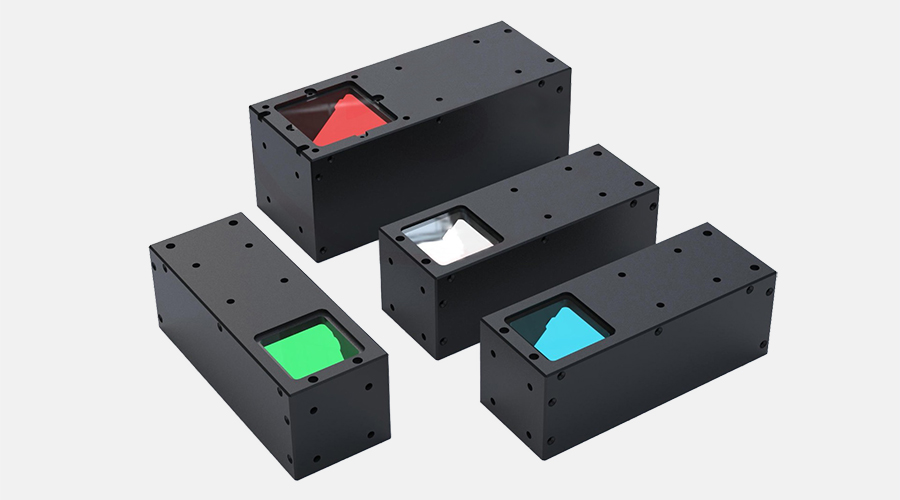 Collimated Coaxial light
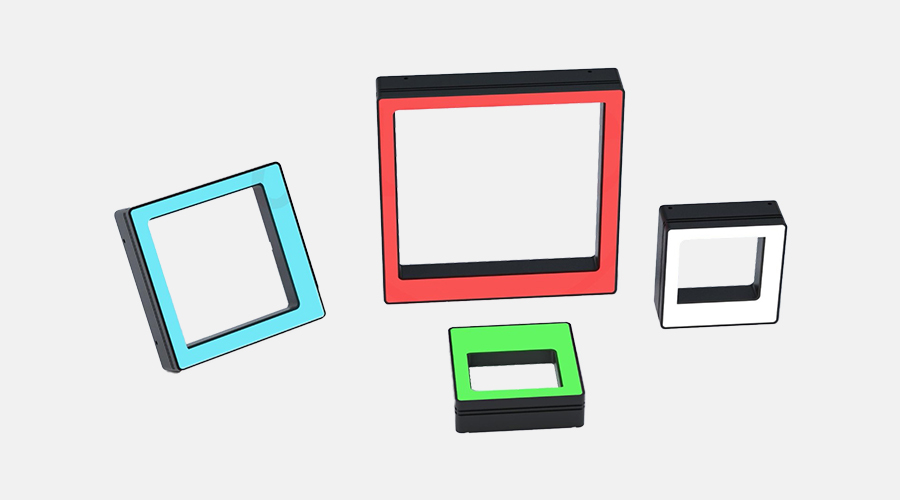 Shadowless square light
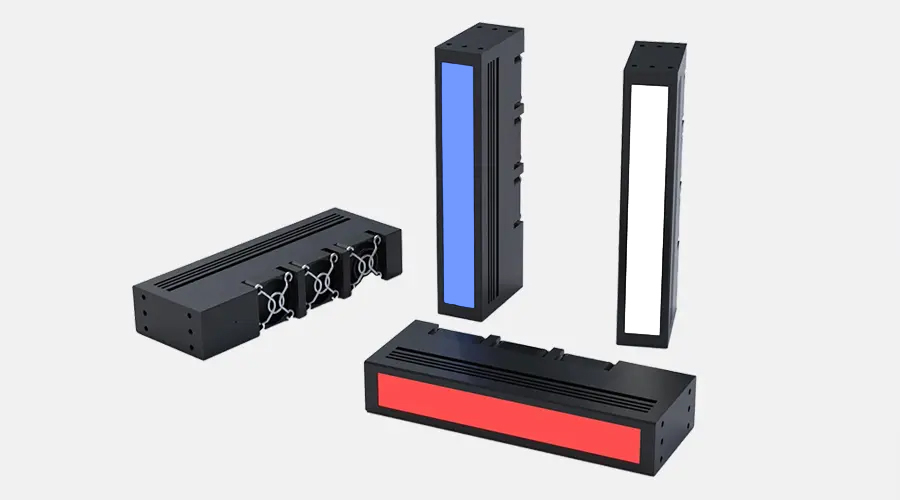 Scan light
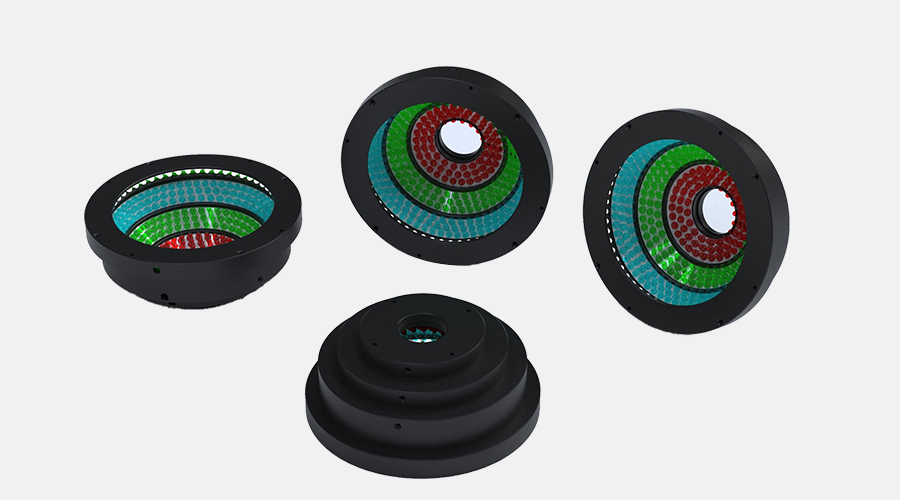 AOI light
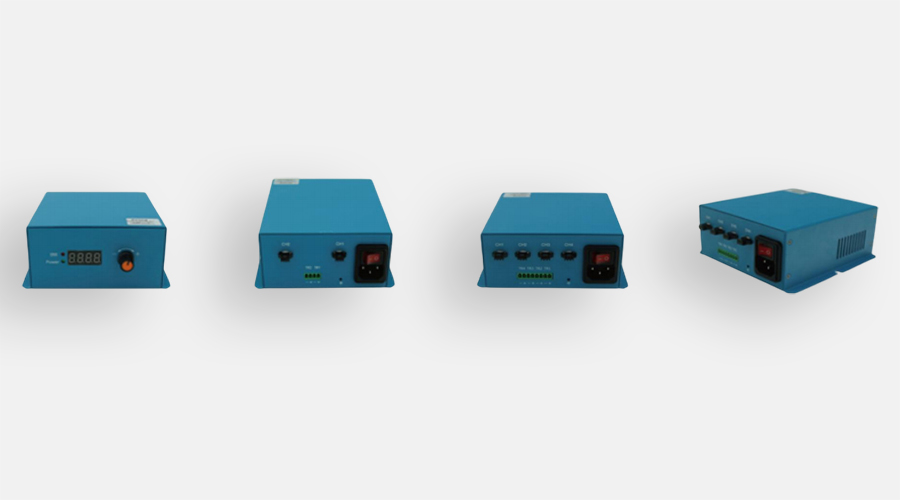 Analog controller
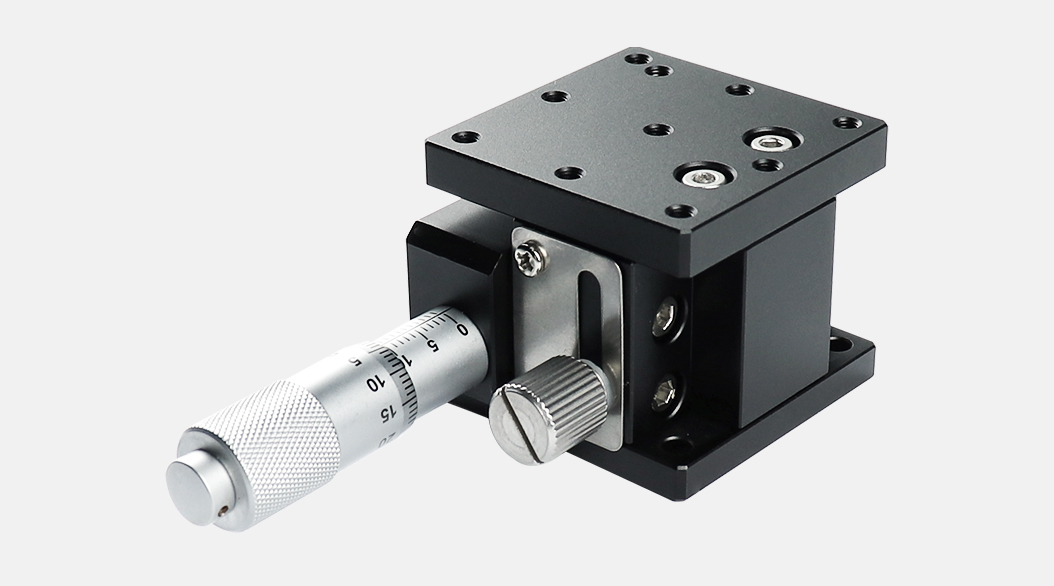 Crossed-Roller Linear guide type
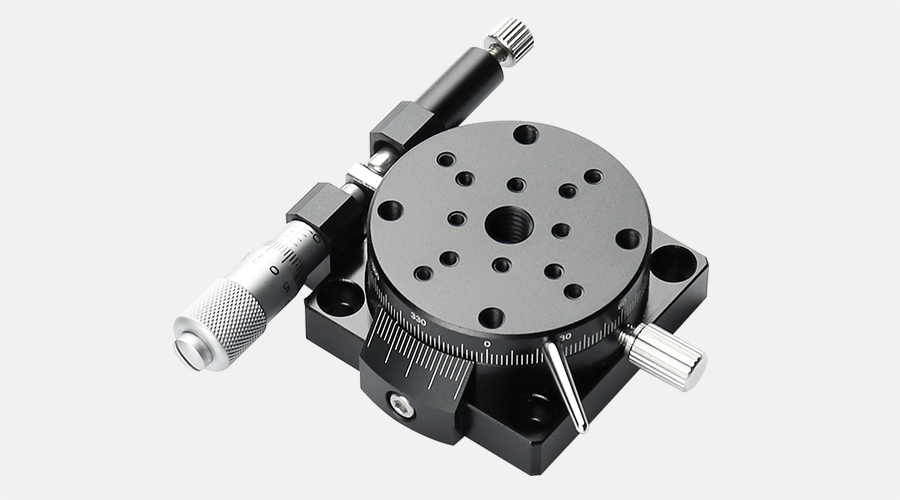 Rotary Stages XRS series
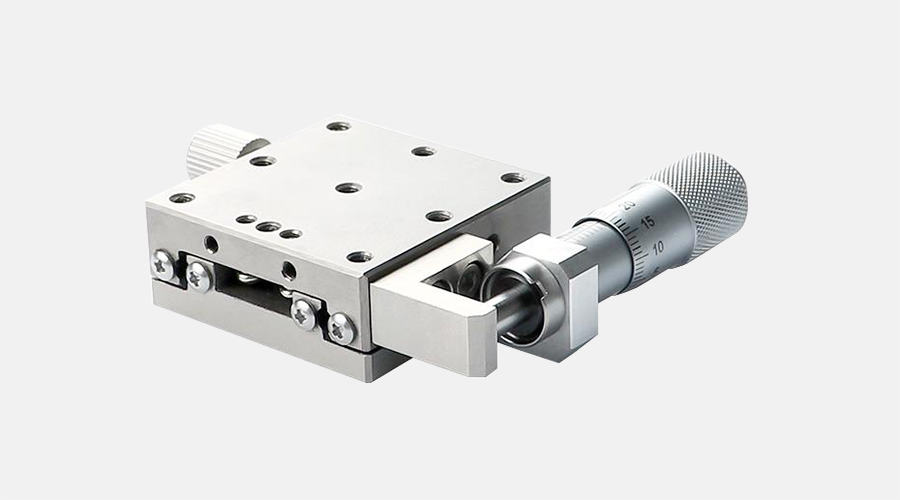 Stainless Steel Ball Bearing Linear Translation Stages
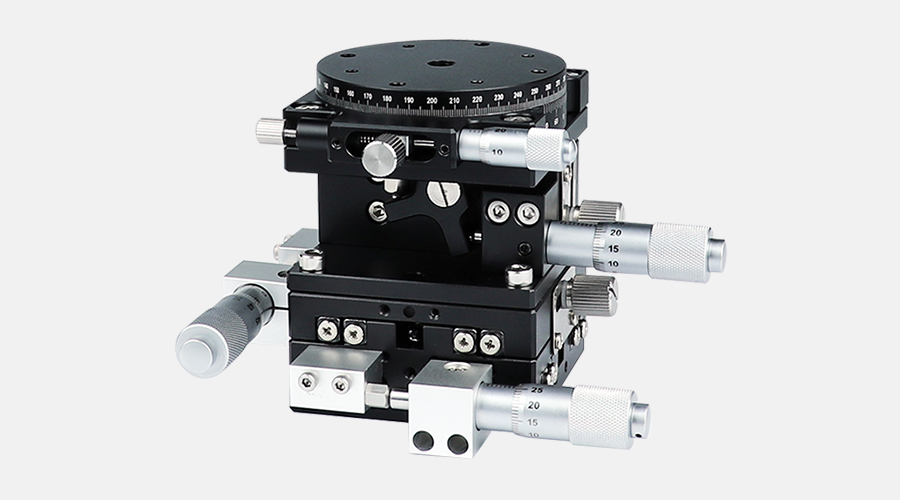 Multi-axis Translation stages
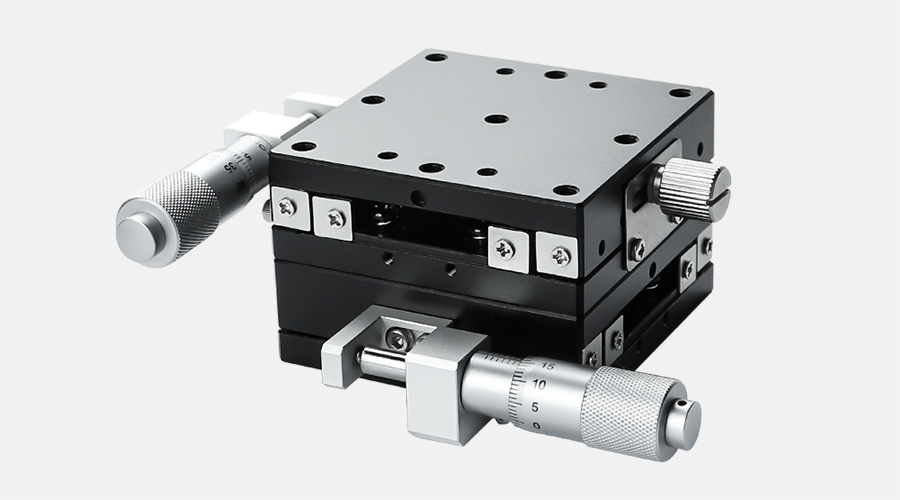 steel bar ball bearing stages
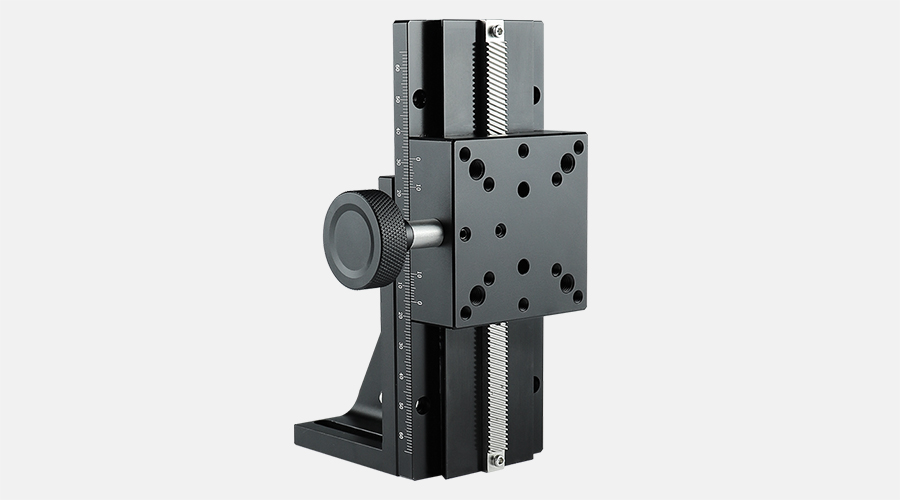 Dovetail Type Rack&Pinion Positioning Stage
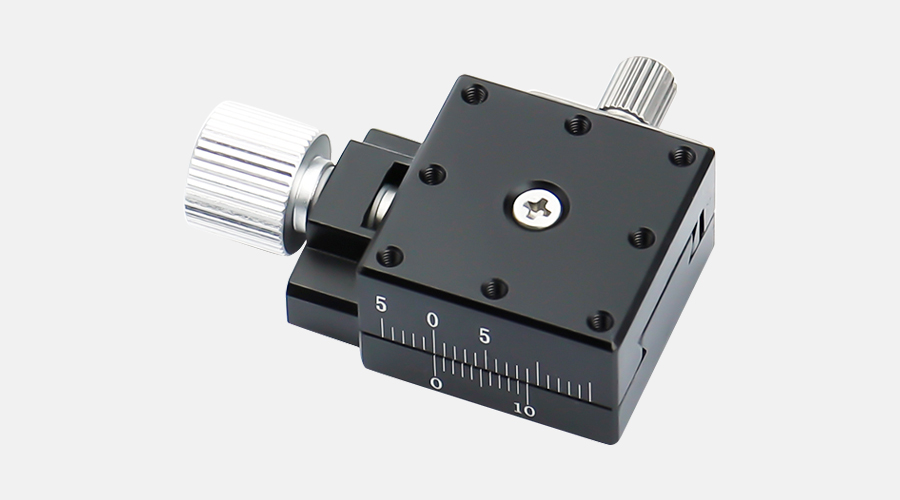 Dovetail groove high-precision screw slide