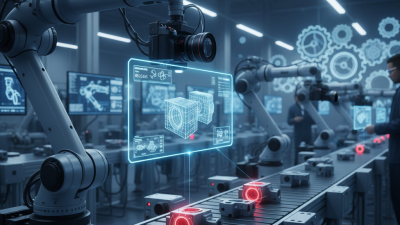
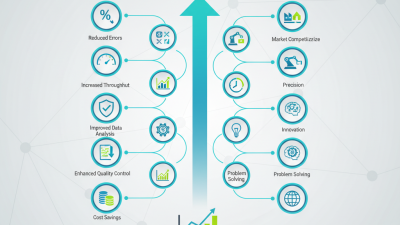
In today’s super competitive market, businesses are all about aiming for excellence. One pretty effective move? Adopting Machine Vision Quality Control. It really helps streamline inspections, making everything more accurate and faster. Companies like TechSolutions? They've seen a big drop in defects and a boost in their production rates—that’s a win-win, right?
Now, I won’t pretend it’s all smooth sailing, though. Getting these systems right isn't always straightforward. If they’re not calibrated properly, you might get false alarms or miss something important. Plus, your staff needs proper training—skip that part, and mistakes can happen more often than you'd like. So, it’s really about addressing those little hiccups to truly reap the benefits.
And let’s not forget—automation tech keeps changing and improving all the time. It’s a good idea for organizations to keep up with the latest trends. But here’s the thing—relying on machines alone isn’t enough. Human oversight is still key to catching the stuff tech might miss. Finding that sweet spot between tech and human touch is crucial for making everything work smoothly.

Understanding Machine Vision: Definition and Applications in Quality Control
Machine vision plays a crucial role in quality control. It refers to the use of digital cameras and image processing software to inspect products. The technology can detect flaws invisible to the human eye. According to a report from MarketsandMarkets, the machine vision market is expected to grow from $16.2 billion in 2020 to $26.0 billion by 2025. This growth highlights its importance in various industries.
Applications of machine vision include automated inspection, measurement, and identification. In automotive manufacturing, for instance, machine vision systems can identify paint defects or misalignments. A study showed that implementing vision systems in production lines improved defect detection rates by up to 90%. However, challenges remain. Lighting conditions, for example, can affect image quality, leading to false positives or missed defects. Continuous adjustments and training are necessary to address these shortcomings.
Quality control should not rely solely on automated systems. Human oversight is essential for critical decisions. Combining technology with human judgment can enhance accuracy. The integration can also present hurdles. Ensuring that both machines and workers communicate effectively requires constant monitoring and system updates. Balancing automation with human intervention is key to achieving optimal quality control.
Key Technologies in Machine Vision: Cameras, Sensors, and Software
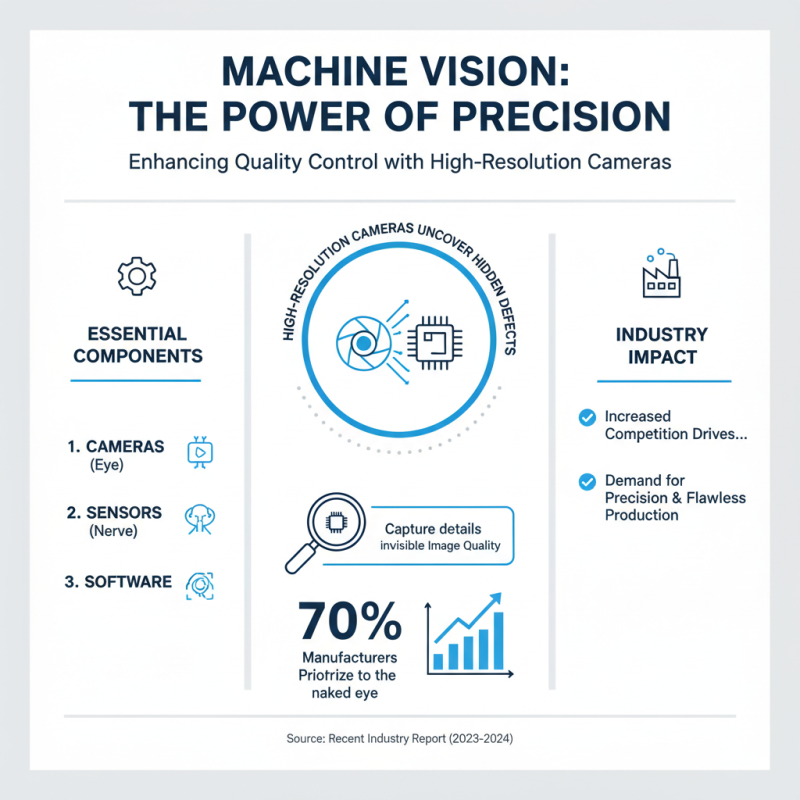
In the realm of machine vision, cameras, sensors, and software are essential for effective quality control. High-resolution cameras can capture details invisible to the naked eye. According to a recent industry report, 70% of manufacturers now prioritize image quality in their inspection systems. This shift reflects growing competition and the demand for precision in production lines.
Sensors play a crucial role in detecting anomalies. They can assess dimensions, colors, and surface conditions. In many cases, they outperform human inspectors, but challenges remain. False positives can disrupt workflows and lead to wasted resources. Companies must regularly calibrate sensors to maintain accuracy, ensuring reliable Machine Vision Quality Inspection.
Software integration is equally vital. Advanced algorithms can analyze data and identify defects efficiently. Yet, improper implementation can lead to errors. Not all systems provide the same level of analysis. Some may overlook critical defects, while others might flag acceptable products as faulty. It raises the question of balance—between automation and human oversight. Continuous updates to software are necessary to adapt to evolving standards and improve inspection outcomes.
Current Industry Trends: Adoption Rates of Machine Vision Systems
The adoption rates of machine vision systems are increasing rapidly across industries. More companies recognize the efficiency of these systems in quality control processes. They offer precise inspection, reducing human error and waste. However, not all implementations are seamless. Some businesses struggle with integration into existing workflows. Technical challenges can disrupt the setup, affecting performance.
Recent studies highlight that sectors like manufacturing and pharmaceuticals are leading the way. They utilize Machine Vision Lens technology to enhance precision in product inspections. Yet, there are notable gaps in expertise. Training staff to effectively use these systems remains a hurdle. Without proper understanding, the technology’s potential goes untapped. Companies must invest in employee education.
Furthermore, as the technology evolves, so do the challenges. Organizations may face compatibility issues with older equipment. Transitioning to a machine vision system requires careful planning. Skipping steps often leads to disappointment. The focus should be on gradual adoption, ensuring every aspect aligns with production goals. A thoughtful approach can foster better outcomes in the long run.
Machine Vision System Adoption Rates in Various Industries
Quality Metrics in Machine Vision: Accuracy, Speed, and Cost Efficiency
In the realm of machine vision quality control, three key metrics define effectiveness: accuracy, speed, and cost efficiency. Recent studies indicate that businesses adopting machine vision systems see an average accuracy improvement of over 30%. However, achieving high accuracy can be challenging. Subpar lighting conditions can hinder the performance of machine vision systems. The integration of Machine Vision Lights can significantly enhance image clarity, yet not every setup optimally utilizes this technology.
Speed is another critical factor. Reports show that companies experience a 25% reduction in inspection time when employing advanced machine vision solutions. But it is essential to evaluate if the sped-up processes compromise accuracy. Fast systems may overlook defects due to rushed inspections. Balancing speed with quality inspection processes is vital for sustainable practices.
Cost efficiency is crucial for overall viability. Implementing machine vision can lower production costs by up to 15%, but initial investments can be daunting. Not all firms effectively assess the ROI of their machine vision initiatives. Issues with maintaining and calibrating equipment can lead to unexpected expenses. Companies must reflect on these aspects to fully harness the potential of machine vision and its associated technologies.
Implementation Steps: Planning, Integration, and Staff Training Strategies
Implementing a Machine Vision System requires careful planning. Start by assessing current quality control processes. Identify areas needing improvement. According to a recent report by the Automation Industry Association, 80% of companies find that machine vision increases product quality. However, this improvement doesn't happen overnight.
Integration is often a challenge. Different equipment may not communicate seamlessly. Investing in compatible systems is crucial. It ensures smooth data flow. Companies that fail to integrate correctly report up to 30% decreased efficiency. Training is another key factor. Staff often resist new technologies. A training program must be hands-on and relevant. Short sessions focusing on practical applications can increase user comfort.
In real-world scenarios, 25% of machines sit idle due to inefficient training. Reflections on the implementation process reveal gaps. Regular feedback from operators helps. Adjustments based on this input can improve overall system performance. Implementing a Machine Vision System is not just about technology; it’s about people, processes, and continuous improvement.
Case Studies: Successful Machine Vision Applications in Various Industries
Machine vision has transformed quality control across various industries. In automotive manufacturing, for example, machine vision systems can detect defects in parts at impressive speeds. A reported 50% reduction in inspection time has been achieved, leading to significant cost savings. However, the technology is not without challenges. Many companies struggle with integrating machine vision into existing processes, often due to outdated machinery.
In food production, machine vision systems enhance safety by identifying contaminants. One study found that such systems can increase detection rates by up to 95%. Yet, there are cases where algorithms misidentify safe products as defective, creating unnecessary waste. This highlights the need for continuous algorithm improvement and staff training.
Pharmaceutical companies also employ machine vision for packaging verification. While some have reported an 80% improvement in accuracy, issues remain with lighting conditions affecting image quality. Regular recalibrations are necessary to maintain performance. Balancing technological capability with real-world variables is crucial for successful application.
Challenges and Solutions: Common Issues in Machine Vision Quality Control
Implementing machine vision quality control presents numerous challenges. One common issue is variable lighting conditions. Changes can affect image quality and analysis results. Different times of day or machine operation may cause shadows or glare. This variability can lead to inconsistent defect detection.
Tip: Use uniform lighting sources, like LED lights, to reduce these fluctuations. Consistency is key for accurate inspections.
Another challenge is the complexity of object shapes and sizes. A single camera may struggle to capture all angles of a product. Overlapping items or cluttered environments further complicate matters. It may lead to missed defects or false positives during analysis.
Tip: Consider using multiple cameras. This setup provides diverse viewpoints and enhances detection accuracy.
Machine vision systems can also suffer from software issues. Algorithm limitations may lead to misinterpretations. Training systems with insufficient data can result in gaps in detection. Regular updates and evaluations are essential to keep the system effective.
Tip: Continually gather feedback from operators. They can highlight the nuances that algorithms might miss.
Enhancing Machine Vision: The Role of High Uniformity Mid Hole Backlight in Large Area Inspection Solutions
The advancement of machine vision technologies is pivotal in various industries, particularly in large area inspection solutions. One significant innovation in this realm is the high uniformity mid-hole backlight, which has been designed to enhance the quality of illumination during inspection processes. Unlike traditional front-lit systems, the mid-hole backlight employs a specialized drawing die and circuit that allows for high-density placement of imported small LED chips. This unique configuration not only facilitates ease of installation but also ensures efficient heat dissipation from the bottom and sides, crucial for maintaining operational stability.
Studies indicate that variations in light uniformity can considerably affect inspection accuracy, with reports suggesting that uneven lighting can lead to decreased detection rates by up to 20%. The uniformity achieved by mid-hole backlighting significantly mitigates this issue, enabling reliable inspections over large areas without the shadows typically cast by conventional lights. Its design flexibility allows it to be tailored to various dimensions and requirements, further expanding its applicability across sectors, including electronics, pharmaceuticals, and automotive manufacturing.
Furthermore, adopting this advanced backlighting technology contributes to improved operational efficiency in production lines, where reliable inspection is essential. As industries increasingly integrate automation and machine vision systems, the shift towards using high uniformity mid-hole backlight illuminations positions organizations to enhance quality control processes, reduce waste, and optimize overall productivity. The transition to such innovative lighting solutions is clearly a step forward in the quest for precision and reliability in large area inspections.
FAQS
: You can create articles, blogs, and social media posts. Focus on engaging topics.
Consider your audience. Adjust tone and formality based on their preferences.
Brainstorm with friends or use online tools. Sometimes, a fresh perspective helps.
Use anecdotes and vivid descriptions. People connect with stories.
Editing is crucial. Review for clarity and conciseness. Don't hesitate to revise multiple times.
Take constructive feedback positively. Reflect on it and improve your skills. It's part of growth.
Yes, but approach them carefully. Research thoroughly and present a balanced view.
Consistency matters. Choose a realistic schedule, but prioritize quality over quantity.
Start by promoting your work on social media. Engage with others and network.
Set personal goals. Celebrate small achievements. Writing can be challenging; persistence helps.
Conclusion
Machine Vision Quality Control plays a crucial role in modern manufacturing, enhancing the accuracy and efficiency of quality assurance processes. This approach leverages advanced technologies such as high-resolution cameras, precise sensors, and sophisticated software to automate inspections and ensure product quality. As industries increasingly adopt machine vision systems, understanding the latest trends and integration strategies has become essential for successful implementation.
To establish effective Machine Vision Quality Control, companies should focus on key steps: strategic planning, seamless integration into existing workflows, and comprehensive staff training. It’s important to define quality metrics such as accuracy, speed, and cost efficiency to monitor performance effectively. Despite challenges in implementation, such as technical obstacles and system calibration, leveraging case studies from various industries can provide insights into overcoming these issues and optimizing machine vision solutions for enhanced quality control.

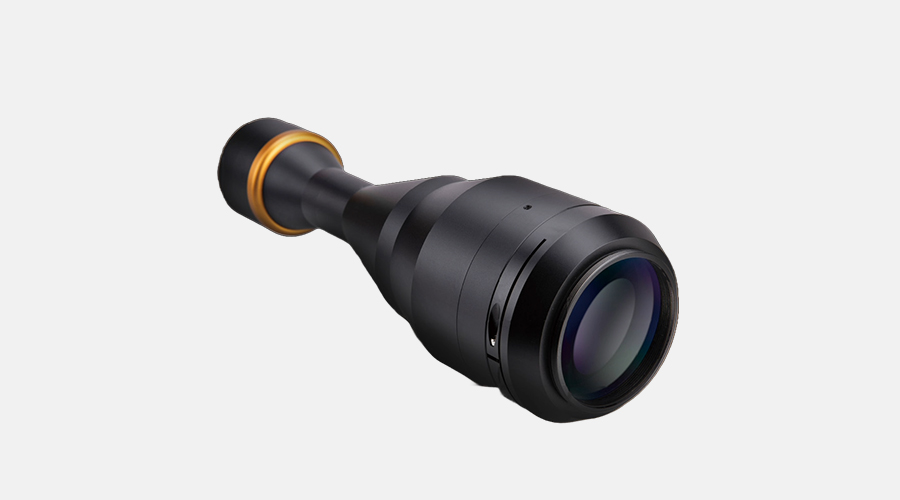 Compatible with 7.2mm-82mm chips
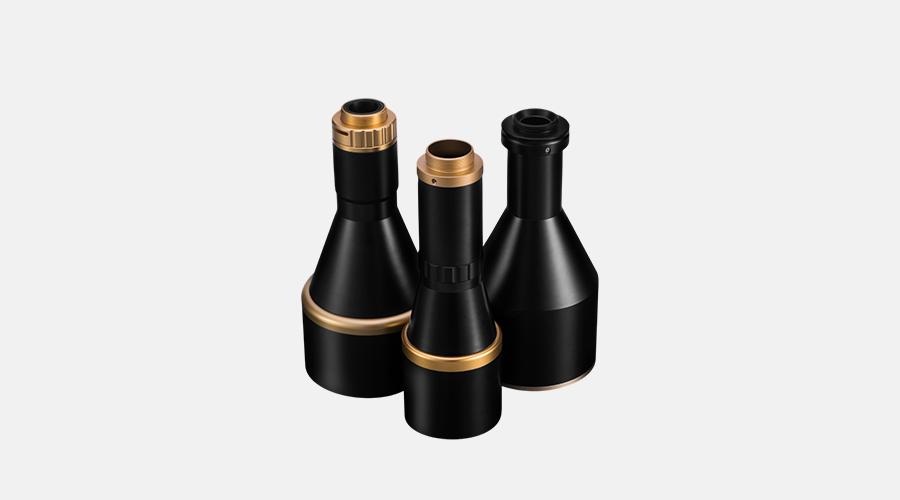 High/Low Working Distance
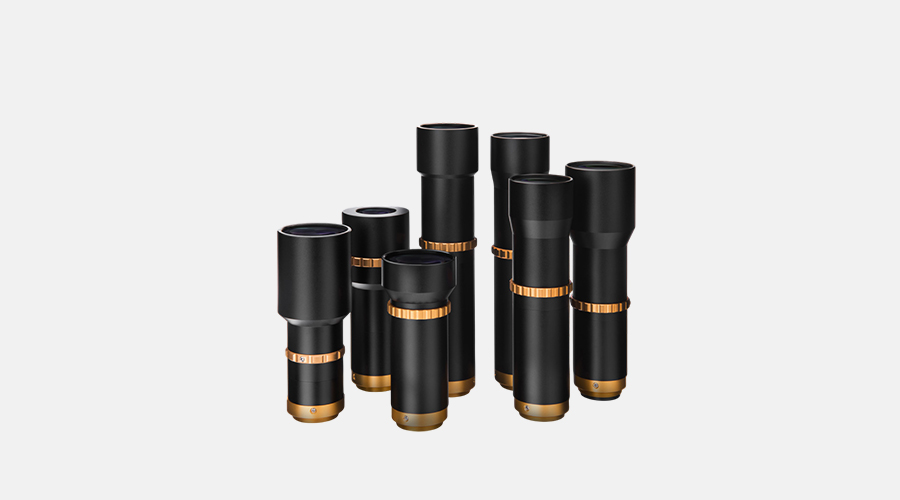 Aperture telecentric lens
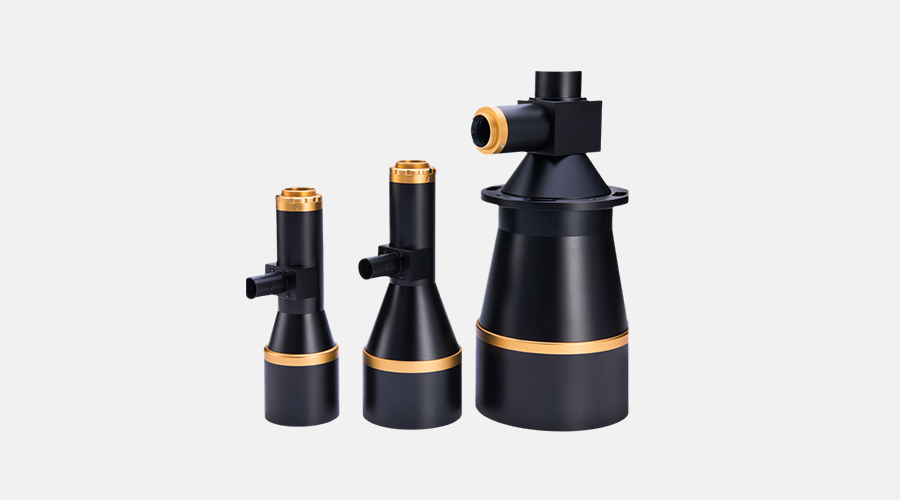 Measuring lens
 Maximum support 1.1" chips
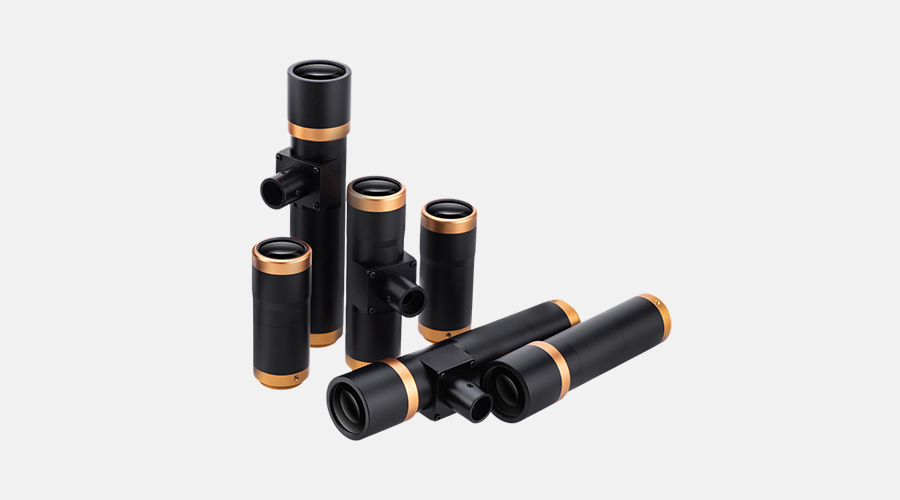 Maximum support 1.2" chips
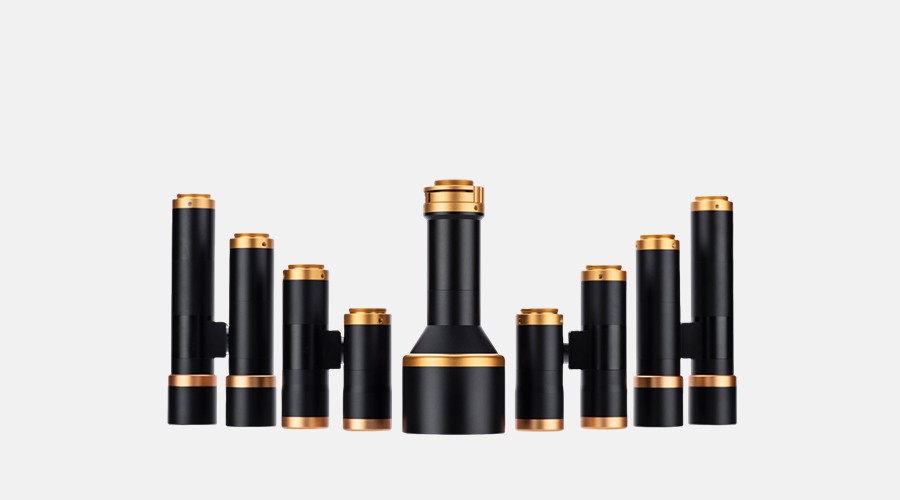 Maximum support 2/3" chips
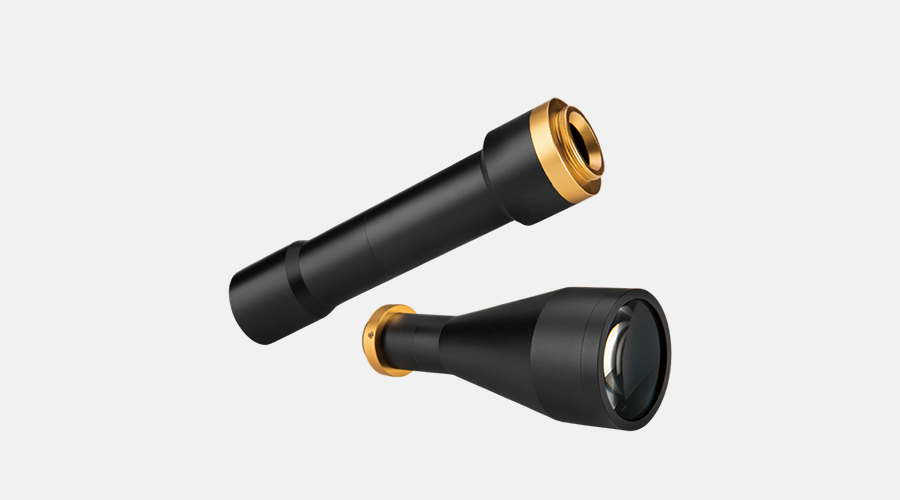 Long Working Distance
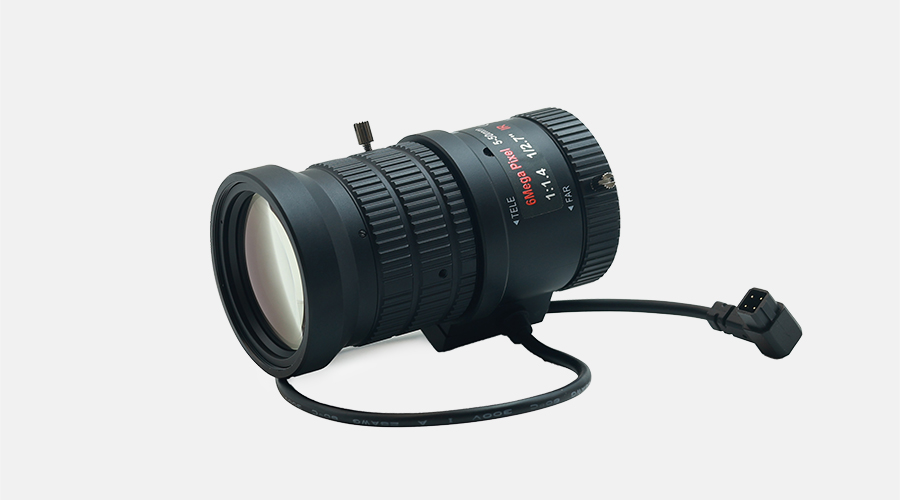 CS mount Varifocal lens
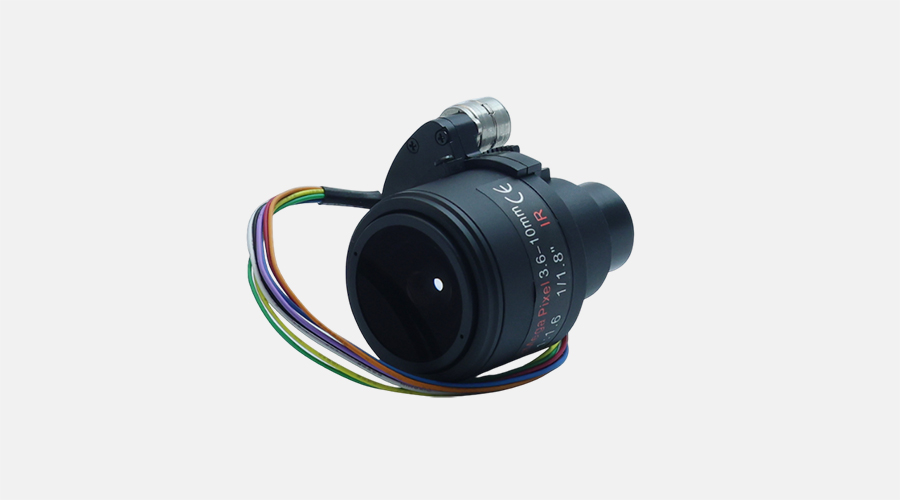 Varifocal board lens
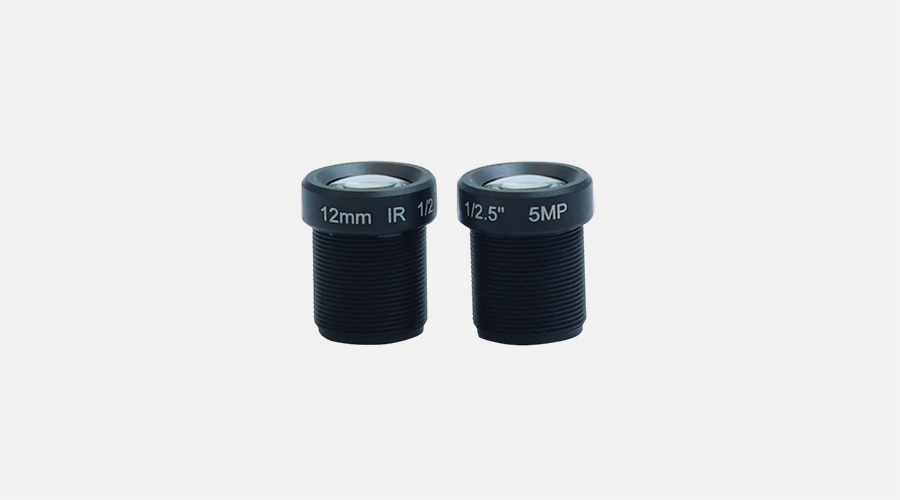 S mount lens
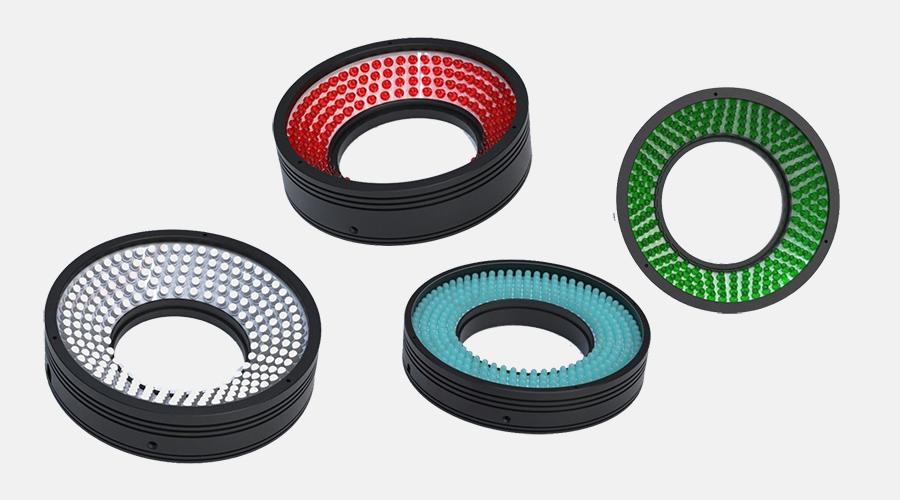 Ring light
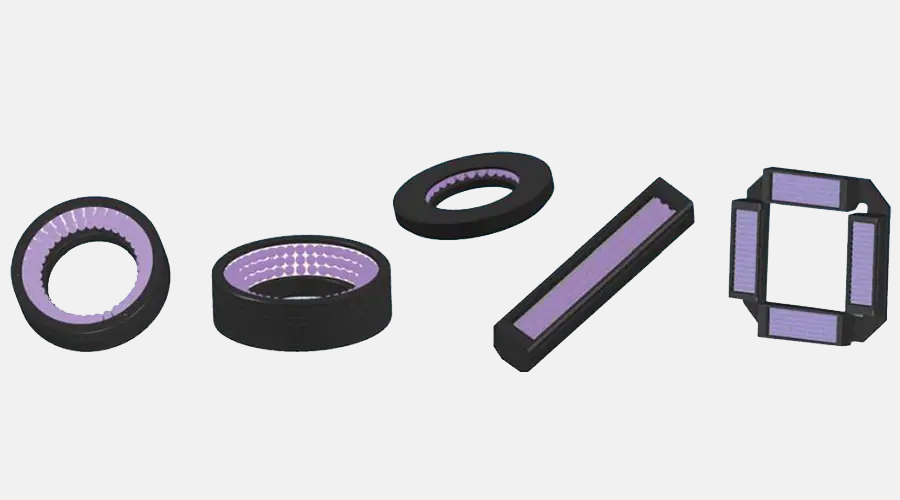 UV/IR Light
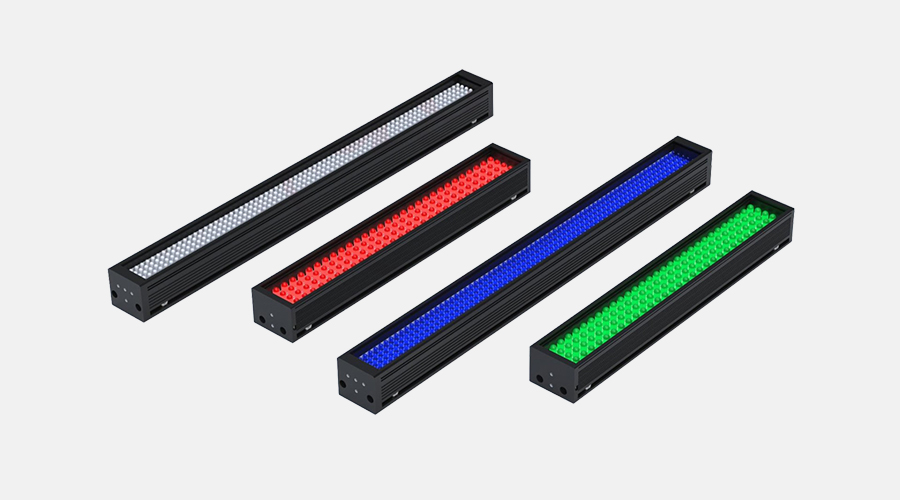 Bar light
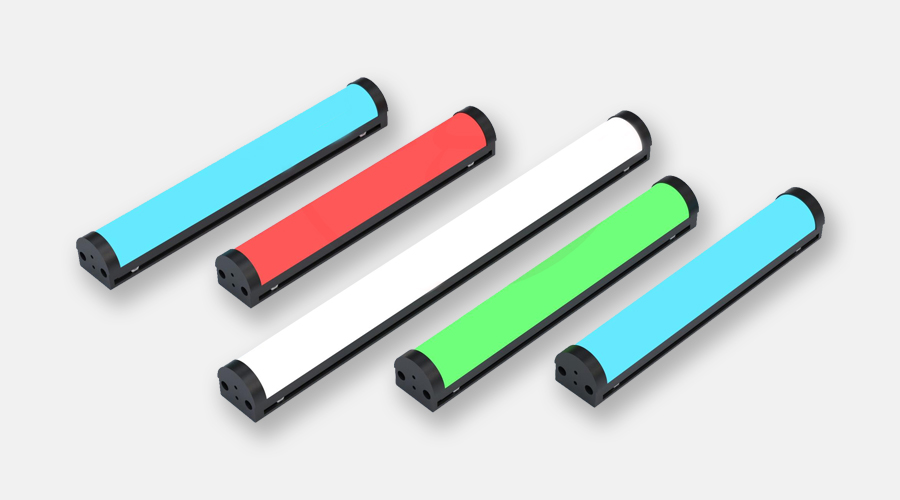 Arcuate high uniformity light
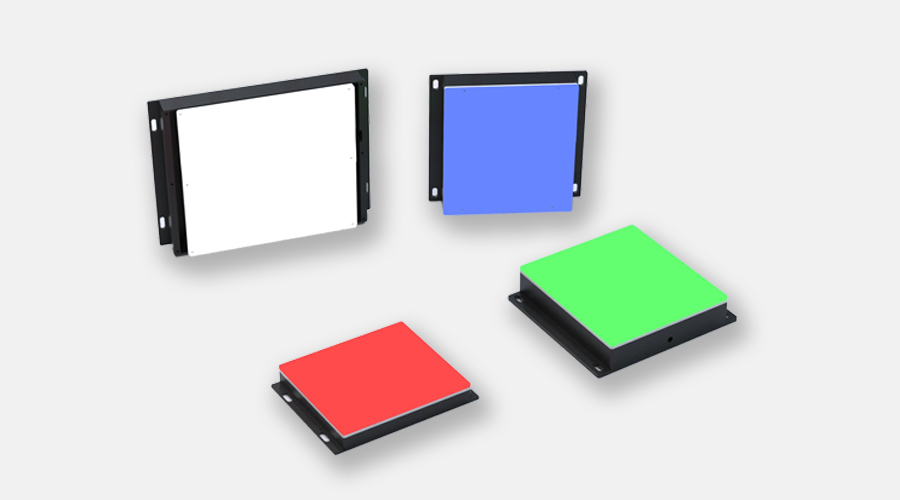 Back light
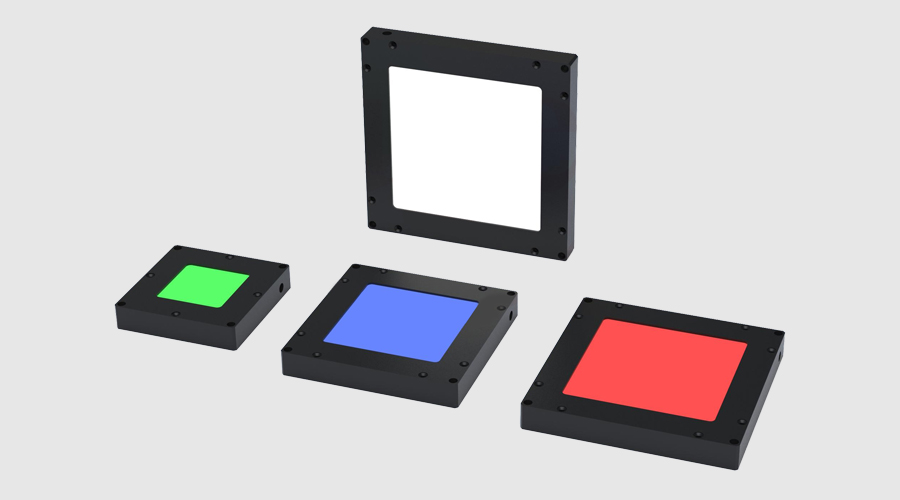 Flat light
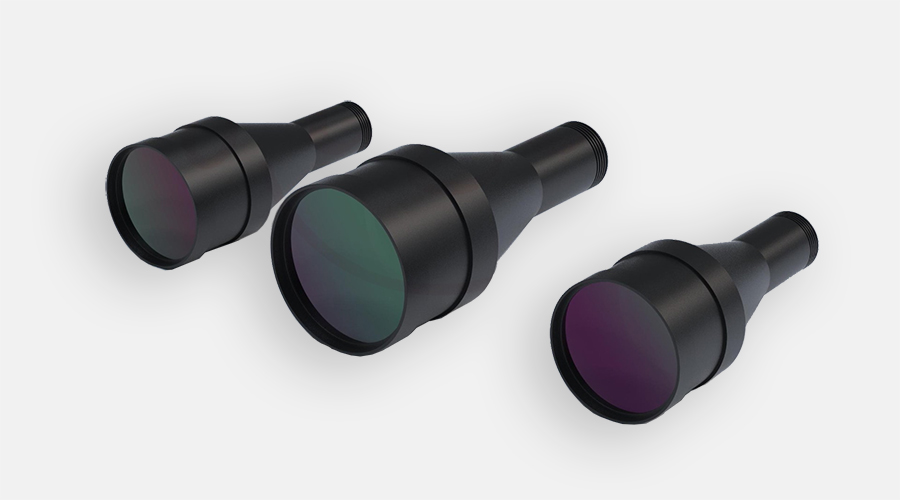 Collimated light
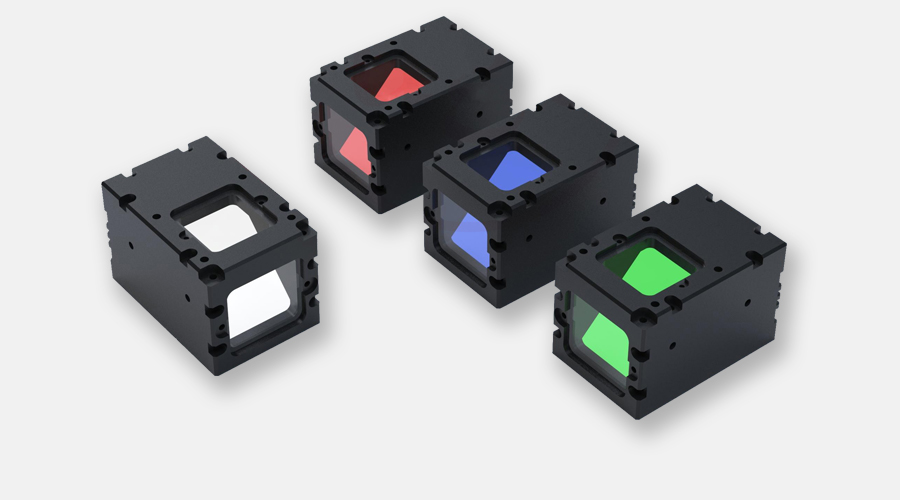 Coaxial light
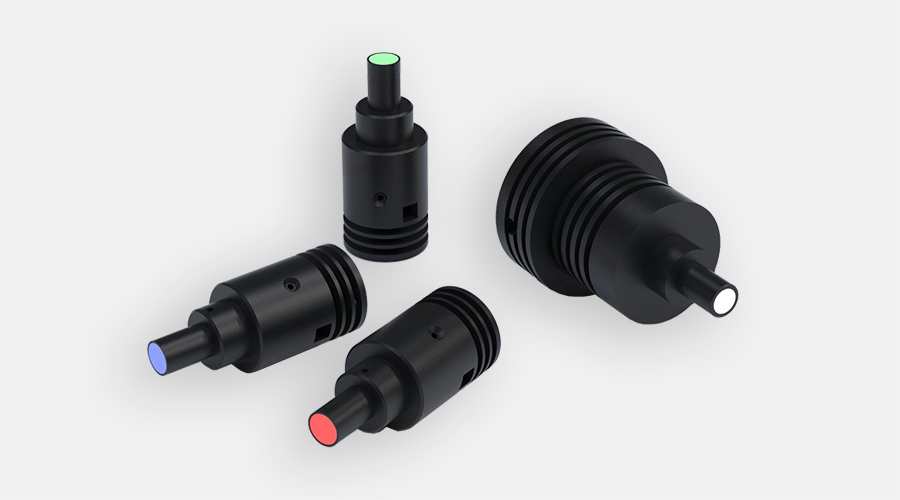 Spot light
 Dome light
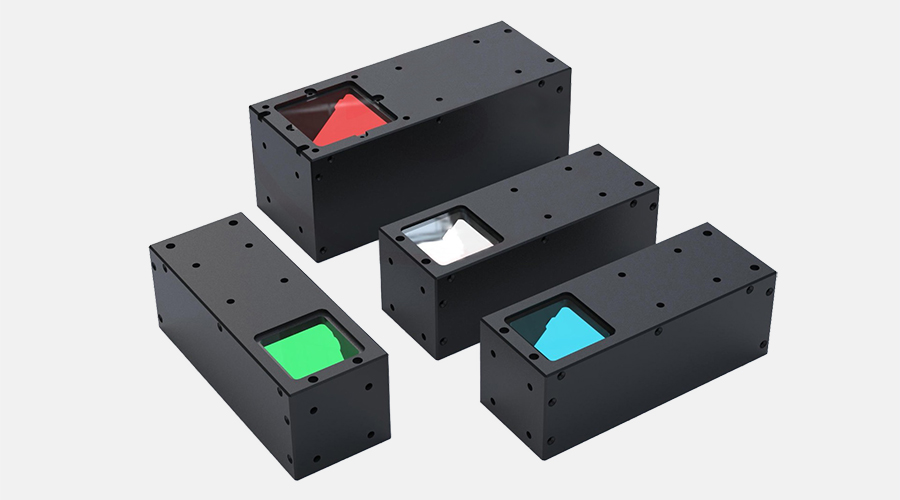 Collimated Coaxial light
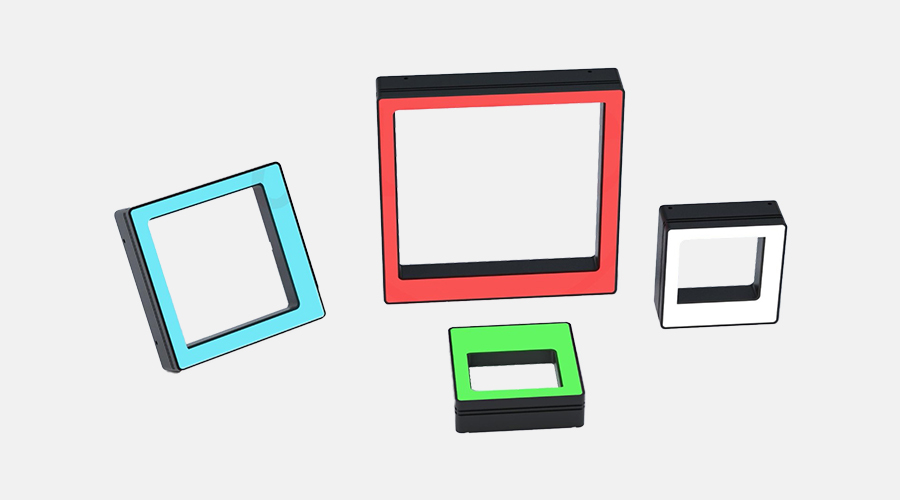 Shadowless square light
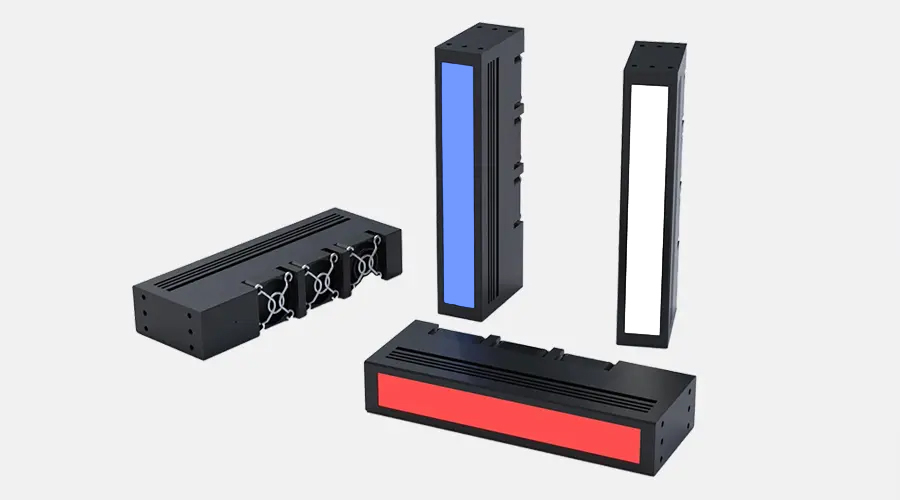 Scan light
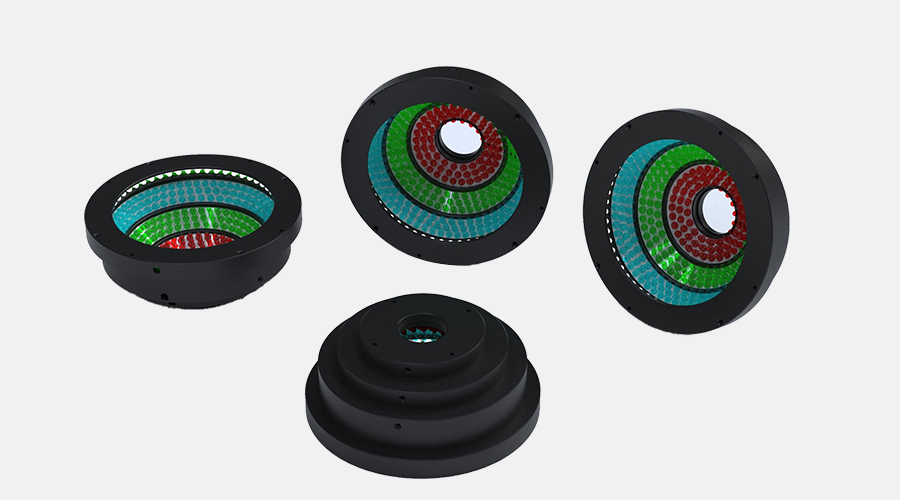 AOI light
 Analog controller
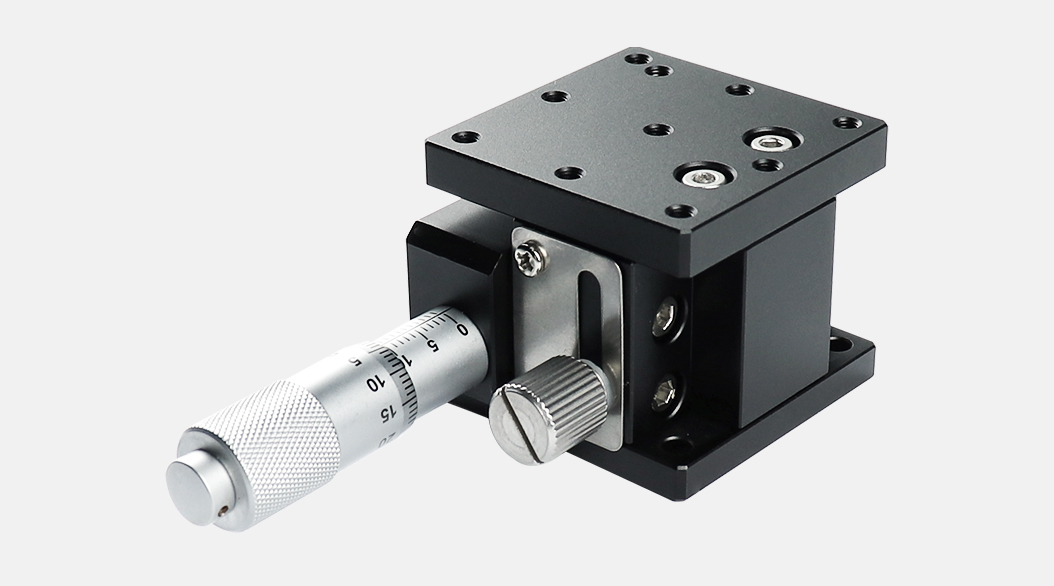 Crossed-Roller Linear guide type
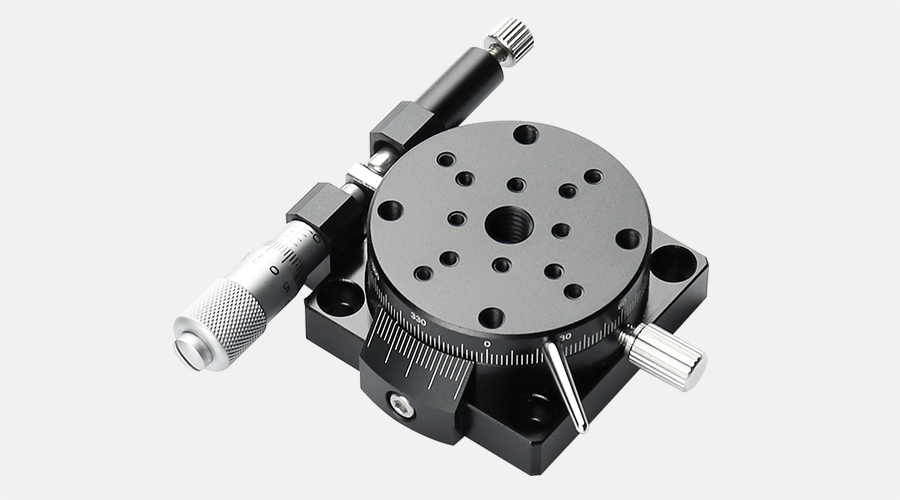 Rotary Stages XRS series
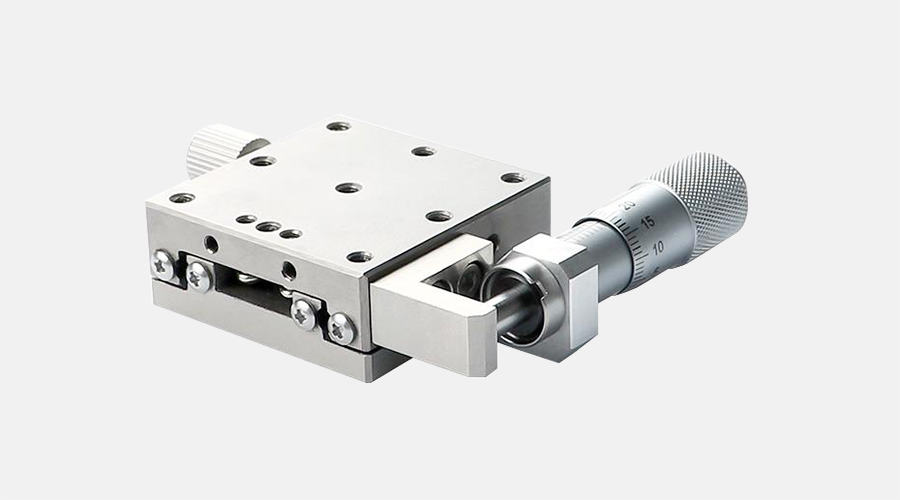 Stainless Steel Ball Bearing Linear Translation Stages
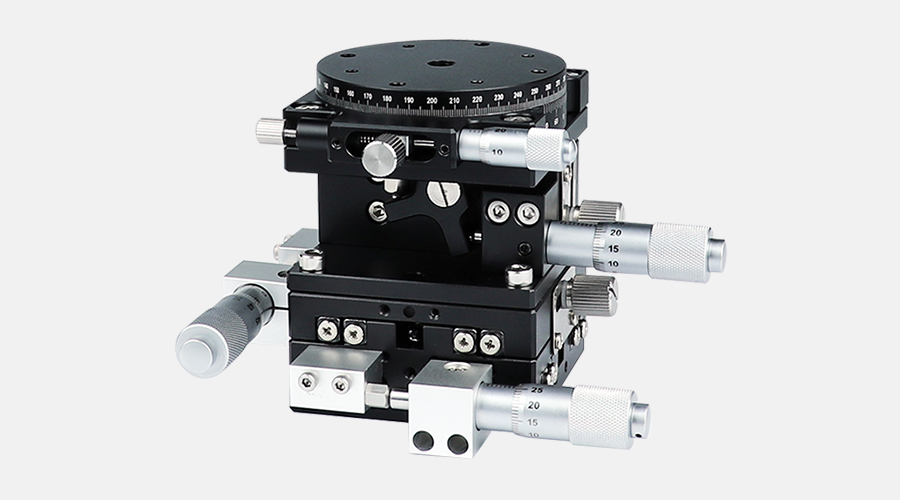 Multi-axis Translation stages
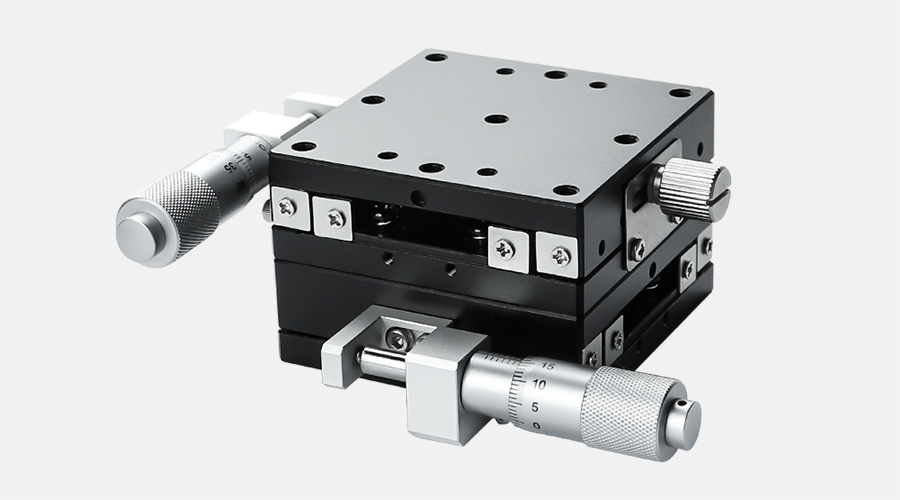 steel bar ball bearing stages
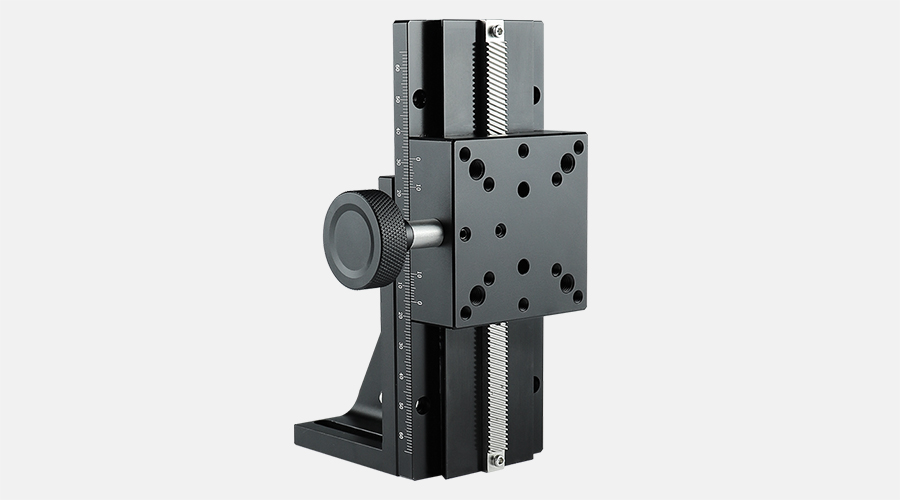 Dovetail Type Rack&Pinion Positioning Stage
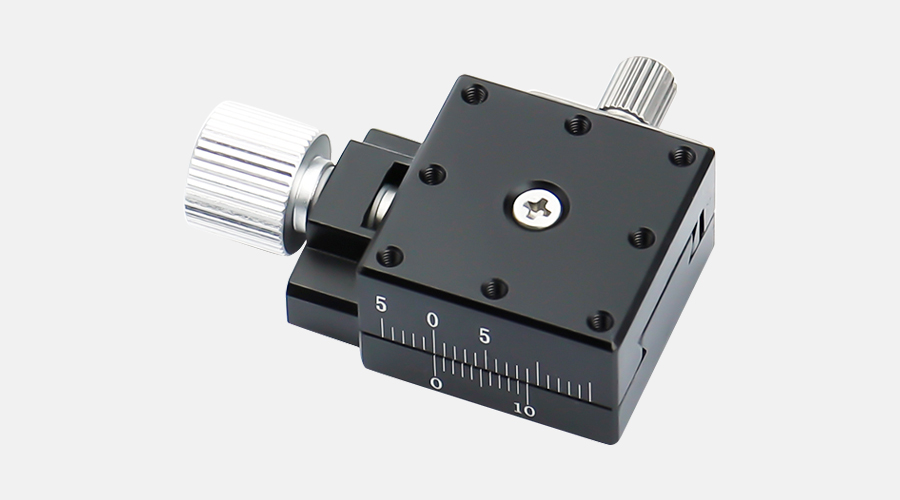 Dovetail groove high-precision screw slide