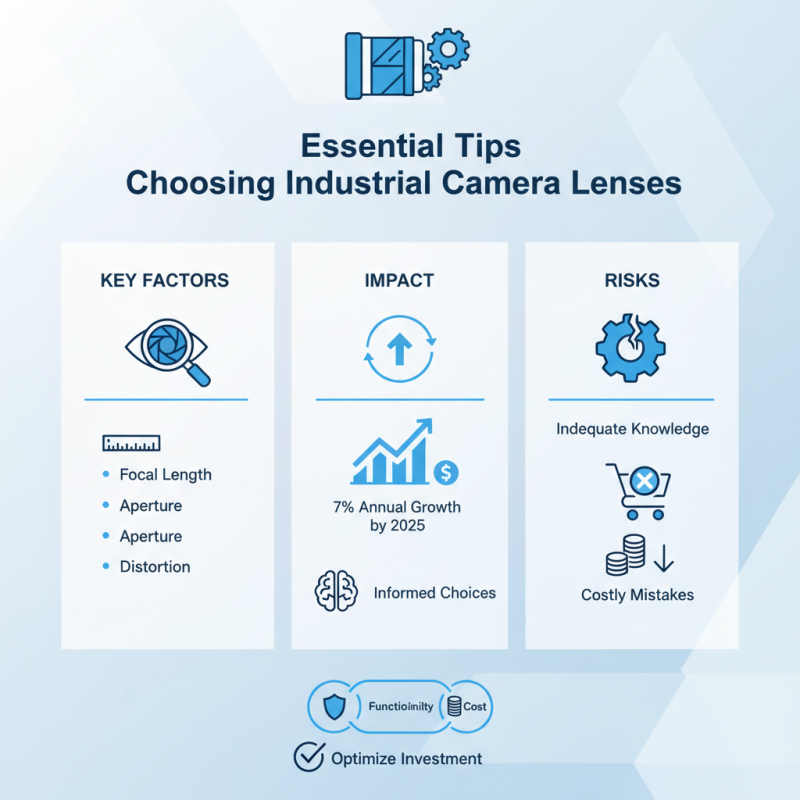
When you're choosing industrial camera lenses, it’s pretty clear that your pick can make a huge difference in the quality of your images. According to a recent report from the Imaging Industry Association, the demand for top-notch industrial lenses is expected to grow about 7% each year until 2025. That really underlines how important it is to make smart, informed decisions when selecting a lens.
Dr. John Smith, who’s an optical engineering expert at VisionTech, puts it simply: "The right lens could be the difference between a so-so picture and a game-changing discovery." Picking the right lens isn’t just about grabbing any old thing — you’ve gotta understand key specs like the focal length, aperture, and potential distortion. Ignoring these details can seriously mess up your results, especially in critical situations.
And here’s the thing — your choice should match the specific needs of your project. But a lot of folks don’t really do their homework, and that can lead to costly mistakes. Rushing or just going on impulse? Not a good idea. In the end, focusing on quality, functionality, and cost together— that’s what’s gonna get you the best bang for your buck with your industrial lenses.
Understanding the Basics of Industrial Camera Lenses and Their Types
When selecting industrial camera lenses, it's crucial to understand their types and applications. Generally, there are two main categories: fixed focal length and zoom lenses. Fixed lenses offer high image quality and are often used for specific tasks. In contrast, zoom lenses provide flexibility. They allow adjustments without changing the lens, but image quality can vary.
Here are some tips for choosing the right lens. Consider the working distance. This is the space between the lens and the object. For close-up work, you might need a macro lens. Next, think about the field of view. A wider angle captures more of the scene, while a narrower angle focuses on specific details.
Don’t forget about the lighting conditions. Some lenses perform poorly in low light. It’s essential to understand how different types react under various conditions. Make sure you evaluate the optical quality. Some lenses may seem appealing but can disappoint in clarity. Reflecting on these points can make a significant difference in your choice.
Key Specifications to Consider When Selecting Industrial Camera Lenses
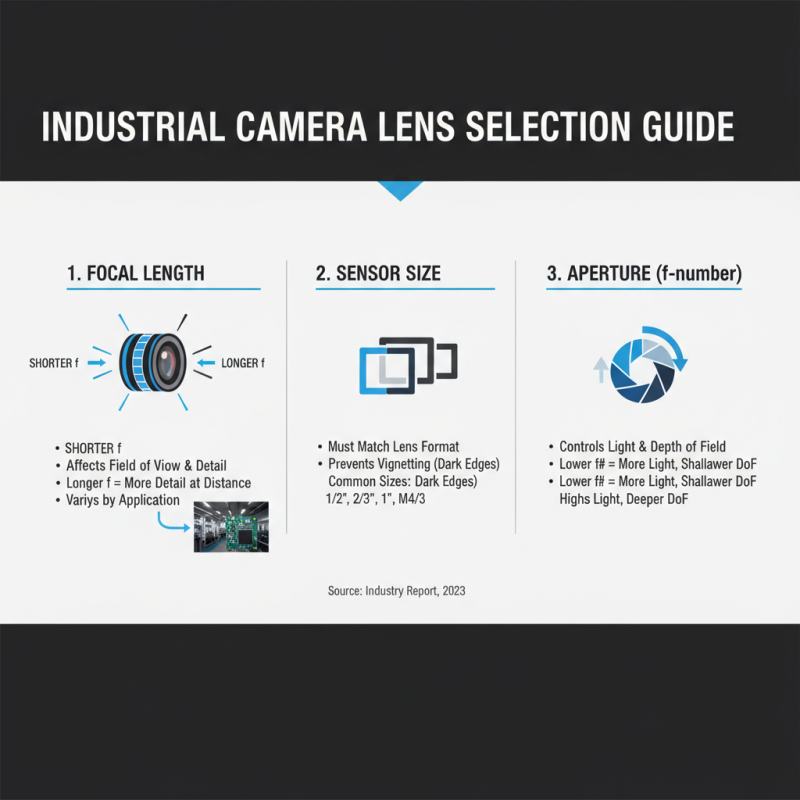
When selecting industrial camera lenses, several key specifications demand attention. First, consider the focal length. This measurement affects the field of view and the level of detail captured. For instance, a lens with a longer focal length can provide finer detail at a distance. A recent industry report noted that optimal focal lengths can vary widely, depending on application. Understanding specific requirements is crucial.
Another important factor is aperture size. The aperture controls the amount of light entering the lens. A larger aperture can improve low-light performance significantly. However, wider apertures often lead to a shallow depth of field. This can be tricky for capturing objects at various distances in industrial settings. Balancing light intake with depth of field is a common challenge noted in various studies.
Resolution should also be evaluated. The lens must be able to match the camera's sensor capabilities. A mismatched lens can lead to soft images. Research indicates that using high-resolution sensors without suitable lenses can result in compromised image quality. Therefore, always assess compatibility before making a purchase. Each specification significantly impacts the final output, but many still overlook these critical details.
The Importance of Focal Length in Industrial Camera Lens Selection
Choosing the right industrial camera lens is critical for achieving optimal imaging results. One key element in this selection process is the focal length. The focal length significantly impacts the field of view, magnification, and overall image quality. A recent industry report indicates that approximately 70% of imaging problems can be traced back to focal length miscalculations.
When selecting a lens, consider the working distance. Wide-angle lenses provide a broader view but may distort images. In contrast, telephoto lenses offer better detail but narrow the field. Understanding the application context is essential. For instance, factor in whether you're inspecting small components or capturing expansive scenes.
Tips: Always verify the specifications of the lens. Ensure it meets your resolution needs. Test different focal lengths before making a decision. Remember, what works for one application may not suit another. The wrong choice can lead to blurry images or a misrepresented subject. Ultimately, adequate planning and understanding of focal length can greatly enhance your industrial imaging quality.
How Sensor Size Affects Industrial Camera Lens Performance
When selecting an industrial camera lens, it's crucial to understand the impact of sensor size. A smaller sensor requires a different lens than a larger one. The depth of field is shallower in large sensors. It allows for better subject isolation and enhanced detail in important areas. This is beneficial for precision applications.
Large sensors generally capture more light than small ones. This leads to improved image quality, especially in low-light conditions. However, not all tasks require such high performance. For some simpler applications, smaller sensors might suffice. They can still deliver adequate results, often at a lower cost.
Size isn't everything, though. A larger sensor might be harder to integrate into tight spaces. It can also increase the overall weight of the setup. Users need to consider their specific needs carefully. They may choose a smaller lens if weight is a concern, even if that means compromising on some image quality. Balancing between size, cost, and performance is key in this selection.
Impact of Sensor Size on Industrial Camera Lens Performance
This chart illustrates how different sensor sizes affect the image quality score of industrial camera lenses. As the sensor size increases, the image quality score improves, reflecting the performance of the lenses used in industrial applications.
Evaluating Lens Mount Compatibility for Industrial Camera Systems
When selecting industrial camera lenses, lens mount compatibility is crucial. Different camera systems require specific lens types. A mismatch can lead to underperformance. It's essential to confirm the lens mount type. This ensures the lens fits perfectly on your camera.
Many industrial camera systems use standard mounts like C-mount or F-mount. However, some specialized cameras may have proprietary mounts. Researching your specific system is critical. Failing to do so can create unnecessary challenges. For instance, you might end up with a lens that has no proper support. Always check technical guides and user manuals for clarity.
Consider the weight and size of the lens too. A heavy lens may benefit from a sturdier mount. Yet, an oversized lens can cause balancing issues. This can affect image stability and overall performance. Therefore, it’s important to evaluate your needs carefully. A well-matched lens can enhance image quality greatly. Ensure compatibility to avoid headaches later on.
Essential Tips for Choosing Industrial Camera Lenses - Evaluating Lens Mount Compatibility for Industrial Camera Systems
| Lens Type |
Focal Length (mm) |
Aperture |
Mount Type |
Sensor Size Compatibility |
| Standard Lens |
35 |
f/2.8 |
C-mount |
1/2.3" |
| Telephoto Lens |
85 |
f/1.4 |
F-mount |
Full-frame |
| Wide Angle Lens |
24 |
f/2.8 |
MFT |
Micro Four Thirds |
| Macro Lens |
100 |
f/2.8 |
EF |
APS-C |
Analyzing Image Resolution and Quality in Industrial Applications
When selecting industrial camera lenses,
image resolution and quality are paramount.
High resolution allows for detailed analysis and recognition in various applications.
However, achieving optimal resolution is not solely about the lens.
The sensor's capabilities and lighting conditions also play crucial roles.
A lens may promise high resolution, but without the right sensor, its potential may be wasted.
Consider the trade-off between resolution and the field of view.
A lens that offers exceptional resolution in a narrow field may not suit applications requiring wider coverage.
This highlights the importance of understanding specific project needs.
Sometimes, users overlook these details, focusing solely on specs rather than practical outcomes.
After all, what works in one context may fail in another due to unseen variables.
Another aspect to ponder is image quality. It's not just about sharpness;
color accuracy and contrast matter.
Varied lighting can distort colors if the lens isn't suited for such conditions.
Users should test lenses under specific circumstances to ensure quality aligns with their expectations.
Due diligence can save time and resources.
Cost vs. Performance: Making Informed Choices for Industrial Lenses
When selecting industrial camera lenses, understanding cost versus performance becomes imperative.
High-quality lenses are often expensive, but they can offer significant benefits. For example, a recent industry report
indicated that precise imaging can improve inspection processes by up to 30%.
This higher accuracy can lead to reduced error rates, ultimately saving money in production.
However, the relationship between cost and performance is not always linear. Cheaper lenses may seem attractive, but
they often compromise image quality. Studies show that more affordable lenses can lead to a 15%
increase in missed defects during inspection. Such compromises can have significant financial repercussions down the line.
Therefore, evaluating the total cost of ownership is crucial, not just the upfront price.
Investing in lenses tailored to specific applications is vital for achieving optimal performance. Customization options can
enhance certain features, but they may also raise costs. Professionals must weigh these factors carefully.
Often, the best choice is a balance that maintains good quality without excessive expenditure. It's essential to ask the right
questions and consider how lens decisions impact overall system performance. This reflection can lead to better outcomes in
industrial settings.
FAQS
: Focal length impacts field of view, magnification, and image quality significantly.
Miscalculating focal length can lead to blurry images or misrepresented subjects.
It depends on your project needs. High resolution in a narrow view may not work for broader applications.
A great lens without a matching sensor won't produce the desired image resolution.
Specs alone may mislead. Testing reveals real performance under specific conditions.
Yes, inadequate lighting can distort colors and affect image quality.
Wide-angle lenses provide a broader view but may distort images.
Always ensure the lens meets your project’s resolution and image quality needs.
Users often focus on specs rather than practical outcomes, which can lead to mistakes.
No, it also involves color accuracy and contrast, which vary with lighting conditions.
Conclusion
When selecting Industrial Camera Lenses, understanding the basic types and specifications is crucial. Key factors to consider include focal length, which influences field of view and depth of field, and sensor size, which significantly impacts lens performance. Additionally, ensuring lens mount compatibility with your industrial camera system is essential for optimal functionality.
Evaluating image resolution and quality is vital for industrial applications, as these factors directly affect the accuracy and reliability of captured data. Finally, weighing cost against performance will help you make informed decisions, ensuring that the selected Industrial Camera Lenses meet both your budgetary and operational requirements effectively.
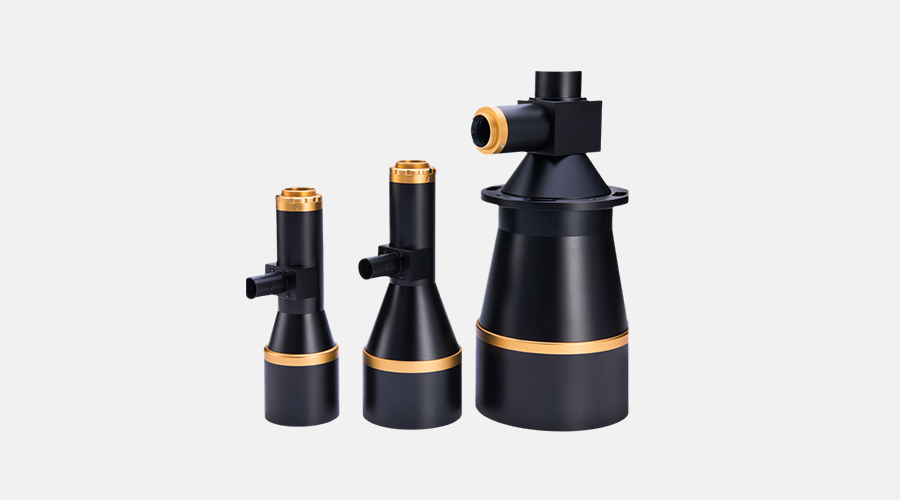
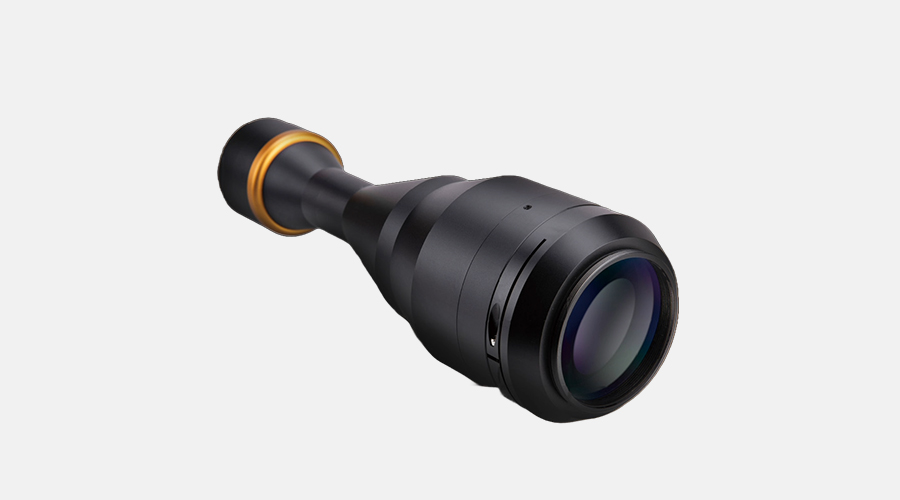 Compatible with 7.2mm-82mm chips
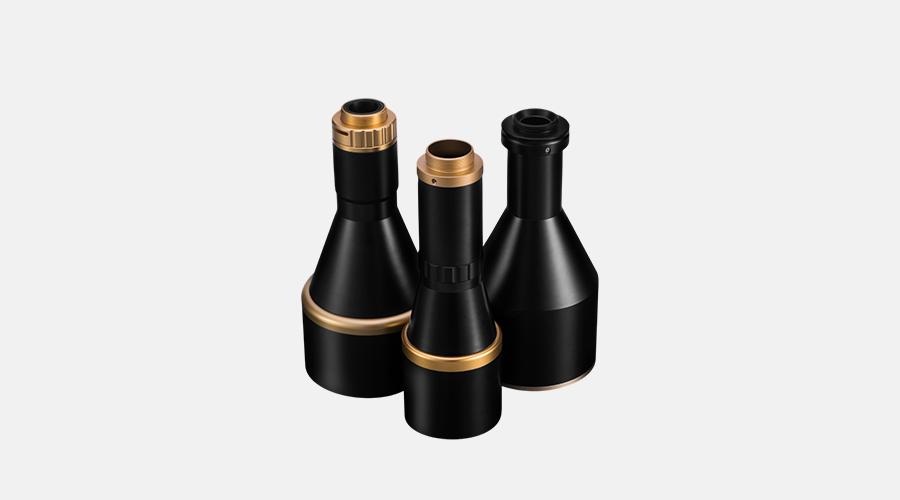 High/Low Working Distance
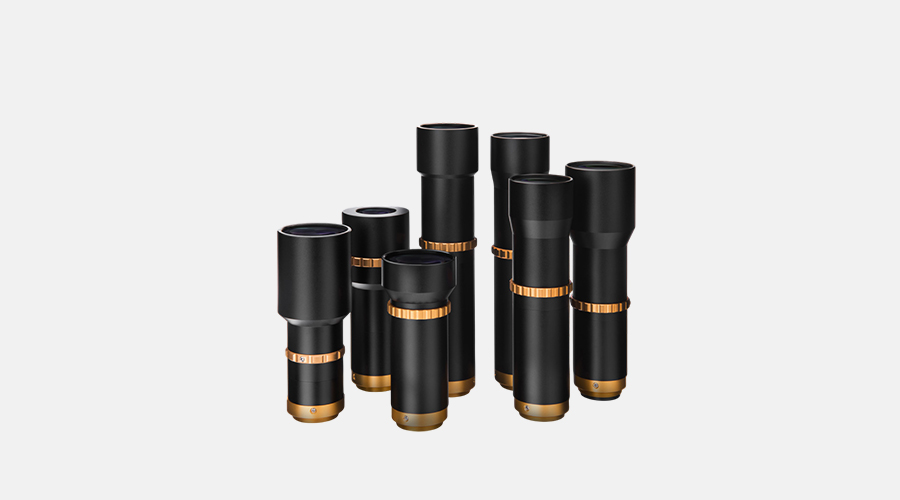 Aperture telecentric lens
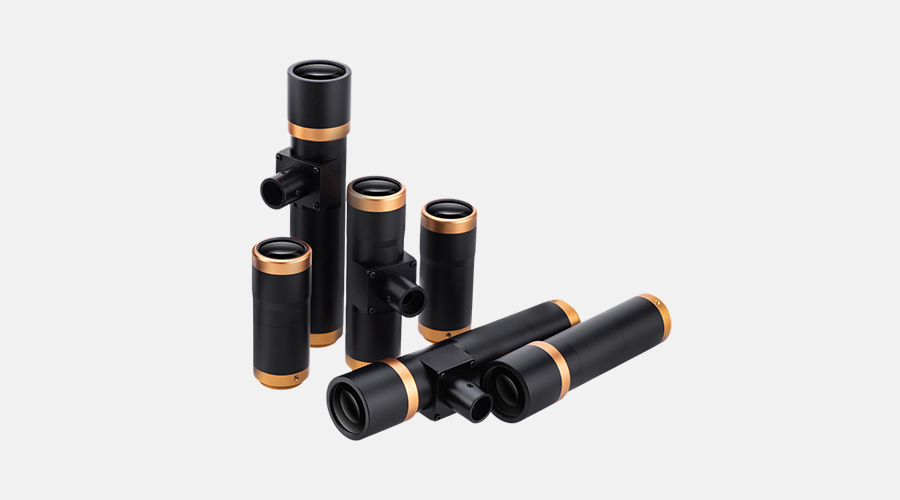
 Measuring lens
 Maximum support 1.1" chips
 Maximum support 1.2" chips
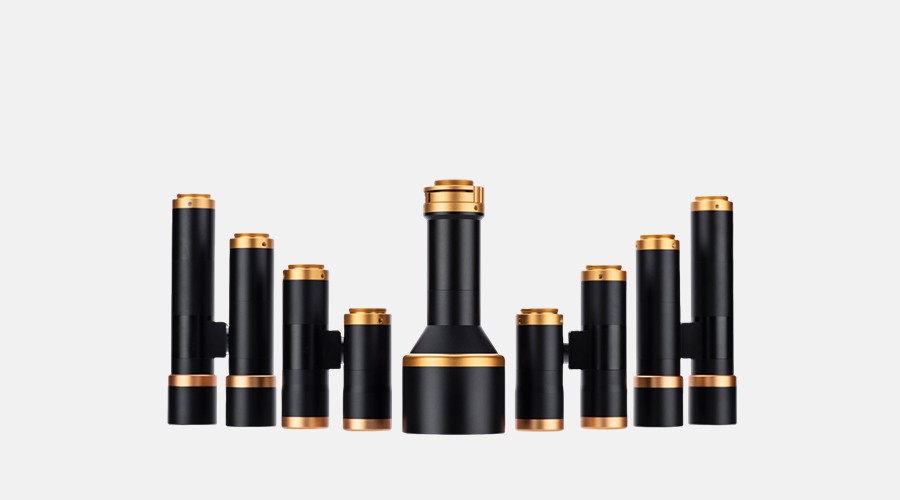 Maximum support 2/3" chips
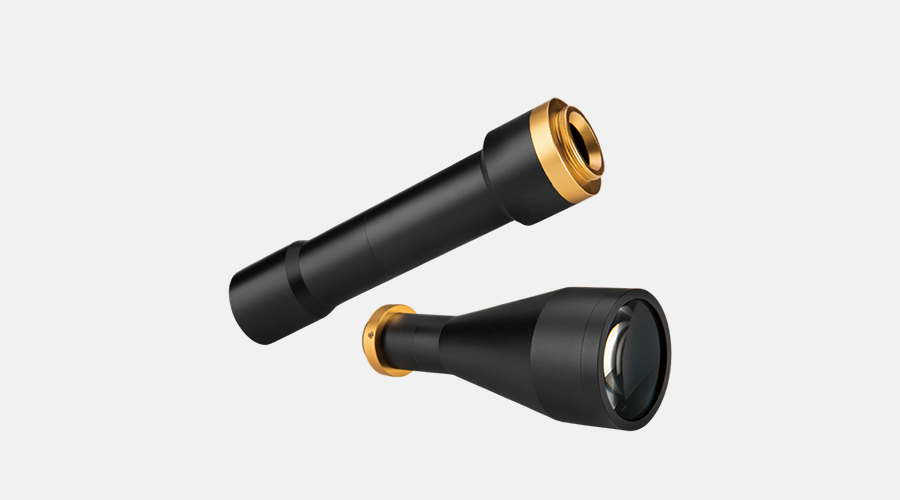 Long Working Distance
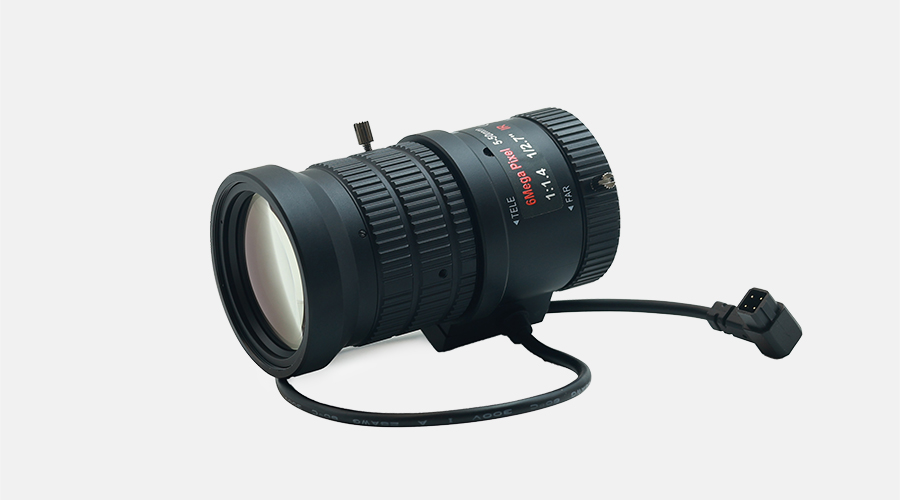 CS mount Varifocal lens
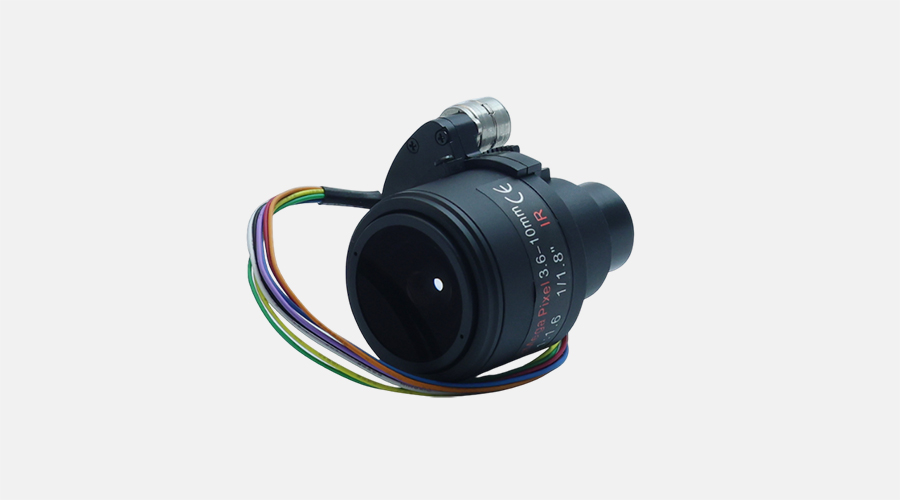 Varifocal board lens
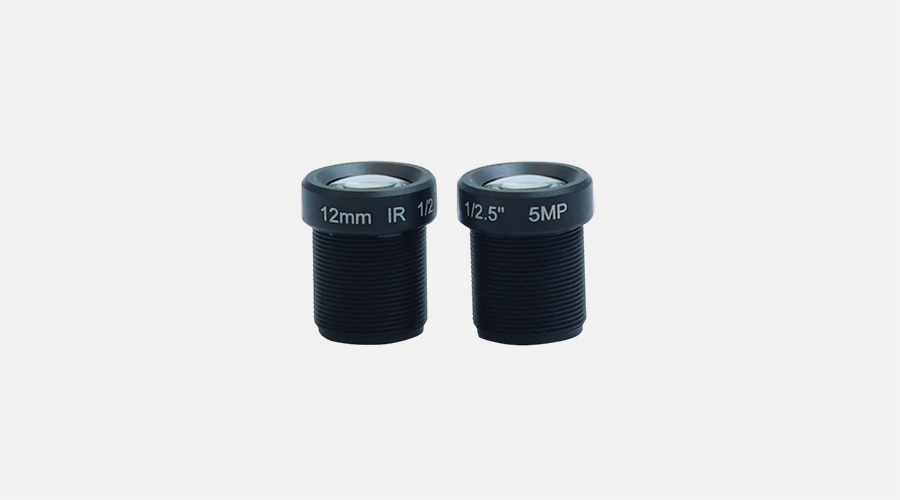 S mount lens
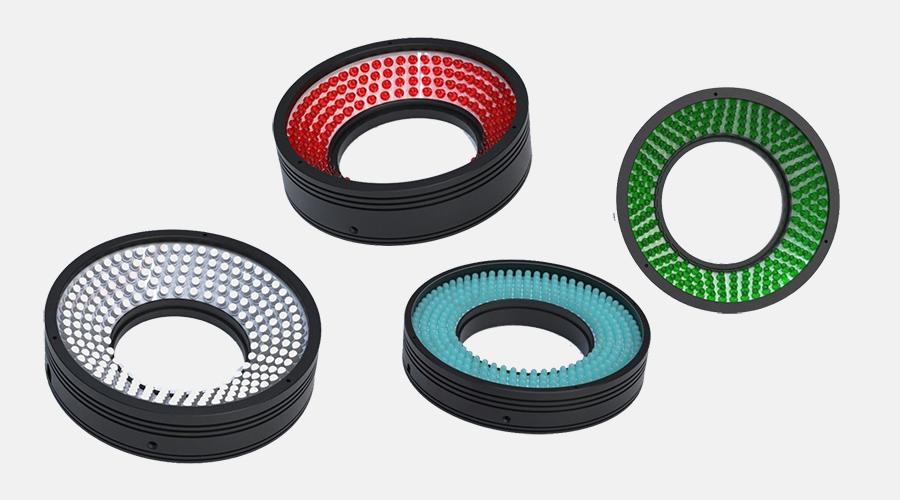 Ring light
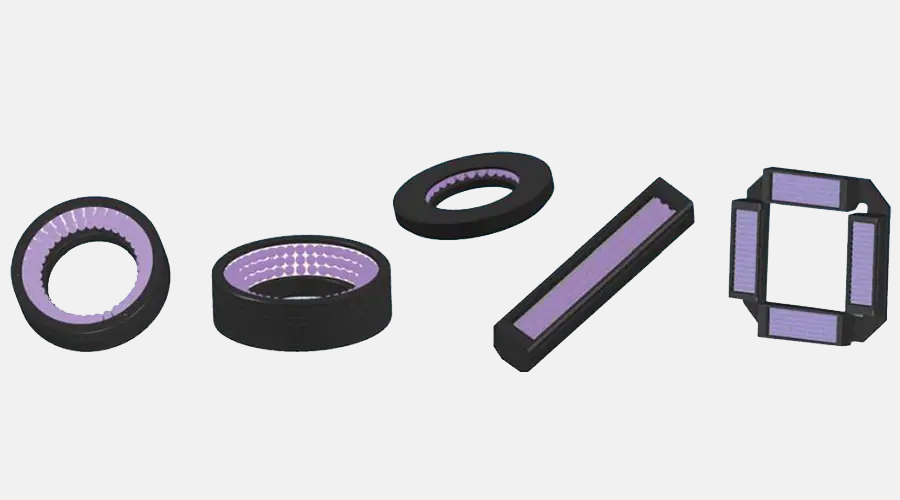 UV/IR Light
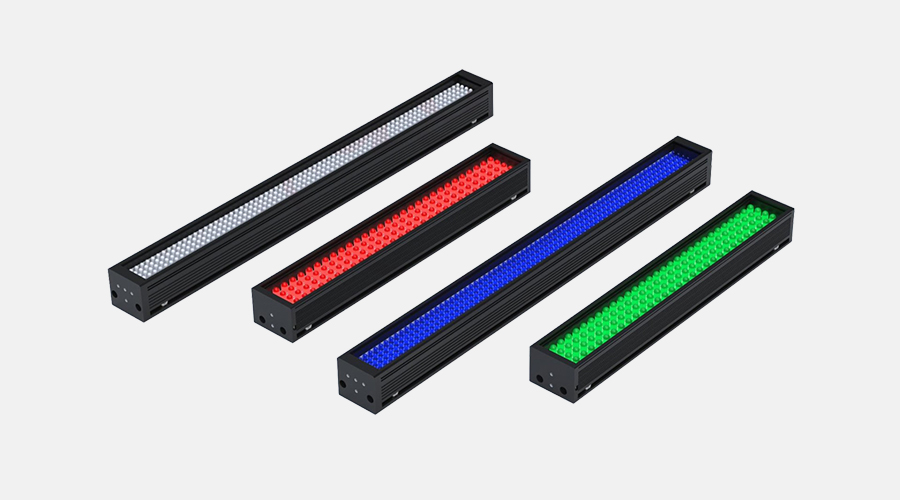 Bar light
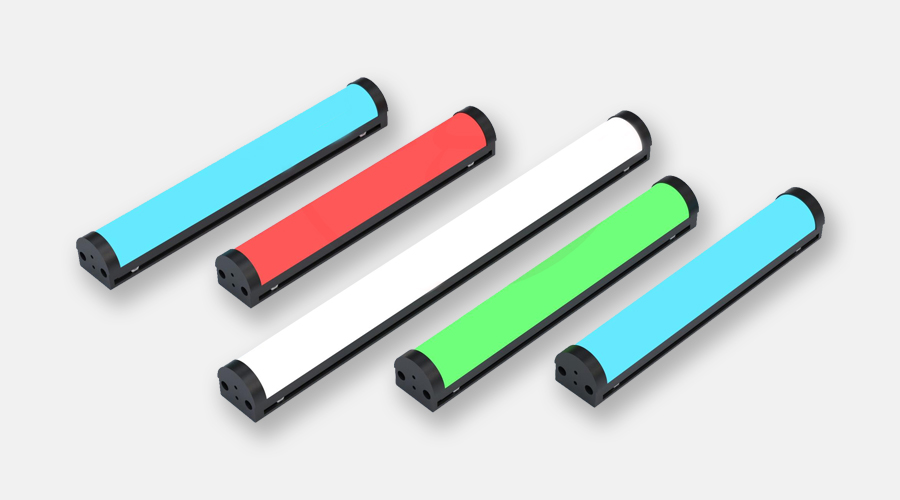 Arcuate high uniformity light
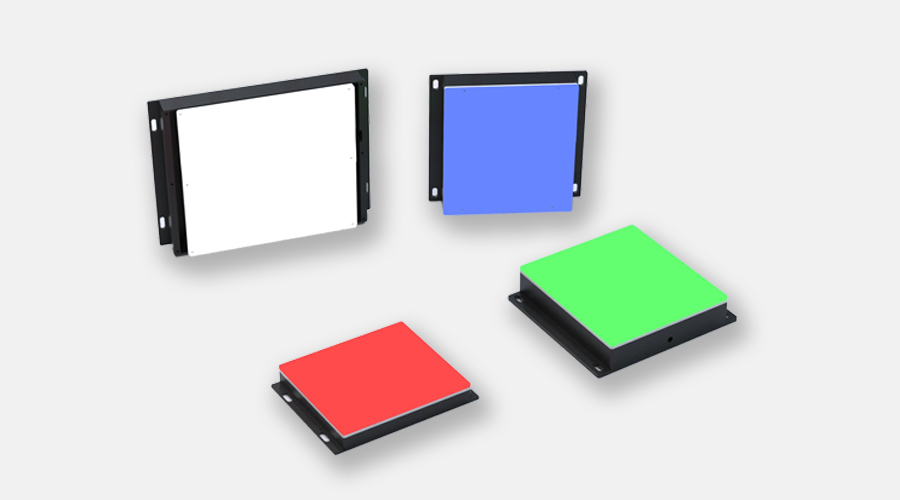 Back light
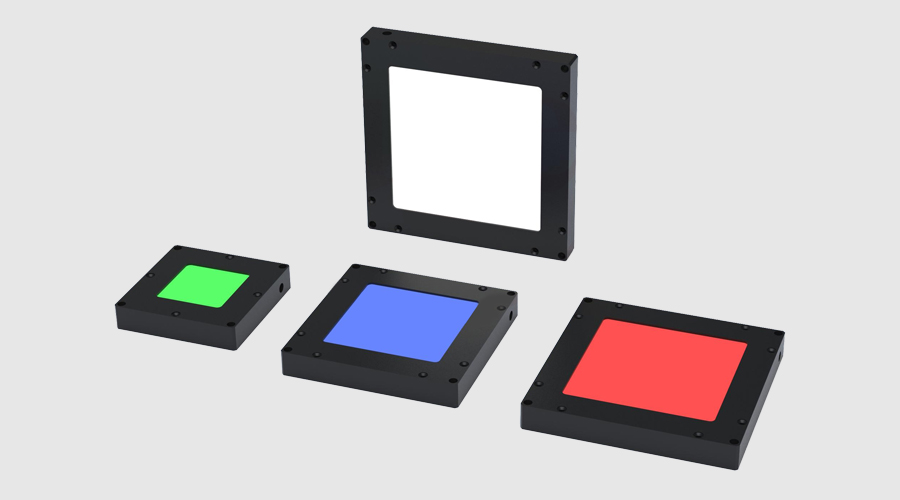 Flat light
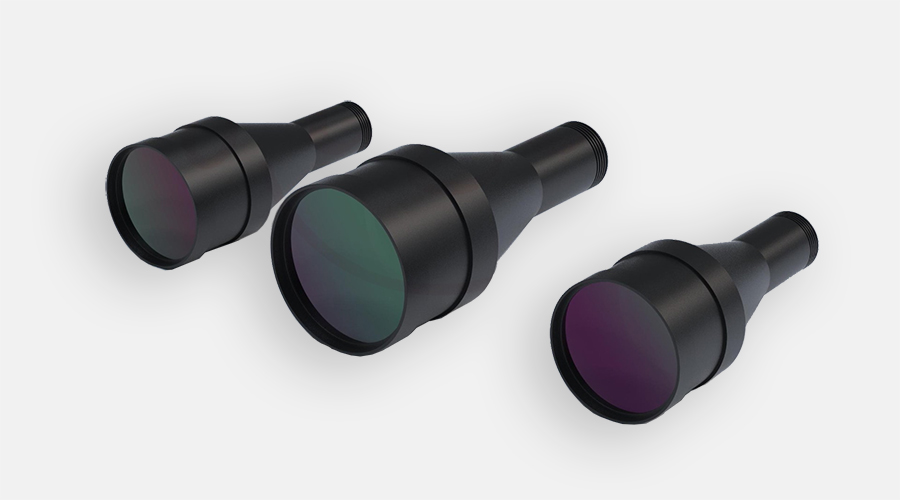 Collimated light
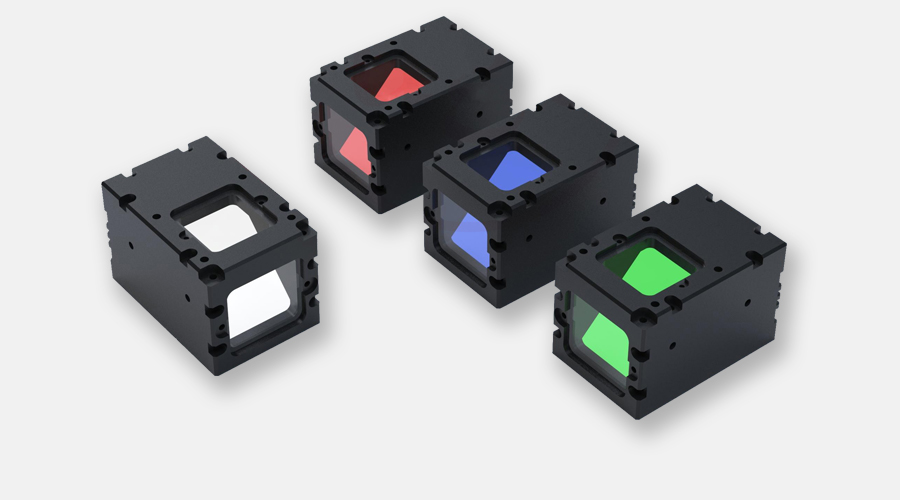 Coaxial light
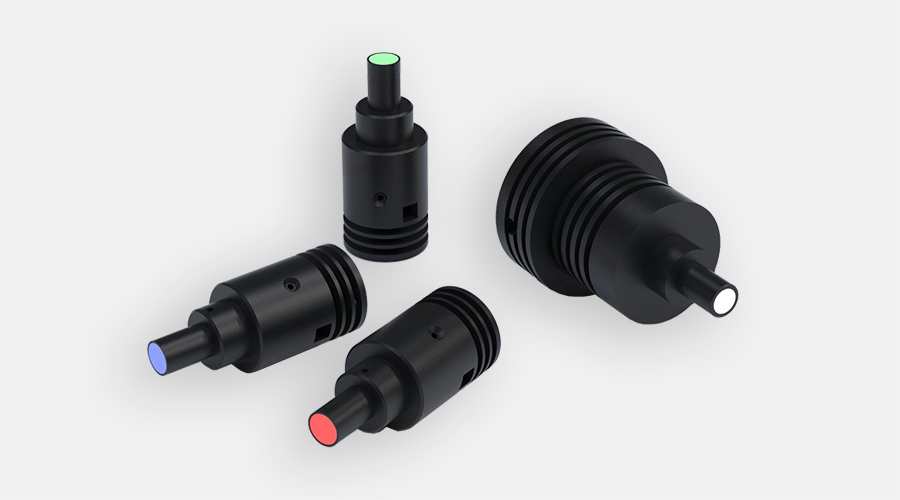 Spot light
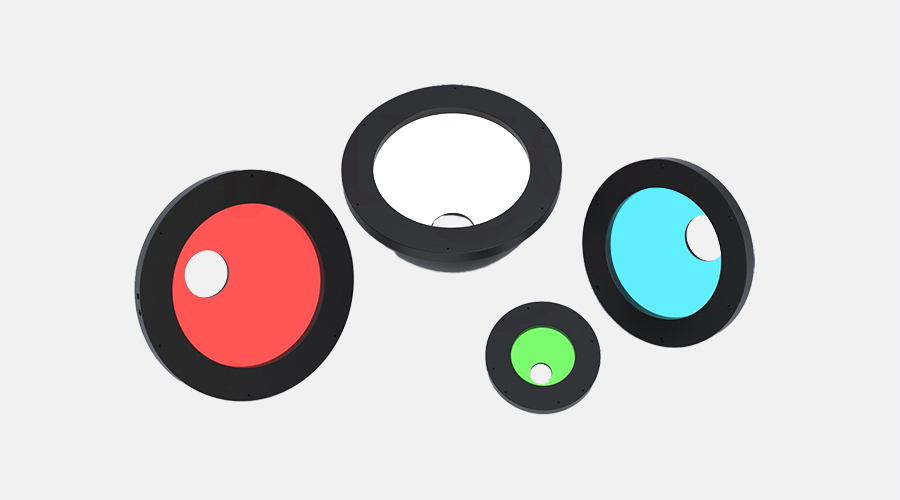 Dome light
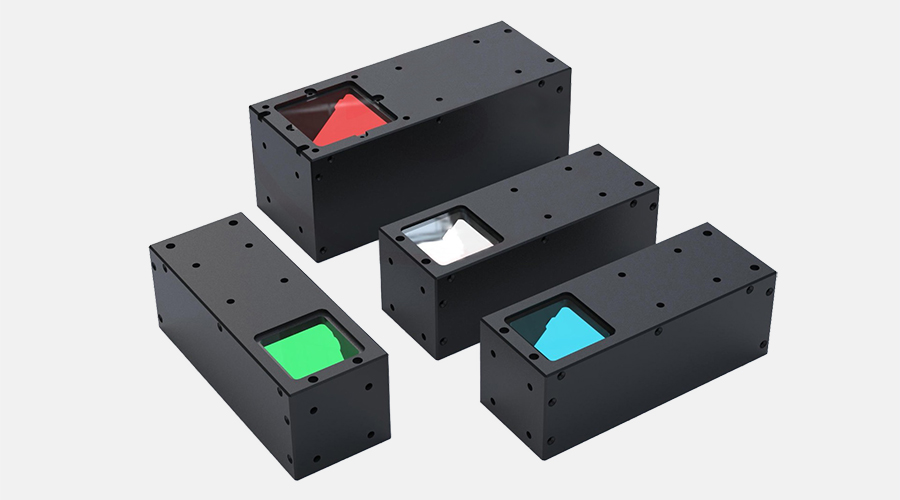 Collimated Coaxial light
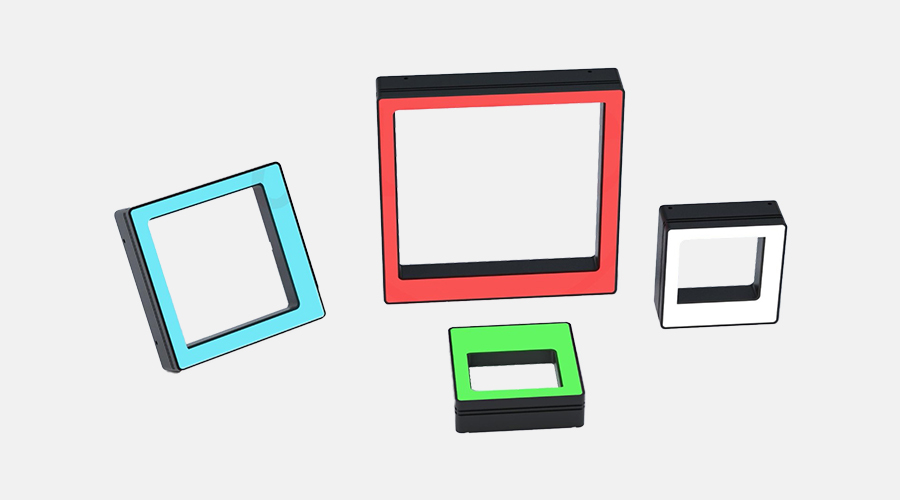 Shadowless square light
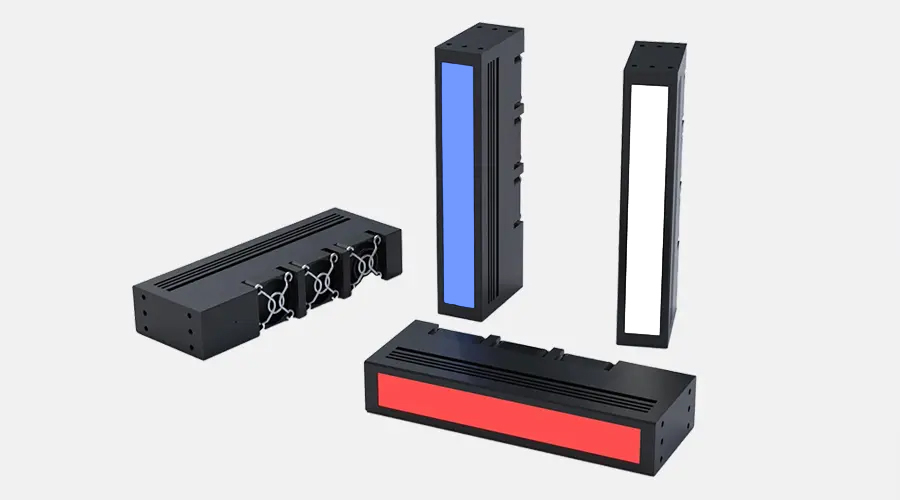 Scan light
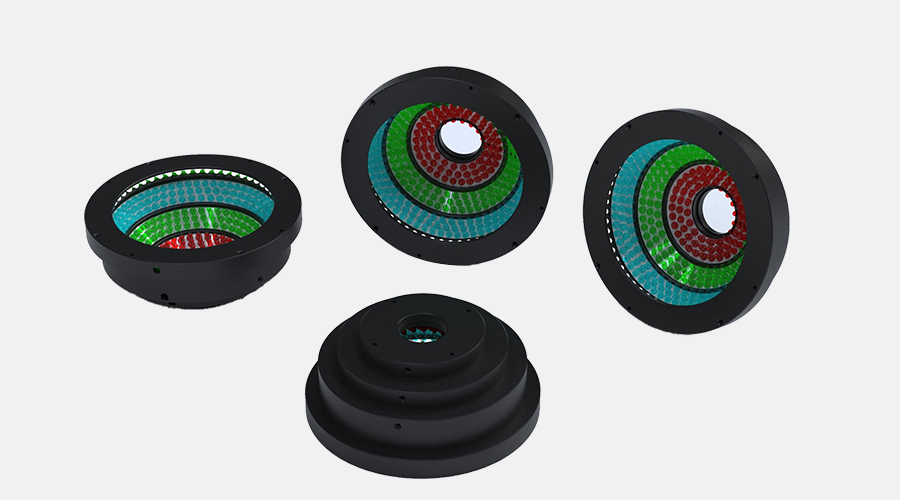 AOI light
 Analog controller
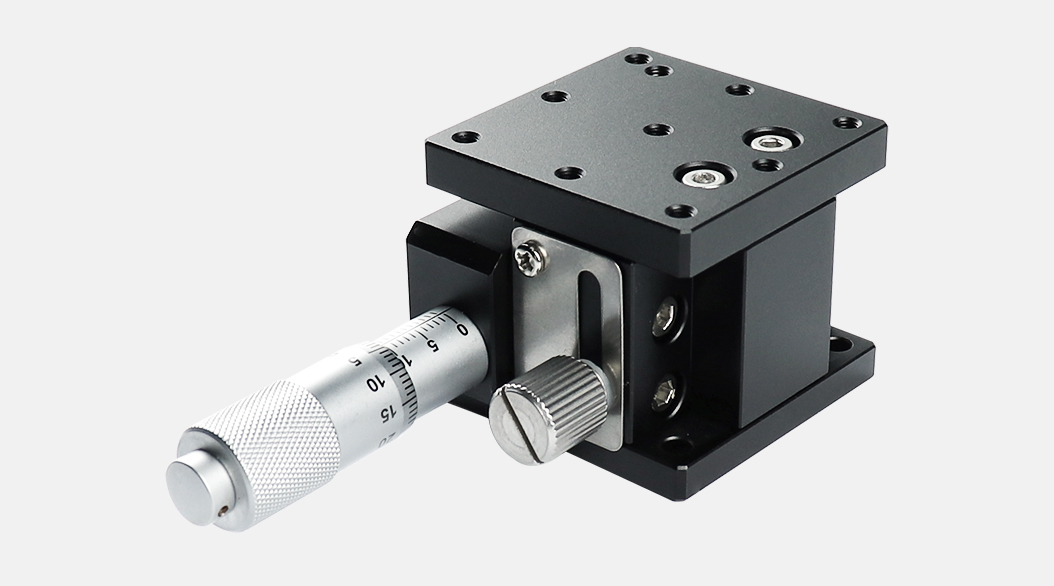 Crossed-Roller Linear guide type
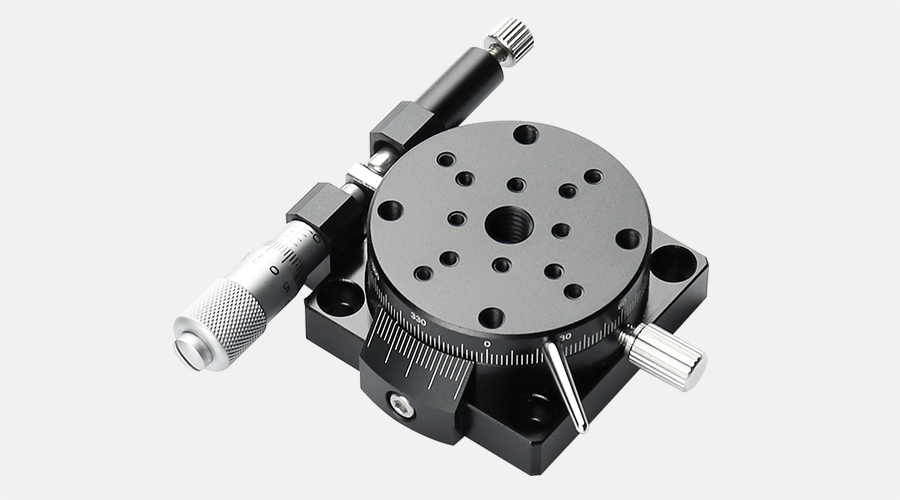 Rotary Stages XRS series
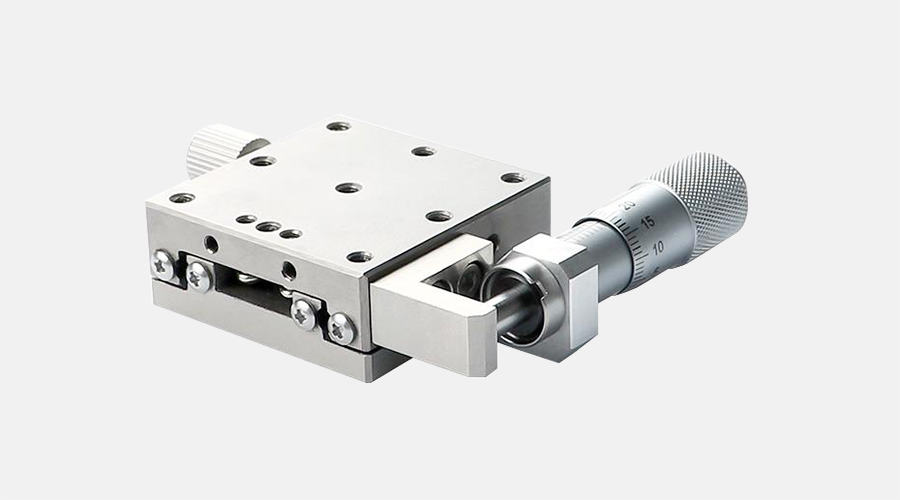 Stainless Steel Ball Bearing Linear Translation Stages
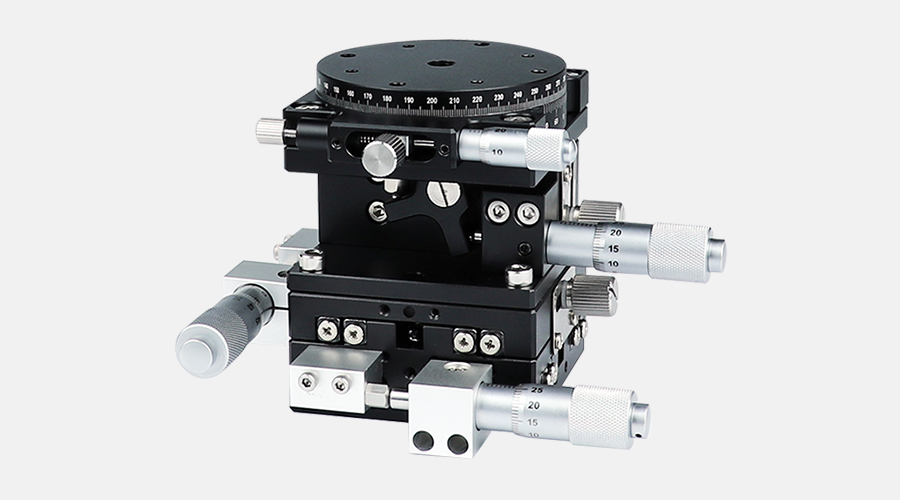 Multi-axis Translation stages
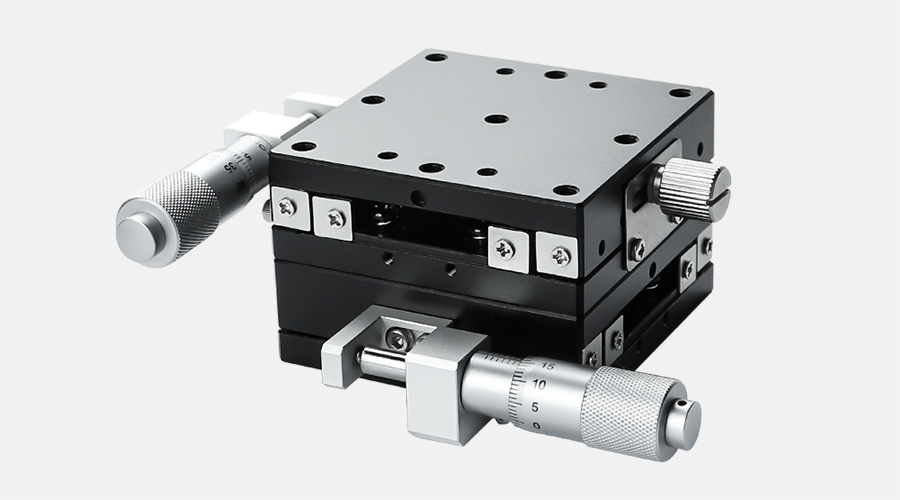 steel bar ball bearing stages
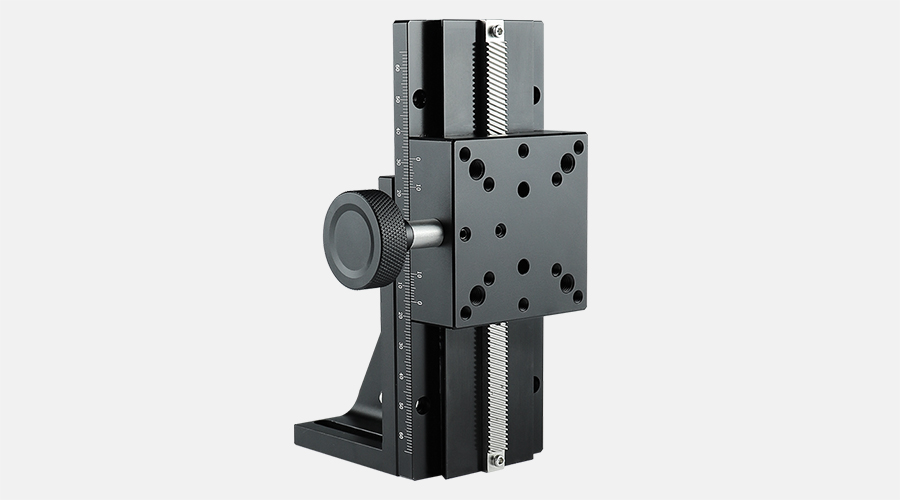 Dovetail Type Rack&Pinion Positioning Stage
 Dovetail groove high-precision screw slide