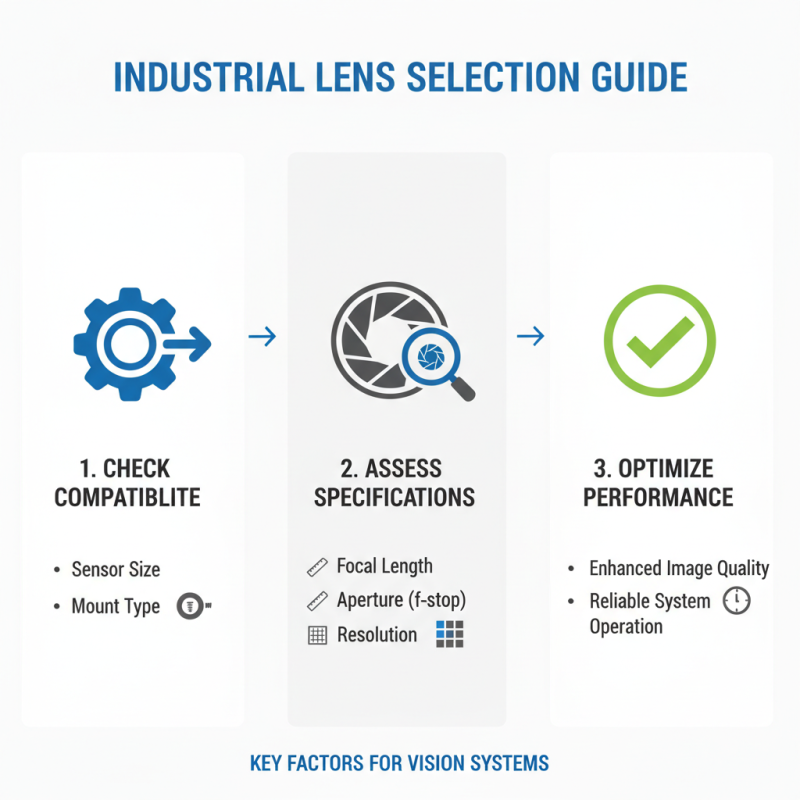
Picking the right Industrial Lenses can really make a big difference in how smoothly your production runs. I mean, John Smith over at Optics Corp, he's pretty much the go-to guy, says, “The clarity of your lens boosts the precision of your work.” When you're shopping for lenses, there’s actually a lot to consider—things like the material quality, coating options, and what you're actually going to use them for.
Honestly, a lot of folks don’t realize just how critical these choices are. Skimping or choosing the wrong lens can end up costing you time and money — nobody wants that. You’ve gotta match your lenses to your equipment and the environment you’re working in. For example, if you're dealing with harsh chemicals or extreme temperatures, you’ll need lenses that can handle that stuff. Sure, quality is super important, but knowing what you really need is just as crucial.
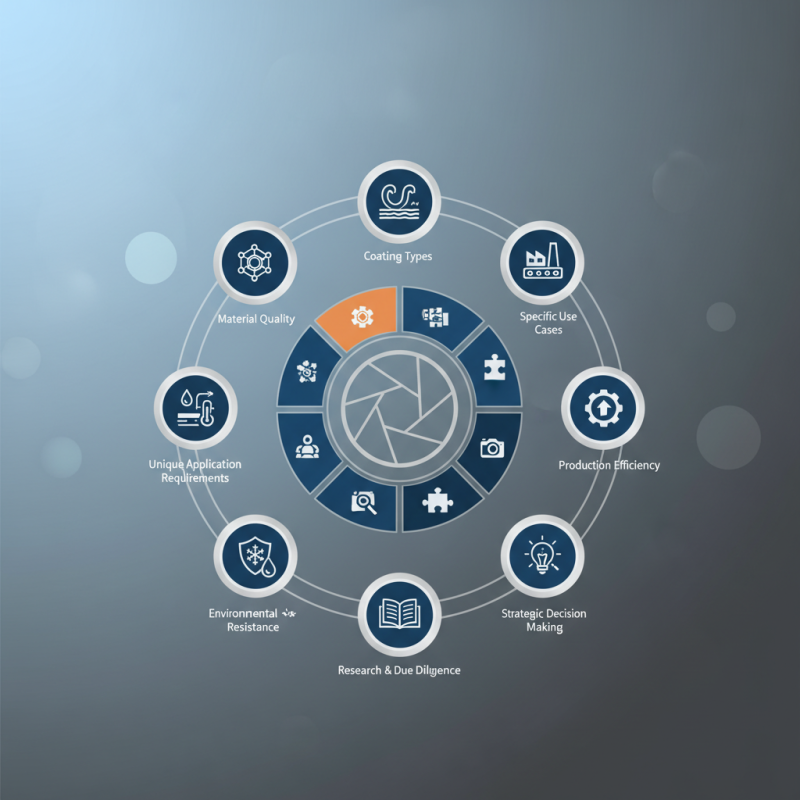
Taking the time to do some proper research is so worth it. Too often, people overlook their specific application needs, thinking a generic lens will do the trick. But every industrial setup has its own quirks and challenges. There’s no one-size-fits-all here. Ultimately, choosing the right industrial lenses isn’t just about making a quick buy—it’s a strategic move that can really impact your overall operations. Looking back at past decisions can help you make smarter choices down the road.
Understanding Different Types of Industrial Lenses Available in the Market
Industrial lenses vary widely in terms of design, application, and specifications. It is crucial to understand these variations to make an informed choice. For example, there are plano-convex, biconvex, and aspheric lenses, each offering unique optical characteristics. Plano-convex lenses are great for focusing light, while aspheric lenses minimize spherical aberrations, crucial in precision applications.
Market reports indicate that the industrial lens sector is growing steadily. According to recent data, the demand for high-performance lenses is expected to reach 7.5 billion USD by 2025. Users in sectors like manufacturing and robotics require lenses with specific coatings to enhance durability and performance. Some lenses even provide anti-reflective coatings to increase light transmission by up to 99%. However, choosing a lens solely based on data can be misleading; real-world applications might showcase different results.
Consider one aspect: focal length. A lens with a shorter focal length offers a wider field of view but may distort images at the edges. Reports suggest that 30% of industrial lens users face challenges due to miscalculating this parameter. It is essential to test lenses in actual operating conditions before making a final decision. Balancing specs with practical use cases can lead to better outcomes.
10 Essential Tips for Choosing Industrial Lenses
| Tip Number |
Tip |
Type of Lens |
Recommended Use |
| 1 |
Determine the specific application requirements |
Standard Lenses |
General industrial processes |
| 2 |
Understand the importance of focal length |
Telecentric Lenses |
Measurement and inspection applications |
| 3 |
Consider lens material and coatings |
Glass and Plastic Lenses |
Heat and chemical resistance applications |
| 4 |
Evaluate lens compatibility with imaging sensors |
C-Mount Lenses |
Machine vision systems |
| 5 |
Assess working distance requirements |
Macro Lenses |
Close-up imaging |
| 6 |
Identify lighting conditions and requirements |
Wide Angle Lenses |
Large field of view applications |
| 7 |
Factor in environmental conditions (temperature, humidity) |
Rugged Lenses |
Harsh industrial environments |
| 8 |
Look for appropriate resolution and image quality |
High-Resolution Lenses |
High-definition imaging tasks |
| 9 |
Check for distortion characteristics |
Distortion-Free Lenses |
Precision applications |
| 10 |
Consult with lens manufacturers or experts |
Custom Lenses |
Tailored applications |
Factors to Consider When Assessing Lens Compatibility with Equipment
Choosing the right industrial lenses can be tricky. Assessing lens compatibility with your equipment is crucial. It impacts image quality and system performance. Compatibility issues often arise if critical specifications are overlooked. Check the sensor size of your industrial camera. Lenses should match this size for optimal results.
Consider the lens mount type. It must align with your camera. A mismatched mount can lead to severe limitations. Additionally, focal length plays a vital role in your choice. Different applications require different focal lengths. Evaluate your specific needs carefully.
Don't forget about the aperture. A wide aperture allows more light gathering. This is vital in low-light environments. However, using a wide aperture can also produce shallow depth of field, which may not always be desirable. Reflect on the trade-offs. Ultimately, understanding the nuances of various features is essential. Selecting Industrial Camera Lenses should be a thoughtful process. It's more than just fitting a lens onto a camera.
Evaluating Optical Quality: Resolution, Distortion, and Light Transmission
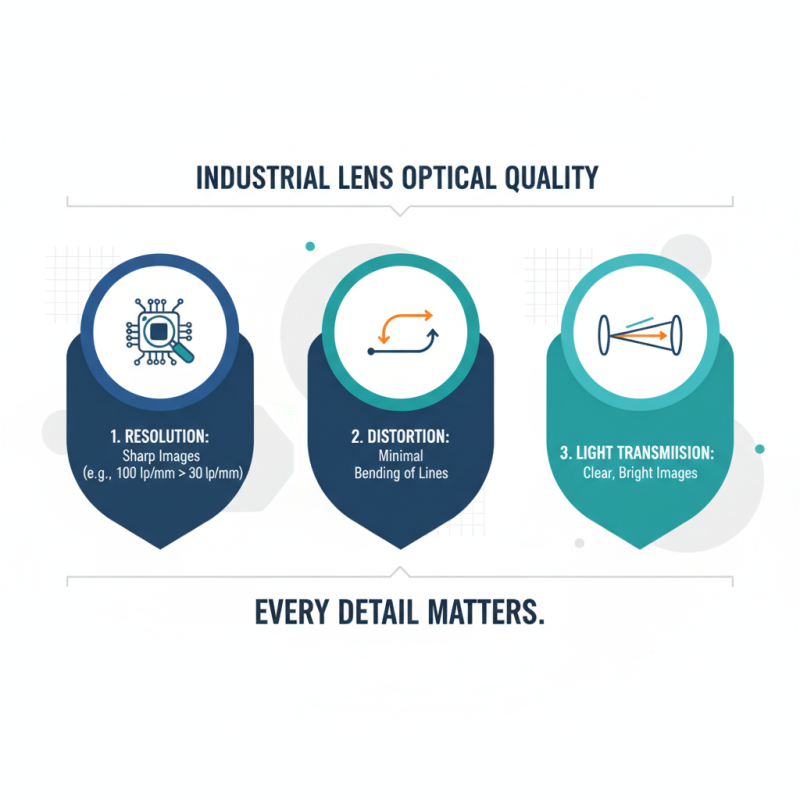
When selecting industrial lenses, evaluating optical quality is crucial. Key factors include resolution, distortion, and light transmission. High resolution ensures sharp images. For example, a lens with 100 lp/mm (line pairs per millimeter) provides clearer details than one with 30 lp/mm. The difference can be striking. In industrial applications, every detail matters.
Distortion is another important aspect. Inaccurate representation can lead to erroneous results. A good lens should have less than 1% distortion. Lenses exceeding this mark may produce curved or stretched images. Such inaccuracies can compromise workflow and productivity.
Light transmission affects how much light reaches the sensor. Higher transmission rates mean brighter, clearer images. Lenses with a transmission rate over 90% are often recommended. However, achieving this rate sometimes entails trade-offs in other areas like cost or durability. This balance is a challenge many professionals face. Remember, choosing industrial lenses requires careful consideration of these optical qualities.
The Role of Coatings and Filters in Industrial Lens Performance
When choosing industrial lenses, coating and filter choices significantly impact performance. Incorrect selections can lead to image distortion or decreased clarity. For example, according to a recent industry report, improper lens coatings can reduce light transmission by up to 25%. This can alter how an image is captured, leading to inconsistencies in measurements and outcomes.
C Mount Industrial Lenses benefit from specialized coatings designed to enhance durability and efficiency. Anti-reflective coatings improve light transmission, minimizing glare. However, not all coatings are created equal. An industry study found that lenses with inferior coatings experienced a 15% decline in performance over time. Choosing the right coating becomes vital for applications needing precision. Filters can also affect lens performance. A low-quality filter can introduce unwanted distortions. A report indicates that high-quality filters maintain up to 90% transmission efficiency compared to just 60% for cheaper alternatives.
Inadequate attention to these factors can lead to poor imaging results. It’s essential to consider the environment in which industrial lenses will be used. Dust, moisture, and temperature variations can impact lens performance. For instance, specific coatings protect against environmental damage but may not be suitable for all applications. Understanding these nuances is crucial for optimal lens selection.
Importance of Focal Length and Field of View in Application Suitability
Selecting the right industrial lenses is crucial for effective imaging.
Focal length significantly impacts the lens's ability to capture details.
A longer focal length offers a narrower field of view, which is necessary for detailed inspections from a distance.
Conversely, a shorter focal length provides a wider field of view, ideal for broader scenes.
Clarity in the focal length choice can either enhance or complicate your application.
Field of view plays a critical role in application suitability.
A report from the Imaging Society indicates that camera lenses with a 50 mm focal length have a 40-degree field of view,
making them popular for standard applications. However, many industries require versatility.
A lens with a 25 mm focal length can cover a 90-degree view.
When selecting Industrial Cameras Lenses,
understanding how these distances affect the images is essential.
A mismatch between the lens and the application can lead to flawed imaging.
Images captured may not meet the required standards. It’s important to test and evaluate different lenses.
Sometimes, the latest technology doesn't guarantee better results. Considerations around lens distortion
and light sensitivity should not be overlooked either.
Performance can vary drastically based on environmental factors, which may require more experimentation.
Budgeting for Industrial Lenses: Cost vs. Quality Considerations
When selecting industrial lenses, budgeting is a critical factor. The cost of these lenses can vary significantly based on their type and quality. Often, lower-priced options seem appealing. However, they may compromise image clarity and durability. High-quality lenses can last longer and deliver superior performance. The initial higher expense often pays off in the long run.
Consider where and how you'll use the lenses. Harsh environments and specific applications may require more robust options. Over time, you might need to replace cheaper lenses frequently. This increases long-term costs. While it’s tempting to save money upfront, think about performance and reliability. Your project’s success may hinge on these choices. Balancing cost and quality is crucial. Assess your needs carefully before making a final decision.
Maintenance and Care Practices for Longevity of Industrial Lenses
When it comes to maintaining industrial lenses, regular care is crucial. Clean your lenses frequently to prevent dirt buildup. Use a soft, lint-free cloth and a gentle cleaning solution. Avoid harsh chemicals. They can damage the lens coating.
Check for scratches or cracks during your routine maintenance. If you find any damage, consider replacing the lens. Ignoring small issues can lead to bigger problems later. Keeping an eye on your equipment helps prolong its life.
Tip: Store your lenses in a protective case when not in use. A simple case can prevent accidental drops and scratches. Also, avoid exposing the lenses to extreme temperatures. Industrial Light can heat up or cool down quickly, causing stress on the material.
Another important aspect is proper calibration. Misalignment can occur over time. Regular checks ensure that lenses are performing optimally. This not only helps in efficiency but also in safety during operations. Consistent care and mindfulness can significantly extend the lifespan of your industrial lenses.
10 Essential Tips for Choosing Industrial Lenses
This bar chart illustrates the importance of different factors to consider when choosing industrial lenses based on a survey conducted among industry professionals.
Enhancing Industrial Surveillance: Insights from Global Market Reports on the Demand for 5 Megapixel M12 Interface Lenses
The demand for high-quality imaging solutions in industrial surveillance is increasingly driven by the need for enhanced security and monitoring capabilities. According to recent global market reports, the market for 5 megapixel lenses, particularly those with an M12 interface, is projected to grow significantly. These lenses are integral to achieving precise and detailed imaging, making them ideal for various applications such as critical infrastructure monitoring, border security, and retail surveillance.
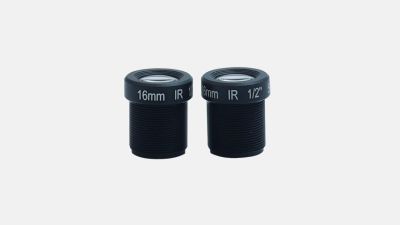
A notable product that aligns with this trend is a manual iris lens with a 16mm focal length. This lens is engineered to deliver low aberration and low distortion imaging, which is essential for producing accurate representations of monitored environments. Furthermore, its multi-coating technology effectively suppresses stray light and ghost images, ensuring crystal-clear visibility under various lighting conditions. This is particularly beneficial in industrial settings where varying light levels can impact image quality.
Additionally, the 5 megapixel resolution offers a large depth of field, allowing for sharp images across different distances. The compact design of these lenses does not compromise optical performance, making them suitable for both new installations and upgrades in existing surveillance systems. As industries continue to prioritize safety and efficiency, the integration of advanced lens technology will remain a critical factor in enhancing overall surveillance effectiveness.
FAQS
: Regular exercise boosts mood and energy levels. It improves body strength and supports overall health.
Aim for at least 150 minutes of moderate-intensity exercise weekly. Break it into manageable sessions.
Some outdoor activities are fine in light rain. Be cautious in extreme conditions like intense heat or cold.
Comfortable clothing and proper footwear are key. Ensure your outfit allows movement and breathability.
Rest days are vital for recovery. Ignoring them can lead to burnout and injury.
Set realistic goals and track progress. Finding a workout buddy can help maintain accountability.
Conclusion
When selecting Industrial Lenses, it is crucial to understand the various types available in the market, each designed for specific applications. Factors such as compatibility with existing equipment, optical quality—including resolution, distortion, and light transmission—play significant roles in the effectiveness of these lenses. Additionally, the choice of coatings and filters can enhance lens performance for demanding industrial environments.
Focal length and field of view also significantly influence the suitability of Industrial Lenses for particular tasks, while budget considerations can affect decisions between cost and quality. Lastly, adhering to proper maintenance and care practices is vital for ensuring the longevity and reliability of your Industrial Lenses, allowing them to perform optimally over time.
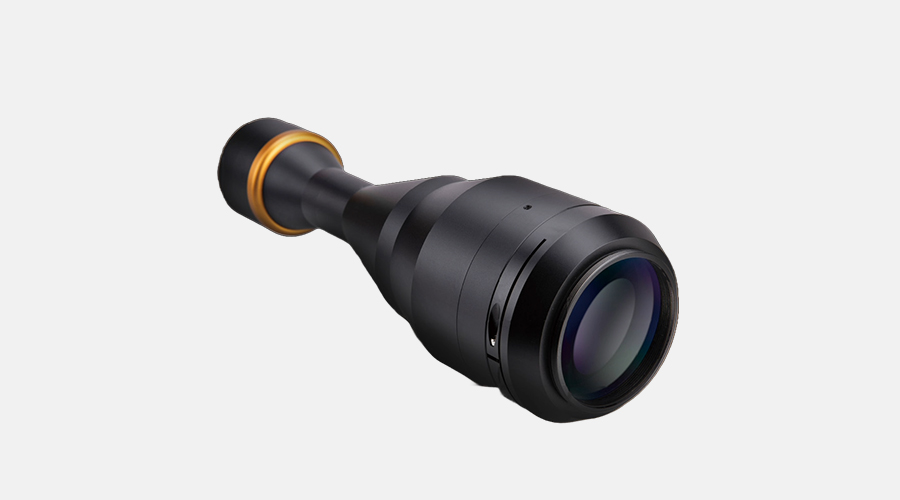 Compatible with 7.2mm-82mm chips
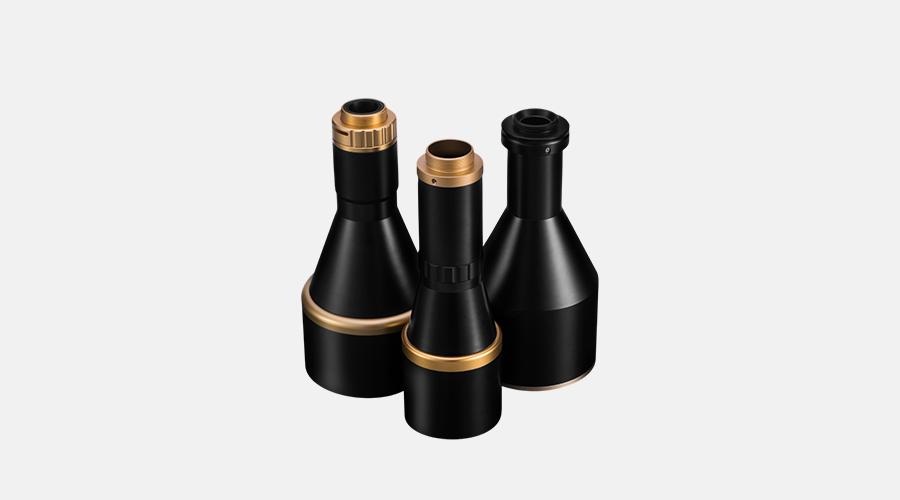 High/Low Working Distance
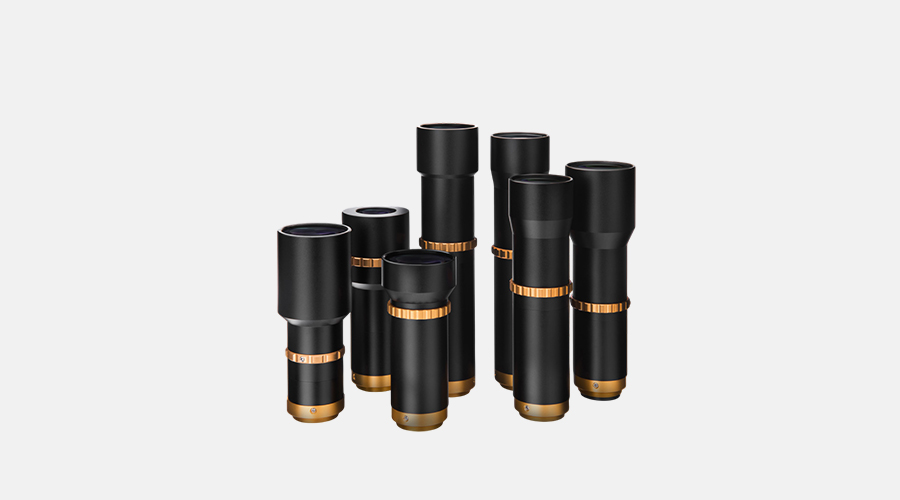 Aperture telecentric lens
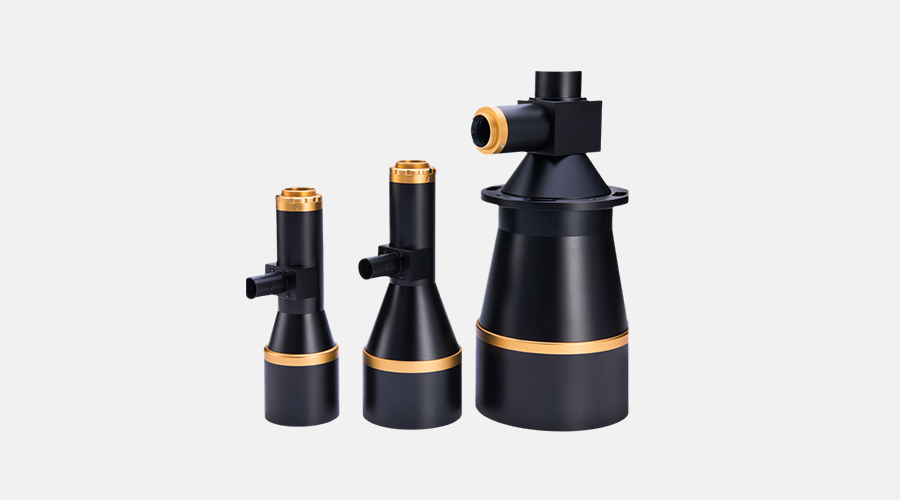 Measuring lens
 Maximum support 1.1" chips
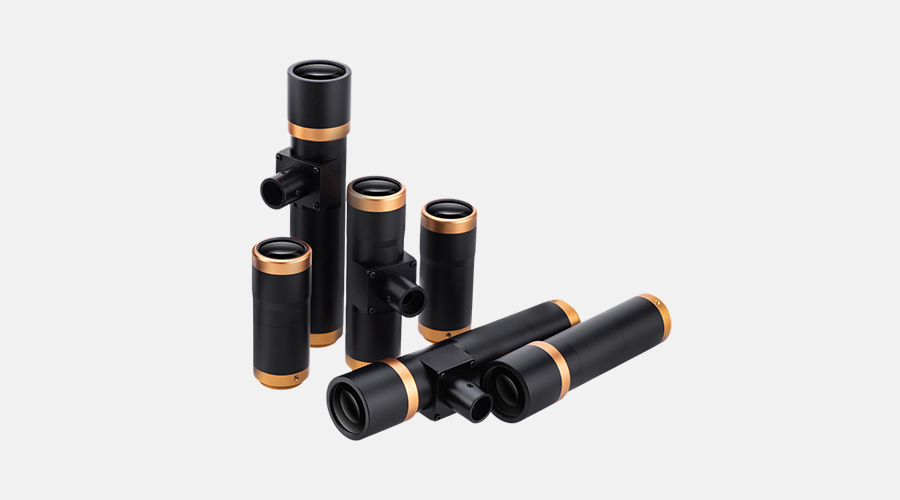 Maximum support 1.2" chips
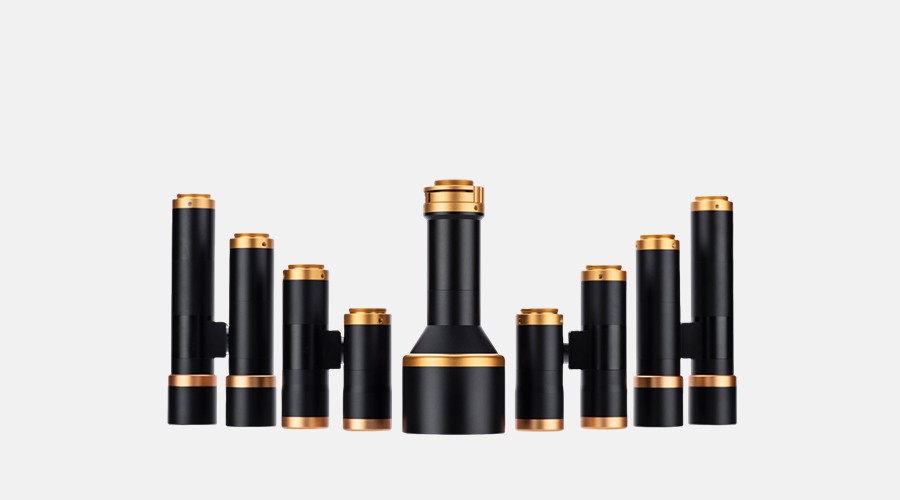 Maximum support 2/3" chips
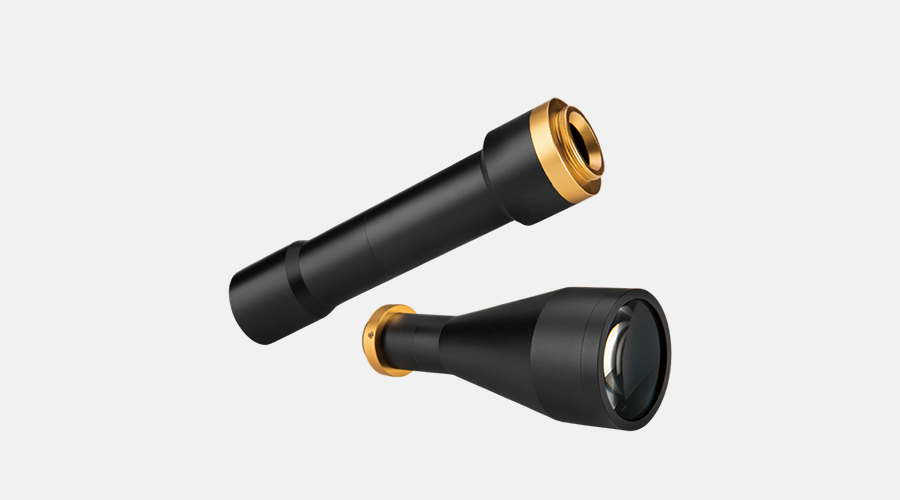 Long Working Distance
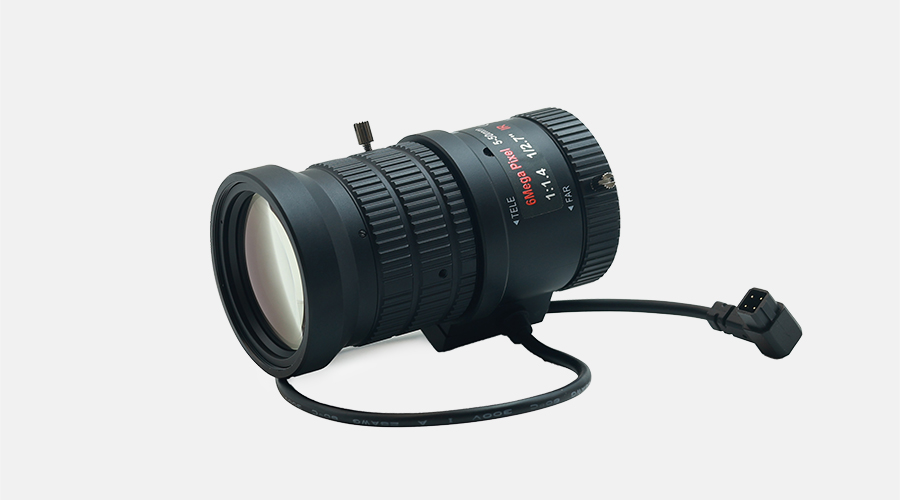 CS mount Varifocal lens
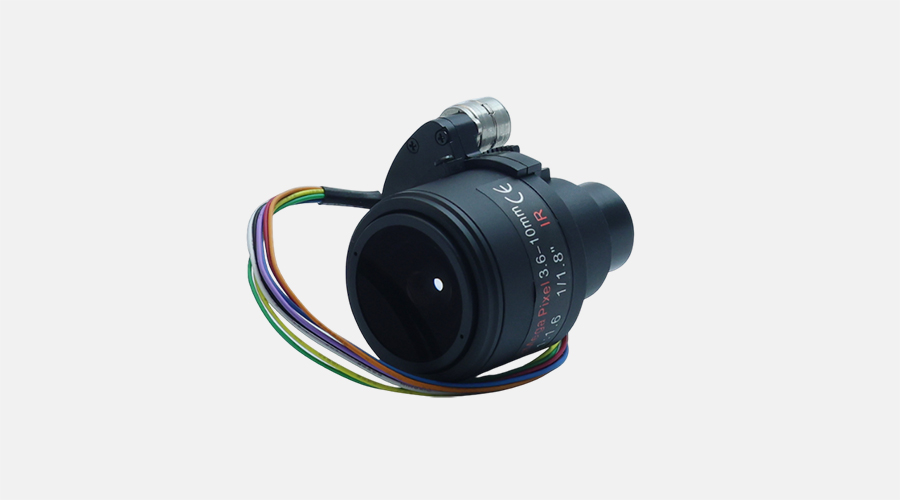 Varifocal board lens
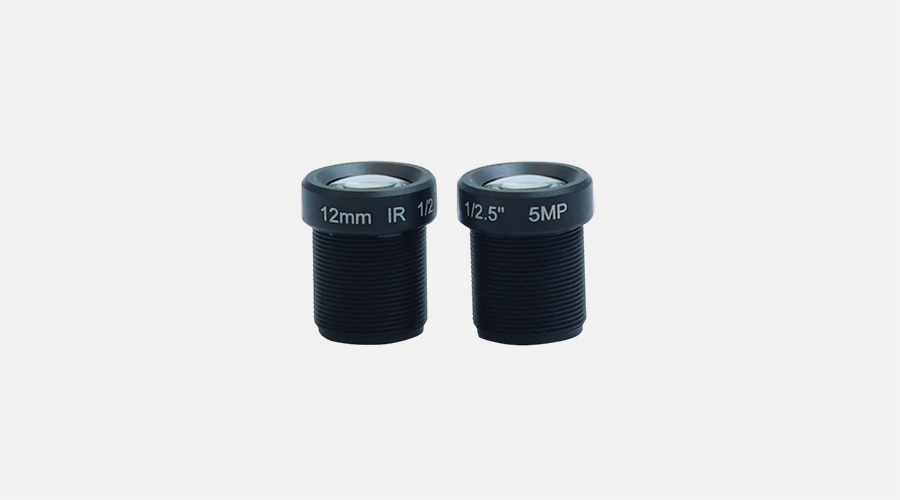 S mount lens
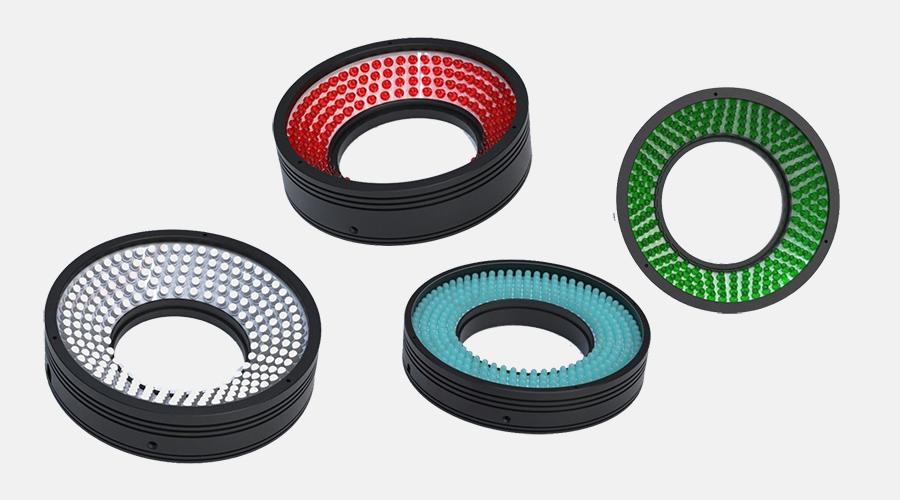 Ring light
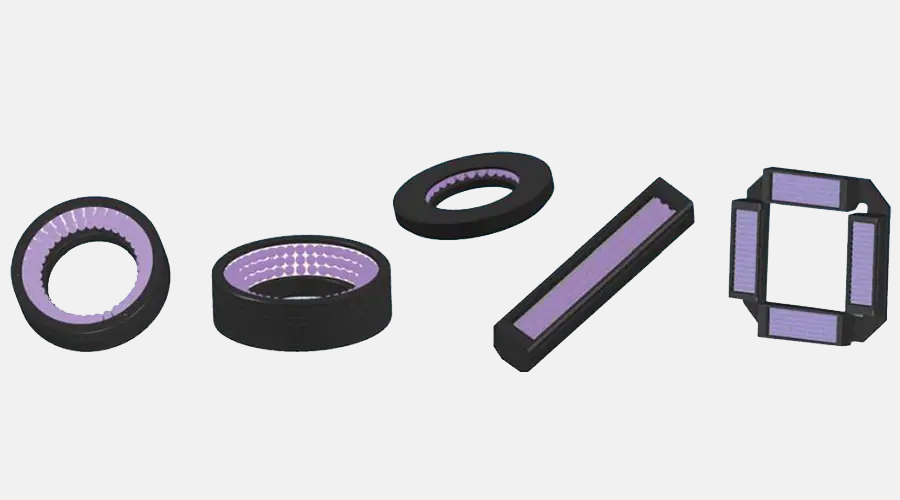 UV/IR Light
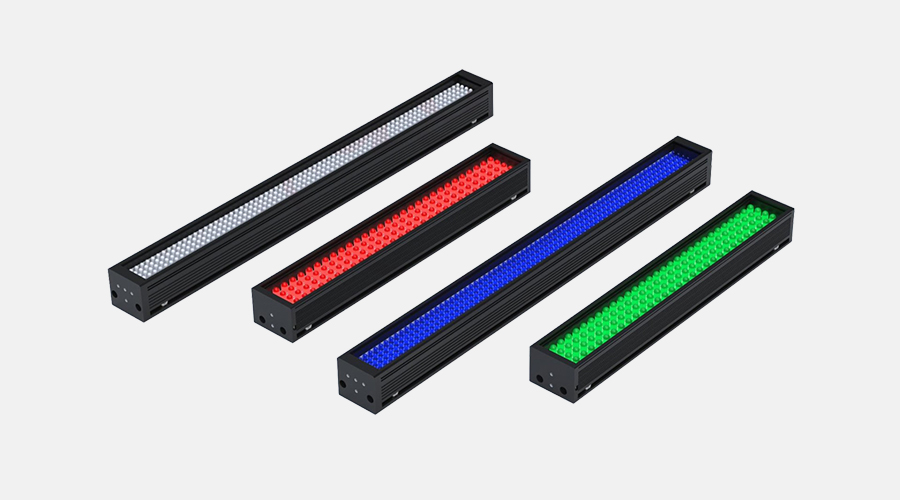 Bar light
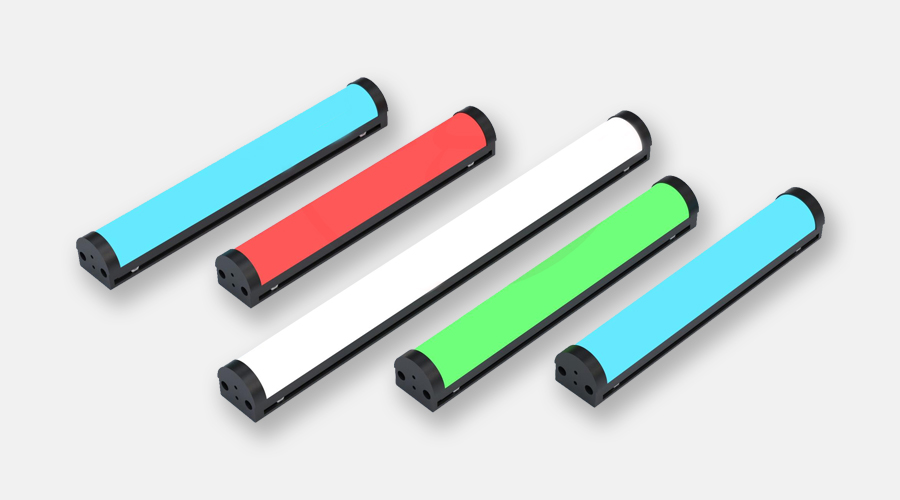 Arcuate high uniformity light
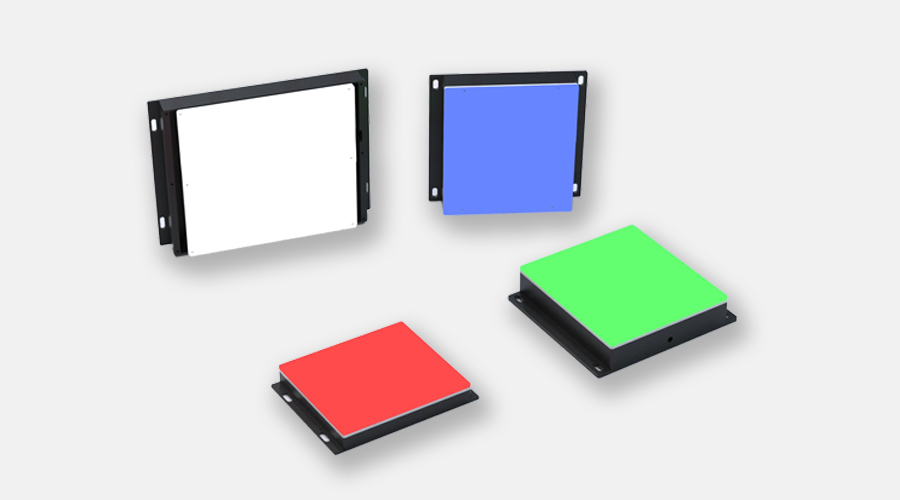 Back light
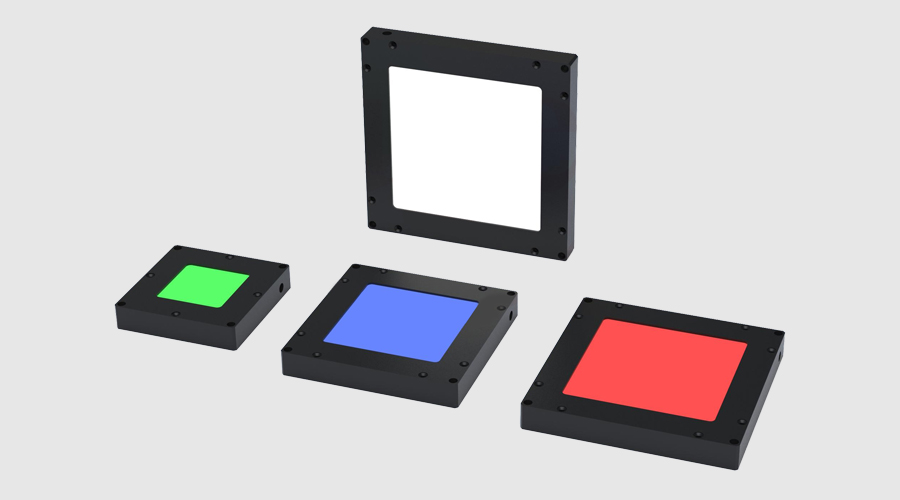 Flat light
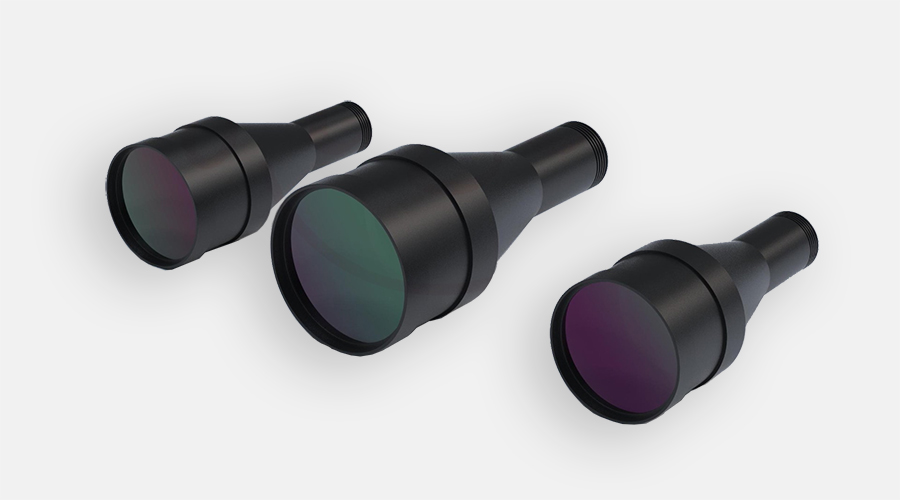 Collimated light
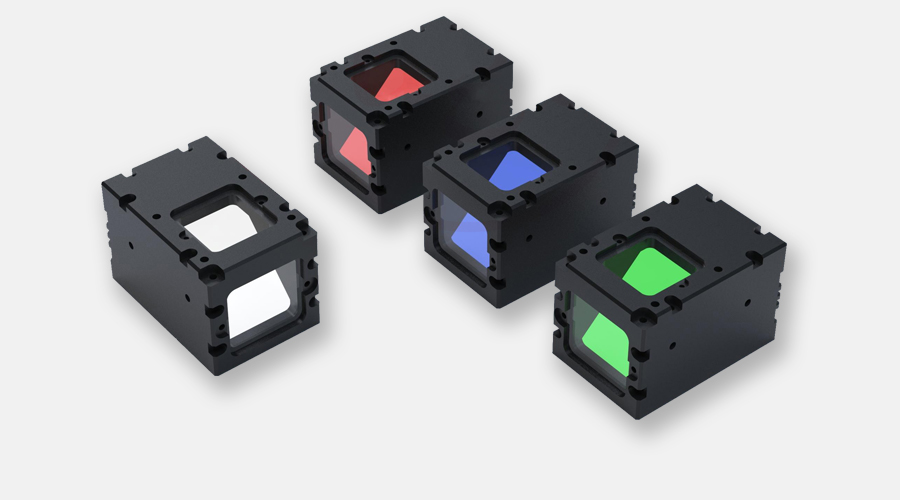 Coaxial light
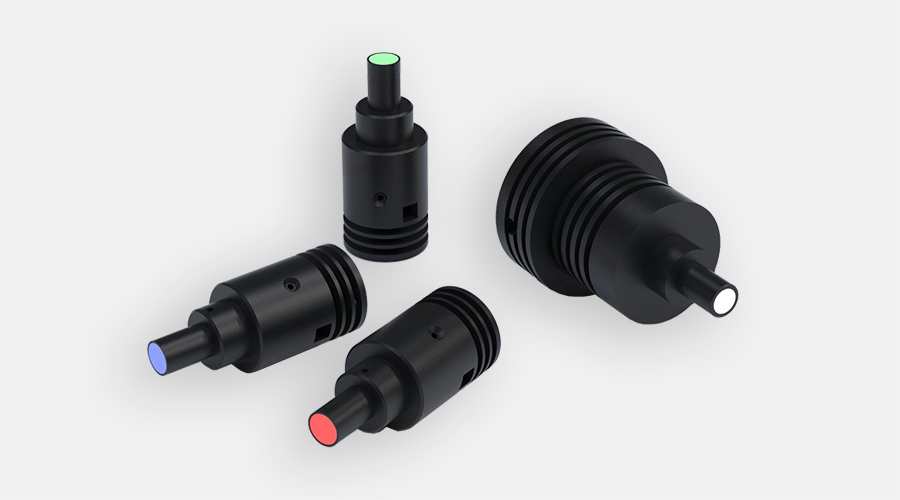 Spot light
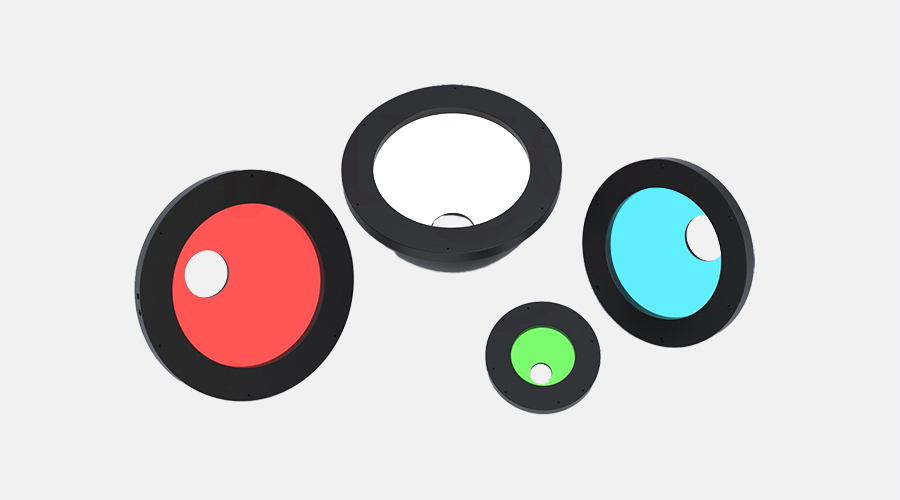 Dome light
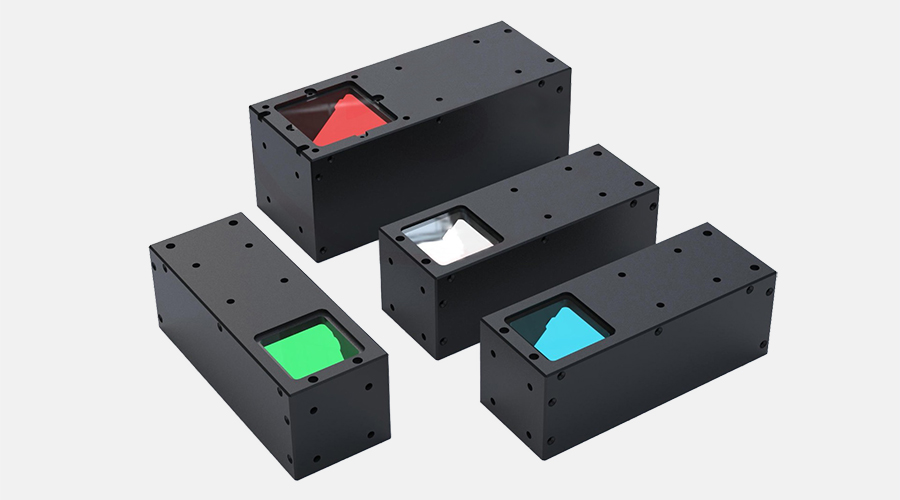 Collimated Coaxial light
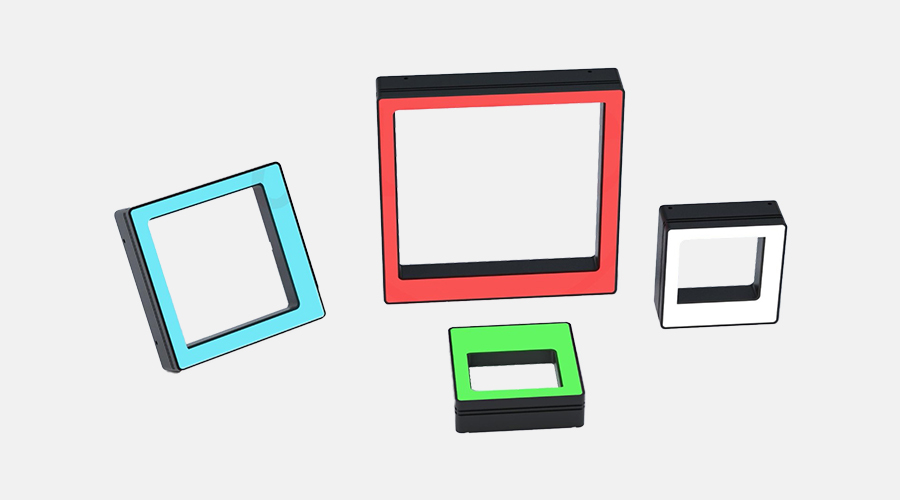 Shadowless square light
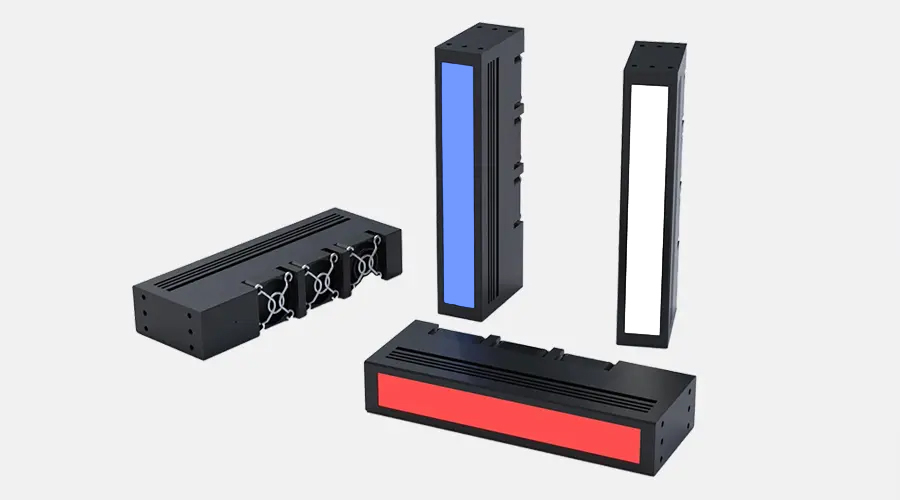 Scan light
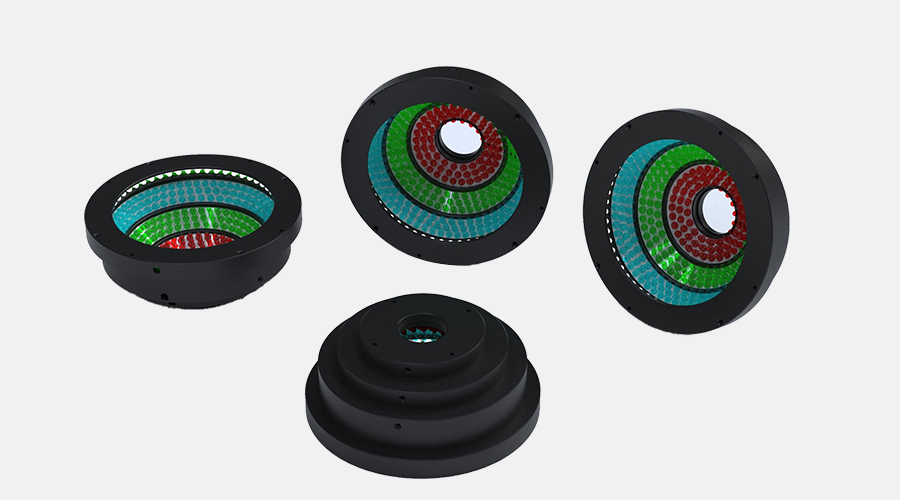 AOI light
 Analog controller
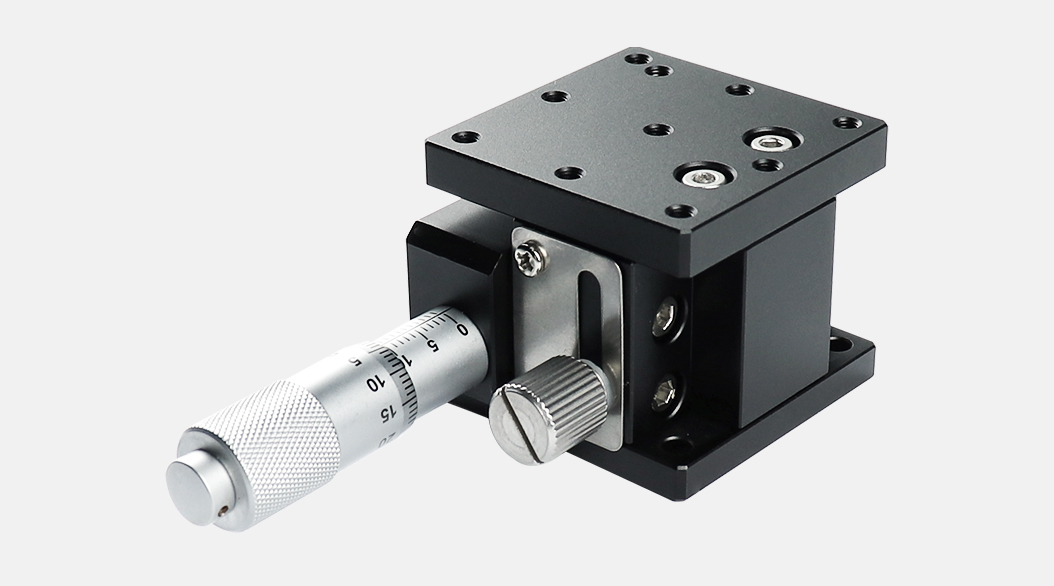 Crossed-Roller Linear guide type
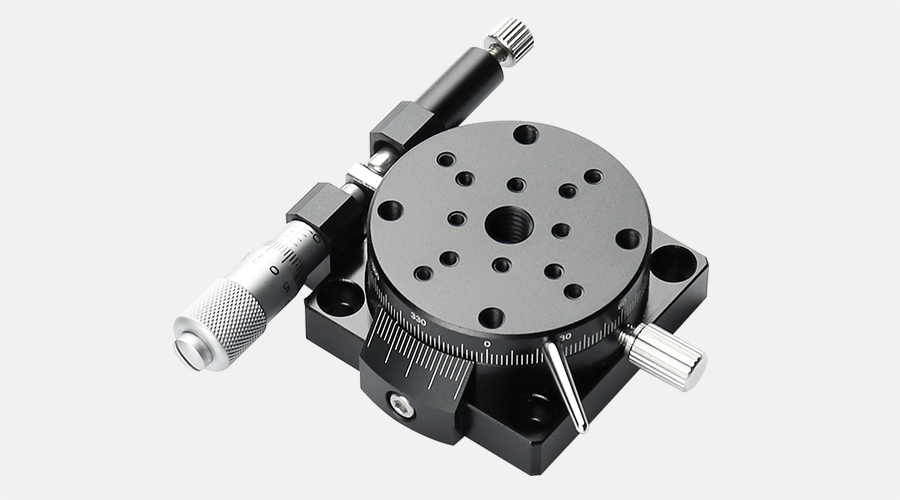 Rotary Stages XRS series
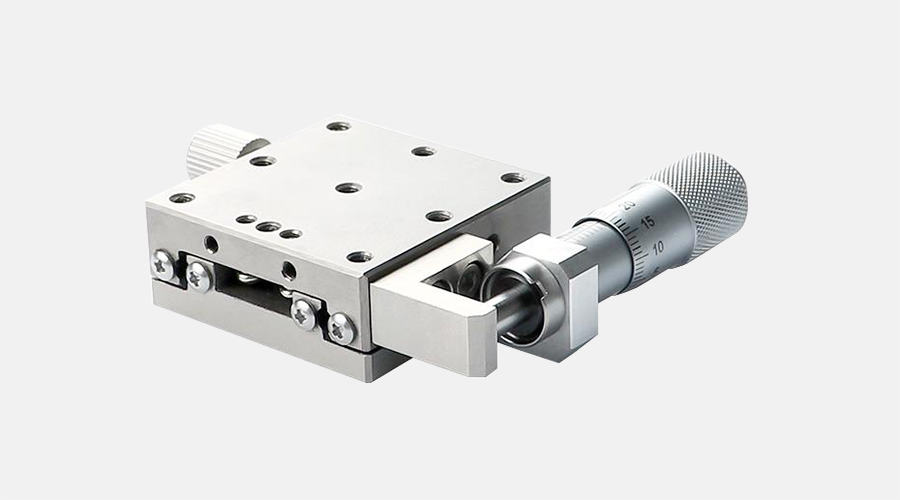 Stainless Steel Ball Bearing Linear Translation Stages
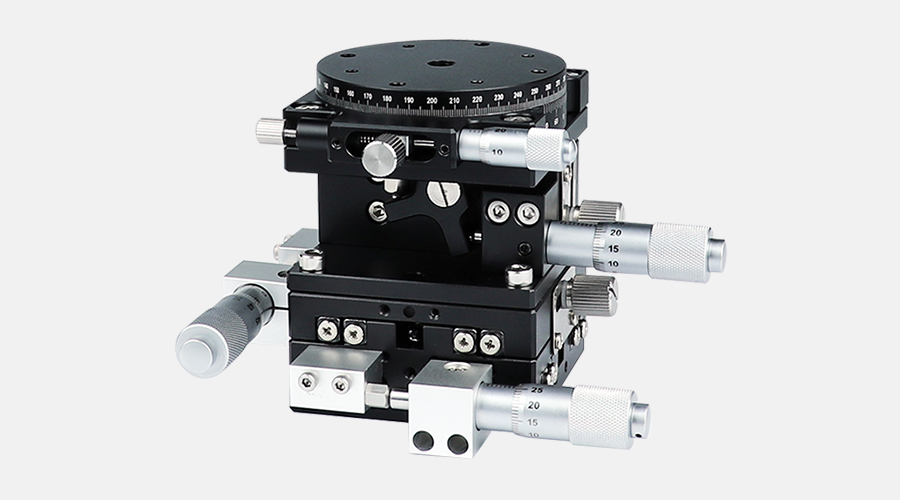 Multi-axis Translation stages
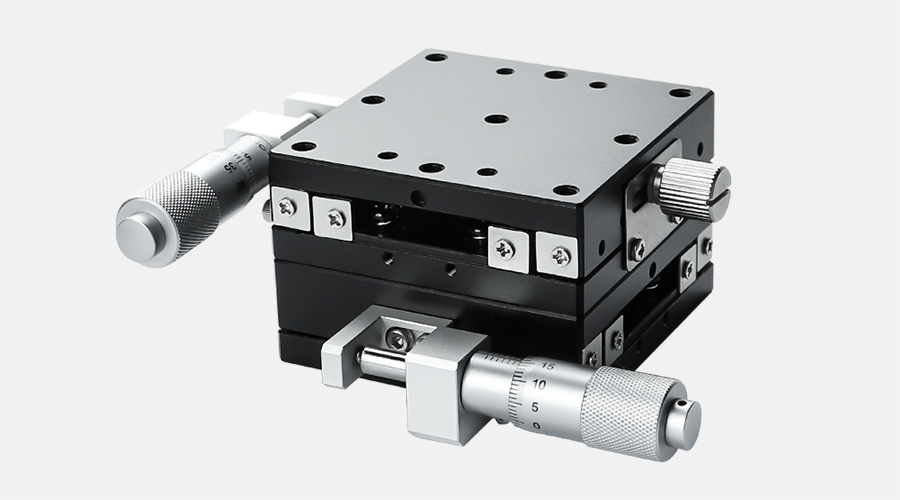 steel bar ball bearing stages
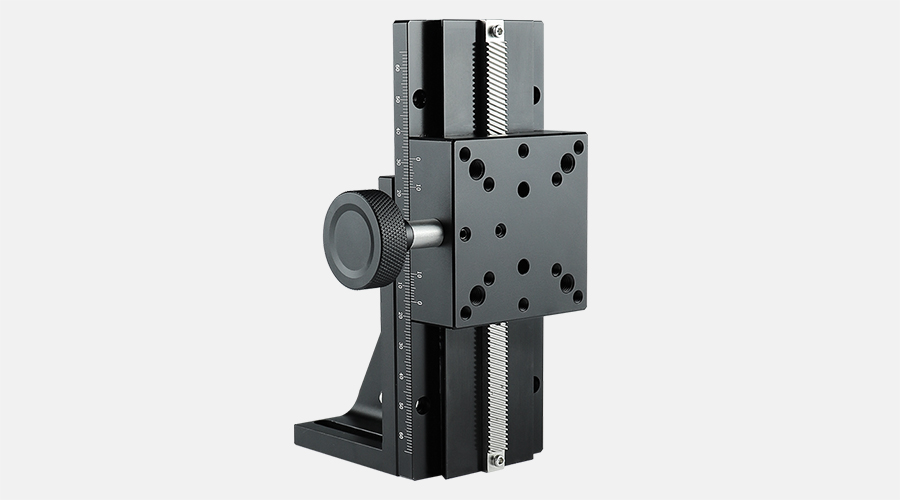 Dovetail Type Rack&Pinion Positioning Stage
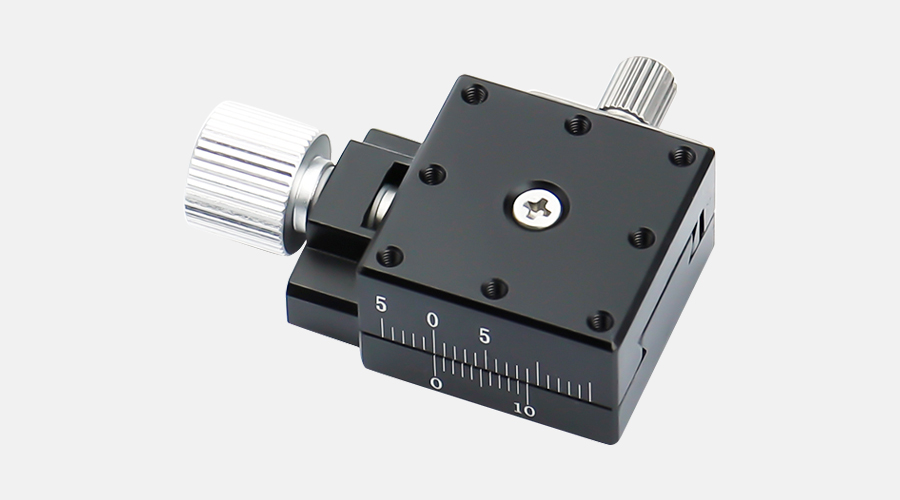 Dovetail groove high-precision screw slide