You know, tech is changing super fast these days, especially when it comes to optical solutions. It’s pretty exciting—industries all around the world are jumping on the automation bandwagon and adopting smarter manufacturing processes. Because of that, the need for advanced optical parts has skyrocketed. Fuzhou New Vision Technology Co., Ltd. is really leading the charge here. They’re experts in making and selling key components for machine vision, and they’re all about pushing the boundaries with cutting-edge visual tech and high-performance hardware. Their work helps industries improve their operations and boost productivity, no doubt.

In this article, we’ll take a closer look at how new advancements in industrial lenses are really transforming automation. It’s pretty fascinating to see how these optical innovations are driving innovation and making manufacturing more efficient across the board. As we dig into how technological progress lines up with improvements in optical tech, I’ll point out how companies like New Vision are really making a difference and leading the way in this exciting evolution.
The Historical Milestones in the Development of Industrial Lenses
You know, looking at the history of industrial lenses really tells a bigger story about how technology keeps evolving and pushing forward. I mean, we've come so far—from those simple glass optics of back in the day to the super complex multi-element designs we use today. Early on, most optical solutions were pretty much mechanical, mainly just to capture images directly. But with advances in materials science and better manufacturing techniques, lenses now can manipulate light with crazy precision. It’s pretty amazing how all this progress hasn't just made things more productive, but also opened up new doors in fields like automation, transportation, and telecoms.
And then, if you take a walk through places like Shanghai, you can see a really cool mix of old and new. Historic sites like shipyards and signal towers—these were once symbols of industrial strength—are now being reimagined, repurposed for today’s needs. It’s kind of like a dialogue between history and modern tech. That revival isn’t just about preserving the past; it’s also about embracing innovation. You see it in how cutting-edge optical tech is being integrated into these spaces, enhancing all sorts of industrial applications. Putting industrial lenses into these historic settings really shows how tradition and progress can blend together, creating this cool bridge that links our industrial milestones with exciting future possibilities.
The Evolution of Industrial Lenses: How Technology is Transforming Optical Solutions - The Historical Milestones in the Development of Industrial Lenses
| Year |
Milestone |
Technological Advancement |
Impact on Industry |
| 1800 |
First Achromatic Lens |
Reduction of chromatic aberration |
Enhanced clarity for scientific instruments |
| 1920 |
Introduction of Coated Lenses |
Anti-reflective coatings |
Improved light transmission and reduced glare |
| 1960 |
Development of Aspherical Lenses |
Elimination of spherical aberration |
Higher image quality for imaging systems |
| 1990 |
Digital Imaging Systems |
Integration with digital sensors |
Transformation of industrial inspection processes |
| 2020 |
Advancements in Adaptive Optics |
Real-time correction of optical distortions |
Increased precision in high-tech manufacturing |
Key Technological Innovations Shaping Modern Optical Solutions
The optical solutions industry
is really going through some exciting changes, driven by a bunch of new tech innovations. The market's set to grow quite a lot — estimates show it jumping from around $46.9 billion in 2023 to roughly $73.8 billion by 2030. That’s like a steady 6.7% year-over-year growth just in North America! A big reason for this boom is advances in lens manufacturing — new materials, better coatings, and improved techniques that not only boost optical performance but also look good and suit modern aesthetic tastes.
With smartphones now sporting multi-camera setups, the demand for high-quality camera lenses has skyrocketed. These tiny lenses have become a pretty important part of brand identity — they really impact picture quality and how users experience the device. To keep up, manufacturers are in a bit of a tight spot: they need to design less than
3 cm² of glass that doesn’t just perform well optically but also looks great and can be mass-produced without a hitch. Looking ahead, the optical platform market is expected to keep growing, from about
$6.2 million in 2025 to nearly
$9.6 million by 2033 — that's a
CAGR of 4.2%. All of this really highlights how
innovation is at the core of developing better optical solutions for all kinds of applications.
The Role of Digitalization in Enhancing Lens Design and Manufacturing
You know, the world of industrial lenses has really changed a lot lately, mainly because of digitalization. As industries jump on the automation bandwagon and move toward smarter manufacturing, the need for top-notch optical solutions is more urgent than ever. Thanks to digital tools, designing lenses has become way more innovative, and the manufacturing process itself has gotten a boost, making lenses that are more precise, adaptable, and efficient. This shift isn’t just about keeping up with modern machinery—it's also about meeting the bigger goals of boosting productivity and getting better visual quality in automated systems.

At Fuzhou New Vision Technology Co., Ltd., we’re right there in the middle of this tech revolution. Our focus on creating core machine vision components helps us stay responsive to what global companies need. By weaving advanced digital practices into our design and production, we make sure our lenses aren’t just good—they’re optimized for top performance. This push for cutting-edge solutions helps us support automation across various industries, which in turn pushes innovation and drives success in manufacturing. Honestly, it’s pretty exciting to be part of this evolving landscape!
Applications of Advanced Industrial Lenses Across Various Sectors
Over time, industrial lenses have come a long way, and that really shows in how much they’re used across different fields like manufacturing, healthcare, and robotics. For instance, in manufacturing, these advanced optical tools help keep quality in check — machines can now spot tiny defects on products with pretty impressive precision, which is a game-changer. When it comes to healthcare, specialized lenses are a key part of imaging systems, making it easier to get accurate diagnoses and perform surgeries more smoothly. And in robotics, industrial lenses are essential too; they’re what allow robots to see clearly, navigate around, and recognize objects — all of which helps automate tasks more effectively.
Now, if you're choosing an industrial lens for a specific job, a couple of things to keep in mind are the focal length, the size of the aperture, and the type of coating. These little details can really impact how good the image looks and how well the system performs.
Looking at automation, industrial lenses are super important in 3D imaging and depth perception — critical for things like assembling parts or packing. Plus, with AI getting smarter and newer tech being integrated, lenses are now able to adapt to different environments, making them even more versatile and useful in a bunch of scenarios.
Here’s a tip: always check if new lens tech plays nicely with your existing gear. It helps boost performance and saves you headaches or downtime when you set things up.
Future Trends in Optical Technologies and Their Industrial Implications
The optical components industry is really on the rise right now. Looking at the global market for optical glass, it's expected to jump from about 2.1 billion dollars in 2024 all the way up to around 3.4 billion by 2033—that’s roughly a 5.5% compound annual growth rate. And honestly, a lot of this growth is fueled by rising demand across different fields, especially as new information technologies keep evolving. You know, since optical components are basically the 'eyes' of these new techs, they're being recognized as a key part of strategic emerging industries in many countries.
Over in China, things are picking up even more. The optical components market there is forecasted to hit around 160 billion yuan (that’s about 24 billion dollars) in 2024. And, interestingly, it’s growing at roughly 6.5% compared to last year. One big trend now is the push for domestic production—local manufacturers are stepping up their game to meet the huge demand. Plus, with the really concerning rise in myopia among young people, there’s a growing urgency for innovative optical solutions. That really highlights how important this sector is for future tech trends. As companies keep investing in R&D, it’s clear that we’re on the verge of some major changes in the industry, driven by ongoing advancements in optical tech.”
The Evolution of Industrial Lenses: Technology and Future Trends
Tips for Choosing the Right Industrial Lens for Your Specific Needs
Picking the right industrial lens for your specific needs isn’t just about grabbing any old piece of equipment—it’s about really thinking things through. First off, understanding what you’re gonna use it for is super important. Different industries have their own quirks, whether it’s for inspection, measurement, or capturing images. For example, if you need high-res shots, you’ll want a lens that keeps distortion at bay and delivers clear, sharp images. On the other hand, if you're inspecting stuff, having a wider field of view might be more helpful. So, making sure the lens matches the task at hand is key to getting the best results.
And let's not forget—technology is always evolving. Features like new coatings that make lenses tougher and cut down glare really can make a difference, especially in tough environments. Plus, when choosing a lens, it’s good to think about whether it plays nice with your existing gear and how smoothly it can fit into your current setup. If you keep these things in mind, you’ll be able to choose a lens that actually works well for your operations and helps things run more smoothly—that’s what really counts.
FAQS
: The historical milestones reflect the evolution from simple glass optics to complex multi-element designs, illustrating advancements in materials science and fabrication techniques that enhance light manipulation and productivity across various fields.
Advanced optical solutions in manufacturing enhance precision in quality control, allowing machines to detect minute defects in products with remarkable accuracy.
Specialized lenses in healthcare are utilized in imaging systems to facilitate better diagnostics and more efficient surgical procedures.
In robotics, industrial lenses are integral to machine vision technology, improving navigation and object recognition for increased automation efficiency.
Key factors include focal length, aperture size, coating types, application requirements, and compatibility with existing equipment to ensure optimal performance.
Advancements such as augmented reality and personalized solutions are reshaping lens selection, prioritizing features like durability and glare reduction for enhanced usability.
Coatings that enhance durability and reduce glare significantly impact usability, particularly in demanding environments, making lens selection critical for operational efficiency.
The integration of AI with optical technology leads to smarter lens systems that can adapt to environmental conditions, increasing versatility in applications.
The revival of historical industrial sites, such as shipyards and signal towers, showcases a dialogue between honoring the past and incorporating modern optical innovations for contemporary industrial use.
Regularly assessing compatibility helps maximize performance and reduces downtime during the implementation of new lens technologies into current systems.
Conclusion
The article titled "The Evolution of Industrial Lenses: How Technology is Transforming Optical Solutions" takes a deep dive into the major milestones that have shaped industrial lenses over the years. It highlights some pretty cool tech innovations that are really changing the game in modern optical solutions. One thing that stands out is how digitalization has totally revolutionized the way lenses are designed and made, making the process more precise and flexible — it's like we've gone from manual craftsmanship to high-tech wizardry. The article also discusses how these advanced industrial lenses are being used across a bunch of different sectors, from automation and smart manufacturing to other industrial applications. And, looking ahead, it offers some interesting insights into future trends that could make industries even more efficient and high-performing.
At Fuzhou New Vision Technology Co., Ltd., where they’re all about providing state-of-the-art visual solutions for global automation, keeping up with these kinds of advancements is super important. The piece even includes some practical tips on how to pick the right industrial lens for specific needs, so industries can really get the most out of the latest tech and stay ahead of the curve.

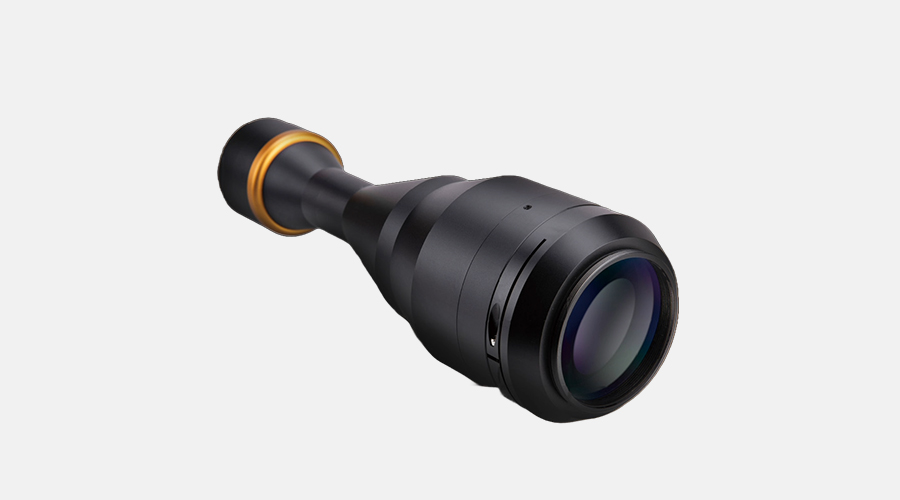 Compatible with 7.2mm-82mm chips
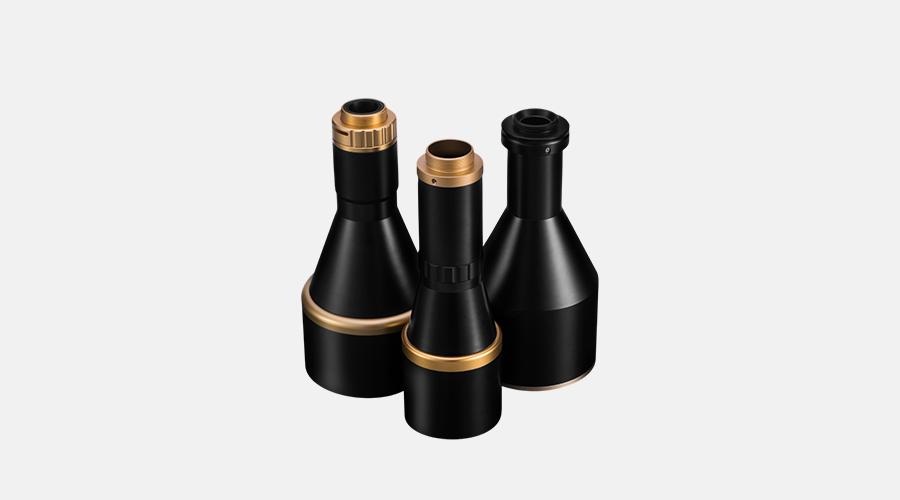 High/Low Working Distance
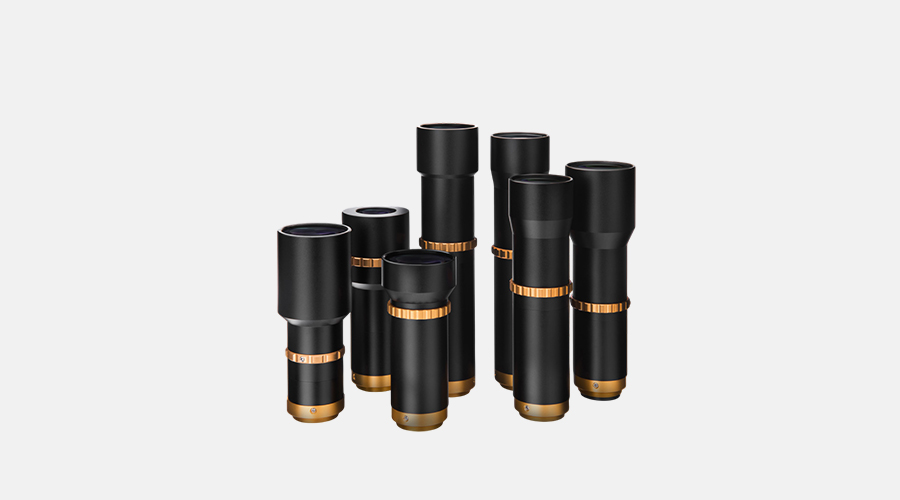 Aperture telecentric lens
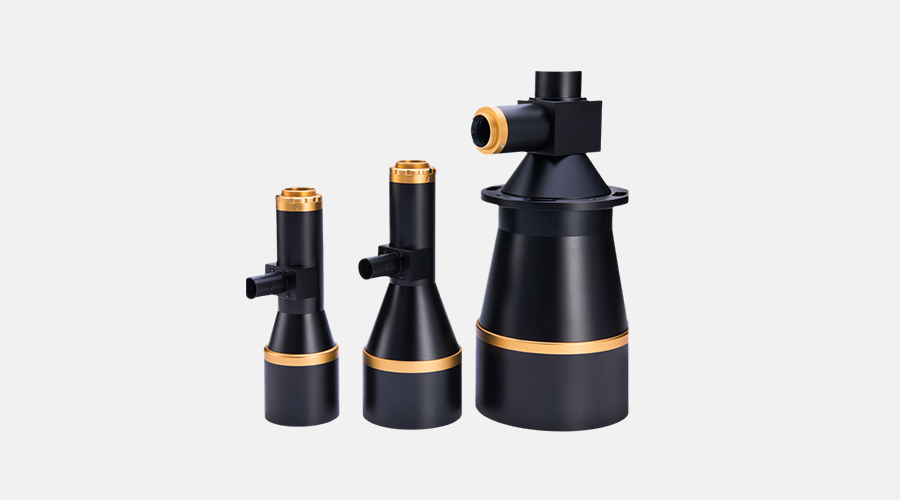 Measuring lens
 Maximum support 1.1" chips
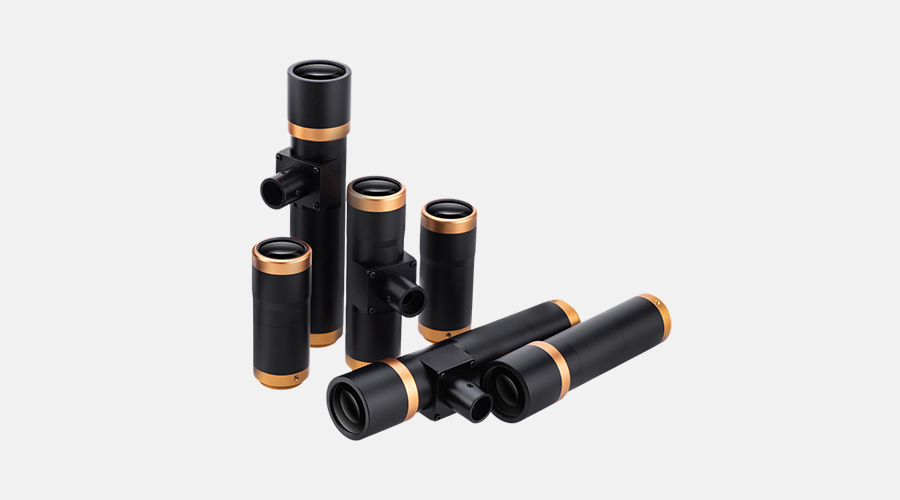 Maximum support 1.2" chips
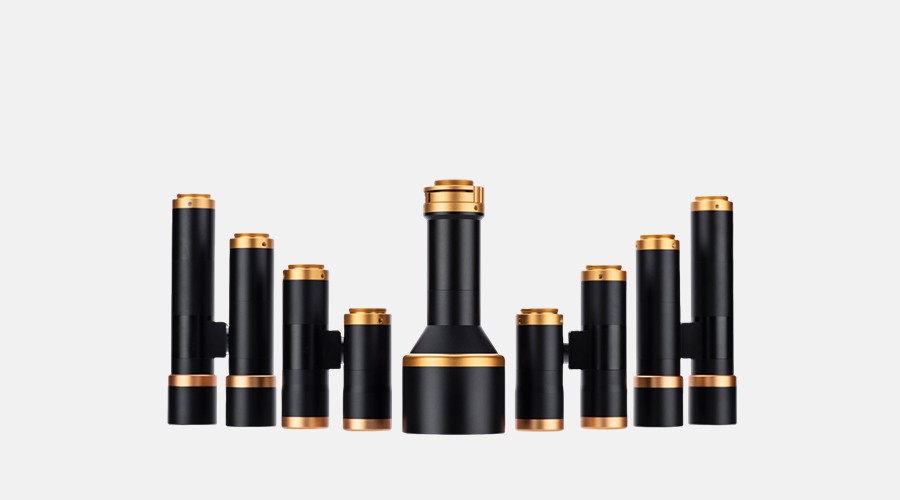 Maximum support 2/3" chips
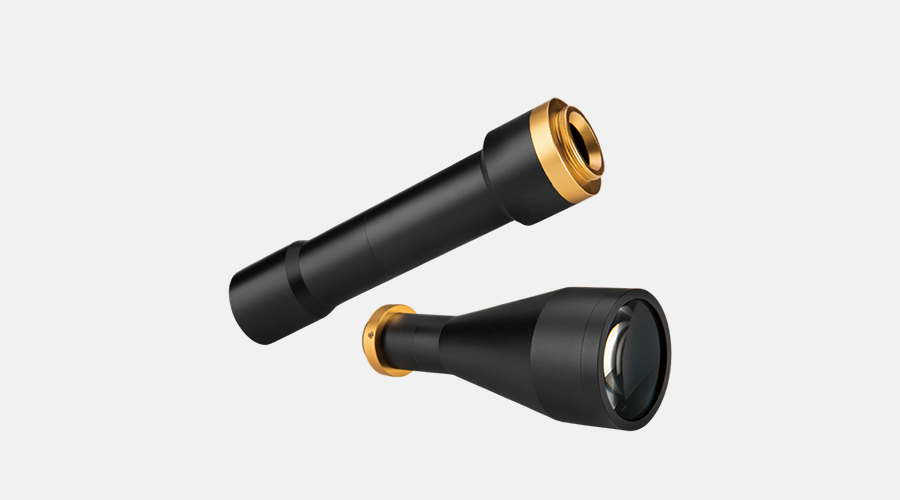 Long Working Distance
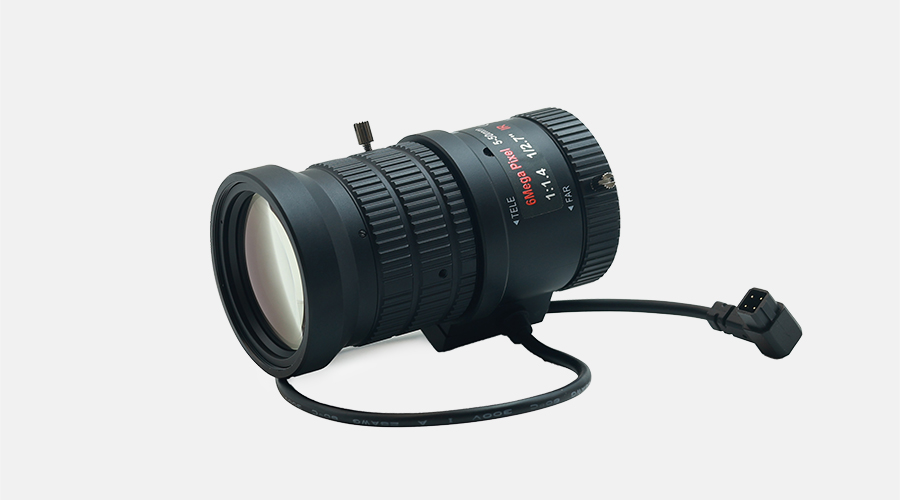 CS mount Varifocal lens
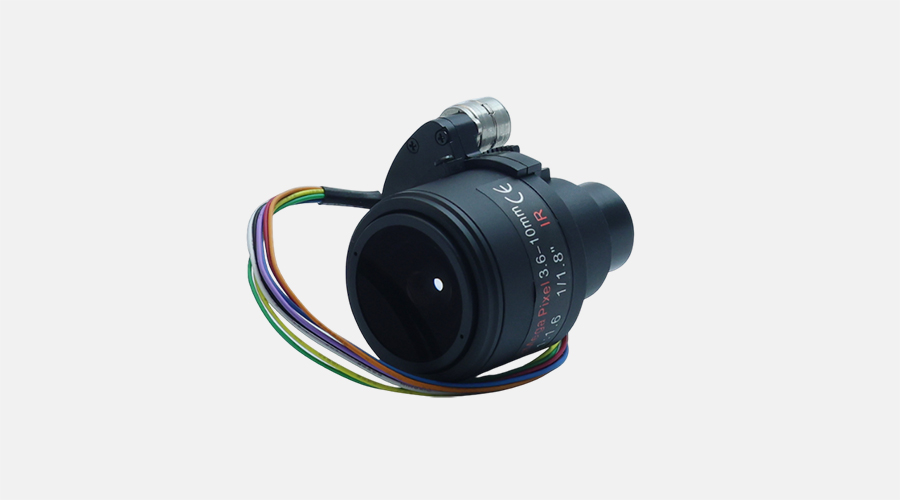 Varifocal board lens
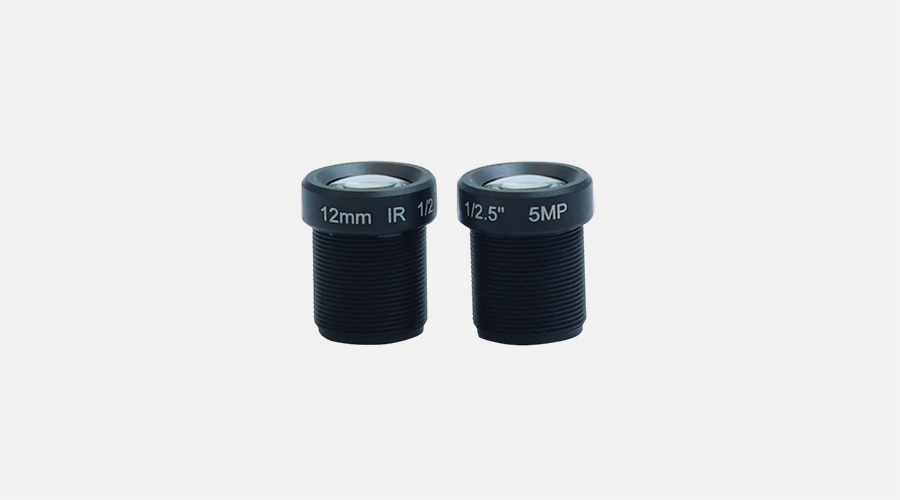 S mount lens
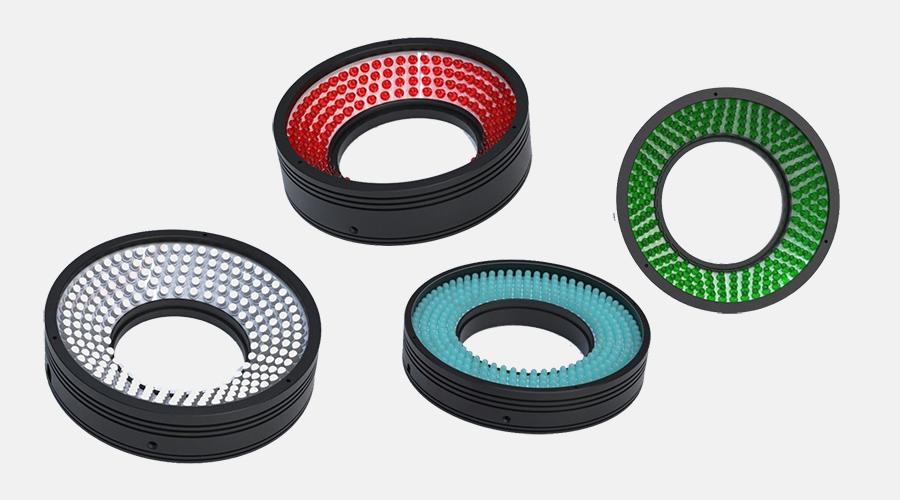 Ring light
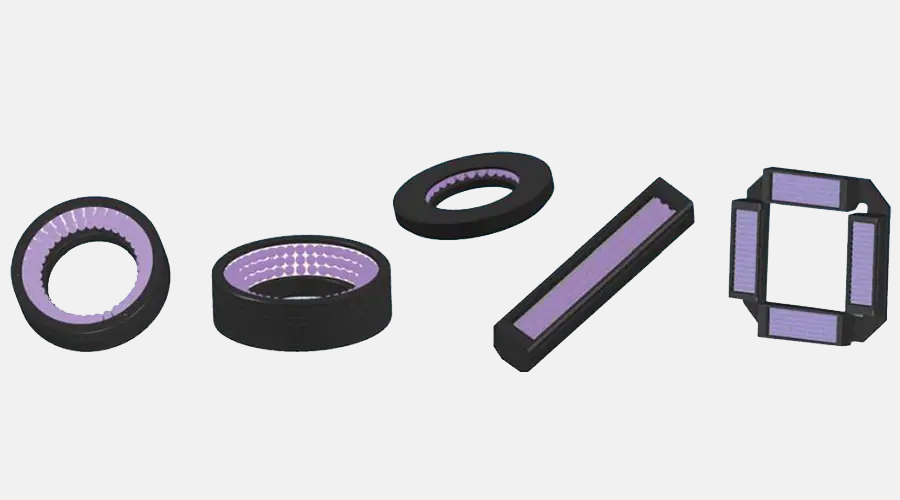 UV/IR Light
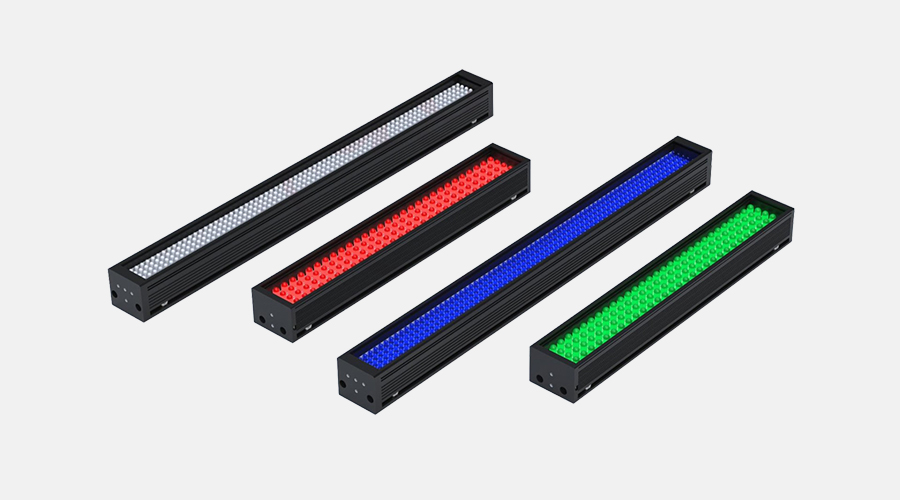 Bar light
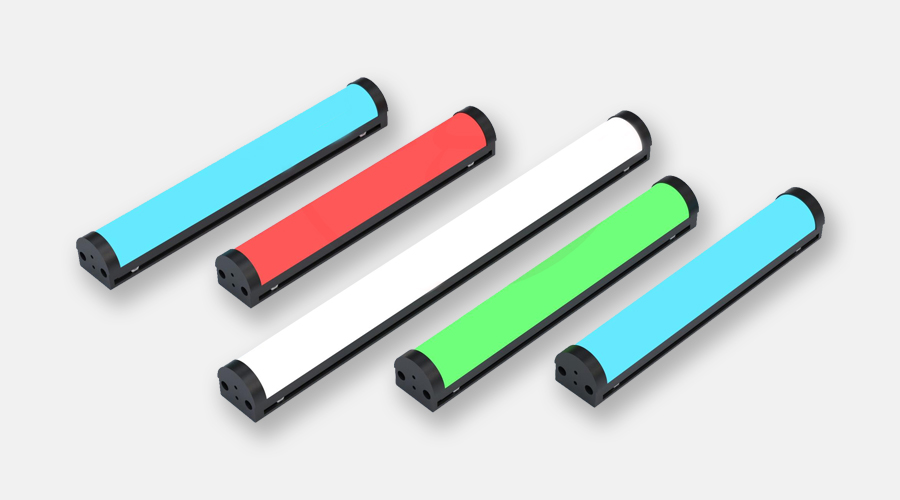 Arcuate high uniformity light
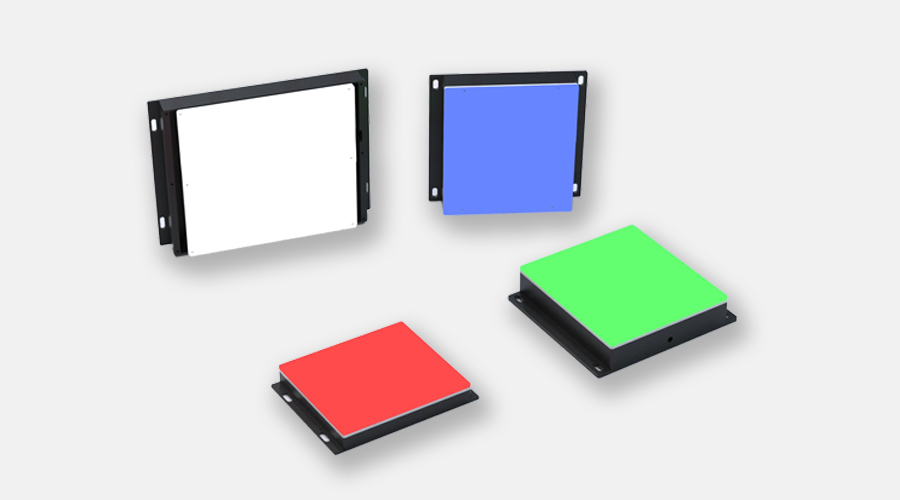 Back light
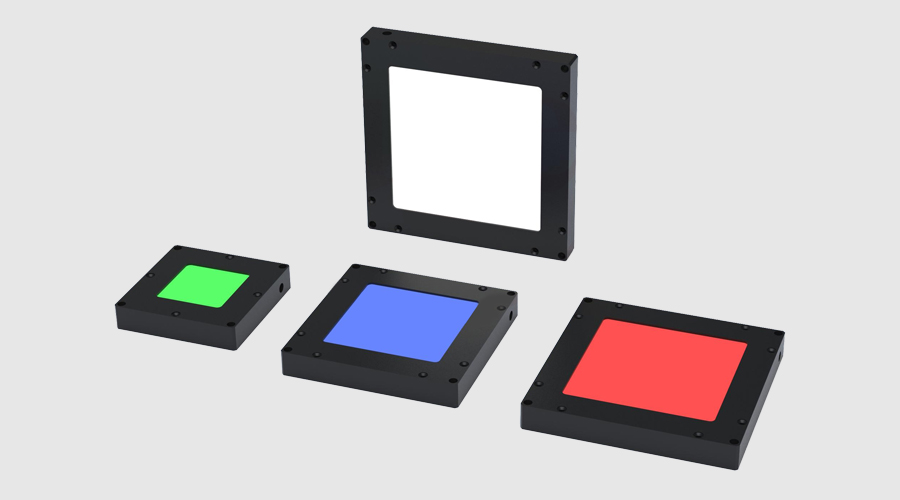 Flat light
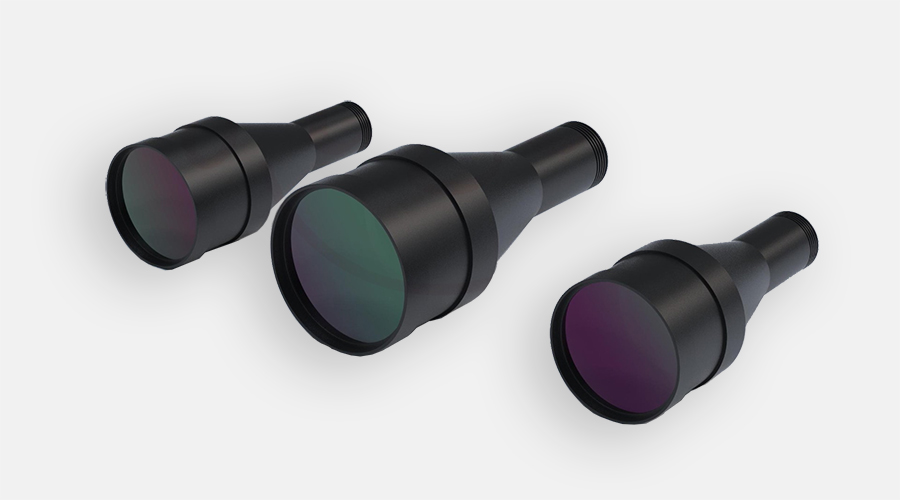 Collimated light
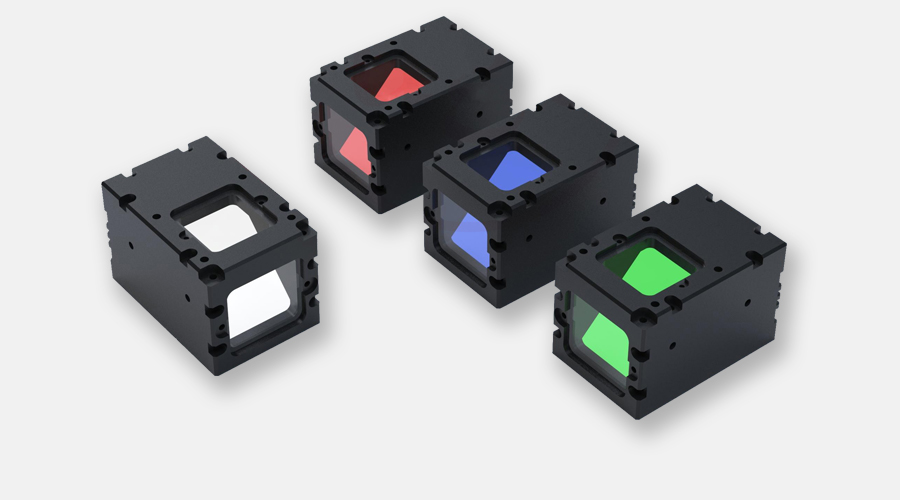 Coaxial light
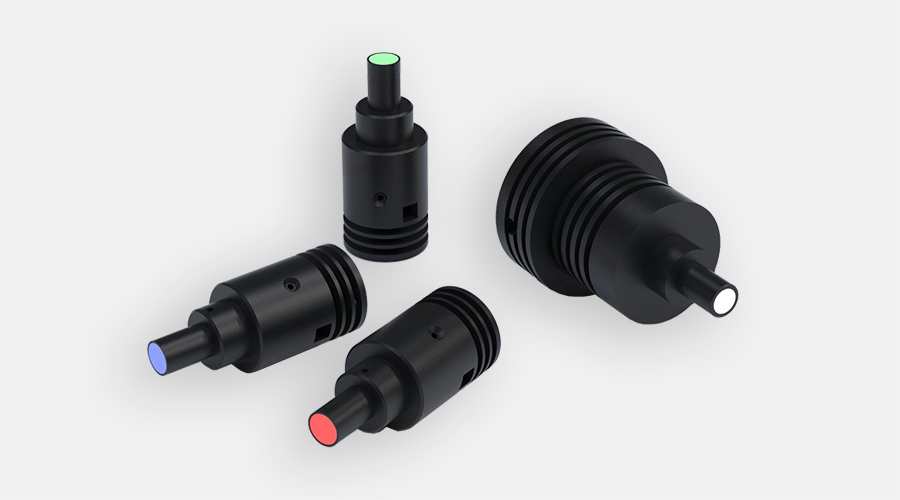 Spot light
 Dome light
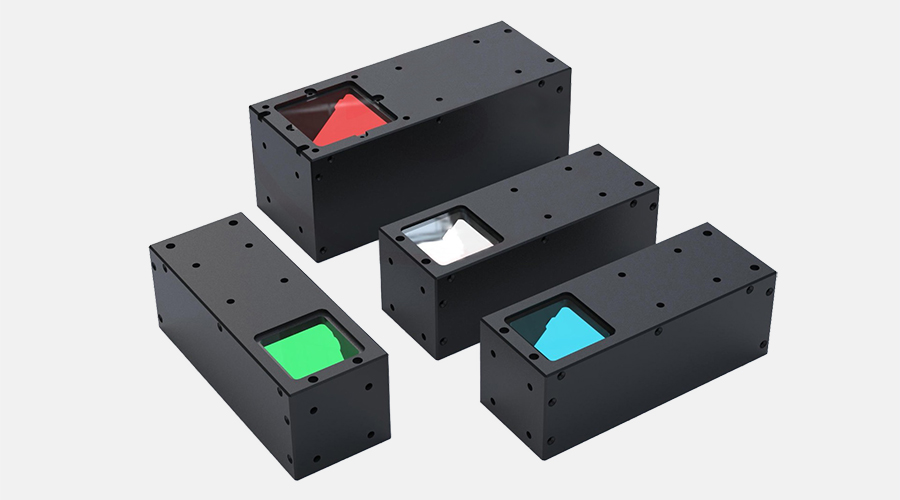 Collimated Coaxial light
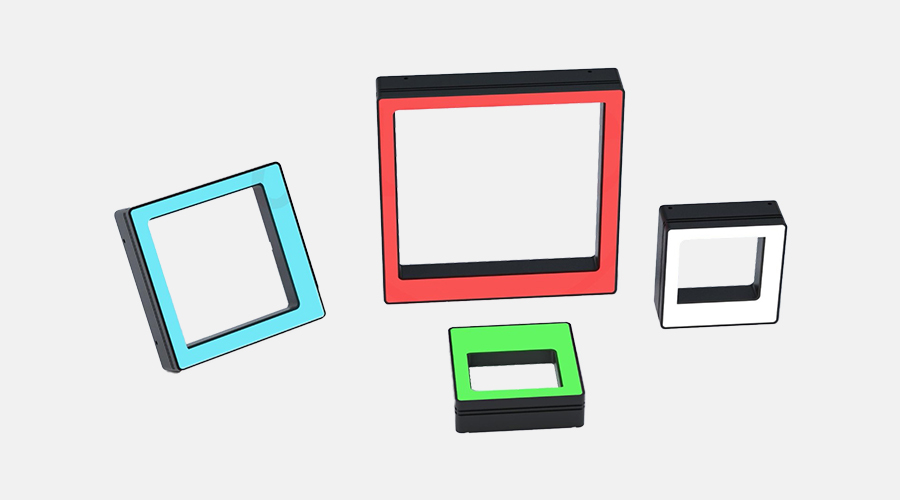 Shadowless square light
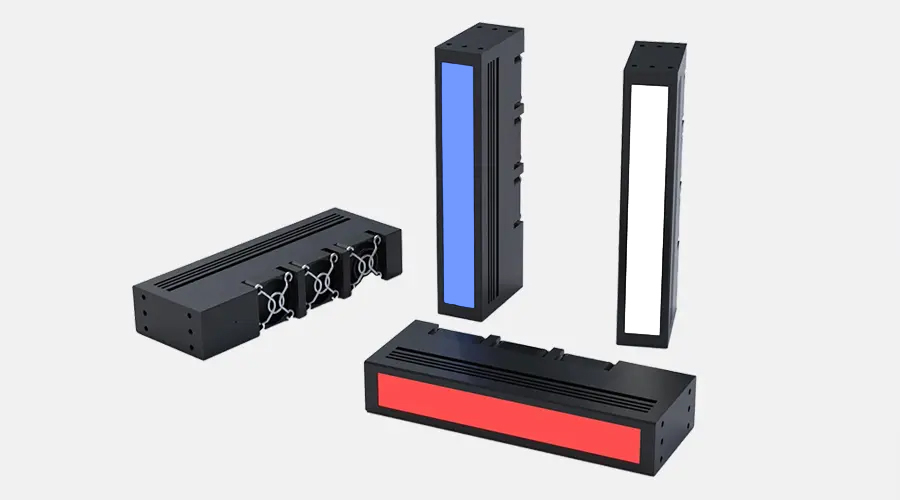 Scan light
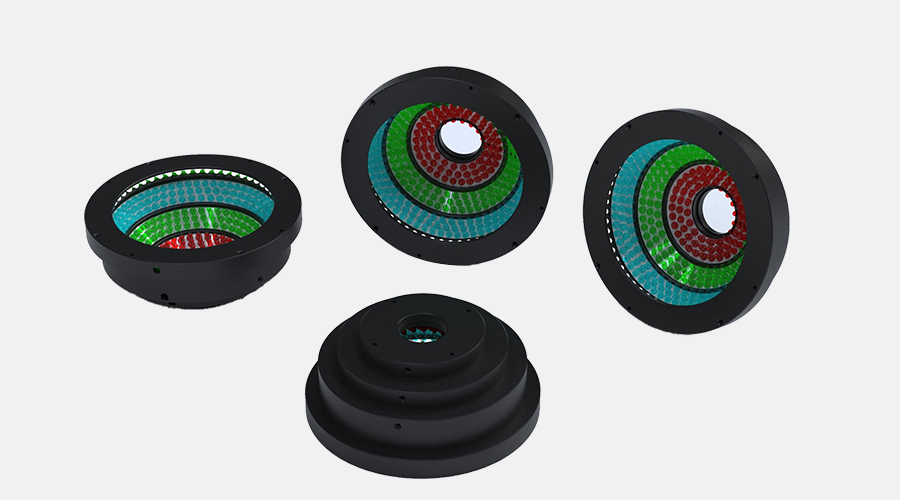 AOI light
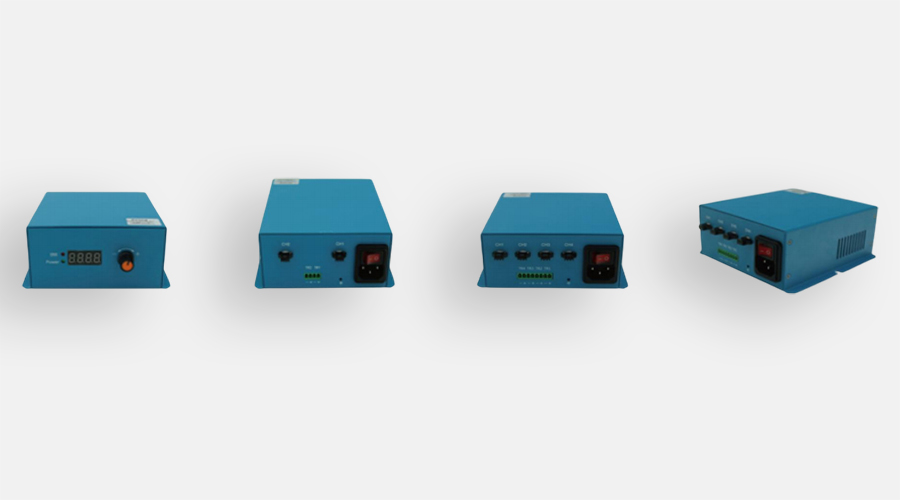 Analog controller
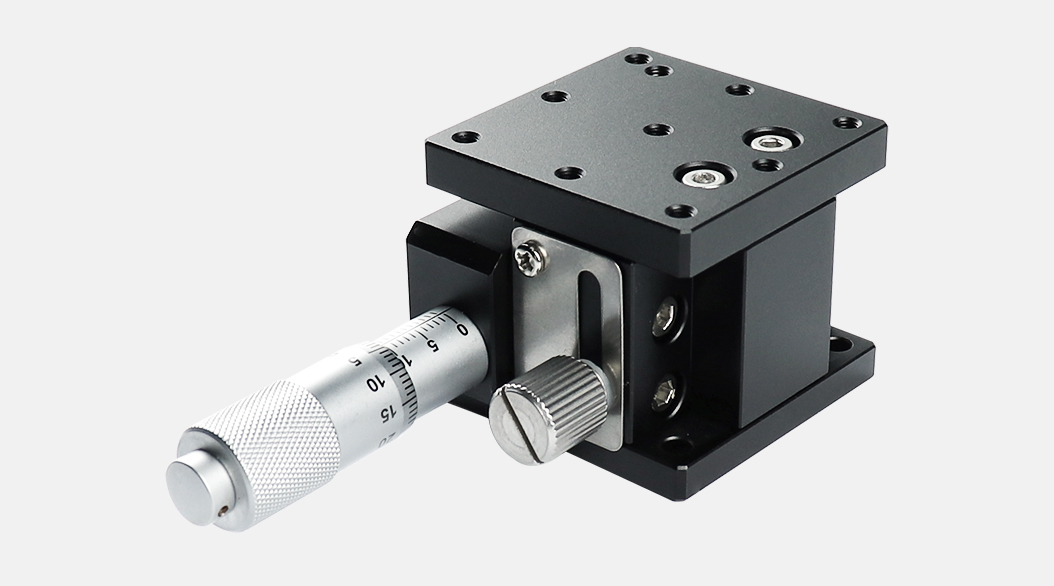 Crossed-Roller Linear guide type
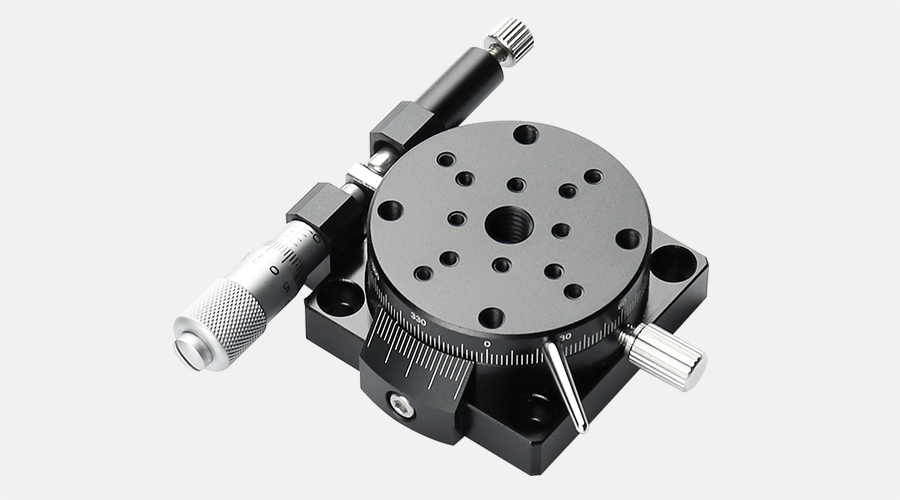 Rotary Stages XRS series
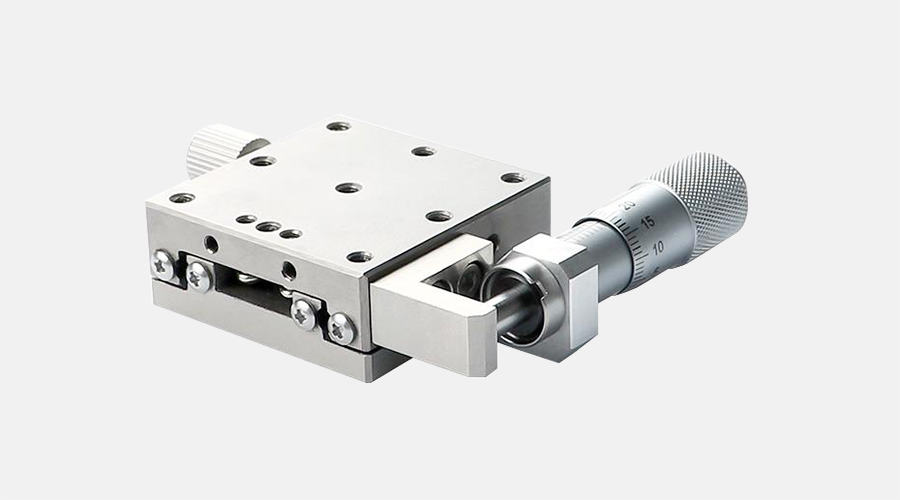 Stainless Steel Ball Bearing Linear Translation Stages
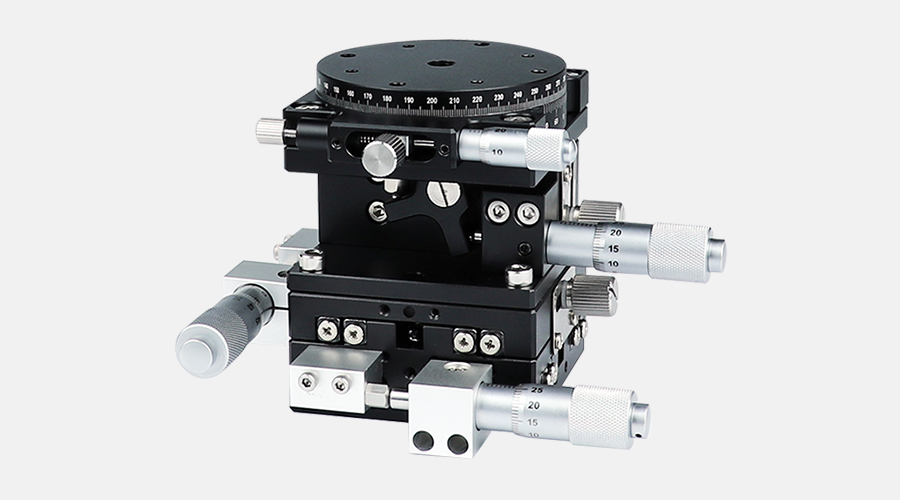 Multi-axis Translation stages
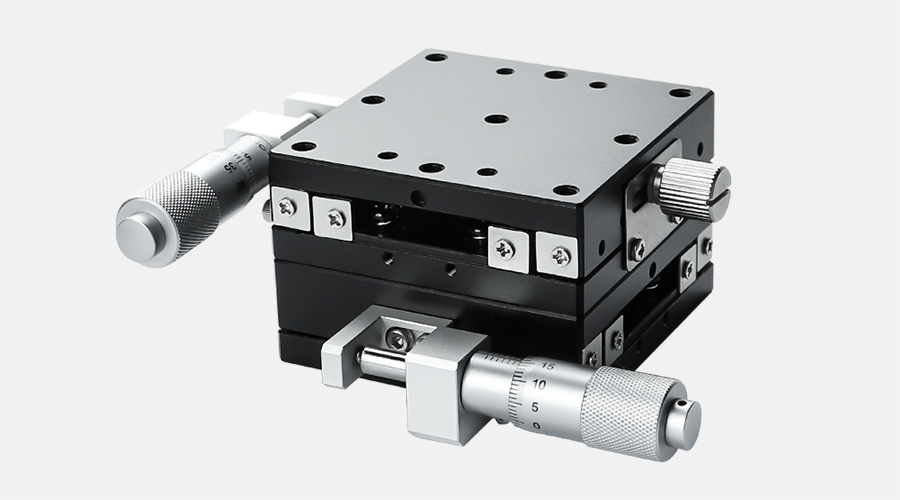 steel bar ball bearing stages
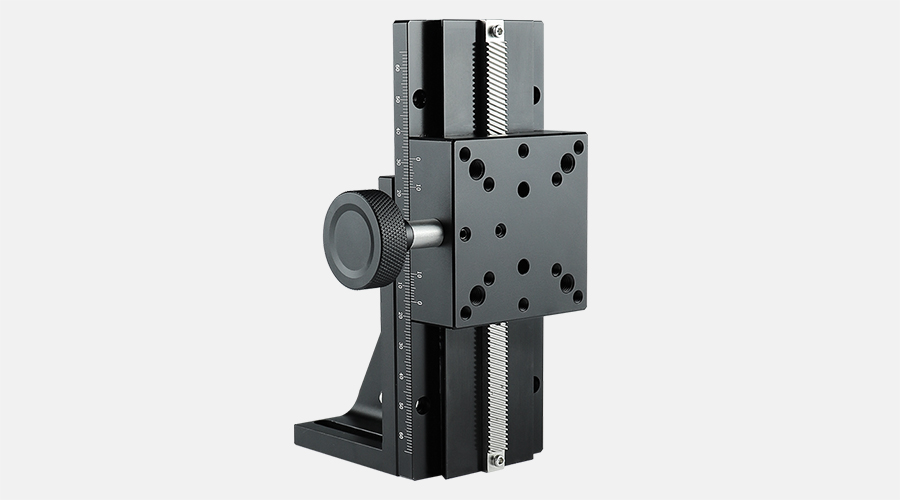 Dovetail Type Rack&Pinion Positioning Stage
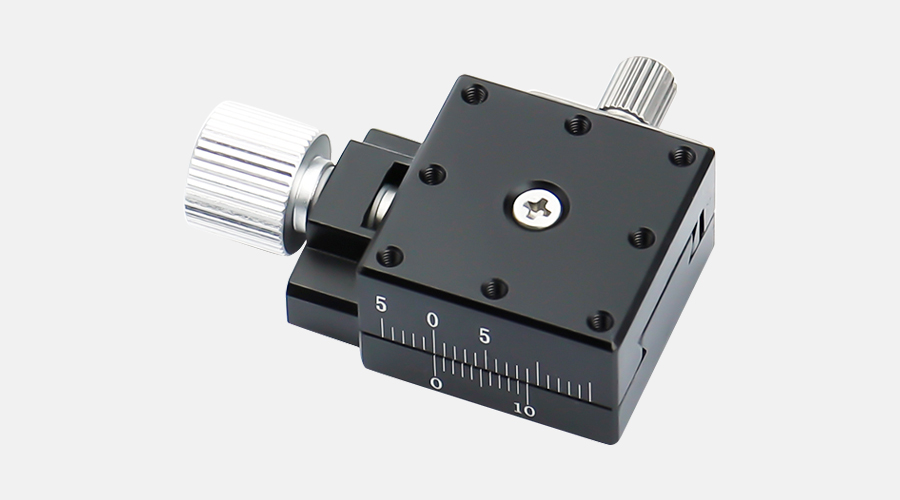 Dovetail groove high-precision screw slide



