
- Home
- Products
- About Us
- Customized Services
- News
- Contact Us
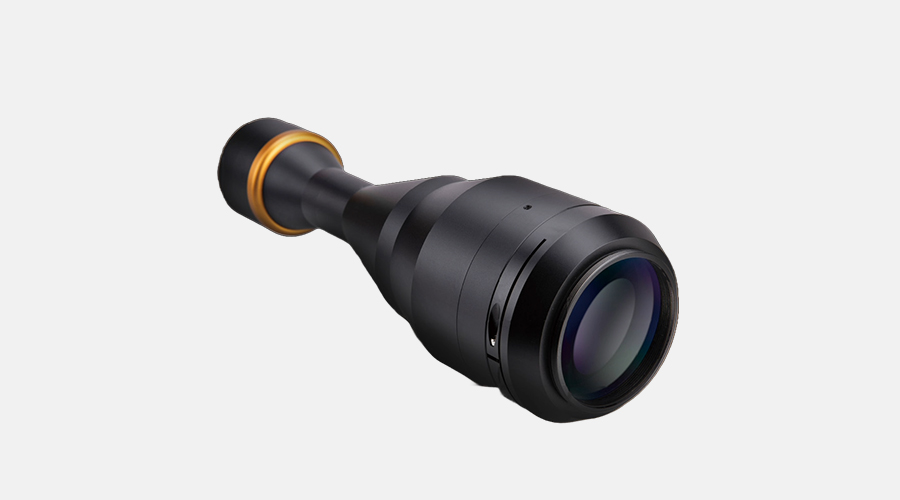 Compatible with 7.2mm-82mm chips
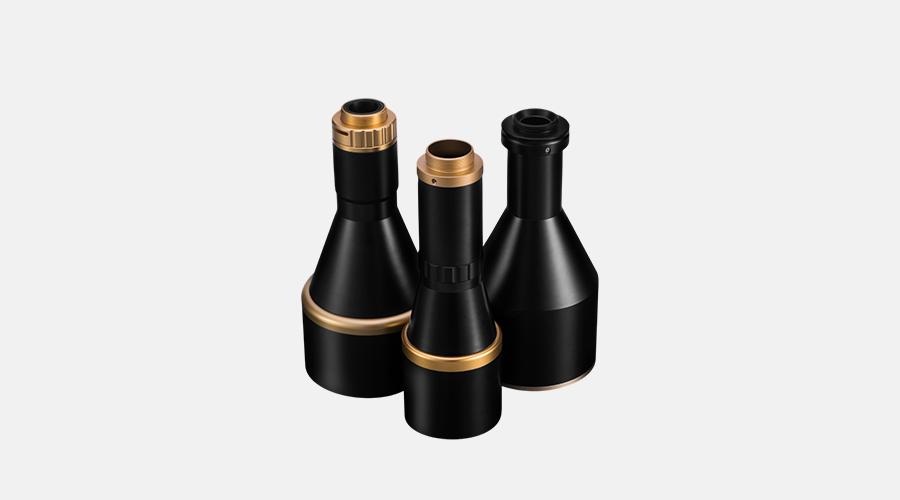 High/Low Working Distance
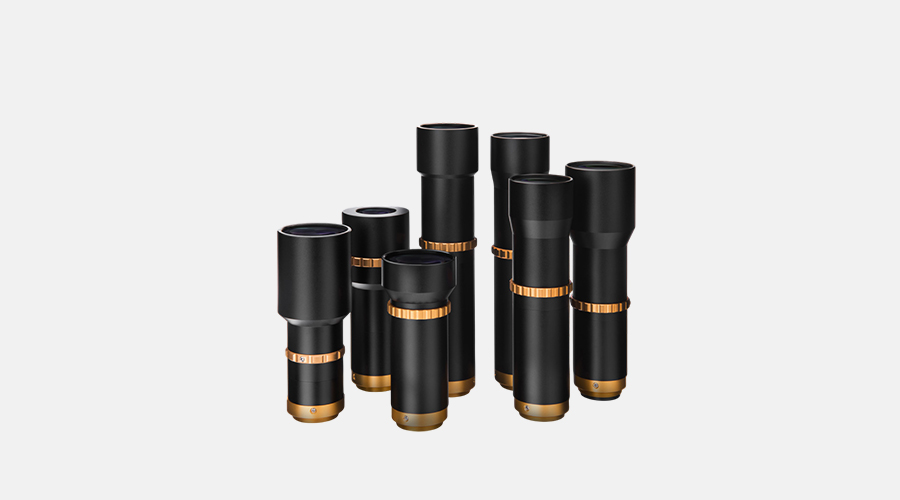 Aperture telecentric lens
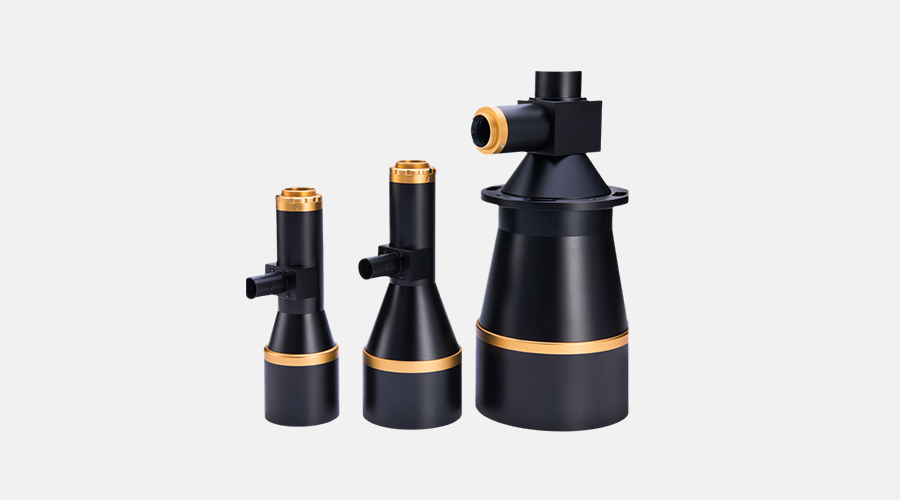 Measuring lens
 Maximum support 1.1" chips
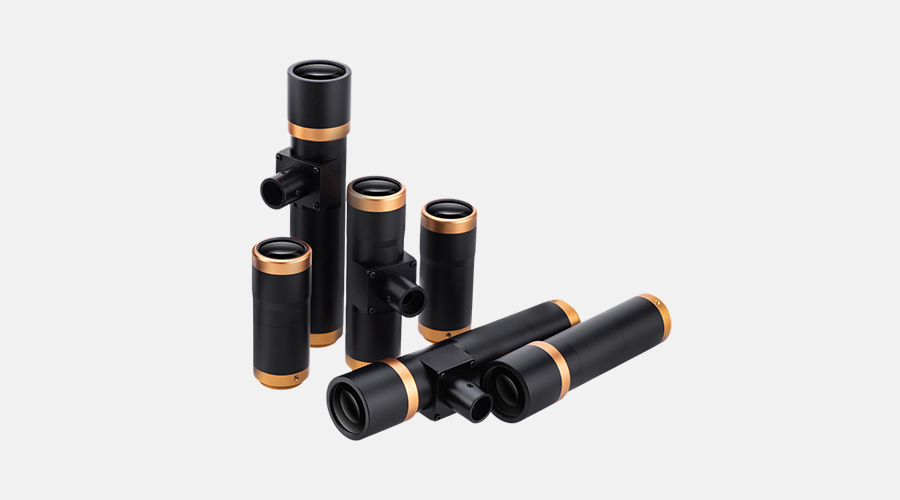 Maximum support 1.2" chips
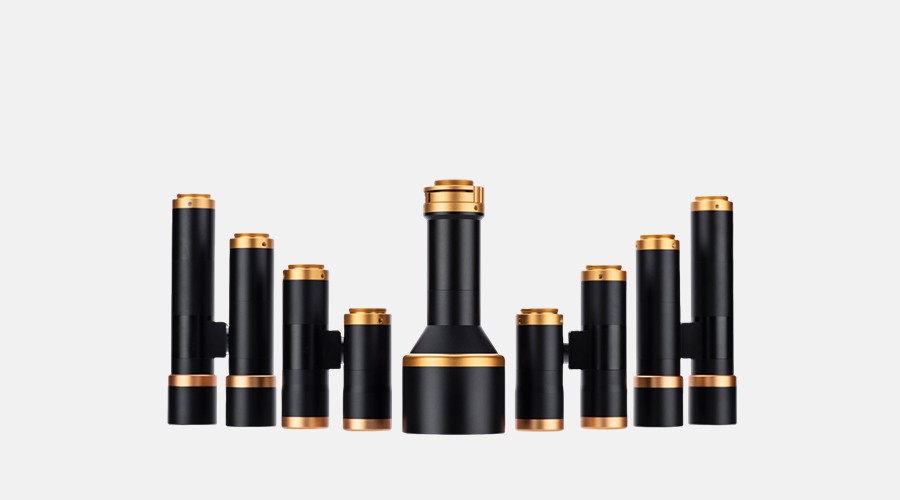 Maximum support 2/3" chips
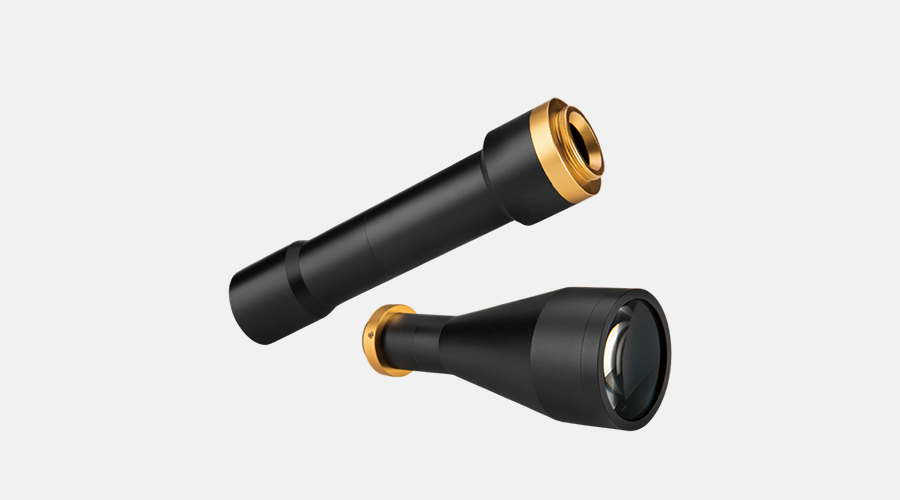 Long Working Distance
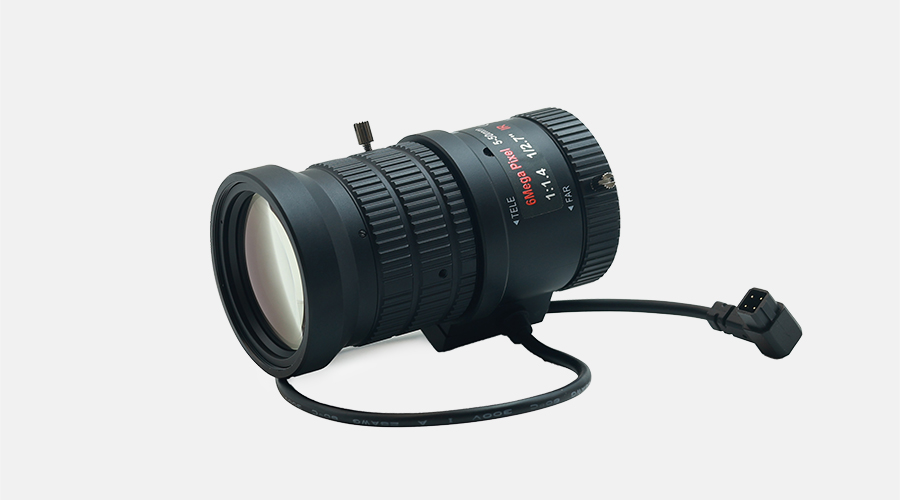 CS mount Varifocal lens
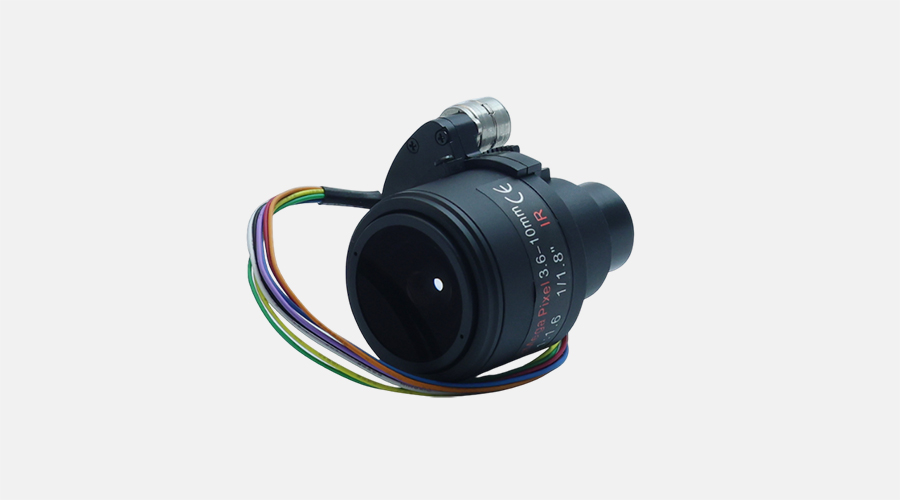 Varifocal board lens
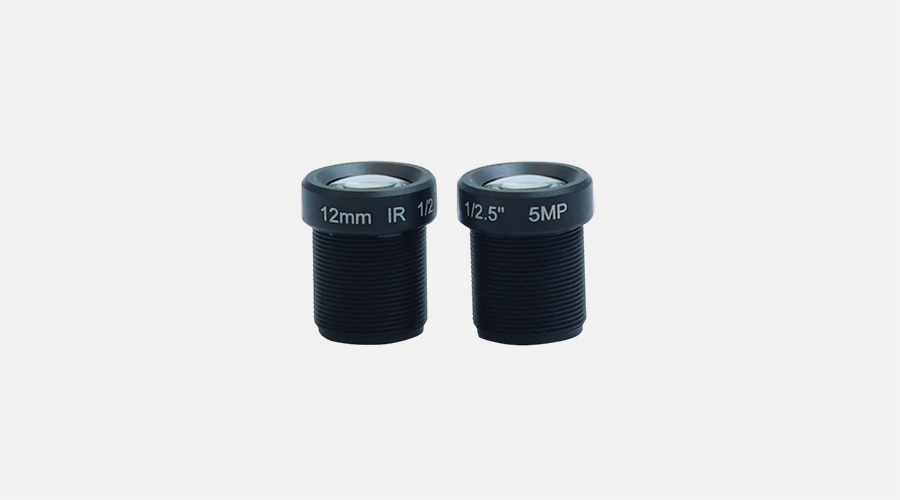 S mount lens
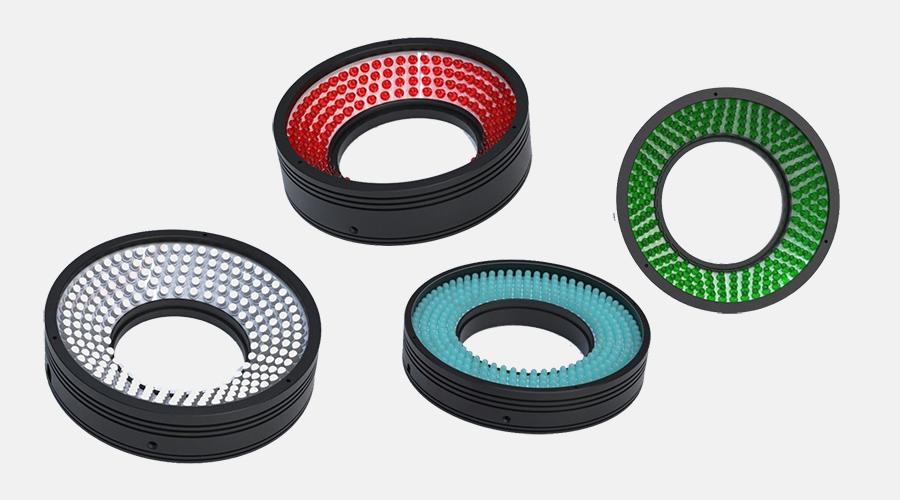 Ring light
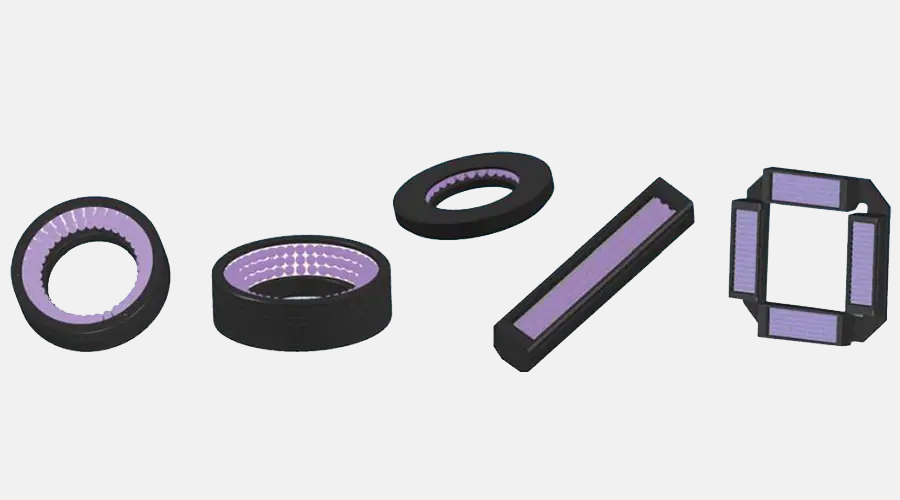 UV/IR Light
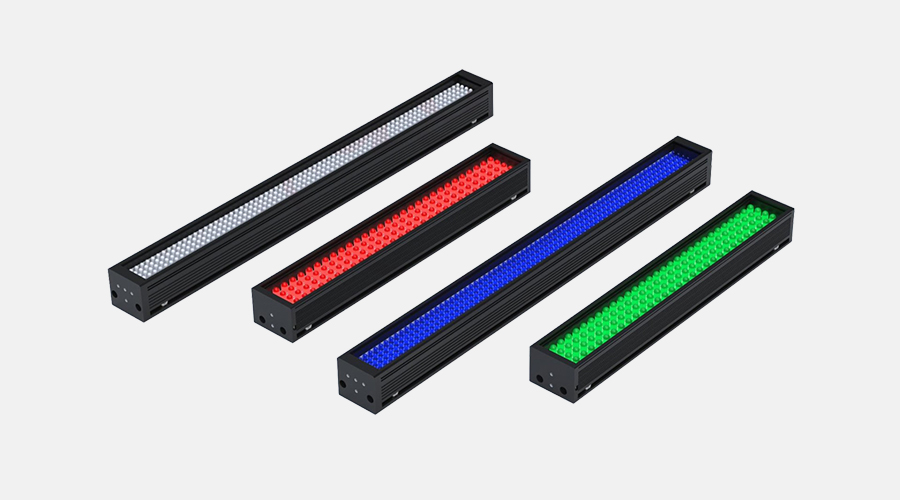 Bar light
 Arcuate high uniformity light
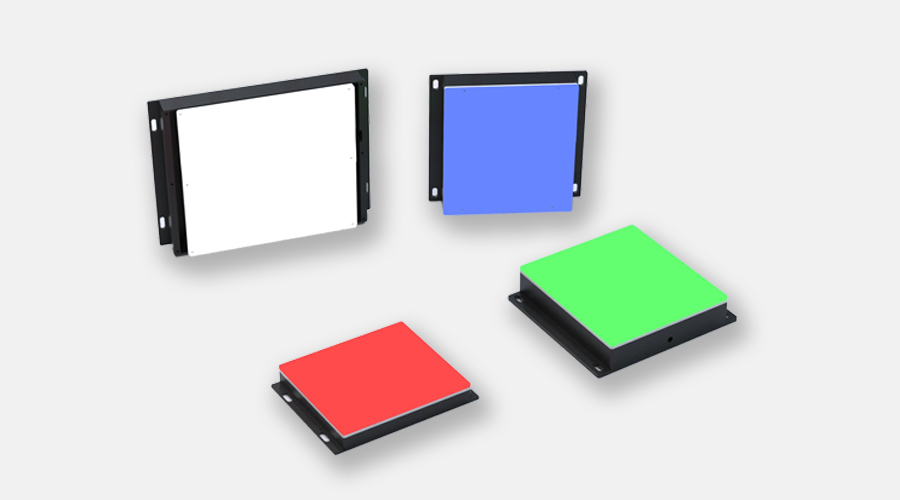 Back light
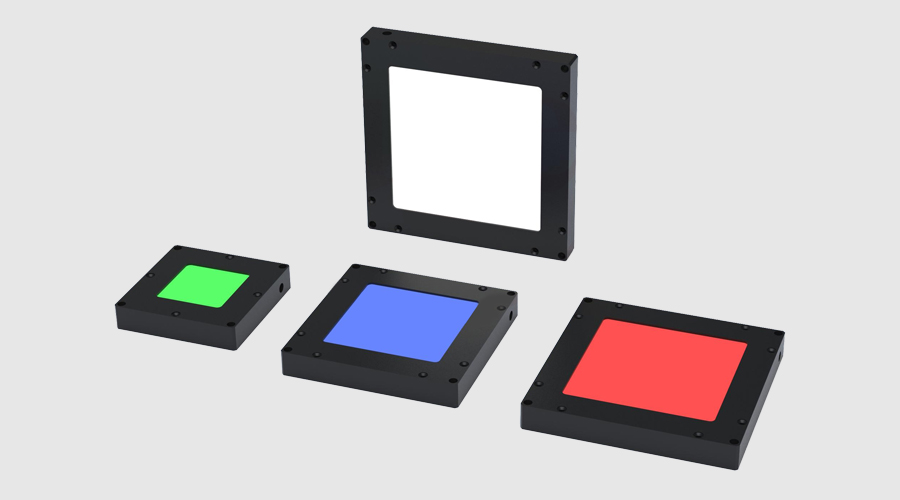 Flat light
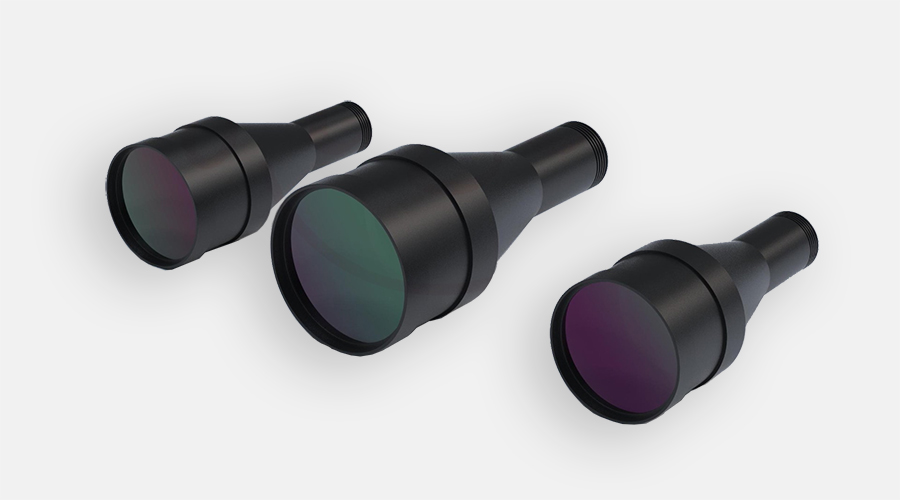 Collimated light
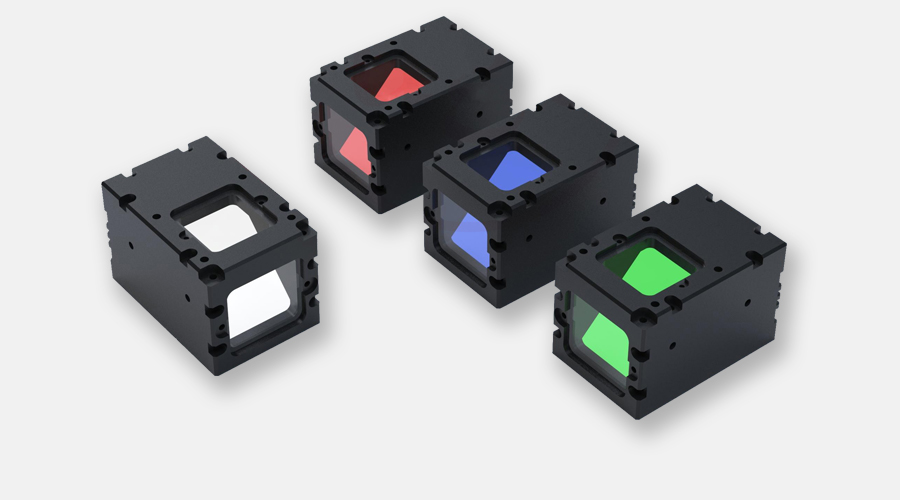 Coaxial light
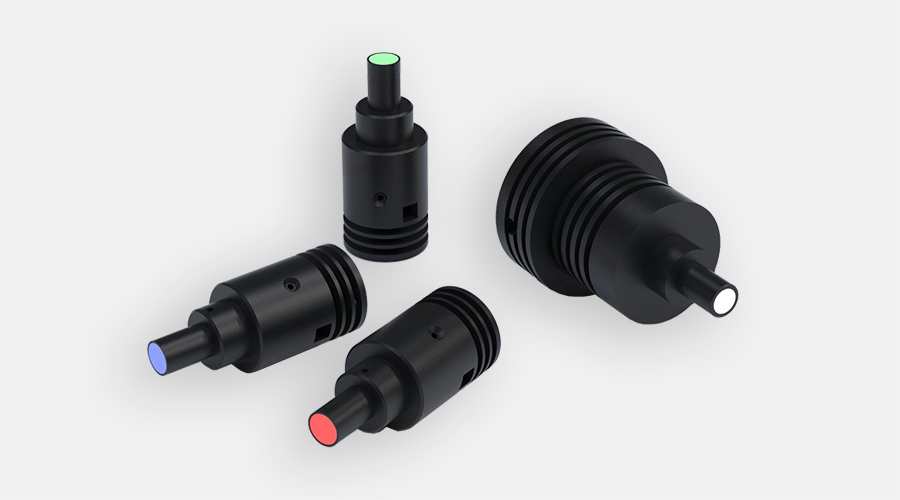 Spot light
 Dome light
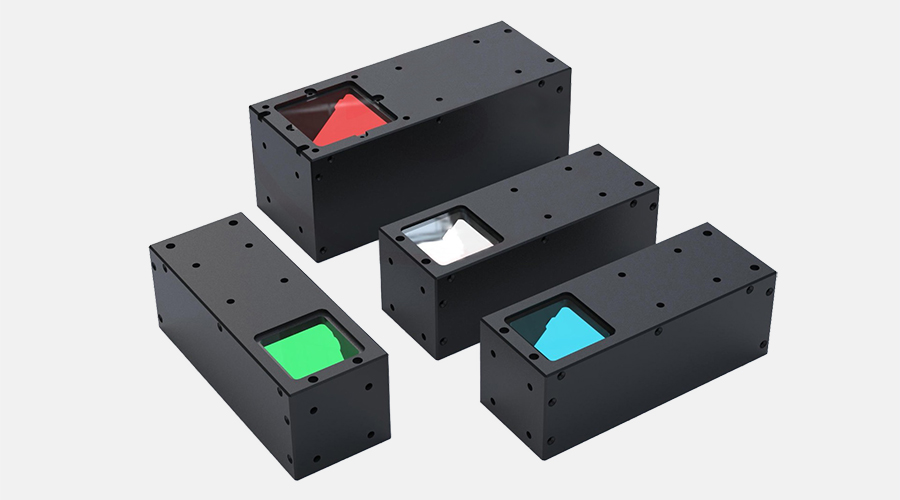 Collimated Coaxial light
 Shadowless square light
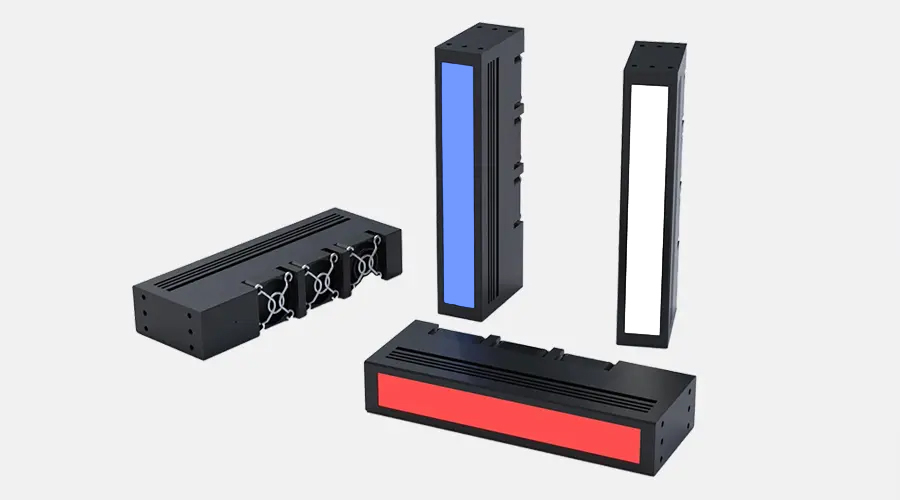 Scan light
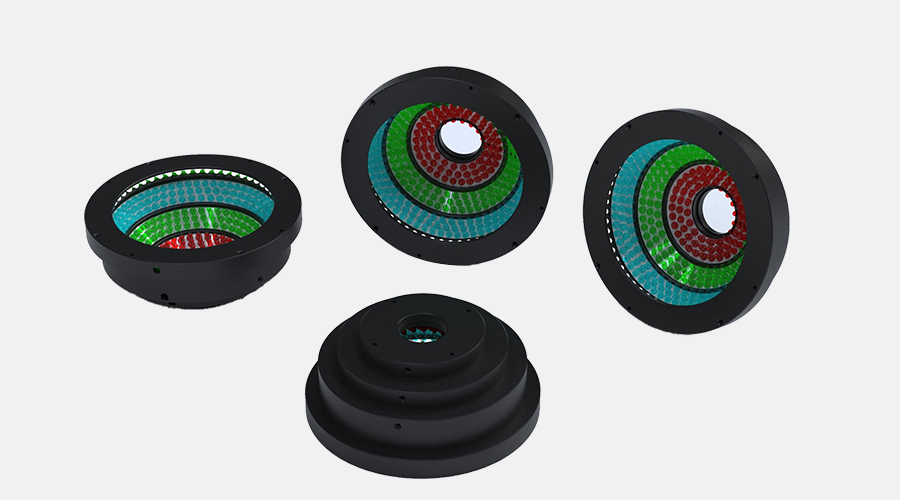 AOI light
 Analog controller
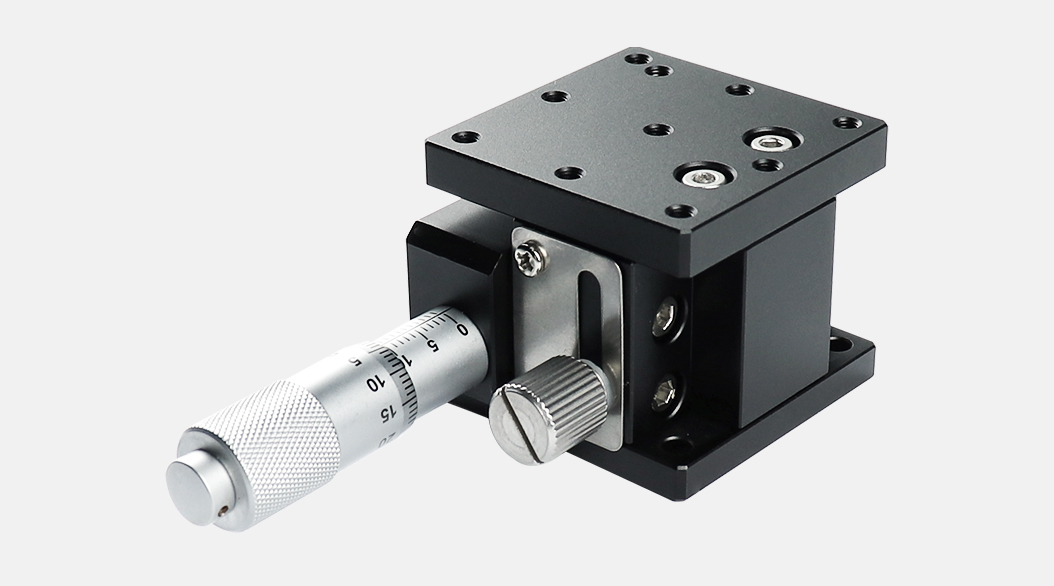 Crossed-Roller Linear guide type
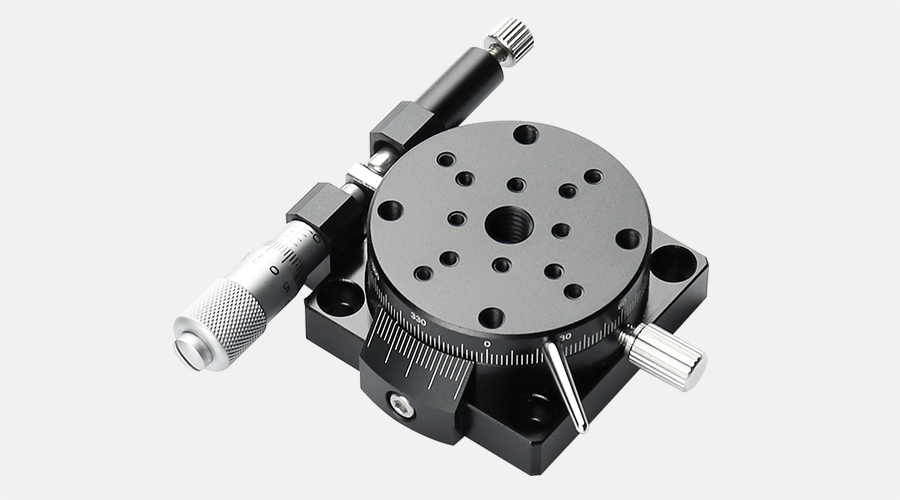 Rotary Stages XRS series
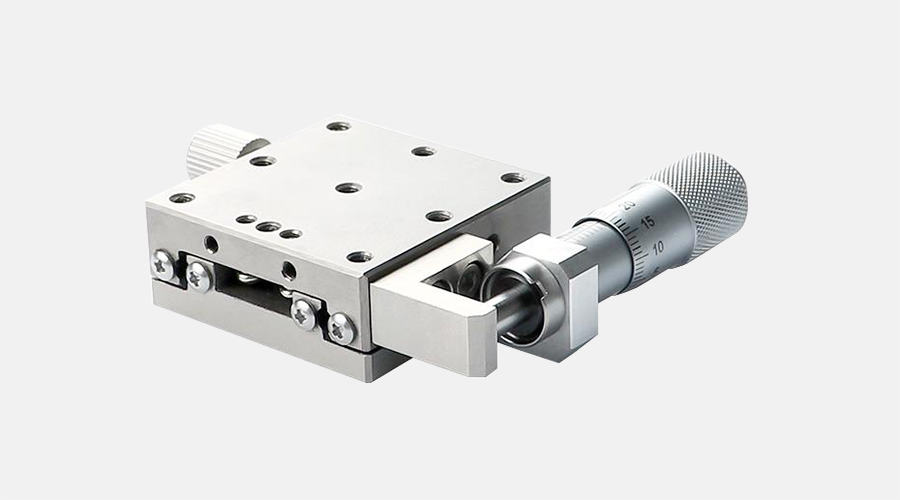 Stainless Steel Ball Bearing Linear Translation Stages
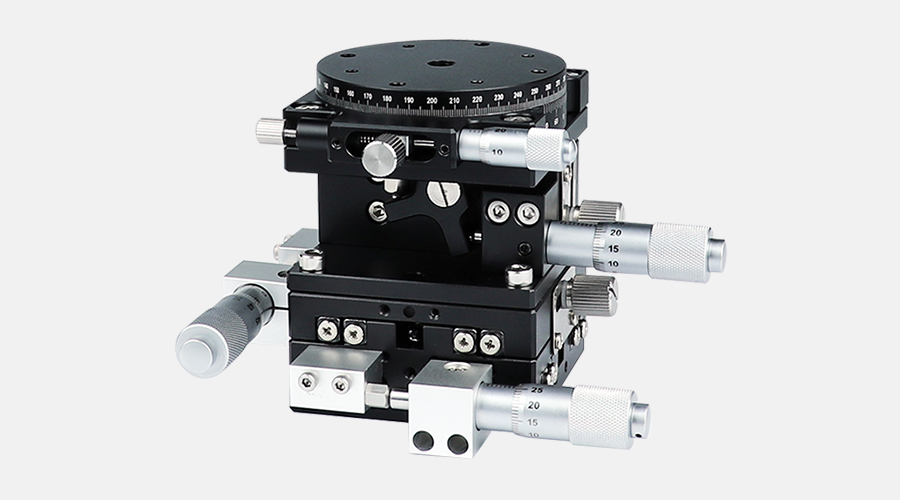 Multi-axis Translation stages
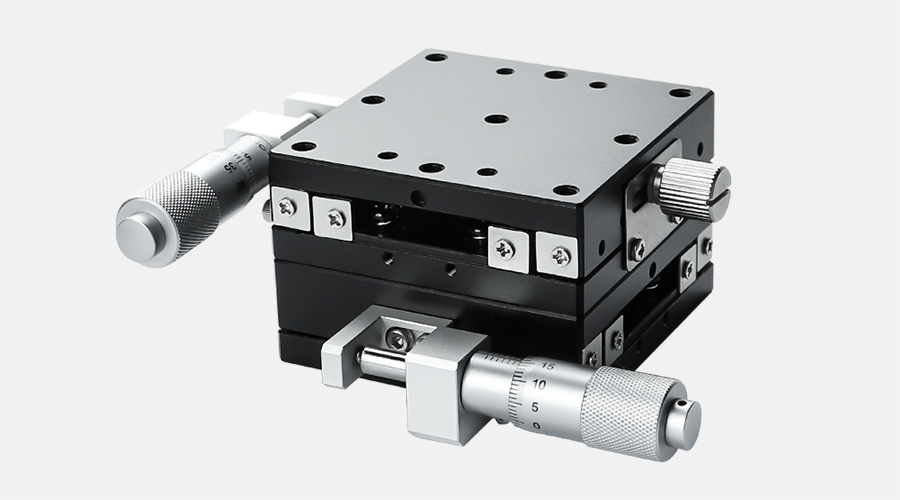 steel bar ball bearing stages
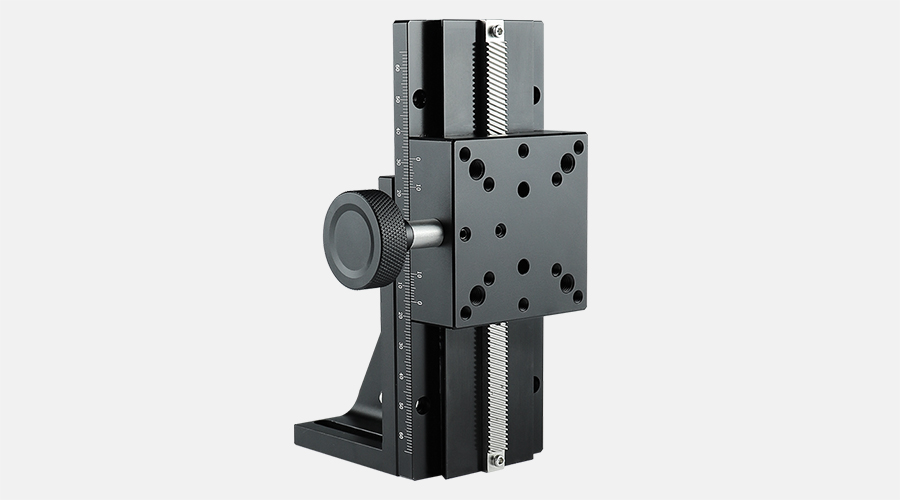 Dovetail Type Rack&Pinion Positioning Stage
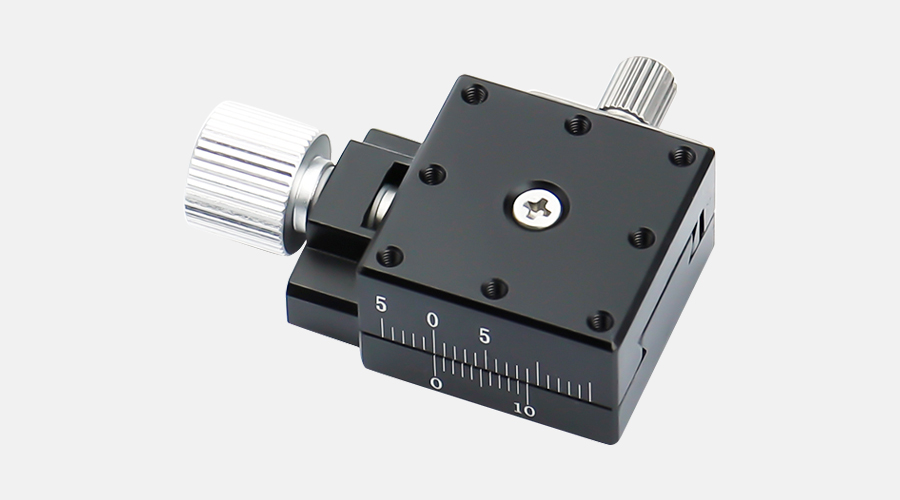 Dovetail groove high-precision screw slide
Leave Your Message
As more and more industries jump on the automation bandwagon and gear up with smarter manufacturing methods, it’s no surprise that demand for advanced machine vision tech is skyrocketing. Industry analysts are even predicting that the global market for machine vision will hit around $12.2 billion by 2025 — mainly because companies really need better inspection and quality control in their production lines. One key piece of this puzzle is the Vision Inspection Lens; it plays a big role in making visual inspections more accurate and a whole lot more efficient. Fuzhou New Vision Technology Co., Ltd. gets this trend, and we’re proud to be leading the charge. We focus on designing and selling core components for machine vision, all with the goal of pushing forward innovative visual solutions and high-performance hardware. Our mission? To support the ongoing growth of automation in all sorts of industries around the world. With cutting-edge lens tech, we’re excited to help shape the future of machine vision—improving quality checks and helping companies operate smoother and smarter every day.

You know, advanced vision inspection lens technology really plays a huge role in boosting machine vision across a bunch of different industries. As the market for robotic vision keeps growing, there's definitely a rising need for inspection systems that are both super precise and efficient. It’s pretty interesting to see how the IR Corrected Lenses Market is expected to jump from around USD 73.4 million in 2025 to nearly USD 137.8 million by 2035, growing at a CAGR of about 6.5%. This just goes to show that innovations in lens tech are key to getting better image quality and smoother operations in automation and robotics.
And here’s another cool point— the visual intelligence market is set to explode too, with estimates showing it growing at a staggering 19.1% CAGR from 2025 to 2030, hitting an estimated USD 11.4 billion by 2024. Honestly, this rapid growth makes sense because machine vision is now being used in all sorts of fields—from manufacturing lines to exploring Mars or servicing satellites. It’s pretty wild how these vision systems are becoming essential tools in tough environments, helping us do things we never thought possible before. All in all, the development and adoption of advanced inspection lenses are really shaping the future of machine vision technology.
| Application Area | Lens Type | Resolution (MP) | Field of View (degrees) | Lighting Type | Typical Use Case |
|---|---|---|---|---|---|
| Quality Control | Telecentric Lens | 12 | 45 | Diffuse Lighting | Automotive part inspections |
| Automated Packaging | Standard Lens | 8 | 60 | Backlight | Package integrity checks |
| Medical Imaging | Makro Lens | 20 | 30 | Soft lighting | Cellular analysis |
| Electronics Assembly | Wide-angle Lens | 10 | 80 | Ring Light | PCB inspection |
| Food Quality Assessment | C-Mount Lens | 5 | 50 | LED Lights | Fruit quality inspection |
Telecentric lenses are essential tools in high-precision imaging applications, particularly when working with 23mm chip and 4/3” CCD sensors. By enhancing measurement accuracy, these lenses ensure that any variations in the object’s distance do not affect the image size, which is crucial for industries requiring high levels of detail and consistency. With aberration levels below 0.1% and excellent telecentricity, these lenses provide high-resolution imaging capabilities, reaching an MTF of over 0.3 and supporting up to 150 lp/mm.
Moreover, the wide range of magnification options from 0.08X to 0.766X allows for versatile applications catering to diverse measurement needs. The standard F/M58-mount configuration makes these lenses compatible with widely-used industrial cameras from leading manufacturers such as Basler, FLIR, and Haikang. This adaptability facilitates seamless integration into existing systems, making them suitable for various sectors including quality control and robotics. Customizable depth of field settings further enhance the lens’s functionality, enabling precise detection of features on curved surfaces, which is often challenging with standard imaging solutions. The working distance of 80-505mm adds to the flexibility required for intricate mechanical structure integration, ensuring that users can achieve optimal results in complex setups.
: The IR Corrected Lenses Market is expected to grow from USD 73.4 million in 2025 to USD 137.8 million by 2035, with a compound annual growth rate (CAGR) of 6.5%.
The visual intelligence market is projected to increase at a CAGR of 19.1% from 2025 to 2030, reaching an estimated size of USD 11,432 million by 2024.
Advanced vision inspection lens technology enhances quality control by allowing manufacturers to detect defects and inconsistencies with remarkable accuracy, reducing human error and enabling real-time feedback.
Machine vision technology improves production efficiency by enabling automated inspection systems to rapidly analyze high volumes of products, drastically shortening inspection times and increasing throughput.
Machine vision systems are utilized in various applications, including manufacturing processes, exploring the Martian surface, and servicing satellites.
The global machine vision optical lens market is anticipated to grow at a CAGR of approximately 12.5% from 2024 to 2030, indicating a rising reliance on advanced imaging technology.
The integration of artificial intelligence with advanced optical systems allows machines to rapidly analyze and interpret visual data, significantly enhancing operational performance.
The machine vision optical lens market is segmented by lens type, including fixed and variable focal length lenses, and by technology, such as infrared and liquid lens technologies.
Advanced vision inspection lens technology is crucial for improving image quality and operational efficiency, driving future developments in machine vision technology across various industries.
The implementation of advanced technologies empowers manufacturers to respond swiftly to market demands, adapt to changes, and foster a culture of continuous improvement within their operations.
So, I came across this really interesting article called "Exploring the Future of Machine Vision with Advanced Vision Inspection Lens Technology," and honestly, it sheds a lot of light on how crucial Vision Inspection Lens tech is when it comes to making machine vision systems better. The piece points out some pretty exciting innovations that are actually shaping where both machine vision and lens tech are headed—like, how these new advancements boost the way images are captured and processed. It’s also pretty honest about the hurdles companies face when trying to roll out these advanced inspection systems across different industries. You know, stuff like balancing cutting-edge tech with real-world practicalities.
Plus, it dives into how machine vision is totally changing the game when it comes to quality control and making production lines more efficient. It’s pretty amazing to see how much of a difference it’s making in manufacturing. Looking ahead, the article suggests that future trends in lens technology will only get better at optimizing these inspection systems, making them more powerful especially for smart manufacturing setups. And honestly, that’s right in line with what Fuzhou New Vision Technology Co., Ltd. is all about—building high-performance hardware to help automate the world on a global scale.



 Hey, have you heard? The machine vision industry is really on the verge of a major shake-up, mainly thanks to some pretty exciting advances in lens tech. It looks like the global market for machine vision is going to hit around

