You know, with automation and smart manufacturing really taking off lately, there's been a huge jump in the need for precision motion control tech. And honestly, Linear Axis systems are a big part of this shift. I came across a recent report from MarketsandMarkets that said the global market for linear motion systems is projected to hit around USD 8.2 billion by 2025. Pretty significant, right? It's growing at about 6.5% annually, which just goes to show how crucial innovative solutions in Linear Axis tech are becoming—they're making things more efficient and precise across all kinds of applications.
Here at Fuzhou New Vision Technology Co., Ltd., we're excited to be leading the charge, focusing on high-performance core components for machine vision. Our goal? To stay ahead with cutting-edge visual solutions that help our clients get the most out of their automation systems—boosting both productivity and accuracy. It’s an exciting time for this industry, no doubt!
Exploring the Evolution of Linear Axis Technologies in Precision Motion Control
Over the years, the development of linear axis tech has really played a huge role in pushing forward how precisely we control movement in so many different industries. Honestly, these systems have come a long way—from simple mechanical setups to super advanced automation solutions. And with the latest materials and smart sensors being thrown into the mix, today's linear axes are all about delivering incredible accuracy and quick responses, which seriously boosts efficiency. It’s pretty fascinating to see how this journey mirrors our never-ending quest for precision engineering, especially to keep up with the tough demands of manufacturing, robotics, and healthcare.
As the industry keeps moving towards more automation and smarter connectivity, linear axis tech isn’t just standing still. Now, we're seeing more integration with IoT and AI features. That means real-time monitoring, predictive maintenance, and less downtime—pretty cool, right? Plus, innovations like lightweight designs and customizable options give engineers the freedom to craft solutions that really fit specific needs. It’s this kind of progress that keeps setting new benchmarks for motion control systems—making a future where precision and efficiency go hand in hand more of a reality than ever before.

Key Innovations Transforming Precision Motion Control Solutions
The world of precision motion control is really changing fast right now, thanks to some exciting new innovations that are boosting both performance and efficiency. Believe it or not, a recent report by MarketsandMarkets suggests that the global market for precision motion control could hit nearly $16 billion by 2025, growing at around 6.3% annually. That’s pretty impressive, and a lot of this growth is driven by breakthroughs in linear axis technology — which is super important for industries like robotics, manufacturing, and healthcare that need ultra-precise movements.
Some of the coolest innovations in this space include smarter actuators and all-in-one control systems. These upgrades help machines position themselves more accurately and respond much faster, which means production lines run smoother and more efficiently. For example, with advanced feedback systems in place, real-time monitoring and adjustments become a breeze, leading to less waste and better productivity. Plus, an industry analysis from Grand View Research points out that IoT integration into motion control systems is set to improve data collection and analytics even more. This paves the way for predictive maintenance, so machines can potentially fix themselves before breaking down. As these technologies keep evolving, they’re really set to revolutionize what’s possible with precision motion control—and it’s exciting to think about all the new applications that could come out of it.
Discover the Future of Precision Motion Control with Innovative Linear Axis Solutions
| Innovation |
Description |
Benefit |
Application |
| High-Precision Linear Guides |
Guides that provide low friction and high accuracy for optimal motion. |
Enhanced motion accuracy and reduced wear. |
Manufacturing Automation, Robotics |
| Direct Drive Motors |
Motors that eliminate gears for direct motion control. |
Faster response times and higher efficiency. |
CNC Machining, Printing |
| Adaptive Control Systems |
Systems that adjust parameters in real-time for precision. |
Improved performance in dynamic environments. |
Medical Equipment, Aerospace |
| Modular Linear Stages |
Customizable linear stages for various applications. |
Flexible configurations and easy upgrades. |
Research Laboratories, Automation |
Integrating Digital Technologies for Enhanced Linear Axis Performance
You know, digital tech is really shaking things up when it comes to linear axis solutions. It’s opening doors to way better precision and efficiency in motion control—pretty exciting stuff! When manufacturers start using advanced sensors, IoT connectivity, and real-time data analytics, they get systems that are way more accurate and responsive. It’s like having eyes everywhere, constantly monitoring and fine-tuning the motion processes, which means less downtime and a real boost in productivity.
On top of that, these digital innovations are making predictive maintenance a real thing. Instead of waiting for stuff to break, companies can analyze operational data to spot issues before they become big problems. That means scheduling maintenance smarter and cutting down costs. Moving towards this connected, data-driven approach not only makes these linear axis systems more reliable, but it also helps businesses stay agile in a constantly changing market and tech landscape. And honestly, as these solutions keep improving, the future for precision motion control? It’s looking pretty bright—and I’d say pretty exciting too.
Future Trends in Automation and Their Impact on Linear Motion Systems
The world of automation is always changing, and because of that, the demands on linear motion systems are getting more and more complicated. Looking ahead, we’re seeing a big shift towards systems that are not just more precise and efficient but also more adaptable. As industries push for better performance and less downtime, it's no surprise that innovative linear axis solutions are becoming key players in reaching those goals. Plus, with the integration of smart tech like IoT and AI, these systems can now be monitored in real-time and even predict maintenance needs before things go wrong. That’s a real game-changer when it comes to keeping operations running smoothly.

A few tips I’d suggest for optimizing your linear motion setups? First off, keep your software up-to-date. It might sound simple, but it’s amazing how much newer features can improve performance. Think about designing your systems to be modular, so future upgrades are easier and more flexible. Investing in high-quality components is also a smart move—they tend to handle the demands of your specific applications better and last longer. Staying in the loop with industry advancements can help you stay ahead of the curve, making sure your systems evolve alongside new standards.
And let’s not forget — the rise of collaborative robots and automated guided vehicles is changing the game in manufacturing and logistics. Being able to smoothly integrate these technologies doesn’t just make things more efficient; it also opens cool new doors for innovation. Thinking ahead and embracing these changes can really give your business a boost, helping you stay competitive and productive in this fast-moving landscape.
Case Studies: Successful Implementations of Innovative Linear Axis Solutions
You know, integrating these cutting-edge linear axis solutions into precision motion control has really been making waves across different industries lately. It’s pretty exciting, especially when you look at the latest case studies. One area that’s really seen some transformation is elder care, where smart robotics are seriously changing the game for rehab practices. I came across a report from the International Federation of Robotics — and get this — they’re predicting that the healthcare robotics market will grow at a compound annual rate of about 24% by 2025. That just shows how much buzz and investment there’s been in this space.
What’s cool is that these linear axis solutions are actually making robotic rehab devices more efficient and precise. They can be tailored to individual patients, which means seniors are getting more personalized therapy. For example, some systems now use adaptive movements based on patient feedback, leading to better engagement and, honestly, better recovery outcomes. Plus, all this tech doesn't just help patients – it also eases the workload for the care teams like never before.
Just a quick tip if you’re thinking about jumping into this: look for solutions that are flexible and scalable so they can grow with different rehab needs. And don’t forget to check how easily they can be integrated with your current setup — that way, you really get the most out of your investment. Focusing on these little things can make a big difference when you’re trying to roll out new tech for better patient care.
Discover the Future of Precision Motion Control
This chart illustrates the successful implementation rates of innovative linear axis solutions across different industries for precision motion control. The data reflects various sectors and their respective success rates in adopting these technologies in the past year.
Maximizing Precision and Flexibility with the XLTP Series Multi-Axis XYZθ Four-Axis Manual Displacement Slide Table
The XLTP Series Multi-Axis XYZθ Four-Axis Manual Displacement Slide Table is designed to offer users exceptional precision and flexibility for a variety of applications. With its innovative design, the slide table allows for movement in four distinct directions, accommodating complex positioning tasks with ease. The integration of a 10-micron micrometer head drive enables unparalleled accuracy, ensuring that each adjustment can be made precisely to meet specific requirements. This level of detail is crucial in fields such as robotics, optics, and precision engineering, where even the slightest deviation can impact overall performance.
Moreover, the versatility of the XLTP Series slide table cannot be overstated. The XYZθ capability empowers users to navigate three-dimensional space while retaining full control over rotational positioning. This multi-axis functionality facilitates intricate setups, enabling users to perform sophisticated experiments and alignments without the need for cumbersome fixtures. Whether you're engaged in research, product development, or assembly processes, this slide table stands out as a reliable tool that enhances both workflow efficiency and accuracy in manual displacement tasks.
FAQS
: The transformation is driven by key innovations that enhance performance and efficiency, particularly advancements in linear axis solutions.
The global precision motion control market is projected to reach $15.93 billion by 2025.
Industries such as robotics, manufacturing, and healthcare are significantly impacted by innovations in linear axis technology.
Notable innovations include the development of smart actuators and integrated control systems that enable more accurate positioning and faster response times.
Advanced feedback systems allow for real-time monitoring and adjustments, thereby boosting operational efficiency.
IoT technologies enhance data collection and analytics, leading to predictive maintenance and reduced downtime.
Digital technologies improve precision and efficiency through advanced sensors, IoT connectivity, and real-time data analytics.
Predictive maintenance involves analyzing operational data to identify potential issues before they disrupt production, thus optimizing maintenance schedules.
It reduces downtime and improves overall productivity by allowing better monitoring and adjustment of motion processes.
The innovations empower businesses to adapt swiftly to changing market demands and technological advancements.
Conclusion
The article 'Discover the Future of Precision Motion Control with Innovative Linear Axis Solutions' really dives into how Linear Axis tech is evolving—changing the game when it comes to precision movement. It walks you through the journey of these technologies, pointing out the big innovations that have really shaken things up in the field. One thing that stands out is how digital tech is playing a huge role in boosting the performance of Linear Axes, making automation smarter and more efficient than ever before. Plus, the piece touches on what’s coming next in automation and what that could mean for Linear Motion Systems. They even include some case studies showing real-world examples of how these new Linear Axis solutions are being put to good use.
At Fuzhou New Vision Technology Co., Ltd., we’re all about pushing the boundaries with machine vision stuff—high-performance parts and the coolest visual tech out there. It’s pretty much in sync with the latest in Linear Axis tech, because we’re dedicated to helping out the global automation scene and smart manufacturing with solutions that really boost precision and efficiency.

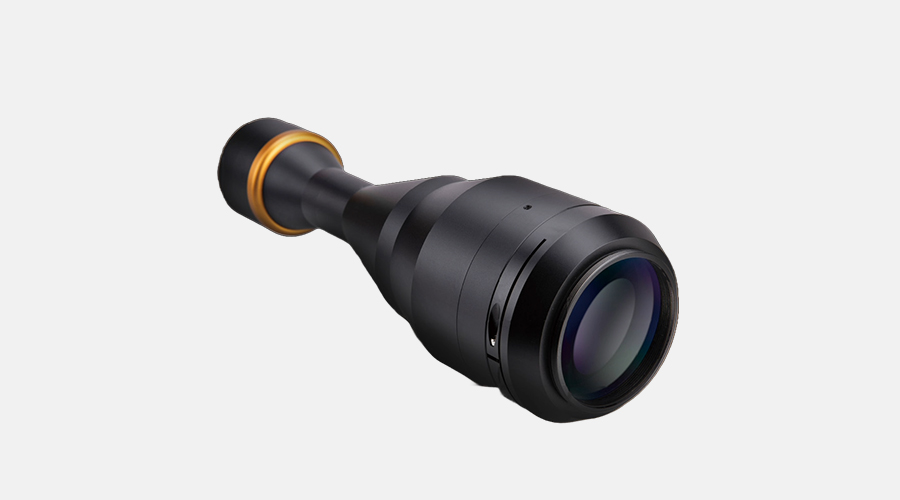 Compatible with 7.2mm-82mm chips
 High/Low Working Distance
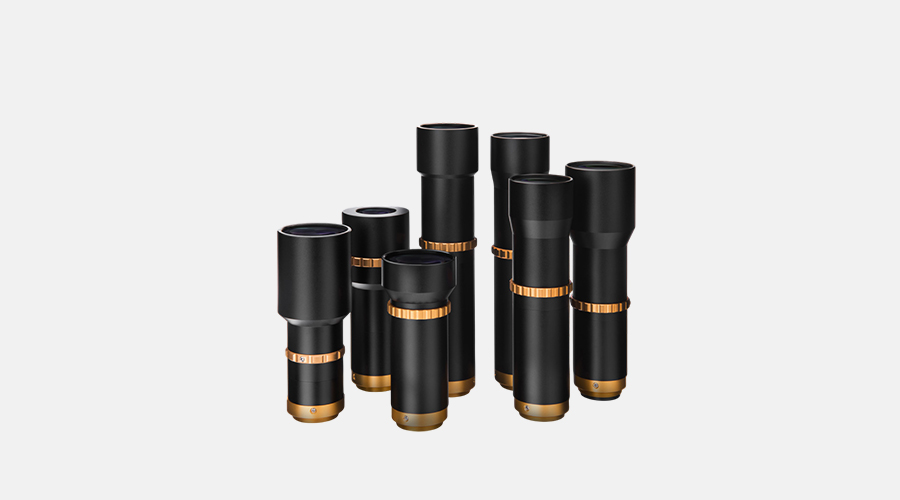 Aperture telecentric lens
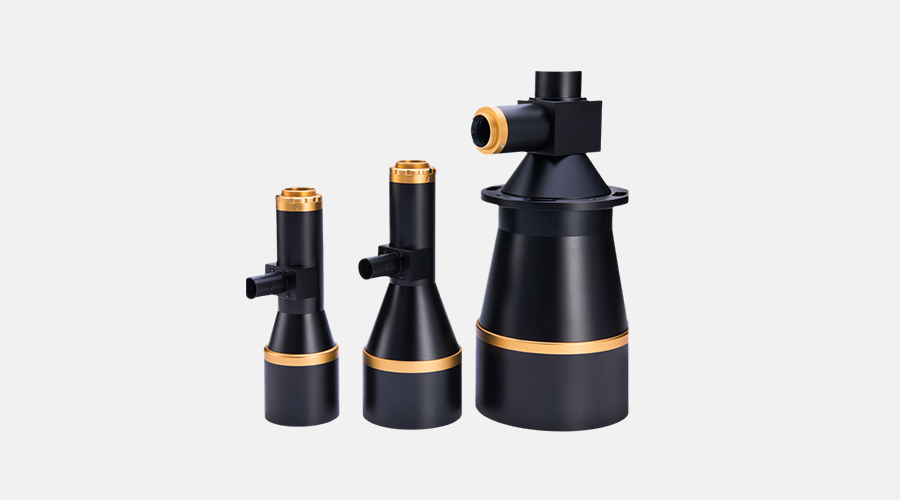 Measuring lens
 Maximum support 1.1" chips
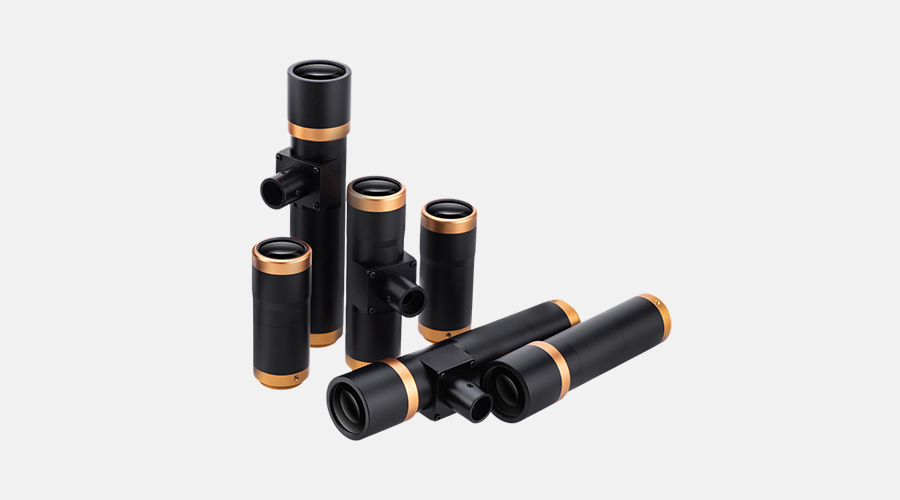 Maximum support 1.2" chips
 Maximum support 2/3" chips
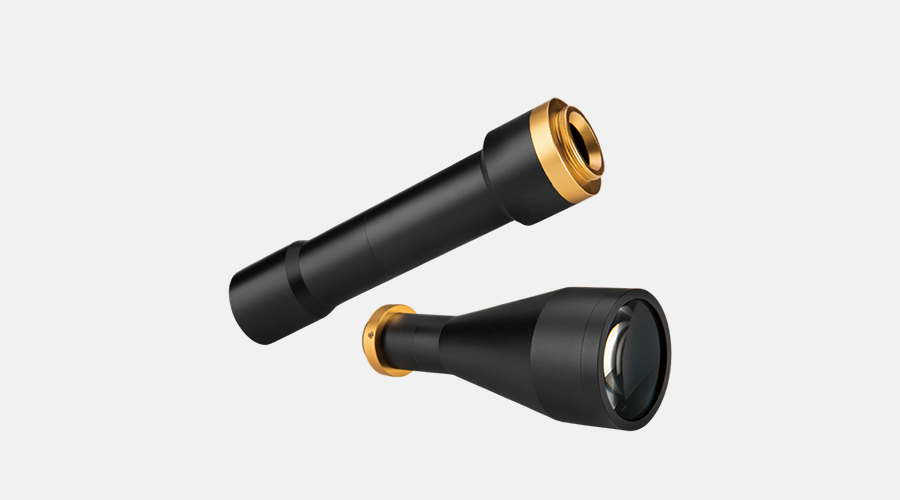 Long Working Distance
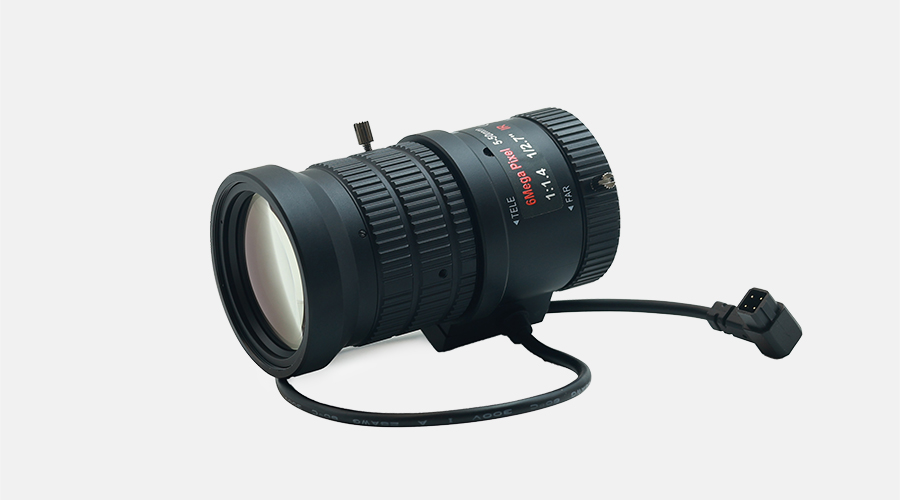 CS mount Varifocal lens
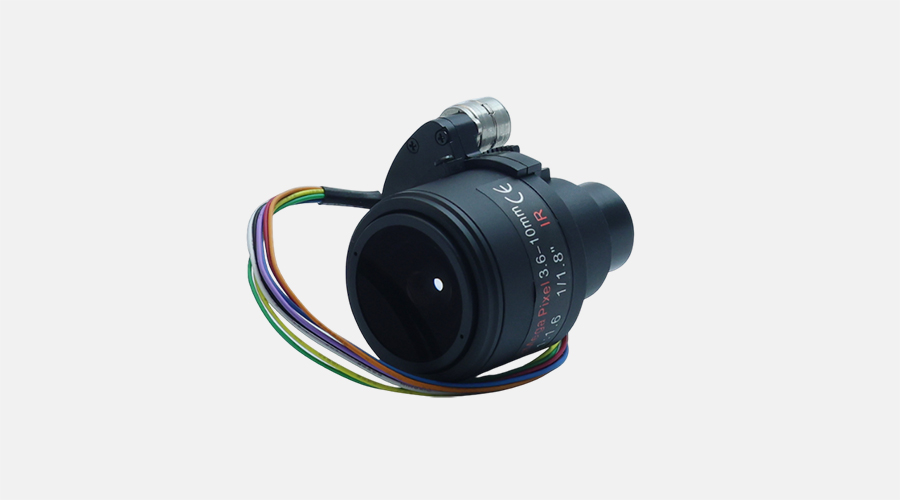 Varifocal board lens
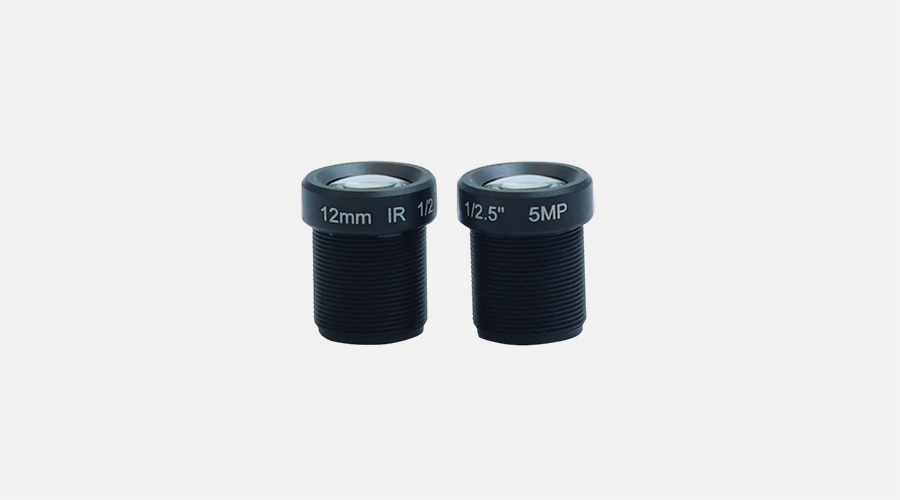 S mount lens
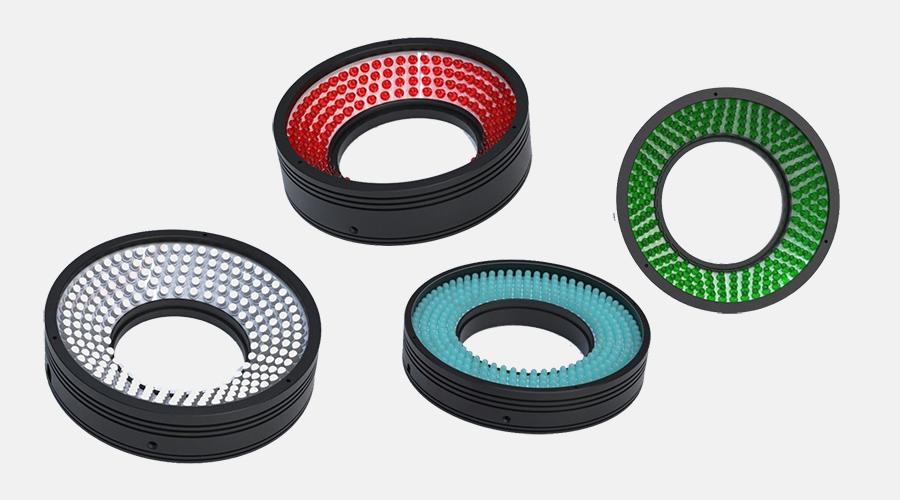 Ring light
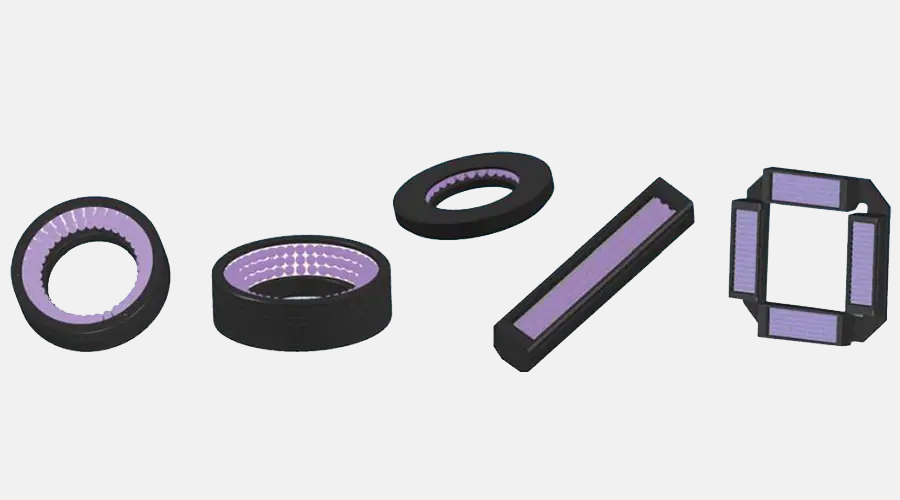 UV/IR Light
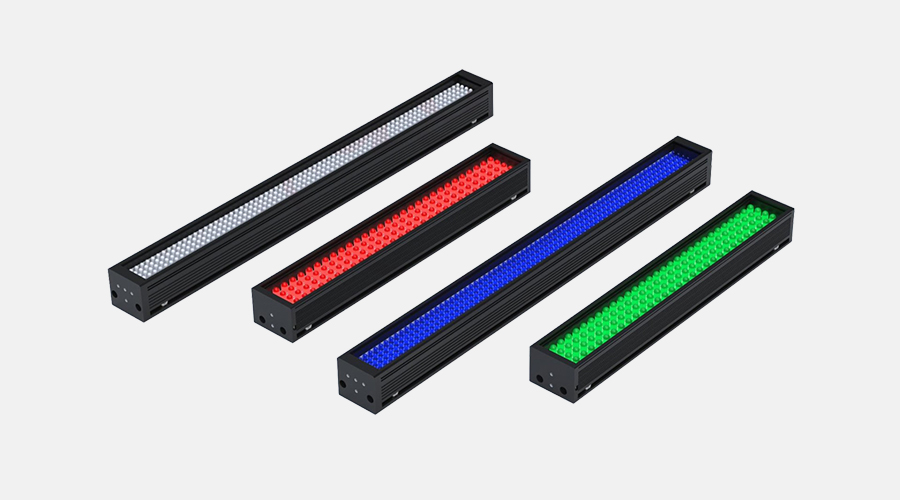 Bar light
 Arcuate high uniformity light
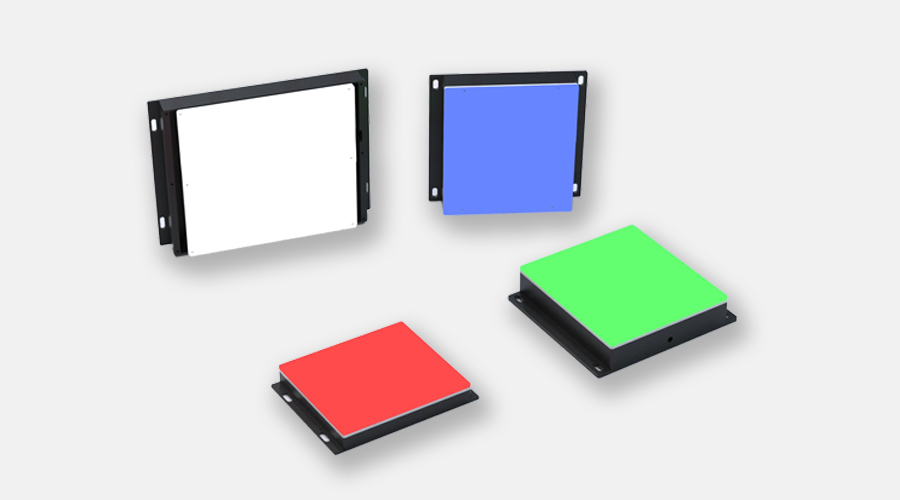 Back light
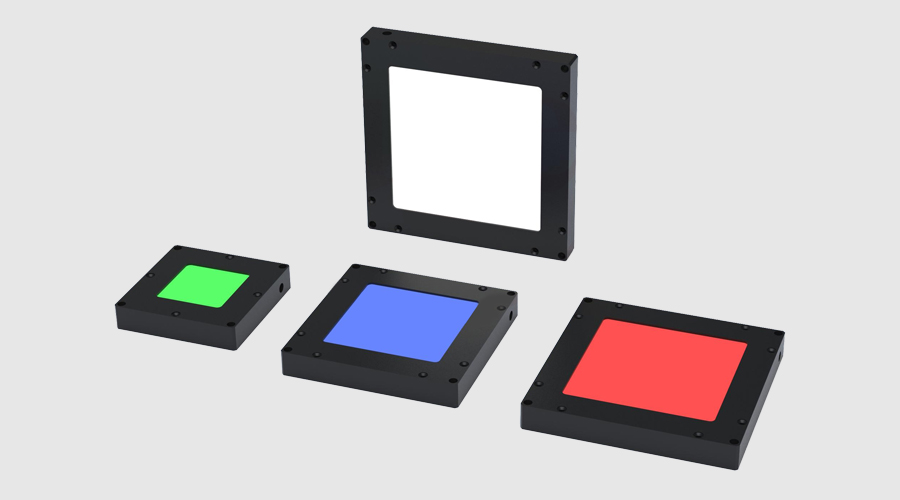 Flat light
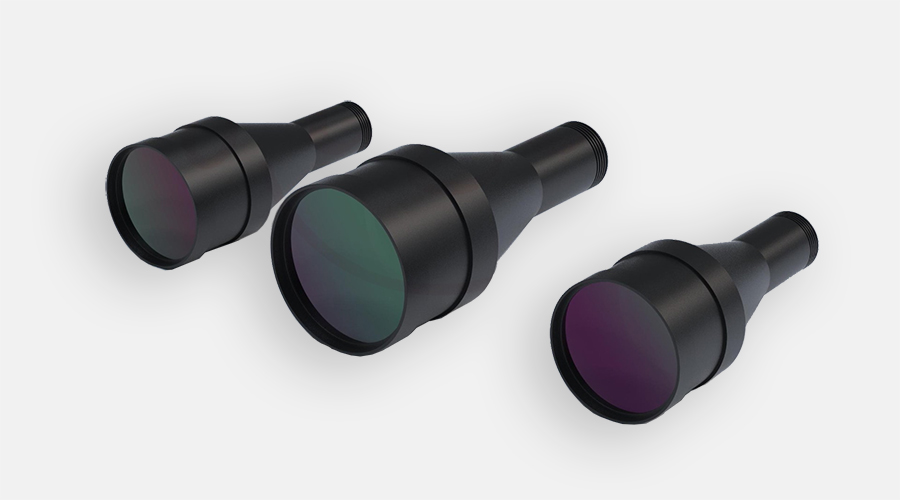 Collimated light
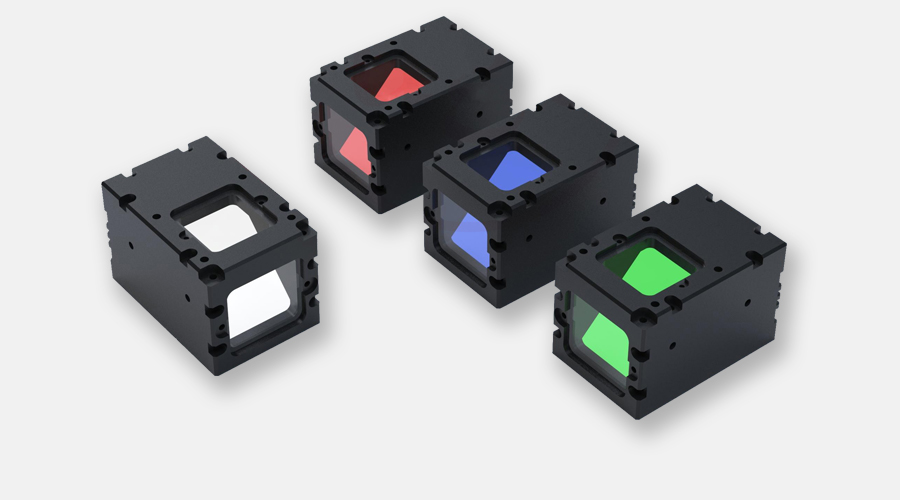 Coaxial light
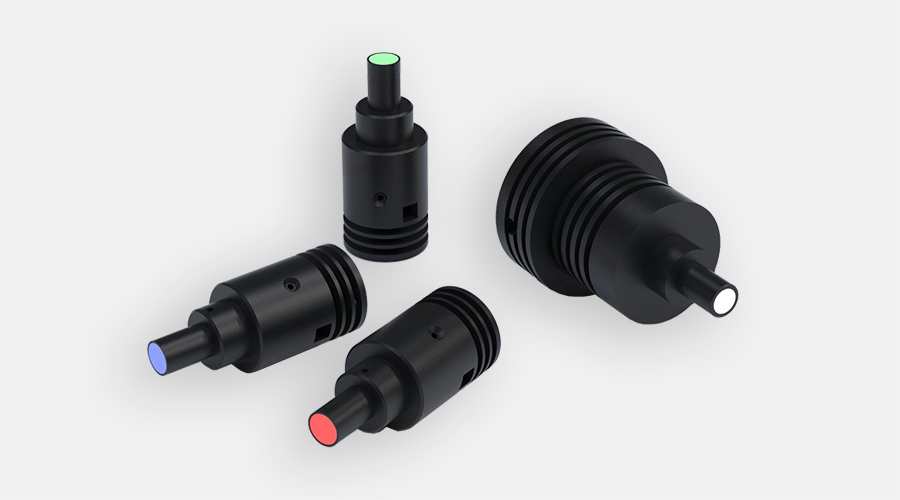 Spot light
 Dome light
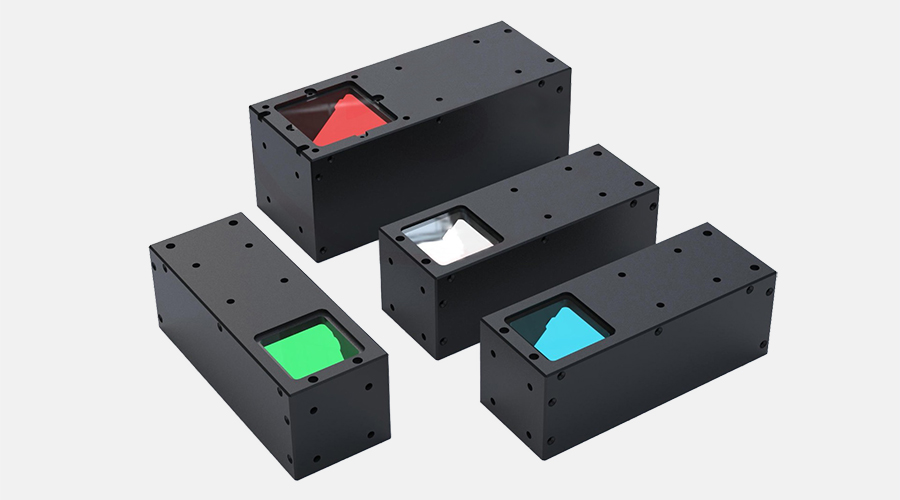 Collimated Coaxial light
 Shadowless square light
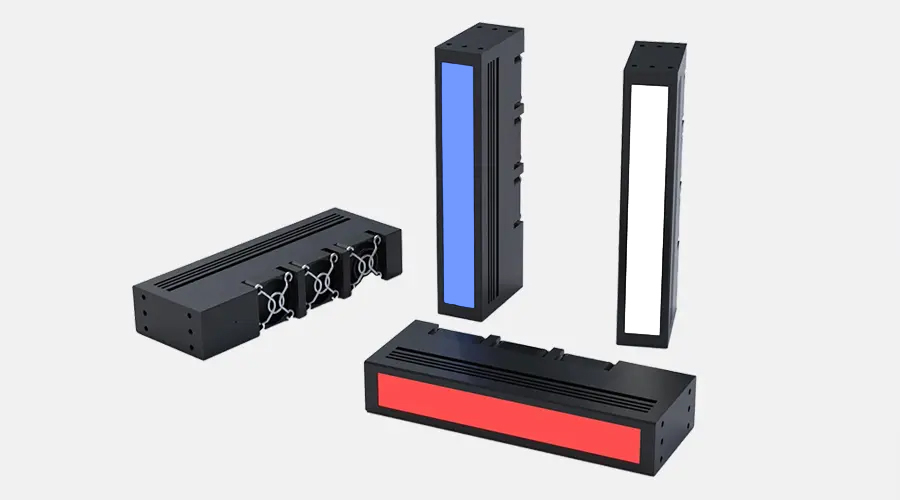 Scan light
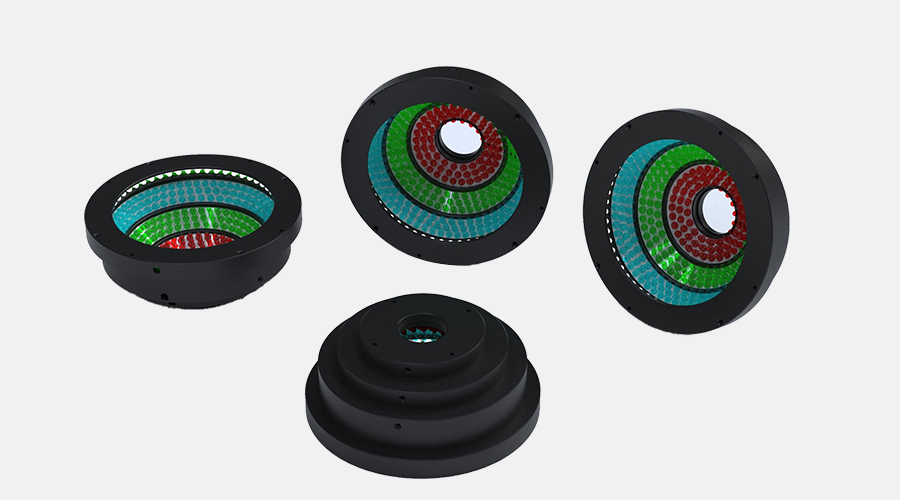 AOI light
 Analog controller
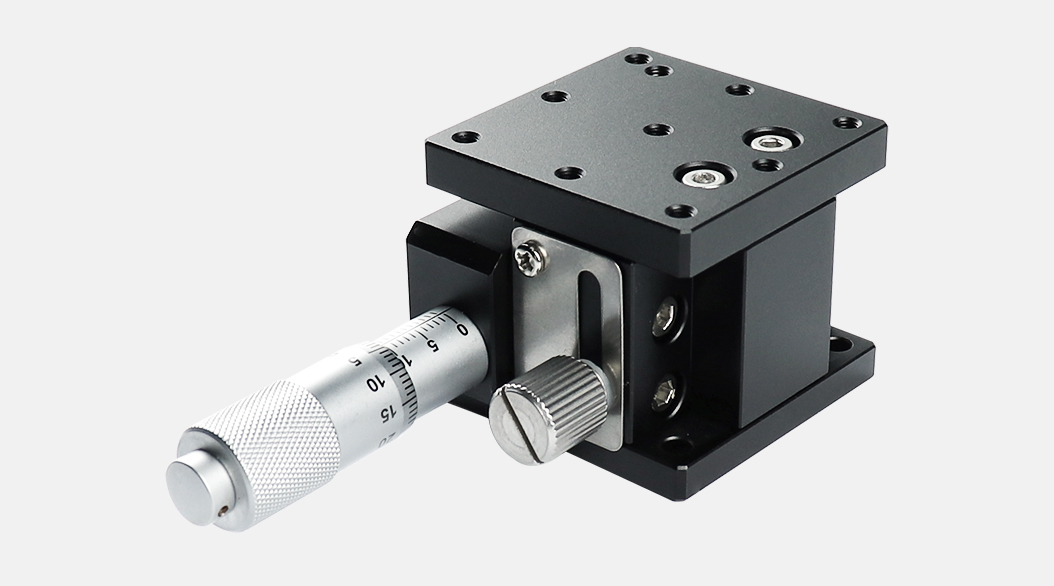 Crossed-Roller Linear guide type
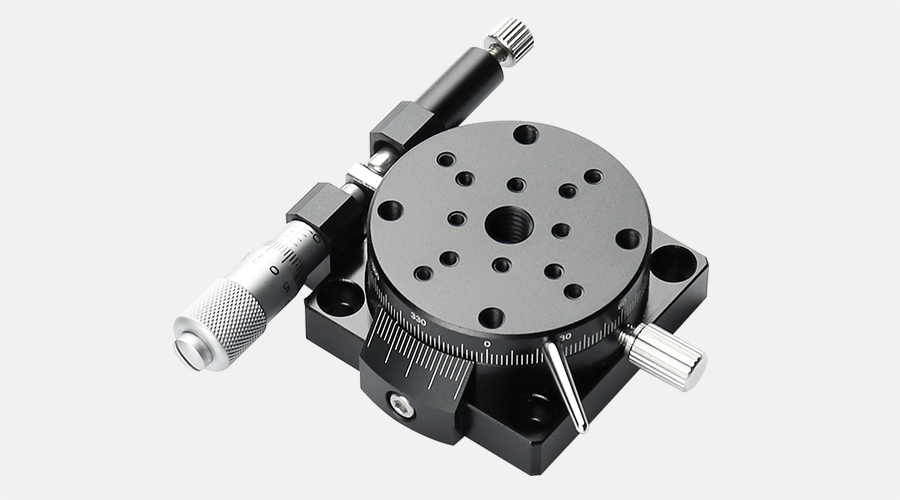 Rotary Stages XRS series
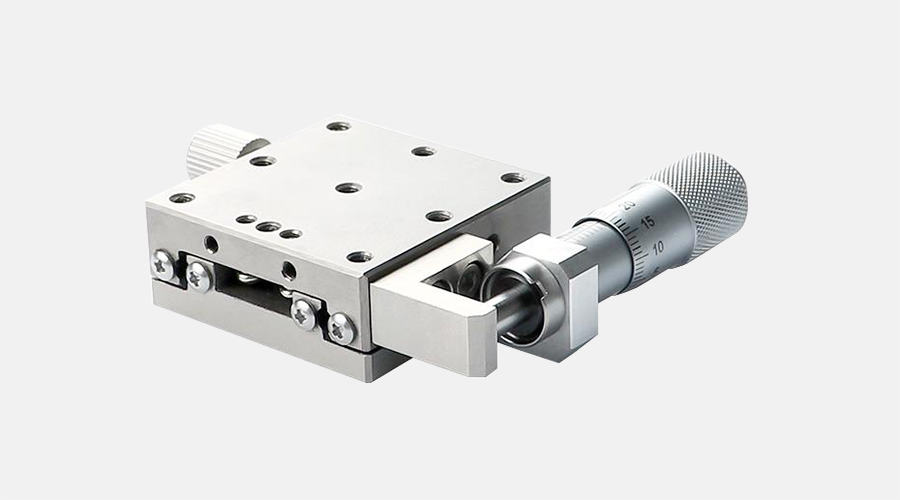 Stainless Steel Ball Bearing Linear Translation Stages
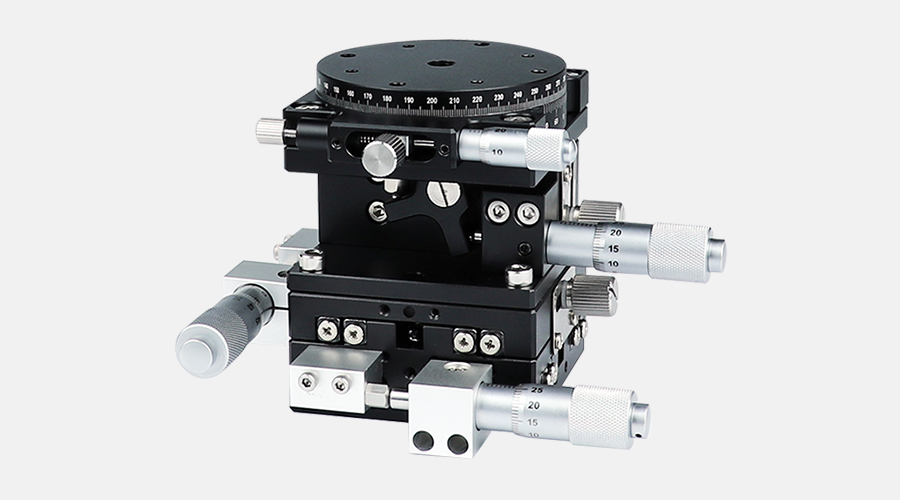 Multi-axis Translation stages
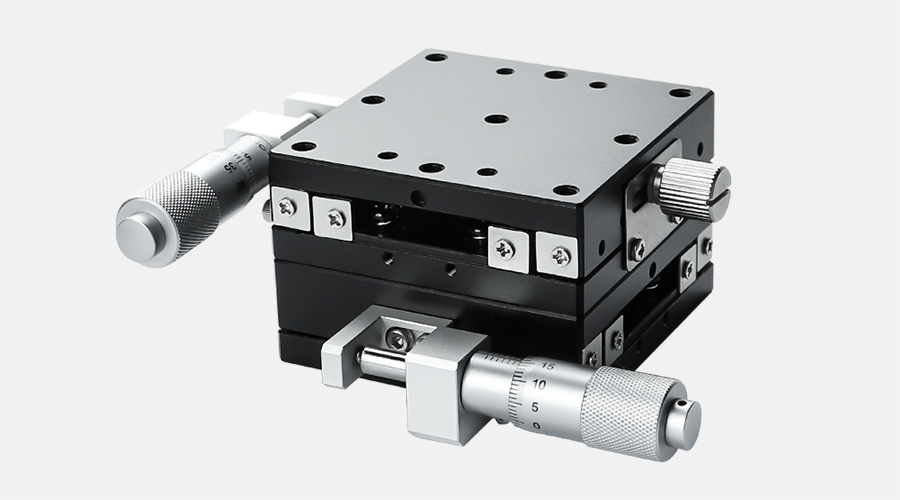 steel bar ball bearing stages
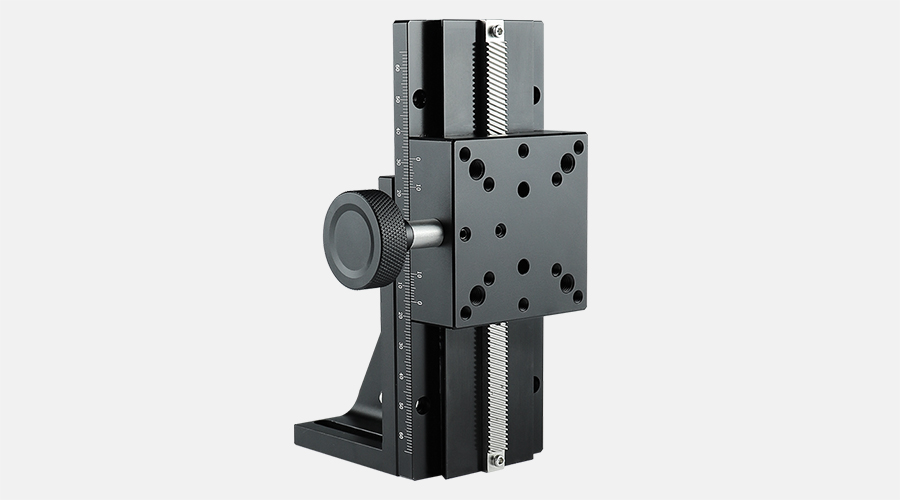 Dovetail Type Rack&Pinion Positioning Stage
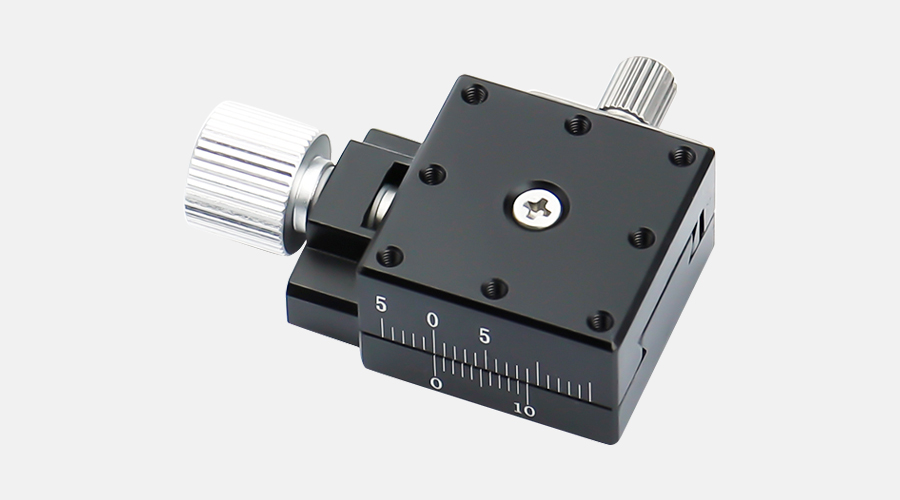 Dovetail groove high-precision screw slide



