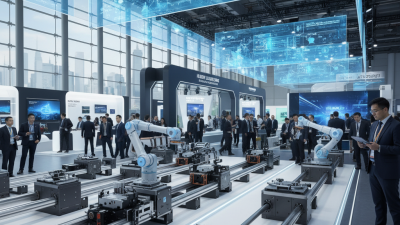
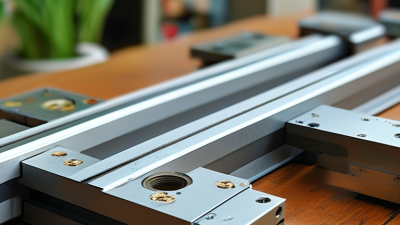
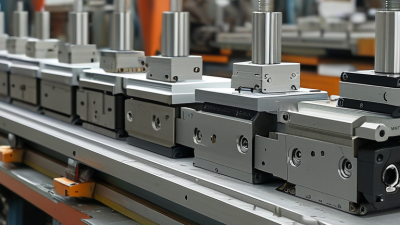
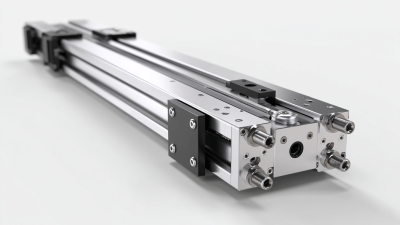
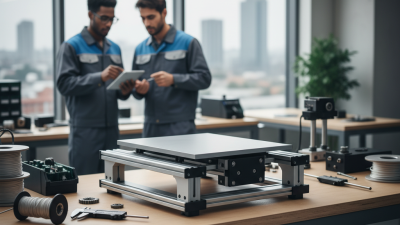
When it comes to industrial automation, choosing the right components can really make or break performance. I remember talking to John Smith from Precision Automation Solutions, and he stressed how important Heavy Duty Linear Slides are for making sure things run smoothly and last long, especially in tough applications. That quote sums up why so many manufacturers swear by these slides.
These parts are built tough—they’re designed to handle harsh conditions without losing accuracy. They move smoothly and can support pretty heavy loads, which is pretty impressive. Industries like automotive and aerospace have really seen the benefits of using Heavy Duty Linear Slides. As everyone’s pushing for more efficiency, these slides tend to be a go-to because they’re reliable and get the job done.
That said, it’s not a one-size-fits-all situation. Not every linear slide will match every specific need. It’s super important to really look at what you need before picking one. Going for the wrong type might lead to some annoying inefficiencies or even cause equipment to break down. So, understanding what Heavy Duty Linear Slides can do—and where they might fall short—is key to making the right choice.
Benefits of Heavy Duty Linear Slides in Industrial Applications
Heavy duty linear slides are essential in various industrial sectors. They offer unmatched precision and stability. The demand for these components is on the rise due to their performance. Recent industry reports indicate that robust linear motion systems account for 30% of efficiency improvements in manufacturing. This efficiency translates to improved production rates and reduced downtime.
One significant advantage of heavy duty linear slides is their load-bearing capacity. Many can support loads exceeding 1,000 pounds. Specialized designs ensure consistency in movement, reducing wear and tear on machinery. According to a study by the Motion Control Association, the right linear slide can enhance system reliability by 25%. This reliability is vital when considering the high costs associated with equipment failure.
While these slides show impressive benefits, challenges remain. Installation can be complicated, demanding skilled personnel. Misalignment during installation may lead to premature failure. Routine maintenance is also crucial to extend their lifespan. Balancing effective use with these challenges requires thoughtful planning and ongoing evaluation.
Key Features of Heavy Duty Linear Slides
Heavy duty linear slides are essential for various industrial applications. Their robust design ensures enhanced stability and support, making them ideal for heavy loads. These slides typically feature precision-engineered bearings that allow for smooth motion even under extreme conditions. Users often find they can handle substantial weight without compromising performance.
Another key aspect is their adaptability. Many heavy duty linear slides can work in diverse environments. Whether it’s a factory assembly line or an outdoor setup, they prove reliable. Some units offer customizable lengths and mounting options, accommodating different operational requirements.
However, selecting the right slide requires careful consideration. Not all slides are created equal. Factors like load capacity, speed, and environment play essential roles. Users sometimes underestimate maintenance needs, which can affect longevity. Recognizing these points can lead to better decision-making and improved efficiency in your projects.
Comparison with Traditional Slide Systems
When considering industrial linear motion, the choice between heavy duty linear slides and traditional slide systems is crucial.
Heavy duty linear slides offer superior load-bearing capabilities. They can support significantly more weight without compromising performance. This is particularly important in sectors such as manufacturing, where heavy machinery frequently operates.
Traditional slide systems often lack the robustness needed for demanding applications. They can wear out quickly under heavy loads, leading to increased maintenance and replacement costs.
Heavy Duty Translate systems, on the other hand, are designed for durability. They utilize high-quality materials and advanced engineering to ensure long-lasting reliability.
Despite their advantages, heavy duty linear slides require careful consideration. Installation might be more complex compared to traditional systems. Potential users must assess their specific needs, including the environment and load requirements. Reflecting on these aspects can help in making a well-informed decision that balances performance and cost-effectiveness.
Applications of Heavy Duty Linear Slides in Various Industries
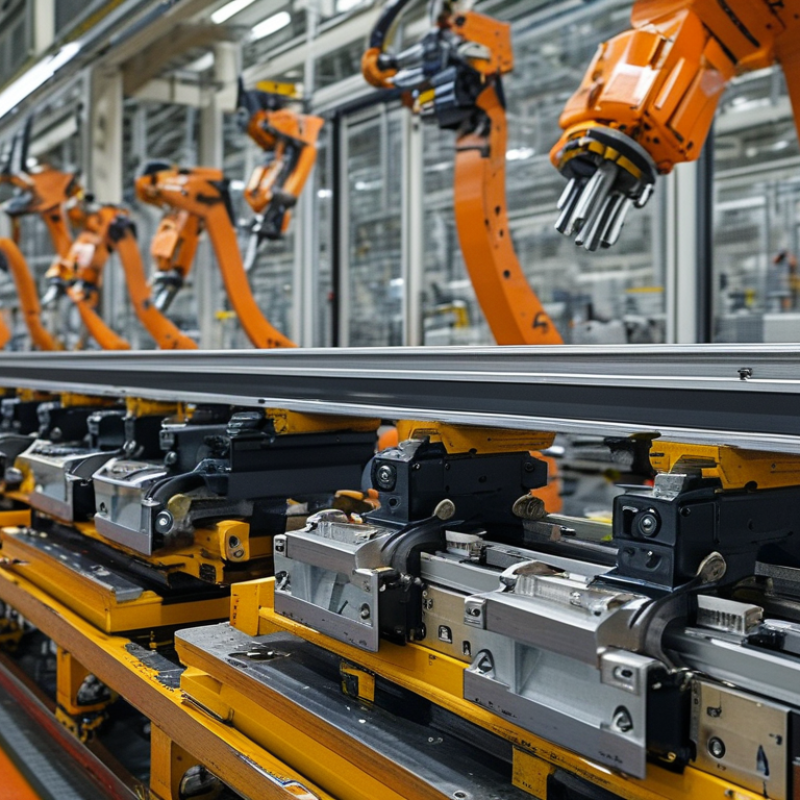
Heavy duty linear slides serve multiple purposes across various industries. In manufacturing, they provide the precision required for heavy machinery. These slides enable smooth motion control, which is essential when handling large components. For instance, in automotive assembly lines, they assist in the transport of car parts from one station to another.
In the packaging sector, these slides also demonstrate their versatility. They can withstand harsh environments, where dirt and debris are common challenges. Heavy duty linear slides allow for reliable operation in these conditions. However, some businesses often overlook their maintenance needs. Regular checks are vital to ensure optimal performance and prolong lifespan.
Another application is in robotics automation. Heavy duty slides support robotic arms with their weight-bearing capacities. They enhance efficiency and productivity, particularly in e-commerce warehouses. But improper installation can lead to significant operational issues. Understanding the implications of misalignment is crucial to maximize their effectiveness in such demanding environments.
Applications of Heavy Duty Linear Slides in Various Industries
Choosing the Right Heavy Duty Linear Slide for Your Project
When selecting heavy-duty Linear Slides for industrial projects, several factors should guide your decision.
The load capacity is essential, as these slides are designed to handle significant weight. Industry standards indicate that the right linear slide can support loads from a few hundred pounds to several tons. This variability means it’s crucial to assess the demands of your application accurately.
Material is another pivotal consideration. Heavy-duty linear slides are often constructed from stainless steel or aluminum, providing durability and resistance to wear. According to a recent report, slides with superior corrosion resistance can extend equipment lifespan by up to 30%. This reliability helps reduce maintenance costs over time.
Tips: Always evaluate the environment where the linear slides will operate. If you expect high exposure to moisture or corrosive substances, opt for slides with appropriate protective coatings. Double-check the alignment of the slides during installation—misalignment can lead to premature failure. Finally, consider consulting industry reports on slide performance metrics to ensure you’re making informed choices. It’s not uncommon for companies to overlook the importance of precise specifications, which can lead to costly mistakes later.
Maintenance and Care Tips for Linear Slide Systems
Maintaining linear slide systems is essential for their performance and longevity. Regular inspections are crucial. Check for signs of wear, misalignment, or damage. A small issue can escalate into a major problem if neglected.
When cleaning, use appropriate tools to avoid scratching the surfaces. Dust and debris can lead to friction. Use a soft cloth and an industrial-approved cleaner. Lubrication is equally important. Apply the right lubricant to ensure smooth operation. Too much or too little can hinder performance.
Consider load limits when using heavy-duty linear slides. Overloading can cause early wear. It's essential to follow guidelines for durability. Always be mindful of environmental factors. Dust, moisture, and extreme temperatures can affect Precision Linear Slides. Regular maintenance will ensure they meet industrial needs effectively.
Future Trends in Heavy Duty Linear Slide Technology
In the industrial sector, heavy-duty linear slides like Xy Slides are undergoing rapid advancements, driven by increasing demand for precision and durability. A recent report from the International Manufacturing Technology Show (IMTS) indicates that the demand for linear motion systems is expected to grow by 6.8% annually. This growth highlights the industry’s need for robust solutions that can withstand harsh environments.
Innovations in materials and design are shaping the future of linear slide technology. For instance, newer models are utilizing lightweight composites that retain strength while reducing weight. Surveys conducted by the Association for Manufacturing Technology (AMT) reveal that over 70% of manufacturers are investing in automation solutions. This suggests a strong preference for linear slides that not only offer reliability but also enhance operational efficiency.
Moreover, manufacturers are recognizing the importance of smart technology integration. In line with the rise of Industry 4.0, many heavy-duty slides now feature IoT connectivity. This enables real-time monitoring and predictive maintenance, preventing unexpected failures. However, not all companies are ready to embrace this change, leading to a gap in technology adoption. The challenge remains to balance innovation with practical application in the shop floor environment.
Why Choose Heavy Duty Linear Slides for Your Industrial Needs? - Future Trends in Heavy Duty Linear Slide Technology
| Feature |
Description |
Advantages |
Applications |
| Load Capacity |
Designed to support heavy loads up to 2000 lbs. |
Increased durability and reduced wear on components. |
Manufacturing, automation, robotics. |
| Precision Movement |
Provides smooth and accurate linear motion. |
Higher accuracy in positioning and repeatability. |
CNC machines, assembly lines. |
| Material Construction |
Constructed from high-strength alloys and composites. |
Enhanced strength-to-weight ratio, resistant to corrosion. |
Food processing, outdoor applications. |
| Customization Options |
Available in various sizes and configurations. |
Adaptable to specific industrial requirements. |
Automotive, specialized equipment. |
| Future Trends |
Integration of IoT for real-time monitoring. |
Improved operational efficiency and predictive maintenance. |
Smart factories, logistics automation. |
Maximizing Precision and Performance with XLZ-2 Series Crossed-Roller Linear Translation Stages
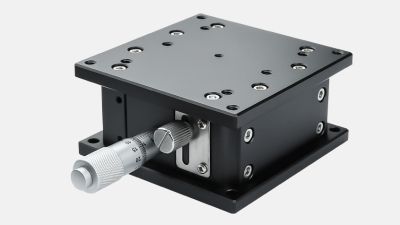
The XLZ-2 Series Crossed-Roller Linear Translation Stages are designed to achieve unmatched precision and performance in various industrial and research applications. With a focus on the Z-axis direction, these stages provide micron-level fine adjustment, allowing for precise positioning and movement in a range of environments. This capability is particularly beneficial for applications that demand intricate alignment and stability, where even the slightest deviation can impact results.
Constructed from black anodised aluminum, the XLZ-2 Series offers a robust yet lightweight structure, which enhances durability without compromising performance. The design ensures that the stages can handle a substantial load capacity ranging from 58.8 N (6 kgf) to 147 N (15 kgf), making them suitable for a variety of heavy-duty tasks. This combination of strength and precision makes the XLZ-2 Series ideal for both laboratory environments and manufacturing settings, where reliability is paramount.
Incorporating advanced engineering and materials, the XLZ-2 Series sets a new standard in linear motion technology, providing users with an effective solution that maximizes both precision and performance. Whether you are engaged in optical experiments, assembly tasks, or material testing, the XLZ-2 Series enables users to achieve their objectives with confidence and efficiency.
FAQS
: They offer precision, stability, and improve efficiency in manufacturing. They can enhance production rates significantly.
Many slides can handle loads exceeding 1,000 pounds. This capacity is crucial for heavy industrial applications.
Routine checks and maintenance are vital. Neglecting these can lead to reduced performance and shorter lifespan.
Proper installation ensures reliability. Misalignment can cause premature failure and increase operational issues.
They operate reliably in harsh environments, handling dirt and debris effectively. However, maintenance is often overlooked.
They are usually made from stainless steel or aluminum, offering durability against wear and corrosion.
Slides should be chosen based on expected environmental conditions. Moisture and corrosive settings require protective coatings.
Reports indicate that superior corrosion resistance can extend lifespan by up to 30%, reducing maintenance costs.
Many companies overlook precise specifications, which can lead to costly errors in their applications.
Misalignment can lead to significant operational problems. Understanding these risks is essential for effective use.
Conclusion
Heavy Duty Linear Slides are essential components for various industrial applications, providing numerous benefits such as enhanced load capacity, improved precision, and durability. These slides are designed to withstand rigorous operational demands, making them superior to traditional slide systems. Key features include robust construction and smooth movement, which ensure efficiency in processes across diverse industries, from manufacturing to automation.
When selecting the right Heavy Duty Linear Slide for a project, it is vital to consider factors like load requirements and environmental conditions. Regular maintenance and care can significantly prolong the lifespan of these systems. As technology evolves, future trends indicate advancements in material and design that will further optimize the performance and versatility of Heavy Duty Linear Slides, ensuring they remain a critical asset in meeting industrial needs.

 Compatible with 7.2mm-82mm chips
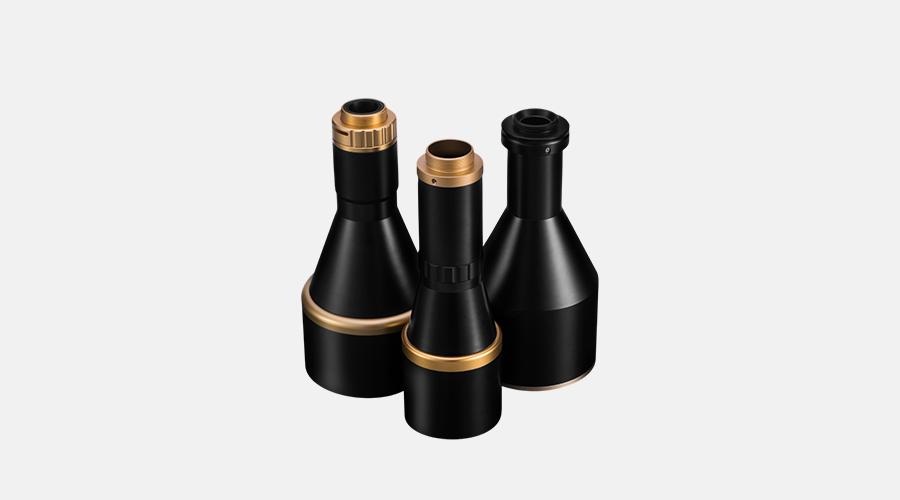 High/Low Working Distance
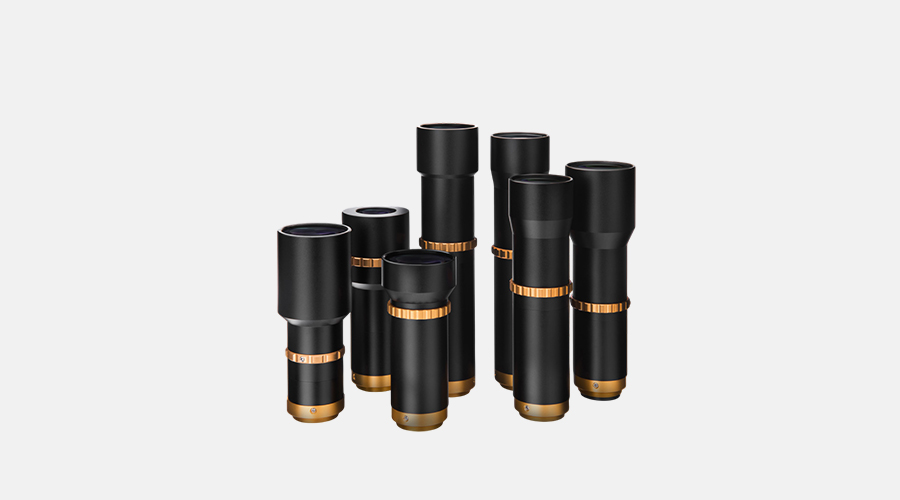 Aperture telecentric lens
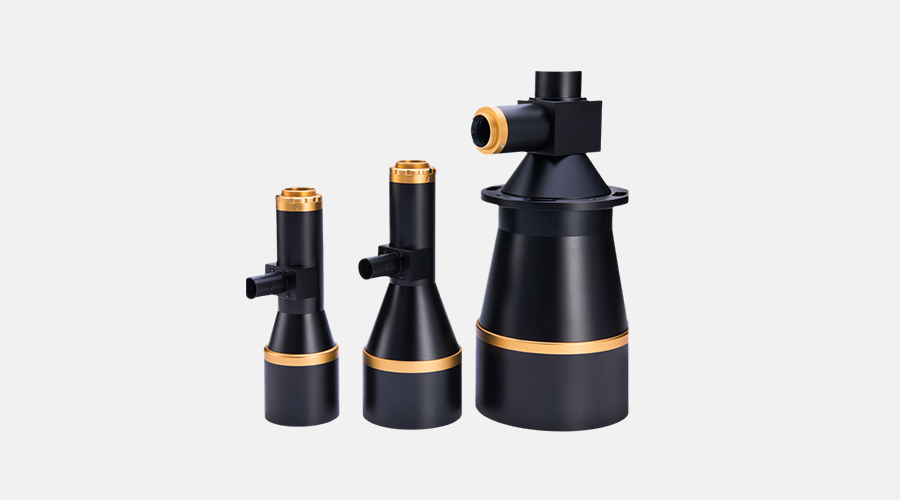 Measuring lens
 Maximum support 1.1" chips
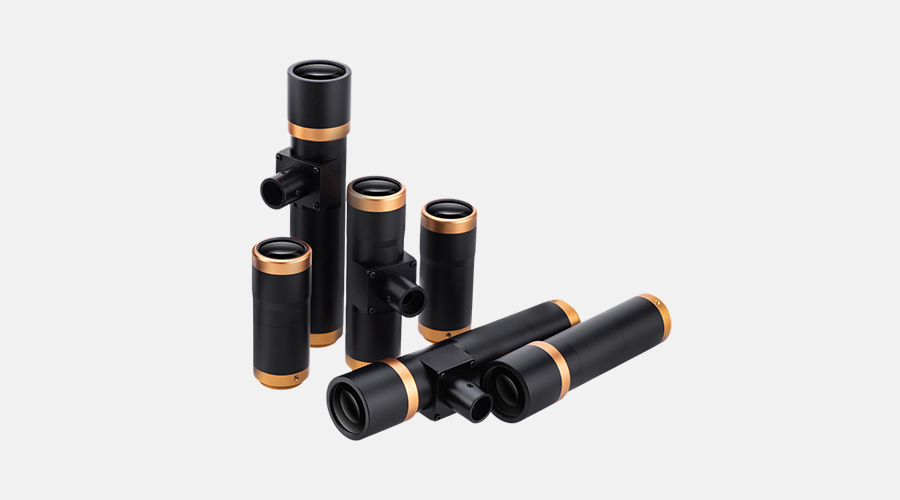 Maximum support 1.2" chips
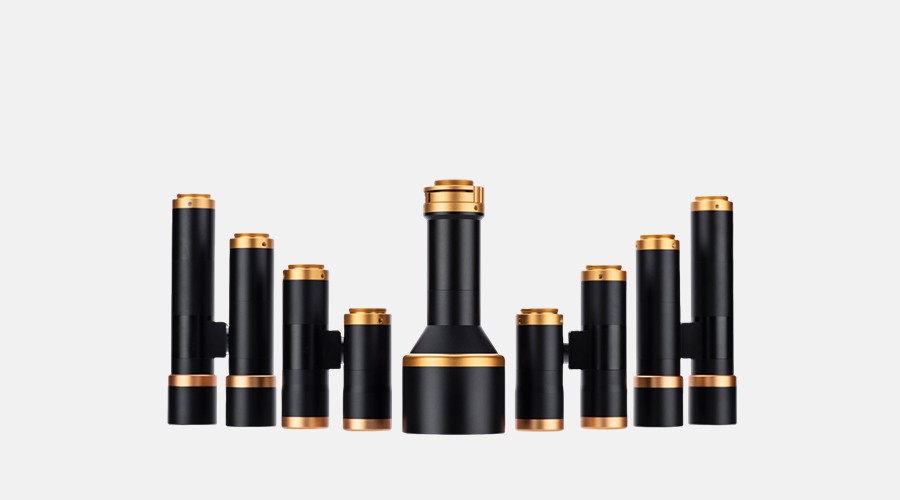 Maximum support 2/3" chips
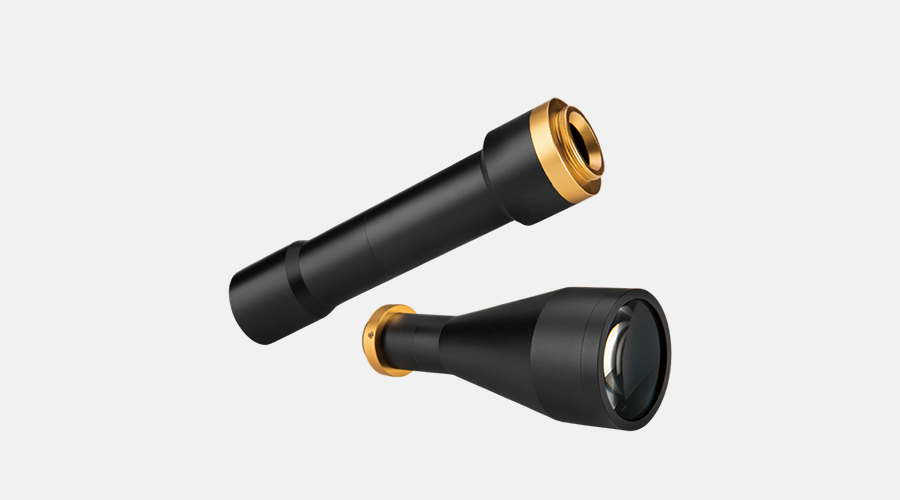 Long Working Distance
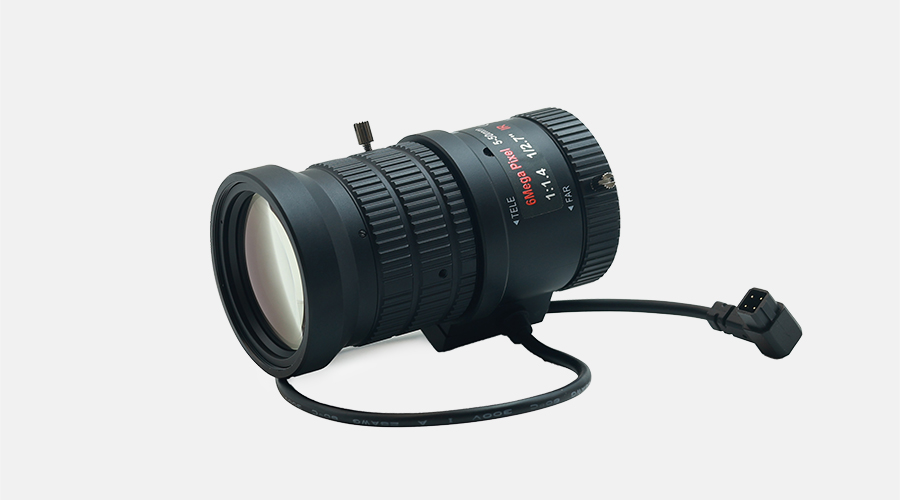 CS mount Varifocal lens
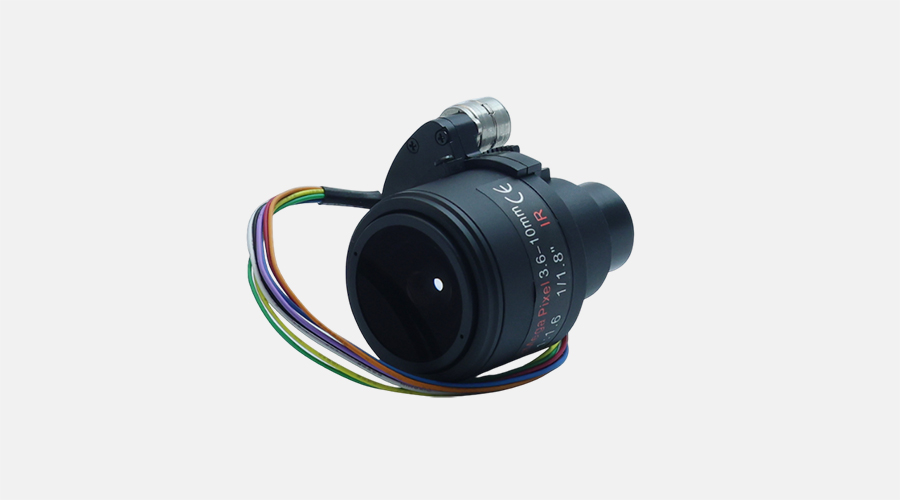 Varifocal board lens
 S mount lens
 Ring light
 UV/IR Light
 Bar light
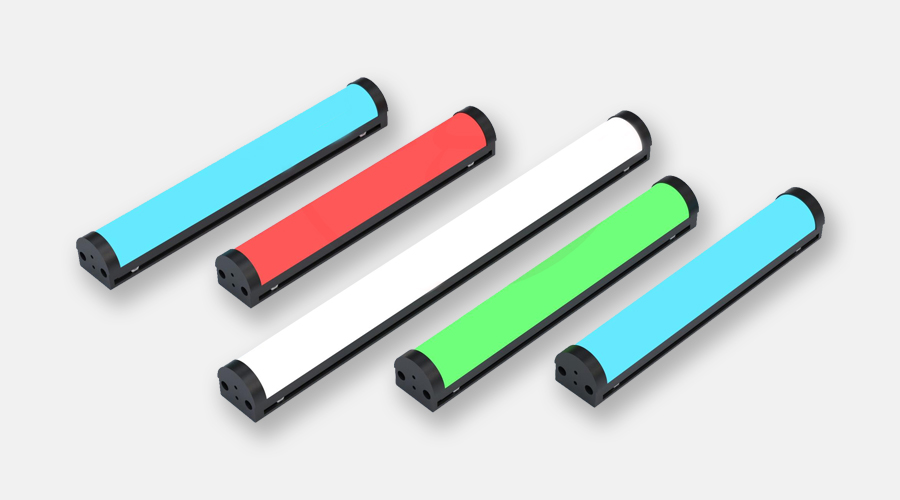 Arcuate high uniformity light
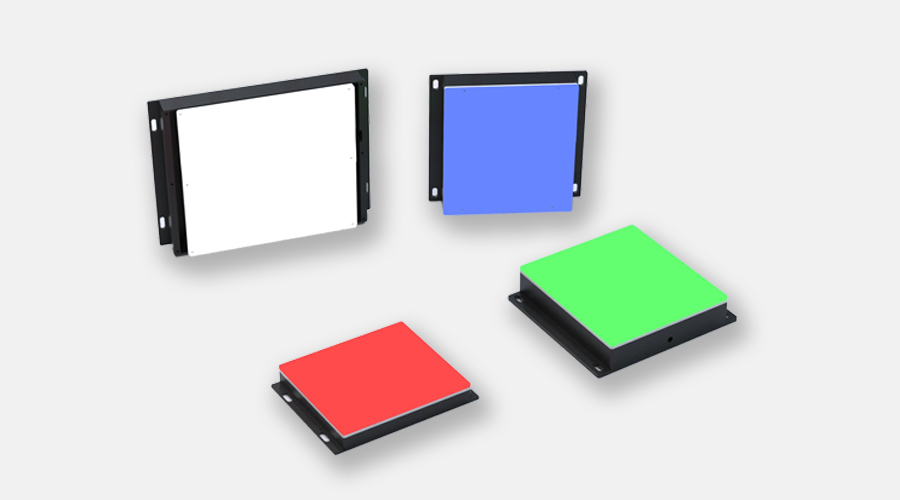 Back light
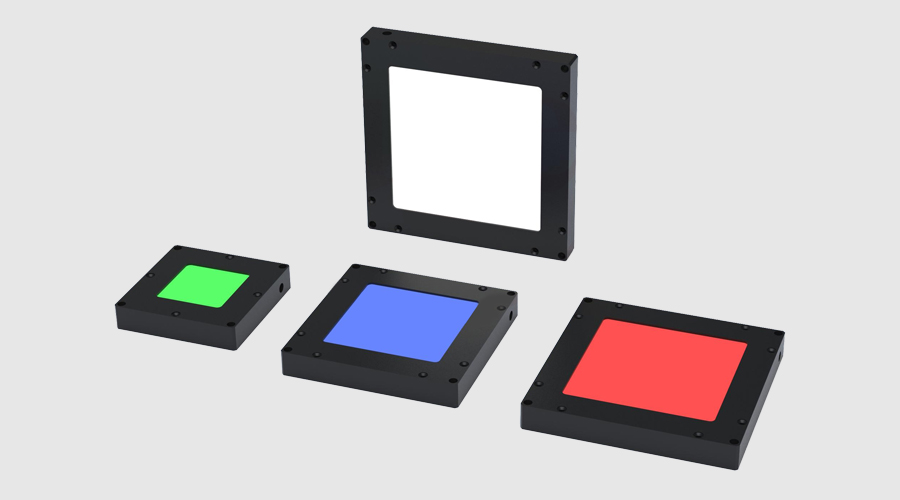 Flat light
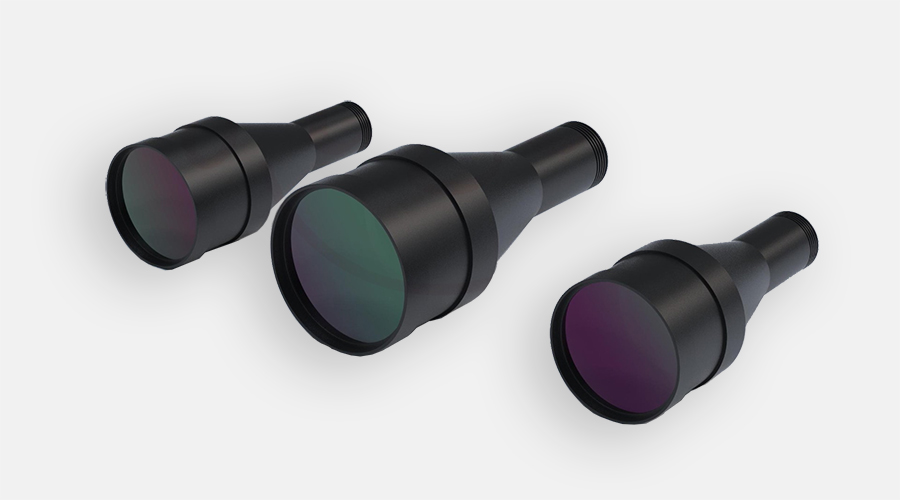 Collimated light
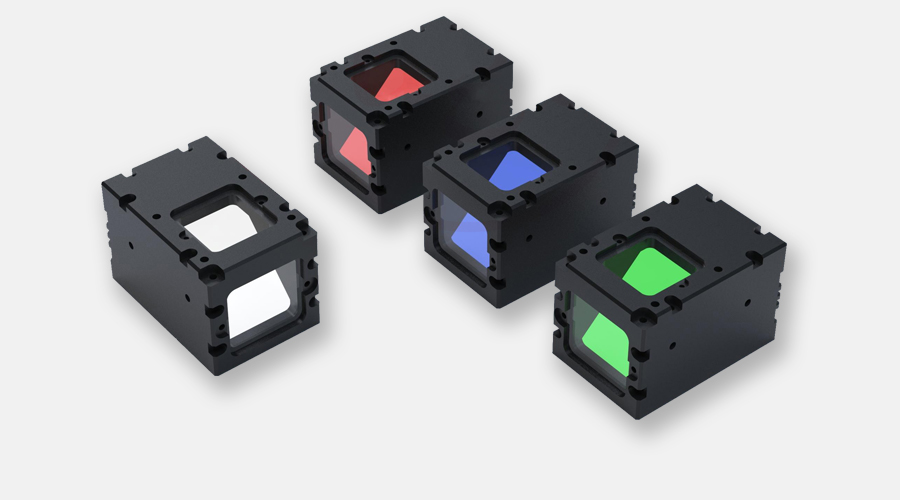 Coaxial light
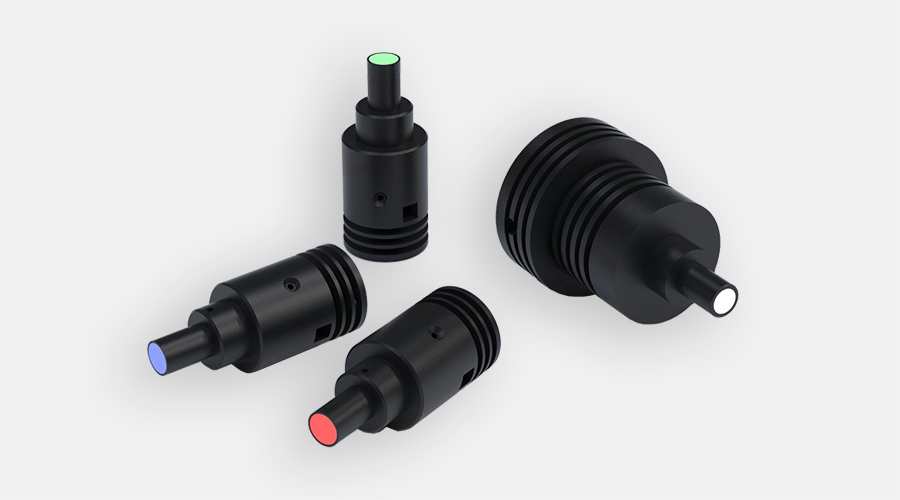 Spot light
 Dome light
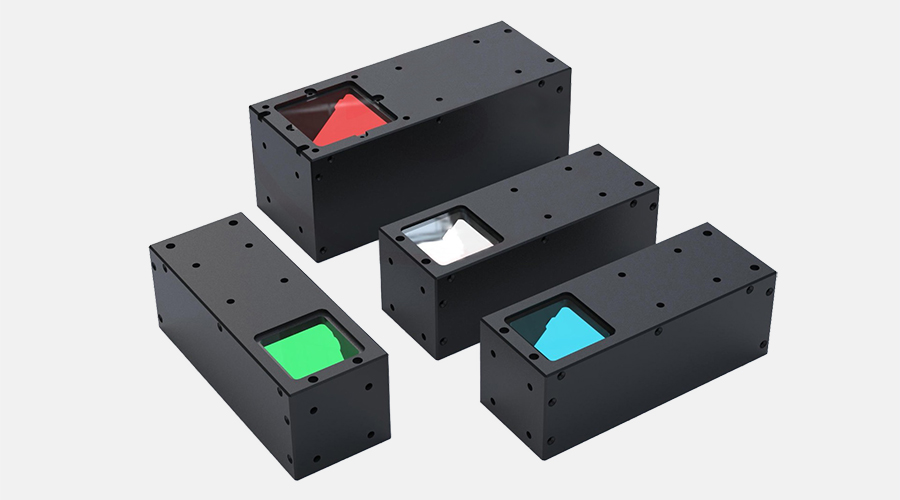 Collimated Coaxial light
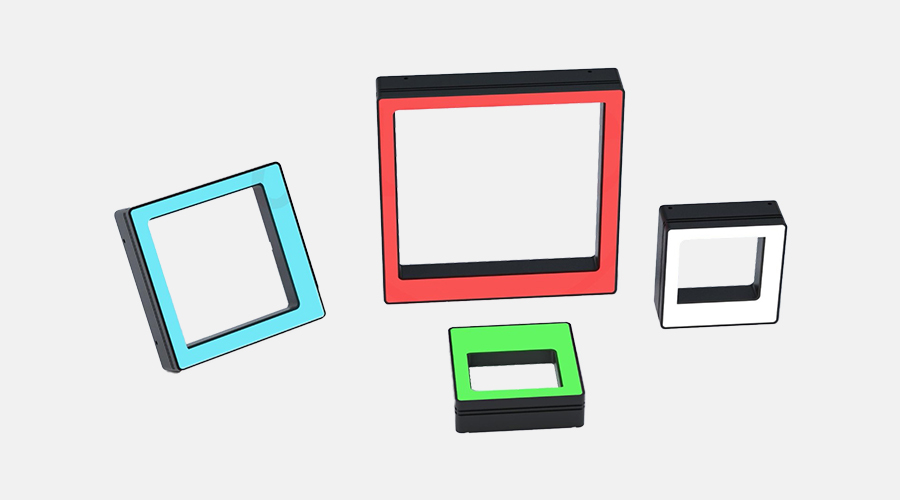 Shadowless square light
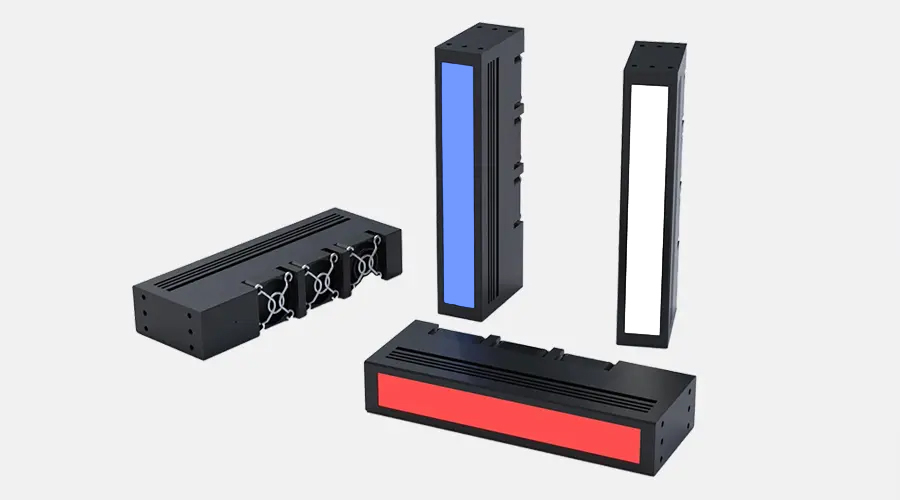 Scan light
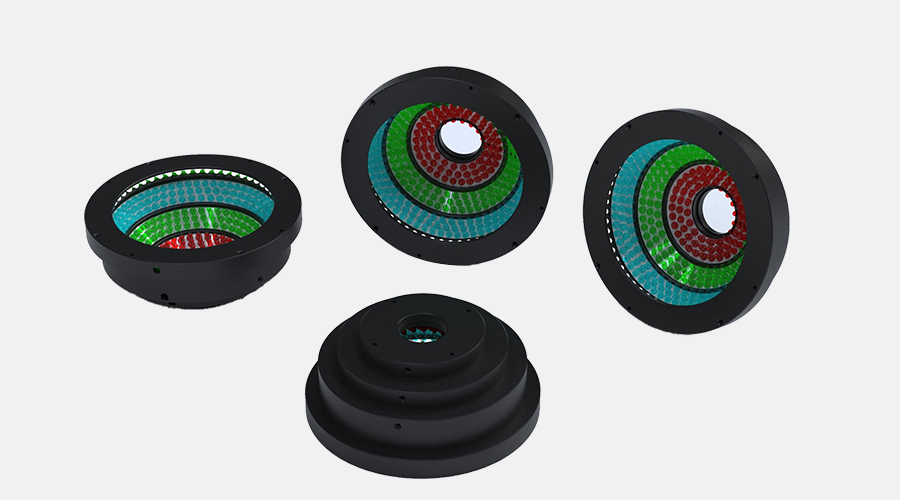 AOI light
 Analog controller
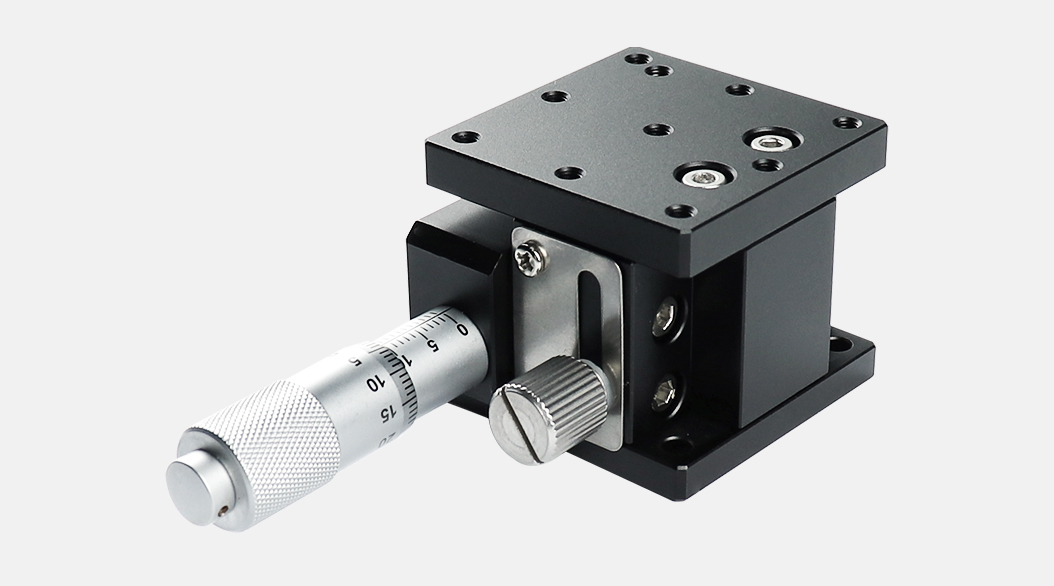 Crossed-Roller Linear guide type
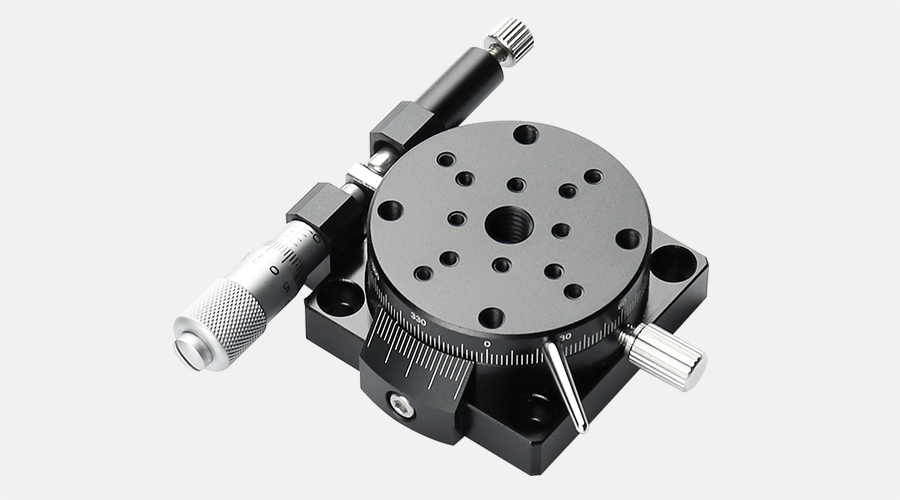 Rotary Stages XRS series
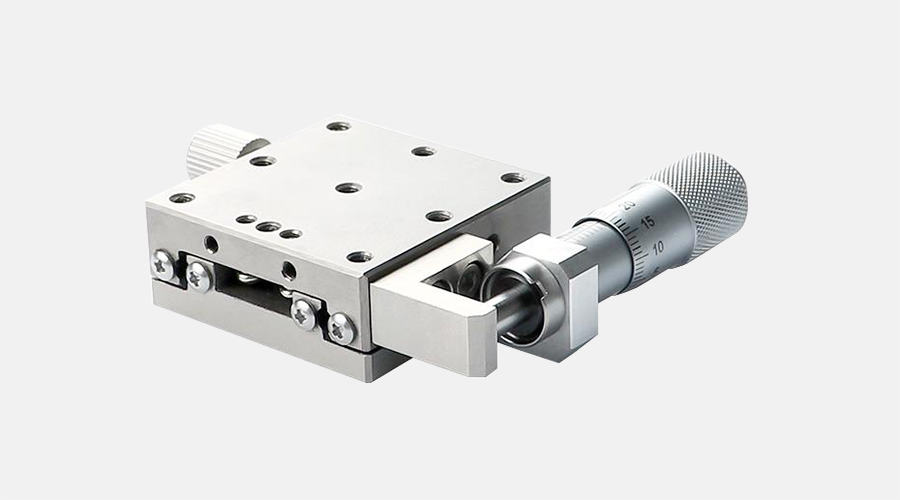 Stainless Steel Ball Bearing Linear Translation Stages
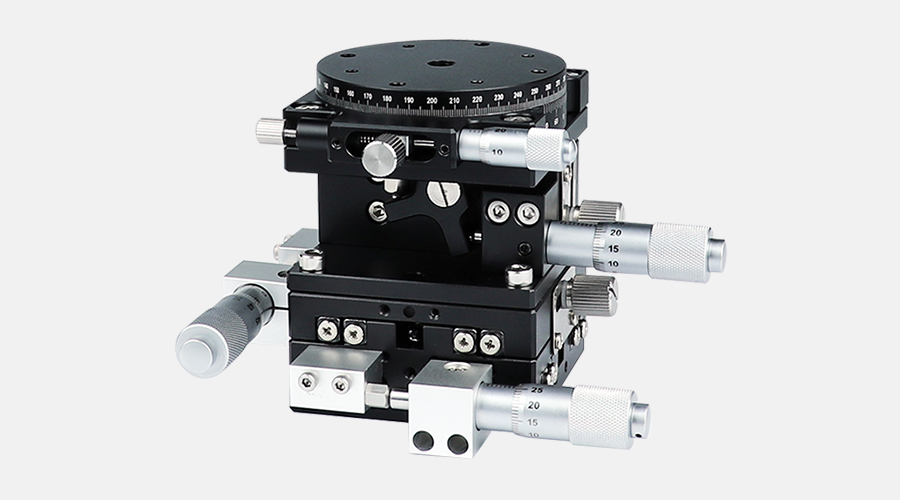 Multi-axis Translation stages
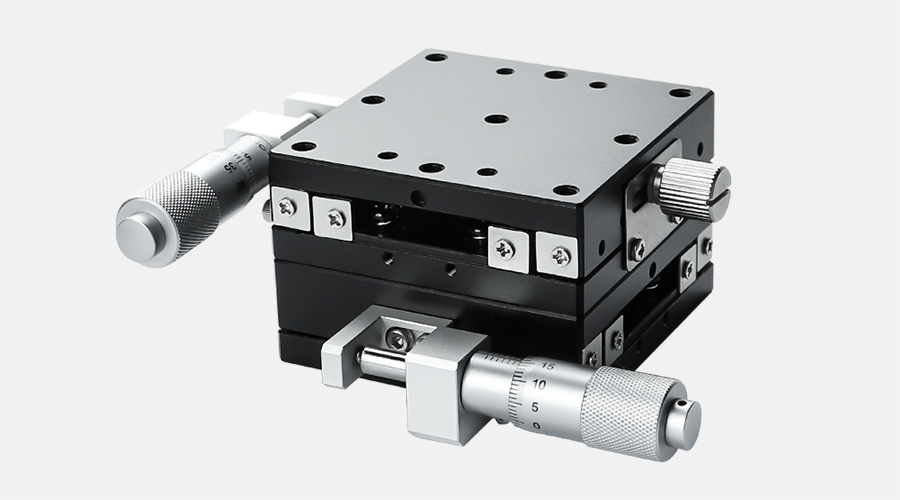 steel bar ball bearing stages
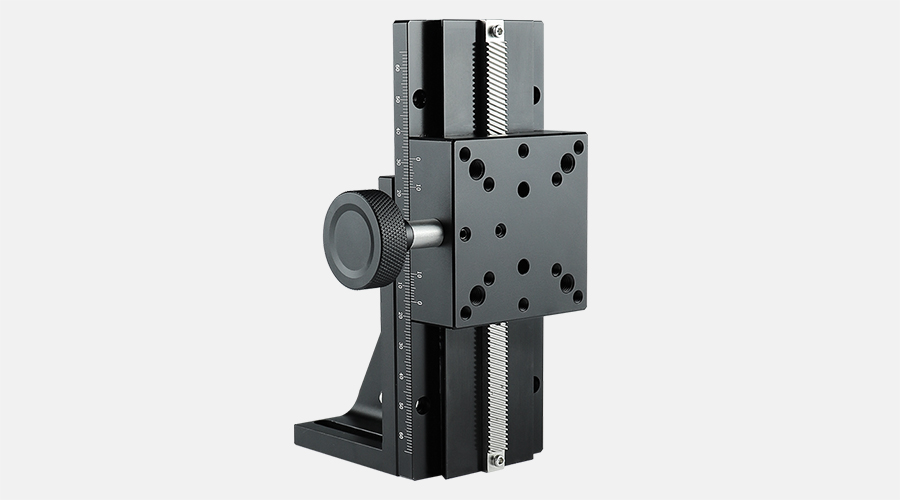 Dovetail Type Rack&Pinion Positioning Stage
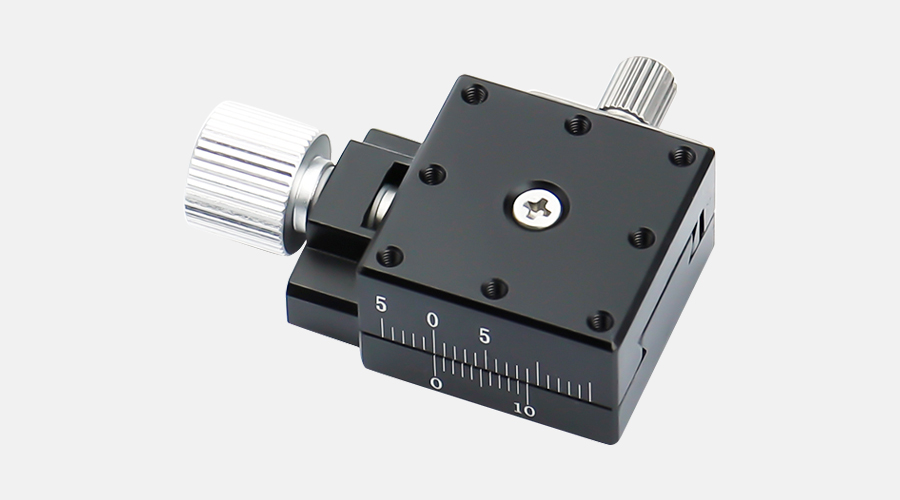 Dovetail groove high-precision screw slide