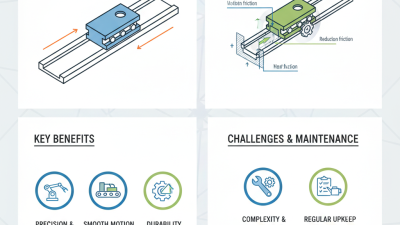
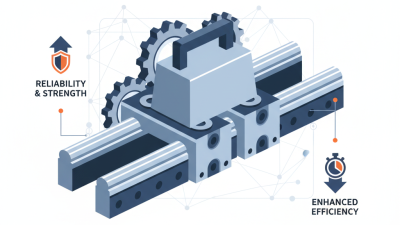
A Heavy Duty Linear Slide is basically built to handle controlled movements even when loads are heavy. It guides equipment along a straight line and resists vibrations, twisting, and impacts that happen over and over. You'll often see these slides in things like automated assembly lines, CNC machines, packaging setups, or industrial inspection devices. The idea might sound simple—just move stuff from point A to B—but the actual design is pretty complex.
Most of these systems are made with hardened rails, a reinforced carriage, and rolling parts like ball bearings or rollers. When a motor, a cylinder, or even a manual handle applies force, the carriage moves along the rail smoothly with minimal friction. Heavy Duty Linear Slides can carry pretty hefty loads, but how much they can handle really depends on which way the load’s going, how fast it moves, the acceleration, and how precisely everything is mounted. It’s best to follow the manufacturer’s load charts—guesswork here can get really costly.
Getting the installation right is just as important as the slide itself. Making sure it's mounted on a level surface helps avoid jamming or binding. Proper lubrication reduces wear around the moving parts, and seals can keep dust, chips, and moisture out of the internal mechanisms. Honestly, I can't stress enough how often people underestimate contamination in actual workshops. Even a machine that looks clean might still be dragging tiny abrasive particles into the bearings.
This guide will walk you through how a Heavy Duty Linear Slide works and why each part really matters. We’ll look at load ratings, preload, alignment, maintenance, and signs of problems. Sometimes, a slide looks really solid and reliable, but if the support frame isn’t sturdy, it won’t last long—that’s often overlooked in basic explanations. The key is to check the entire motion system, not just the carriage. Achieving good results means paying attention to the actual forces involved, realistic duty cycles, and doing regular inspections. Of course, no design is perfect, so a careful review is always worth the effort.
Definition and Core Function of a Heavy-Duty Linear Slide
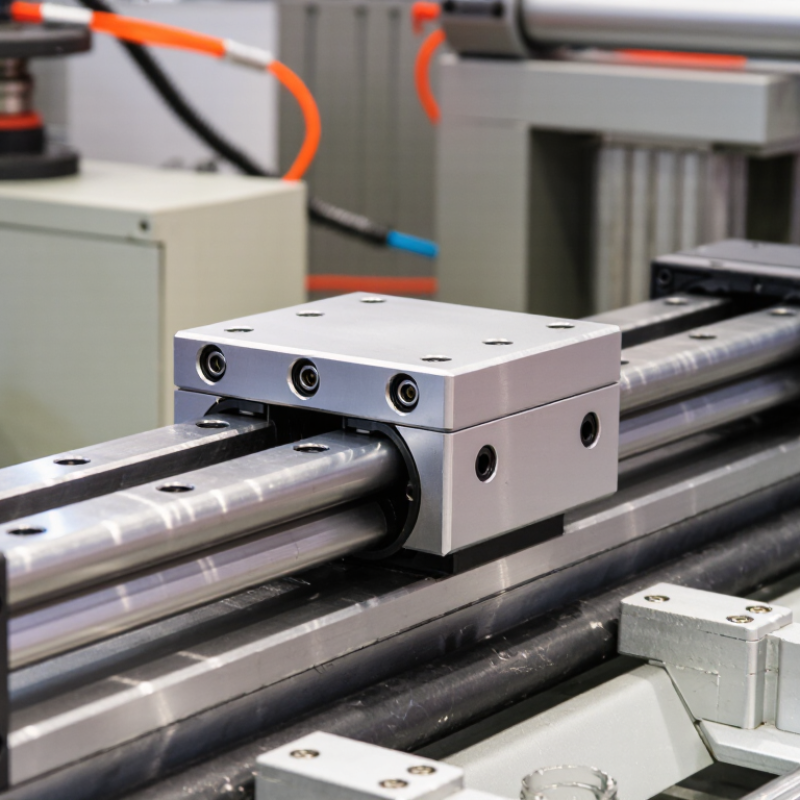
A heavy-duty linear slide is a mechanical guide that moves a large load along a straight path. Its core function is controlled, repeatable linear motion. Unlike a simple drawer runner, it must resist high weight, vibration, and side forces. The assembly usually contains a fixed rail, a moving carriage, and rolling elements such as balls or rollers. These parts reduce friction while keeping the load aligned.
In practical equipment, the carriage may support a cutting head, inspection tool, or industrial platform. The rail is commonly made from hardened steel or another rigid material. Proper preload removes unwanted movement between the carriage and rail. That detail matters. A loose slide can produce uneven motion, noise, and inaccurate positioning. A slide that is too tight may require excessive drive force and wear quickly. In some translated specifications, “Heavy Duty Translate” appears as a search phrase for this equipment, but the engineering principle remains the same.
Installation affects performance as much as the slide itself. The mounting surface should be flat, clean, and strong enough to prevent rail distortion. Engineers check load capacity, travel length, speed, acceleration, and moment loads before selecting a design. During maintenance, technicians inspect lubrication, seals, fasteners, and visible scoring. A slide may feel solid during a short test yet fail under repeated side loading. That is an easy mistake to overlook. Real reliability comes from matching the slide to the actual load path, not only its stated weight rating.
What Is a Heavy-Duty Linear Slide?
A heavy-duty linear slide is a guided mechanical assembly that supports and moves a substantial load along a straight path. It typically uses hardened rails, rolling elements, or sliding surfaces to control motion, reduce friction, and maintain alignment.
This illustrative engineering example shows how a centered 1,000 kg load can be distributed across four bearing blocks. Under ideal static conditions, each block carries 250 kg. Actual ratings depend on slide design, load position, acceleration, shock, mounting accuracy, and safety factors.
Key Components: Rails, Carriages, Bearings, and Drive Mechanisms
What Is a Heavy Duty Linear Slide and How Does It Work?
Key Components: Rails, Carriages, Bearings, and Drive Mechanisms
A heavy duty linear slide moves heavy equipment along a controlled, straight path. Its rails provide the rigid track, usually made from hardened steel or another strong alloy. The carriage travels along these rails and supports the working load. In practice, rail stiffness matters. A slightly flexible rail can cause vibration, uneven wear, or inaccurate positioning.
Bearings sit between the carriage and rails to reduce friction. Roller bearings usually handle higher loads than simple sliding surfaces, but they need correct preload and alignment. The drive mechanism creates movement. Common options include lead screws, ball screws, belts, or powered actuators. A screw drive offers precise positioning, while a belt system can provide faster travel. Every choice involves compromise. Heavy loads, speed, dust, and duty cycles must be considered together.
Tips: Check the rated load in real operating conditions, not only static weight. Keep rails clean and lubricated according to the manufacturer’s technical guidance. Watch for unusual noise, heat, or a rough spot during travel. These signs often appear before failure. Installation is also critical. Even a strong slide may perform poorly when mounting surfaces are uneven. A careful alignment check can prevent expensive rework, although it is easy to underestimate this step. Regular inspection records improve reliability and help engineers adjust maintenance intervals based on actual use.
Operating Limits: Speeds up to 5 m/s and High Axial Loads
What Is a Heavy Duty Linear Slide and How Does It Work?
A heavy duty linear slide moves a machine component along a fixed, guided path. It combines a rigid carriage, precision rails, bearings, and a drive mechanism. Depending on the design, the drive may use a belt, ball screw, rack, or linear motor.
Its operating limit can reach speeds up to 5 m/s, but speed alone does not define performance. High axial loads place continuous stress on the bearings, carriage, and mounting structure. At high speed, acceleration and stopping forces also become significant. A slide carrying a 100-kilogram load may need more structural capacity during braking than during steady travel.
The guide system distributes the load and controls unwanted movement. Proper preload improves stiffness, although excessive preload can increase friction and heat. In practical installations, alignment matters greatly. A small mounting error may cause noise, uneven motion, or premature wear. Engineers should check load direction, stroke length, acceleration, duty cycle, and environmental conditions before selecting a slide. Five meters per second is achievable only when these factors support it. Real systems rarely operate at their maximum continuously.
Tips:
Confirm the rated load under actual orientation. Review acceleration data, not just travel speed. Keep mounting surfaces clean and accurately aligned. Lubrication intervals should match operating frequency and contamination levels. One overlooked detail can reduce service life.
Selecting Slide Size by Load, Stroke, Accuracy, and Duty Cycle
A heavy-duty Linear Motion Slide is chosen by the work it must repeat, not by rail length alone. Load rating should include the carriage, tooling, payload, and acceleration forces. A 400 kg static load can behave like a much larger load during fast starts, cantilevered mounting, or uneven distribution. ISO 14728-1 separates basic dynamic load rating from static load capacity. Those values are not interchangeable. In practice, I calculate the worst moment at the carriage and keep a documented reserve. Real installations often expose a weakness here. The catalog rating looked adequate. The guide still developed play.
Stroke is the usable travel, not the housing length. Add clearance for seals, end stops, cable loops, and maintenance access. For accuracy, define positioning error, repeatability, parallelism, and stiffness separately. A slide may repeat a point well while bending under side load. Check measured data at the actual load, speed, temperature, and mounting condition. Duty cycle matters just as much. A 300 mm cycle every minute differs sharply from continuous reciprocation at 2 m/s. The International Federation of Robotics reported 541,302 industrial robots installed worldwide in its World Robotics 2024 report, highlighting automation’s demand for repeatable motion. Heat and contamination matter too. I would rather undersell speed than ignore thermal growth. One overlooked detail remains: accuracy claims can change after installation. Verify alignment on the machine, not only on the test bench.
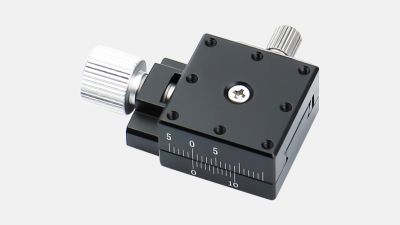
Dovetail Groove High-Precision Screw Slides: Design, Performance, and Industrial Applications
Dovetail groove high-precision screw slides are designed to provide stable, controlled linear motion in compact mechanical systems. Their interlocking guide structure supports smooth travel and helps reduce lateral movement, making them suitable for optical adjustment, inspection equipment, laboratory instruments, and precision manufacturing fixtures. The rigid dovetail profile also allows the slide to maintain alignment under moderate working loads while offering dependable positioning during repeated adjustments.
These slides are available in four movement configurations: X-axis, XY-axis, Z-axis, and XYZ-axis. This range enables users to select a solution for single-direction positioning, two-dimensional alignment, vertical adjustment, or combined multi-axis movement. Handwheel and rack-and-pinion drive types are available to match different operating preferences. A handwheel provides fine, direct control, while a rack-and-pinion mechanism supports faster adjustment over a longer travel range.
With sizes from 25 mm to 60 mm, the slides can be integrated into compact assemblies as well as larger industrial setups. A minimum scale value of 0.01 mm allows operators to make precise incremental adjustments and monitor positioning changes clearly. Depending on the configuration, these slides can support alignment tasks, component positioning, sensor adjustment, and tooling setup where repeatable, accurate movement is essential.
Conclusion
A Heavy Duty Linear Slide is a mechanical system designed to move heavy loads smoothly and accurately along a straight path. Its main components include hardened rails, carriages, bearings, and a drive mechanism that controls travel. Load capacity is defined by both dynamic ratings, which describe performance during motion, and static ratings, which indicate the maximum load the slide can support while stationary. Recirculating bearings help distribute force evenly and reduce friction, allowing reliable, smooth linear movement.
Performance depends on correct installation and operating conditions. Many heavy-duty slides can reach speeds of up to 5 m/s while handling substantial axial loads, but alignment, structural rigidity, lubrication, and bearing preload must be carefully managed. When selecting a slide, users should consider the required load, stroke length, positioning accuracy, and duty cycle. Choosing the appropriate size and configuration helps ensure stable operation, longer service life, and consistent performance in demanding industrial applications.

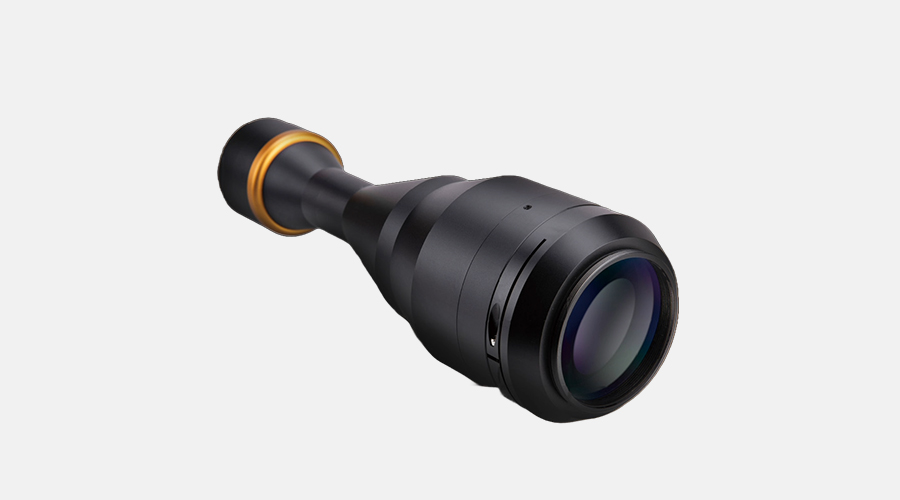 Compatible with 7.2mm-82mm chips
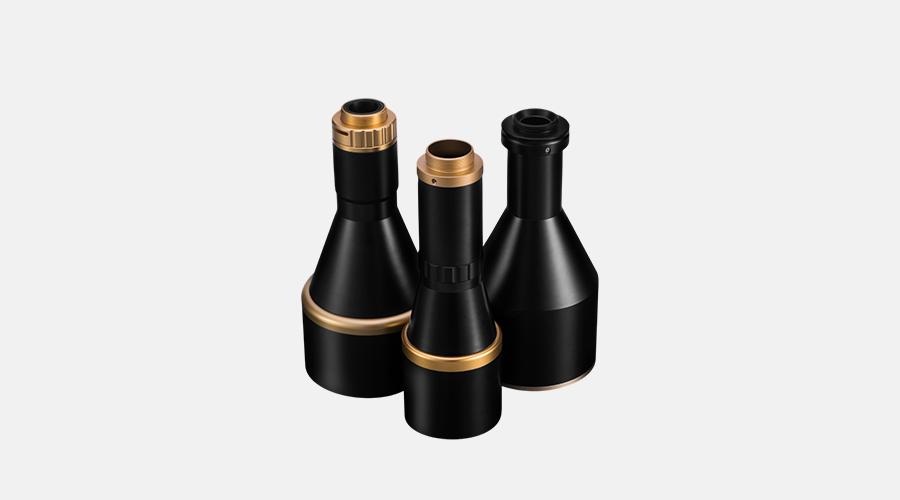 High/Low Working Distance
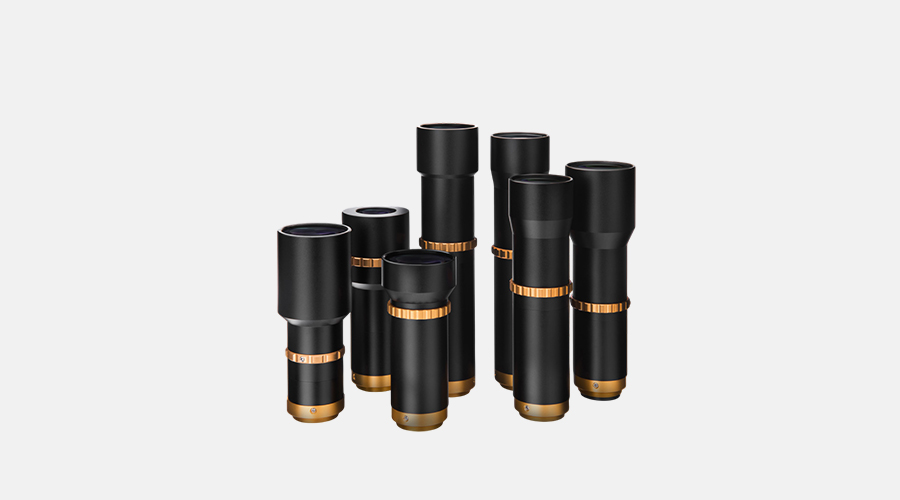 Aperture telecentric lens
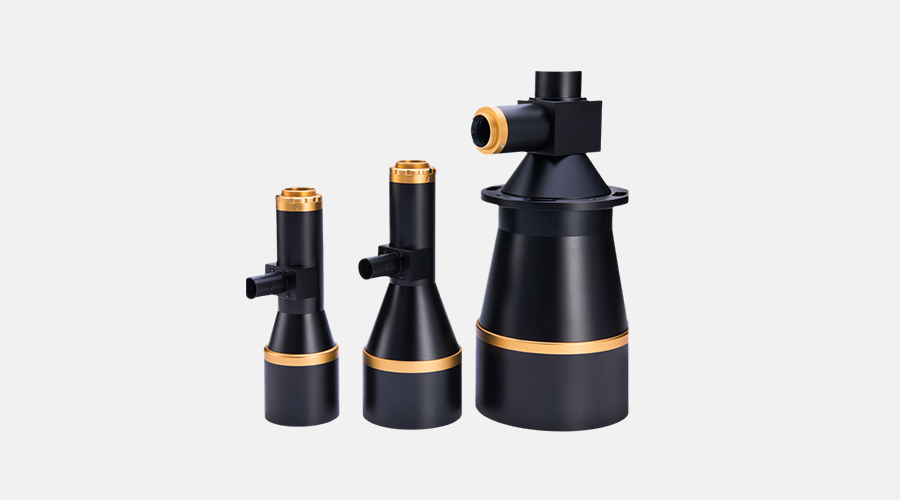 Measuring lens
 Maximum support 1.1" chips
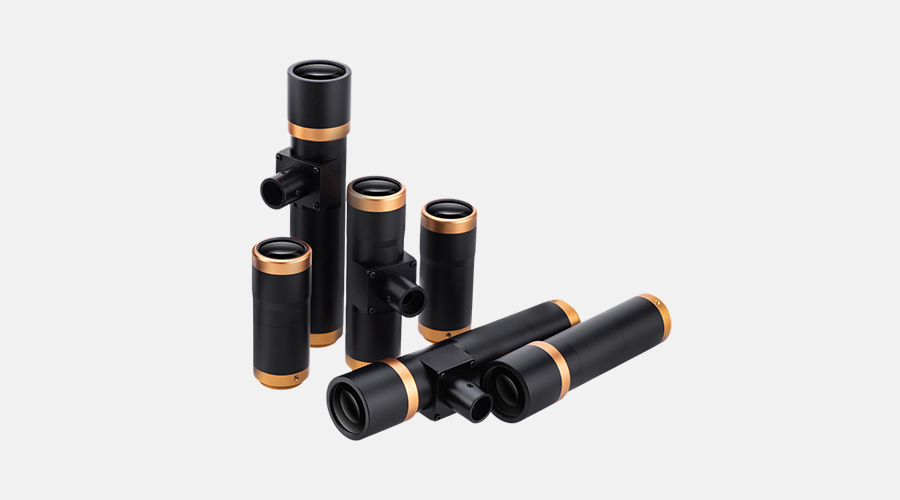 Maximum support 1.2" chips
 Maximum support 2/3" chips
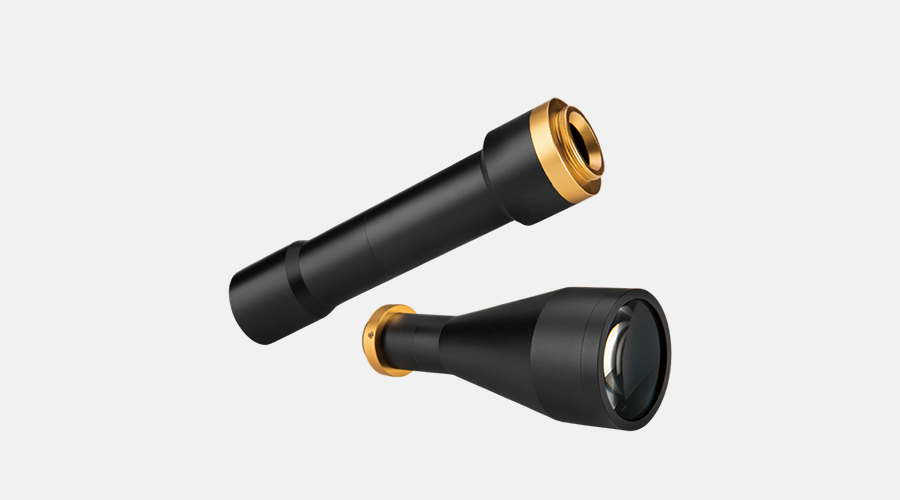 Long Working Distance
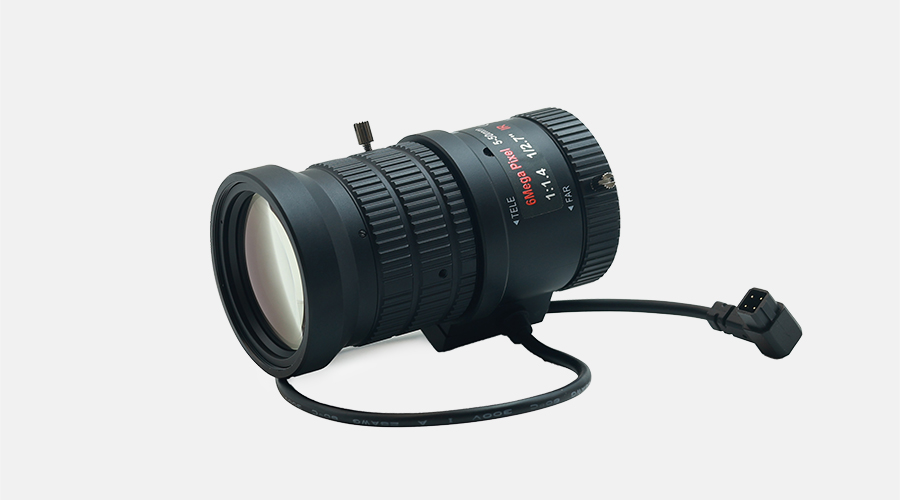 CS mount Varifocal lens
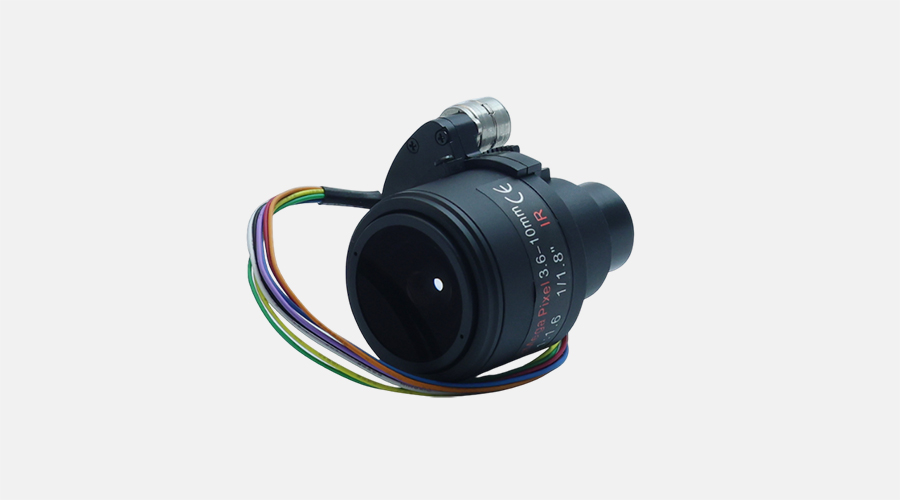 Varifocal board lens
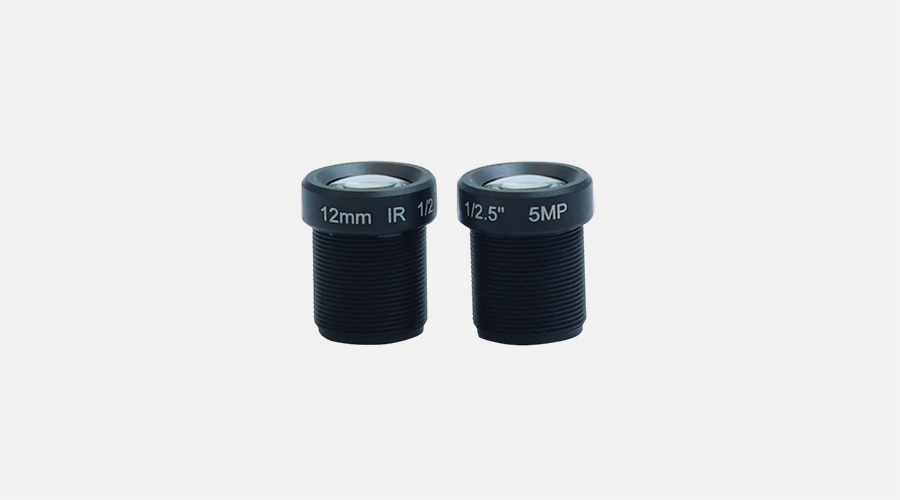 S mount lens
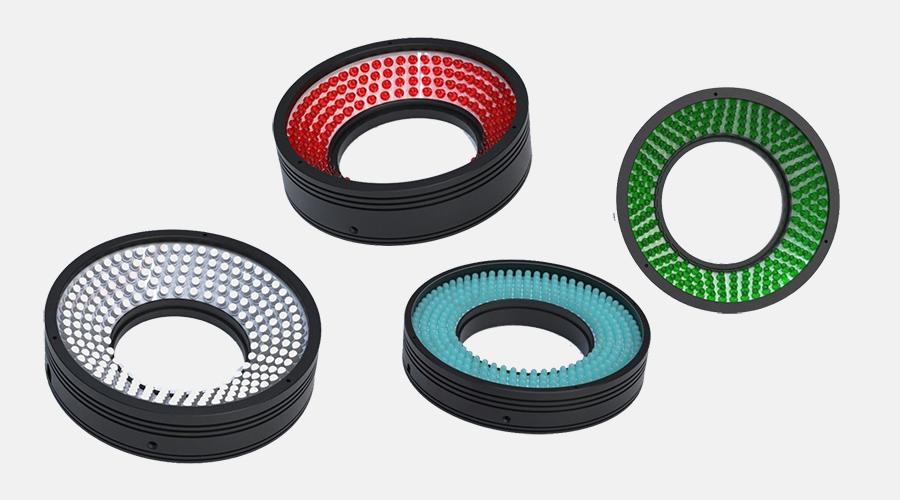 Ring light
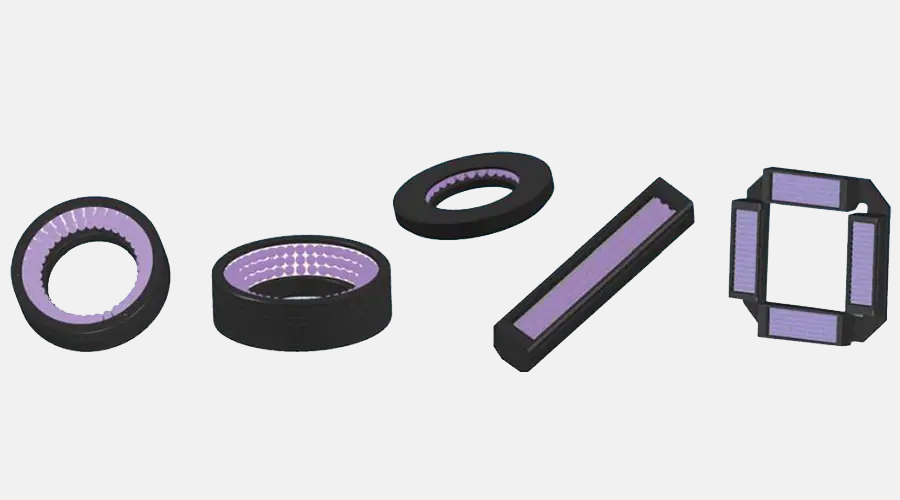 UV/IR Light
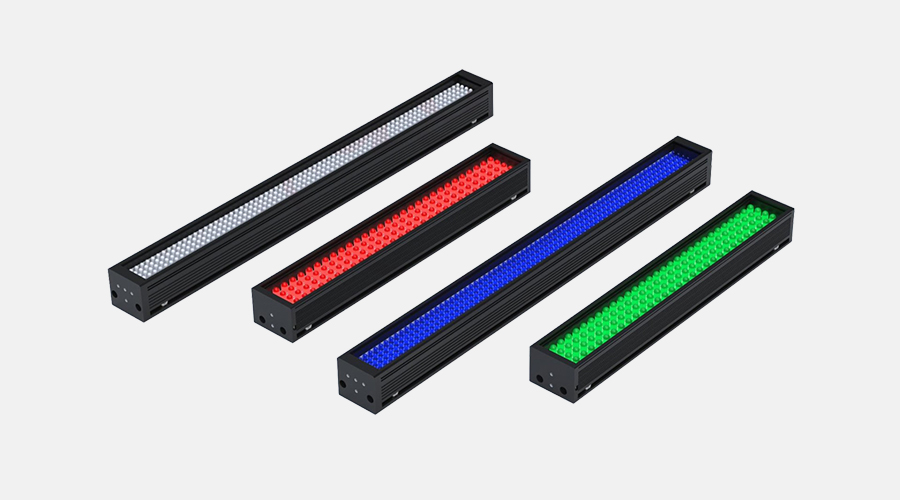 Bar light
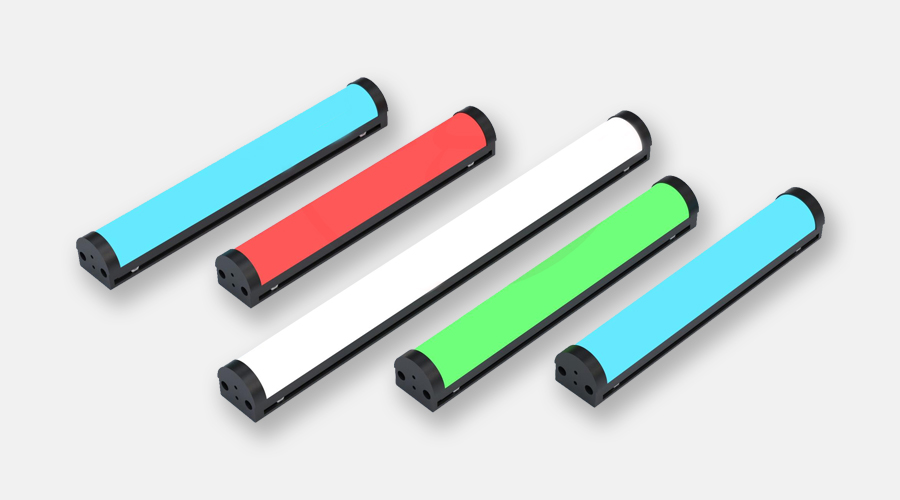 Arcuate high uniformity light
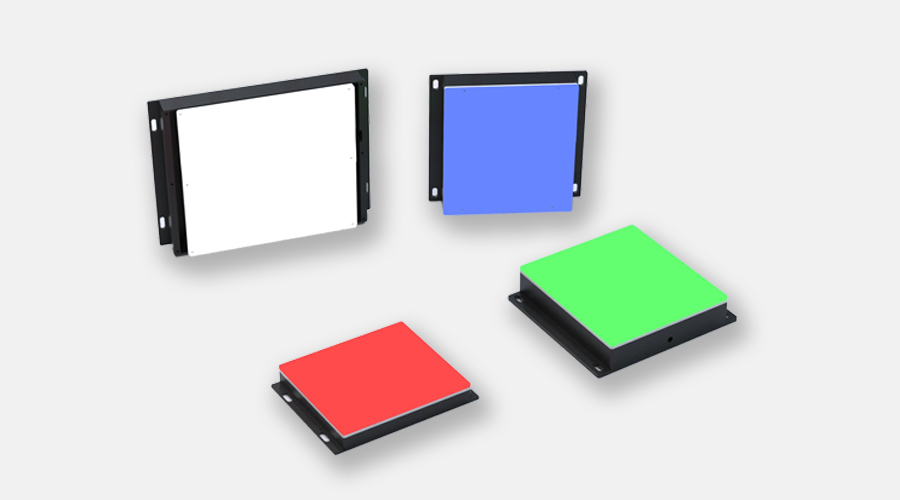 Back light
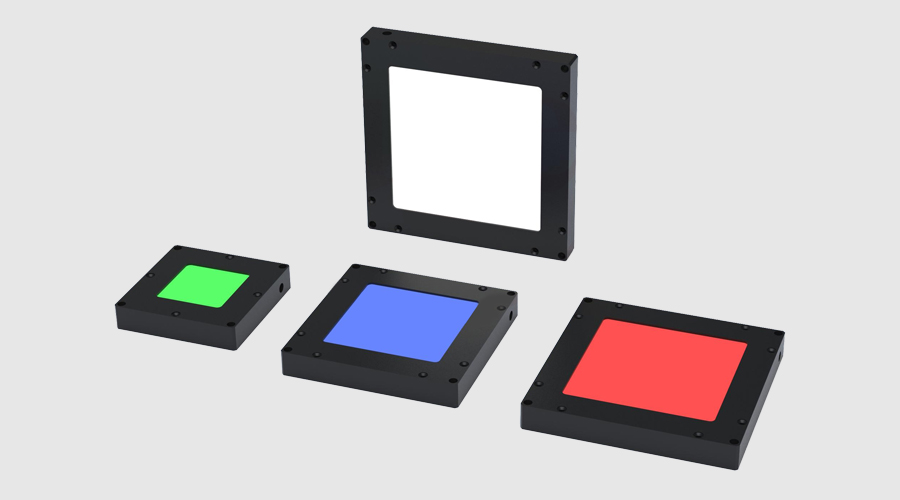 Flat light
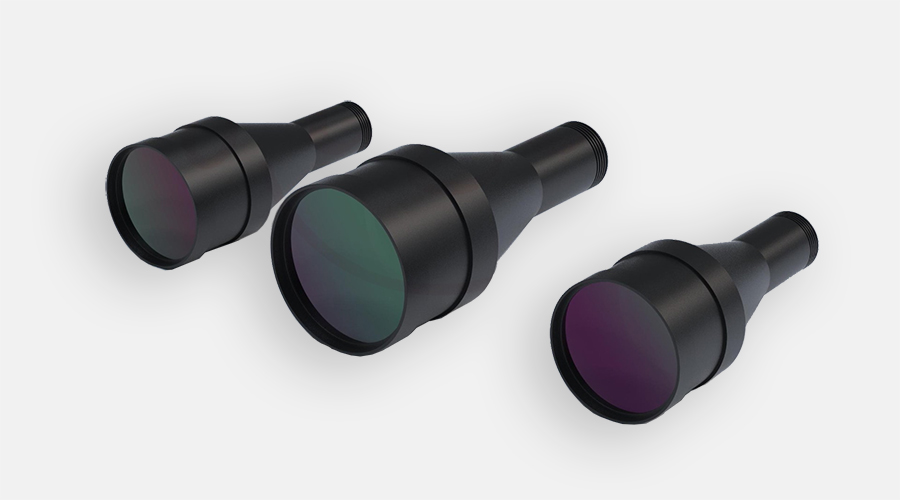 Collimated light
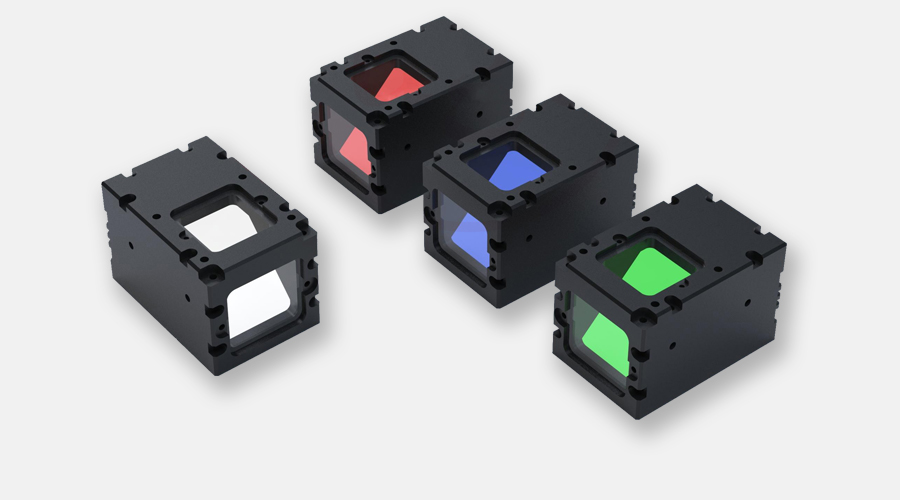 Coaxial light
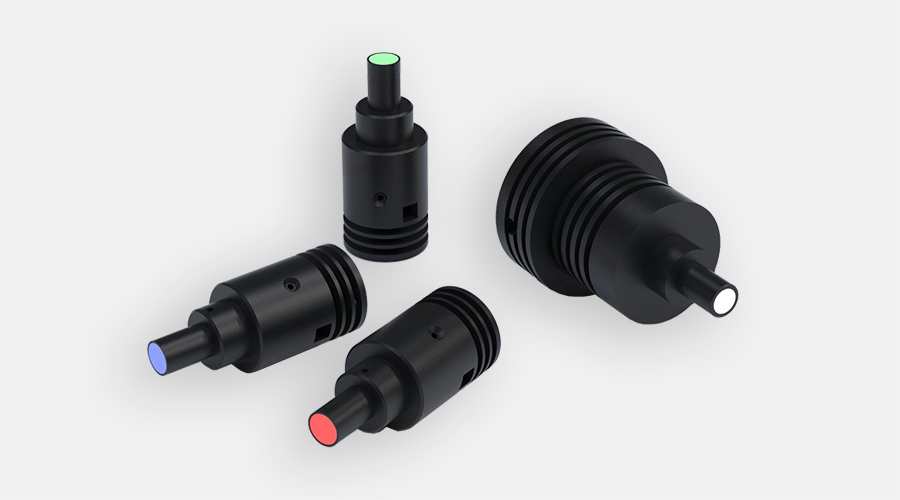 Spot light
 Dome light
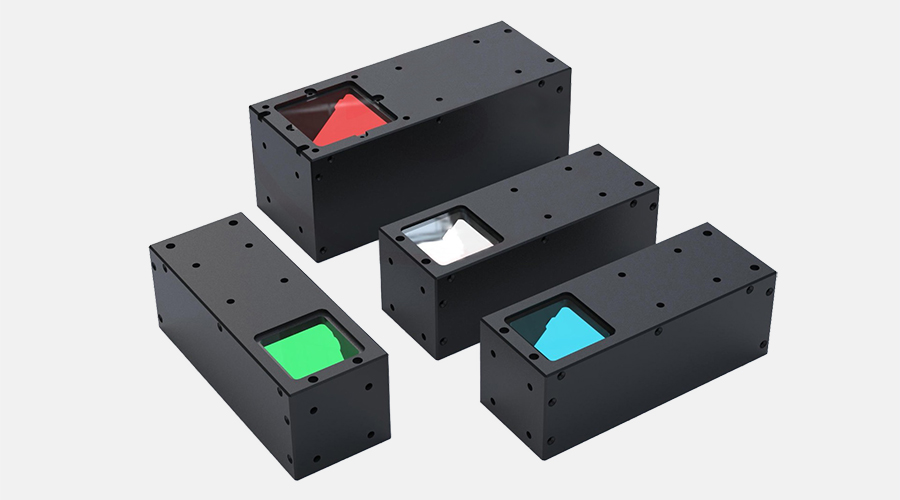 Collimated Coaxial light
 Shadowless square light
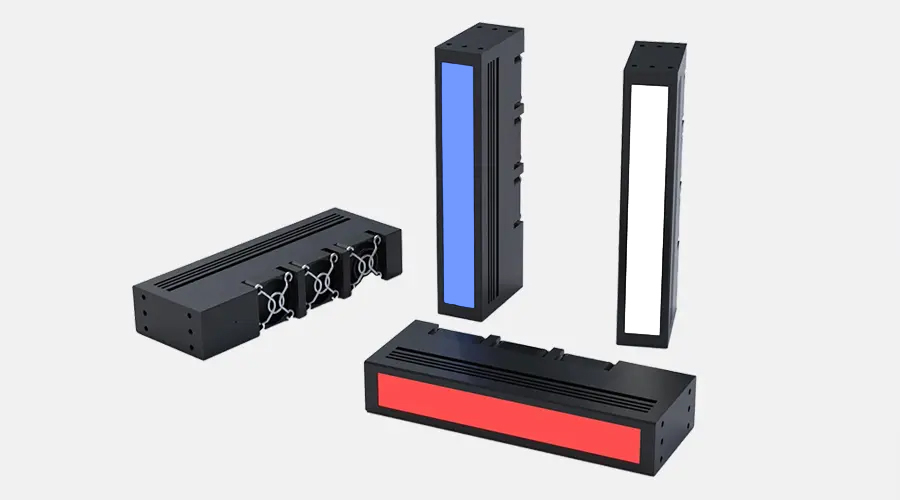 Scan light
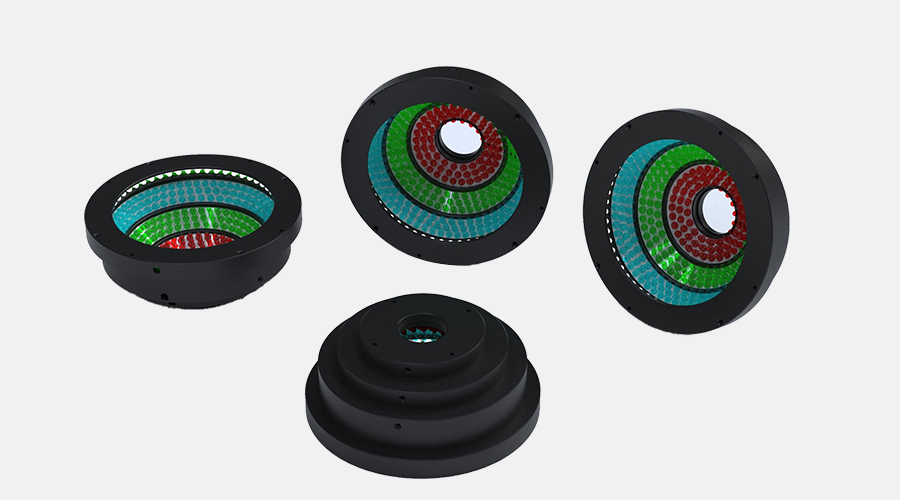 AOI light
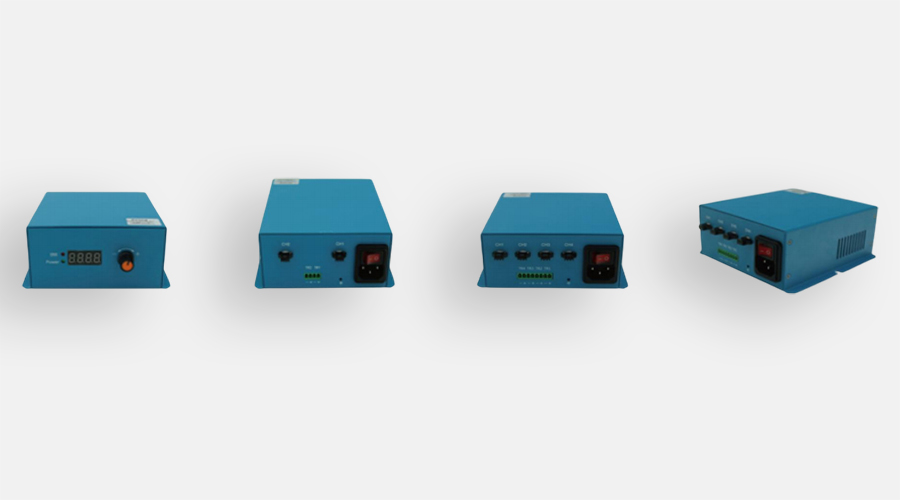 Analog controller
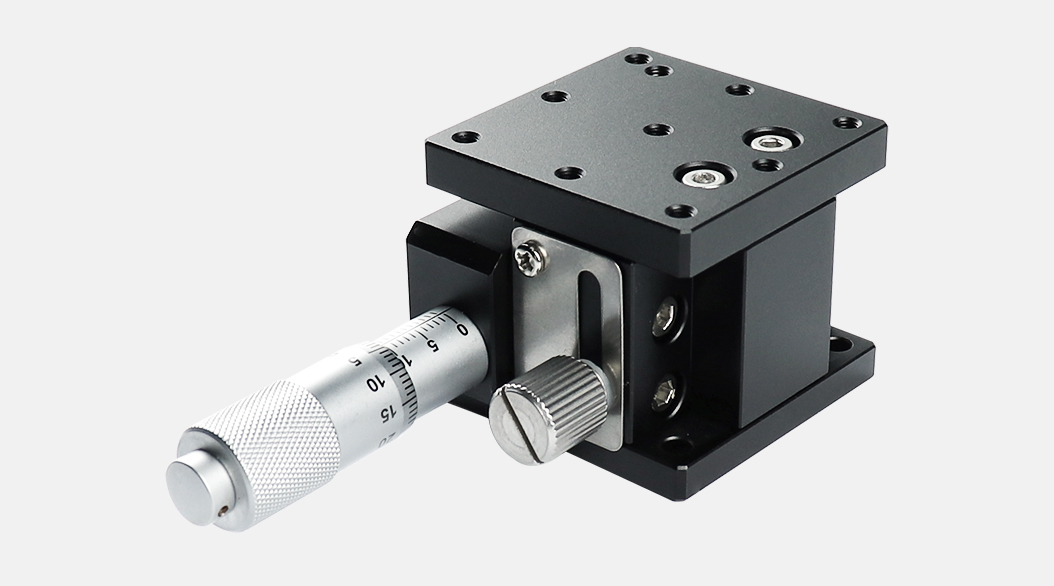 Crossed-Roller Linear guide type
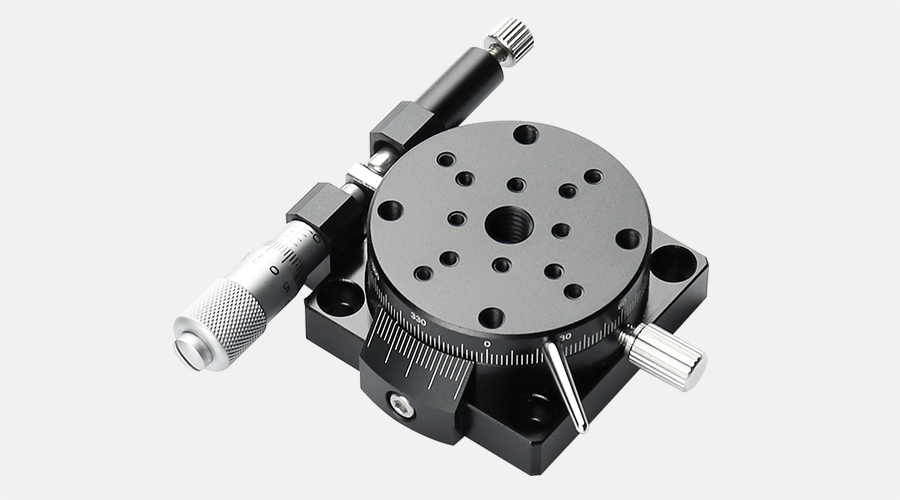 Rotary Stages XRS series
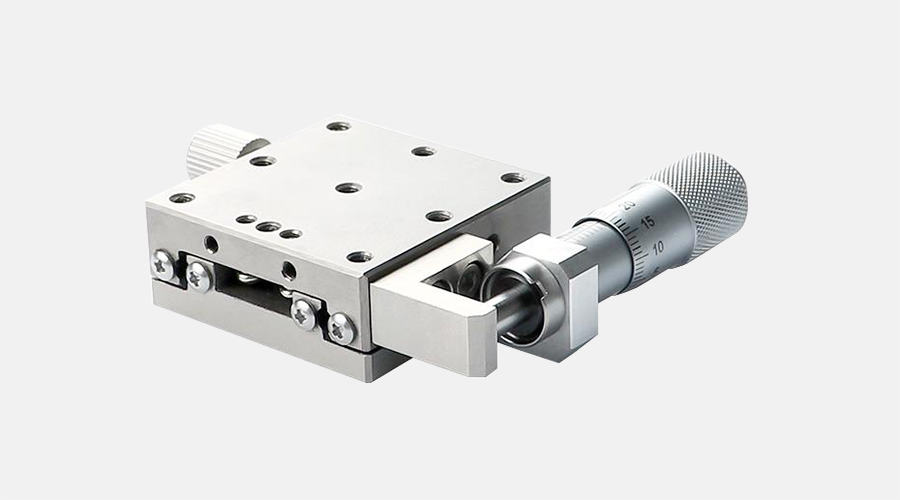 Stainless Steel Ball Bearing Linear Translation Stages
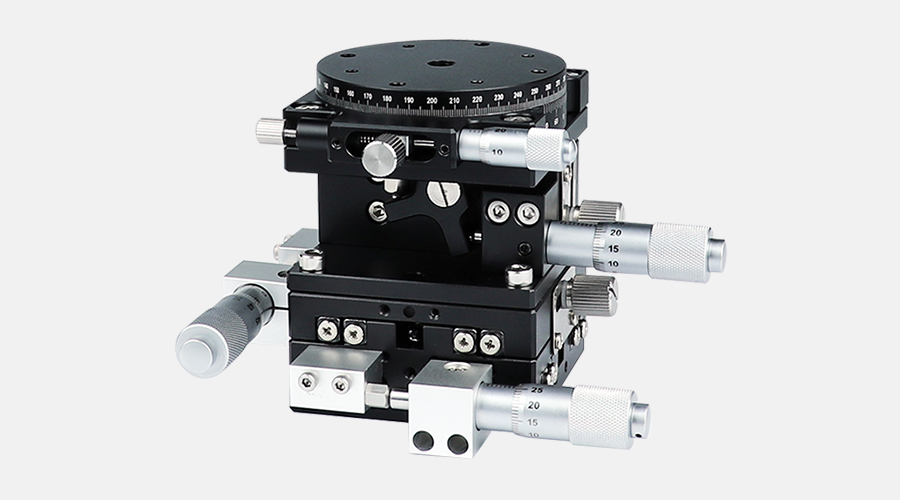 Multi-axis Translation stages
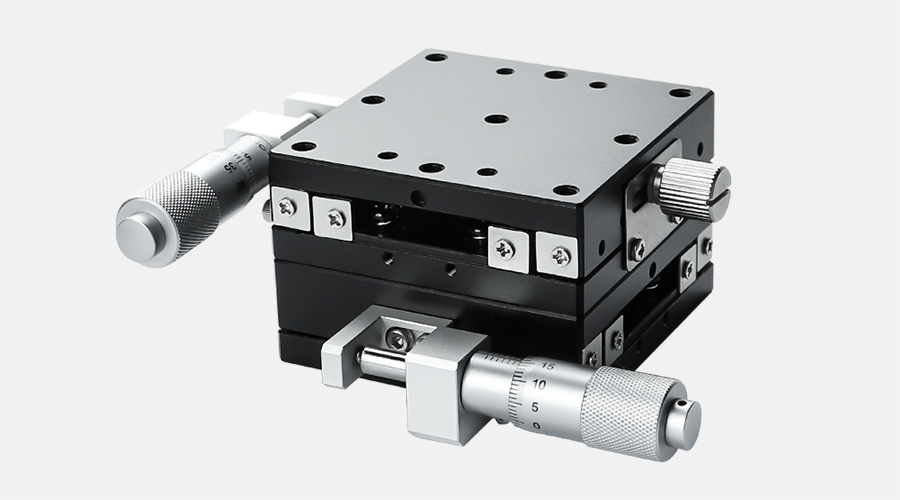 steel bar ball bearing stages
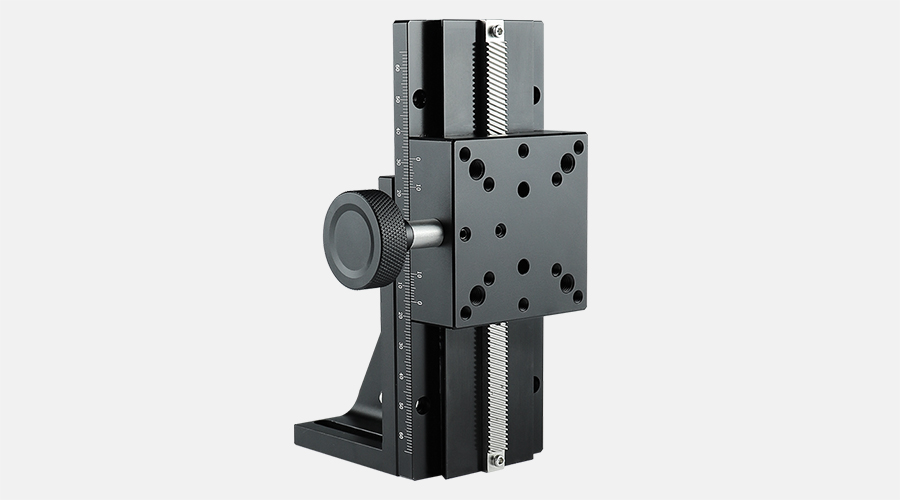 Dovetail Type Rack&Pinion Positioning Stage
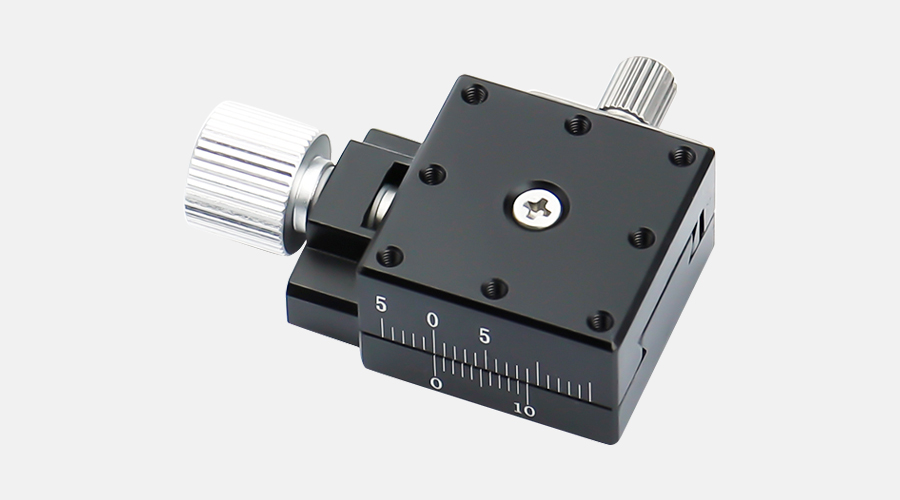 Dovetail groove high-precision screw slide