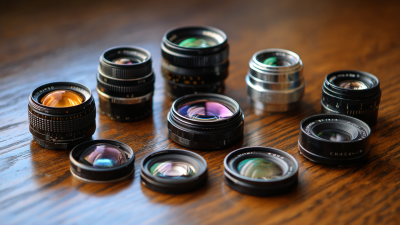
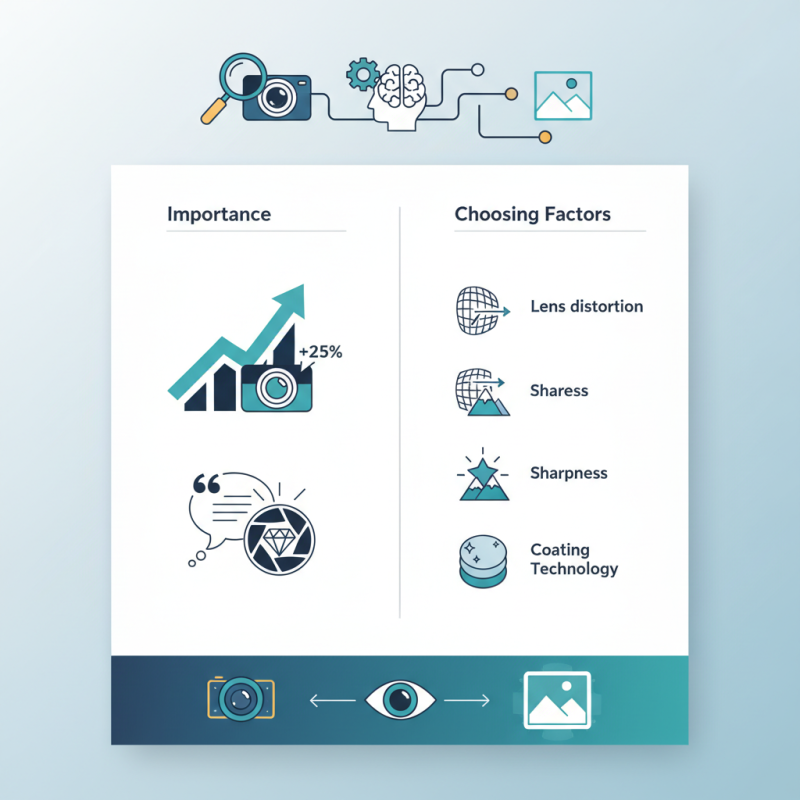
When it comes to photography, a High-Definition Fa Lens really is a game-changer for capturing those stunning shots. Did you know that, according to the latest report from the International Optical Society, sales of high-quality lenses have gone up by around 25% year over year? It’s pretty clear that more and more folks are realizing just how much lens quality impacts the clarity and overall look of their photos. Dr. Emily Hart, an optical engineer at Precision Optics Corp, even says, “Picking the right High-Definition Fa Lens can seriously take your photography from good to really extraordinary.” Sounds promising, right?
But here’s the thing — a lot of photographers tend to overlook some pretty important factors when choosing a lens. That can mean ending up with images that just don’t look as sharp or clear as they could be, even if your camera is top-notch. Things like lens distortion, sharpness, and the coatings used on the glass make a huge difference. And don’t forget, some brands might advertise their lenses as high-definition, but the real-world results don’t always match those claims. A lot of times, testing and comparisons end up revealing a gap between what’s marketed and what you actually get. Getting to the bottom of these details can save you a lot of frustration—and wasted money.
Taking some time to research and pick the right High-Definition Fa Lens is totally worth it. It means you’ll get to fully enjoy your gear and capture those tiny details that make each shot special. Keep in mind, the right lens isn’t just about better pictures — it’s about turning your creative ideas into real, captivating images. So, don’t rush it — your perfect shot is worth the effort!
What is a High-Definition Fa Lens?
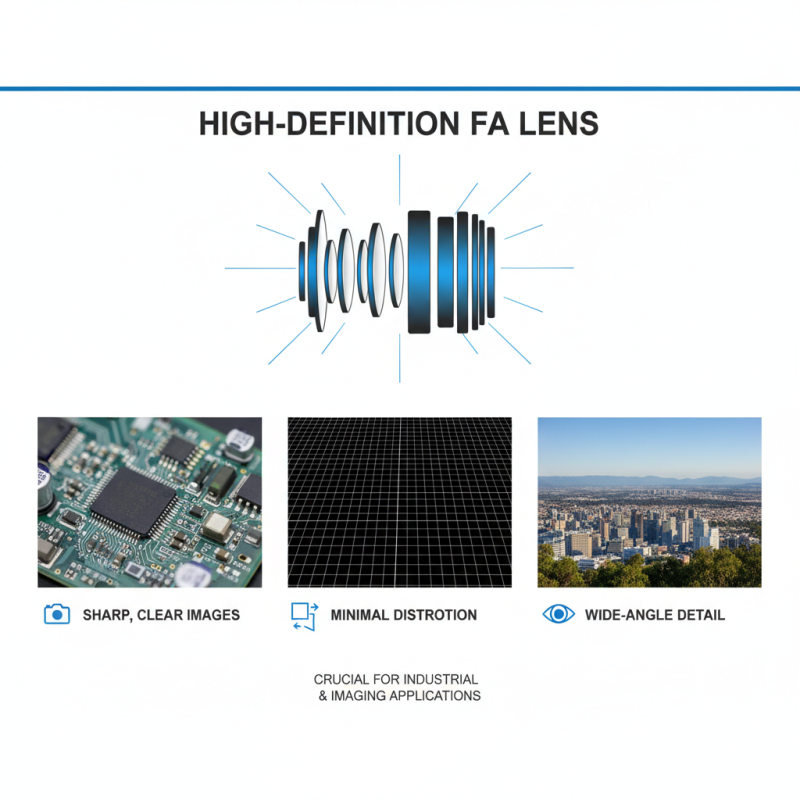
High-Definition FA lenses are specialized optical components designed to produce sharp, clear images with minimal distortion. These lenses play a crucial role in various applications, from photography to industrial inspection. The key feature of a high-definition FA lens is its ability to maintain detail across a wide range of viewing angles, making it ideal for capturing intricate details without compromising quality.
Choosing the right FA lens involves understanding several factors. First, consider the desired resolution. An ultra high resolution telecentric lens can significantly enhance image clarity. It is vital for tasks that require precise measurements. Next, think about distortion. Minimal distortion lenses are essential in critical applications where accuracy is paramount. However, finding a balance between cost and performance can be challenging. Sometimes, even reputable lenses may not meet all expectations.
Evaluating the focal length is also important. Longer focal lengths may provide better depth of field but can limit the field of view. In contrast, shorter focal lengths can capture broader scenes but may introduce distortions. Often, users must reflect on their specific needs and possibly compromise to achieve satisfactory results.
Key Features of High-Definition Fa Lenses
High-definition FA lenses are becoming essential in various fields, particularly in industrial applications. When choosing a lens, it is crucial to consider key features that define their performance. One critical aspect is the lens resolution, which directly impacts the clarity of images. Research indicates that high precision industrial lenses can achieve resolutions beyond 40 MP, leading to more detailed and accurate imaging results. This precision is vital for industries such as manufacturing and healthcare, where fine details can make a significant difference.
Another essential feature is the lens's light transmission capability. High-definition FA lenses often feature advanced coatings that enhance light transmission, minimizing reflections. Studies show that lenses with over 95% light transmission improve performance in low-light situations, enabling users to capture clearer images. Additionally, the build quality plays a pivotal role in ensuring reliability. Many high-definition lenses are designed to withstand harsh environments, providing durability that is paramount in industrial settings.
Lastly, the focal length should not be overlooked. Different applications require different focal lengths to achieve the desired image quality. A lens with a versatile focal range allows users to adapt to various scenarios, making it a valuable choice. However, selecting the wrong focal length can lead to potential imaging issues and inefficiencies. Thus, understanding your specific needs is crucial when investing in high-definition FA lenses.
High-Definition Fa Lens Characteristics: A Comparative Overview
Benefits of Using a High-Definition Fa Lens
High-Definition Fa Lenses offer exceptional clarity and precision for various optical needs. Users can experience crisper images and vibrant colors. This improvement is notable in photography and videography. High-definition lenses minimize distortion, enhancing the overall composition. When capturing moments, clarity is essential. High-definition lenses help artists and professionals create striking visuals.
The benefits of using a high-definition Fa lens extend beyond mere image quality. They provide superior light transmission. This means better performance in low-light conditions, allowing photographers to shoot in challenging environments. Additionally, these lenses often feature advanced coatings that reduce glare. This is particularly useful in bright settings. The right 10-50mm High Resolution Traffic Lens can significantly impact your work, enabling sharp focus and smooth bokeh effects.
However, selecting the right high-definition lens requires careful consideration. Users should reflect on their specific needs and shooting conditions. While a high-definition lens can elevate your visual storytelling, it’s important to understand not all lenses are created equal. Sometimes, the more expensive option may not suit your needs. In the pursuit of high-quality images, one must balance budget and performance.
Factors to Consider When Choosing a High-Definition Fa Lens
Choosing a high-definition fa lens involves multiple factors. One of the most important is the lens coating. Quality coatings can enhance light transmission and reduce glare. Choose a lens with anti-reflective coating for sharper images. This feature is essential when shooting in bright environments or capturing details.
Another consideration is the focal length. Longer focal lengths offer a narrow depth of field, perfect for portraits. Shorter lengths are better for landscapes, allowing for more scenery in the frame. Think about the primary type of photography you practice. This can guide your choice significantly.
Don’t overlook the weight and size of the lens. Heavier lenses can be challenging to manage during long shoots. Ergonomics matter, especially when you’re out for extended periods. Every lens has its strengths and weaknesses. Reflect on your requirements before making a choice. Practical testing can also help you find what feels right for you.
What is High-Definition Fa Lens and How to Choose One? - Factors to Consider When Choosing a High-Definition Fa Lens
| Feature |
Description |
Importance |
| Aperture Size |
The diameter of the lens opening that allows light to enter. |
Affects depth of field and low light performance. |
| Glass Quality |
The type and quality of optical glass used in the lens. |
Enhances clarity and reduces distortion. |
| Focal Length |
The distance from the lens to the sensor, determining field of view. |
Essential for framing and composition. |
| Coating |
Special layers applied to reduce glare and improve light transmission. |
Critical for image quality and color accuracy. |
| Weight |
The heft of the lens which can impact handling and transport. |
Influences ease of use, especially for long shoots. |
| Compatibility |
The lens must be compatible with the camera system being used. |
Ensures optimal performance with the camera body. |
Comparing High-Definition Fa Lenses with Standard Lenses
When comparing high-definition FA lenses with standard lenses, clarity and detail stand out. High-definition lenses offer superior resolution. They reduce distortions that often occur in standard lenses. This feature enhances overall image quality. Photographers appreciate capturing textures and colors more vividly.
Standard lenses can fall short in specific lighting or distance scenarios. High-definition lenses excel in low-light situations. They allow for better performance without sacrificing detail. However, they can be pricier. Users may need to weigh their budget against the quality benefits.
Choosing the right lens also depends on individual shooting styles. Not every photographer needs a high-definition lens. For casual use, a standard lens may suffice. However, professionals or serious enthusiasts may find that high-definition lenses improve their work significantly. This perspective is essential when making a decision.
Top Brands for High-Definition Fa Lenses on the Market
When looking for high-definition FA lenses, several brands stand out in the market. These brands prioritize quality and sharpness, making them favorites among photographers. High-definition lenses provide better contrast and clarity, crucial for capturing stunning images. Some manufacturers offer options with special coatings to enhance light transmission and minimize glare. This results in clearer photos in various lighting situations.
There’s a wide range of features to consider when selecting a brand. Factor in price, durability, and warranty options. Some brands focus on lightweight designs, ideal for travel, while others emphasize robust construction for professional environments. Exploring user reviews can provide insight into the reliability of these lenses.
While brand reputation is important, individual preferences play a significant role. Some users might prefer a specific feel or look in photography. Testing lenses in-store is beneficial. However, the variety of options can be overwhelming. Take time to reflect on what you need from a lens. Investing in the right lens can greatly impact your photographic journey.
Maintenance Tips for High-Definition Fa Lenses
High-definition FA lenses require specific maintenance for optimal performance. Regular cleaning is essential to keep lenses free of dust and smudges. Use a soft, lint-free cloth designed for optics. Avoid harsh chemicals that can damage coatings.
When storing your high-definition lenses, use a dedicated case. Exposure to extreme temperatures can harm the lens’ materials. Make sure to keep them in a dry environment. Moisture can lead to mold growth, affecting image quality.
Inspect your lenses periodically. Look for any signs of scratches or fogging. These issues can reduce clarity. If you notice a problem, consult a professional. Investing time in proper care will extend your lens's lifespan. It is essential to prioritize maintenance, especially for specific types like the
Ultra High Resolution Telecentric Lens. Small mistakes can have significant long-term impacts on performance.
Comprehensive Guide to Choosing the Right Manual Iris 1/2.7'' Board Lens for Optimal Camera Performance
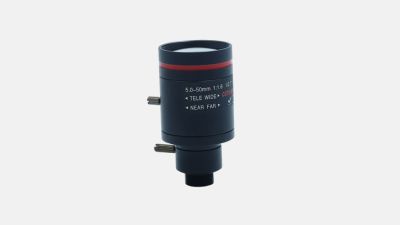
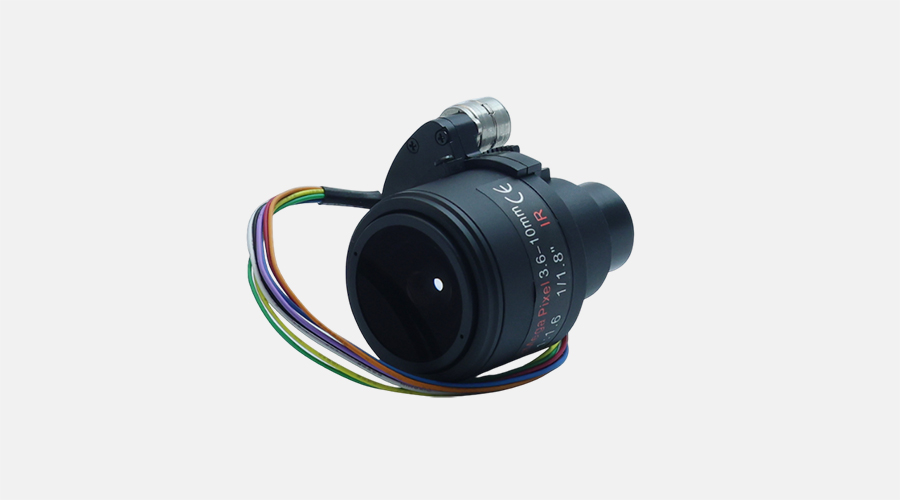
When selecting a manual iris 1/2.7'' board lens, it's crucial to consider its capabilities, especially if optimizing camera performance is your goal. This lens, compatible with 5MP sensors, offers an exceptional detail-capturing ability that significantly surpasses standard 1080P lenses. The precision in its optical design results in minimal distortion, between -10.3% and -1.85%, ensuring that your images maintain clarity and accuracy across various settings.
The lens features a versatile 10x manual zoom range from 5mm to 50mm, providing a wide-angle coverage of 58.6° for expansive scene capture as well as telephoto focus capabilities of 8.6° for long-distance monitoring. This makes it particularly suited for applications requiring detailed observation from afar. Furthermore, its performance excels in low-light conditions, eliminating focus shifts during night vision scenarios, thus allowing for seamless integration with infrared fill-in lighting devices. By choosing this lens, you can ensure that your camera system delivers superior imaging quality in a range of environments.
FAQS
High resolution enhances image clarity, crucial for tasks requiring precise measurements.
Minimal distortion is vital for applications where accuracy is key. It can alter visual details.
Longer focal lengths provide better depth of field, but limit the field of view.
Quality coatings improve light transmission and reduce glare, enhancing image sharpness.
Heavier lenses can be difficult to manage during long shoots. Ergonomics are essential for comfort.
Yes, practical testing can help identify what feels best for your specific needs.
Not necessarily. Even reputable lenses might not align perfectly with your requirements.
Consider your photography type, desired features, and how much compromise you can manage.
It can be challenging. Weigh the costs with expected performance before deciding.
Conclusion
A High-Definition Fa Lens is a specialized optical lens designed to deliver superior image clarity and detail. These lenses feature advanced coating technologies and superior glass quality, which reduce distortion and enhance color fidelity, making them ideal for professional photographers and videographers. The benefits of using a High-Definition Fa Lens include sharper images, improved light transmission, and better performance in low-light conditions, thus elevating the overall quality of visual work.
When selecting a High-Definition Fa Lens, several factors should be taken into account, including focal length, aperture size, and compatibility with your camera system. Comparing these lenses with standard lenses reveals significant advantages in terms of image quality and versatility. Proper maintenance, such as regular cleaning and safe storage, is essential to prolong the life and performance of a High-Definition Fa Lens. By understanding these key aspects, users can make informed choices to enhance their photography experience.
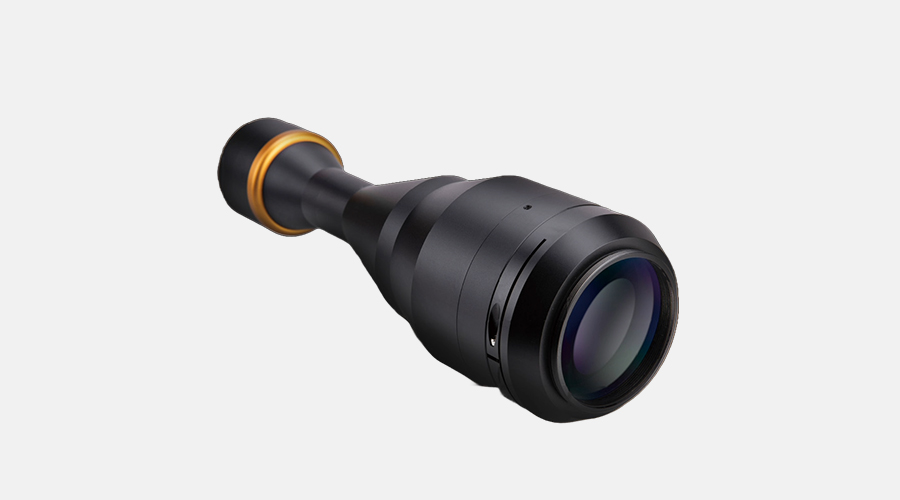 Compatible with 7.2mm-82mm chips
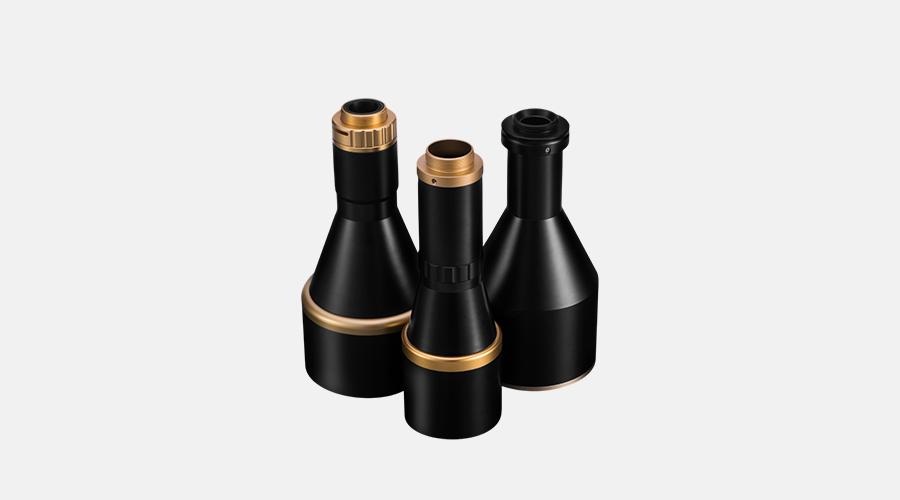 High/Low Working Distance
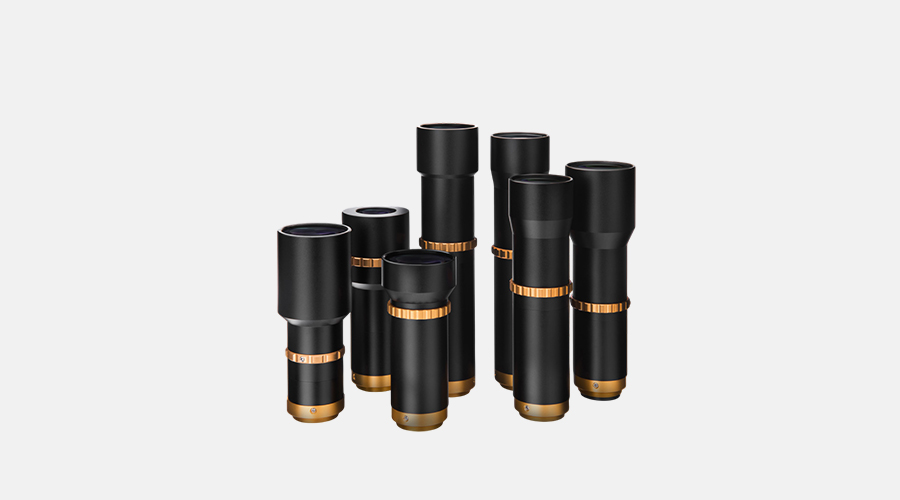 Aperture telecentric lens
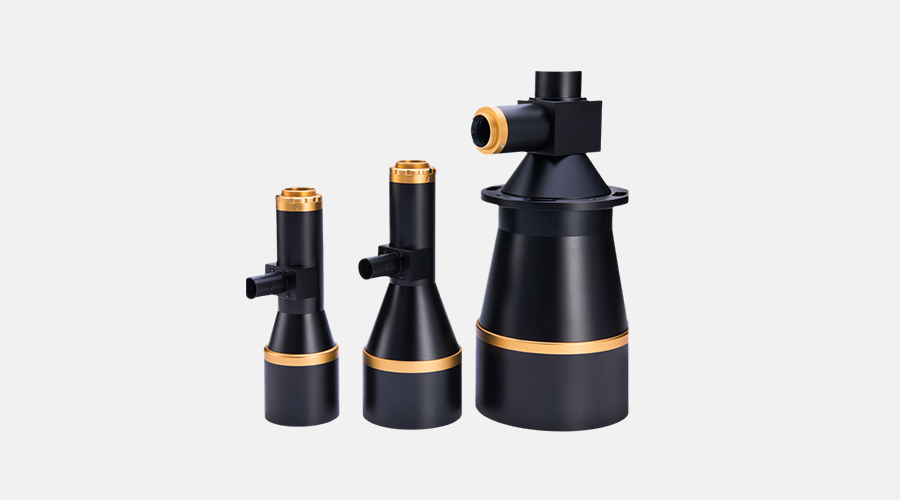 Measuring lens
 Maximum support 1.1" chips
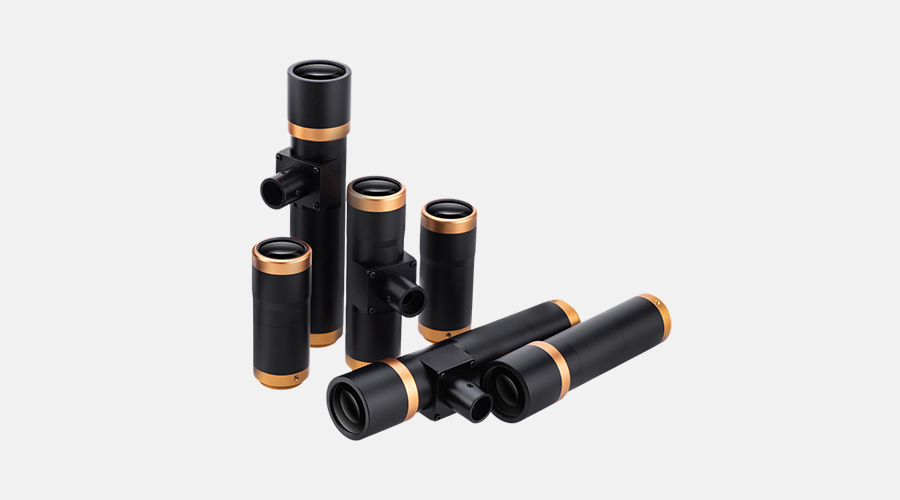 Maximum support 1.2" chips
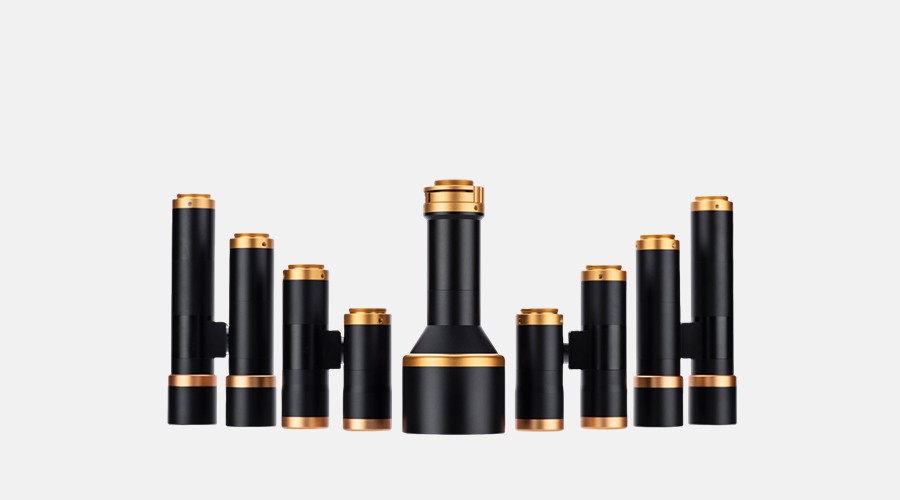 Maximum support 2/3" chips
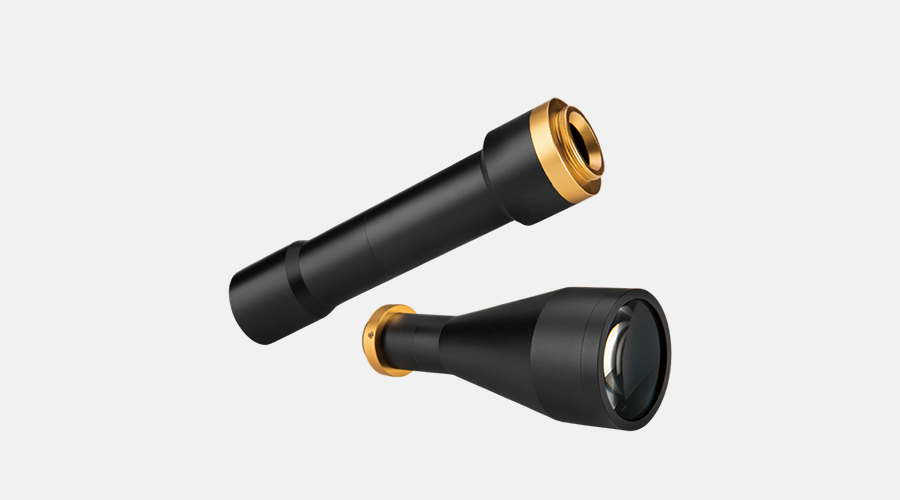 Long Working Distance
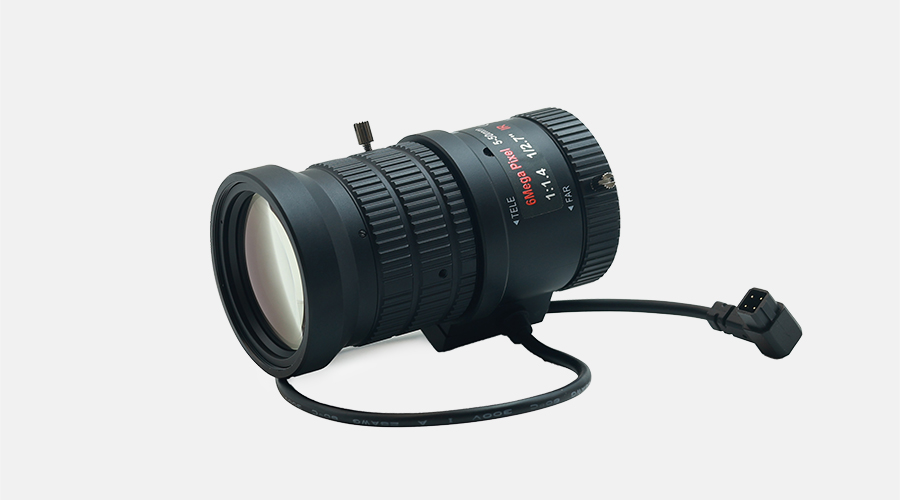 CS mount Varifocal lens
 Varifocal board lens
 S mount lens
 Ring light
 UV/IR Light
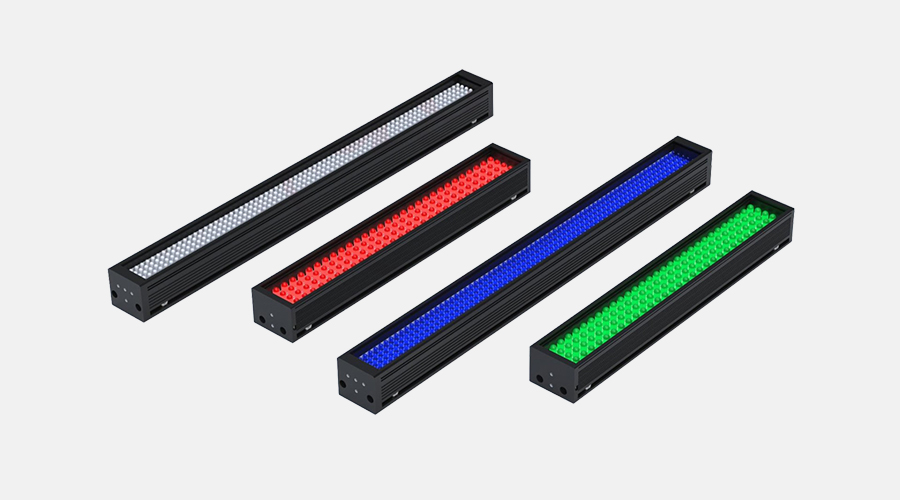 Bar light
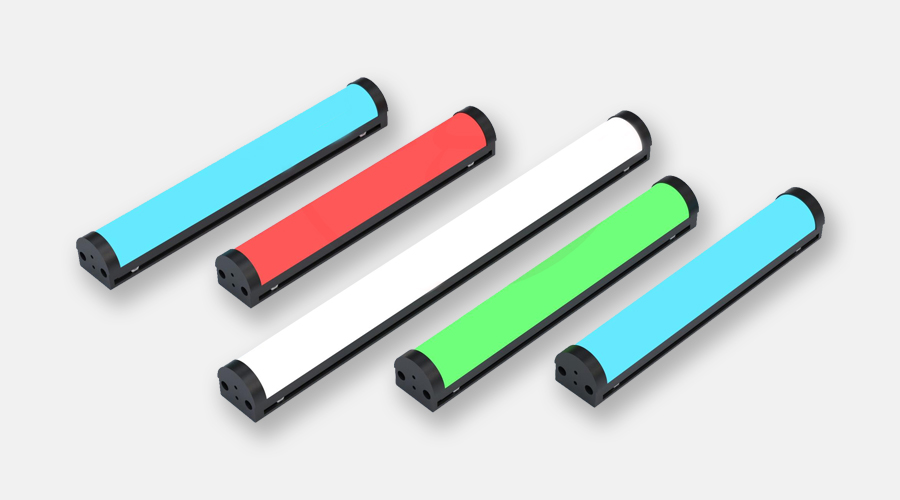 Arcuate high uniformity light
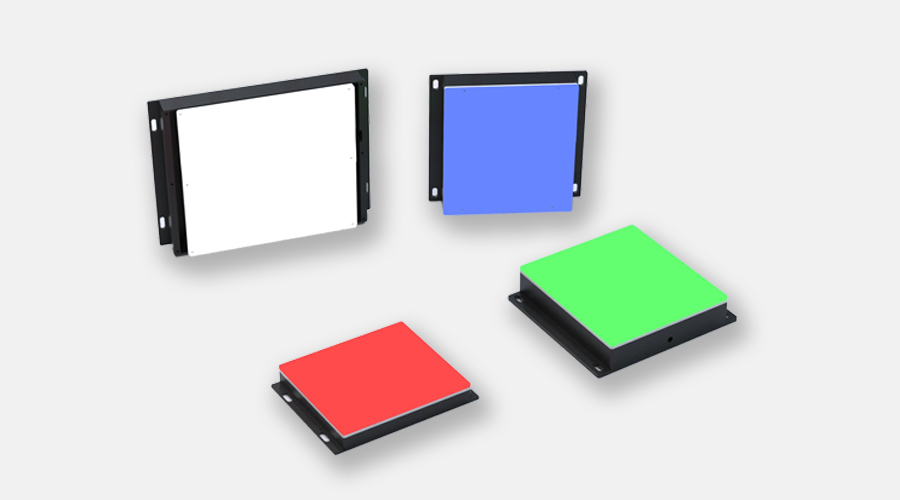 Back light
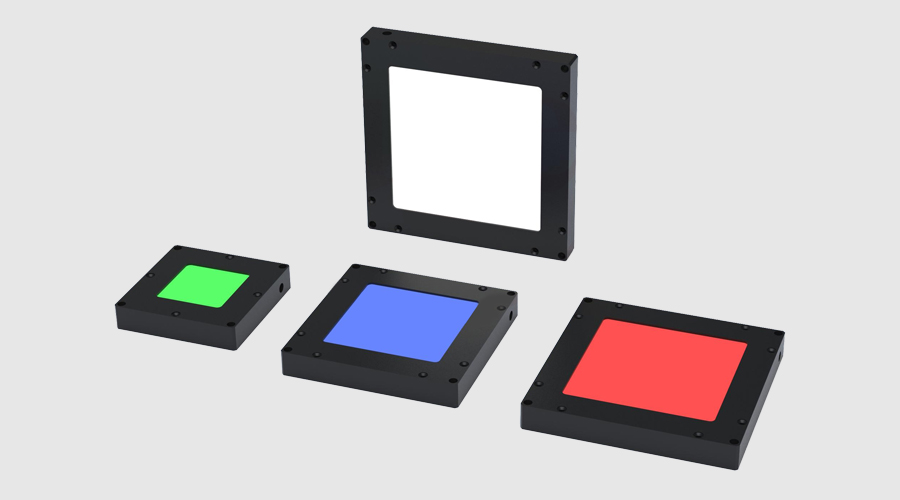 Flat light
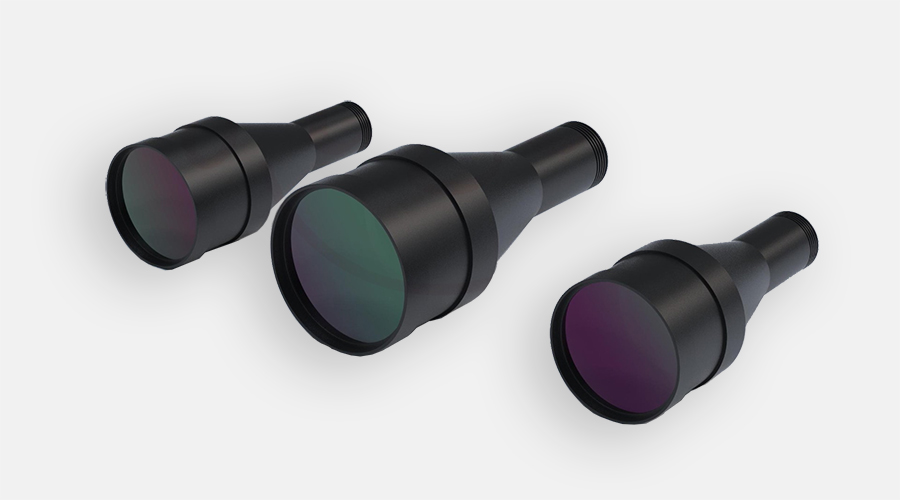 Collimated light
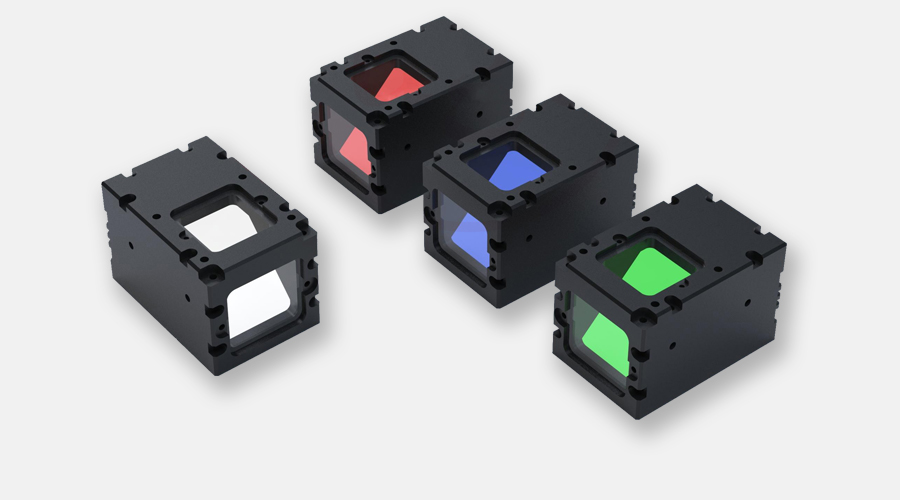 Coaxial light
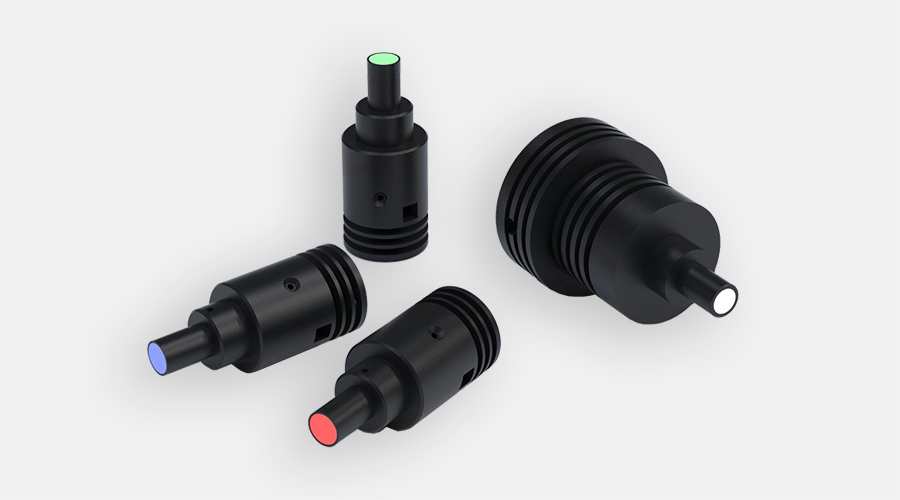 Spot light
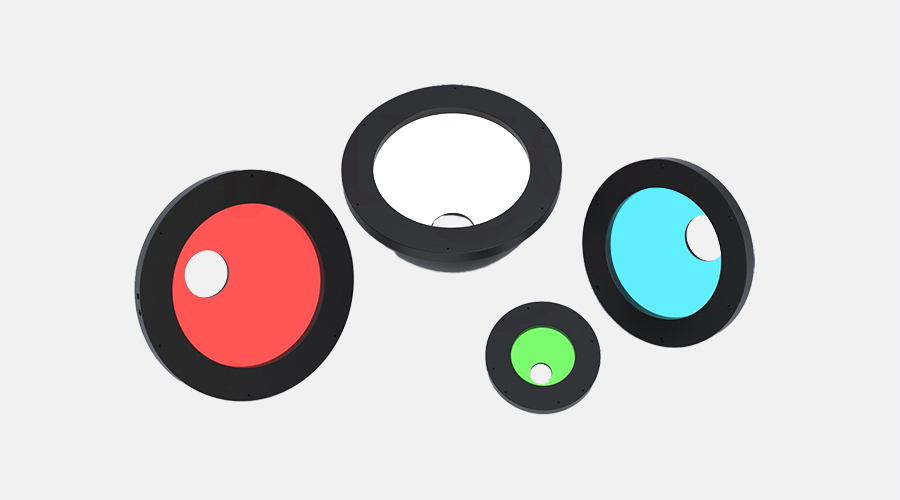 Dome light
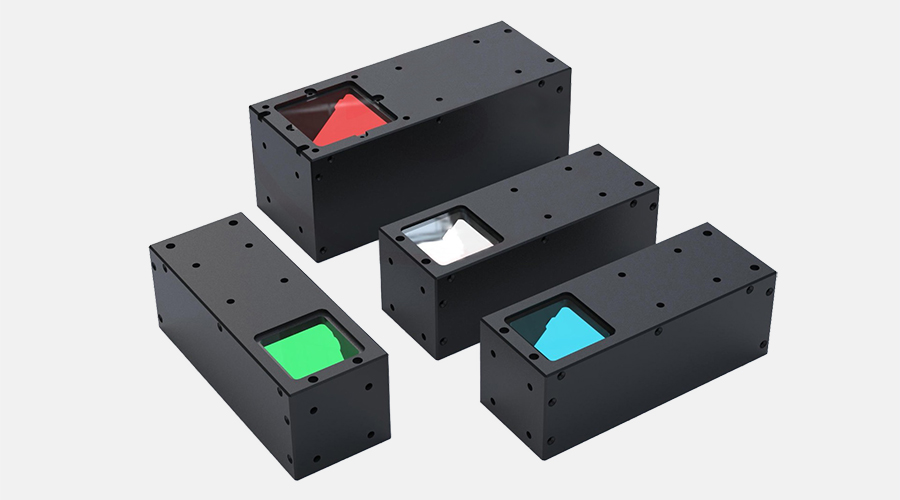 Collimated Coaxial light
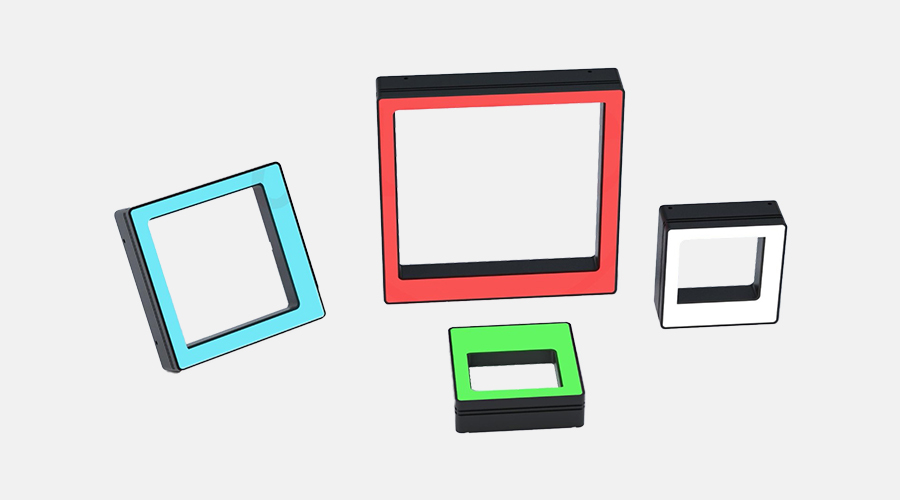 Shadowless square light
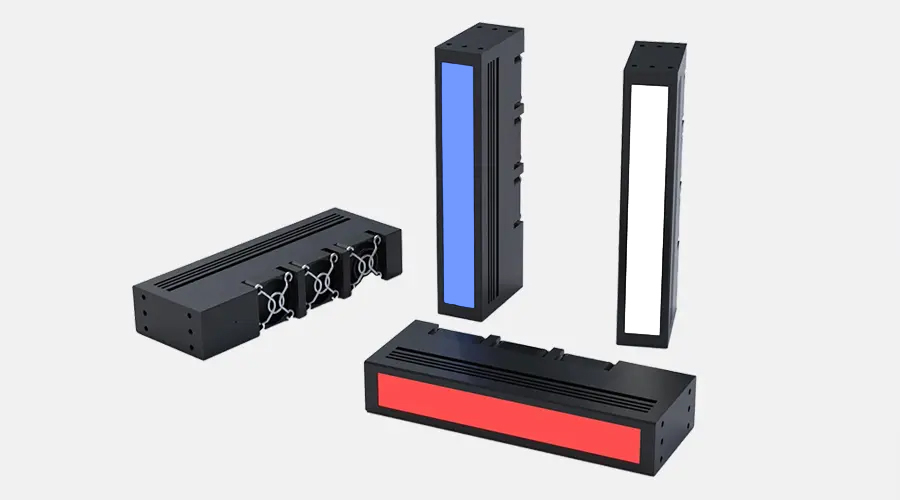 Scan light
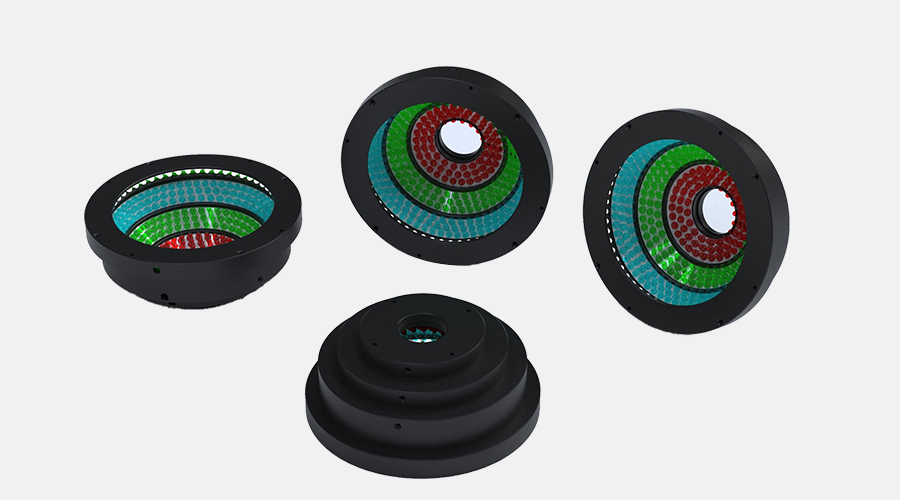 AOI light
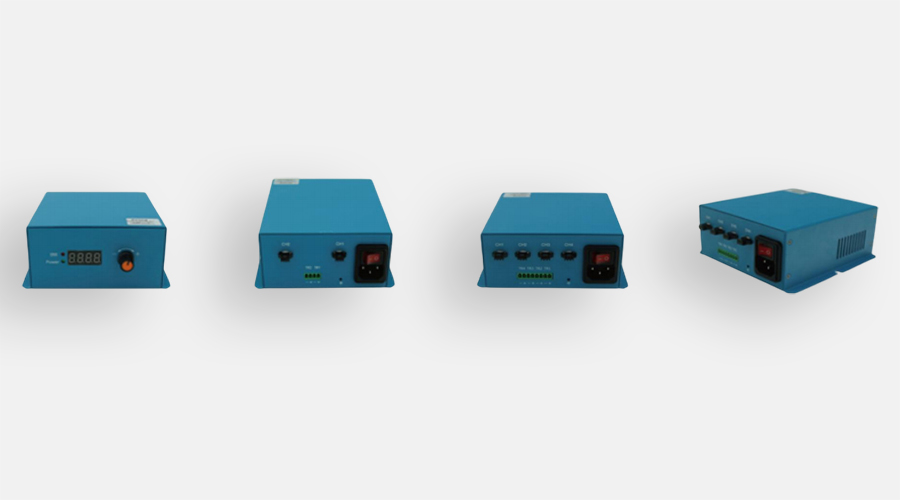 Analog controller
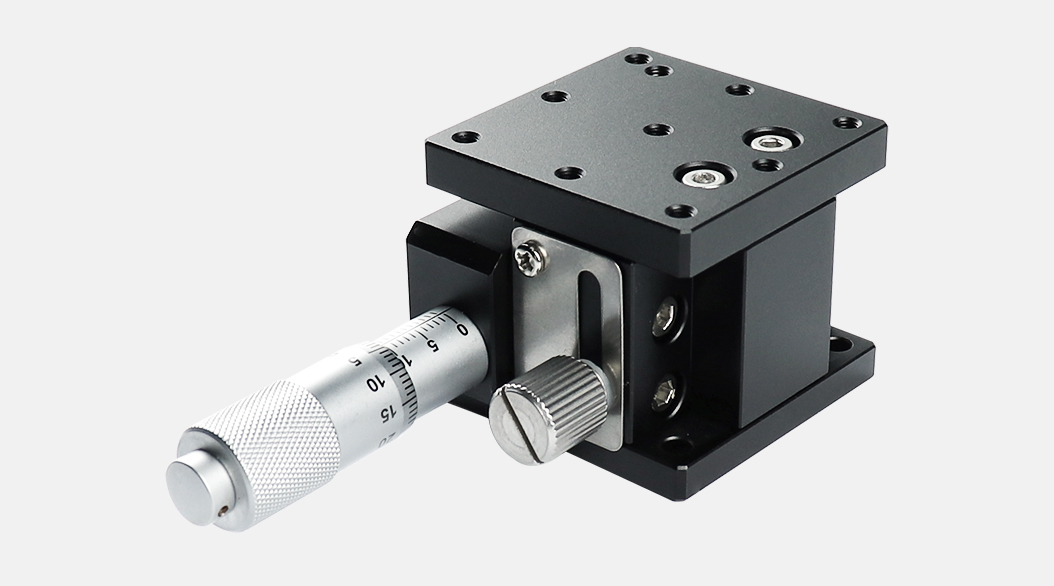 Crossed-Roller Linear guide type
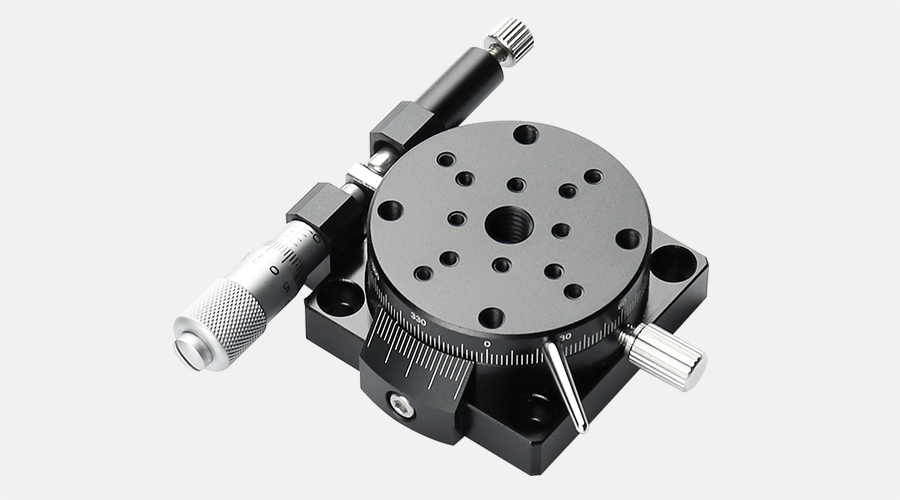 Rotary Stages XRS series
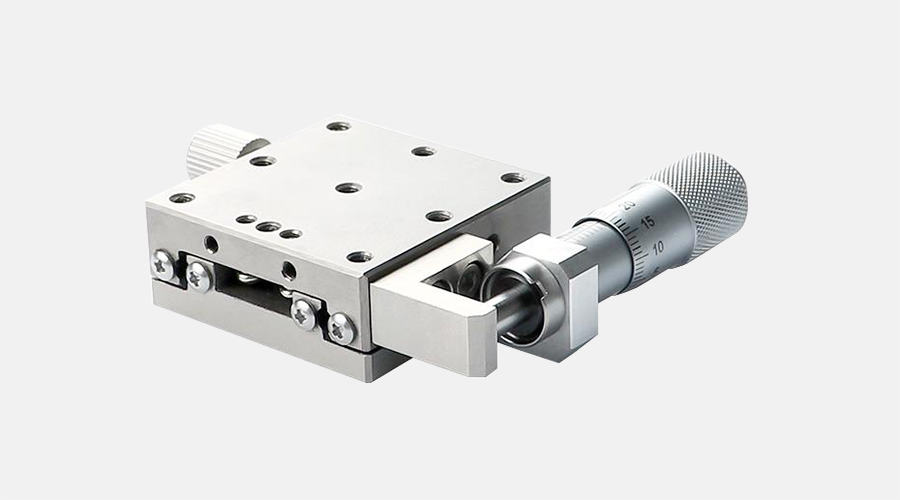 Stainless Steel Ball Bearing Linear Translation Stages
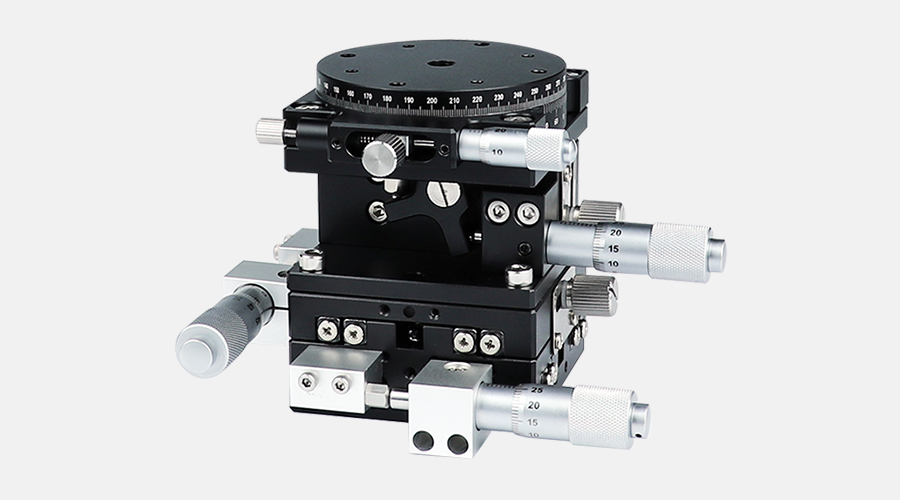 Multi-axis Translation stages
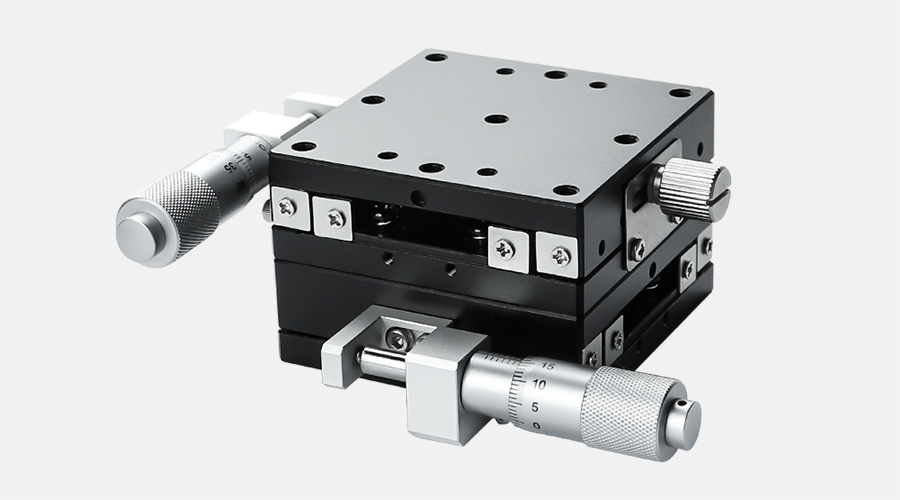 steel bar ball bearing stages
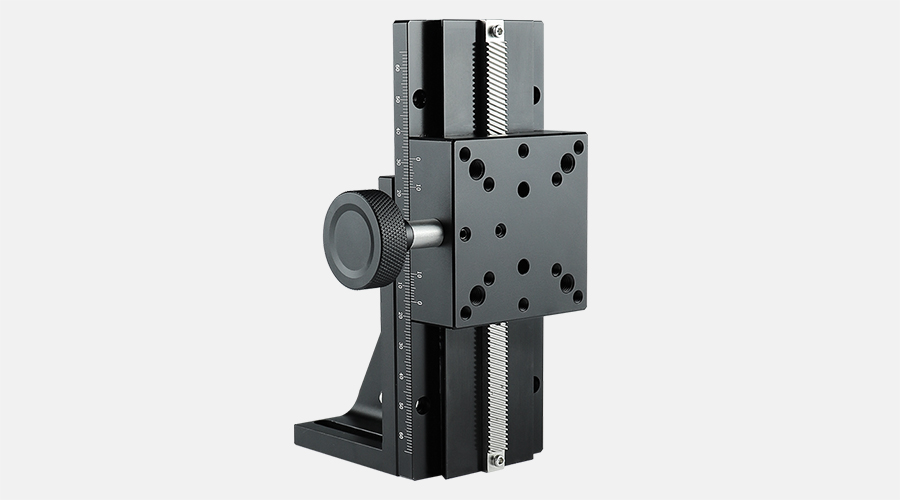 Dovetail Type Rack&Pinion Positioning Stage
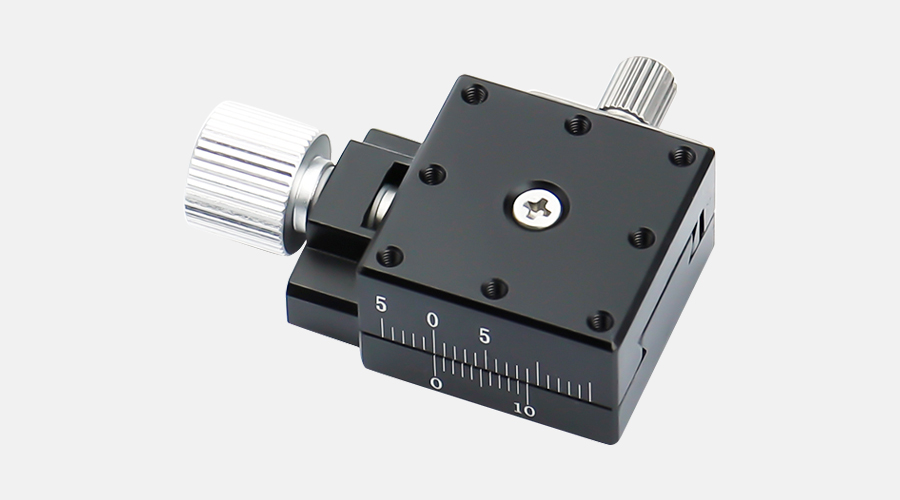 Dovetail groove high-precision screw slide