Inquiry
Leave Your Message
0%

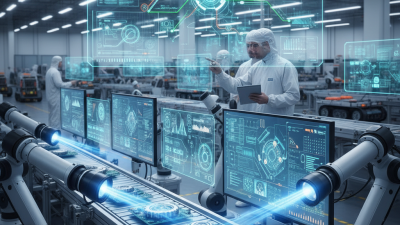
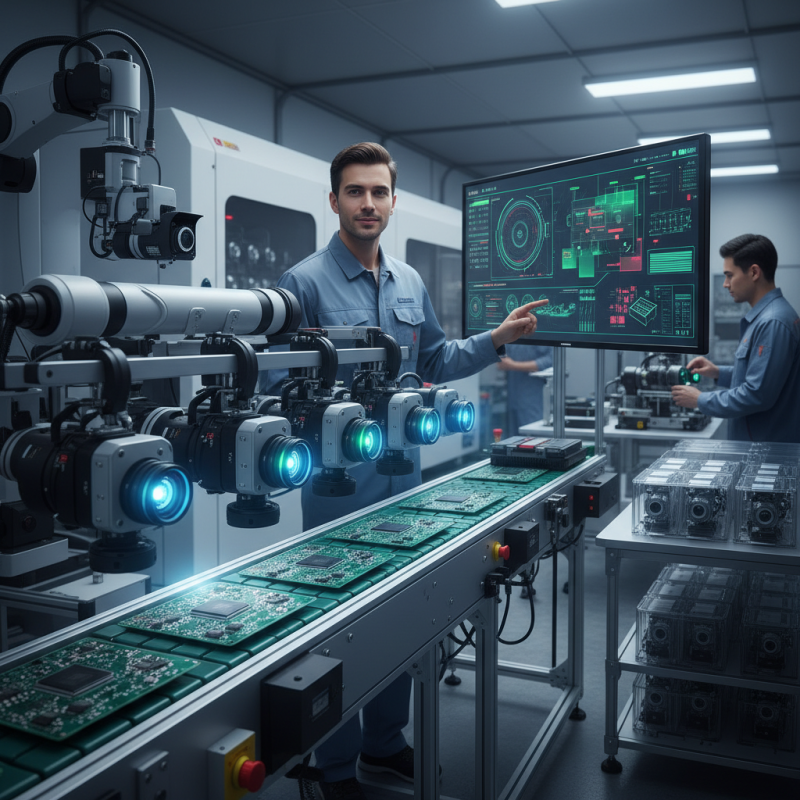
Machine Vision Quality Inspection is really changing the game across various industries, especially when it comes to upping the ante on quality control. I recall Dr. John Smith from VisionTech mentioning that, with the right setup, machine vision can seriously improve both accuracy and efficiency—no joke. Basically, it uses some pretty advanced algorithms and cameras to check products in real-time, making sure everything’s spot-on.

That being said, getting this technology to work smoothly isn’t always a walk in the park. A lot of companies tend to overlook how important proper training is. If employees don’t know how to read the machine’s results properly, mistakes can happen — and those mistakes can end up costing a pretty penny.

Plus, hooking up this system to existing tech isn't always straightforward. Sometimes, folks underestimate how much time calibration and testing actually take. Some manufacturers get impatient and rush through the process, only to run into surprises down the line. So, a careful and thoughtful approach really pays off here. When you do it right and ensure everything fits well together, the benefits of Machine Vision Quality Inspection shine even more.
How to Implement Machine Vision Quality Inspection Effectively?

Understanding Machine Vision and Its Role in Quality Inspection

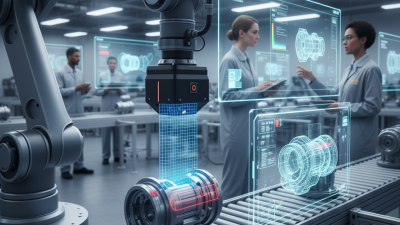
Machine vision plays a crucial role in quality inspection. It uses cameras and software to analyze products. This technology detects defects that human inspectors might miss. Machines can work tirelessly, ensuring consistency in quality control. But it’s not always perfect. Lighting conditions, lens distortions, and motion blur can hinder performance.

Setting up machine vision systems requires precision. Proper calibration is essential for accurate readings. Often, companies struggle with integrating this technology into existing workflows. Staff training is equally important. Operators must understand the system’s nuances for effective Machine Vision Quality Control. Over time, adjustments are necessary to enhance efficiency and accuracy.

Despite the advantages, some challenges remain. Complex designs can confuse the software. Regular maintenance is also vital. A worn-out camera can lead to poor inspections. Companies should be prepared to rethink their approach. Continuous reflection and improvement are key. Embracing feedback helps refine the inspection process.

How to Implement Machine Vision Quality Inspection Effectively?

Inspection Criteria Measurement Techniques Typical Accuracy (%) Common Applications Advantages
Dimensional Accuracy Laser Measurement, 2D Imaging ±0.01 Manufacturing, Electronics High precision and reliability
Surface Defects High-Resolution Cameras, 3D Imaging 95 Automotive, Consumer Goods Quick detection of flaws
Color Verification RGB Color Sensors, Cameras 97 Textiles, Food Industry Consistent quality control
Packaging Integrity X-Ray Inspection, Optical Inspection 98 Pharmaceuticals, Food Packaging Ensures safety and compliance
Assembly Verification Machine Learning Algorithms, 3D Inspection 99 Automotive, Electronics Reduces assembly errors

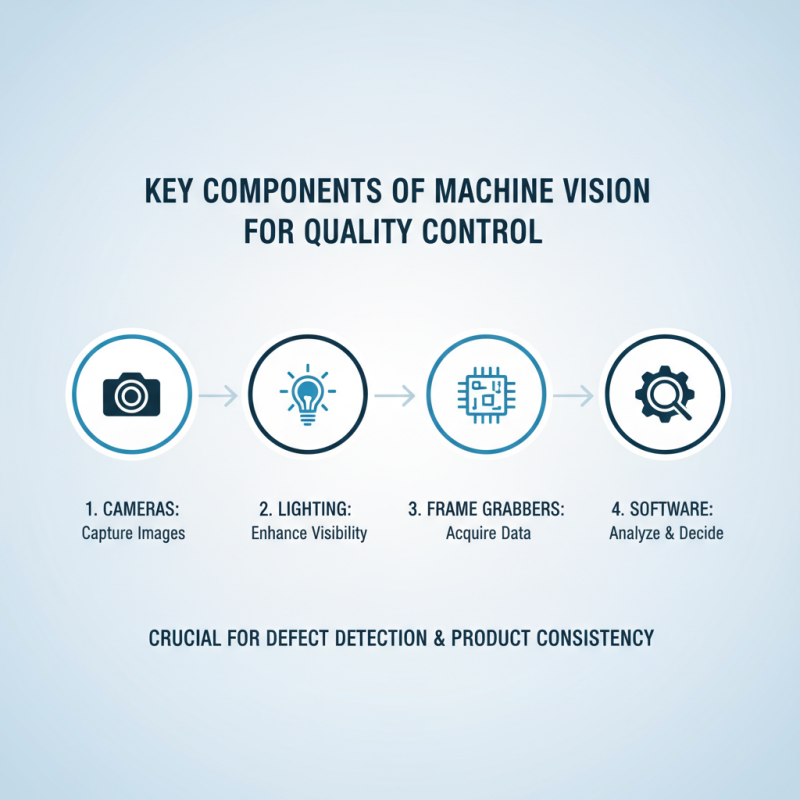
Key Components of Machine Vision Systems for Quality Control

How to Implement Machine Vision Quality Inspection Effectively?

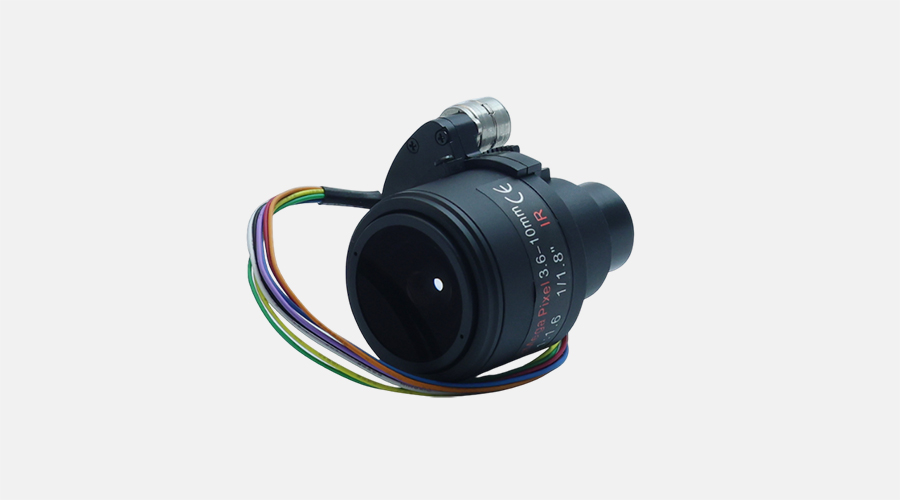
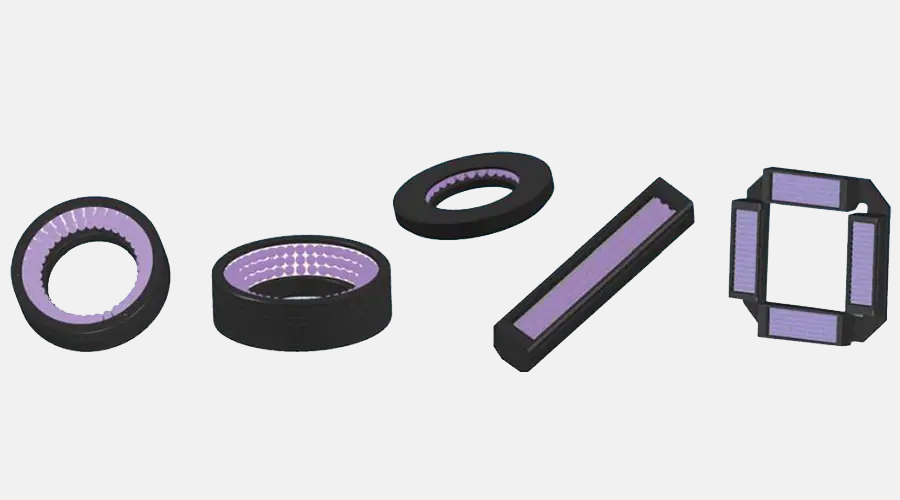
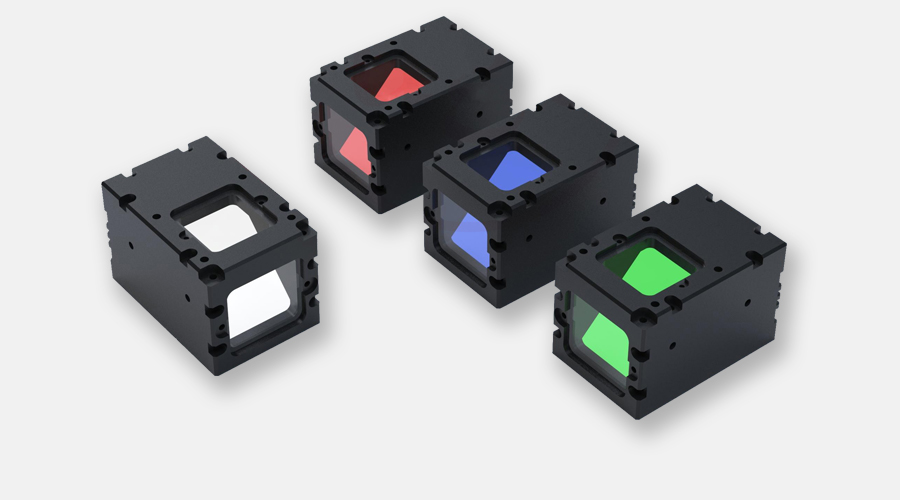
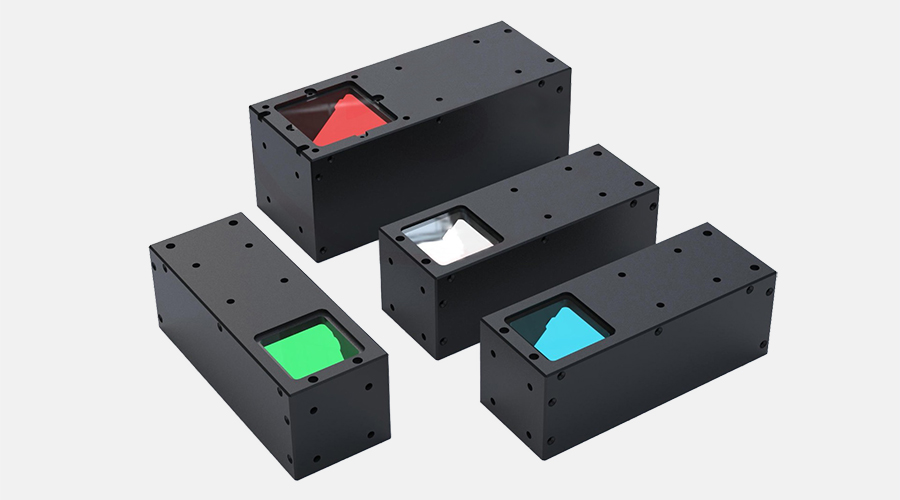
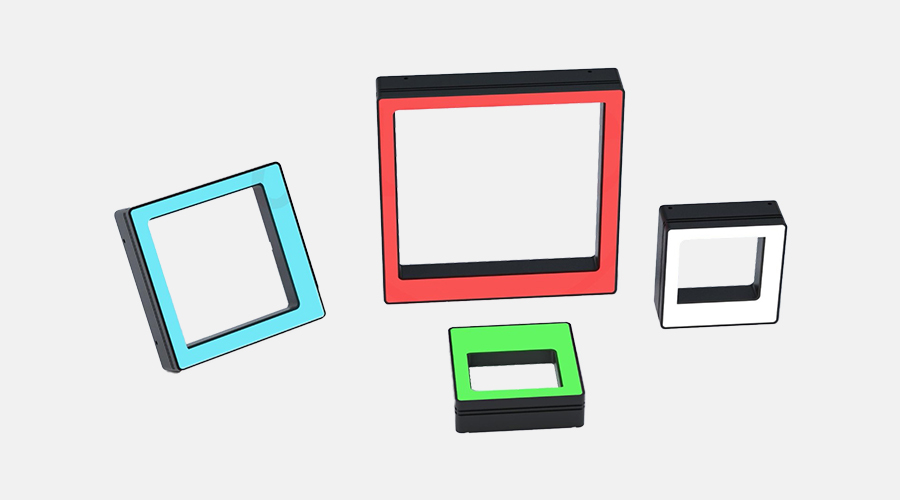
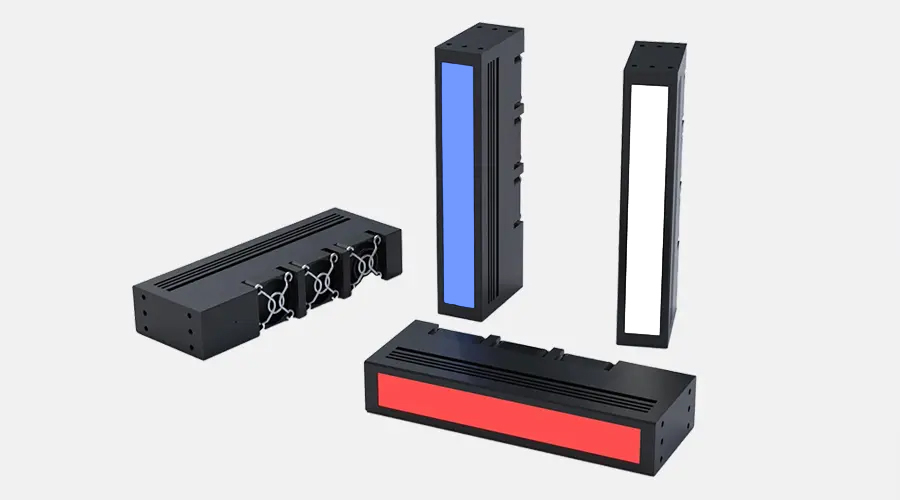
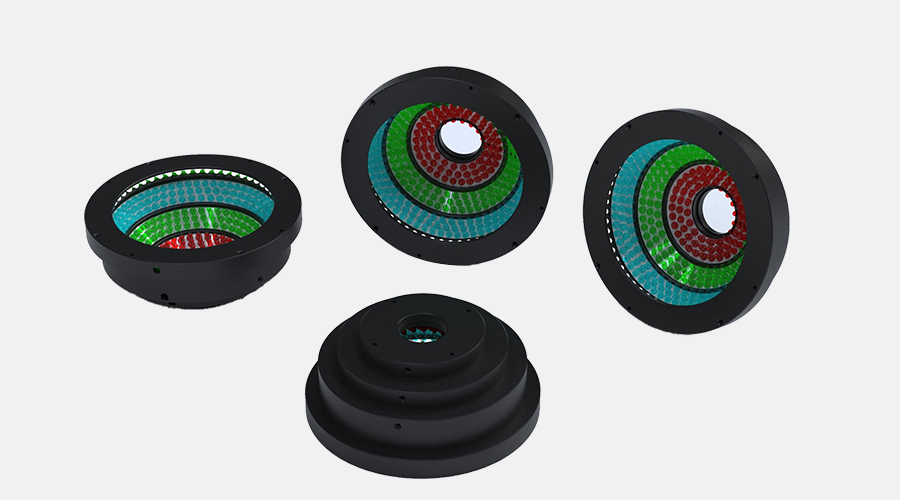
Machine vision systems are crucial for quality control in manufacturing. These systems can identify defects, ensure consistency, and improve overall product quality. Key components of machine vision systems include cameras, lighting, frame grabbers, and software. Each element plays a unique role in the inspection process. For instance, cameras capture high-resolution images, while tailored lighting enhances the visibility of defects.

According to a report by MarketsandMarkets, the global machine vision market is projected to grow at a CAGR of 7.5% from 2021 to 2026. This growth indicates the increasing reliance on vision systems for quality assurance. However, implementing these systems is not without challenges. For example, some manufacturers struggle with lighting setup, which can dramatically impact inspection accuracy. The ideal lighting can vary significantly across different applications.

Tips: Ensure proper calibration of cameras for accurate measurements. Regularly test the system under real operating conditions. Involve operators in the setup to gain practical insights. Remember to assess the balance between system complexity and user-friendliness. A system that's too complicated can lead to operator errors and decreased efficiency. Focus on training staff adequately to maximize machine vision benefits.

Steps to Determine Inspection Criteria and Standards

Setting clear inspection criteria and standards is crucial for effective machine vision quality inspection. Start by defining specific benchmarks for what constitutes a quality product. Consider factors like dimensions, surface finish, and color accuracy. It’s essential to involve team members with diverse expertise. Their insights can help shape realistic and comprehensive standards.

Tips: Engage different departments when setting criteria. This collaboration can reveal various perspectives and potential oversights. Regular review of these standards is necessary to adapt to evolving production needs.

Next, consider the implications of your standards. Are they achievable with your current technology? Test runs often expose gaps. You may find that the criteria you've set aren't feasible, or that they miss important details. Adjusting in real-time based on these tests can enhance the effectiveness of your inspection process.

Tips: Don’t shy away from making changes. Flexibility can lead to improvements. Document all adjustments and reasons behind them. This will help future teams understand the evolving standards over time.

Selecting the Right Hardware and Software for Machine Vision

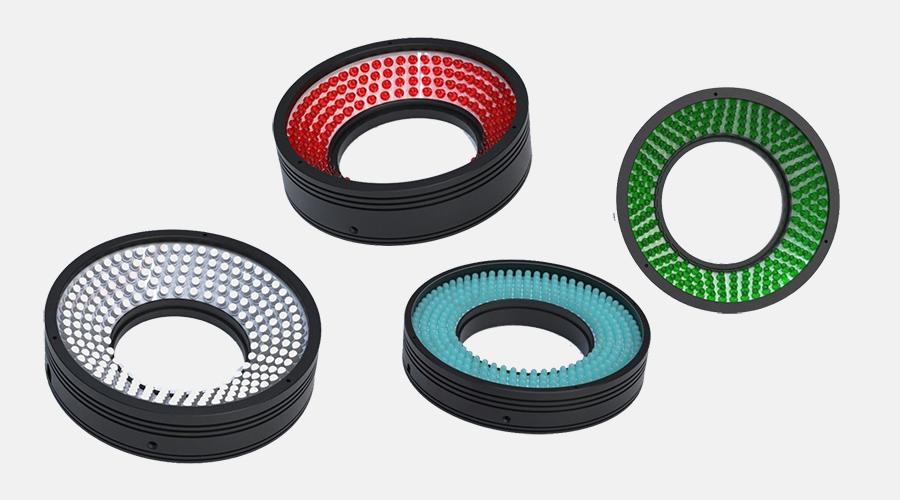
Selecting the right hardware and software for machine vision is crucial for effective quality inspection. The global machine vision market is projected to reach $18 billion by 2027, growing at a CAGR of 7.9%. This emphasizes the importance of choosing the right components for implementation. High-resolution cameras and appropriate lighting are essential. Proper lighting reduces shadows and highlights defects. Reports indicate that 80% of vision system errors arise from inadequate lighting.

Software selection is another key factor. Intuitive interfaces can reduce training time. However, not all software can adapt to different tasks seamlessly. Compatibility issues may arise with various imaging hardware. Companies often overlook this aspect, leading to inefficiencies. Integrating Machine Vision Inspection with existing systems can be challenging. Manufacturers should ensure their software supports key protocols.

It's important to acknowledge that no solution is perfect. Implementation often requires fine-tuning. Regular updates and maintenance of both hardware and software are necessary to keep the system performing optimally. Neglecting these factors can lead to costly downtime in production. Organizations must remain vigilant in evaluating their machine vision systems to adapt to changing quality standards.

Integrating Machine Vision Systems into Existing Production Lines

Integrating machine vision systems into existing production lines is a critical challenge. Many facilities struggle with the transition. A report by the International Society of Automation notes that 70% of manufacturers face difficulties when adopting new technologies.

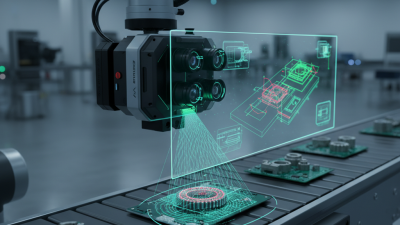
Setting up 3d Vision Inspection requires careful planning. It's not just about adding cameras. Proper alignment is essential. Misalignment can lead to flawed inspections. In fact, studies show that poorly integrated systems can have a defect rate increase of up to 25%. Some companies overlook the need for thorough training. Workers must understand the technology to make it work effectively.

The data shows that manufacturers who successfully integrate these systems see a 30% boost in overall efficiency. However, this is not a universal outcome. Quality issues may arise during the adaptation phase. These challenges can hinder production. It's vital to monitor performance continuously. Adjustments will often be necessary to streamline the system. The integration process can be relentless but essential for quality assurance.

Machine Vision Quality Inspection Effectiveness

Training Staff for Effective Machine Vision Operation

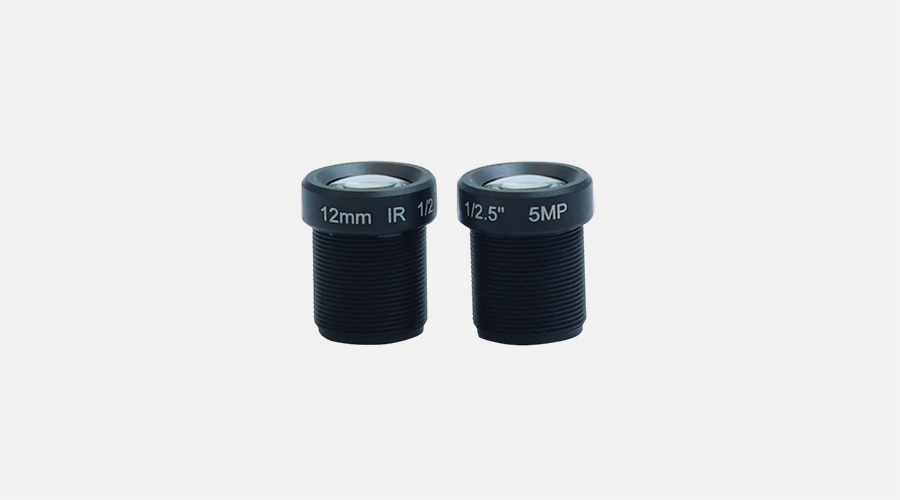
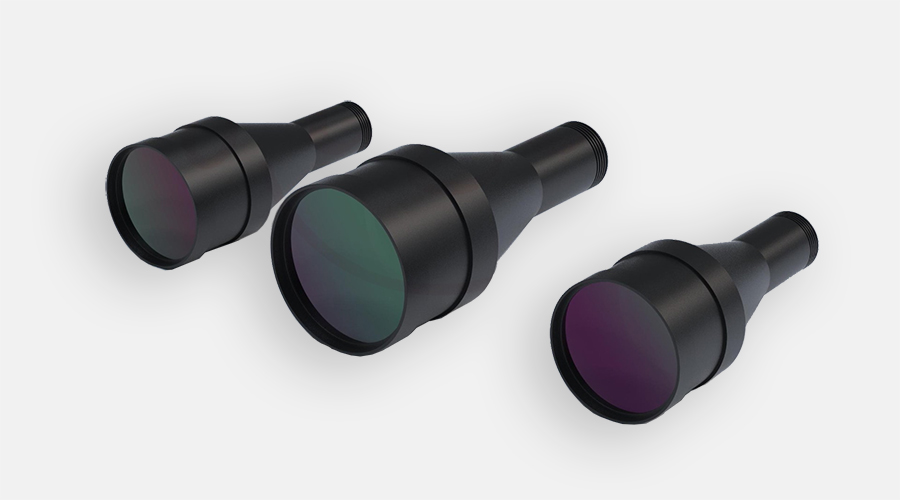
Training staff for effective machine vision operation is crucial for success. Operators need to understand both the technology and the process. Without proper training, mistakes become frequent. Staff should engage in hands-on practice with the equipment. Familiarity with the Vision Inspection Lens is key to achieving desired outcomes.

Tips: Encourage your team to document their experiences. This record can help identify common issues and areas for improvement. Regular feedback sessions can foster a culture of learning. Don't overlook the importance of troubleshooting skills. Staff should learn how to identify and fix basic problems quickly.

Moreover, continuous education is vital. Technology evolves rapidly. Employees need to stay updated on the latest techniques. Invest time in workshops and online courses. Encourage collaboration among team members too. Learning from each other’s experiences can lead to innovative solutions. Reflect on past errors to avoid repeating them. An environment that welcomes questions enhances overall performance.

Monitoring and Maintaining Machine Vision Systems for Optimal Performance

Monitoring and maintaining machine vision systems is crucial for achieving optimal performance. Regular checks can reveal minor issues before they escalate. Systematic inspections should occur weekly. This frequency ensures alignment, focus, and light conditions are ideal. A misaligned camera can lead to inaccurate inspections. Small adjustments can save time and costs later.

Temperature and humidity can affect machine vision systems. High temperatures might cause malfunctions. Regularly monitoring the environment helps mitigate these risks. Use sensors to keep track of these conditions. This step is often overlooked, but crucial.

Data analysis is vital in assessing machine performance. By reviewing inspection results, trends can be identified. An increase in false positives, for example, may indicate a need for recalibration. Although systems are designed to be accurate, they are not infallible. Regular updates and maintenance can enhance reliability. Reflecting on these details is important for continuous improvement.

FAQS

: Why are clear inspection criteria essential?

: Clear inspection criteria ensure effective quality inspection by defining product quality benchmarks clearly.

How can diverse team expertise improve inspection standards?

Engaging team members with different skills reveals various perspectives and helps avoid oversight.

What should I do if my criteria seem unachievable during tests?

Adjust your criteria based on test findings for more effective inspection processes.

What factors are critical when selecting machine vision hardware?

High-resolution cameras and proper lighting are crucial to reducing shadows and highlighting defects.

Why is software compatibility important in machine vision systems?

Incompatibility with imaging hardware can lead to inefficiencies during the inspection process.

How can training enhance machine vision operation success?

Proper training reduces mistakes and helps operators understand both technology and processes.

What role does documentation play in staff training?

Documenting experiences helps identify common issues and areas needing improvement.

Why is continuous education necessary for machine vision staff?

Technology changes rapidly, so staying informed on new techniques is vital for success.

How can feedback sessions improve team performance?

Regular feedback fosters a culture of learning and enhances troubleshooting skills among staff.

What should I consider when implementing machine vision systems?

Flexibility in adjusting both hardware and software is crucial for maintaining optimal performance.

Conclusion

Machine Vision Quality Inspection plays a crucial role in enhancing the efficiency and reliability of quality control processes in manufacturing. By understanding the fundamentals of machine vision, organizations can identify its key components, which include cameras, lighting, and software algorithms. Establishing clear inspection criteria and standards is essential for ensuring that the quality inspection is aligned with production goals.

To implement Machine Vision Quality Inspection effectively, selecting the appropriate hardware and software is vital, as is integrating these systems smoothly into existing production lines. Additionally, training staff adequately ensures they can operate the systems proficiently. Finally, ongoing monitoring and maintenance are necessary to maintain optimal performance of machine vision systems, allowing manufacturers to achieve high standards of quality control consistently.

Oliver

Oliver

Oliver is a skilled marketing professional at New Vision, an innovative company dedicated to the production and sales of core components for machine vision. With a deep expertise in the company's cutting-edge products, he plays a crucial role in communicating the unique advantages of New Vision's......
Previous How to Achieve Professional Quality with C Mount Camera Fa Lenses in Your Projects