In today’s fast-changing world of manufacturing, it’s pretty clear that having solid Industrial Vision Inspection in place is more important than ever. As companies push to boost efficiency and tighten up quality control, using the latest vision tech has become a game-changer for streamlining production. Dr. Emily Thompson, a well-known expert at VisionTech Solutions, really emphasizes how crucial this stuff is. She points out that, "Industrial Vision Inspection doesn’t just make products better — it also speeds up the whole production process, which helps boost profits."
Thanks to advanced image processing and machine learning, these inspection systems can find defects faster and more accurately than ever before. That means issues can be caught early on in the line, cutting down on waste and rework, while also making sure everything stays safe and up to standard. Since industries are under increasing pressure to do more with less, having reliable vision inspection tools is pretty much essential if you want to stay competitive.
And honestly, with AI and machine learning constantly improving, the future looks even more exciting. These innovations could soon enable real-time analysis and help production adapt seamlessly to different environments — something that wasn’t really possible before. Industry players really need to jump on these developments, not just to keep up with customer expectations, but to blow past them.
Overview of Industrial Vision Inspection Technologies
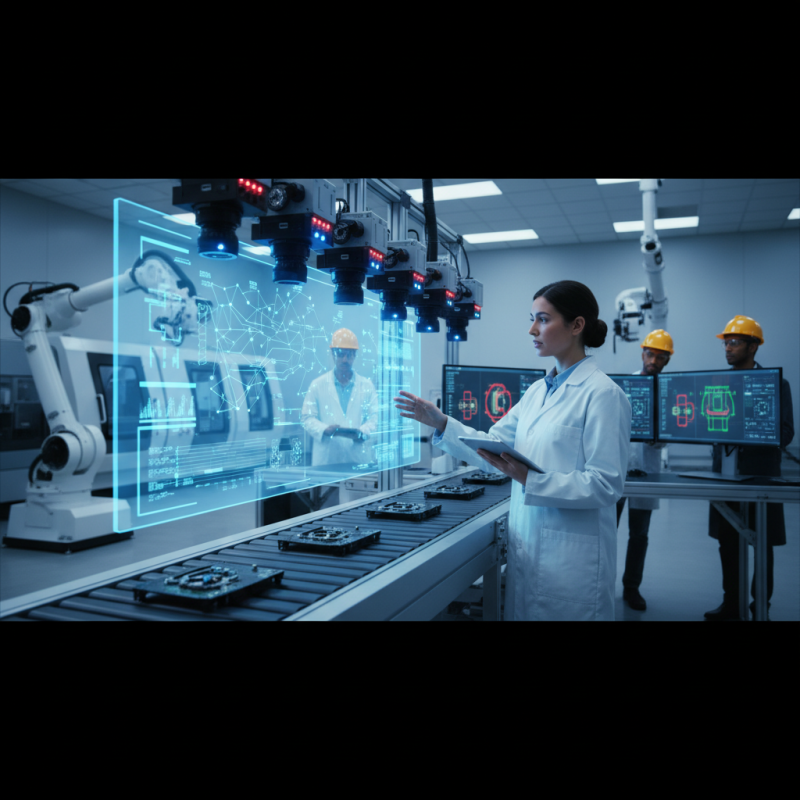
Industrial vision inspection technologies have transformed quality control processes across various industries, significantly enhancing efficiency and accuracy. By employing advanced imaging systems and algorithms, manufacturers can detect defects and ensure product compliance at unprecedented speeds. According to a recent report by Allied Market Research, the global market for machine vision systems is projected to reach $20.55 billion by 2026, indicating a robust growth as industries increasingly adopt these technologies for quality assurance.
One of the most significant advancements in industrial vision inspection is the integration of artificial intelligence (AI) into the imaging systems. Machine learning algorithms enable the system to learn from vast datasets, improving defect recognition and reducing false positives. This not only increases the precision of inspections but also minimizes downtime, allowing for a more streamlined production process. Furthermore, 83% of manufacturers noted a decrease in waste rates after implementing vision inspection systems, reflecting an emphasis on sustainability alongside efficiency.
Tips for Effective Implementation:
To maximize the benefits of industrial vision inspection, consider the following tips: First, ensure that the system is tailored to your specific production needs by conducting a thorough analysis of potential defect types. Second, invest in proper training for your staff on using and maintaining the system, which is crucial for achieving optimal results. Lastly, regularly update the system's software and algorithms to keep up with technological advancements, ensuring continued efficiency and effectiveness in quality control.
Importance of Quality Control in Manufacturing Processes
Quality control is a critical component of manufacturing processes, directly impacting product reliability and customer satisfaction. According to a report by the International Organization for Standardization (ISO), companies that employ rigorous quality management systems can reduce costs related to rework and waste by up to 20%. This improvement not only enhances profitability but also ensures compliance with industry standards, fostering greater trust among consumers and partners. In sectors such as automotive and electronics, where precision and dependability are paramount, the implications of effective quality control cannot be overstated.
Investing in advanced quality control mechanisms, such as industrial vision inspection systems, can significantly boost operational efficiency. Data from the American Society for Quality (ASQ) indicates that companies integrating such technologies can achieve defect reduction rates of approximately 30%. These systems utilize artificial intelligence and machine learning algorithms to detect anomalies and ensure that products meet specified criteria before they leave the production line. As manufacturers increasingly adopt these innovative solutions, the realization of sustainable quality and continuous improvement becomes more attainable, paving the way for competitive advantage in a rapidly evolving market landscape.
Quality Control Metrics in Manufacturing Processes
Key Components of an Effective Vision Inspection System
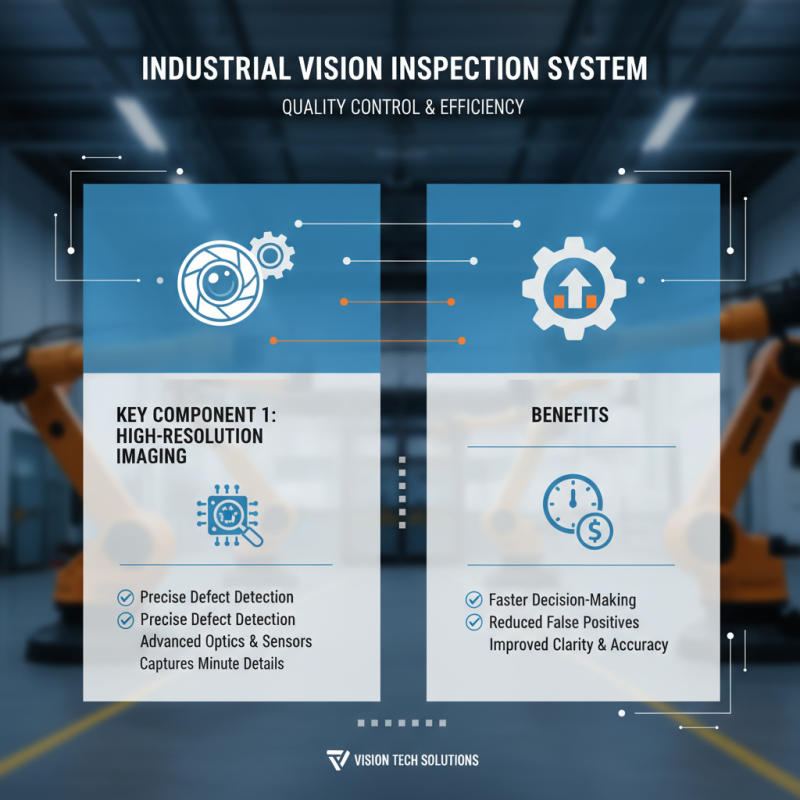
An effective vision inspection system is integral to ensuring quality control and improving efficiency in industrial settings. The first key component is high-resolution imaging technology, which allows for precise detection of defects and irregularities in products. Employing cameras with advanced optics and sensors enhances the ability to capture minute details that could signify potential quality issues. This improved clarity not only facilitates quicker decision-making but also reduces the likelihood of false positives in inspection results.
Another essential element is the implementation of robust image processing software. This software should be capable of analyzing captured images in real-time, utilizing algorithms that can adapt to various types of defects and operating conditions. By integrating machine learning capabilities, the system can learn from past inspections and continuously improve its performance, thereby increasing the overall efficiency of the inspection process. Furthermore, user-friendly interfaces play a crucial role in allowing operators to easily interpret data, make informed adjustments, and act swiftly on quality control measures.
Strategies for Enhancing Image Processing Algorithms
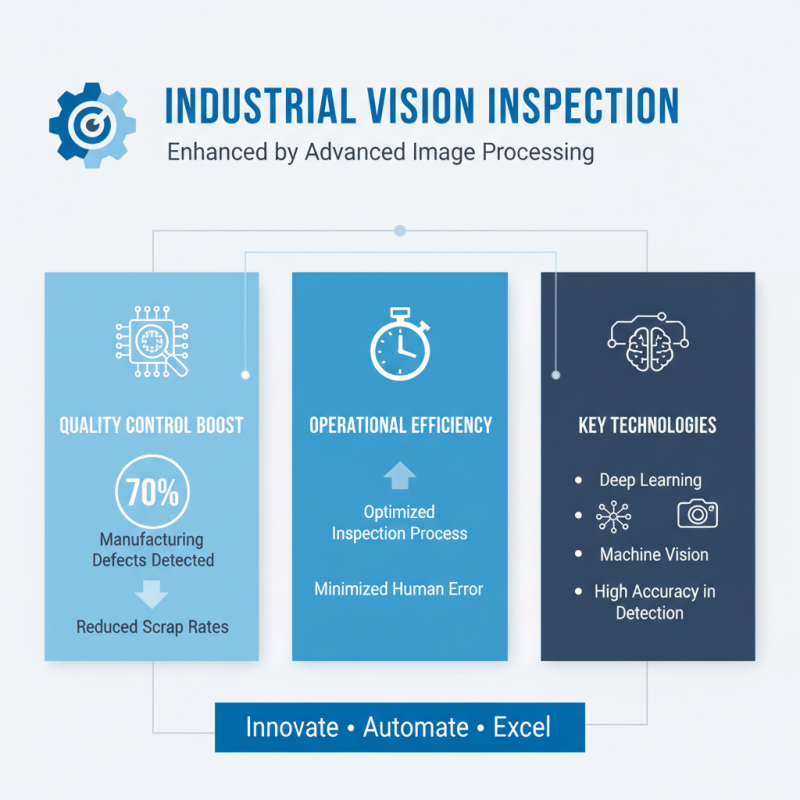
In the realm of industrial vision inspection, enhancing image processing algorithms is pivotal for boosting both quality control and operational efficiency. Recent studies indicate that up to 70% of manufacturing defects can be detected through advanced image processing techniques, which significantly reduces scrap rates and improves product quality. By leveraging technologies such as deep learning and machine vision, companies can achieve high accuracy in defect detection, minimizing human error and optimizing the inspection process.
To enhance image processing algorithms, it is crucial to adopt a multi-faceted approach. First, the integration of artificial intelligence (AI) can elevate the performance of these algorithms. According to a report by ResearchAndMarkets, the global machine vision market is projected to grow at a CAGR of 10.6% from 2021 to 2026, highlighting the increasing reliance on AI-driven image analysis in manufacturing. By employing convolutional neural networks (CNNs), organizations can train their systems to identify and classify defects with greater precision, ultimately leading to improved throughput and reduced downtime.
Moreover, the utilization of high-resolution imaging techniques plays a vital role in enhancing inspection capabilities. High-definition cameras paired with sophisticated processing algorithms can capture minute details that are often missed by traditional systems. A study by ABI Research found that adopting high-resolution imaging can increase detection rates by 30% in complex manufacturing environments. This evolution in technology provides manufacturers with the tools necessary to ensure quality assurance while streamlining their operations, reinforcing the importance of continuous innovation in image processing strategies.
Integration of AI and Machine Learning in Quality Inspections
The integration of AI and machine learning into industrial vision inspection systems represents a transformative leap in quality control and efficiency. By leveraging advanced algorithms, these technologies enable real-time analysis of visual data, identifying defects and anomalies with a level of precision that surpasses traditional inspection methods. Machine learning models can be trained to recognize patterns and variations in products, allowing for adaptive learning that improves over time. This capability not only enhances detection rates but also reduces the incidence of false positives, streamlining the quality assurance process.
Moreover, the use of AI-driven vision systems can significantly enhance operational efficiency. With automated inspections, companies can achieve higher throughput and reduce the labor costs associated with manual checks. The data generated from these inspections can also be analyzed to provide insights into production processes, revealing areas for improvement and enabling preventive maintenance. As a result, manufacturers can optimize their workflows, minimize downtime, and ensure that only products meeting the highest standards reach the market, ultimately driving competitiveness in a rapidly evolving industrial landscape.
How to Improve Industrial Vision Inspection for Quality Control and Efficiency - Integration of AI and Machine Learning in Quality Inspections
| Inspection Method |
Technology Used |
Accuracy (%) |
Processing Speed (items/min) |
Cost Reduction (%) |
| Automated Optical Inspection (AOI) |
AI Algorithms, Machine Vision |
98.5 |
120 |
30 |
| X-ray Inspection |
Deep Learning, Image Processing |
97.0 |
50 |
25 |
| Thermal Imaging |
Machine Learning, Infrared Sensors |
95.5 |
20 |
15 |
| 3D Laser Scanning |
AI Vision Systems, 3D Imaging |
99.0 |
75 |
40 |
Best Practices for Maintenance and Calibration of Inspection Systems
Regular maintenance and calibration of industrial vision inspection systems are crucial for enhancing quality control and operational efficiency. According to a 2021 industry report by the Manufacturing Technology Institute, systems that undergo scheduled maintenance can improve defect detection rates by up to 30%. This emphasizes the need for a proactive approach to system upkeep. Ensuring that camera alignments, lighting conditions, and software parameters are routinely checked can substantially reduce the occurrence of false negatives and improve the reliability of inspections.
Tips: Implement a cyclical maintenance schedule based on the frequency of system usage. Regularly update software to leverage advancements in image processing algorithms that can enhance inspection accuracy.
Calibration is equally important, as it ensures that the inspection systems operate within predefined tolerances. Studies have shown that improperly calibrated systems can lead to an increase in defective products, which in turn affects overall production costs. Establishing standard operating procedures for calibration processes can minimize variability and ensure consistency in the output of quality inspections.
Tips: Utilize calibration tools that provide real-time feedback to operators. This immediate data helps in fine-tuning the systems for optimal performance, ultimately leading to reduced downtime and waste.
Future Trends in Industrial Vision Inspection for Efficiency Improvements
The future of industrial vision inspection is poised for significant advancements, driven by emerging technologies and the increasing necessity for efficiency improvements in quality control processes. As manufacturers strive to enhance their production capabilities, innovative solutions such as artificial intelligence (AI) and machine learning are becoming central to developing smarter vision systems. These technologies can analyze images with unparalleled speed and accuracy, enabling real-time defect detection and reducing the likelihood of human error.
To adapt to these future trends, companies should consider integrating advanced analytics into their inspection systems. This can be achieved by utilizing machine learning algorithms that continuously learn from the data acquired during inspections, improving their accuracy and reliability over time. By leveraging big data, organizations can also gain deeper insights into their production processes, allowing for proactive maintenance and minimizing downtime.
Tips: Invest in training for your team on the latest vision inspection technologies to ensure they can fully utilize new capabilities. Additionally, consider starting with pilot projects to assess the effectiveness of new systems before scaling them across the entire production line. Collaboration with technology providers can also give your operation a competitive edge by keeping you informed about the latest developments in industrial vision inspection.
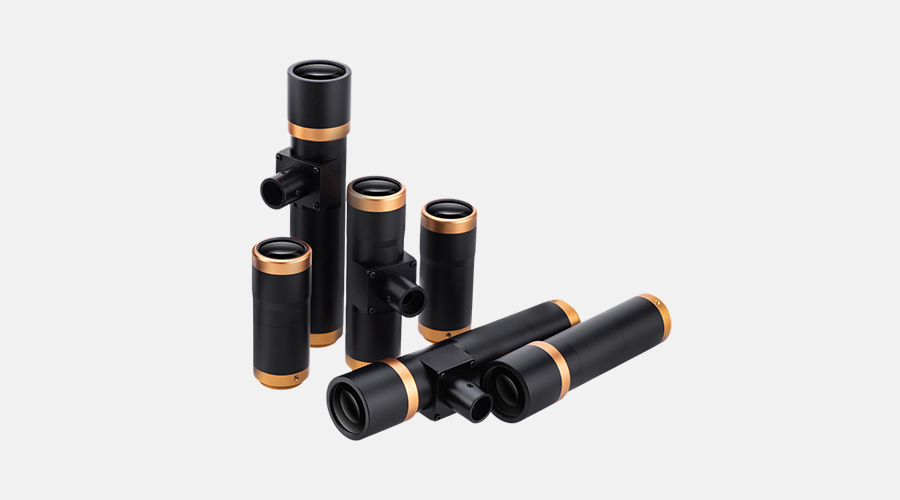
Innovative Solutions for High-Precision Micro-Component Inspection: The Role of 1.1-Inch Chip Telecentric Lenses
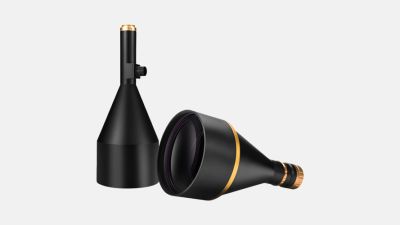
In the realm of high-precision micro-component inspection, the utilization of advanced optical solutions is paramount. The introduction of 1.1-inch chip telecentric lenses offers unparalleled advantages, particularly in applications requiring meticulous detail and accuracy. These lenses are specifically designed to provide uniform magnification across the entire field of view, thereby eliminating common optical distortions such as edge vignetting, which can significantly impact inspection quality.
Compatible with a variety of mainstream industrial cameras, these 1.1-inch telecentric lenses facilitate a customizable depth of field, enhancing operational flexibility. The lens design accommodates various sensor formats including 1" CCD and 2/3" CCD models, ensuring widespread applicability across different inspection setups. By harnessing the capabilities of these innovative lenses, manufacturers can achieve consistent and reliable imaging, critical for evaluating intricate micro-components. This technological advancement not only streamlines the inspection process but also enhances the overall quality assurance protocols within high-precision manufacturing environments.
Conclusion
Industrial Vision Inspection plays a crucial role in enhancing quality control and efficiency within manufacturing processes. By leveraging advanced technologies, businesses can ensure that their products meet stringent quality standards while streamlining operations. The key components of an effective vision inspection system include high-resolution imaging, reliable lighting, and robust software for image analysis.
Strategies for enhancing image processing algorithms can significantly improve defect detection rates, while the integration of AI and machine learning further optimizes inspection accuracy and speed. Additionally, adhering to best practices for the maintenance and calibration of these systems is vital to sustaining performance over time. Looking ahead, future trends in Industrial Vision Inspection promise even greater efficiency improvements, as innovations continue to evolve and reshape quality assurance methodologies in the manufacturing sector.

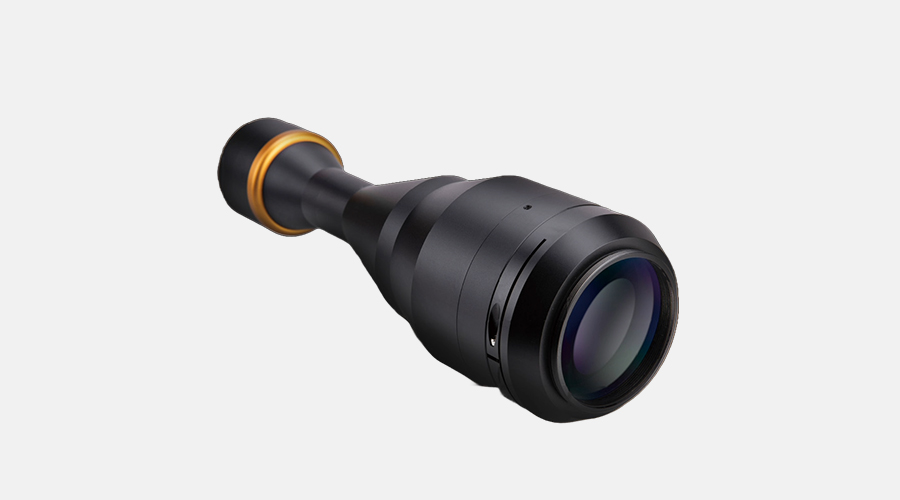 Compatible with 7.2mm-82mm chips
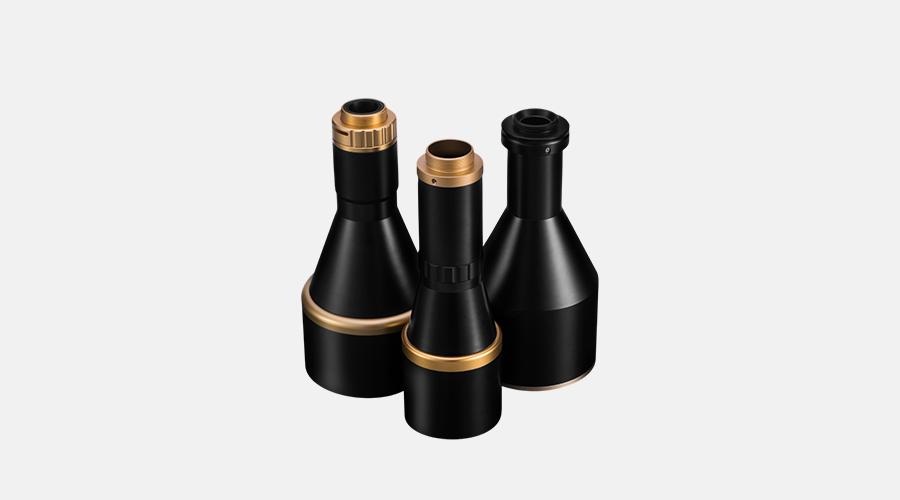 High/Low Working Distance
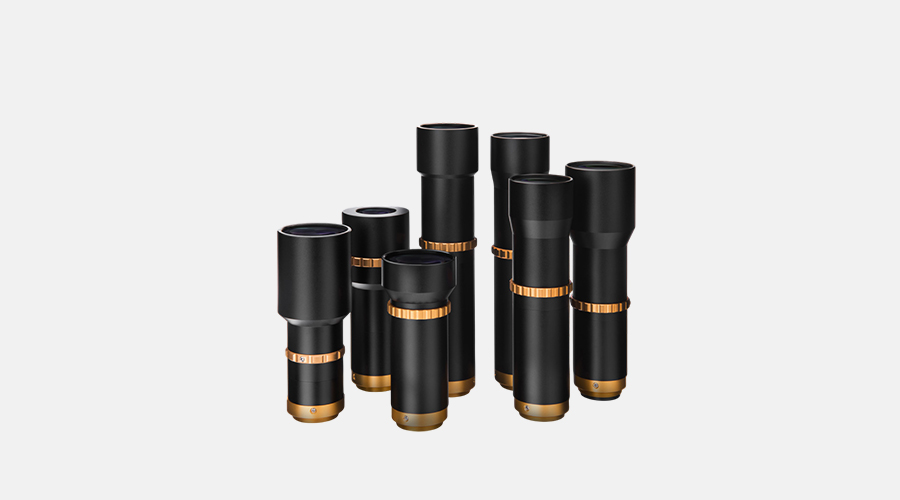 Aperture telecentric lens
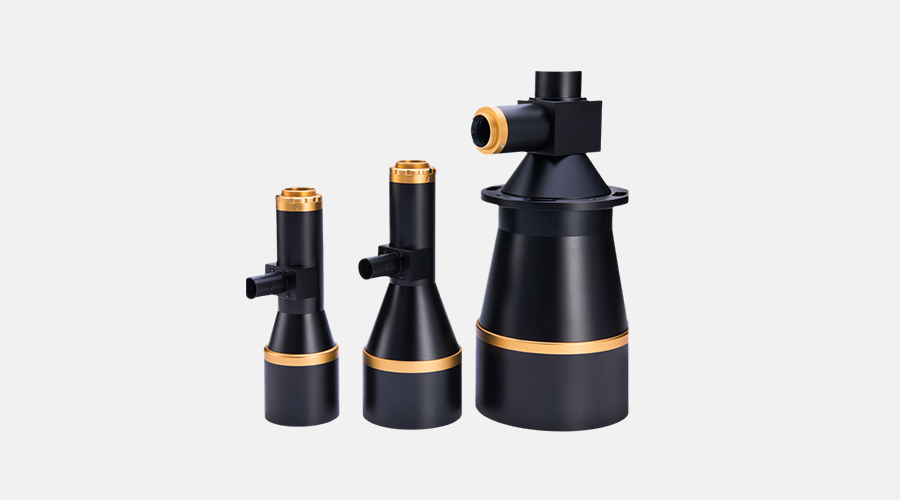 Measuring lens
 Maximum support 1.1" chips
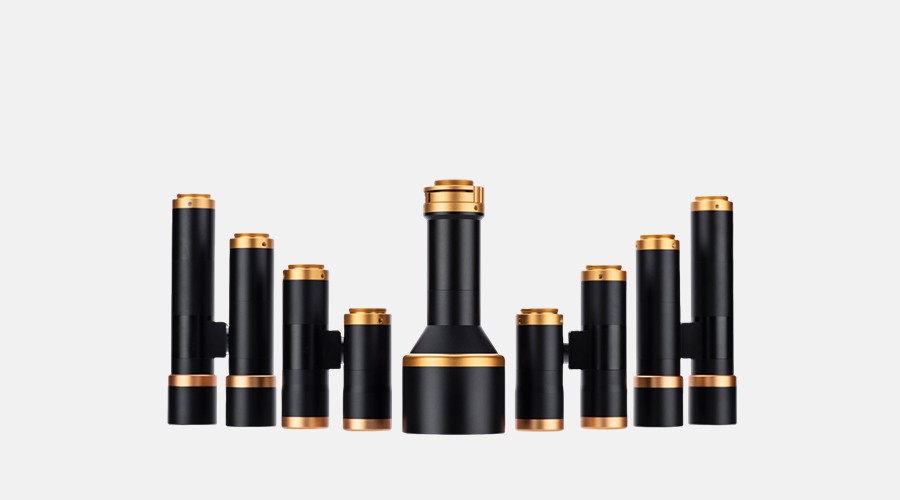
 Maximum support 1.2" chips
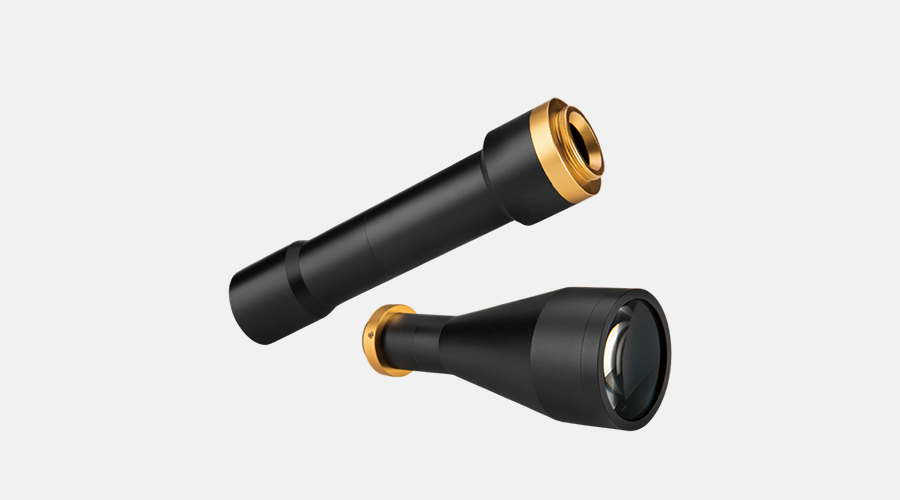
 Maximum support 2/3" chips
 Long Working Distance
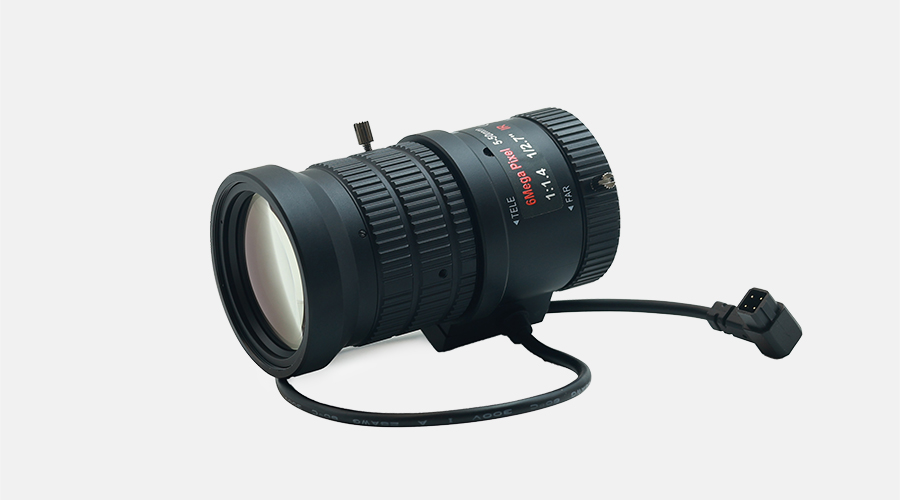 CS mount Varifocal lens
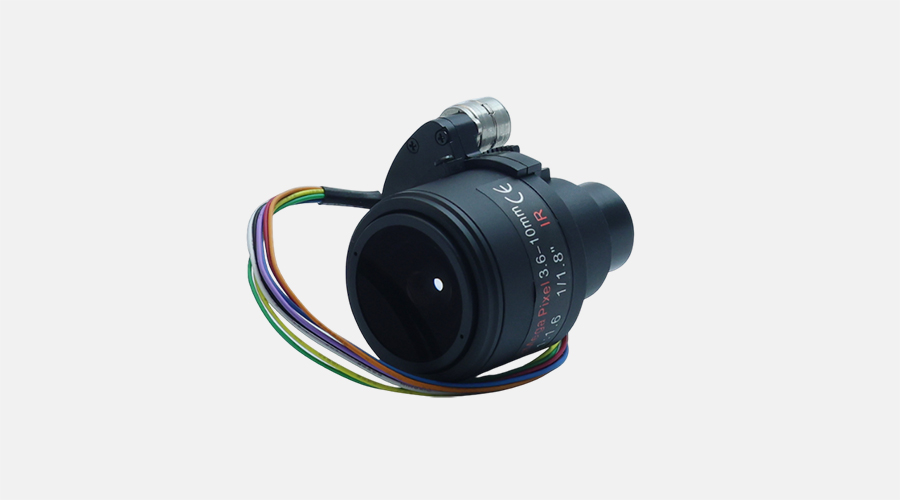 Varifocal board lens
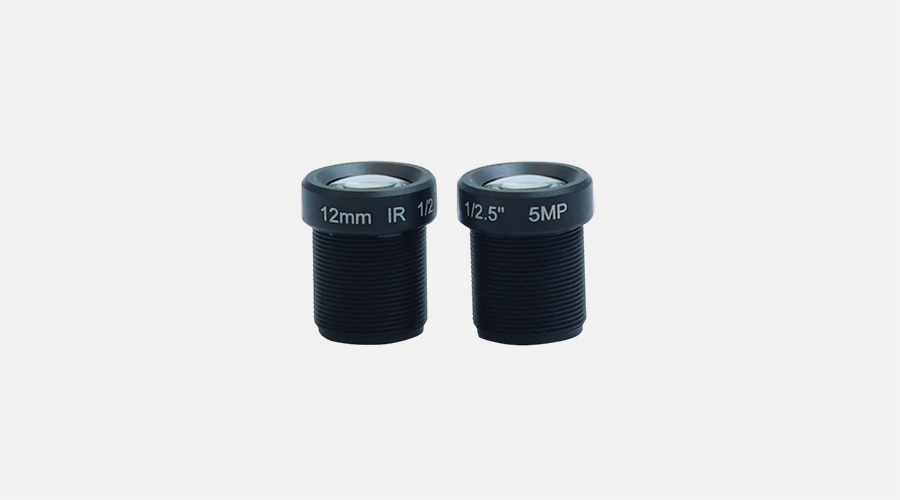 S mount lens
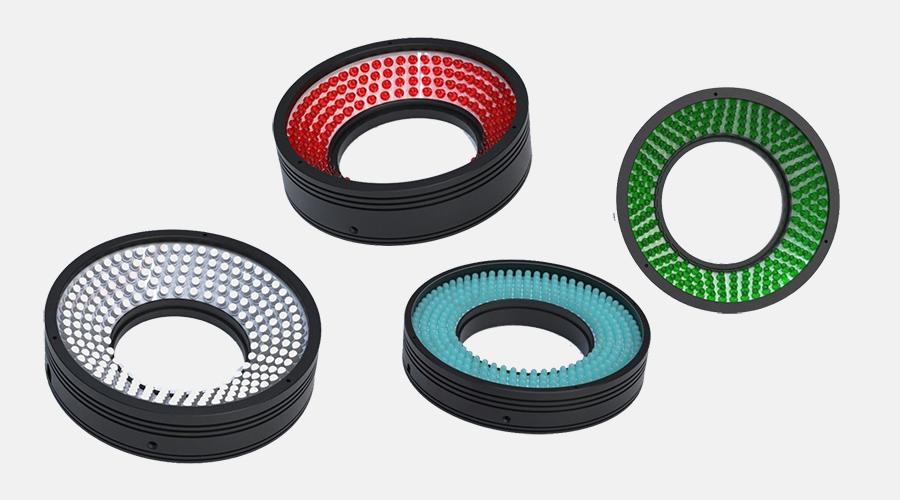 Ring light
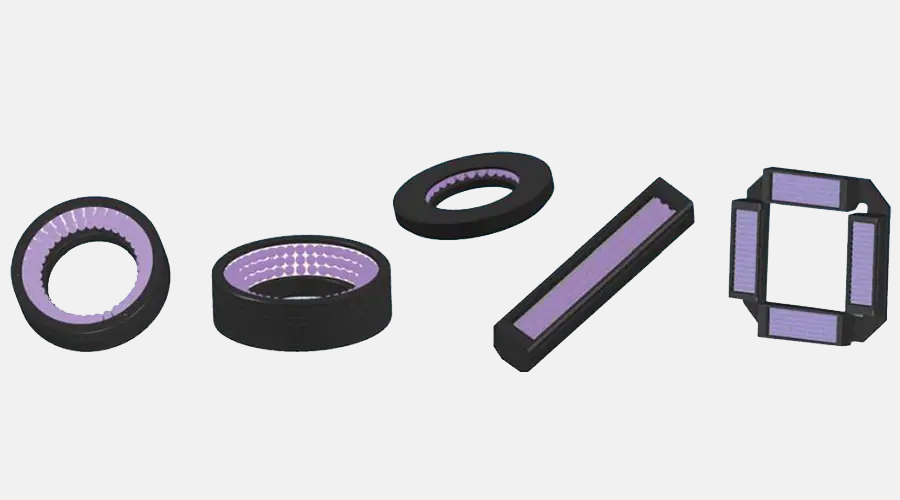 UV/IR Light
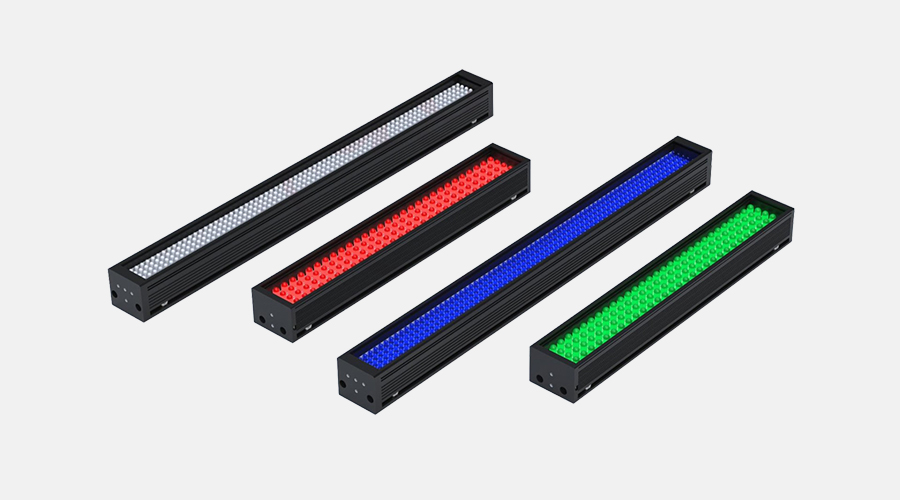 Bar light
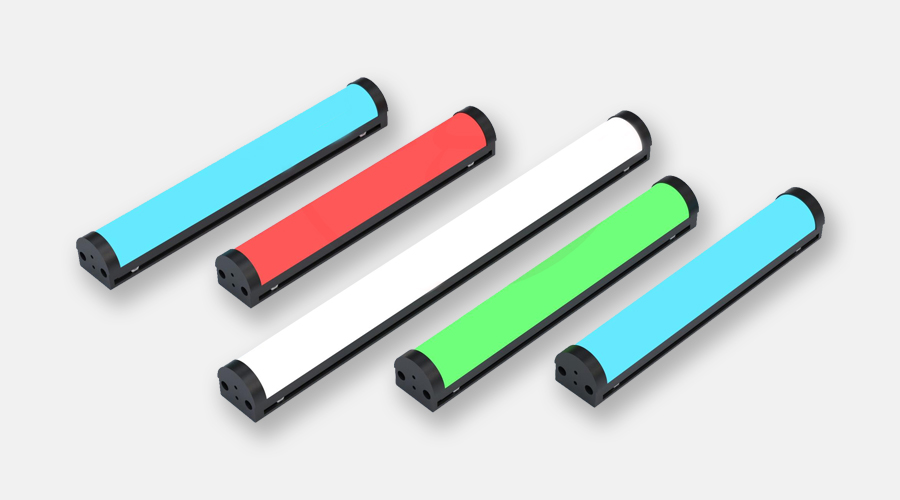 Arcuate high uniformity light
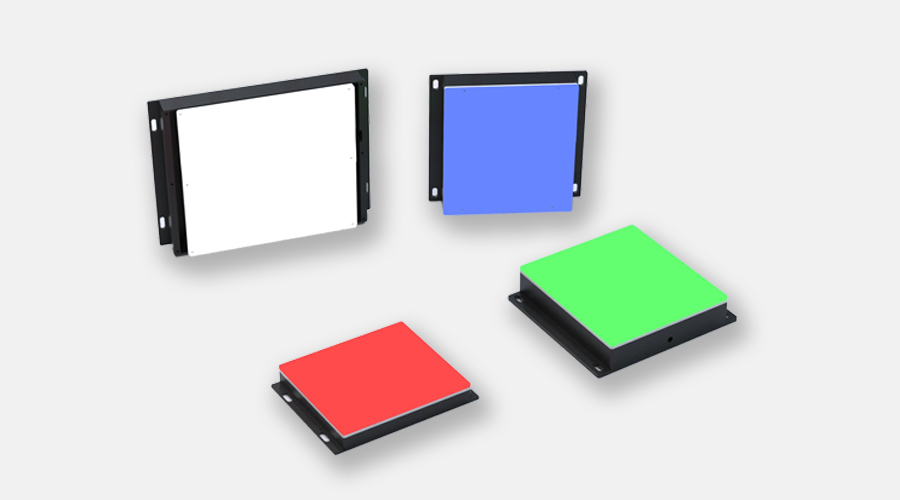 Back light
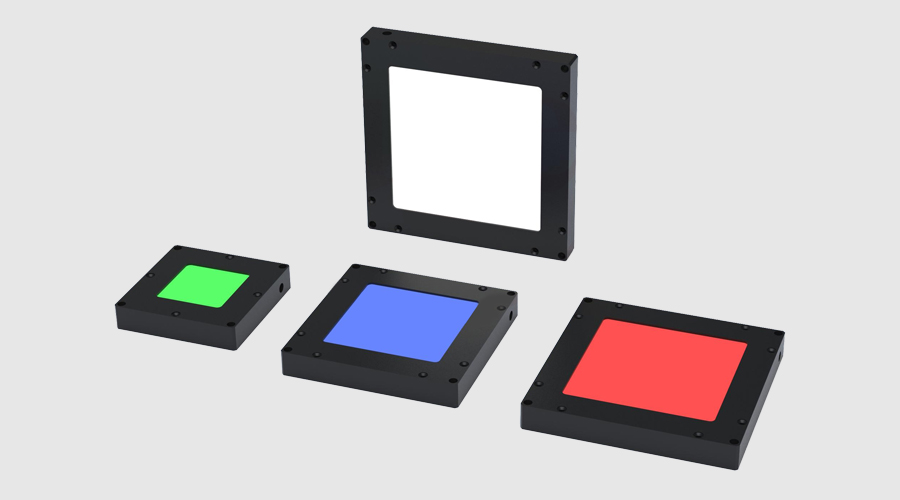 Flat light
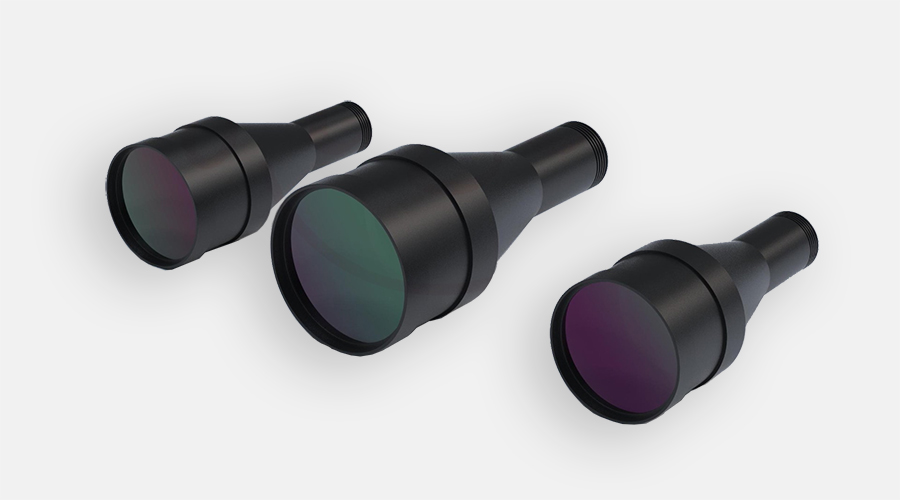 Collimated light
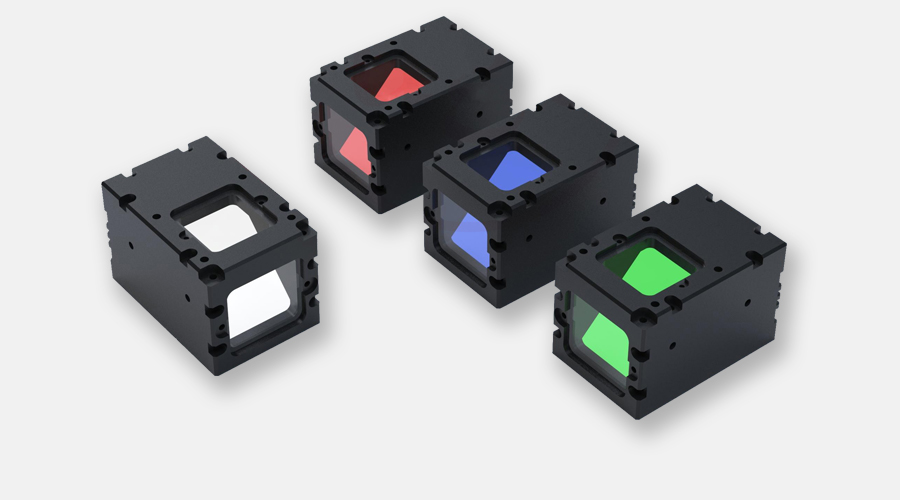 Coaxial light
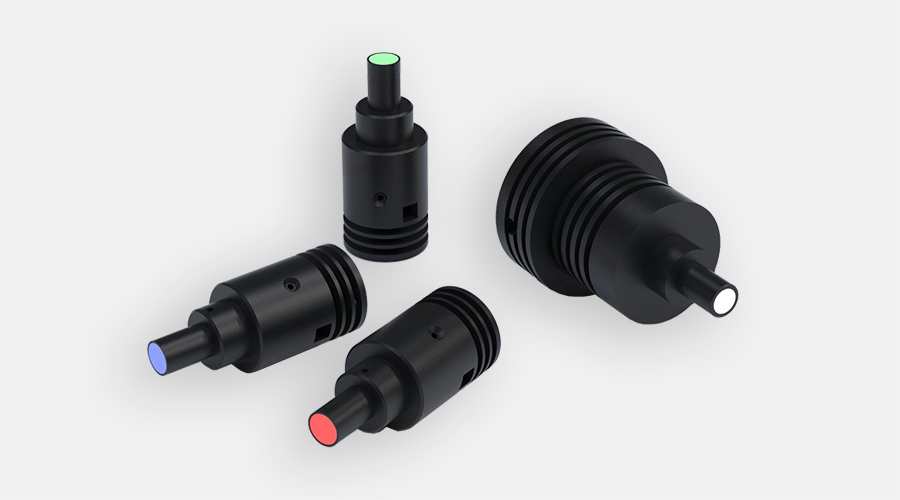 Spot light
 Dome light
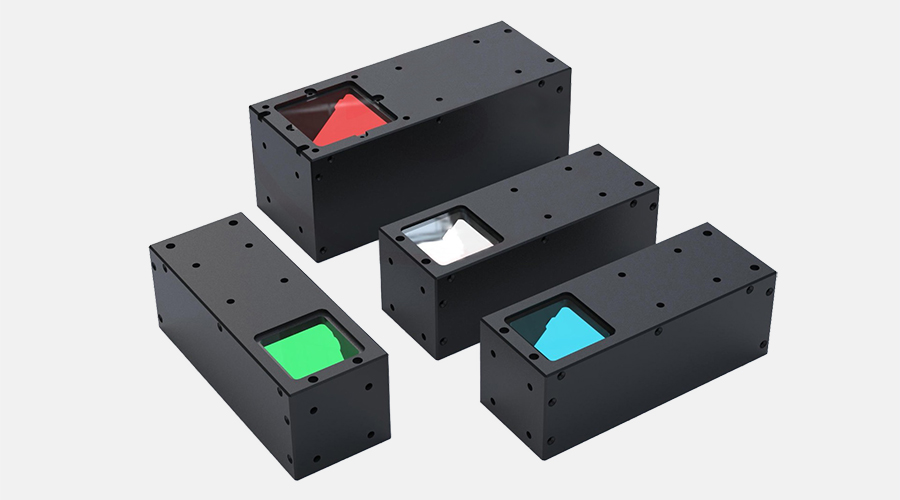 Collimated Coaxial light
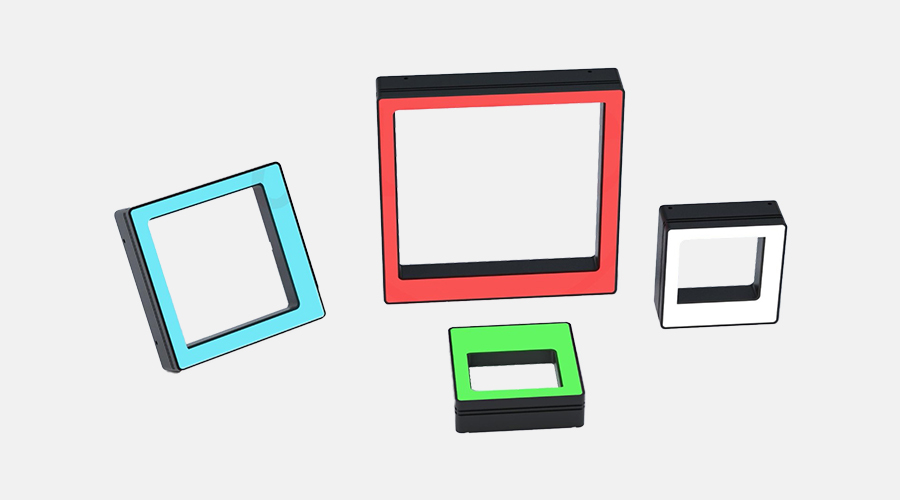 Shadowless square light
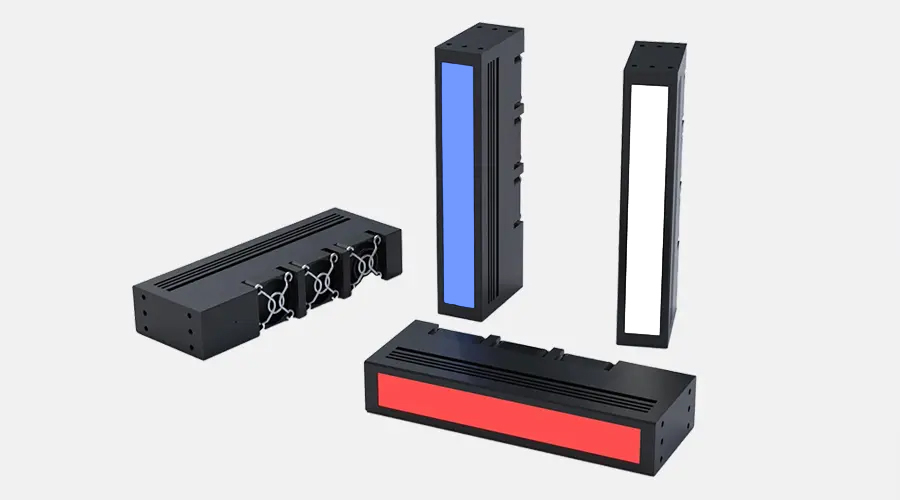 Scan light
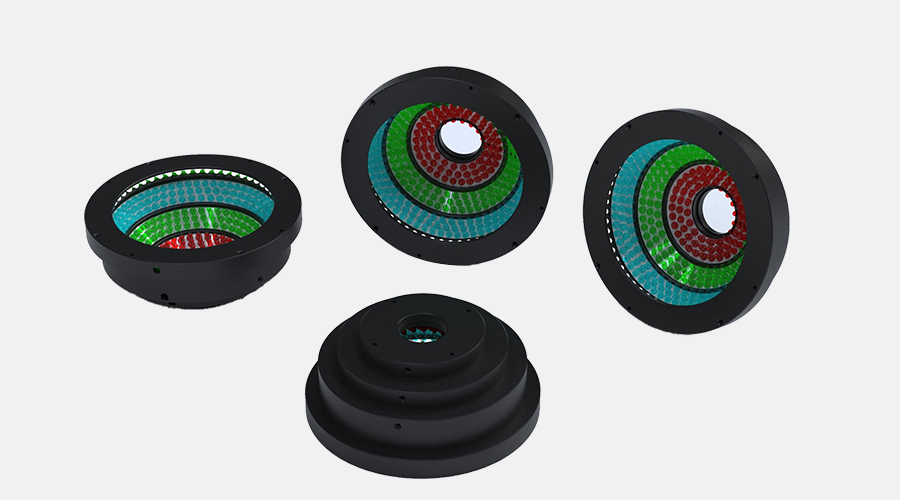 AOI light
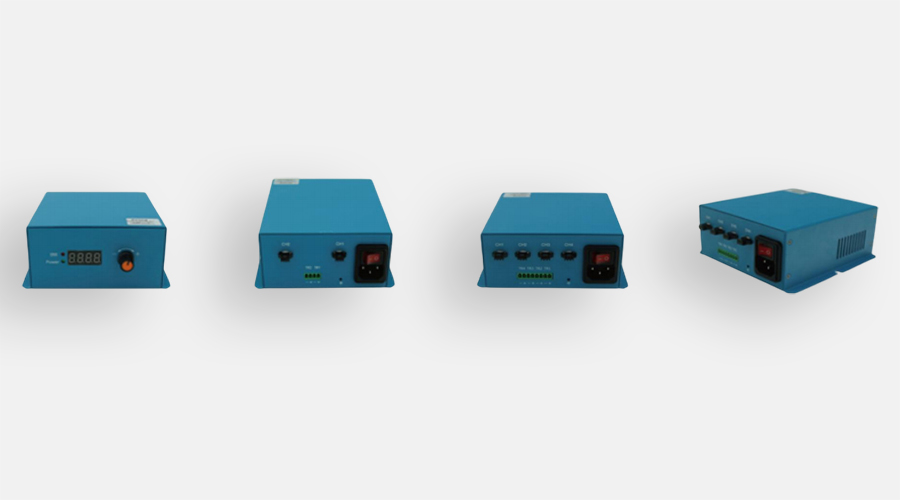 Analog controller
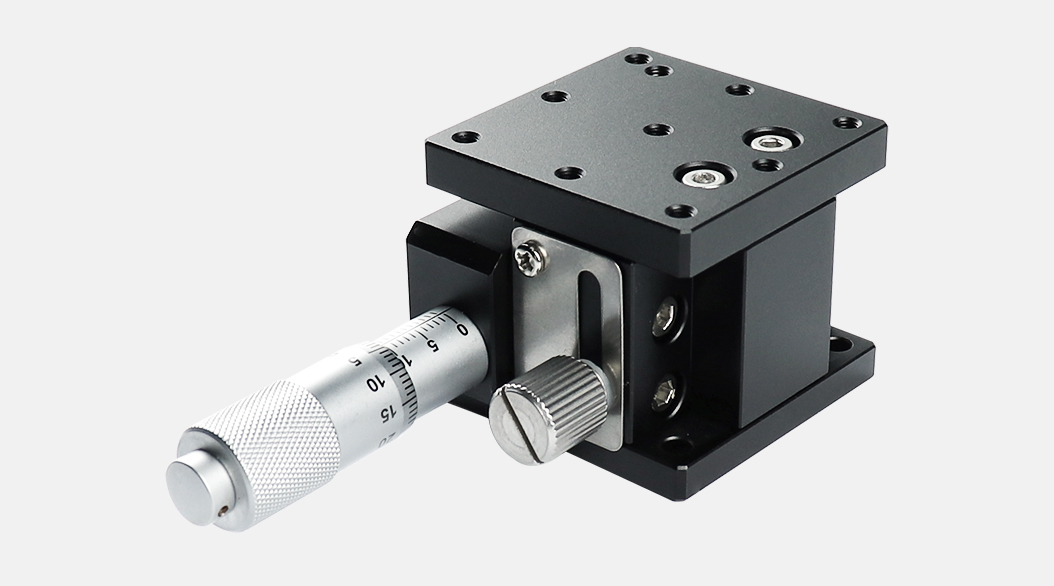 Crossed-Roller Linear guide type
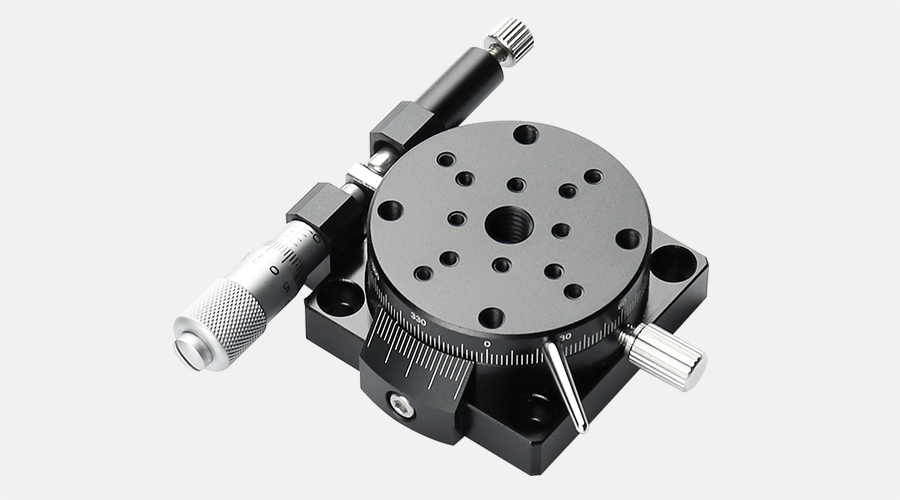 Rotary Stages XRS series
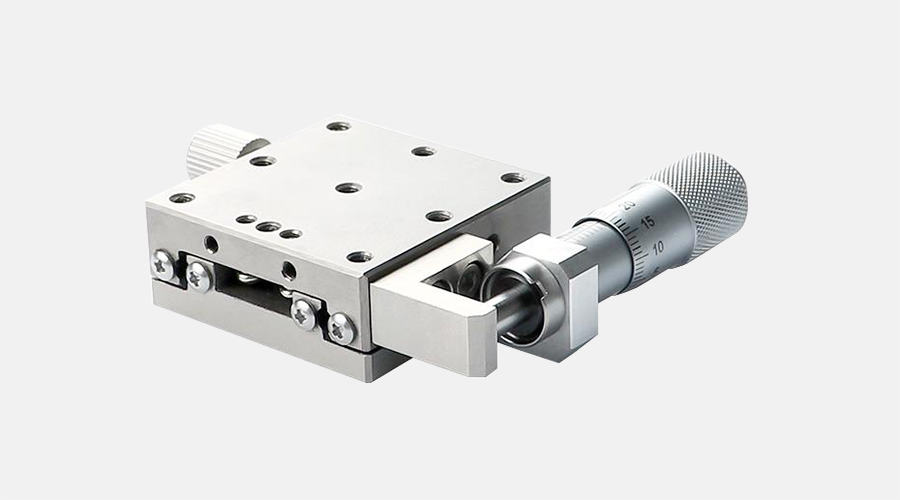 Stainless Steel Ball Bearing Linear Translation Stages
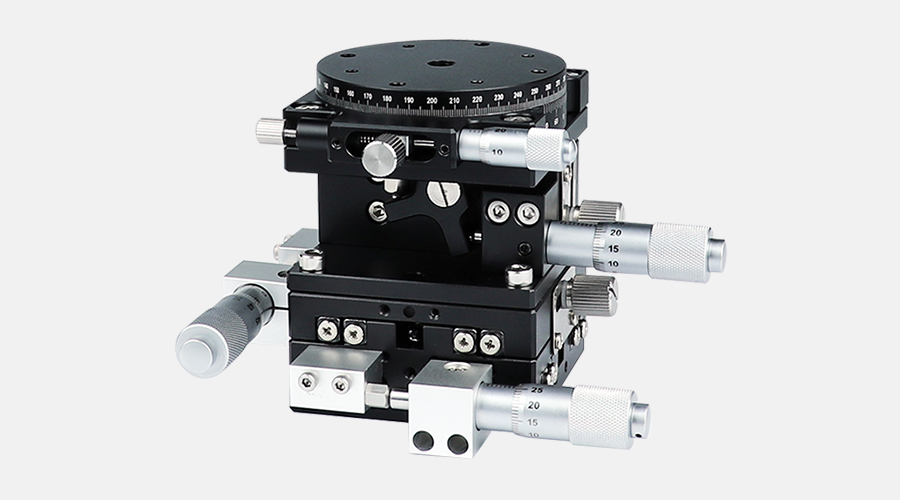 Multi-axis Translation stages
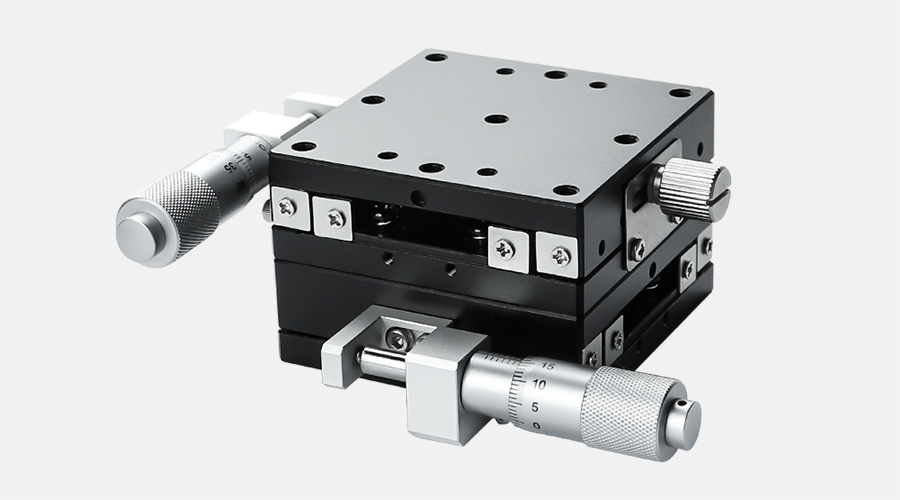 steel bar ball bearing stages
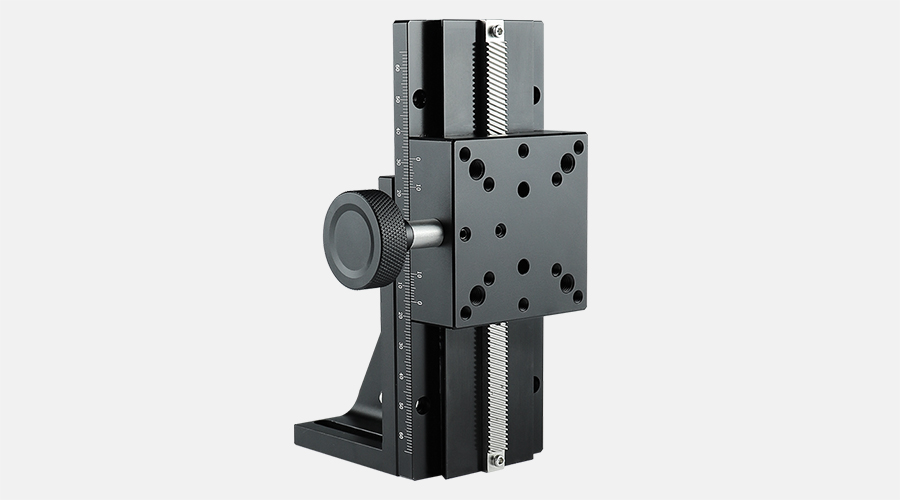 Dovetail Type Rack&Pinion Positioning Stage
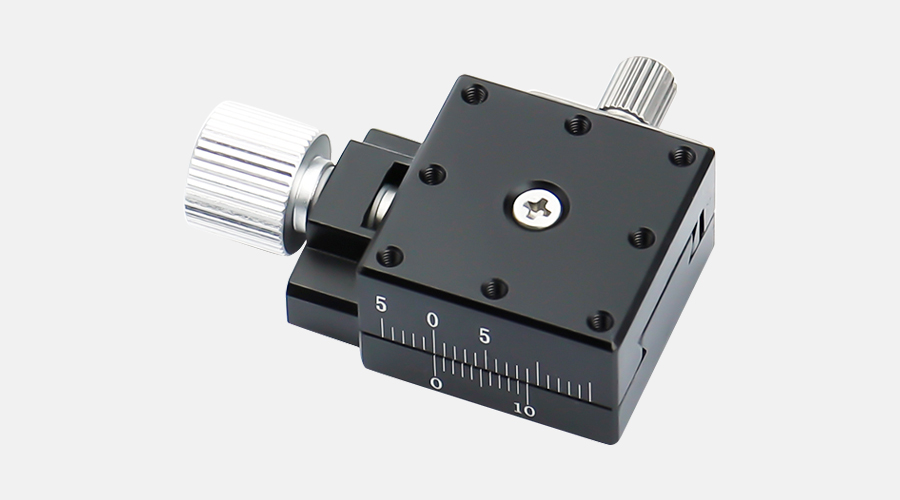 Dovetail groove high-precision screw slide