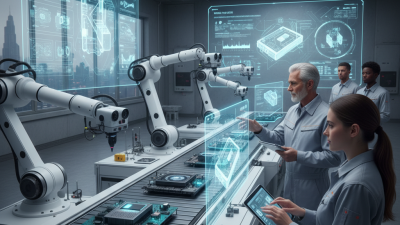
In the fast-paced world of manufacturing these days, having reliable quality control tools is more important than ever. Experts often point out that Machine Vision Quality Control can really make a difference—cutting down on errors, speeding up processes, and boosting overall product quality. Dr. Emily Zhang from VisionTech Solutions mentions, "A solid machine vision system can catch those tiny defects that even the best human eyes might miss." It’s pretty clear that technology has some serious potential to transform how we ensure quality.
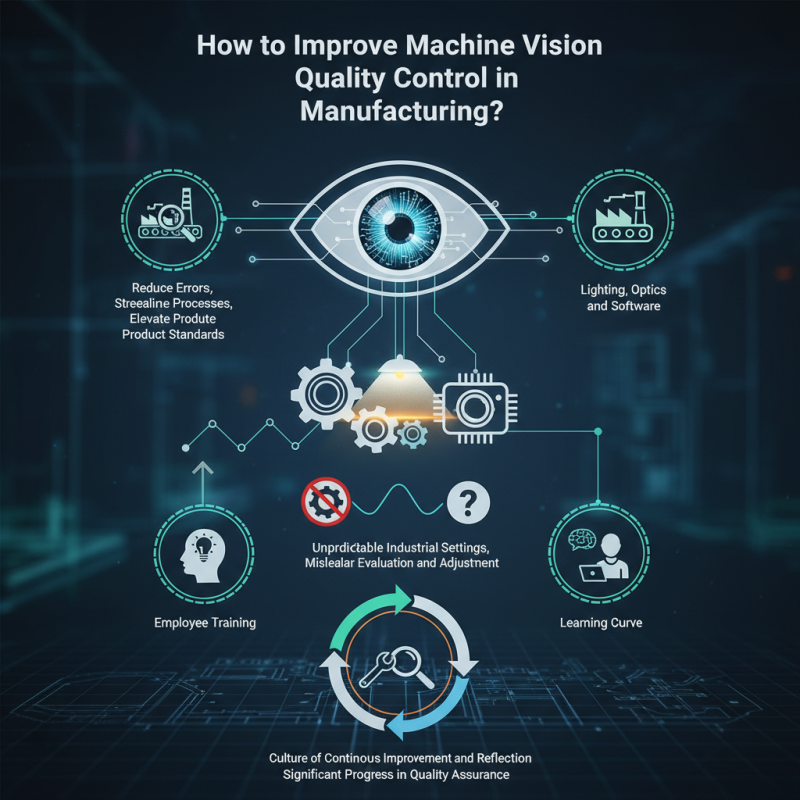
But, implementing these systems isn’t exactly a walk in the park. Things like lighting conditions, the quality of optics, and software setup all play a huge role in how well they work. In real industrial environments, stuff can get messy—lighting might be inconsistent or calibration might drift, which means these systems can sometimes give false results. That’s why regular checks and tweaks are super important. Companies really need to stay on top of this.
And let’s not forget, there’s definitely a learning curve. Employees need proper training to get the hang of using these systems and understanding their limits. Improving "Machine Vision Quality Control" isn’t just about installing fancy tech; it’s also about cultivating a mindset of ongoing learning and striving for better. When teams keep this attitude, it can lead to real improvements in quality control over time.
Understanding the Basics of Machine Vision in Manufacturing
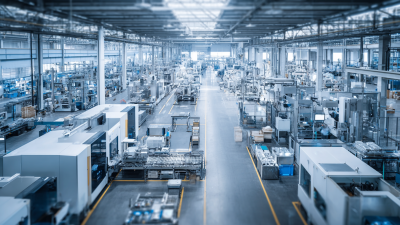
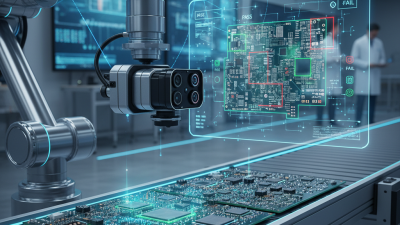
Machine vision is reshaping manufacturing quality control. This technology uses cameras and software to inspect products. It identifies defects faster than human inspectors. Vision systems can recognize patterns and anomalies in real-time.
However, implementing these systems comes with challenges. For example, lighting conditions can greatly affect image quality. A poorly lit factory might lead to increased false rejects.
Another concern is camera resolution. High-resolution cameras can yield better results, yet they are costlier. Many manufacturers hesitate to invest in such technology. Additionally, software algorithms may not always be perfect. They require continuous tuning and updates, creating ongoing costs.
The integration of Machine Vision Quality Inspection must consider these factors.
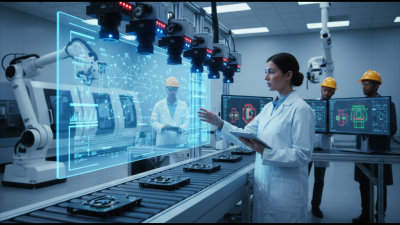
Training staff is equally important. Workers need to understand how to interpret results. Misinterpretations can lead to overlooking critical defects. Furthermore, an overreliance on technology can hinder human judgment.
The goal should be to combine machine efficiency with human intuition. Balancing these elements may drive improvements in quality control. It's a continuous journey with room for reflection and adjustment.
Key Components of Machine Vision Systems for Quality Control
Machine vision systems play a crucial role in quality control for manufacturing. Key components include
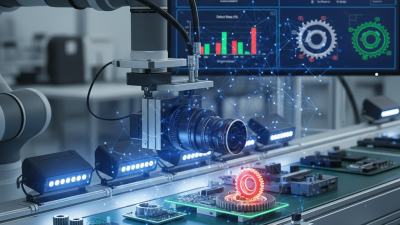
Machine Vision Lenses. High-resolution cameras capture detailed images that allow for precise analysis. Bright and uniform lighting enhances visibility.
According to a study by the International Society of Automation, improper lighting can lead to a 30% increase in false rejects.
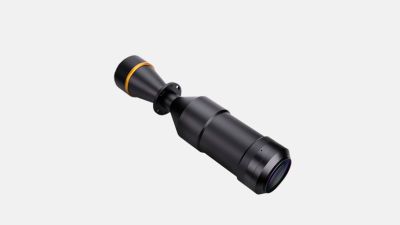
Machine vision lenses influence the clarity and focus of images. The right lens can significantly impact inspection accuracy. However, manufacturers sometimes overlook lens quality. This can result in blurred images and missed defects.
Research indicates that a 1% improvement in defect detection can reduce operational costs by approximately 5%.
While implementing these technologies, challenges remain. System integration often proves complex. Additionally, training staff to use these systems effectively is crucial.
A report from the Association for Advancing Automation states that nearly 25% of companies struggle with training. Investing in better lenses and training can bridge this gap, enhancing overall quality control efforts.
Assessing the Current Quality Control Processes in Manufacturing
Quality control processes in manufacturing are vital for sustaining product excellence. Many companies still rely on outdated methods. This leads to a lack of accuracy in identifying defects. Without robust assessment, inconsistencies can easily go unnoticed. Machine vision offers a solution, but it needs to be integrated wisely.
Tips for enhancing current quality control include involving frontline workers in the assessment process. Their insights can reveal gaps in existing practices. Regularly review and update the quality standards. This keeps the team engaged and focused on evolving best practices. Implement pilot programs to test new technologies. This approach minimizes risks while exploring advancements in machine vision.
Lastly, it’s essential to embrace a culture of continuous improvement. Accept that errors will occur, and create an environment that encourages reporting them. Regular training sessions can help the workforce understand the value of adaptive quality control. Emphasizing the importance of accurate detection will foster a proactive mindset.
Identifying Common Challenges in Machine Vision Implementation
Implementing machine vision systems in manufacturing presents various challenges. A significant issue is lighting. Poor lighting conditions can affect the accuracy of visual inspection. Machine Vision Lights must be adjustable and well-placed. Ineffective lighting can lead to misreads and costly errors. According to industry reports, 35% of manufacturers struggle with inadequate illumination.
Another common challenge is integration with existing systems. Manufacturers often face difficulties in aligning new technology with legacy equipment. A survey revealed that 45% of organizations encounter integration issues when adopting machine vision. This can result in increased downtime and additional costs. Engineers must consider compatibility early in the planning phase.
Additionally, the skills gap in the workforce cannot be overlooked. A report by the Manufacturing Institute shows that 80% of manufacturers cite skill shortages as a barrier to implementation. Proper training is essential for operators to effectively use machine vision systems. Without it, the risk of underutilizing advanced technologies rises. Each of these challenges requires careful consideration to improve overall quality control in manufacturing.
Strategies for Enhancing Machine Vision Accuracy and Reliability
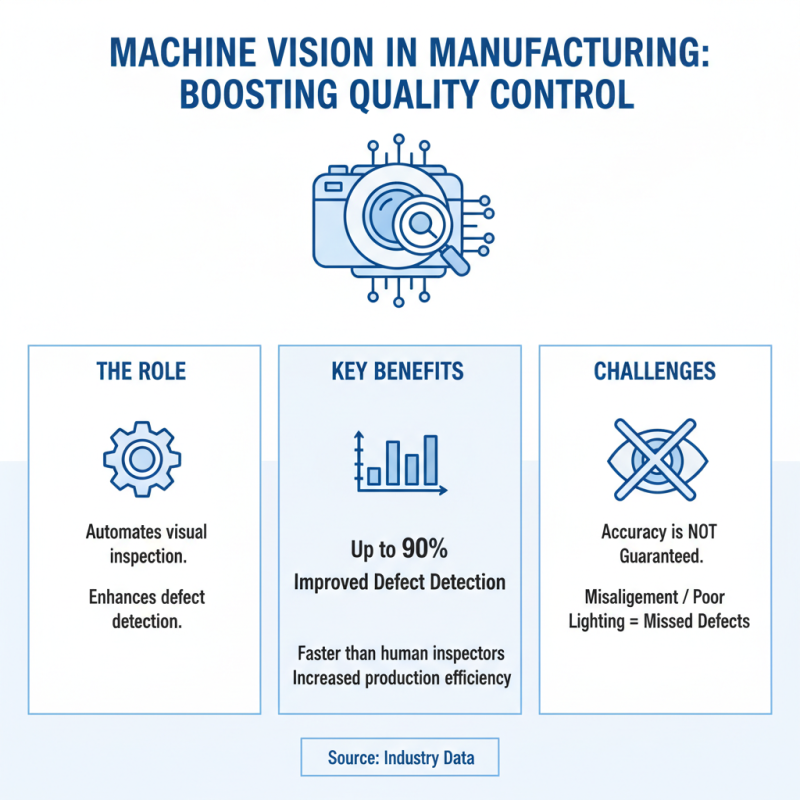
Machine vision plays a vital role in modern manufacturing, enhancing quality control processes. Data shows that incorporating advanced machine vision systems can improve defect detection rates by up to 90%. This technology identifies imperfections much faster than human inspectors. However, accuracy is not guaranteed. Misalignment in cameras or poor lighting can result in missed defects.
Reliability is another major concern. A study found that 30% of manufacturers report issues with machine vision reliability. Factors like fluctuating environmental conditions impact performance. Continuous calibration and maintenance are essential to address these inconsistencies. Integrating artificial intelligence can also help. AI algorithms learn from data, improving detection capabilities over time.
Despite these advancements, challenges remain. Many companies struggle to fully integrate machine vision systems into existing workflows. The mismatch between vision systems and production lines often leads to inefficiencies. Regular training for staff is necessary. They need to understand machine vision limitations for better results. Continuous evaluation and adaptation of strategies can foster improvement, ultimately enhancing overall quality control.
Integrating Machine Learning for Improved Vision System Performance
Integrating machine learning into machine vision systems can greatly enhance quality control in manufacturing. By utilizing algorithms, systems learn from data rather than relying solely on hardcoded rules. This allows for more flexibility and adaptability to changes in production lines or product specifications. For instance, a machine learning model can identify defective products based on subtle visual cues that traditional methods might miss. However, the models must be trained with high-quality data, which can sometimes be a barrier.
Implementing these systems may not always be straightforward. Data collection can be inconsistent and pose challenges. Additionally, personnel may need training to understand and interact with the tools effectively. Mistakes in the initial setup can lead to incorrect quality assessments. There's sometimes hesitation to trust automated systems fully. Balancing human oversight and machine efficiency remains an ongoing conversation. Learning from these pitfalls is essential for continuous improvement. Addressing these issues can ultimately lead to a more robust quality control process.
Evaluating the Impact of Machine Vision on Overall Production Efficiency
Machine vision plays a crucial role in enhancing production efficiency in manufacturing. By automating quality control, a Machine Vision System can significantly reduce errors in inspection processes. However, not all implementations are perfect. Sometimes, systems struggle to recognize subtle defects, leading to missed quality issues.
A successful deployment of a Machine Vision System requires careful calibration and ongoing evaluation. Misalignment in settings can cause incorrect readings. Moreover, environmental factors, like lighting, can impact performance. It's essential to regularly review these conditions and adjust accordingly. In many facilities, employees may work around machine limitations instead of addressing them, leading to inefficiencies.
Integrating feedback from operators can improve effectiveness over time. Regular training sessions can also help staff to understand the system better. A collaborative approach can highlight areas needing attention. This ensures that the Machine Vision System aligns with production goals and maintains high standards. Emphasizing communication across departments can drive a culture of continuous improvement, ultimately boosting overall production efficiency.
Impact of Machine Vision on Overall Production Efficiency
Integrating 32mm Chip Telecentric Lenses with F-Mount in Industrial Vision Systems for Enhanced Performance
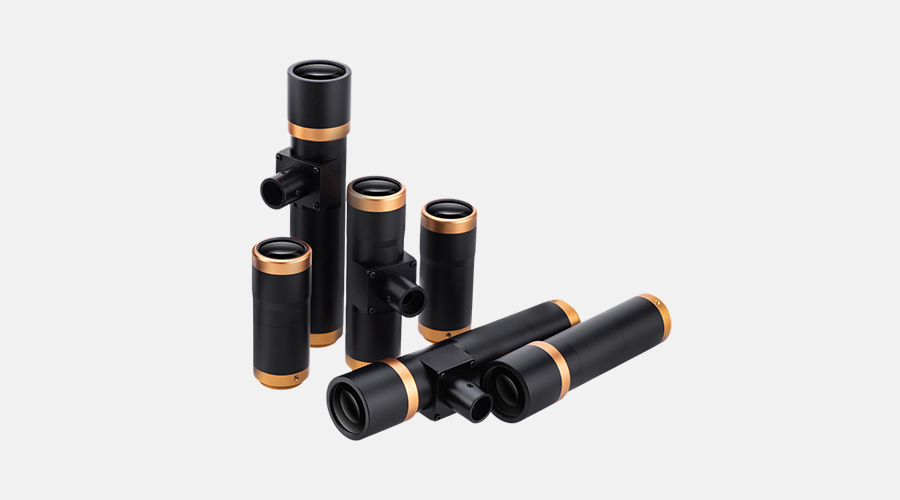
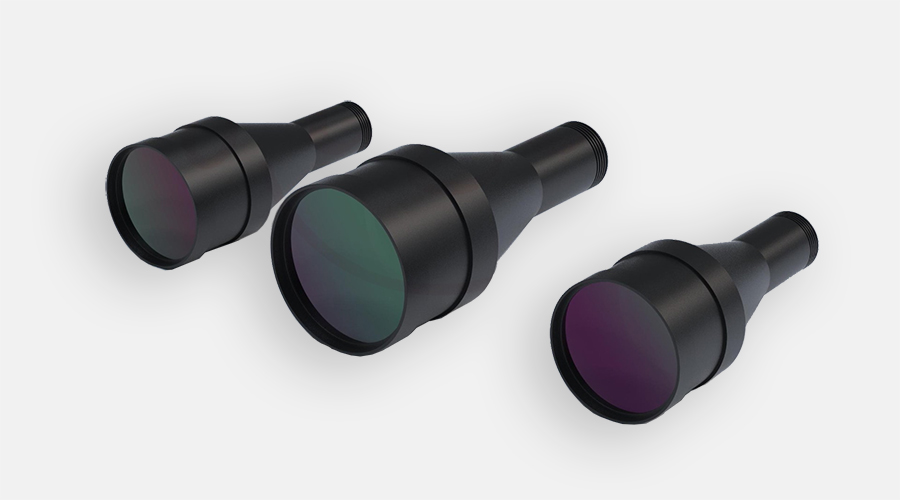
Integrating 32mm chip telecentric lenses with F-mount compatibility can significantly enhance the performance of industrial vision systems. These lenses cater to the diverse needs of industrial applications by providing a seamless connection to F-mount cameras, which are prevalent in the industry. The adaptability to M58-mount in certain models further broadens their usability across various setups, ensuring that users can maximize the potential of their imaging systems without the need for extensive modifications.
One of the key advantages of these lenses is their impressive zoom range, with coverage options extending from 1.6X for detailed close-ups to 0.1X for wider shots. This versatility allows for unparalleled flexibility, accommodating various inspection and imaging scenarios. Additionally, they support working distances ranging from 50mm to 430mm, making them suitable for both close and distant subjects. With distortion levels remaining below 0.1% across all models, users can trust that their images will maintain the highest level of clarity and accuracy.
The exceptional aperture range, from F7 to F20, further enhances the lens capabilities, catering to different lighting conditions and depth of field requirements. Moreover, with a Modulation Transfer Function (MTF) greater than 0.3 across a frequency range of 40 lp/mm to 130 lp/mm, these telecentric lenses ensure sharp and high-quality images. Overall, the integration of these advanced lenses into industrial vision systems is poised to deliver superior imaging performance, meeting the growing demands of precision in various applications.
FAQS
: The product is designed to enhance daily life. It aims to simplify tasks and improve convenience.
Follow the user guide for detailed instructions. Ensure proper setup for the best experience.
Yes, it can be used outside. However, avoid extreme weather conditions for optimal performance.
Check the power supply and connections. If issues persist, refer to the troubleshooting section.
A warranty is typically included. Duration and terms can vary, so check the details in your documentation.
Yes, always handle with care. Keep it away from water and avoid extreme temperatures.
You can usually find a digital copy online. Consider downloading it for future reference.
Repairs may be possible, but it depends on the issue. Contact customer support for assistance.
Many products come with a satisfaction guarantee. Be sure to review the policy before purchase.
Review the return policy. Ensure you have the original packaging for a smoother return process.
Conclusion
Machine Vision Quality Control is essential for modern manufacturing, facilitating precision and efficiency in production lines. The article begins by outlining the fundamental principles of machine vision systems and their critical components, which include cameras, lighting, and processing units designed specifically for quality assessment. It emphasizes the importance of evaluating current quality control processes to identify inefficiencies and common challenges in machine vision implementation, such as environmental factors and system integration issues.
To enhance accuracy and reliability, the article suggests several strategies, including the adoption of advanced algorithms and real-time data assessment. Moreover, integrating machine learning into vision systems can significantly improve their performance by enabling adaptive learning from data. Ultimately, evaluating the impact of machine vision on overall production efficiency reveals its potential to not only streamline processes but also reduce defects and improve product quality, thereby reinforcing the value of Machine Vision Quality Control in the manufacturing sector.

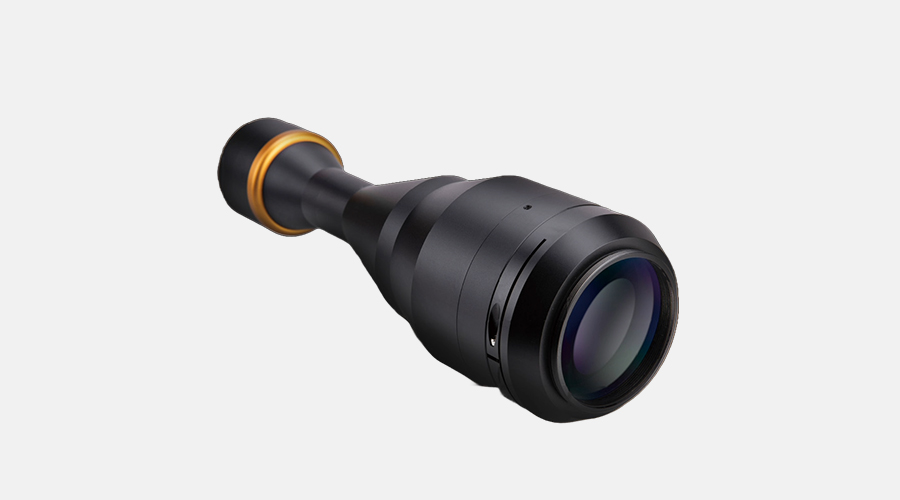 Compatible with 7.2mm-82mm chips
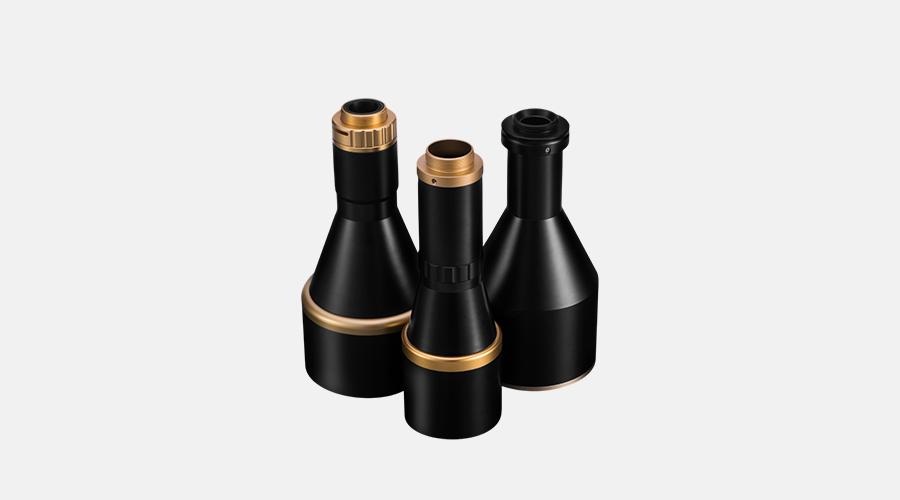 High/Low Working Distance
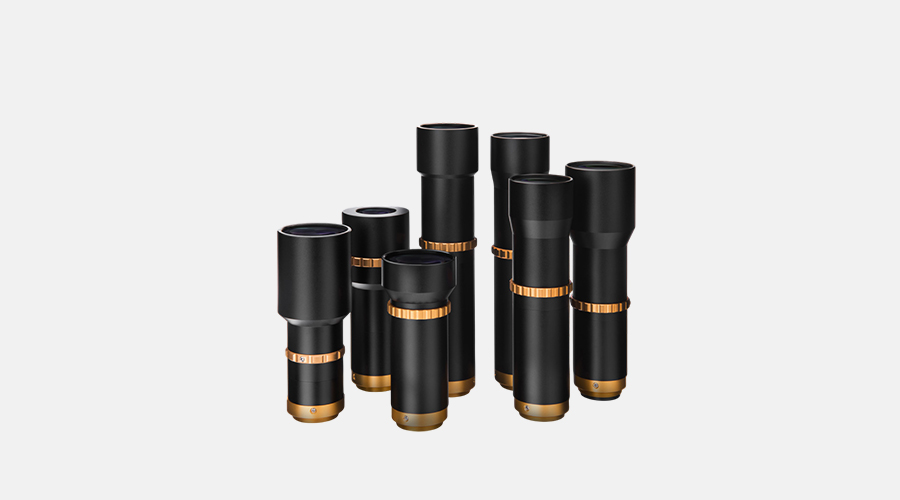 Aperture telecentric lens
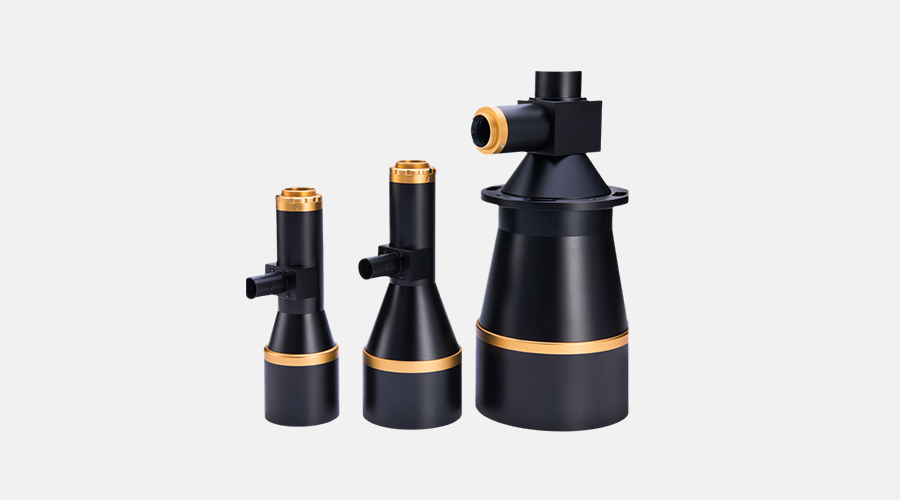 Measuring lens
 Maximum support 1.1" chips
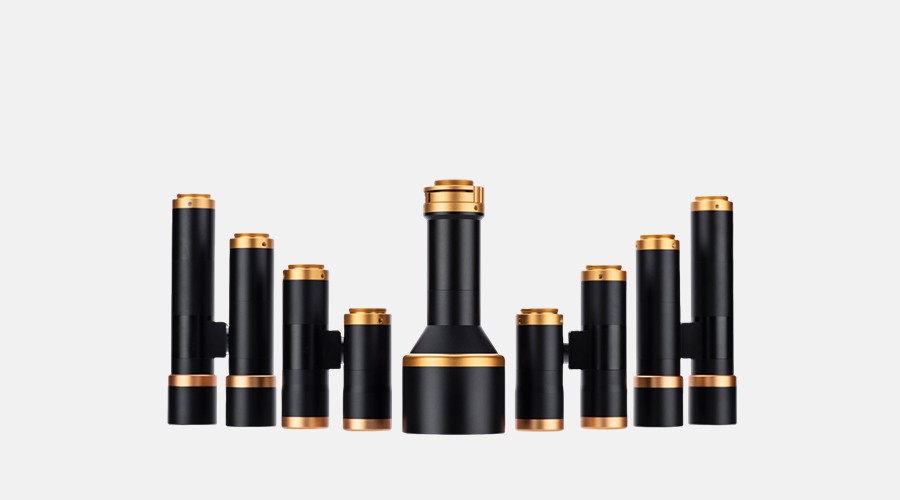
 Maximum support 1.2" chips
 Maximum support 2/3" chips
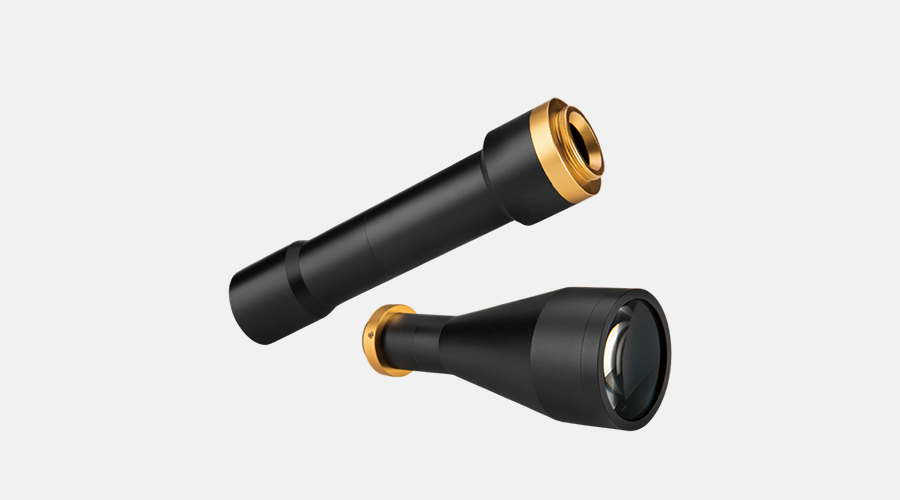 Long Working Distance
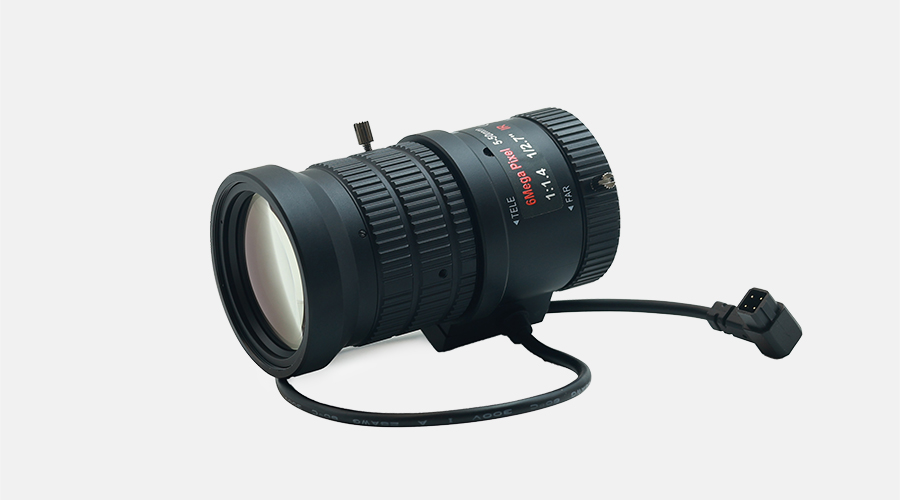 CS mount Varifocal lens
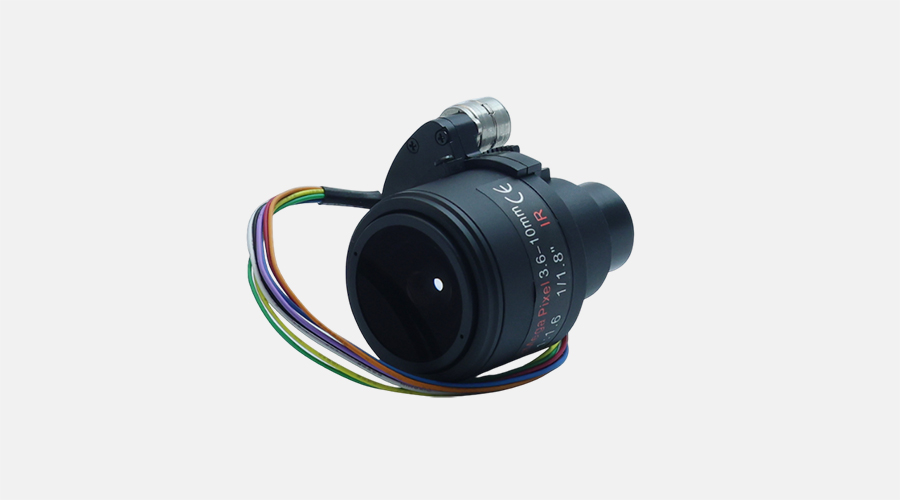 Varifocal board lens
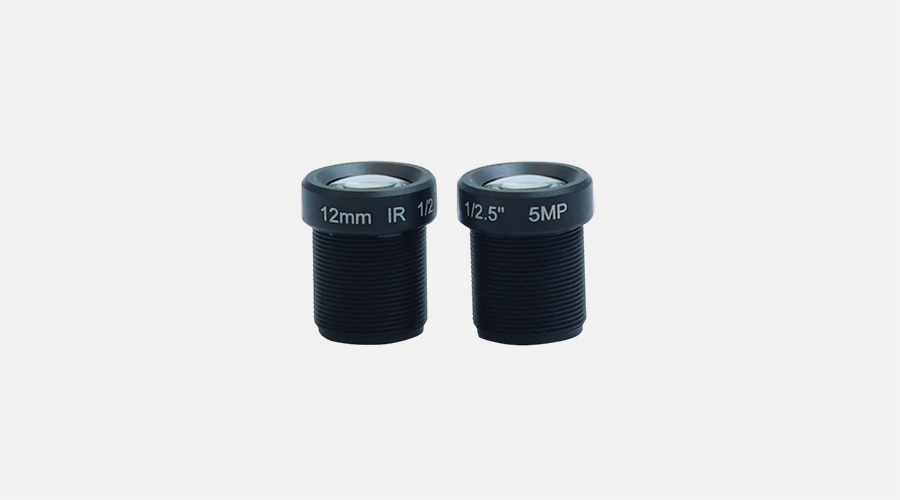 S mount lens
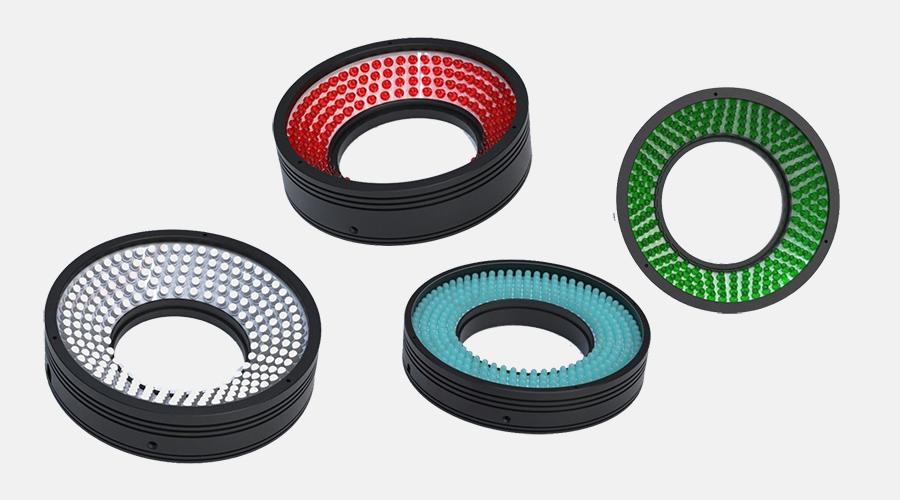 Ring light
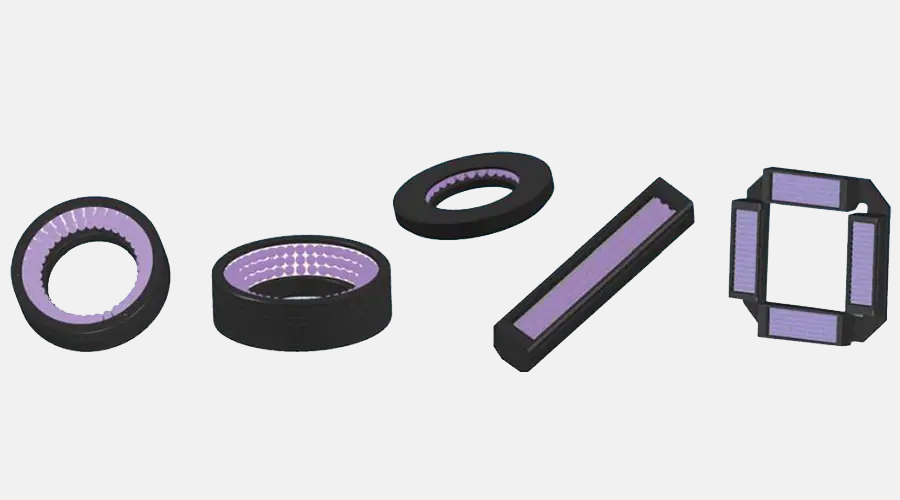 UV/IR Light
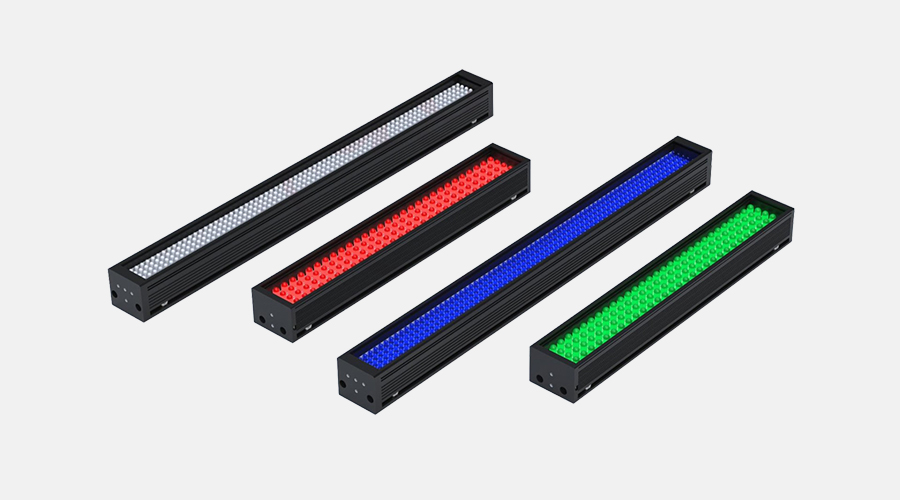 Bar light
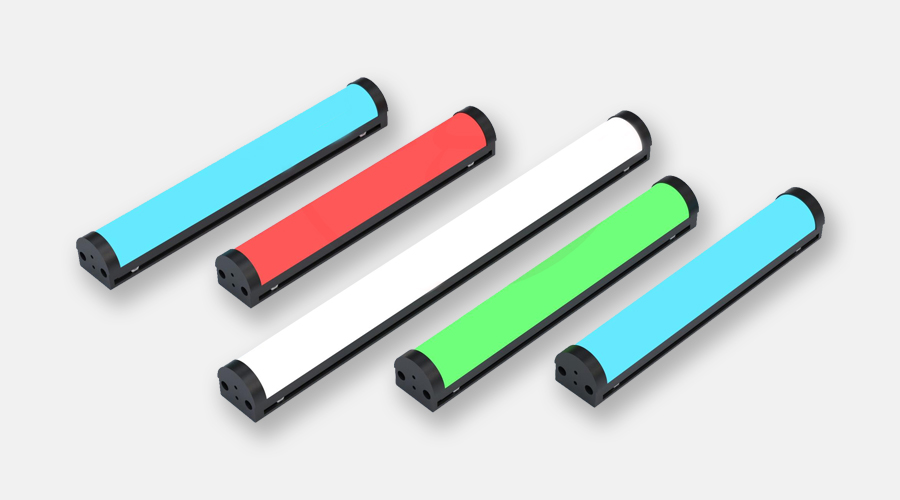 Arcuate high uniformity light
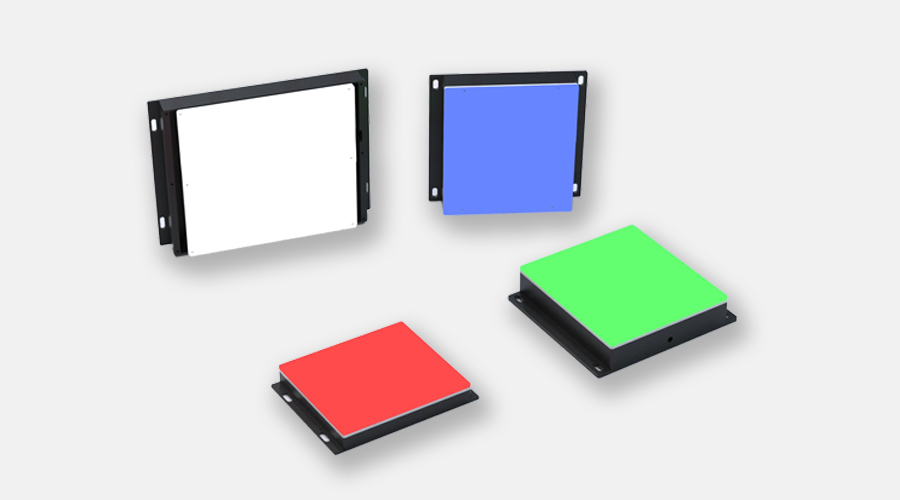 Back light
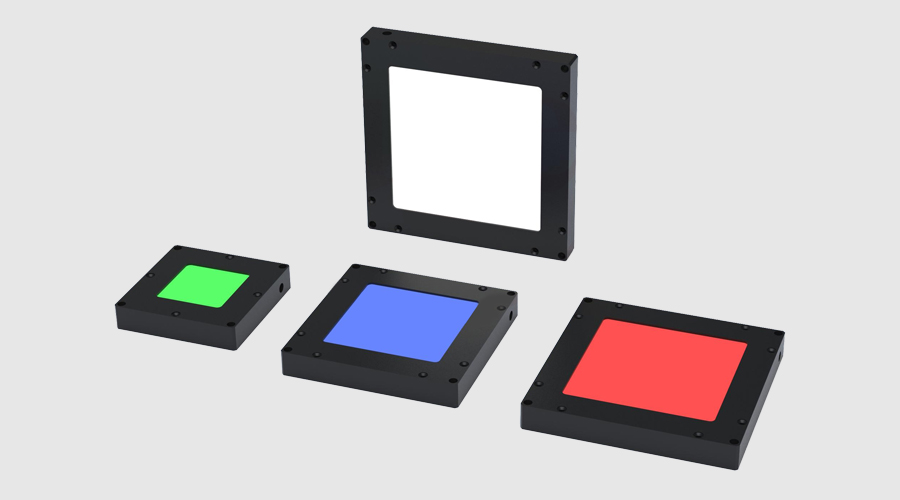 Flat light
 Collimated light
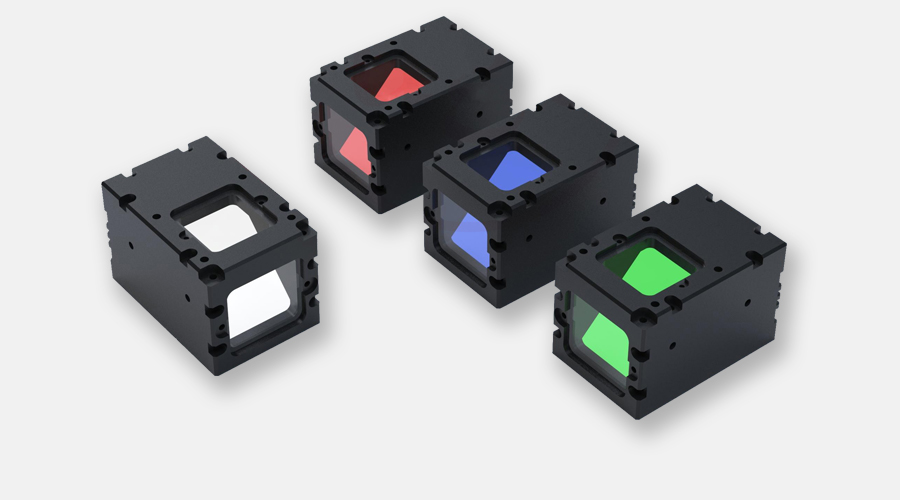 Coaxial light
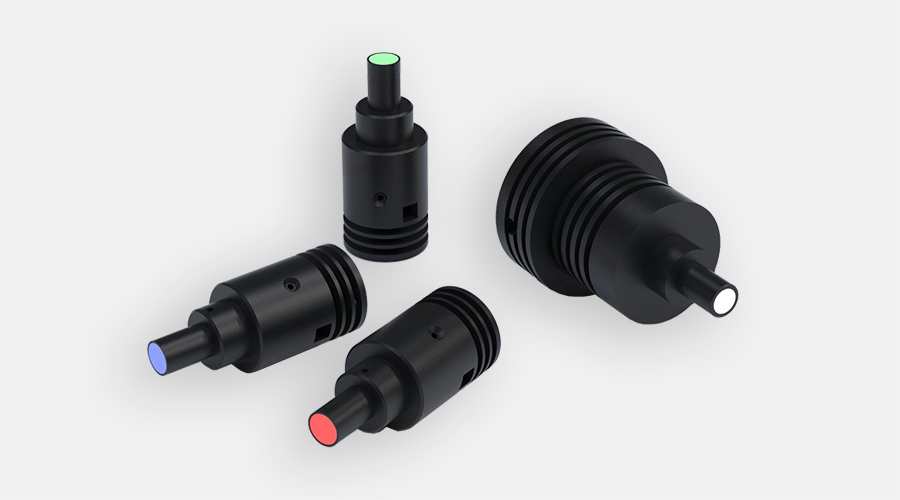 Spot light
 Dome light
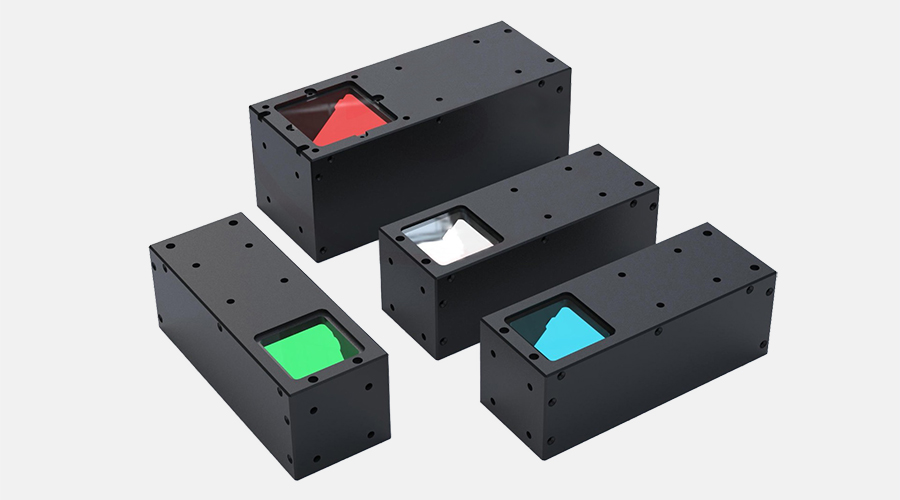 Collimated Coaxial light
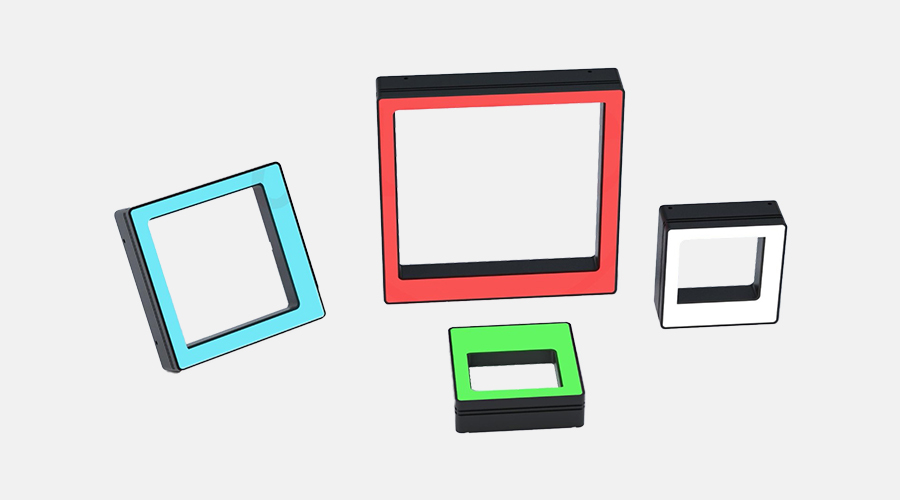 Shadowless square light
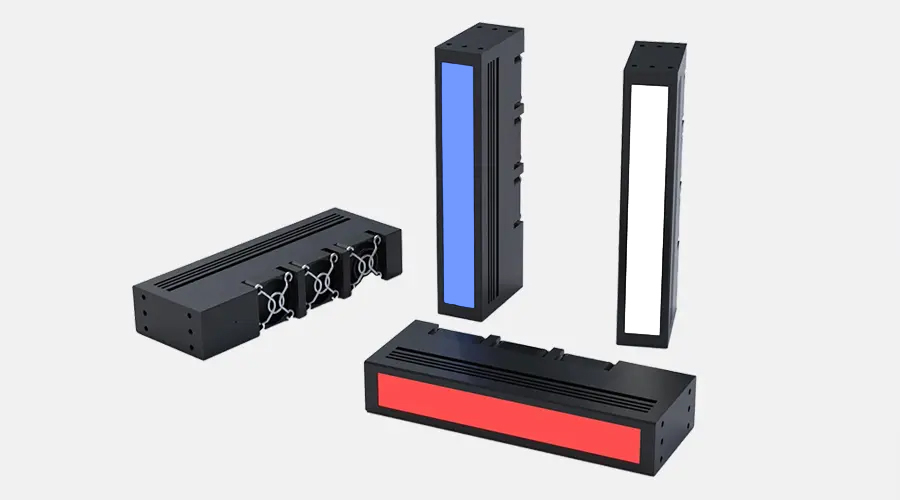 Scan light
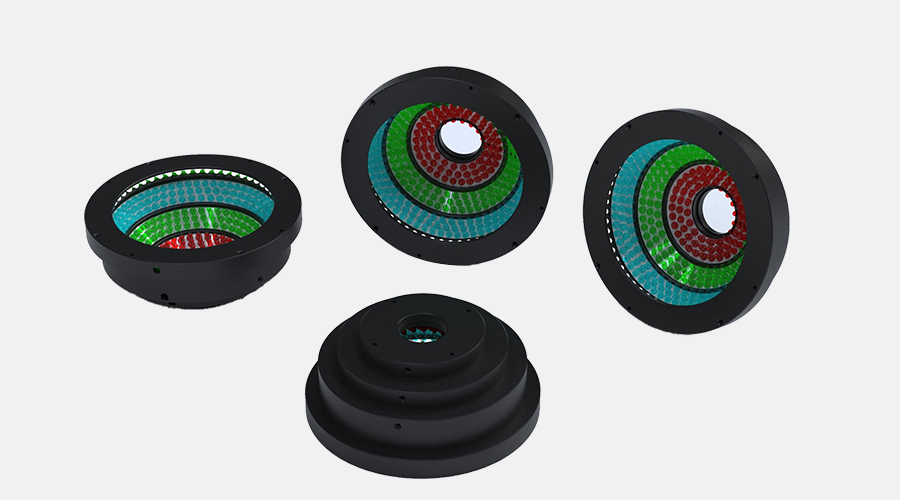 AOI light
 Analog controller
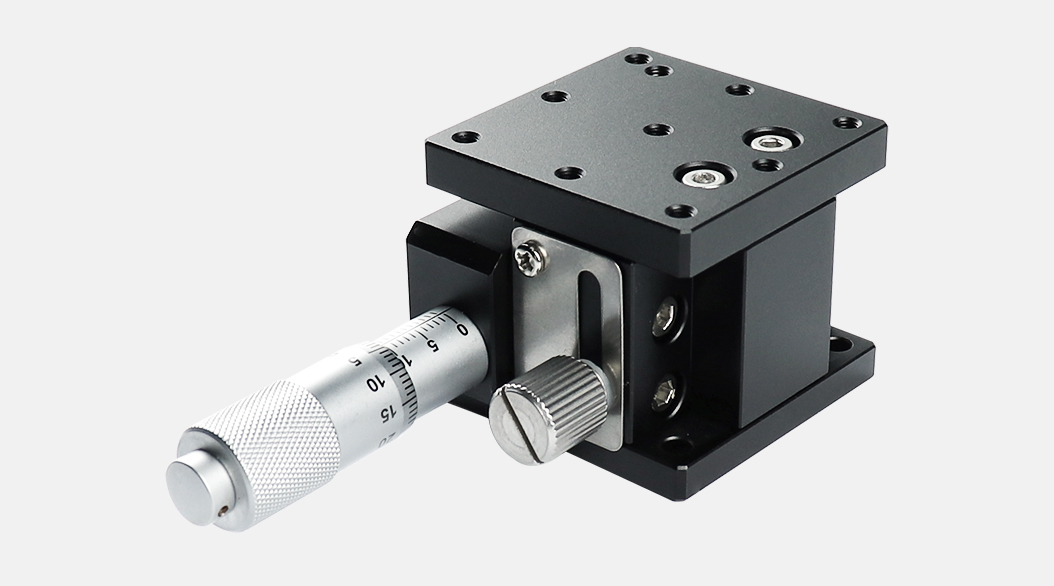 Crossed-Roller Linear guide type
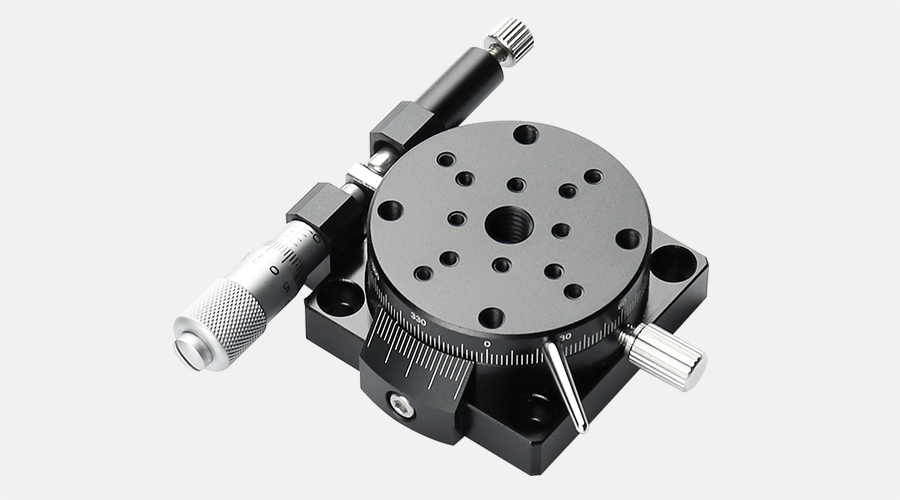 Rotary Stages XRS series
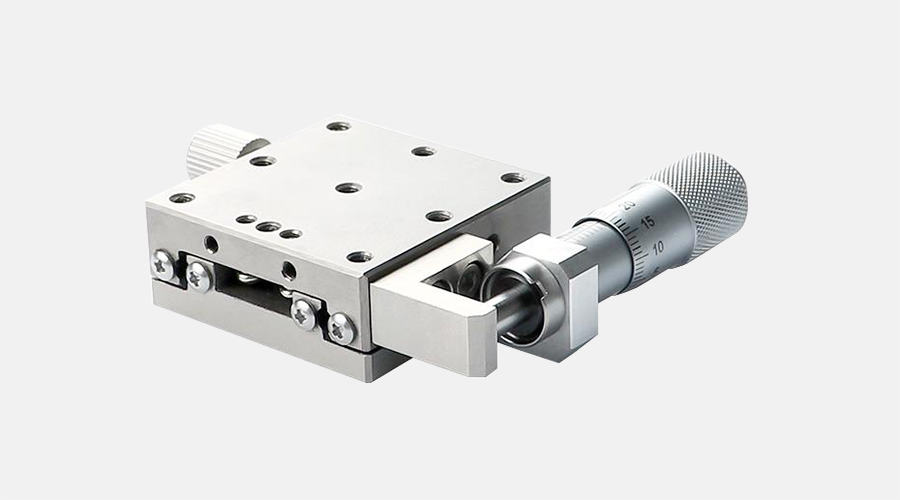 Stainless Steel Ball Bearing Linear Translation Stages
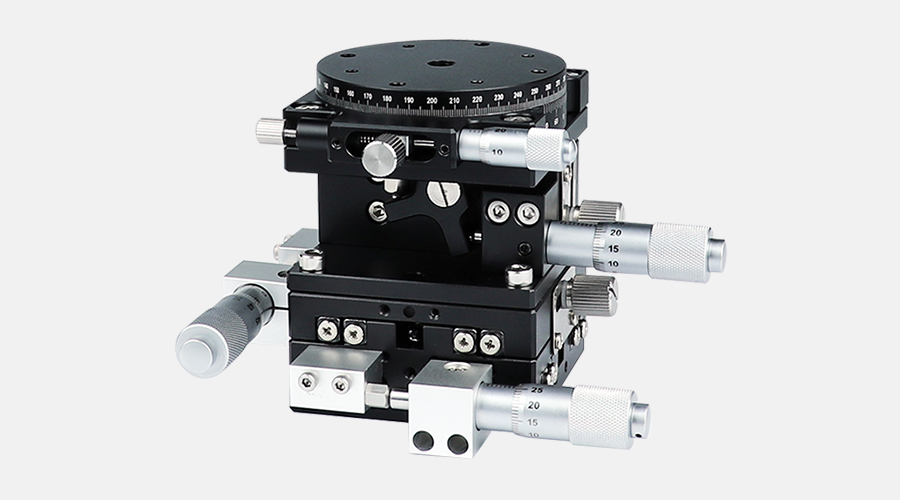 Multi-axis Translation stages
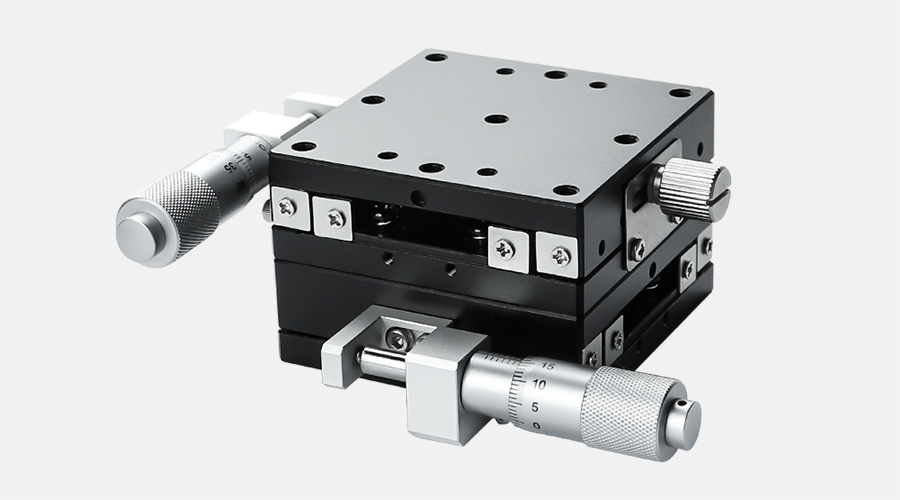 steel bar ball bearing stages
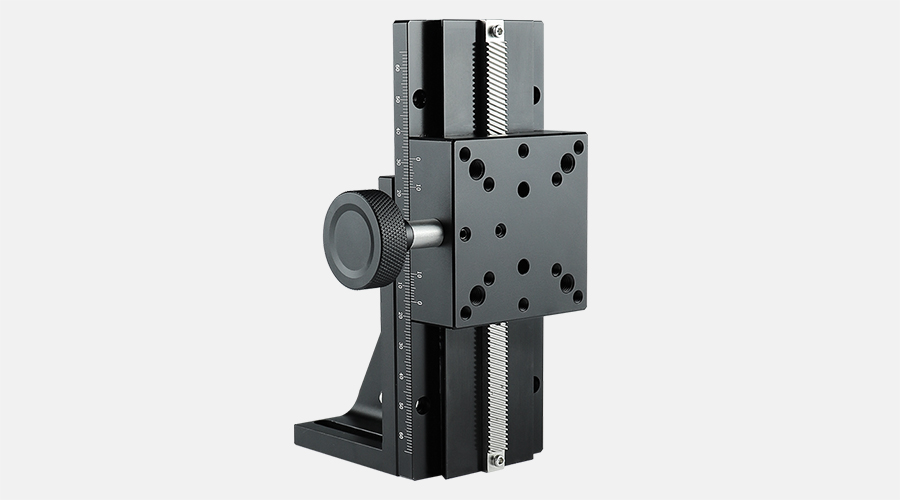 Dovetail Type Rack&Pinion Positioning Stage
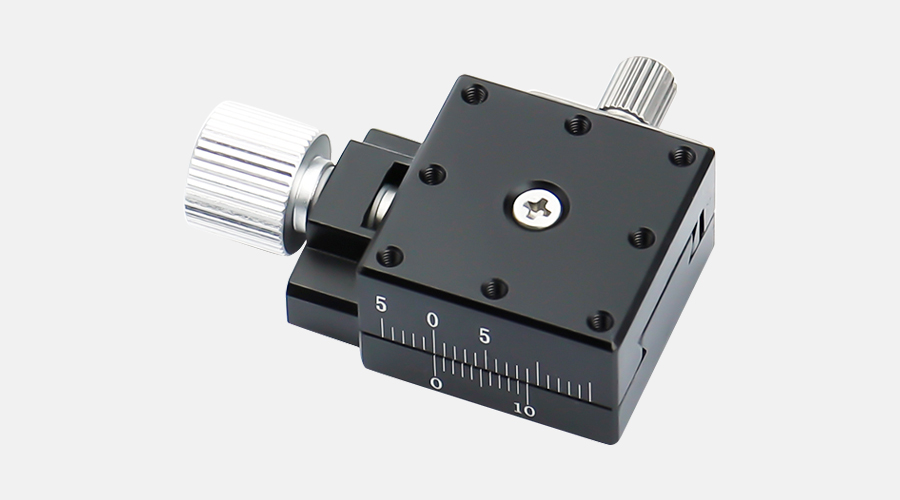 Dovetail groove high-precision screw slide