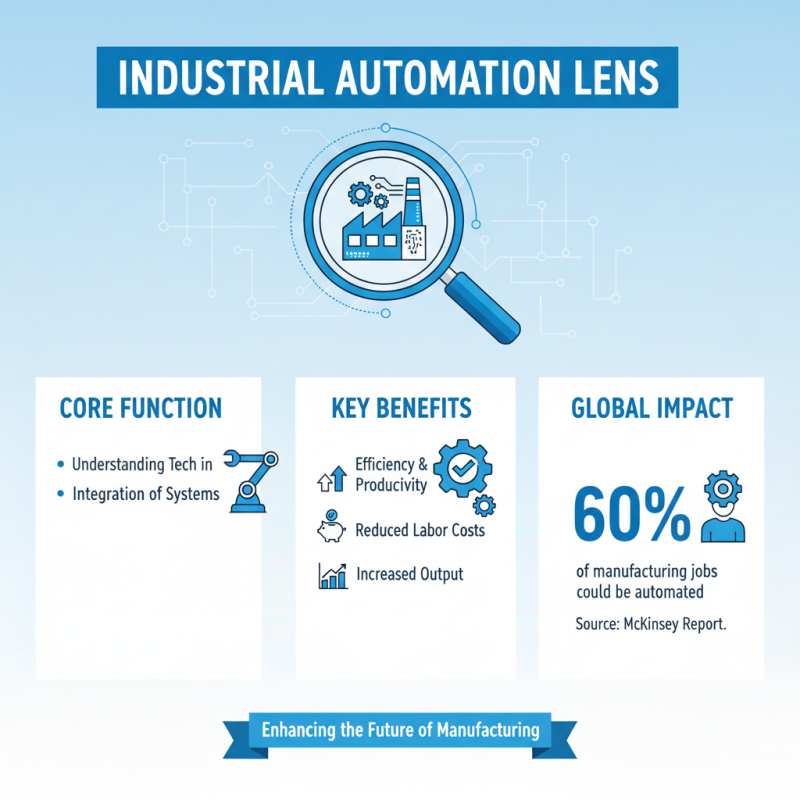
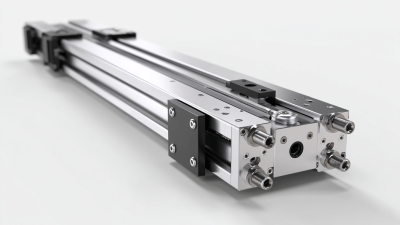
You know, the whole idea of the Industrial Automation Lens has really become a key part of how stuff gets made nowadays. It’s kind of fascinating how reading about this lens gives you a fresh perspective on how automation is totally changing the game across industries. Big players like Siemens and Rockwell Automation are really using this tech to boost their operations and stay ahead of the curve.
Getting what the Industrial Automation Lens is all about means understanding how it can crank up productivity and efficiency. But, honestly, it’s not all smooth sailing. Companies often run into hiccups when trying to implement these systems, especially since they need workers who really know their stuff. Sometimes, the automated systems don’t quite sync up with human operators, which can cause a lot of confusion and inefficiency – trust me, I've seen it firsthand.
As we dig into how this lens works, it’s worth thinking about both the good and the not-so-great parts. If you focus only on automation, you might forget about the human side of things, which is a big deal in production. Finding that sweet spot between man and machine is honestly what’s gonna make or break sustainable growth these days in such a competitive world.
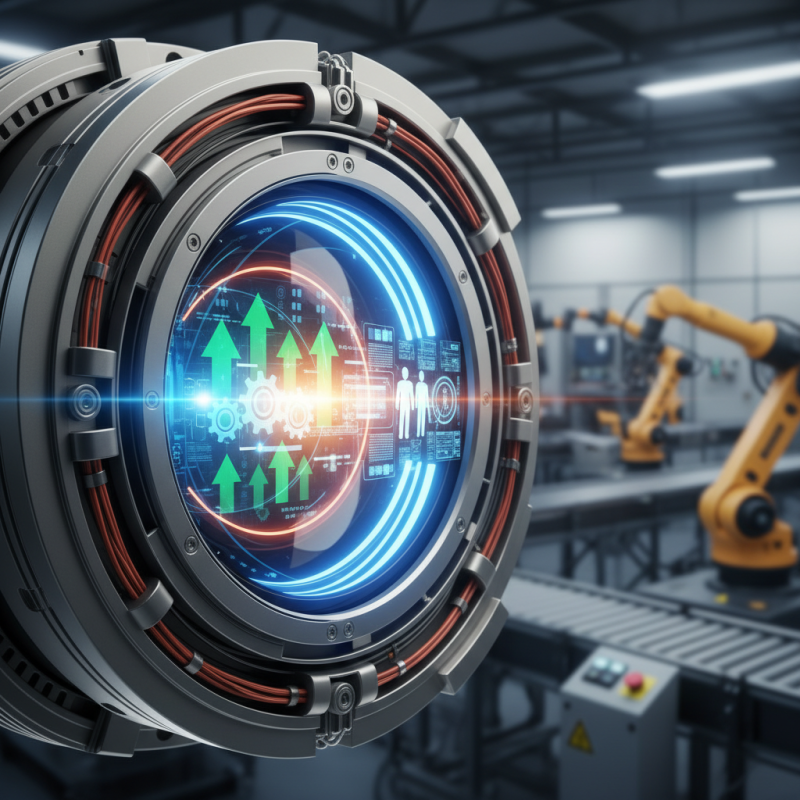
What is Industrial Automation Lens?
Industrial Automation Lens serves as a crucial tool in understanding the integration of technology in manufacturing processes. It focuses on the use of Industrial Automation Systems that enhance efficiency and productivity. According to a report by McKinsey, about 60% of jobs in manufacturing could be automated. This statistic underscores the growing importance of automation in reducing labor costs and increasing output.
The lens examines various components like sensors, robotics, and control systems. It evaluates how these elements interact within Industrial Automation Systems to streamline operations. Reports suggest that implementing automation can lead to a 30% increase in production efficiency. However, many industries still struggle with the initial cost and complexity of integrating these systems. There's a tendency to overlook the softer aspects, such as employee training and change management, which are critical for successful implementation.
Moreover, while automation promises efficiency, it also raises concerns about workforce displacement. A recent study indicated that 37% of workers fear losing their jobs due to automation. These realities call for a balanced approach in adopting Industrial Automation Systems. Companies need to weigh the benefits against the potential social impact. This reflection is vital as industries move towards a more automated future.
Key Components of Industrial Automation Lens
Industrial automation lenses play a crucial role in optimizing manufacturing processes. These lenses leverage advanced technologies, integrating various components to enhance efficiency and precision.
Key components include sensors, actuators, controllers, and software systems. Each part contributes uniquely to the overall functionality.
Sensors are essential for data collection. They monitor parameters like temperature, pressure, and motion. Actuators then convert this data into physical action. Together, they enable machines to work autonomously.
Reports suggest that the industrial automation market is expected to grow by over 9% annually through 2027. This growth is driven by the increasing need for efficiency in production lines.
Tip: Regularly update your sensors and software. Outdated components can lead to inefficiencies. It's worth noting that reliance on automation can sometimes lead to overconfidence in systems. Problems can and do arise. Be prepared for unexpected issues. Always conduct thorough testing after updates. This ensures that automation systems function as intended, avoiding costly downtimes.
How Industrial Automation Lens Works: A Step-by-Step Guide
Industrial automation lens is a fascinating technology. It streamlines industrial processes, enhancing efficiency and reducing errors. This lens utilizes advanced sensors and data analytics to improve operations in manufacturing and assembly lines.
To understand how it works, let's break it down. First, sensor data collects real-time information from machines. This data includes temperature, speed, and production metrics. Next, this information is analyzed using algorithms. These algorithms identify trends and predict potential issues. The timely predictions allow operators to make adjustments before problems occur.
After analysis, the system sends alerts to operators. These alerts highlight areas needing attention. Technicians then inspect specific machines or processes. They may find issues overlooked during routine checks. Adapting to these insights enhances overall system performance. Yet, it’s essential to continually refine the processes. Sometimes, the technology might not fit all environments. Each facility has unique needs. It's crucial to consider these variables for optimal integration.
Industrial Automation Lens Overview
| Feature |
Description |
Benefits |
Applications |
| Sensor Integration |
Facilitates data collection through sensors in industrial equipment. |
Improves monitoring accuracy and operational efficiency. |
Manufacturing, Quality Control |
| Automation Software |
Software solutions that automate various industrial processes. |
Reduces human error and increases throughput. |
Packaging, Assembly Lines |
| Data Analytics |
Analyzes data generated from industrial processes. |
Provides insights for continuous improvement. |
Predictive Maintenance, Performance Optimization |
| Machine Learning |
Utilizes algorithms to learn and improve from data. |
Enhances decision-making and operational efficiency. |
Robotics, Process Control |
| Remote Monitoring |
Enables real-time monitoring of industrial systems remotely. |
Reduces downtime and enhances responsiveness. |
Energy Management, Safety Compliance |
Applications of Industrial Automation Lens in Various Industries
Industrial automation lenses are playing a crucial role in various sectors. They enhance the efficiency of production lines and boost quality control measures. In the automotive industry, for example, these lenses are used for precision assembly inspections. According to a recent report, the automotive automation market is projected to grow at a CAGR of over 8% from 2021 to 2026. This growth highlights the reliance on advanced technologies, including Industrial Camera Lens systems.
In the food packaging industry, automation lenses are essential for scanning and quality checks. They help ensure that all products meet safety standards. A study indicates that the adoption of automation in food processing has increased by approximately 25% in recent years. This shift is driven by the need for consistent quality and regulatory compliance, where Industrial Camera Lens technology plays a significant role.
Despite these advancements, challenges remain. Many plants struggle with integrating new systems efficiently. Training workers to use high-tech equipment is often overlooked. This oversight can lead to reduced operational efficiency. As industries strive for innovation, it's crucial to address these gaps. Embracing technological change must go hand-in-hand with workforce preparation.
Benefits of Implementing Industrial Automation Lens
Implementing an Industrial Automation Lens can bring numerous benefits to manufacturing processes. This technology enhances inspection capabilities, allowing for wider coverage and faster assessments. By using an Industrial Inspection Wide Angle Lens, operators can quickly identify defects and monitor production quality more efficiently. This improvement reduces the need for manual inspections, which can be time-consuming and prone to human error.
Moreover, the integration of an automation lens promotes consistency in quality checks. Machines analyze products with precision, ensuring that standards are met consistently. However, the shift to automation is not without its challenges. Workers may feel apprehensive about job security, and companies must address these concerns effectively. Training employees to work alongside these technologies is essential for seamless integration.
Additionally, while the automation lens can capture more data, managing and interpreting this volume becomes crucial. Companies might struggle with information overload, making it vital to have robust data analysis systems in place. Understanding how to leverage the insights gained from an Industrial Inspection Wide Angle Lens can ultimately drive better decision-making. Balancing technological advancements with human skills remains a critical aspect of successfully implementing these systems.
Challenges and Considerations in Industrial Automation Lens
The Industrial Automation Lens presents a unique perspective on automation in factories. While it offers numerous benefits, several challenges persist. One of the primary concerns is the skill gap in the workforce. A report by the World Economic Forum predicts that by 2025, about 85 million jobs may be displaced due to automation. This highlights the urgent need for reskilling. Companies must invest in training programs to bridge this gap.
Another challenge is cybersecurity. With an increase in connected devices, vulnerabilities rise. Data from Cybersecurity Ventures shows that cybercrime may cost the world $10.5 trillion annually by 2025. Protecting sensitive data in automated environments becomes critical. Implementing robust cybersecurity measures should be a priority for any organization adopting automation.
**Tip:** Regularly conduct cybersecurity audits. Ensure your automated systems are not only efficient but also secure.
Moreover, integrating new technologies can lead to disruptions. Companies may face resistance from employees hesitant to adopt new processes. According to a McKinsey report, 70% of transformation efforts fail, often due to employee pushback. Addressing employee concerns through communication is vital for success.
**Tip:** Foster an inclusive environment. Engage employees in the transition to make them feel empowered.
Future Trends in Industrial Automation Lens Technology
The evolution of Industrial Automation Lens technology is fascinating. This field is advancing rapidly as industries seek efficiency. Future trends indicate greater integration of AI and machine learning. These technologies will enhance predictive maintenance, reducing downtime. Enhanced sensors will also play a pivotal role. They will collect more data, providing deeper insights into operations.
Another significant trend is the rise of Industrial Light applications. These innovations will improve visibility in automation processes. Enhanced lighting solutions can optimize workflows, making tasks safer and more efficient. As facilities embrace smart lighting, energy consumption will decrease significantly. Yet, this transition poses challenges. Workers must adapt to new systems, which could face resistance.
Finally, the collaboration between humans and machines is essential. As automation increases, upskilling the workforce becomes vital. Training programs will need to evolve with technology. Workers must be prepared for roles that blend human intuition and machine capability. This balance is critical for the future of industrial automation.
FAQS
: The product aims to enhance user experience. It improves daily tasks in a practical way.
Follow the user manual for guidance. It provides step-by-step instructions for best results.
Yes, users often skip initial setup steps. This can lead to suboptimal performance and frustration.
First, check the troubleshooting section. Often, simple fixes resolve the issues without professional help.
Yes, most return policies allow for refunds. Remember to follow the return process carefully.
Cleaning can be done using a soft cloth. Avoid aggressive chemicals that can damage surfaces or components.
Typically, a limited warranty comes with the purchase. Check the details to understand the coverage limits.
After expiration, repairs may incur charges. Consider the long-term costs before making a purchase.
Regular maintenance is key for longevity. Monthly checks can help identify problems early.
Yes, customer support is available through various channels. Don’t hesitate to reach out for help.
Conclusion
The article "What is Industrial Automation Lens and How Does It Work?" provides an in-depth exploration of the Industrial Automation Lens, which serves as a crucial tool in streamlining industrial processes. It details the key components that make up this innovative system, including sensors, control systems, and software, and offers a step-by-step guide on its operational mechanics.
Additionally, the article discusses the various applications of Industrial Automation Lens across different industries, highlighting the significant benefits of implementation, such as increased efficiency and reduced operational costs. However, it also addresses the challenges and considerations that businesses must navigate when adopting this technology. Finally, the piece looks ahead at future trends in Industrial Automation Lens technology, emphasizing its potential to further transform the landscape of industrial automation.

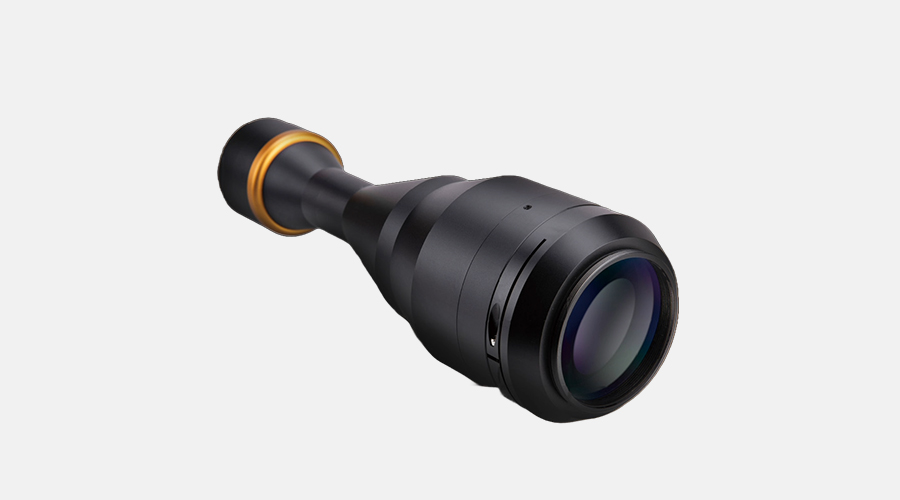 Compatible with 7.2mm-82mm chips
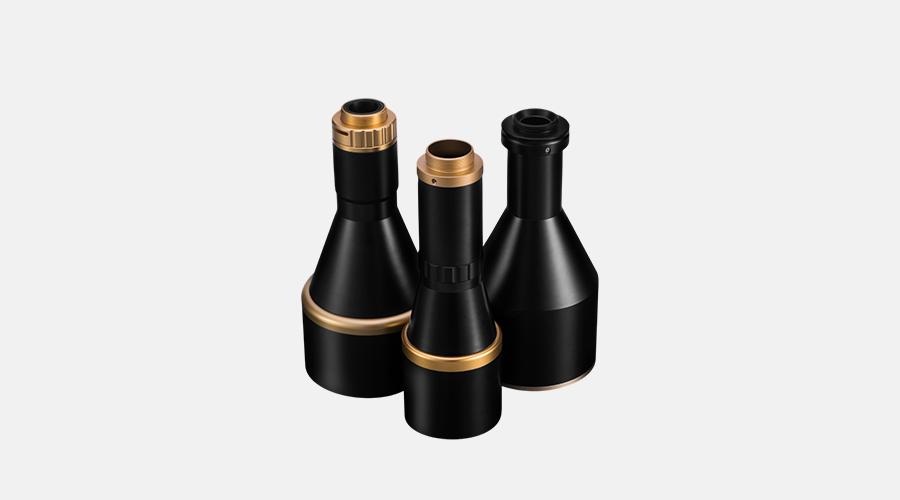 High/Low Working Distance
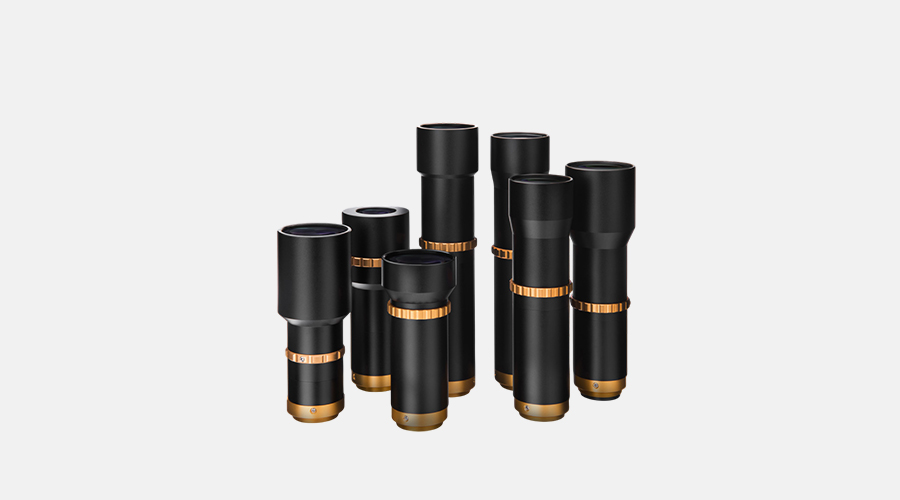 Aperture telecentric lens
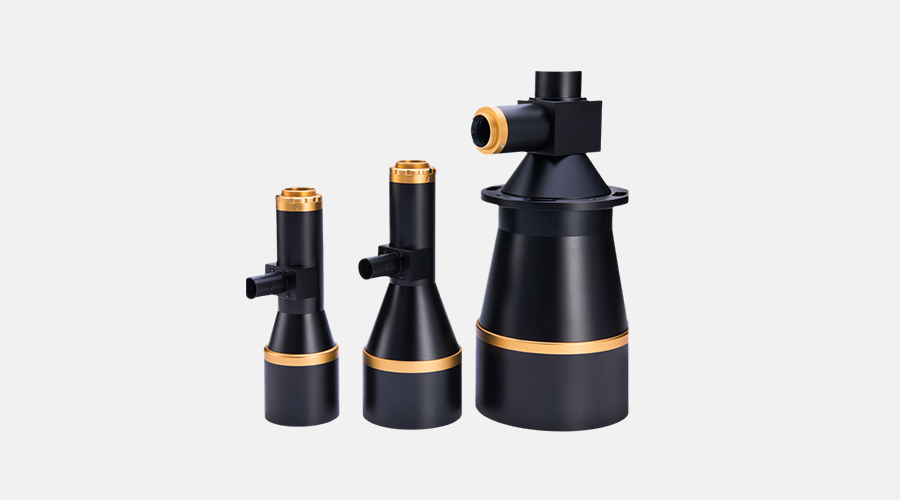 Measuring lens
 Maximum support 1.1" chips
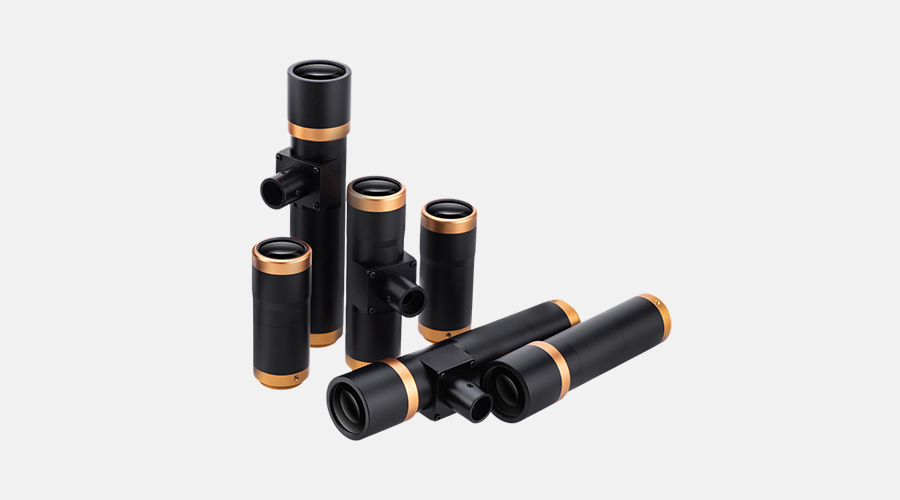 Maximum support 1.2" chips
 Maximum support 2/3" chips
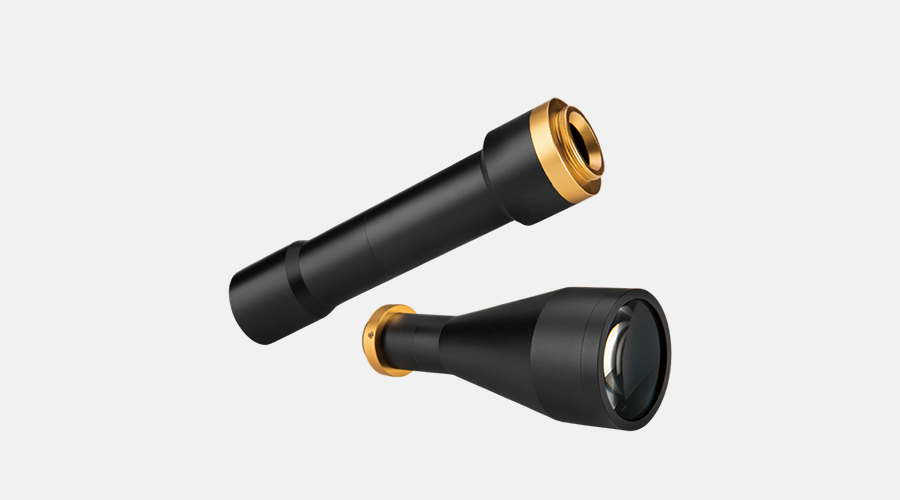 Long Working Distance
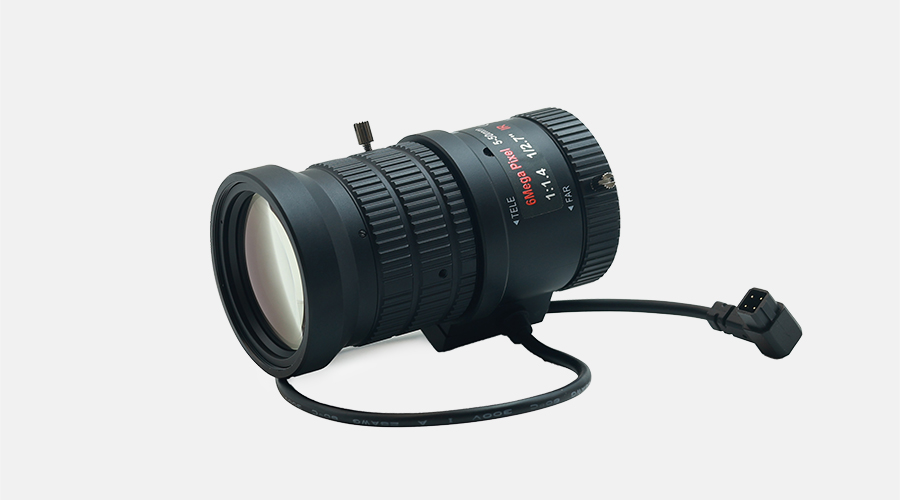 CS mount Varifocal lens
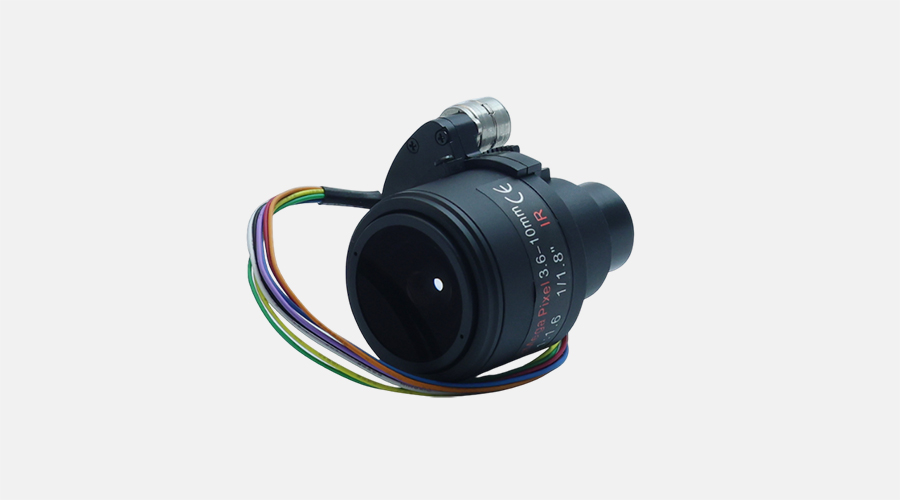 Varifocal board lens
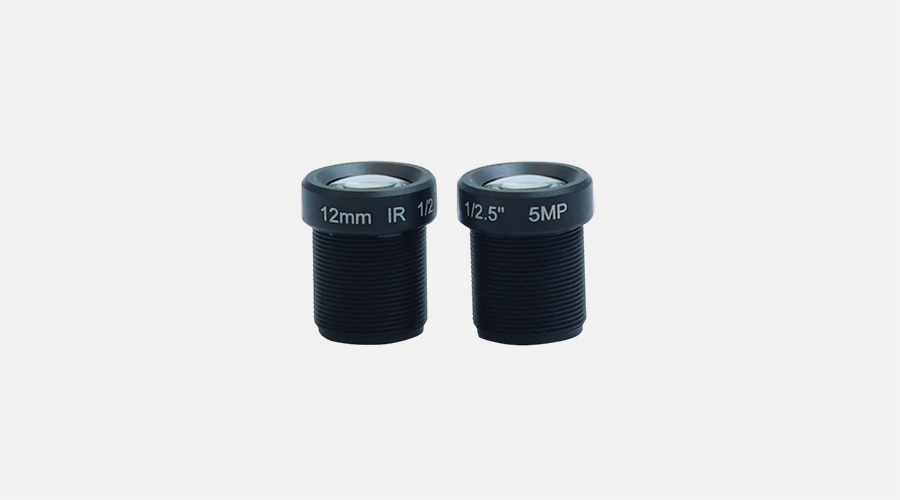 S mount lens
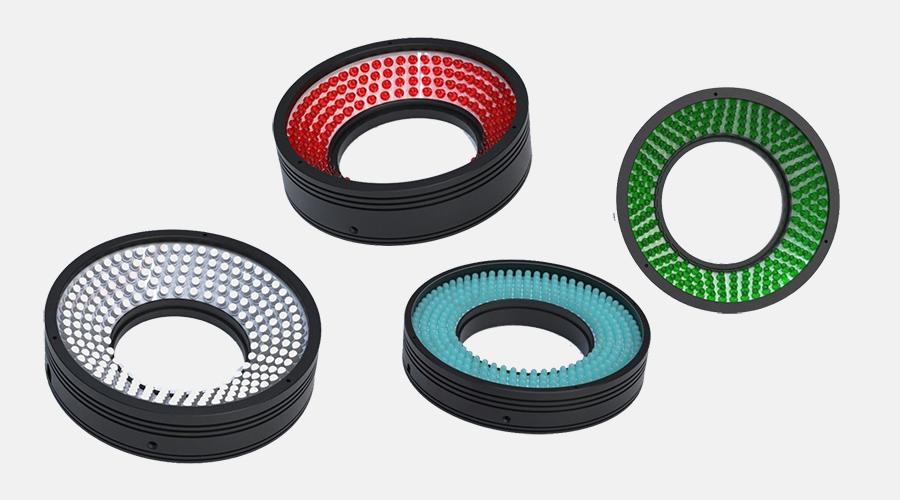 Ring light
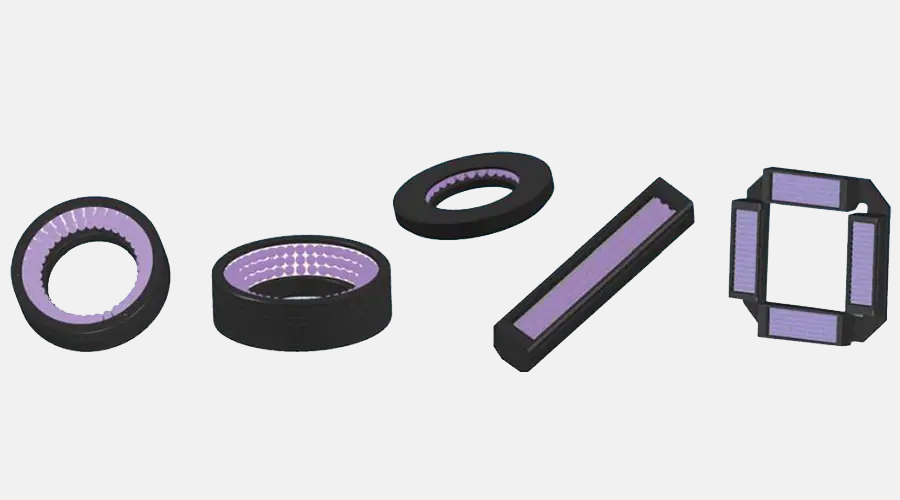 UV/IR Light
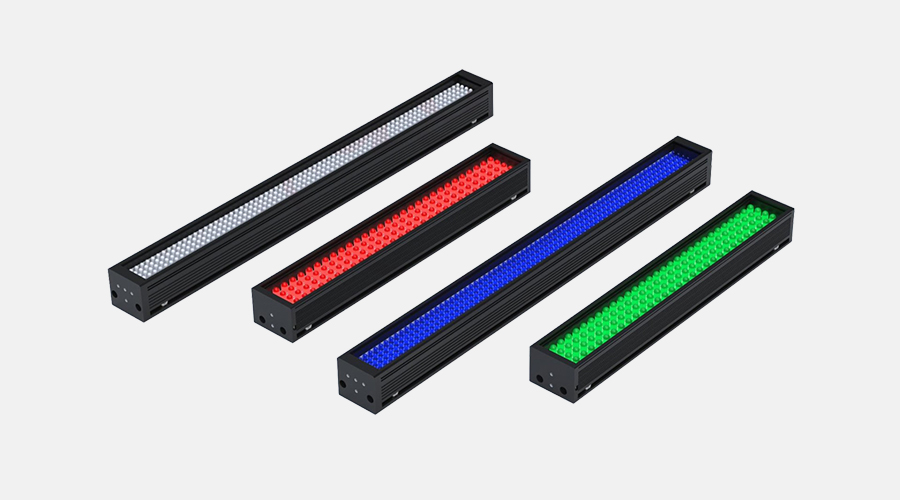 Bar light
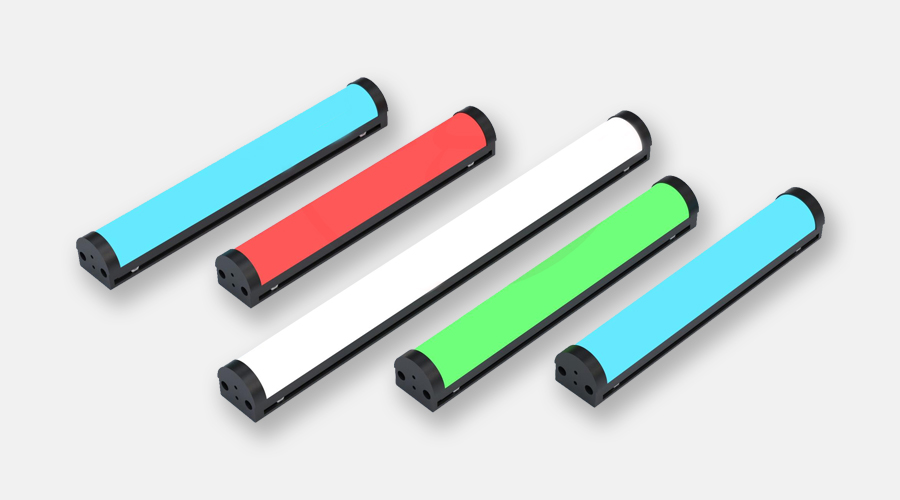 Arcuate high uniformity light
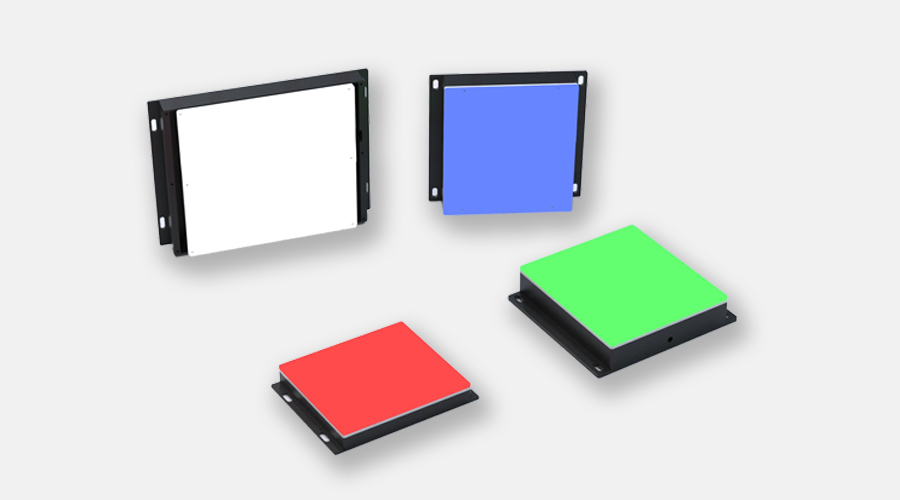 Back light
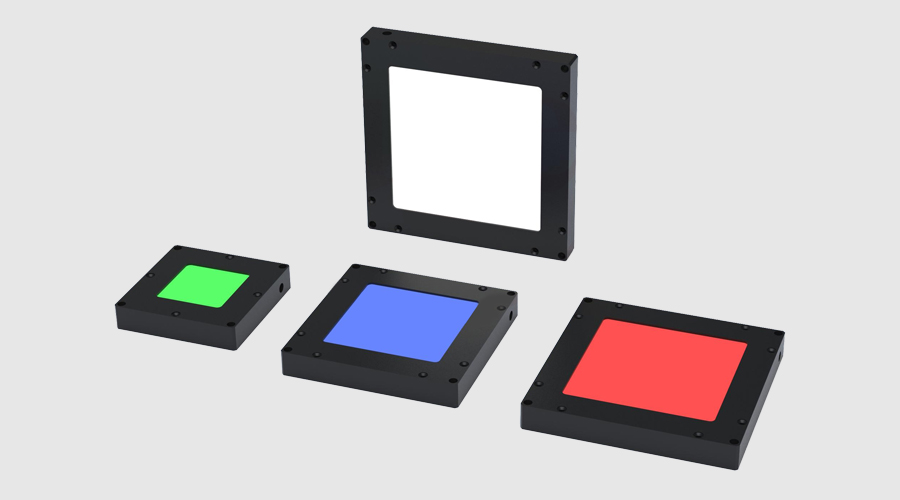 Flat light
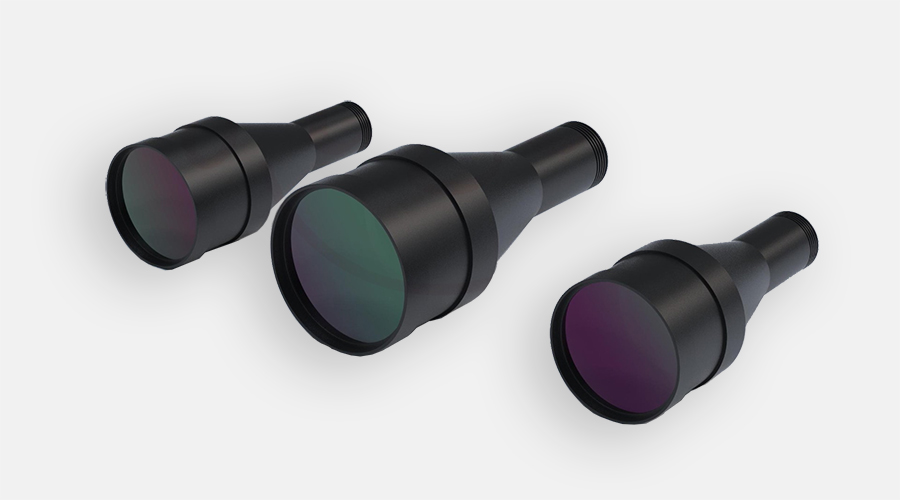 Collimated light
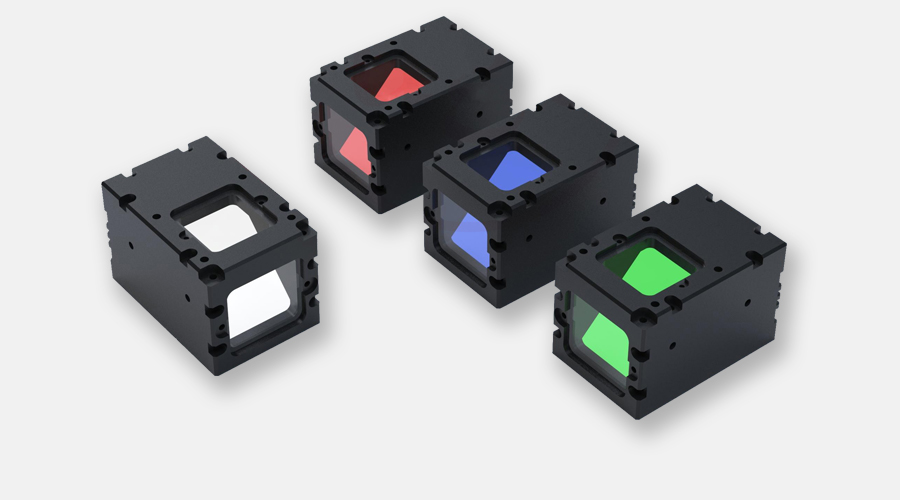 Coaxial light
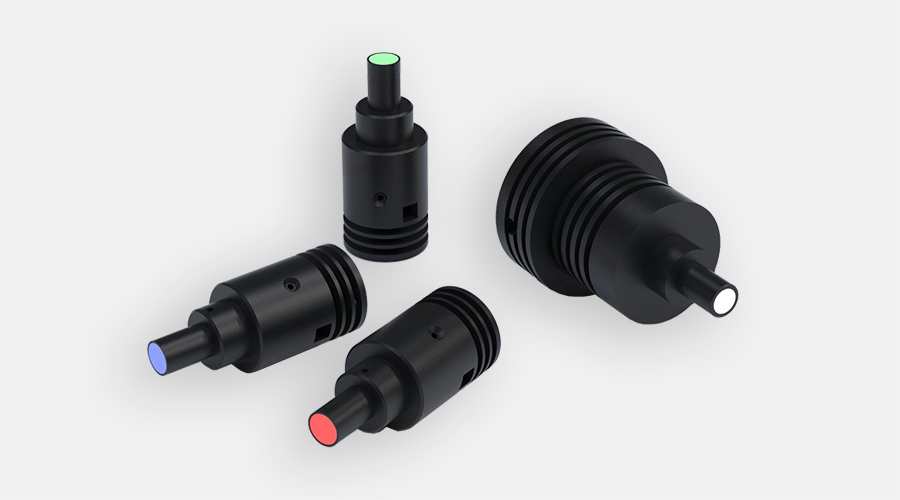 Spot light
 Dome light
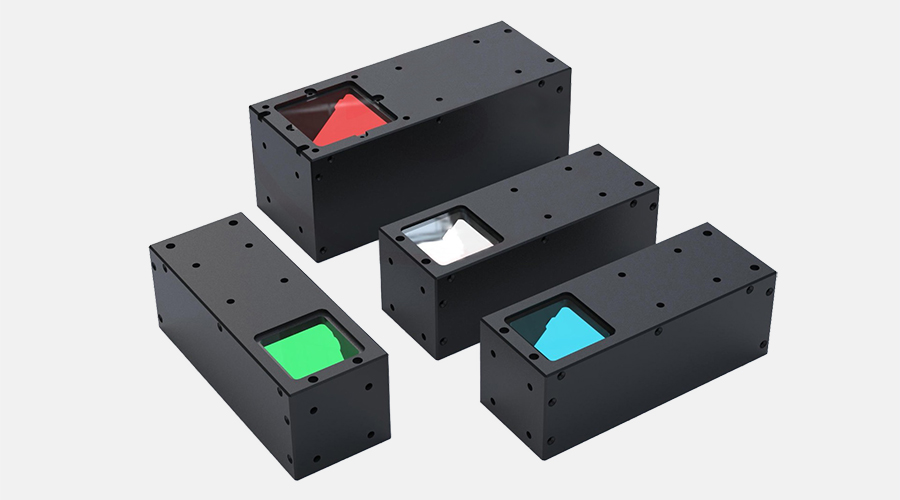 Collimated Coaxial light
 Shadowless square light
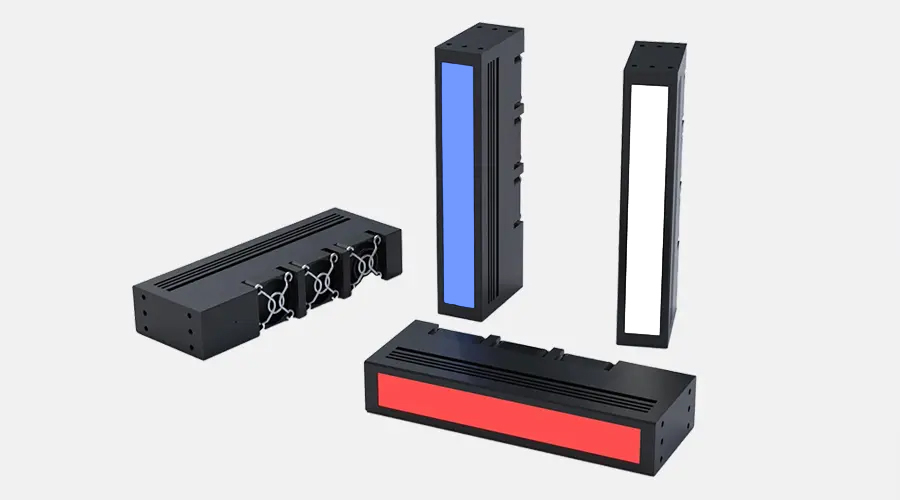 Scan light
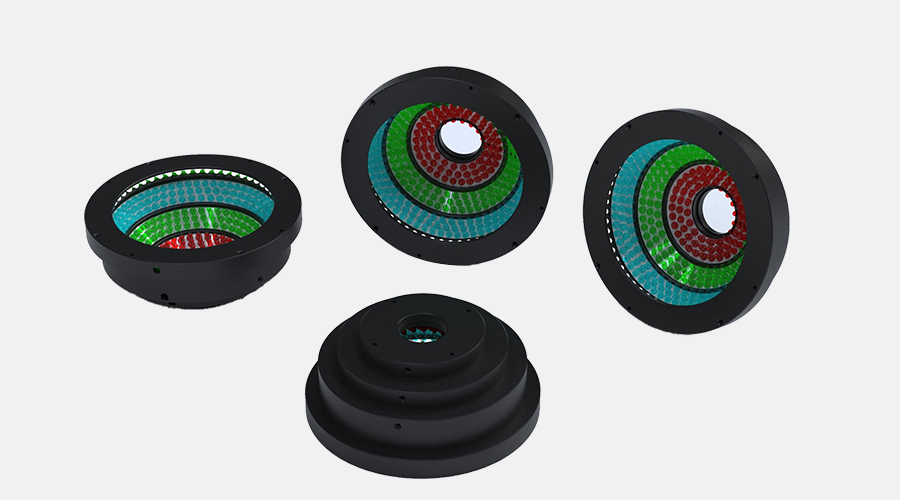 AOI light
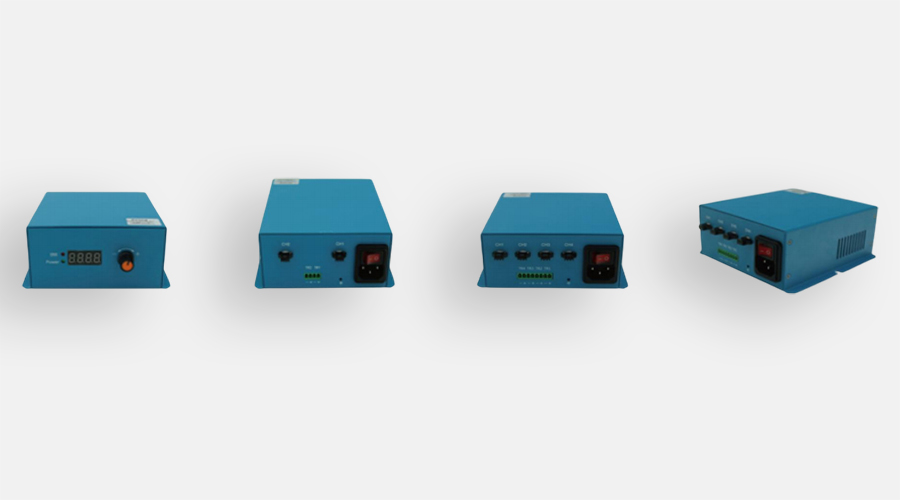 Analog controller
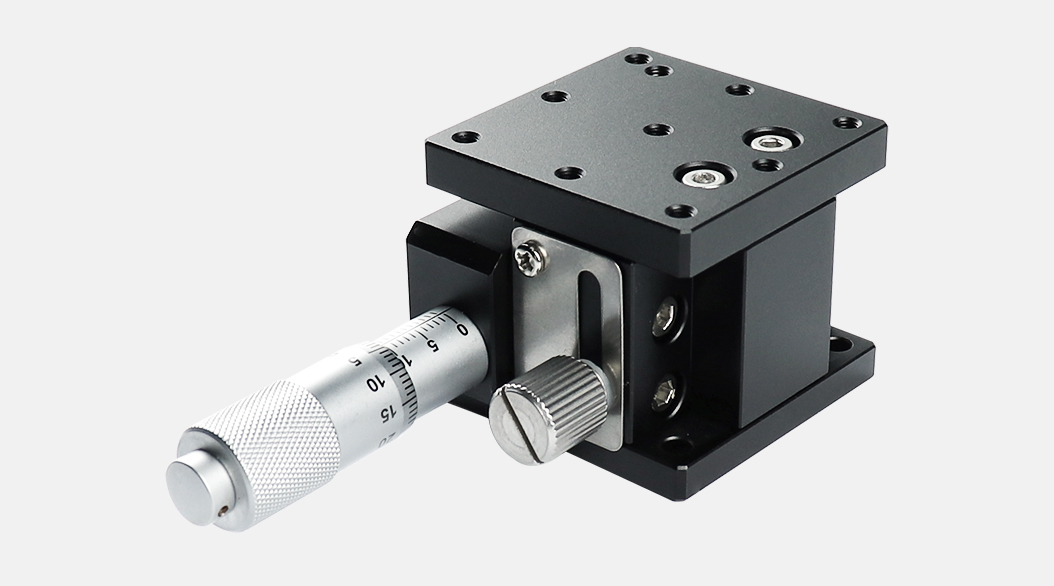 Crossed-Roller Linear guide type
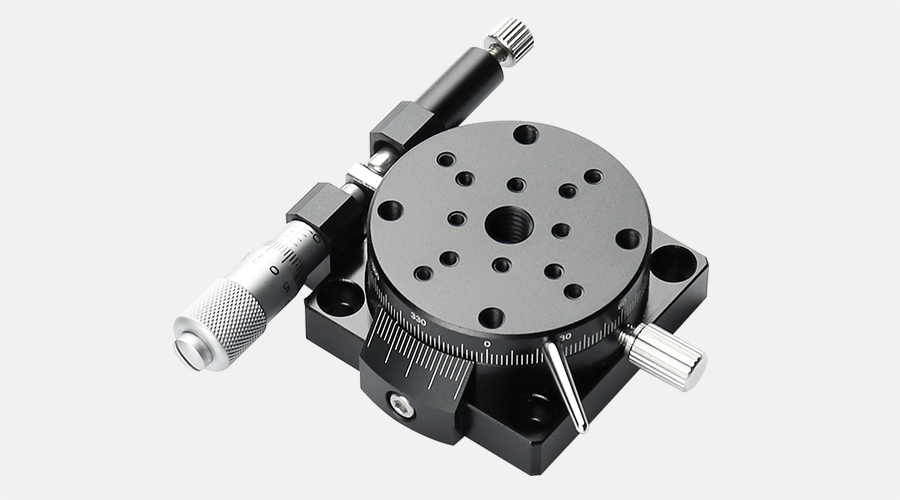 Rotary Stages XRS series
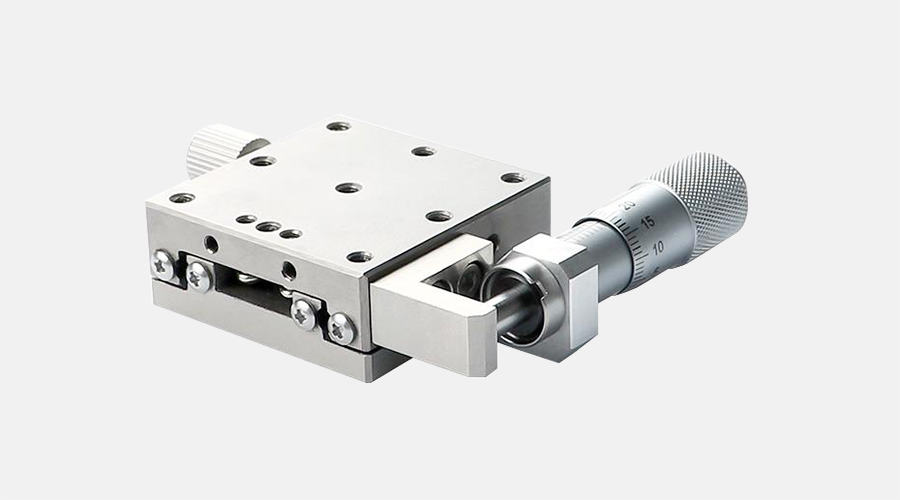 Stainless Steel Ball Bearing Linear Translation Stages
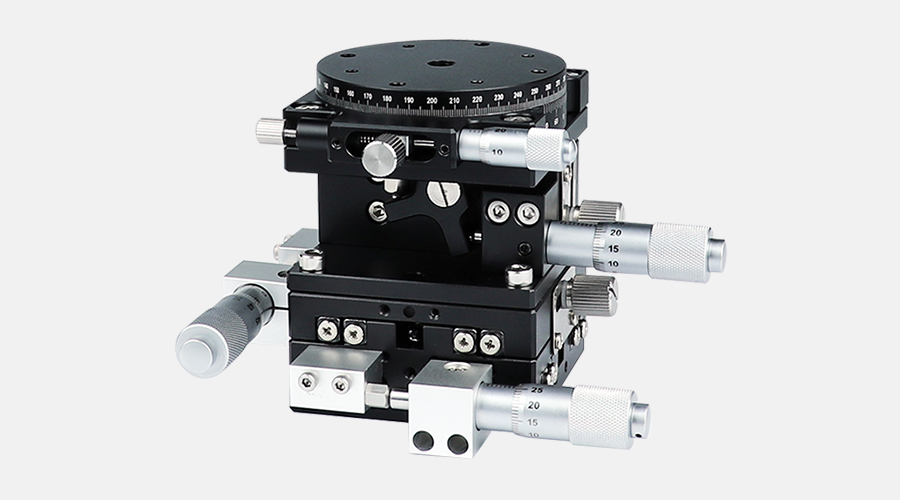 Multi-axis Translation stages
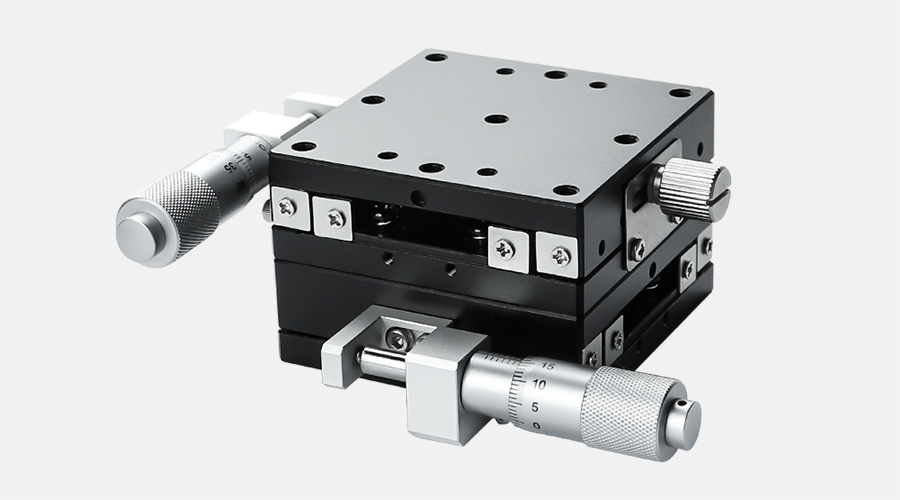 steel bar ball bearing stages
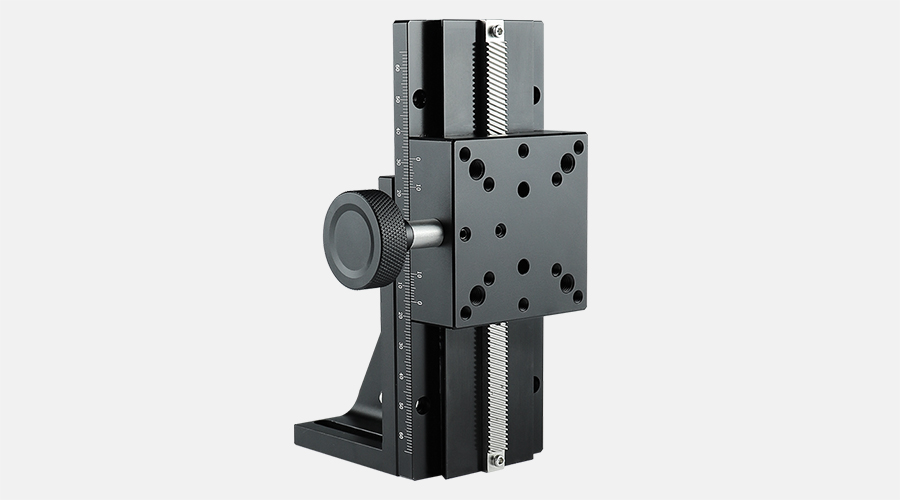 Dovetail Type Rack&Pinion Positioning Stage
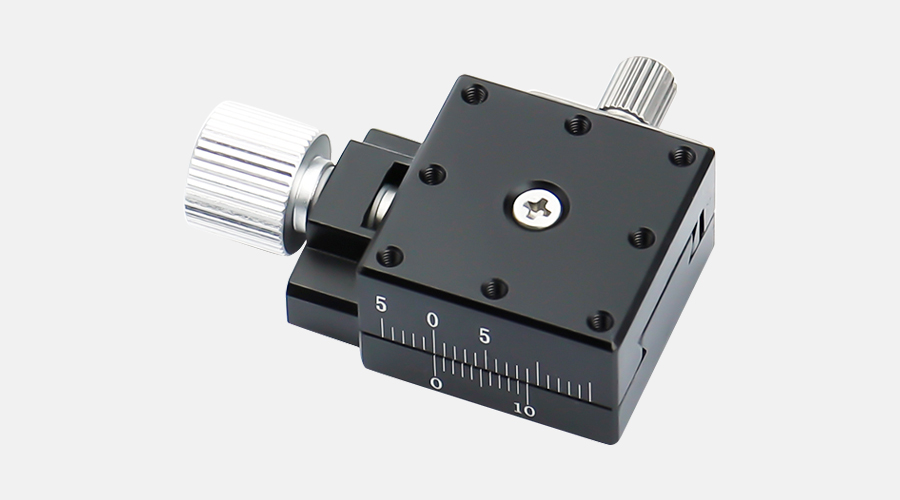 Dovetail groove high-precision screw slide