Inquiry
Leave Your Message
0%

You can’t talk about automation without mentioning Linear Slide Tables. These things are pretty much the backbone of many modern automated systems. They help with smooth, precise movement—kind of like the unsung heroes behind the scenes—especially in setups like manufacturing lines or robots. If you’ve ever needed something to move exactly where you want it, this is the stuff that makes it happen.

Getting a handle on how these tables work can really help boost your workflow’s efficiency. Basically, they have this sliding part that moves along a track, making sure things stay in the right spot and move at the right speed. The design usually involves bearings or rails to cut down friction, which means they last longer and work more reliably.

That said, they’re not exactly foolproof. Maintaining them and keeping everything aligned is super important. You want to regularly check for signs of wear and make sure everything’s lined up right. It’s a bit of a balancing act—trying to get the best performance without getting bogged down in constant upkeep. Once you get the hang of these little things, though, you’ll really maximize what Linear Slide Tables can do for you.
What are Linear Slide Tables and How Do They Work?

Introduction to Linear Slide Tables

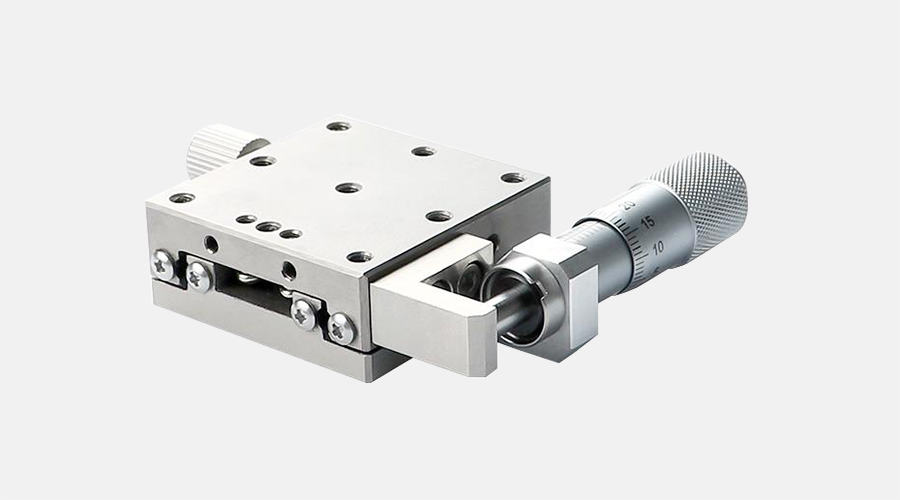
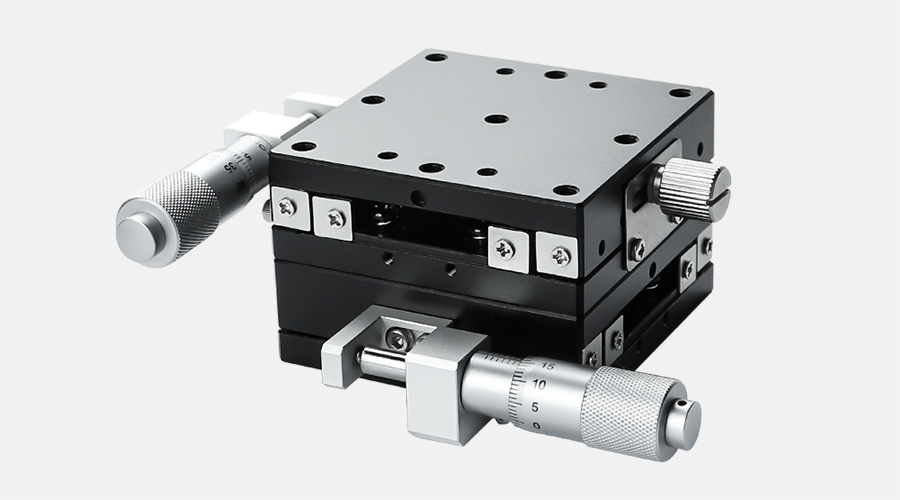
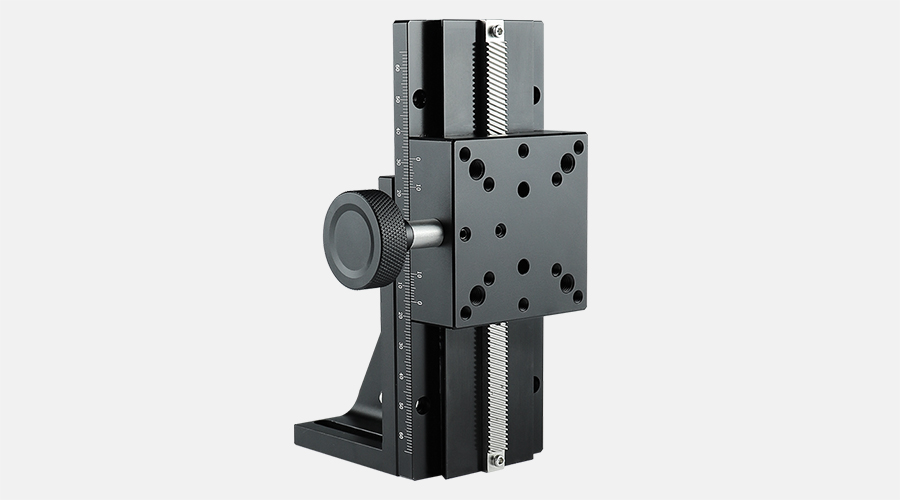
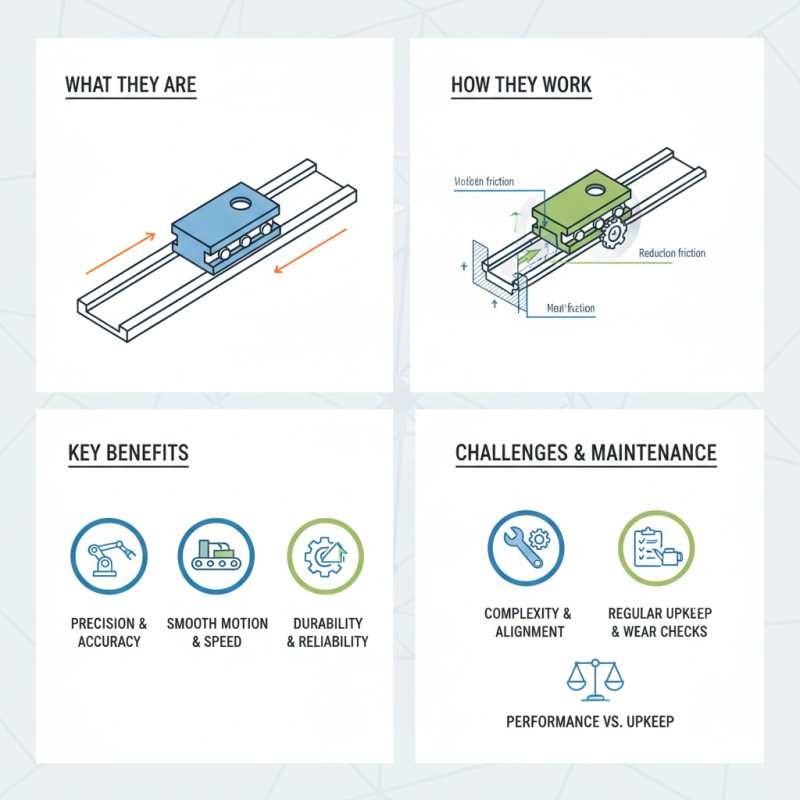
Linear Slide Tables are essential tools in various precision applications. They enable smooth linear motion while supporting a load on a flat plane. Commonly used in automated systems, manufacturing, and testing setups, these tables help achieve accurate positioning.

When operating a linear slide table, understanding its components is crucial. The table typically consists of a rail and a sliding platform. These parts work together to allow easy movement along the defined path. The bearings reduce friction, ensuring smooth operation under varying loads. However, if not maintained properly, wear can affect their performance.

Tips: Regularly inspect the rails and bearings for dirt and debris. Clean the surfaces to maintain optimal performance. Avoid excessive loads, as they may lead to mechanical failure.

Using a linear slide table requires careful alignment. Misalignment can lead to binding and unexpected failures. Incorporating a rigid mounting system is advisable. However, it’s important to remember that slight imperfections can still occur. Continuous adjustments may be necessary to achieve the desired accuracy.

Linear Slide Tables Application in Different Industries

Key Components of Linear Slide Tables

Linear slide tables are essential tools in various industries. They provide precision movement and positioning for different applications. Several key components make up a linear slide table, allowing it to function effectively.

One crucial part is the Linear Slide Rail. This rail serves as the guide for the sliding platform. It ensures smooth movement and stability. The rail's surface reduces friction, allowing for gliding motion. Additionally, the material of the rail matters. Using high-quality materials can enhance durability and performance. In some cases, the choice of rail can be overlooked, leading to unnecessary wear and tear.

Another important component is the actuator. This device drives the movement of the table. It can be electric, pneumatic, or hydraulic. Each type has its benefits and drawbacks. For example, electric actuators provide precise control, while pneumatic systems allow for quicker movements. The choice here can impact not only efficiency but also the overall performance of the linear slide table. Careful consideration is needed to choose the right actuator for your specific application. It's easy to underestimate these details, yet they can significantly influence the effectiveness of the entire system.

Types of Linear Slide Tables and Their Applications

Linear slide tables are essential in various industries. They provide precise linear motion and positioning. These tables often come in two main types: manual and automated.

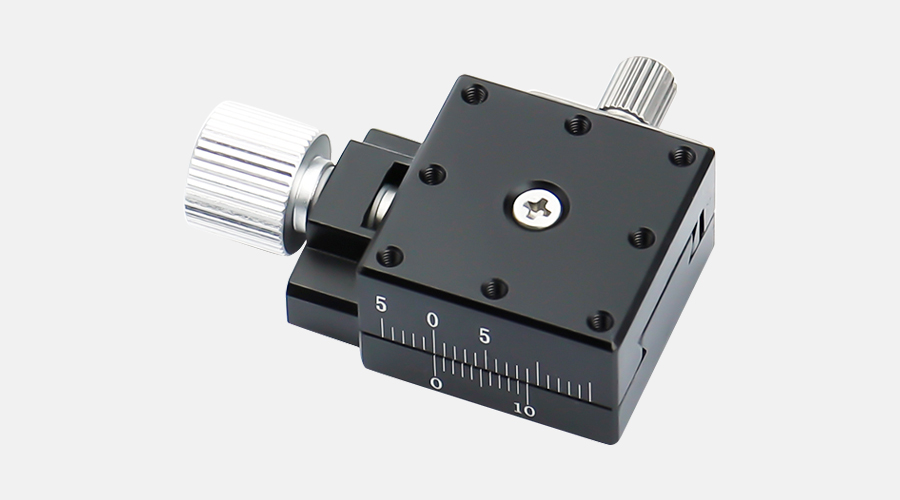
Manual linear slide tables rely on hand-operated adjustments. They are simple and cost-effective. However, they might lack the consistency needed for high-precision tasks. Users must ensure smooth movement by regularly checking lubrication levels. Otherwise, performance may degrade over time.

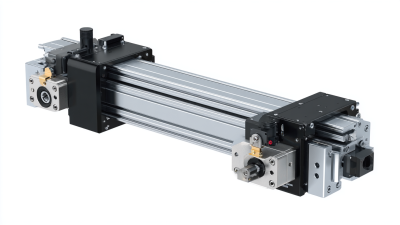
Automated linear slide tables integrate servo motors or pneumatic systems. These systems provide higher accuracy and speed. They are commonly used in automation and robotics. The initial setup can be complex, and users should invest in proper training. It’s important to regularly monitor the components for wear and tear. Ignoring maintenance can lead to unexpected downtimes.

Tips: When selecting a linear slide table, consider your application. Not all tables are suitable for every task. Look for a table that matches your precision needs. Testing different models can reveal strengths and weaknesses. Always keep safety and efficiency in mind.

What are Linear Slide Tables and How Do They Work?

Type Structure Load Capacity (kg) Speed (m/s) Applications
Standard Linear Slide Table Aluminum 150 0.5 Assembly, Inspection
Heavy Duty Linear Slide Table Steel 500 0.3 CNC Machining, Material Handling
Compact Linear Slide Table Aluminum 80 1.0 Medical Devices, Electronics Assembly
Electric Linear Slide Table Aluminum 120 0.6 3D Printing, Robotics

Mechanisms Behind Linear Motion in Slide Tables

What are Linear Slide Tables and How Do They Work?

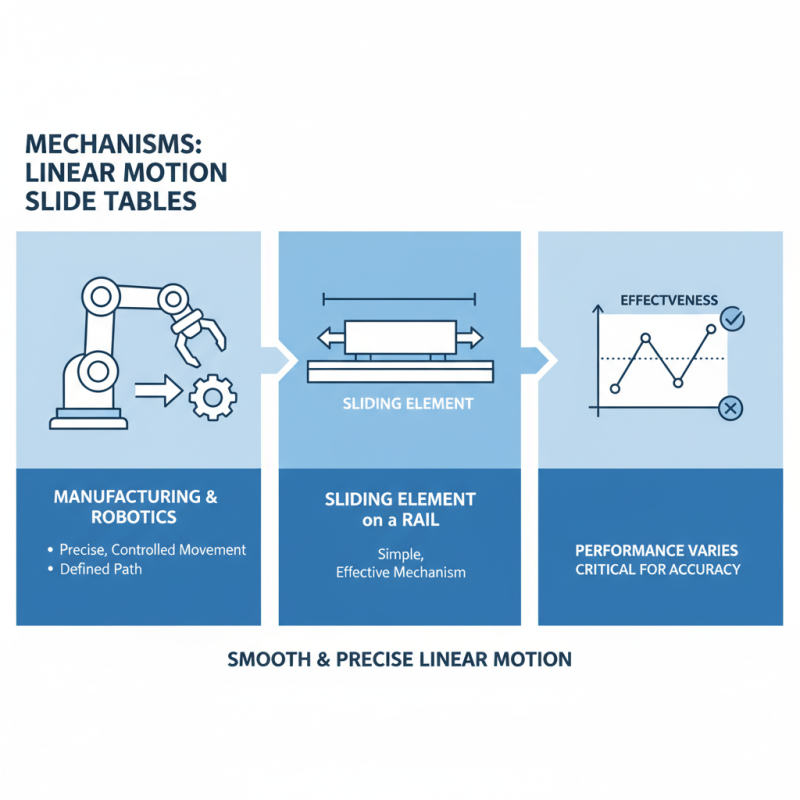
Linear slide tables are vital in various applications, such as manufacturing and robotics. They enable smooth, precise movements across a defined path. These tables use a simple mechanism: a sliding element that moves along a rail. This allows for controlled linear motion. However, the effectiveness of these systems can vary.

At the core of Linear Motion Slide mechanisms is a combination of bearings and guideways. Bearings reduce friction, ensuring smooth movement. The choice of materials can affect performance significantly. A poor choice may lead to wear and increased maintenance costs. For instance, if the bearings wear out too quickly, it may disrupt operations.

Understanding these mechanics can help optimize performance. Regular maintenance is essential. Noticing the signs of wear early can prevent larger issues. Observing how linear motion slide tables handle loads can provide insights. This reflection can lead to improvements in design and efficiency. Exploring various configurations could yield better results.

Advantages of Using Linear Slide Tables in Machinery

What are Linear Slide Tables and How Do They Work?

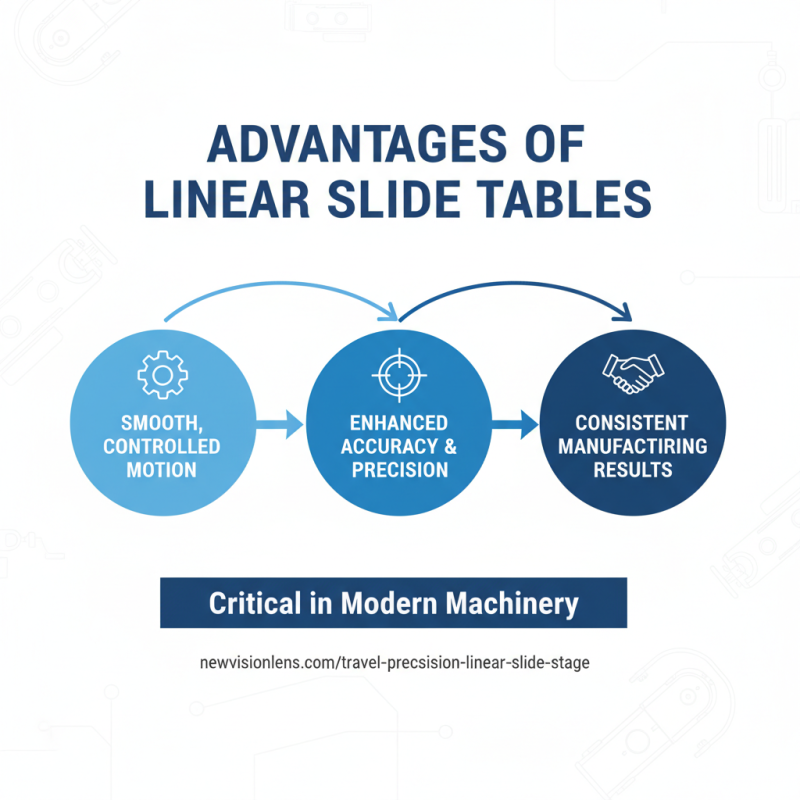
Linear slide tables are critical in modern machinery. They provide smooth, controlled motion. The advantages of using these tables are numerous. For example, they enhance accuracy. This precision is essential in many applications. Travel Precision Linear Slide Stage ensures consistent results in manufacturing and assembly.

One major benefit is the reduction of friction. This leads to less wear and tear over time. Equipment can operate more efficiently. Additionally, linear slide tables can handle heavy loads. This capability makes them suitable for various industrial purposes. Users often appreciate their versatility. Many designs cater to specific needs.

Tips for maximizing the use of linear slide tables include regular maintenance. Keeping the surfaces clean helps maintain motion quality. It’s also wise to adjust the load distribution evenly. This practice prevents undue stress on components. Understanding the limitations of these tables is crucial. They may not be perfect for every task. Always evaluate the setup before implementation.

Considerations for Selecting Linear Slide Tables

When selecting linear slide tables, there are several essential factors to consider. These tables are vital in various industries, from automation to precision machining. Understanding load capacity is crucial. The load capacity should align with the application's needs. Reports indicate that improper load management can lead to system failures. A study notes that around 15% of machinery downtimes result from inadequate load specifications.

Another consideration is the type of movement required. Some applications need smooth, continuous motion, while others require the precision of a Manual Slide. The choice affects not only performance but also the lifespan of the equipment. According to industry standards, maintenance plays a significant role in this aspect. Regular inspections can reduce the need for costly repairs and prolong equipment lifespan by up to 30%.

Additionally, environmental conditions can influence the choice of materials and coatings. In harsh environments, corrosion-resistant materials are preferred. Data shows that about 25% of failures occur due to environmental factors. Ignoring these can undermine performance and durability. Therefore, take the time to evaluate conditions and make informed choices.

Maintenance and Troubleshooting Tips for Linear Slide Tables

Linear slide tables play a crucial role in precision automation. Regular maintenance is vital for optimal performance. Studies indicate that nearly 30% of equipment failures stem from inadequate upkeep. Checking lubrication levels is a simple yet essential task. Proper lubrication minimizes wear and ensures smoother operation.

Troubleshooting common issues can also save time and resources. If you notice unusual noises during operation, it may indicate misalignment or wear. Inspect the guide rails and slides for dirt and debris. A clean surface can enhance functionality. According to industry data, a clean linear slide table can improve efficiency by up to 20%.

Wear and tear are natural over time. Components may need replacement after extensive use. Tracking the usage frequency aids in planning replacements. Regular inspections help identify potential problems before they escalate. Many users overlook the importance of documenting maintenance activities. Good records provide insights for future improvements.

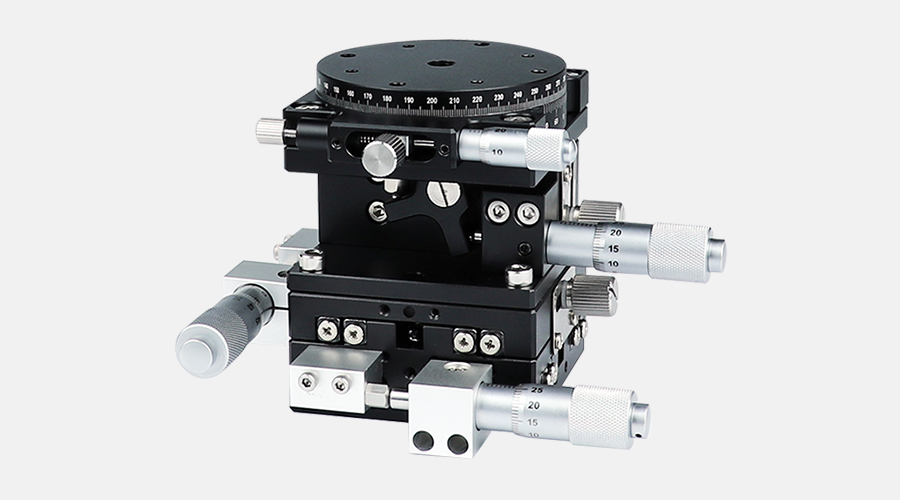
Optimizing Precision and Versatility: A Comprehensive Guide to the Multi-Axis Combination XLTP Series XYZθ Four-Axis Manual Displacement Slide Table

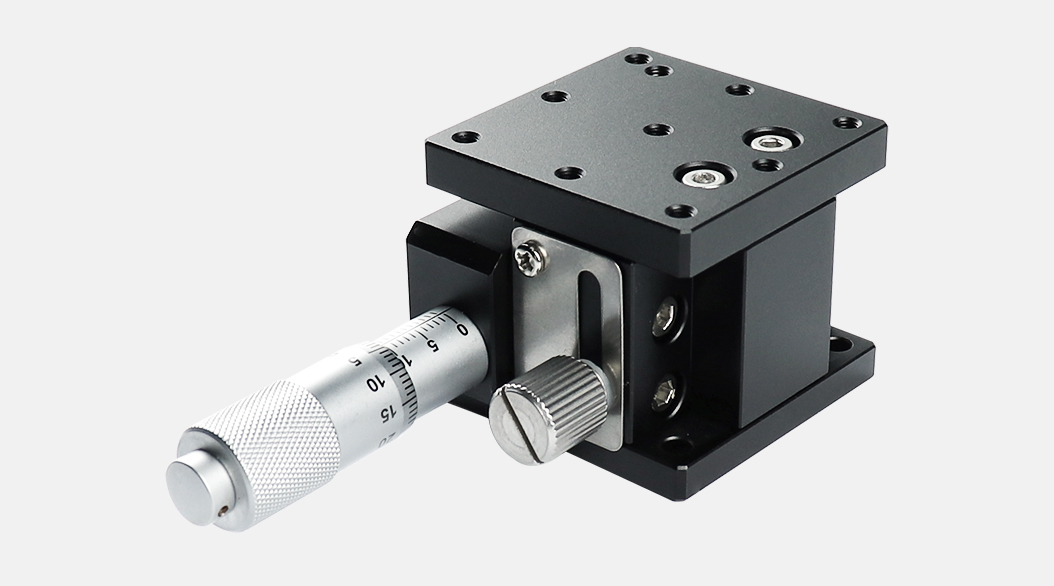
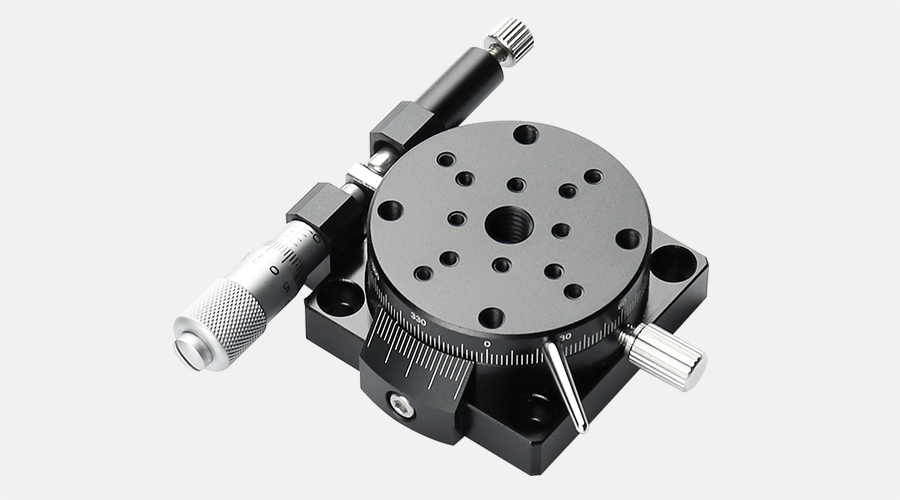
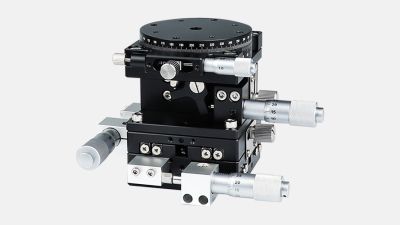
In the realm of precision engineering, the need for versatile and reliable displacement solutions has become increasingly important. The Multi-Axis Combination XLTP Series XYZθ Four-Axis Manual Displacement Slide Table exemplifies this need by offering enhanced flexibility and accuracy across various applications. With its innovative design, this slide table enables movement in four distinct directions, allowing users to achieve precise positioning in complex setups.

One of the standout features of this slide table is the 10 micron micrometer head drive, which plays a crucial role in achieving high-resolution adjustments. According to industry studies, precision instrumentation requires a positional accuracy often within the micrometer range to meet the demands of advanced manufacturing and research environments. The integration of such fine-tuned control mechanisms not only enhances operational efficiency but also minimizes the potential for error in delicate tasks like optical alignment and micro-manipulation. Reports from the Precision Engineering Society underline that tools capable of such accuracy are essential for industries requiring detailed work, such as electronics and biomedical fields.

Furthermore, the adaptability of the Multi-Axis Combination XLTP Series allows for easy integration into existing systems, making it a preferred choice among professionals. As industries continue to evolve, having equipment that can provide both flexibility and precision will remain a priority. As discussed in several technical forums, the rise of automation and robotics in manufacturing processes increasingly demands such slide solutions to keep pace with rapid production cycles while ensuring quality control standards are met. Thus, investing in advanced displacement tables could significantly enhance productivity and accuracy across a variety of applications.

FAQS

: What is a linear slide table?

: A linear slide table is a tool that provides precision movement and positioning in various applications.

What role does the linear slide rail play?

The linear slide rail guides the sliding platform, ensuring smooth motion and stability in the table’s operation.

How can actuator choice affect performance?

The actuator type, whether electric or pneumatic, can impact efficiency and overall effectiveness. Choose wisely.

What are the benefits of using linear slide tables?

They enhance accuracy, reduce friction, and can handle heavy loads, making them versatile for industrial uses.

Why is regular maintenance important for linear slide tables?

Regular maintenance, like cleaning surfaces, helps maintain motion quality and prevents undue stress on components.

What factors should one consider when selecting a linear slide table?

Consider load capacity, required movement type, and environmental conditions to ensure proper function and longevity.

How can improper load management impact a linear slide table?

Incorrect load management can lead to system failures, which accounts for around 15% of machinery downtimes.

Can environmental conditions influence material choice?

Yes, in harsh conditions, corrosion-resistant materials are essential. Ignoring this can lead to performance issues.

What can be overlooked when evaluating linear slide tables?

Many may underestimate the need for specific details like load distribution, which affects performance and longevity.

How significant are regular inspections for machinery involving linear slide tables?

Regular inspections can reduce repair costs and prolong equipment lifespan by up to 30%. Neglect can lead to issues.

Conclusion

Linear Slide Tables are essential components in various machinery applications, facilitating smooth and precise linear motion. These tables consist of key components such as rails, bearings, and drive mechanisms, which work together to achieve optimal performance. Depending on their design, Linear Slide Tables can be categorized into different types, each suited for specific applications ranging from automated assembly lines to CNC machines.

The mechanisms behind linear motion in these tables include ball screw drives and belt drives, which ensure efficiency and speed. The advantages of using Linear Slide Tables include increased accuracy, reduced friction, and enhanced load-bearing capabilities. When selecting a Linear Slide Table, it’s crucial to consider factors like load capacity, speed, and environmental conditions. Regular maintenance and troubleshooting tips can further extend the life of these systems, ensuring they operate at peak performance.


Liam

Liam

Liam is a skilled marketing professional at New Vision, an innovative company that specializes in the production and sales of core components for machine vision. With a profound understanding of the intricacies of the machine vision industry, Liam excels at communicating the value of cutting-edge......
Previous How to Achieve Professional Quality with C Mount Camera Fa Lenses in Your Projects