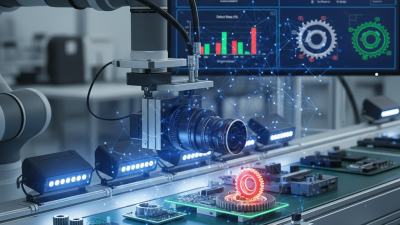
In today's super competitive market, using Machine Vision Quality Control is pretty much a must if you want your products to stand out. I recently read what Dr. Emily Carter from Precision Vision Systems said — she mentioned that “Quality isn’t just a final stop; it’s a continuous journey.” I think that really nails it because maintaining quality isn’t just a one-and-done deal; it’s more like an ongoing process. Machine vision tech is amazing at catching flaws that might slip past the human eye, making the whole production line smoother and more efficient.
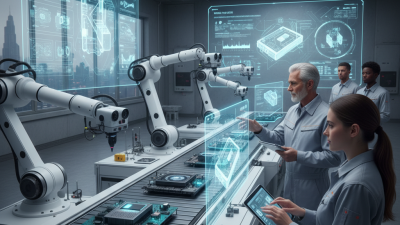
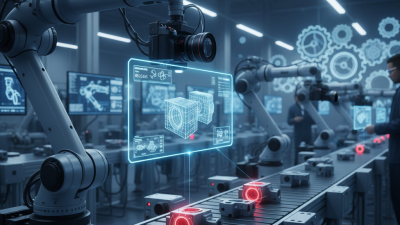
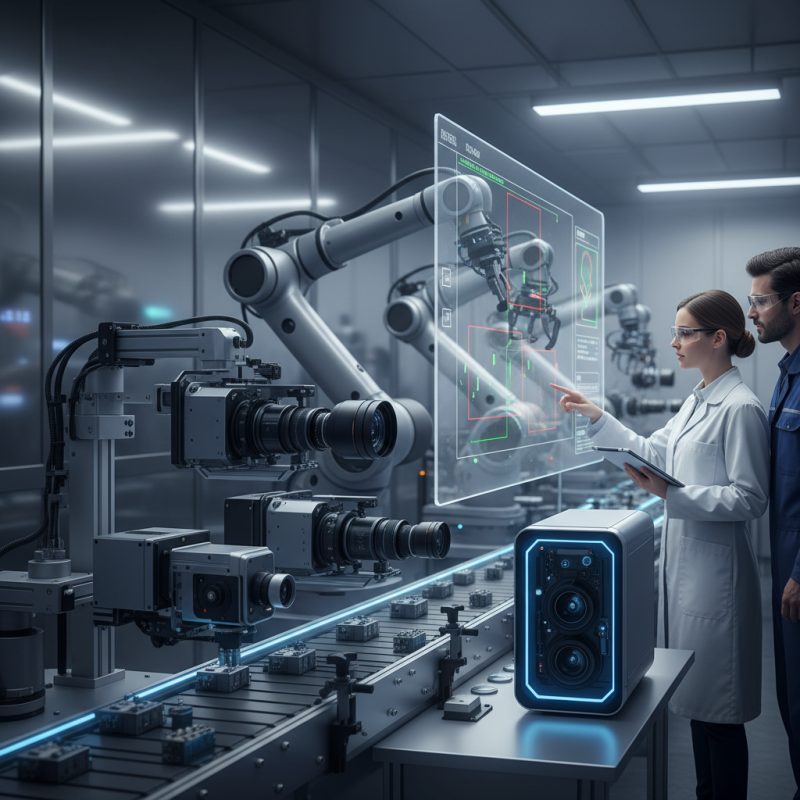
Now, picture industrial robots armed with cameras—they can spot defects almost instantly. This doesn’t just make inspections faster but also cuts down on costs. That said, some folks worry that over-relying on tech could create blind spots. So, it’s important we don’t just go all-in on automation without keeping humans in the loop. Mistakes can still happen, and a good mix of automated checks and hands-on inspections is key. Technology is fantastic, no doubt about it, but it should really be there to support human judgment, not replace it altogether.
As more companies jump on the bandwagon with "Machine Vision Quality Control," it’s pretty clear that the benefits are huge. Still, it’s smart to keep evaluating and fine-tuning these systems. Being aware of where things might go wrong can help in finding better solutions. Achieving top-notch quality isn’t a one-time thing—it’s a continuous journey of improvement. So, it’s not just about the tech itself, but about constantly refining your processes along the way.
What is Machine Vision Quality Control?
Machine vision quality control is a revolutionary approach in manufacturing and production. It employs sophisticated imaging technologies to examine products for defects and irregularities. This method enhances efficiency in quality assurance processes. According to industry reports, nearly 30% of manufacturing costs stem from poor quality. This makes machine vision crucial for maintaining high standards.
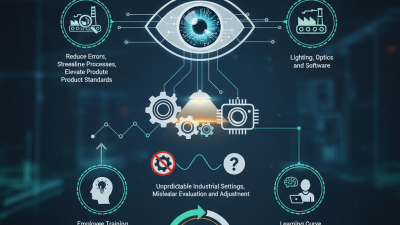
The system utilizes cameras and software to capture images of products. These images are analyzed in real-time. Many facilities see a reduction in error rates by over 50% after implementing machine vision. However, challenges remain. Equipment costs can be high, and the learning curve for staff is steep. Misconfigurations often lead to false positives or negatives in defect detection.
Despite its advancements, machine vision systems are not infallible. Variations in lighting or product orientation can affect accuracy. Continuous training and calibration are necessary to adapt to changes in production. Regular assessments are essential for enhancing the reliability of these systems. In the quest for perfection, manufacturers must acknowledge these limitations while striving for innovation.
The Role of Machine Vision in Manufacturing Processes
Machine vision plays a crucial role in manufacturing processes. It enhances quality control by using cameras and software to inspect products. This technology can detect flaws missed by the human eye. High-speed cameras capture images in real-time. Advanced algorithms analyze these images for defects. The outcome is consistent quality and reduced waste.
In many facilities, machine vision systems can spot tiny scratches or incorrect alignments. However, not all implementations are flawless. Environmental factors like lighting and dust can affect accuracy. Regular calibration and maintenance are essential. Operators must also be trained to interpret data correctly. Misinterpretation can lead to overlooking critical issues.
Machine Vision Quality Inspection provides a systematic way to ensure products meet standards. Yet, there is always room for improvement. Companies must continuously evaluate their machine vision setups. Adapting to new technologies and refining processes are vital. The goal is to achieve greater precision and efficiency over time.
What is Machine Vision Quality Control and How Does It Work? - The Role of Machine Vision in Manufacturing Processes
| Aspect |
Description |
Importance |
| Definition |
Machine vision quality control is an automated inspection process using imaging technologies. |
Ensures products meet quality standards consistently. |
| Technologies Used |
Cameras, sensors, and software algorithms for image processing. |
Facilitates real-time analysis and decision-making. |
| Applications |
Used in inspection, measurement, and identification in various manufacturing processes. |
Improves efficiency and reduces waste. |
| Benefits |
Increased accuracy, lower labor costs, and faster inspection times. |
Enhances overall productivity and product quality. |
| Challenges |
Initial setup costs and the need for skilled personnel to manage the systems. |
Requires ongoing investment and training for effective use. |
Key Technologies Used in Machine Vision Systems
Machine vision quality control relies on advanced technologies to ensure manufacturing standards. Key technologies in machine vision systems include image sensors, lighting, and image processing algorithms. Each plays a crucial role in identifying defects and ensuring precision in production.
Image sensors capture high-resolution images. They convert light into electrical signals. This process enhances the visibility of tiny defects. Proper lighting is equally important. It highlights details that sensors can miss. Choosing the right lighting type can dramatically improve inspection results.
Tips: Experiment with different lighting setups. Sometimes, shadows reveal flaws. Look for contrasts in colors. This simple adjustment might uncover issues previously overlooked.
Image processing algorithms analyze the captured images. They identify patterns, shapes, and anomalies. However, algorithms are not perfect. They may misinterpret complex images. Regularly updating these algorithms is essential. Constant improvements can minimize errors.
Tips: Set up a feedback loop. Gather data on inspection inaccuracies. Use this information to refine your system. Small tweaks often lead to significant improvements.
How Machine Vision Inspects Products and Components
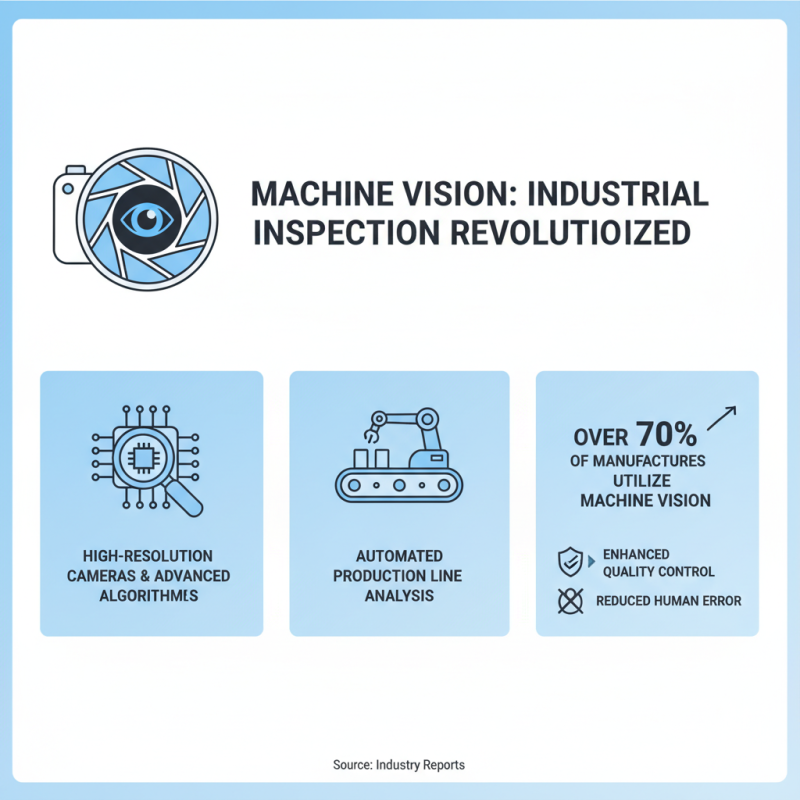
Machine vision has transformed how industries inspect products and components. Using high-resolution cameras and advanced algorithms, machine vision systems analyze items on production lines. Reports indicate that over 70% of manufacturers now utilize machine vision technology. This shift has led to enhanced quality control and reduced human error.
Machine vision inspects for defects, dimensions, and color consistency. It can operate at remarkable speeds, processing hundreds of items per minute. However, challenges remain. In some cases, lighting conditions can affect outcomes. Additionally, variability in materials can complicate detection. Even with advanced Machine Vision Lenses, achieving perfect results is not guaranteed.
These systems rely on precise setups and calibrations. An incorrect angle or insufficient focus may lead to missed defects. Some industries report up to 15% of defective products slipping through machine vision systems. This outcome highlights the need for ongoing adjustments and improvements in inspection techniques. Balancing efficiency with accuracy remains a critical focus in machine vision quality control.
Benefits of Implementing Machine Vision Quality Control
Machine vision quality control streamlines the inspection process in various industries. It uses cameras and software to assess product quality efficiently. This technology can detect defects that human eyes might miss. For instance, it can identify scratches on surfaces or uneven finishes.
Implementing machine vision systems brings numerous benefits. First, it increases accuracy in inspections. These systems work tirelessly, reducing the risk of human error. Companies can achieve higher standards in quality control. Additionally, they can save time and labor costs. However, integrating such technology may come with challenges. Not all products may be compatible with automation. Some processes may still require human oversight for finer details.
Quality control with machine vision can also allow for real-time feedback. This means adjustments can be made during production. Yet, there are still limitations. Machines may struggle with ambiguity. They may misinterpret certain defects, leading to false positives. It’s essential to regularly evaluate the machine vision systems’ performance and refine their algorithms. Balancing technology with human expertise is crucial for optimal results.
Challenges and Limitations of Machine Vision Systems
Machine vision systems have transformed quality control across various industries. However, they face notable challenges and limitations. For instance, light variations can significantly affect image quality. This is where Machine Vision Lights play a critical role. Poor lighting can lead to inaccuracies in defect detection. Studies show that up to 30% of false negatives in inspections occur due to insufficient lighting conditions.
Another common challenge is the complexity of inspecting diverse materials. Different surfaces reflect light differently. A system that works well for one type of material may struggle with another. This requires ongoing adjustments and recalibrations. According to a report by the International Journal of Advanced Manufacturing Technology, about 20% of machine vision implementations fail due to inadequate adaptability to changes in production lines.
Furthermore, software limitations can hinder performance. Many machine vision systems rely on specific algorithms. These algorithms might not effectively handle unexpected variations. Operators often experience frustration when system errors lead to delays and increased production costs. Regular updates and improvements are necessary but can be costly and time-consuming.
Future Trends in Machine Vision Quality Control Technologies
Future trends in Machine Vision Quality Control technologies are rapidly evolving. Recent reports suggest that the global machine vision market is expected to reach $17 billion by 2025. This growth indicates a significant shift towards automation in quality control processes. One noticeable trend is the integration of artificial intelligence (AI) with Machine Vision Systems. AI enhances the ability to detect defects and improve accuracy.
Tip: Consider adopting AI-driven Machine Vision System for better efficiency. This can minimize error rates and optimize production lines. Additionally, implementing real-time data analysis is becoming increasingly important. It helps companies respond quickly to quality issues as they arise.
Emerging technologies such as 3D imaging and hyperspectral imaging are also gaining traction. These tools provide advanced capabilities that traditional inspection methods lack. However, not all businesses may find these technologies easy to use. Training and integration can present challenges. Regular assessments are necessary to ensure systems perform as intended.
Tip: Incorporate feedback loops in your quality control systems. This can help identify gaps and refine processes. Don't underestimate the value of a well-structured implementation plan. Continuous improvement should be a core principle in adopting new Machine Vision Systems.
Maximizing Precision in Machine Vision with High Uniformity LED Backlighting: The NV-TH Series Solution
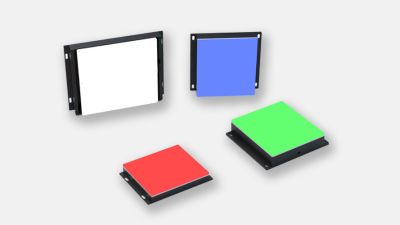
In the realm of machine vision, achieving high precision is pivotal for various industrial applications, from quality control to advanced robotics. The NV-TH Series solution enhances this precision through its innovative approach to LED backlighting. By utilizing a drawing die for the backlight, this system ensures efficient heat dissipation from both the bottom and sides, which is critical for maintaining optimal performance and extending the lifespan of the lighting elements.
With small imported LED patches strategically arranged in high density, the NV-TH Series significantly improves light uniformity. This not only enhances image quality but also facilitates multi-dimensional design capabilities, a crucial factor for industries that require intricate visual assessments. According to studies by industry analysts, uniform backlighting can increase detection accuracy by up to 30%, showcasing the importance of this technology in high-stakes environments. Furthermore, such advancements allow for faster product development cycles, enabling companies to respond swiftly to market demands and technological innovations.
The ability to deliver consistent and uniform lighting solutions is essential for various machine vision applications. As the demand for precision continues to escalate, the NV-TH Series stands out by combining efficiency with versatility, catering to the growing needs for advanced imaging solutions across multiple sectors. By integrating state-of-the-art lighting technology, organizations can enhance operational efficiency and quality assurance processes, leading to better overall performance in their respective fields.
FAQS
: The content aims to provide useful information on the topic discussed.
The intended audience includes individuals seeking knowledge or support in the subject area.
You can access the information online through the dedicated platform or resource.
Some resources may require a fee, while others are available for free.
Sharing is generally encouraged, but it's important to respect copyright and privacy guidelines.
Yes, information may not cover every aspect of the topic. Always seek out further details if needed.
You may reach out via contact details provided at the end of the content.
Updates depend on new developments and findings in the related field.
Some platforms may offer forums or discussions to engage with content more deeply.
Consider your specific situation and how the information applies. Thoughtfulness is key.
Conclusion
Machine Vision Quality Control is a technology utilized in manufacturing that leverages advanced imaging systems to analyze and ensure the quality of products and components. By integrating machine vision into manufacturing processes, companies can enhance inspection accuracy, increase production efficiency, and reduce the risk of human error. Key technologies involved in these systems include cameras, image processing algorithms, and lighting equipment, which work together to scrutinize items for defects or deviations from specifications.
The implementation of Machine Vision Quality Control offers numerous benefits, such as improved consistency in product quality and reduced waste. However, there are challenges and limitations, including the need for substantial initial investment and potential difficulties in integrating these systems with existing workflows. As technology advances, future trends in Machine Vision Quality Control are expected to focus on enhanced AI algorithms and deeper integration with Industry 4.0 technologies, paving the way for smarter manufacturing solutions.

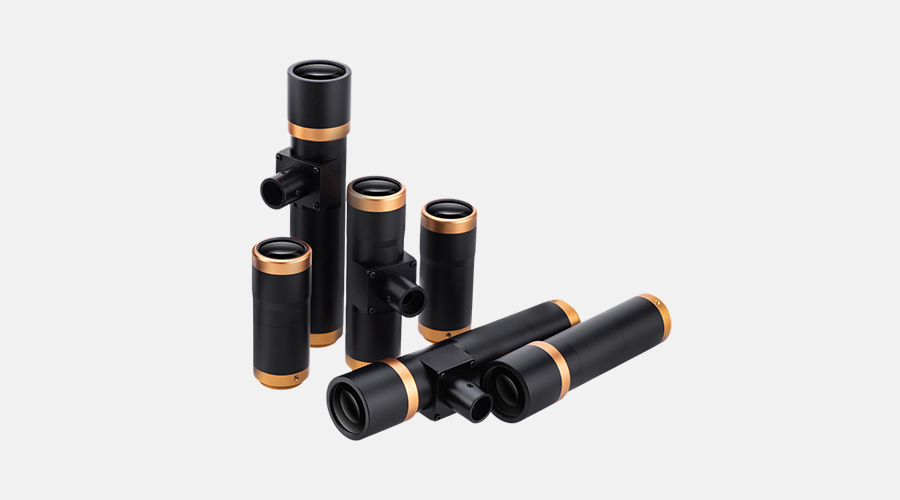
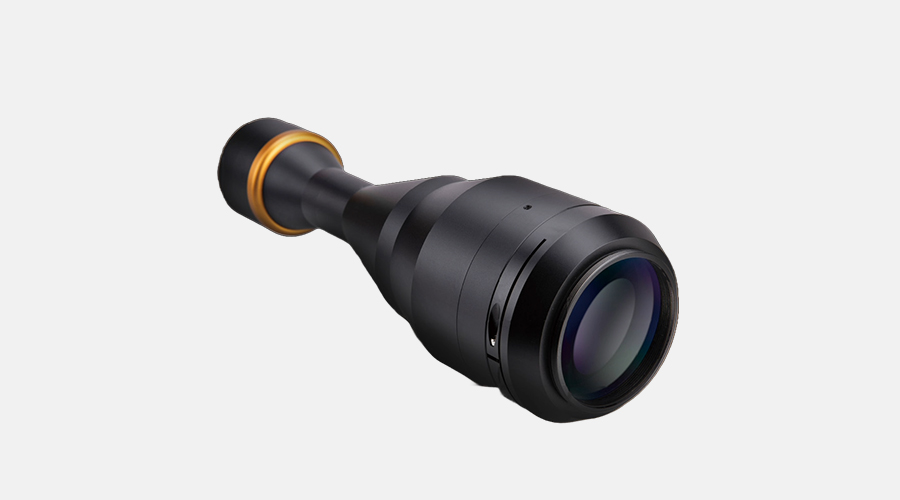 Compatible with 7.2mm-82mm chips
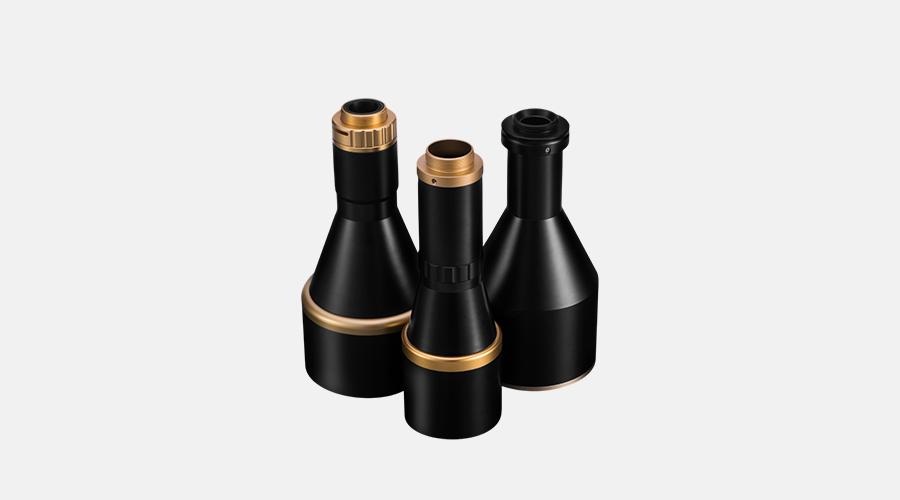 High/Low Working Distance
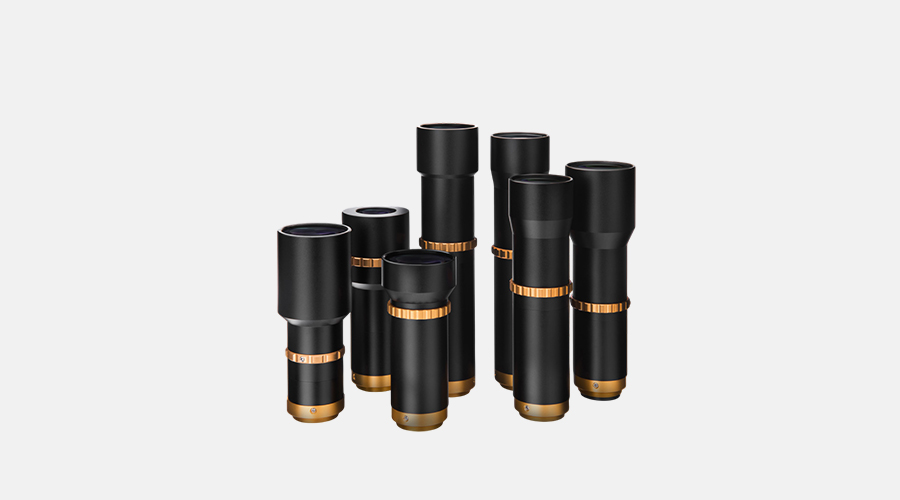 Aperture telecentric lens
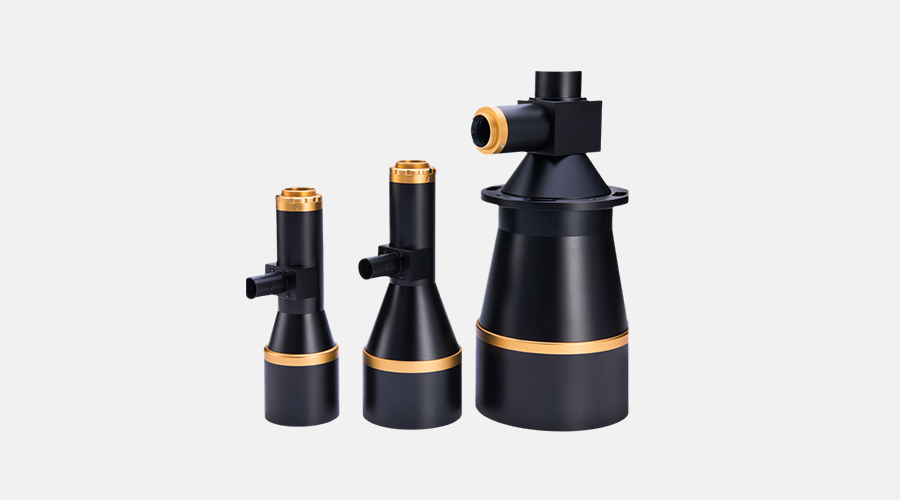 Measuring lens
 Maximum support 1.1" chips
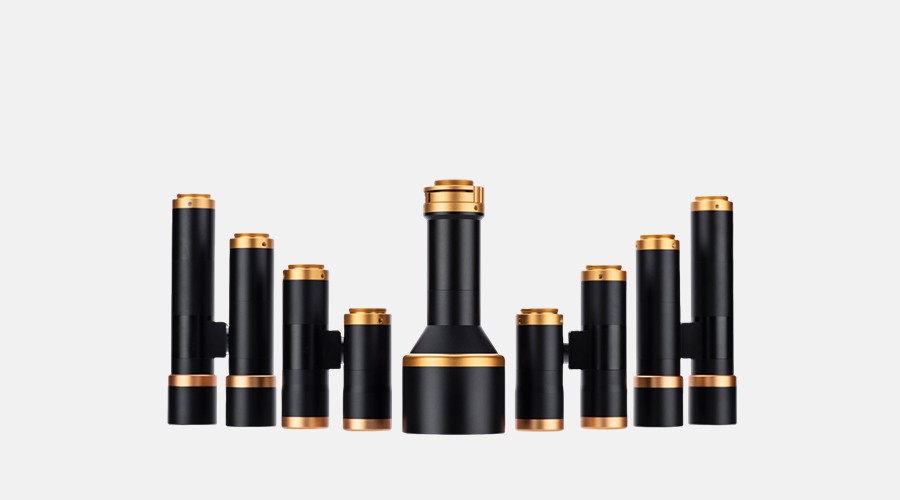
 Maximum support 1.2" chips
 Maximum support 2/3" chips
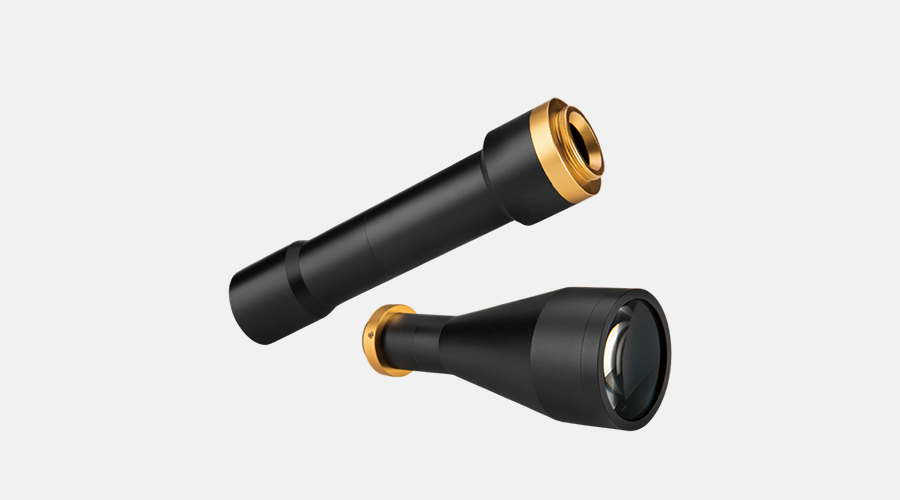 Long Working Distance
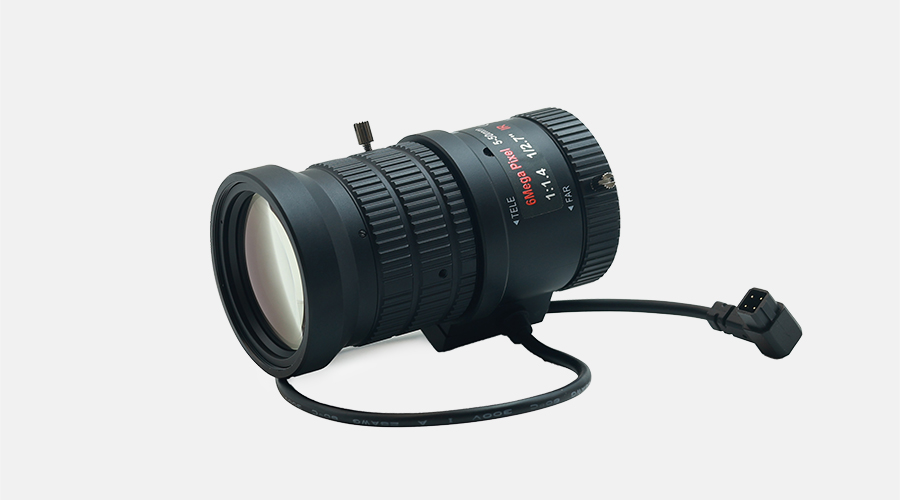 CS mount Varifocal lens
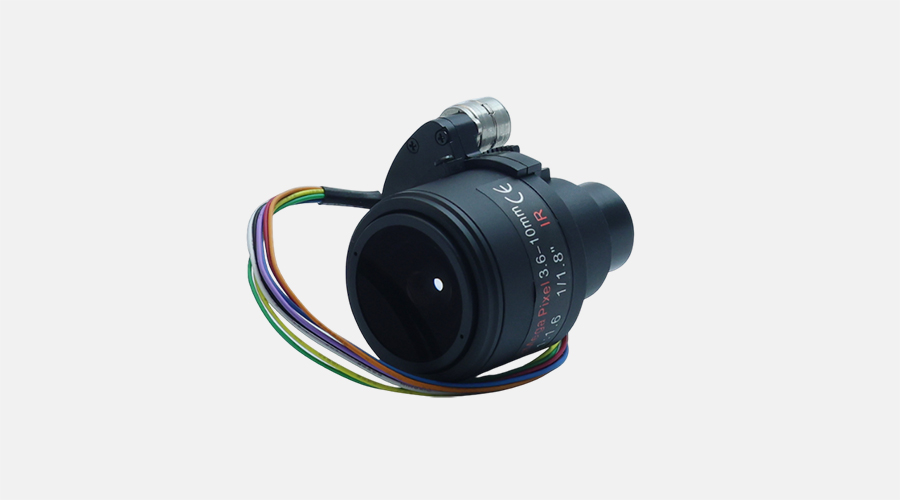 Varifocal board lens
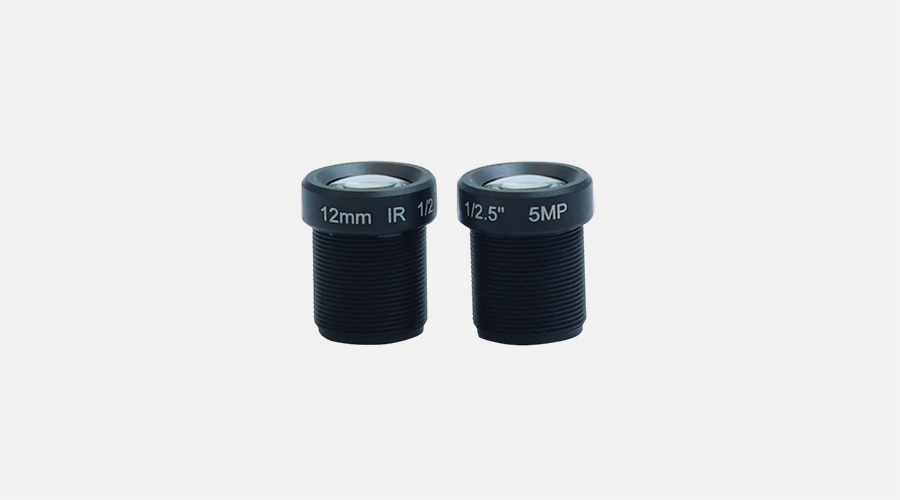 S mount lens
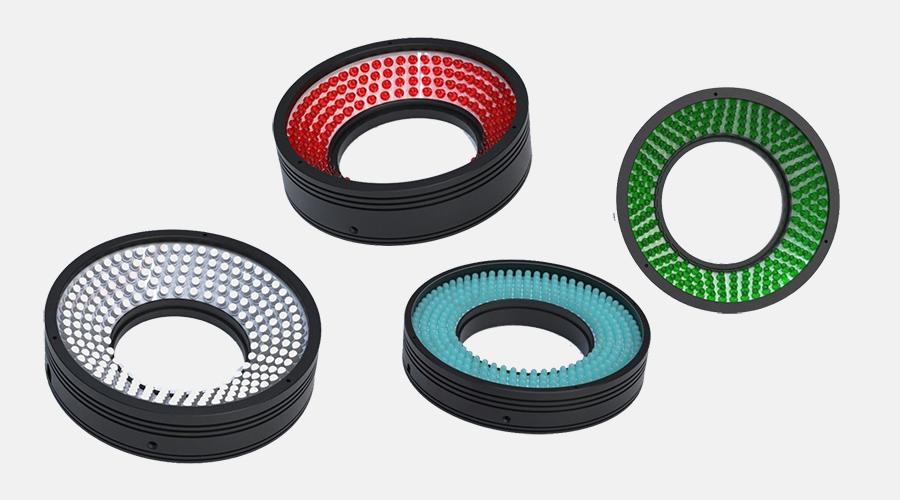 Ring light
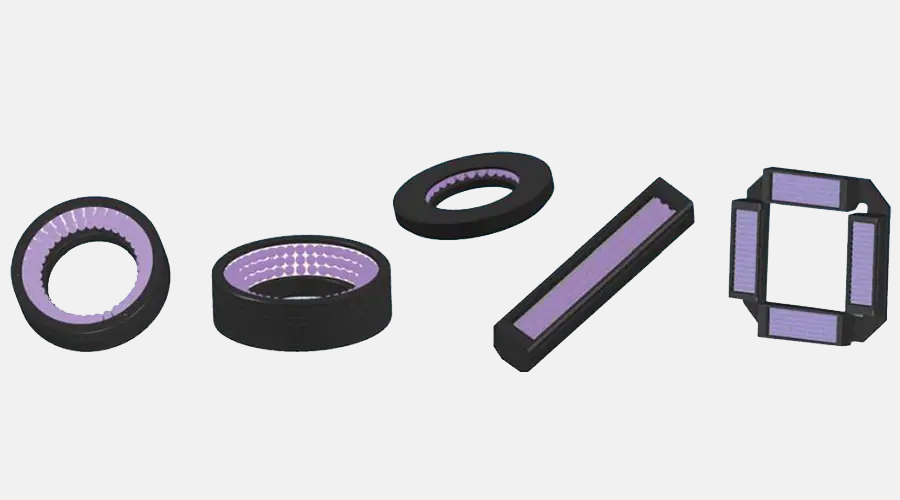 UV/IR Light
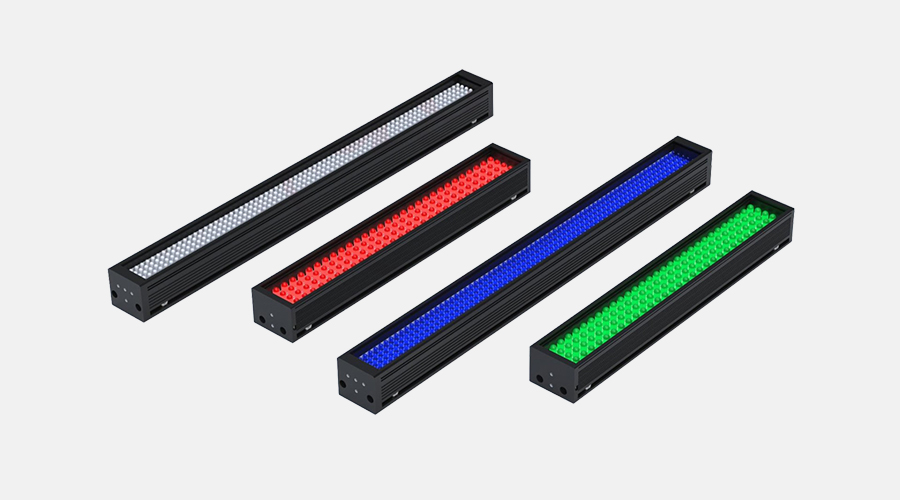 Bar light
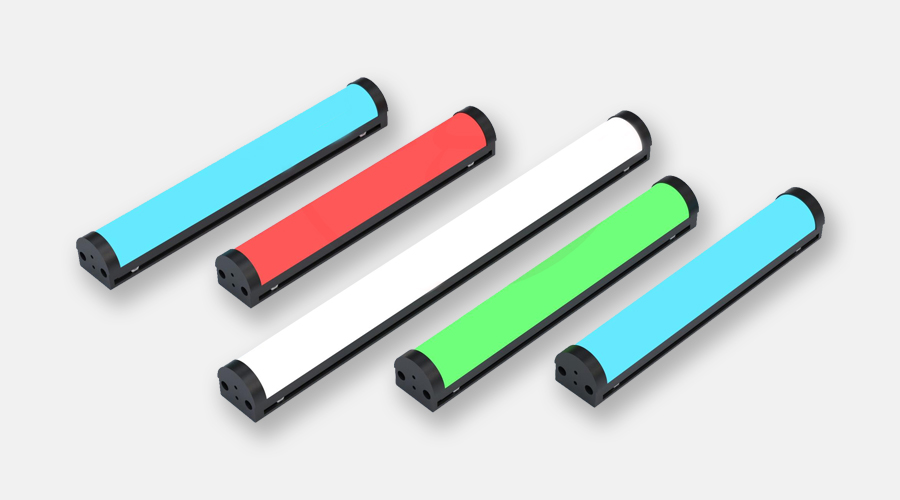 Arcuate high uniformity light
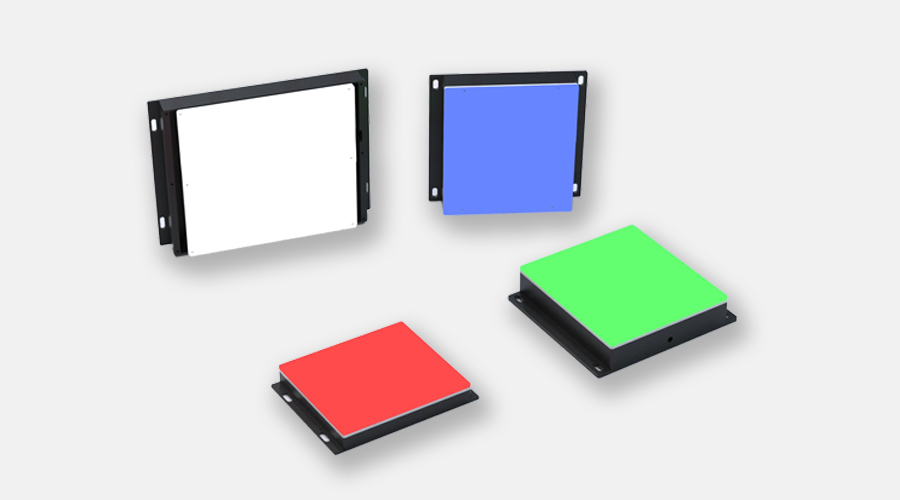 Back light
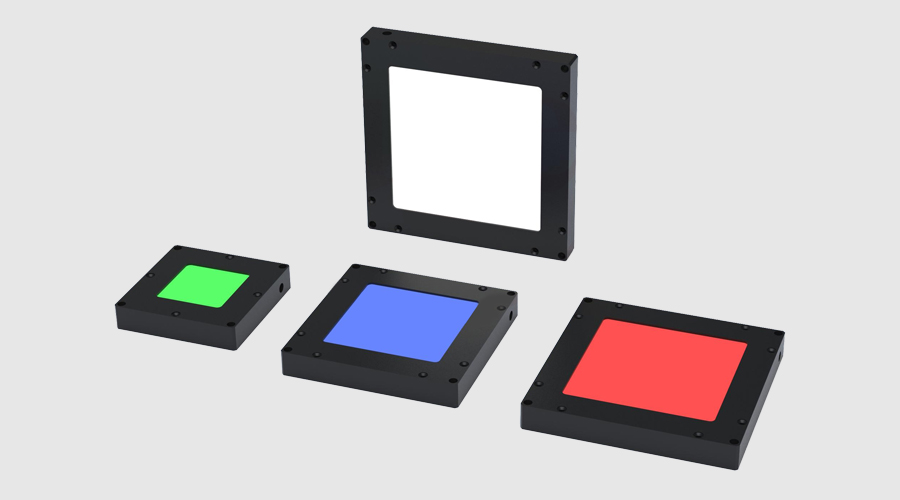 Flat light
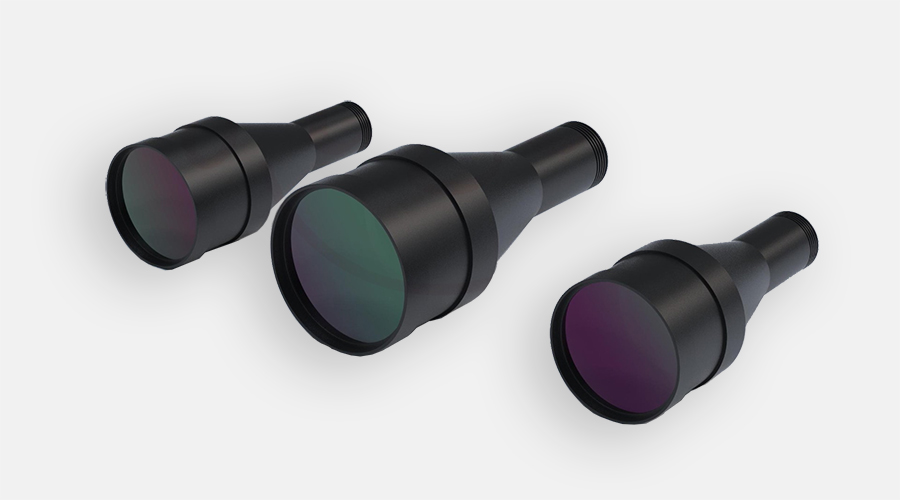 Collimated light
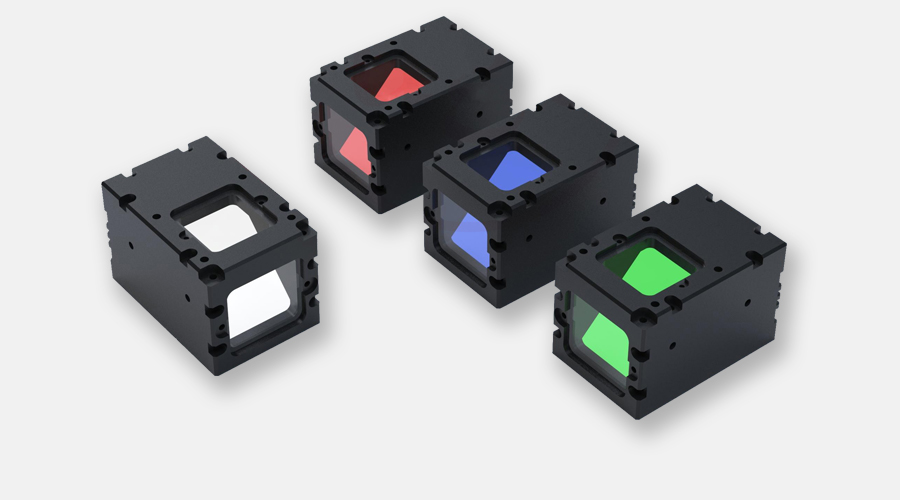 Coaxial light
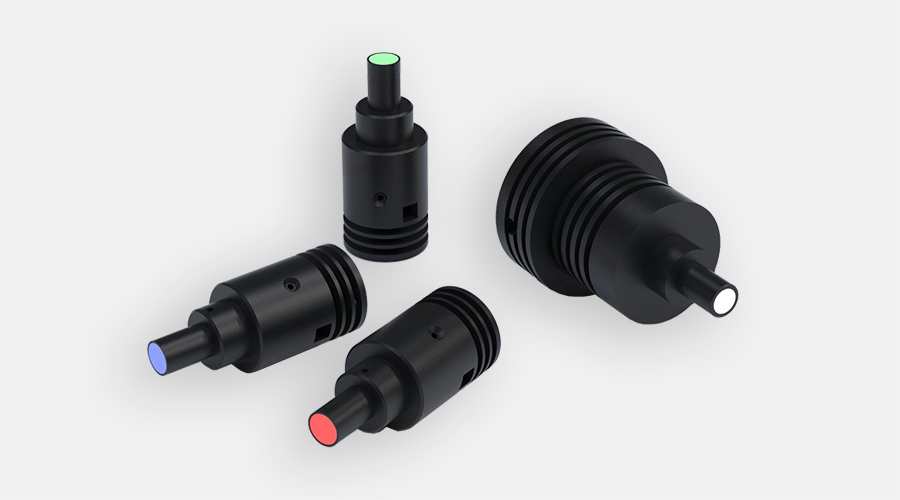 Spot light
 Dome light
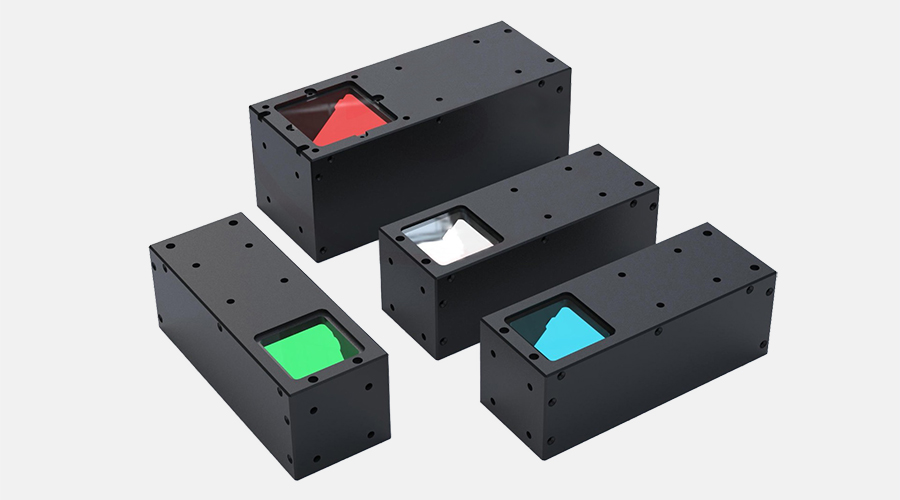 Collimated Coaxial light
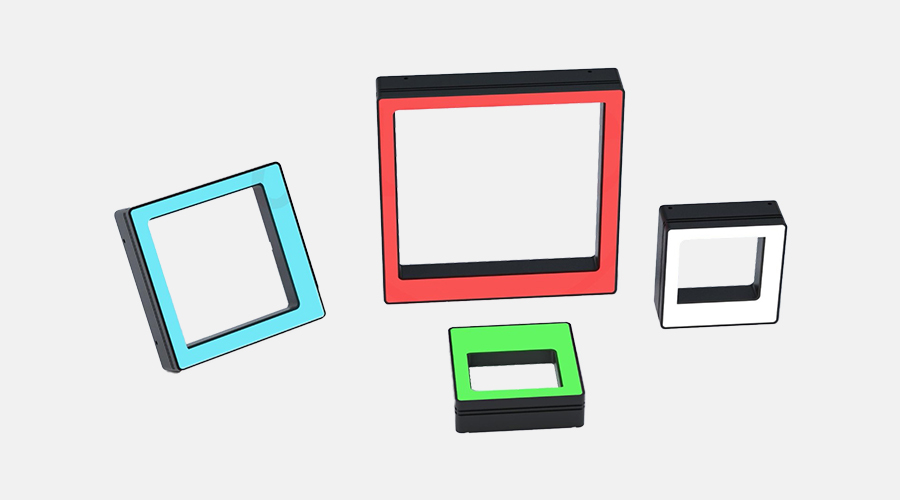 Shadowless square light
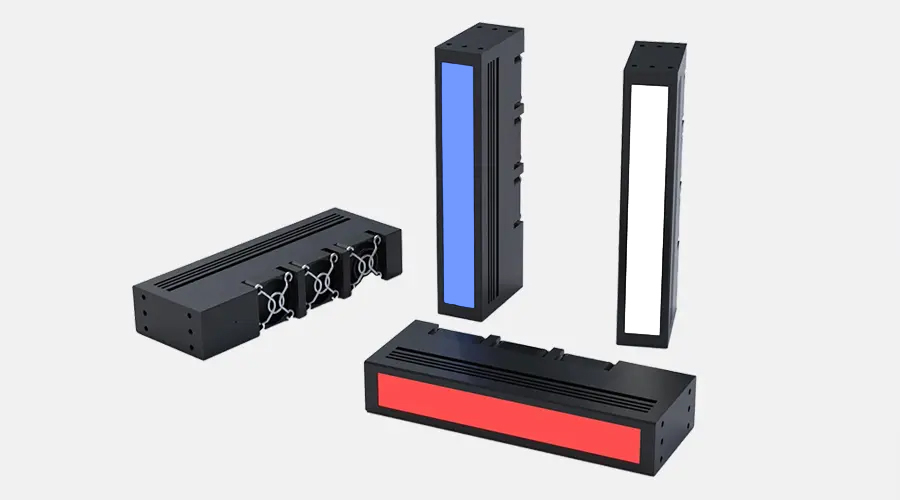 Scan light
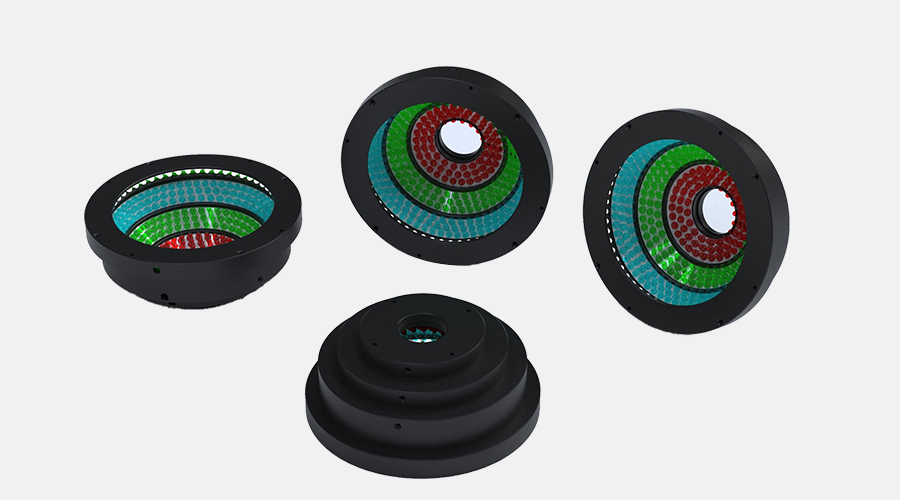 AOI light
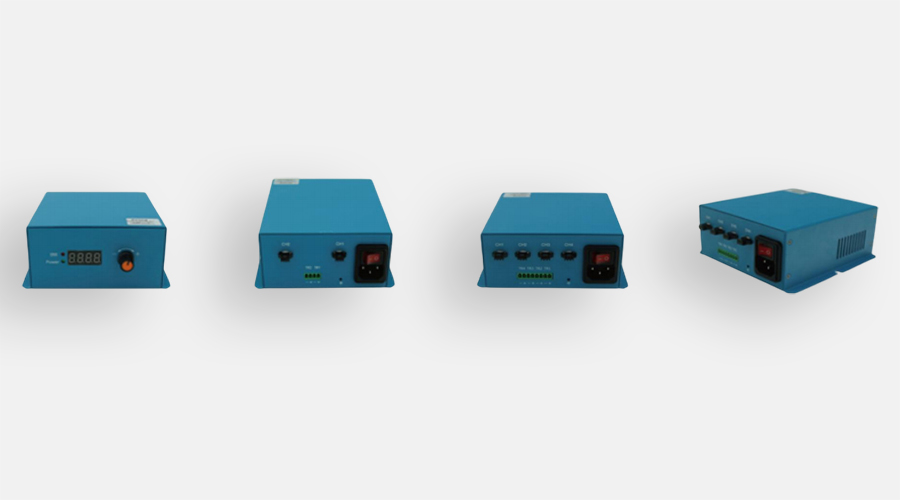 Analog controller
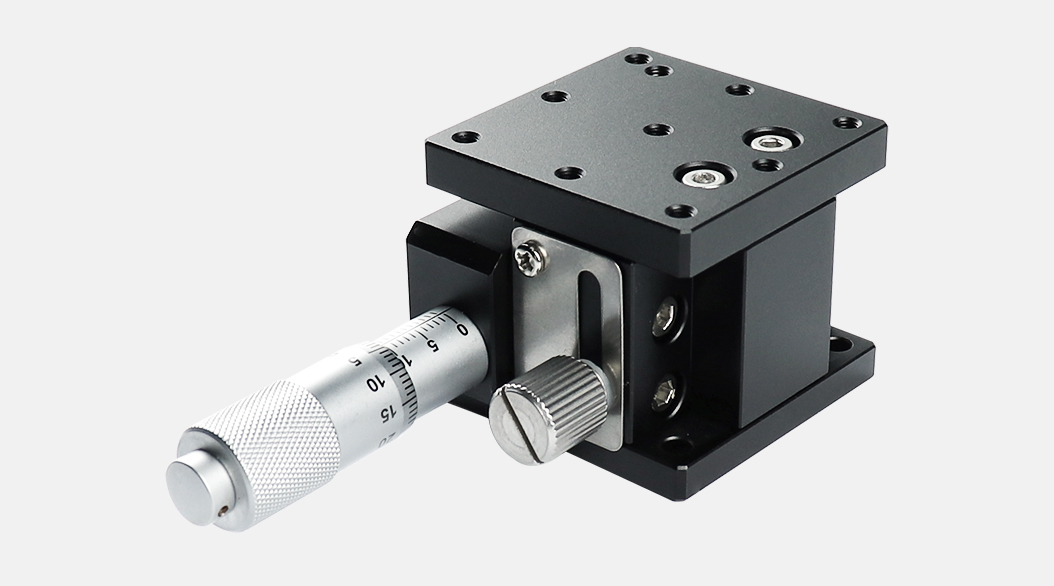 Crossed-Roller Linear guide type
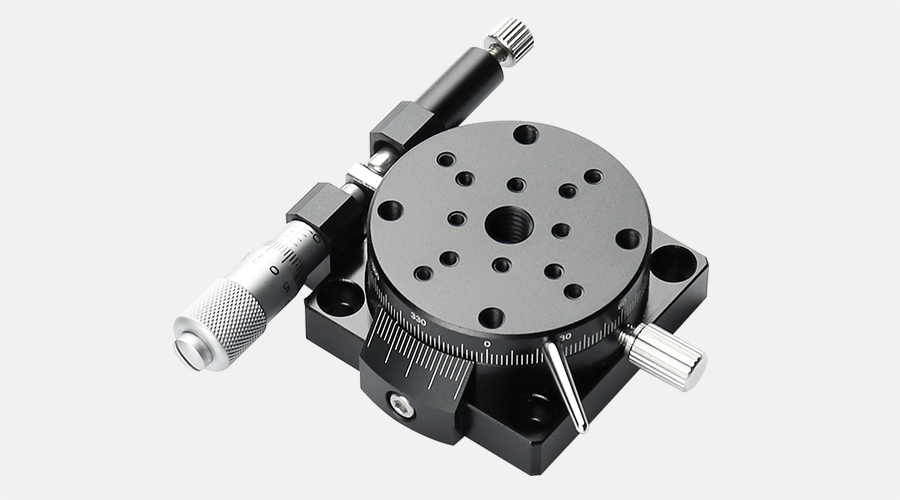 Rotary Stages XRS series
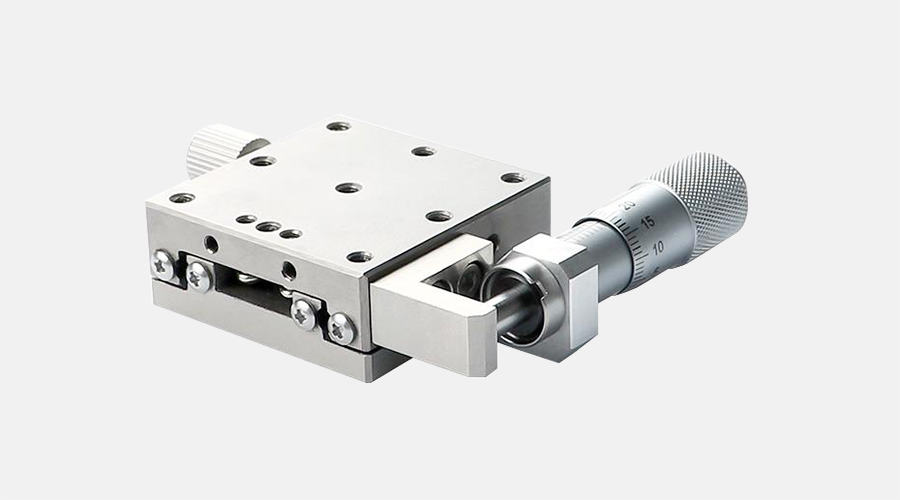 Stainless Steel Ball Bearing Linear Translation Stages
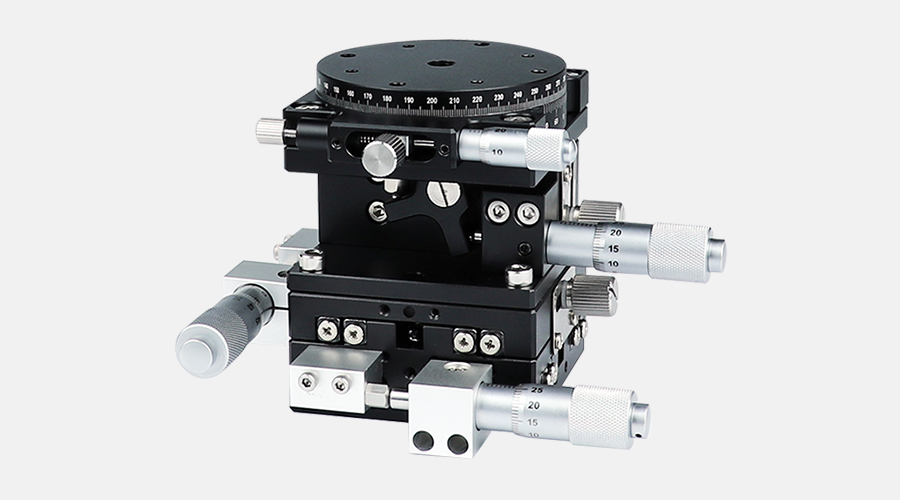 Multi-axis Translation stages
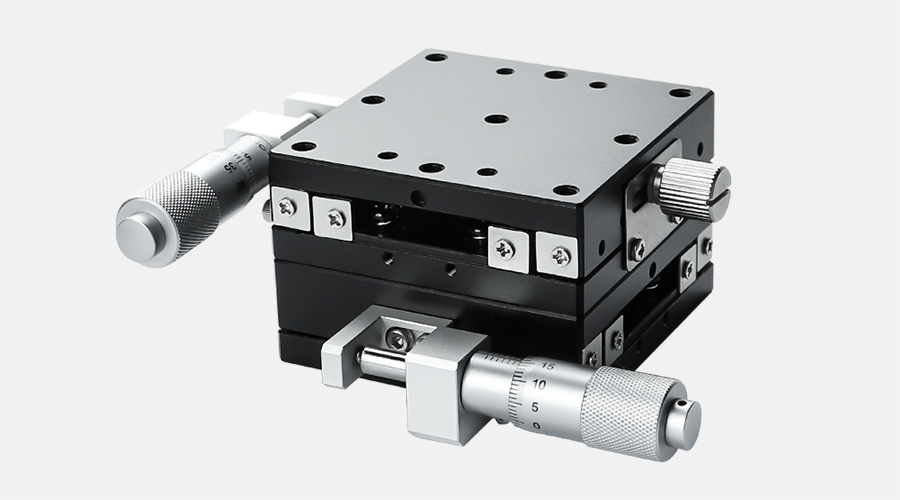 steel bar ball bearing stages
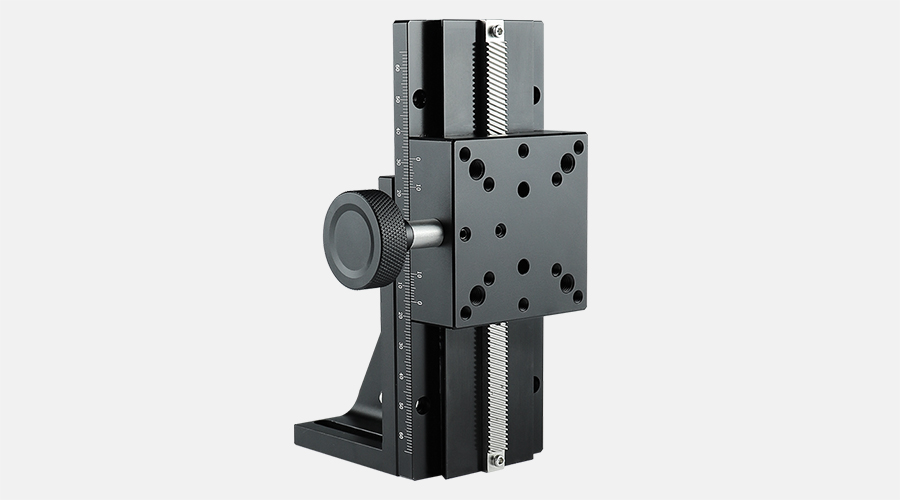 Dovetail Type Rack&Pinion Positioning Stage
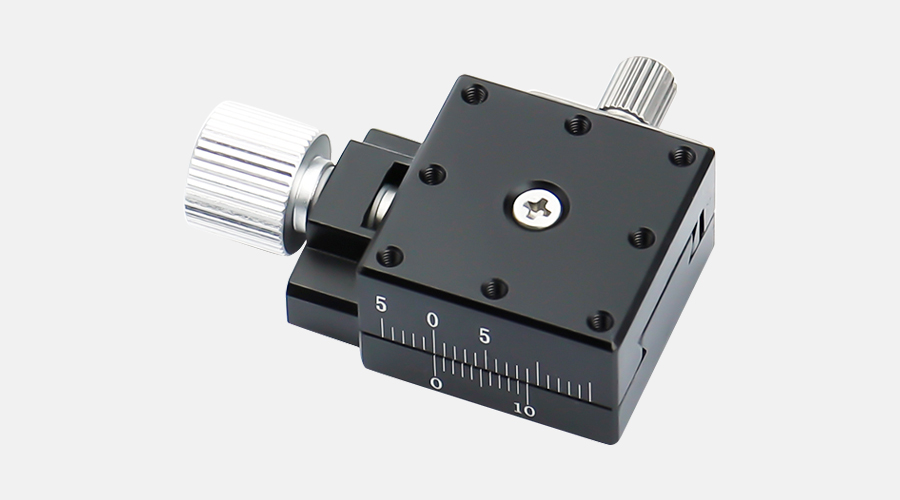 Dovetail groove high-precision screw slide