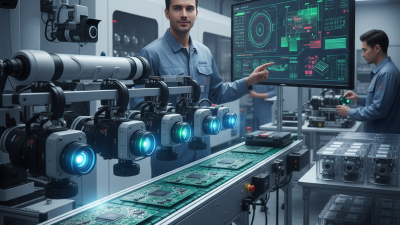
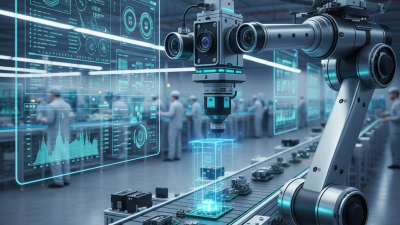
When it comes to manufacturing, one thing you really can't overlook is Machine Vision Quality Inspection. It's pretty much a key player in making sure products meet high standards. I mean, experts like Dr. Helen Zhou from VisionTech Solutions often stress just how crucial it is. She once mentioned, “Good inspection boosts quality, but it’s an ongoing process — you gotta keep tweaking and improving.”
Getting this kind of inspection in place can seriously boost your production line’s efficiency. But, here’s the thing — it’s not a magic fix. You’ve got to be aware of the hurdles and limitations too. Sadly, a lot of companies forget to regularly update their systems. That mistake can lead to errors, and nobody wants product recalls or damaged reputation hanging over their heads.
And, let’s be real — it’s not just about the tech itself. To make it work well, you need to really understand your specific production environment. Every setup has its own quirks and challenges, so there’s no one-size-fits-all solution. Jumping in without tailoring the system to your needs might just lead to less-than-stellar results. So, if you’re thinking about implementing Machine Vision Quality Inspection, take some time to reflect on your unique operational needs. That way, you’re more likely to get the best bang for your buck and see real improvements.
Understanding Machine Vision Quality Inspection Systems
Machine vision quality inspection systems have revolutionized manufacturing processes. These systems utilize cameras and algorithms to identify defects, ensuring product quality. According to a report by Allied Market Research, the global machine vision market is projected to reach $20.25 billion by 2027, with a compound annual growth rate (CAGR) of 7.6% from 2020. This growth reflects a strong industry shift towards automation and precision.
Implementing machine vision requires careful consideration of various factors. Lighting conditions play a critical role in image quality. Improper lighting can lead to missed defects or false positives. It’s essential to calibrate the system to varying conditions for optimal performance. Moreover, integrating machine vision with existing manufacturing systems can pose challenges. Employees need training to adapt to these advanced technologies. A study by the Vision Systems Design highlights that 30% of organizations face difficulties in training personnel effectively.
Despite the clear advantages, not all applications yield success. Some systems struggle with complex geometries or reflective surfaces. Feedback from users emphasizes the need for ongoing adjustments. Performance metrics should be regularly reviewed to identify areas needing improvement. Continuous iterations enhance the reliability of inspections. Leveraging data analytics further supports data-driven decision-making, shaping a more efficient production line.
Key Components of Machine Vision for Quality Control
Machine Vision Quality Control has become essential in modern manufacturing. Key components such as image sensors, lighting, and algorithms play significant roles in ensuring quality inspection. Image sensors capture high-resolution images, enabling detailed analysis of products. According to a report by Markets and Markets, the machine vision market is projected to reach $14.83 billion by 2026, highlighting its importance in optimizing processes.
Proper lighting is crucial. It directly influences the quality of images captured. Without adequate lighting, it's challenging to identify defects. Many companies overlook this aspect, resulting in missed errors. Lighting solutions, including LED and backlighting, can enhance image clarity and contrast. A precise algorithm processes these images to detect anomalies efficiently, but it can sometimes struggle with complex patterns. Regular algorithm updates and training can mitigate these issues, ensuring consistent performance.
Additionally, integrating machine learning can enhance decision-making in Machine Vision Quality Control. By analyzing historical data, systems can learn to predict potential failures more accurately. Nonetheless, the implementation and maintenance of these systems require skilled personnel. Many organizations face challenges in workforce training. Investing in employee education is essential for maximizing machine vision systems' capabilities. Quality isn't merely about detection; it's about improving overall efficiency in production lines.
Selecting the Right Camera and Lighting for Inspections
Selecting the right camera and lighting for
Machine Vision Inspection
can significantly enhance inspection efficiency. A study indicates that about 70% of inspection failures arise from inadequate camera settings or improper lighting conditions.
Understanding these components contributes to effective inspections.
High-resolution cameras are critical. They capture fine details, allowing for precise defect detection.
Cameras with resolutions of at least 5 megapixels are recommended for most industrial inspections.
However, these numbers are not set in stone. In some cases, lower resolutions suffice, especially when inspecting larger components.
The importance of lighting cannot be overstated. For instance, diffuse lighting minimizes glare, while
backlighting highlights surface defects. Different inspection tasks require tailored lighting approaches.
Despite advancements, companies often overlook lighting adjustments. Ignoring this aspect can lead to unreliable findings.
Balancing camera choice and lighting setup requires expertise and ongoing evaluation. Continuous monitoring helps identify areas needing improvement.
Implementing Image Processing Techniques for Accuracy
In the realm of manufacturing and quality control, image processing techniques have become indispensable. The focus on "3d Vision Inspection" is gaining momentum. A recent report from the International Society of Automation indicates that companies implementing advanced imaging technologies saw improvements in defect detection rates by over 30%. This is a significant leap towards operational efficiency.
Utilizing 3D vision in inspection processes enhances the accuracy of measurements and helps identify anomalies that traditional methods might overlook. For instance, an object’s depth and contour are precisely analyzed, leading to more reliable data. However, reliance solely on high-tech solutions can lead to complacency. Regular training and recalibration of systems are necessary to maintain optimal performance. Quality control should blend technology with human expertise.
Incorporating real-time data from inspections allows for immediate feedback loops. This proactive approach reduces the chances of defects reaching customers, aligning with industry benchmarks. Yet, relying on technology doesn't absolve teams from accountability. Continuous evaluations are essential. Decisions should be data-driven, yet the integration of intuition remains vital. Balancing these elements can propel efficiency while ensuring high quality.
Machine Vision Quality Inspection Efficiency
Integrating Machine Vision into Production Workflows
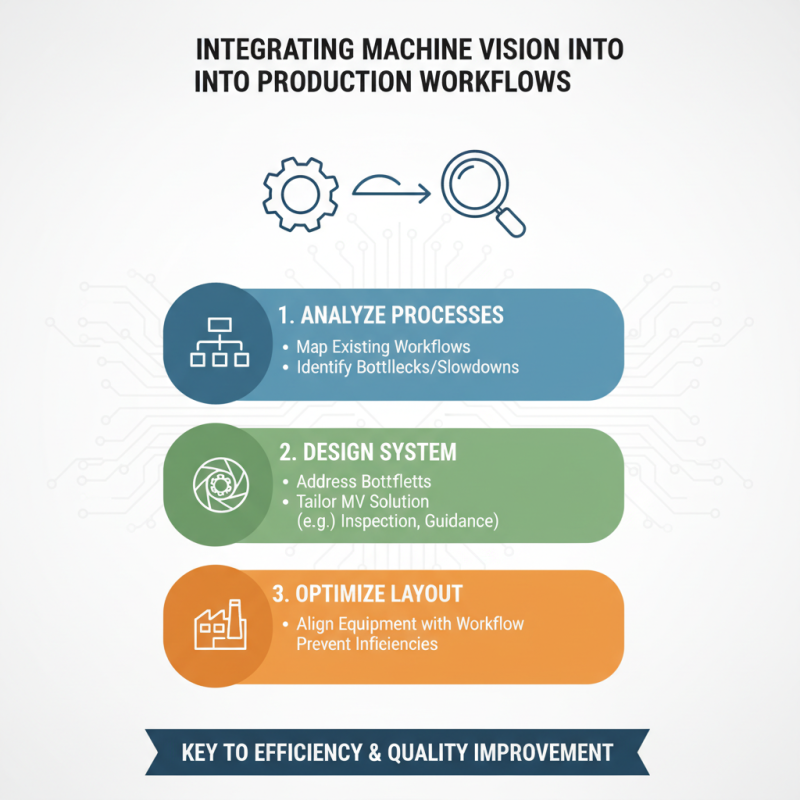
Integrating machine vision into production workflows requires careful planning. Analyze the existing processes first. Identify bottlenecks that slow down production. A clear understanding of these issues aids in designing effective machine vision systems. Ensure the layout of equipment aligns with the workflow. Poor placement can lead to inefficiencies.
Training is essential. Workers need to understand the technology. They should know how to interpret the output of the machine vision system. Effective communication between staff and technology improves accuracy. Regular feedback loops help refine the process. You may find areas where the system struggles. Address these concerns proactively.
Data integration is critical. Machine vision systems generate vast amounts of data. Utilize this data to inform decision-making. It can highlight trends and areas for improvement. However, be aware that data quality can vary. Regular checks are needed to ensure reliability. Integrating machine vision effectively can streamline operations, but it requires ongoing assessment and adjustments.
Common Challenges in Machine Vision Inspection
Machine vision inspection can greatly enhance manufacturing efficiency. However, it faces several challenges that can hinder performance. For instance, low-quality images often result from inadequate lighting or incorrect camera placement. Adjusting these elements can improve image capture significantly. Frequent recalibration of Vision Inspection Lens systems is essential to maintain accuracy. Neglecting this step could lead to inconsistent results.
Another challenge lies in software integration. It’s common to experience compatibility issues with existing systems. The right software should seamlessly analyze images and provide actionable data. Many users overlook this, which can impede operational flow. Additionally, complex product variations can confuse the inspection process. Adapting algorithms to recognize different features takes time and expertise.
Human error in settings and maintenance is also a critical issue. Operators must be trained to handle equipment effectively. Lack of training can result in incorrect configurations. Even small adjustments can lead to larger problems later. Regular feedback loops can help identify frequent mistakes, fostering improvement in the inspection process. Addressing these challenges directly impacts overall efficiency and reliability in machine vision practices.
Best Practices for Maintaining Machine Vision Equipment
Maintaining machine vision equipment is critical for optimal performance. Regular checks can help identify issues early. A visual inspection of cameras and lenses should be routine. Dirt or fingerprints can distort images and affect quality. Even small particles can lead to significant errors.
Calibrating the system regularly ensures accuracy in measurements. Over time, settings may drift. Regular calibration can prevent costly mistakes in production. Also, it’s wise to check lighting conditions frequently. Poor lighting can result in inconsistent image quality. This might not be obvious until defects occur.
Training staff on equipment use is vital. Even experienced personnel can overlook simple tasks. Inconsistent practices can lead to unexpected failures. Encourage a culture of accountability. Small lapses can create large-scale issues later. Keep a maintenance log to track issues and solutions. This can guide future improvements and prevent recurring problems.
FAQS
: Image processing techniques are crucial for enhancing quality control and defect detection rates in manufacturing processes.
3D vision analyzes objects' depth and contour, identifying anomalies that traditional methods may miss, ensuring more reliable data.
Sole reliance on technology may lead to complacency; regular training and recalibration are essential for optimal performance.
Real-time data provides immediate feedback, decreasing the likelihood of defects reaching customers and enhancing operational efficiency.
Common challenges include low-quality images due to poor lighting, software integration issues, and the need for regular recalibration.
Workers must understand how to interpret data from these systems; effective training enhances accuracy and operational flow.
Varying data quality can lead to unreliable insights; regular checks are necessary to ensure data reliability for effective decision-making.
Neglecting maintenance can lead to inconsistent results, affecting the overall performance and reliability of inspection procedures.
Proactively address concerns while utilizing regular feedback loops to refine processes and improve efficiency.
Improper training can result in errors during settings and maintenance, which may lead to significant issues down the line.
Conclusion
Machine Vision Quality Inspection plays a crucial role in enhancing production efficiency and accuracy in various industries. Understanding the intricacies of machine vision systems is essential, as they comprise key components like cameras and lighting that significantly impact the quality of inspections. Selecting the appropriate tools and implementing effective image processing techniques are vital for achieving precise results.
Integrating machine vision seamlessly into production workflows can streamline operations, though it's important to be aware of common challenges that may arise during implementation. Additionally, best practices for maintaining machine vision equipment ensure longevity and reliability, securing consistent quality control outcomes. Overall, adopting these strategies can lead to improved performance in machine vision quality inspections, ultimately benefiting production processes.

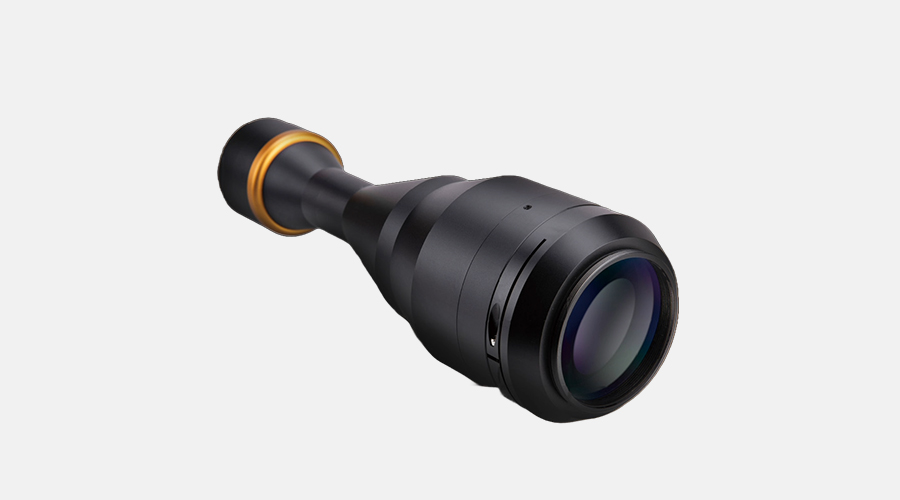 Compatible with 7.2mm-82mm chips
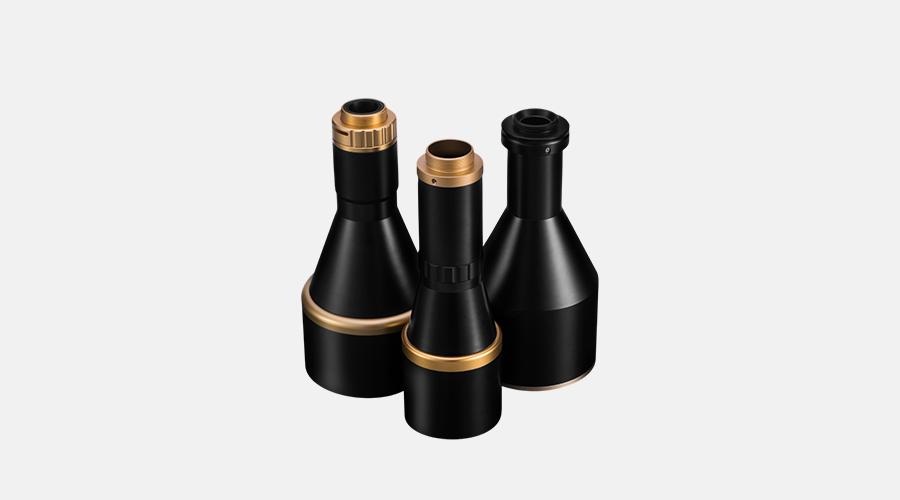 High/Low Working Distance
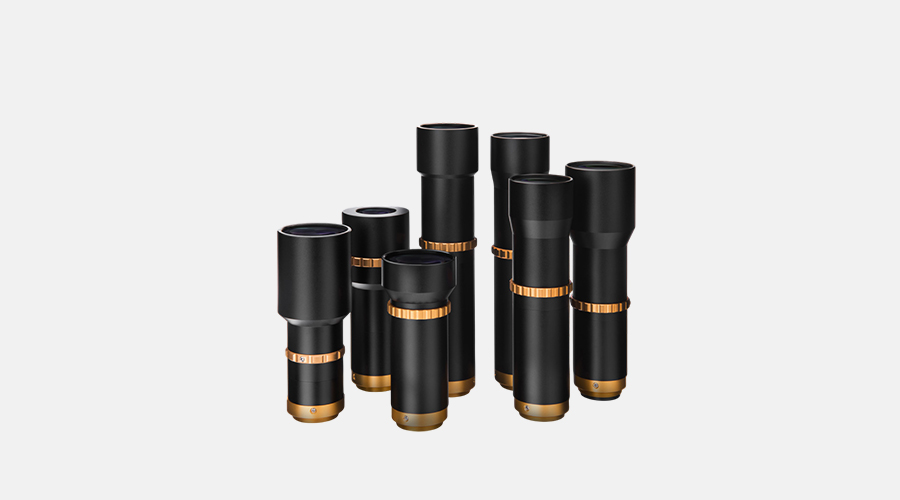 Aperture telecentric lens
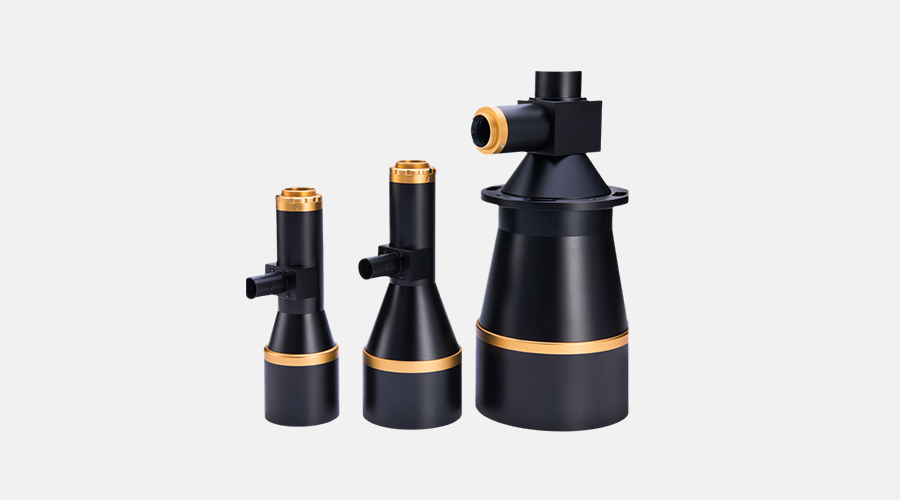 Measuring lens
 Maximum support 1.1" chips
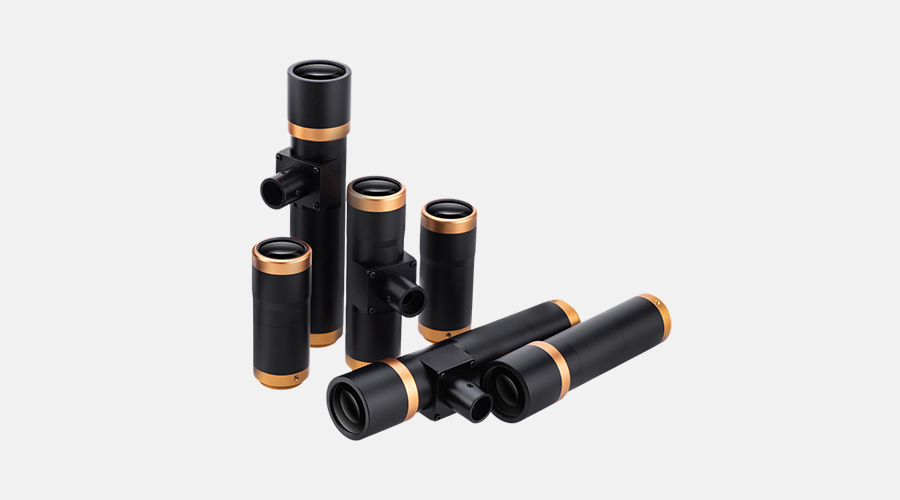 Maximum support 1.2" chips
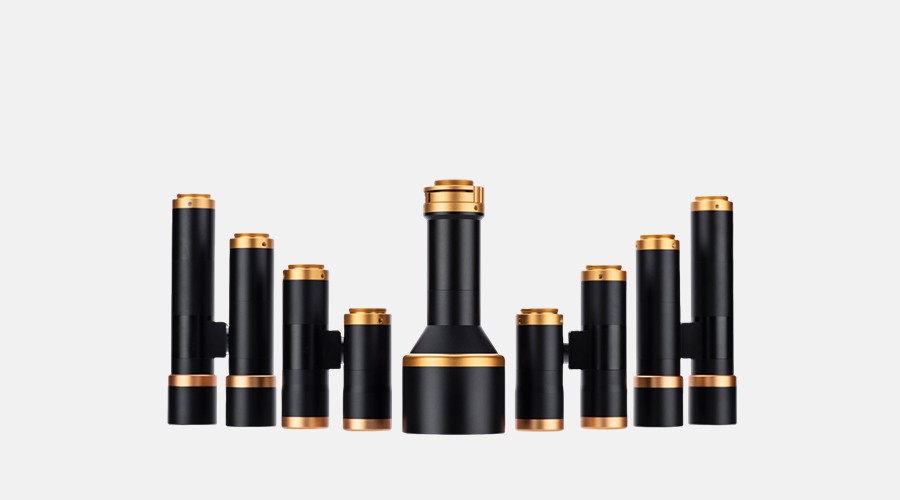 Maximum support 2/3" chips
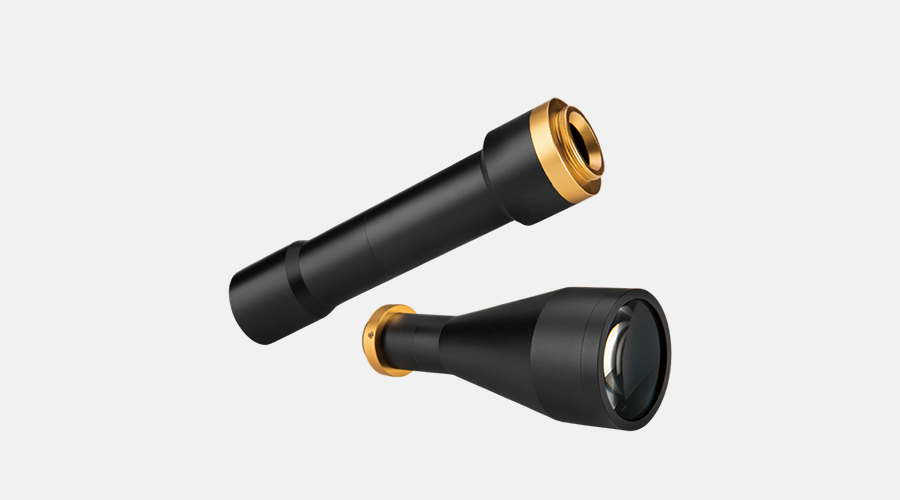 Long Working Distance
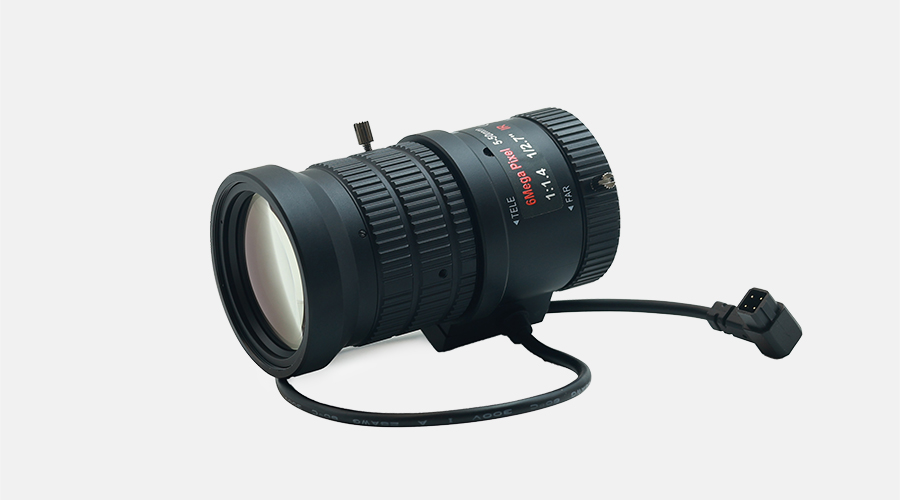 CS mount Varifocal lens
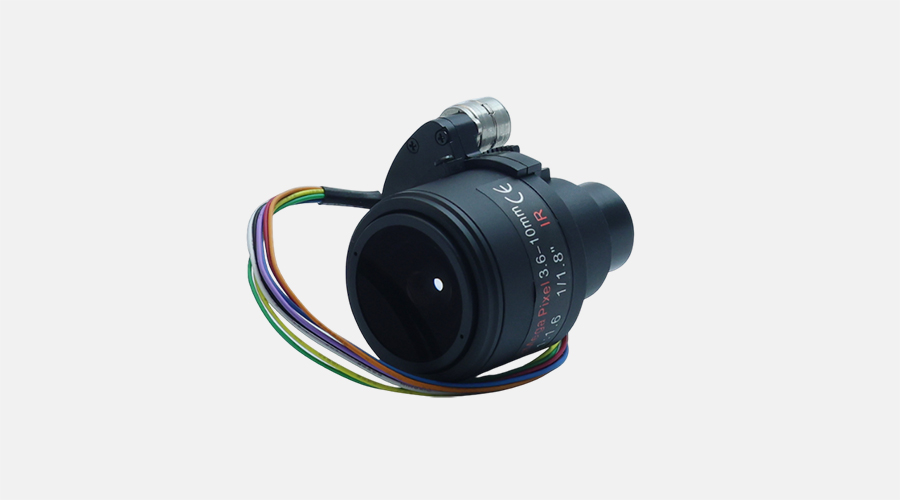 Varifocal board lens
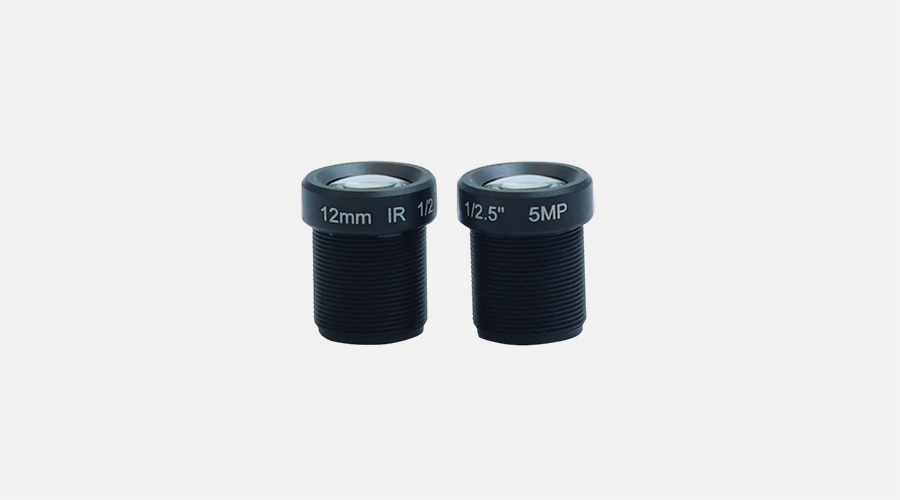 S mount lens
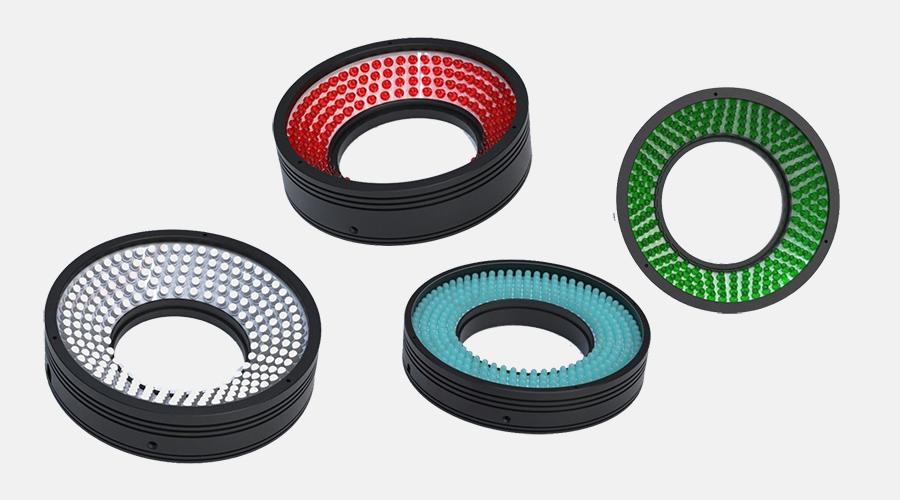 Ring light
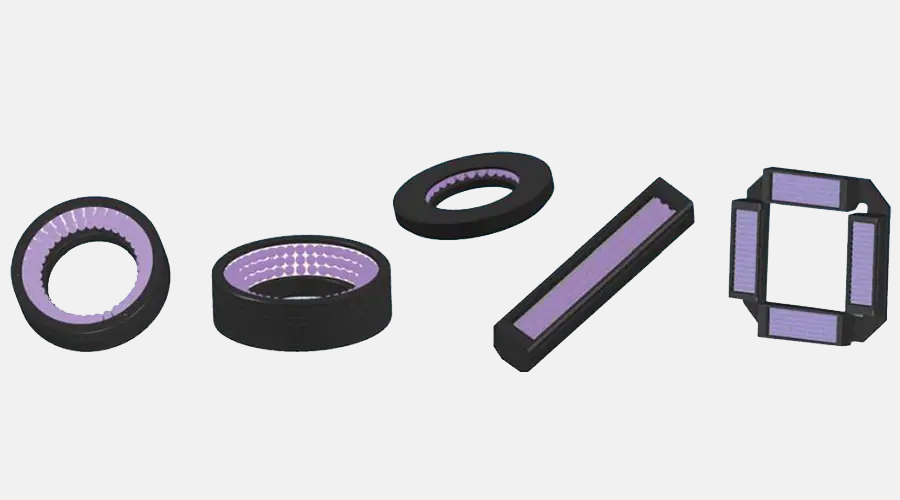 UV/IR Light
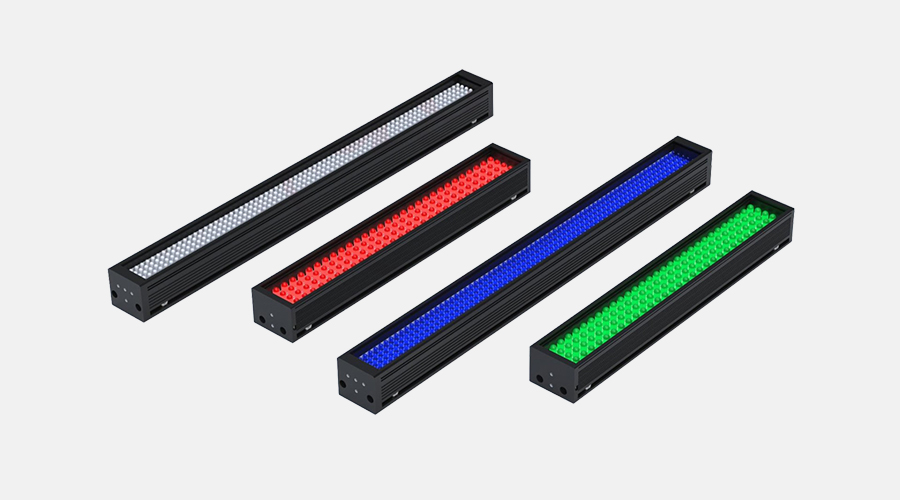 Bar light
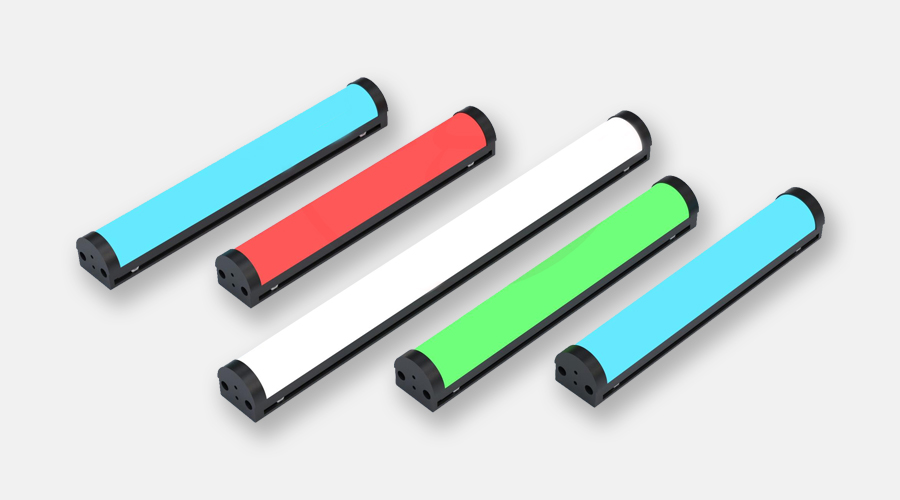 Arcuate high uniformity light
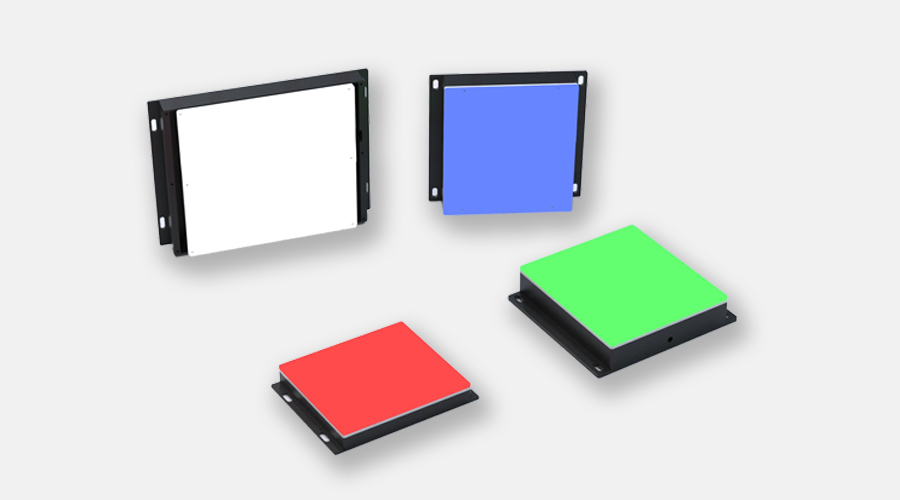 Back light
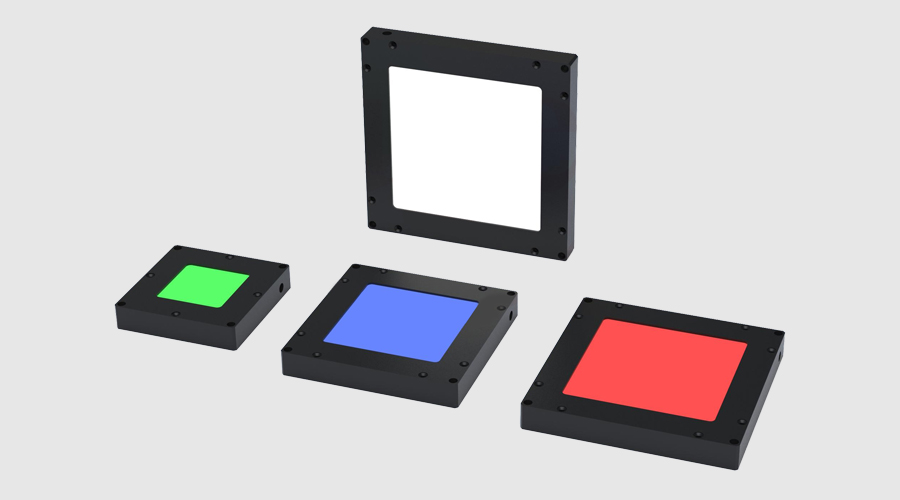 Flat light
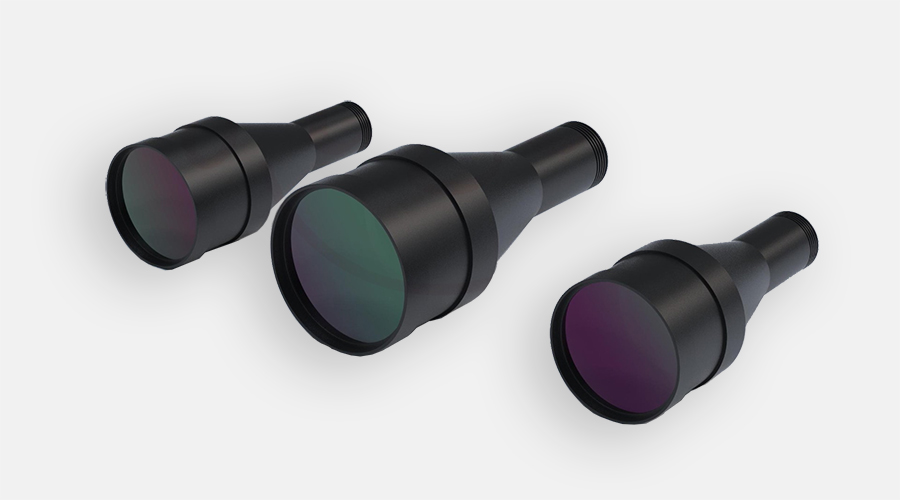 Collimated light
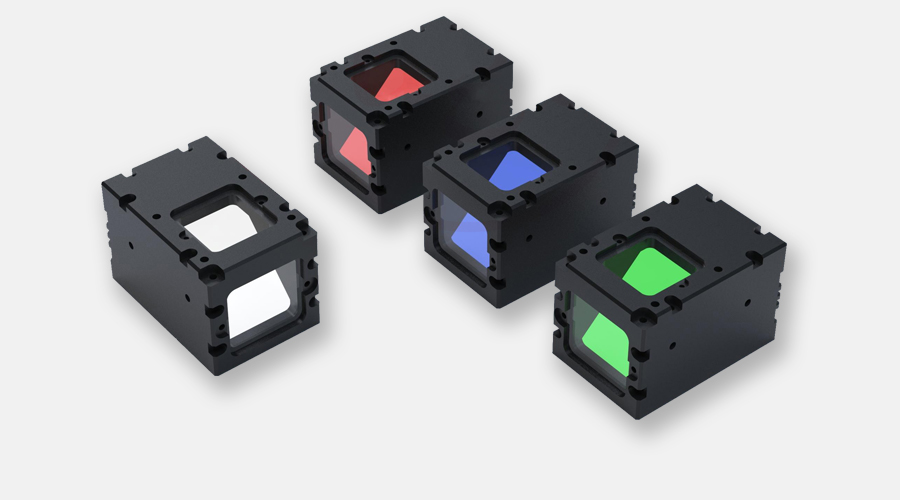 Coaxial light
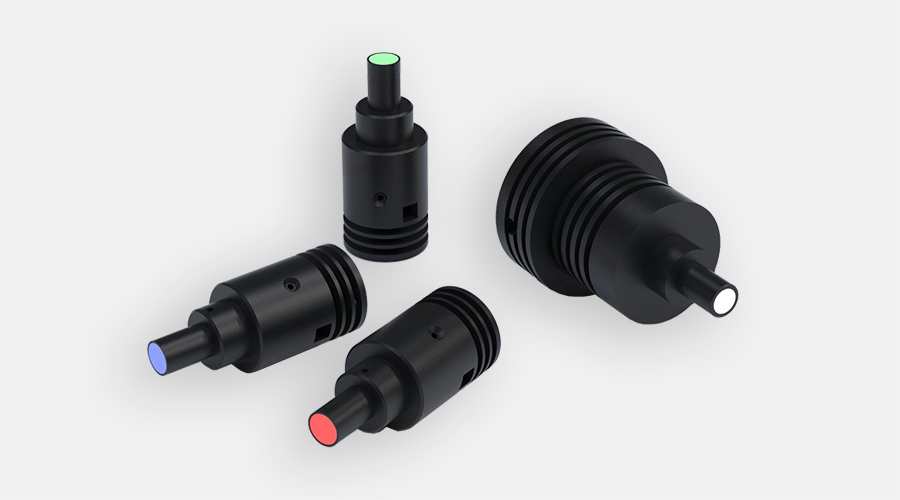 Spot light
 Dome light
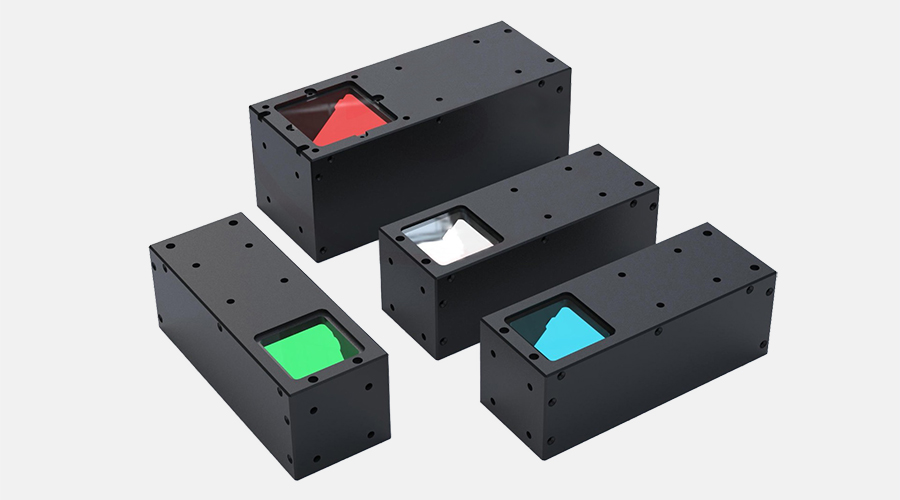 Collimated Coaxial light
 Shadowless square light
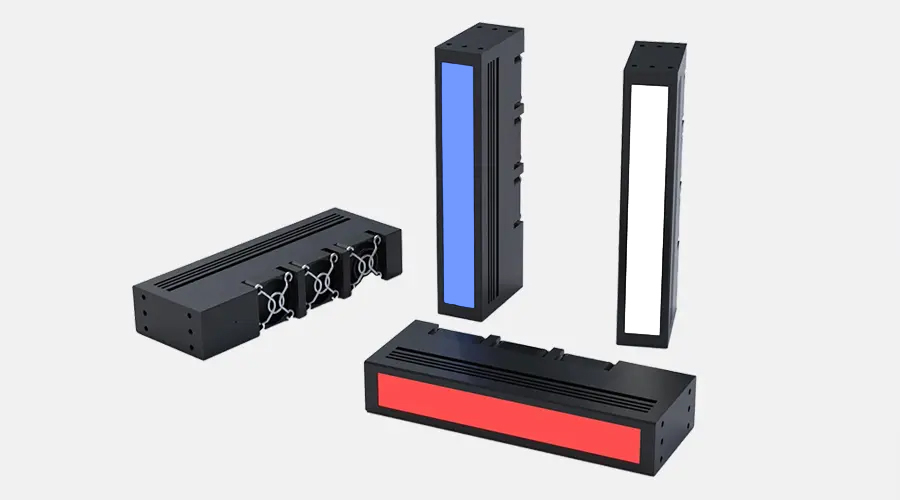 Scan light
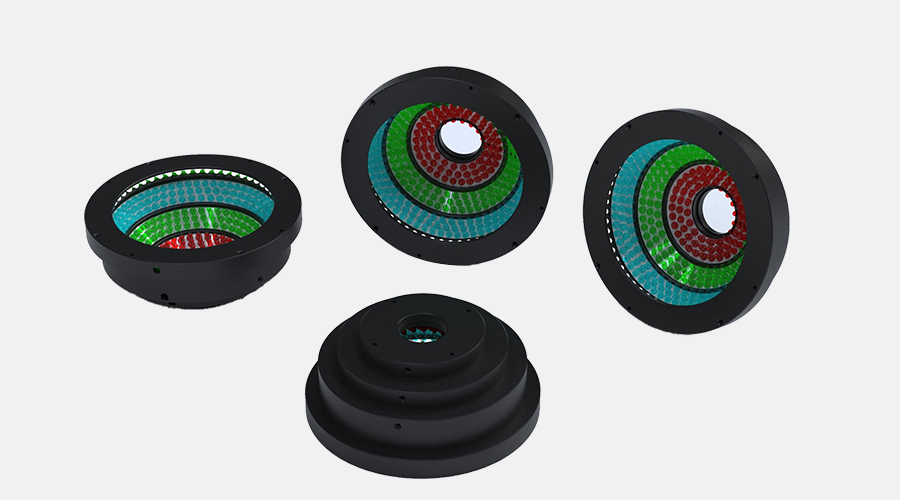 AOI light
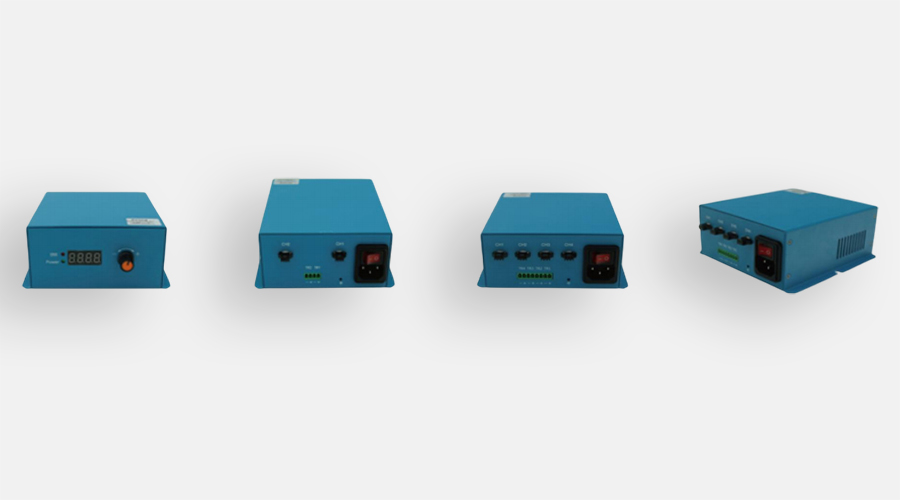 Analog controller
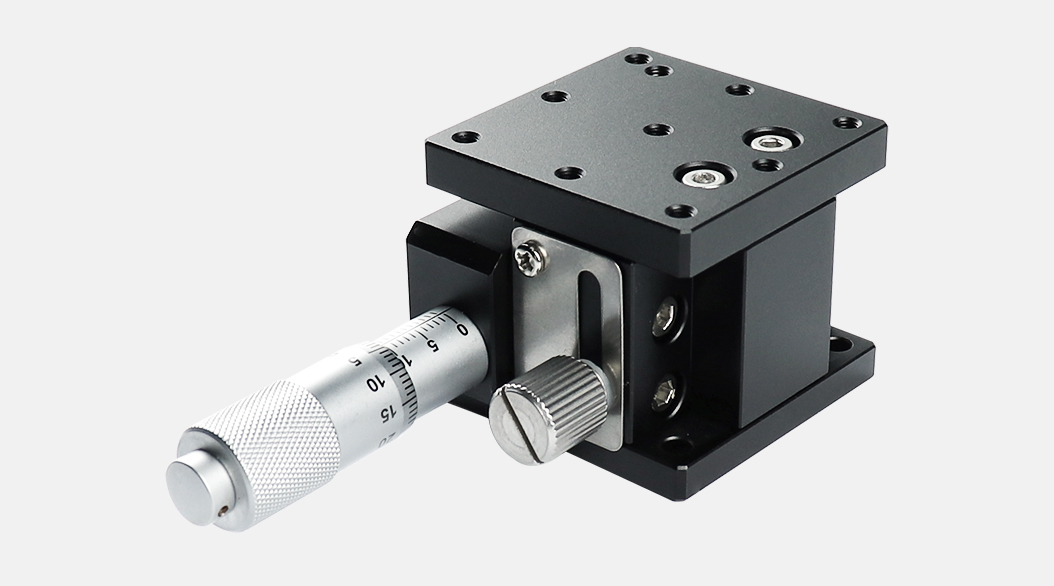 Crossed-Roller Linear guide type
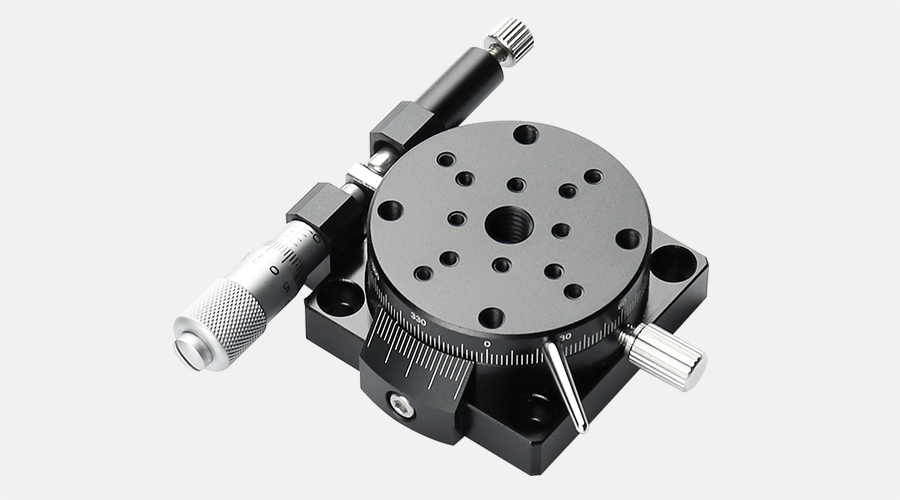 Rotary Stages XRS series
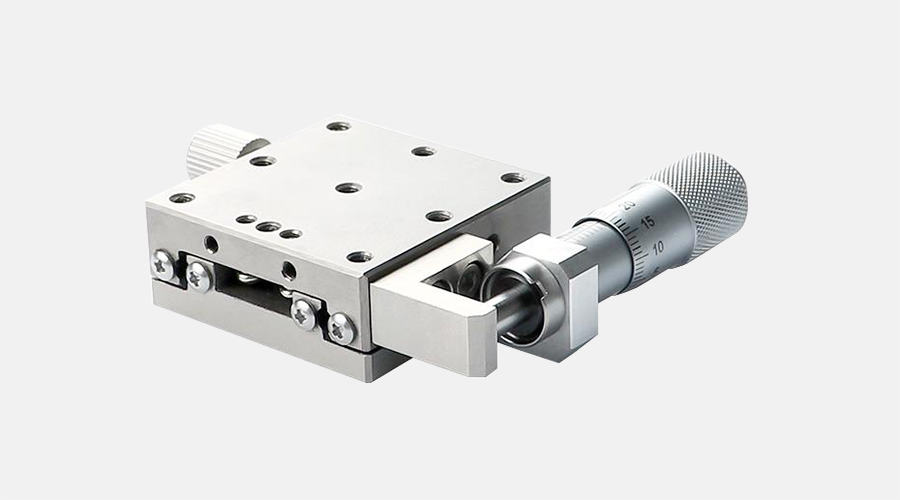 Stainless Steel Ball Bearing Linear Translation Stages
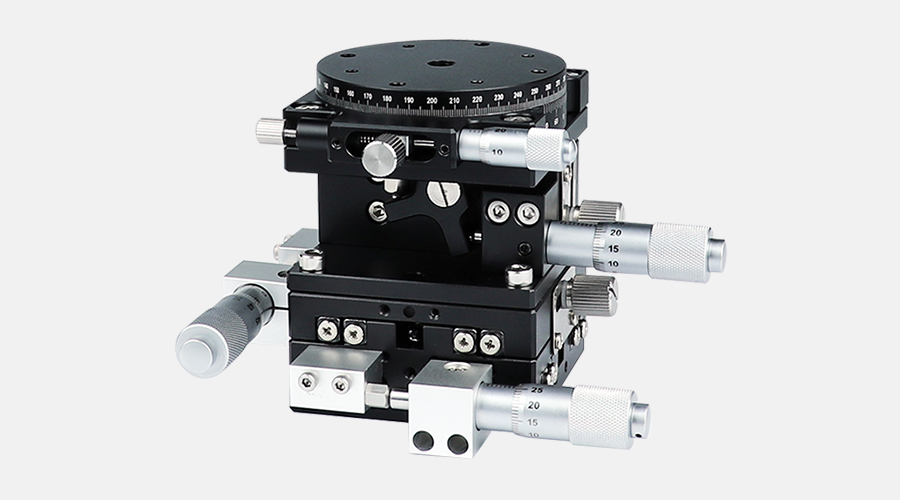 Multi-axis Translation stages
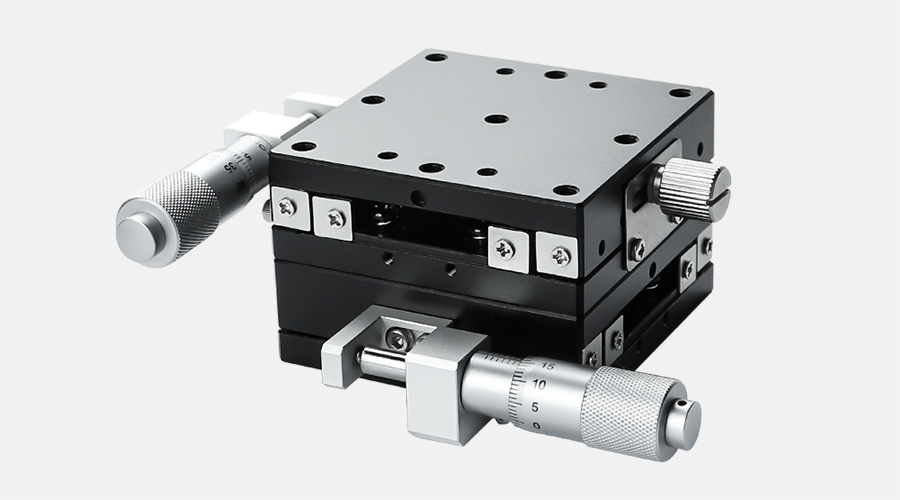 steel bar ball bearing stages
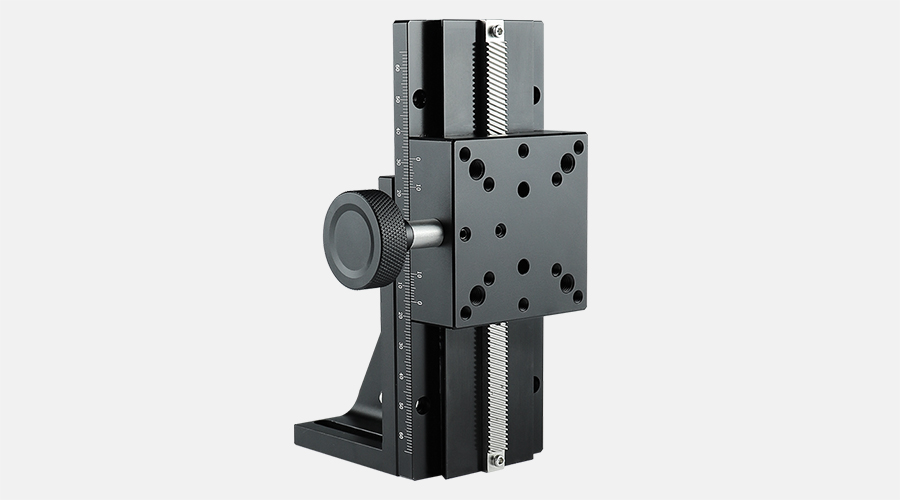 Dovetail Type Rack&Pinion Positioning Stage
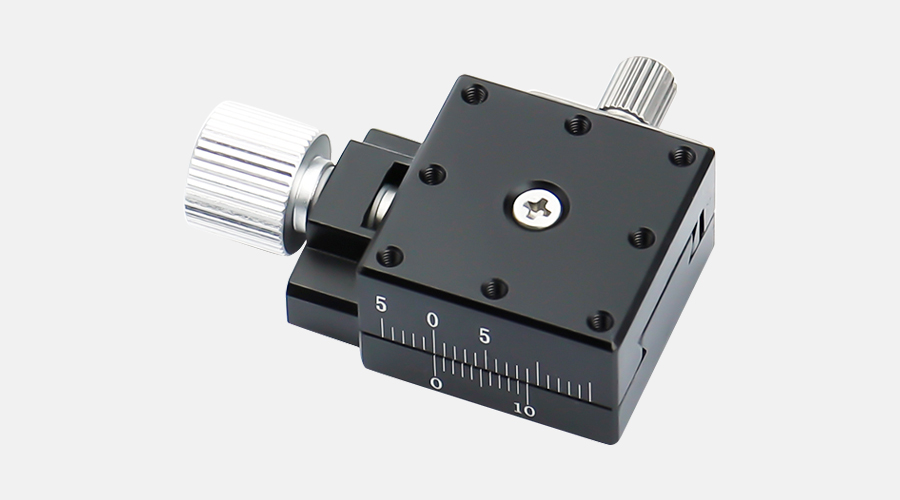 Dovetail groove high-precision screw slide