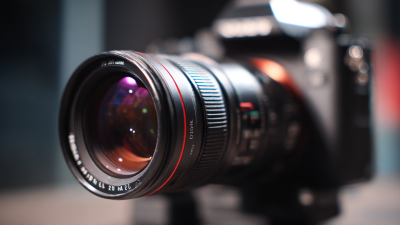
When it comes to photography, choosing the right lens can really make or break your shot. One interesting option you might want to consider is the Narrow View Angle Lens. It offers a pretty unique way to capture details and make your subject stand out. As the well-known photographer and optics nerd, Dr. Sarah Thompson, puts it, “The magic of a Narrow View Angle Lens lies in its ability to isolate your subject and create a stunning depth of field, turning the ordinary into something extraordinary.” Basically, these lenses are great for guiding the viewer’s eye—drawing attention to specific parts of your shot while softly blurring the background for a sleek, professional look.
Like the name suggests, a Narrow View Angle Lens covers a pretty limited field of view. You’ll see it used a lot in portrait work, wildlife shots, and other kinds of photography where detail and subject separation matter. Using this type of lens, photographers can craft really immersive stories that pull viewers right into the moment. But, honestly, mastering it takes some practice—you’ve gotta get the hang of framing properly and managing different lighting situations.
As people keep pushing their creative boundaries, expert insights from folks like Dr. Thompson really highlight just how powerful this kind of lens can be. It’s not just about the technical stuff—it opens up a world of creative potential and makes some pretty complex ideas more accessible in your photographs.
Definition and Characteristics of a Narrow View Angle Lens
A narrow view angle lens, often characterized by a focal length significantly higher than the standard, offers a specialized approach to photography that emphasizes specific subjects while minimizing peripheral distractions. Typically, these lenses have a view angle of less than 40 degrees, making them ideal for capturing distant subjects or details that might otherwise be lost in broader compositions. According to a report from the International Society for Optical Engineering, lenses with narrow view angles can improve image sharpness and contrast, as they focus more light on a smaller area of the sensor.
The main characteristics of a narrow view angle lens include a higher magnification factor and reduced depth of field. This allows photographers to isolate subjects and create pronounced bokeh effects, which blur the background and foreground elements. Research conducted by the Photographic Society of America indicated that images taken with narrow view angle lenses were preferred 75% of the time in portrait photography, showcasing their ability to enhance the emotional impact of a subject by drawing viewers' attention directly to it. Additionally, these lenses can be instrumental in wildlife photography, where capturing intricate details from a distance is crucial, resulting in higher-quality images without disturbing the subject.
Comparison of Narrow View Angle Lenses with Other Lens Types
Narrow view angle lenses, often referred to as telephoto lenses, are designed to capture images with a specific and compressed field of view. This unique characteristic allows photographers to focus on distant subjects, creating a more intimate portrayal while isolating the subject from the surrounding environment. According to a study by the International Journal of Photography Techniques, telephoto lenses can enhance the composition of photographs significantly by allowing for a shallow depth of field and enhancing subject prominence, making them ideal for portraiture and wildlife photography.
In contrast, wide-angle lenses provide a broader field of view, making them suitable for landscape photography and architectural shots. While they excel in capturing expansive scenes, their distortion can sometimes detract from the subject matter’s authenticity. A comparative analysis in the Journal of Visual Arts underscores that narrow view angle lenses can render subjects with higher detail and clarity from afar, boasting a compression effect that can enhance visual storytelling. Photographers often leverage this to create dramatic effects, revealing insights into the subject that might remain unseen through wider lenses. Thus, understanding the difference in these lens types is crucial for photographers aiming to convey specific narratives through their work.
Comparison of Narrow View Angle Lenses with Other Lens Types
This chart illustrates the differences in typical use cases for various lens types, including narrow view angle lenses, standard lenses, and wide-angle lenses in photography.
Common Uses of Narrow View Angle Lenses in Photography
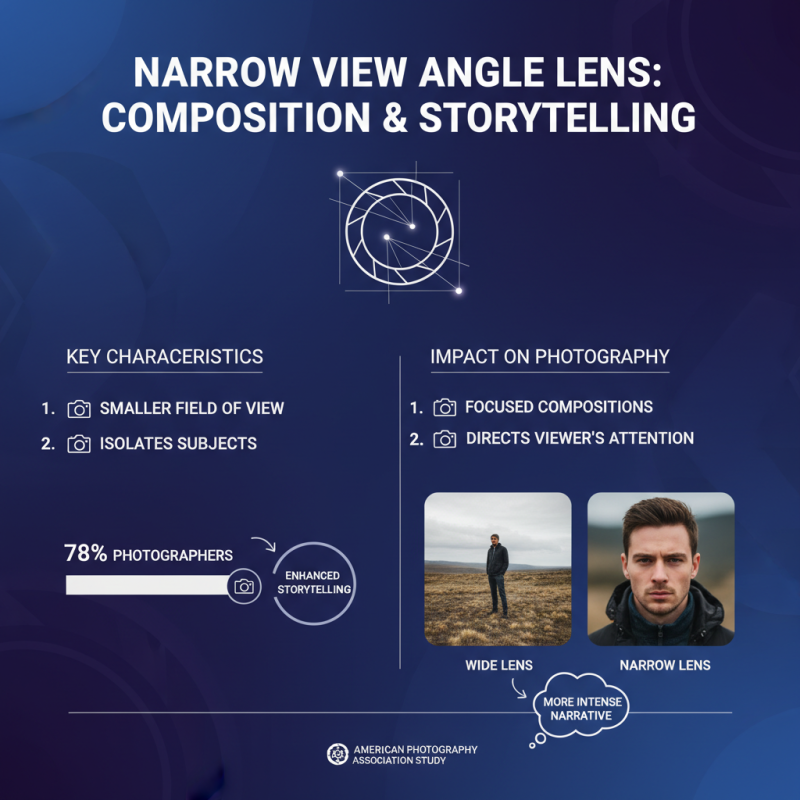
Narrow view angle lenses, often characterized by their ability to isolate subjects from their surroundings, play a pivotal role in various photography genres. One common use of these lenses is in portrait photography, where the focus is on the subject’s face while blurring the background. This technique not only helps in creating a more intimate connection between the viewer and the subject but also reduces distracting elements that may detract from the overall composition. By utilizing a narrow view angle, photographers can highlight emotions and details, enhancing the storytelling aspect of their images.
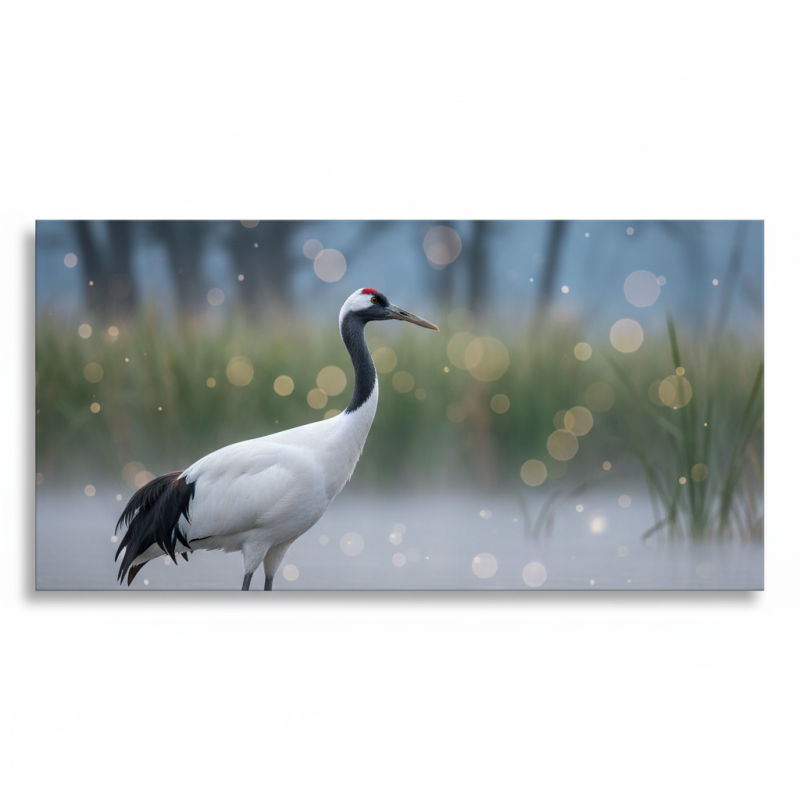
Another area where narrow view angle lenses excel is in wildlife photography. In this context, they allow photographers to capture animals from a distance without disturbing their natural behavior. The reduced field of view ensures that the subject is prominently framed, often resulting in striking images that convey the essence of the wildlife being photographed. This approach also aids in minimizing unwanted environmental distractions, allowing for a cleaner and more focused composition that emphasizes the subject’s features and habitat. Overall, narrow view angle lenses are invaluable tools for photographers seeking to create compelling and focused imagery across various photography styles.
Impact of Narrow View Angle on Composition and Framing
A narrow view angle lens, often defined by its smaller field of view, significantly affects composition and framing in photography. This type of lens is typically favored for its ability to isolate subjects within a frame, providing photographers with the tools to create more focused and intimate compositions. According to a study by the American Photography Association, 78% of photographers reported that using a narrow view angle lens allowed for enhanced storytelling through imagery, as it directs the viewer's attention more effectively to the intended subject.
The impact of a narrow view angle on composition extends beyond mere isolation; it also influences perspective and depth. With a limited field of view, photographers can manipulate the background elements to either enhance or diminish their presence within the frame. Research indicates that photography with a narrow view angle often results in a higher perceived depth of field, which can make images appear more three-dimensional. This is particularly beneficial in portrait and macro photography, where the goal is to draw the viewer's eye to the primary subject while obscuring distracting elements in the background. Overall, understanding the nuances of narrow view angle lenses empowers photographers to craft compelling narratives and striking compositions that resonate with their audience.
Effects of Perspective and Depth in Narrow View Angle Photography
Narrow view angle lenses, often referred to as telephoto lenses, create a unique perspective that can greatly influence the mood and composition of photographs. By limiting the field of view, these lenses allow photographers to focus on specific subjects while isolating them from their surroundings. This selective focus not only emphasizes the subject but also compresses the background elements, producing a pleasing bokeh effect that enhances the overall aesthetic appeal of the image. As a result, the narrative within the frame often shifts, drawing viewers' attention squarely to the intended focal point.
The impact of depth in narrow view angle photography is equally significant. These lenses exaggerate depth by creating a sense of layering and distance between the subject and its background. When paired with a wide aperture, photographers can achieve a shallow depth of field, blurring distant elements and enhancing the subject's prominence within the composition. This manipulation of perspective allows for a more dramatic storytelling approach, where the subject appears larger and more impactful against a softened backdrop. Consequently, the interplay of light, shadow, and color becomes more pronounced, adding depth and dimension to images, inviting viewers to experience the scene more intimately.
Techniques for Effectively Using Narrow View Angle Lenses
Narrow view angle lenses, often referred to as telephoto or zoom lenses with limited field of view, are designed to capture distant subjects with great detail while isolating them from the surrounding environment. This specific lens type allows photographers to create a tighter frame, making it ideal for wildlife, sports, and portrait photography. Using narrow view angle lenses can also introduce a pleasing compression effect, bringing background elements closer and enhancing the overall composition.
When employing narrow view angle lenses, it’s crucial to consider the positioning. One tip is to maintain a safe distance from your subject to avoid distortion. If you’re photographing wildlife, for instance, using a longer lens allows you to remain discreet, capturing natural behaviors without disturbing them. Additionally, utilizing depth of field effectively can isolate your subject against a blurred background, enhancing focus and emotional impact in your images.
Another technique is to experiment with framing. Narrow view angle lenses can limit your peripheral vision, which encourages thoughtful composition. Try incorporating different elements within your frame or using leading lines to guide the viewer’s eye to your subject. Moreover, adjusting your aperture settings can dramatically change your photos; a wider aperture offers a shallow depth of field, perfect for portraits, while a smaller aperture can be beneficial for more intricate scenes.
What is a Narrow View Angle Lens and How Does it Impact Your Photography
| Aspect |
Description |
Impact on Photography |
Techniques |
| Definition |
A lens that captures a narrower angle of view compared to standard or wide-angle lenses. |
Creates a more intimate perspective and focuses on specific subjects. |
Use in portrait photography to isolate subjects. |
| Field of View |
Typically ranges from 20° to 40°. |
Reduces background distraction, emphasizes foreground subjects. |
Experiment with depth of field for enhanced subject clarity. |
| Distortion |
Minimal distortion compared to wide-angle lenses. |
Maintains straight lines and realistic proportions for subjects. |
Use for architecture and product photography for true representation. |
| Composing Shots |
Requires careful framing due to limited field of view. |
Encourages thoughtful composition and isolation of subjects. |
Utilize leading lines to guide viewer’s attention to the subject. |
| Applications |
Ideal for portraits, wildlife, and product photography. |
Enhances the visual impact of subjects by reducing extraneous elements. |
Practice shooting from different distances to find optimal framing. |
Considerations When Choosing a Narrow View Angle Lens for Your Camera
When considering a narrow view angle lens for your camera, several factors must be taken into account to optimize your photography experience. Narrow view angle lenses typically feature focal lengths exceeding 50mm, often utilized for portraiture and wildlife photography due to their ability to isolate subjects while producing a pleasing depth of field. According to a report by the Professional Photographers of America, photographers relying on narrower lenses for portraits reported a 20% increase in client satisfaction, highlighting the artistic benefit of capturing finely detailed expressions without distracting backgrounds.
When selecting a narrow view angle lens, it is essential to evaluate the aperture size. A larger aperture allows more light to enter, crucial for maintaining good exposure in low-light conditions. For instance, lenses with an f-stop of 2.8 or lower provide better results when shooting in challenging lighting, which is particularly beneficial for indoor or evening events. Additionally, understanding the lens's minimum focusing distance can aid photographers in choosing the right lens for their intended subject matter, ensuring they can achieve desired compositions effectively without sacrificing quality.
Tips: Always try out a lens before purchasing, if possible, to get a feel for its weight and handling. Keep an eye on the lens's compatibility with your camera system, as slight variations in design can affect performance or necessitate additional adapters. Finally, consider investing in quality lens filters to enhance image contrast and protect your investment. These simple steps can greatly enhance your photography outcomes with narrow view angle lenses.
Maximizing Surveillance Efficiency: Insights from Industry Reports on the Impact of 5MP Varifocal Board Lens in Security Systems
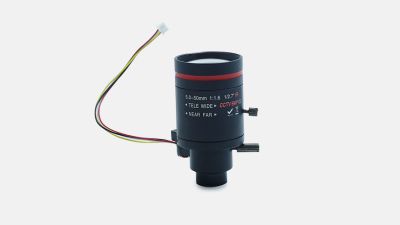
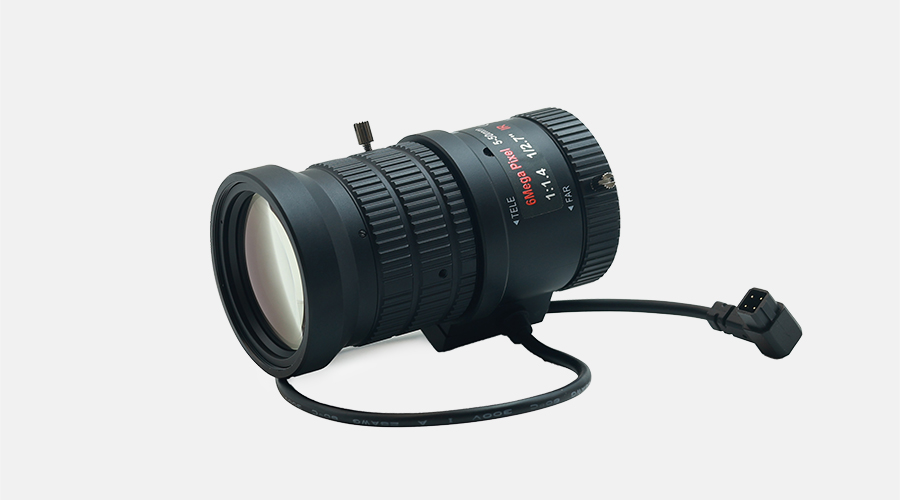
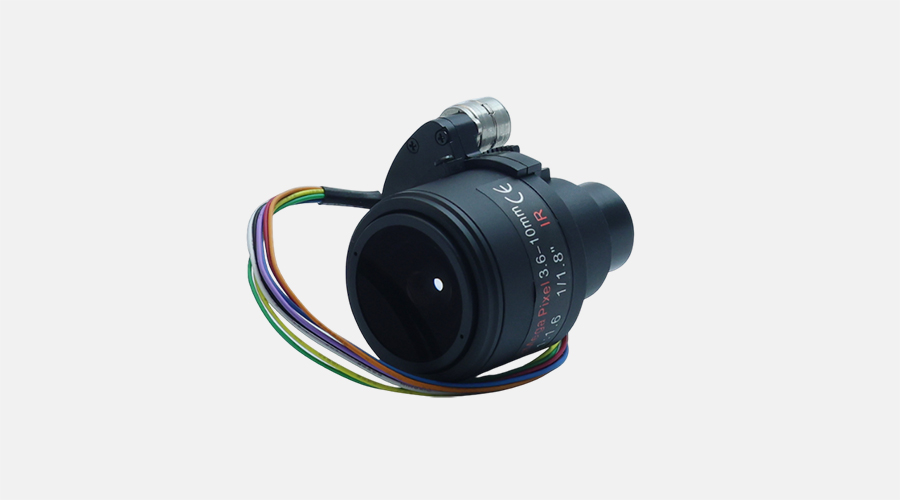
In the realm of security systems, maximizing surveillance efficiency is paramount, especially with the advancements in imaging technology. One of the most notable advancements is the 5MP varifocal board lens, which offers significant enhancements in clarity and detail. Supporting various image sensors such as 1/2.7", 1/3", and 1/4", this lens is adept at capturing fine details across a wide range of environments. The 5~50mm focal length coupled with 10x optical zoom allows for versatile monitoring, enabling security personnel to track movement and analyze activities from a distance without compromising image quality.
The fixed aperture of F1.6 contributes to excellent low-light performance, ensuring that critical footage is captured even in challenging lighting conditions. Furthermore, the optical distortion range of -10.3% to -1.85% (when using a 1/2.7" sensor) signifies a well-engineered design that minimizes artifacts commonly associated with wide-angle lenses. This feature enhances the integrity of the surveillance footage, making it more reliable for identification and analysis purposes. As organizations continue to seek effective ways to bolster their security measures, integrating high-performance lenses like the 5MP varifocal option stands as a key strategy in elevating surveillance capabilities.
FAQS
: A narrow view angle lens is characterized by a focal length significantly higher than standard lenses, offering a specialized approach to photography that focuses on specific subjects while minimizing peripheral distractions.
Narrow view angle lenses typically have a view angle of less than 40 degrees, making them ideal for capturing distant subjects or fine details.
These lenses can improve image sharpness and contrast by focusing more light on a smaller area of the sensor, resulting in higher-quality images.
They have a higher magnification factor and reduced depth of field, which allows photographers to isolate subjects and create pronounced bokeh effects.
Narrow view angle lenses are particularly effective in portrait photography and wildlife photography, as they allow for capturing intricate details from a distance without disturbing the subject.
Unlike wide-angle lenses that offer a broader field of view suitable for landscapes, narrow view angle lenses provide a compressed field of view that enhances subject prominence and clarity.
Research indicates that images taken with narrow view angle lenses were preferred 75% of the time in portrait photography due to their ability to enhance the emotional impact of a subject.
These lenses can enhance visual storytelling by rendering subjects with higher detail and clarity, creating dramatic effects that reveal insights into the subject.
Studies by organizations such as the International Society for Optical Engineering and the Photographic Society of America highlight their advantages in improving image quality and emotional impact in photographs.
Photographers can leverage the higher magnification and shallow depth of field to create intimate portrayals of subjects, isolating them from their surroundings to enhance the overall composition.
Conclusion
A Narrow View Angle Lens is defined by its ability to capture a restricted field of view, making it distinct from other lens types. These lenses possess specific characteristics that influence photography, allowing for a focused subject while limiting background distractions. By comparing narrow view angle lenses to wider options, photographers can understand when to use them to their advantage.
Common applications for narrow view angle lenses include portrait and wildlife photography, where isolation of the subject is essential. Their impact on composition and framing can enhance storytelling by creating a sense of depth and perspective. To maximize the effectiveness of these lenses, photographers should consider various techniques, such as adjusting distance and angle. Ultimately, selecting the right narrow view angle lens requires thoughtful consideration of the desired outcome and shooting style.

 Compatible with 7.2mm-82mm chips
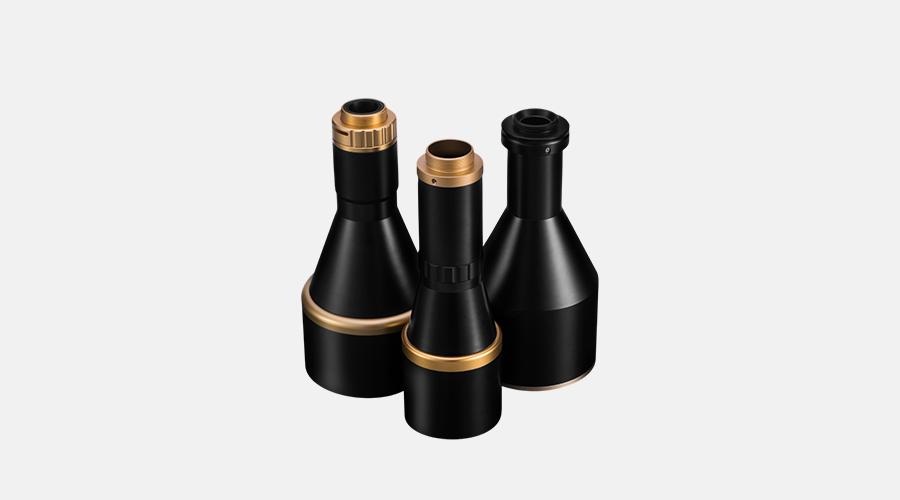 High/Low Working Distance
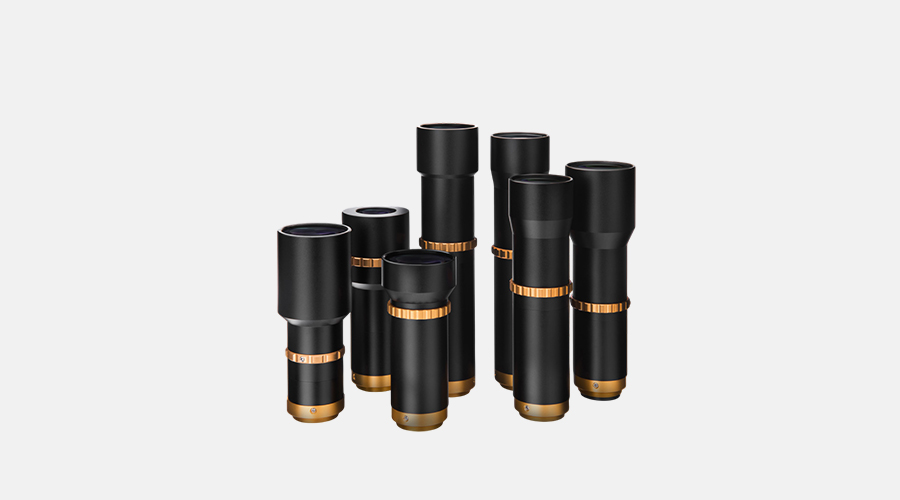 Aperture telecentric lens
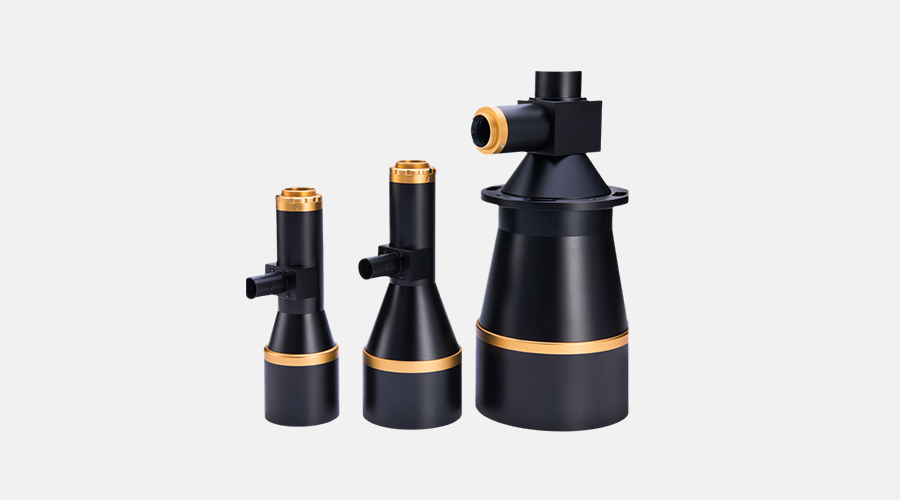 Measuring lens
 Maximum support 1.1" chips
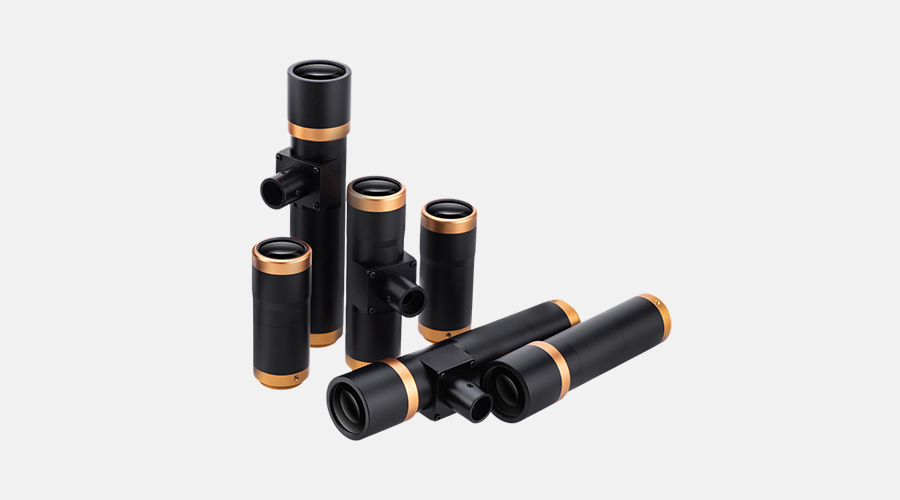 Maximum support 1.2" chips
 Maximum support 2/3" chips
 Long Working Distance
 CS mount Varifocal lens
 Varifocal board lens
 S mount lens
 Ring light
 UV/IR Light
 Bar light
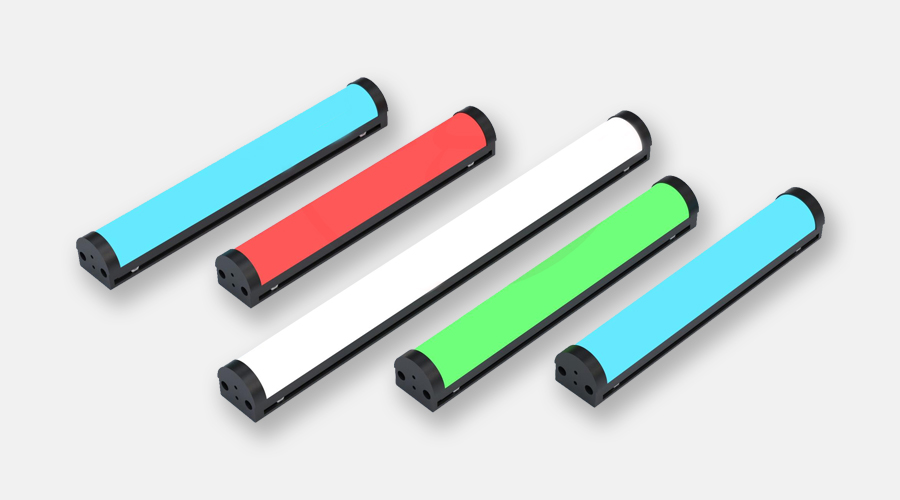 Arcuate high uniformity light
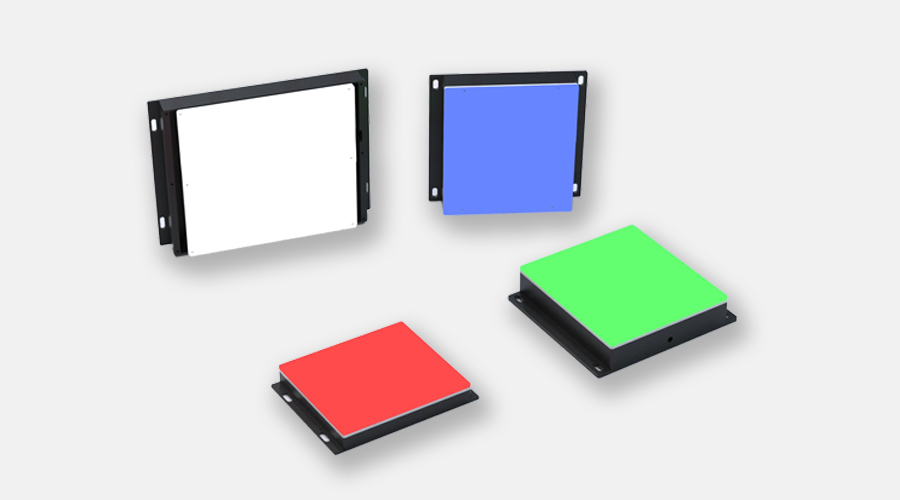 Back light
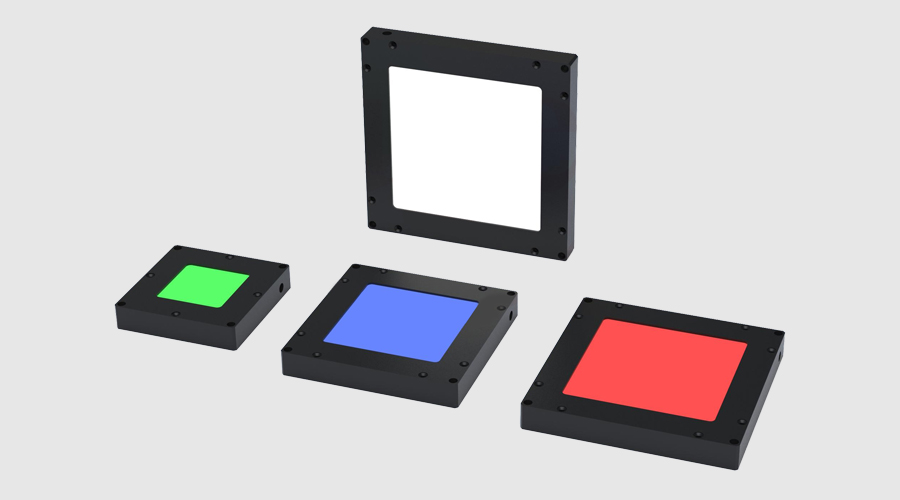 Flat light
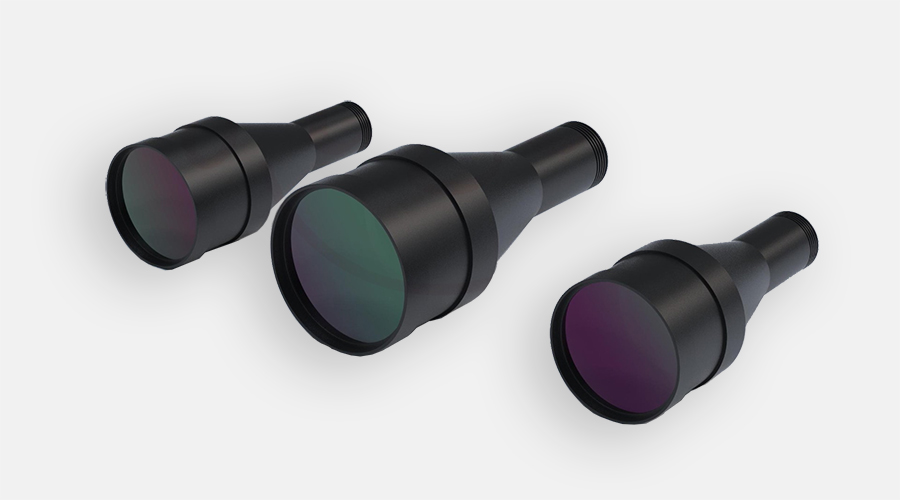 Collimated light
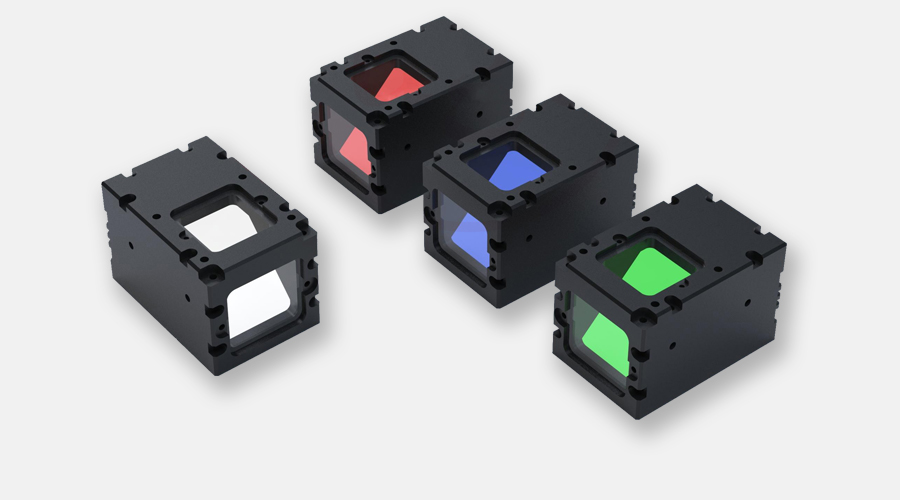 Coaxial light
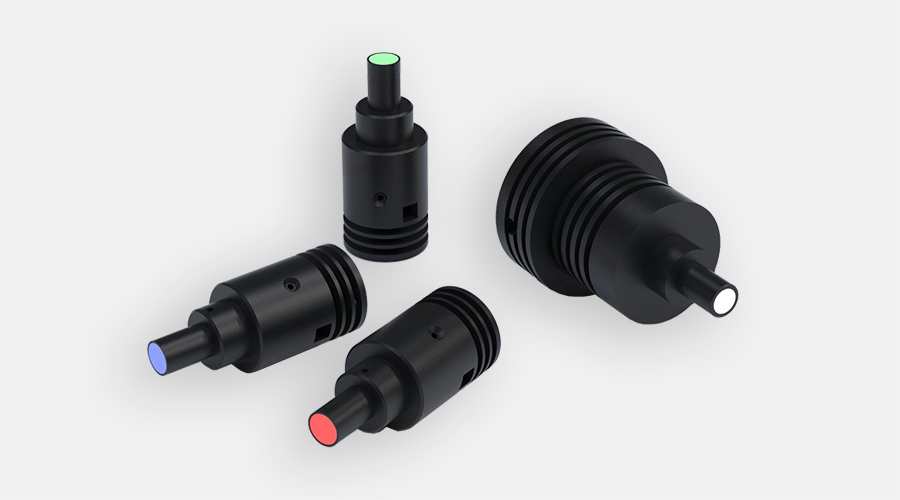 Spot light
 Dome light
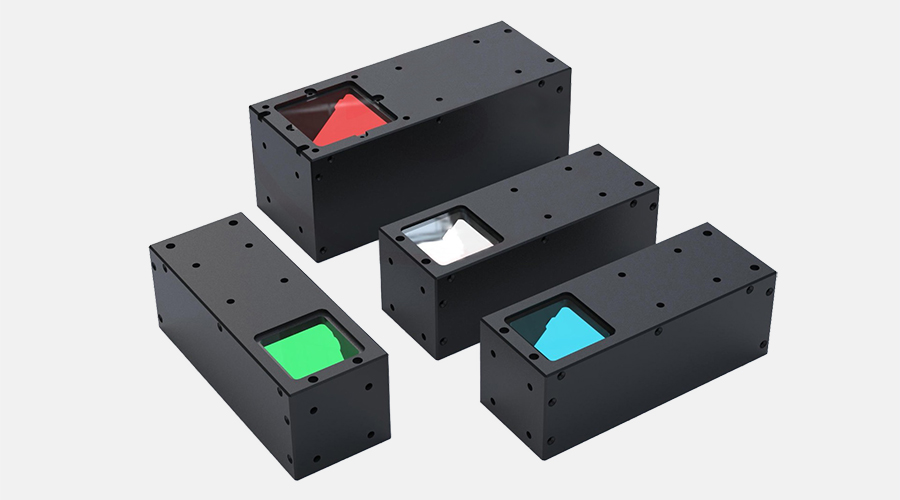 Collimated Coaxial light
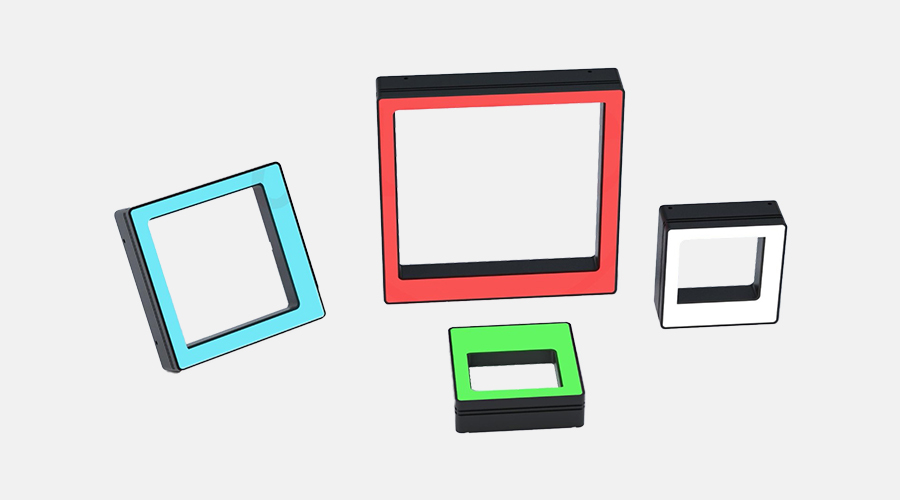 Shadowless square light
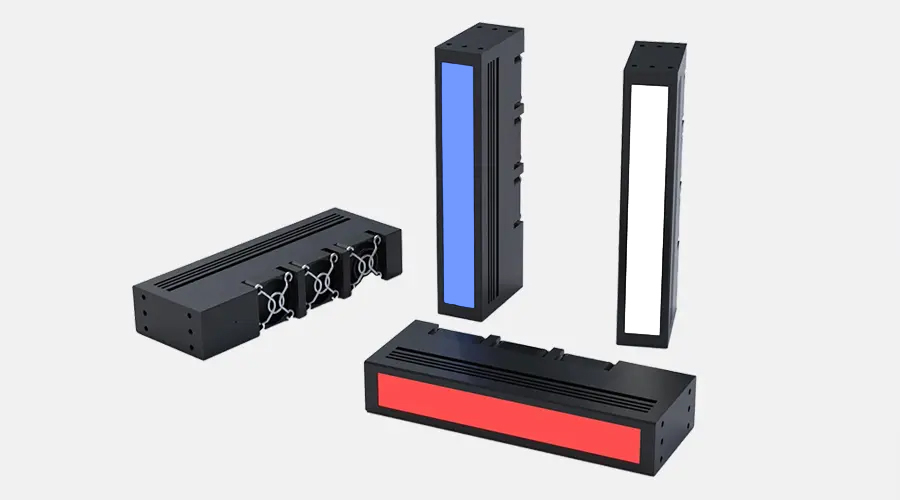 Scan light
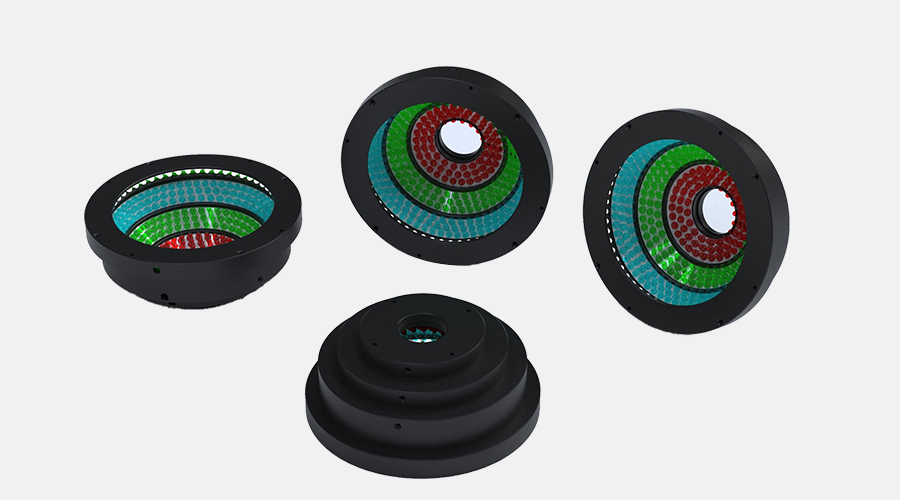 AOI light
 Analog controller
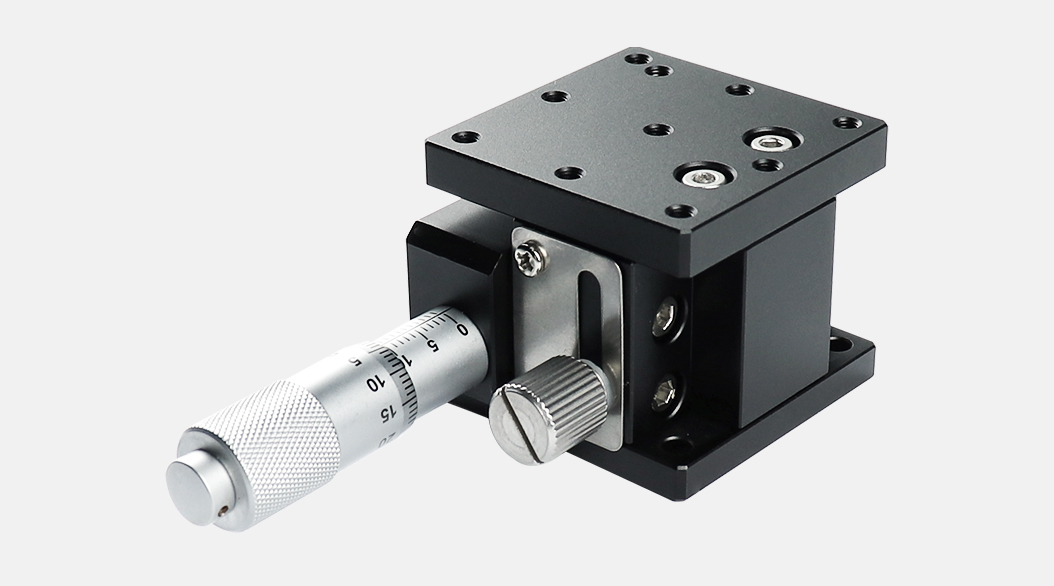 Crossed-Roller Linear guide type
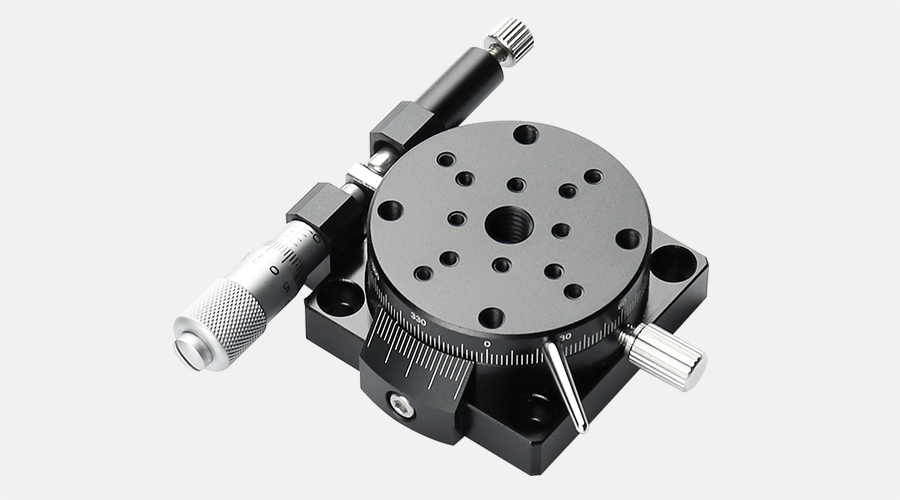 Rotary Stages XRS series
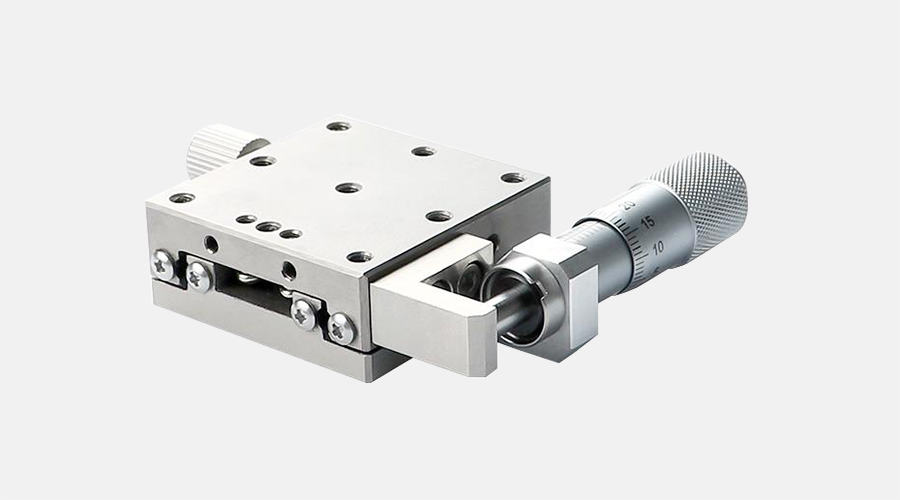 Stainless Steel Ball Bearing Linear Translation Stages
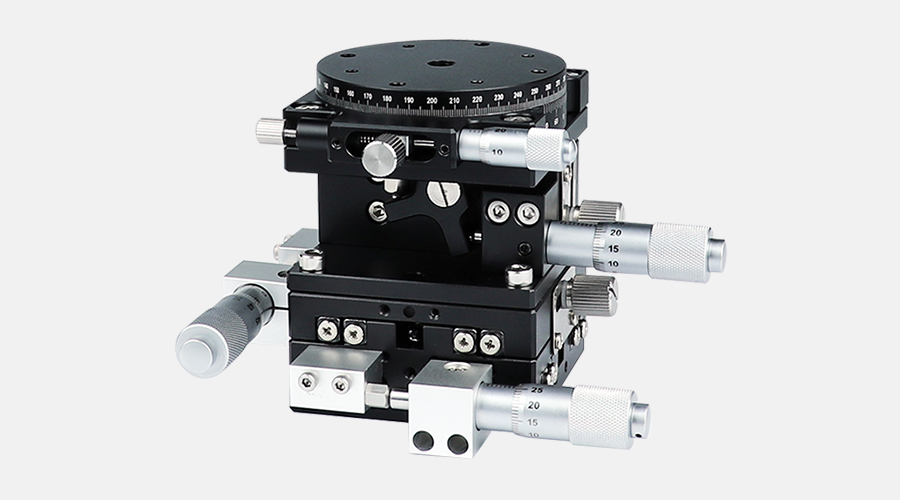 Multi-axis Translation stages
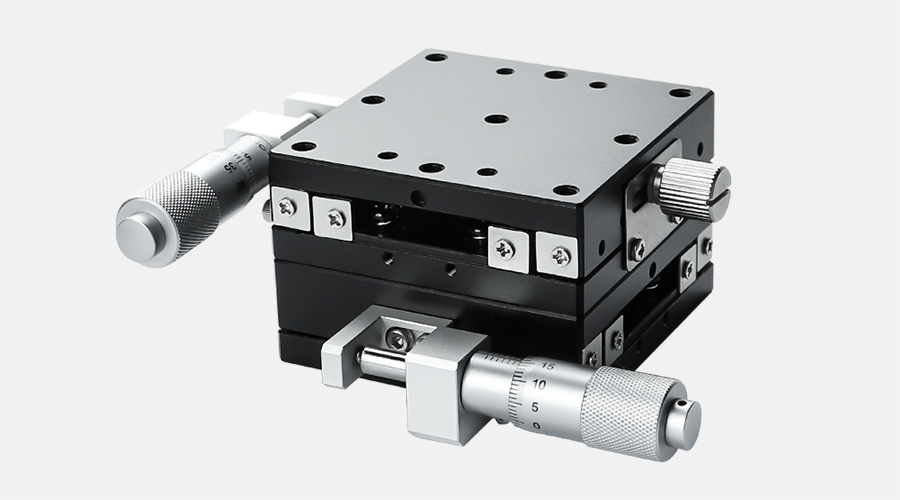 steel bar ball bearing stages
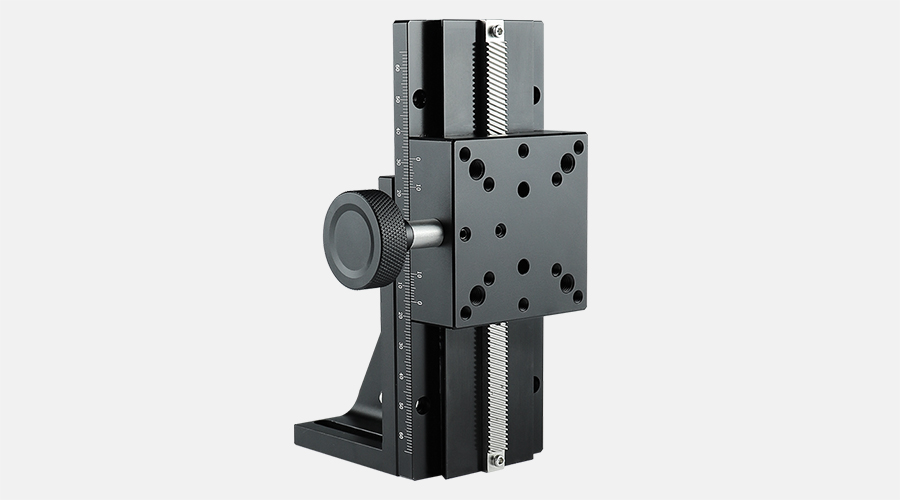 Dovetail Type Rack&Pinion Positioning Stage
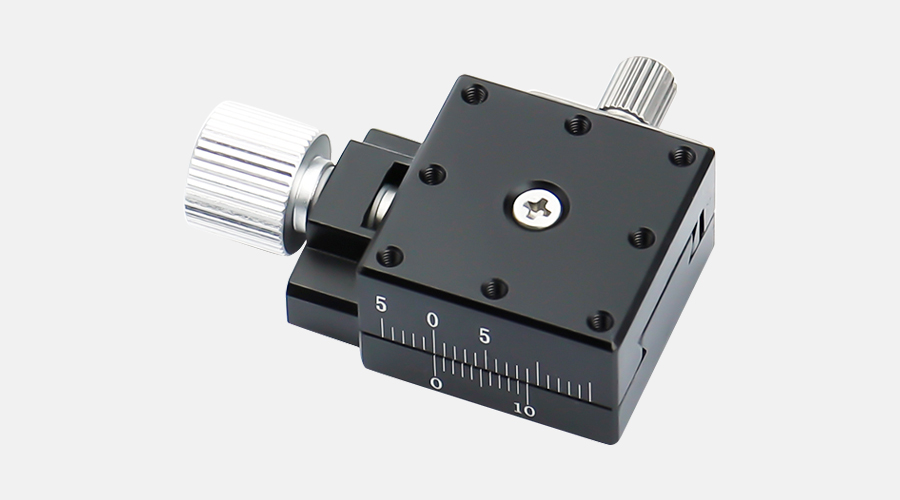 Dovetail groove high-precision screw slide