- Home
- Products
- About Us
- Customized Services
- News
- Contact Us
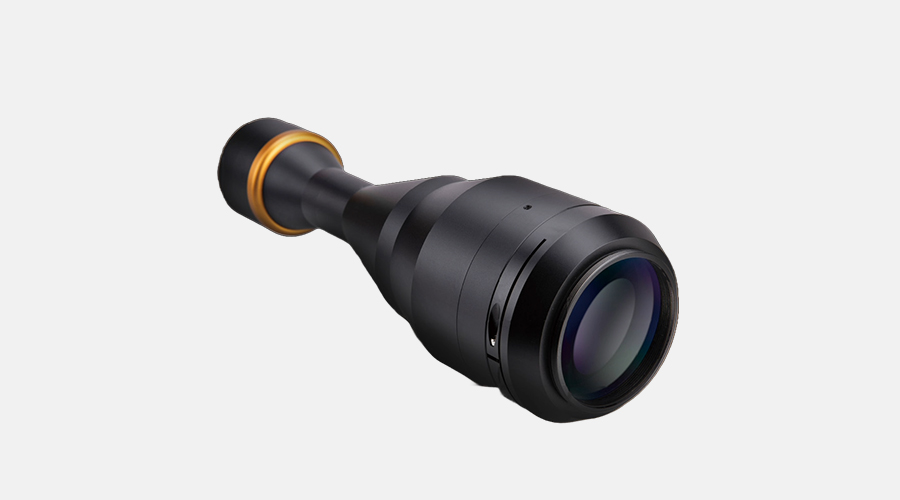 Compatible with 7.2mm-82mm chips
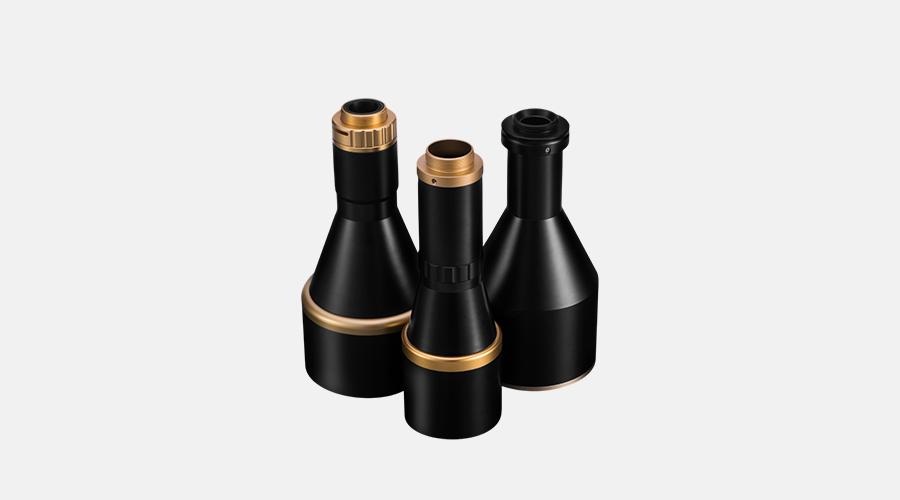 High/Low Working Distance
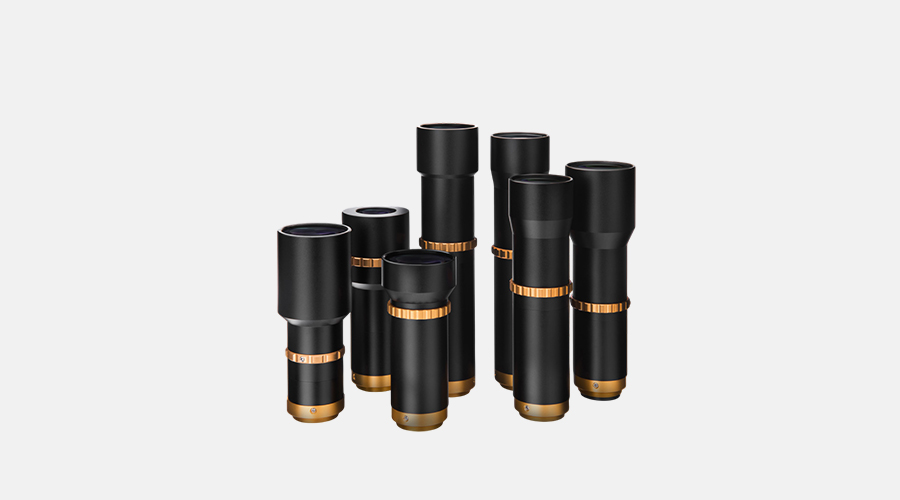 Aperture telecentric lens
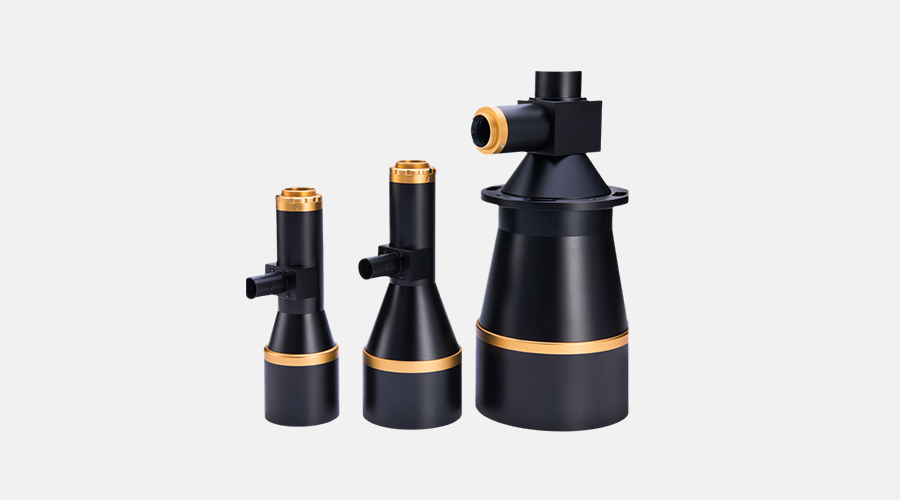 Measuring lens
 Maximum support 1.1" chips
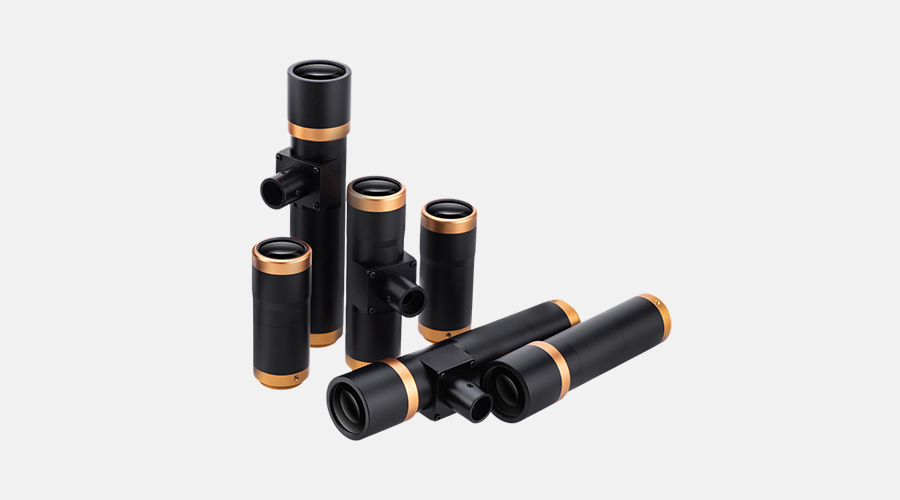 Maximum support 1.2" chips
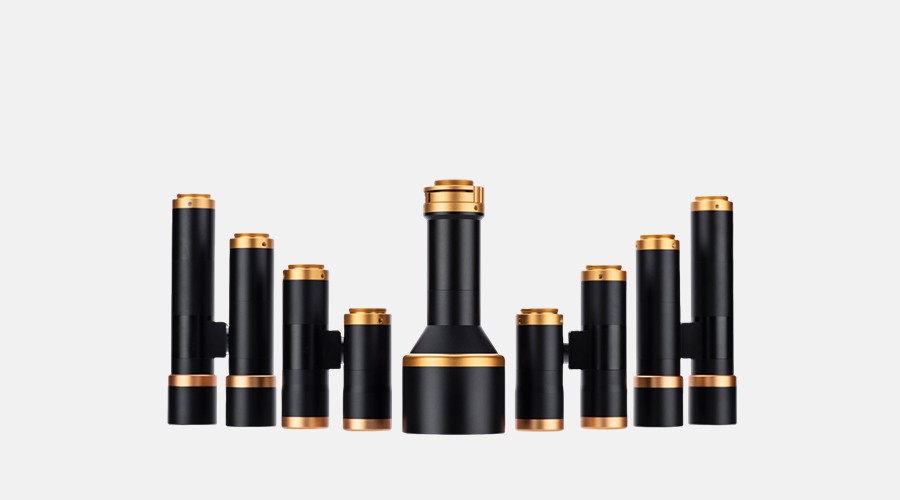 Maximum support 2/3" chips
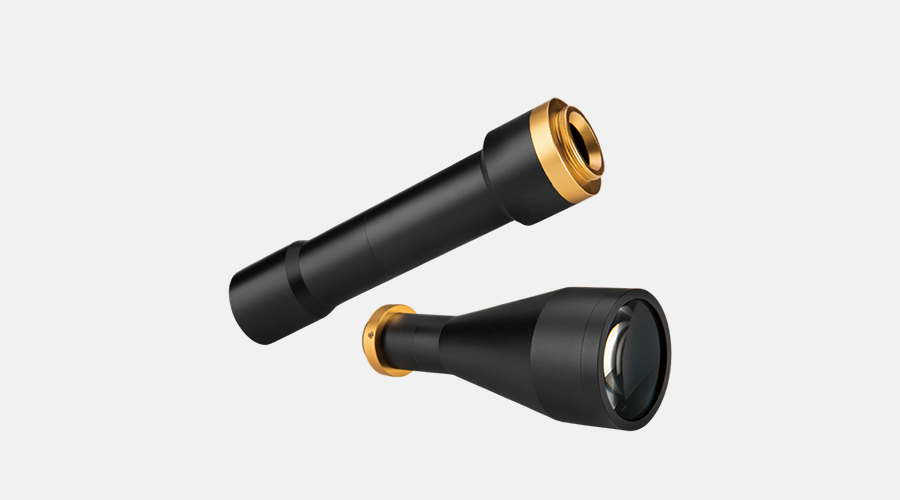 Long Working Distance
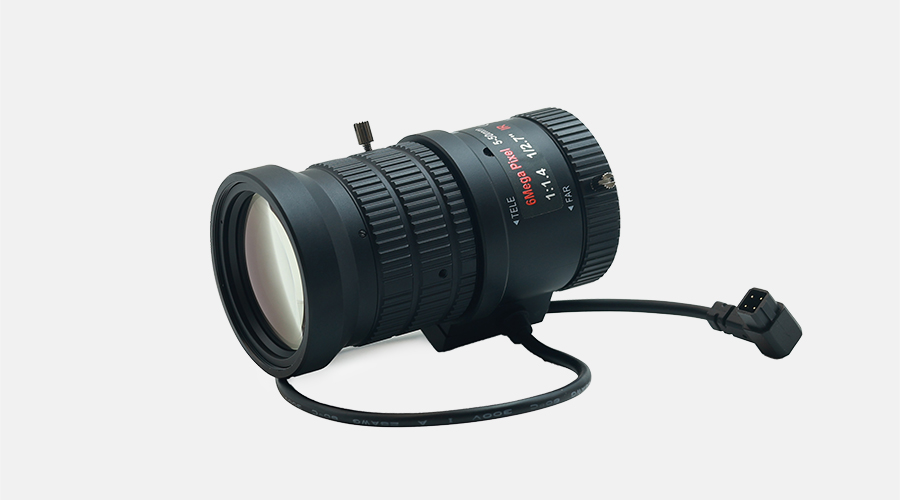 CS mount Varifocal lens
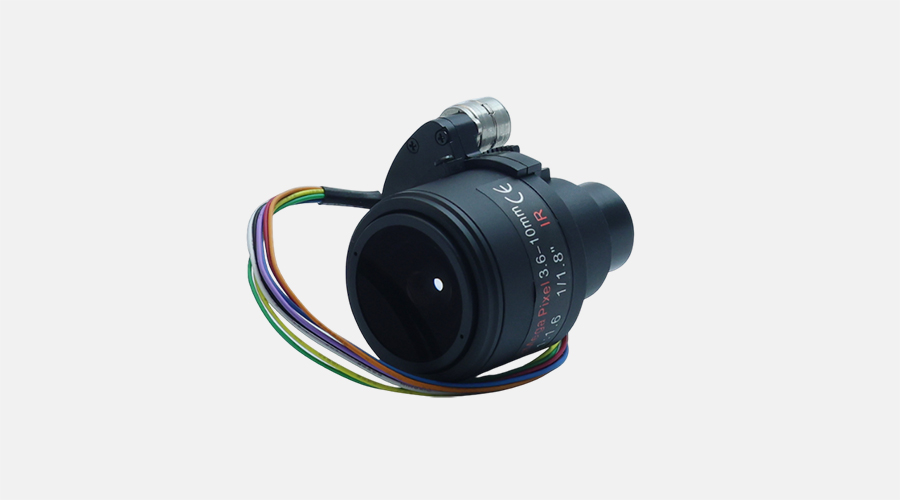 Varifocal board lens
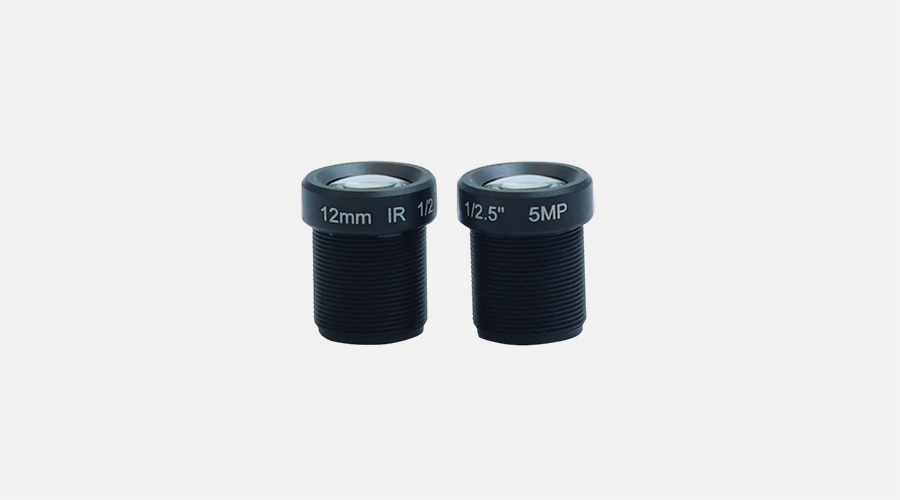 S mount lens
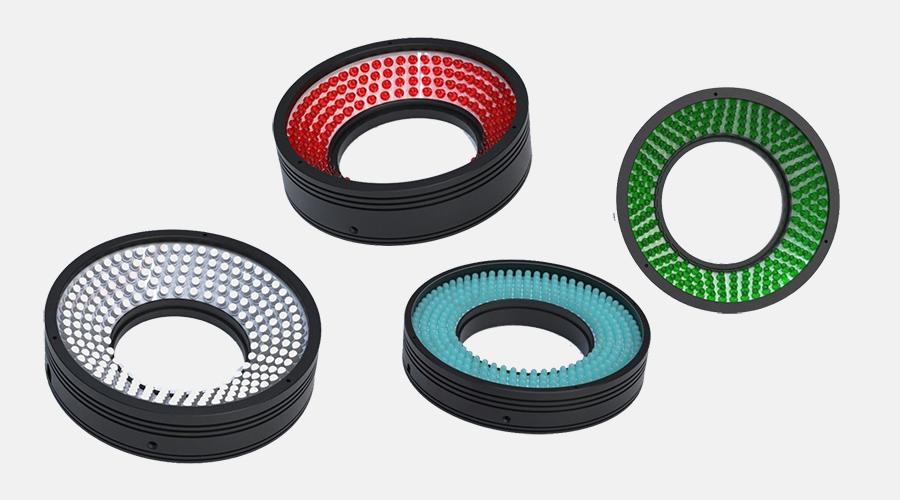 Ring light
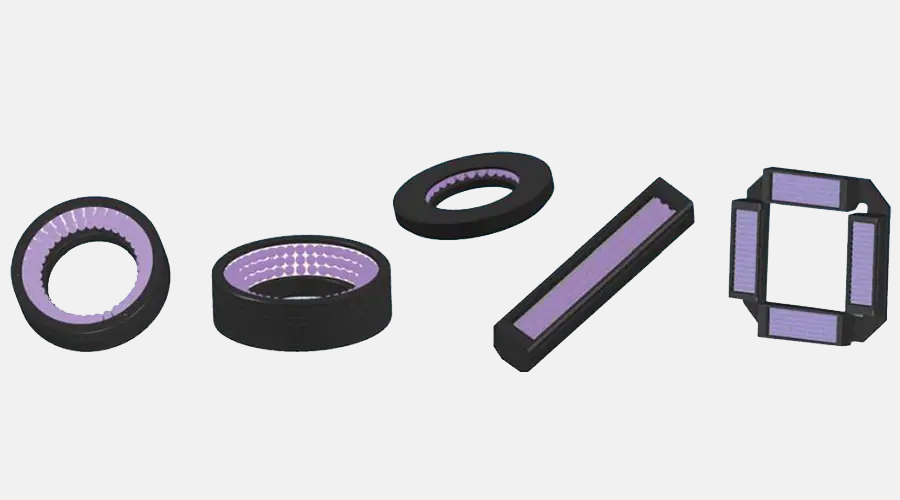 UV/IR Light
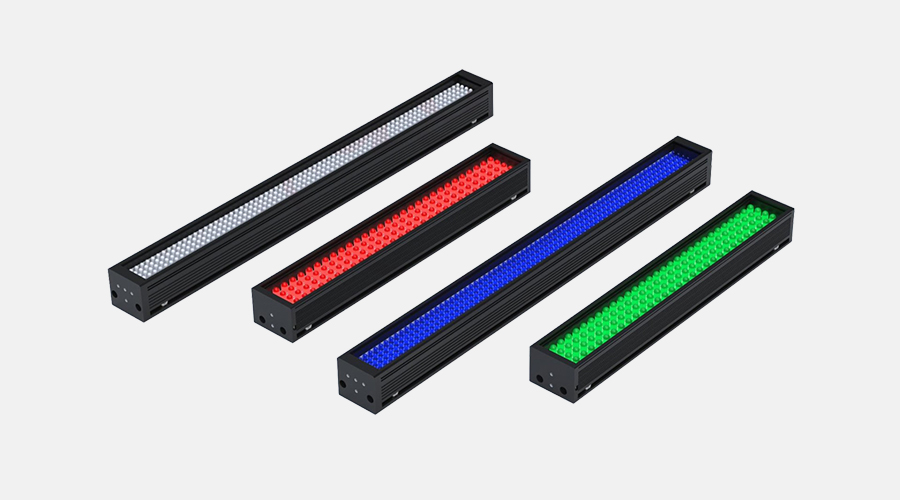 Bar light
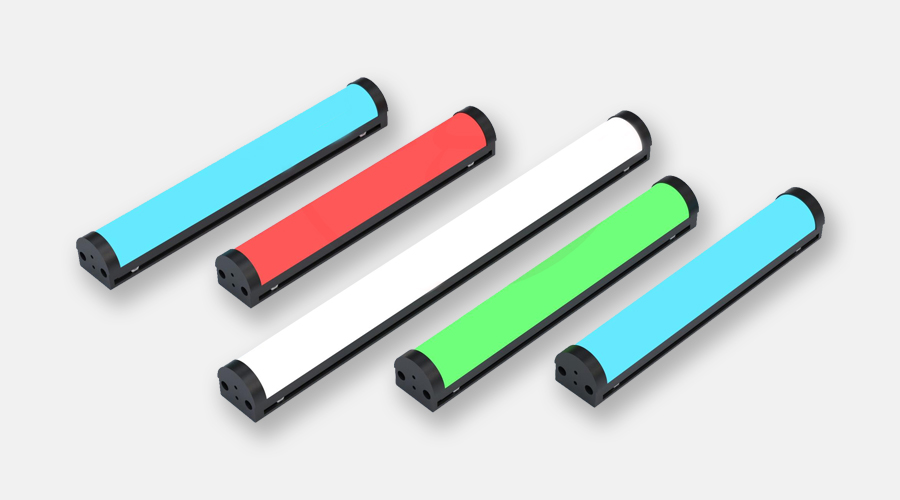 Arcuate high uniformity light
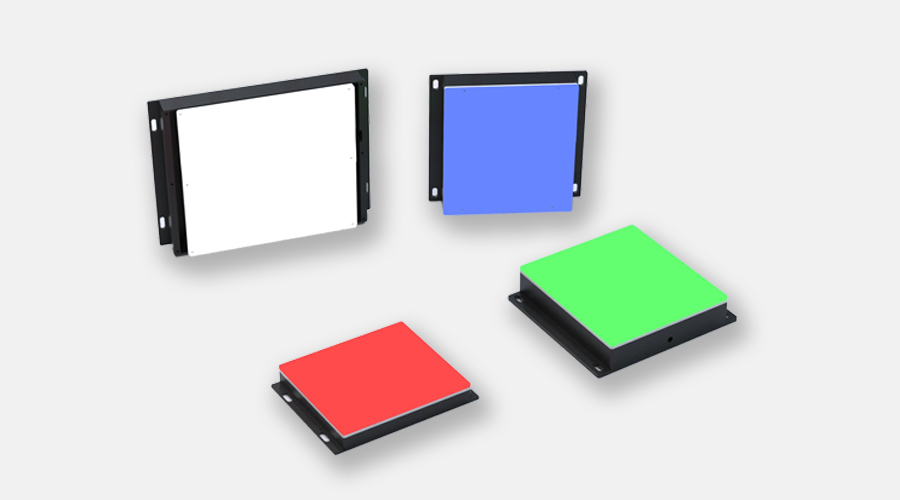 Back light
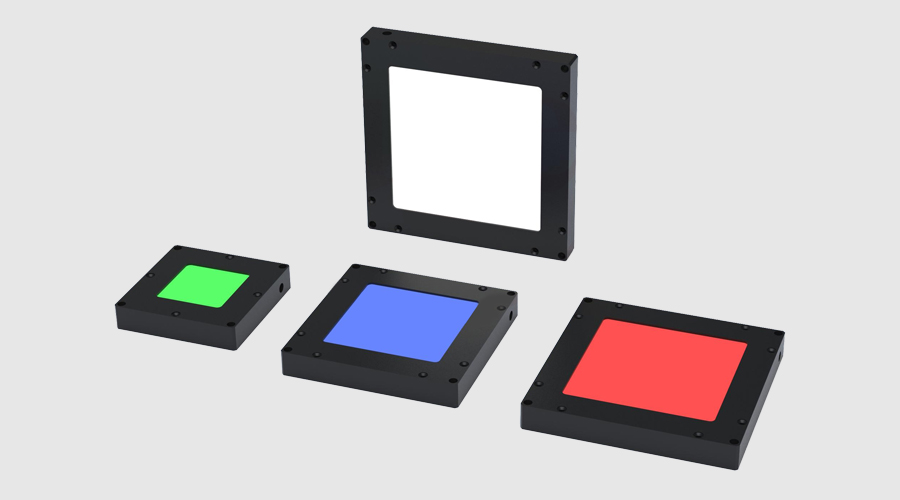 Flat light
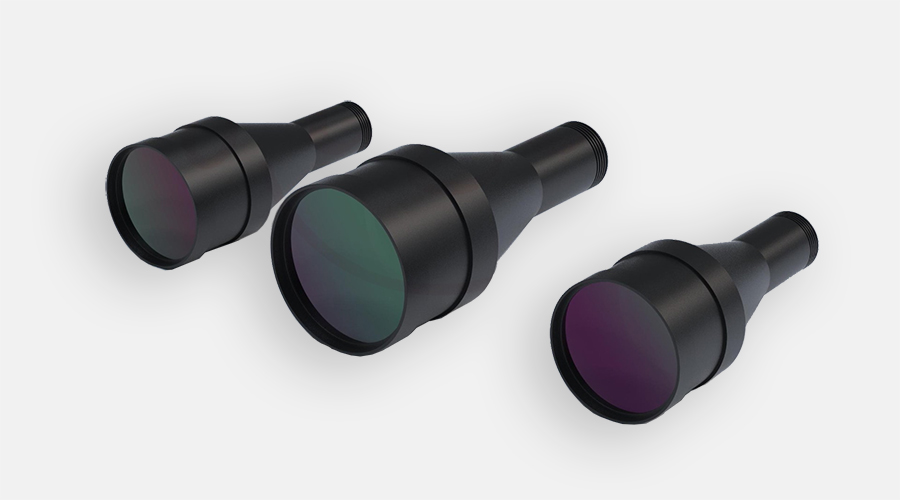 Collimated light
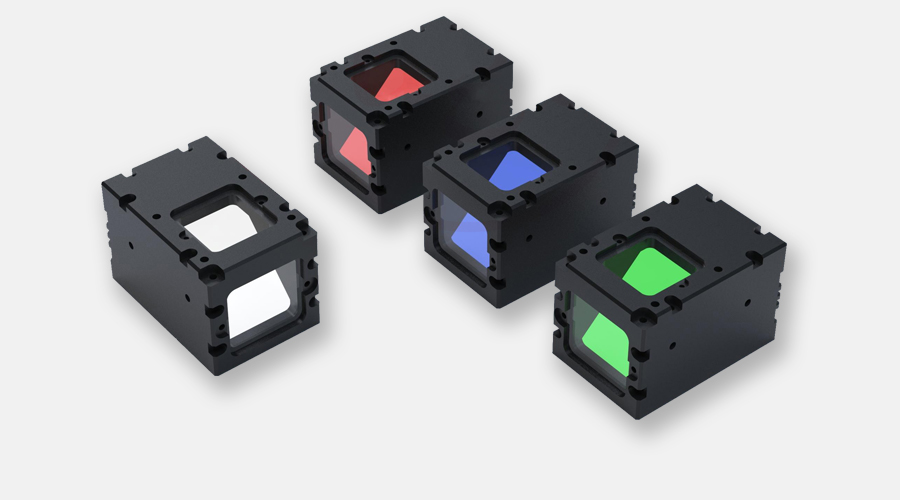 Coaxial light
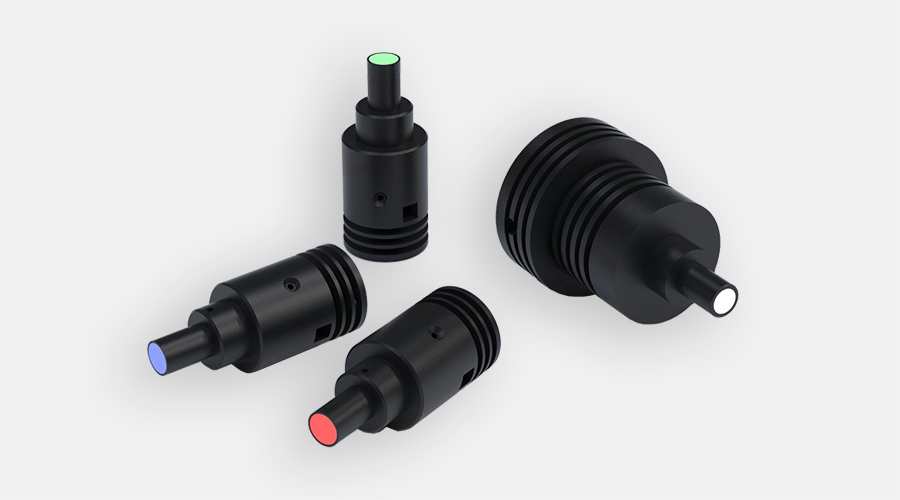 Spot light
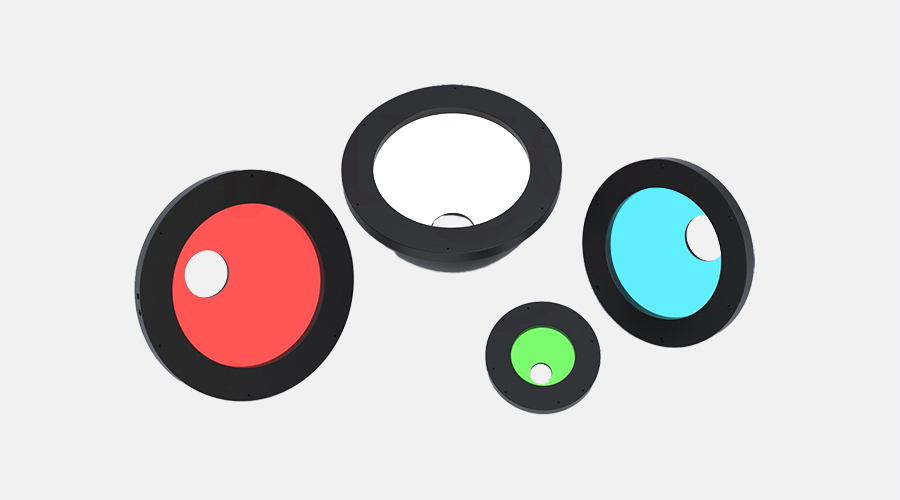 Dome light
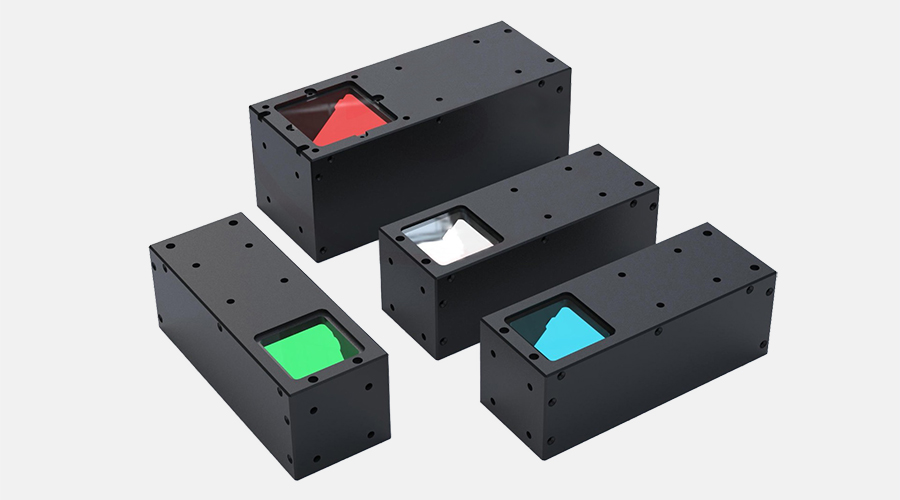 Collimated Coaxial light
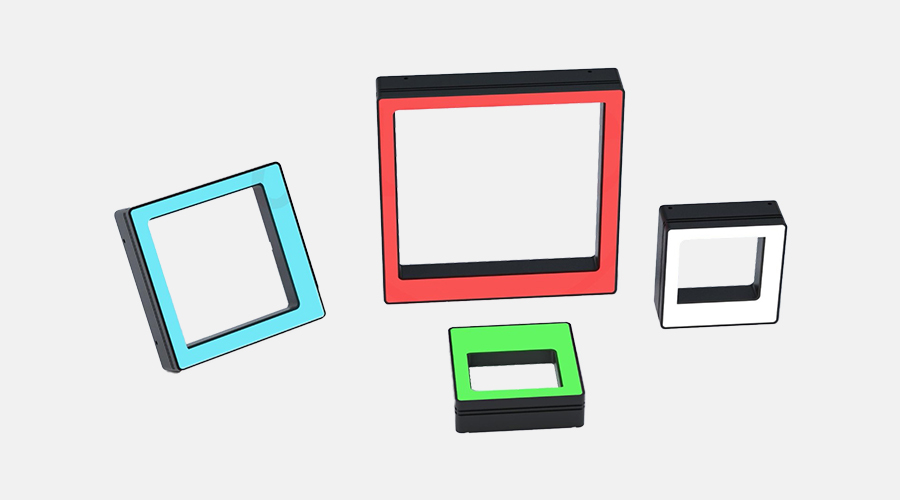 Shadowless square light
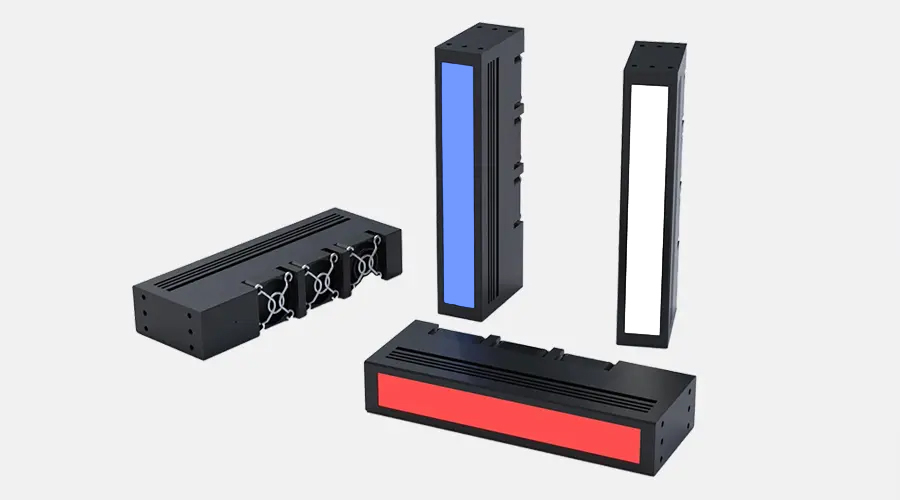 Scan light
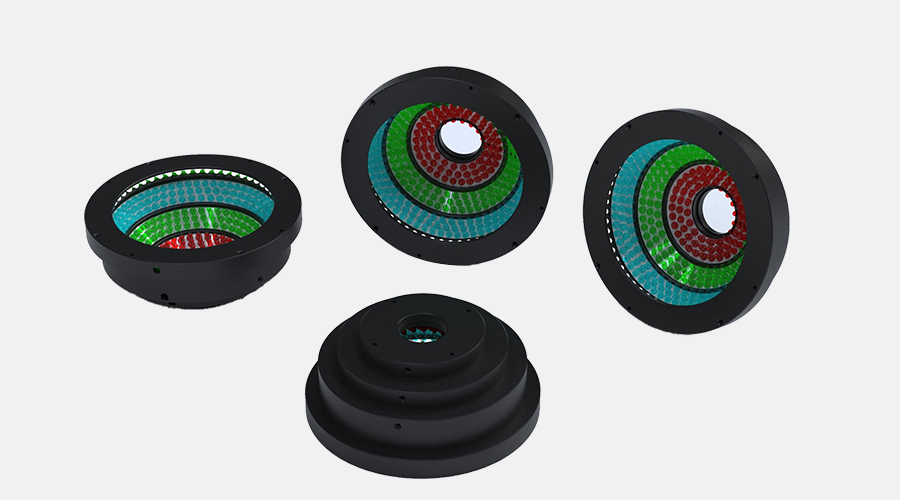 AOI light
 Analog controller
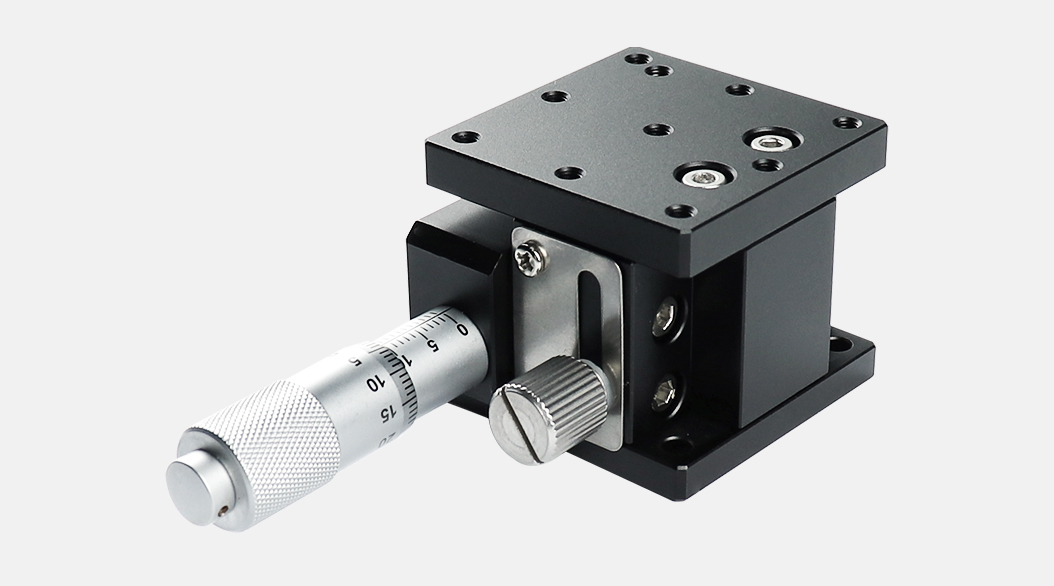 Crossed-Roller Linear guide type
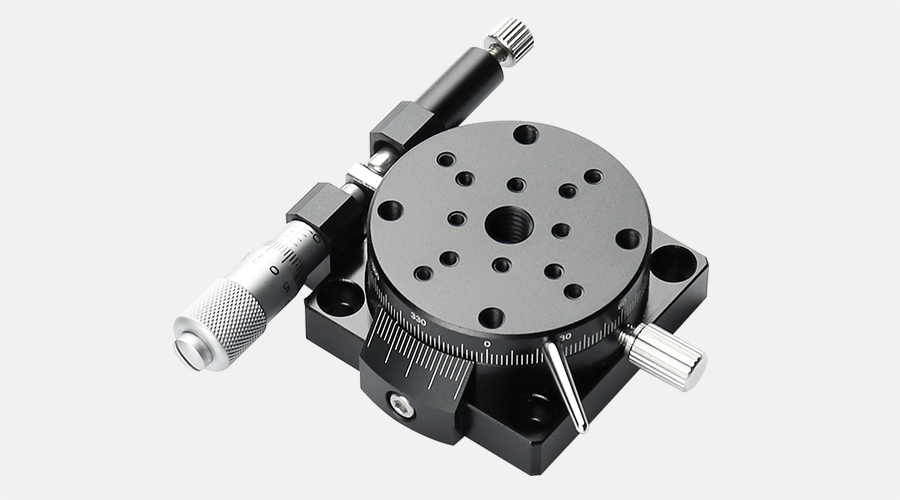 Rotary Stages XRS series
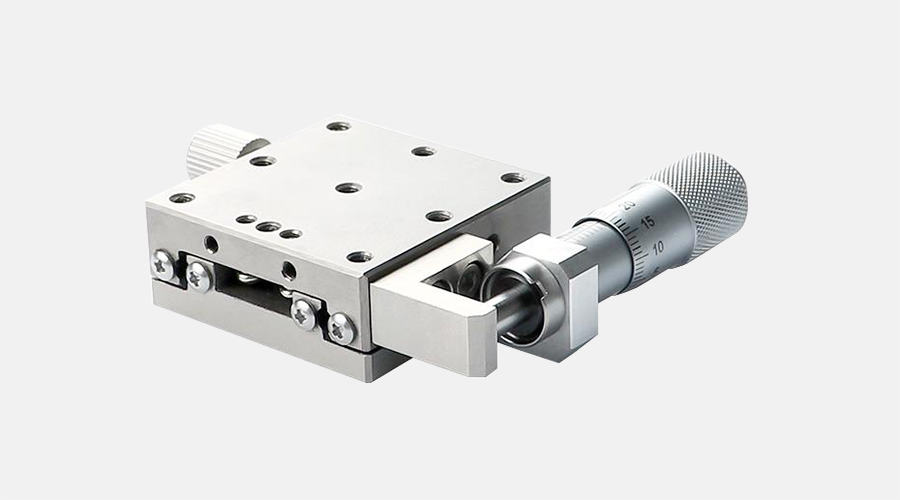 Stainless Steel Ball Bearing Linear Translation Stages
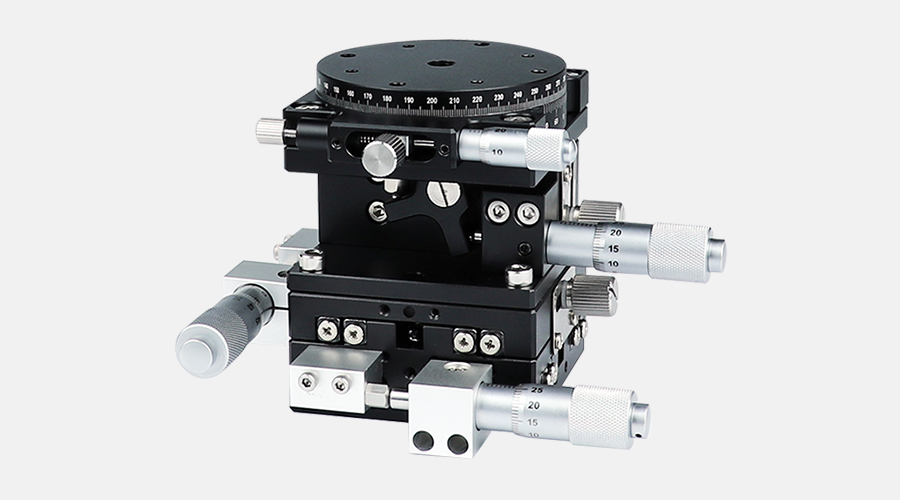 Multi-axis Translation stages
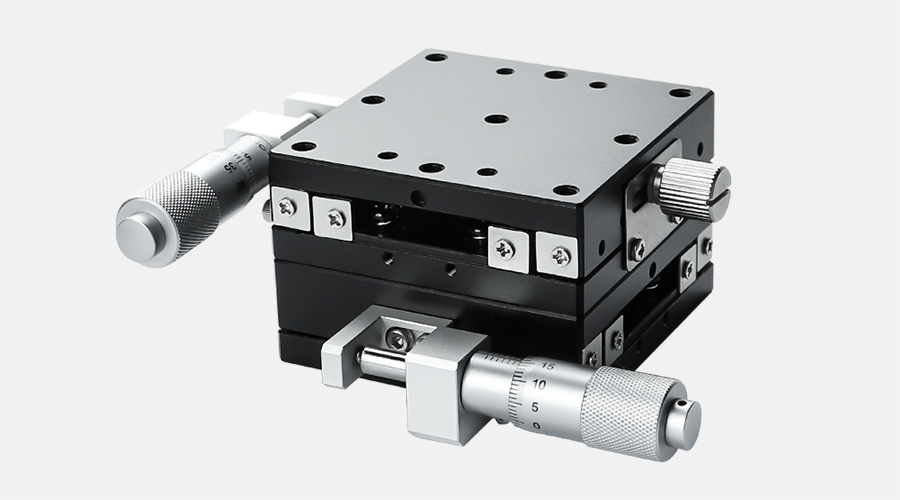 steel bar ball bearing stages
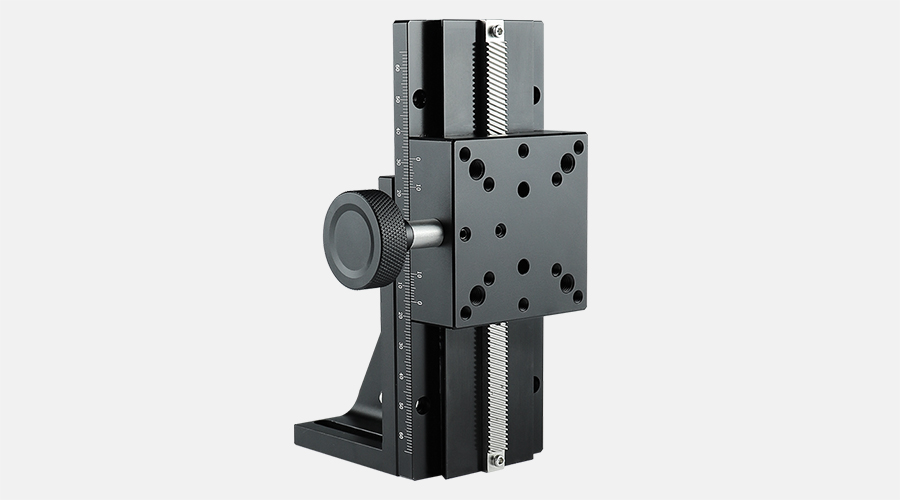 Dovetail Type Rack&Pinion Positioning Stage
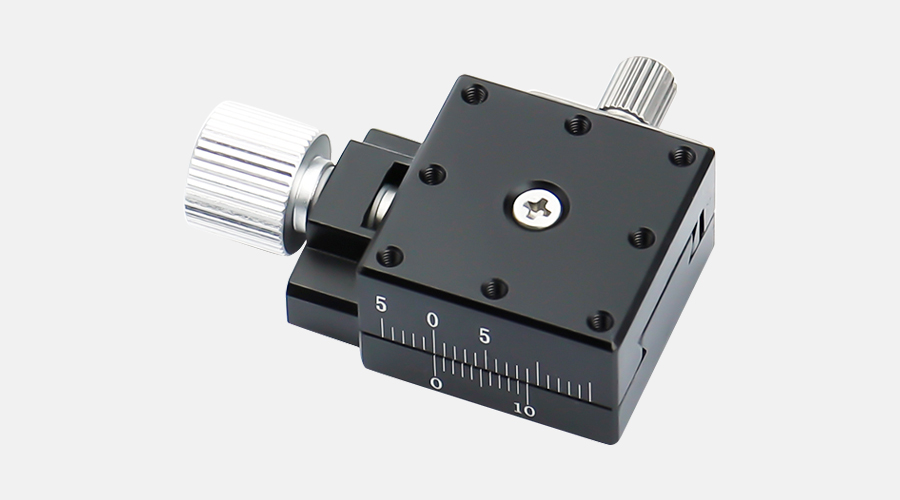 Dovetail groove high-precision screw slide
Leave Your Message
Industrial Vision Inspection is a crucial part of making sure products meet quality standards in manufacturing. Companies like ClearVision Tech and Visionary Solutions depend on cutting-edge imaging tech to spot defects early on. But, even with all those advantages, fine-tuning these systems isn’t always straightforward.
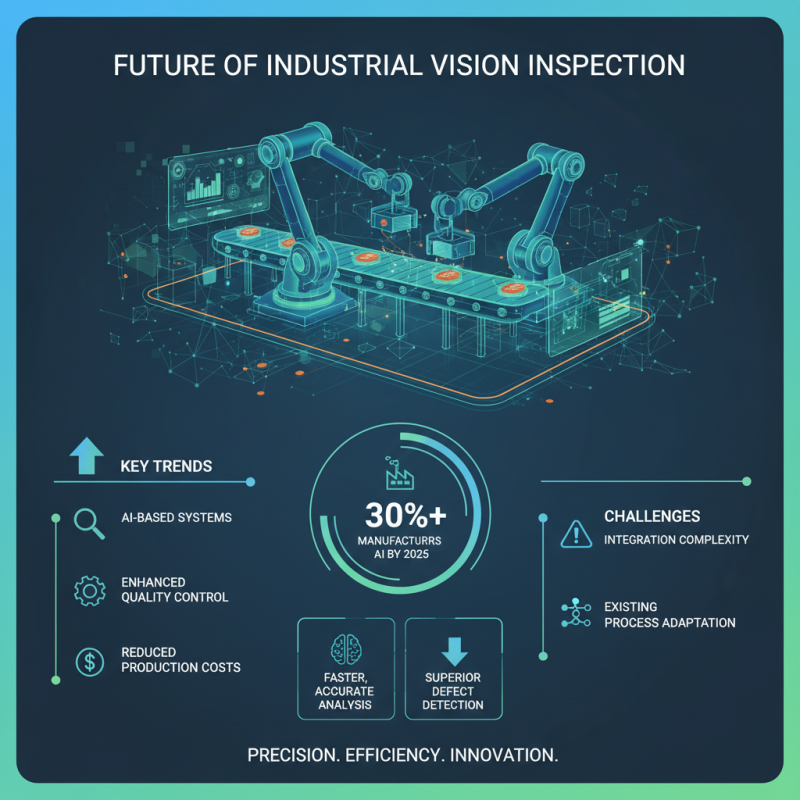
A lot of companies find it tricky to get new software fully integrated. Sometimes, data processing can slow things down during inspections, which raises the chances of mistakes slipping through. Visual inspection systems also need to handle all sorts of different conditions—yet many are pretty inflexible. If they could be a bit more adaptable, it'd really bump up their accuracy and efficiency.
For decision-makers, it’s important to keep a few key things in mind. For example, lighting conditions can make or break image clarity. While adding machine learning and AI might help improve results, it’s not always simple or easy to implement. Regularly reviewing and tweaking the inspection process is a must, because no system is ever perfect. Achieving that kind of perfection? It’s an ongoing journey, requiring constant updates and adjustments.
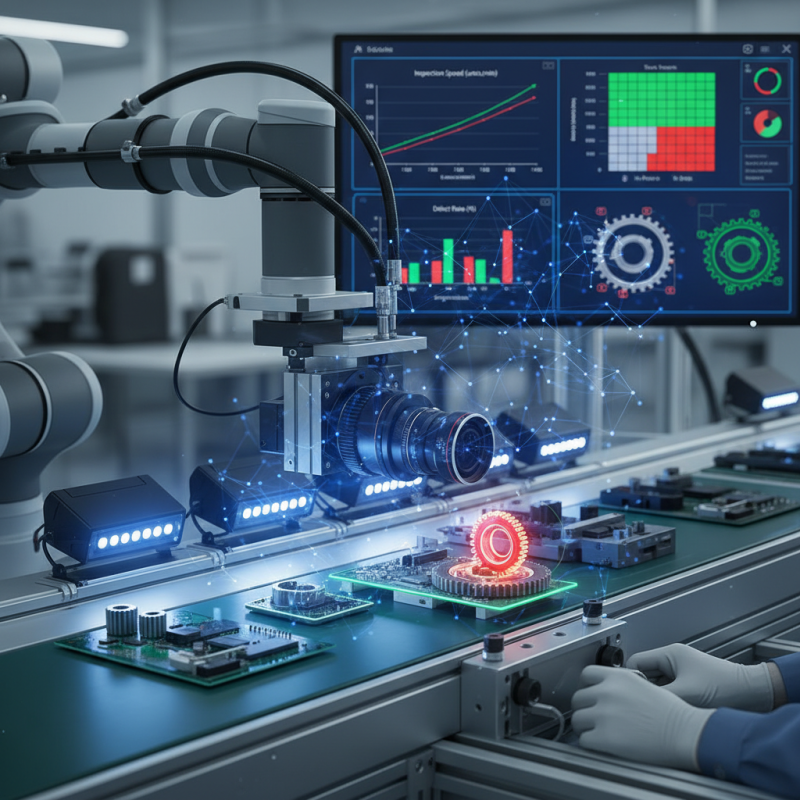
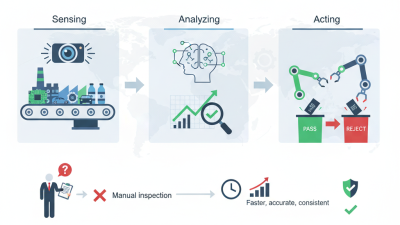
Industrial vision inspection plays a crucial role in quality control. It enhances accuracy and efficiency in the manufacturing process. Automated systems analyze products for defects, ensuring that only the best products reach the customer. This process minimizes human error, which can be significant. However, it is not foolproof; false positives and missed defects can occur.
The technology relies on precise algorithms and camera systems. These systems need regular calibration and maintenance. Poorly maintained equipment may lead to misleading inspections. Workers surrounding the inspection process must understand these limitations. Training is crucial to navigating challenges and addressing occasional failures. Consistent feedback loops can improve the overall effectiveness of these systems.
Integration with other quality control methods strengthens the inspection process. It is vital to adapt systems to specific production needs. Some setups may require additional sensors. Others might need software adjustments. Flexibility in the approach ensures better outcomes. Regular evaluations of inspection results help identify areas for improvement. The journey to optimal quality control is ongoing, requiring constant vigilance and reflection.
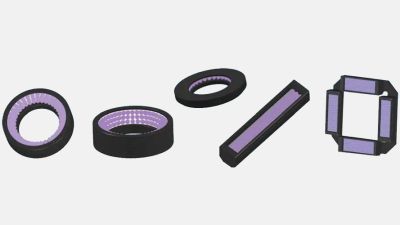
The application of high-density UV/IR LED array lights is revolutionizing the machine vision inspection process across various industries. Research indicates that these advanced lighting systems enhance the detection of subtle defects by utilizing a multi-dimensional approach at lower working distances. For instance, a study from a leading technology institute reported that employing high-density UV LED arrays can improve defect detection rates by over 30%, illustrating a significant leap in the efficiency of visual inspections.
UV light, when combined with a high-density LED particle array, not only amplifies the visibility of minor defects, but also optimizes the use of UV gel for vision imaging. The illuminating effect of UV rays helps in revealing intricacies that may otherwise be missed during traditional inspection processes. Data from industry analysis suggests that facilities integrating such technology into their quality control systems see a reduction in false rejection rates, allowing for more accurate assessments and smoother production workflows.
Moreover, the versatility of UV/IR LED lights opens doors to enhanced capabilities, such as achieving consistent brightness and uniform illumination across various surfaces. Reports highlight that industries ranging from electronics to automotive are increasingly adopting these technologies, recognizing their potential to streamline inspections and reduce overall production costs while maintaining stringent quality standards. The shift toward high-density UV/IR LED lighting signifies an important milestone in the evolution of machine vision inspection, promising greater efficiency and reliability in defect detection.
: The service aims to connect users with relevant information and resources.
Users can access the service through a website or mobile app.
Basic access may be free, but some features might require payment.
Users can find articles, tips, and guides on various topics.
Yes, users are encouraged to share their experiences and insights.
Yes, measures are in place to ensure user data is kept safe.
Users should report any problems through the support link provided.
Content is updated regularly to ensure relevance and accuracy.
Yes, there are options for users to comment and exchange ideas.
Absolutely, users can share suggestions through a feedback form.
Industrial Vision Inspection plays a crucial role in ensuring quality control within manufacturing processes. By understanding its function, organizations can identify key performance metrics that evaluate the effectiveness of their vision inspection systems. Implementing data-driven techniques enhances inspection accuracy, while integrating machine learning fosters continuous improvement, enabling systems to adapt to evolving quality standards.
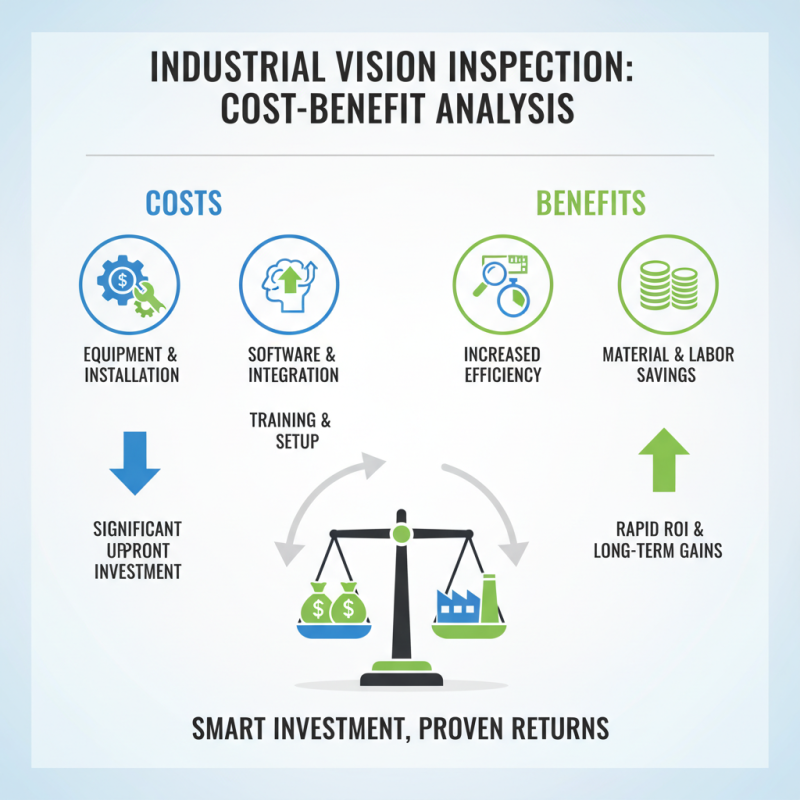
However, challenges may arise when adopting these technologies, requiring tailored solutions to facilitate their integration. A thorough cost-benefit analysis helps assess the return on investment from implementing Industrial Vision Inspection systems, providing insights into their financial viability. As technology advances, the future of industrial vision inspection holds promise for even greater enhancements in quality control, leading to improved product consistency and reduced operational risks.