
- Home
- Products
- About Us
- Customized Services
- News
- Contact Us
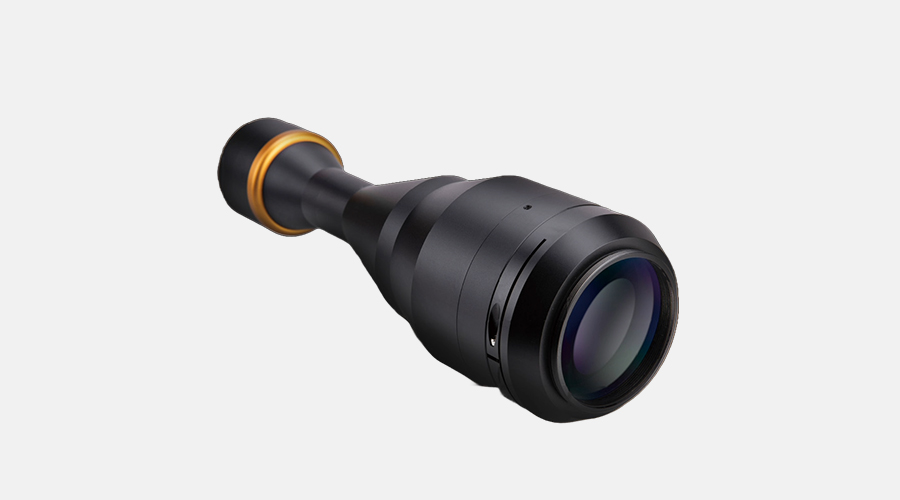 Compatible with 7.2mm-82mm chips
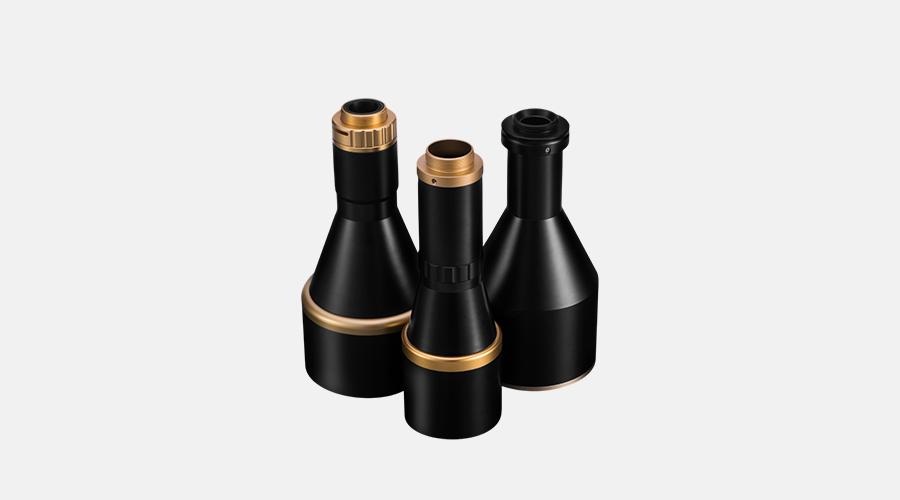 High/Low Working Distance
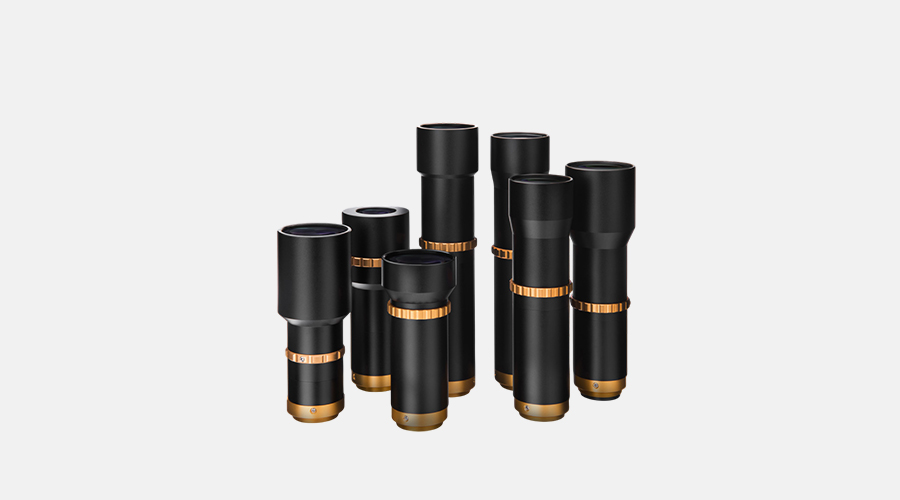 Aperture telecentric lens
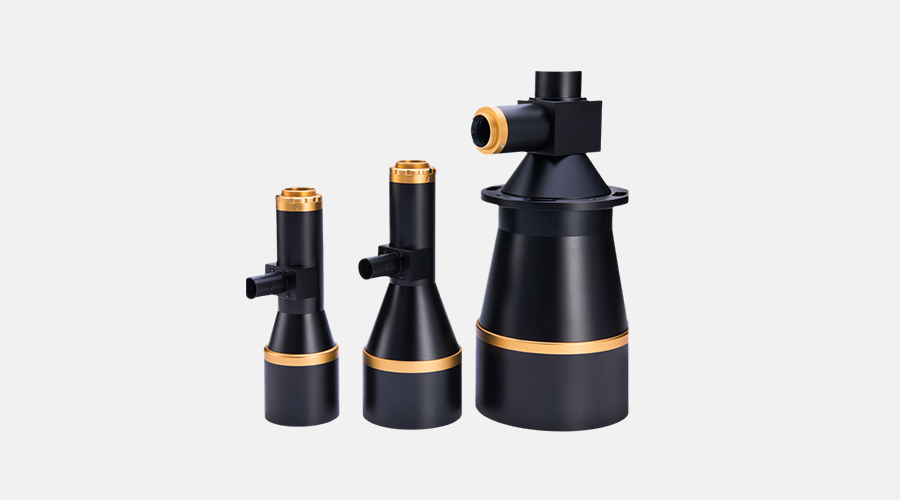 Measuring lens
 Maximum support 1.1" chips
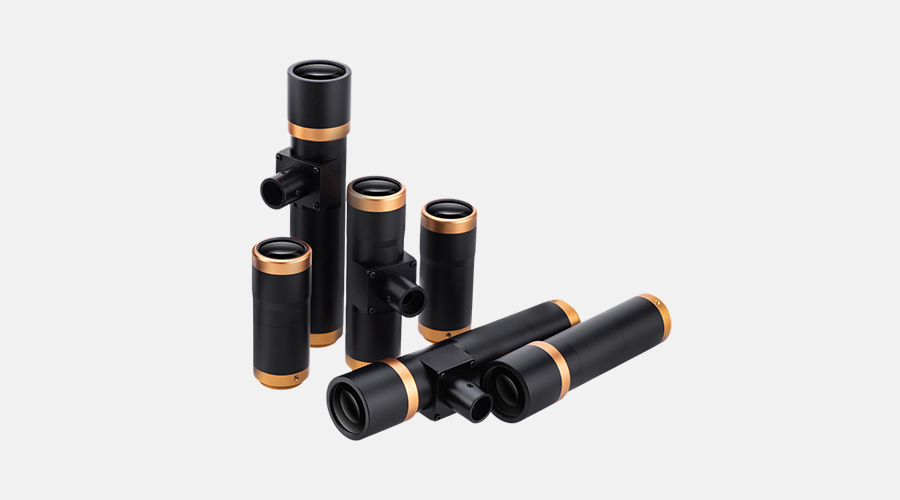 Maximum support 1.2" chips
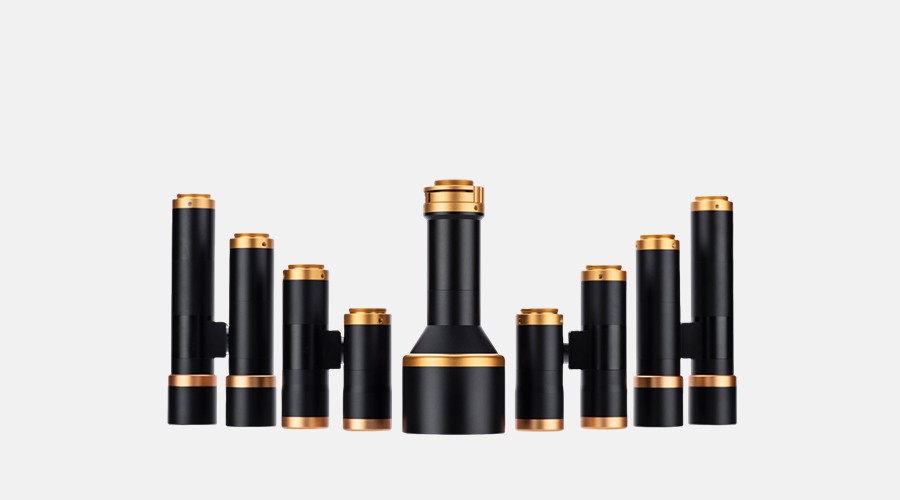 Maximum support 2/3" chips
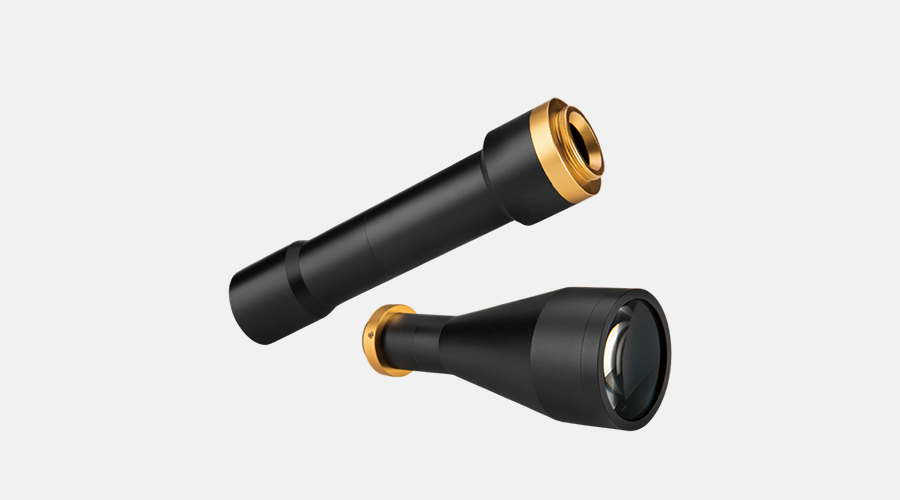 Long Working Distance
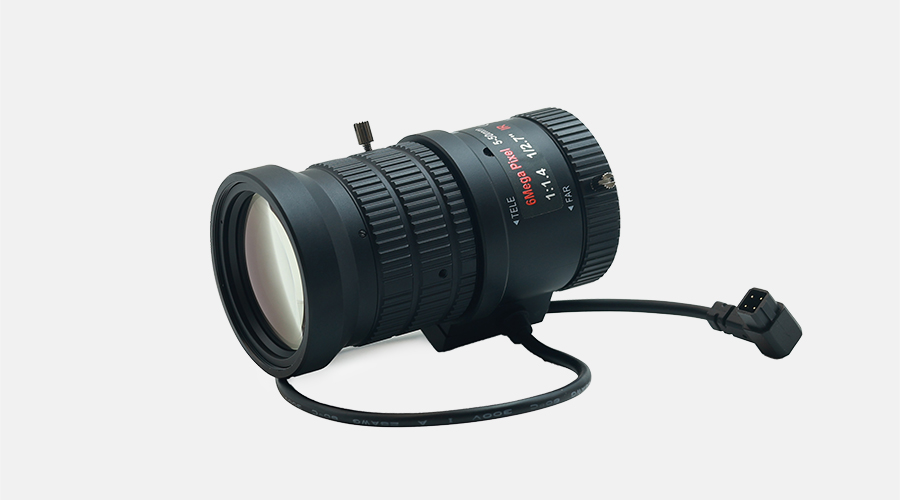 CS mount Varifocal lens
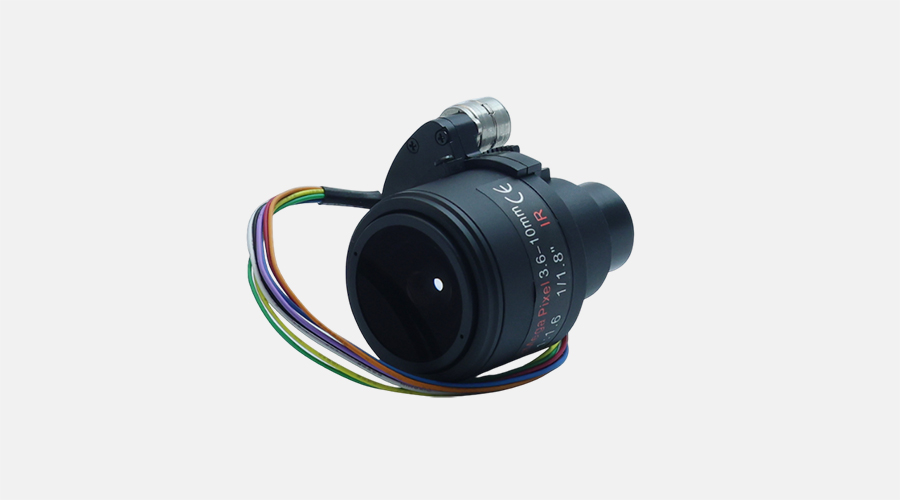 Varifocal board lens
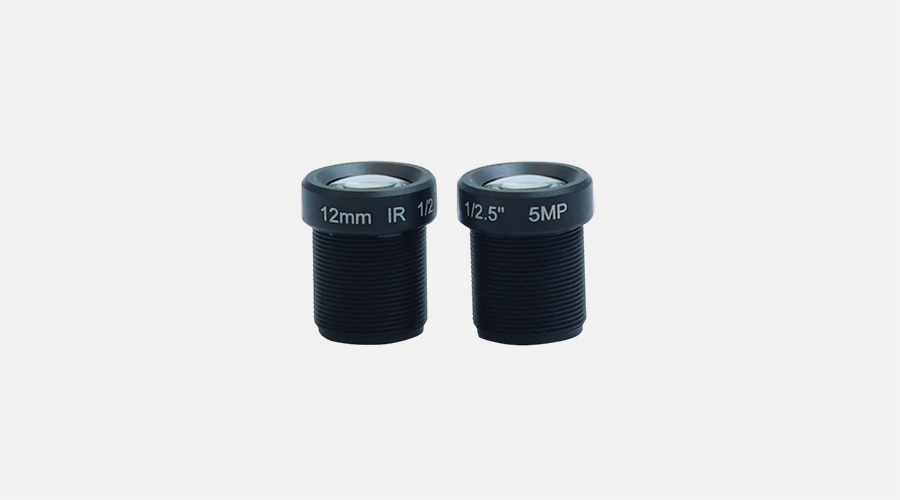 S mount lens
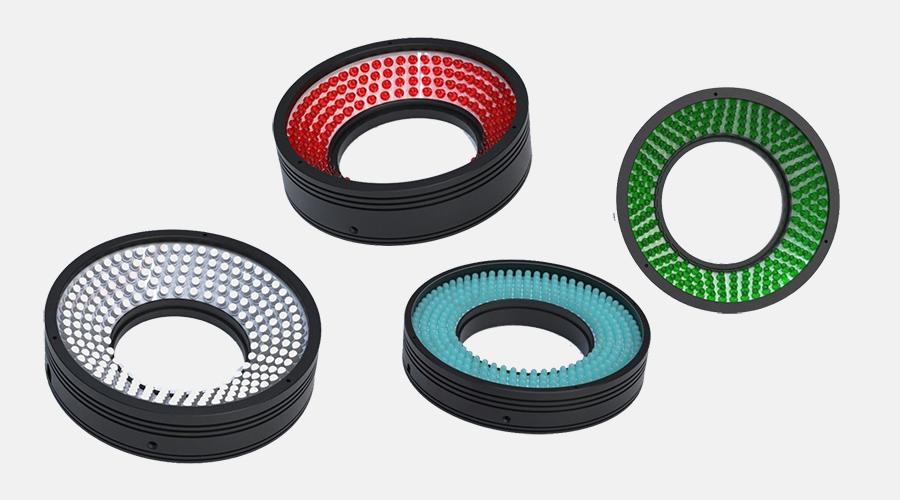 Ring light
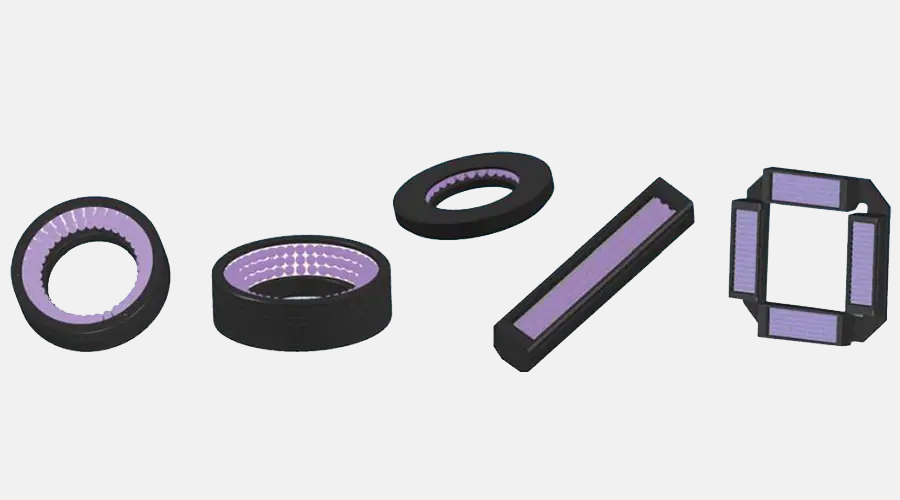 UV/IR Light
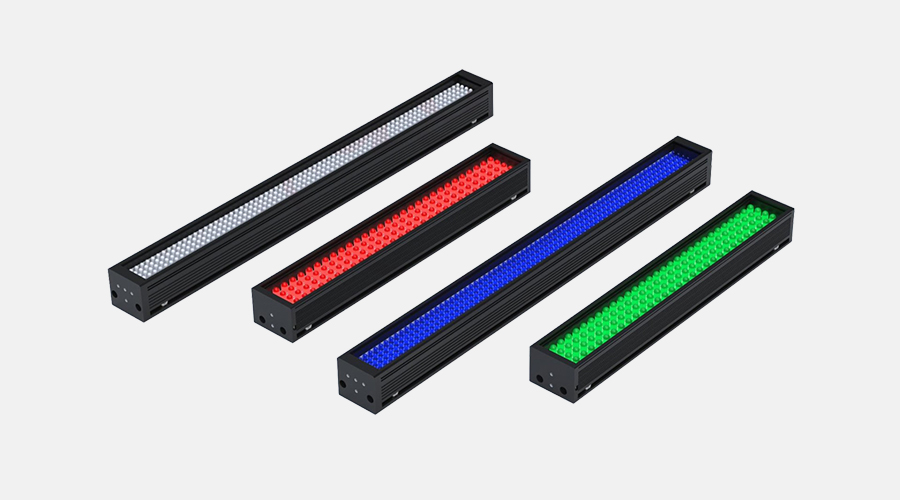 Bar light
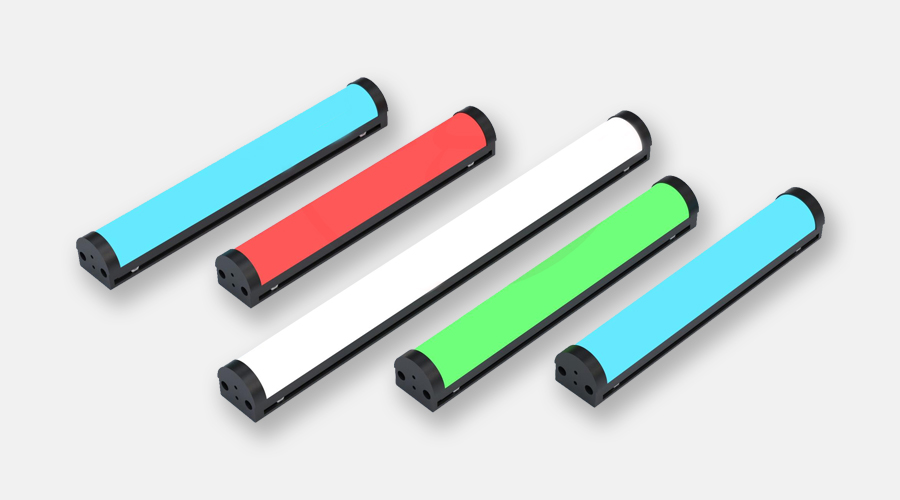 Arcuate high uniformity light
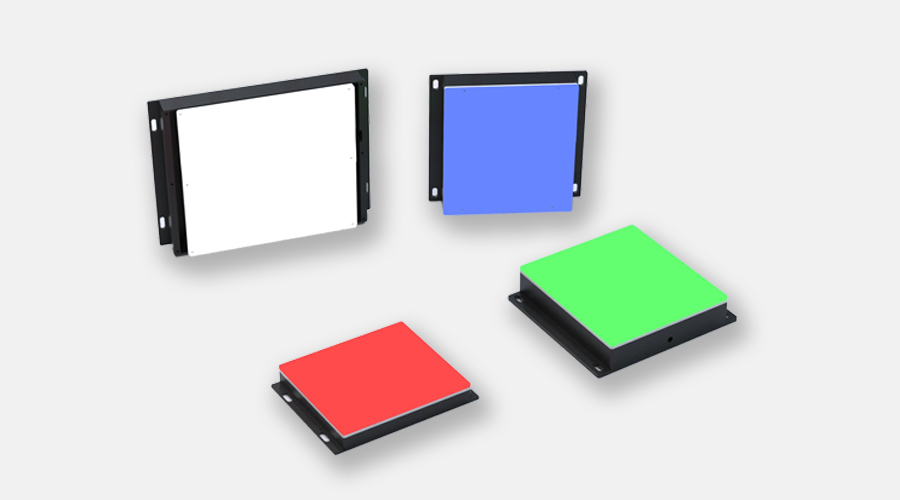 Back light
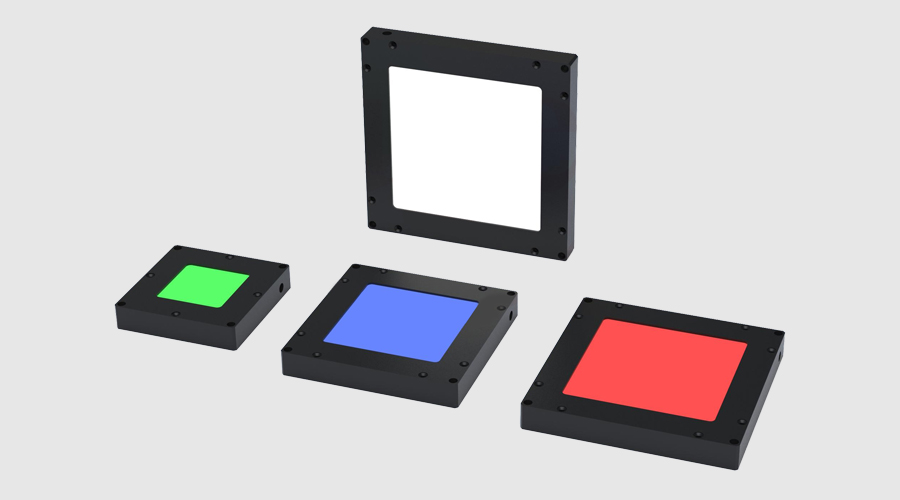 Flat light
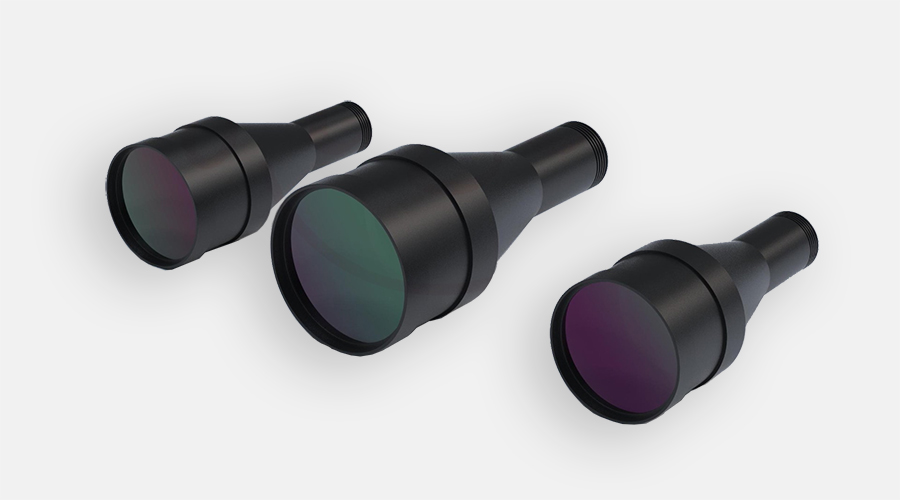 Collimated light
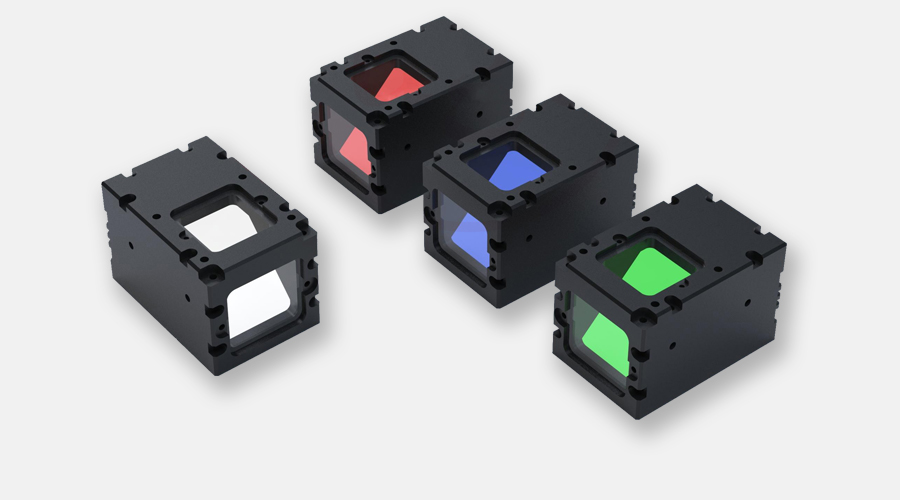 Coaxial light
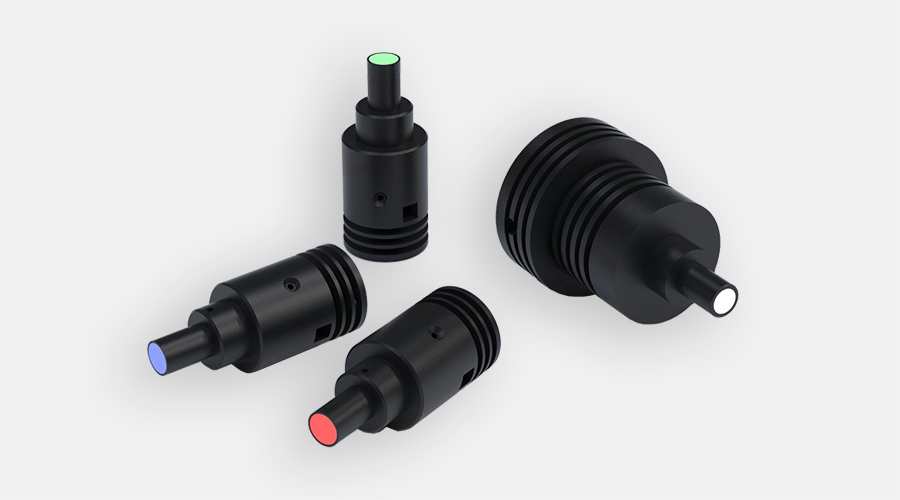 Spot light
 Dome light
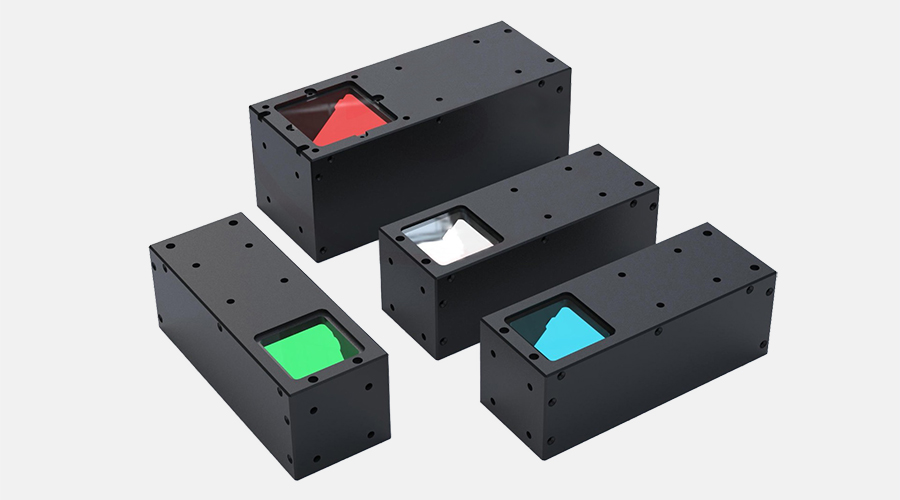 Collimated Coaxial light
 Shadowless square light
 Scan light
 AOI light
 Analog controller
 Crossed-Roller Linear guide type
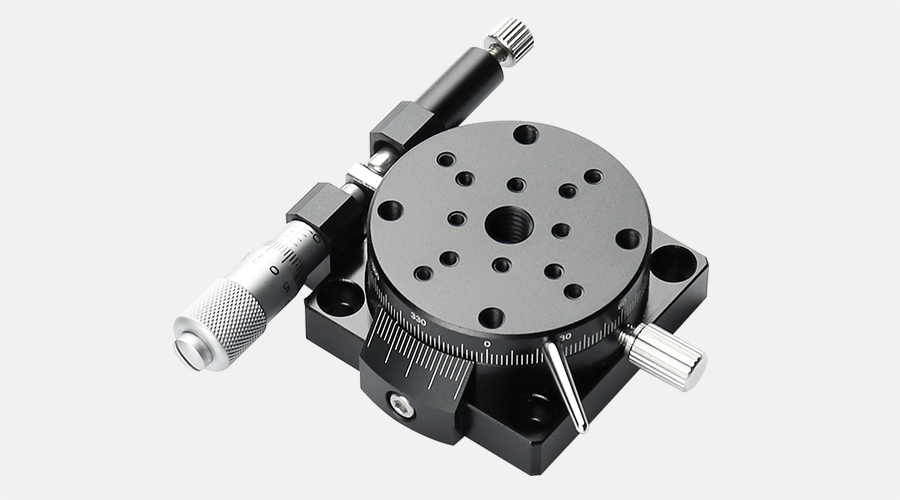 Rotary Stages XRS series
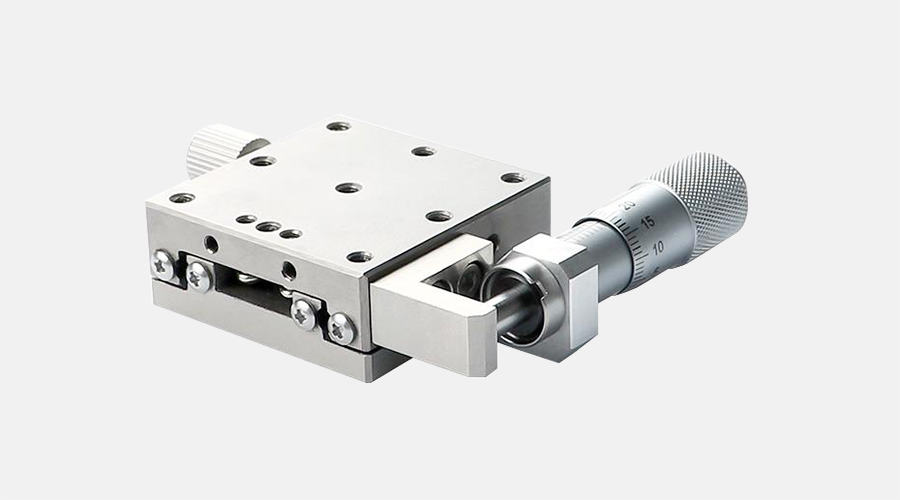 Stainless Steel Ball Bearing Linear Translation Stages
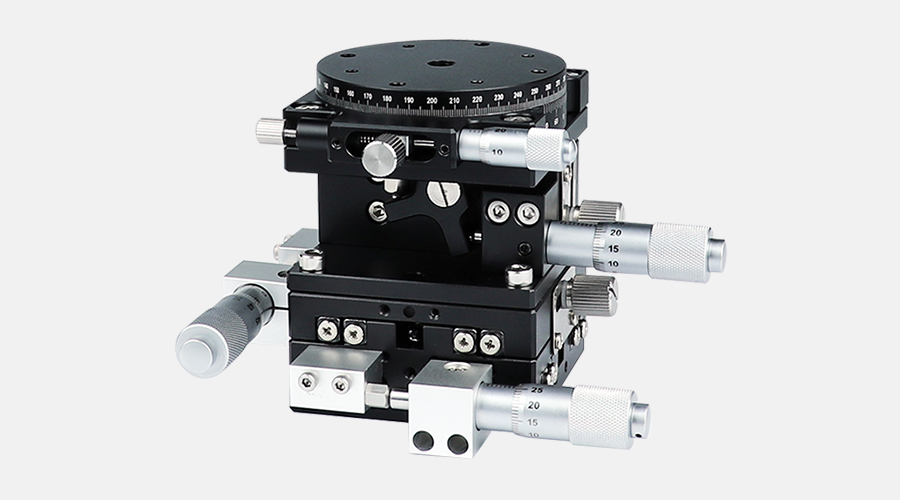 Multi-axis Translation stages
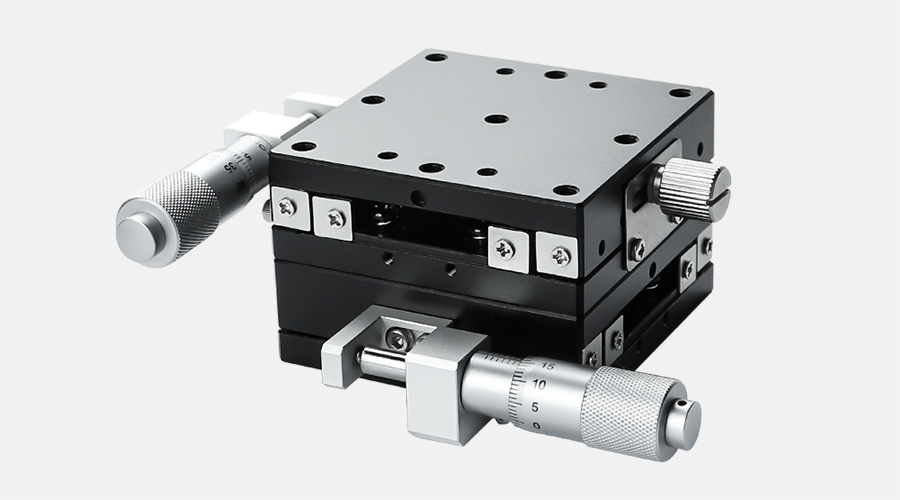 steel bar ball bearing stages
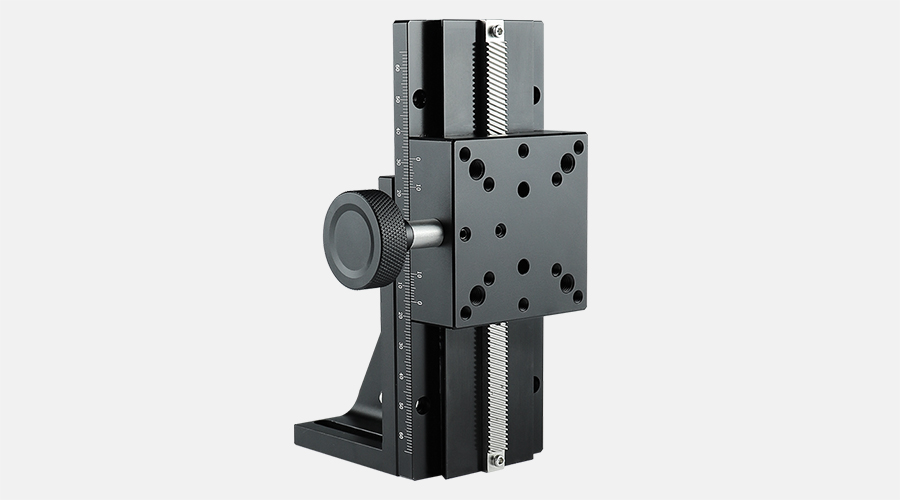 Dovetail Type Rack&Pinion Positioning Stage
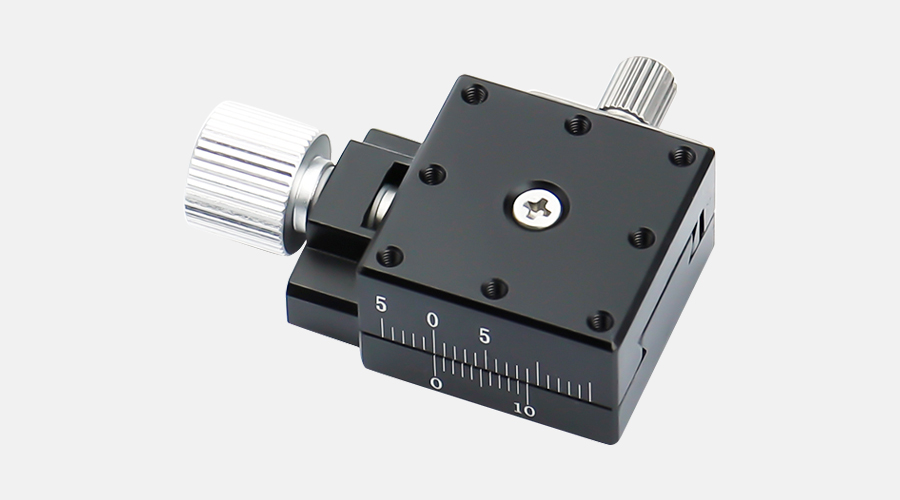 Dovetail groove high-precision screw slide
Leave Your Message
In today’s competitive world, using Machine Vision Quality Control tech is really changing the way manufacturing works. It’s making things run smoother and more efficiently than ever before. A recent report from MarketsandMarkets mentioned that the global machine vision market is expected to hit about $12.22 billion by 2024, growing at roughly 7.5% annually. This boom is mainly driven by companies wanting more automation, better accuracy, and lower costs.

Firms like Fuzhou New Vision Technology Co., Ltd. are leading the charge here, offering cutting-edge visual solutions and top-notch hardware that suit modern automation and smart factories. By tapping into these advanced machine vision tools, manufacturers can do a better job with quality checks, cut down on mistakes, and streamline everything on the production line. All in all, this tech helps create a more flexible and responsive manufacturing environment — pretty exciting stuff, really.
Machine vision technology is really shaking up the way manufacturing plants handle quality control. It’s all about making things more accurate and efficient. I read in a report by MarketsandMarkets that the machine vision market is expected to jump from $9.1 billion back in 2021 to around $15.4 billion by 2026. That’s a pretty big shift, showing how companies are moving more and more toward automation and smarter ways to make sure products are up to snuff. What’s cool is that this tech uses cutting-edge cameras and algorithms to check out products at lightning-fast speeds—way faster than humans could, honestly—cutting down on mistakes and keeping output consistent. Companies like Fuzhou New Vision Technology Co., Ltd. are really leading the charge here, offering innovative solutions and top-notch hardware that meet the demands of today’s smarter factories.
If you’re thinking about jumping on board, it’s worth noting that adding machine vision can seriously boost efficiency. For example, a study by the American Society for Quality says that automating inspections can catch over 90% of defects—no joke. That means less waste, fewer reworks, and more products getting out the door. If you’re considering this tech, I’d suggest starting small—maybe a pilot project, so you can see how it really improves quality control. And it’s a good idea to slowly integrate it into your existing lines—smooth rather than disruptive.
As the industry keeps pushing towards automation, staying ahead means investing in smart quality control systems like machine vision. It’s not just about better quality; it’s about staying competitive and ready for the future of manufacturing where precision and speed rule. Luckily, companies like Fuzhou New Vision Technology are there to help you make that shift, offering the right tools to help you get the most out of your manufacturing setup.
In the realm of industrial vision applications, the integration of high-performance lenses is crucial for achieving optimal imaging results. The introduction of 32mm telecentric lenses featuring standard F-mount integration represents a significant advancement in this field. These lenses are designed specifically for compatibility with the F-mount commonly utilized in industrial cameras, ensuring seamless integration and enhanced performance across various applications.
A key feature of these telecentric lenses is their impressive zoom capabilities, offering coverage from 1.6X, suitable for detailed close-ups, to 0.1X for broader views. This flexibility allows users to adapt to different imaging needs without sacrificing image quality. The working distances range from 50mm to 430mm, accommodating a variety of operational setups while maintaining less than 0.1% distortion across all models, which is critical for precision in industrial applications. The lenses also boast an aperture range of F7 to F20, further expanding their usability in diverse lighting conditions.
The modulation transfer function (MTF) of these lenses is greater than 0.3 from 40 lp/mm to 130 lp/mm, indicating excellent resolution and sharpness that are crucial for high-quality imaging. According to industry reports, lenses that maintain high MTF values are essential for tasks such as quality control and automated inspection, where precision is paramount. By leveraging these advanced telecentric lenses, industries can enhance their imaging capabilities, leading to improved accuracy and efficiency in their operations.
: The machine vision market is expected to grow from $9.1 billion in 2021 to $15.4 billion by 2026.
Implementing automated inspection processes using machine vision can improve defect detection rates by over 90%, minimizing waste and boosting overall productivity.
Machine vision systems enhance accuracy and efficiency in quality control, reduce human error, increase output consistency, and lead to substantial gains in production efficiency.
Machine vision allows for continuous monitoring and early detection of potential issues, minimizing delays associated with traditional bulk inspections.
Manufacturers should conduct a thorough assessment of current workflows, start with a pilot program, ensure collaboration between IT and operational teams, and provide training for staff.
Prioritizing advanced technologies is essential for staying competitive, as they significantly enhance efficiency and quality, adapting to the future of manufacturing.
By assessing error-prone areas in current workflows, starting with pilot projects, fostering collaboration between teams, and encouraging open feedback during implementation.
Real-time inspection allows for immediate identification of defects or inconsistencies, ensuring that only quality items proceed to the next stage, thus accelerating production.
They should evaluate their current quality control methods, invest in staff training, and implement pilot projects to measure improvement in quality control.
By minimizing waste through improved defect detection and reducing delays caused by traditional inspection methods, machine vision enhances operational efficiency and saves costs.
Machine Vision Quality Control is really changing the game in manufacturing. It’s all about making quality assurance smoother and boosting overall production speed. With this tech, manufacturers can spot defects more accurately, which means fewer mistakes and less money wasted on poor quality. You know, those defects don’t just mess with the product’s integrity—they can also cause some serious financial hits. By adopting machine vision systems, companies can ramp up their production, cut down on downtime, and keep the quality of their products pretty consistent.
Fuzhou New Vision Technology Co., Ltd. is really pushing the boundaries here, offering cutting-edge visual solutions and top-notch hardware for automation. As the industry moves forward, it’s pretty much essential for manufacturers to integrate these kinds of systems into what they’re already doing. The smart move is to stay ahead of the curve by embracing these future trends—they’ll help improve quality control even more, lead to smarter manufacturing processes, and drive innovation across the board.





