- Home
- Products
- About Us
- Customized Services
- News
- Contact Us
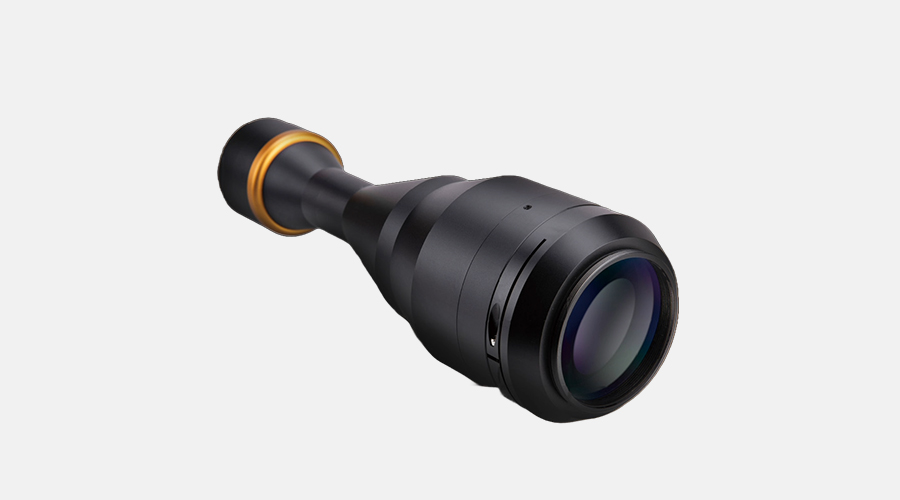 Compatible with 7.2mm-82mm chips
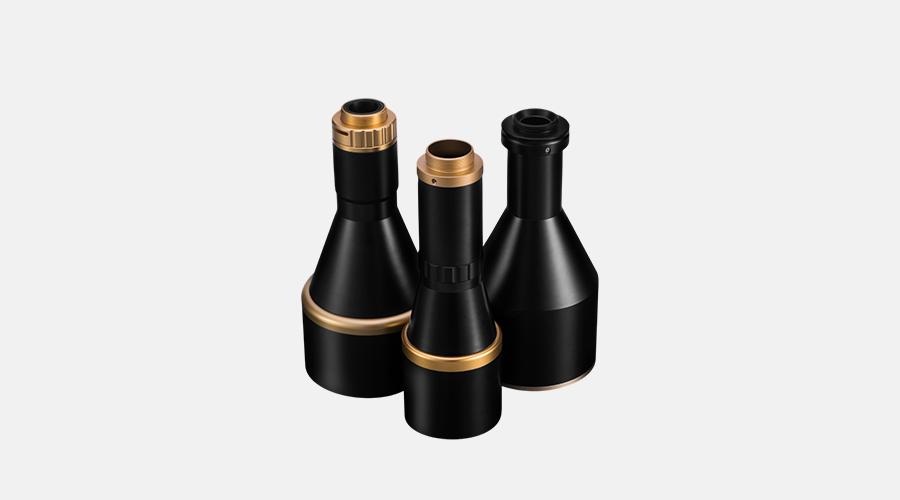 High/Low Working Distance
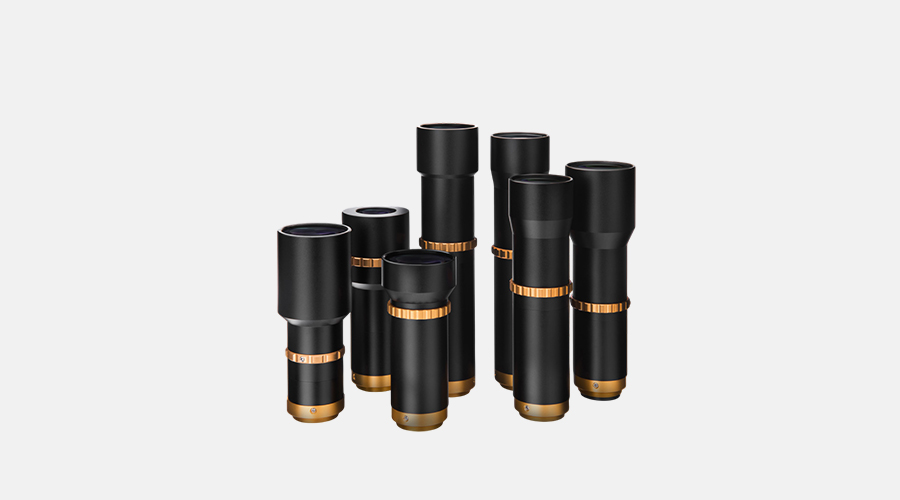 Aperture telecentric lens
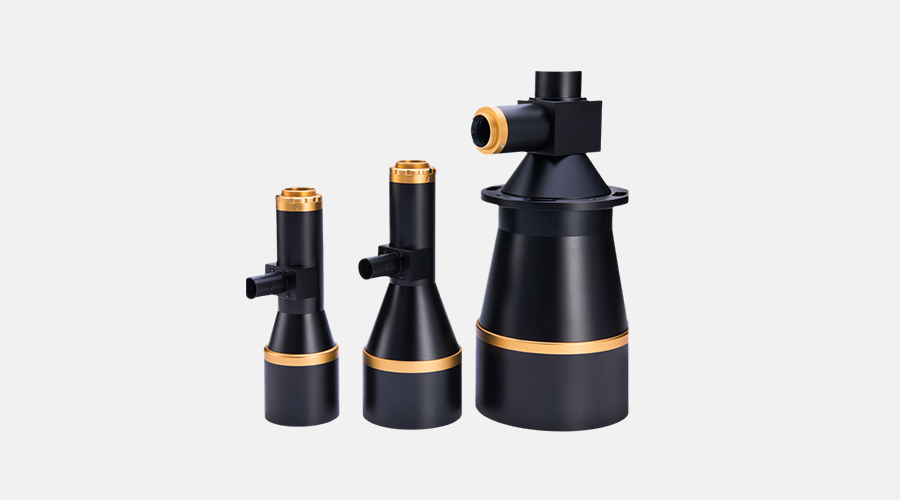 Measuring lens
 Maximum support 1.1" chips
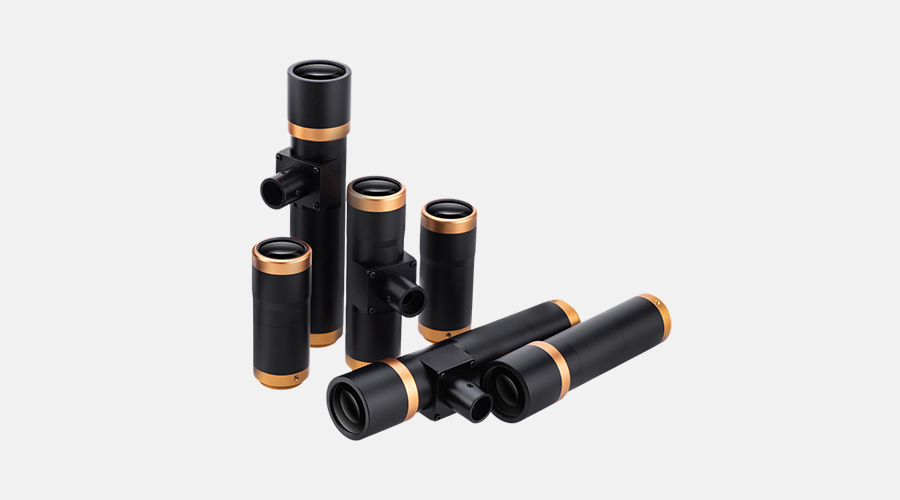 Maximum support 1.2" chips
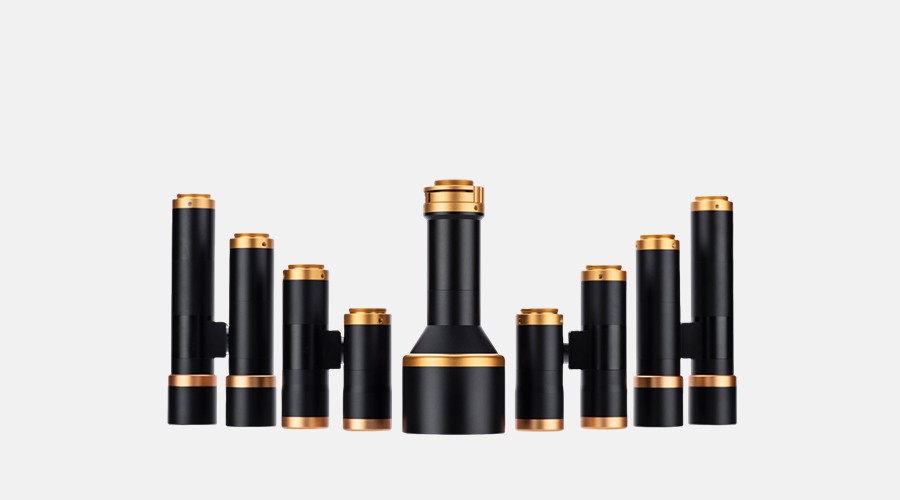 Maximum support 2/3" chips
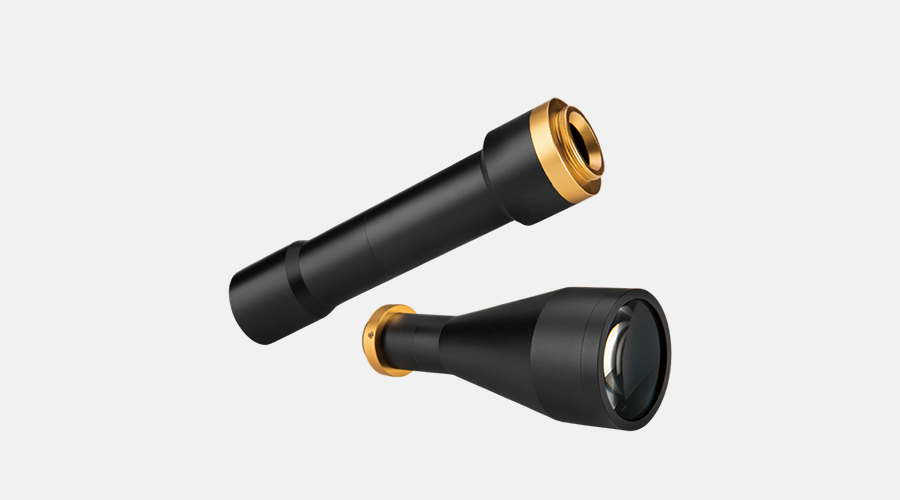 Long Working Distance
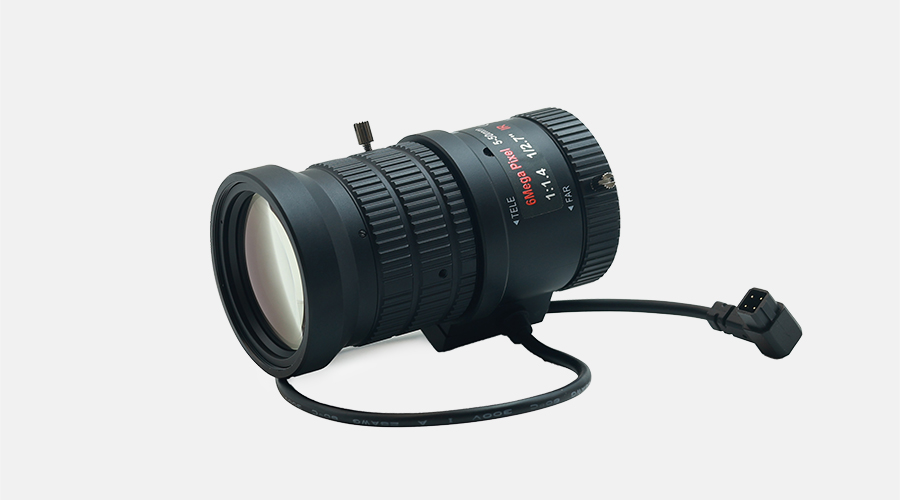 CS mount Varifocal lens
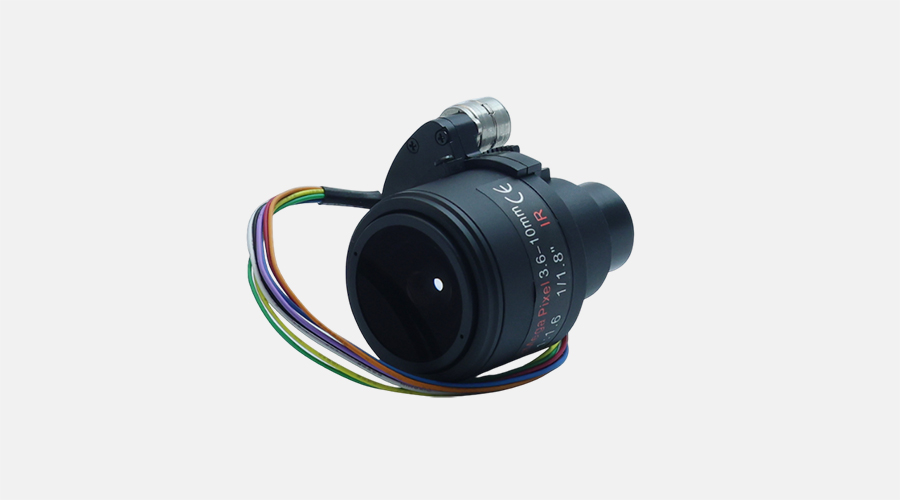 Varifocal board lens
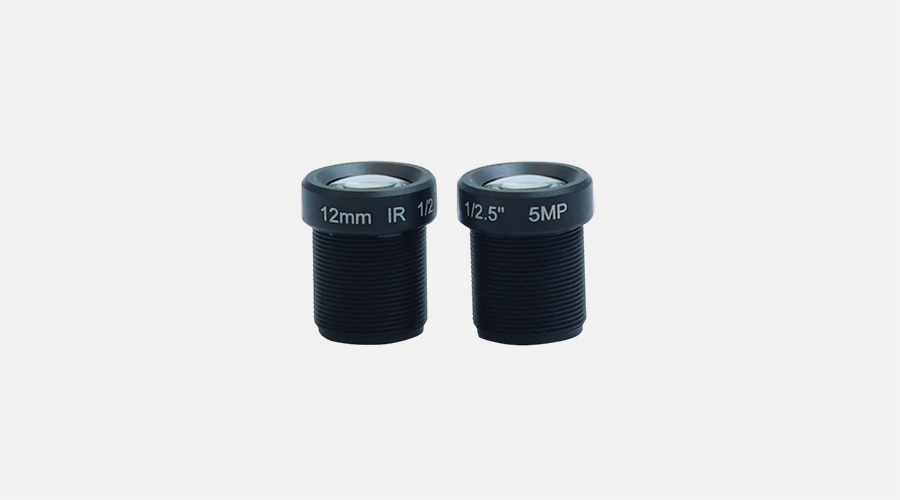 S mount lens
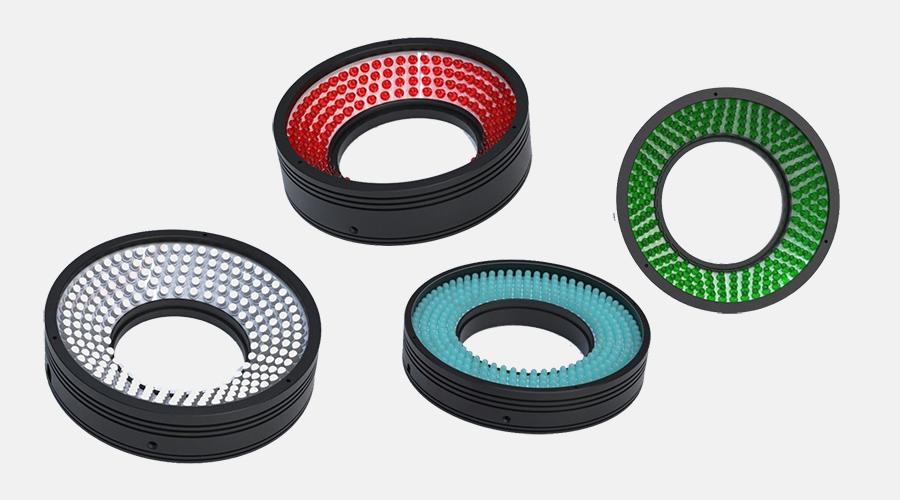 Ring light
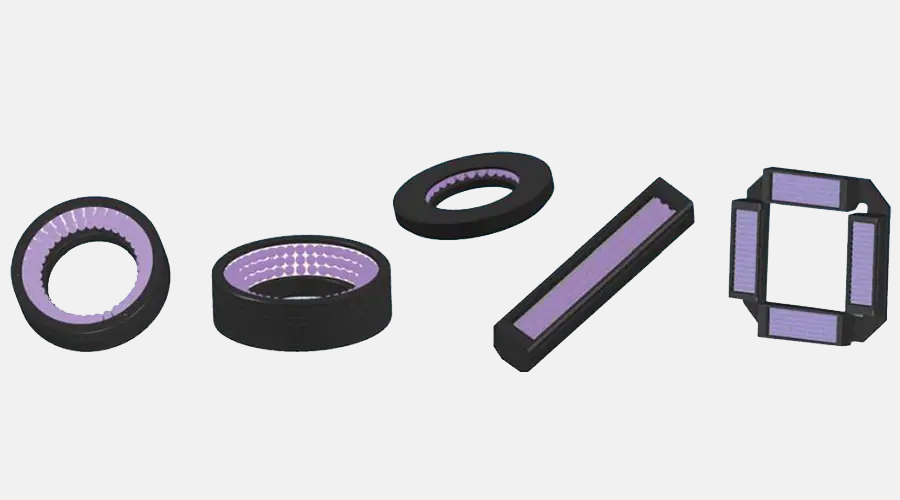 UV/IR Light
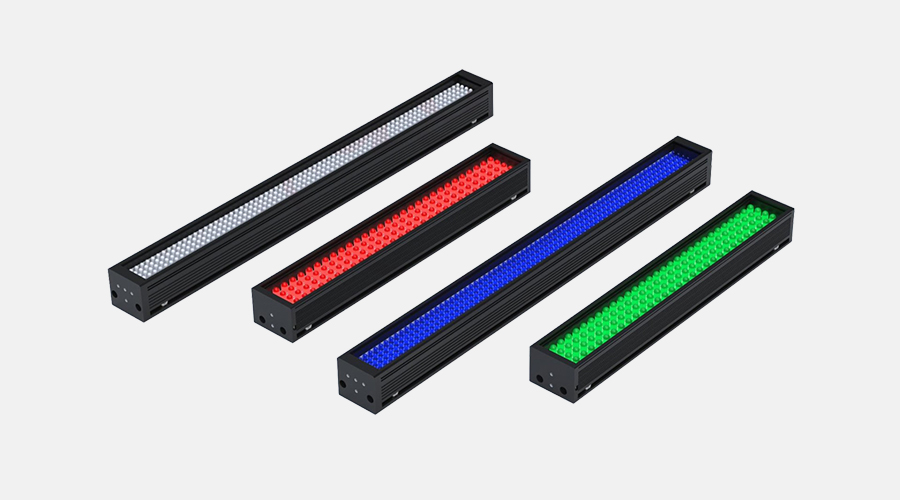 Bar light
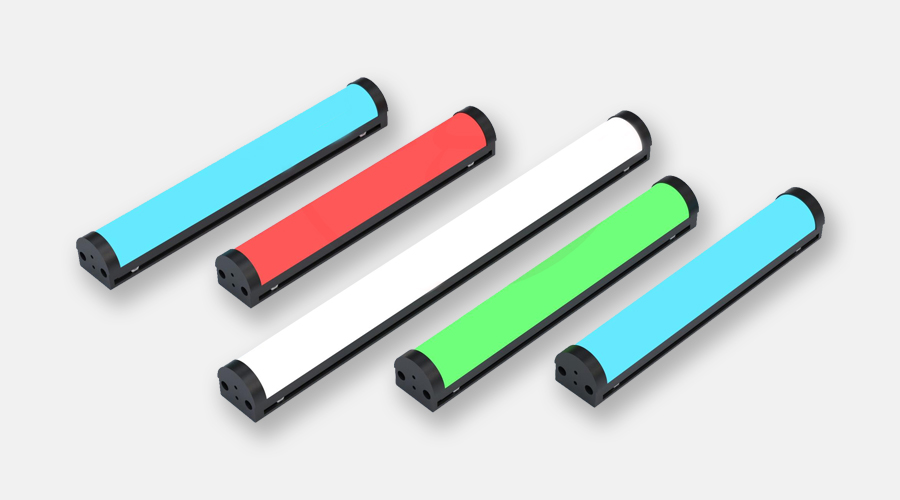 Arcuate high uniformity light
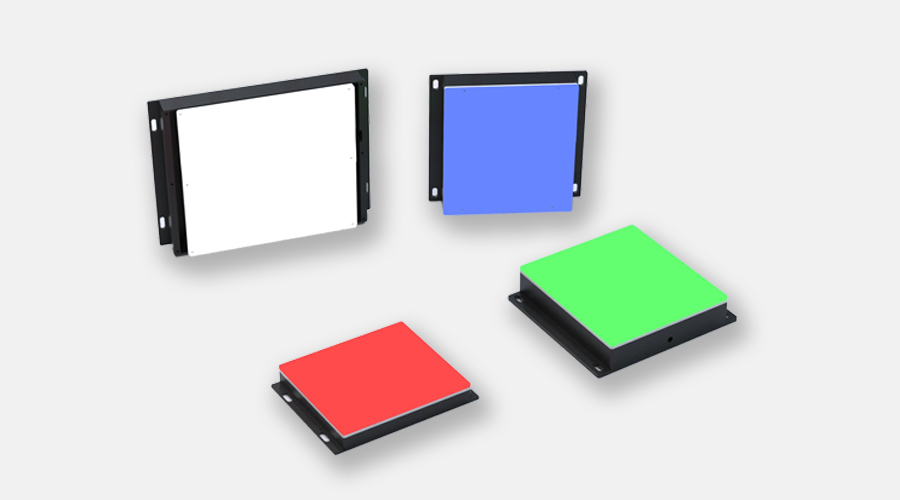 Back light
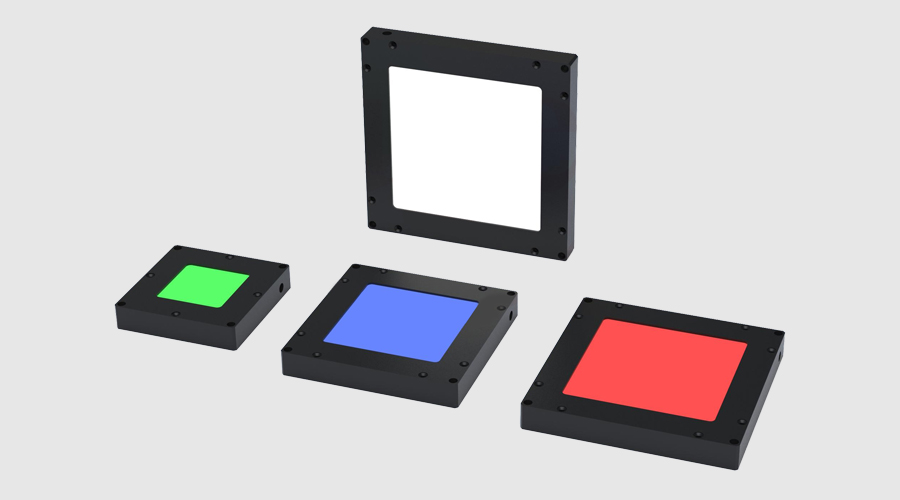 Flat light
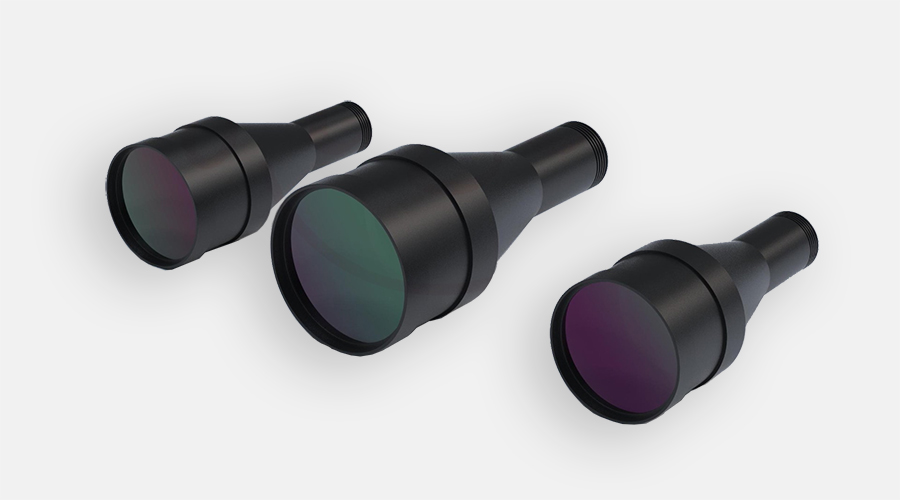 Collimated light
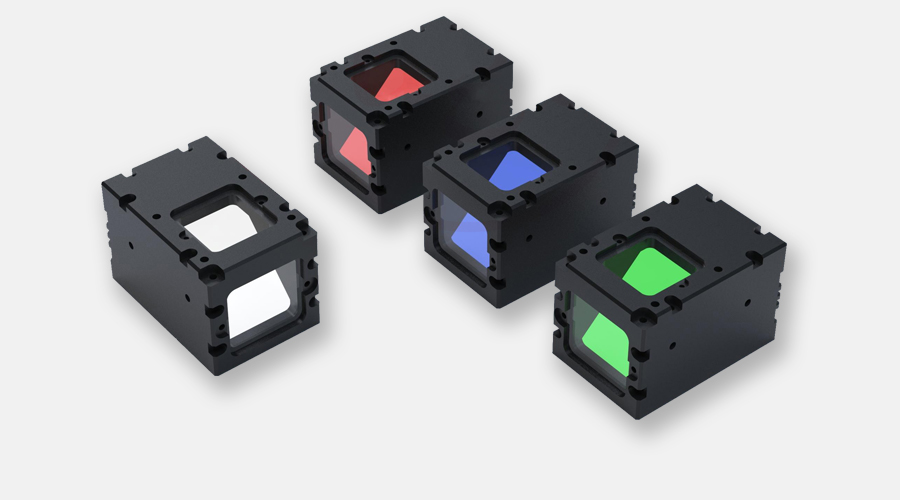 Coaxial light
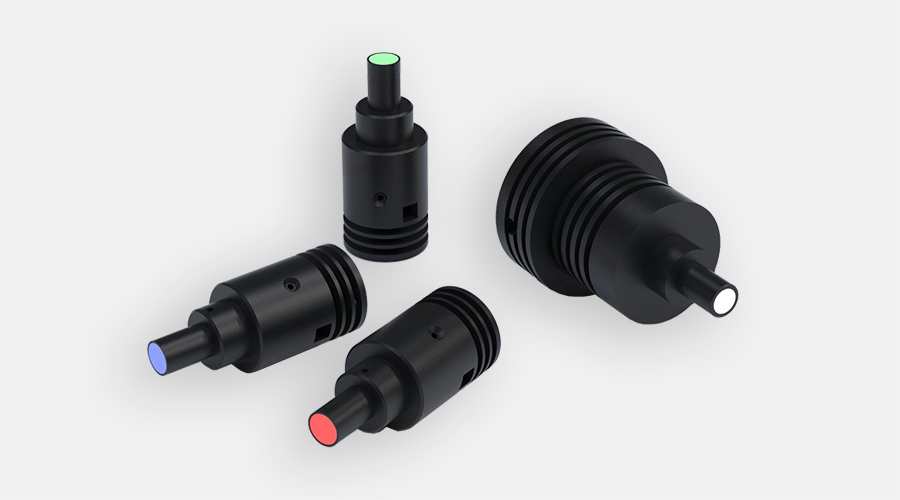 Spot light
 Dome light
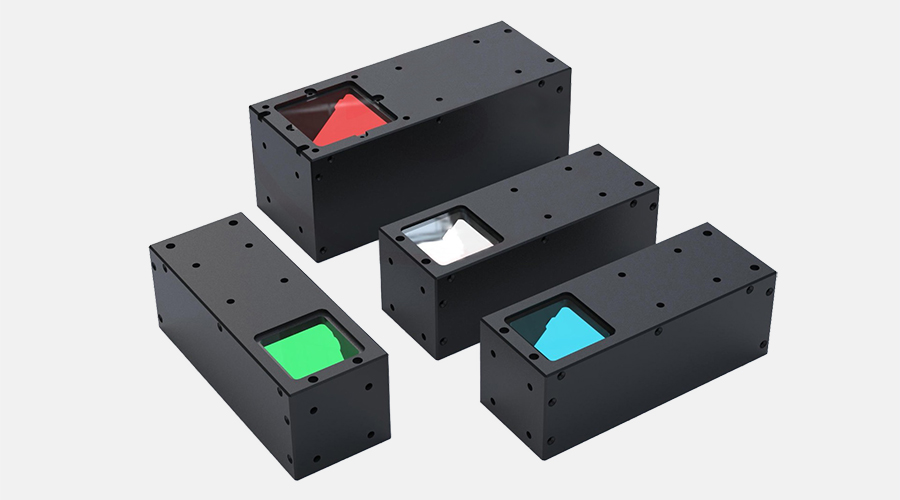 Collimated Coaxial light
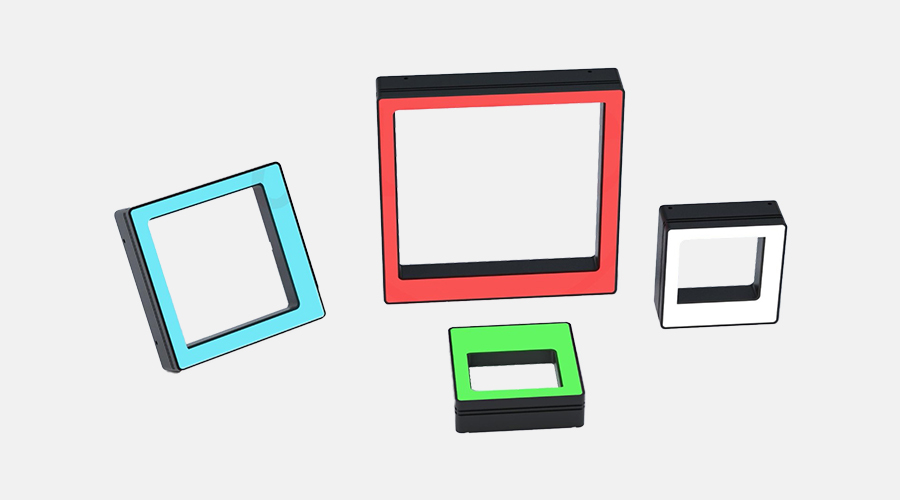 Shadowless square light
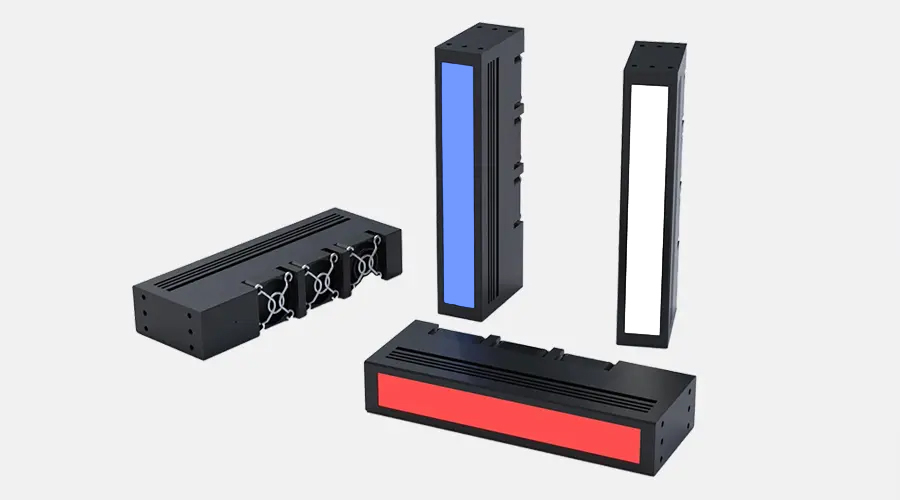 Scan light
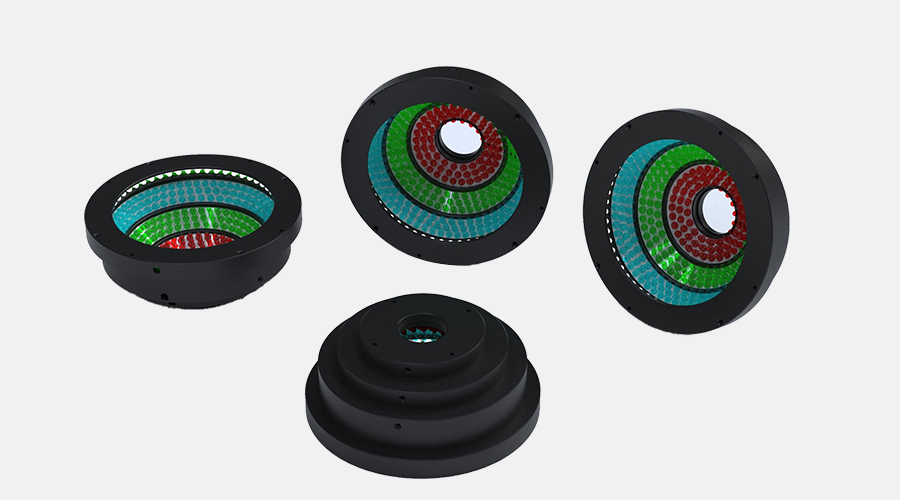 AOI light
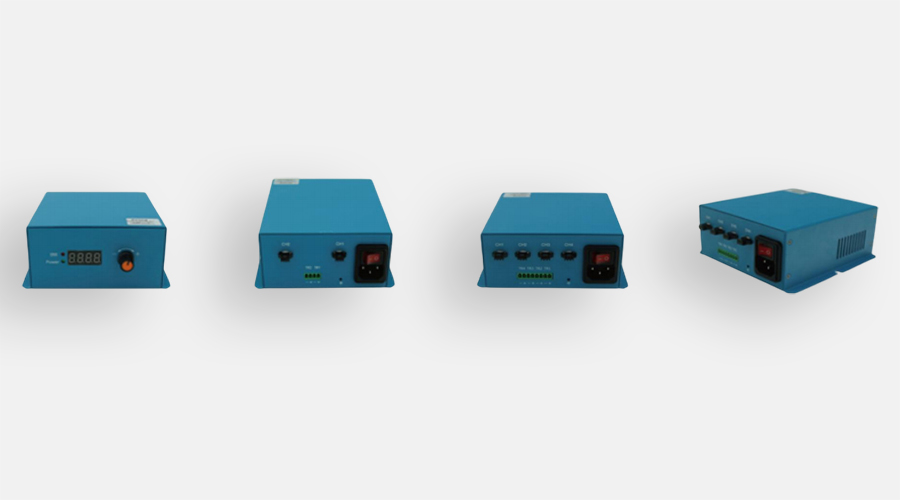 Analog controller
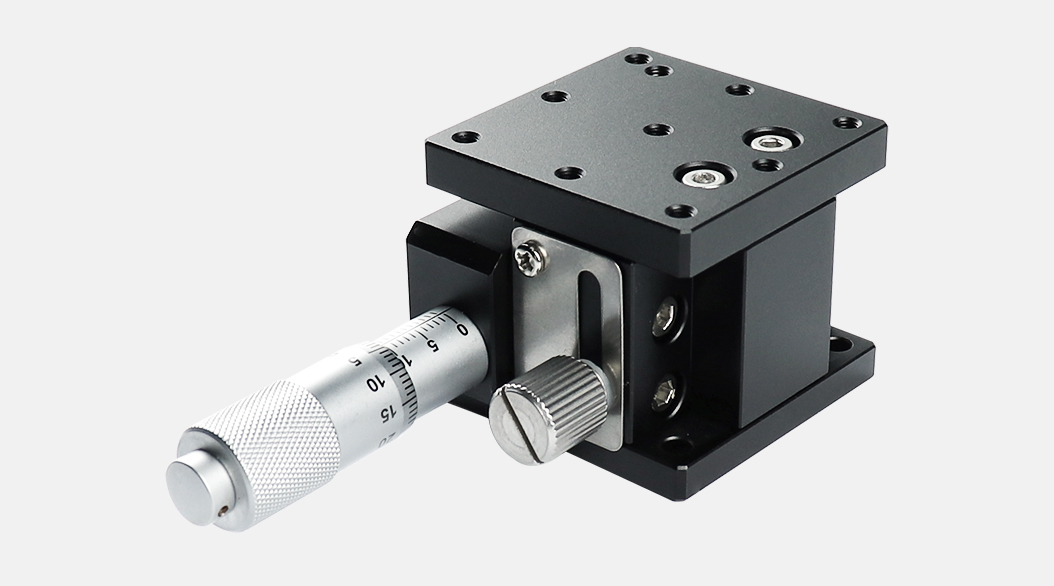 Crossed-Roller Linear guide type
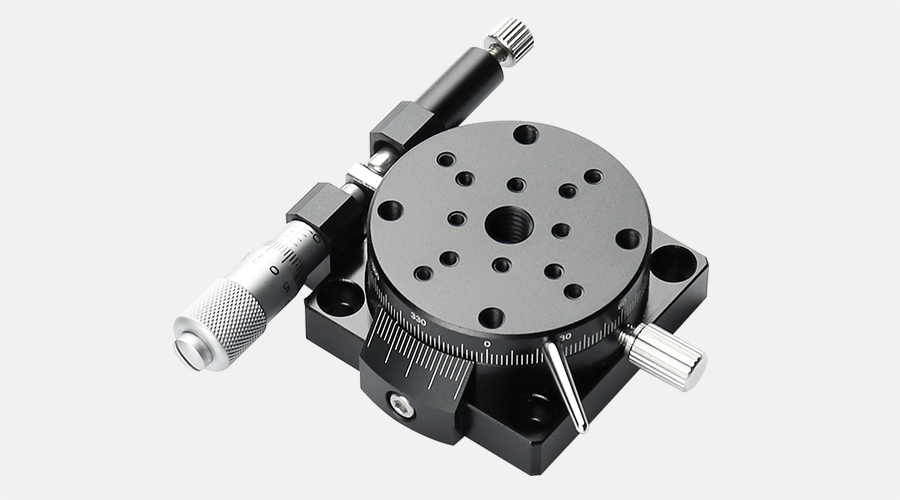 Rotary Stages XRS series
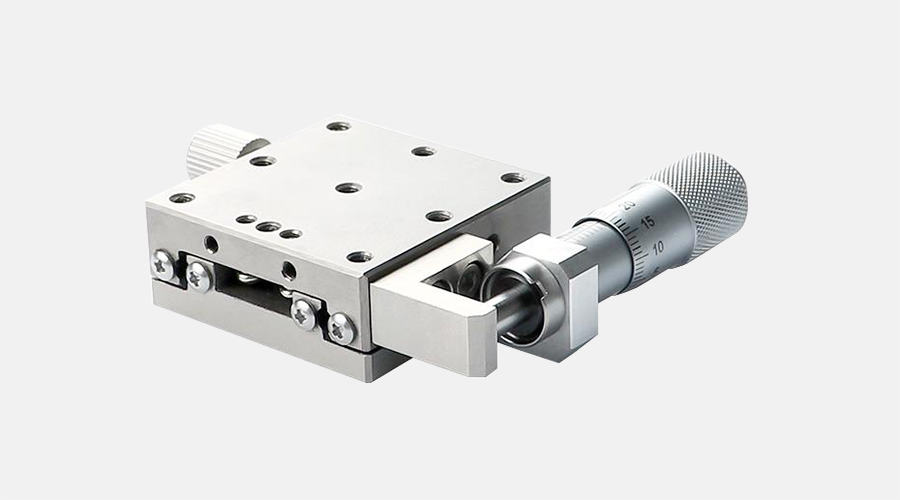 Stainless Steel Ball Bearing Linear Translation Stages
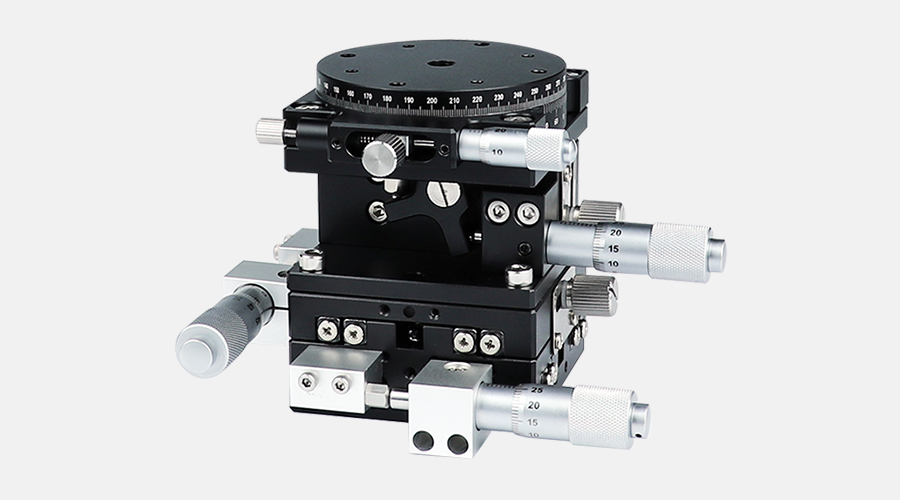 Multi-axis Translation stages
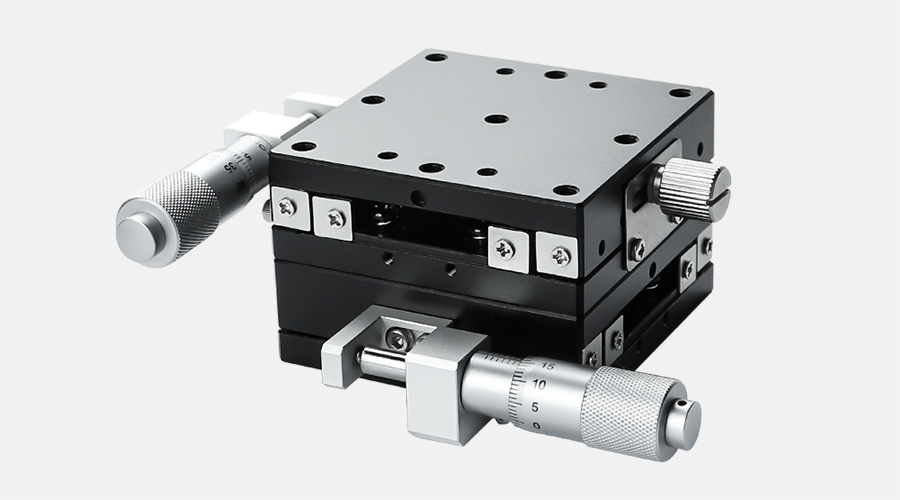 steel bar ball bearing stages
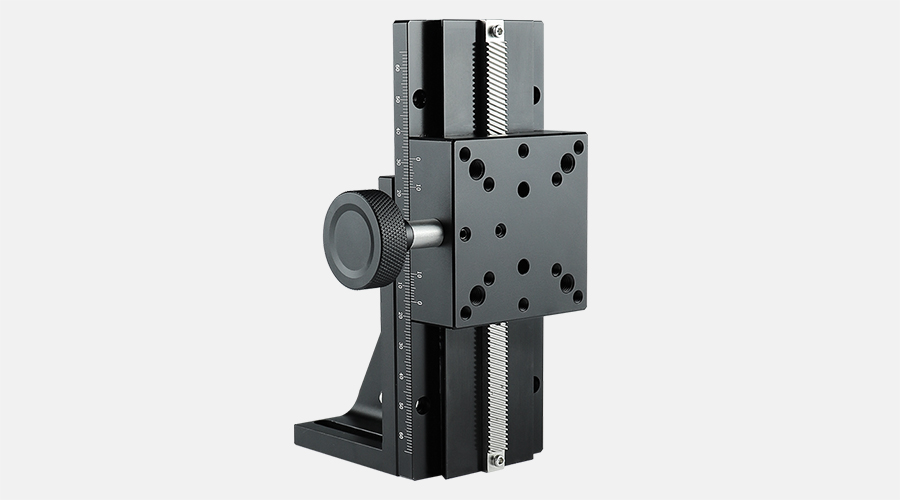 Dovetail Type Rack&Pinion Positioning Stage
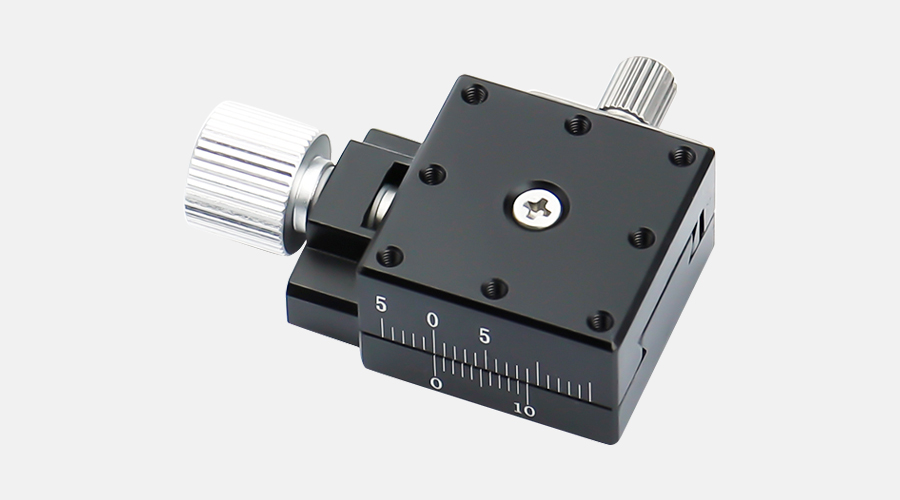 Dovetail groove high-precision screw slide
Leave Your Message
As industries keep evolving, the need for really precise machinery has become more important than ever. You know, things like Linear Axis solutions are now crucial, especially in areas like automation, manufacturing, and robotics. Interestingly, reports suggest that the global market for linear motion systems is expected to hit about $6.8 billion by 2023. That’s a huge jump, and it definitely highlights just how critical it is to choose the right Linear Axis technology the smart way.
Dr. John Smith, who’s pretty much an expert in motion control systems, puts it simply: "Picking the right Linear Axis solution can really make or break productivity." His point hits home because these systems play such a vital role in keeping operations running smoothly. When you’re on the hunt for a Linear Axis system, stuff like the type, how much load it can handle, and its speed are all key factors to keep in mind. Taking the time to evaluate these details honestly can lead to better efficiency and less downtime—that’s a game-changer.
That said, not all Linear Axis solutions are created equal. With tech moving so fast, companies can find it pretty tricky to make the right call without some guidance. It’s definitely a good idea to lean on industry reports and expert advice to steer you in the right direction. At the end of the day, making sure the system you pick actually fits your specific needs is what’s going to make all the difference for your success.
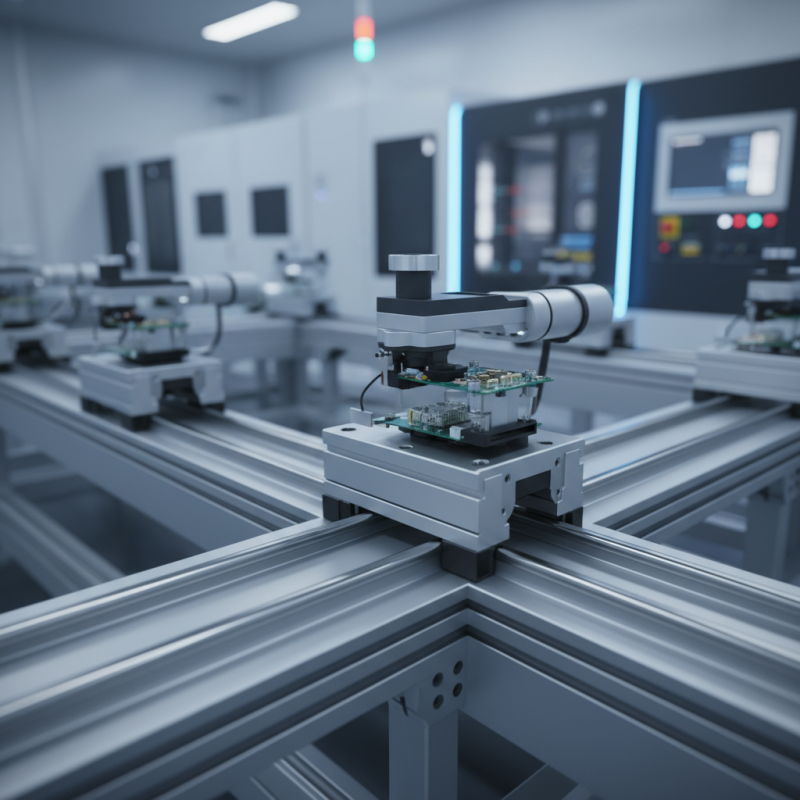
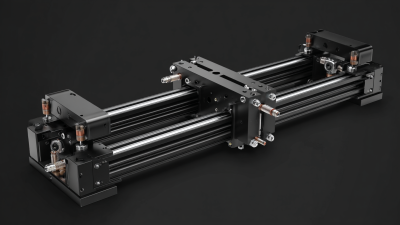
Linear axis solutions are crucial in various industries, including manufacturing, robotics, and automation. Their primary role is to provide precise movement along a straight line. This functionality supports tasks like assembly, inspection, and material handling. Understanding their applications can significantly impact operational efficiency.
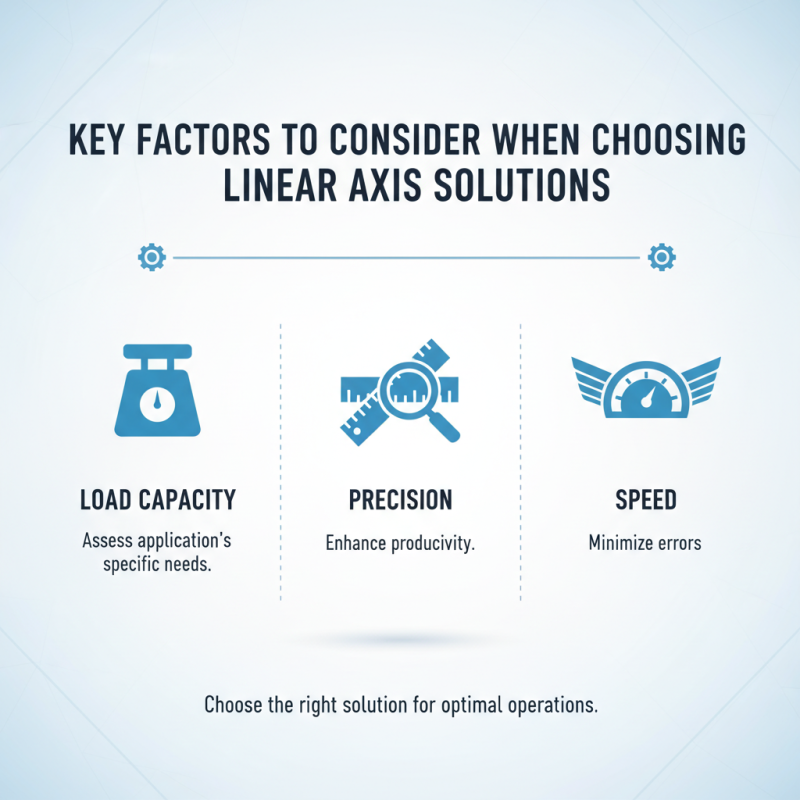
When selecting a linear axis solution, consider the load requirements. Make sure the system can handle the weight of your specific application. If it’s too light, it might not perform well. Equally, explore the speed and precision levels. Certain applications demand high-speed movements with pinpoint accuracy. Others may not require it, but it’s essential to know your needs.
Tips for choosing the right system include evaluating the type of drive mechanism. For example, a Two Axis Manual Linear Stage can be perfect for processes needing manual intervention. It's simple and effective for straightforward tasks. Additionally, assess the space available for installation. If space is tight, compact solutions can provide excellent performance without sacrificing quality. Always keep in mind the maintenance needs. Regular checks ensure longevity and reliability in operations.
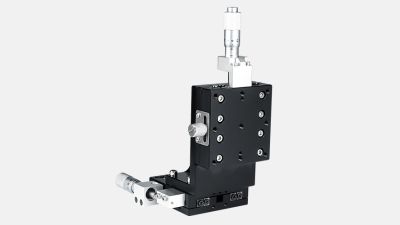
The XLEV Series XZ Manual Slide Table solutions offer an innovative approach to optimizing precision and efficiency in multi-axis applications. With the unique design of allowing movement in two directions along the XZ axis, these slide tables enable users to achieve accurate vertical lifting and lowering. This versatility is particularly beneficial in environments where space is limited and precision is crucial.
Available in various sizes ranging from 40mm to 90mm, the XLEV series caters to a wide range of operational needs. Each unit is engineered to support loads from 19.2N (approximately 2kgf) to 58.8N (around 6kgf), making it suitable for lightweight tasks and more demanding applications alike. The minimum scale of 0.01mm ensures that users can execute highly precise adjustments, integral for maintaining quality and consistency in manufacturing processes.
By combining these features, the XLEV Series XZ Manual Slide Tables stand out as a reliable choice for professionals seeking to enhance precision and efficiency in their workflows. The thoughtful engineering helps to drive productivity while minimizing the risk of errors, positioning these solutions at the forefront of manual slide table technology.
: They provide precise movement along a straight line. They are vital in manufacturing, robotics, and automation.
Consider load requirements first. Ensure it can manage your application’s weight and movement speed.
Evaluate if a manual or powered mechanism suits your needs. Simple tasks may benefit from manual systems.
Costs vary widely based on size and precision. Understanding these factors aids in effective planning.
Maintenance, training, and integration can increase overall costs. Don’t ignore these aspects during budgeting.
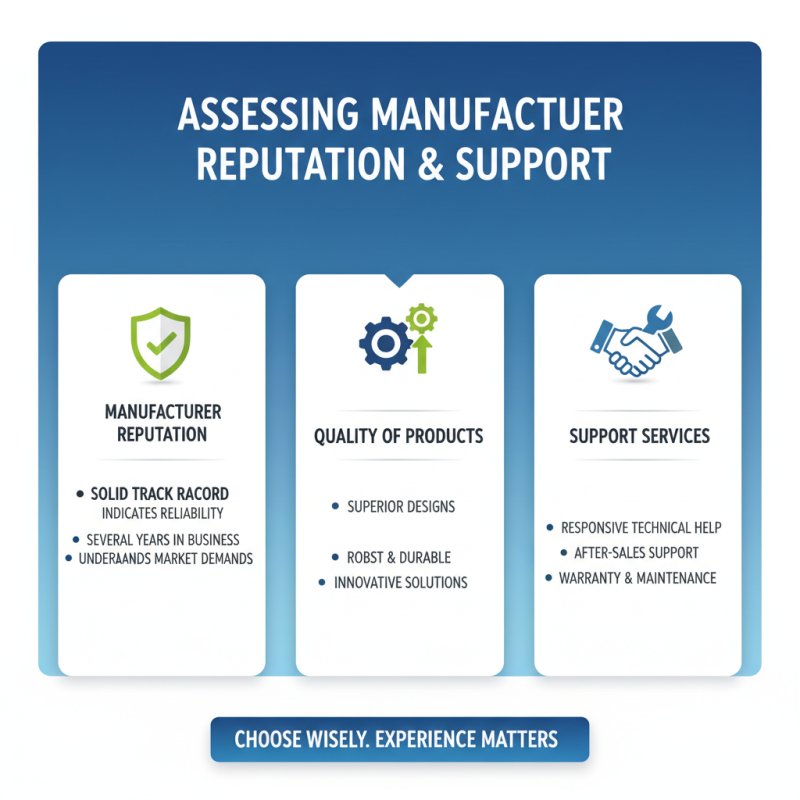
A reliable manufacturer usually indicates quality. Look for experience and positive customer feedback for assurance.
Timely assistance and a solid warranty can enhance your experience. They help resolve issues promptly.
No, it’s essential to reflect on specific needs. A good reputation doesn’t guarantee the best fit.
Regular checks are vital for longevity. Neglecting maintenance may lead to unforeseen issues and costs.
Well-trained staff can enhance efficiency by 30%. Investing in training is often overlooked but very beneficial.
Choosing the right Linear Axis solutions is crucial for optimizing performance in various applications. Understanding the specific needs and functionalities of Linear Axis systems is the first step in the selection process. Consider key factors such as accuracy, speed, load capacity, and environmental conditions that could affect performance. It's also important to familiarize oneself with the different types of Linear Axis technologies available in the market, including both electric and pneumatic options.
When evaluating potential Linear Axis investments, one must look at critical performance metrics and compare costs to align with budget constraints. Furthermore, assessing the reputation of manufacturers and their support services can lead to better long-term partnerships and reliable solutions. Finally, staying informed about future trends in Linear Axis technology will ensure that your investments remain relevant and effective in a rapidly evolving industry.