Inquiry
Leave Your Message
0%

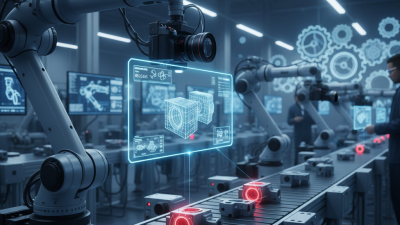
In the fast-changing world of manufacturing, quality control is more important than ever. You might have heard about Automated Vision Inspection—it's really become a game-changer for making sure products meet those tough standards. Companies like Cognex and Keyence are at the forefront, developing cool new solutions that boost both precision and efficiency. Basically, these systems use cutting-edge imaging tech to catch defects as they happen, almost in real-time.

But, let's be honest, getting these systems up and running smoothly isn’t always smooth sailing. Many companies run into trouble fitting them into their existing setups, and different production environments can throw off performance too. Recognizing these hurdles early on is super important if you want to get the most out of Automated Vision Inspection. Tackling these little imperfections head-on can really help raise quality standards and make things more reliable overall.

Investing in Automated Vision Inspection is definitely a smart move if you're aiming for excellence. As industries push toward innovation, it's crucial to understand what these systems can do—and what they might struggle with. Making the right choice here could totally transform how you manage quality and even give your operational productivity a good boost.
Top 5 Automated Vision Inspection Solutions for Quality Control?

Overview of Automated Vision Inspection: Importance in Quality Control

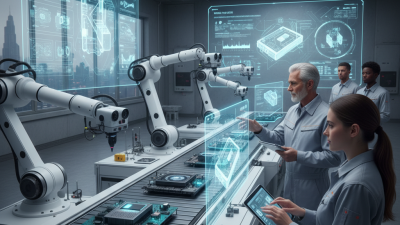
Automated vision inspection plays a crucial role in ensuring product quality across various industries. Its importance cannot be overstated. This technology accurately identifies defects and inconsistencies that human inspectors might miss. High-resolution cameras and advanced algorithms analyze products at a speed and precision that is hard to achieve manually. This results in a higher standard of quality control and overall efficiency.

Adopting Automated Inspection systems can have its challenges. Companies must ensure proper integration with existing processes. Training staff to understand and maintain these systems is also necessary. Some businesses may face initial resistance to change, as it requires a shift in mindset. Despite potential hurdles, the benefits often outweigh the drawbacks. Increased reliability and consistency lead to higher customer satisfaction.

Investing in automated inspection not only enhances product quality but also reduces costs in the long run. However, companies should continuously monitor and refine their systems. Regular assessments help identify areas for improvement. This reflective approach ensures that automated inspection systems remain effective and aligned with quality goals. By embracing this technology, businesses can achieve efficiency and maintain a competitive edge.

Key Features of Effective Automated Vision Inspection Solutions

Automated vision inspection systems are transforming quality control in manufacturing. These solutions help detect defects at unprecedented speeds. According to a recent report by MarketsandMarkets, the vision inspection market is projected to reach $4.25 billion by 2025, emphasizing its growing significance.

Key features of effective automated vision inspection solutions include high resolution and accurate image processing. Systems should capture detailed images to identify even tiny defects. The ability to integrate artificial intelligence enhances the system's learning capacity. It allows for improved accuracy over time, adapting to evolving quality standards. Flexibility in adapting to different product lines is also essential. A single machine should handle multiple inspection tasks without extensive reconfiguration.

Despite advancements, challenges remain. Not all systems can operate effectively under varying lighting conditions. Some may struggle with complex shapes or textures. Continuous monitoring and calibration are necessary to maintain performance. These factors need addressing to maximize the benefits of automated vision inspection. Being aware of these limitations can help organizations make informed decisions about implementation.

Top 5 Automated Vision Inspection Solutions for Quality Control

Solution Key Features Application Areas Technology Used Average Cost
Solution A High-resolution imaging, real-time inspection, AI-powered analysis Electronics, Pharmaceuticals CCD Cameras, Deep Learning $50,000 - $100,000
Solution B 3D laser scanning, defect detection, data reporting Automotive, Packaging Laser Sensors, Computer Vision $70,000 - $120,000
Solution C Multi-inspection capabilities, customizable workflows Food & Beverage, Textile High-Speed Cameras, Machine Learning $40,000 - $80,000
Solution D Color detection, dimensional measurement, database integration Consumer Goods, Electronics Smart Cameras, AI Algorithms $30,000 - $70,000
Solution E Easy integration, user-friendly interface, cloud connectivity Pharmaceuticals, Aerospace Cameras, Cloud Computing $55,000 - $110,000

Market Trends: Growth Rate and Adoption of Automated Vision Systems

Top 5 Automated Vision Inspection Solutions for Quality Control?

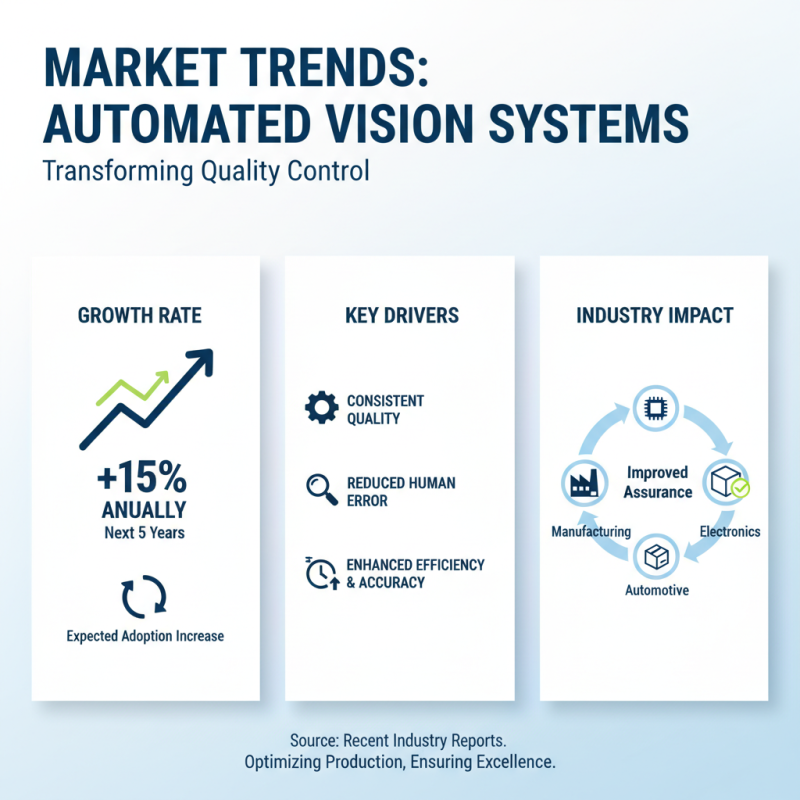
Automated vision systems are transforming quality control in various industries. According to recent industry reports, the adoption rate of these technologies is expected to grow by 15% annually over the next five years. A significant factor driving this growth is the need for consistent quality assurance in manufacturing processes. Companies are not just looking to reduce human error but also to enhance efficiency and accuracy in their inspections.

3d Vision Inspection technology plays a crucial role in this shift. It provides a more detailed analysis of products, detecting flaws that traditional methods might miss. For instance, a study by a leading market research firm revealed that 70% of manufacturers using 3D systems reported fewer defects in their end products. However, implementing these solutions can be challenging. Many companies struggle with integrating new technologies into existing workflows. The learning curve can be steep, and not all personnel may adapt quickly.

While the benefits are clear, it is important to note that the effectiveness of automated systems depends on various factors, including the nature of the products being inspected. There are cases where inspections still fail to detect subtle defects. This highlights the necessity for a balanced approach that combines automation with skilled human oversight. In the end, technology alone cannot guarantee quality; it must be supported by trained professionals who understand the intricacies of their products.

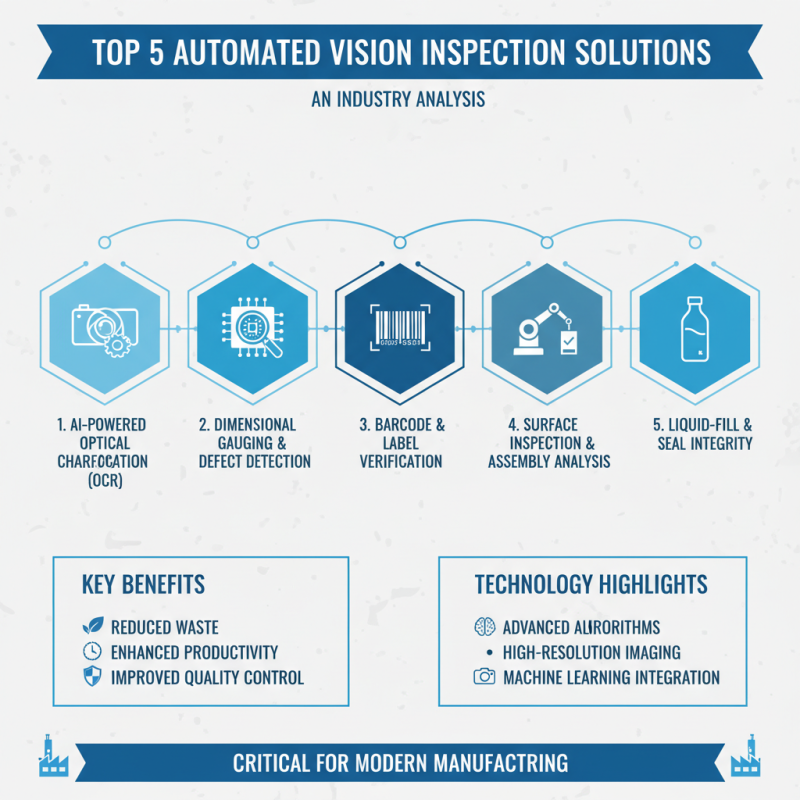
Top Five Automated Vision Inspection Solutions: An Industry Analysis

Top 5 Automated Vision Inspection Solutions for Quality Control?

Automated vision inspection solutions play a critical role in quality control across various industries. These systems employ advanced algorithms and imaging technology to detect anomalies and ensure products meet specified standards. They help manufacturers reduce waste and enhance productivity, but not all solutions are equally effective.

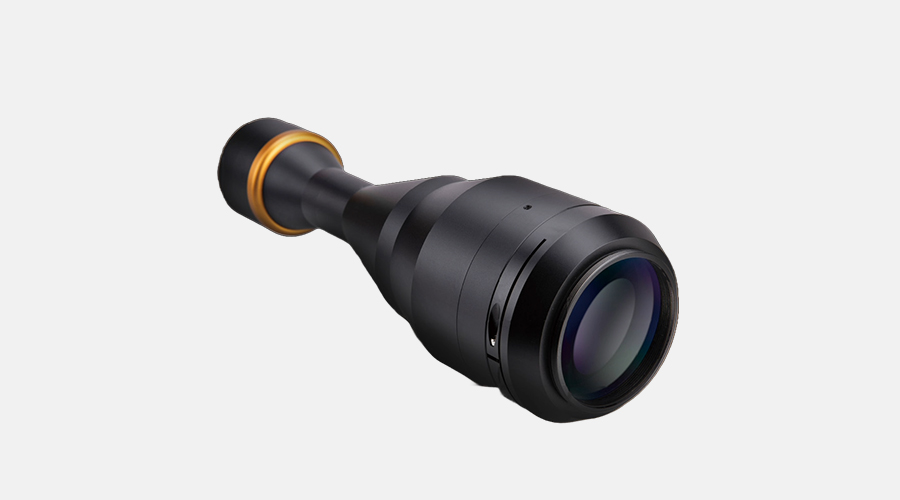
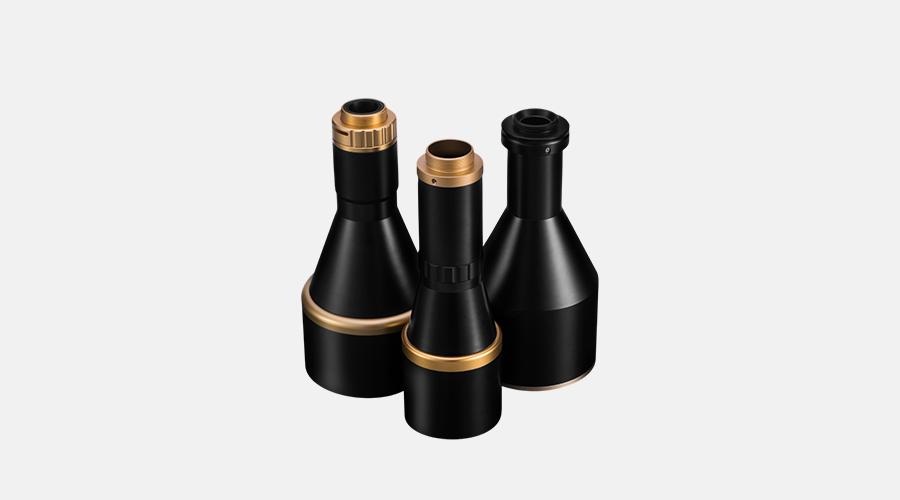
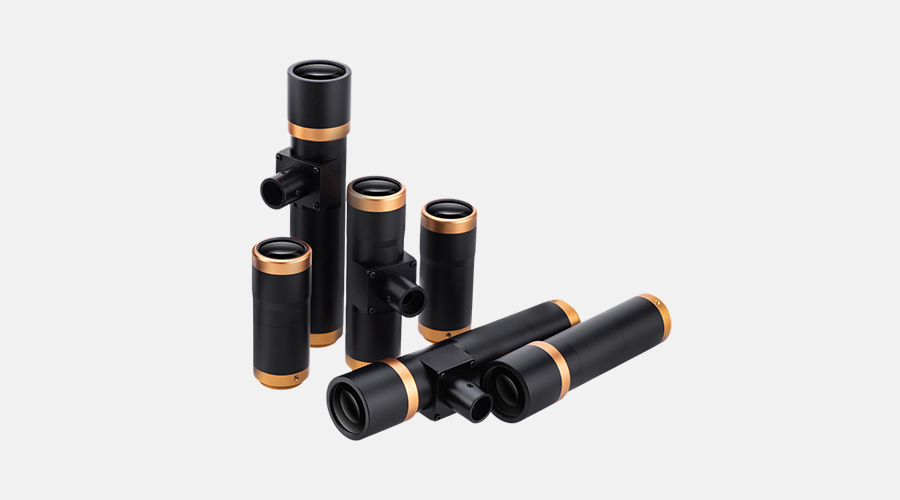
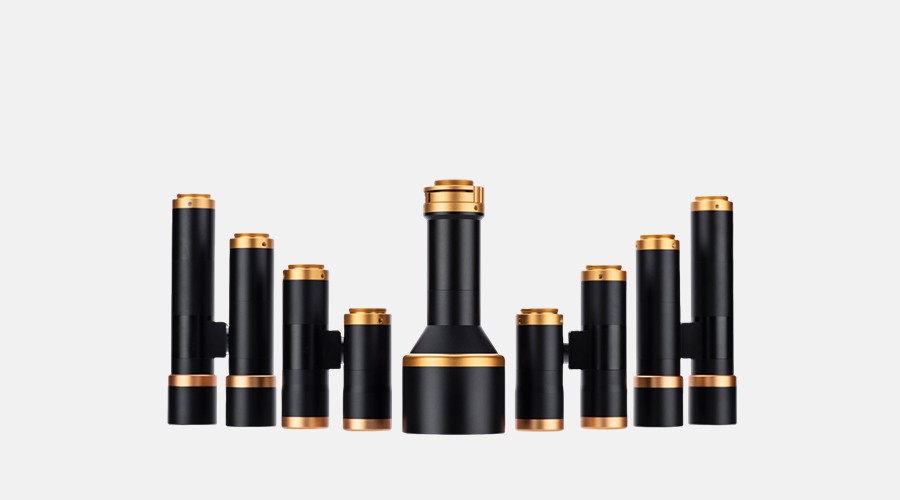
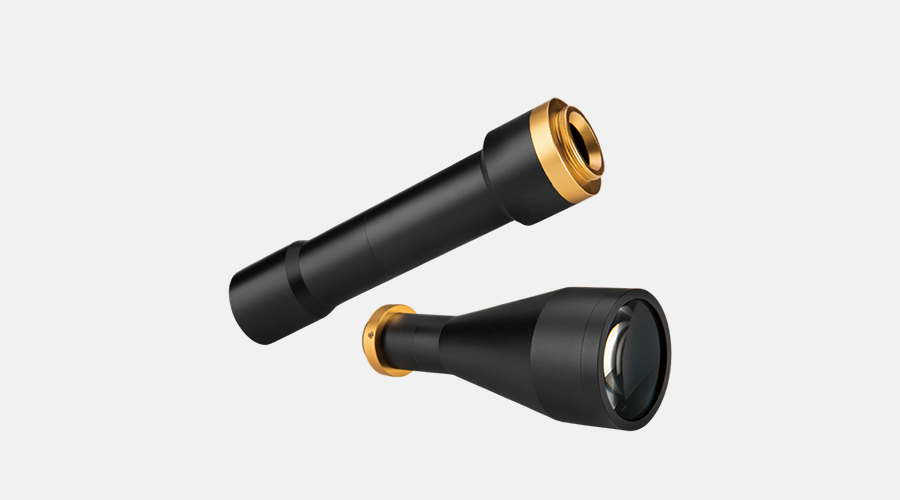
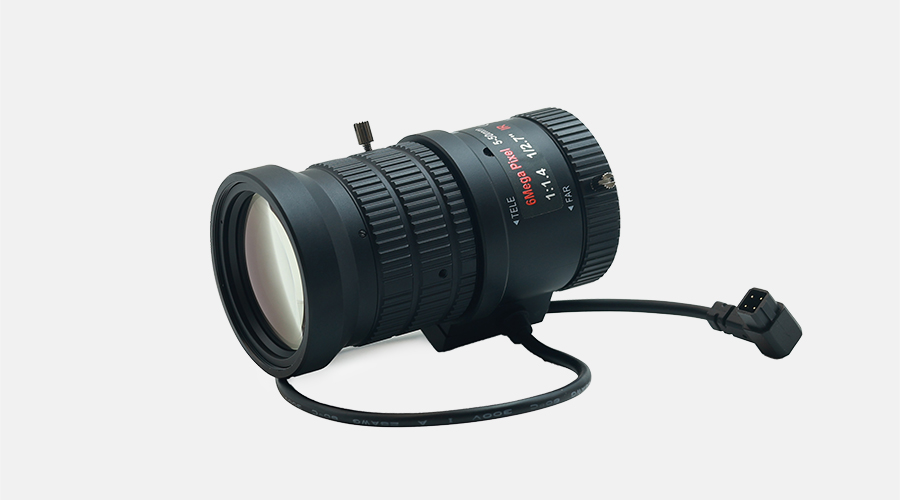
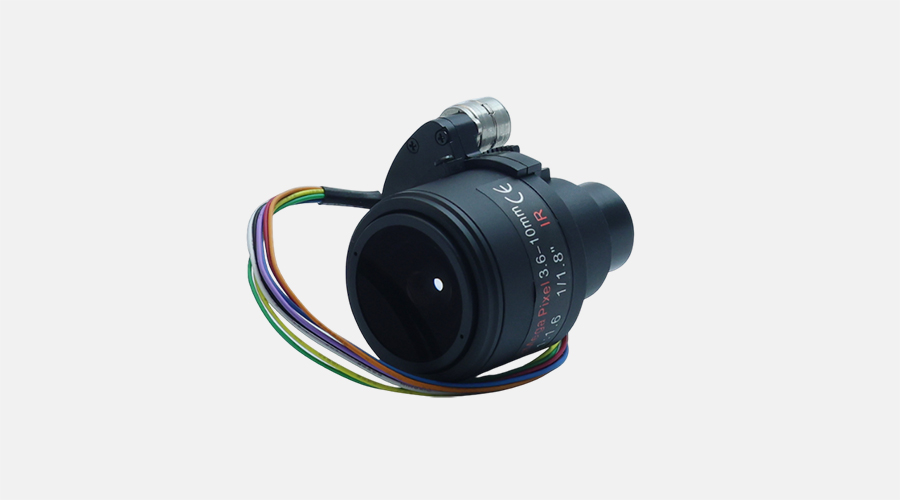
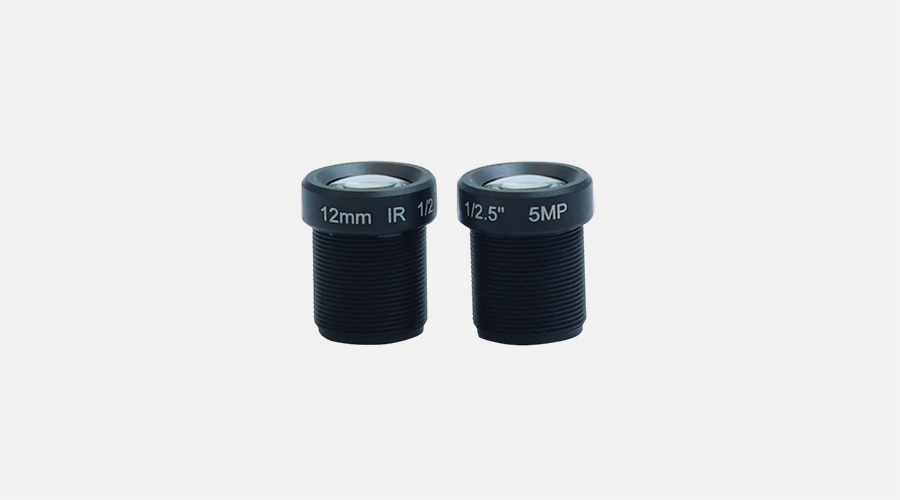
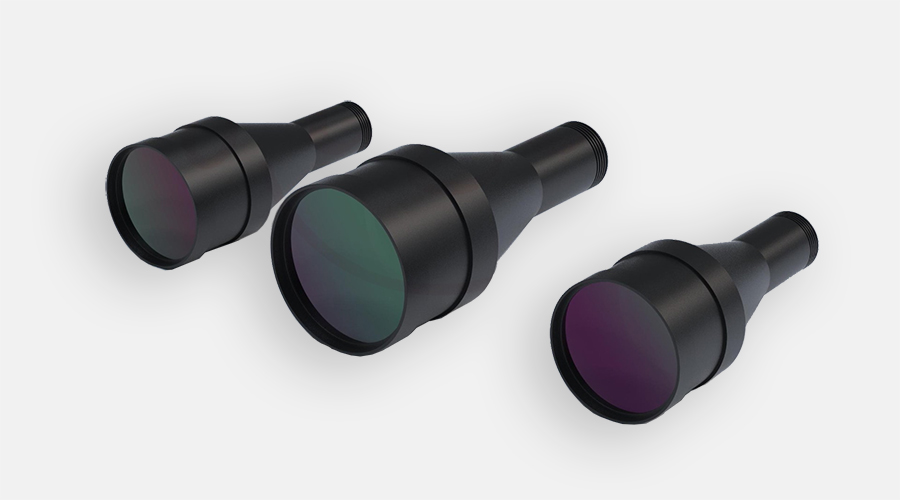
The effectiveness of a Vision Inspection Lens heavily influences the assessment accuracy. Some systems might struggle with complex shapes or varying lighting conditions. It's essential to evaluate how different solutions handle diverse materials and environments. A reliable inspection system should adapt to unique manufacturing settings, providing insightful data for continuous improvement.

Integration with existing production lines is another challenge. Compatibility issues can cause disruptions and inefficiencies. Companies must consider the learning curve associated with these technologies. Sometimes, the anticipated automation benefits might not materialize if staff members struggle with new systems. Continuous training is crucial for maximizing the advantages of automated vision inspections.

Case Studies: Impact of Automated Vision Inspection on Manufacturing Quality

Automated vision inspection systems have proven transformative for quality control in manufacturing. A study by the Automation World reported that manufacturers adopting these technologies saw defect rates drop by up to 90%. This remarkable reduction not only enhances product quality but also minimizes waste. By integrating advanced imaging and machine learning, these systems quickly identify defects that are invisible to the human eye.

In specific case studies, a prominent automotive parts manufacturer transitioned to automated vision systems. They noted a significant decrease in rework costs, estimated at around 30%. However, not all implementations were flawless. Some facilities struggled with calibrating the systems to specific lighting conditions, which initially led to misidentifications. These experiences underline that while the technology offers immense potential, the success of implementation relies on careful planning and ongoing adjustments.

The food processing industry also reflects this trend. A report indicated that companies utilizing automated vision inspections reduced contamination rates by 40%. Yet, discrepancies in quality can still occur if the systems lack proper training datasets or if they are not maintained consistently. Addressing these challenges remains crucial for fully realizing the benefits of automated quality control solutions.

Cost-Benefit Analysis: ROI of Implementing Vision Inspection Technology

Implementing vision inspection technology can significantly impact manufacturing quality control. Companies often assess the return on investment (ROI) when introducing automated solutions. Cost benefits arise through improved efficiency and reduced waste.

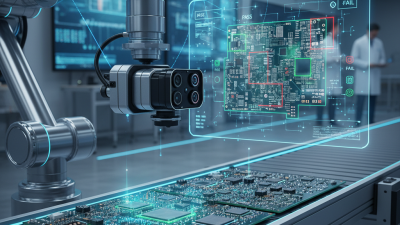
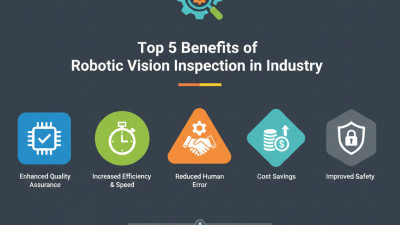
Robotic Vision Inspection enables real-time monitoring of production lines. This system decreases human error by ensuring consistent quality.

It's essential to analyze the initial costs versus long-term gains. Some businesses find the upfront investment daunting. However, over time, the investment pays for itself through fewer defects and enhanced output.

A deep dive into operational metrics reveals mixed results. Not every implementation achieves expected results immediately. Companies should be prepared to adjust and fine-tune their systems. Continuous improvement is key. Effective deployment of robotic vision inspection relies on regular evaluations and updates.

Embracing this technology offers both challenges and rewards in the quest for quality excellence.

Future Innovations: Emerging Technologies in Automated Vision Inspection

Emerging technologies are reshaping the landscape of automated vision inspection. New innovations enhance accuracy and speed in quality control processes. Advanced AI algorithms now analyze images faster than the human eye. Machine learning models enable systems to learn from past inspections. This adaptability improves the reliability of inspections over time.

Tips: Consider integrating different camera technologies. Varied formats can enhance detection capabilities.

Moreover, 3D vision systems provide depth perception. They help identify flaws often missed by 2D systems. Automated systems are not perfect, though. False positives can still occur. Continuous monitoring and updates are essential for maintaining accuracy.

Tips: Regularly calibrate your inspection equipment. This practice ensures consistent performance.

With the rise of edge computing, inspections can be carried out in real-time. This minimizes delays in quality control. Fast feedback loops help manufacturers adjust their processes immediately. While the technology evolves, challenges remain. Human oversight continues to play a critical role. Balancing automation and human expertise will drive future success in quality assurance.

FAQS

: What are automated vision inspection solutions?

: These solutions detect defects in manufacturing quickly and accurately, transforming quality control.

How do these systems enhance accuracy?

They use advanced algorithms and image processing to identify even tiny defects in products.

Can automated vision inspection systems handle different product lines?

Yes, effective systems adapt to multiple inspection tasks without needing extensive reconfiguration.

What are some challenges with these systems?

Limited performance under varying lighting and difficulty with complex shapes can hinder effectiveness.

Why is continuous monitoring important?

Regular calibration helps maintain system performance and adapt to evolving quality standards.

How does AI improve vision inspection systems?

AI enhances learning, allowing systems to improve accuracy based on past inspections and experiences.

What improvements do 3D vision systems offer?

They provide depth perception, helping to identify flaws that 2D systems might miss.

How can false positives affect inspections?

False positives can lead to unnecessary rejections, requiring continuous updates and monitoring to mitigate.

What role does human oversight play in automation?

Human expertise balances automation, ensuring technology is effectively utilized in quality assurance processes.

Is staff training essential for these systems?

Yes, continuous training is crucial to maximize the benefits and efficiency of automated vision inspection technologies.

Conclusion

Automated Vision Inspection has become a pivotal component in modern quality control processes, ensuring high standards in manufacturing. This technology not only enhances accuracy in identifying defects but also streamlines production workflows. Key features of effective automated systems include high-resolution imaging, real-time analysis, and adaptability to various manufacturing environments. The market is experiencing significant growth, driven by increased adoption of automated systems across industries.

In exploring the top five automated vision inspection solutions, industry analysis reveals their profound impact on manufacturing quality through improved efficiency and reduced error rates. Case studies illustrate tangible benefits, while cost-benefit analyses emphasize the strong return on investment associated with implementing vision inspection technology. As the field evolves, emerging technologies promise even greater advancements, paving the way for smarter and more efficient quality control solutions.
Ethan

Ethan

Ethan is a dedicated professional marketing specialist at New Vision, an innovative company at the forefront of the machine vision industry. With a deep understanding of the intricacies of core components for machine vision, Ethan plays a pivotal role in showcasing the cutting-edge visual solutions......
Previous Top 10 Benefits of Using Xy Slide Table for Your Business?