Picking a Linear Axis manufacturer isn’t just about logos or brand names—it's a real engineering decision. You gotta think about matching stroke length, payload capacity, speed, accuracy, and duty cycle to what your actual machine needs. Sometimes, a rail that looks super sturdy in a catalog can still bend or deflect if you’re applying an off-center load. And that small, sleek actuator? It might fit in perfectly, but it could overheat if you’re running it continuously. Details really do matter.
This guide takes a look at manufacturers who serve buyers worldwide, focusing on their product options, customization capabilities, documentation, quality checks, and after-sales support. We also discuss what specs you should be asking for before you start comparing quotes—think repeatability data, test conditions, and maintenance needs. These points help you figure out which setup is truly suitable, rather than just looking good on paper. But keep in mind, they’re not a substitute for keeping an eye on your specific application engineering.
Shigeo Shingo, a manufacturing engineer legend, once warned, “The most dangerous kind of waste is the waste we do not recognize.” Now, that might not be about linear motion directly, but it’s still pretty insightful. Hidden costs can pop up in things like extra alignment work, delays in getting spare parts, or confusing technical info. So, it’s really important for buyers to verify manufacturer claims directly and ask for proof of critical performance specs. Use this guide as a starting point—it's not a guarantee. Capabilities change, and published specs might not cover every real-world situation. And honestly, even a well-curated shortlist can miss something. That’s just part of the game, and it’s worth admitting upfront.
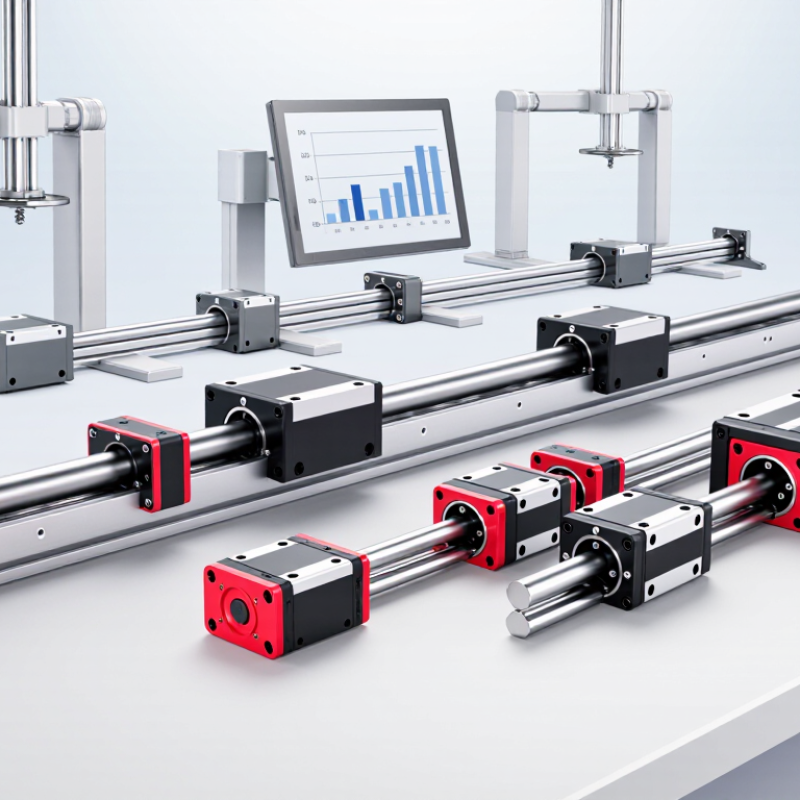
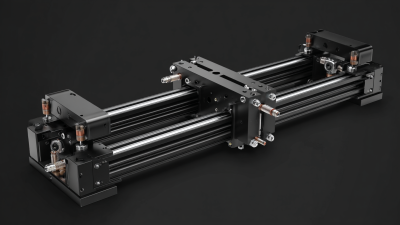
A linear axis system guides a carriage along a straight path, using a rail and a drive or manual input. It positions tools, sensors, or workpieces with repeatable motion. Small errors matter. Rail alignment, mounting stiffness, and payload affect smooth travel; a heavy fixture can cause vibration or shorten service life.
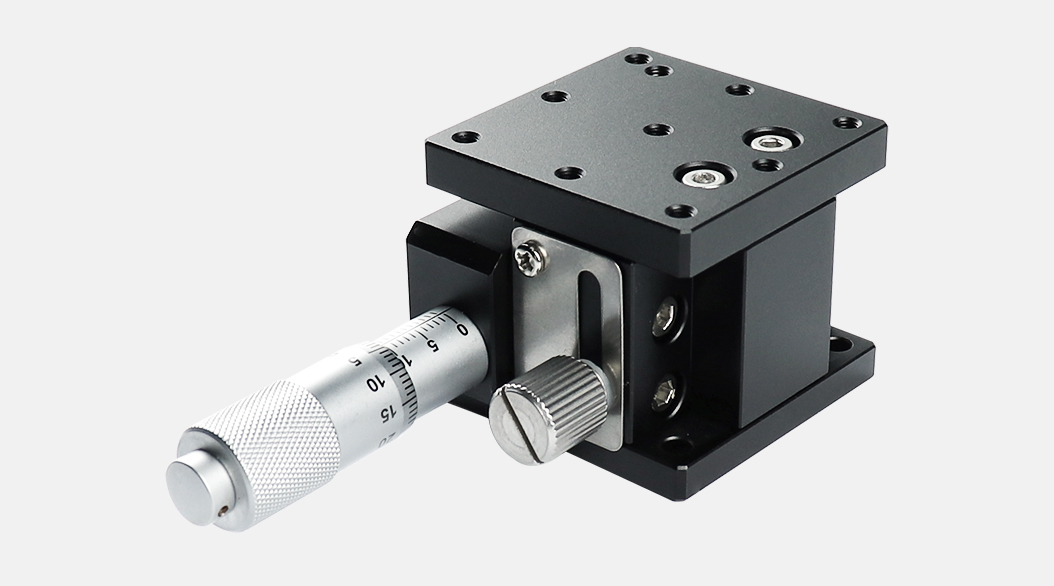
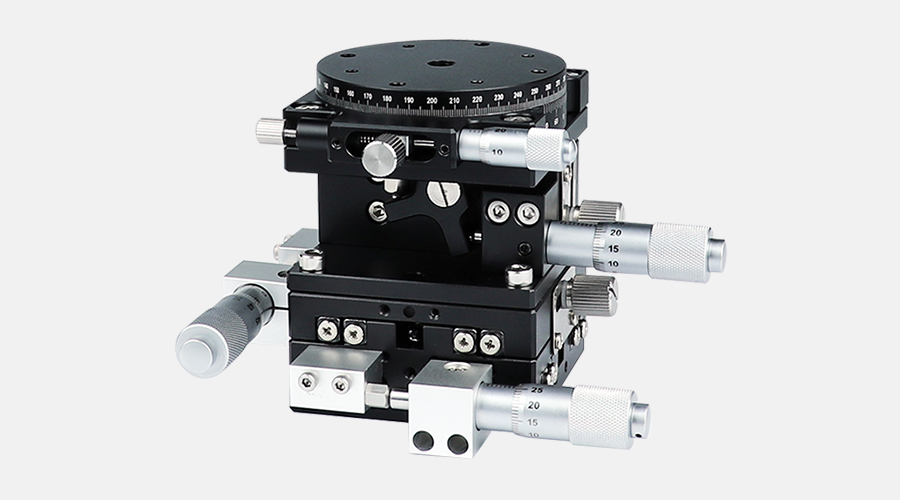
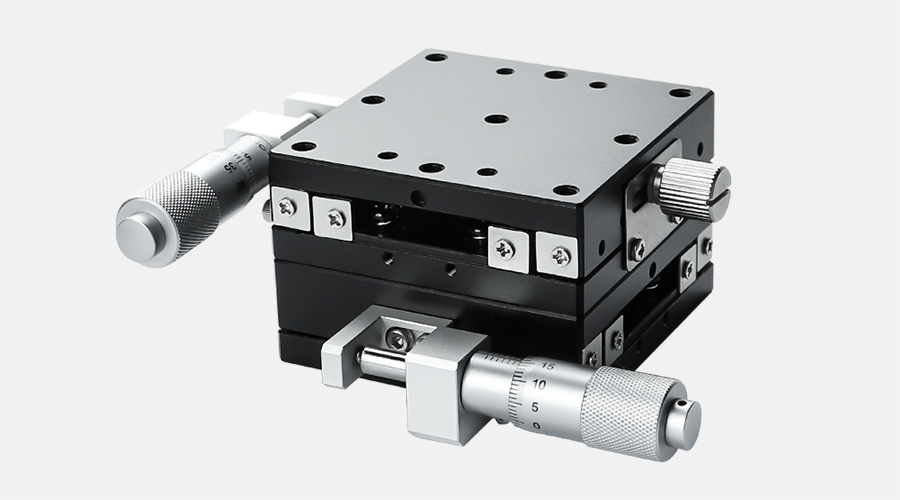
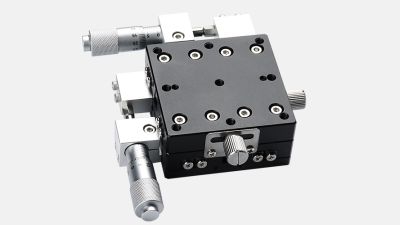
Factories use linear axes in packaging, inspection, assembly, and machine tools. A camera may scan a row of components while the carriage moves at a steady speed. A feeder can shift parts between stations. For adjustable setups, a Two Axis Manual Linear Stage lets operators move a platform along two perpendicular directions, useful for sample positioning or fixture alignment. Manual control is simple. Yet hand adjustment may slow repetitive production.
Choosing a system means checking stroke, load, speed, duty cycle, and surrounding conditions. Dust, coolant, and temperature changes can affect guides and lubrication. Engineers should compare required positioning accuracy with actual measurement methods, not just catalog figures. A specification sheet cannot reveal every installation problem; real alignment checks often expose assumptions that looked reasonable on paper.
China Top Linear Axis Manufacturers for Global Buyers
How Linear Axis Manufacturers Design and Produce Motion Systems
A linear axis begins with the motion task, not a catalog size. Engineers check payload, travel, speed, duty cycle, and mounting space. A compact belt drive may suit fast, long strokes, while a ball screw can offer controlled positioning over shorter travel. The choice has trade-offs. There is no universal best axis.
Designers then match the guide rails, carriage, drive, motor, and frame. They consider stiffness and expected loads, including forces that can twist the carriage. Machined mounting faces help rails sit evenly. Technicians check alignment during assembly, because small errors can cause noise, heat, or uneven wear. It is precise work.
Production quality depends on repeatable checks, not polished specifications alone. Teams may measure straightness, backlash, positioning repeatability, and motor current across the travel. They also run the axis under representative loads. Dust covers and lubrication matter in real installations. Yet testing cannot fully reproduce every factory environment. A careful manufacturer documents limits and asks buyers about mounting, contamination, and maintenance conditions before recommending a configuration.
This illustrative motion profile uses a symmetric acceleration of 2,000 mm/s² and a peak speed of 1,000 mm/s. Position values are calculated for constant acceleration and deceleration; real systems may differ due to payload, friction, and control settings.
China’s linear axis manufacturing landscape combines machining, assembly, and component sourcing across established industrial regions. Manufacturers may offer standard modules alongside custom stroke lengths, mounting patterns, and load configurations. This flexibility helps buyers match equipment to packaging lines, inspection stations, or laboratory instruments. The picture is not perfectly uniform.
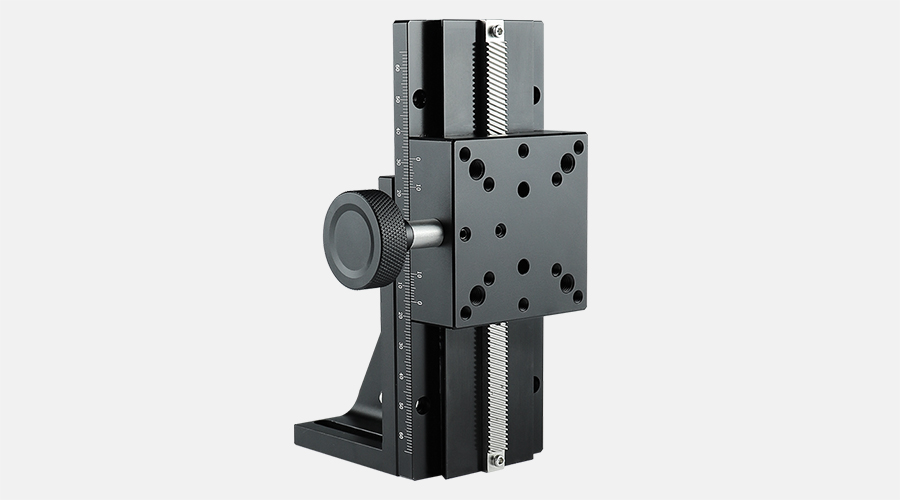
Some factories emphasize high-volume production, while others handle smaller, application-specific orders. Details matter. Buyers should compare repeatability, rated load, travel speed, and service life under stated test conditions. Ask for drawings, inspection records, and clear explanations of measurement methods. A Z Axis Stage, for example, should be checked for vertical load capacity, brake behavior, and alignment across its full travel. A catalog figure alone cannot show how a unit performs after repeated cycles.
Production capability also depends on assembly controls and communication. A practical supplier can explain tolerances, lubrication intervals, and how cable routing affects motion. Request a sample unit or a documented acceptance test when the application is sensitive to vibration. Inspect machined surfaces and mounting interfaces, not just the exterior finish. Supplier claims need evidence, and specifications sometimes leave important questions unanswered. A short technical review can reveal those gaps before installation.
Chinese linear-axis manufacturers often specialize by component and application rather than offering one universal design. Some focus on profile-rail modules for stable, repeatable movement. Others produce ball-screw stages suited to controlled positioning and moderate-to-high loads. Compact belt-driven axes can support longer travel, though their positioning behavior depends on design and setup.
Look closely at the details. Rail Linear assemblies may use aluminum frames, steel guide rails, and protective covers to suit different working environments. Some suppliers also provide custom stroke lengths, mounting holes, or motor interfaces. These options can save redesign time, but custom parts may extend lead times. A neat catalog does not tell the whole story.
For comparison, request rated load, repeatability, maximum speed, and service-life assumptions in writing. Check whether figures apply to the complete axis or only one component. Ask how lubrication, dust protection, and installation alignment affect performance. A supplier that explains these limits clearly is easier to assess. Small differences matter. In practice, buyers should compare test conditions as carefully as headline specifications. One detail is easy to miss: an axis that fits the drawing may still need a different cable route or mounting support.
Global buyers should compare linear-axis suppliers against the machine’s real working conditions, not just a catalogue description. Record the required stroke, payload, speed, mounting position, and duty cycle before requesting quotations. Clear inputs make offers easier to compare. A Guide Linear checklist can help teams keep these details consistent across suppliers.
Ask for drawings, dimensional tolerances, test records, and guidance on lubrication and maintenance intervals. Check whether the stated load capacity applies to the planned orientation and operating speed. A sample unit or documented acceptance test can reveal issues that a specification sheet may not show. Look closely at noise, vibration, repeatability, and cable routing during a practical review.
Evaluate the supplier’s technical support as carefully as the product. Ask how engineers handle installation questions, replacement parts, and changes to a custom configuration. Response quality matters. Keep written records of agreed specifications and delivery dates, then verify them against the order documents. Even experienced buyers can overlook a small mounting detail; a careful second review is worthwhile. No checklist catches everything. Compare evidence, ask direct questions, and leave room for uncertainty when product claims lack clear test conditions.
Global buyers comparing Chinese linear axis manufacturers should begin with a complete application brief, not a price request. Specify travel length, payload, speed, repeatability, mounting orientation, and operating environment. A drawing showing bolt patterns and cable exits can prevent costly revisions. Ask how the supplier verifies rated load and positioning accuracy, and request test records for the proposed configuration. Catalog figures may describe ideal conditions. They may not match your machine.
Tips: Request a sample inspection report, material and component traceability details, and a written list of included accessories. Confirm who handles installation support and replacement parts. Keep these answers in the quotation.
Quality assurance should cover more than a demonstration unit. Agree on inspection points, acceptance limits, and packaging before production. Check alignment, smooth travel, noise, and end-stop behavior during evaluation. If a measurement method is unclear, ask for clarification; this can feel fussy, but avoids disputes later. For export, verify lead time, shipping terms, crate protection, document requirements, and destination-specific import details with the supplier and your freight forwarder. Get the final configuration and delivery commitments in writing.
| Evaluation area | What to specify or check | Useful verification evidence | Sourcing and export consideration |
|---|---|---|---|
| Axis configuration | Identify whether the application needs a belt-driven, ball-screw-driven, rack-driven, or other linear axis, and state the required stroke and mounting orientation. | Product drawings, configuration details, and a written confirmation that the selected model matches the application. | Confirm that the quoted configuration, accessories, and spare parts are included in the commercial offer. |
| Load and duty requirements | Provide payload mass, centre of gravity, acceleration, operating cycle, and direction of loading. These factors affect axis selection and service life. | Application review, load calculations, and the supplier’s stated limits for the proposed mounting and operating conditions. | Do not compare load ratings without checking how each rating is defined and the conditions under which it applies. |
| Accuracy and repeatability | State positioning accuracy and repeatability requirements separately, along with travel length, speed, and measurement conditions. | Test method, inspection results, and clarification of whether figures apply to the axis alone or to the complete motion system. | Require agreed acceptance criteria before ordering; performance depends on the complete mechanical, motor, drive, and control setup. |
| Critical components | Confirm guide type, drive mechanism, motor interface, coupling, limit switches, and sensor options required for integration. | Bill of materials or component specification, interface drawings, and confirmation of any approved substitutions. | Record component and interface requirements in the purchase order to reduce configuration differences between samples and production units. |
| Quality assurance | Review incoming inspection, in-process controls, final inspection, traceability, and the process for handling nonconforming products. | Quality procedures, sample inspection records, calibration information for measuring equipment, and corrective-action records where applicable. | Agree inspection scope, sampling approach, documentation, and responsibility for any third-party inspection before production starts. |
| Environmental conditions | Specify ambient temperature, dust or moisture exposure, corrosion risk, cleaning chemicals, and any enclosure or guarding requirements. | Written operating limits and details of available seals, covers, coatings, or other environmental protection. | Check suitability for the actual installation; environmental protection levels and test claims should be confirmed for the quoted configuration. |
| Samples and production approval | Define sample quantity, evaluation period, test conditions, and the procedure for approving changes before mass production. | Approved drawings, sample inspection results, and a signed or otherwise documented configuration baseline. | Clarify whether sample costs, tooling, revisions, and production lead times are included in the quotation. |
| Export packaging | Specify protection against impact, vibration, moisture, and contamination, along with package dimensions and handling requirements. | Packing photos or a packing specification showing product restraint, protective materials, and shipment markings. | Confirm packaging suitability for the transport route and whether any destination-country rules apply to wood packaging. |
| Export documents | Agree which commercial and shipping documents are required, such as the commercial invoice, packing list, and transport document. | Draft documents for buyer review, with product descriptions, quantities, package details, and consignee information checked before dispatch. | Document requirements vary by destination, transport mode, and transaction; confirm them with the importer or customs broker. |
| Trade terms and logistics | State the agreed Incoterms® rule and named place, shipment mode, delivery schedule, and allocation of transport and insurance responsibilities. | Quotation and order confirmation that use a specific rule and named place rather than an undefined delivery term. | Clarify who arranges export clearance, main carriage, insurance, import clearance, duties, and final delivery under the agreed rule. |
| Compliance and destination requirements | Identify applicable product, electrical, machinery, and import requirements for the destination and intended use. | Relevant declarations, test reports, or technical documents for the actual product configuration, where required. | Requirements vary by market and product scope. Verify applicability with a qualified compliance professional or the relevant authority. |
| Warranty and after-sales support | Review warranty duration and scope, exclusions, response channels, spare-part availability, and the process for technical support. | Written warranty terms, service contact details, and a list of recommended maintenance items or replacement parts. | Confirm who pays for diagnosis, replacement parts, and international return shipping in the event of a claim. |
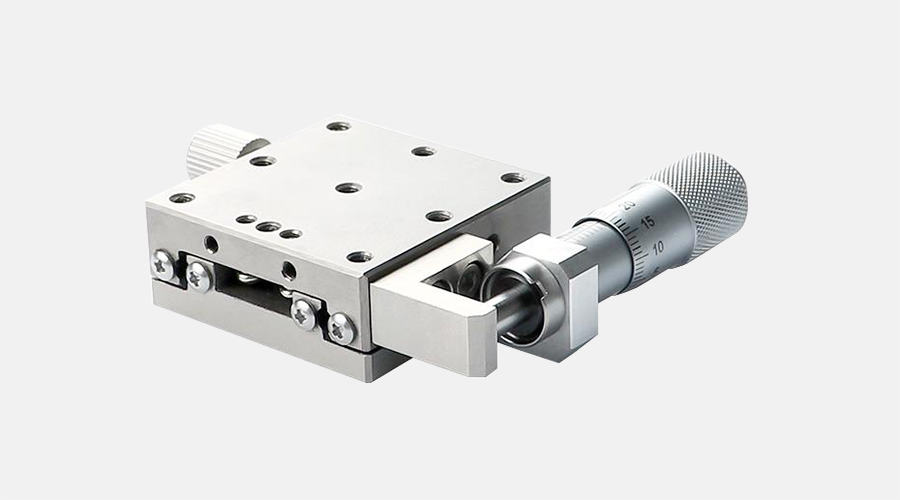
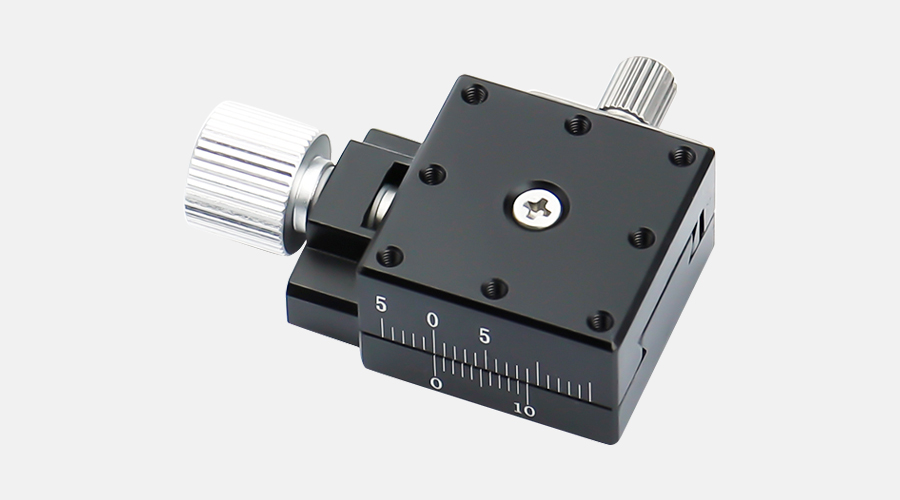
XYX/XLY crossed-roller linear translation stages serve applications that need controlled, stable movement along a straight path. As motion-control systems continue to evolve through 2030, compact positioning components remain useful in equipment for inspection, assembly, research, and product marking. Crossed-roller guidance supports smooth travel within a small footprint, while a manual stage offers a straightforward option when operators need to adjust position directly rather than integrate a motorized drive.
Available in sizes from 30 mm to 200 mm, these stages can suit different workspace and positioning needs. The aluminium-alloy structure combines a practical, lightweight build with a black anodised surface. For manual marking tasks, the sliding table allows an item or tool to be moved into position by hand. Travel can also be customised to meet specific requirements, helping users match the stage to their working range and equipment layout. Together, these features make the stages a versatile choice for motion-control setups where simple manual adjustment and adaptable installation are priorities.
Specify travel length, payload, speed, repeatability, mounting orientation, and operating environment. Add a drawing with bolt patterns and cable exits. Small details prevent revisions.
Request test records for your exact configuration. Ask how and under what conditions the supplier measures load and positioning accuracy. Catalog figures may describe ideal conditions, not your machine.
Check vertical load capacity, brake behavior, and alignment across the full travel. A catalog number cannot show how the stage performs after repeated cycles.
Inspect alignment, smooth travel, noise, and end-stop behavior. Also check machined surfaces and mounting interfaces. A polished exterior is not enough.
Ask for an inspection report, component traceability details, and a list of included accessories. Request drawings and measurement methods too. Details matter.
Set inspection points and acceptance limits in writing. Confirm packaging requirements before production starts. Unclear measurement methods can cause avoidable disputes.
Ask who provides installation support and supplies replacement parts. Keep those answers in the quotation. Not always obvious.
Confirm lead time, shipping terms, crate protection, and required documents. Check destination-specific import details with your supplier and freight forwarder. Get the final configuration and delivery commitments in writing.
This article explains how a Linear Axis system converts rotary or direct-drive motion into controlled linear movement for applications such as automation, packaging, inspection, and material handling. It outlines how manufacturers select components, engineer structures, integrate motors and guides, and test systems for accuracy, load capacity, speed, and durability. It also describes China’s broad manufacturing landscape, where suppliers serve different needs, from standard modules to customized motion solutions.
For global buyers, the article highlights practical ways to compare suppliers and products, including reviewing technical specifications, manufacturing capabilities, quality-control processes, and product documentation. It also covers sourcing considerations such as sample evaluation, communication, packaging, shipping arrangements, and after-sales support. By assessing performance requirements alongside quality assurance and export readiness, buyers can make more informed decisions and identify solutions suited to their applications and operating conditions.