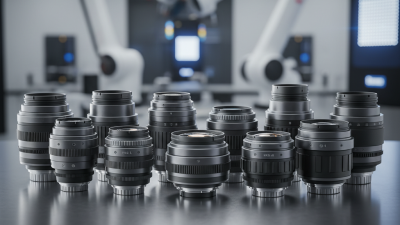
Lately, there's been a real boost in demand for Industrial Cameras Lenses all over the world. In China especially, folks are on the hunt for top-notch lenses to handle their industrial imaging needs. This guide's gonna walk you through the top 10 lenses out there—focusing on reliability and how well they perform.
Picking the right lens really matters when you want sharp, accurate images for different kinds of work. Brands like Canon, Schneider, and Fujinon have some solid options, no doubt. But, honestly, the quality can vary quite a bit from one lens to another. Some might not perform as well in certain conditions, which can be super frustrating.
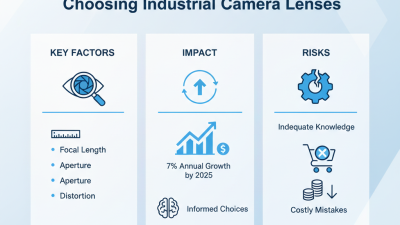
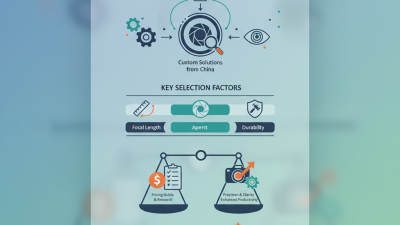
When you're choosing industrial lenses, there are a few things to keep in mind—like focal length, aperture size, and whether it’s compatible with your sensor. Not every product will blow you away, and skipping the research can be a mistake. Finding the right lens can seriously boost your industrial process, but if you pick wrong, it might also cause headaches down the line.
Overview of Industrial Camera Lenses and Their Importance
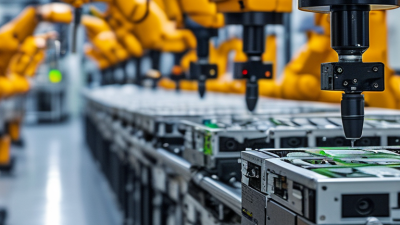
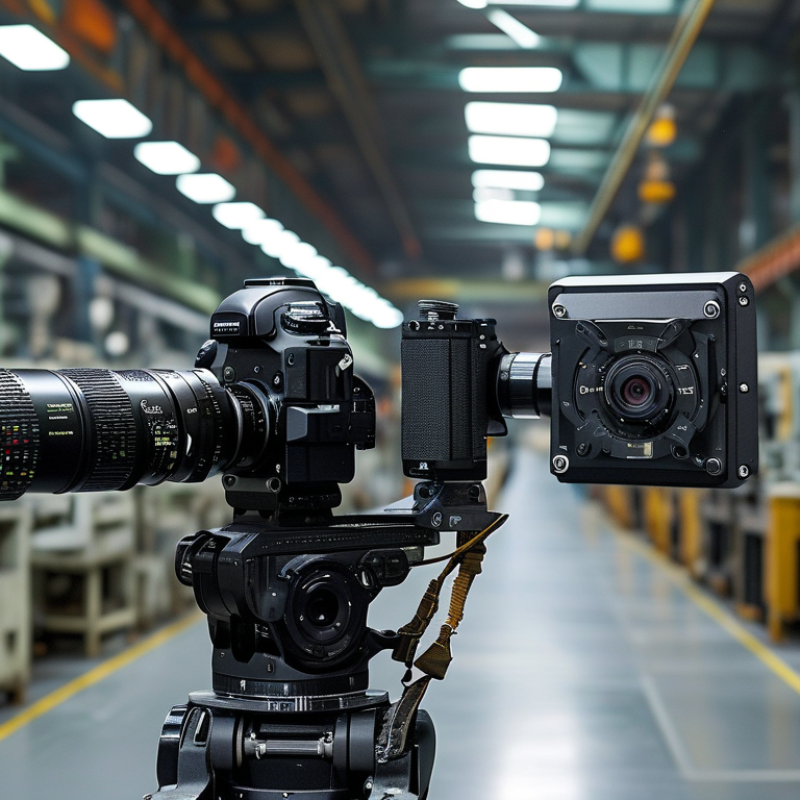
Industrial camera lenses play a critical role in various sectors, such as manufacturing, healthcare, and agriculture. According to recent industry reports, the global industrial lens market size is expected to grow significantly, reaching approximately $2.2 billion by 2025. This is driven by the increasing use of automation and robotics, which rely on precise imaging for analysis and decision-making.
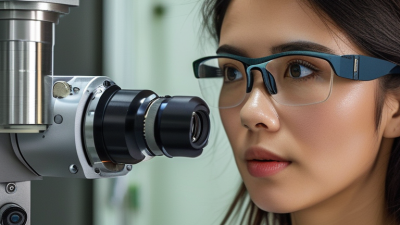
These lenses provide essential features like high resolution, durability, and adaptability to different environments. For instance, an industrial lens can withstand temperature extremes and vibrations commonly found in factories. In the field of healthcare, precise imaging is vital for diagnostics and surgical procedures. However, not all lenses meet industry standards, which can lead to potential failures in critical applications.
Moreover, the complexity of selecting the right lens can be daunting. Factors such as focal length, aperture, and sensor compatibility must be considered. A report indicated that nearly 30% of industrial projects face delays due to improper lens specifications. Therefore, understanding application requirements is crucial for achieving optimal performance. Investing time in research can significantly enhance project outcomes and reduce problems later on.
Key Features to Consider When Choosing Industrial Camera Lenses
When selecting industrial camera lenses, various key features come into play. Understanding these features is essential for accomplishing specific tasks. One crucial aspect is the lens focal length. It influences the field of view and image magnification. Longer focal lengths are ideal for distant subjects, while shorter ones suit wider perspectives.
Another important feature is aperture size. A larger aperture allows more light to enter, which boosts image quality in low-light conditions. However, a wider aperture can lead to a shallow depth of field. This sometimes makes it challenging to keep subjects in focus. Evaluating your lighting conditions and depth-of-field requirements can enhance your decision.
Additionally, consider the lens build quality. Industrial settings often expose equipment to harsh conditions. Lenses that come with weather sealing or robust materials offer better durability. Look for features like anti-reflective coatings too. Over time, it might be tempting to focus solely on specifications. Remember that real-world performance can differ, and thorough testing is critical.
Top 10 Industrial Camera Lenses Features Comparison
Top 10 Industrial Camera Lenses Available in China
When exploring the industrial camera lens market in China, buyers have a wide array of options. The lenses available cater to various applications, including manufacturing, quality control, and research. Each lens varies in features such as focal length, aperture size, and sensor compatibility. These specifications are crucial for achieving the desired image quality and precision.
Companies should consider several factors when selecting lenses. The right lens enhances optical performance, but it also needs to align with specific industrial needs. Not all lenses perform equally under different conditions. Some may struggle in low light, while others excel in close-up scenarios. It's vital to review technical data and user feedback. Users often report on the actual performance versus specifications, which can reveal insights.
Additionally, the lens market can be overwhelming. Buyers might find themselves lost amid numerous options. This confusion highlights why understanding the core requirements is crucial. Aligning industrial needs with lens capabilities ensures better investment and results. The nuances of image capture should not be overlooked. A well-chosen lens can significantly improve workflow efficiency and final outcomes.
Comparison of Popular Industrial Camera Lens Brands in China
When exploring industrial camera lenses in China, buyers have a plethora of options. Each brand offers unique features. Understanding these can help in making informed decisions.
Many renowned brands focus on optical quality. They provide sharp images and durability. Yet, some lesser-known brands might offer competitive pricing with decent performance. It's essential to weigh the costs against the benefits. Not every high-priced lens guarantees superior results. Many factors influence performance, including environmental conditions.
**Tip:** Always check user reviews before purchasing. Feedback from other buyers can shine a light on the pros and cons.
Consider lenses with flexible zoom capabilities, especially for applications like Traffic Cameras Zoom Lenses. They provide versatility in various settings. However, ensure that the lens resolution matches your project requirements.
**Tip:** If possible, test lenses in real-world conditions. Observable performance can reveal limitations often overlooked in specifications.
The industrial lens market in China adapts quickly. New technologies emerge, and performance continually improves. Staying updated is crucial for making the best choice.
Applications of Industrial Camera Lenses in Various Industries
Industrial camera lenses serve diverse purposes across various industries. In manufacturing, they help inspect products for quality control. High-resolution lenses capture fine details, ensuring that defects are identified early. In the realm of Traffic Surveillance Cameras, lenses play a critical role in monitoring and enhancing roadway safety. These lenses must perform well in different lighting conditions to ensure clear sight.
In the medical field, industrial lenses assist in procedures and diagnostics. They provide clarity during surgeries or examinations, crucial for accurate outcomes. Moreover, in the agricultural sector, advanced lenses monitor plant health and growth patterns. They enable farmers to optimize crop yields through precise imaging.
**Tips**: Choosing the right lens is essential. Consider the working distance and sensor size to achieve the best results. It’s important to test lenses in real conditions to understand their limitations. Regular maintenance can enhance performance and longevity. Each application may require different specifications, so analyze your needs before making decisions.
Top 10 Industrial Camera Lenses for Global Buyers in China
| Lens Model |
Focal Length (mm) |
Aperture |
Sensor Format (inch) |
Mount Type |
Applications |
| Model A |
16 |
f/1.4 |
1/2.8 |
C Mount |
Machine Vision, Robotics |
| Model B |
25 |
f/2.0 |
1/2.3 |
CS Mount |
Automotive, Surveillance |
| Model C |
50 |
f/1.8 |
1/3 |
F Mount |
Quality Control, Imaging |
| Model D |
35 |
f/2.8 |
1/2.5 |
M12 |
Medical Imaging, Biometric |
| Model E |
75 |
f/2.4 |
1/1.8 |
C Mount |
Inspection, Food Processing |
| Model F |
12 |
f/1.4 |
1/4 |
CS Mount |
Aerospace, Defense |
| Model G |
90 |
f/2.8 |
1/2.3 |
F Mount |
Textile, Printing |
| Model H |
20 |
f/1.8 |
1/3 |
M12 |
Security, Monitoring |
| Model I |
40 |
f/2.0 |
1/2.5 |
C Mount |
Research, Development |
| Model J |
55 |
f/3.5 |
1/2.7 |
F Mount |
Photography, Recording |
Buying Considerations for International Buyers in China
When purchasing industrial camera lenses in China, international buyers should consider various critical factors. The lens type plays a pivotal role, influencing image quality and application suitability. According to a recent industry report, the demand for high-resolution lenses has surged by 25% over the past year. This trend highlights the importance of selecting lenses that meet specific technical requirements.
Another consideration is the compatibility of lenses with existing camera systems. Many buyers overlook this aspect, potentially leading to costly returns. Ensuring that the chosen camera lenses align with the intended application is vital. For example, lenses meant for traffic monitoring cameras should have specific focal lengths and apertures to perform optimally.
Tips: Evaluate the operational environment of your camera system. Adverse weather conditions may necessitate specialized lens coatings. Additionally, consult technical specifications carefully. This attention to detail can prevent logistical issues after purchase.
Lastly, understand that not all suppliers maintain consistent quality. Regular quality assessments from different manufacturers are crucial. Buyers should be wary of unusually low prices, which can indicate compromised quality standards. Building a reliable supplier relationship is an essential step toward long-term success in sourcing camera lenses.
Future Trends in Industrial Camera Lens Technology and Development
Industrial Lenses technology shows promising advancements. As manufacturing processes become more automated, the demand for high-resolution imaging grows. Cameras equipped with cutting-edge lenses can capture intricate details in various industries. Companies are expected to explore enhanced optical technologies and sensor integration to improve image quality.
Recent trends indicate a shift towards lightweight and compact lens designs. This makes them easier to use in diverse applications. Moreover, adaptability in lens mounts will be crucial for various camera bodies. However, not all developments come without drawbacks. Increased complexity can lead to difficulties in maintenance and repair over time.
Artificial intelligence integration is another essential trend. Industrial Lenses with AI capabilities can analyze images in real time. This can boost efficiency but may lead to concerns about reliability and data security. As industries evolve, balancing technological advancement and practical application will become vital. Continuous feedback from users is needed to refine these innovations, ensuring they meet real-world demands effectively.
Optimizing Illumination in Tight Environments: The Role of Spot Light Sources and Coaxial Lenses
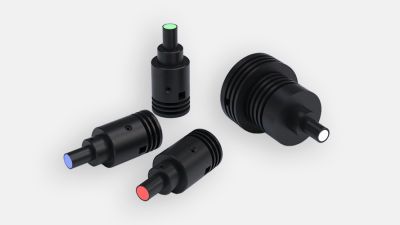
In the realm of advanced lighting technology, optimizing illumination in tight environments is crucial for a multitude of applications, from medical facilities to compact retail spaces. The integration of spot light sources with coaxial lenses has emerged as a game-changer, allowing for highly controlled and efficient lighting solutions. Research indicates that effective illumination can lead to improved productivity and safety in confined spaces, with well-designed lighting reducing eye strain by as much as 30% compared to diffused lighting.
Spot lights utilizing high brightness LEDs paired with coaxial lenses achieve a uniform emission over a small visual field, effectively concentrating light where it is most needed. This targeted approach not only minimizes energy waste but also enhances visibility in challenging areas. According to a recent industry report, the use of specialized lens systems in lighting can increase perceived brightness by 50%, providing a clearer and more focused beam that is ideal for tight environments.
Moreover, recent advancements in LED technology and lens design have led to a significant reduction in heat output, allowing these systems to be safely installed in small spaces without the risk of overheating. Industry experts predict that as more sectors recognize the benefits of tailored lighting solutions, the demand for spot lights and coaxial lenses will only continue to grow, paving the way for more innovative applications in various fields.
FAQS
: They are used in manufacturing, healthcare, and agriculture for precision imaging.
High-quality lenses ensure accurate imaging, which is critical in diagnostics and quality control.
Consider focal length, sensor compatibility, and operating environment for optimal performance.
Nearly 30% of projects face delays due to incorrect lens choices, leading to potential failures.
Ensure lens compatibility with existing camera systems to avoid costly returns.
Yes, unusually low prices may indicate compromised quality standards.
Testing in real conditions helps understand limitations, enhancing performance and reliability.
They monitor plant health and growth, aiding farmers in optimizing crop yields.
It enhances performance and longevity, ensuring longevity in various applications.
Adverse weather may require specialized lens coatings for better performance.
Conclusion
Industrial camera lenses play a crucial role in enhancing the performance of industrial cameras, making them vital for various applications across sectors such as manufacturing, automation, and quality control. When selecting industrial camera lenses, several key features must be considered, including resolution, focal length, and mounting options. The article outlines the top 10 industrial camera lenses available in China, providing insights into popular brands and their offerings.
Additionally, it highlights the importance of understanding the specific needs of different industries and the implications for international buyers looking to source these lenses from China. The discussion also touches on future trends in industrial camera lens technology, emphasizing the continual advancements that are shaping the development of more efficient and higher-performance lenses to meet evolving industrial demands.
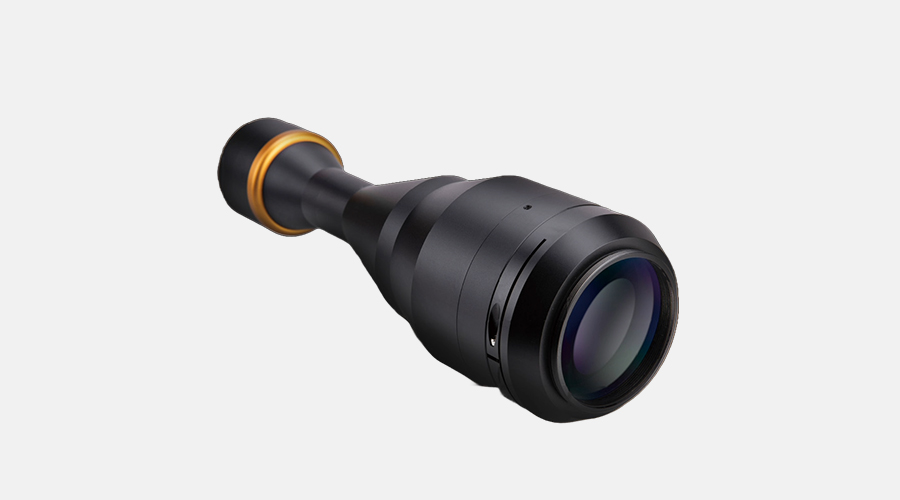 Compatible with 7.2mm-82mm chips
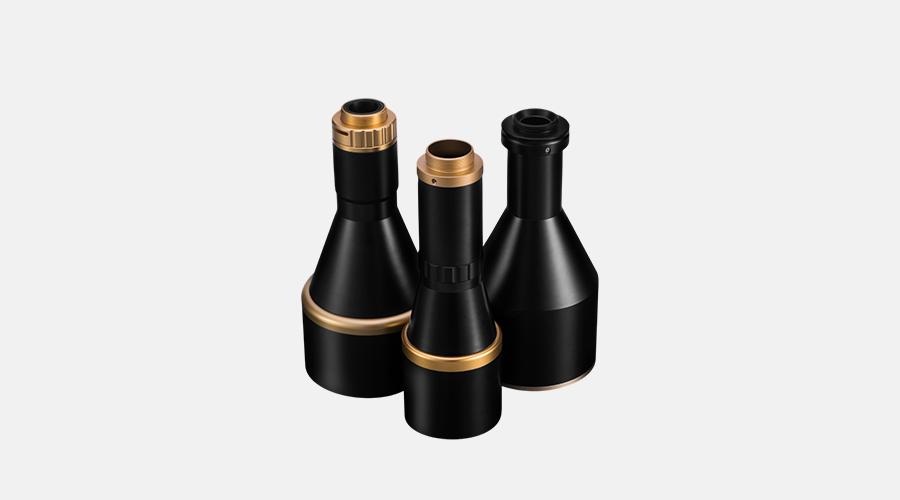 High/Low Working Distance
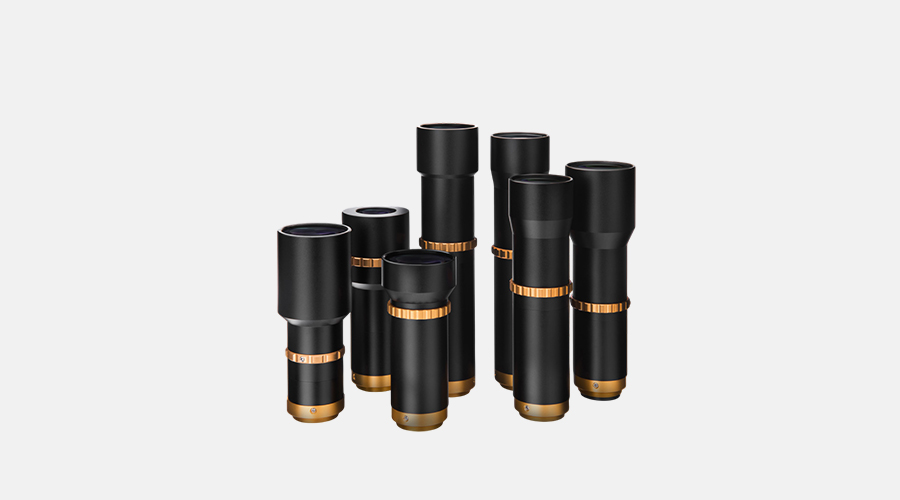 Aperture telecentric lens
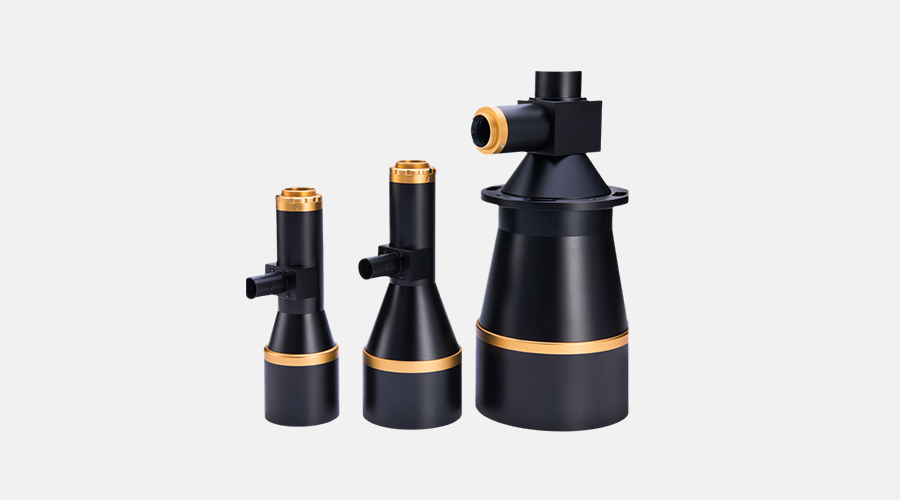 Measuring lens
 Maximum support 1.1" chips
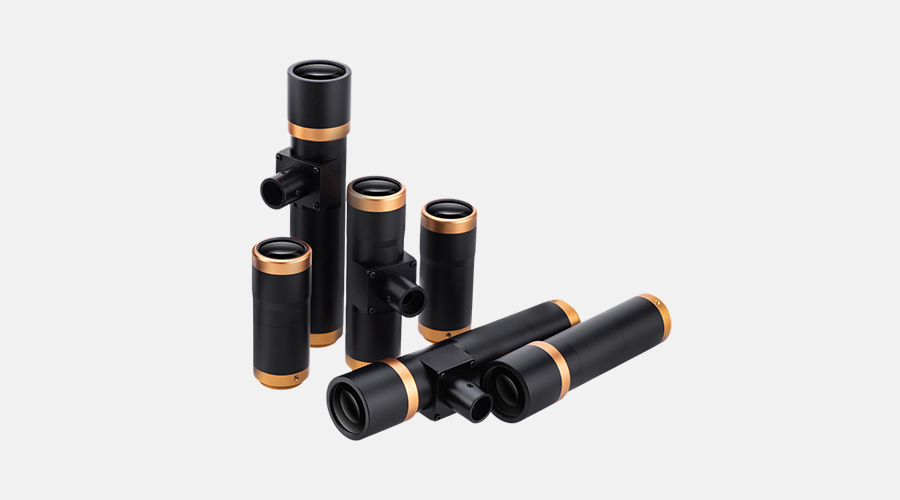 Maximum support 1.2" chips
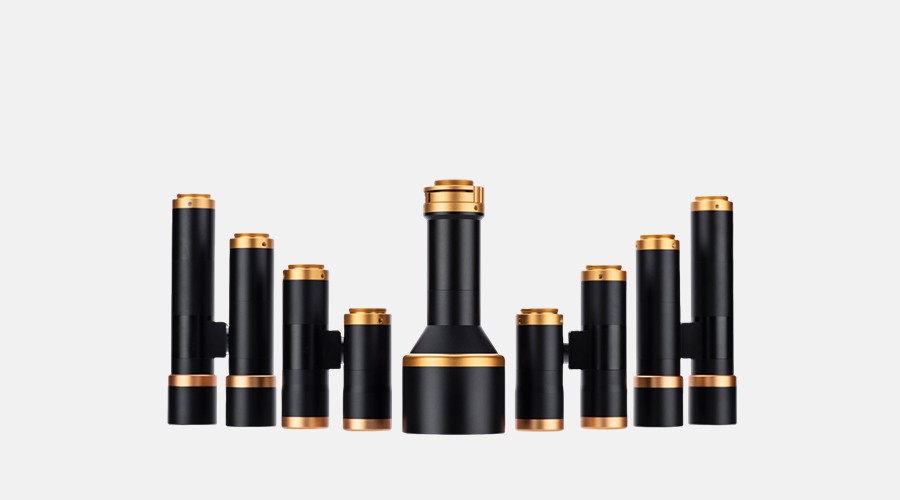 Maximum support 2/3" chips
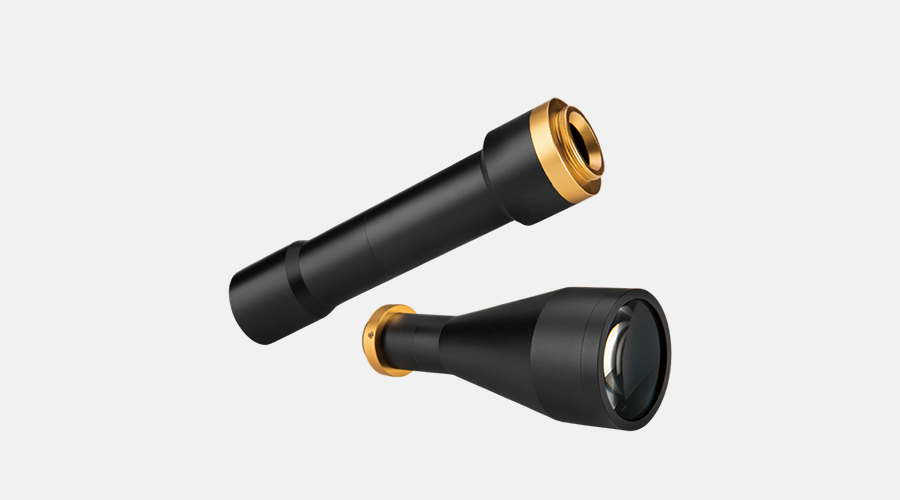 Long Working Distance
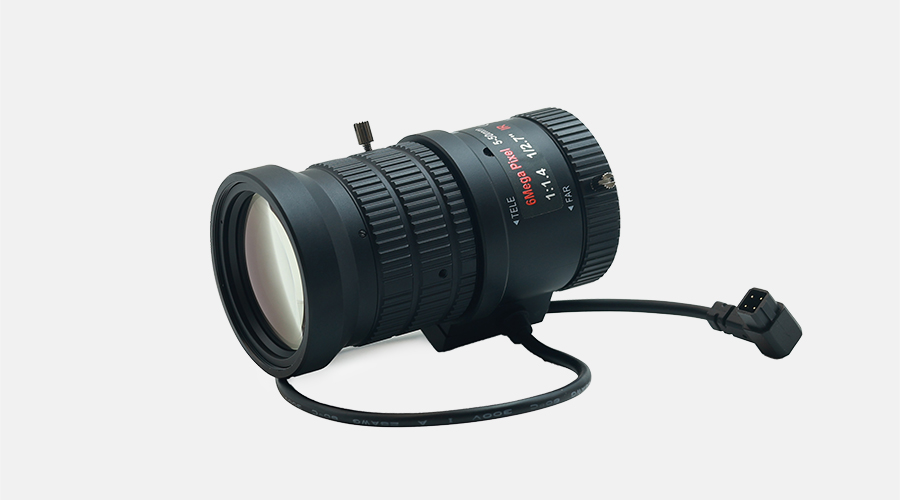 CS mount Varifocal lens
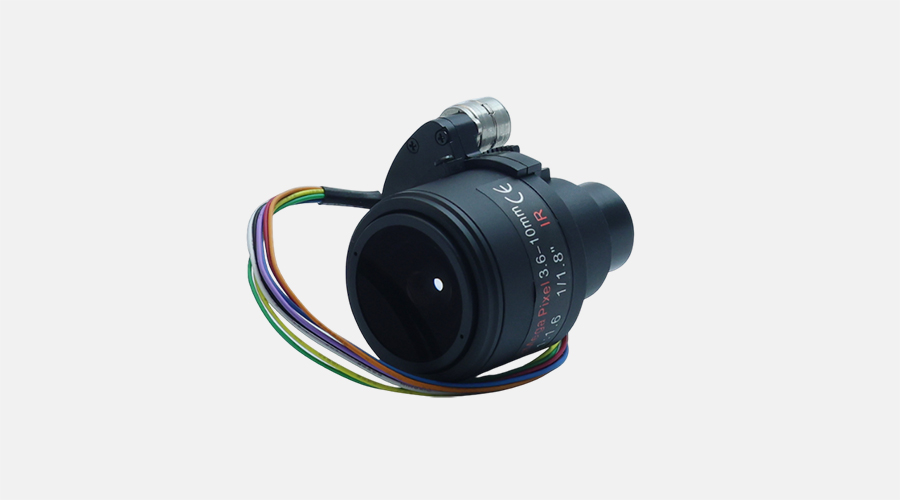 Varifocal board lens
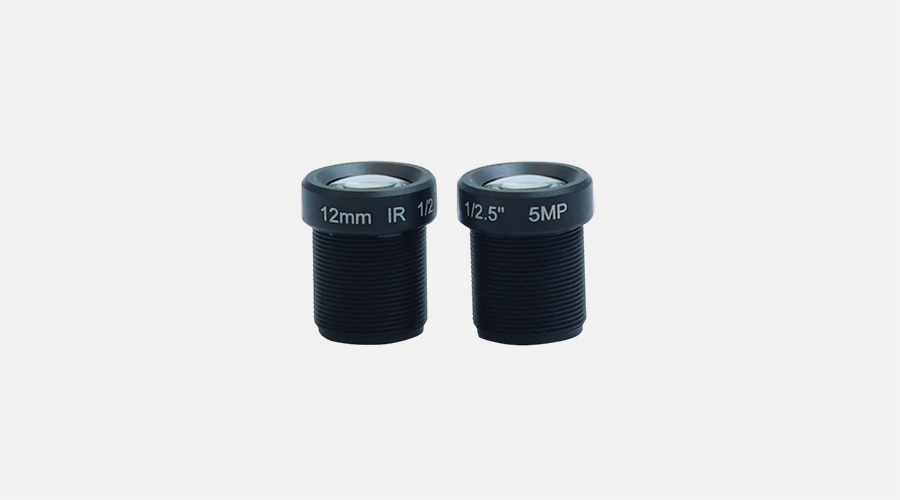 S mount lens
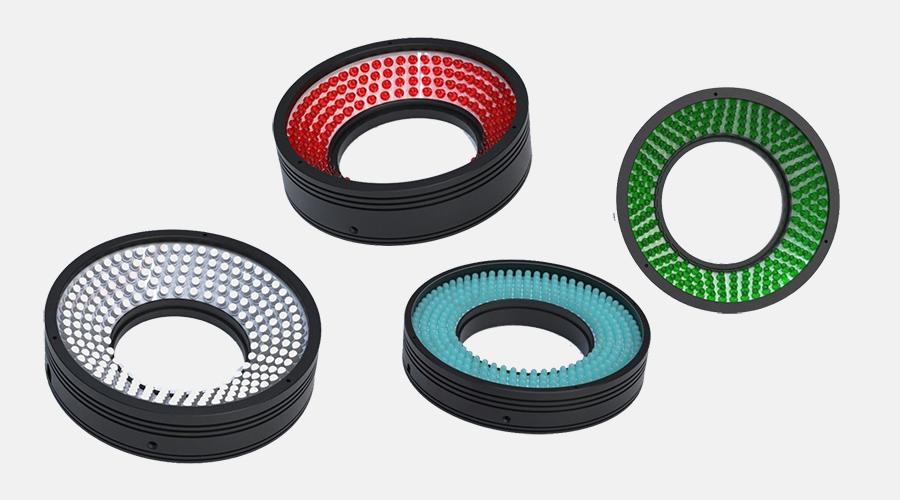 Ring light
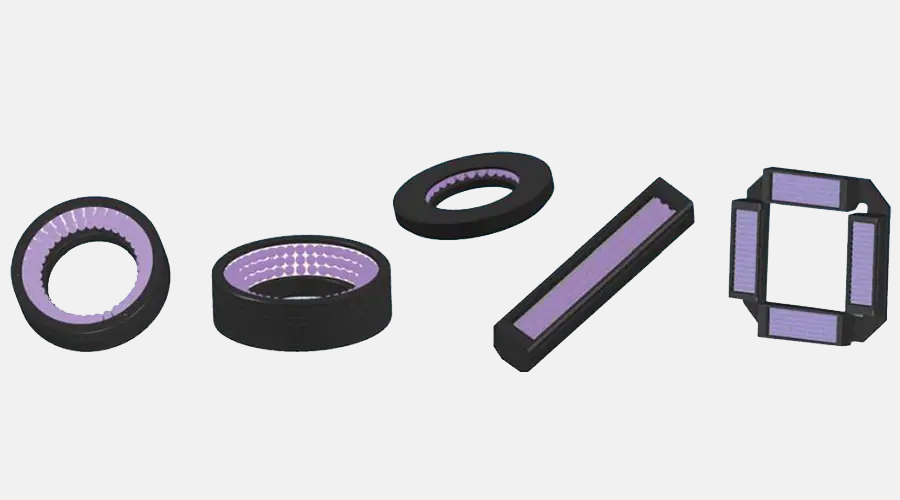 UV/IR Light
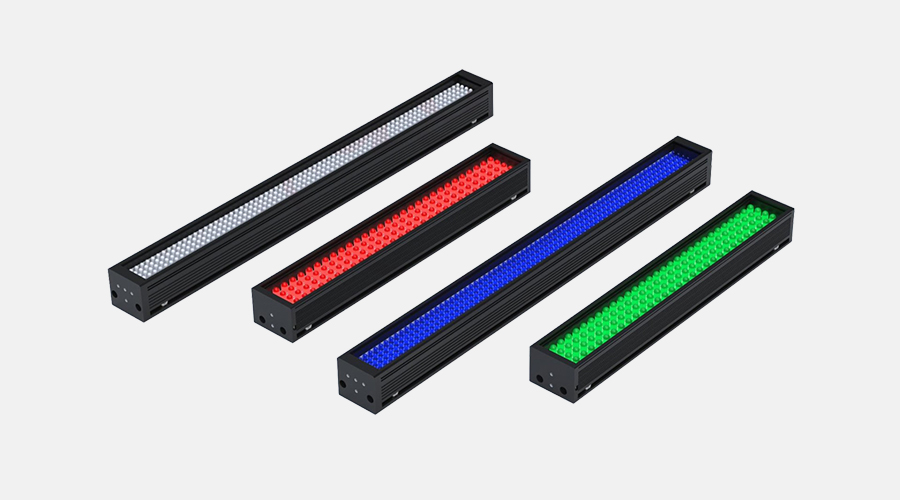 Bar light
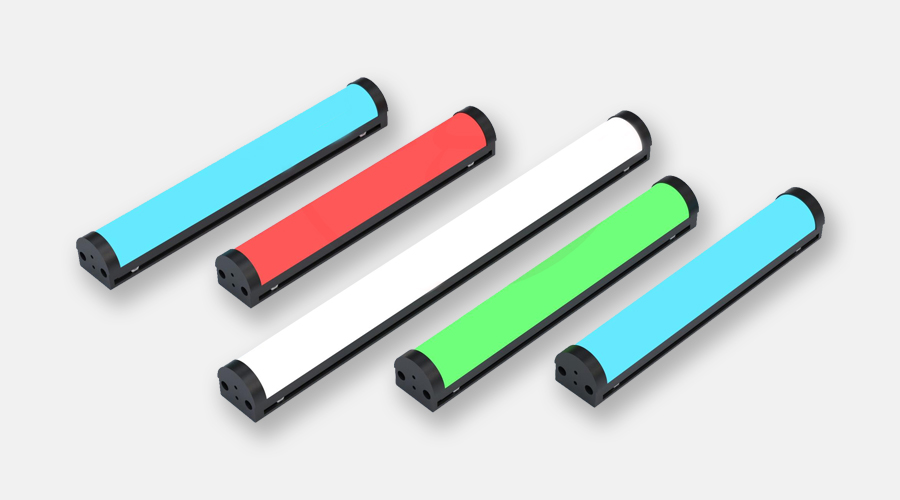 Arcuate high uniformity light
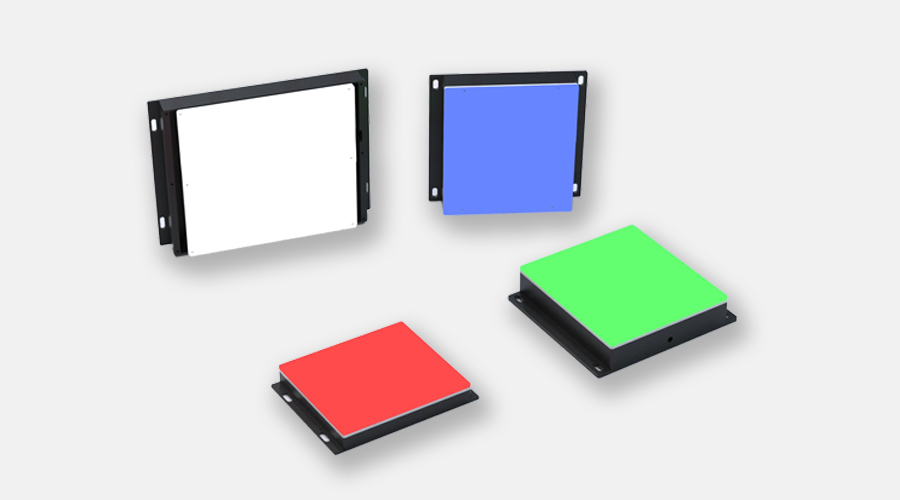 Back light
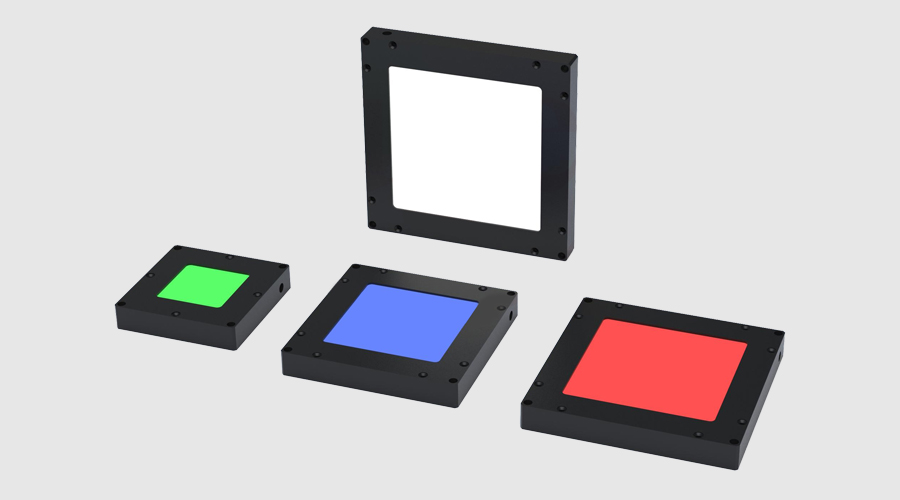 Flat light
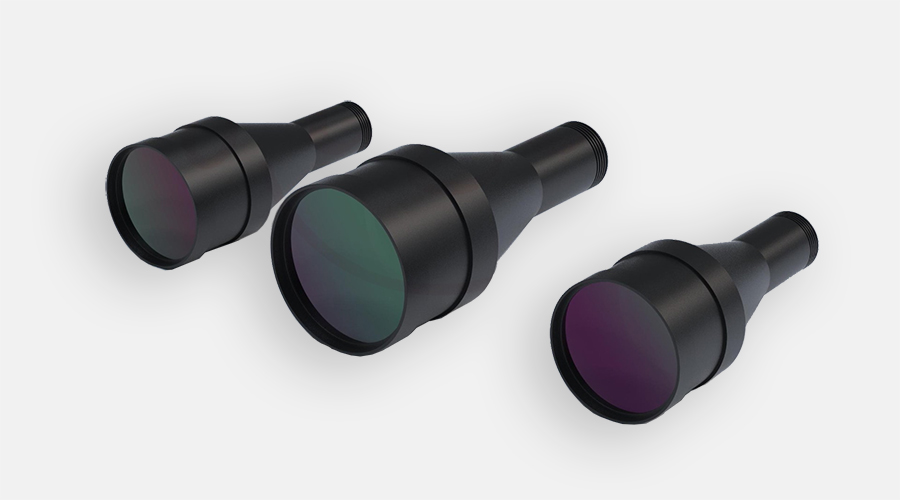 Collimated light
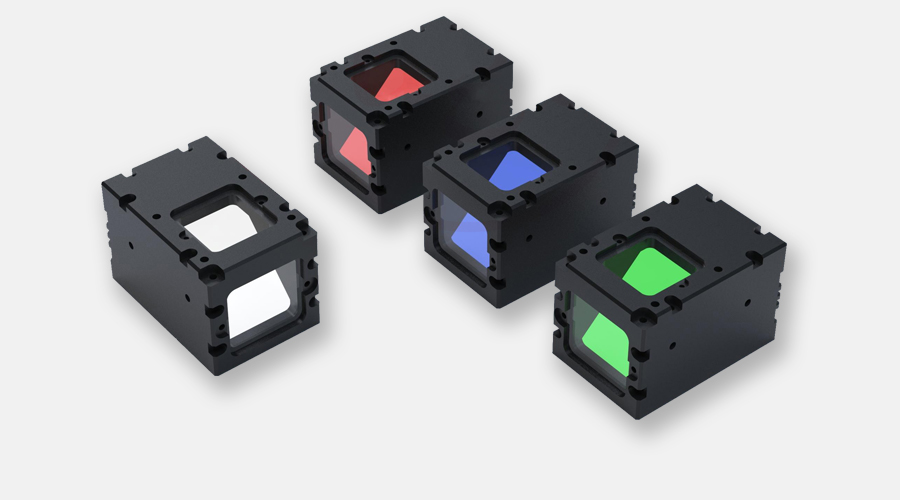 Coaxial light
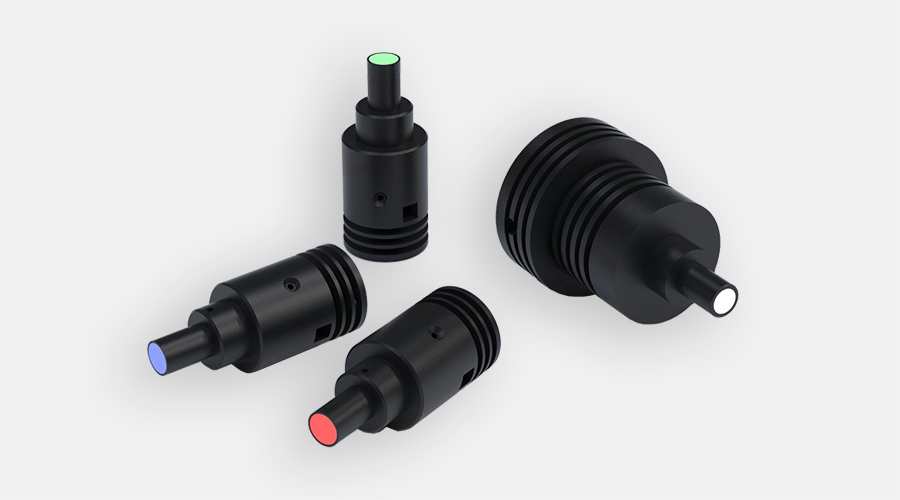 Spot light
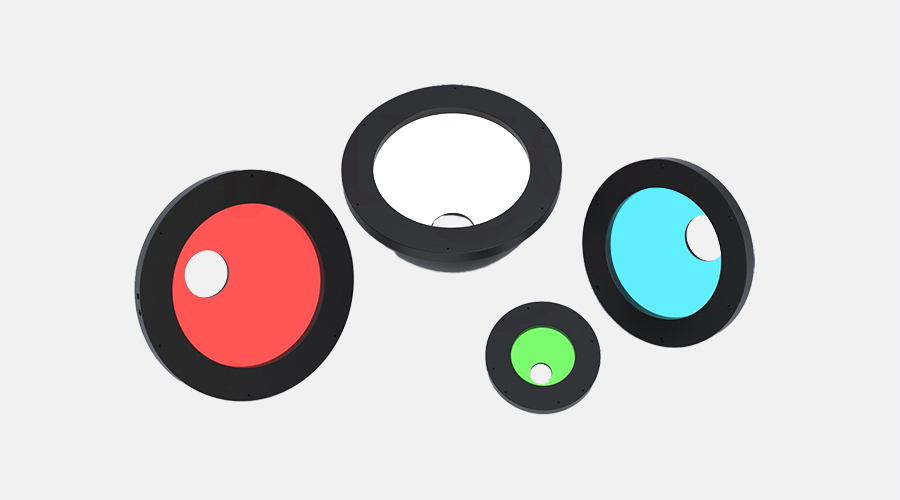 Dome light
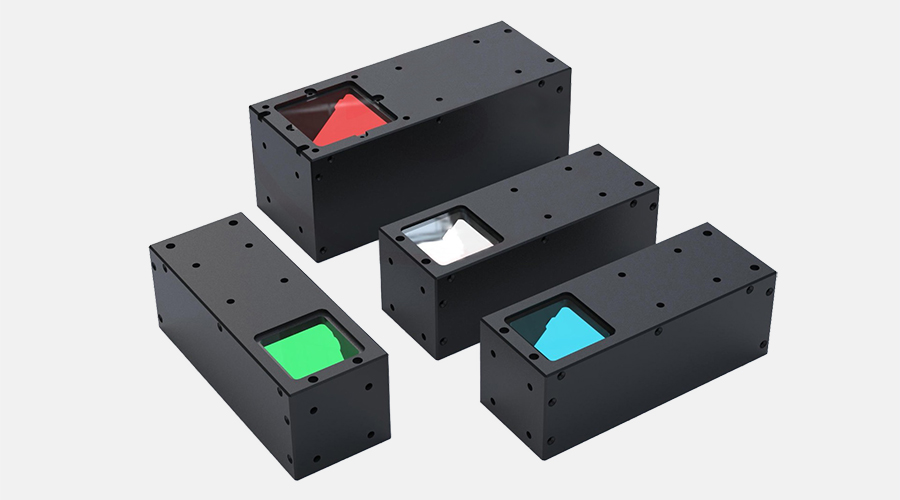 Collimated Coaxial light
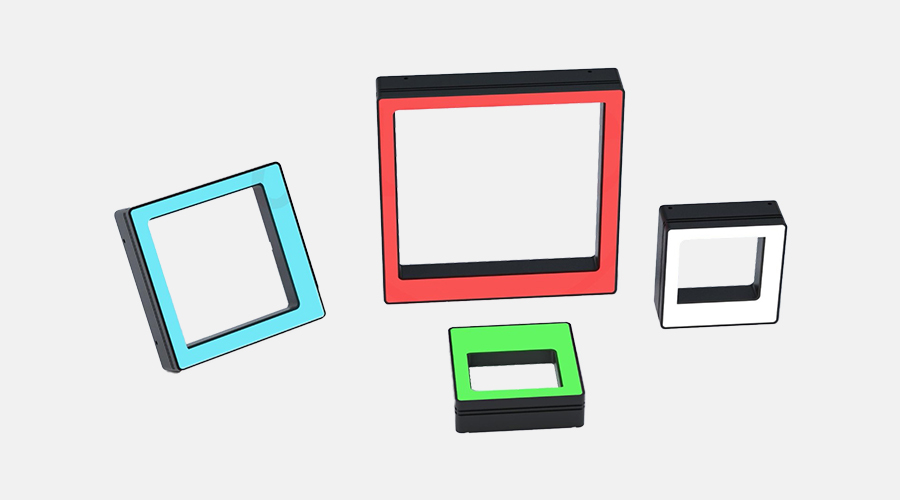 Shadowless square light
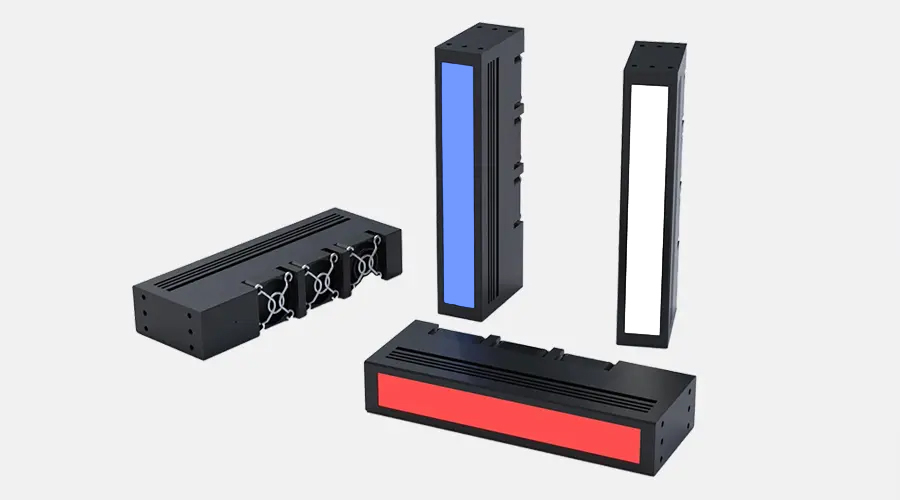 Scan light
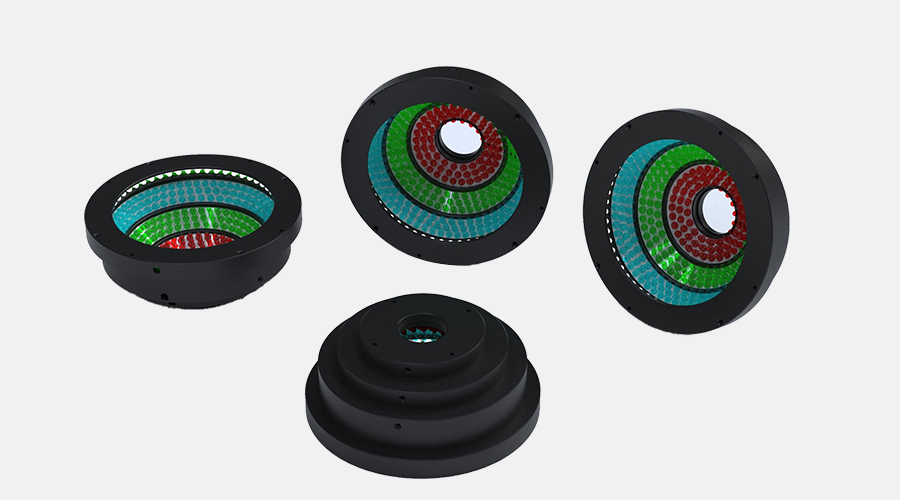 AOI light
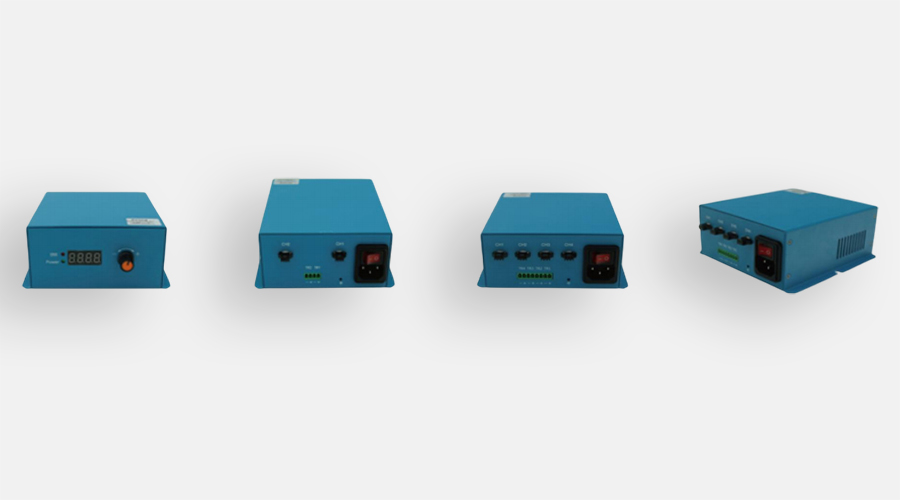 Analog controller
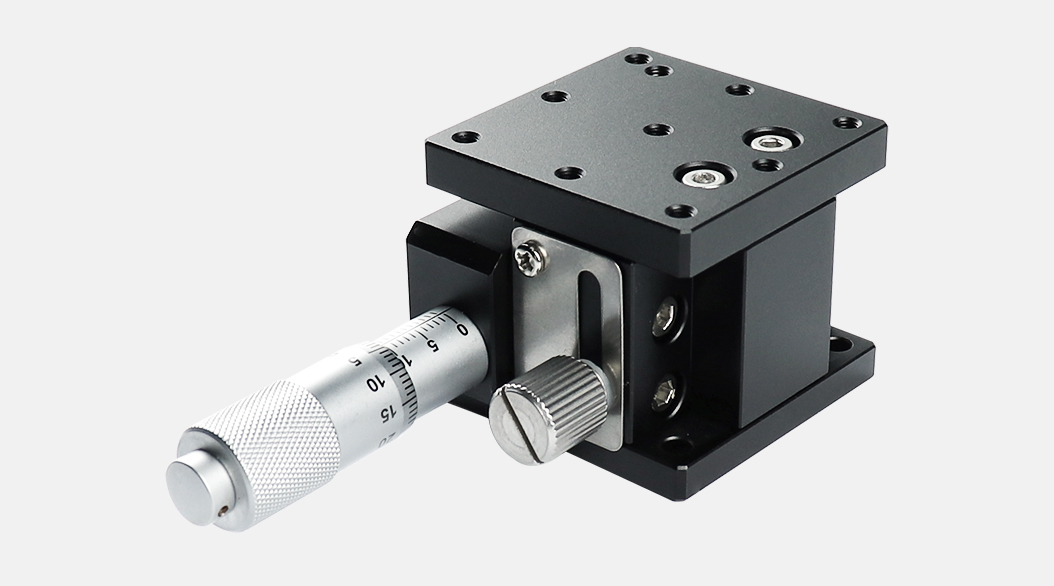 Crossed-Roller Linear guide type
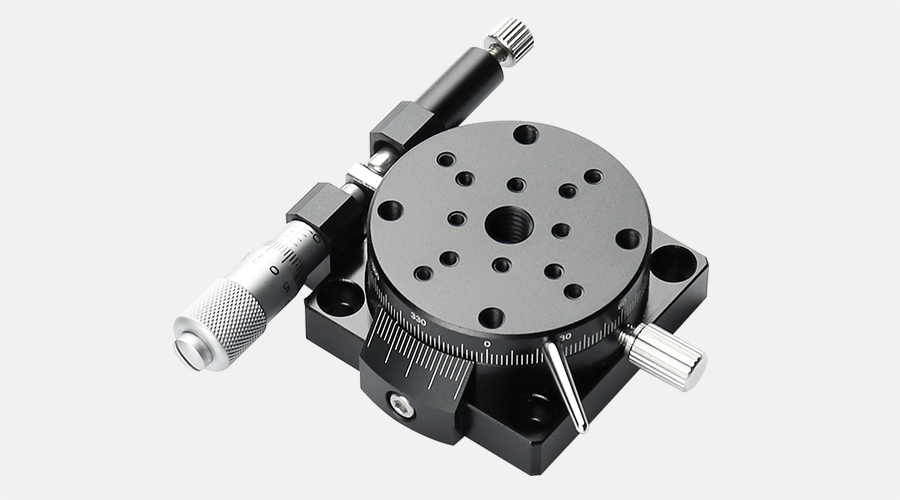 Rotary Stages XRS series
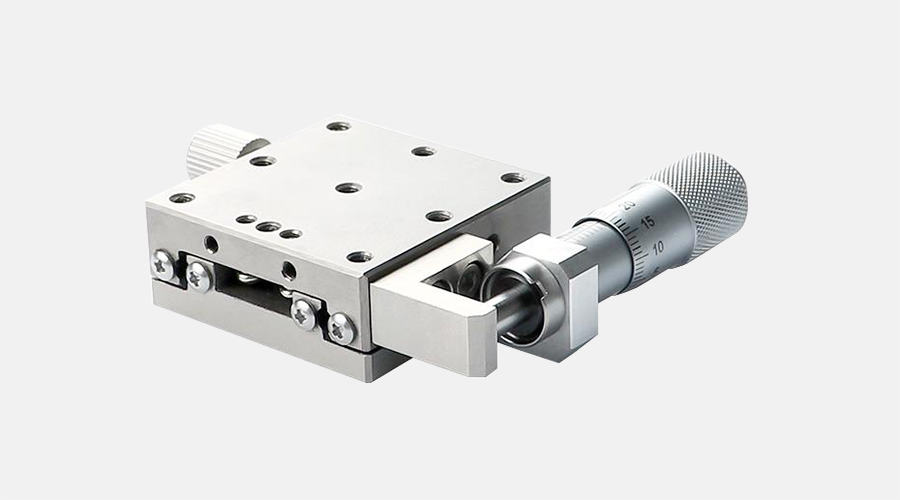 Stainless Steel Ball Bearing Linear Translation Stages
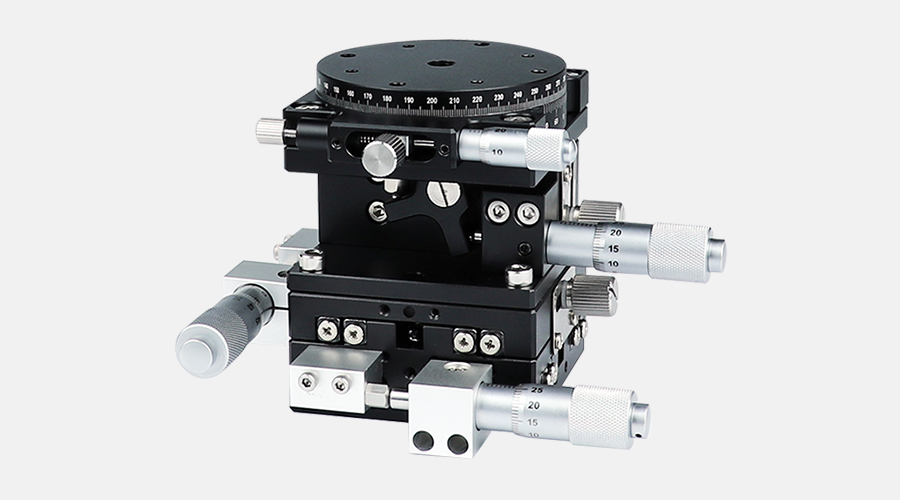 Multi-axis Translation stages
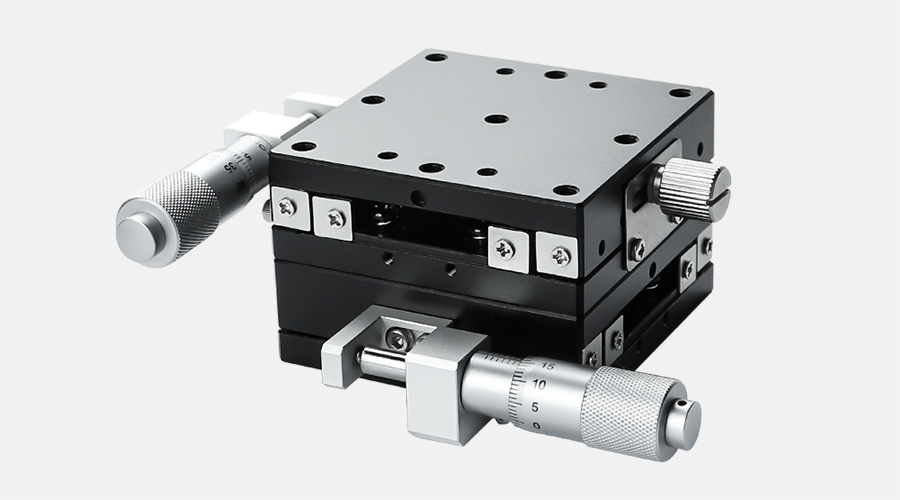 steel bar ball bearing stages
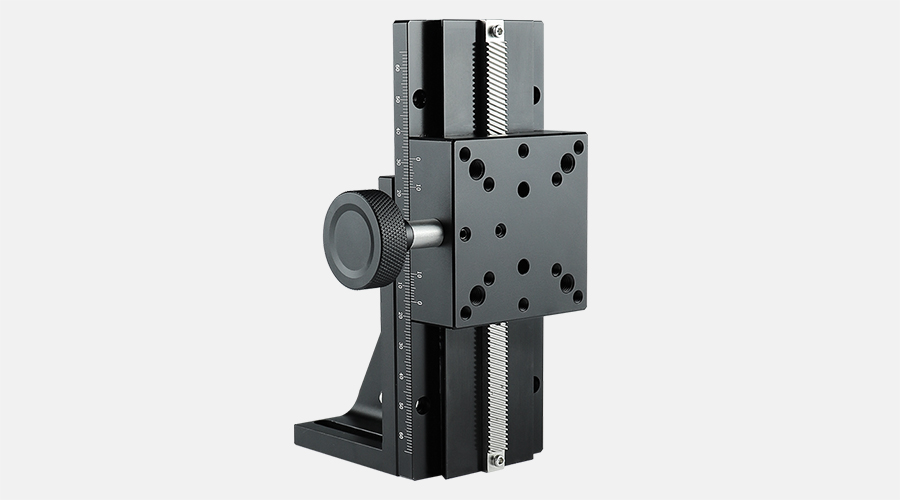 Dovetail Type Rack&Pinion Positioning Stage
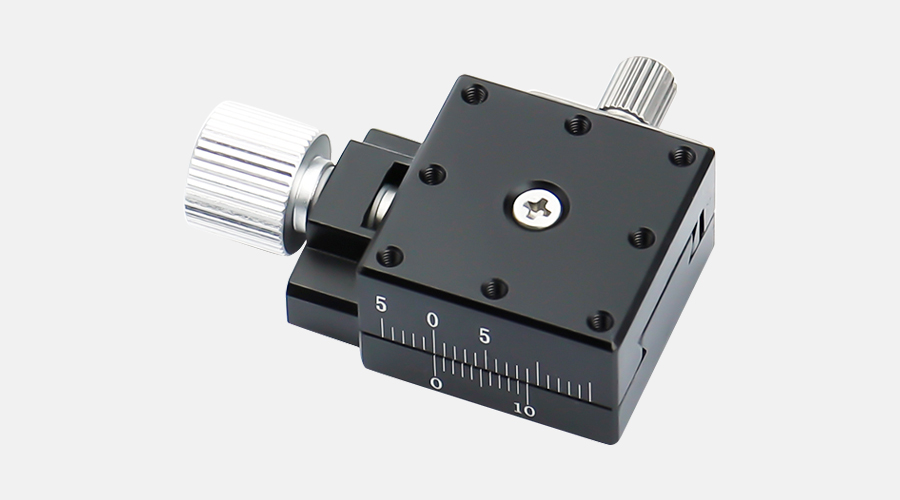 Dovetail groove high-precision screw slide