As the world gets more and more connected, having good communication in different languages has become pretty important—especially when it comes to the performing arts. You know, the technology behind 'Stage Translation' is really making a difference by breaking down language barriers. This means performances can reach bigger audiences and artists can express themselves across cultures more easily. It’s exciting to see how these new techs are set to change the way we experience live shows by 2025.
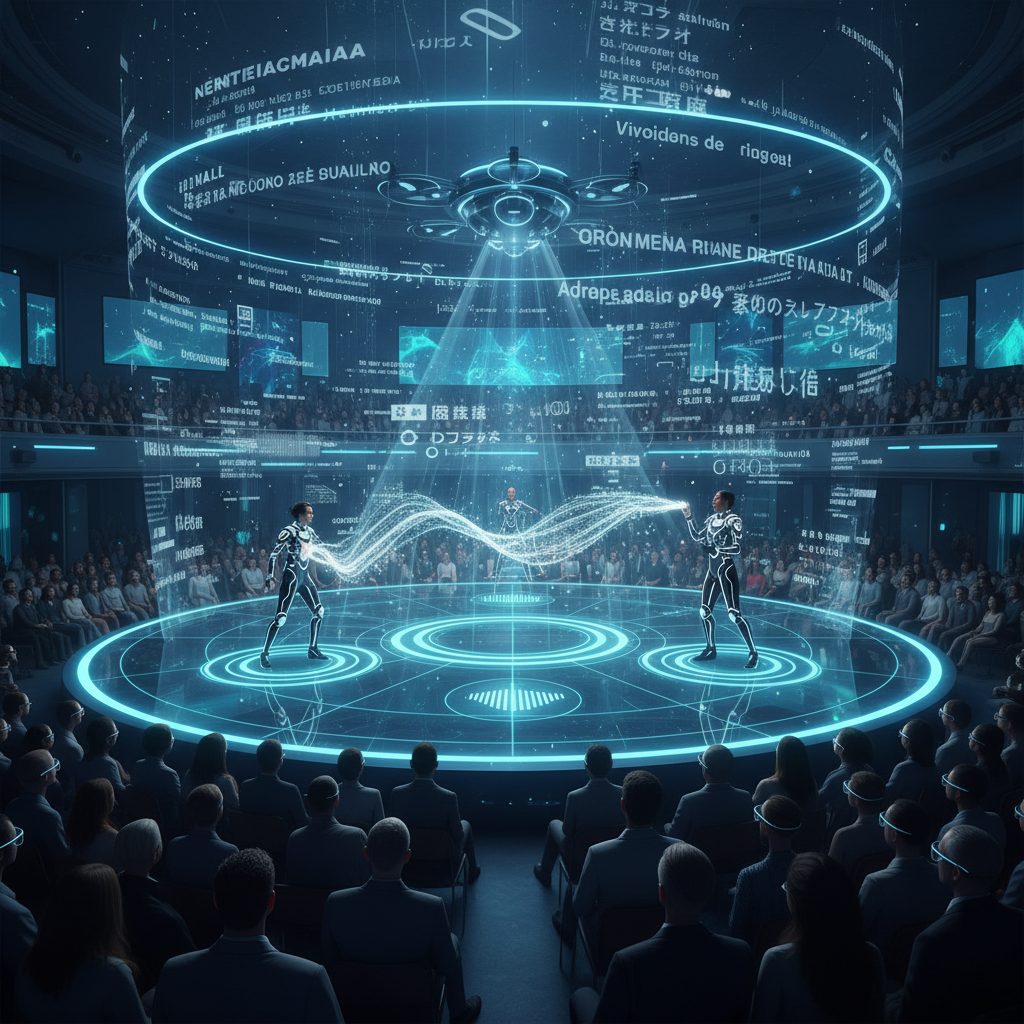
In this article, I want to take a look at five top-stage translation tools that are really about to shake up the theater and performance scene. From cool real-time subtitle displays to smart AI translation systems, these innovations aren’t just about making things more accessible; they also help keep the essence and authenticity of the original performance intact. Companies like RWS, VoiceBox Technologies, and others are leading the charge, creating solutions that cater to global audiences and performers with all kinds of needs. So, stick around as we explore how these advances might shape the future of stage translation—and totally change the way we enjoy live shows in the years ahead.
Emerging AI Tools for Real-Time Stage Translation in Live Performances
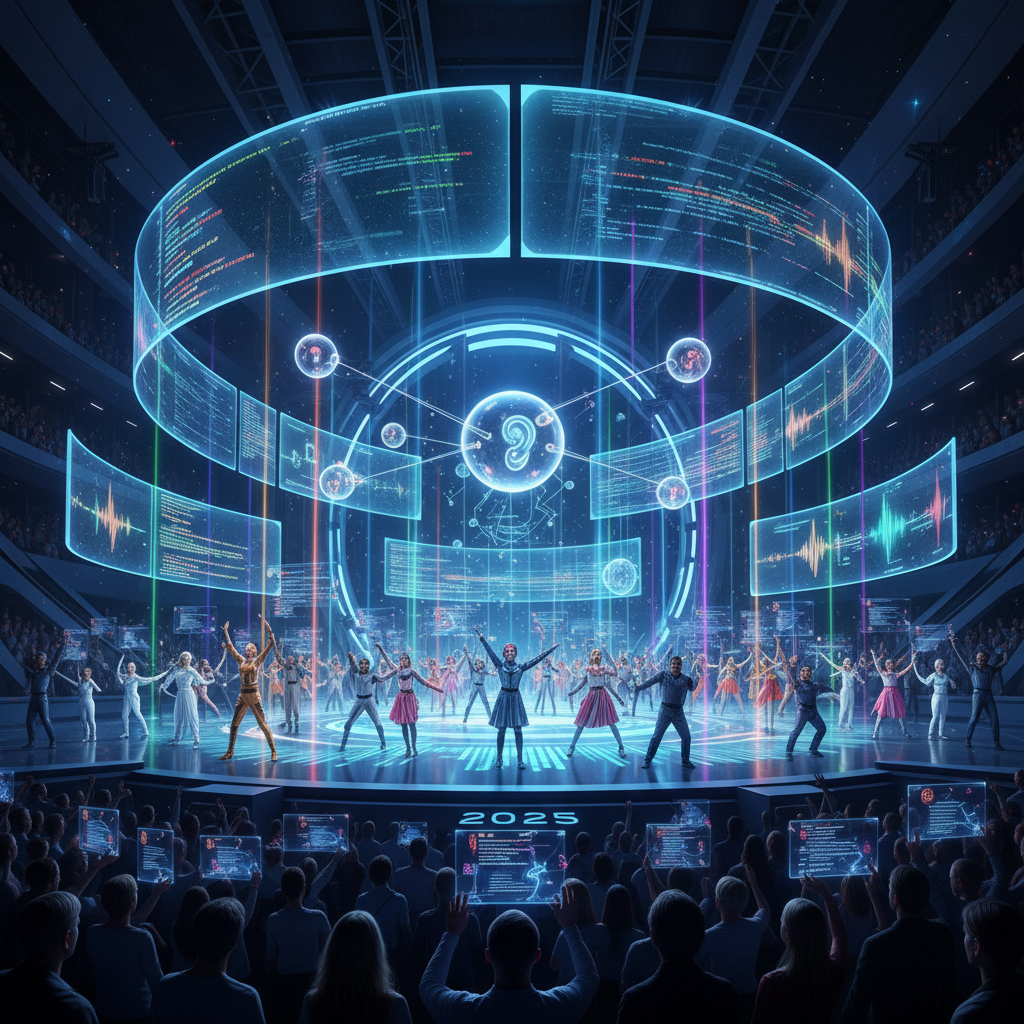
As we step into 2025, the landscape of live performances is set to be revolutionized by emerging AI tools for real-time stage translation. These technologies leverage advanced machine learning algorithms to facilitate seamless communication across language barriers, enhancing audience engagement and performer interaction. Recent studies indicate that real-time translation tools can significantly increase audience comprehension and satisfaction, with reports showing that up to 70% of attendees prefer performances that offer translation in their native language.
Innovations such as live translation capabilities are not just transforming individual experiences; they are redefining the parameters of global performances. For instance, festivals are increasingly incorporating AI solutions to provide multilingual support, ensuring that diverse audiences can enjoy the nuances of performances without losing meaning. The potential impact on the arts sector is profound, with projections suggesting that the integration of real-time translation technologies could boost ticket sales by 30% in multicultural markets, demonstrating the market's appetite for accessible and immersive live experiences.
Innovative Augmented Reality Applications for Enhanced Audience Engagement
As the realm of live performances propels towards the future, the integration of
innovative augmented reality (AR) applications
is set to revolutionize audience engagement by 2025.
According to a recent industry report by Statista, the global AR market is expected to grow significantly,
reaching USD 198 billion by 2025.
This surge indicates a robust interest in captivating immersive experiences that can be seamlessly
integrated into live theater and performances.
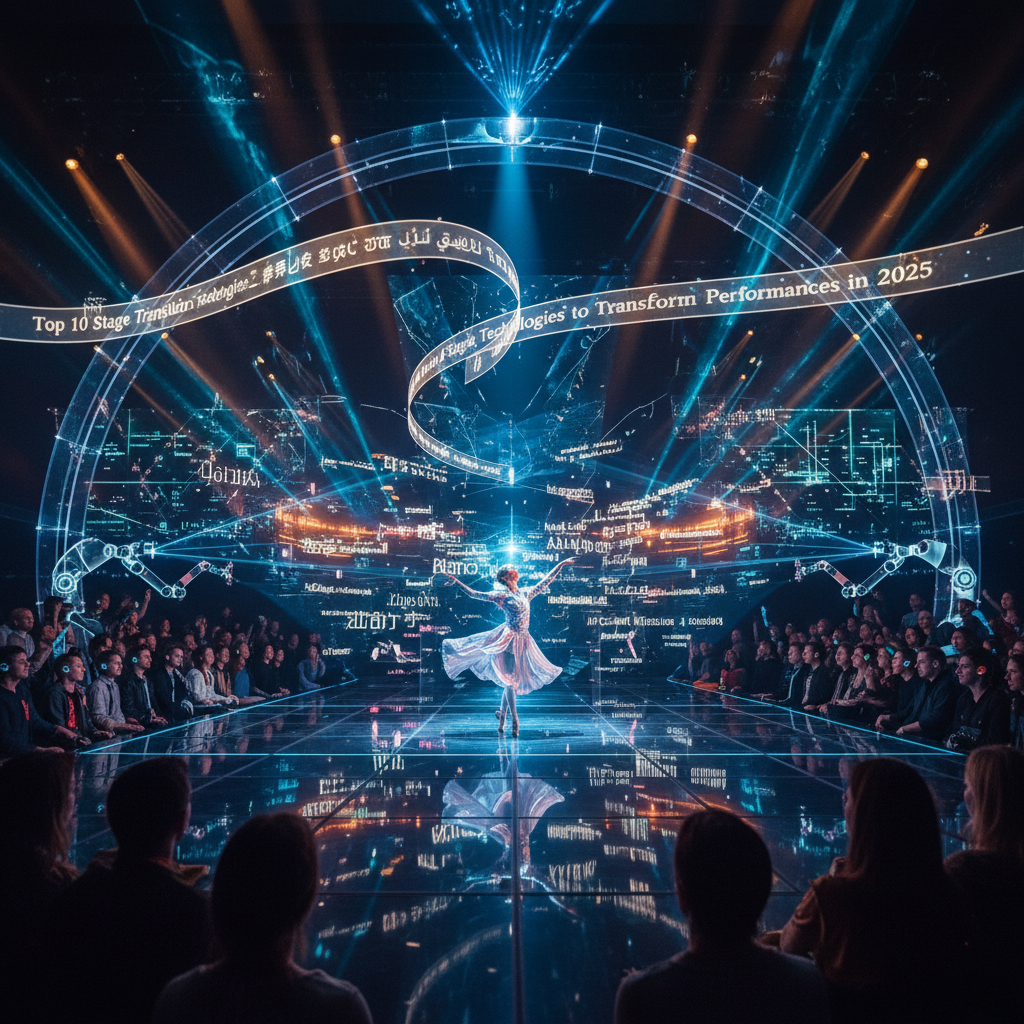
AR technology offers unprecedented opportunities for interaction, allowing audiences to transcend
traditional viewing experiences. For instance, through mobile apps and AR glasses, viewers can enjoy
interactive storytelling layers that enhance their understanding and emotional connection to the
performance. A survey conducted by PwC revealed that 73% of consumers
expressed a willingness to pay more for an AR-enhanced experience, pointing to a potential
revenue increase for performing arts organizations. As these technologies develop, the ability to create
personalized content for each audience member will further deepen engagement, ensuring that performances
are memorable and unique. The adoption of these stage translation technologies aligns with the growing
trend of tech-savvy audiences desiring more
dynamic and participatory forms of entertainment.
Multilingual Subtitle Technologies Revolutionizing Global Theater Experiences
As the global theater landscape increasingly embraces multilingual audiences, the advancements in subtitle technologies are set to redefine the performance experience by 2025. According to a recent report by the International Theatre and Technology Association (ITTA), around 70% of theater companies are actively exploring digital subtitle solutions to reach diverse cultural demographics. These technologies not only enhance accessibility but also enrich the audience's connection to the narrative, bridging language barriers and fostering a more inclusive environment for theatergoers worldwide.
As we propel toward this multilingual era, it’s essential to leverage the latest trends in subtitle technology. For instance, real-time translation tools and AI-assisted subtitle generation are making it possible to provide immediate and accurate translations during live performances. The ITTA indicates that theaters implementing these tools have seen up to a 50% increase in audience engagement.
Tips: When considering subtitle solutions, prioritize technologies that offer customization features, allowing for stylization that complements the overall aesthetic of a performance. Additionally, investing in rigorous testing and audience feedback can ensure that the subtitling experience is seamless and effective. Embracing these innovations will not only enhance the audience's experience but also position theaters at the forefront of global entertainment.
Cloud-Based Solutions for Seamless Collaboration Among Production Teams
As the performing arts continue to evolve, the integration of cloud-based solutions is set to revolutionize the way production teams collaborate. In 2025, these technologies will facilitate seamless communication among artists, directors, and technical staff, breaking down geographical barriers and allowing for real-time collaboration. By harnessing the power of the cloud, teams can share scripts, designs, and schedules instantly, ensuring everyone is on the same page, no matter where they are located.
Moreover, the use of cloud-based platforms enhances the efficiency of the production process. Tools that allow for live editing and feedback will enable teams to adjust performances dynamically, responding to creative ideas and challenges with agility. This collaborative environment not only improves workflow but also fosters innovation, leading to more engaging and diverse theatrical experiences. As productions become increasingly complex, cloud solutions will be crucial in managing multifaceted projects, allowing artistic visions to come to life with greater ease and creativity.
Smart Wearables Transforming Audience Interaction During Performances
Smart wearables are poised to revolutionize audience interaction during performances by 2025, fostering deeper engagement and a more immersive experience. With the sports technology industry projected to reach $68.70 billion by 2030, insights from recent market research highlight that wearables, along with AR and VR technologies, are at the forefront of this transformation. These innovations are not only redefining how audiences experience sports but are also paving the way for similar advancements in performing arts.
As audiences become more accustomed to digital interaction, incorporating smart wearables into theatrical performances can facilitate real-time feedback and interaction. For instance, integrating wearable devices with performance elements could allow the audience to influence aspects of the show, enhancing the overall experience. This trend underscores the importance of adapting to changing audience preferences in a post-pandemic world, where interactivity can significantly elevate engagement.
Tips: Utilize enhanced communication through smart wearables. Encourage audience members to participate in the performance via interactive devices, offering a unique, personalized experience. Additionally, consider how wearable technology can collect data on audience reactions to fine-tune future performances, ensuring they resonate with viewers' interests and preferences.
Interactive Translation Interfaces: Bridging Language Gaps in the Arts
The intersection of technology and the arts is poised for a significant transformation by 2025, particularly through the advent of interactive translation interfaces. These innovative tools will not only facilitate real-time translation of scripts and dialogues but will also enhance audience engagement by making performances more accessible to a diverse range of viewers. By incorporating augmented reality and artificial intelligence, theaters can create immersive experiences where audience members can receive live translations on their devices, ensuring that language barriers do not diminish the emotional impact of a performance.
Furthermore, these interactive platforms can adapt to various performance styles, tailoring translations to match the specific nuances of the script and the actors' delivery. This personalization of translation fosters a deeper connection between performers and their audience, allowing for a richer cultural exchange. As artists and technologists collaborate, the creative landscape of the performing arts will not only reflect the diverse languages spoken worldwide but will also embrace the artistry inherent in translation itself, making each performance a truly global experience.
Top 10 Stage Translation Technologies to Transform Performances in 2025
| Technology |
Key Features |
Potential Impact |
User Engagement |
| AI-Powered Subtitling |
Real-time translation, context awareness |
Improved accessibility for diverse audiences |
High interactivity, increased viewer retention |
| Augmented Reality (AR) Overlays |
Visual translations immersive experiences |
Enhanced storytelling through visuals |
Higher audience participation |
| Interactive Mobile Applications |
On-demand translation, feedback systems |
Personalized user experiences |
Dynamic audience interaction |
| Voice Recognition Translation |
Real-time voice translation, multilingual support |
Facilitates cross-cultural dialogue |
Engaging experiences for non-native speakers |
| Projection Mapping Technologies |
Creative visual interpretations, multilingual displays |
Captivating visuals enhancing narrative |
Interactive audience engagement |
| Smart Glasses with Translation Features |
Hands-free translations, subtle display |
Seamless audience experience |
Increased immersion without distraction |
| Multi-Language Audio Guides |
Customizable language options |
Accessibility for a wider audience demographic |
Enhanced personal experience |
| Emotion Recognition Technology |
Tailored translations based on audience reaction |
Adaptable performances |
Deepened audience engagement |
| Collaborative Translation Platforms |
Community-driven translations, feedback loops |
Culturally rich translations |
Involved audience base |
| Blockchain for IP Rights Management |
Safeguarding translations and collaborations |
Protection of creators' rights |
Trust and transparency in arts |
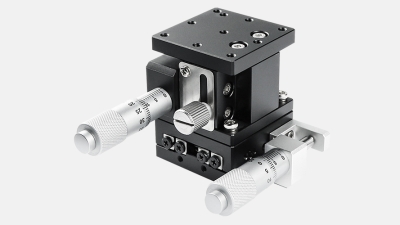
Optimizing Precision and Flexibility with XLE Series Multi-Axis Translation Stages and XZ Axis Manual Slide Tables
The XLE Series Multi-Axis Translation Stages are designed with precision and flexibility in mind, making them an ideal choice for various applications in research and industry. The XZ axis manual slide tables enhance operational capabilities with two distinct moving directions, allowing users to achieve fine adjustments in both the horizontal and vertical planes. This versatility is crucial for tasks that require meticulous positioning, such as in optical setups or material testing.
Engineered for optimal performance, the XLE Series features a micrometer head drive mode that allows for horizontal lifting with an accuracy of 10 microns. This level of precision ensures that even the smallest adjustments can be made effortlessly, providing users with confidence in their measurements. The table sizes range from 40mm to 125mm, constructed from durable aluminum alloy with a sleek black anodized finish. This not only contributes to the aesthetic appeal of the equipment but also enhances durability and resistance to wear.
Users will appreciate the customizable travel options available, with X-axis travel ranging from ±6.5mm to ±12.5mm and Z-axis travel between 10mm and 20mm. This combination of features empowers operators to tailor their setups to specific experimental needs, ensuring that they maintain the highest levels of accuracy and efficiency in their work. The XLE Series stands out as a robust platform for multi-axis movement, meeting the diverse demands of modern scientific and engineering projects.
FAQS
: Emerging AI tools for real-time stage translation are revolutionizing live performances by facilitating seamless communication across language barriers.
Studies show that real-time translation tools significantly increase audience comprehension and satisfaction, with up to 70% of attendees preferring performances in their native language.
The integration of real-time translation technologies could boost ticket sales by 30% in multicultural markets, highlighting the demand for accessible live experiences.
Augmented reality applications allow audiences to interact with performances through mobile apps and AR glasses, providing interactive storytelling that deepens their understanding and emotional connection.
The global AR market is expected to reach USD 198 billion by 2025, indicating a growing interest in immersive experiences within live performances.
Advancements in subtitle technologies are enhancing accessibility and enriching audience connection by bridging language barriers and fostering inclusivity in global theater.
Approximately 70% of theater companies are actively exploring digital subtitle solutions to cater to diverse cultural demographics.
The implementation of AI-assisted subtitle generation has resulted in up to a 50% increase in audience engagement in theaters.
When selecting subtitle solutions, theaters should prioritize technologies with customization features and conduct rigorous testing based on audience feedback to ensure a seamless experience.
Conclusion
The article "Top 10 Stage Translation Technologies to Transform Performances in 2025" explores innovative advancements in stage translation that are set to revolutionize the arts. Key highlights include emerging AI tools enabling real-time translation during live performances, enhancing audience engagement through augmented reality applications, and the rise of multilingual subtitle technologies that broaden global theater experiences. Additionally, it discusses cloud-based solutions facilitating seamless collaboration among production teams and the impact of smart wearables on audience interaction. Interactive translation interfaces are positioned as essential tools for bridging language gaps, ultimately enriching the arts for diverse audiences.
As Fuzhou New Vision Technology Co., Ltd. continues to lead in providing cutting-edge visual solutions for smart manufacturing, the integration of these advanced stage translation technologies can further enhance collaboration and creativity in performing arts. With a focus on high-performance hardware support, New Vision is poised to contribute to the transformative potential of stage translation in future performances.

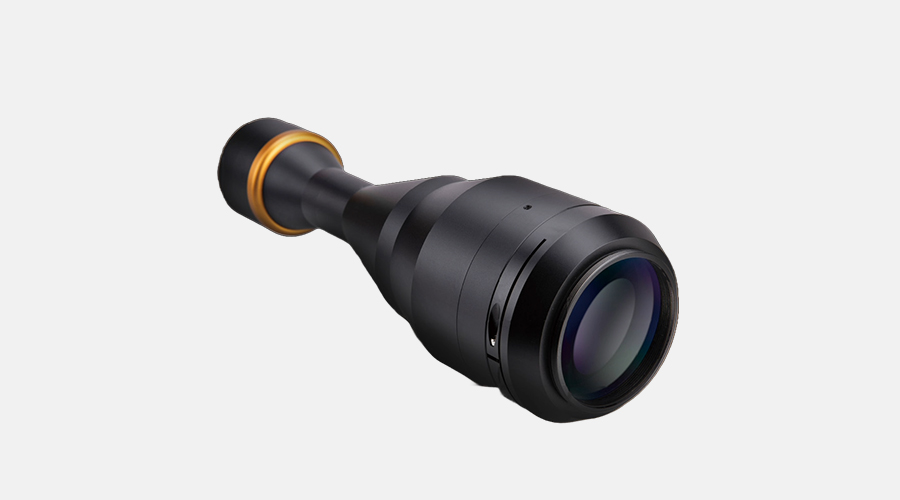 Compatible with 7.2mm-82mm chips
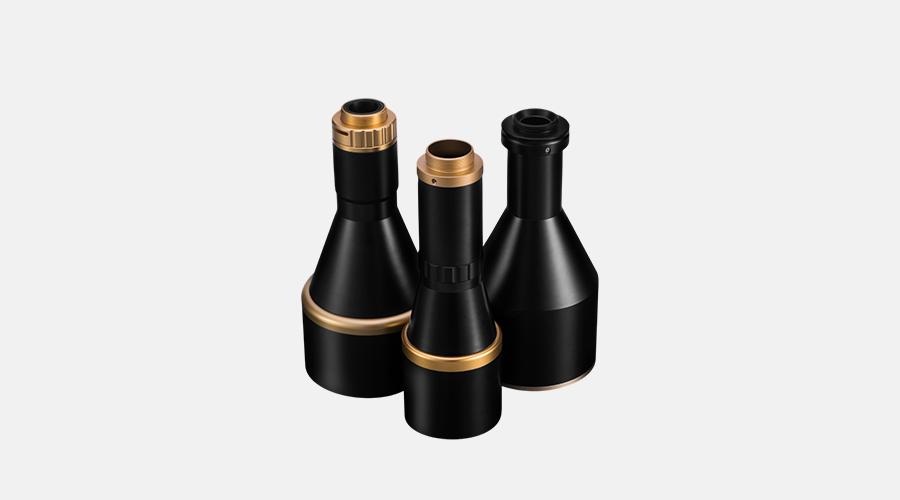 High/Low Working Distance
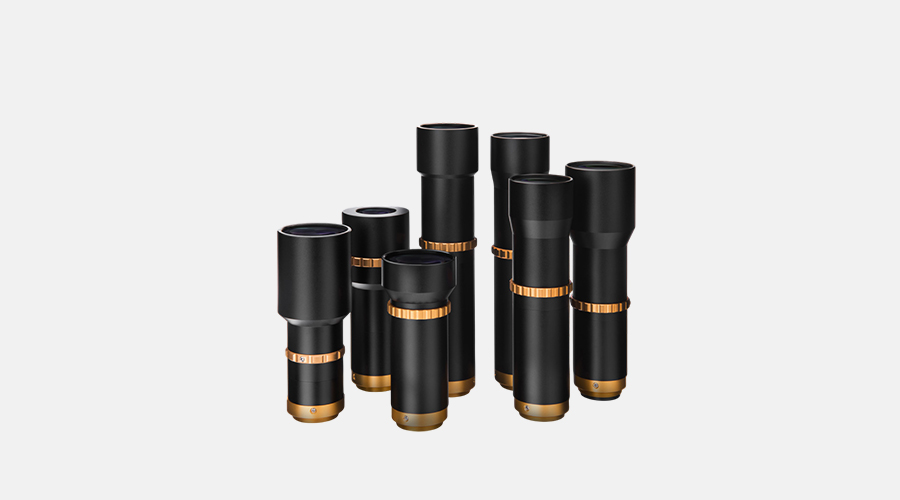 Aperture telecentric lens
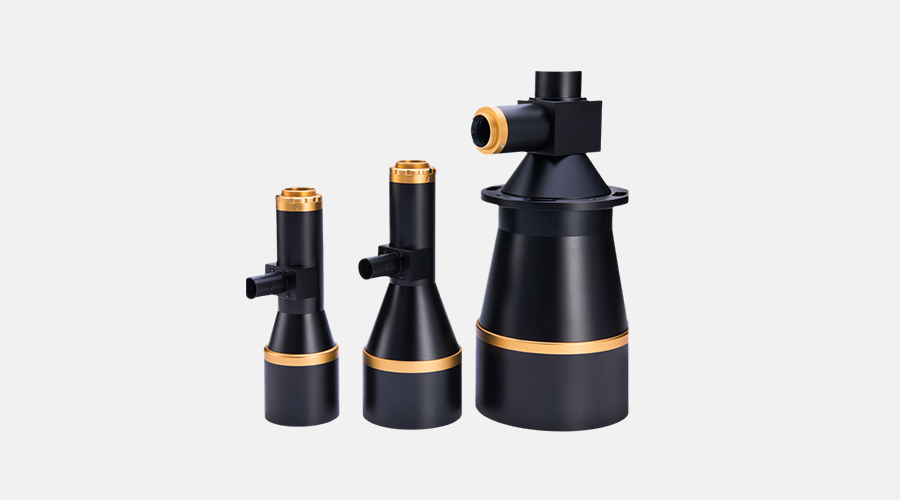 Measuring lens
 Maximum support 1.1" chips
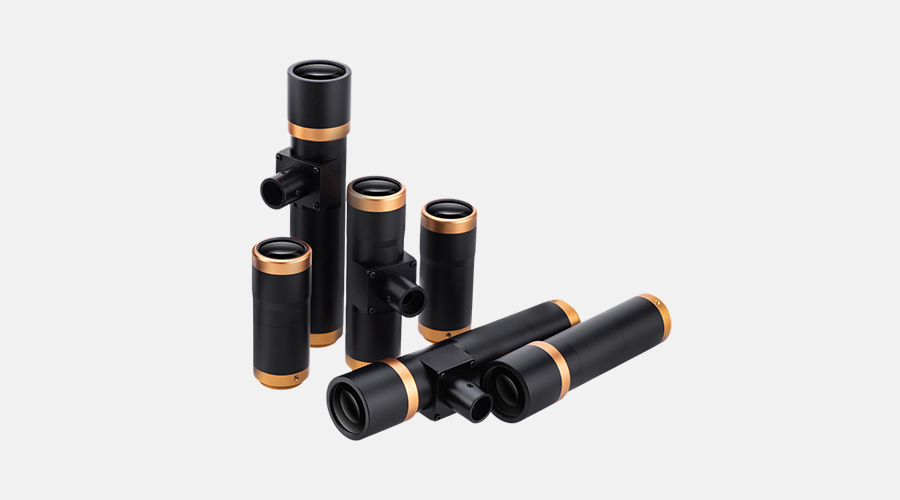 Maximum support 1.2" chips
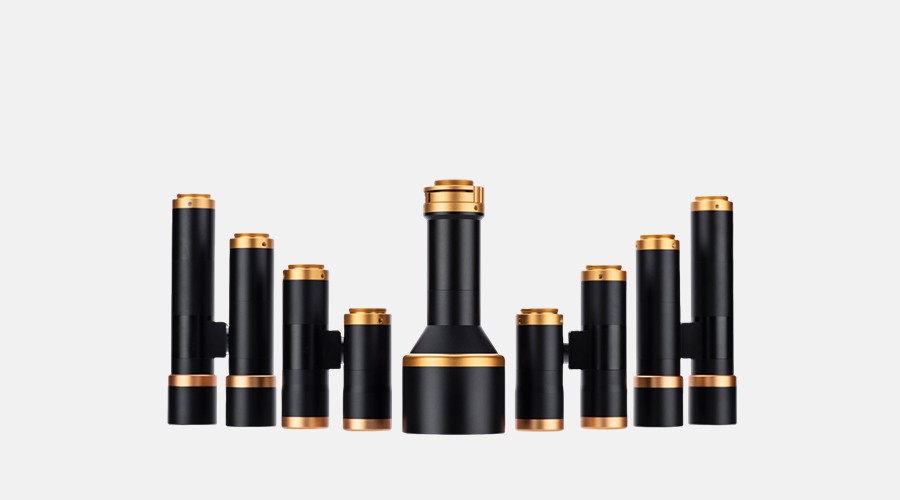 Maximum support 2/3" chips
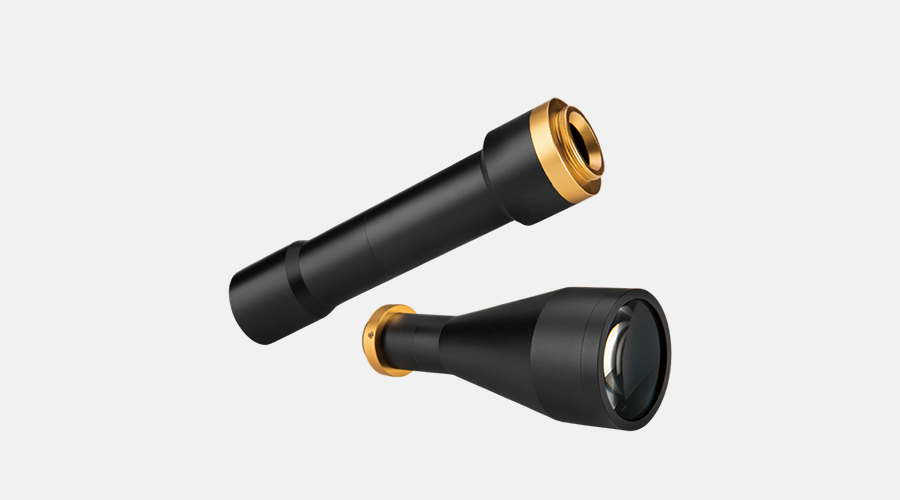 Long Working Distance
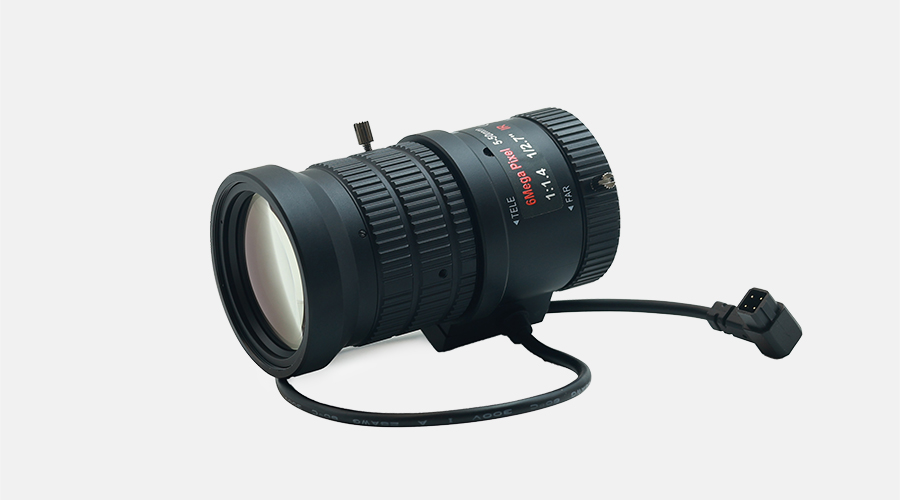 CS mount Varifocal lens
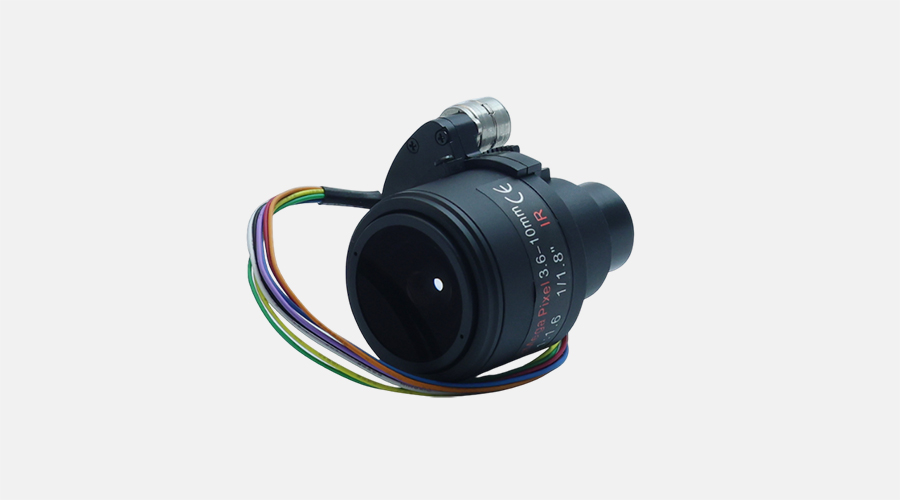 Varifocal board lens
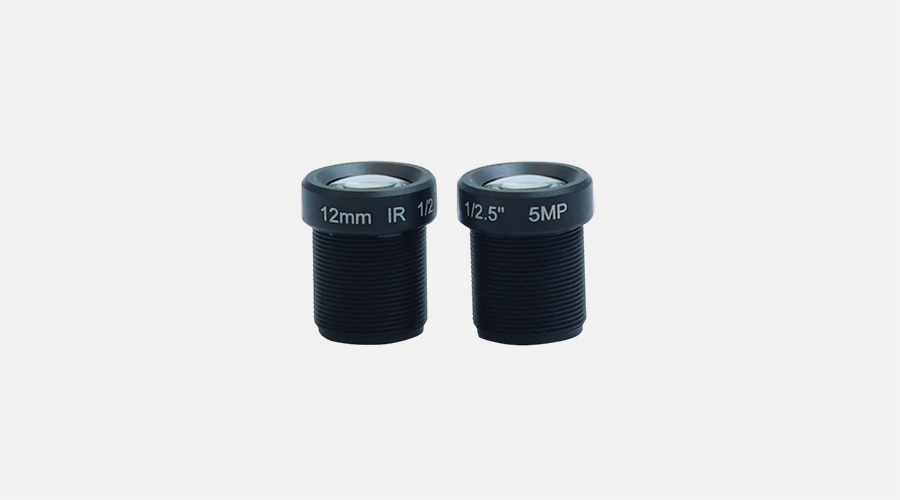 S mount lens
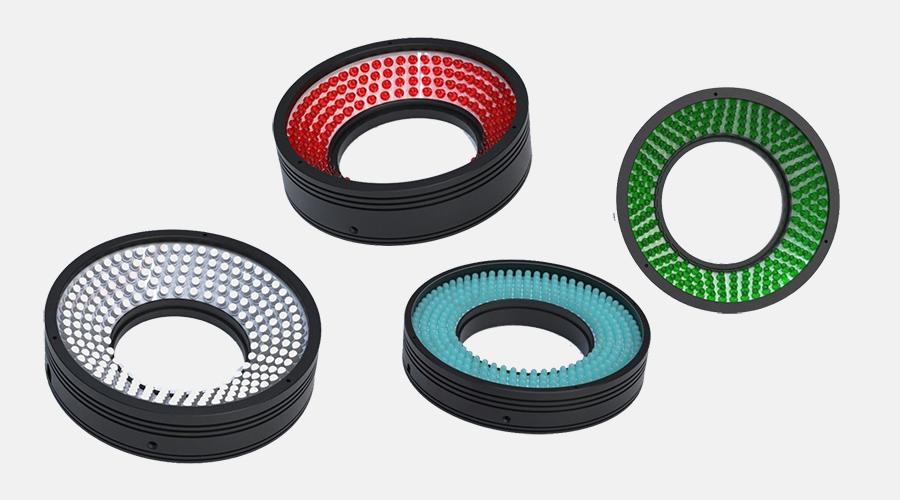 Ring light
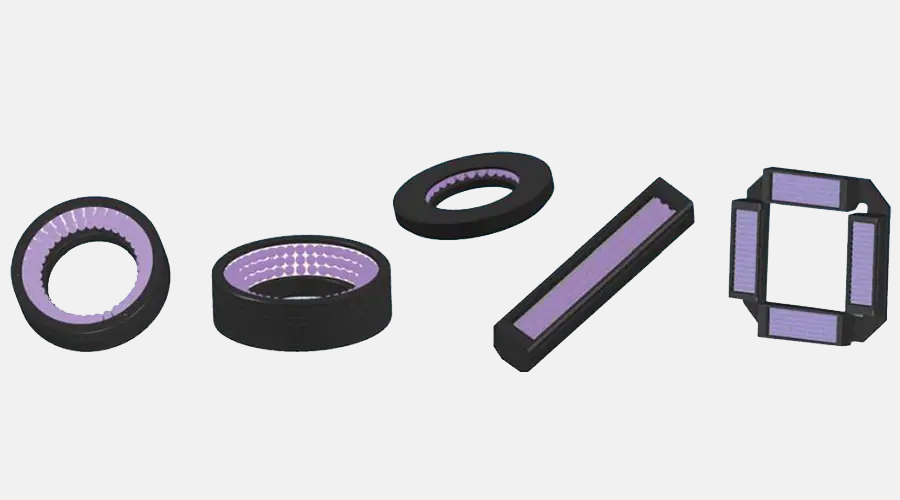 UV/IR Light
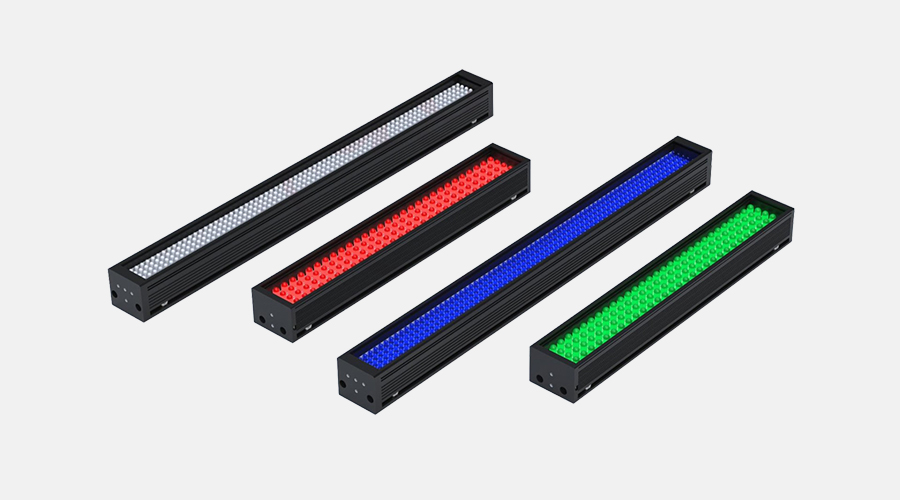 Bar light
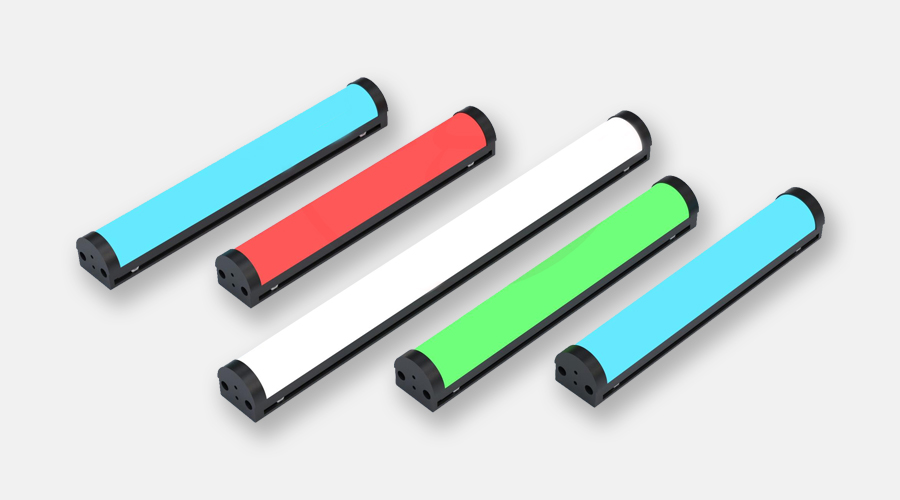 Arcuate high uniformity light
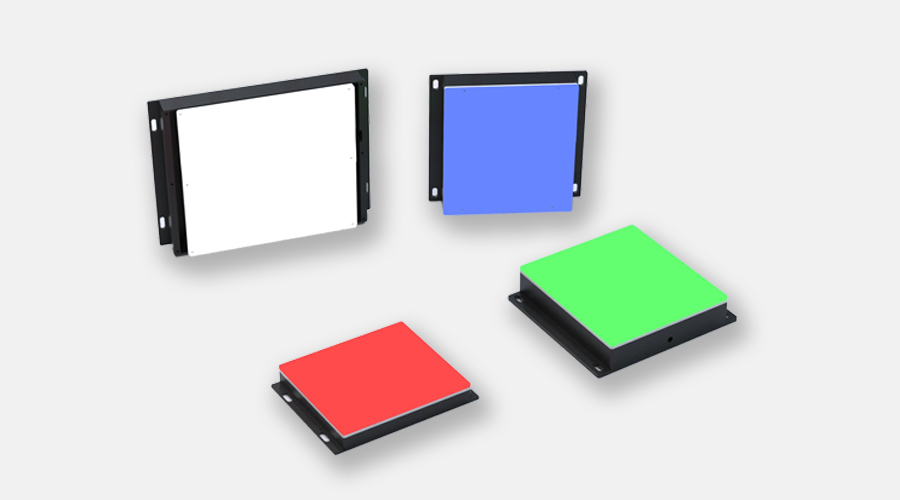 Back light
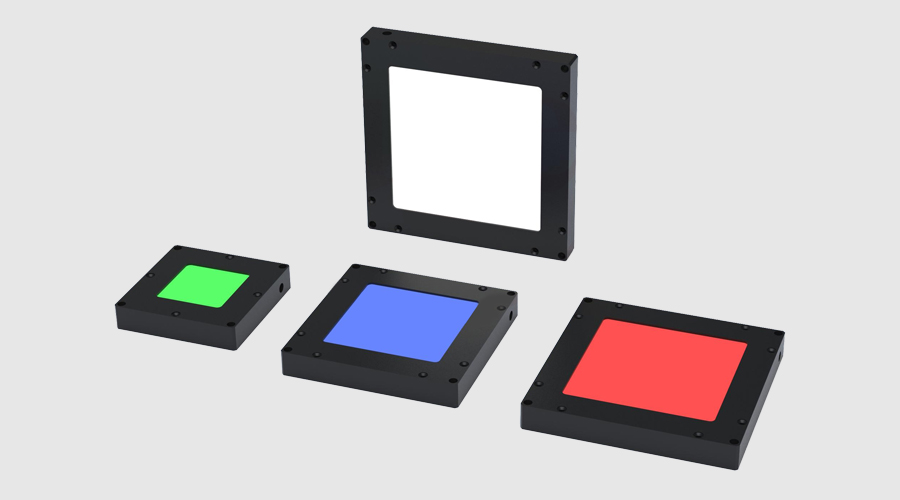 Flat light
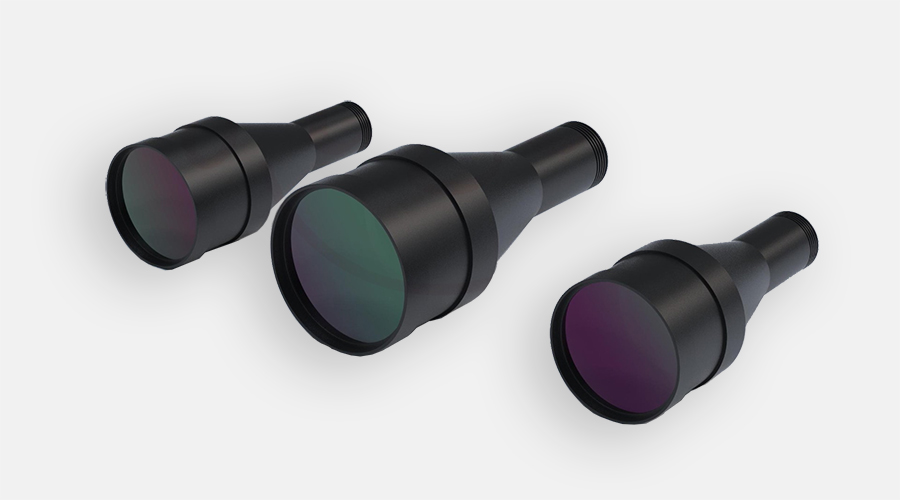 Collimated light
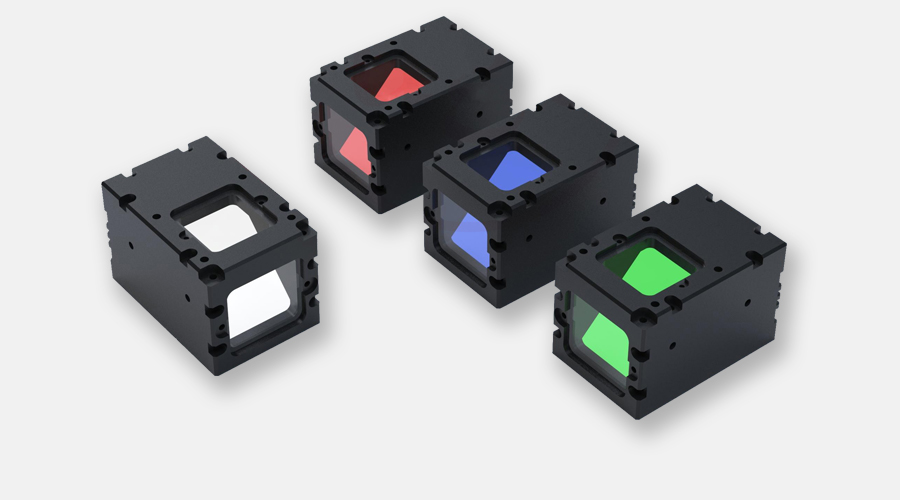 Coaxial light
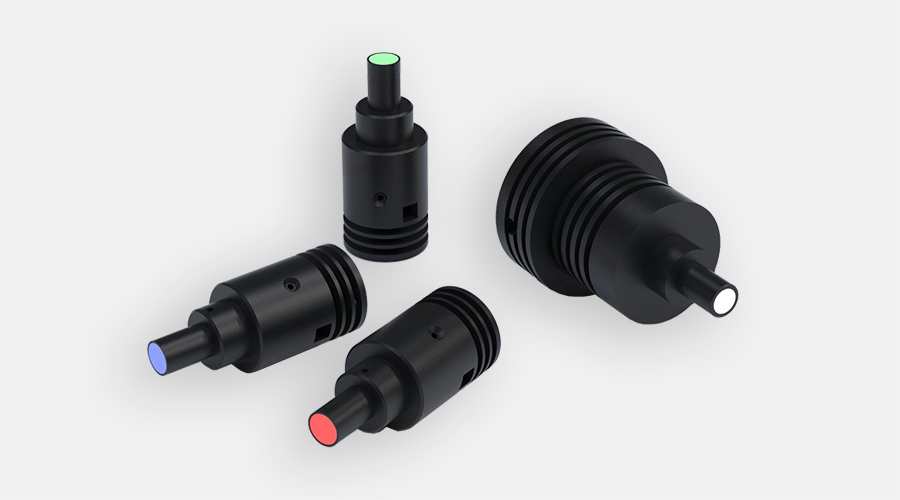 Spot light
 Dome light
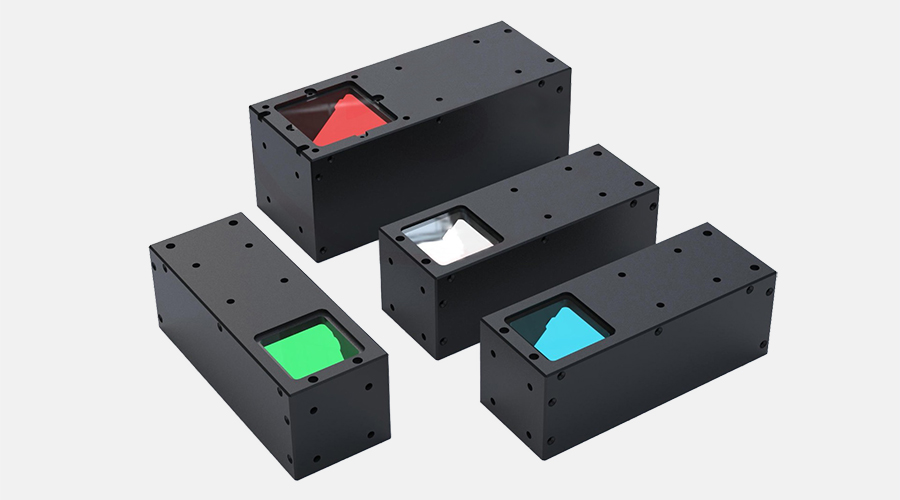 Collimated Coaxial light
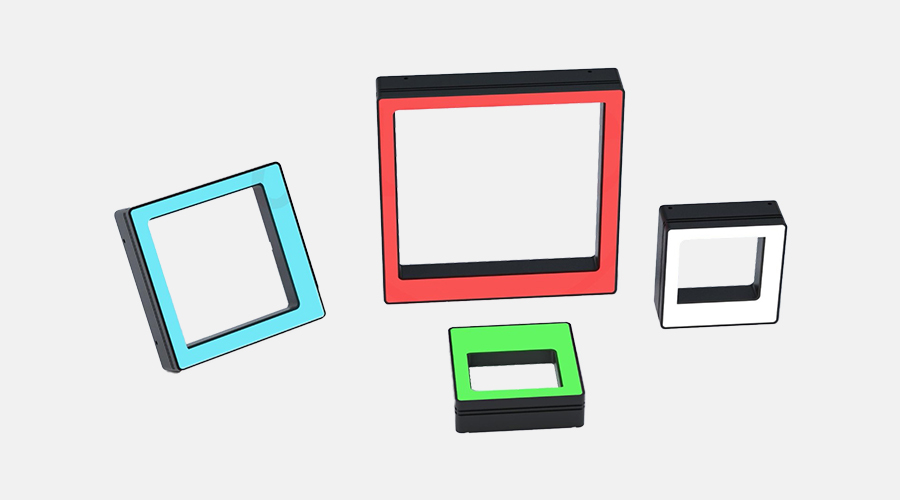 Shadowless square light
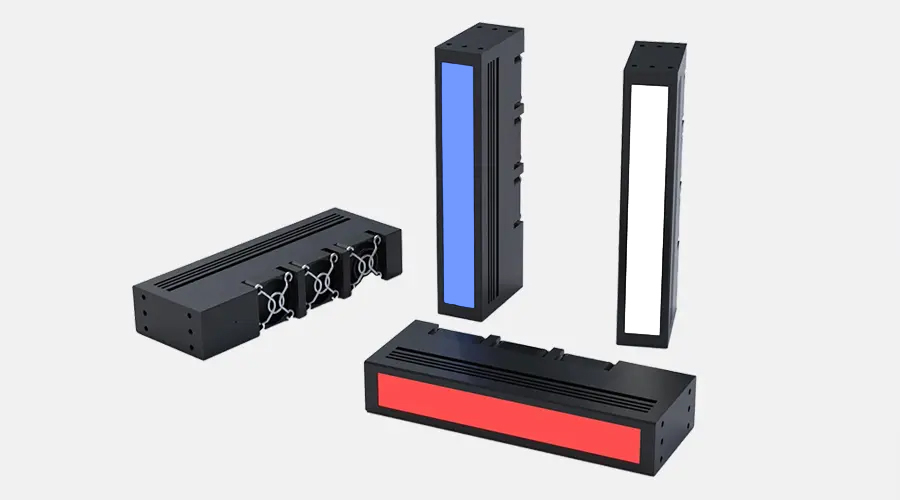 Scan light
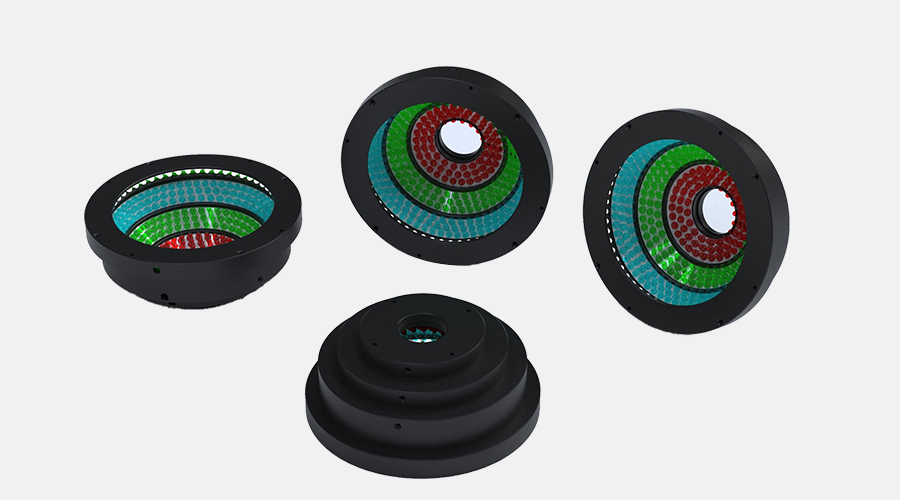 AOI light
 Analog controller
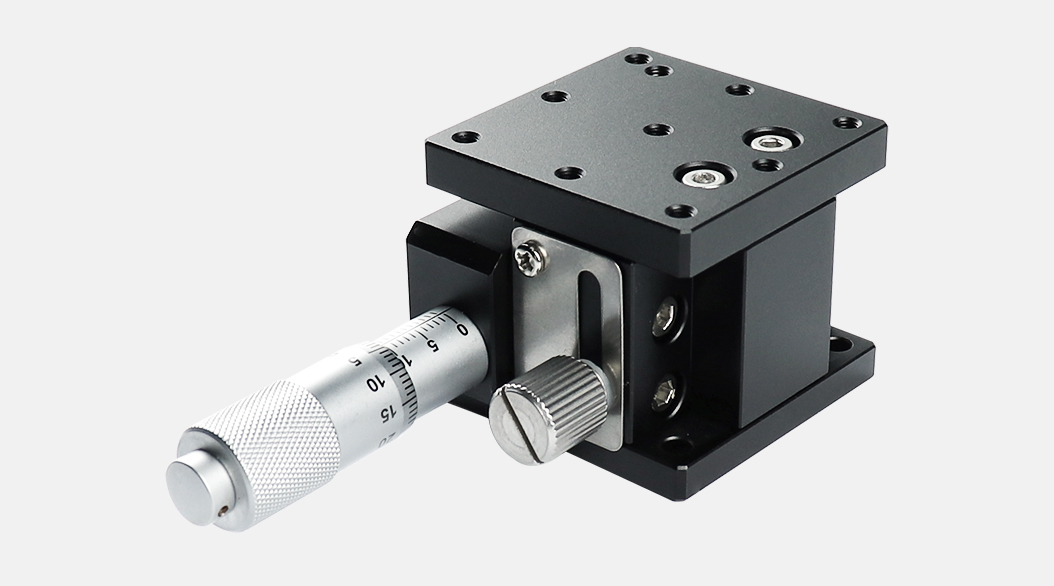 Crossed-Roller Linear guide type
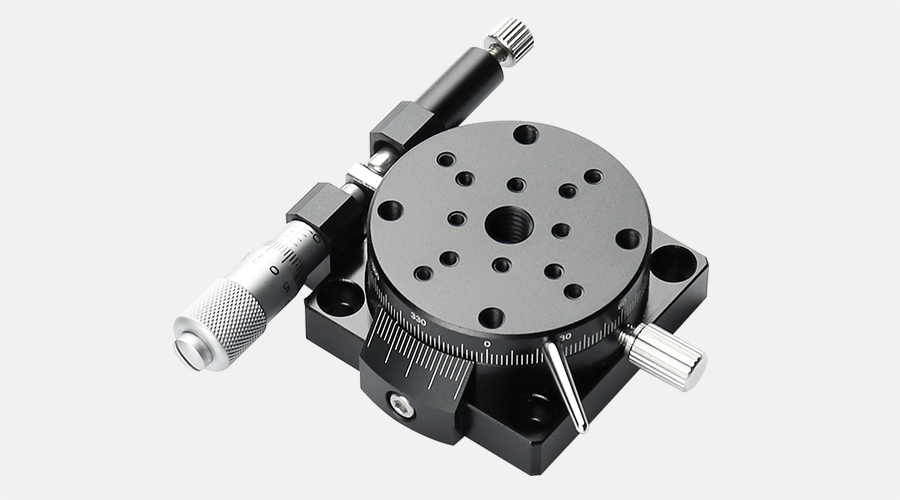 Rotary Stages XRS series
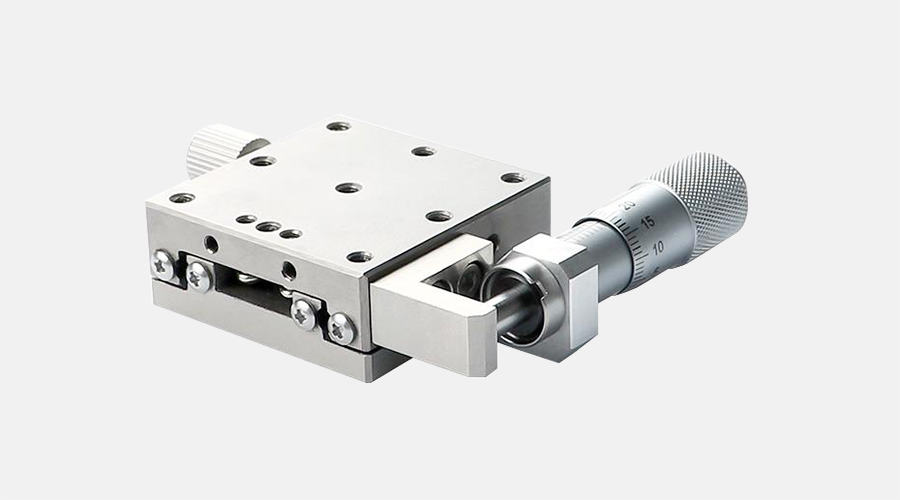 Stainless Steel Ball Bearing Linear Translation Stages
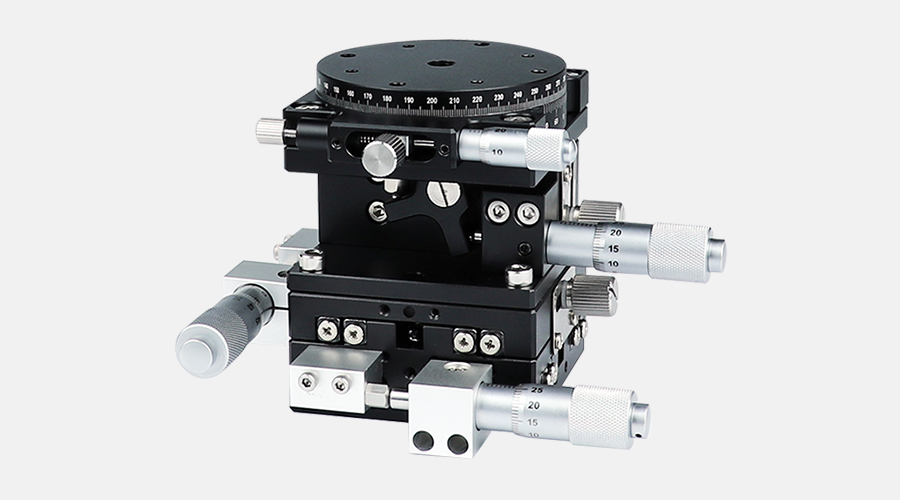 Multi-axis Translation stages
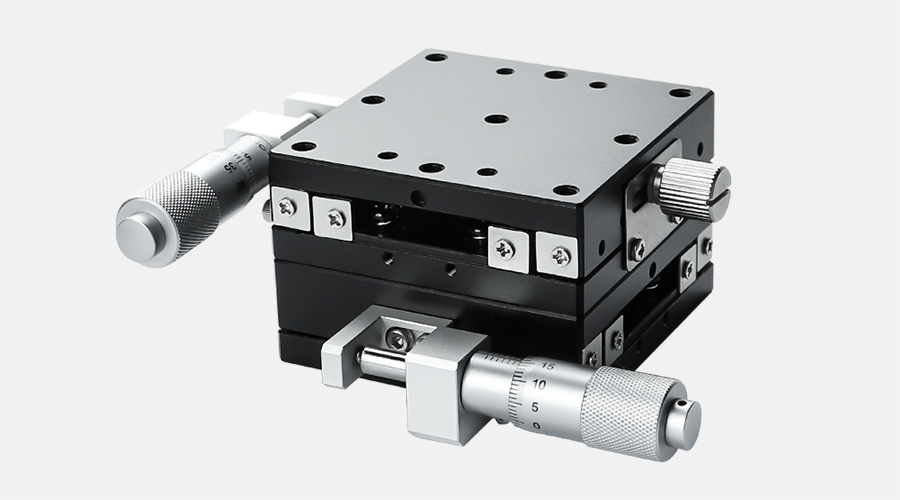 steel bar ball bearing stages
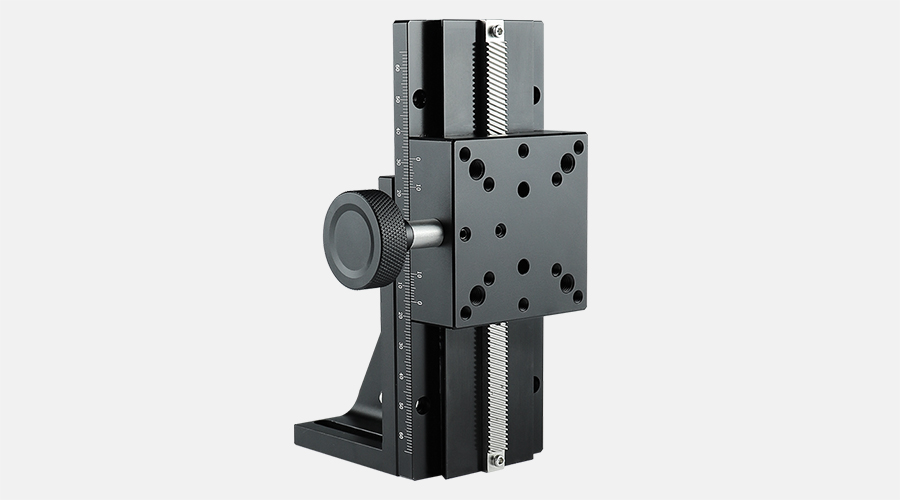 Dovetail Type Rack&Pinion Positioning Stage
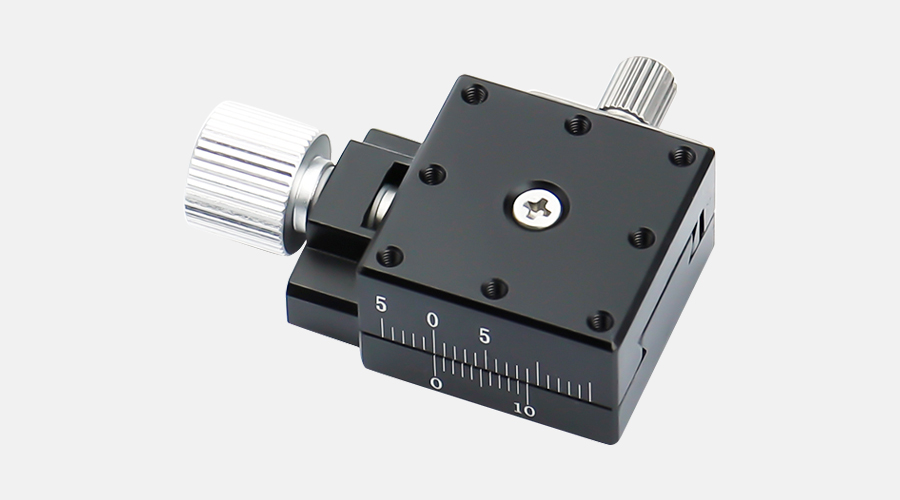 Dovetail groove high-precision screw slide